20 Stunning Concept Cars That Would Have Been Terrible in Real Life
Beautiful Doesn’t Always Mean Livable
Concept cars are supposed to make people stare, dream, and briefly forget about cupholders, blind spots, potholes, and parking garages. Automakers use them to preview future design ideas, test strange technology, or simply prove they can build something dramatic enough to stop people mid-sentence. The trouble is that many of the most stunning concepts would’ve been awful as real cars, because doors need to open somewhere, windshields need visibility, and passengers usually don't want to feel like they're climbing into a confusing spaceship just to go to dinner. Here are 20 concept cars that were better off staying conceptual.
 Unknown photographer on Wikimedia
1. Lamborghini Terzo Millennio
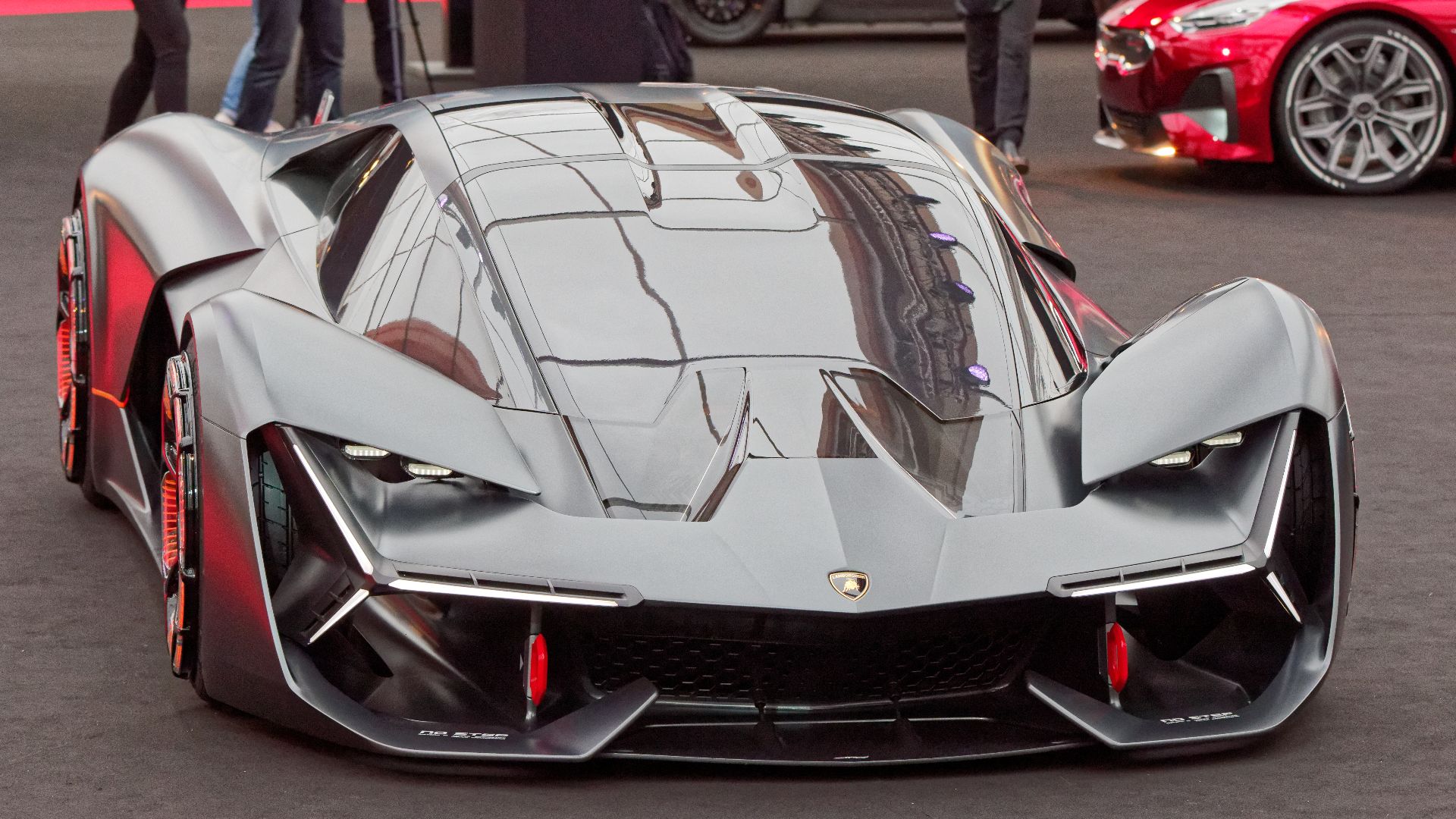
The Lamborghini Terzo Millennio looked like a supercar from a future where speed limits had given up. Its wild bodywork, glowing details, and electric performance ideas made it unforgettable on display. In real life, though, the ultra-low shape, extreme visibility limits, and delicate-looking surfaces would’ve made ordinary driving stressful.
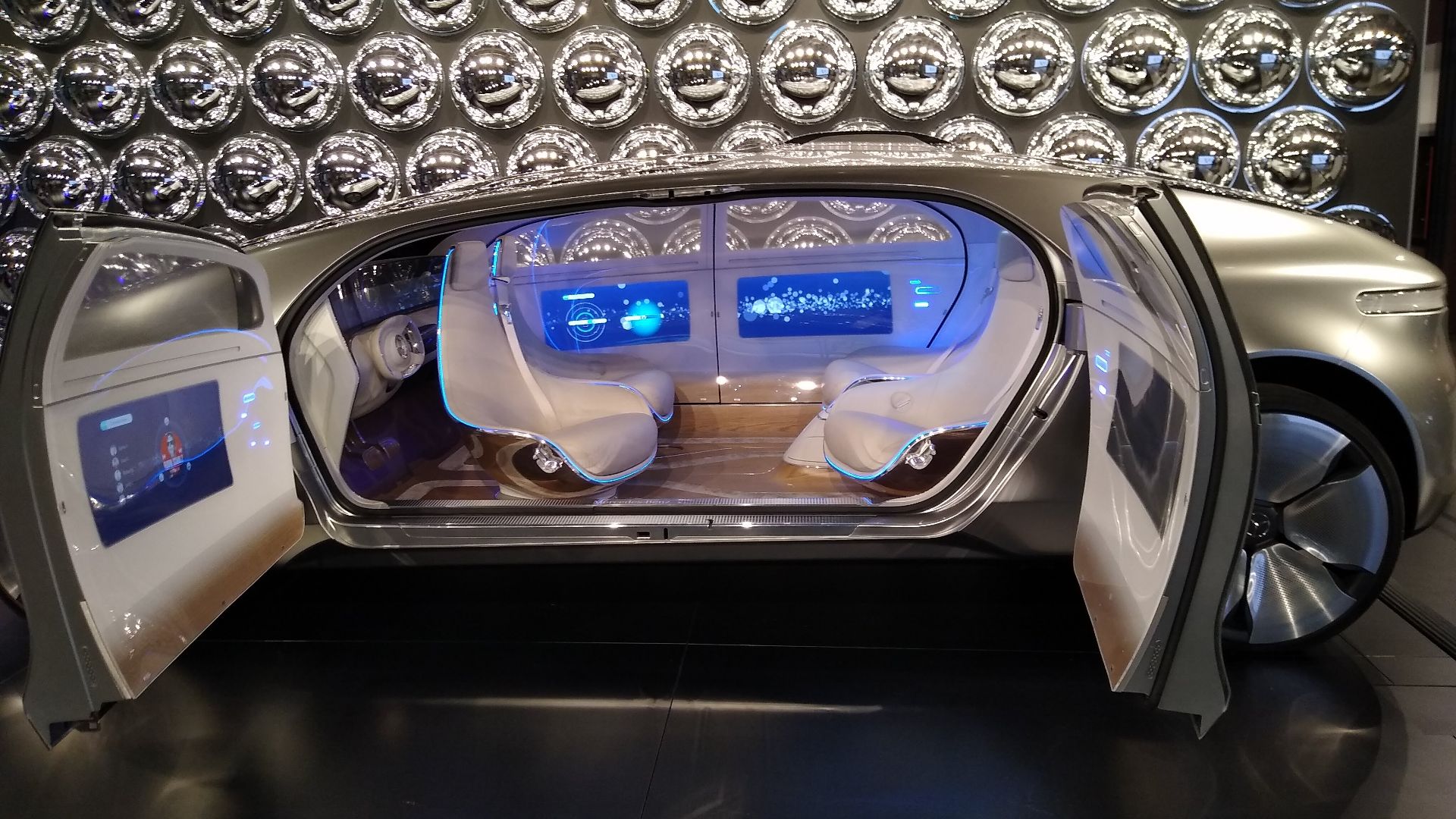
2. Mercedes-Benz F 015 Luxury in Motion
The Mercedes-Benz F 015 imagined a self-driving luxury lounge on wheels, complete with a futuristic cabin and seats facing each other. As a design study, it was fascinating because it treated the car more like a moving living room than a traditional sedan. As an everyday vehicle, it would’ve depended heavily on autonomous technology working perfectly in messy real-world traffic.
 Patryk Duszkiewicz on Wikimedia
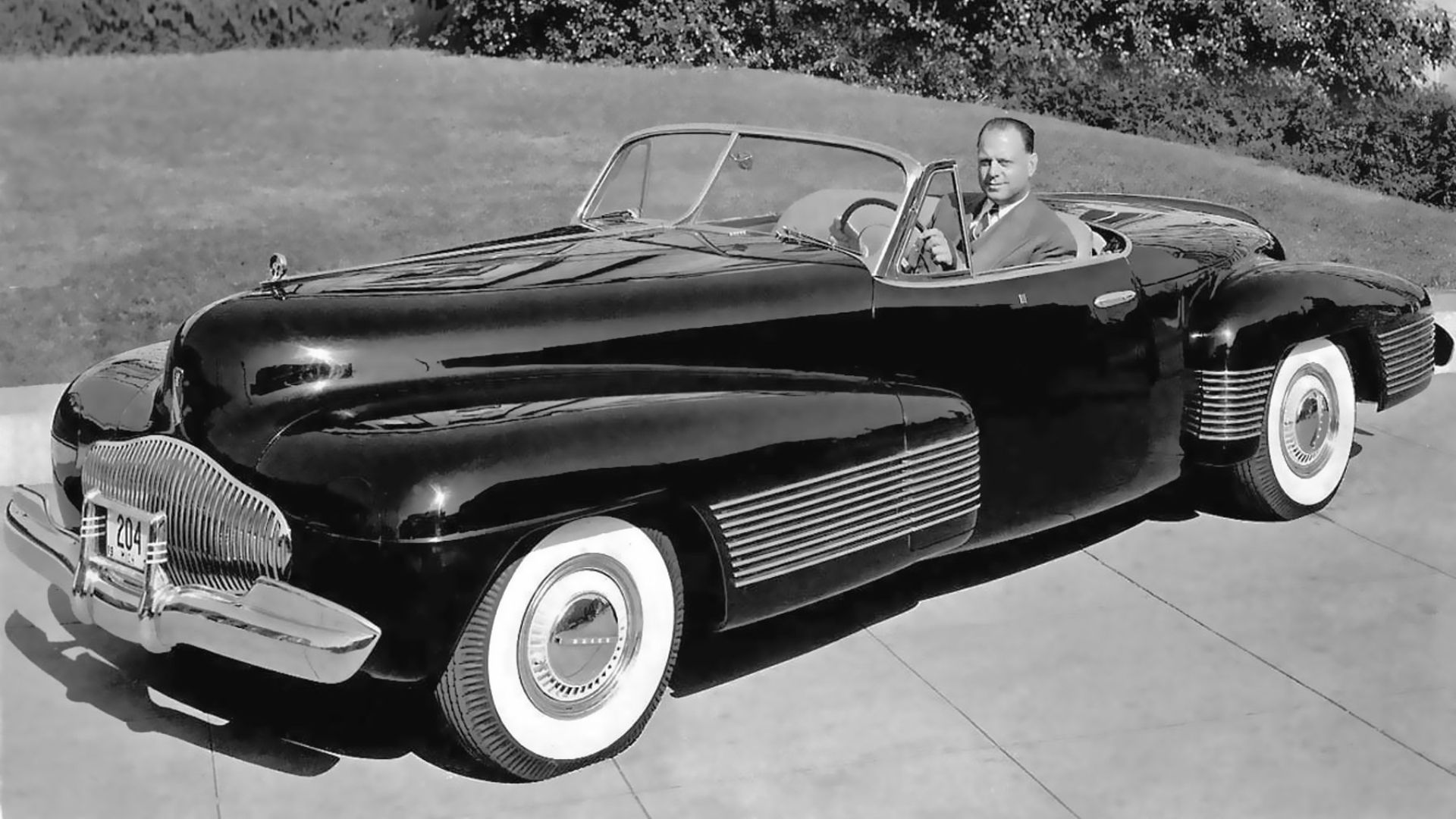
3. Buick Y-Job
The Buick Y-Job was gorgeous, influential, and incredibly important to concept-car history. Its long, low shape and hidden headlights helped point toward future American styling. Still, if you imagine actually owning it, the enormous proportions, limited practicality, and show-car delicacy become obvious pretty quickly.
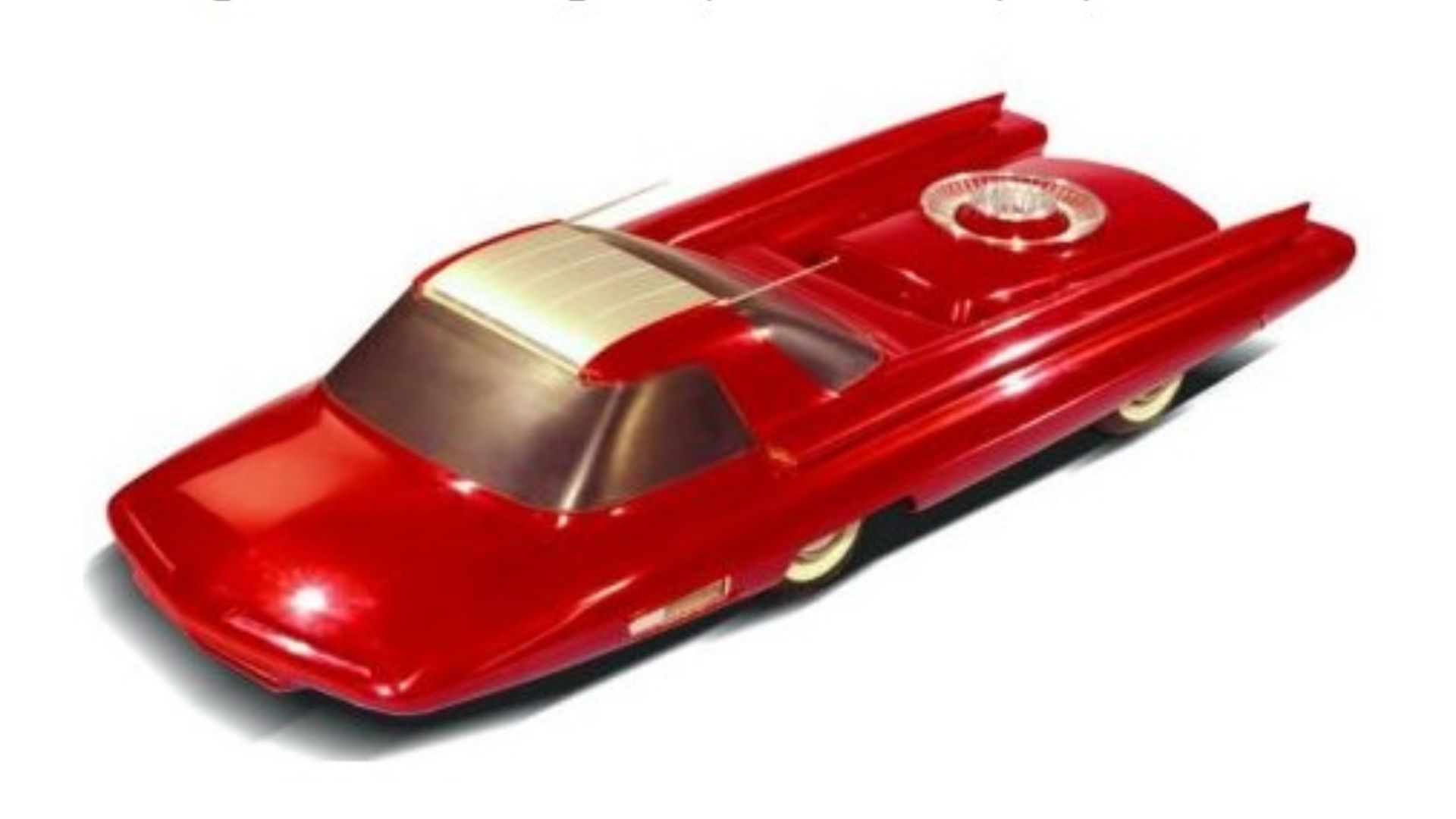
4. Ford Nucleon
The Ford Nucleon was one of the strangest futuristic concepts ever proposed because it imagined a car powered by a small nuclear reactor. On paper, it reflected mid-century optimism about atomic energy and the future of transportation. In reality, most people get a little uncomfortable imagining a fender bender causing a nuclear explosion.
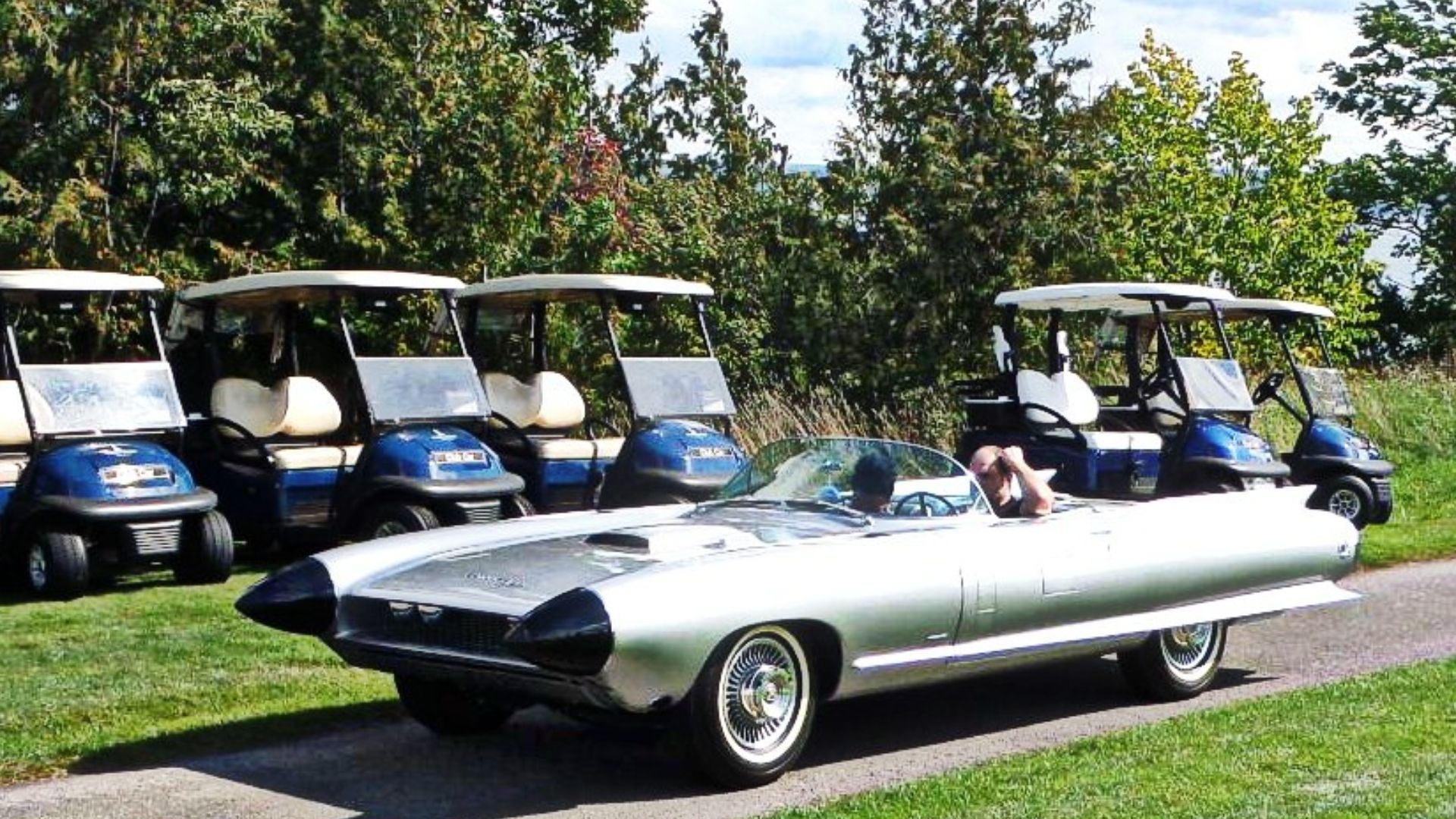
5. Cadillac Cyclone
The Cadillac Cyclone looked like a jet-age dream with tailfins, a bubble canopy, and radar-like front cones. It was dramatic in the best possible 1950s way, but real life would’ve made it complicated fast. That clear canopy would’ve turned sunny days into a greenhouse experience, and the exaggerated styling wouldn’t have enjoyed tight city streets.
6. BMW GINA Light Visionary Model
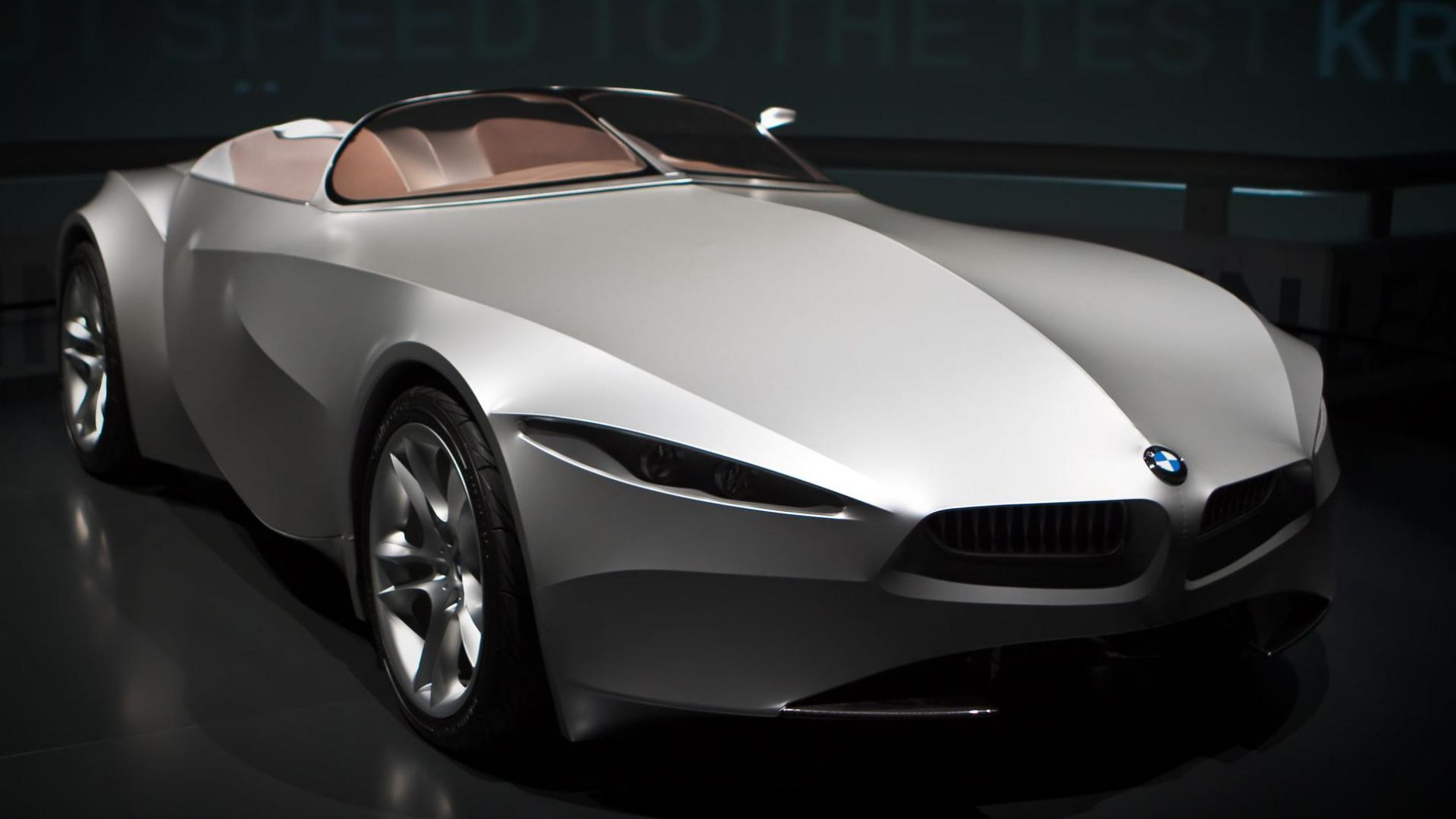
The BMW GINA replaced normal body panels with a flexible fabric skin stretched over a movable structure. It looked elegant, strange, and genuinely creative, which made it one of BMW’s most memorable design experiments. In real life, though, it's way too easy to imagine all the ways that fabric could rip.
7. Chrysler Norseman
The Chrysler Norseman was a beautiful Ghia-bodied concept with a dramatic cantilevered roof and no traditional front pillars. Its clean lines and airy cabin made it look years ahead of its time. The problem is that real-world rollover safety, structural stiffness, and visibility regulations would’ve made that roof design extremely difficult to justify.
 Cauê Krebsky Oliveira on Pexels
8. GM Firebird I
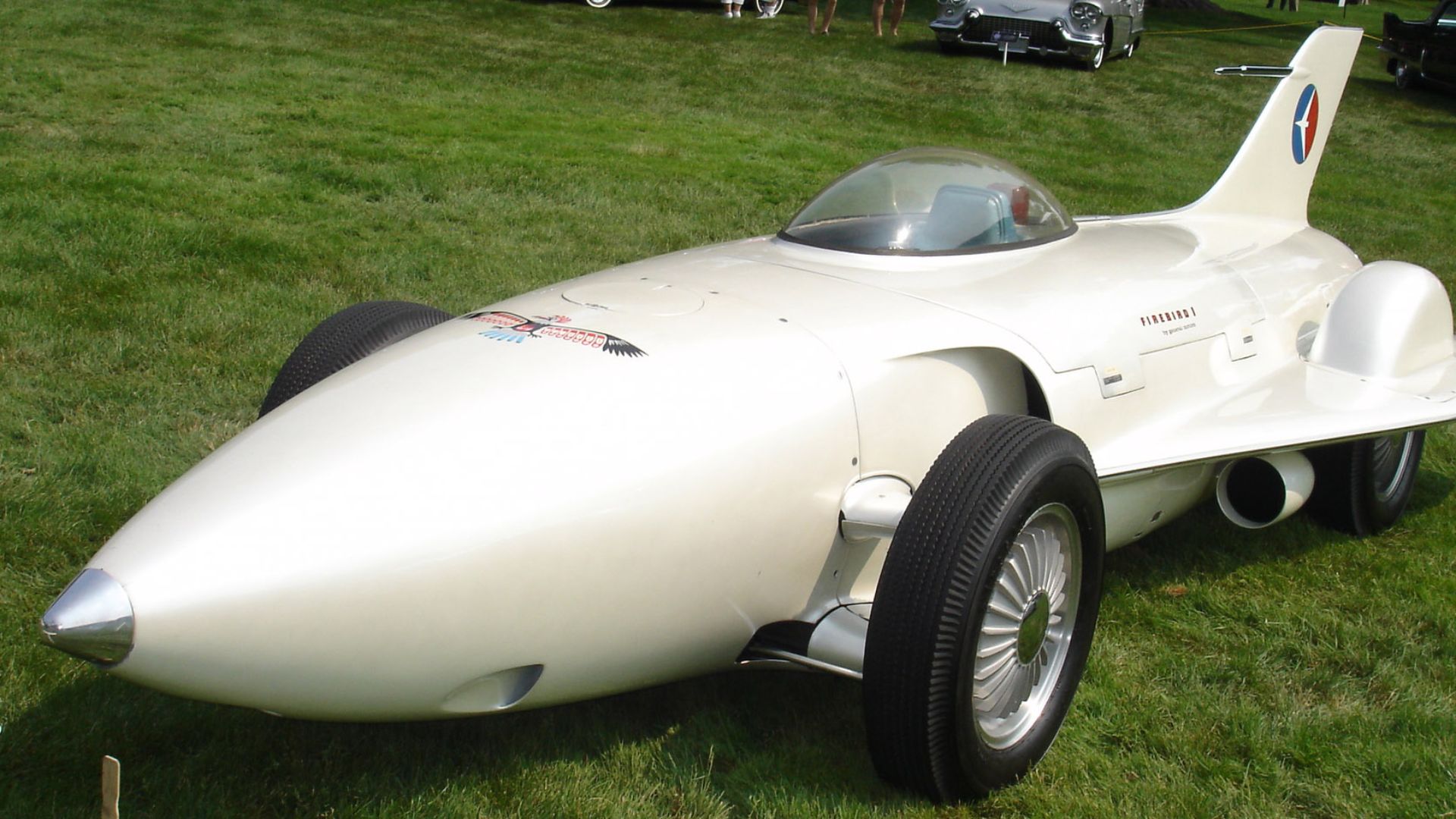
The GM Firebird looked like a jet fighter that had wandered onto a road. Its turbine power, needle nose, and aircraft-inspired body made it one of the most theatrical concepts of its era. As a real car, it would’ve been hot, loud, difficult to maneuver, and deeply impractical around anything resembling normal traffic.
9. Alfa Romeo BAT 7
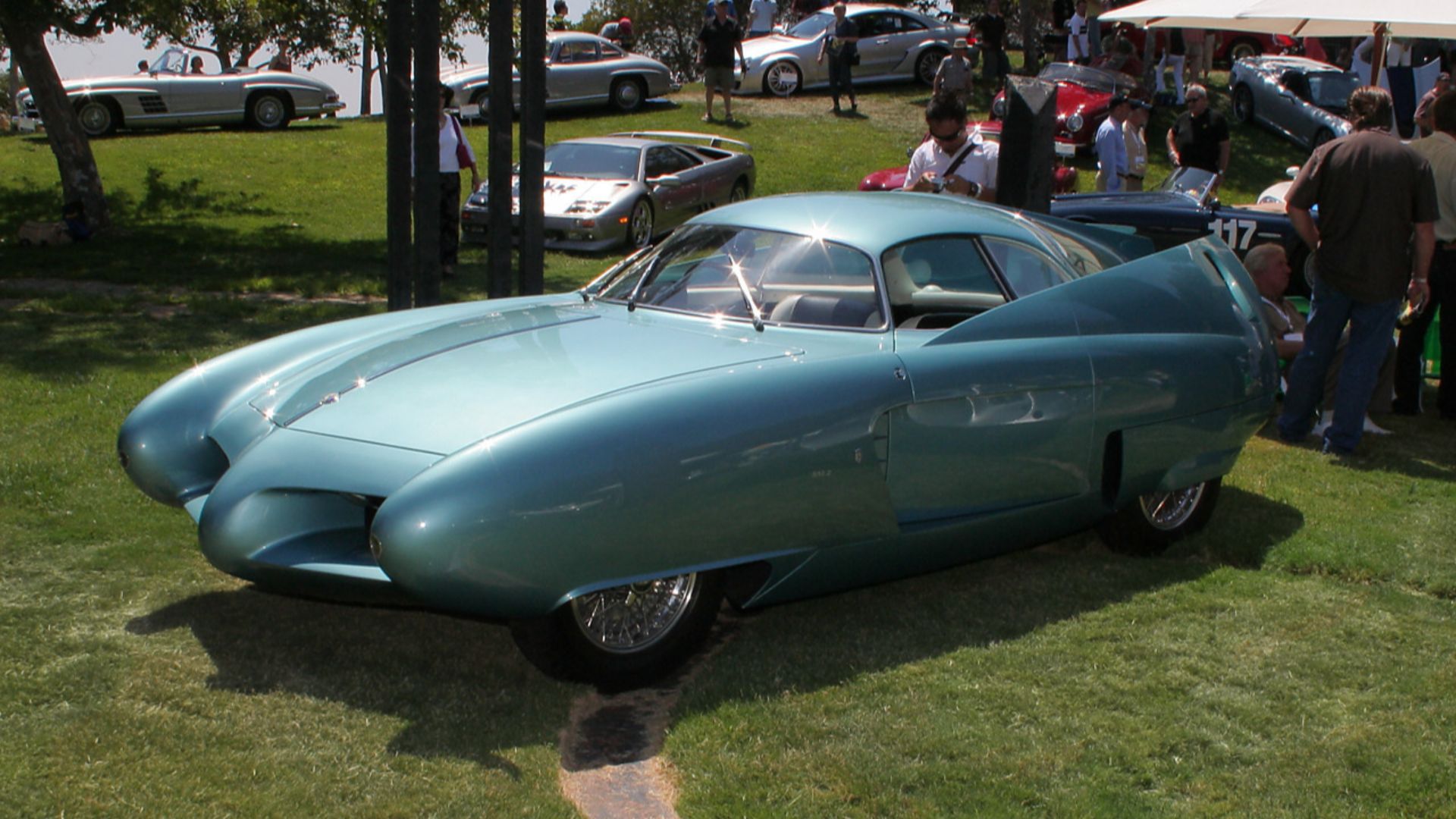
The Alfa Romeo BAT 7 was breathtaking, with curved fins and aerodynamic bodywork that made ordinary cars look half-finished. It was designed to explore drag reduction, and visually, it succeeded almost too well. In daily use, those dramatic fins and low shape would’ve been vulnerable, hard to see out of, and miserable near curbs.
10. Lancia Stratos Zero
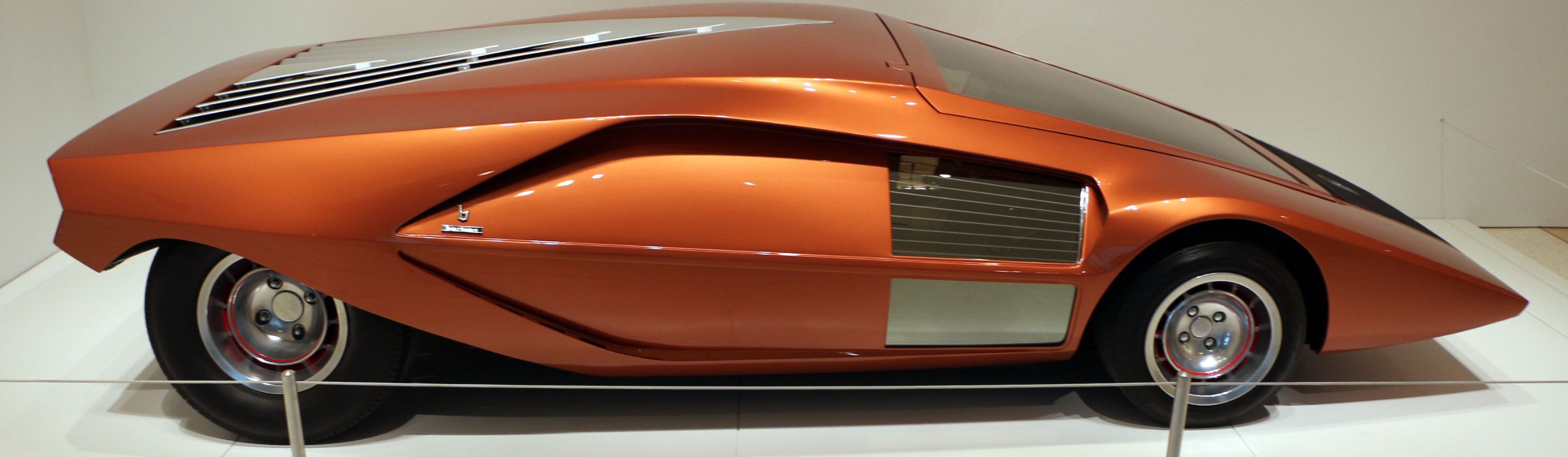
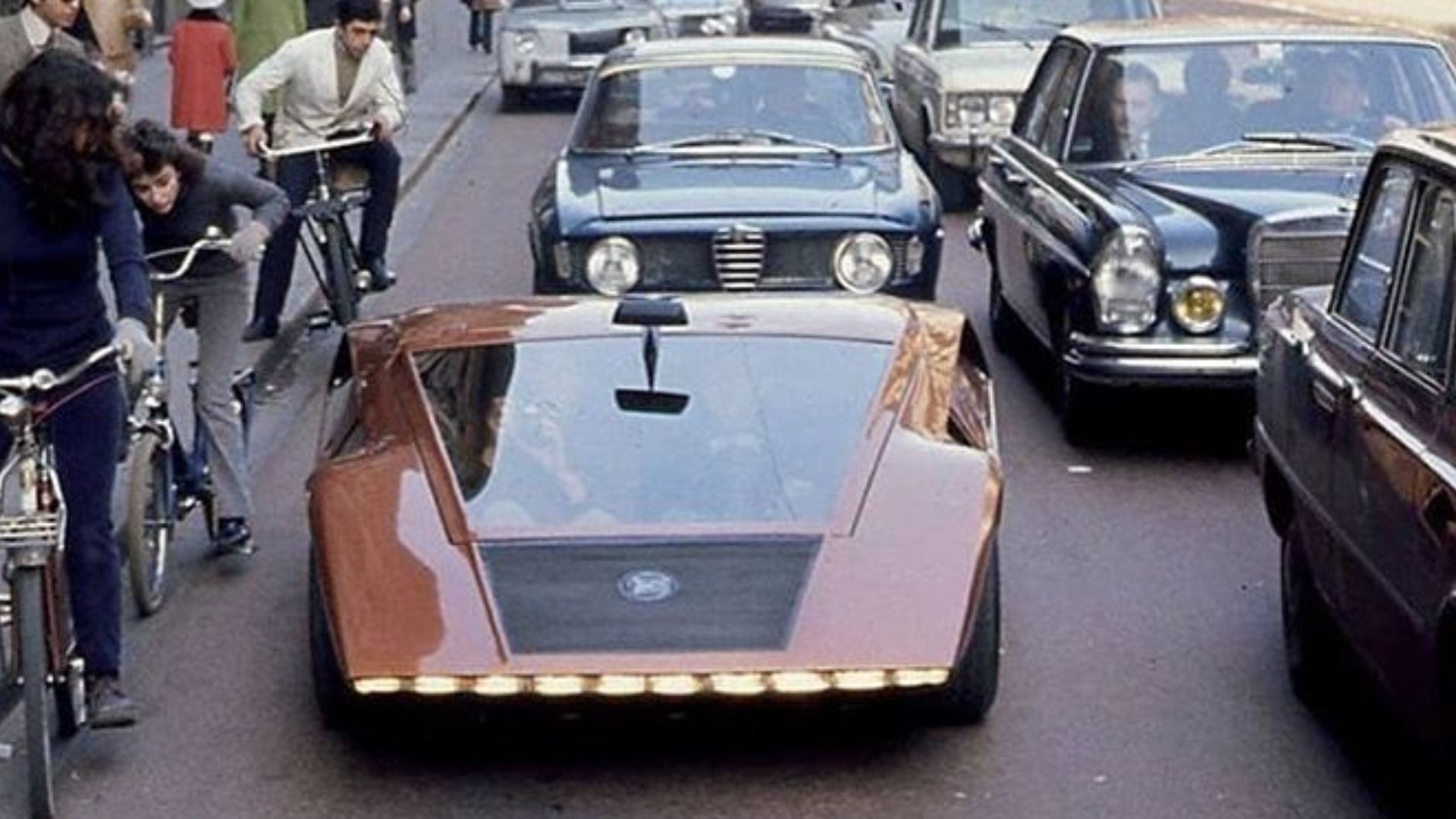
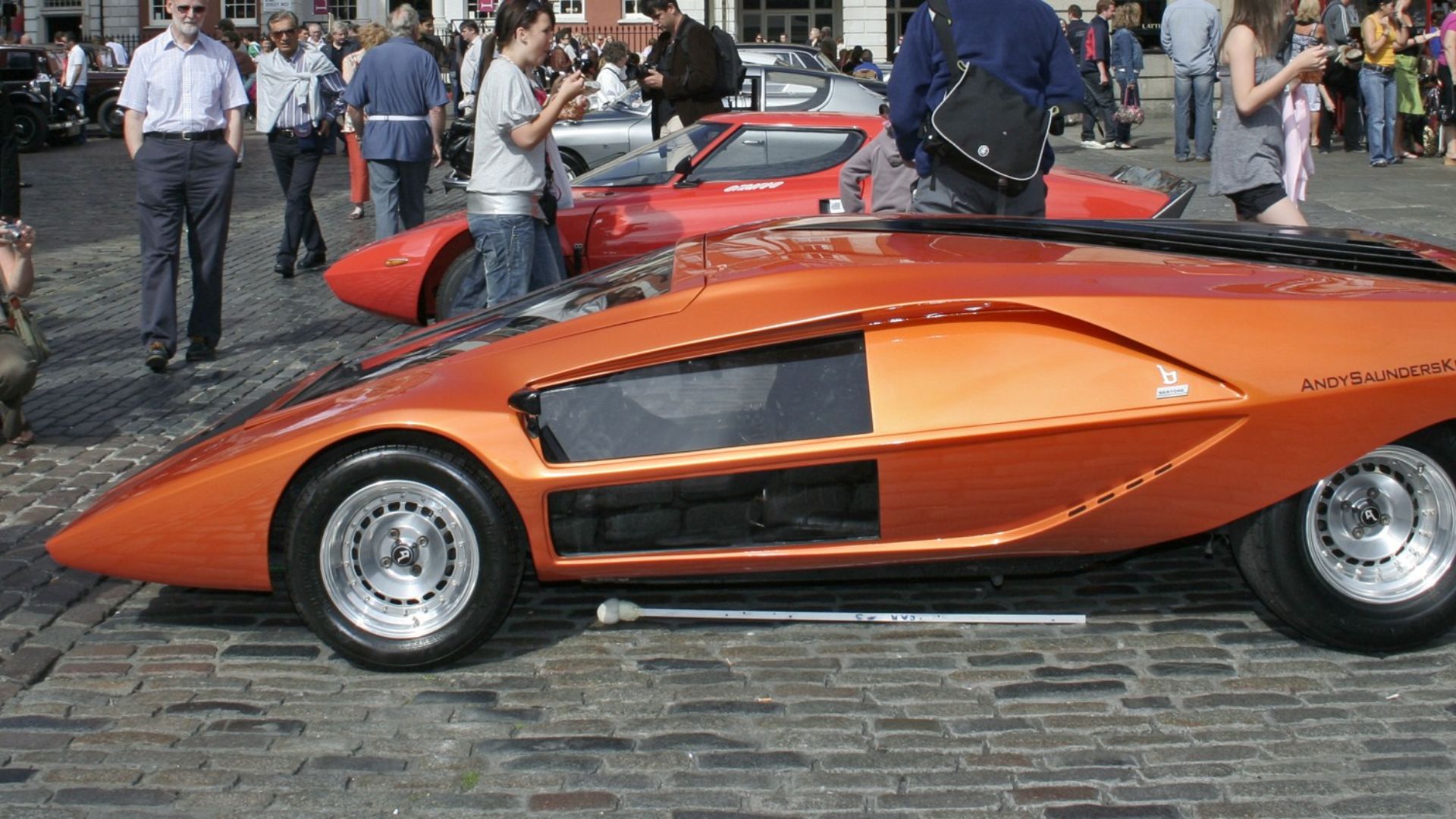
The Lancia Stratos Zero was so low and sharp that getting inside involved lifting the windshield and climbing over the front. That alone tells you everything about its relationship with practicality. It looked sensational and helped inspire the production Stratos, but the concept itself would’ve been a nightmare.
 https://www.flickr.com/photos/tonysphotos/ on Wikimedia
11. Aston Martin Bulldog
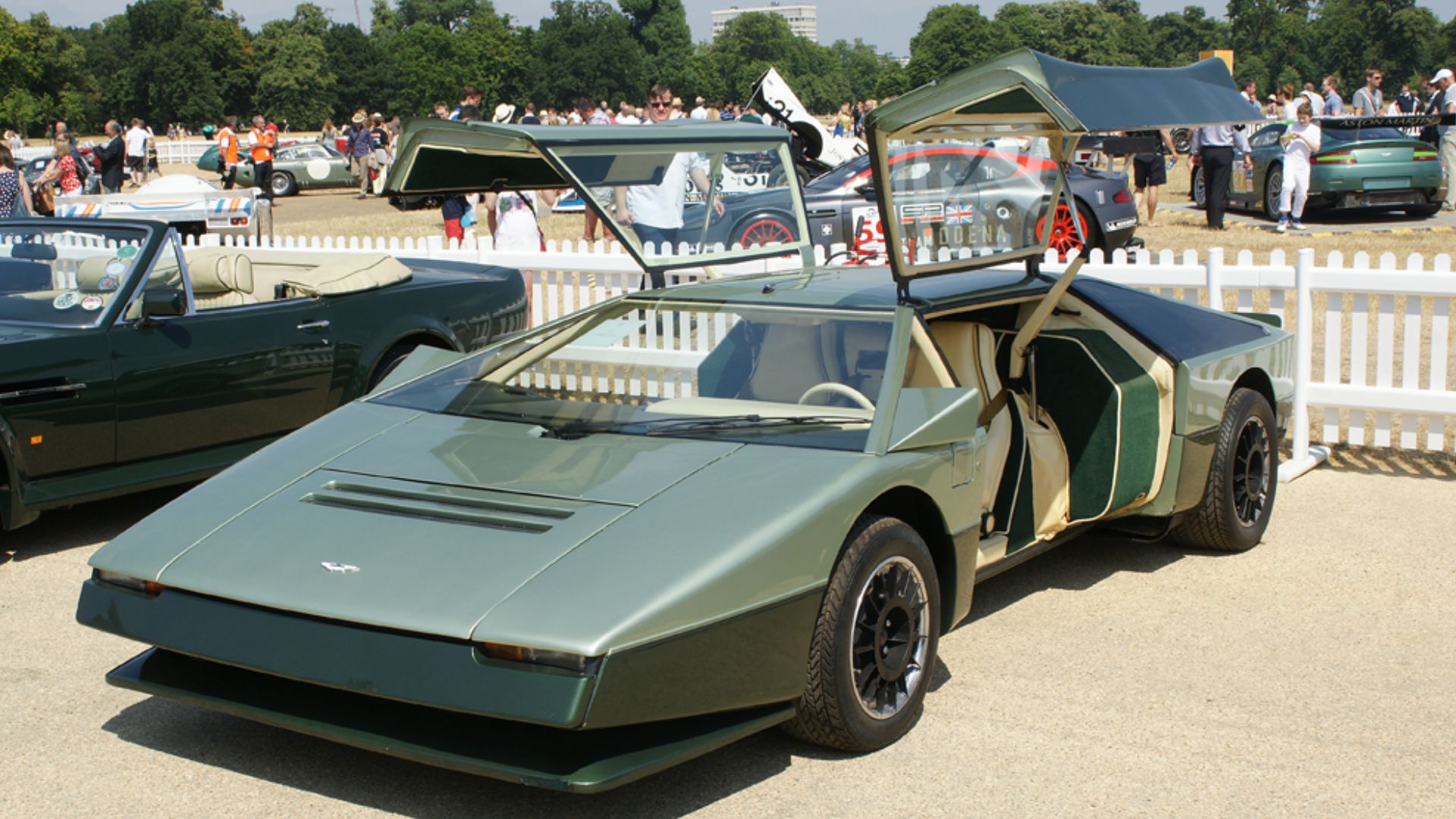
The Aston Martin Bulldog had wedge-shaped drama, gullwing doors, and a claimed top-speed mission that made it seem almost mythical. It looked incredible from every angle that didn’t require you to think about visibility. In normal life, the extreme nose, wide body, and complicated doors would’ve made it incredibly awkward in tight spaces.
12. Ferrari Modulo
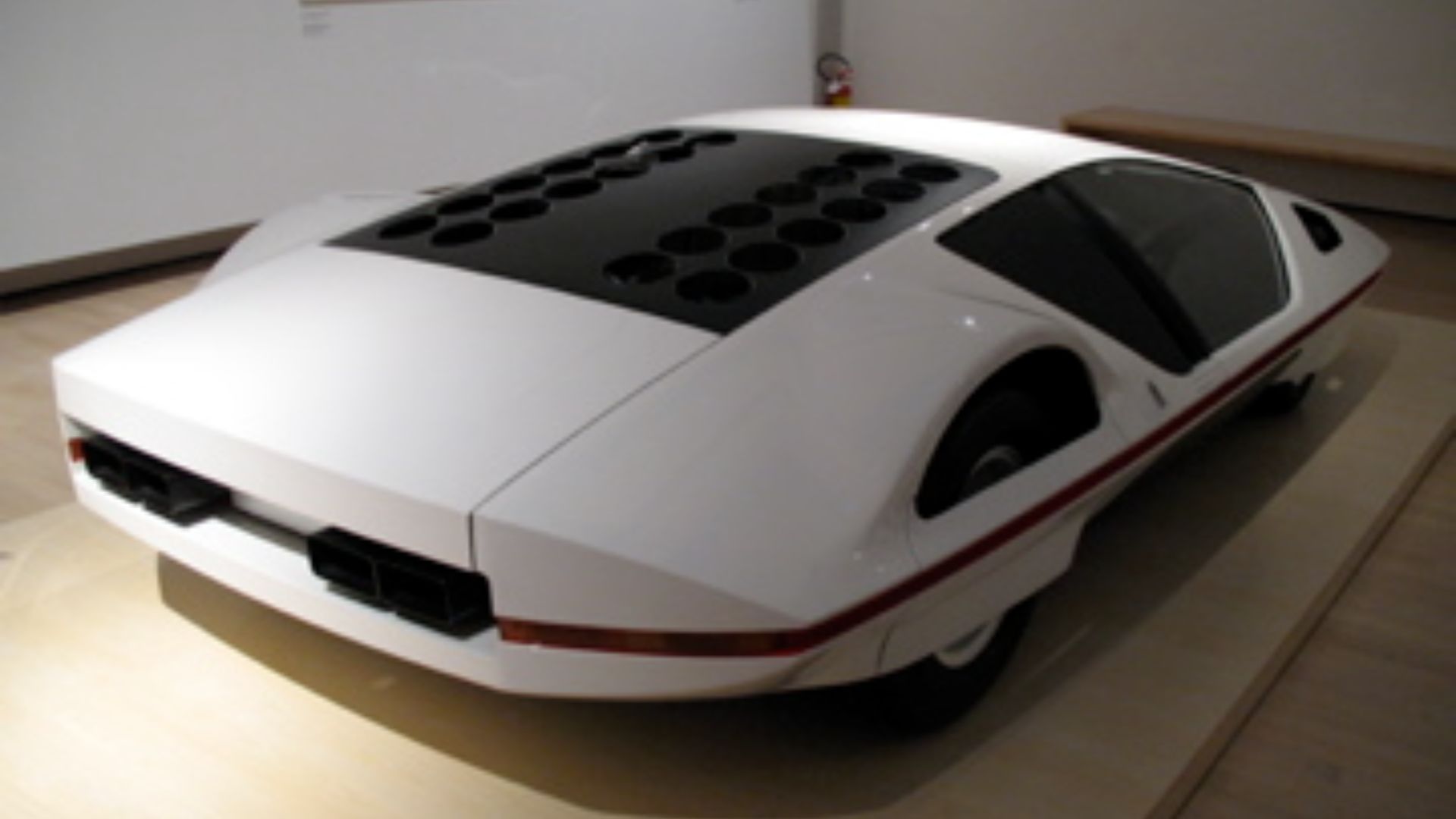
The Ferrari Modulo looked less like a car and more like a UFO with wheels tucked under it. Its low, flat body and sliding canopy made it one of the most visually striking concepts ever built. The trouble is that real roads involve speed bumps, weather, lane changes, and passengers who prefer not to crawl into a glass pod.
13. Maserati Boomerang
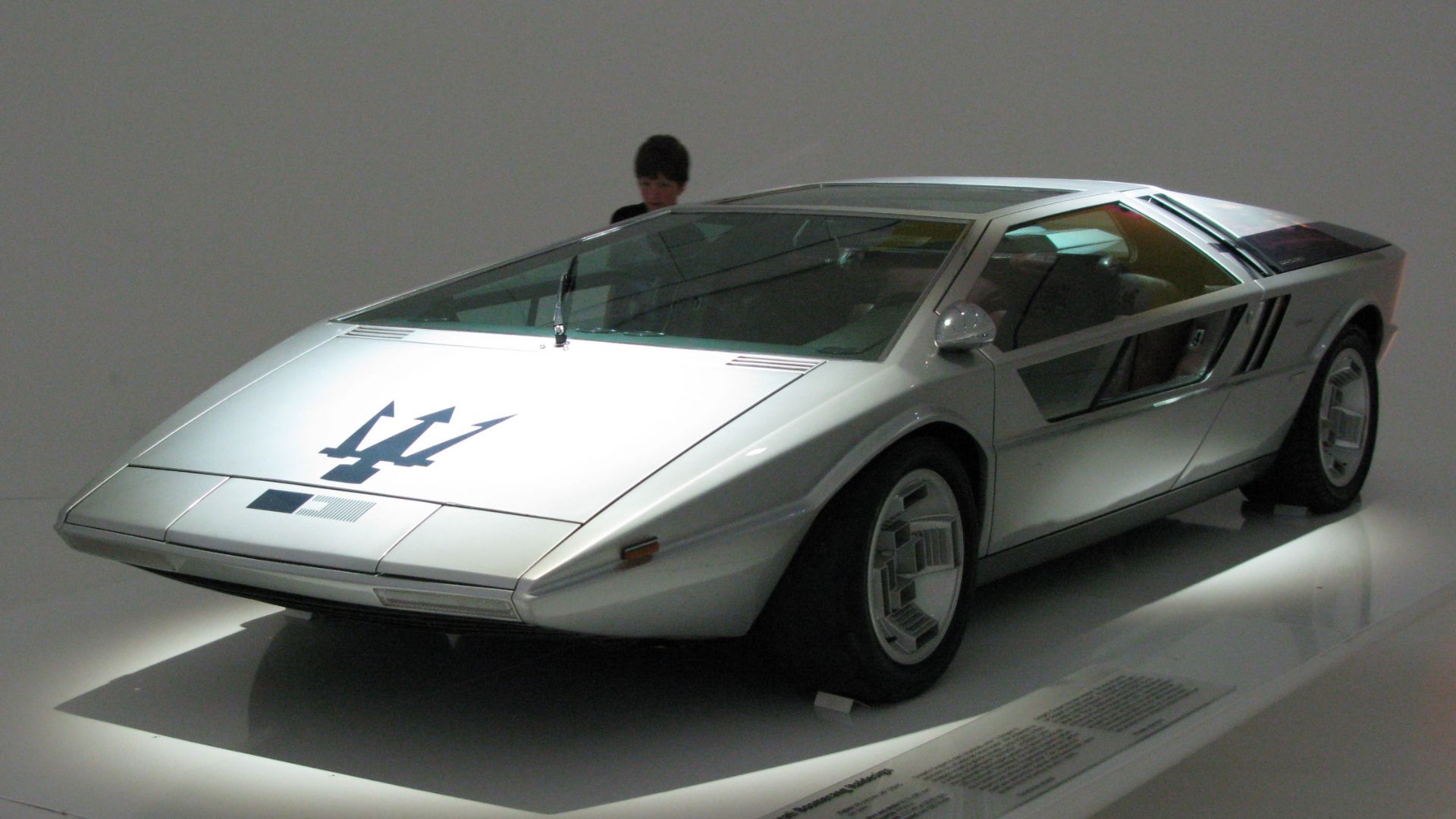
The Maserati Boomerang was a razor-sharp Giorgetto Giugiaro concept with a wedge profile and a dashboard built around the steering wheel. It looked futuristic, angular, and impressively confident. As a production car, the extreme seating position, low roofline, and unusual controls would’ve taken some patience.
 Herranderssvensson on Wikimedia
14. Peugeot Moovie
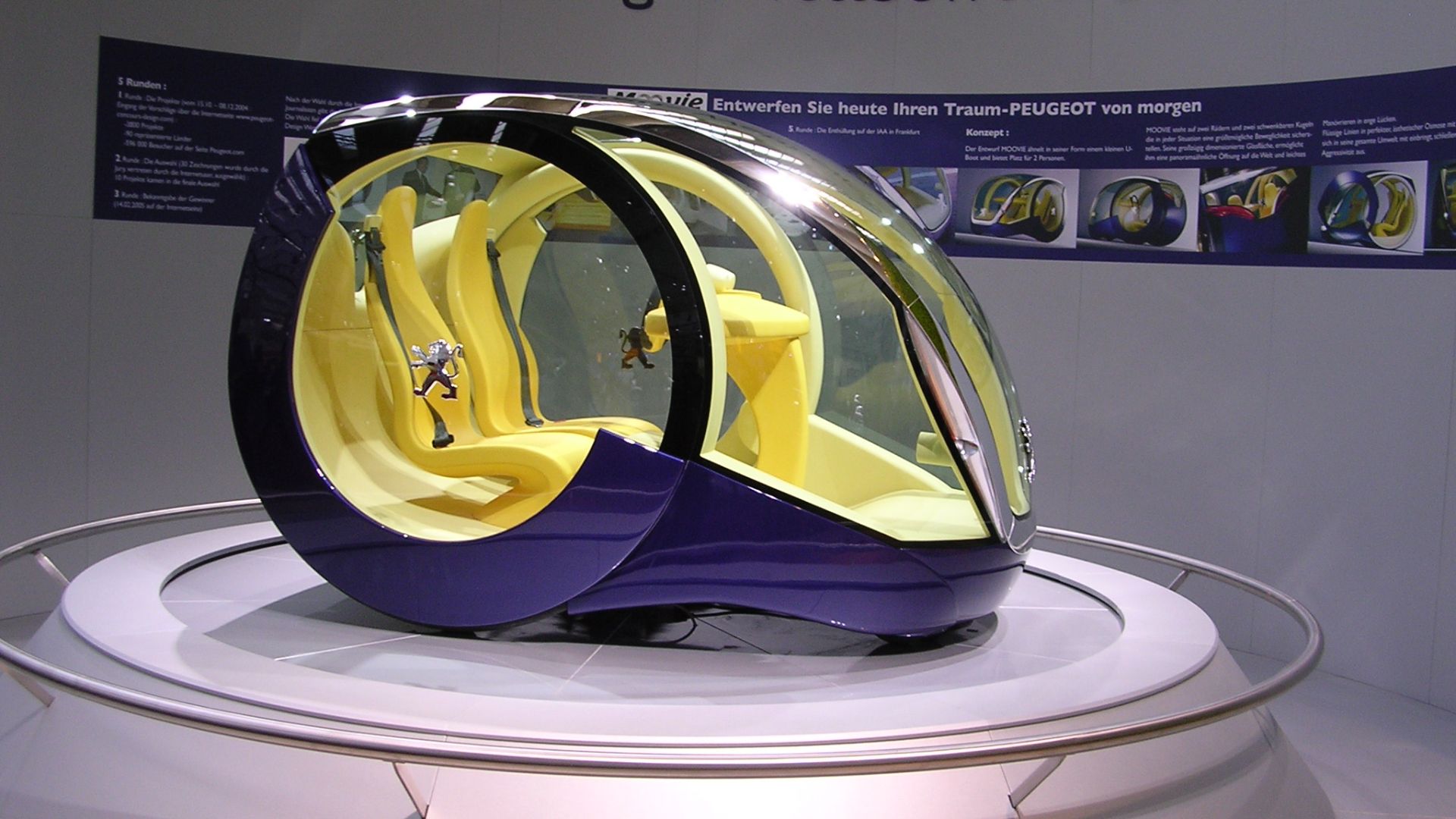
The Peugeot Moovie was a tiny city concept with huge circular doors and a wonderfully weird shape. It was meant to explore urban mobility, which is a perfectly sensible idea in theory. In practice, those enormous sliding doors and tiny footprint would’ve raised questions about crash safety, storage, and how it would feel next to a delivery truck.
15. Toyota EX-III
The Toyota EX-III was a sleek, low-slung concept from an era when automakers were obsessed with futuristic streamlining. It had a dramatic shape that looked fast even when standing still. Unfortunately, that same shape would’ve made visibility, cabin space, and everyday usability serious concerns.

16. Nissan Pivo
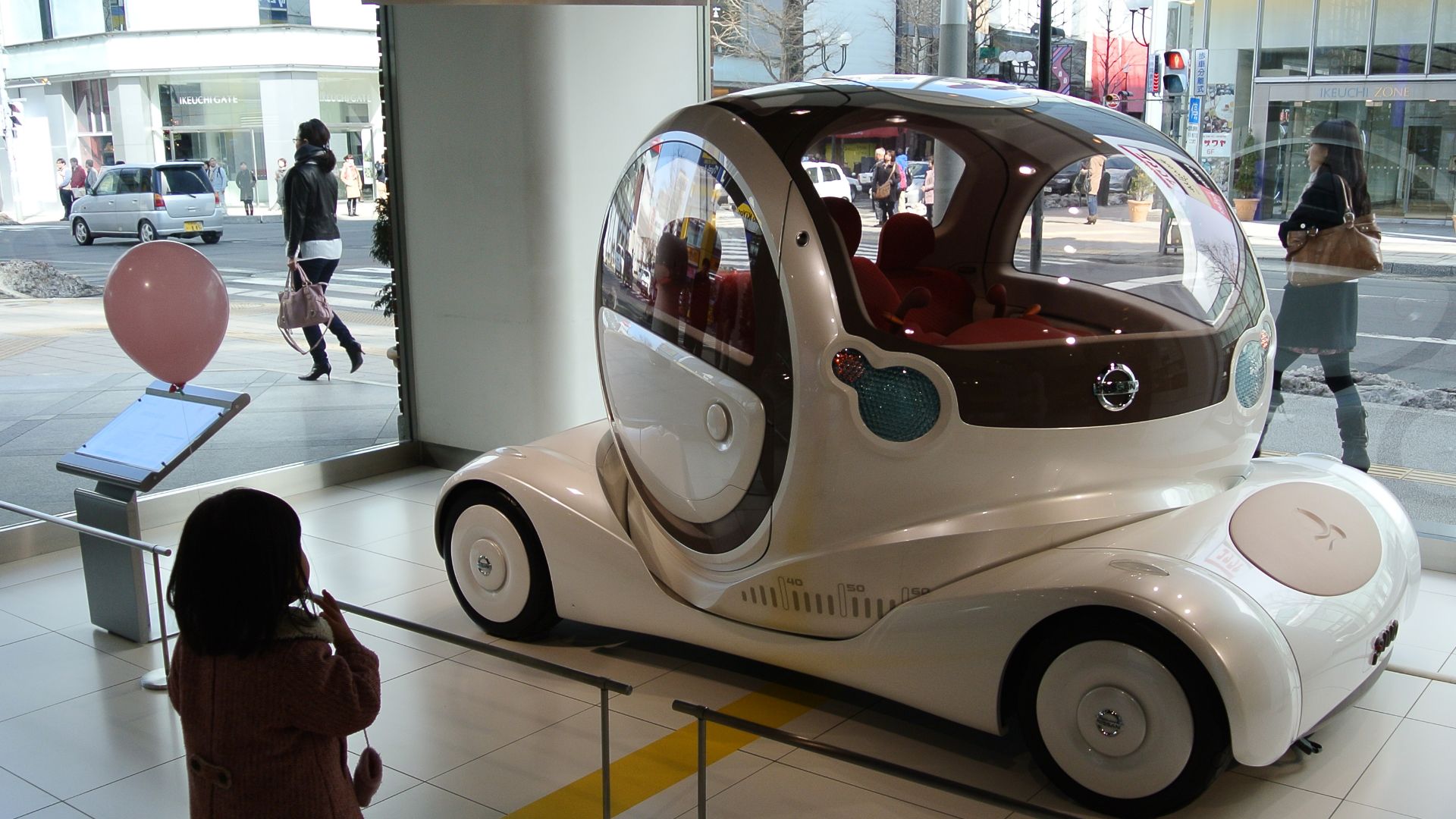
The Nissan Pivo was clever, cheerful, and deeply strange, thanks to its rotating cabin that could turn around instead of forcing the car to reverse. For a crowded city, that idea had a certain odd charm. The issue is that adding such a complex mechanism to a small car would’ve created cost, durability, and safety headaches.
17. Volkswagen XL Sport Concept
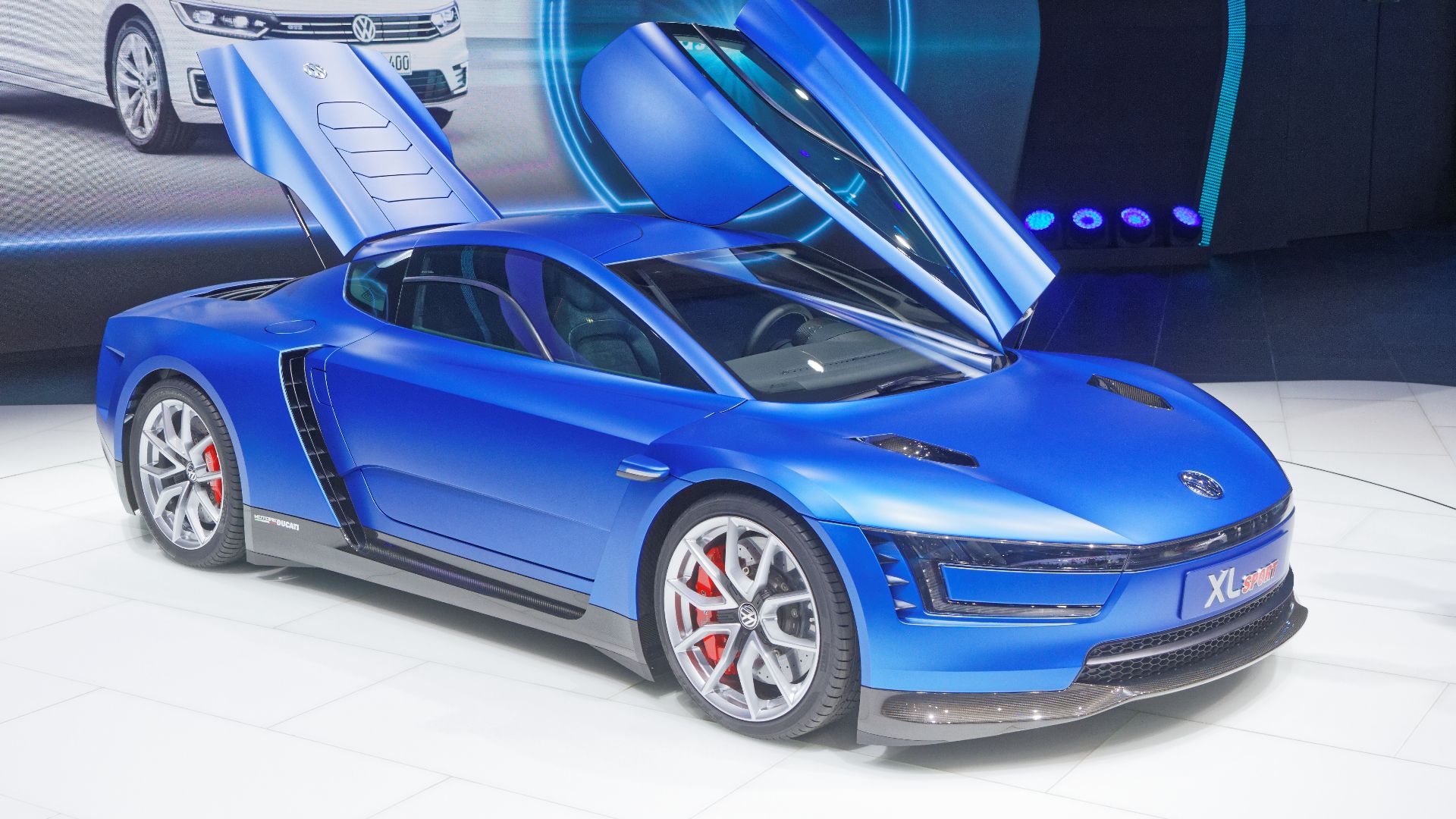
The Volkswagen XL Sport Concept combined an ultra-efficient body shape with a Ducati motorcycle engine, which made it wonderfully unusual. It looked sleek, low, and far more exciting than the efficiency-focused XL1 that inspired it. The problem is that a tiny, expensive, low-volume car with limited space and a screaming motorcycle-derived engine would’ve been a very specific daily companion.
18. Renault Trezor
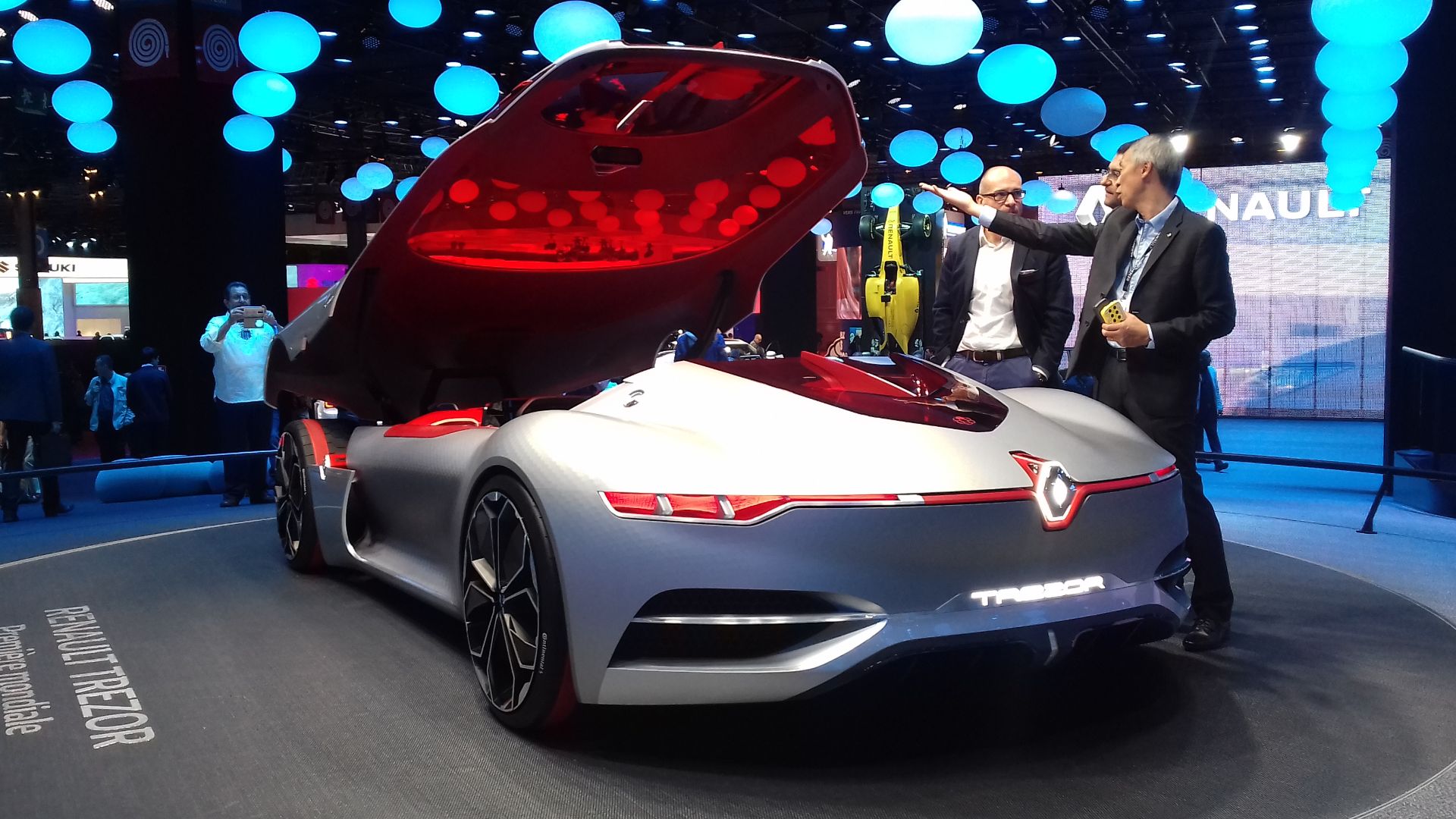
The Renault Trezor was a gorgeous electric grand tourer with a clamshell canopy and a glowing red interior. It had the kind of design that made people suddenly take Renault styling very seriously. Real ownership would’ve been less glamorous once you had to climb in, park it, insure it, and explain the giant opening roof in the rain.
19. Lincoln Futura
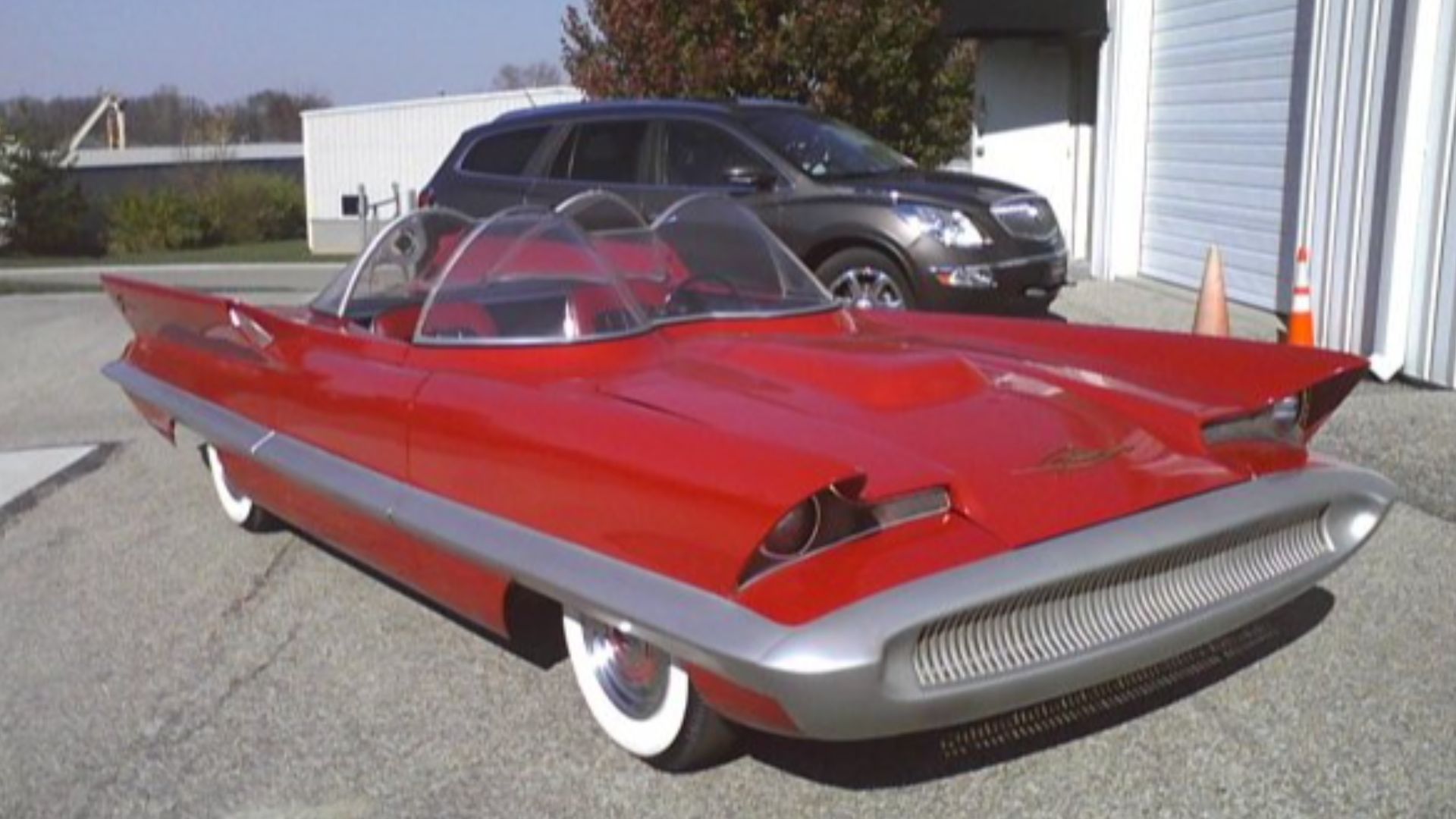
The Lincoln Futura was futuristic, theatrical, and famous even before it later became associated with television history. Its bubble canopies, long fins, and dramatic proportions made it look like a dream of tomorrow from the 1950s. Actually driving it every day, though, would’ve meant dealing with heat, glare, massive size, and visibility that probably required optimism.
20. Mazda Furai
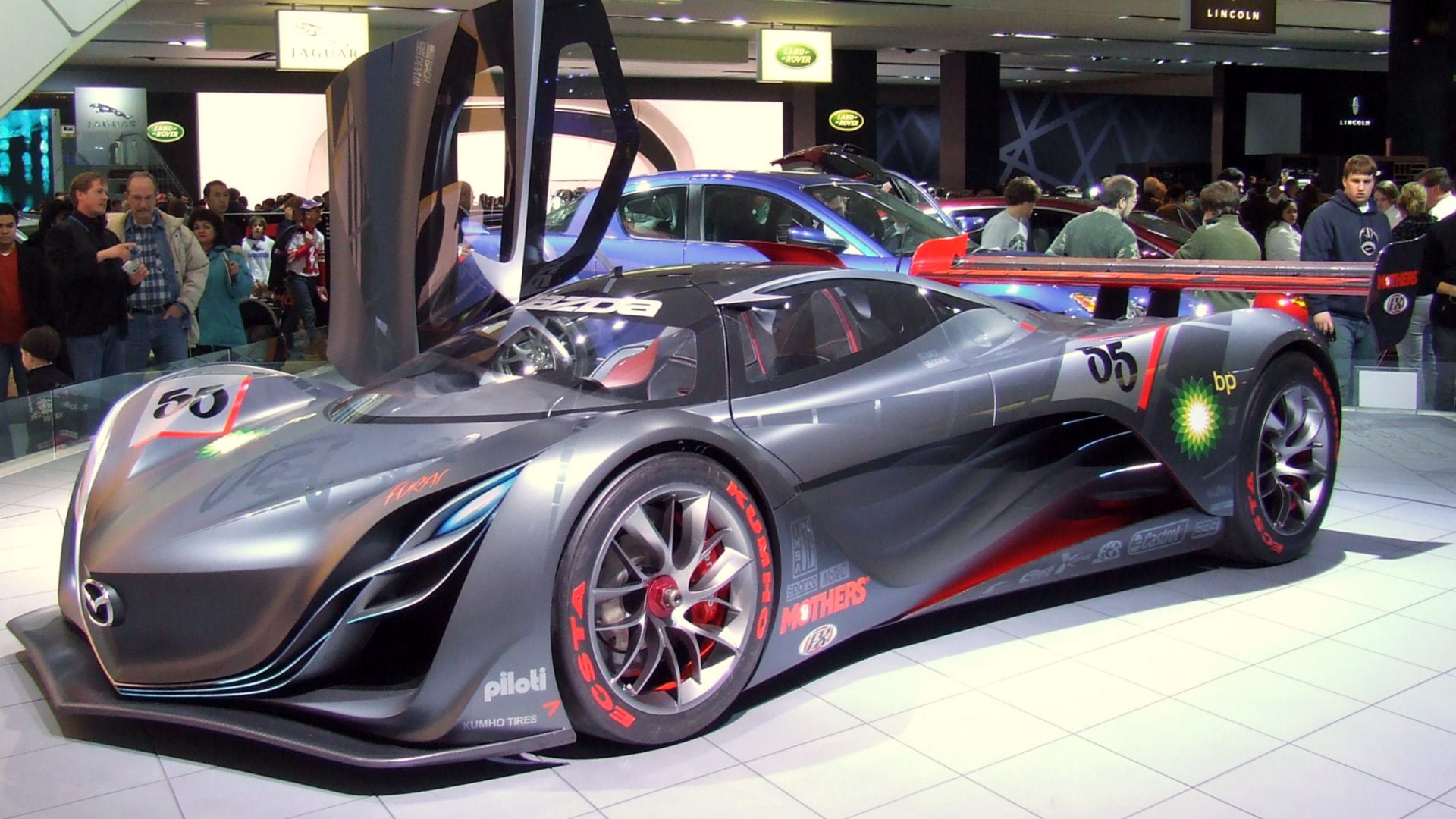
The Mazda Furai was one of the most beautiful modern concept cars ever built, with race-car proportions and flowing bodywork. It looked like Mazda’s motorsport heritage had been turned into sculpture. Unfortunately, it was still closer to a show-stopping track fantasy than a real-world road car, with tiny usability margins and extreme aero surfaces.