Small Cars Come with Big Opinions
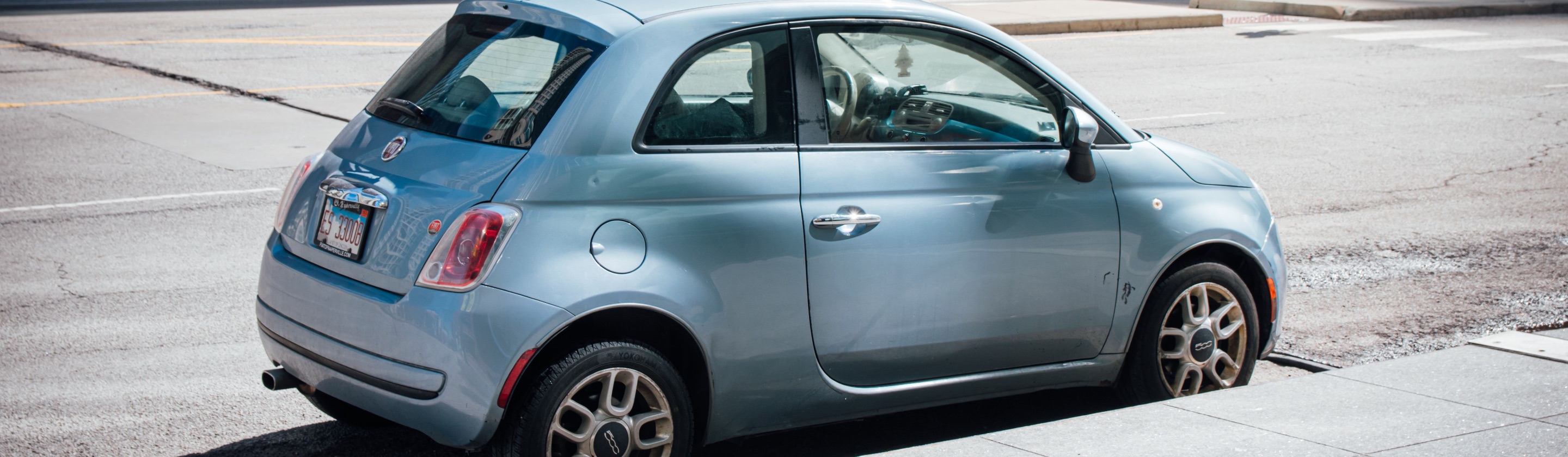
Driving a smaller car can feel like a daily trade-off between convenience and compromise. Some days, you’re grateful for how easily it fits into tight spaces and how little fuel it uses. Other days, you’re reminded that compact size can come with less room, less road presence, and a few frustrating moments behind the wheel. Whether you love your small car or are thinking about buying one, it helps to look at both sides honestly.
1. Limited Cargo Space
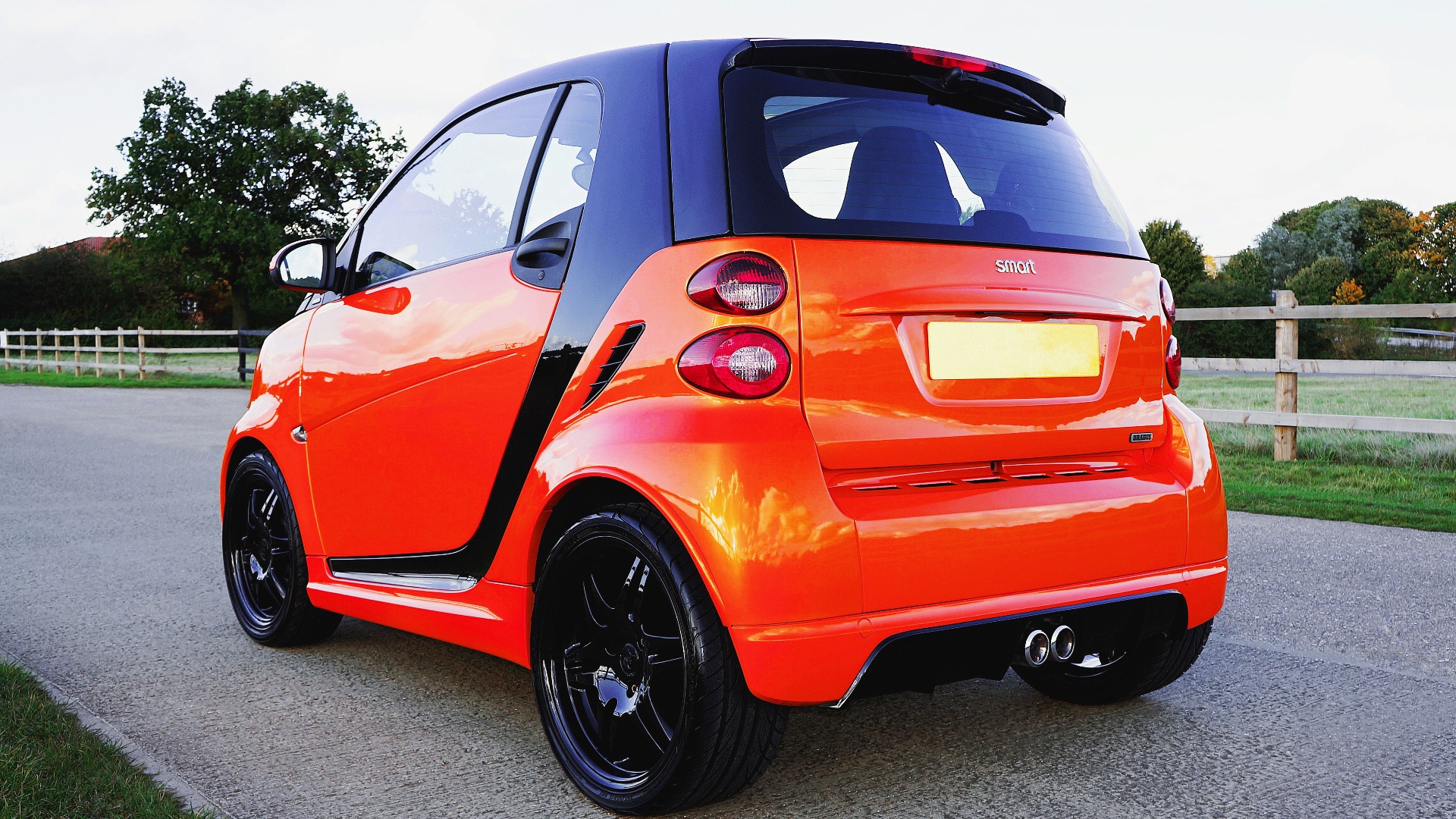
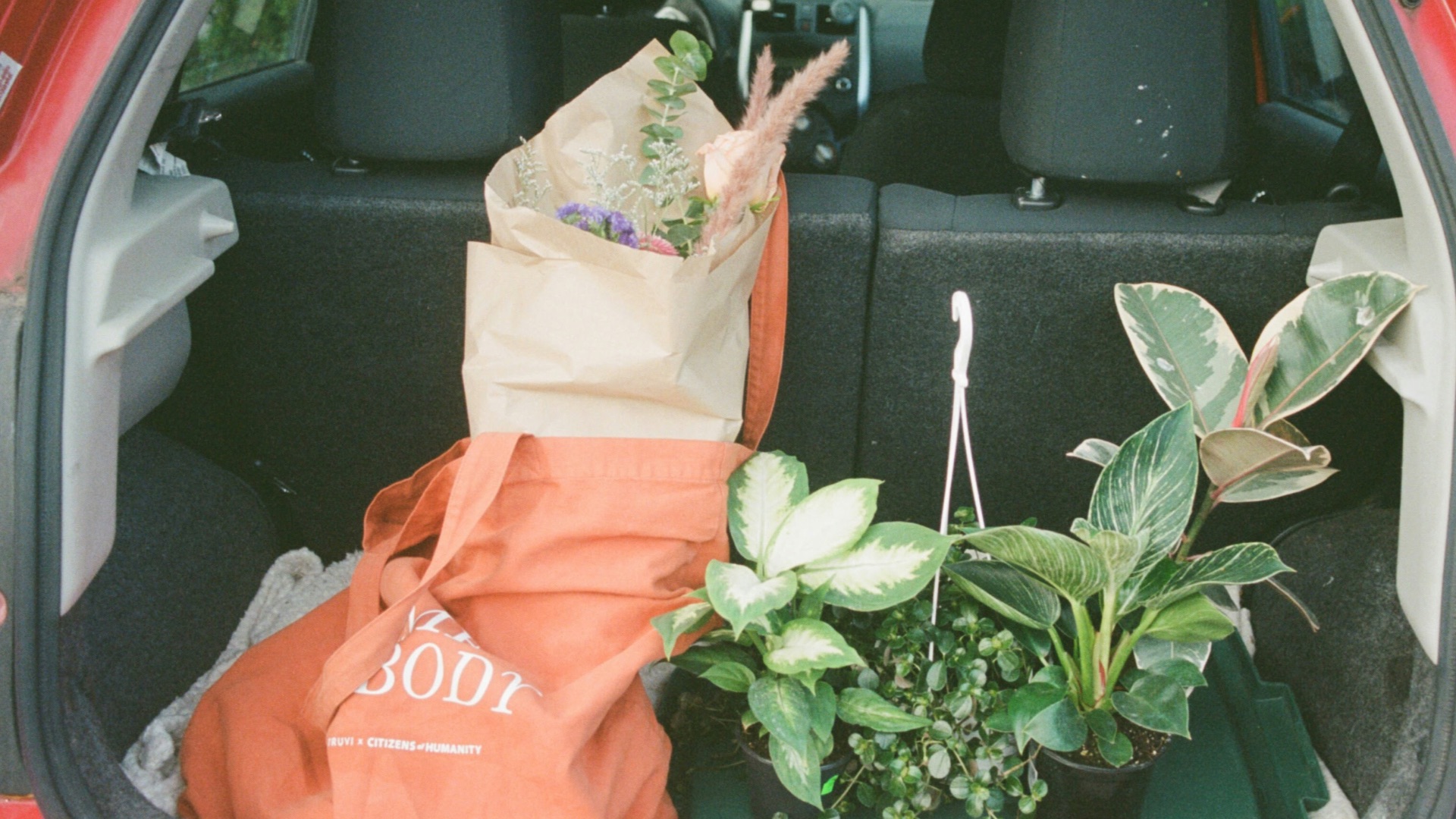
A smaller car can make even a basic shopping trip feel more complicated than it should. Groceries, gym bags, strollers, luggage, or bulky purchases can fill the trunk before you’ve even finished loading everything. You may find yourself folding seats down more often than expected or playing around with angles just to make items fit. It’s manageable, but it can get annoying when you’re used to tossing things into a larger vehicle without much thought.
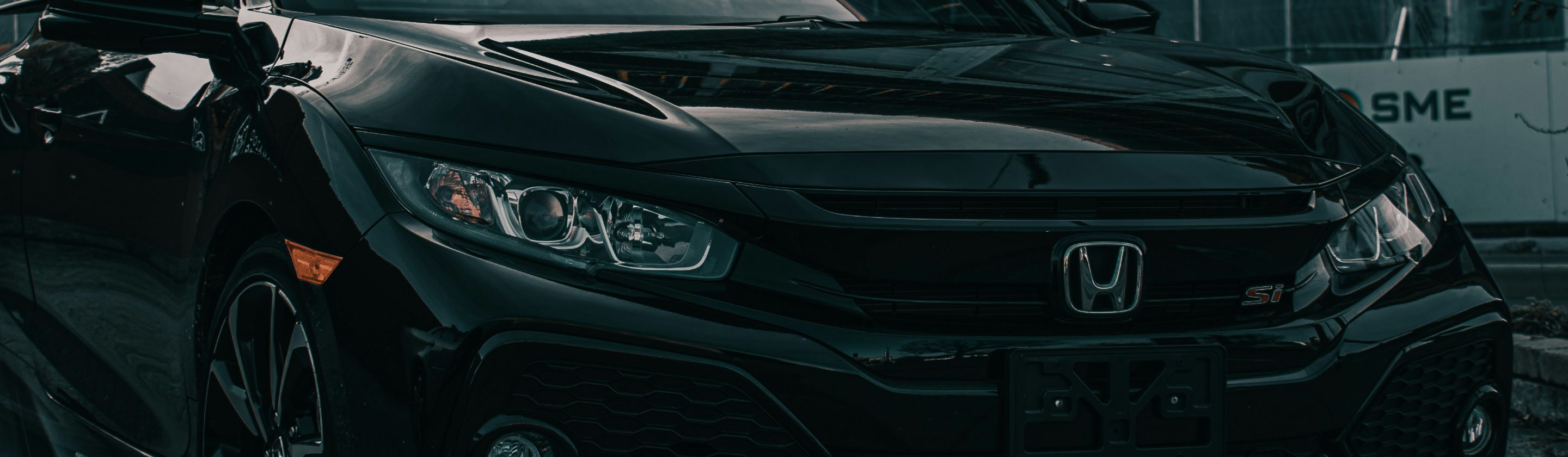
 Divaris Shirichena on Unsplash
2. Less Legroom
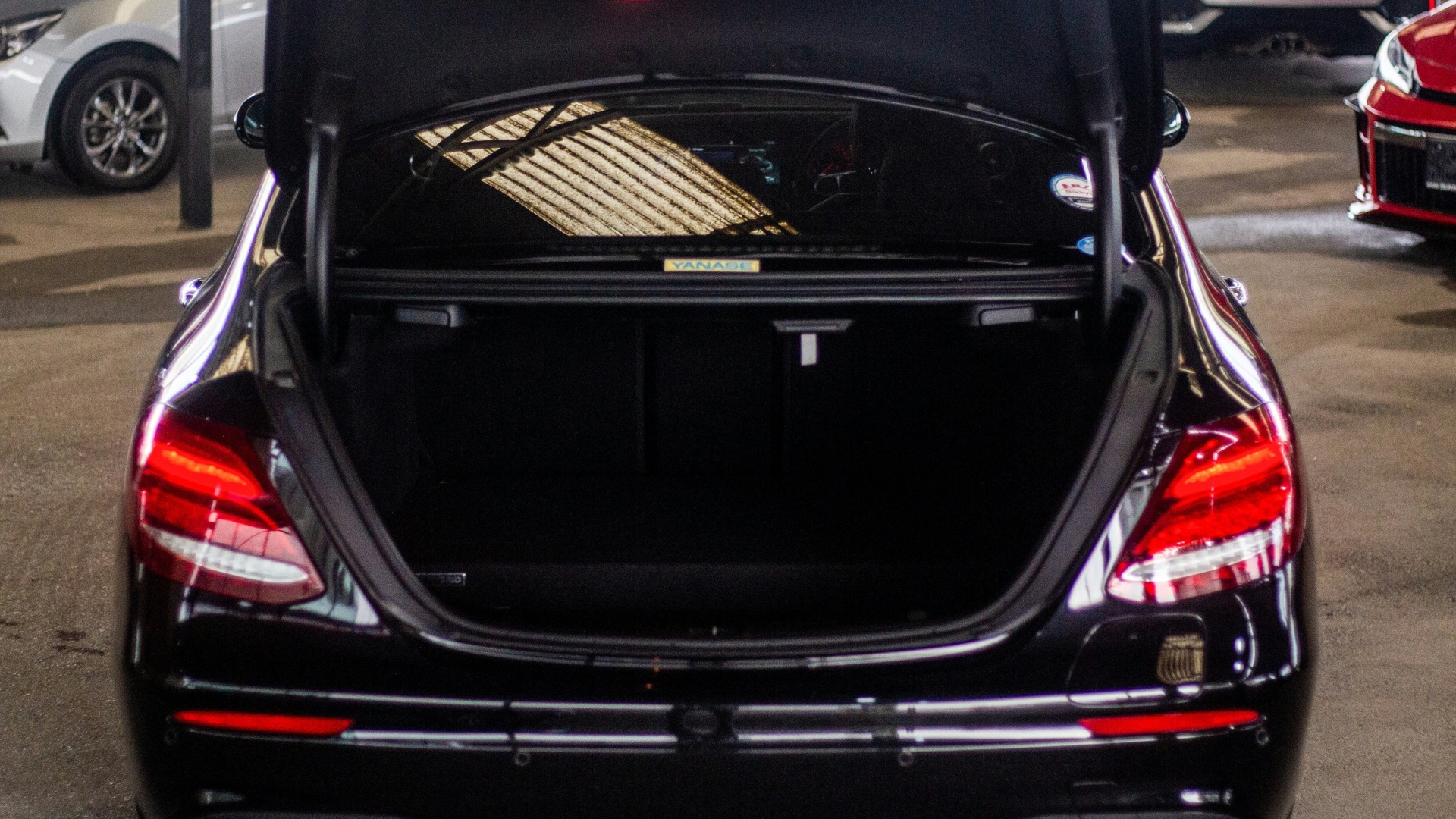
Small cars often work well for the driver, but passengers may not be as comfortable. Taller friends or family members can end up squeezing their knees against the seat in front of them, especially in the back row. Long drives can make the lack of space feel even more noticeable because people have fewer ways to shift around. You might not mind it during a quick errand, but road trips can bring out every inch the car doesn’t have.
3. Highway Driving Can Feel Intimidating
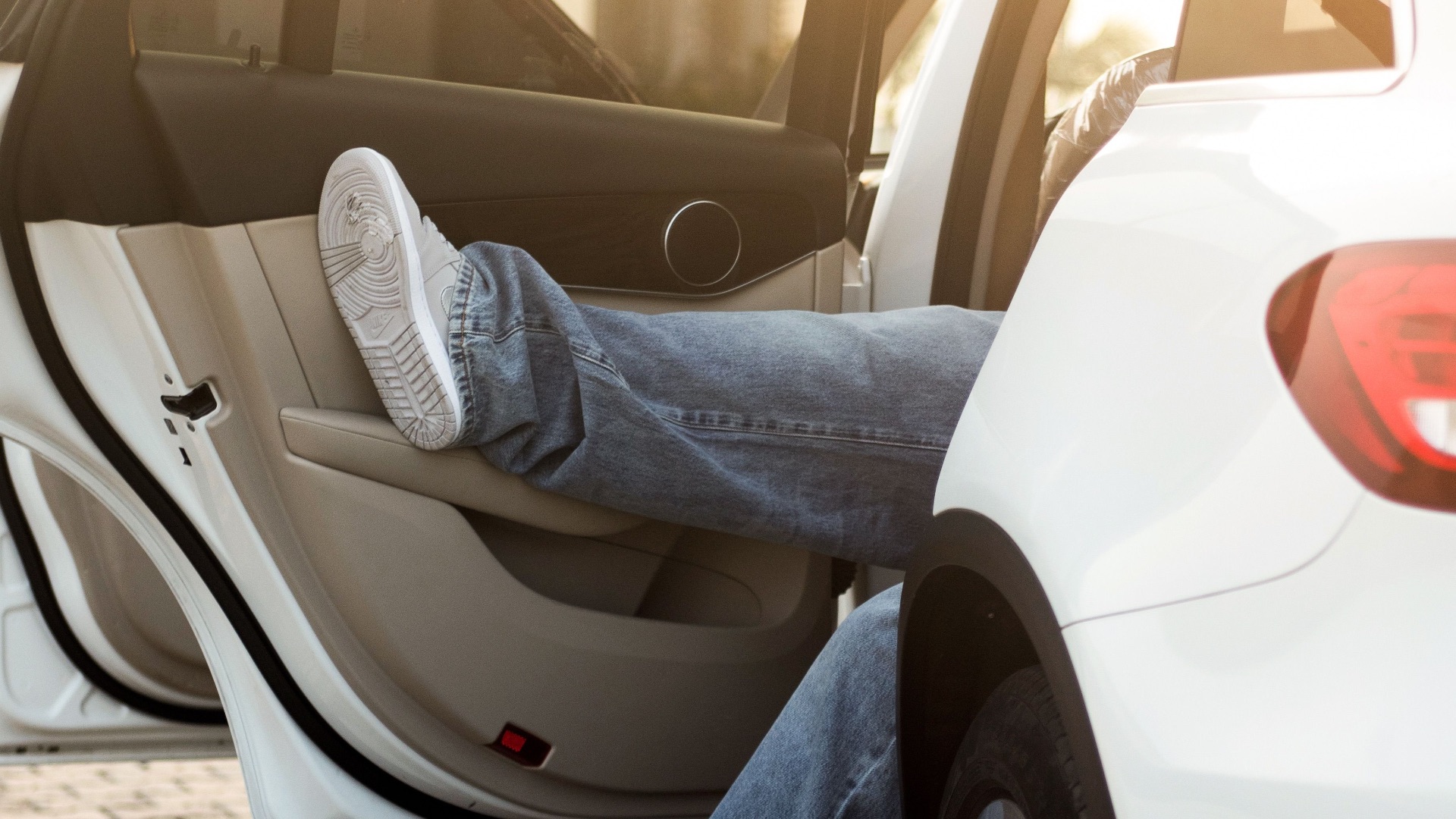
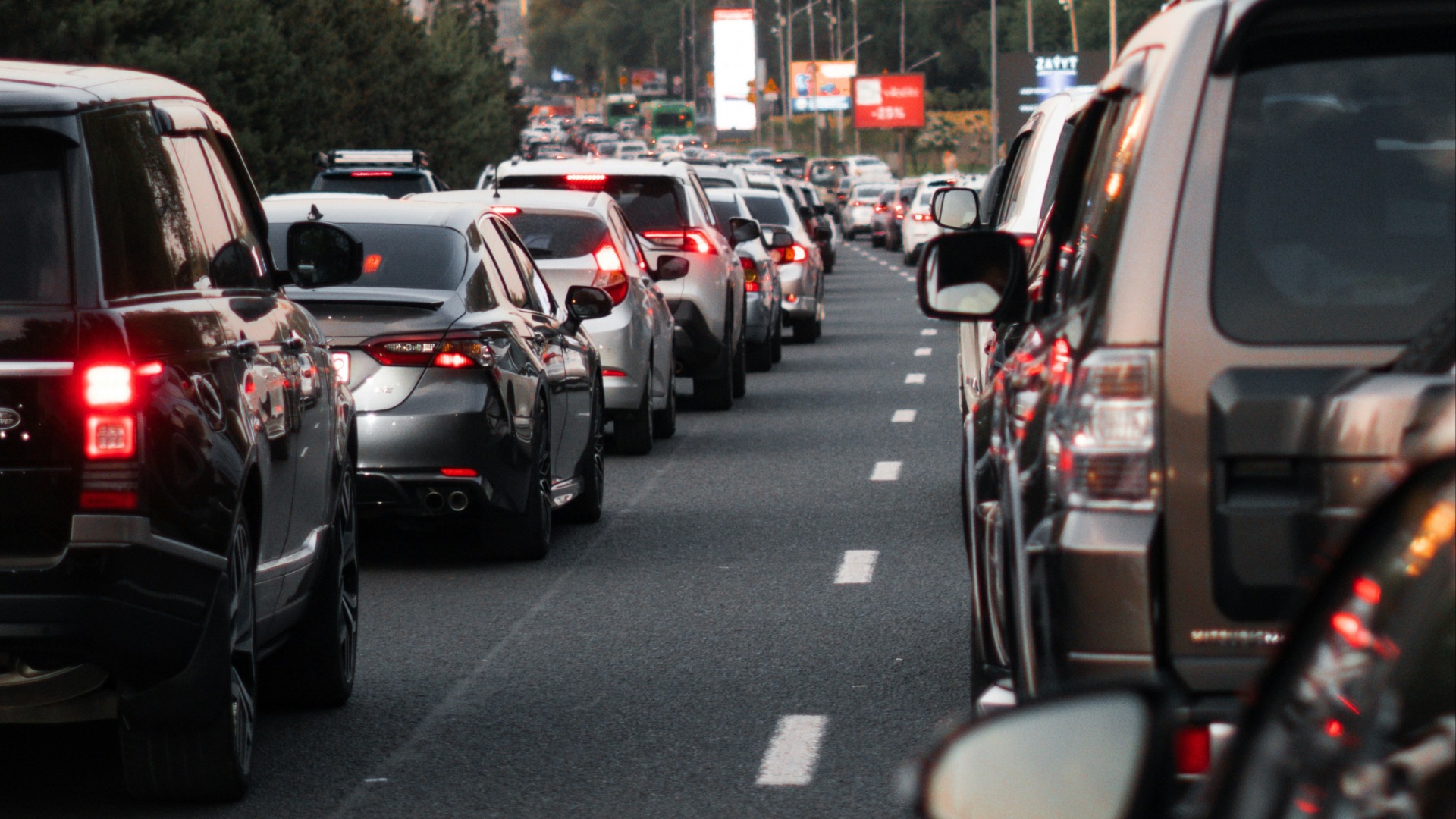
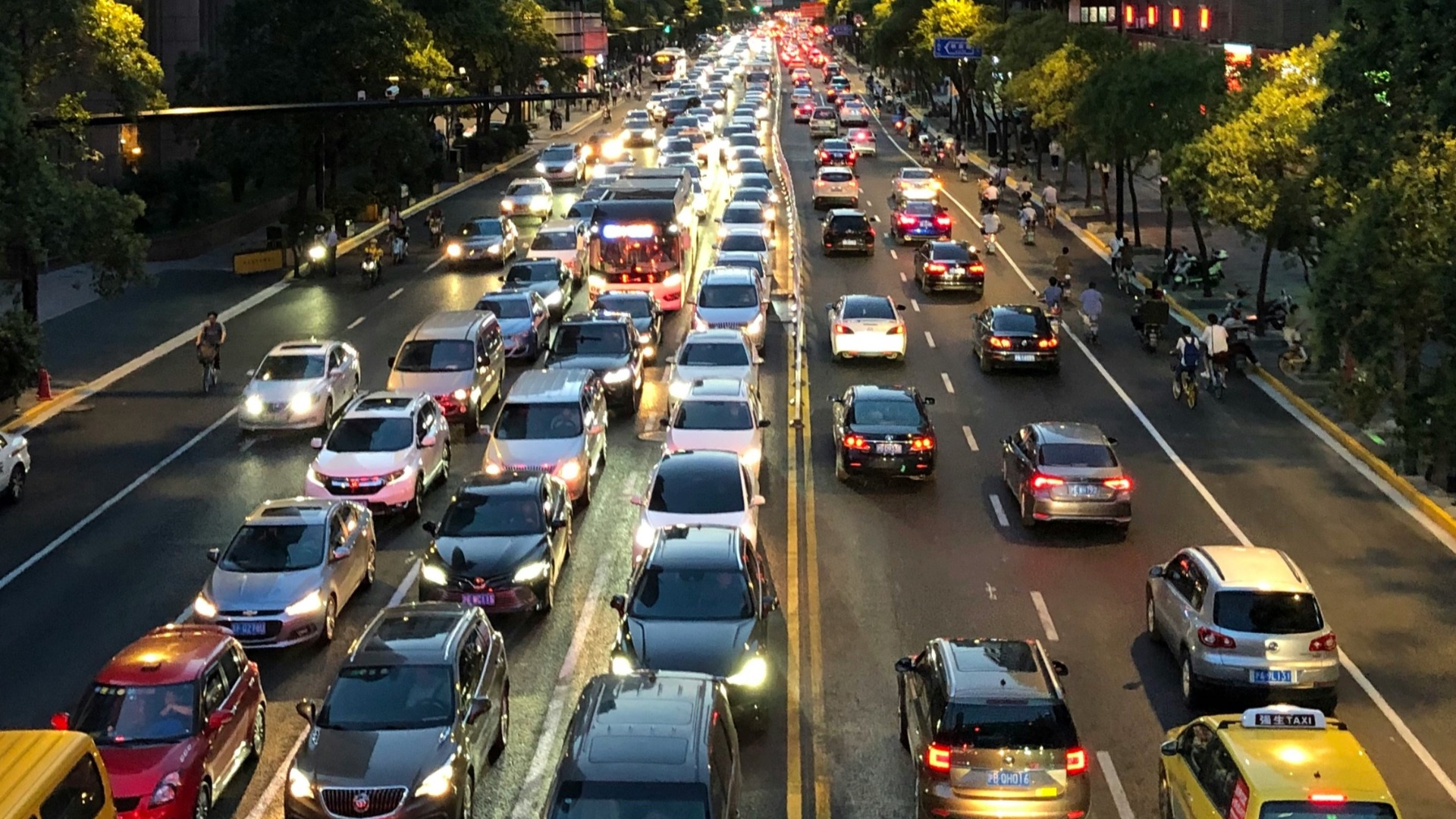
When you’re surrounded by trucks, SUVs, and larger sedans, a smaller car can feel less substantial on the highway. Passing big vehicles or driving beside them in heavy traffic may make you more aware of your size. Wind from larger vehicles can also make the car feel less settled, depending on the model and conditions. Even if the car handles well, the experience can take more concentration than driving something larger.
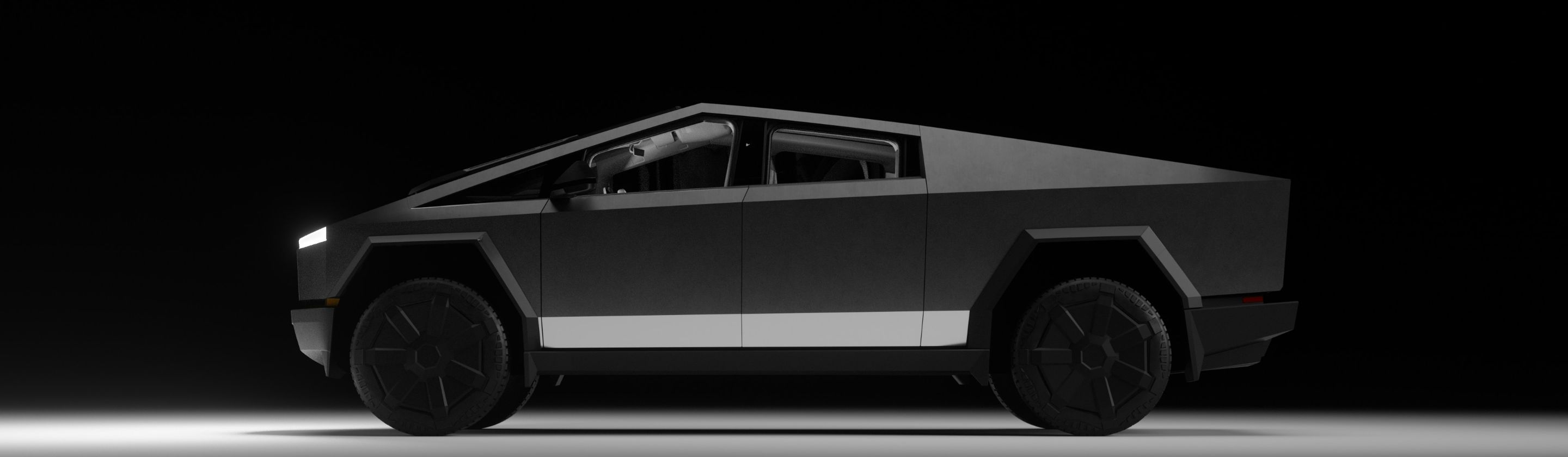
 Nursultan Abakirov on Unsplash
4. Fewer Comfort Features in Some Models
Smaller cars are often designed to be practical and affordable, which can mean fewer extras. Depending on the trim, you may miss out on upgraded seats, premium sound, extra storage compartments, or more advanced climate controls. These details might not seem important at first, but they can affect how the car feels day after day. A compact cabin with basic features can start to feel a bit plain if you spend a lot of time driving.
5. Back Seats Can Feel Like an Afterthought
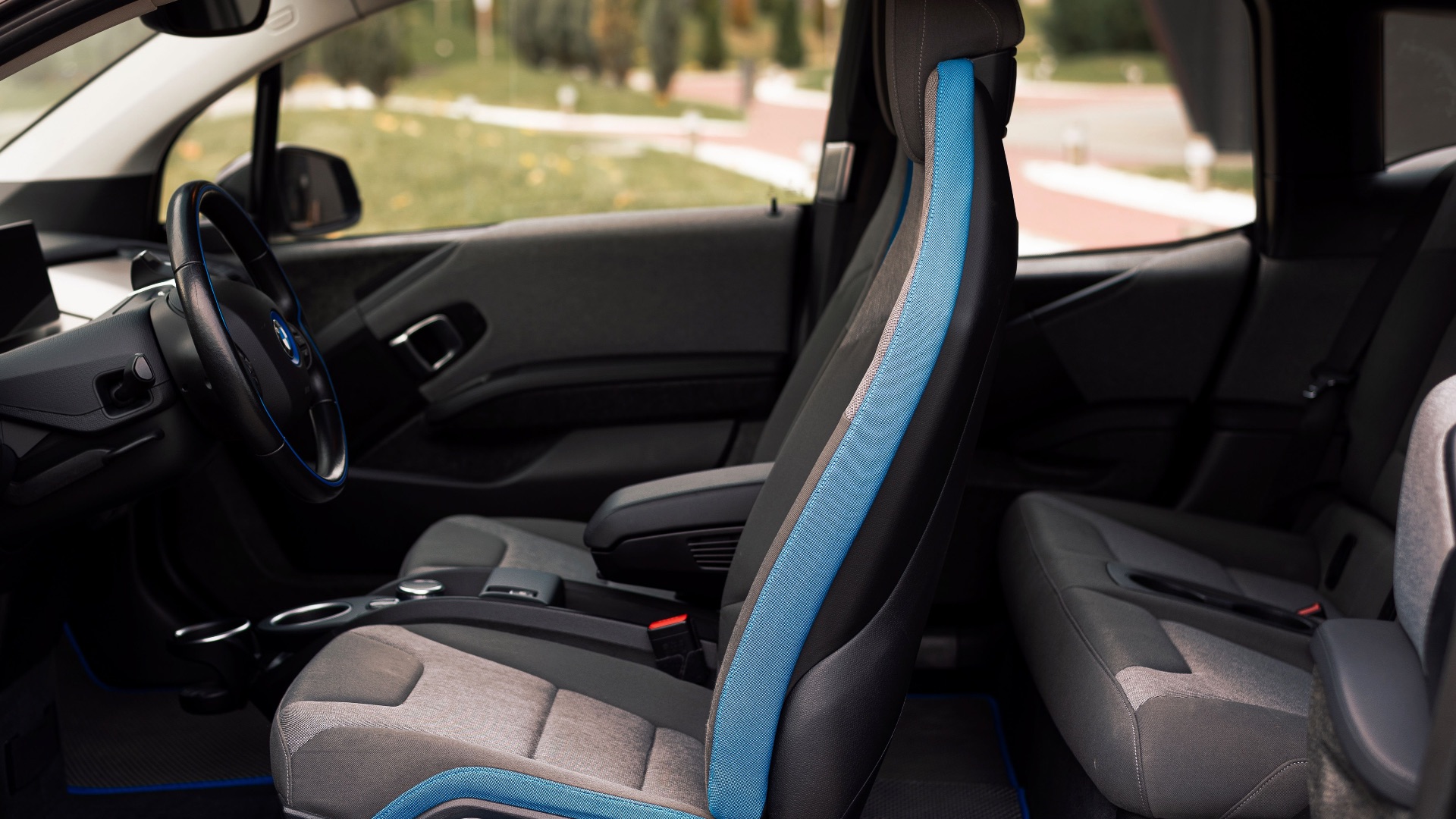
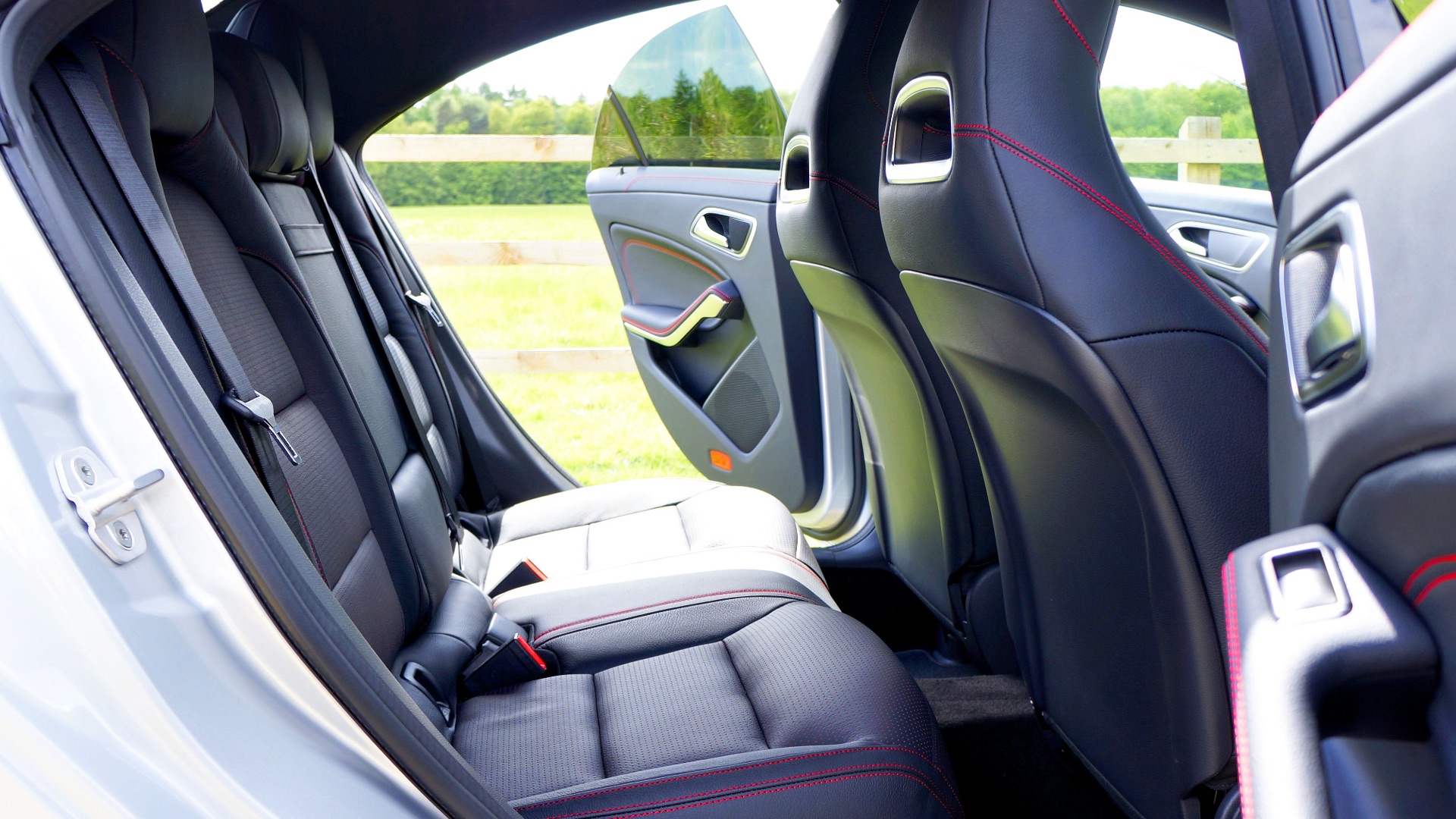
In many smaller cars, the back seat exists, but it doesn’t always feel like it was designed for frequent use. Adults may find the space too tight, while kids’ car seats can be awkward to install or access. Getting in and out may also require more bending or shifting than it would in a larger vehicle. If you regularly drive other people around, the back seat can become one of the car’s biggest limitations.
6. Road Noise Can Be More Noticeable
Some smaller cars let in more sound from tires, wind, and surrounding traffic. That doesn’t mean they’re all unpleasant to drive, but the cabin can feel busier at higher speeds. Conversations, music, or podcasts may need to be turned up when you’re on rough pavement or a fast road. Over time, extra noise can make longer drives feel more tiring than they should.
7. You May Feel Less Visible to Other Drivers
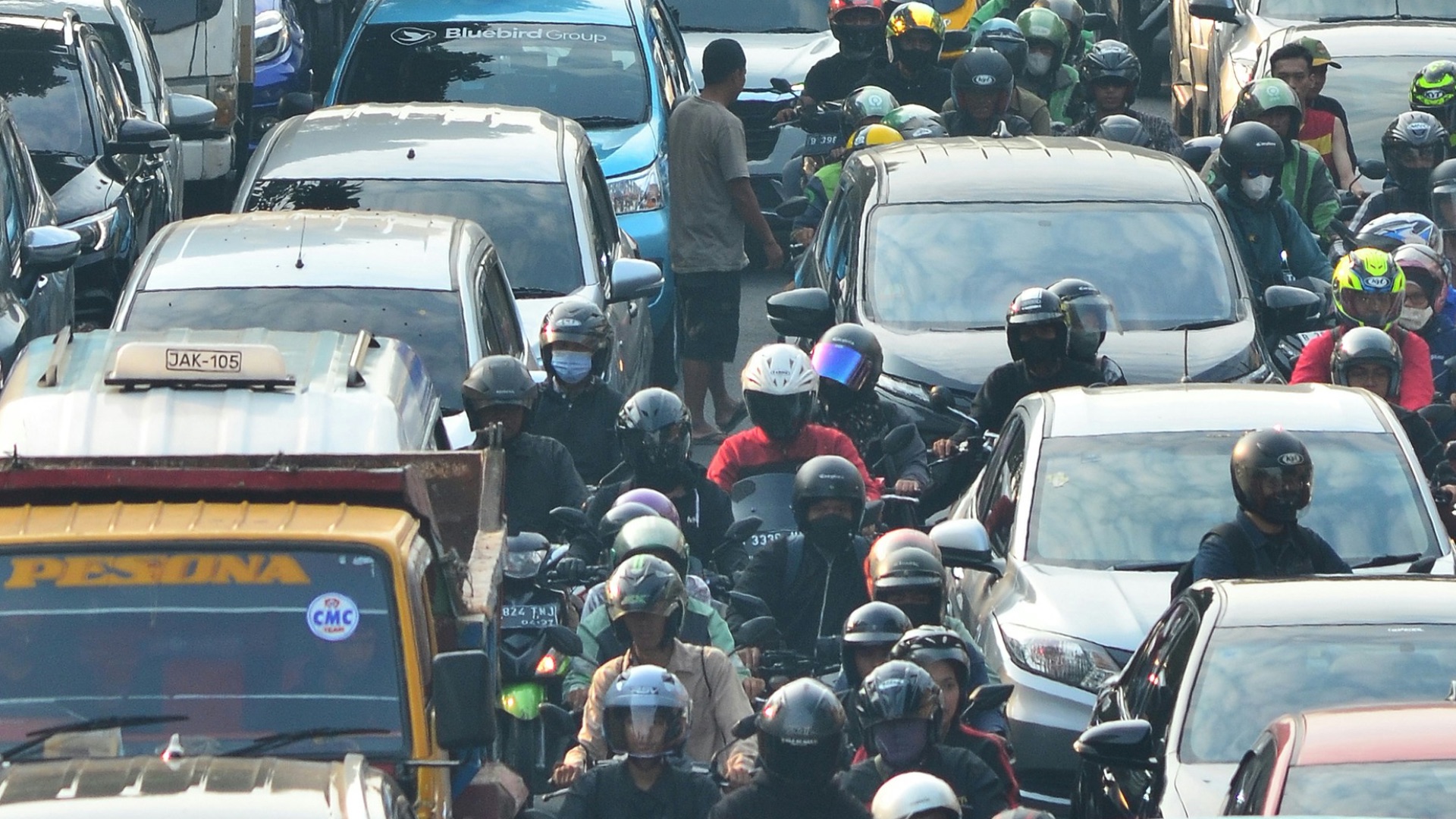
A smaller car can sometimes seem overlooked in traffic, especially around taller vehicles. Drivers in trucks or large SUVs may not notice you as quickly when changing lanes or backing up. This can make defensive driving feel even more important because you’re often thinking about whether others can see you clearly. It’s not a reason to avoid small cars completely, but it’s something many drivers become aware of quickly.
8. Storage Inside the Cabin Is Often Limited
Beyond the trunk, small cars can be short on everyday storage. Cup holders may be small, door pockets may not fit much, and the center console can fill up quickly with chargers, sunglasses, receipts, and other little items. If you like keeping emergency supplies, cleaning wipes, snacks, or extra layers in the car, space can disappear quickly. A tidy cabin can take more effort when there aren’t many places to put things.
9. Rough Roads Can Feel Harsher
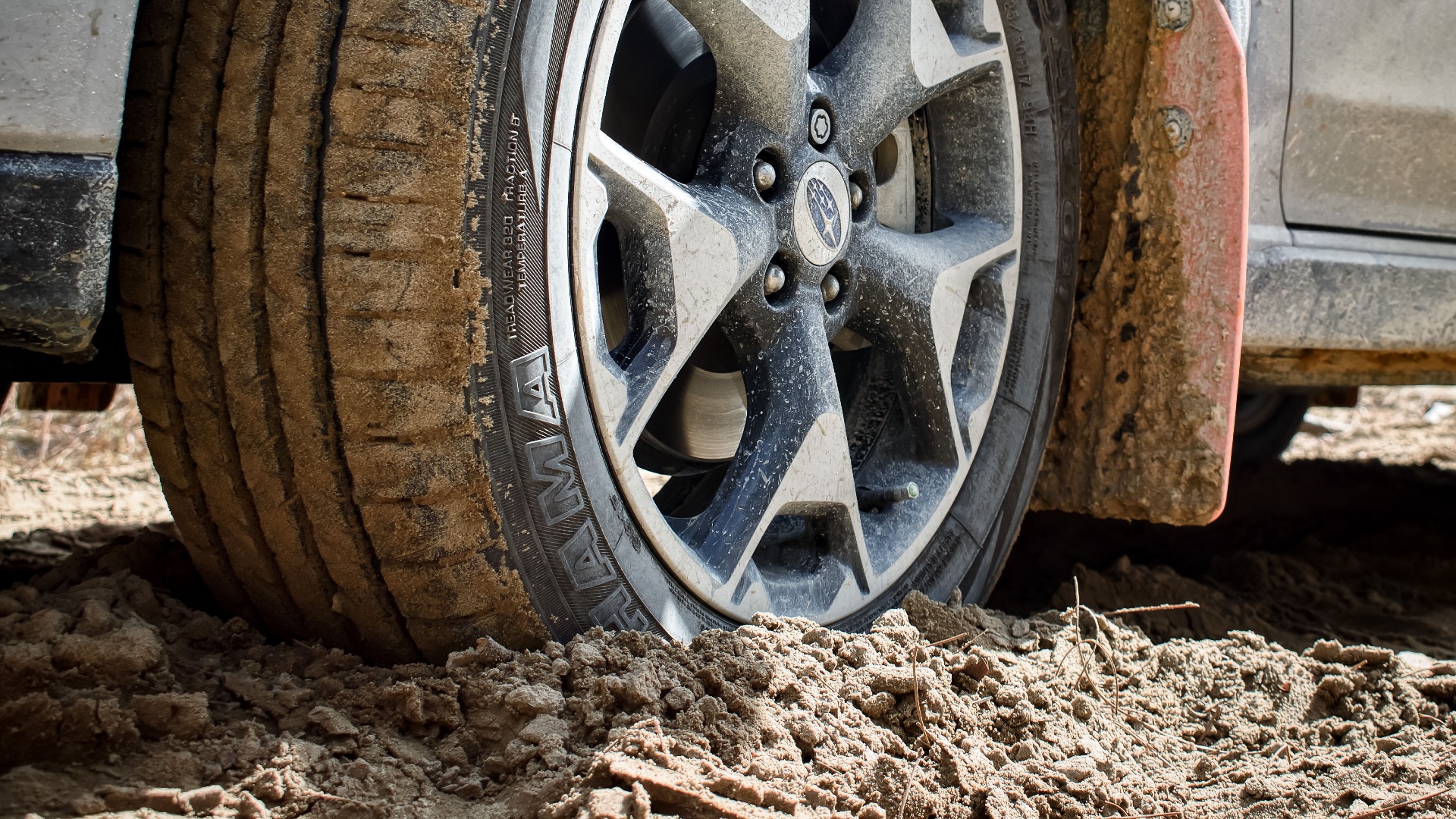
Smaller cars may not absorb bumps as comfortably as larger vehicles, especially if they have a shorter wheelbase or firmer suspension. Potholes, uneven pavement, and speed bumps can feel more pronounced from the driver’s seat. That doesn’t always mean the car is poorly built; it’s often a result of size, weight, and design priorities. Still, if your daily route includes rough roads, the ride can become a regular irritation.
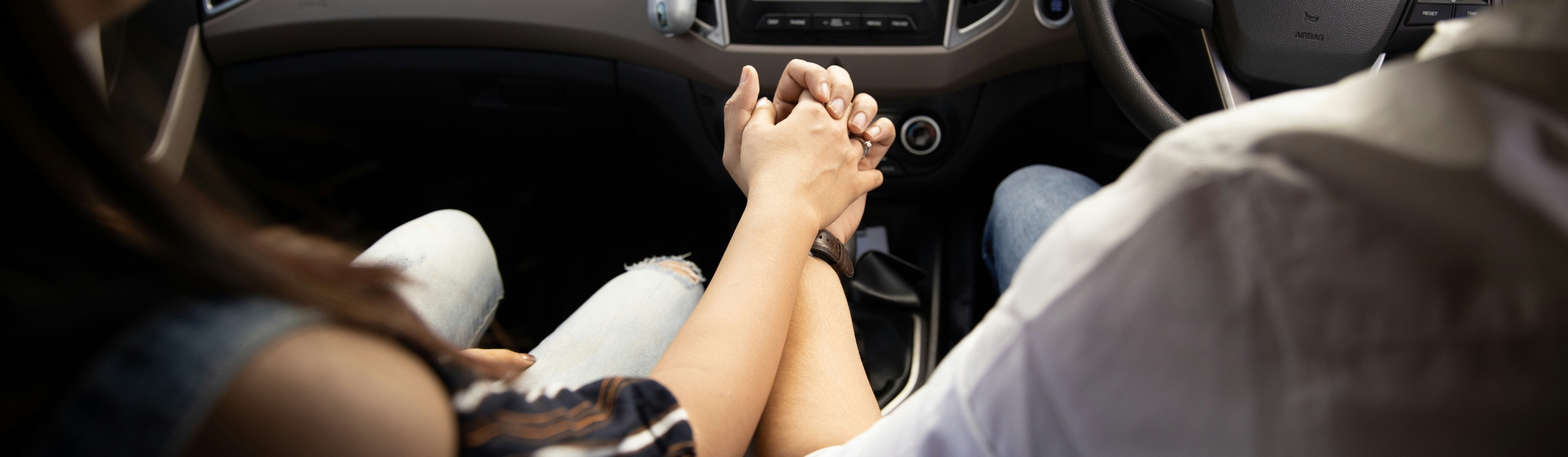
 Connor Scott McManus on Pexels
10. It Can Feel Less Practical for Big Life Moments
A smaller car might be perfect for commuting, but it can feel less useful during moves, airport runs, home projects, or family events. You may need to borrow a bigger vehicle or pay for delivery when something won’t fit. Even simple tasks like picking up flat-pack furniture or hauling sports gear can require extra planning. The car may suit your routine most of the time, but certain situations make its limits very obvious.
As you can see, small cars definitely have their frustrations. Still, those same compact dimensions aren't all bad; they can sometimes make everyday driving easier in ways that larger vehicles often can’t match.

1. Parking Is So Much Easier
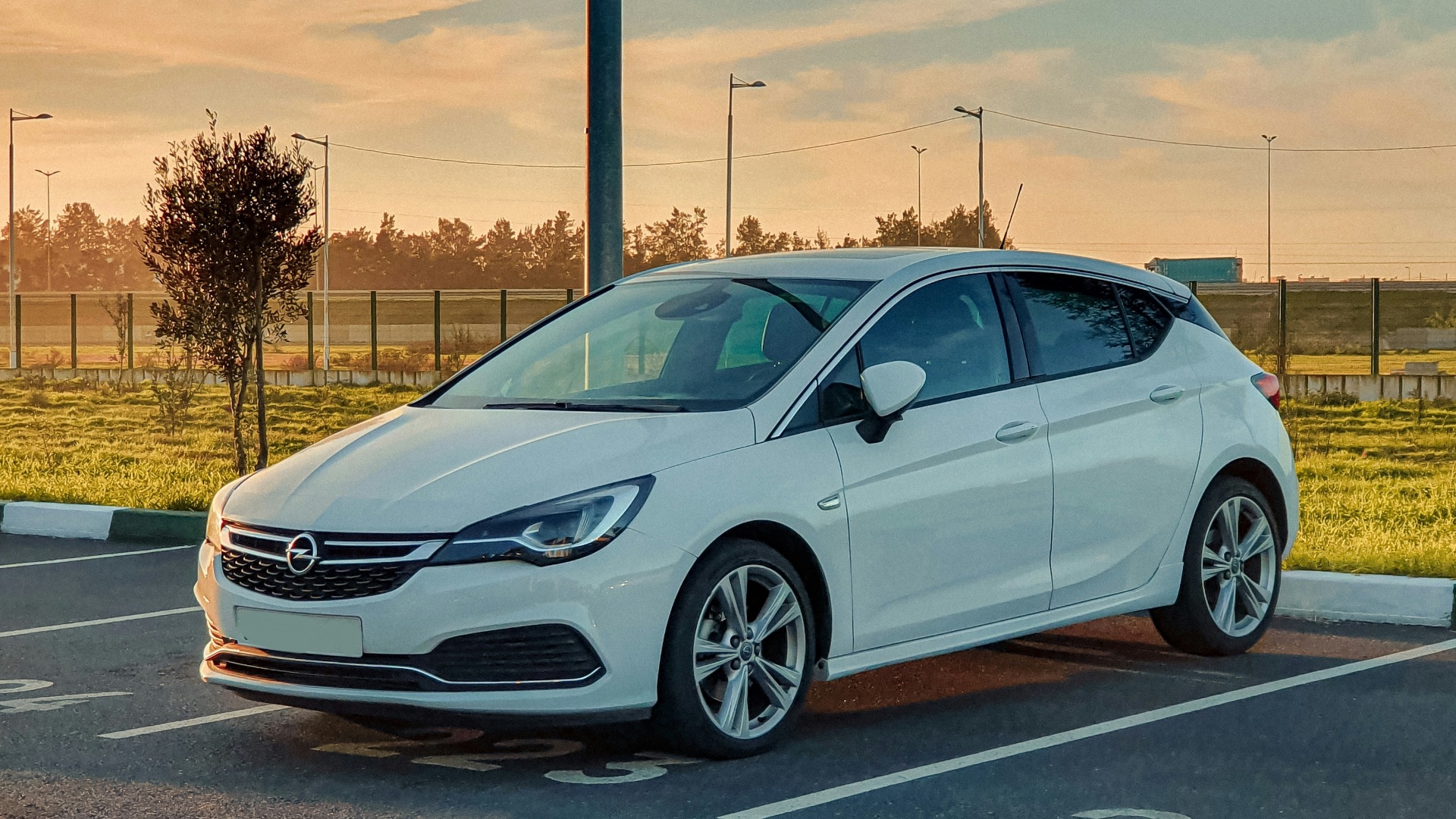
One of the biggest perks of a smaller car is how simple parking becomes. Tight city spaces, crowded lots, and awkward parallel parking spots are less stressful when your car doesn’t need much room. You can fit into spaces that larger vehicles have to pass by, which saves time and frustration. For anyone who drives in busy areas, that benefit can feel valuable almost every day.
2. Fuel Costs Are Often Lower
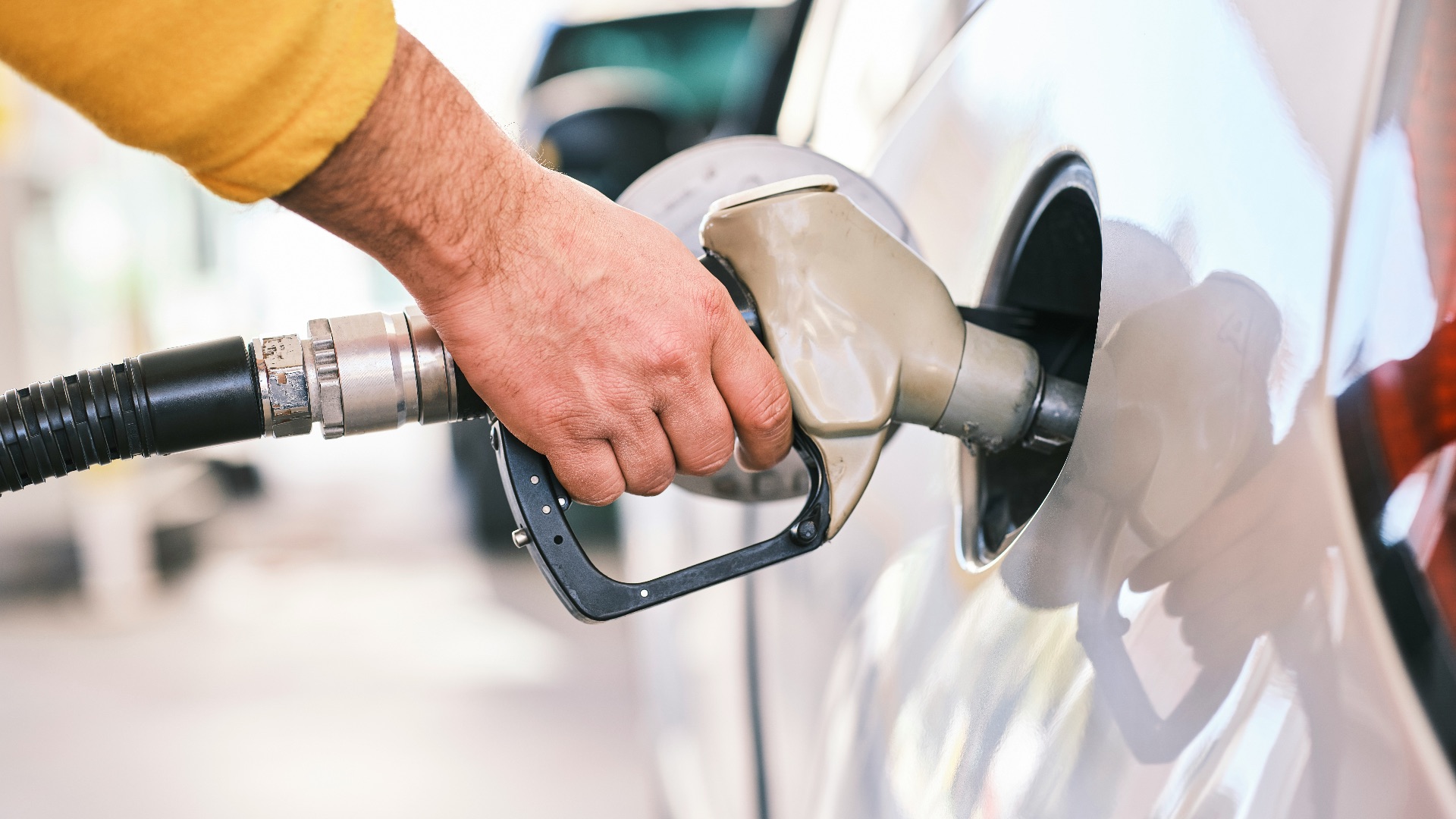
Smaller cars are commonly more fuel-efficient than larger vehicles, which can make a real difference over time. Filling up less often or spending less at the pump is especially helpful if you commute regularly. Even when gas prices fluctuate, better mileage gives you more control over your driving costs. That’s one of the reasons compact cars remain appealing to budget-conscious drivers.
3. City Driving Feels More Manageable
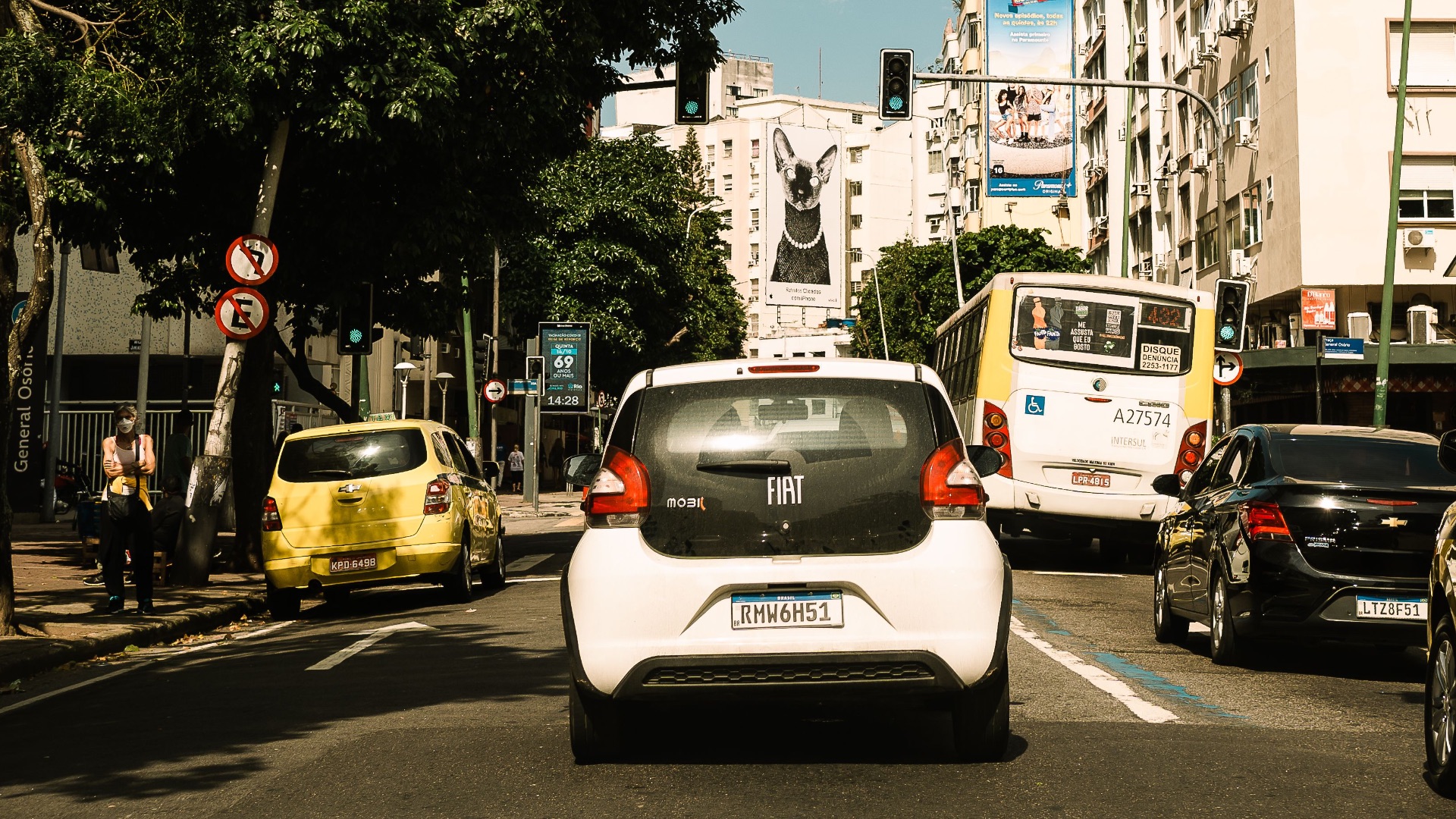
Driving through crowded streets can be easier when your car is small and responsive. Narrow lanes, tight turns, busy intersections, and packed curbside areas usually feel less stressful in a compact vehicle. You don’t have to worry as much about taking up too much space or making wide turns. For urban driving, a smaller car can make the whole experience feel more controlled.

4. Maintenance Can Be More Affordable
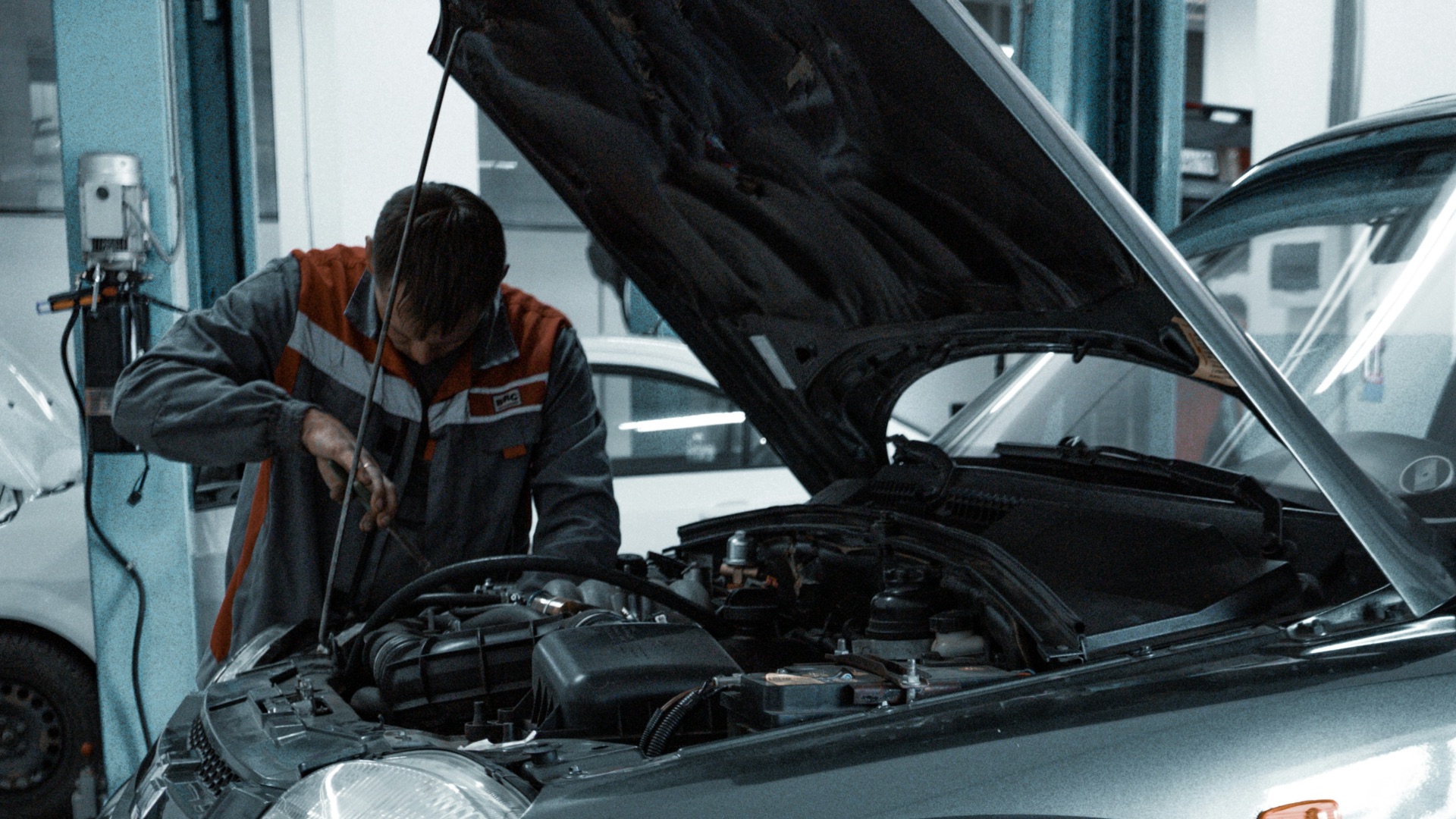
Many smaller cars are built with affordability in mind, and that can extend to maintenance. Tires, brakes, oil changes, and certain replacement parts may cost less than they would on a larger or more complex vehicle. Of course, costs vary by brand and model, but small cars often have an advantage when it comes to routine upkeep. That can make ownership feel more manageable over the long run.
5. They’re Easier to Maneuver
A smaller car can feel nimble in everyday situations. U-turns, lane positioning, driveway turns, and tight parking garages are often easier because the vehicle responds quickly and takes up less space. You may also feel more comfortable making adjustments in cramped areas. That ease of movement can make driving feel less tiring, especially when you’re dealing with traffic or crowded roads.
6. Insurance May Cost Less
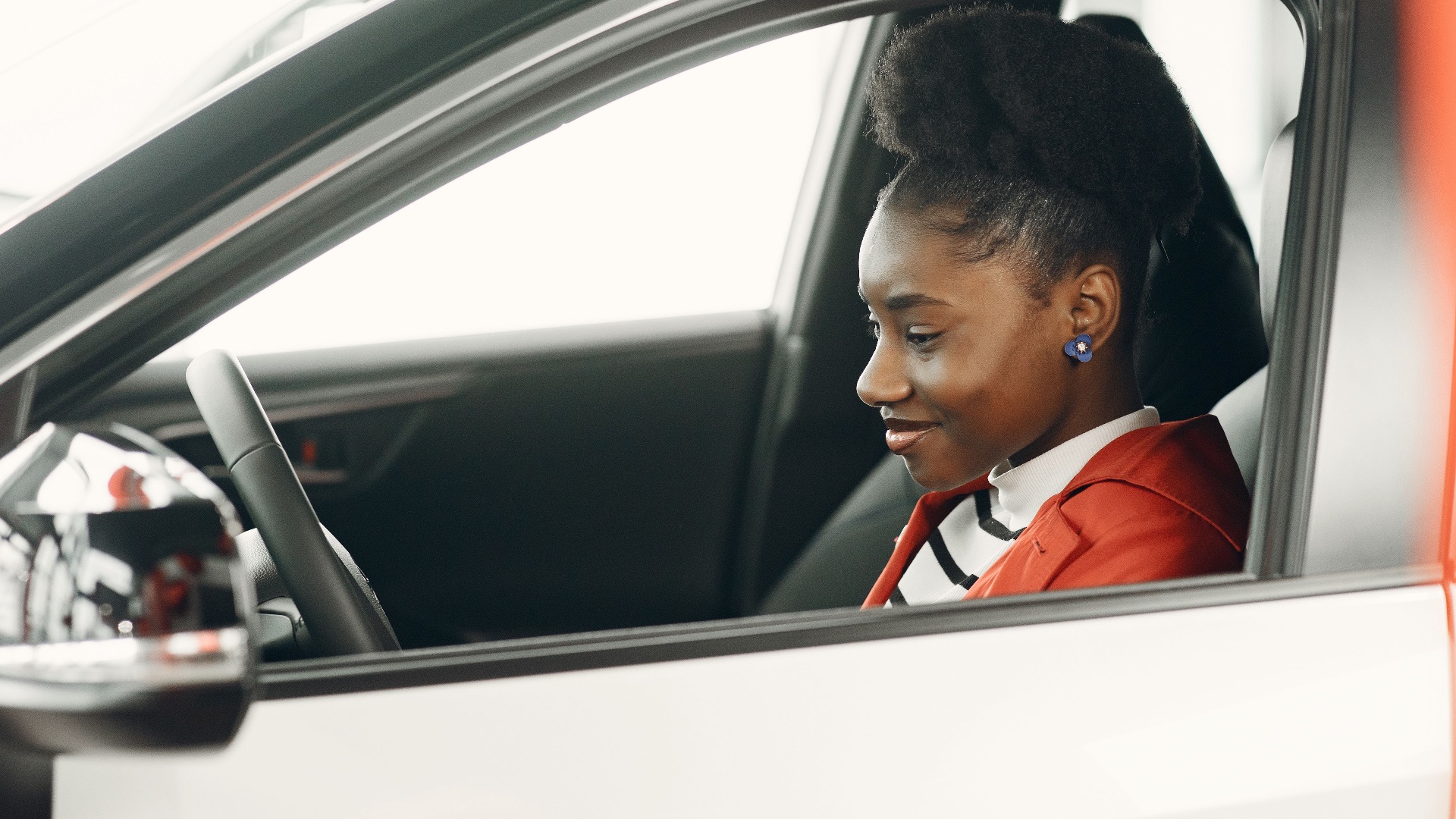
Insurance prices depend on several factors, including your driving record, location, vehicle model, and coverage level. Still, some smaller cars can be cheaper to insure than larger or more expensive vehicles. If the car is affordable to repair and doesn’t have an unusually high claims history, that can help reduce costs. For drivers trying to keep monthly expenses under control, this can be a meaningful perk.

7. Washing and Cleaning Takes Less Time
A smaller car is simply easier to clean. There’s less exterior surface to wash, fewer interior spaces to vacuum, and a smaller cabin to wipe down. Even if you’re doing a quick cleanup before picking someone up, the job usually takes less effort. That may not sound exciting, but it’s a practical benefit when life gets busy.

8. They Can Be More Fun to Drive
Some smaller cars offer a lively driving experience because they’re light, responsive, and easy to place on the road. You don’t need a sports car to appreciate a vehicle that turns neatly and feels alert in everyday driving. Even basic compact cars can feel enjoyable when they’re easy to handle. For drivers who like a more connected feel, small size can be part of the appeal.

9. They’re Less Stressful for New Drivers
A smaller car can be a good fit for people who are still building confidence behind the wheel. It’s easier to judge the corners, park accurately, and navigate tight spaces without feeling overwhelmed by the vehicle’s size. New drivers may also appreciate having fewer blind spots compared with some larger vehicles, depending on the design. The learning process can feel smoother when the car feels manageable.
10. They Make Everyday Errands Simpler
For quick trips, a smaller car can be wonderfully convenient. You can get in and out of crowded parking lots, squeeze through busy streets, and handle short drives without feeling like you’re managing more vehicle than you need. It’s especially useful when your routine is mostly commuting, errands, and local outings. While it may not be perfect for every situation, a smaller car can make ordinary driving feel refreshingly easy.