Sometimes the Little Guys Get It Exactly Right
Big automakers have money, factories, marketing departments, and enough focus groups to make any car feel slightly nervous. Smaller brands usually don’t have that luxury, which means they often need one truly excellent car to prove they belong in the conversation. Some of these models were clever, fast, charming, lightweight, beautiful, or simply better than anyone expected. They didn’t just sell a product; they put their makers on the map. Here are 20 cars that made small brands look brilliant.
1. Lotus Elise
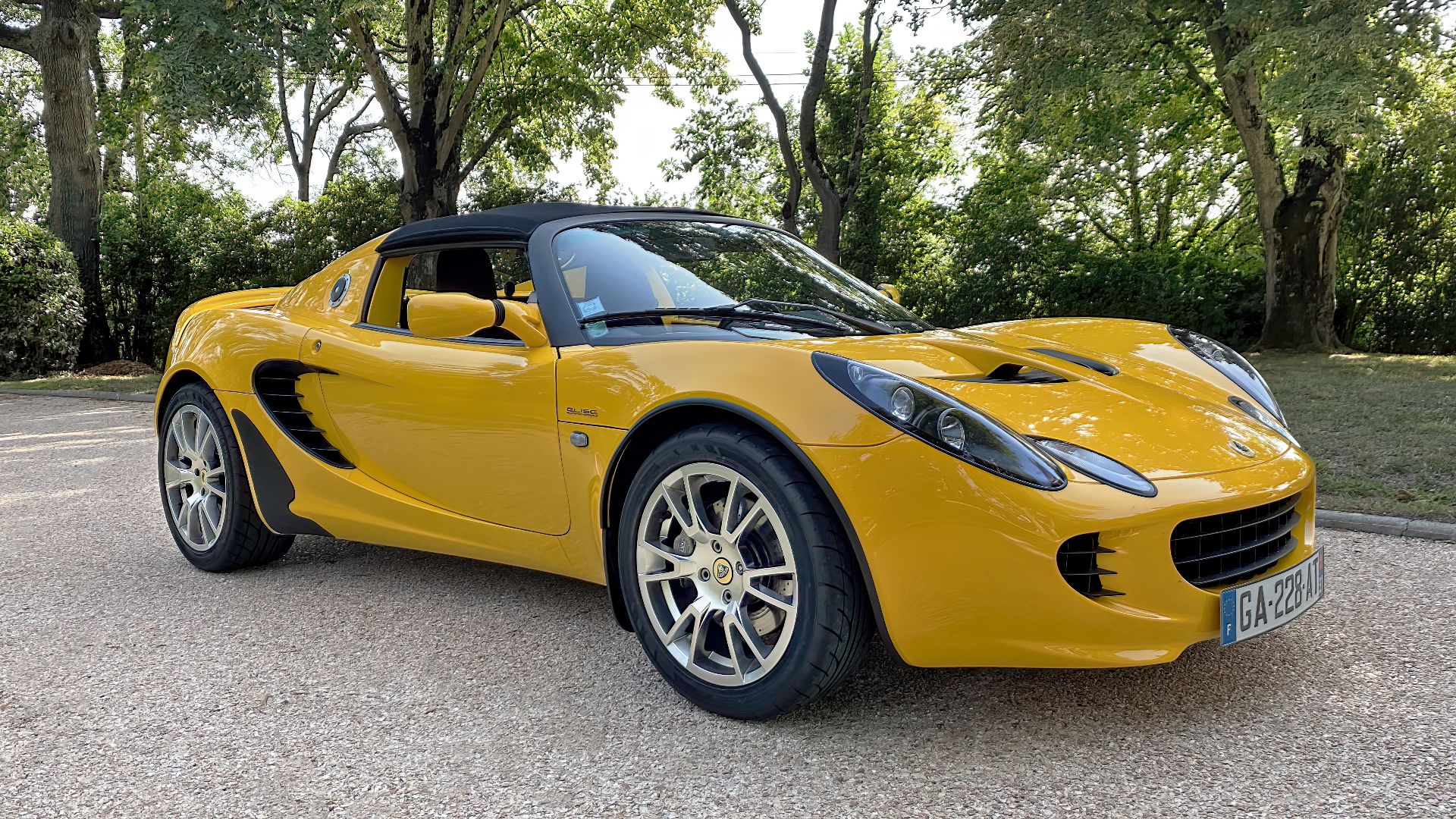
The Lotus Elise made Lotus look like it still understood sports cars better than almost anyone. It was light, simple, responsive, and focused on the kind of driving feel that heavier performance cars often struggled to match. The Elise gave a small British brand a modern icon without needing a luxury-car budget.
 Thierry & Didier Descouens on Wikimedia
2. Mazda MX-5 Miata
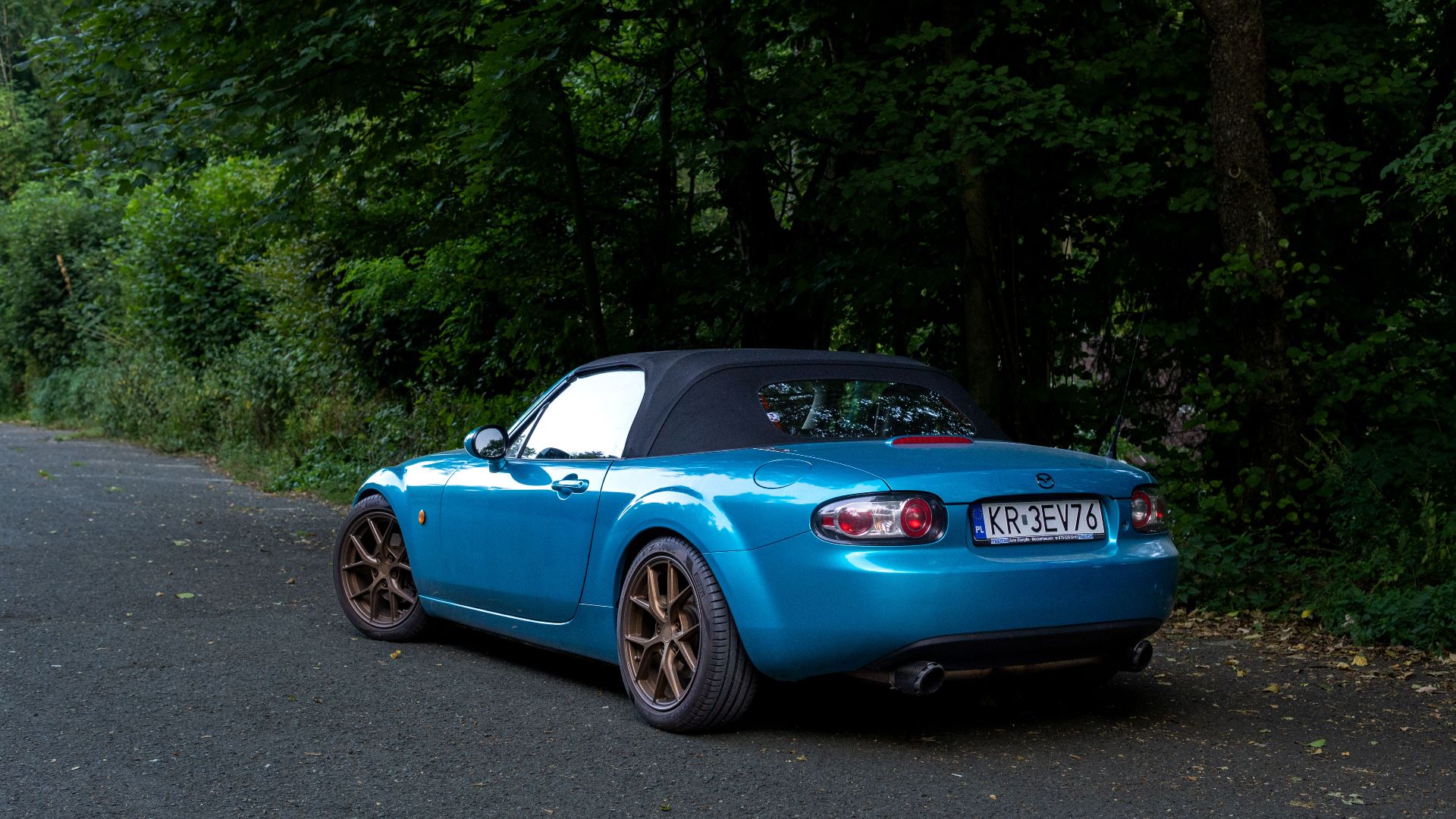
Mazda may be a giant now, but when the Miata came out, it was a relatively small, independent company, which looked wonderfully clever when it revived the lightweight roadster with plenty of charm and Japanese reliability. The Miata proved that a fun car didn’t need to be expensive, intimidating, or covered in supercar drama. It made Mazda seem like the rare company that remembered driving was supposed to be enjoyable.
3. Alpine A110
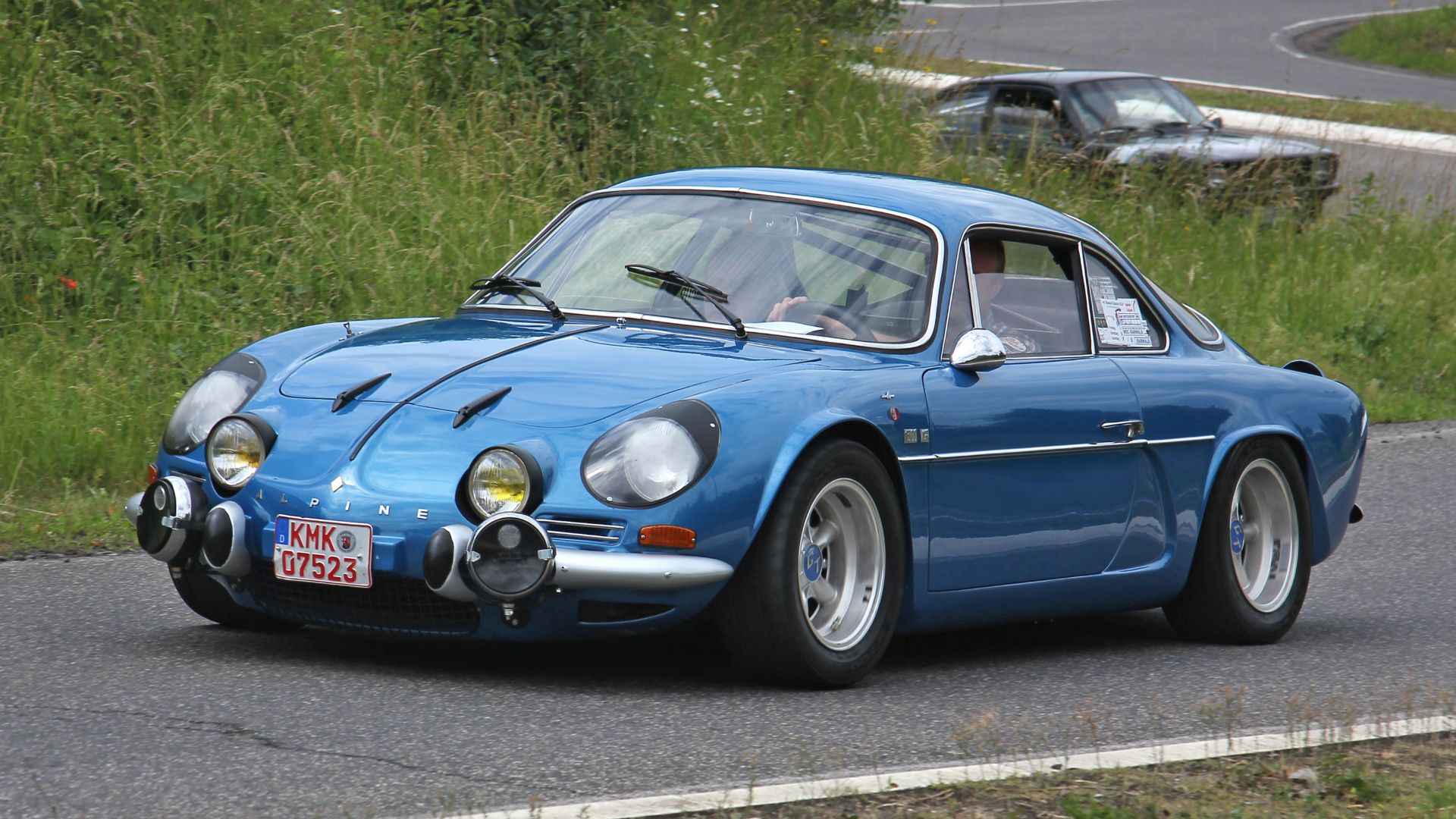
The modern Alpine A110 brought a historic French sports-car name back with real credibility. Instead of trying to out-muscle Porsche, Alpine built something light, agile, and graceful. The result felt refreshing because it cared more about balance than bragging rights. For a revived small brand, the A110 was exactly the kind of car that made people pay attention.
4. Ariel Atom
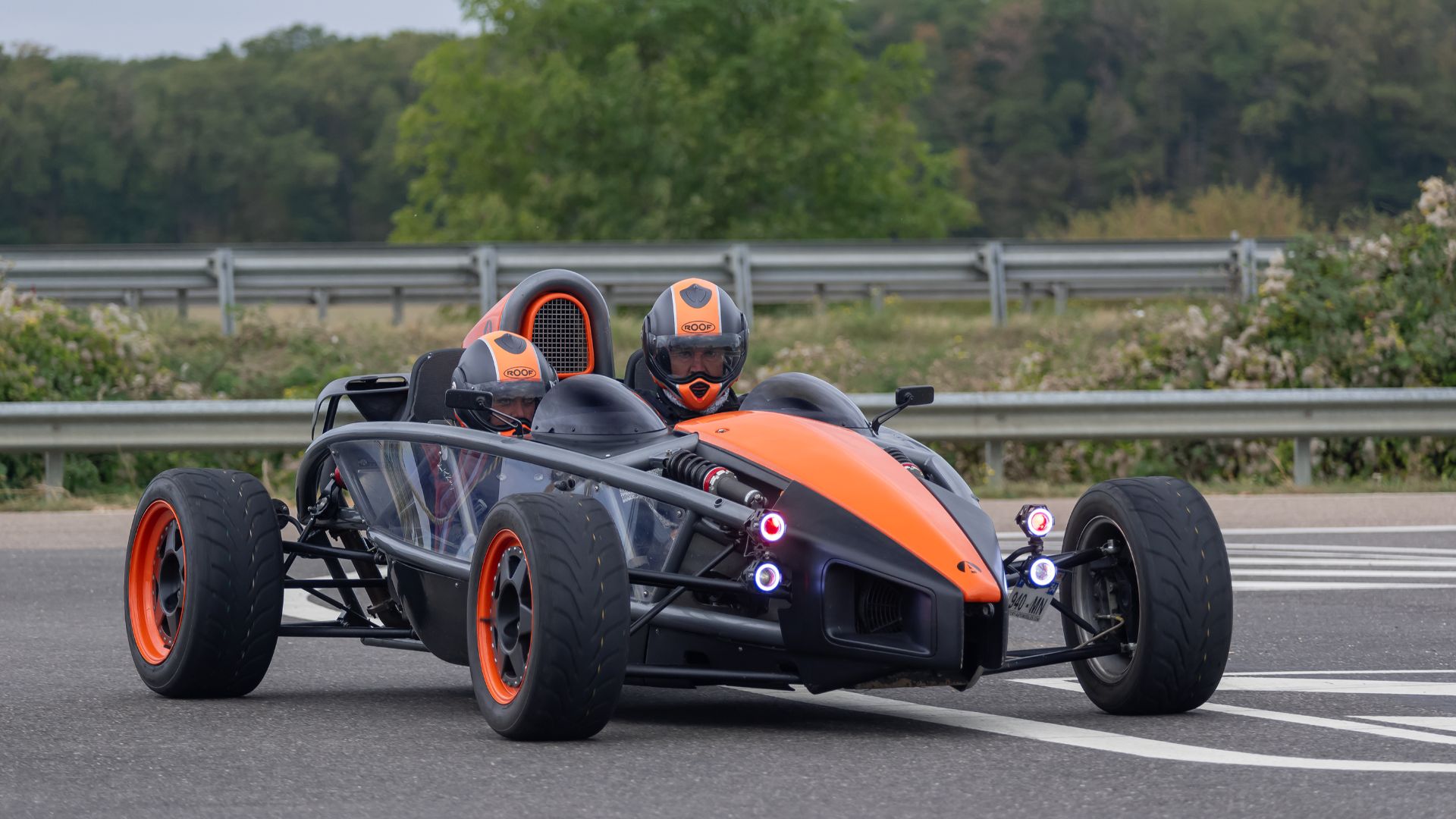
The Ariel Atom looked like it escaped from a workshop before anyone remembered to add the rest of the body. That was also the point, because its exposed structure, tiny weight, and wild acceleration made it unforgettable. Ariel didn’t need a giant lineup to make a statement. One outrageous, bare-bones performance car was enough to make the brand seem fearless.
5. Caterham Seven
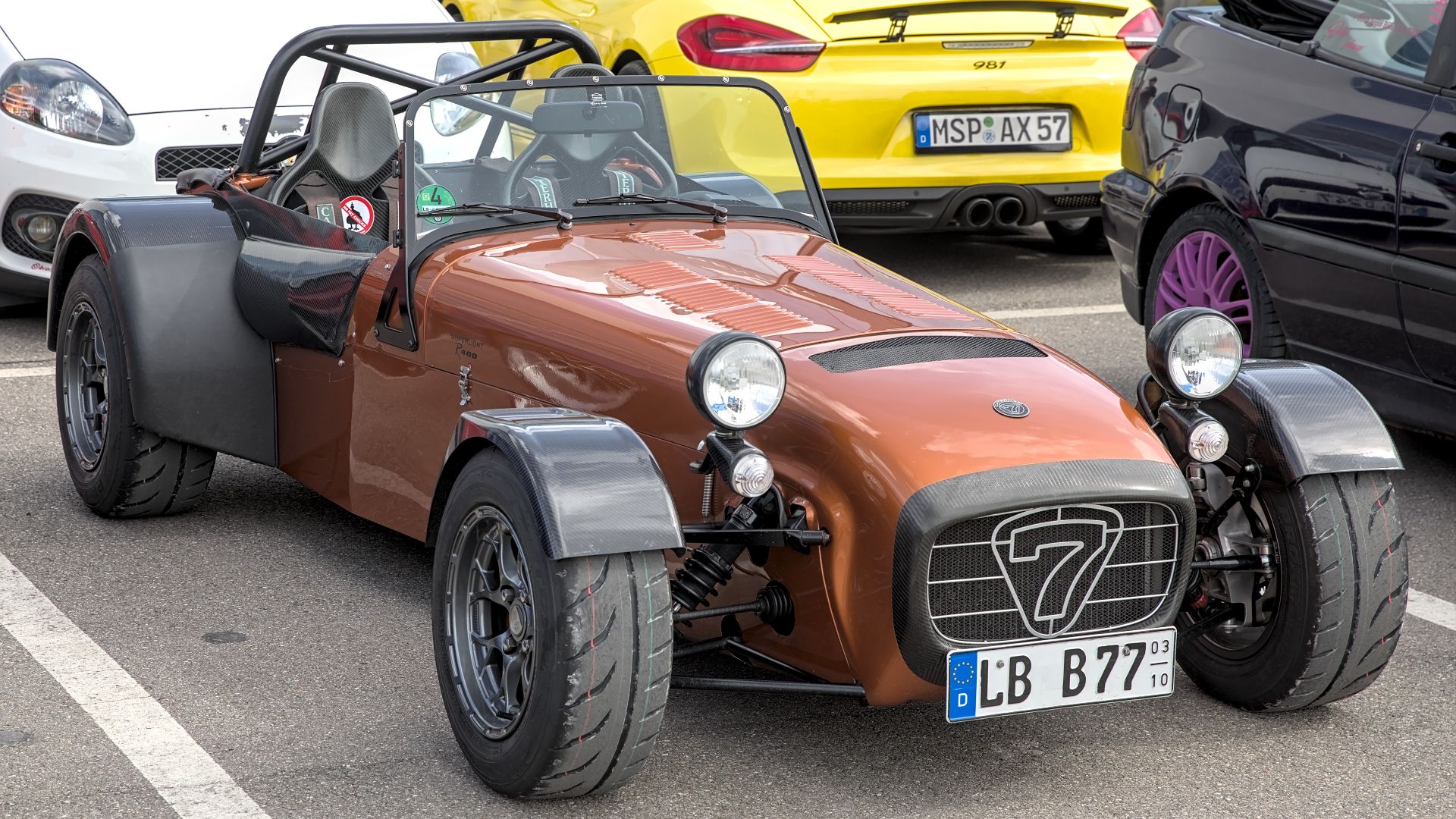
The Caterham Seven kept an old idea alive so well that it made simplicity look brilliant. It was tiny, light, mechanical, and refreshingly uninterested in modern bloat. You didn’t buy one for cupholders, sound insulation, or relaxed commuting. You bought it because Caterham understood that a car could feel thrilling without being complicated.
6. Morgan Plus 8
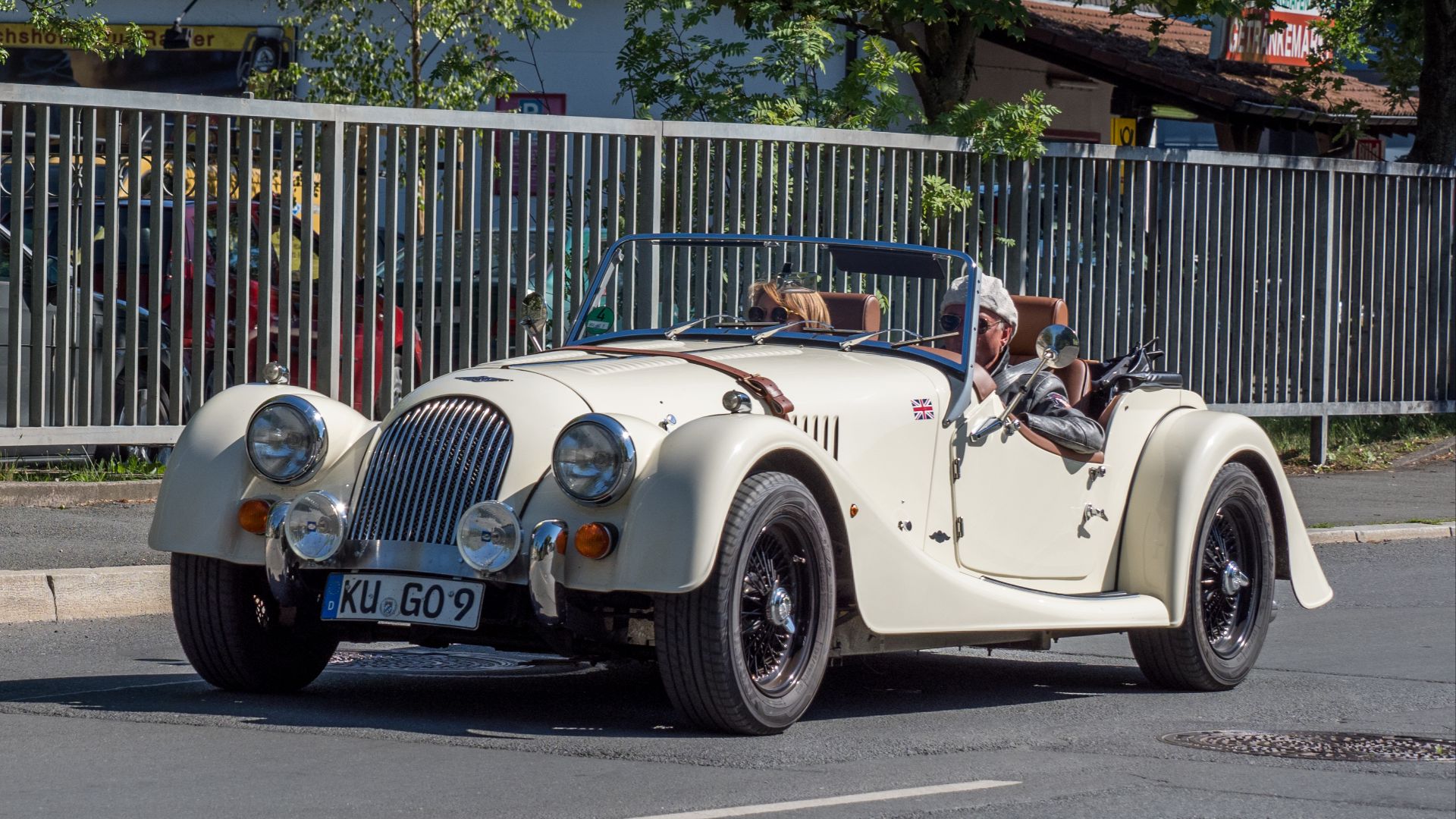
The Morgan Plus 8 made Morgan’s old-world image feel charming rather than outdated. It combined classic styling with V8 power, creating something that felt both vintage and surprisingly lively. The car didn’t try to compete with modern sports cars on their terms, which was exactly why it stood out. Morgan looked smart because it knew its own personality and leaned into it completely.
7. TVR Griffith
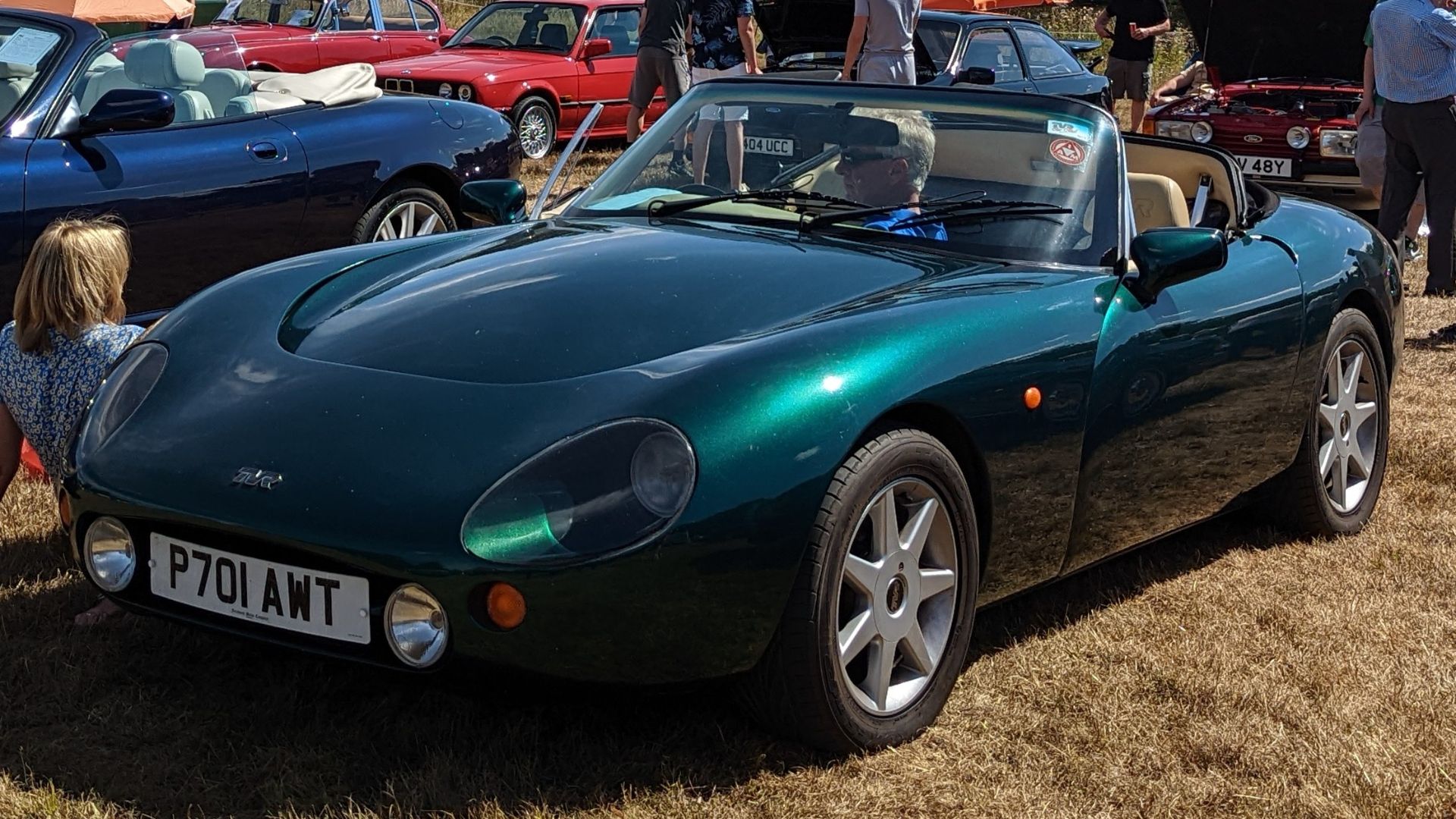
The TVR Griffith gave TVR the kind of wild reputation small brands dream about. It had muscular styling, big performance, and just enough unruliness to make it feel properly British and slightly alarming. This wasn’t a polished corporate sports car, and that was part of the appeal. The Griffith made TVR look brave, emotional, and totally uninterested in being sensible.
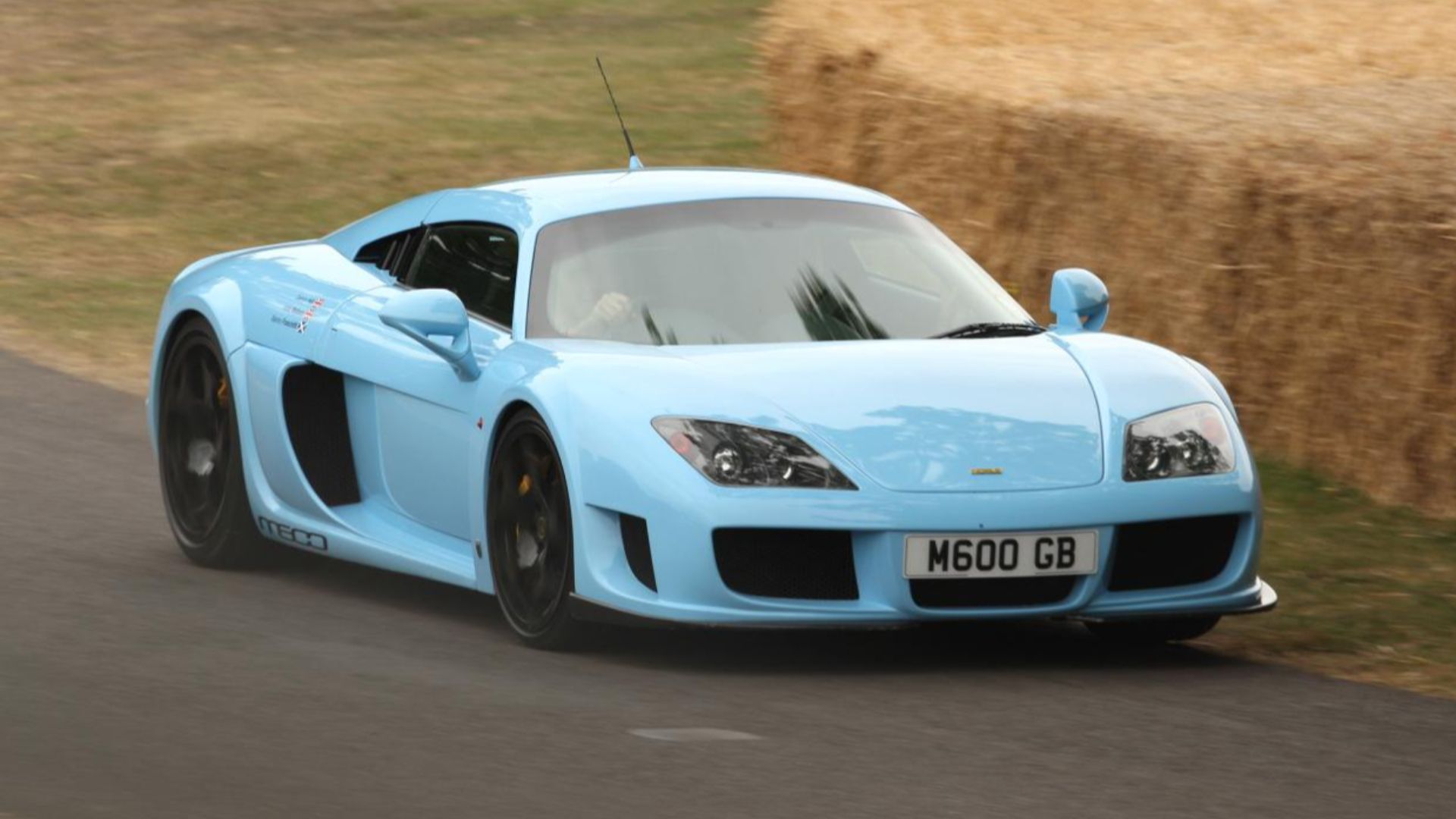
8. Noble M600
The Noble M600 showed that a tiny company could build a seriously fast supercar without drowning it in electronics. It was powerful, focused, and intimidating in a way that made enthusiasts take notice. Noble didn’t have the badge power of Ferrari or Lamborghini, but the M600 had the performance to enter the conversation anyway.
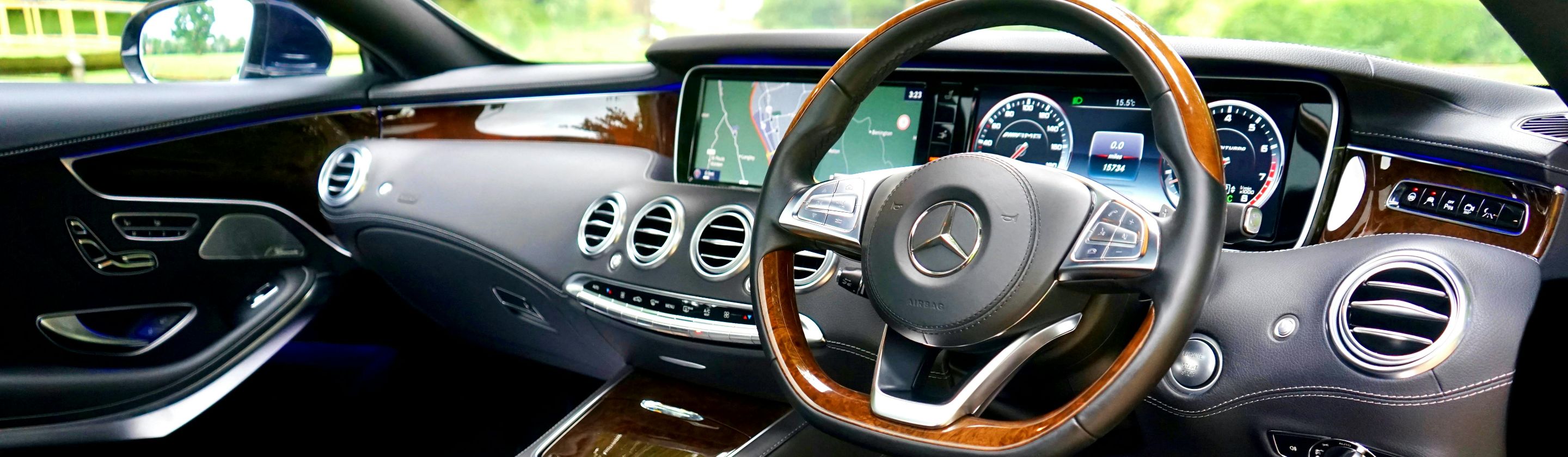
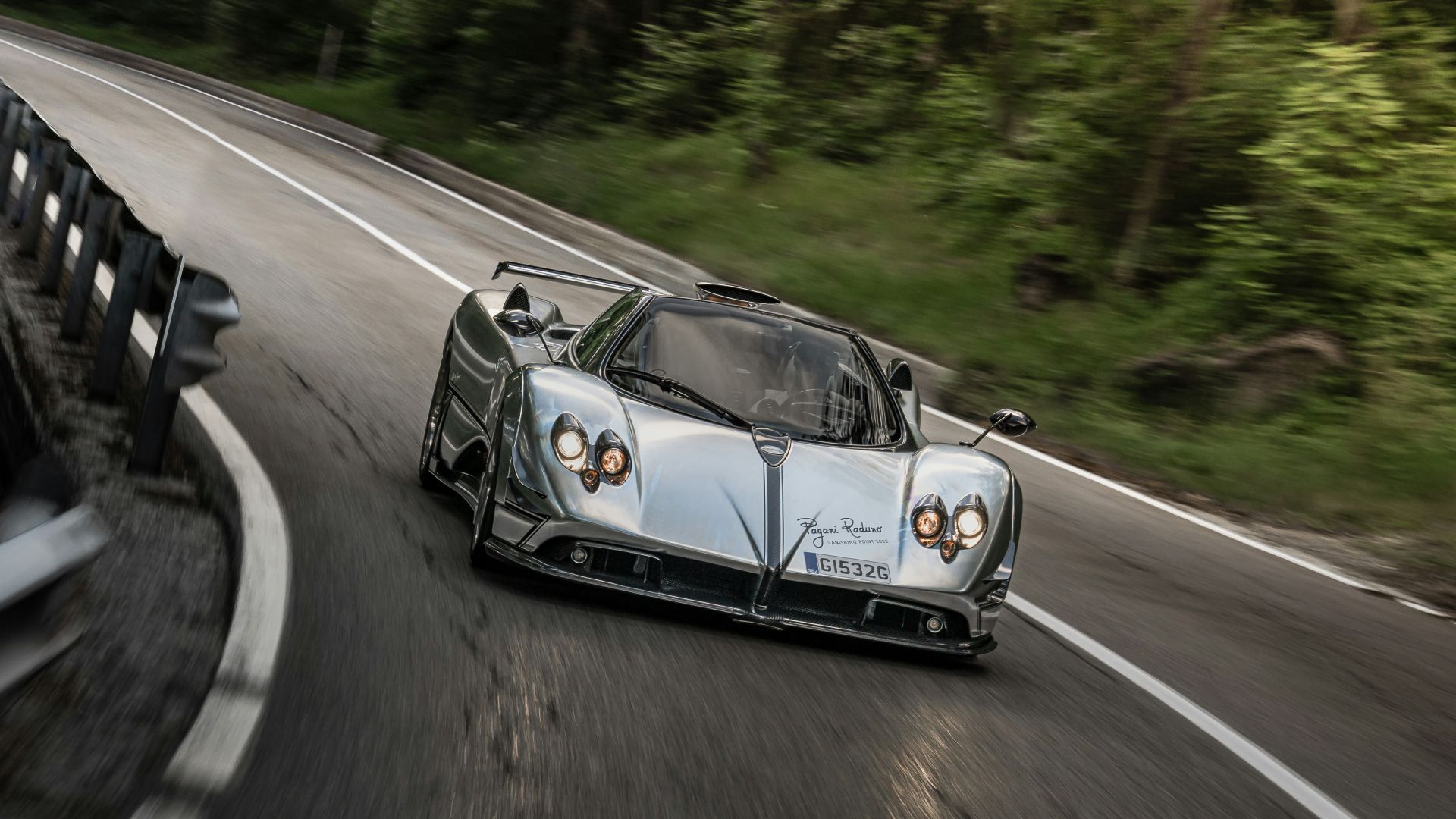
9. Pagani Zonda
The Pagani Zonda made a small Italian supercar company look like it had been born fully confident. Its design was dramatic, its craftsmanship was obsessive, and its AMG V12 gave it serious performance credibility. Pagani didn’t simply build another exotic car; it created something that felt personal and instantly recognizable. The Zonda made the brand look like an artist had wandered into the supercar business and somehow nailed it.
 Edoardo Giudici Saraval on Unsplash
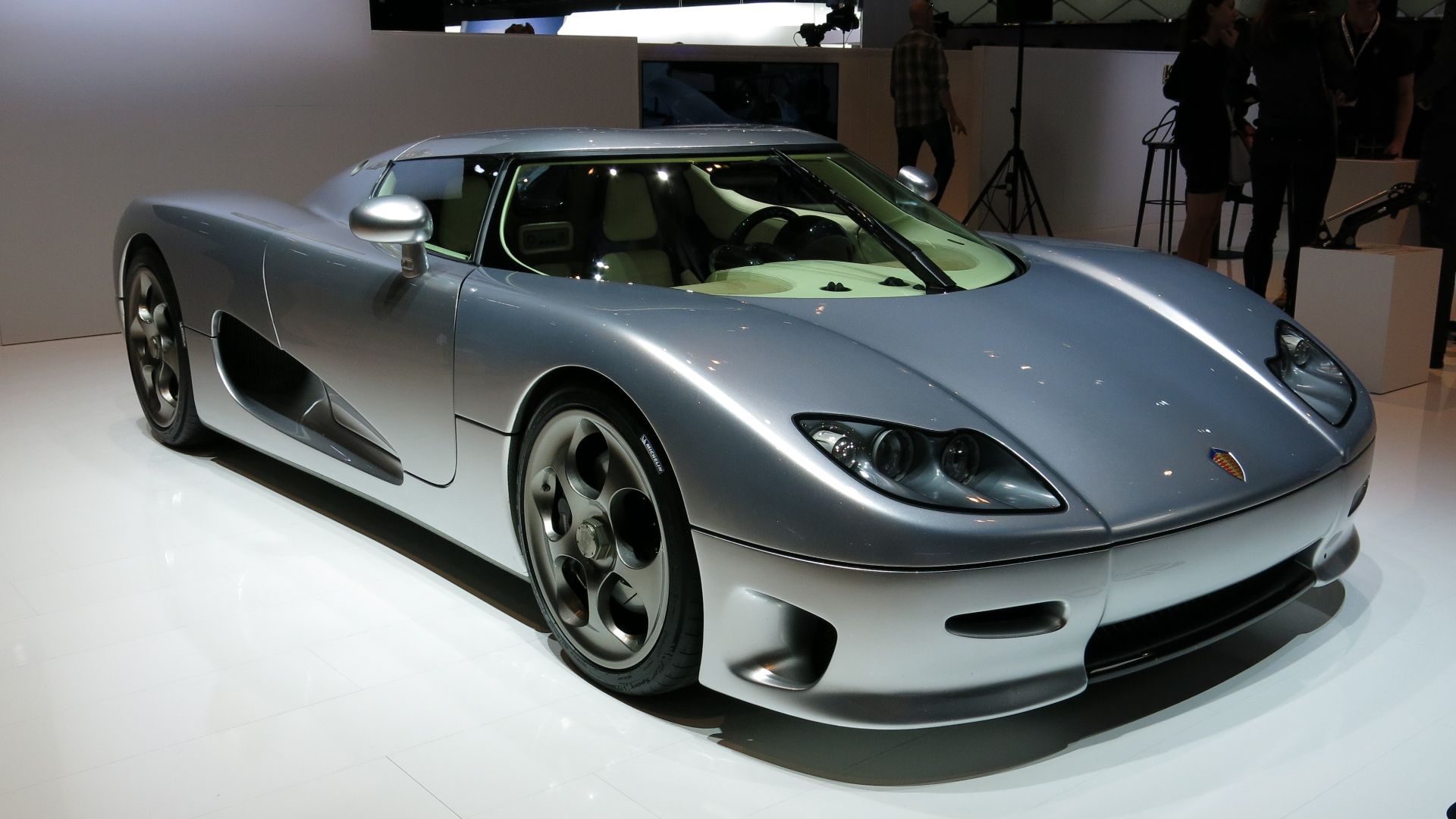
10. Koenigsegg CC8S
The Koenigsegg CC8S helped turn a Swedish dream into a real hypercar company. It was low, fast, strange, and ambitious enough to make people wonder where this small brand had come from. The car showed that Koenigsegg wasn’t just making promises in glossy renderings.
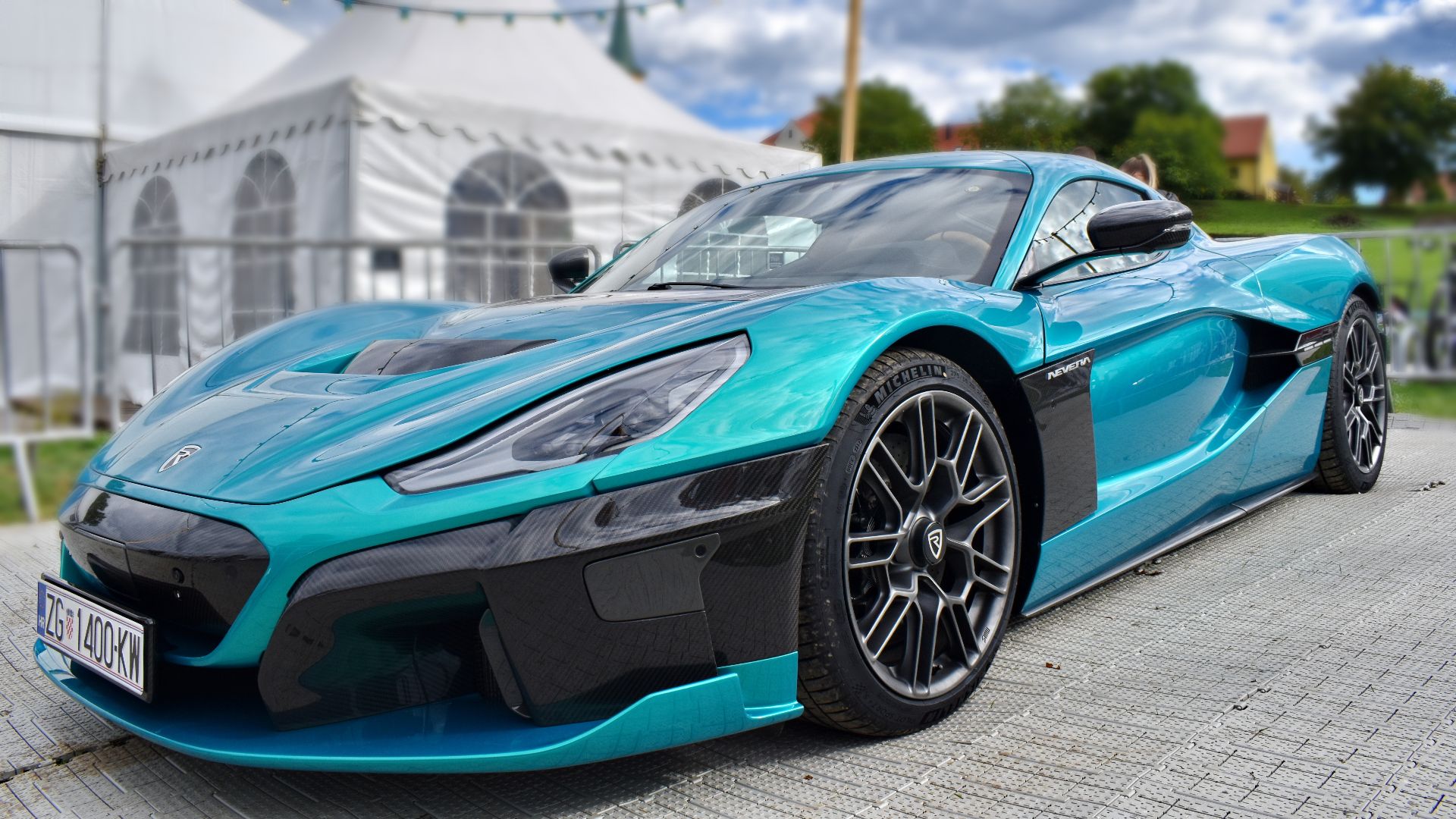
11. Rimac Nevera
The Rimac Nevera made a Croatian EV company look like one of the smartest names in performance engineering. With huge electric power and advanced torque control, it showed that electric cars could be brutally fast and highly technical. Rimac didn’t have decades of heritage to lean on, so it let the car do the talking.
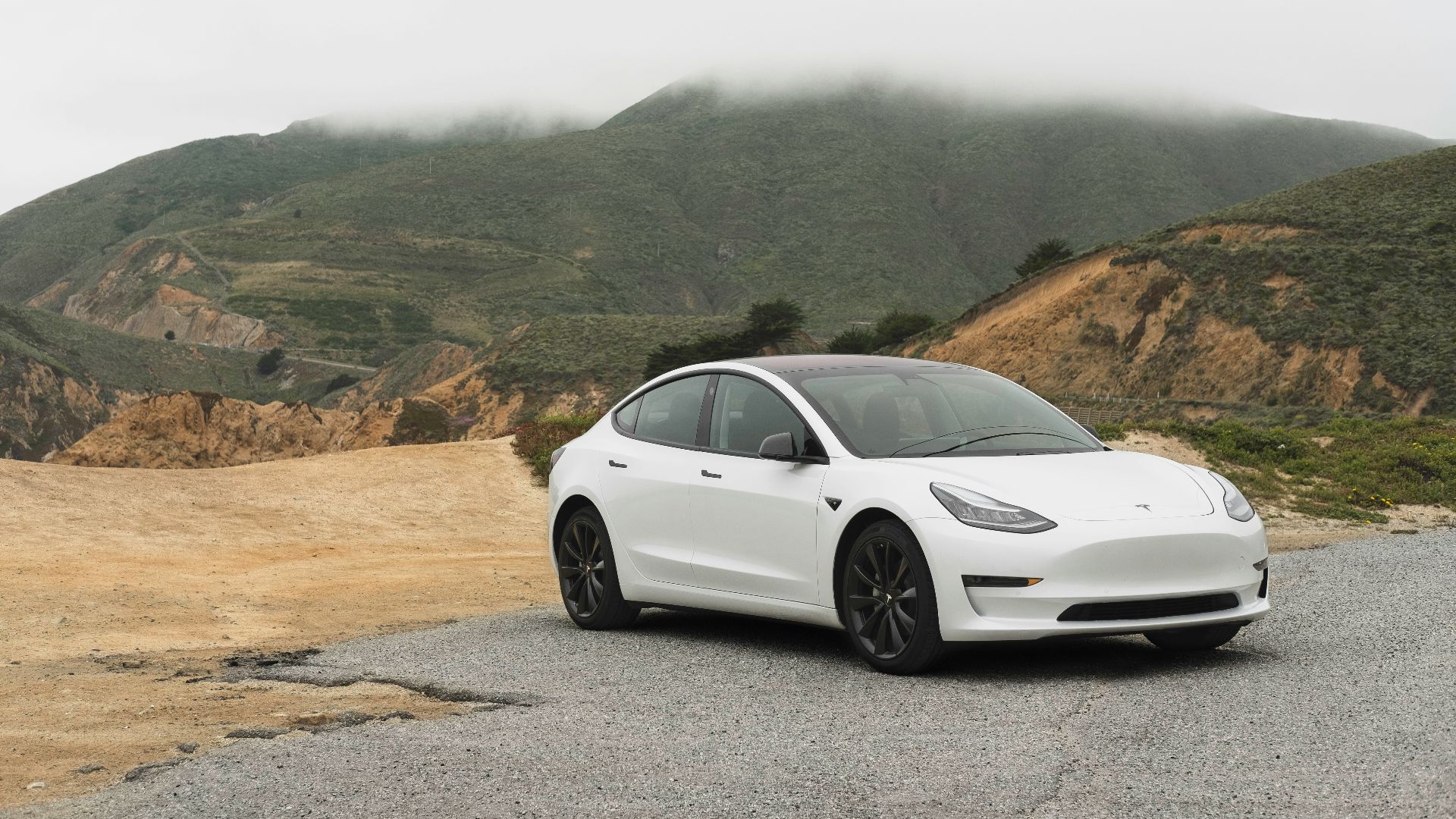
12. Tesla Model S
Tesla was still a relatively young automaker when the Model S arrived and changed how people talked about electric cars. It made EVs feel fast, desirable, high-tech, and genuinely usable for long-distance driving. Before that, many people thought electric cars were small, slow, or deeply compromised.
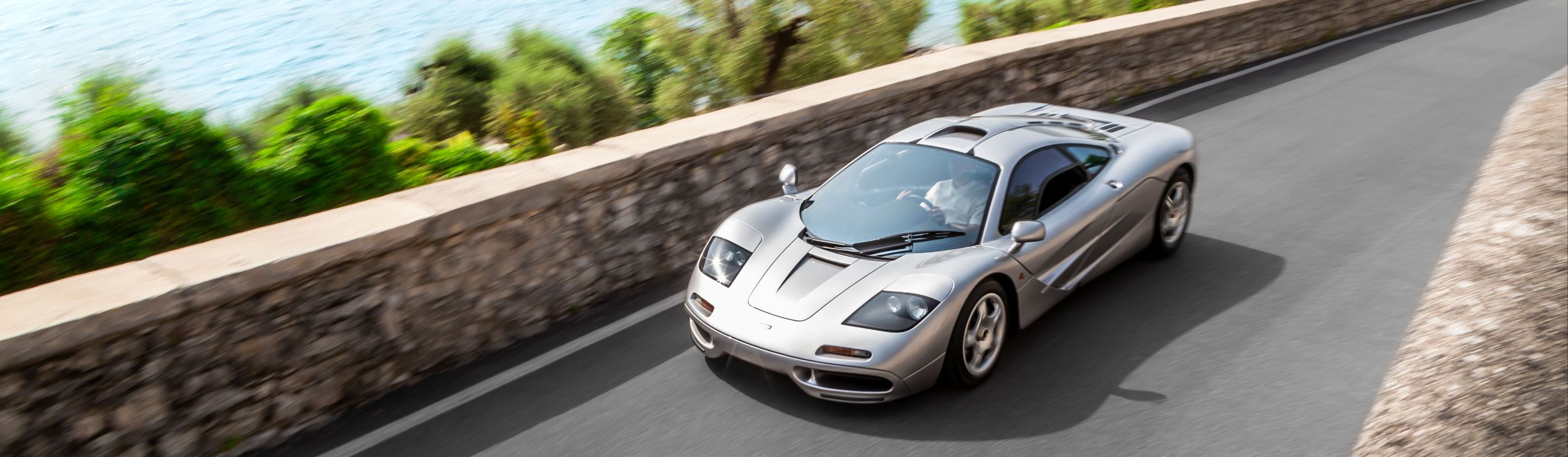
13. McLaren F1
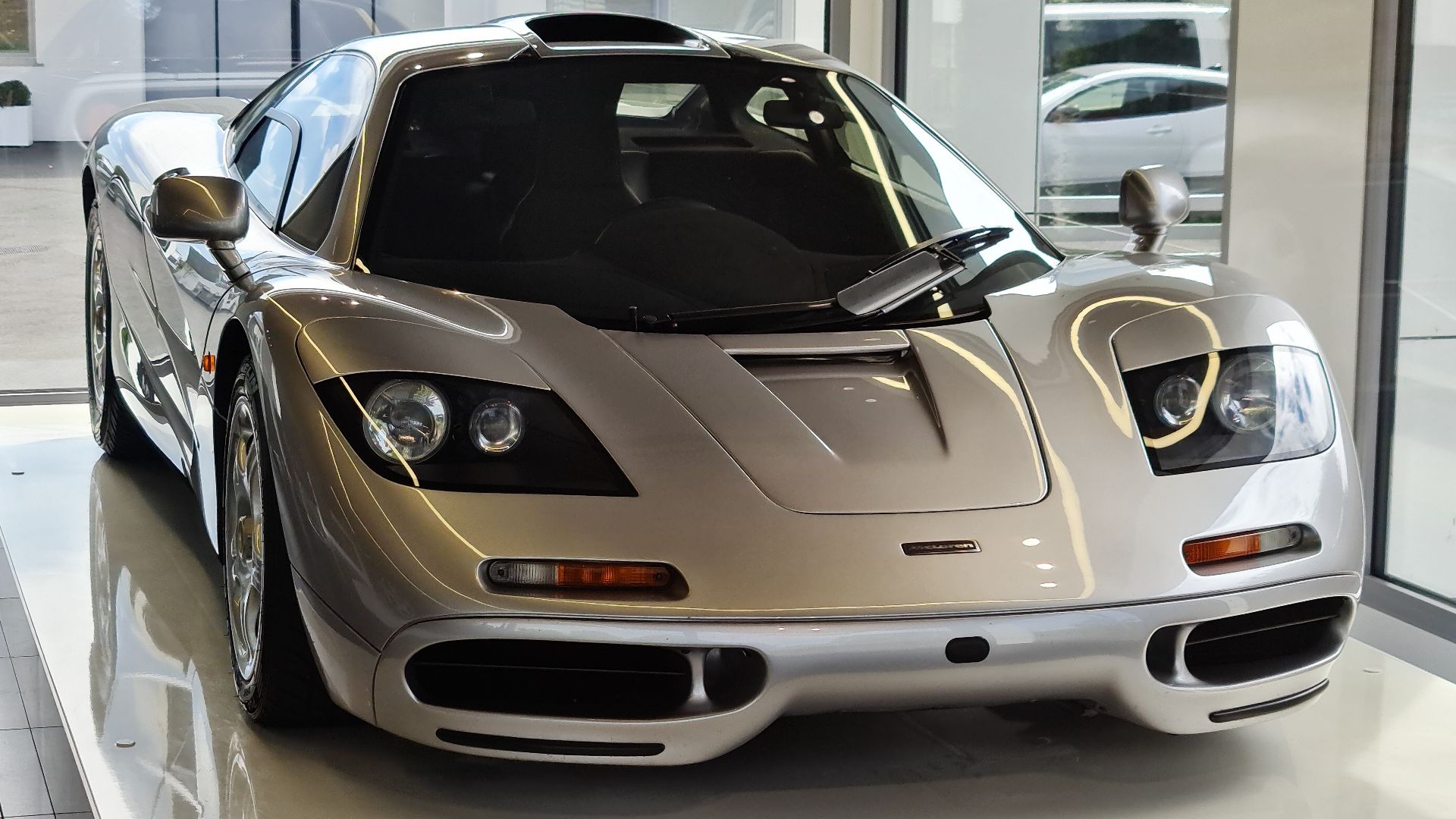
The McLaren F1 made a small road-car operation look like it had rewritten the supercar rulebook on its first serious try. Its central driving position, lightweight construction, gold-lined engine bay, and naturally aspirated BMW V12 made it feel obsessively engineered rather than merely flashy. It was brutally fast, beautifully focused, and unlike anything else on the road. It was the kind of car that made much older brands look nervous.
14. Tucker 48
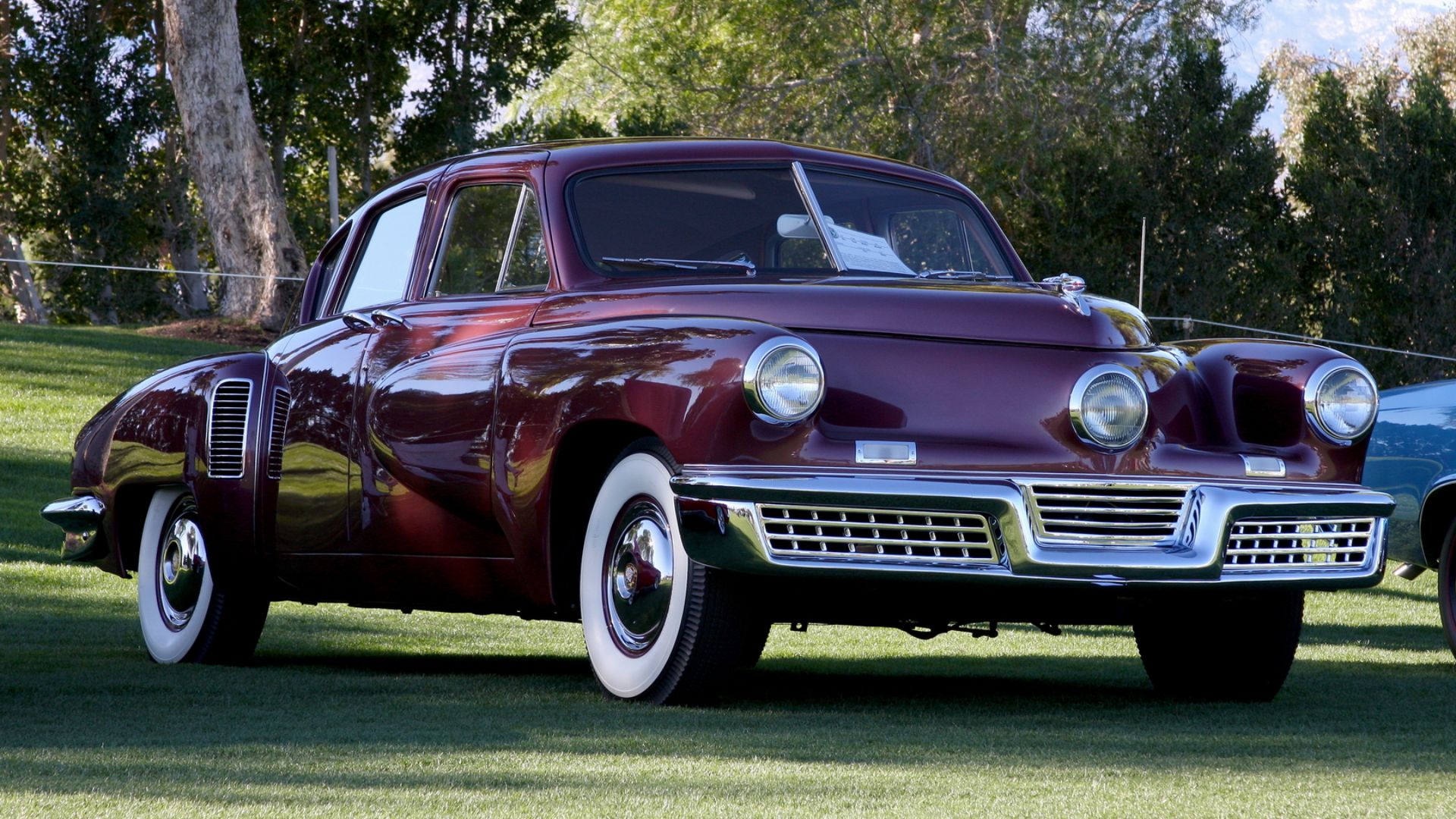
The Tucker 48 made Preston Tucker’s small company look startlingly ahead of its time. It had safety-minded features, unusual engineering ideas, and a design that stood apart from the postwar American crowd. The car didn’t create a lasting automaker, but it did make Tucker look brilliant in hindsight.
15. Saab 900 Turbo
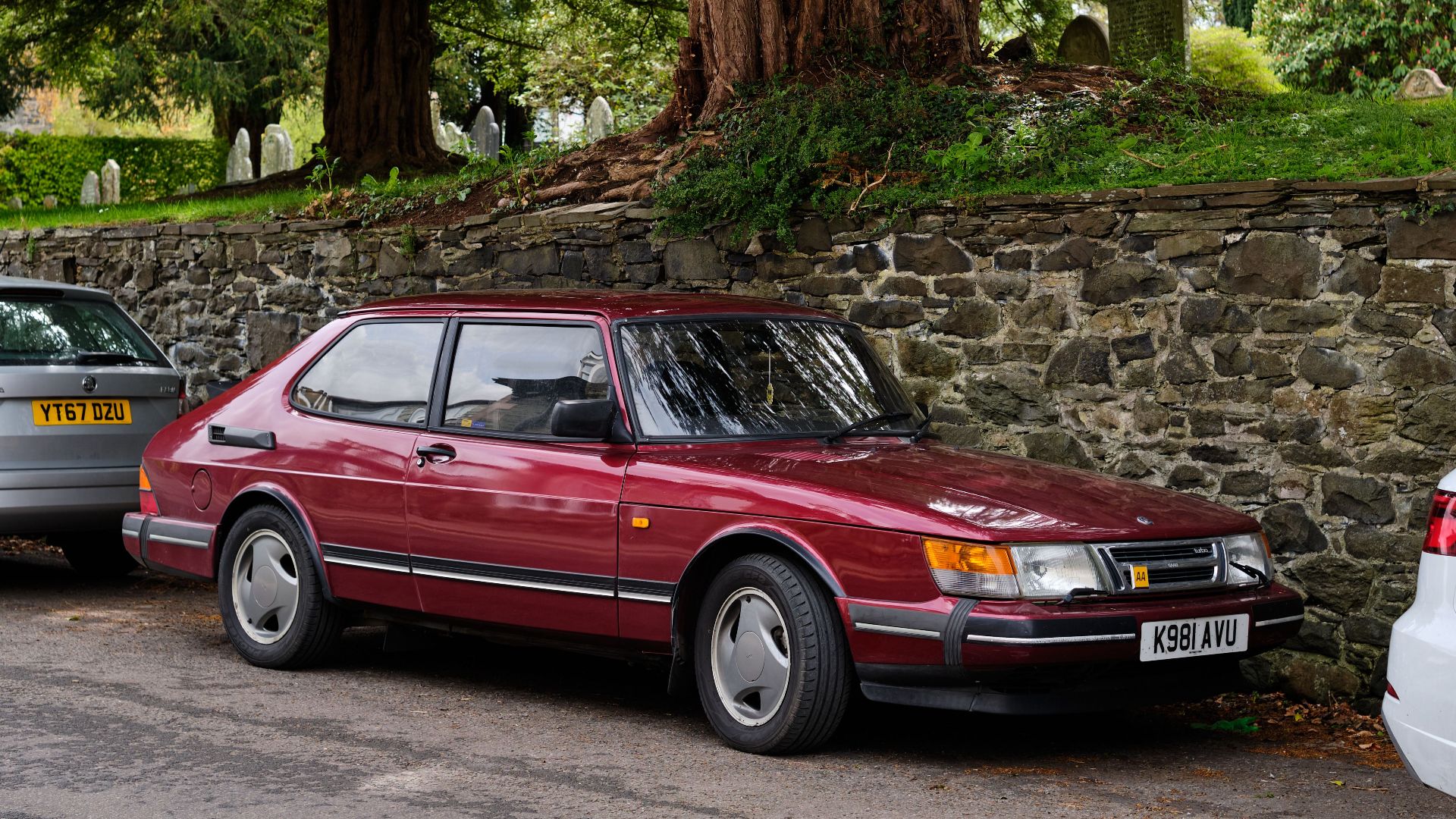
The Saab 900 Turbo made Saab seem wonderfully different from every ordinary car brand. It brought turbocharging, quirky ergonomics, practical hatchback packaging, and a strong personality into one memorable shape. You didn’t buy one because it blended in with everything else on the road. The 900 Turbo made Saab look intelligent, independent, and lovable.
16. Subaru Impreza WRX
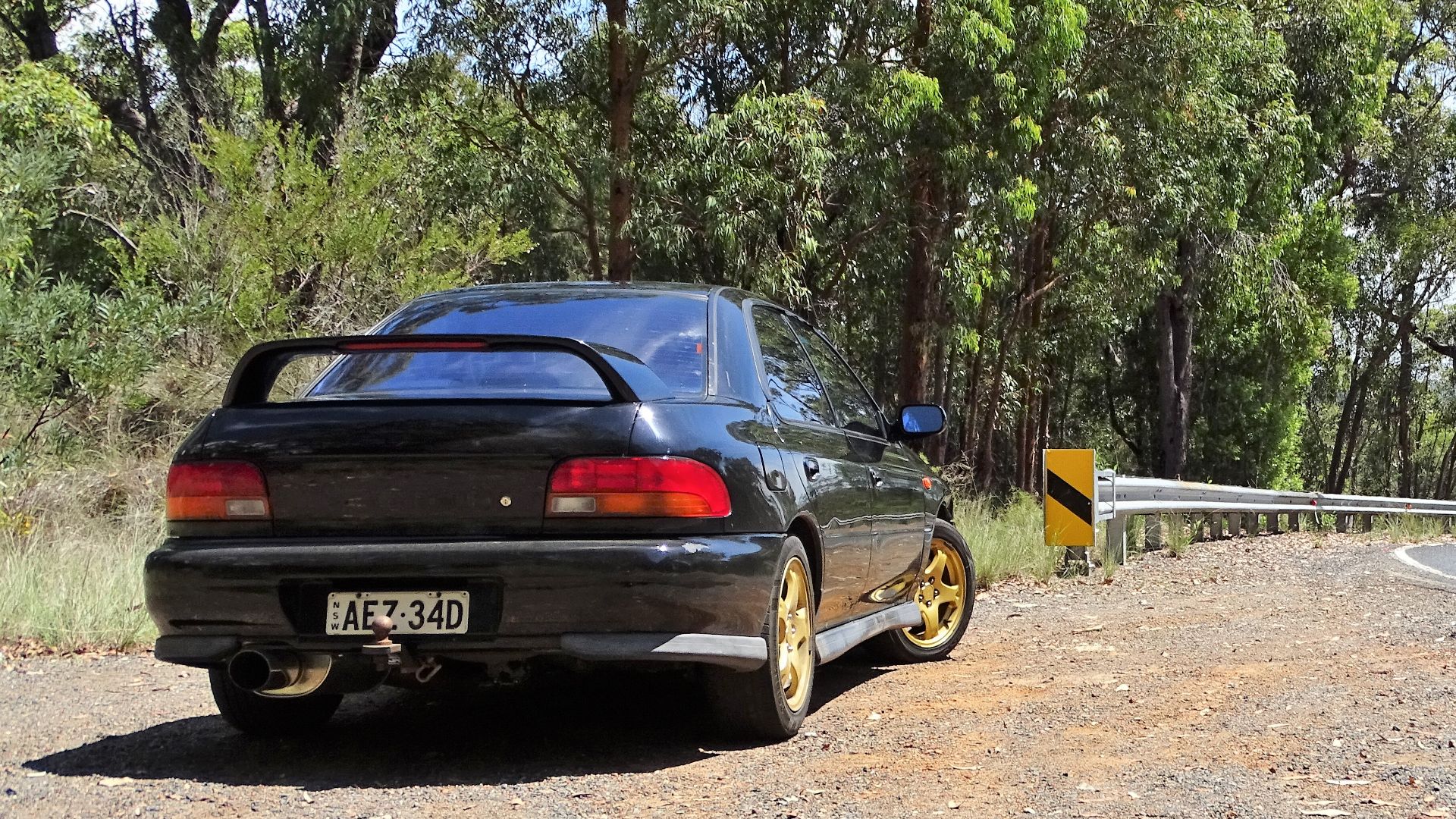
Subaru wasn't a huge glamour brand, but the Impreza WRX made it look like a rally-bred genius. All-wheel drive, turbocharged power, and real-world usability gave it a reputation that bigger brands envied. It turned a practical small car into something enthusiasts took seriously. Suddenly, Subaru wasn’t just sensible; it was exciting in a muddy, noisy, very committed way.
17. Suzuki Jimny
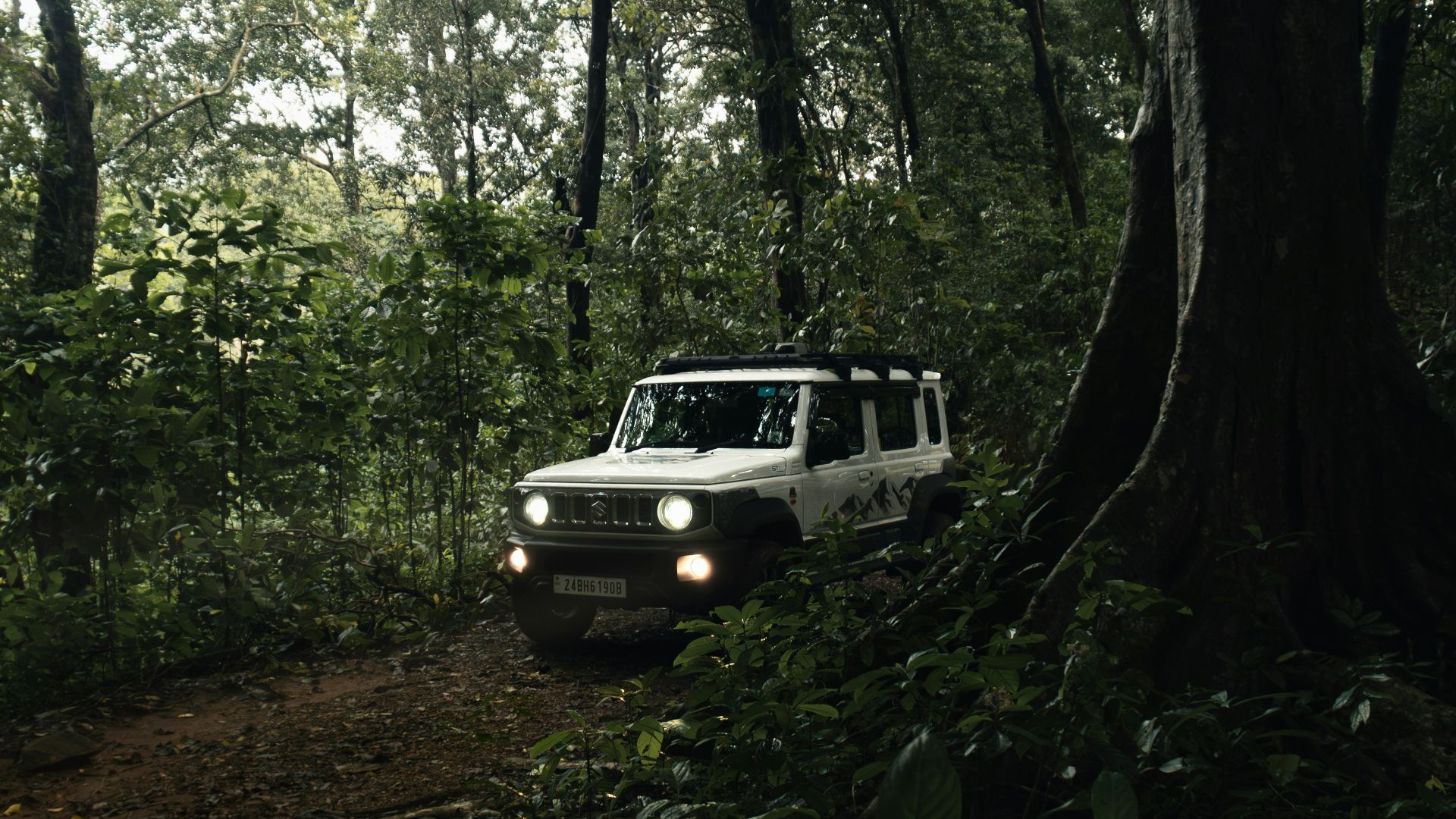
The Suzuki Jimny made Suzuki look smart by refusing to become bigger, softer, or more complicated than necessary. It was small, rugged, charming, and surprisingly capable off-road. While many SUVs grew into comfortable family haulers, the Jimny stayed closer to the old-school idea of a tiny go-anywhere machine. That stubbornness made it feel more authentic.
 Abhinand Venugopal on Unsplash
18. Datsun 240Z
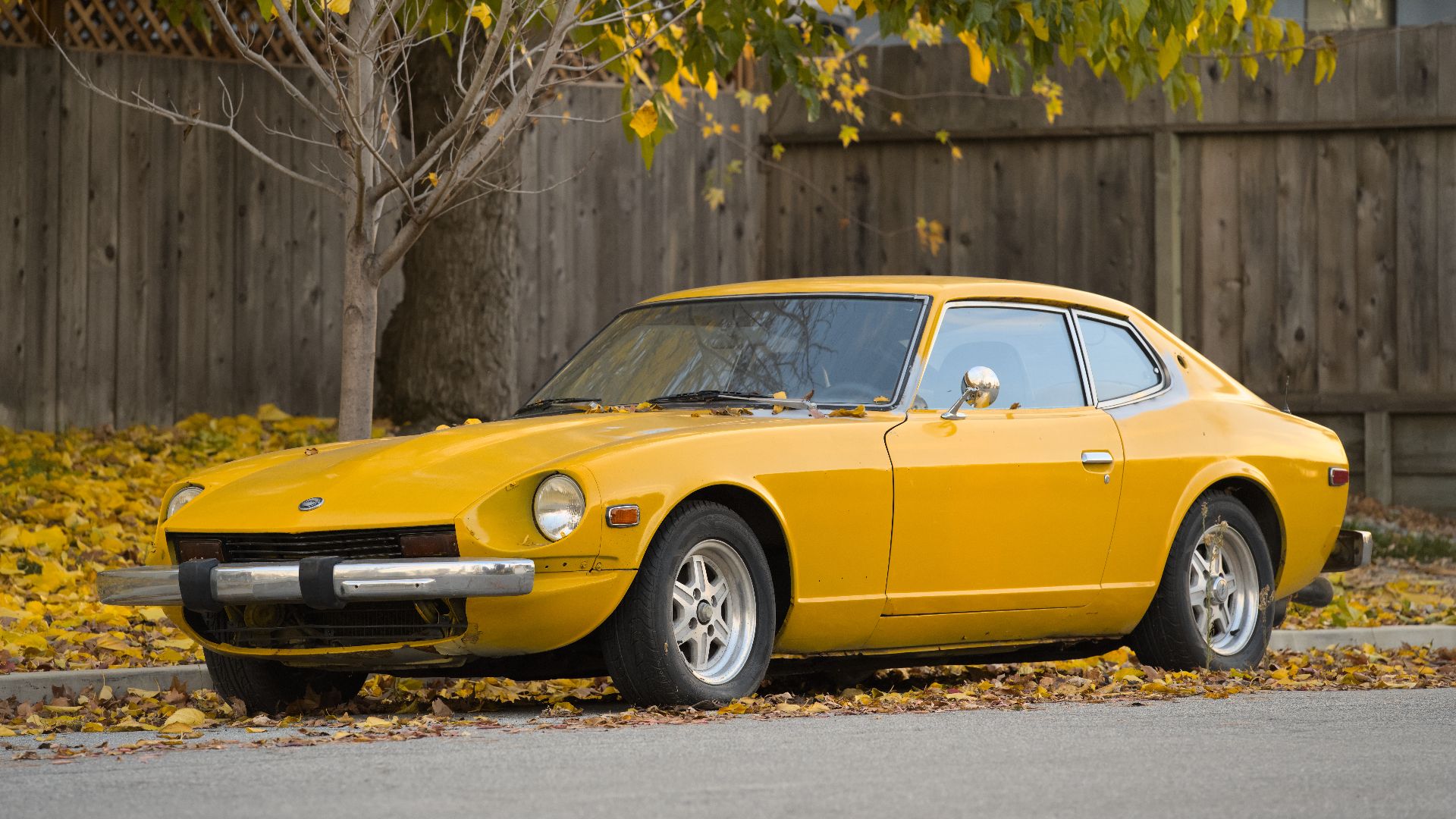
The Datsun 240Z made a smaller Japanese brand look like it could challenge established sports cars at a far better price. It had clean styling, strong performance, and enough everyday usability to make European rivals seem expensive and fussy. The 240Z helped change how Americans viewed Japanese cars. It made Datsun look sharp, ambitious, and ready for a much bigger role.
19. Genesis G70
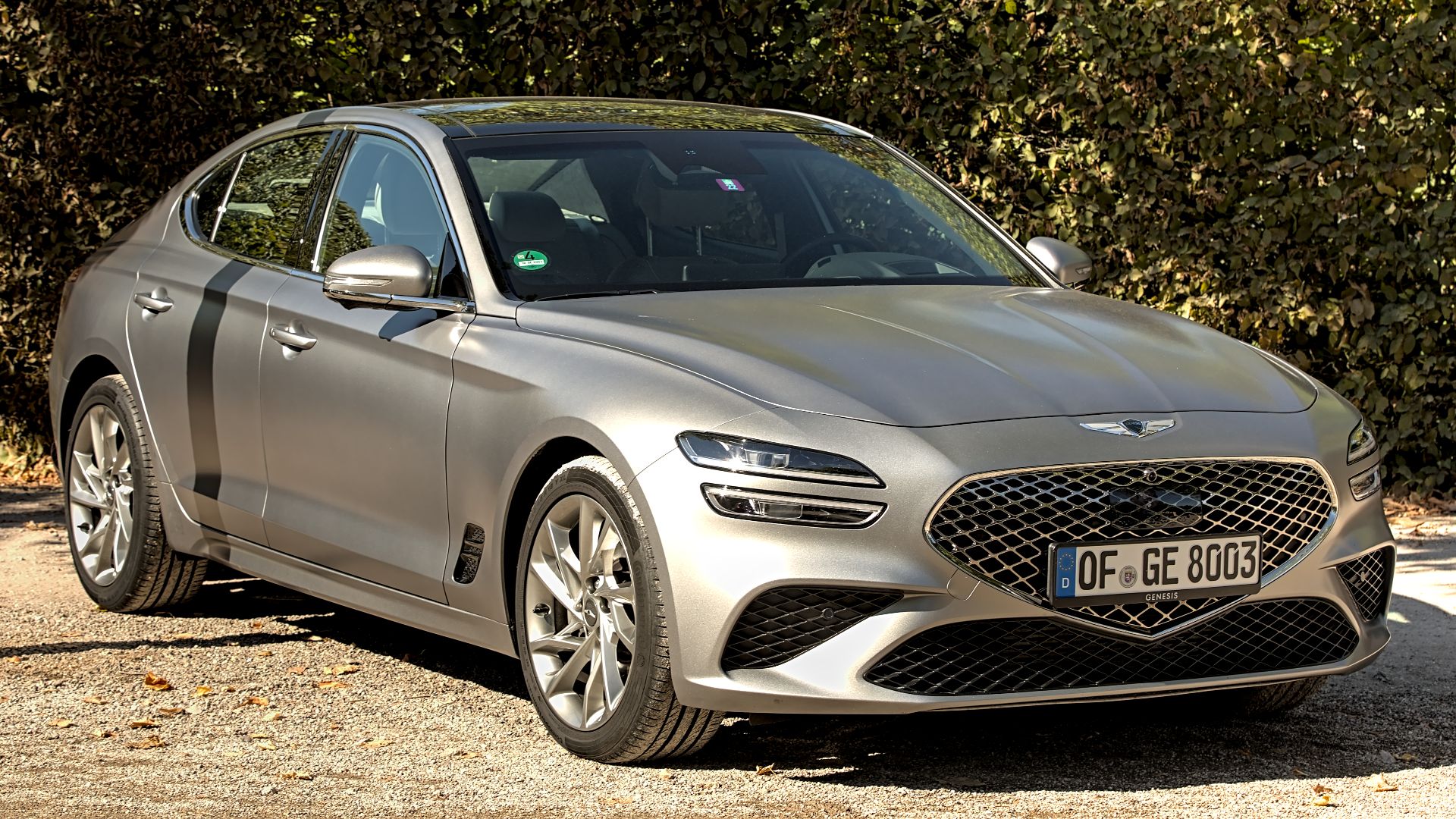
Genesis was still proving itself as a luxury brand when the G70 arrived. The compact sport sedan gave the brand credibility by offering sharp styling, strong performance, and a premium feel without relying on decades of badge snobbery. It didn’t magically turn Genesis into a German luxury giant overnight, but it showed the company could build something genuinely desirable.
20. Radical SR3
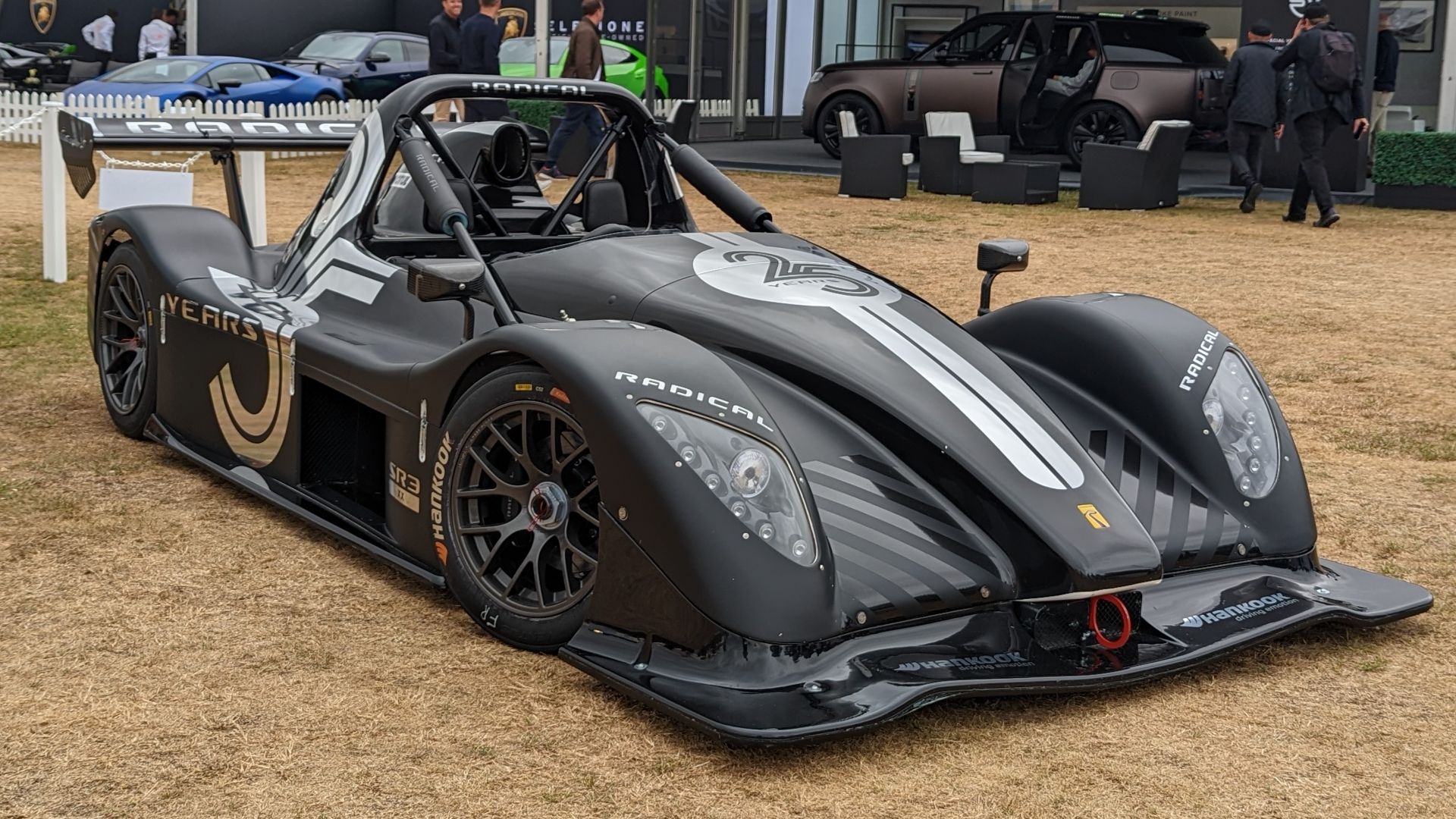
The Radical SR3 made a tiny British performance brand look wildly capable. It delivered track-car speed, lightweight construction, and race-ready handling without pretending to be a normal road car first. Radical didn’t need a massive lineup or decades of mainstream recognition to impress serious drivers. The SR3 made the brand look brilliant because it knew exactly what it was built to do.