The Practical Cars That Became Cool
Not every status symbol began life with polished wood trim, a huge engine, and a price tag designed to keep ordinary buyers away. Some of today’s most desirable classics were originally cheap transportation, family cars, farm vehicles, or straightforward machines built to survive hard use. Over time, distinctive styling, cultural associations, rarity, and nostalgia turned many of them into cars that now say something about the person behind the wheel. Collectors increasingly value classics for uniqueness and authenticity, which helps explain how yesterday’s practical runabout can become today’s carefully restored conversation piece.
1. Volkswagen Beetle
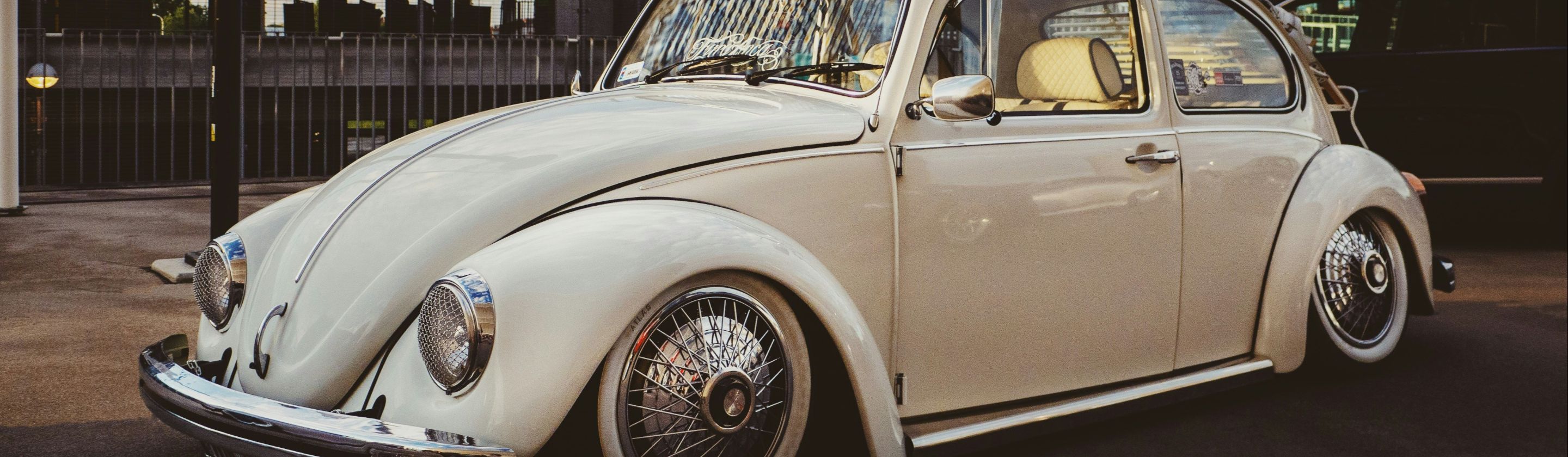
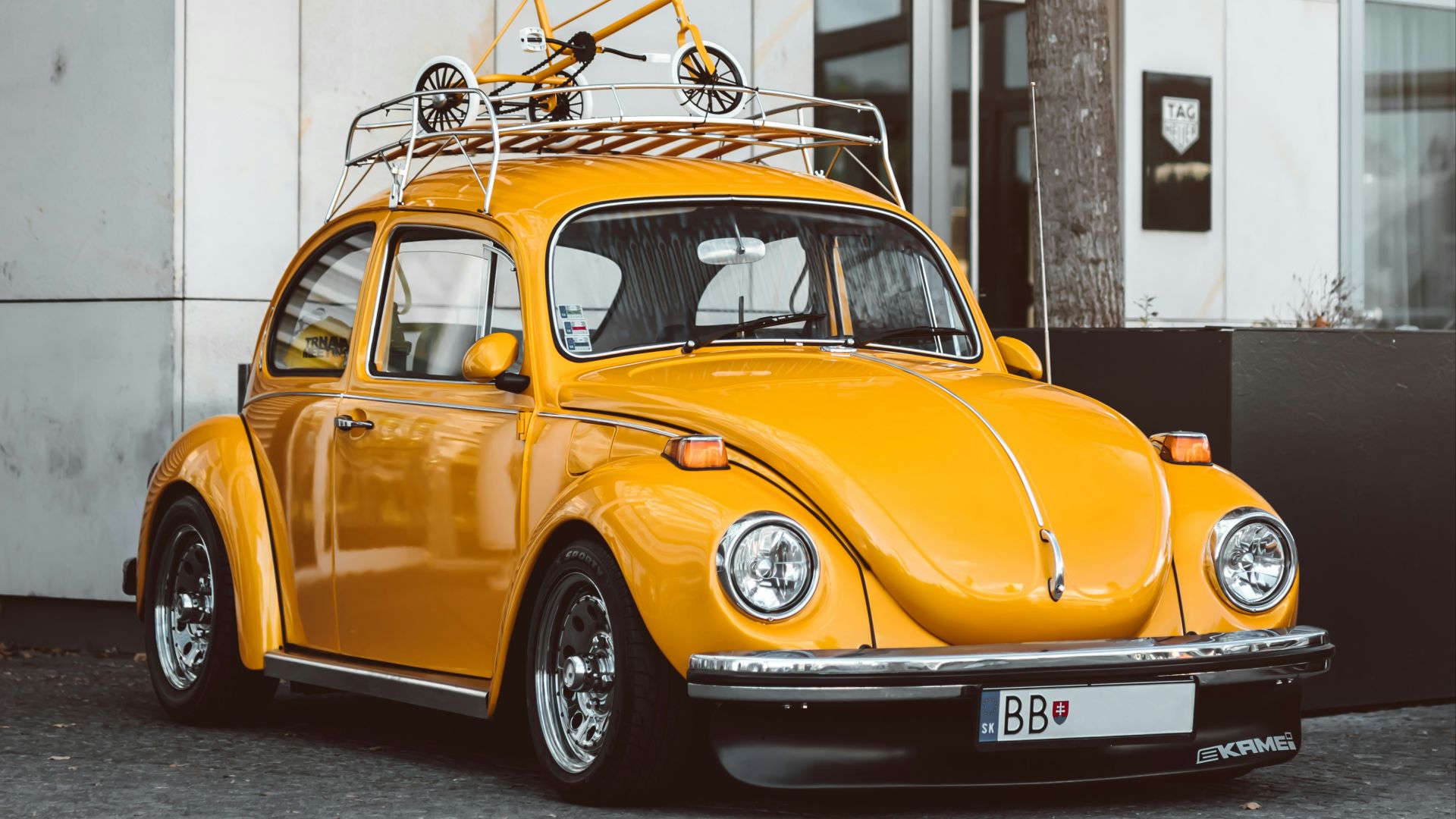
The Volkswagen Beetle was built for mass transportation, not to impress people outside expensive restaurants. Its affordability and unmistakable shape eventually helped it cross social boundaries, with Volkswagen itself describing the Beetle as a kind of “classless” status symbol. What started as an economical little car ultimately became associated with individuality, counterculture, and retro taste.
2. Classic Mini
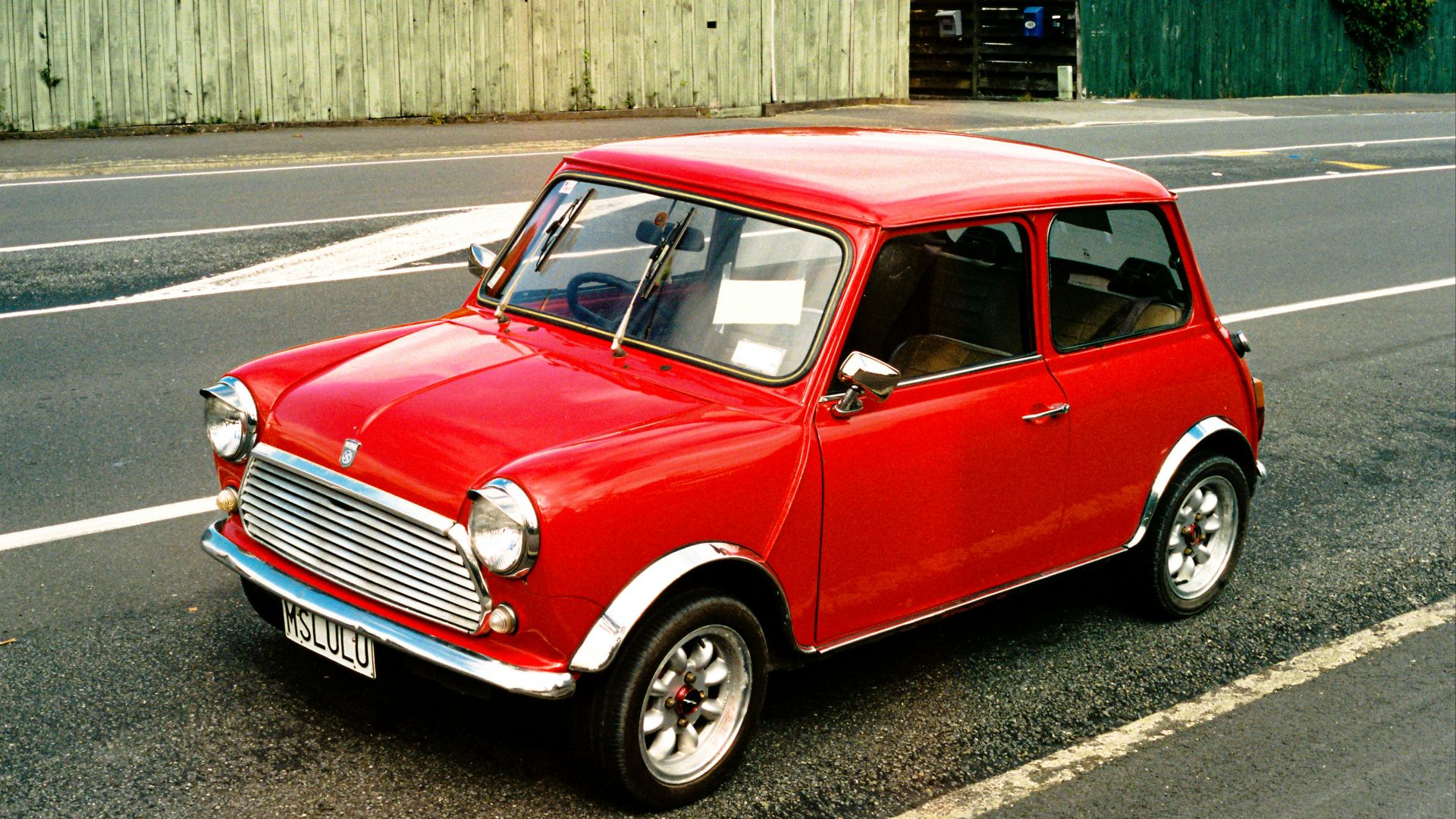
The original Mini arrived in 1959 as an ingenious answer to the need for a small, space-efficient car. It eventually attracted everyone from ordinary commuters to celebrities, while its cheeky styling made it far more fashionable than its modest mission suggested. Today, a clean early Mini can look deliberately stylish in a way its designers never needed to advertise.
3. Fiat 500
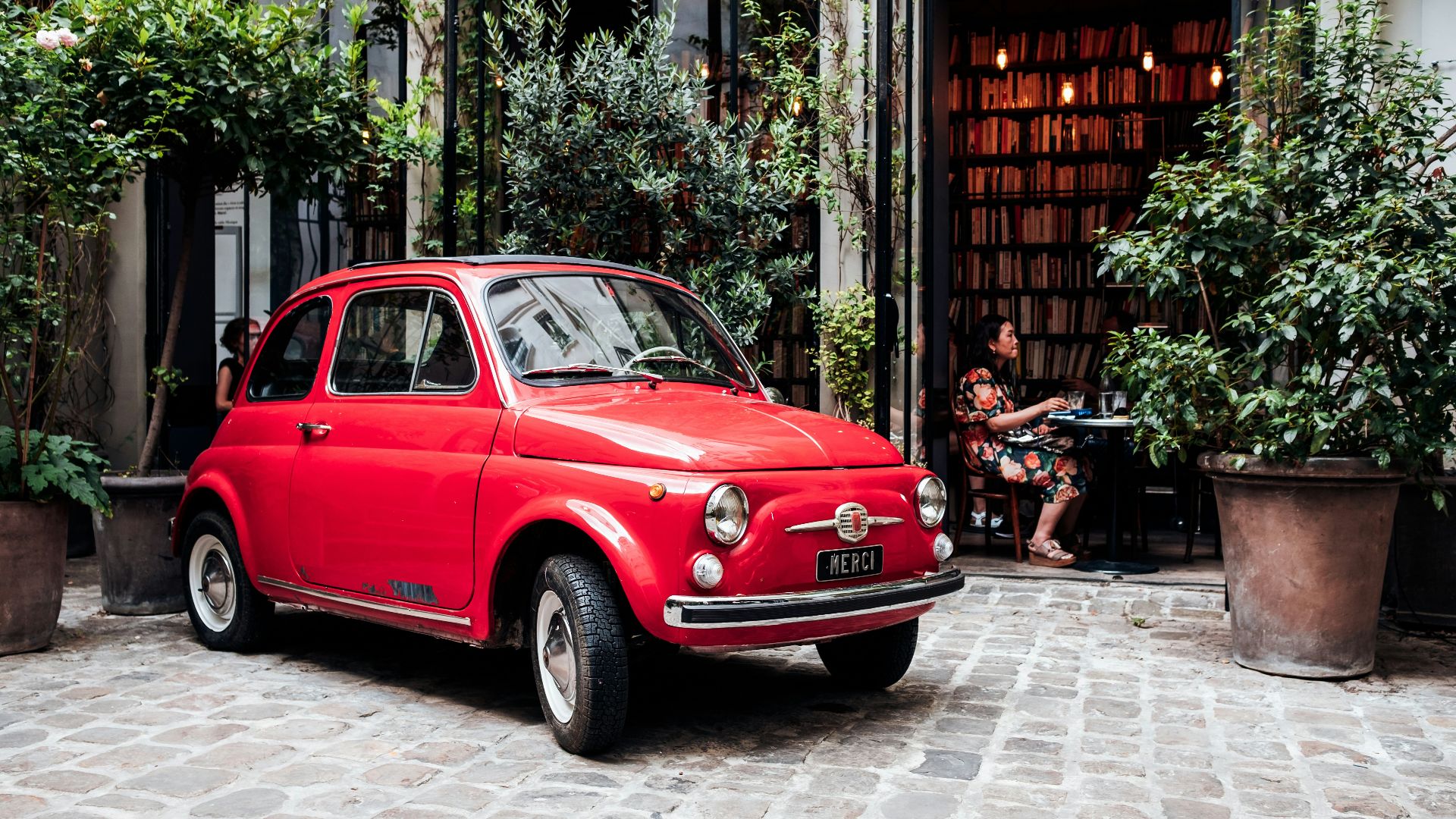
The original Fiat 500 was tiny, inexpensive transportation created for postwar Italy, where compact dimensions and low running costs mattered enormously. Decades later, that humble city car became an international shorthand for Italian style and nostalgic sophistication. Fiat now celebrates the 500 as a design icon, which is quite a promotion for something that began as basic mobility.
4. Citroën 2CV
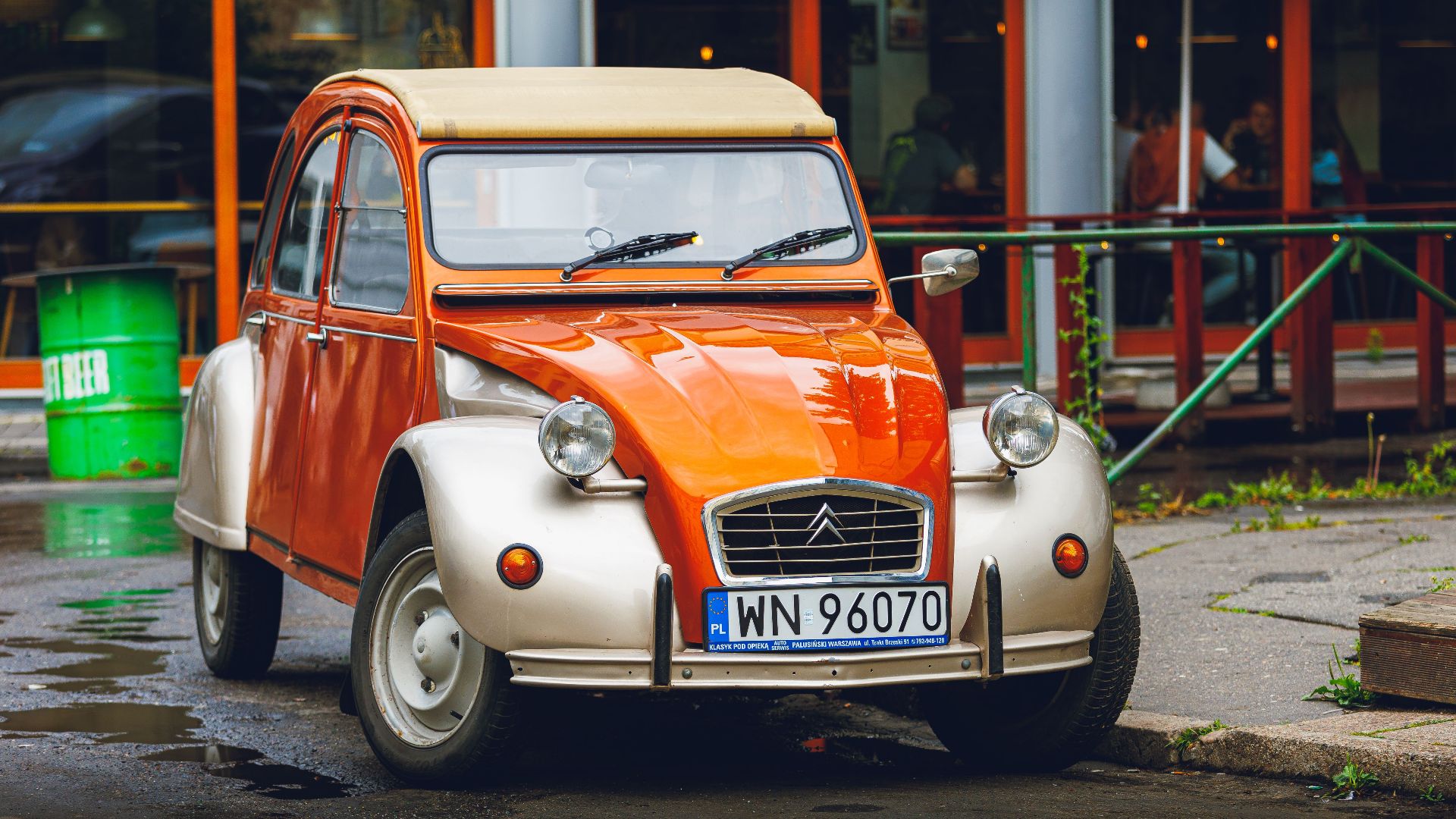
Citroën designed the 2CV to provide simple, economical transportation, particularly for rural French motorists. Its basic construction and unusual appearance were hardly intended to project wealth, yet those same qualities eventually became charming rather than cheap. Well-preserved examples now attract collectors who appreciate how unmistakably French the little car feels.
5. Land Rover Series I
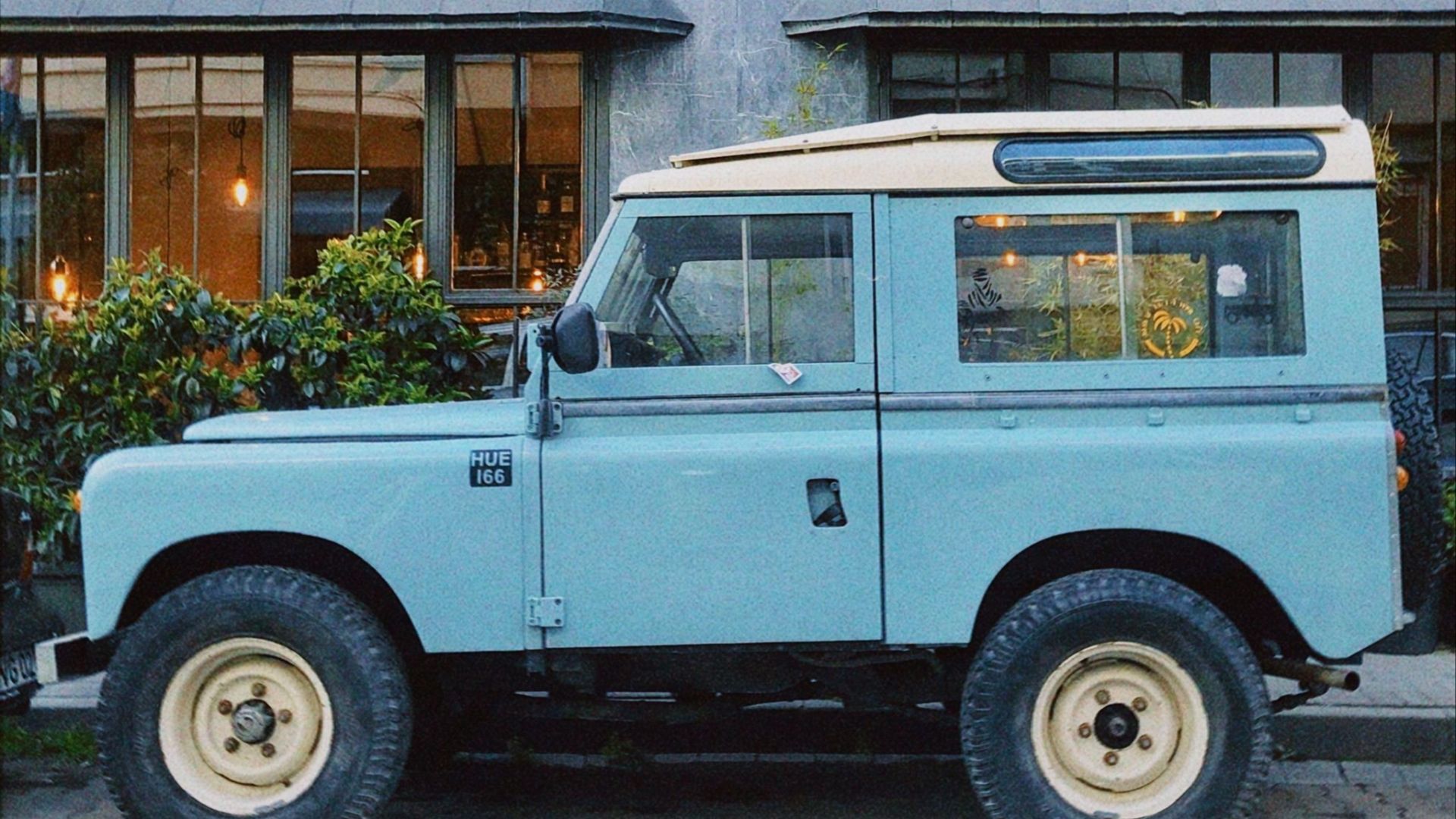
The original Land Rover was introduced in 1948 as a rugged working vehicle capable of handling farms, rough terrain, and demanding conditions. Early versions were far more concerned with usefulness than luxury, which makes their modern lifestyle appeal especially amusing. A beautifully restored Series Land Rover now communicates heritage and taste even when its toughest assignment is getting brunch.
6. Mercedes-Benz G-Class
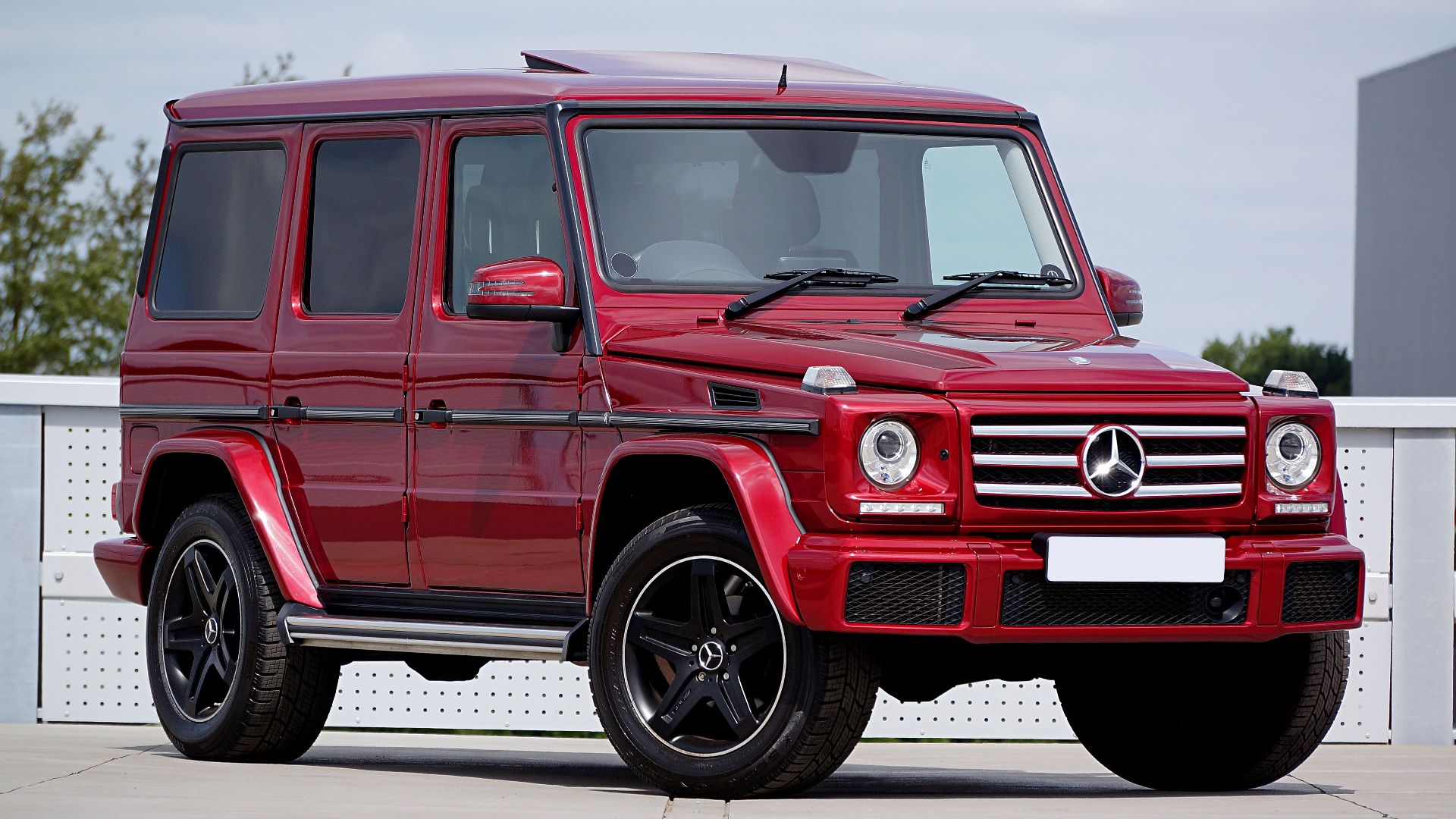
The early G-Wagen was developed as a serious off-road machine with military and commercial applications. Comfort and luxury gradually entered the picture, but the vehicle’s upright body and tough reputation remained intact. That utilitarian background eventually became part of the appeal, helping later G-Class models turn military-style functionality into conspicuous prestige.
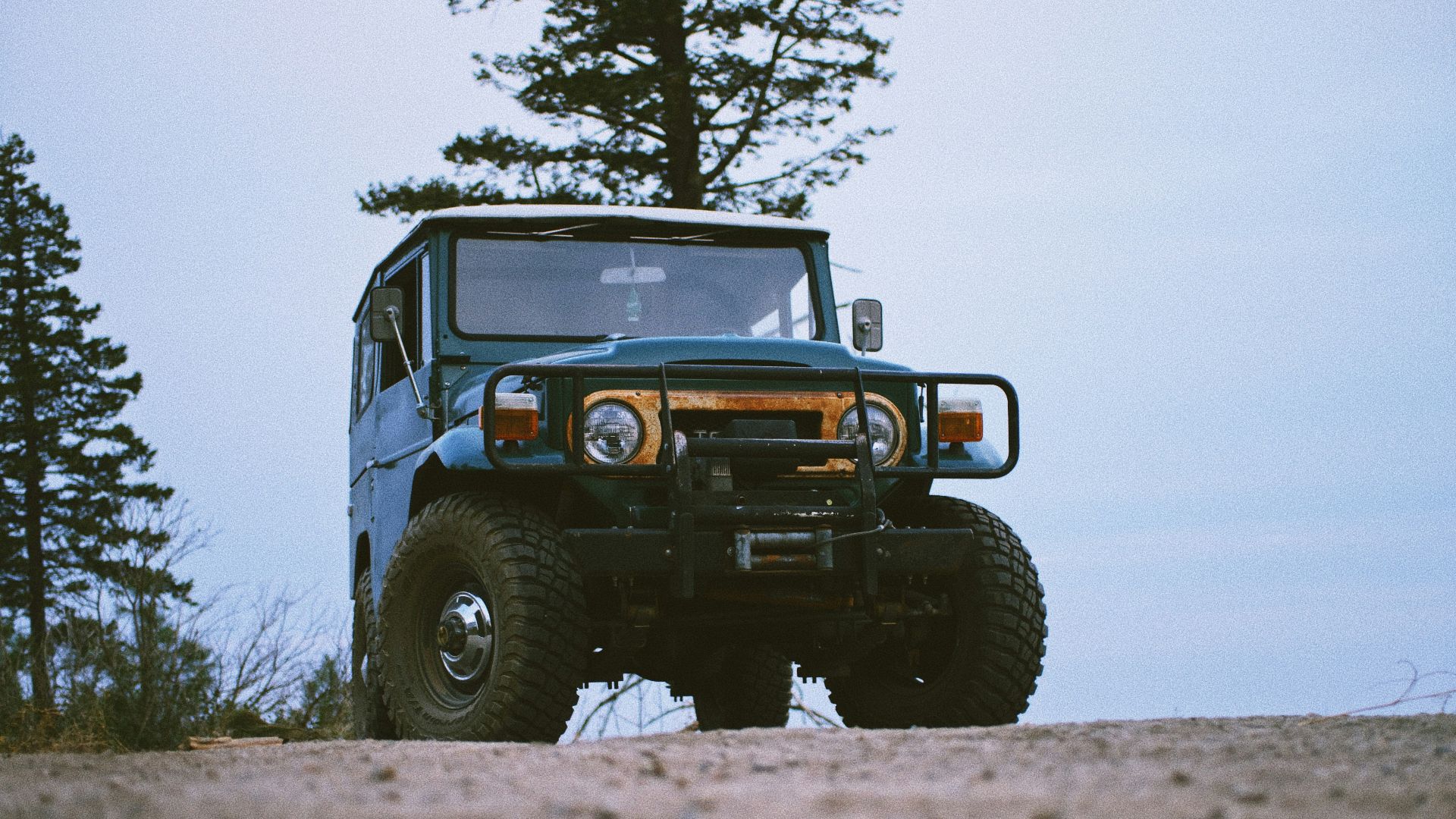
7. Toyota Land Cruiser FJ40
The FJ40 built its name by being dependable in places where looking fashionable was considerably less important than getting home. Farmers, explorers, aid organizations, and off-road drivers valued the Land Cruiser for its durability rather than social cachet. Restored examples have since become highly desirable collector vehicles, proving that reliability can become glamorous once enough decades pass.
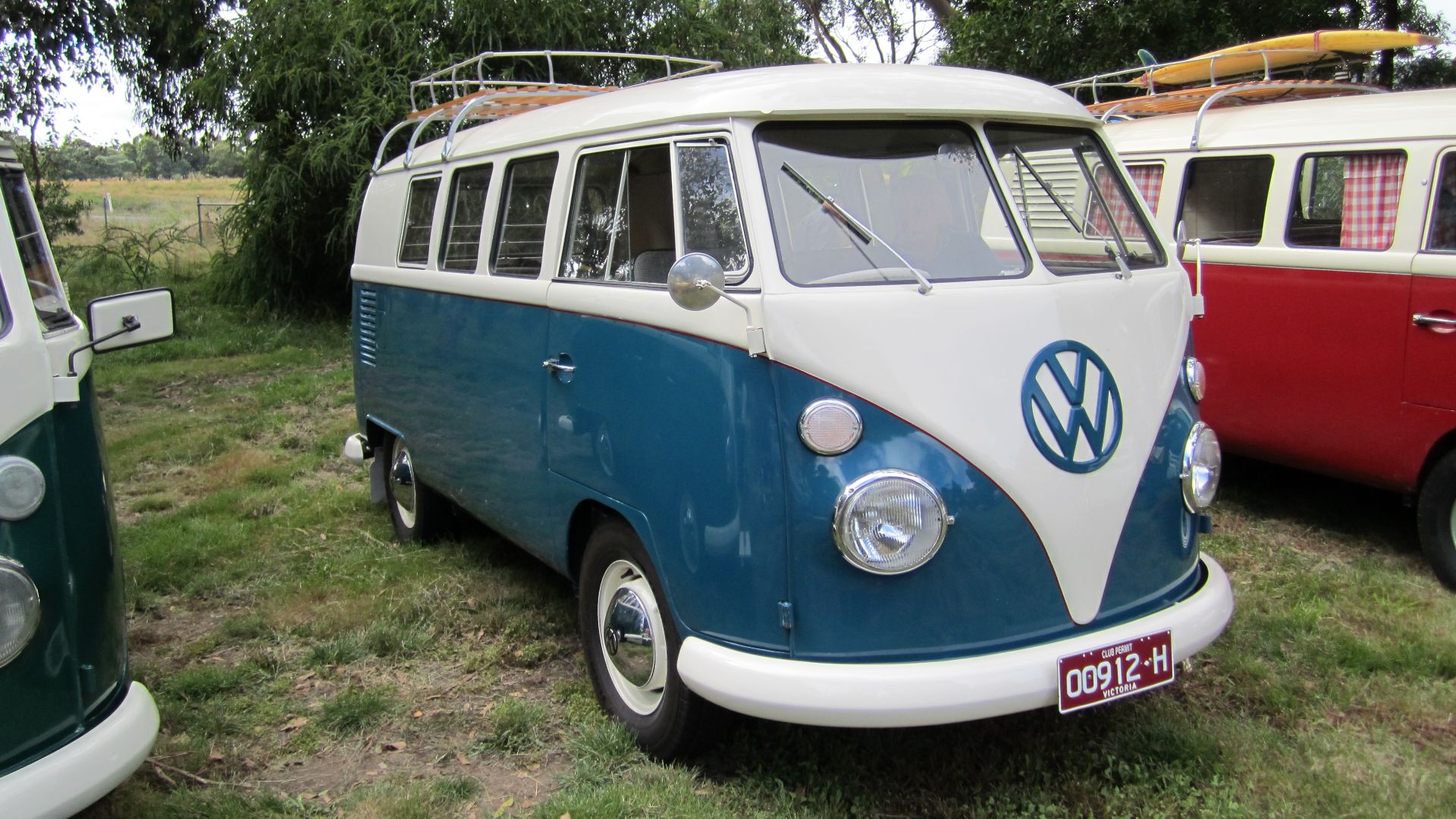
8. Volkswagen Type 2 Bus
Volkswagen’s Type 2 was created as a practical transporter capable of carrying people or cargo using simple Beetle-based mechanical components. Its later connection with camping, surfing, and 1960s counterculture gave it a personality no marketing department could easily manufacture from scratch. Certain early buses and Westfalia campers now command serious collector attention despite their humble roots.
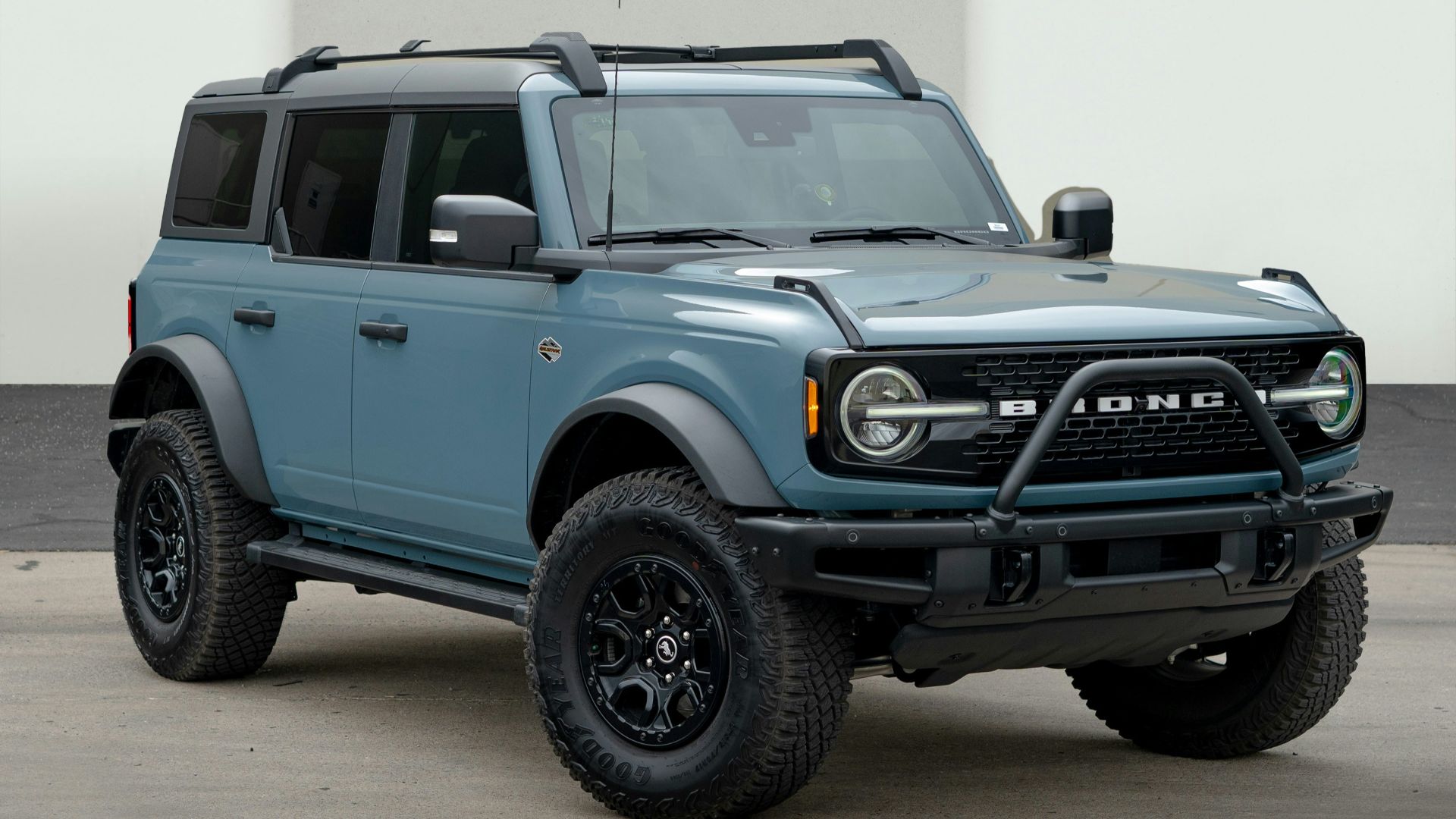
9. Ford Bronco
The first-generation Bronco was marketed as a compact, useful four-wheel-drive vehicle. However, its clean styling, simple construction, and adventurous reputation eventually made surviving examples exceptionally fashionable. By the late 2010s, early Broncos were already among the hottest vehicles in the collector market.
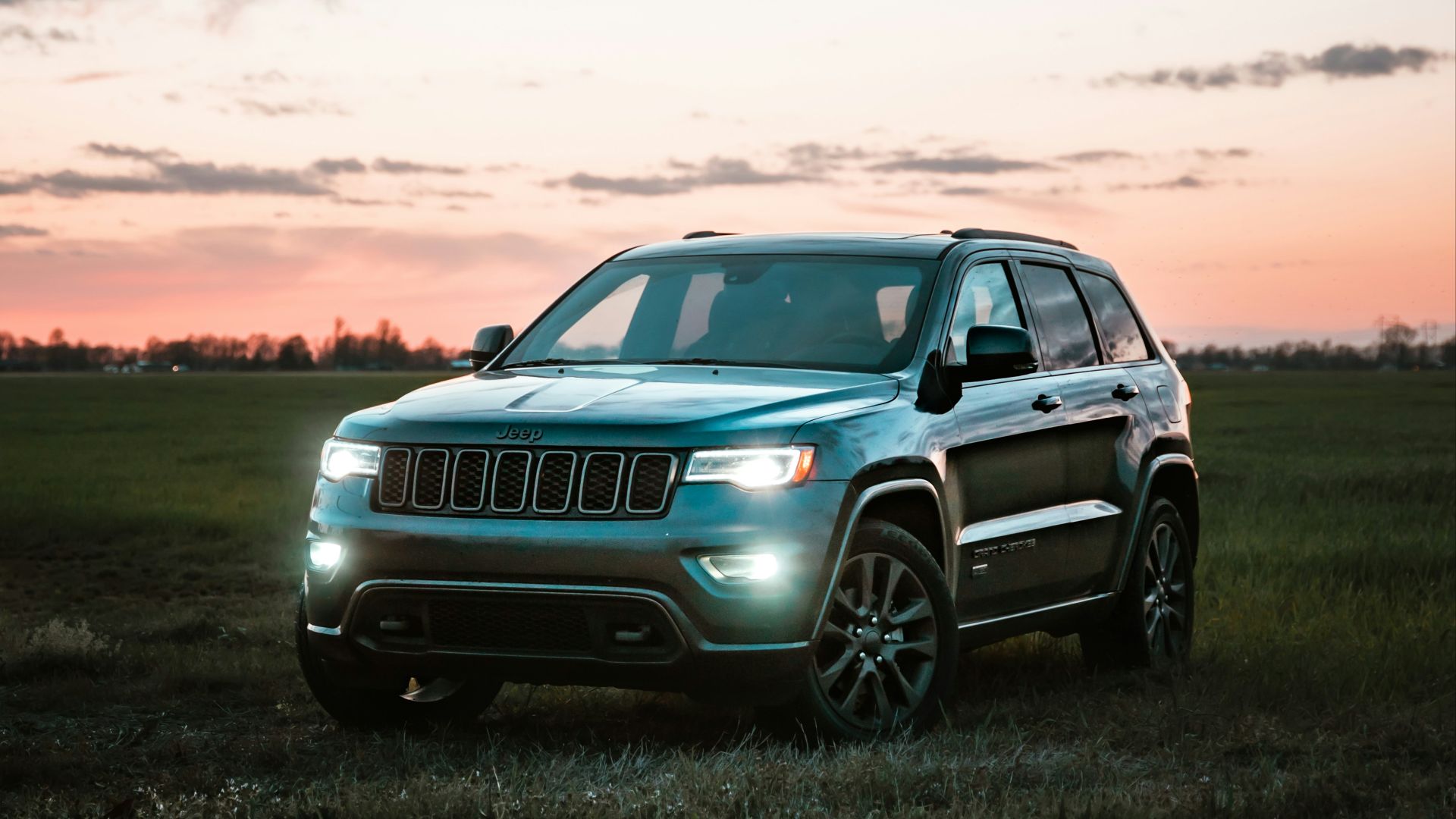
10. Jeep Grand Wagoneer
The Wagoneer began by combining genuine four-wheel-drive capability with more comfort than many competing utility vehicles offered. It could handle farm work or family trips, but later wood-paneled Grand Wagoneers gained an unexpectedly upscale identity. What once looked like a practical family 4x4 eventually became desirable precisely because of its old-school, country-club-friendly appearance.
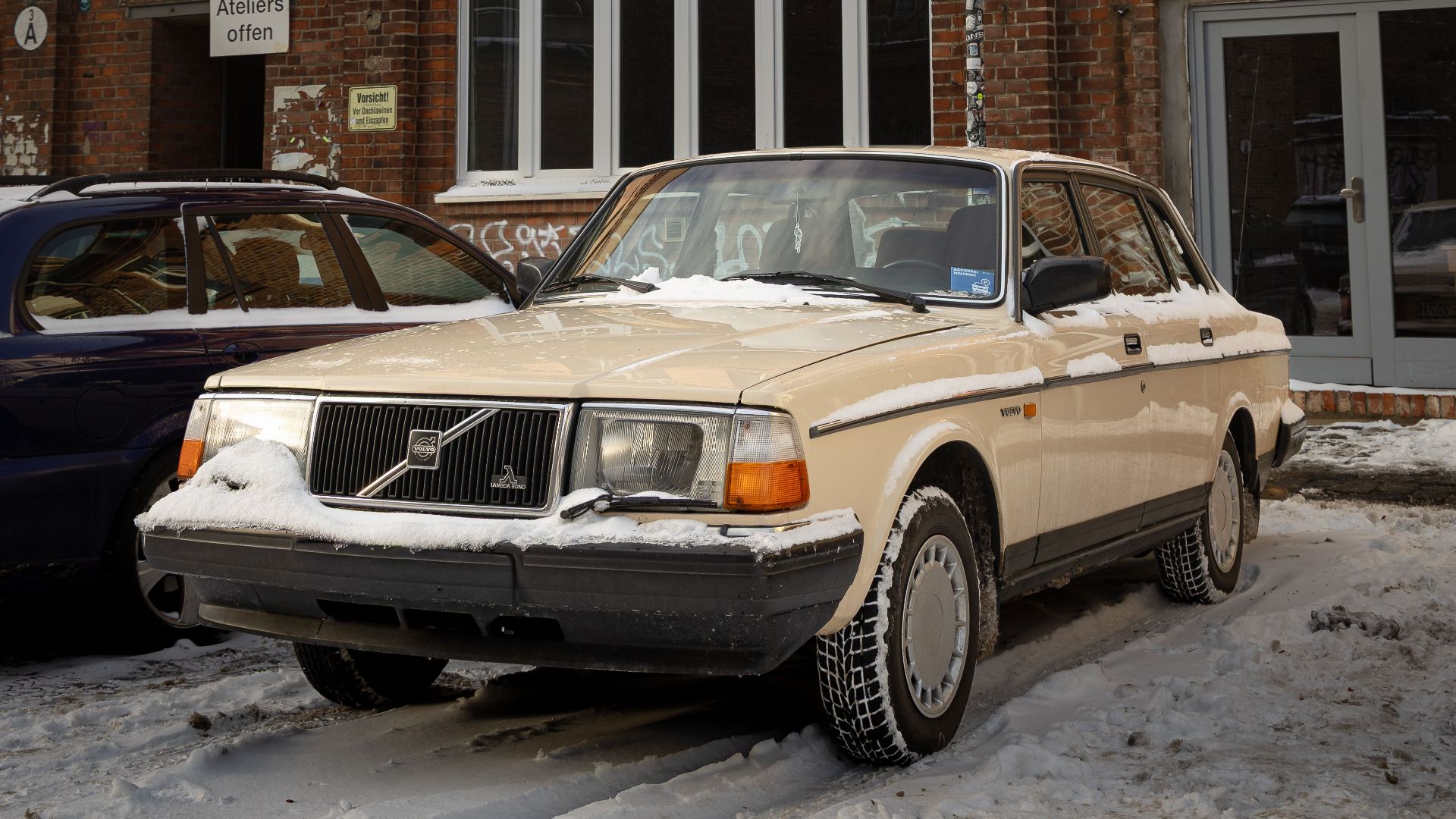
11. Volvo 240
The Volvo 240 spent much of its life being viewed as sensible family transportation with safety and durability at the top of the agenda. Its boxy styling wasn't created to turn heads, and for years that was almost the entire point. Now the same squared-off design has become cool among enthusiasts who want something understated, recognizable, and refreshingly free of flash.
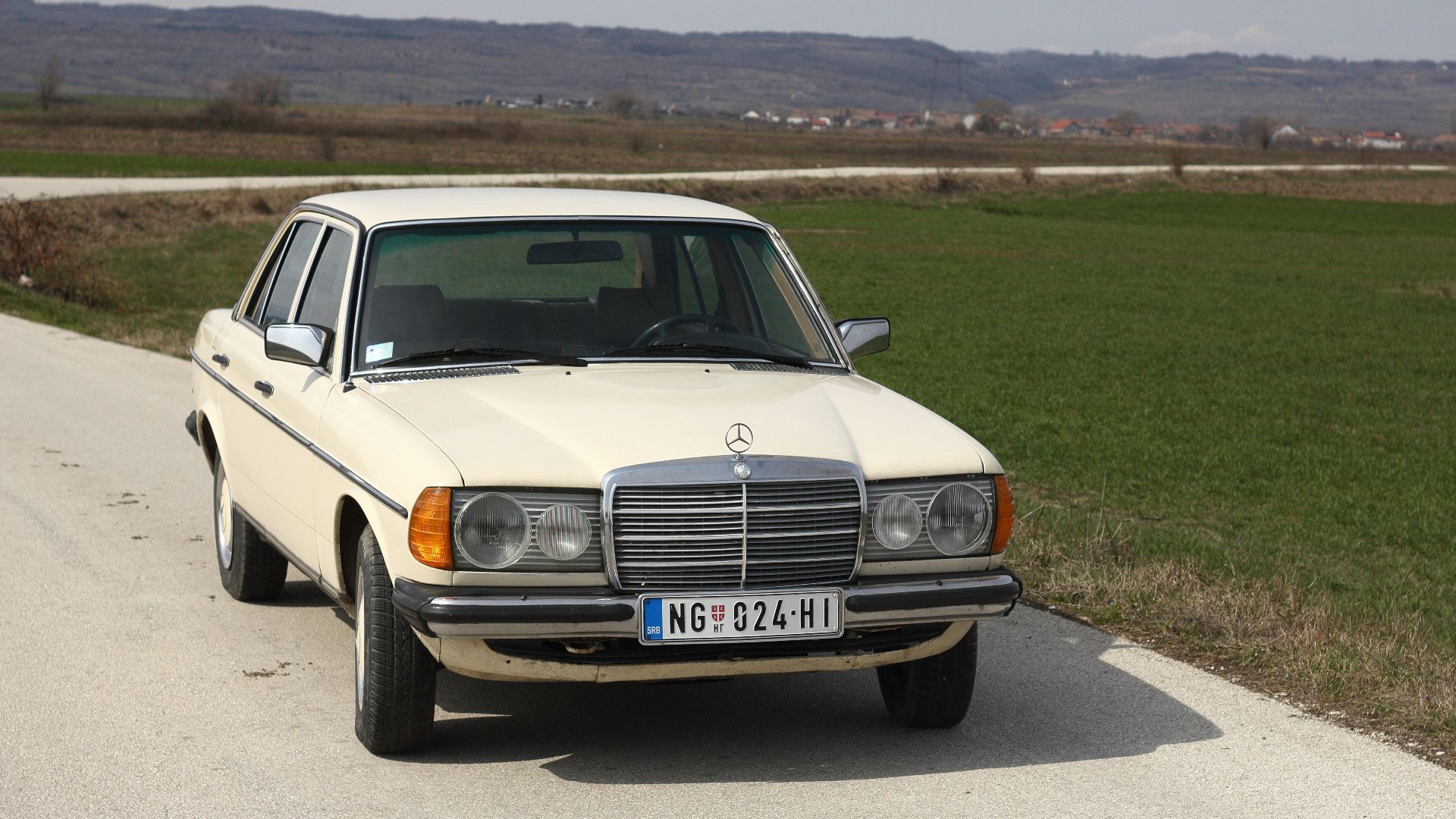
12. Mercedes-Benz W123
The W123 was respected for quality and longevity, and diesel versions became especially famous for piling on enormous mileage in everyday service. Plenty worked as taxis, which isn't usually the quickest route to collector prestige. Years later, their restrained styling and reputation for durability have made clean examples desirable classics rather than merely old sedans.
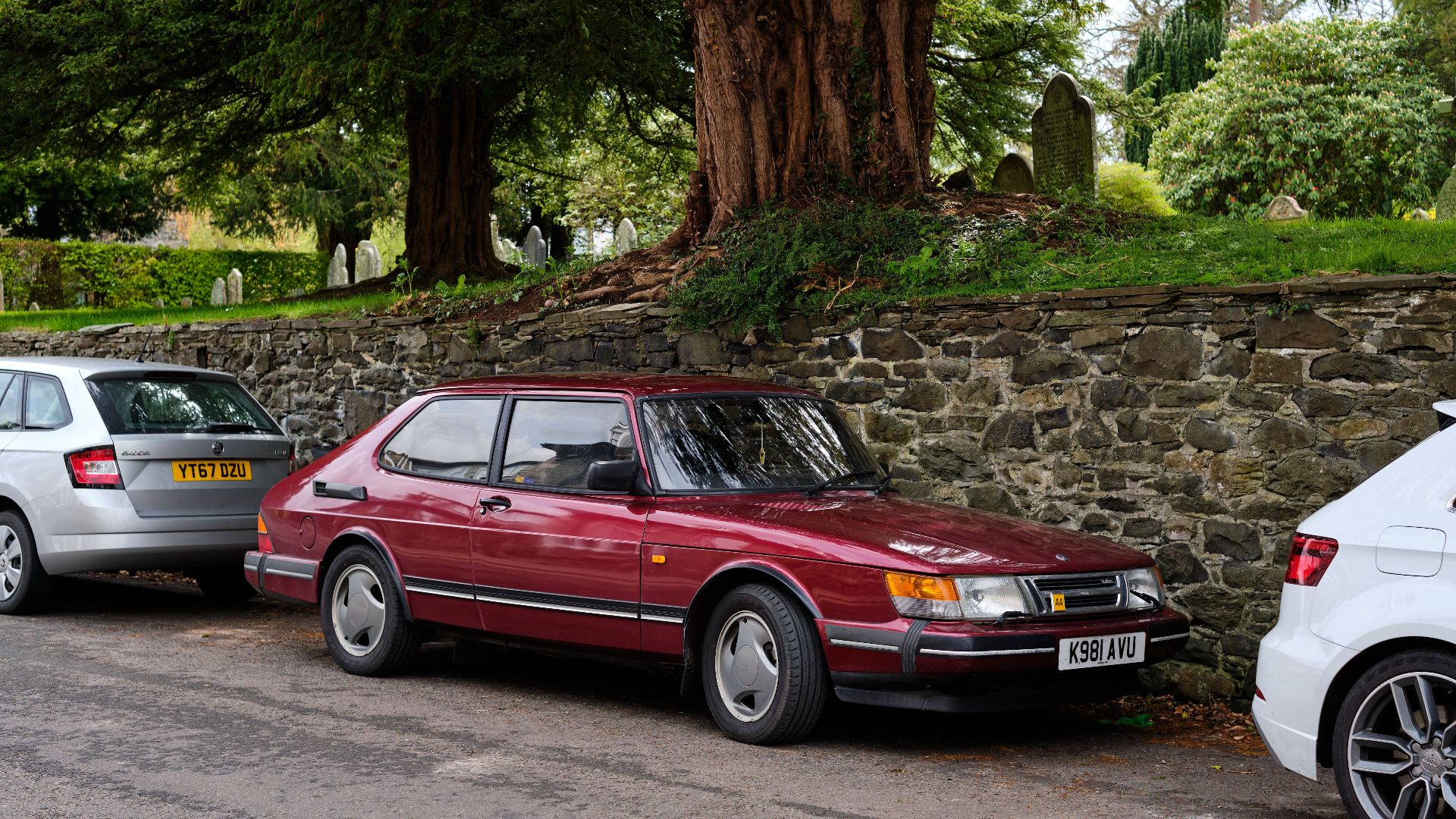
13. Saab 900
The Saab 900 attracted buyers who cared about safety, practicality, and engineering that didn't follow everybody else's formula. Its hatchback shape and quirky controls made it distinctive, although few people initially treated the ordinary versions as exotic collectibles. That individuality now works in its favor, particularly among enthusiasts who'd rather arrive in something less predictable.
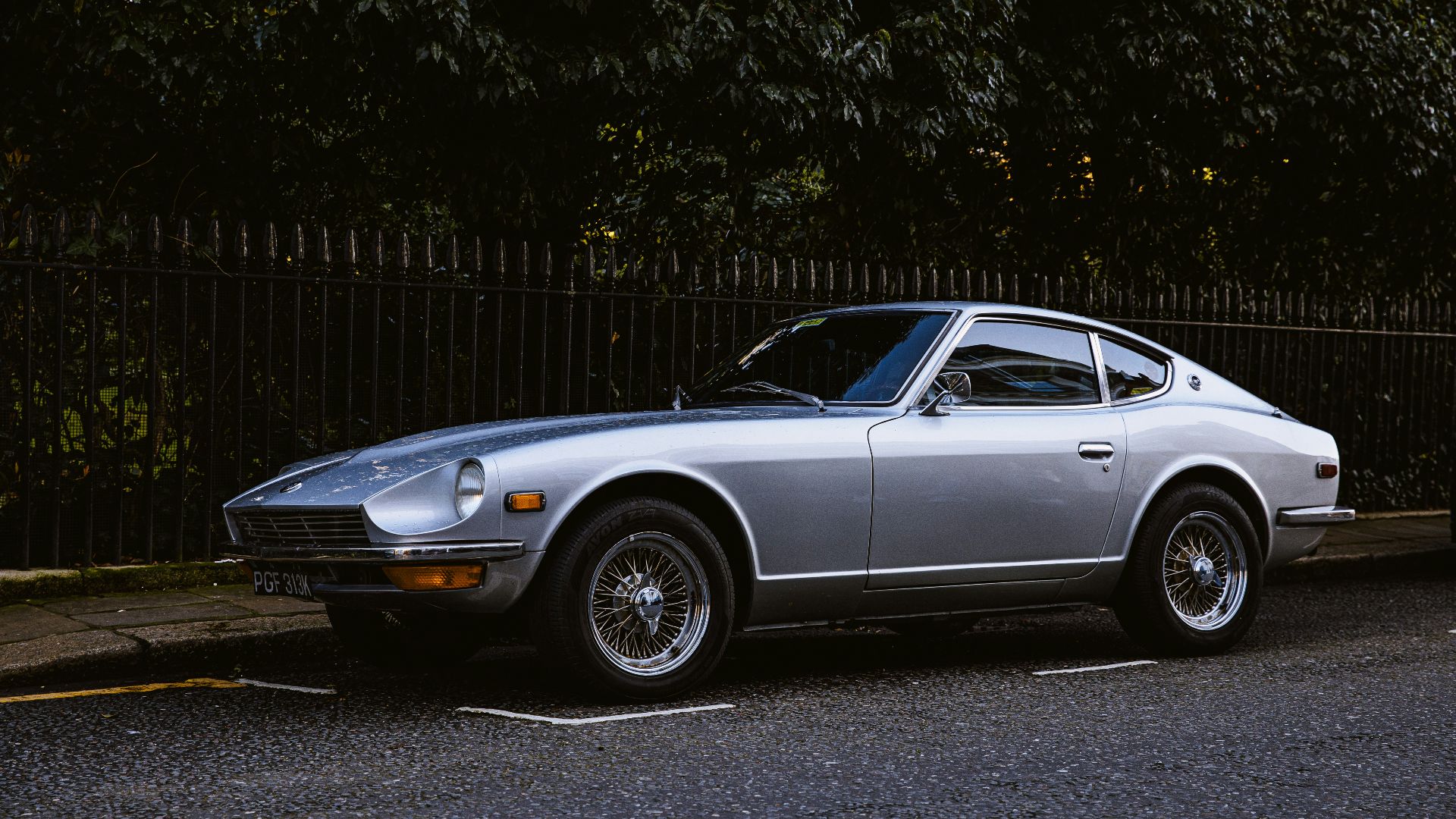
14. Datsun 240Z
The 240Z offered buyers stylish sports-car performance without demanding the price or temperament associated with many European rivals. Its success came partly from making an exciting coupe accessible to a broader audience. Early examples are now established collectibles.
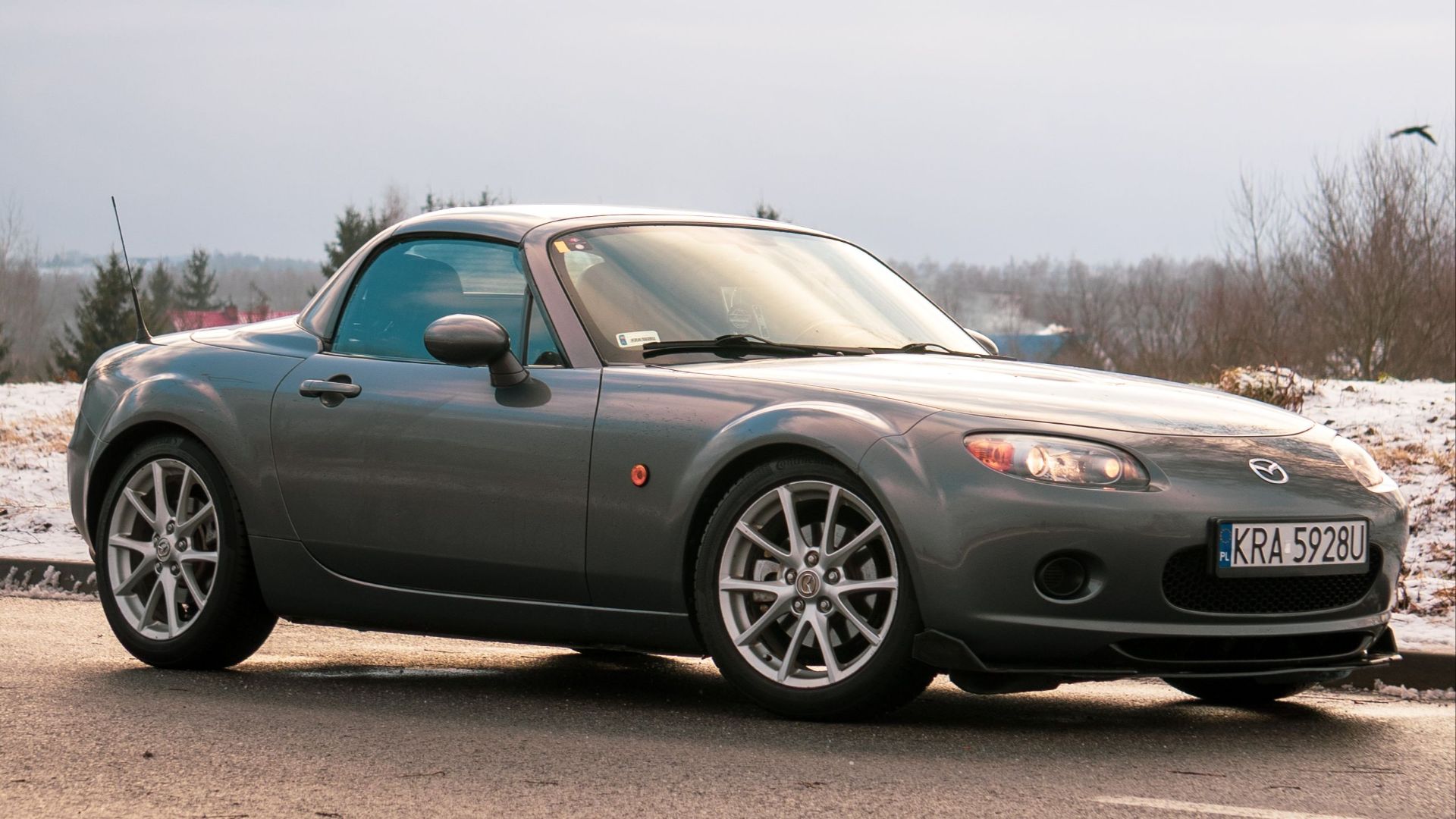
15. Mazda MX-5 Miata
Mazda deliberately created the Miata as a lightweight, affordable sports car rather than an exclusive machine for wealthy collectors. Its simplicity and approachable performance became major strengths, helping generations of drivers enjoy sports-car ownership without needing an exotic-car budget. Original examples have since entered classic territory, and clean early Miatas are increasingly treated as cars worth preserving.
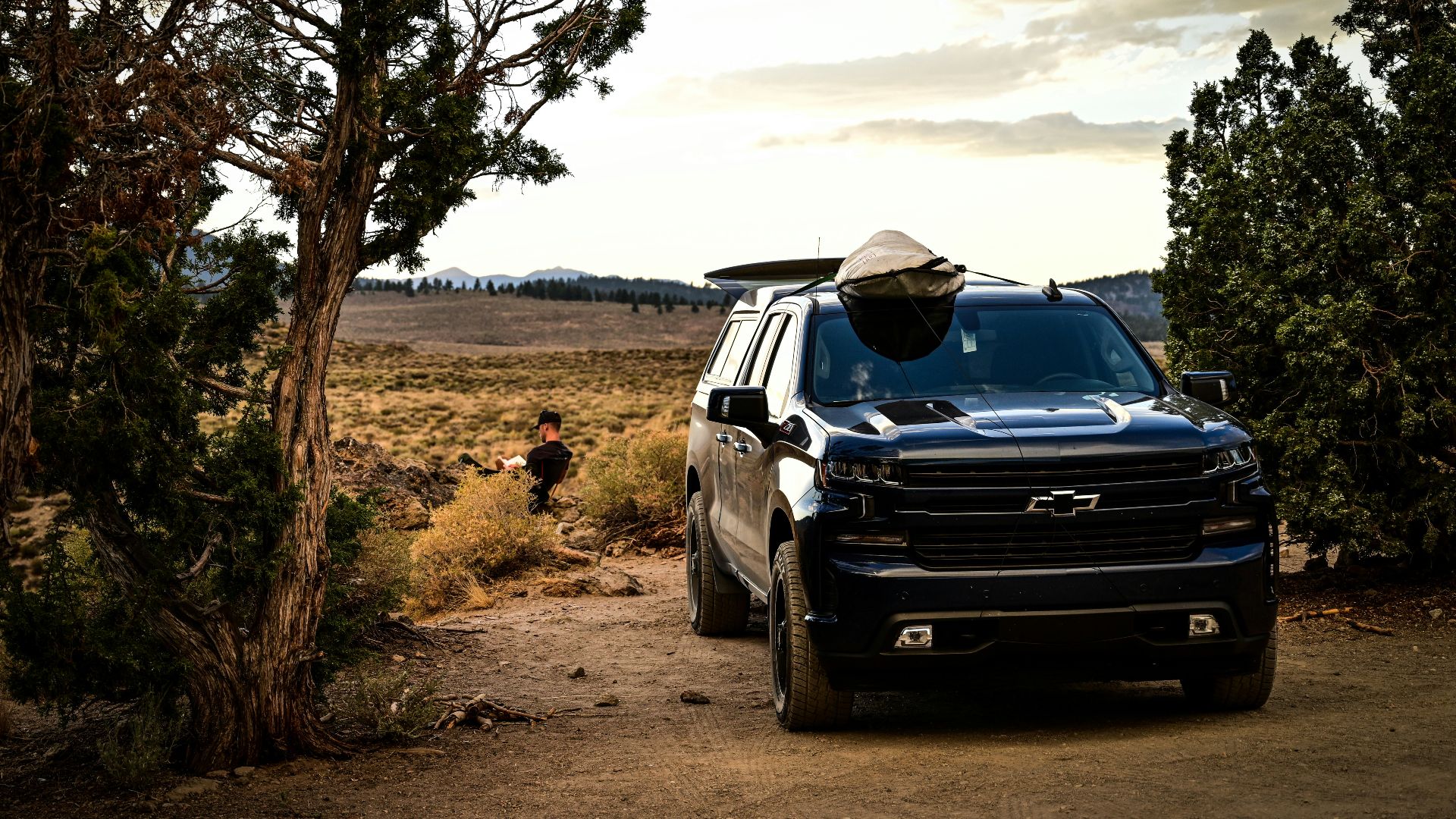
16. Chevrolet Suburban
For decades, the Suburban's main job was carrying large families, equipment, or anyone who simply needed a huge truck-based wagon. Early models were practical machines long before SUVs became fashionable symbols of affluent suburban life. As vintage trucks and utility vehicles grew more collectible, older Suburbans gained a cool factor their original owners probably weren't thinking about.
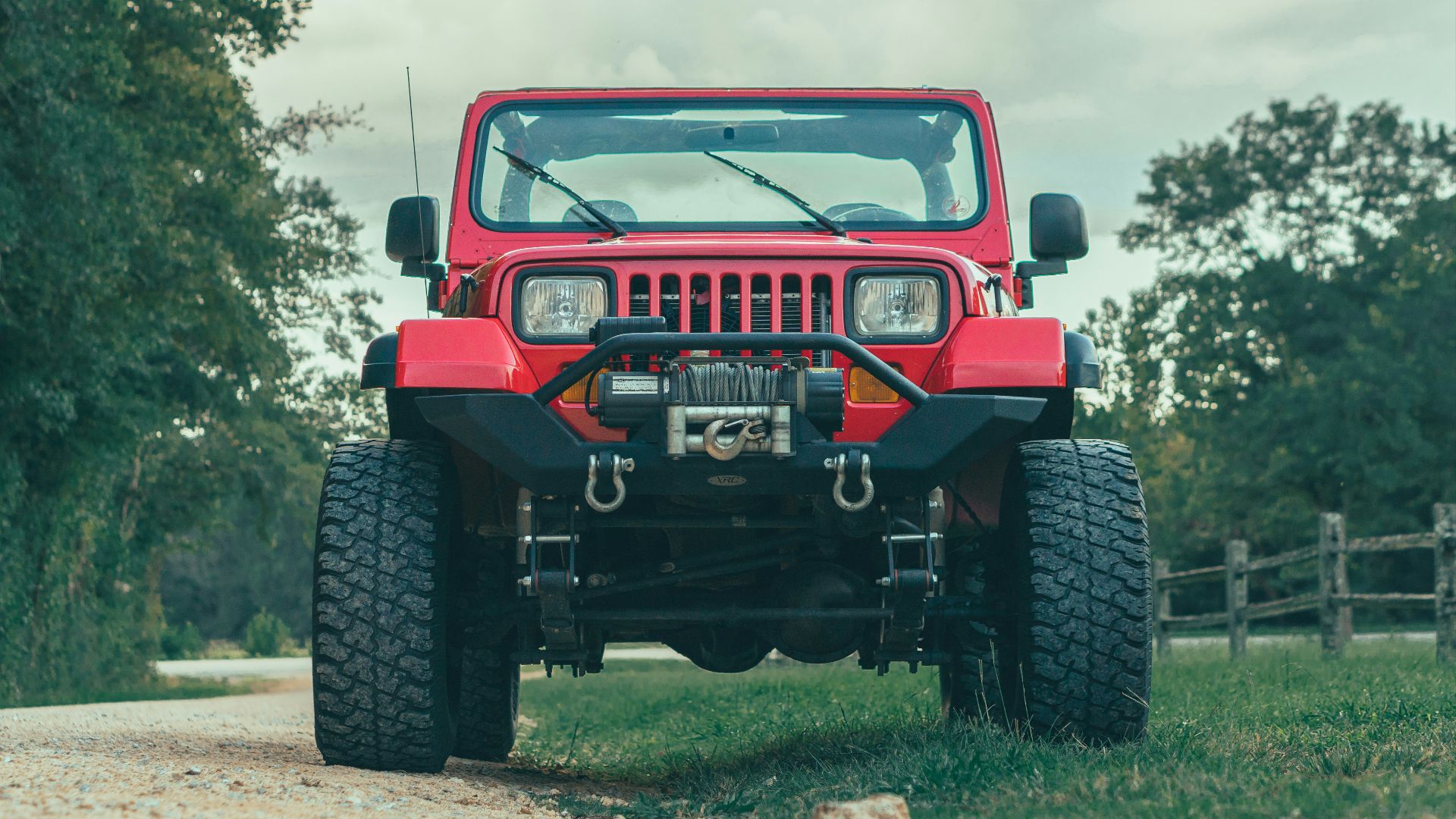
17. Jeep CJ-5
The CJ-5 descended directly from the sort of simple, tough vehicles designed around function rather than comfort. Owners accepted wind noise, basic interiors, and plenty of compromises because the Jeep could go places ordinary cars couldn't. Classic examples later became desirable lifestyle vehicles, with authenticity becoming more important than whether anyone actually plans to cross difficult terrain.
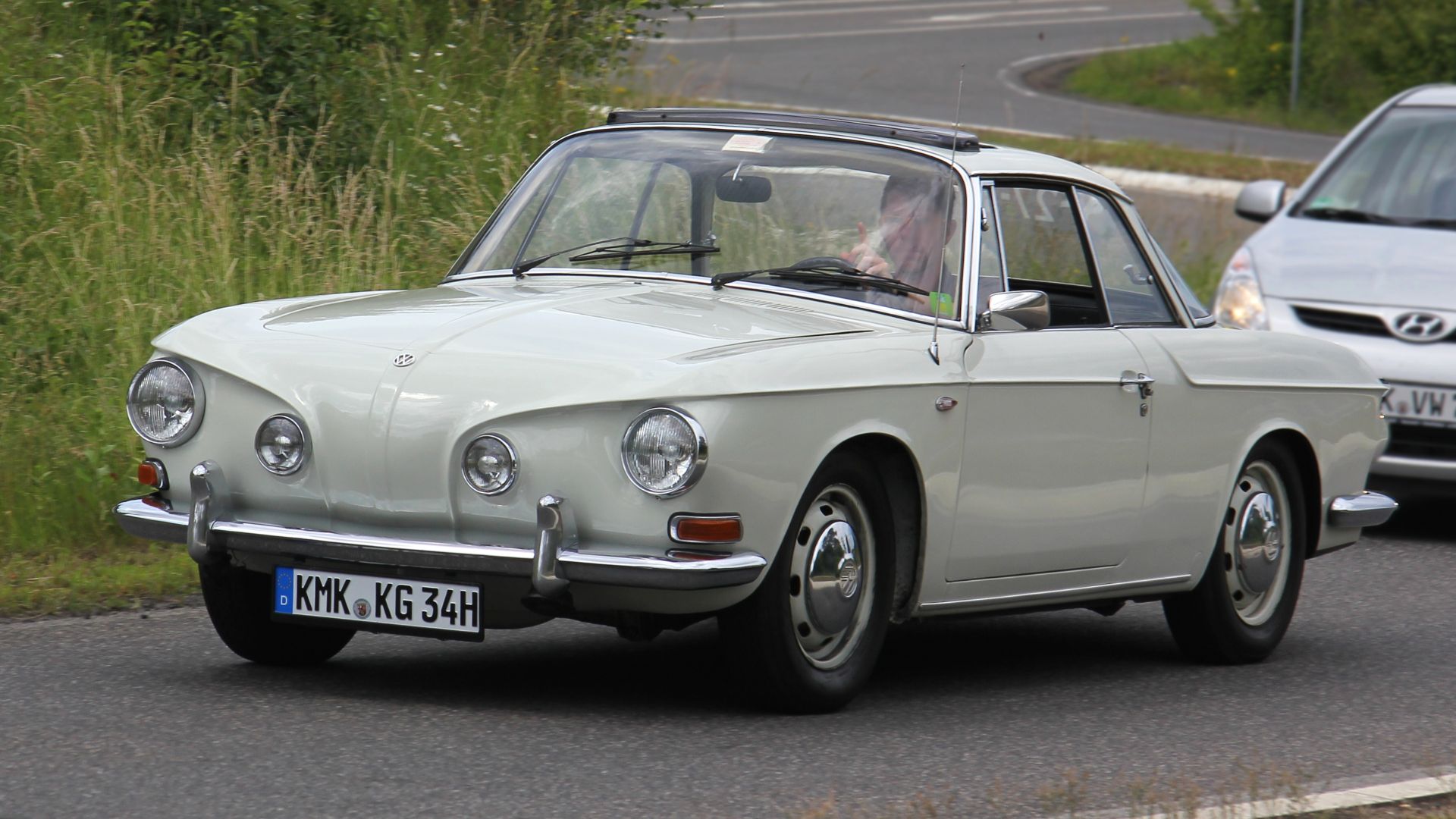
18. Volkswagen Karmann Ghia
The Karmann Ghia looked considerably more exotic than the mechanical package underneath suggested. Beneath its elegant body were humble Volkswagen components closely related to the Beetle, so buyers received style without exotic-car complexity. That combination eventually made it a fashionable classic whose appearance carries more prestige than its modest performance ever promised.
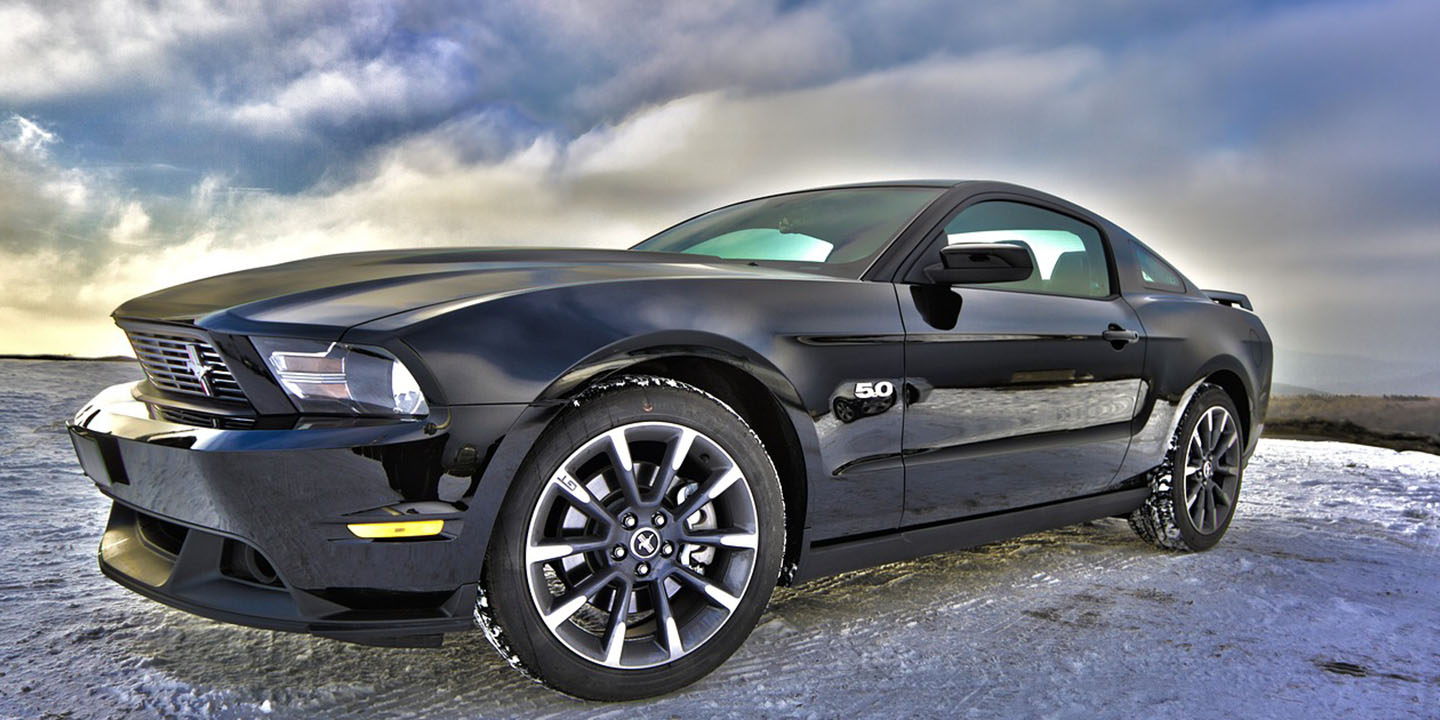
19. Ford Mustang
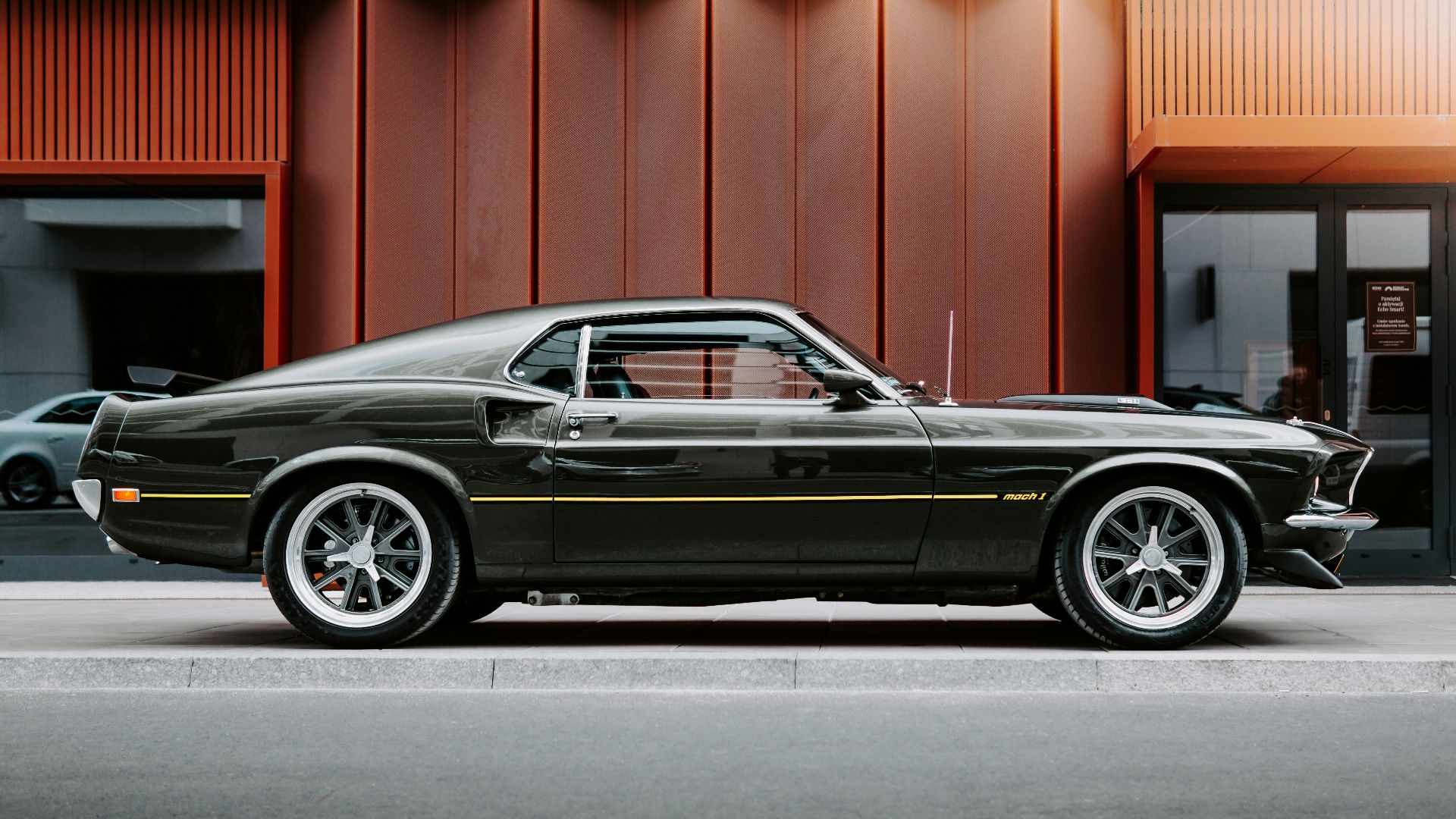
When the Mustang arrived, Ford's goal was to make sporty style and personalization available to a huge number of buyers rather than create an exclusive luxury car. Its popularity quickly turned certain models into cultural statements, and decades of movies, motorsports, and nostalgia only strengthened that image. An early Mustang now carries instant recognition even though mass appeal was central to its original success.
20. Chevrolet C/K Pickup
Older Chevrolet pickups spent their working lives hauling tools, towing trailers, and handling ordinary jobs without much concern for collector approval. For years, used examples were simply inexpensive trucks that continued working until rust or mileage caught up with them. Interest in vintage pickups eventually surged, turning clean C/K models into sought-after classics that can make an old farm truck look surprisingly fashionable.