When Nostalgia Meets a Different Definition of Cool
Classic car enthusiasm is heavily tied to whatever was exciting when you were young, which is why Boomers and Gen Z often look at the same car and see two completely different things. A Boomer might remember seeing one of these models in a showroom, at a drive-in, or parked outside the coolest house on the block, while a younger buyer may just notice vague steering, questionable brakes, and a price tag that seems hard to justify. Here are 20 cars boomers love that leave Gen Z wondering what all the fuss is about.
1. Chevrolet Bel Air
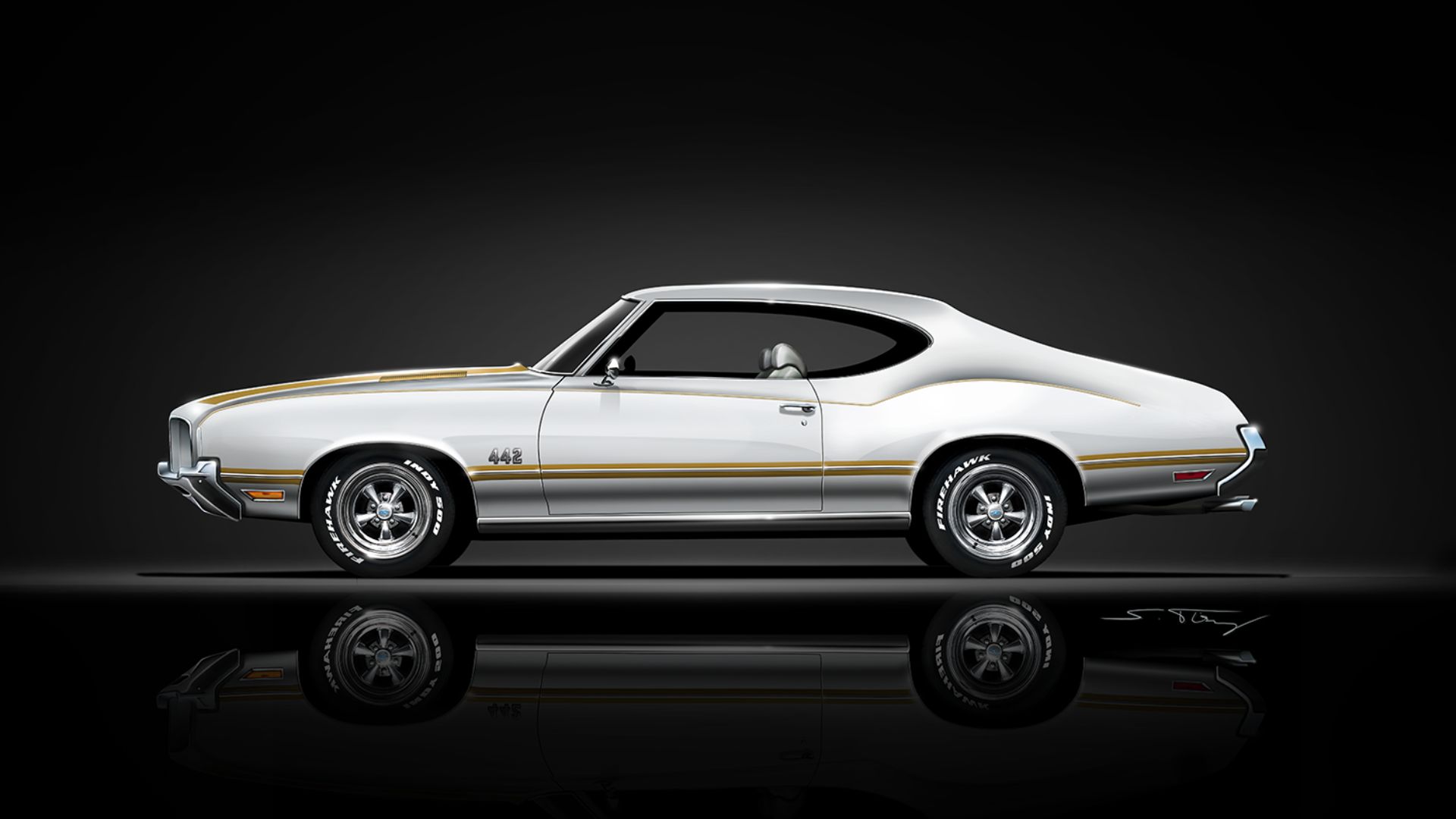
Few cars trigger Boomer nostalgia quite like the Chevrolet Bel Air, especially the famously flashy 1957 model. Its chrome, tailfins, and two-tone paint capture a very specific vision of postwar American prosperity. Younger enthusiasts may appreciate the styling but struggle to understand why certain examples command such serious money. By modern standards, the driving experience can feel far less exciting than the exterior suggests.
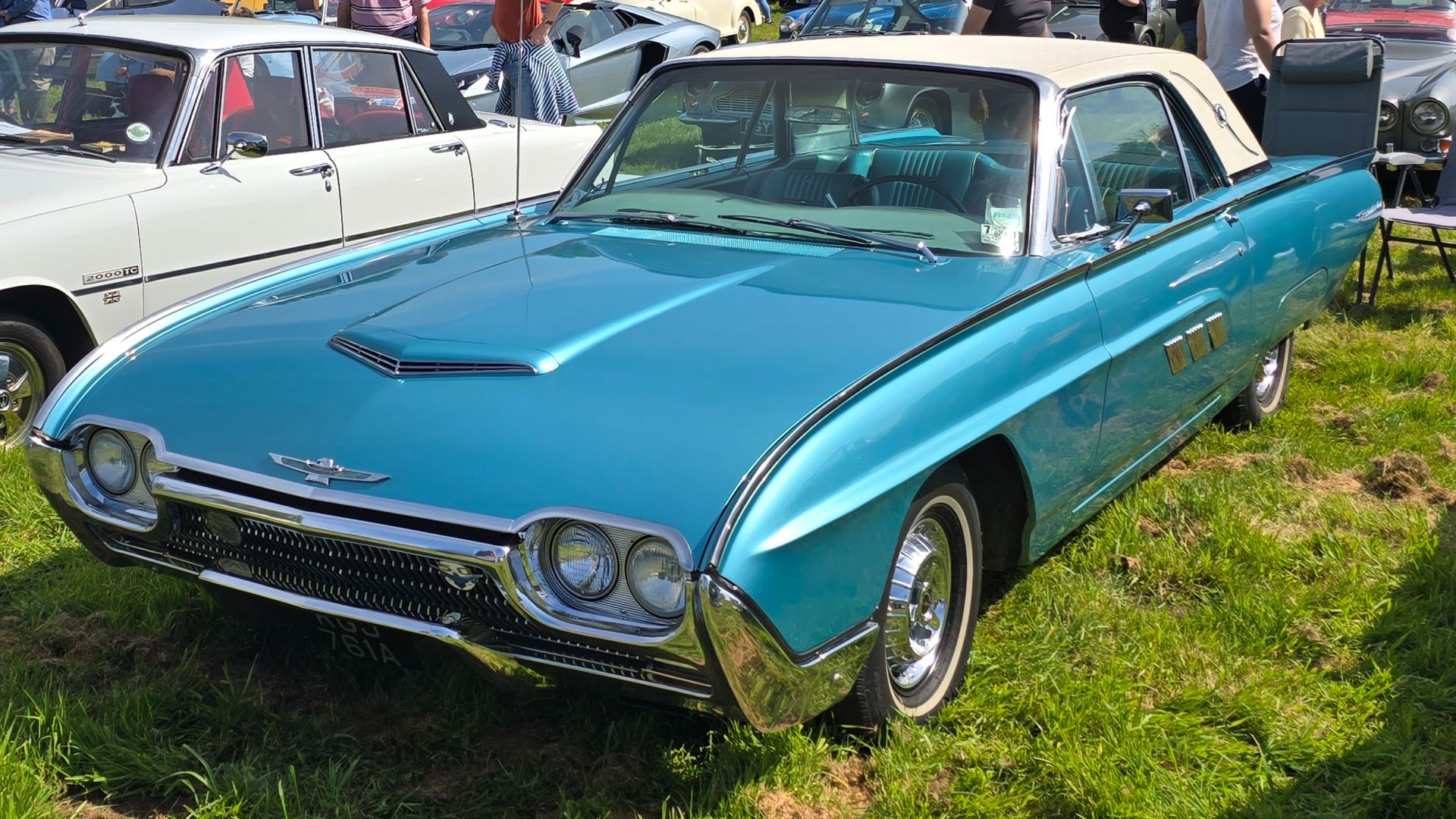
2. Ford Thunderbird
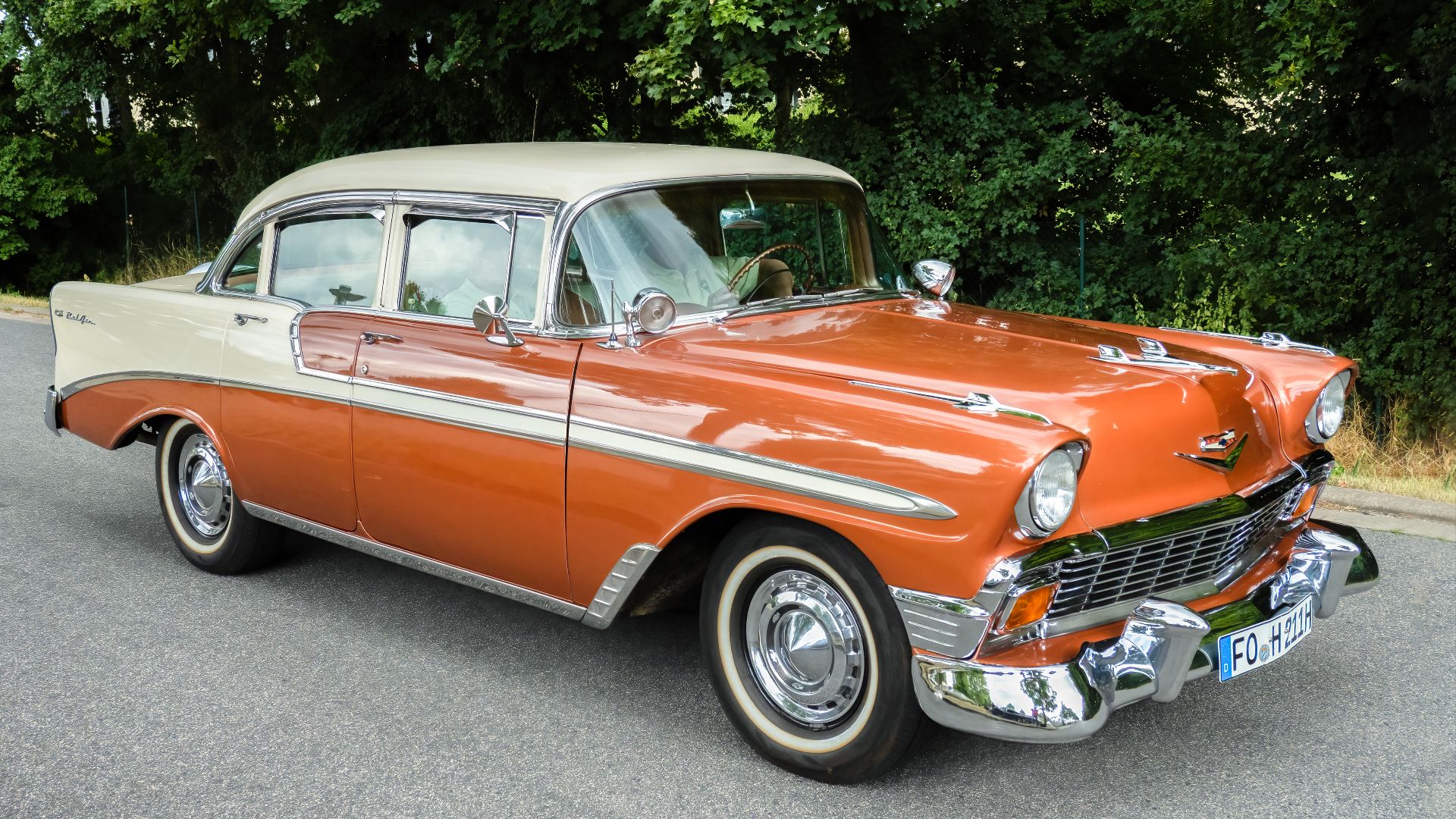
The early Thunderbird was marketed as a stylish personal car rather than a hardcore sports machine, and plenty of Boomers adore it for exactly that reason. It looked glamorous, felt luxurious, and carried enormous cultural prestige during its heyday. Gen Z buyers raised on sharper sports cars may wonder why something so heavy and relaxed gets treated like an American performance icon.
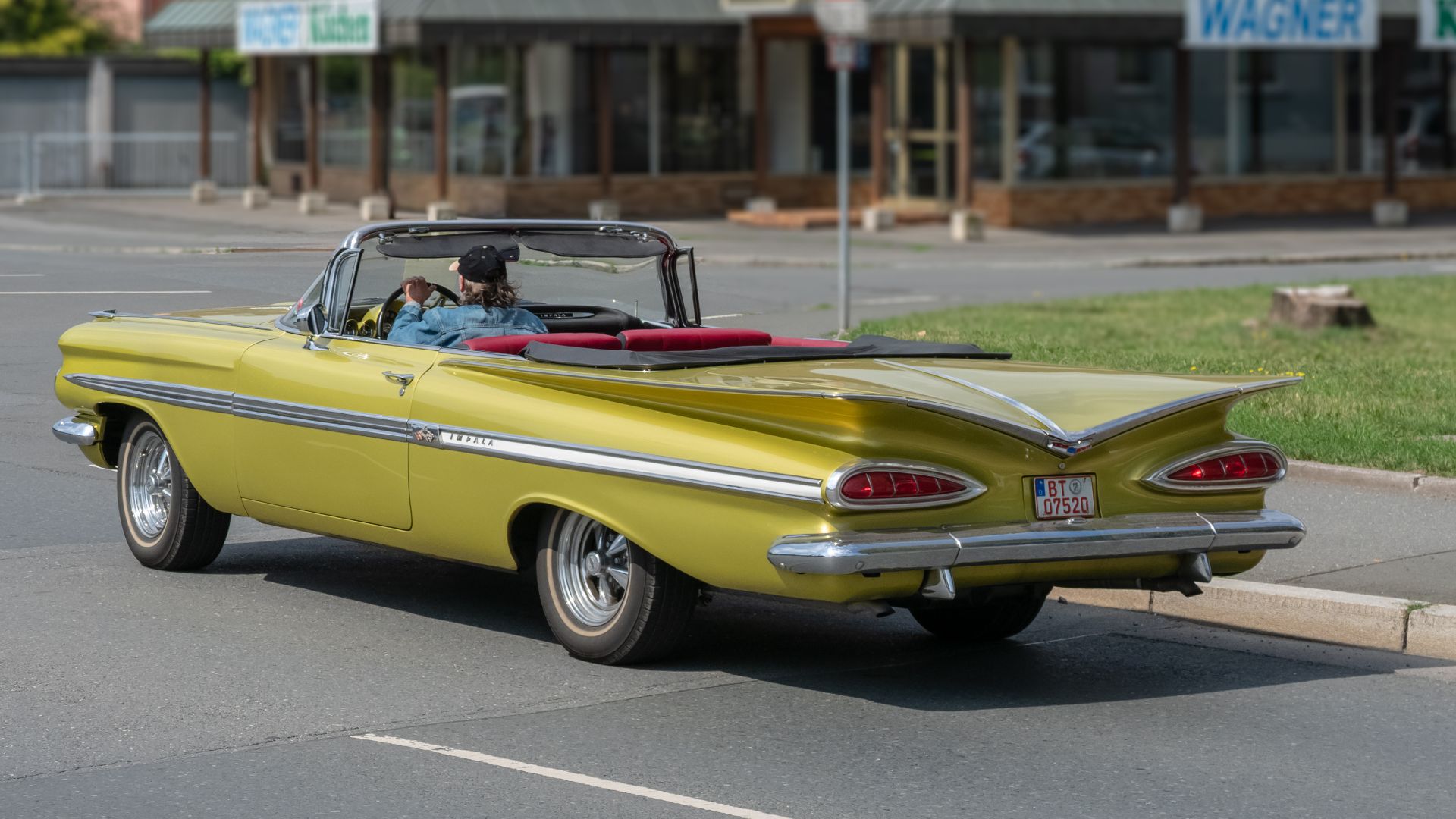
3. Chevrolet Impala
For decades, the Impala represented the full-size American car at its most confident. Older enthusiasts remember enormous interiors, V8 engines, and a time when being big was practically part of the sales pitch. A younger driver might see acres of sheet metal and wonder why anyone needed that much car. The charm makes more sense once you view it as a rolling piece of American social history.
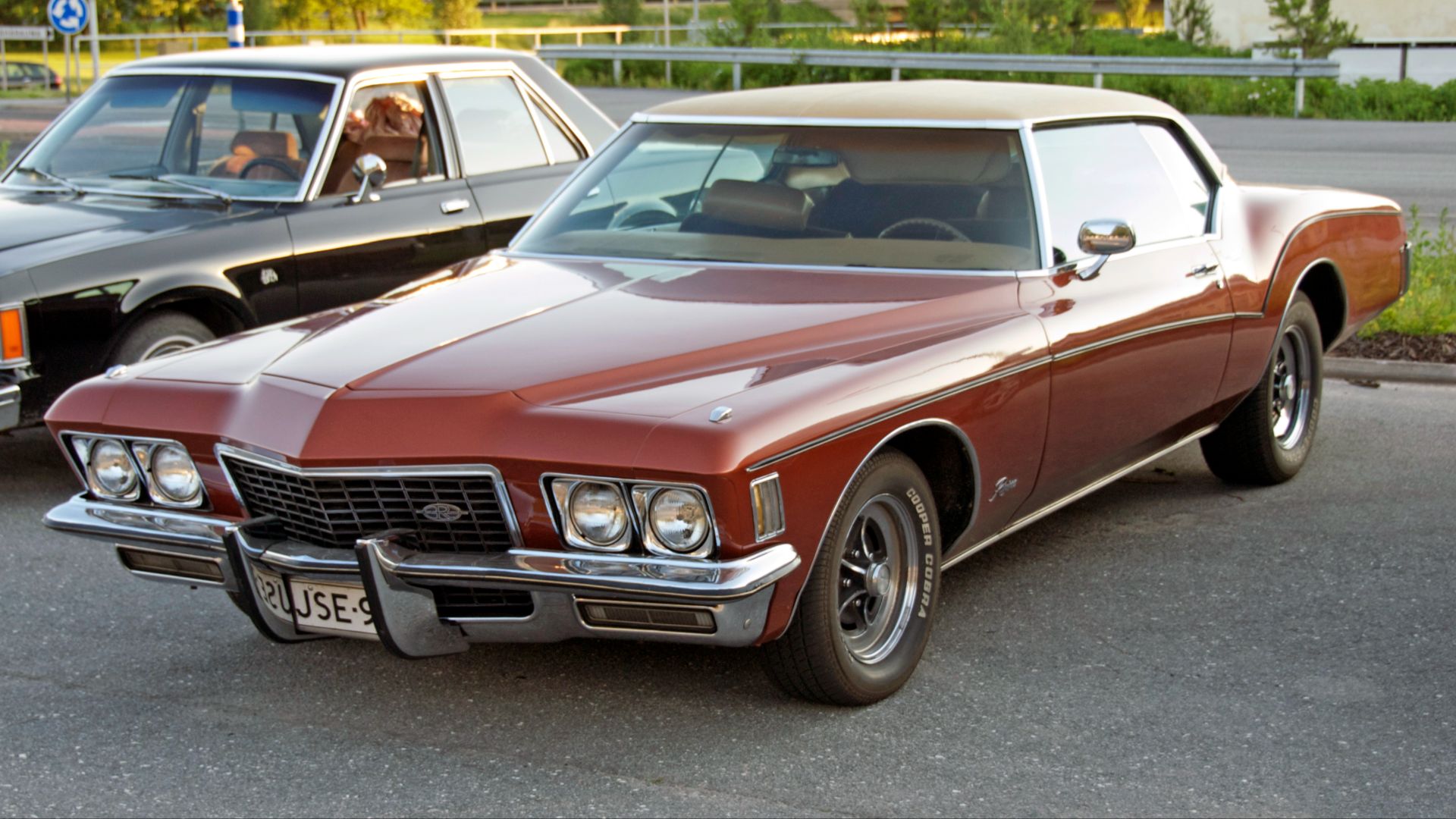
4. Buick Riviera
The first-generation Buick Riviera remains a favorite among enthusiasts who appreciate understated luxury with serious V8 power. Boomers often remember it as a sophisticated alternative to louder muscle cars, giving it a slightly more grown-up reputation. Gen Z may find its appeal harder to see because it doesn't shout for attention the way a Mustang or Charger does.
5. Oldsmobile 442
The Oldsmobile 442 has muscle-car credibility, but its badge doesn't carry the same instant recognition with younger crowds as a Mustang, Camaro, or Challenger. Boomers remember Oldsmobile as a major force in American performance, so the name alone means far more to them. To Gen Z, explaining why an extinct mainstream brand deserves collector status can take some work.
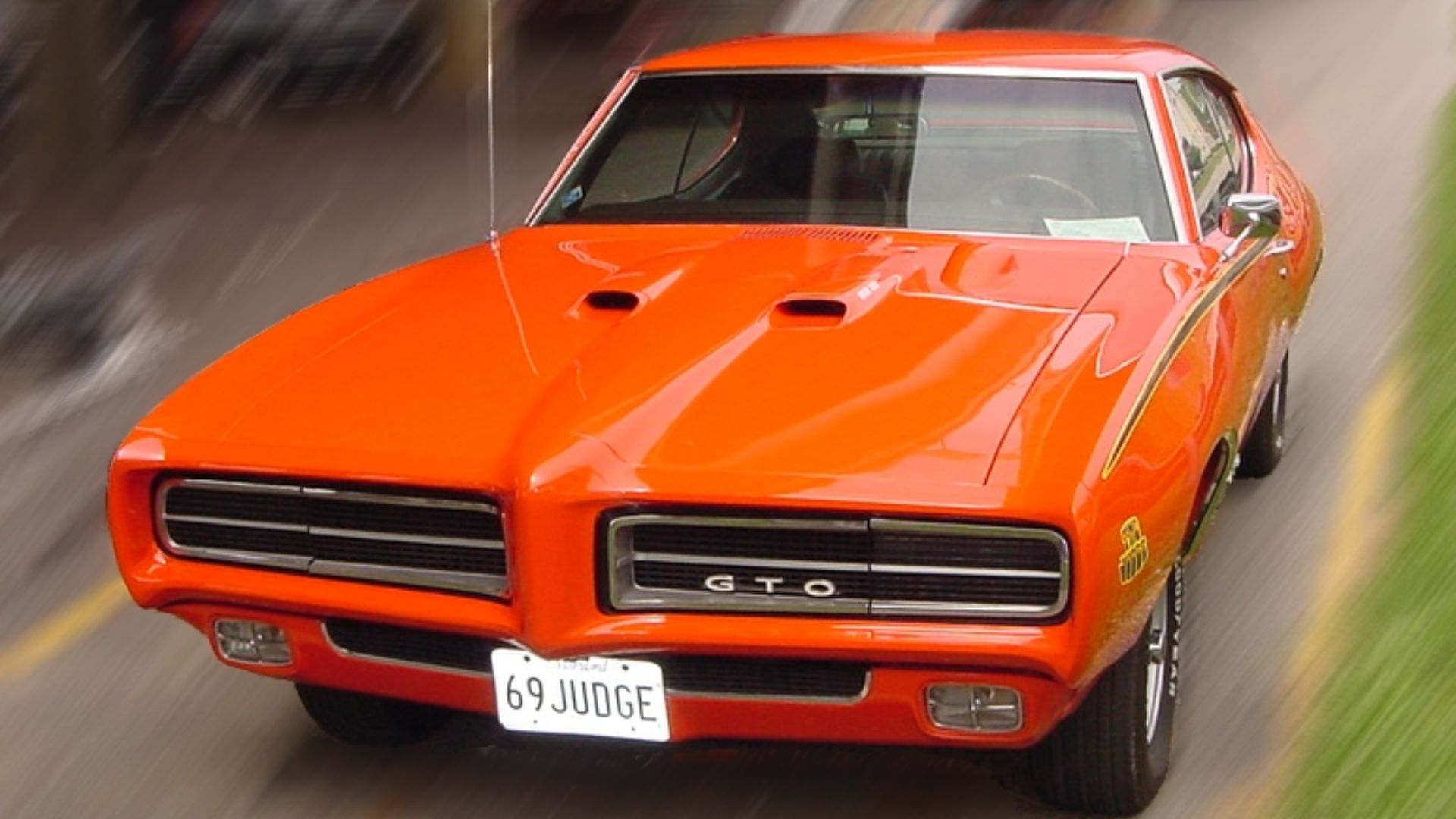
6. Pontiac GTO
Often credited with helping ignite the muscle-car era, the Pontiac GTO is practically sacred to many older enthusiasts. It delivered big-engine performance in a relatively ordinary midsize package, which felt rebellious and exciting in the 1960s. Younger buyers, however, may look at its modest styling and wonder why it deserves such legendary treatment.
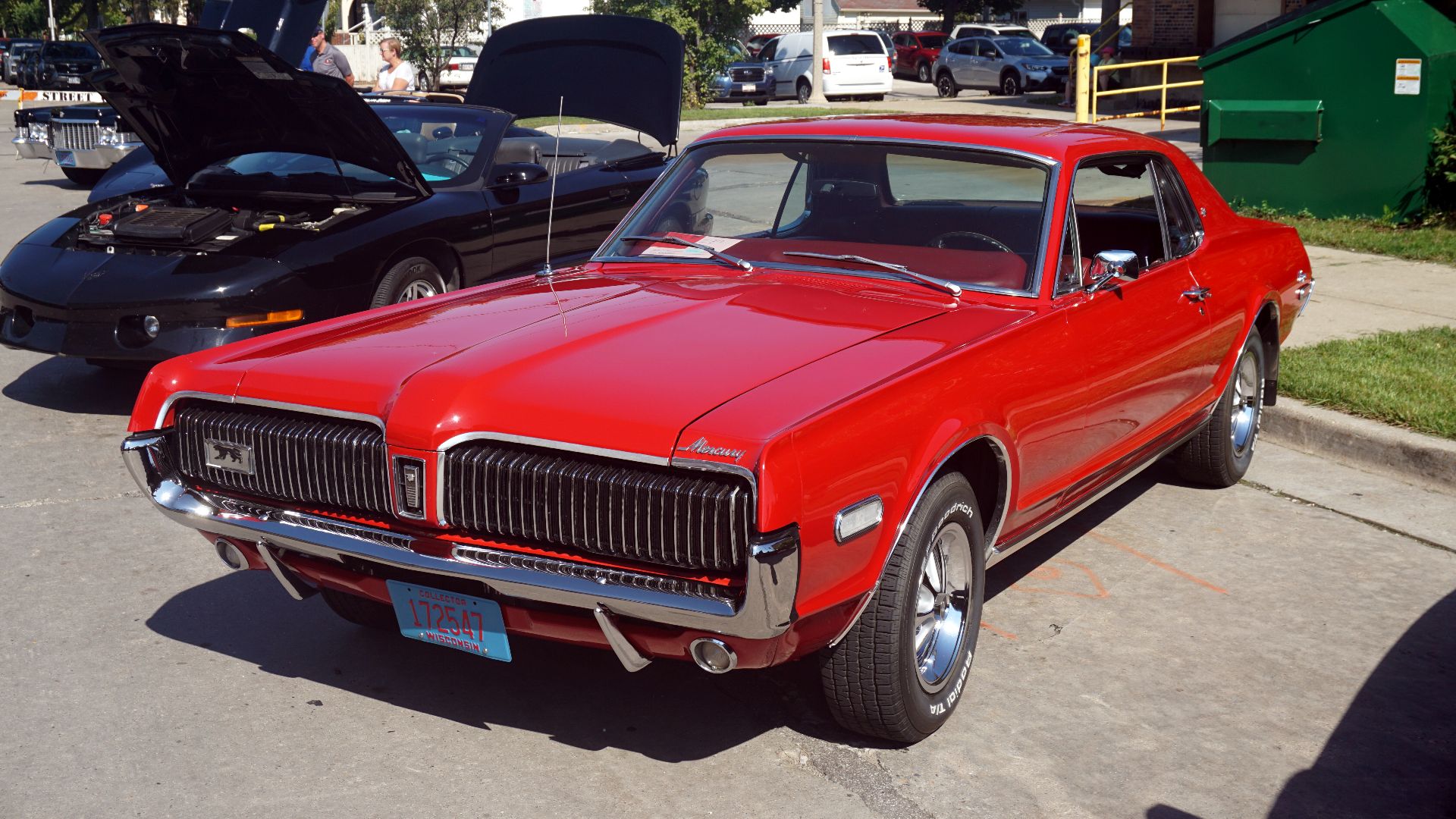
7. Mercury Cougar
The Cougar gave buyers Mustang-related performance with a more upscale personality, making it an appealing choice for drivers who wanted something slightly less obvious. Boomers remember when Mercury actually had a distinct identity and showroom presence. For Gen Z, the whole Mercury brand can feel like a history lesson before the car even enters the conversation. That makes the Cougar's original appeal harder to appreciate right away.
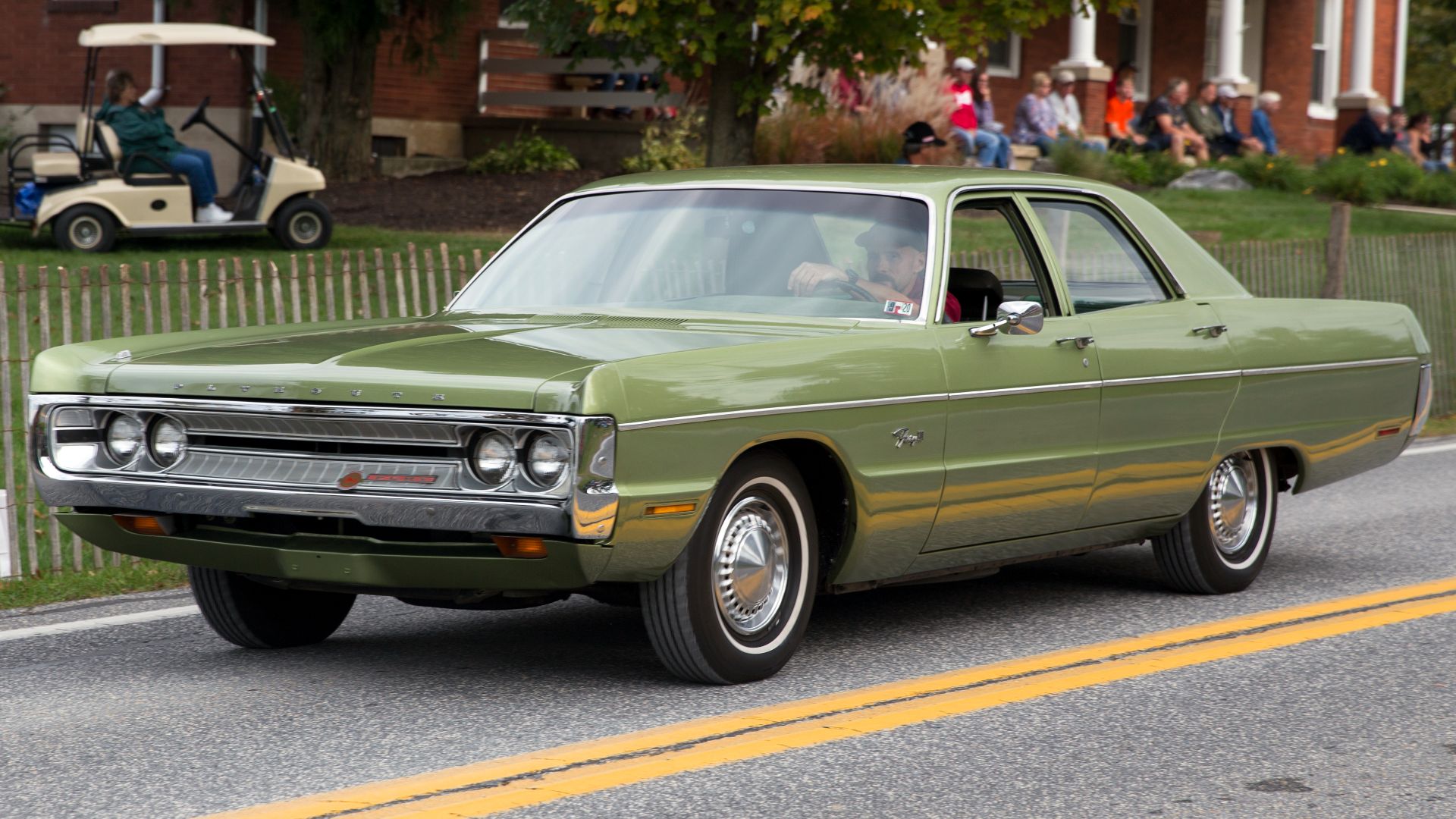
8. Plymouth Fury
The Fury once represented affordable American comfort with plenty of visual drama. The long hood, broad bench, and generous proportions helped make it a familiar sight during the 1950s and 1960s. Younger drivers may wonder why a massive sedan or coupe with modest handling deserves collector attention. For Boomers, though, these cars are tied to an era when road presence mattered.
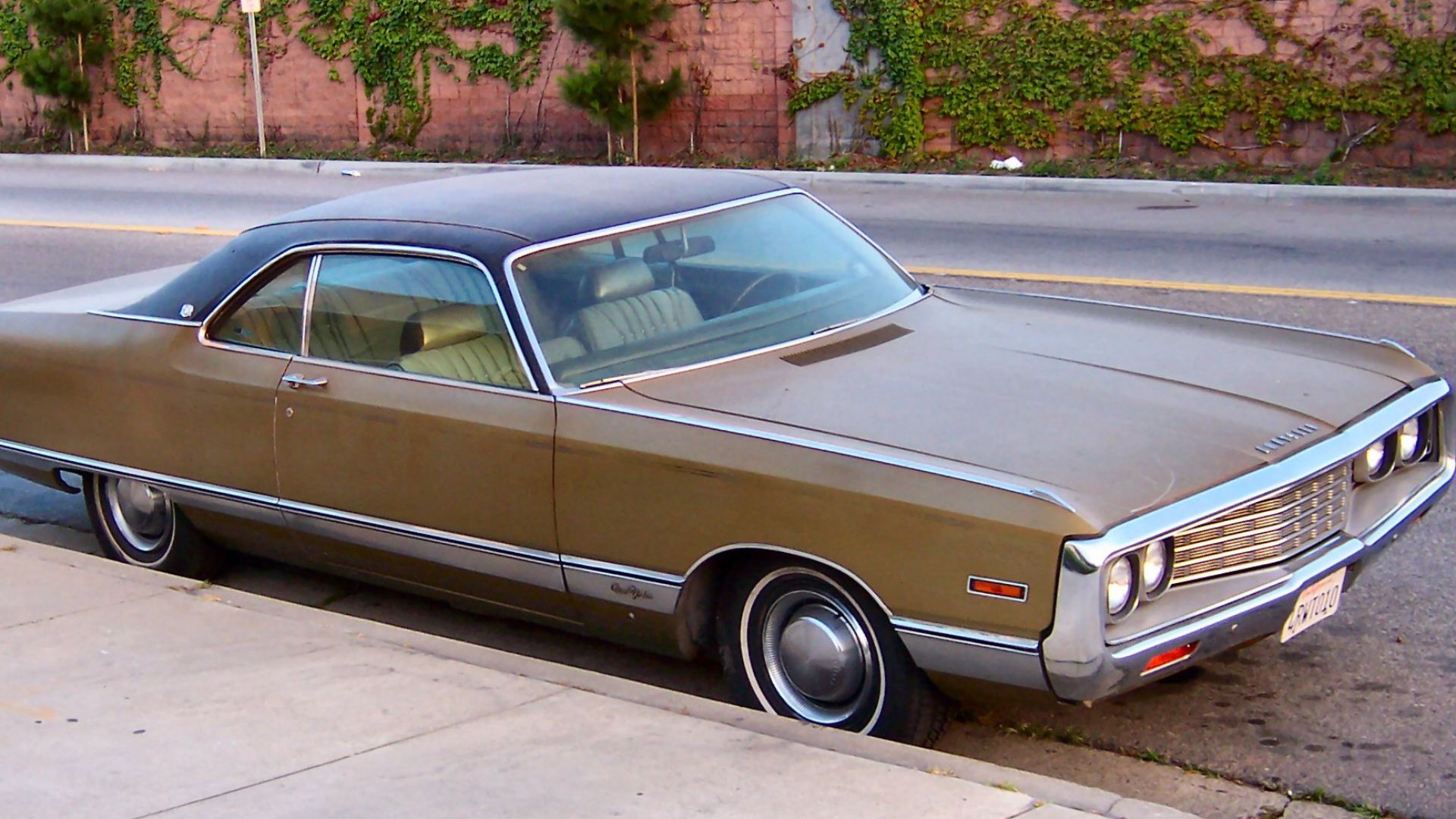
9. Chrysler New Yorker
The New Yorker spent years near the top of Chrysler's lineup, offering roomy interiors and the kind of soft ride Americans once considered luxurious. Boomers can remember when arriving in a large Chrysler carried a certain amount of status. Gen Z may see something enormous, thirsty, and difficult to park without immediately sensing the prestige. Luxury standards have changed dramatically since the New Yorker's peak years.
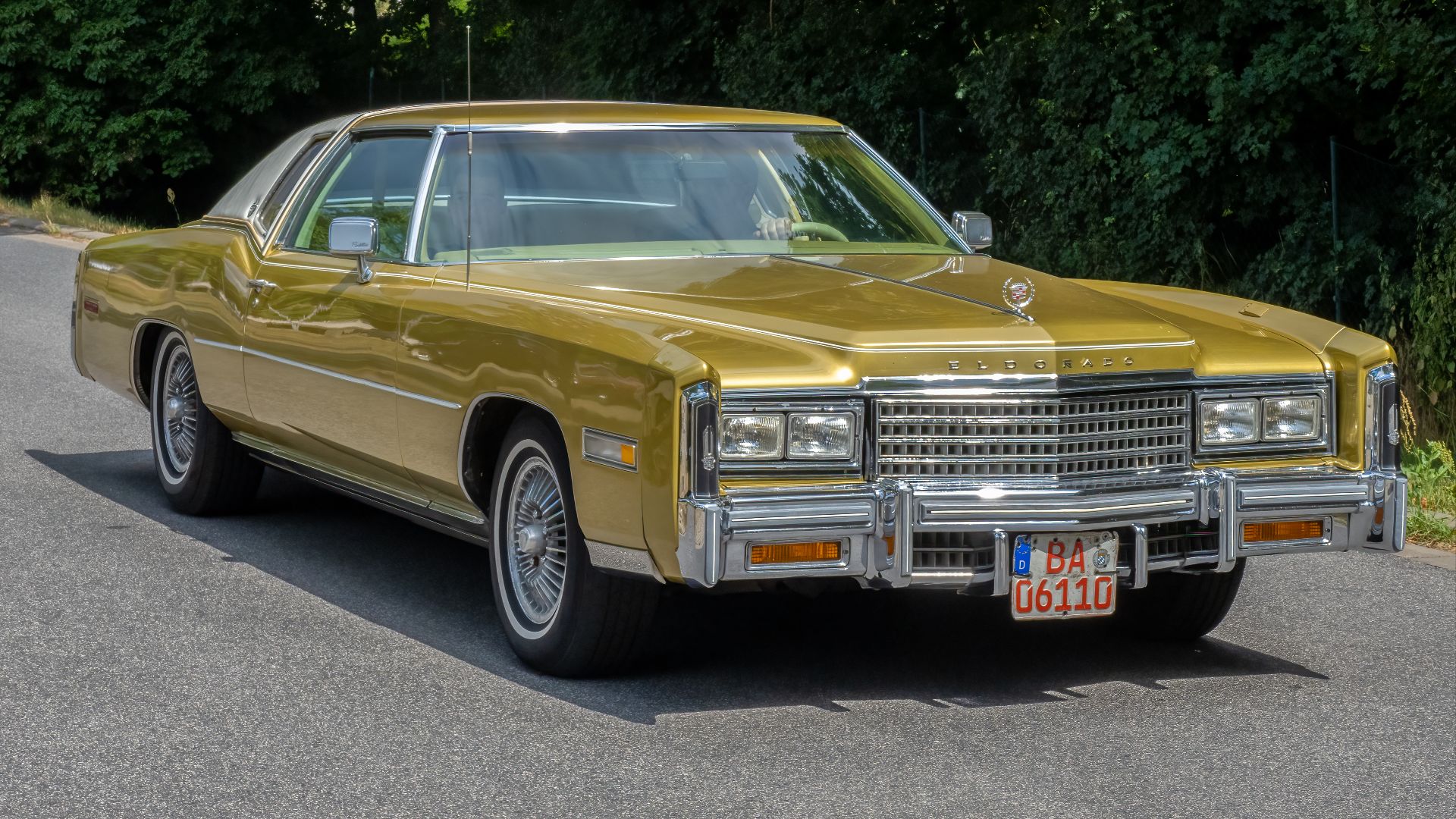
10. Cadillac Eldorado
Few cars embraced old-school American luxury more enthusiastically than the Cadillac Eldorado. Plush interiors, dramatic styling, and sheer size made it a genuine statement car over several generations. Younger drivers accustomed to German handling and technology-heavy luxury may find the Eldorado's soft, floating personality puzzling, though.
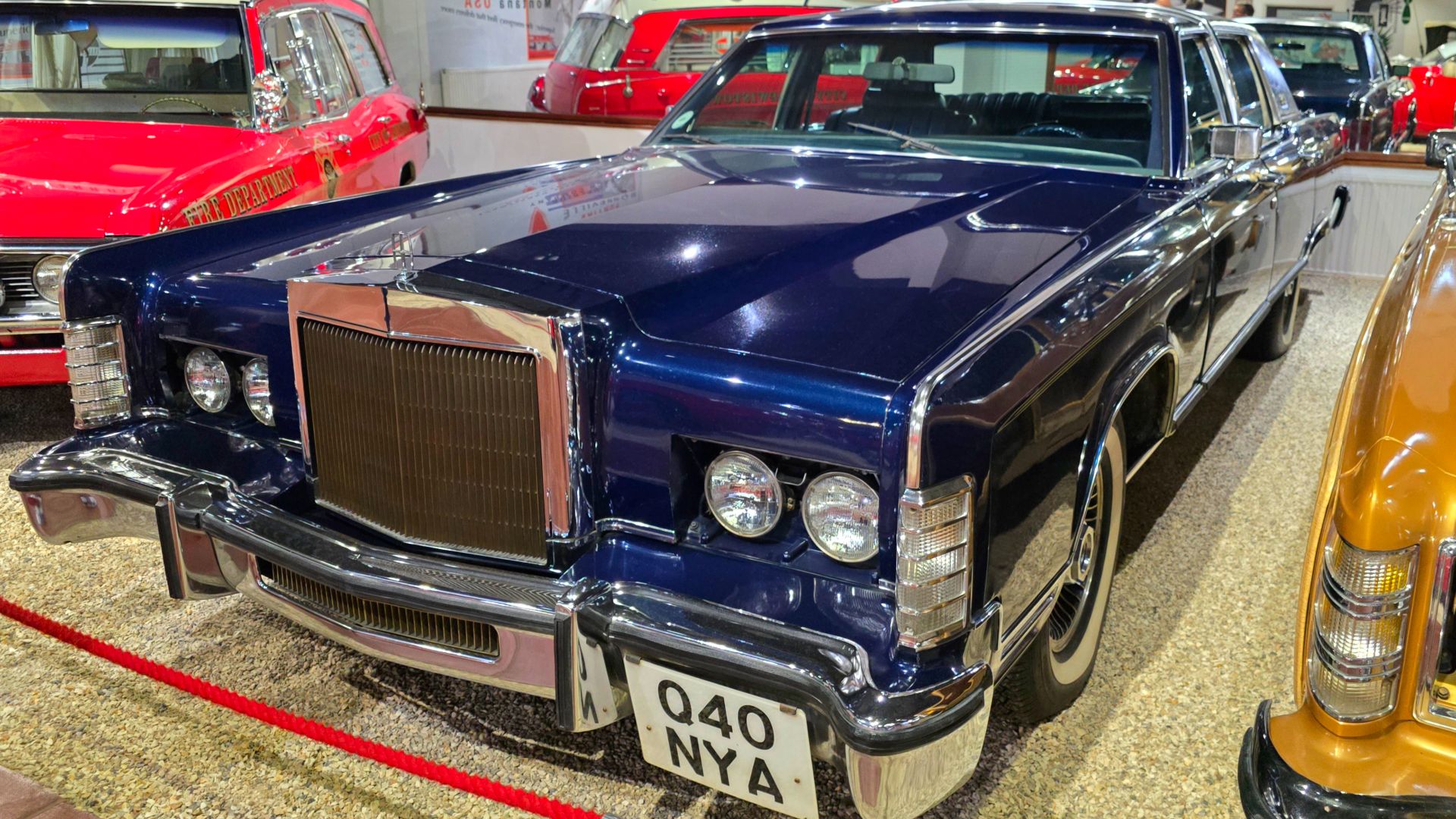
11. Lincoln Continental
The Continental, particularly the elegant 1960s models with rear-hinged doors, still has serious visual presence. Boomers remember Lincoln competing directly with Cadillac for buyers who wanted to announce that they'd made it. Gen Z might admire the design while questioning why such a huge, slow luxury sedan commands so much affection.
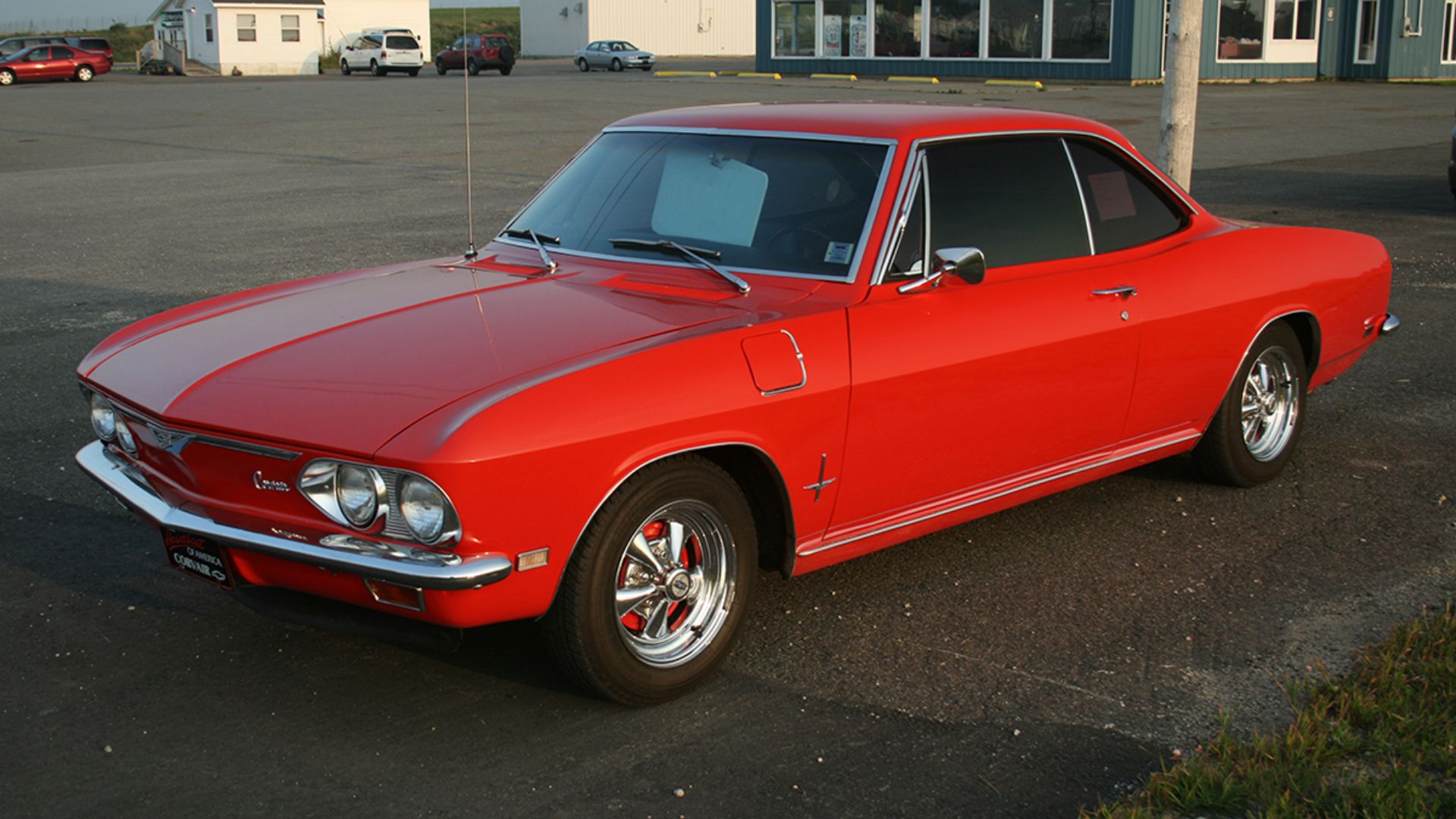
12. Chevrolet Corvair
The Corvair is unusual enough that it still attracts devoted fans decades later. Its rear-mounted, air-cooled engine made it very different from the typical American car of the early 1960s. Boomers who love automotive oddities appreciate its engineering and controversial history, while younger enthusiasts may wonder why they'd choose one over a vintage European car with a similar unconventional streak. The Corvair's appeal comes largely from being unlike almost everything else Detroit produced.
13. AMC Javelin
American Motors never had the resources of Ford or General Motors, which makes the Javelin's place in the pony-car era especially interesting. Boomers who remember AMC dealerships often have a soft spot for the brand's willingness to compete with much larger companies. Gen Z has little cultural connection to AMC, so to them, a Javelin can look like an unfamiliar alternative to better-known classics.
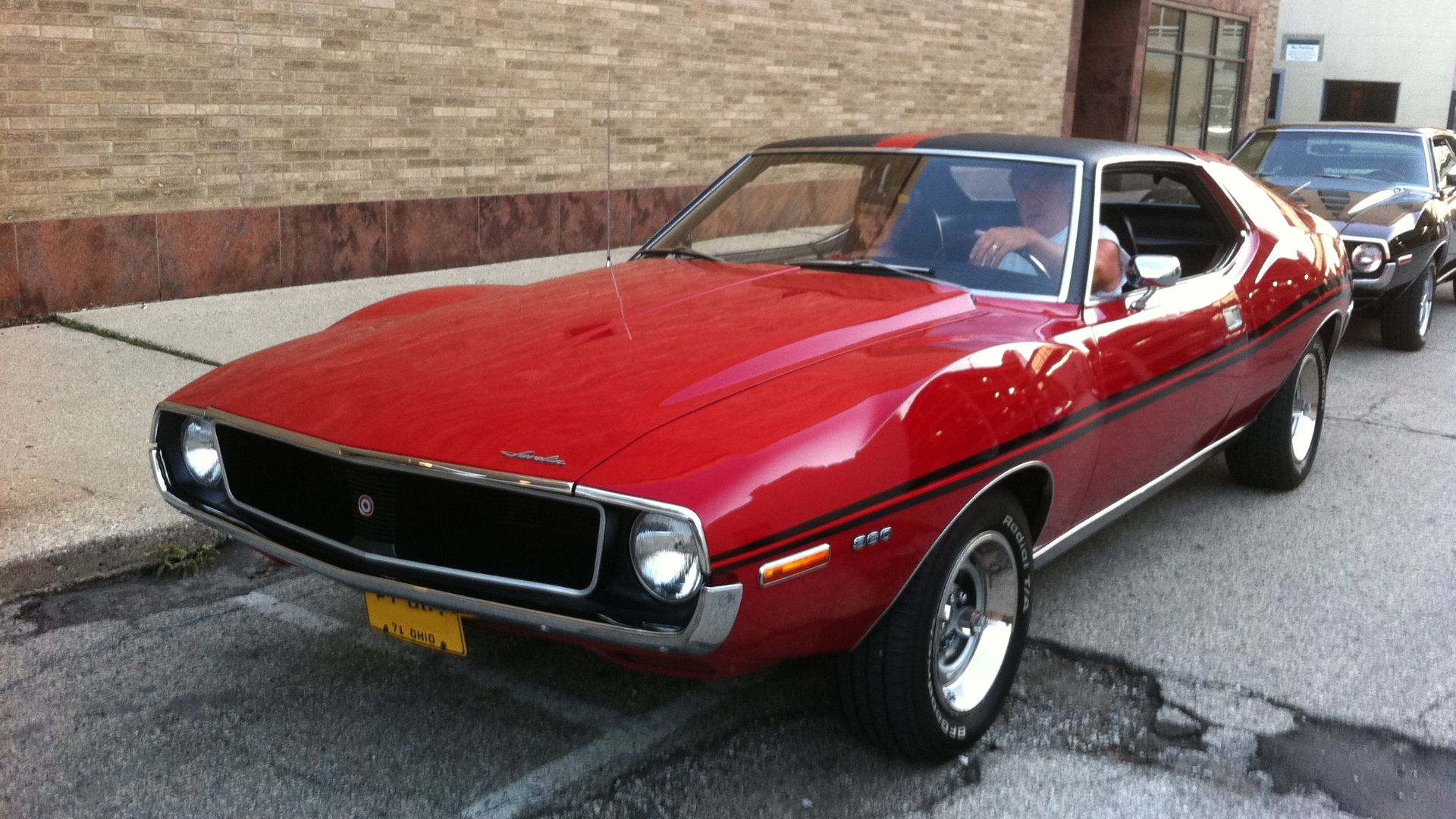 CZmarlin — Christopher Ziemnowicz on Wikimedia
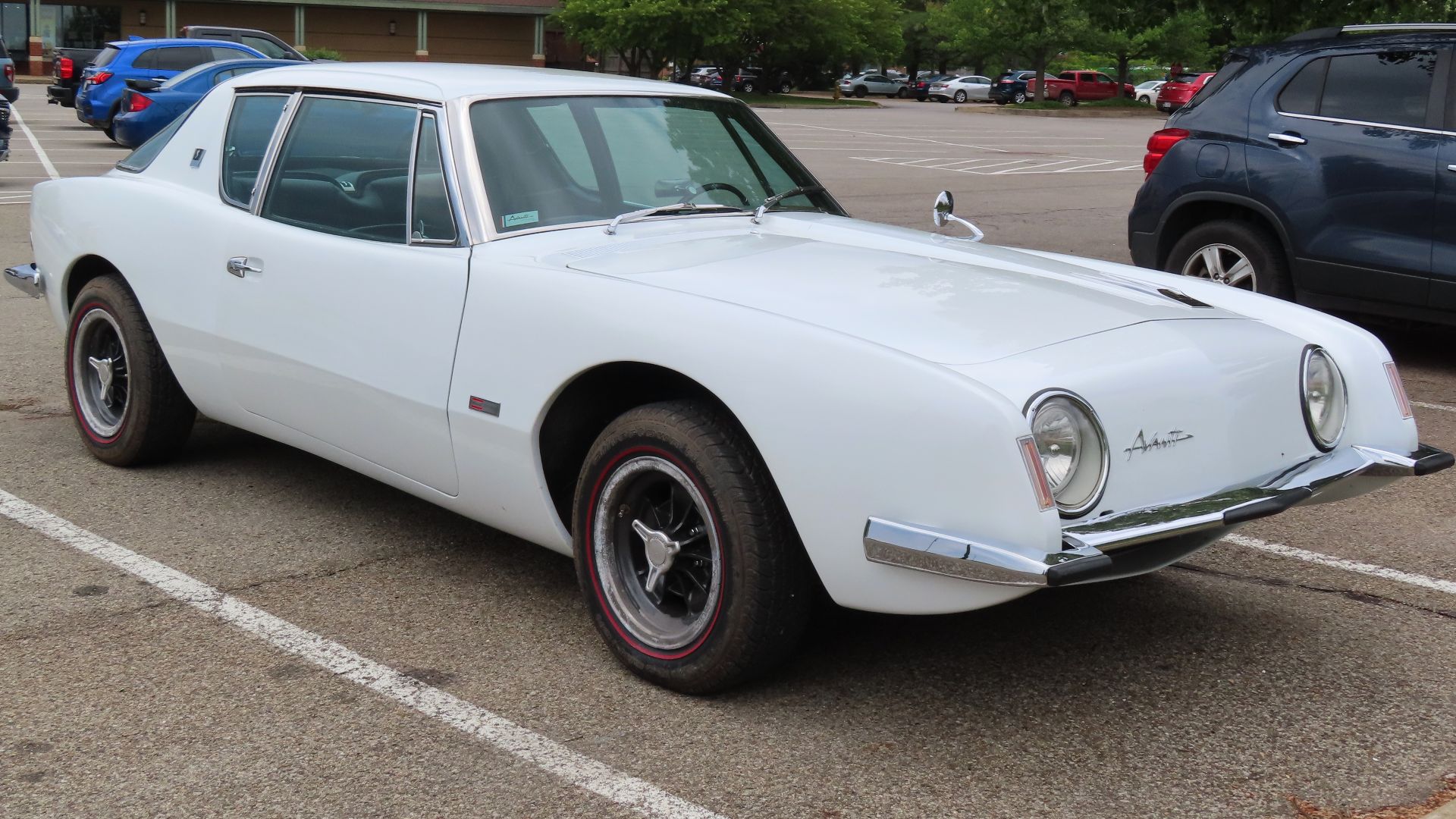
14. Studebaker Avanti
The Avanti's futuristic styling made a strong impression when it appeared in the early 1960s, and plenty of older collectors still consider it remarkably distinctive. Its smooth bodywork and unusual proportions didn't resemble much else coming out of Detroit. Younger enthusiasts may simply see a strange-looking coupe from a company that disappeared before their parents were born.
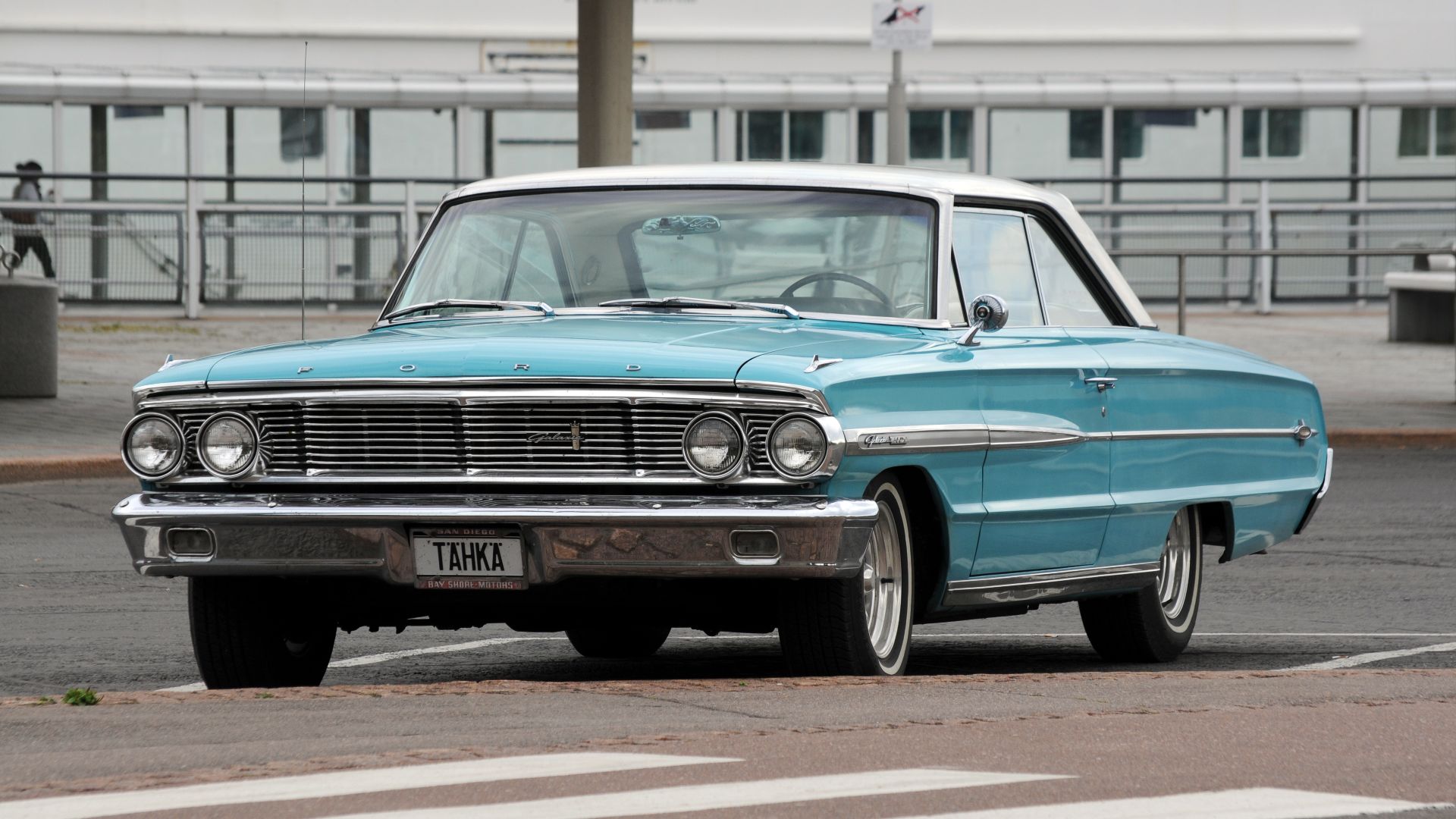
15. Ford Galaxie 500
The Galaxie 500 combined full-size dimensions with available big-block power, making it both a family car and a performance machine depending on how it was ordered. Boomers remember these cars from streets, drag strips, and NASCAR competition. To younger eyes, it's difficult to associate something this enormous with serious speed.
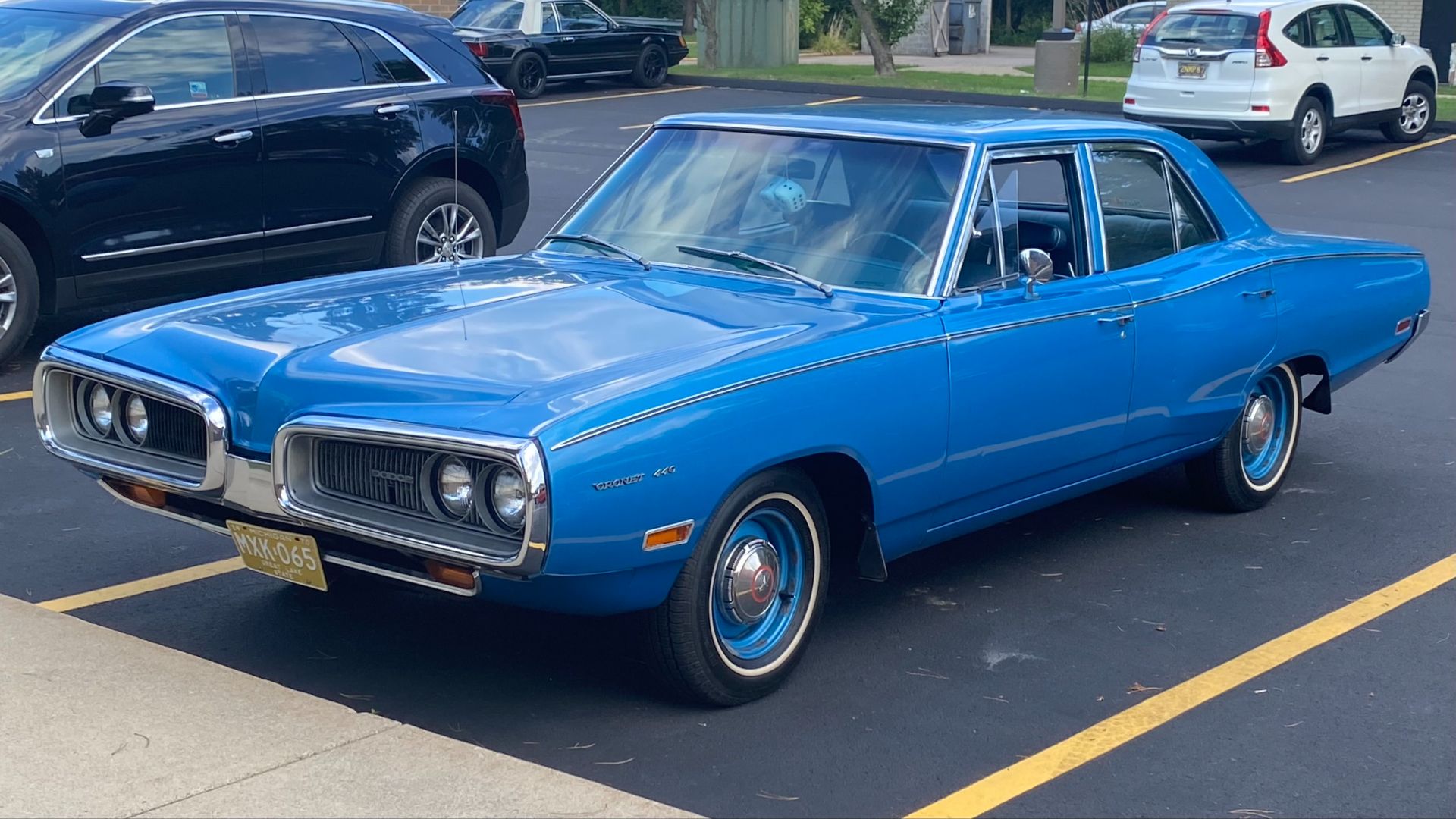
16. Dodge Coronet
Before Dodge became closely associated with Chargers and Challengers, models like the Coronet played a major role in the brand's performance image. Certain versions could be ordered with extremely powerful engines, turning an otherwise conventional midsize car into something much more exciting. Gen Z may overlook it because the name doesn't carry the same cultural weight as Dodge's better-known muscle cars.
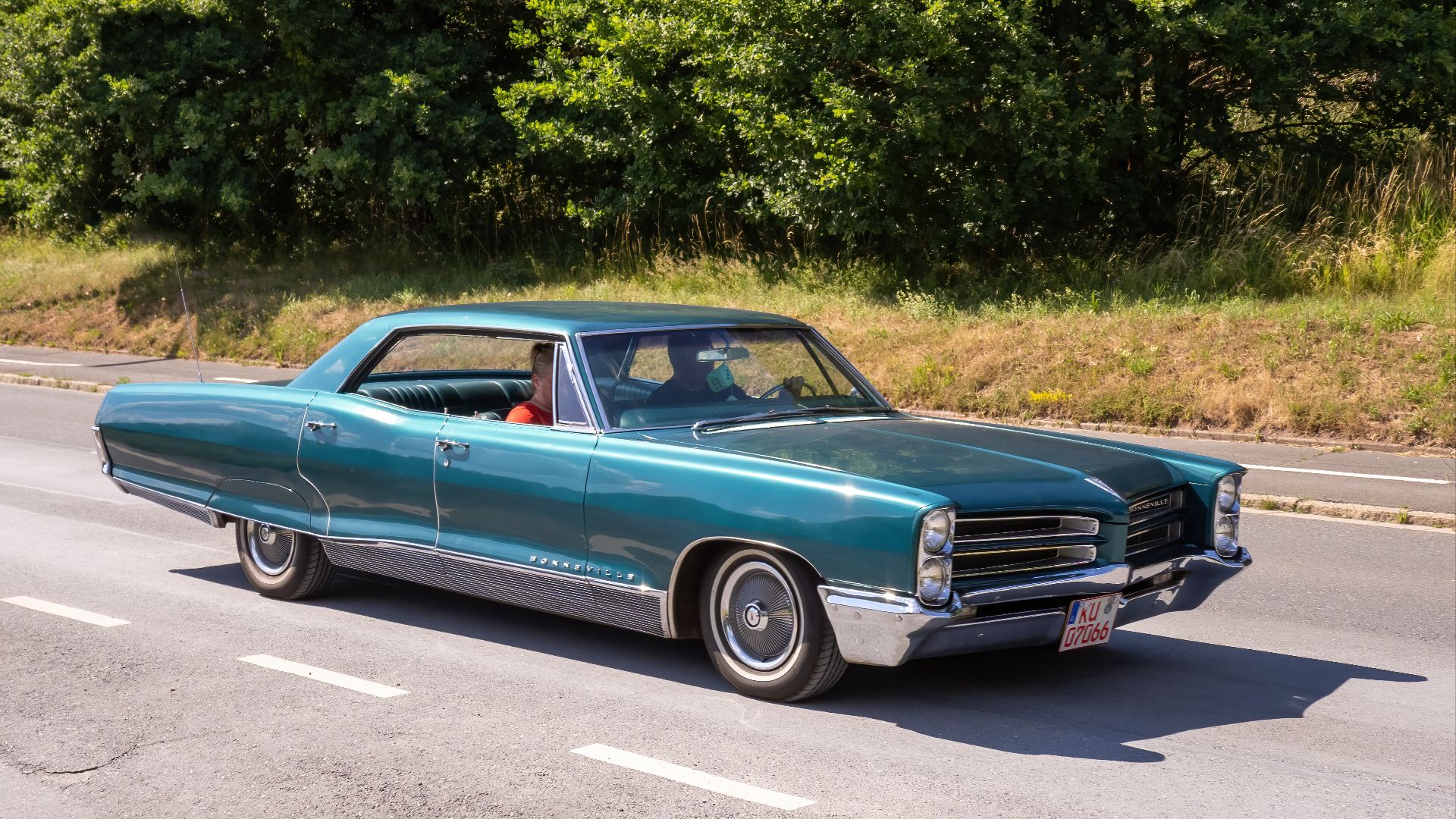
17. Pontiac Bonneville
The Bonneville represented Pontiac at its biggest and most luxurious, particularly during the brand's glory years. Long, low styling and powerful V8s made it an aspirational car for buyers who wanted comfort without stepping up to Cadillac. Without the nostalgia that Boomers have for it, younger enthusiasts might see a huge cruiser that doesn't offer much in the way of sharp handling or efficiency.
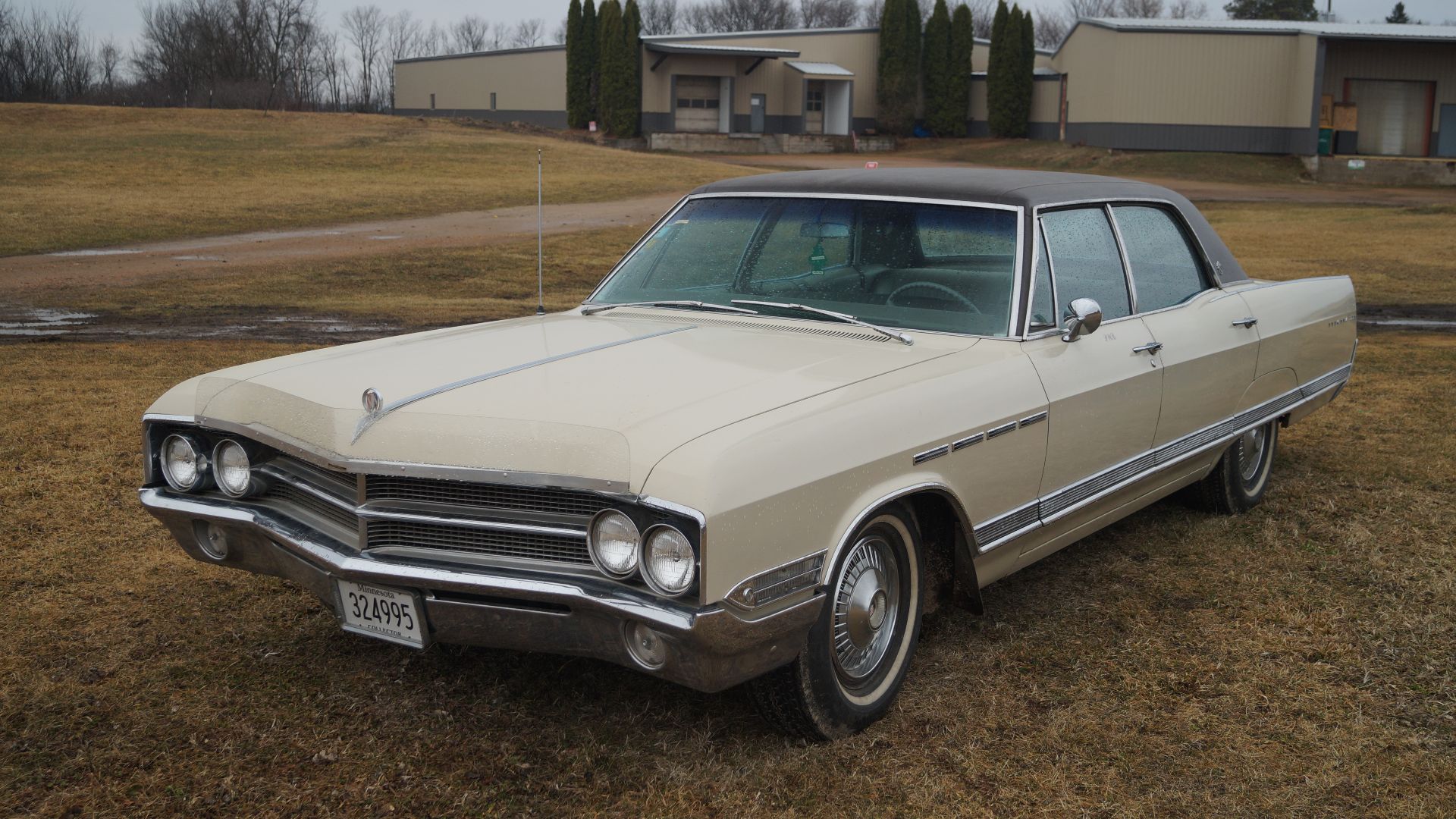
18. Buick Electra 225
Even the Electra 225's nickname, "Deuce and a Quarter," belongs to a car culture that can feel distant to Gen Z. These enormous Buicks were built to deliver effortless comfort, quiet power, and plenty of interior space. A younger driver may struggle to understand why maneuvering something nearly the size of a modern pickup was once considered luxurious.
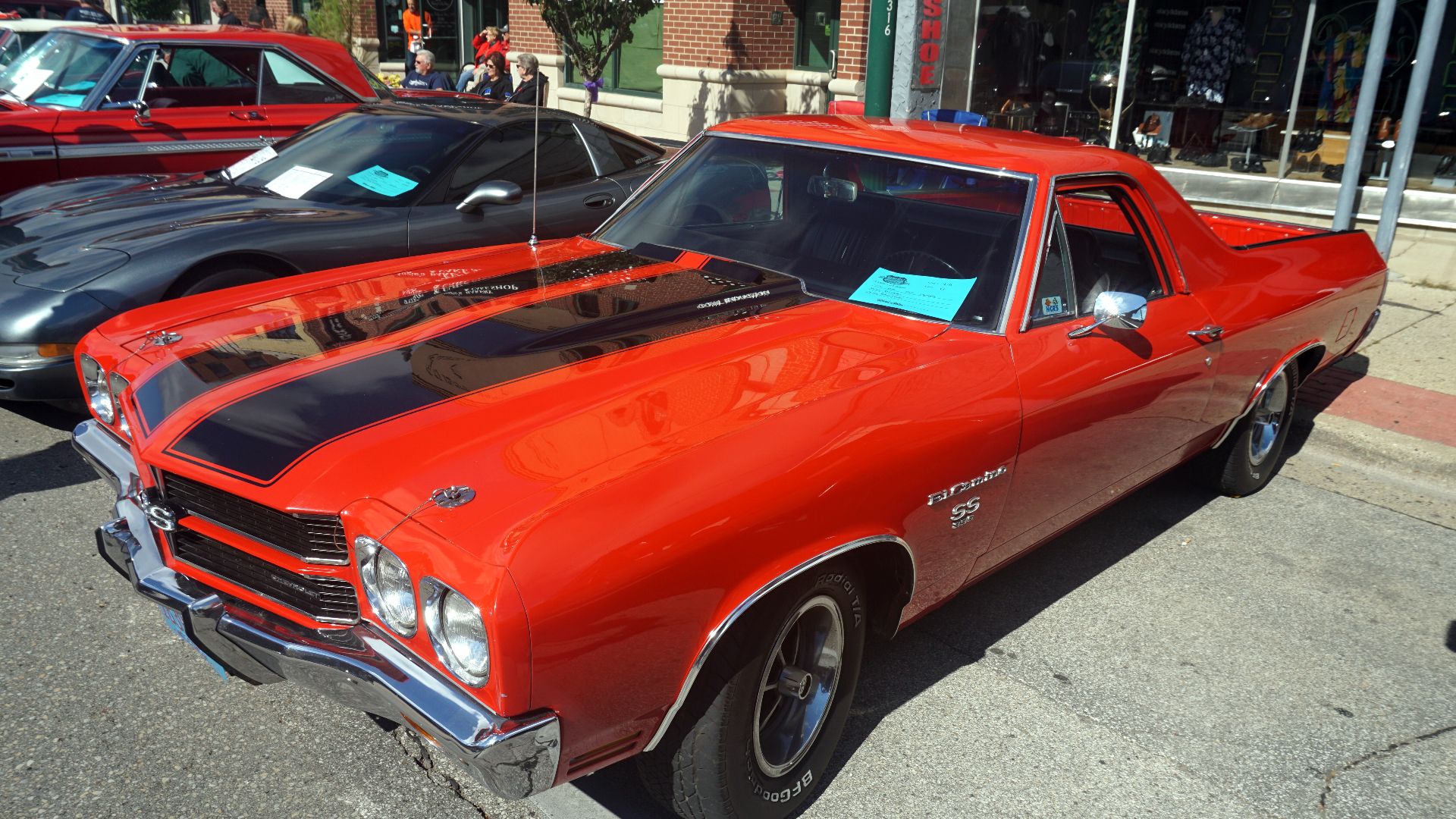
19. Chevrolet El Camino
The El Camino's combination of passenger-car comfort and pickup-bed practicality has always inspired strong opinions. Boomers often love its strange versatility, especially the muscle-era versions fitted with serious V8 power. Gen Z might reasonably wonder why it can't make up its mind, but that identity crisis is precisely what gives the El Camino its enduring personality.
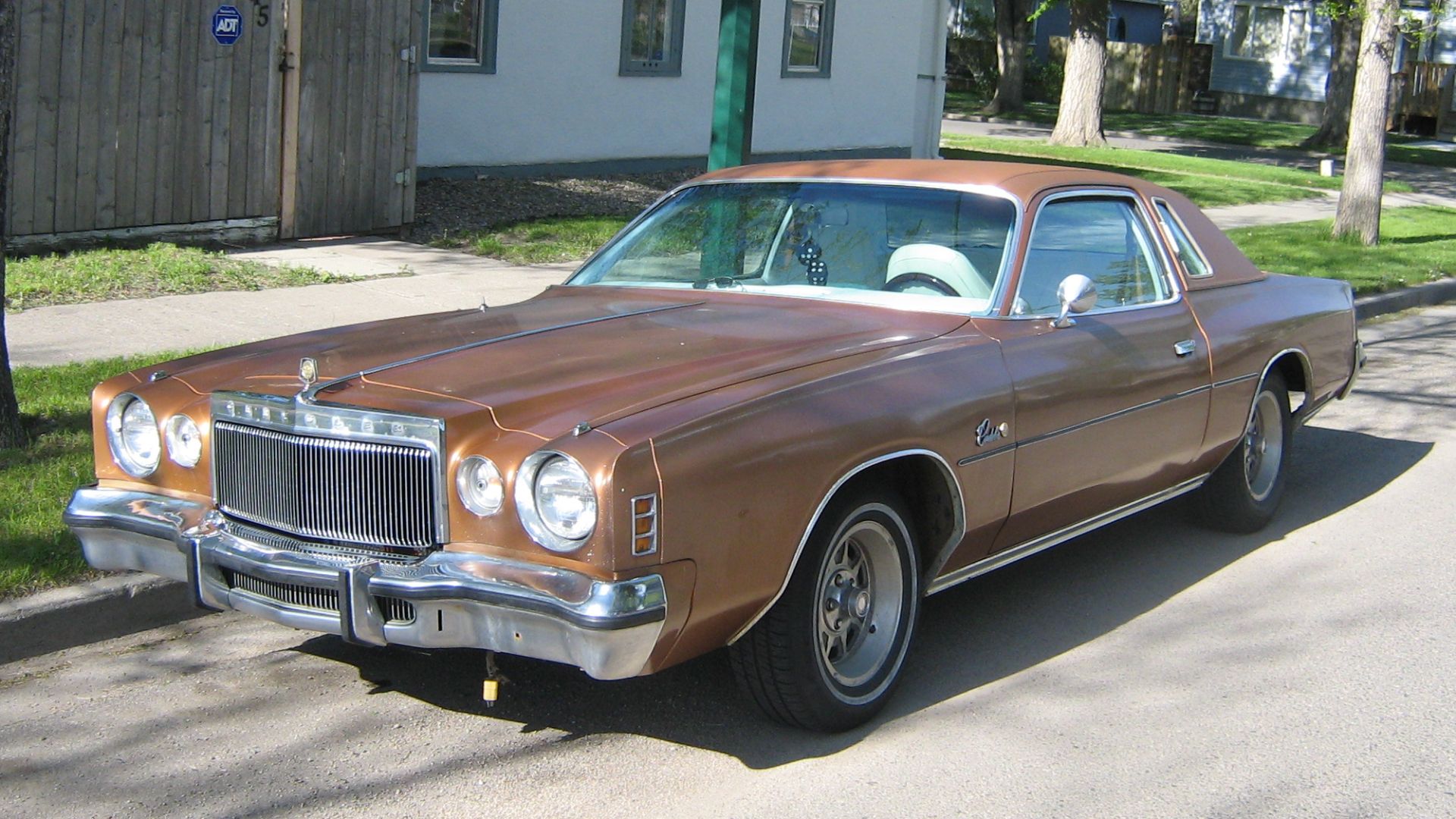
20. Chrysler Cordoba
The Cordoba was a major seller in the 1970s, offering buyers a personal luxury coupe loaded with styling flourishes and comfort features. Boomers may remember it as desirable transportation from an era when padded roofs, plush seats, and long doors were signs of sophistication, but younger drivers usually aren't rushing to revive that particular definition of luxury. Its appeal depends heavily on appreciating the decade that created it.