
Big Ideas Don’t Always Become the Road Ahead
Automakers love promising that one new model will change everything, and sometimes they’re right. Other times, the “future of driving” arrives with strange styling, confusing technology, bad timing, high prices, or features nobody actually asked for. These cars weren’t always terrible, and some were genuinely clever, but each one carried the weight of big expectations that the market never fully embraced. Here are 20 cars that were once expected to be the future but ultimately fell short.
1. Tucker 48
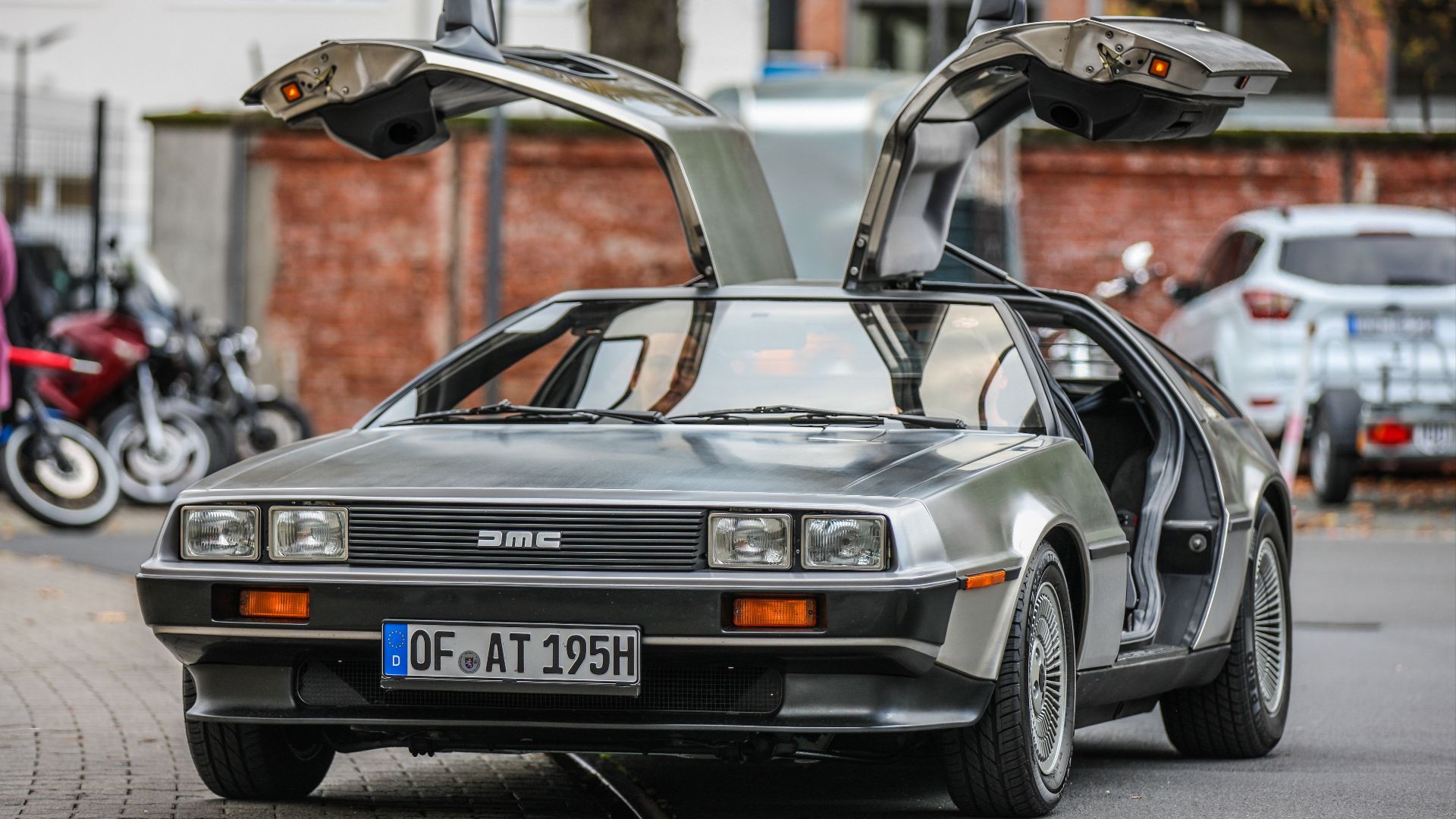
The Tucker 48 seemed poised to rewrite the American car industry after World War II. It had safety-focused ideas, a rear-mounted engine, a padded dashboard, and a center headlight that turned with the steering. Unfortunately, production problems, legal trouble, and financial chaos stopped it after only a tiny number were built. The car became legendary, but it didn’t become the future.
2. DeLorean DMC-12
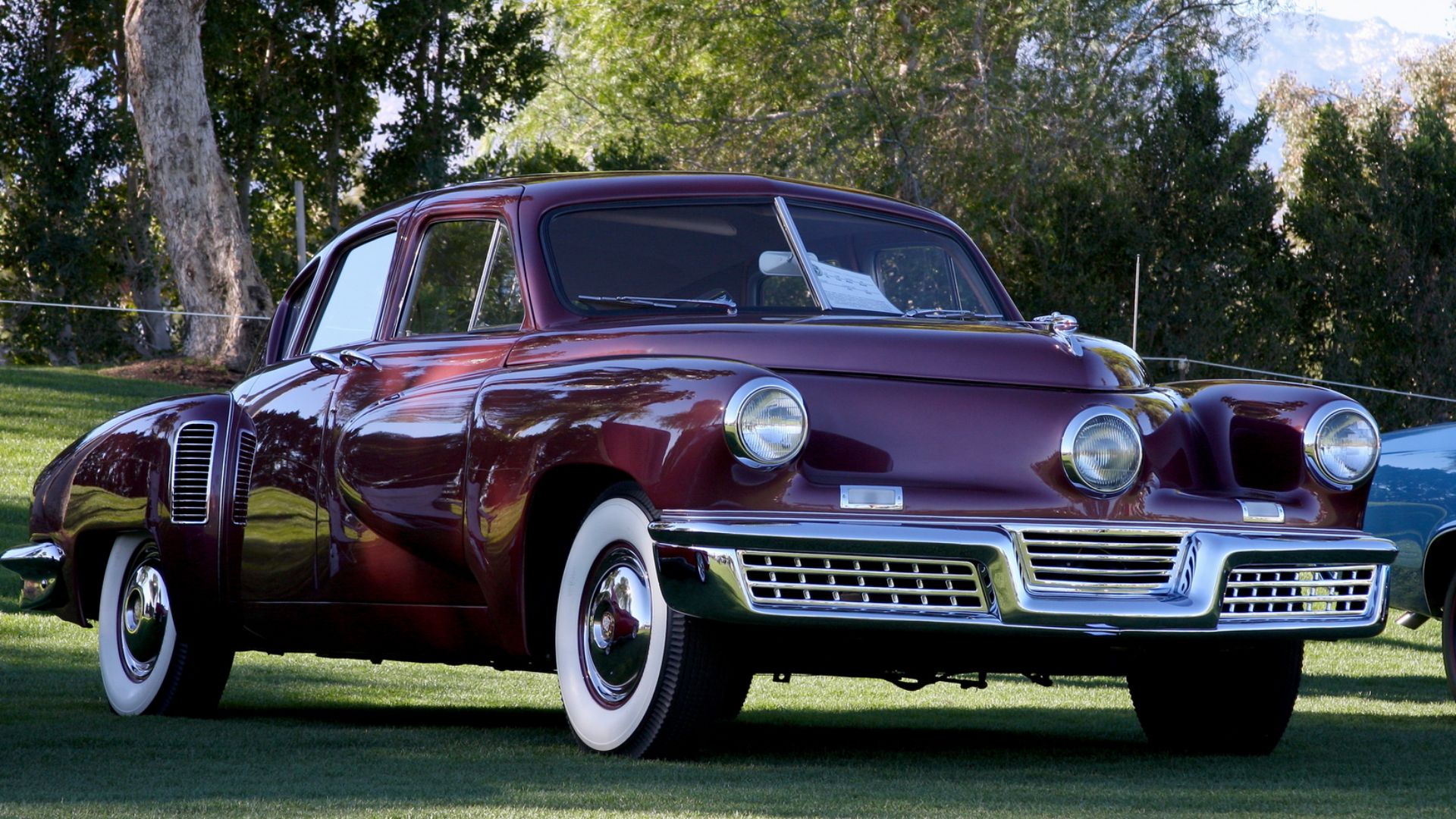
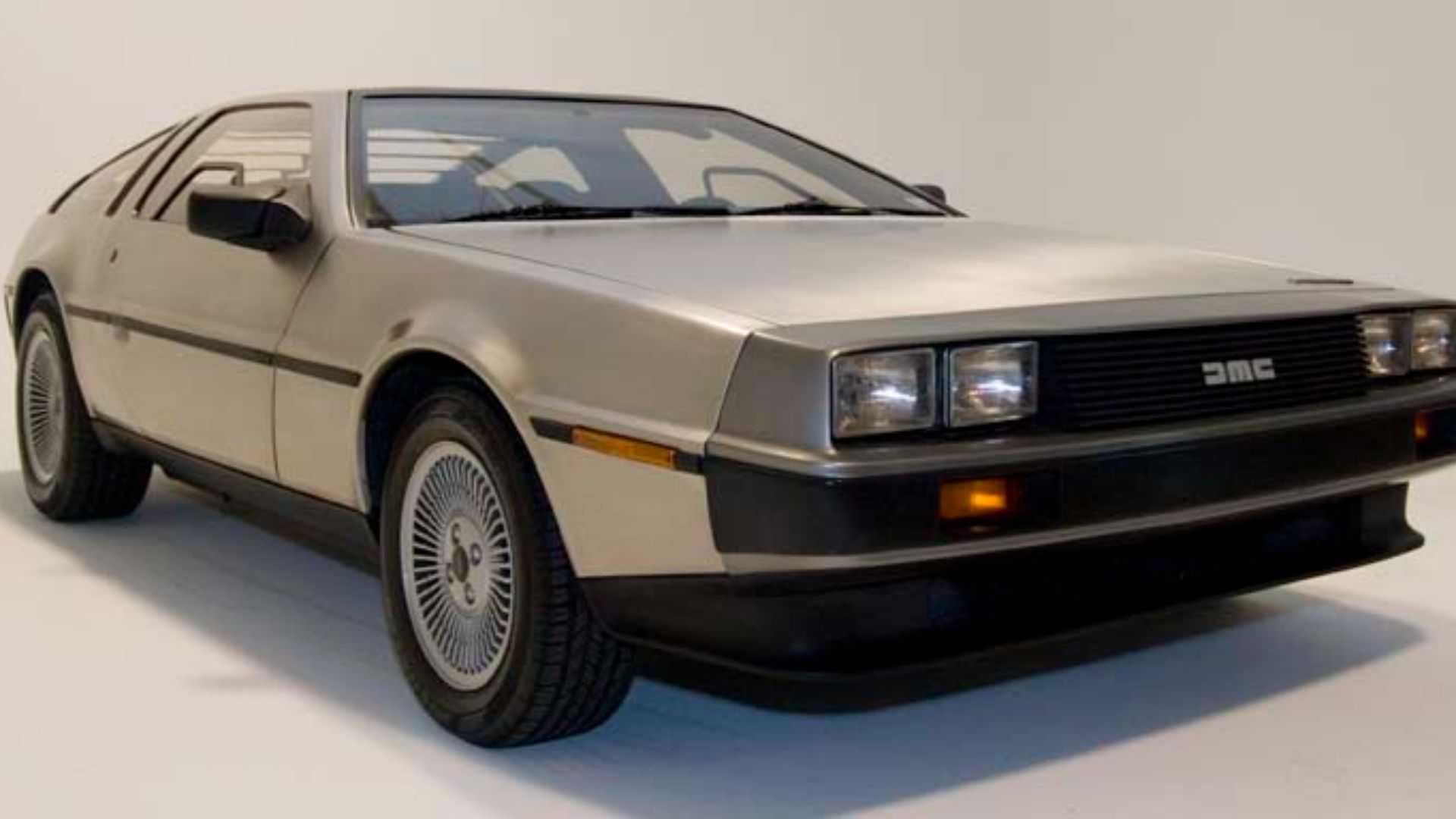
The DeLorean DMC-12 had stainless steel body panels, gullwing doors, and the kind of presence that made it look like tomorrow had arrived early. The problem was that the driving experience didn’t match the drama of the design. It was expensive, underpowered, and tied to a company that collapsed quickly.
 Grenex at English Wikipedia on Wikimedia
3. General Motors EV1
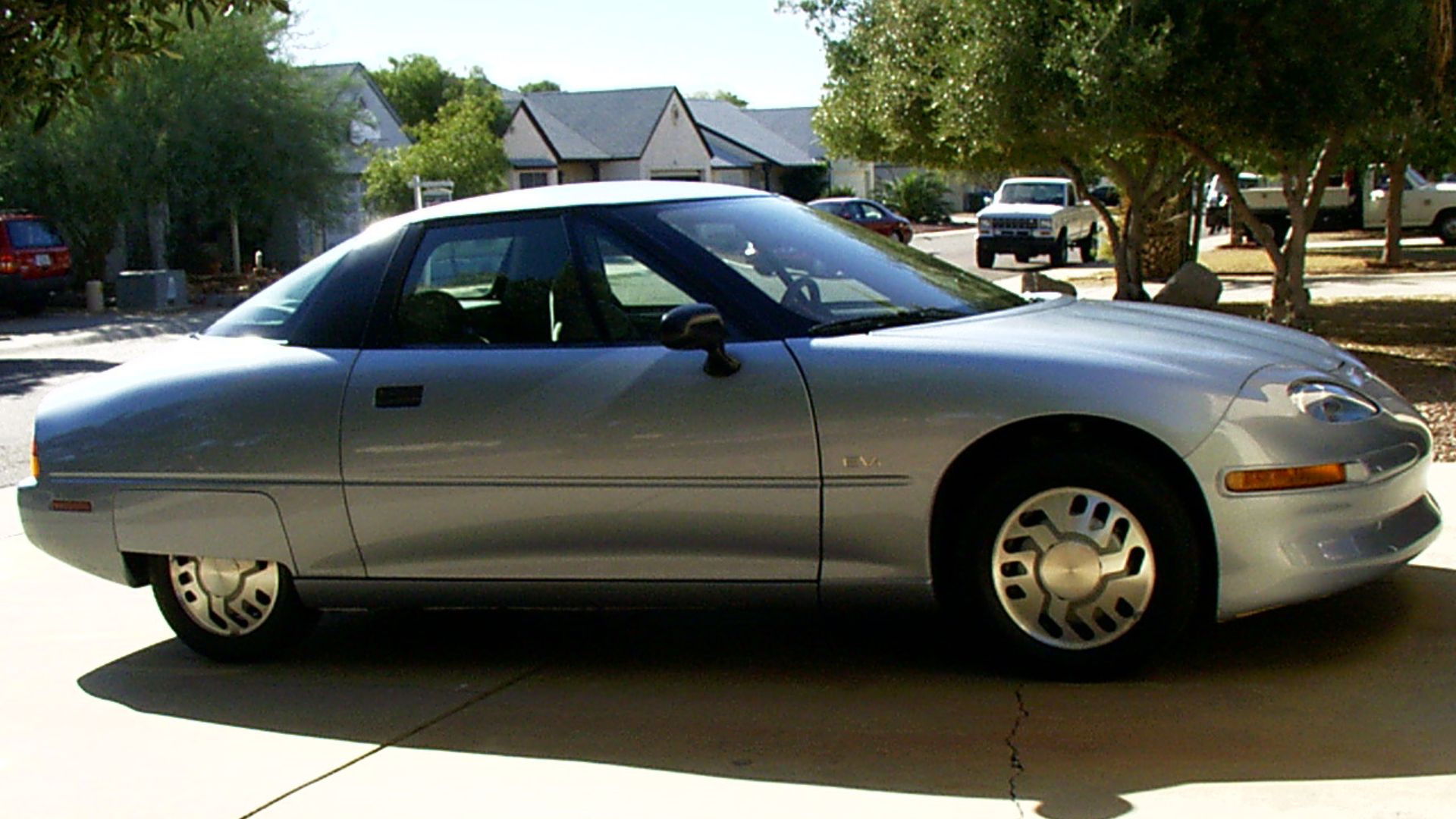
The GM EV1 was one of the most important early modern electric cars. It proved that a major automaker could build a sleek, usable EV long before battery cars became mainstream. The technology was promising, but the car was lease-only, limited in availability, and eventually pulled from the road. Instead of launching the electric-car age, it became a symbol of what might have been.
 RightBrainPhotography on Wikimedia
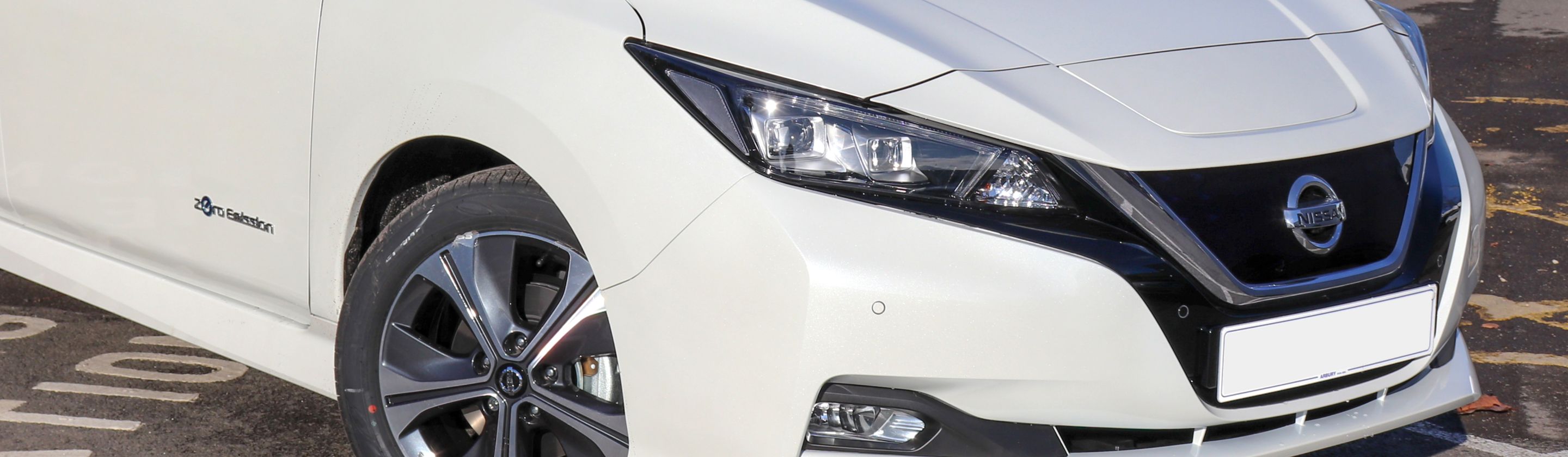
4. BMW i3
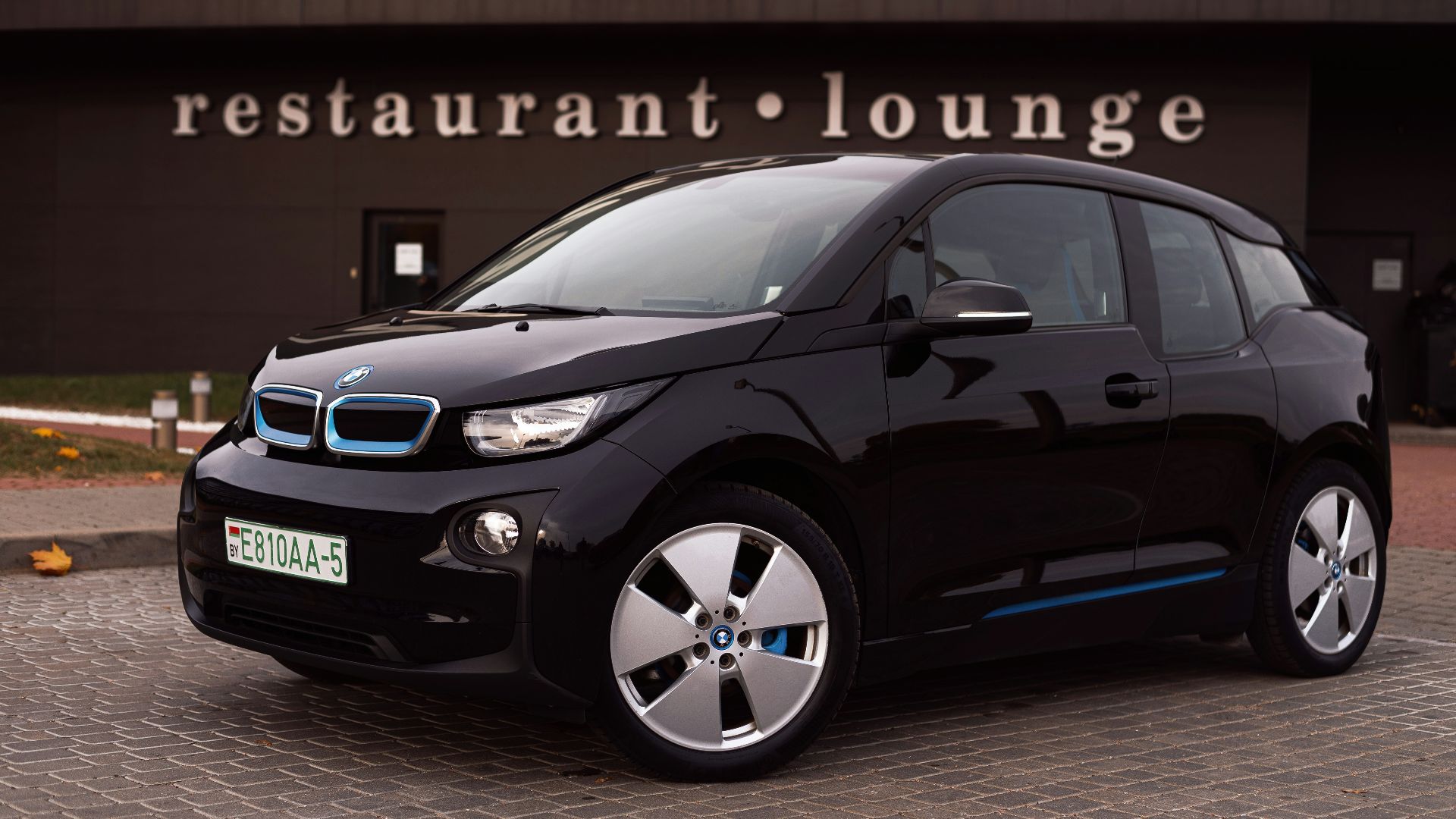
The BMW i3 was supposed to show how a premium city car could be electric, sustainable, and radically different. Its carbon-fiber construction, unusual interior materials, and narrow body made it feel unlike anything else at the time. Buyers admired the creativity, but many weren’t ready for the quirky looks, limited range, and premium price.
 Vitali Adutskevich on Unsplash
5. Toyota Mirai
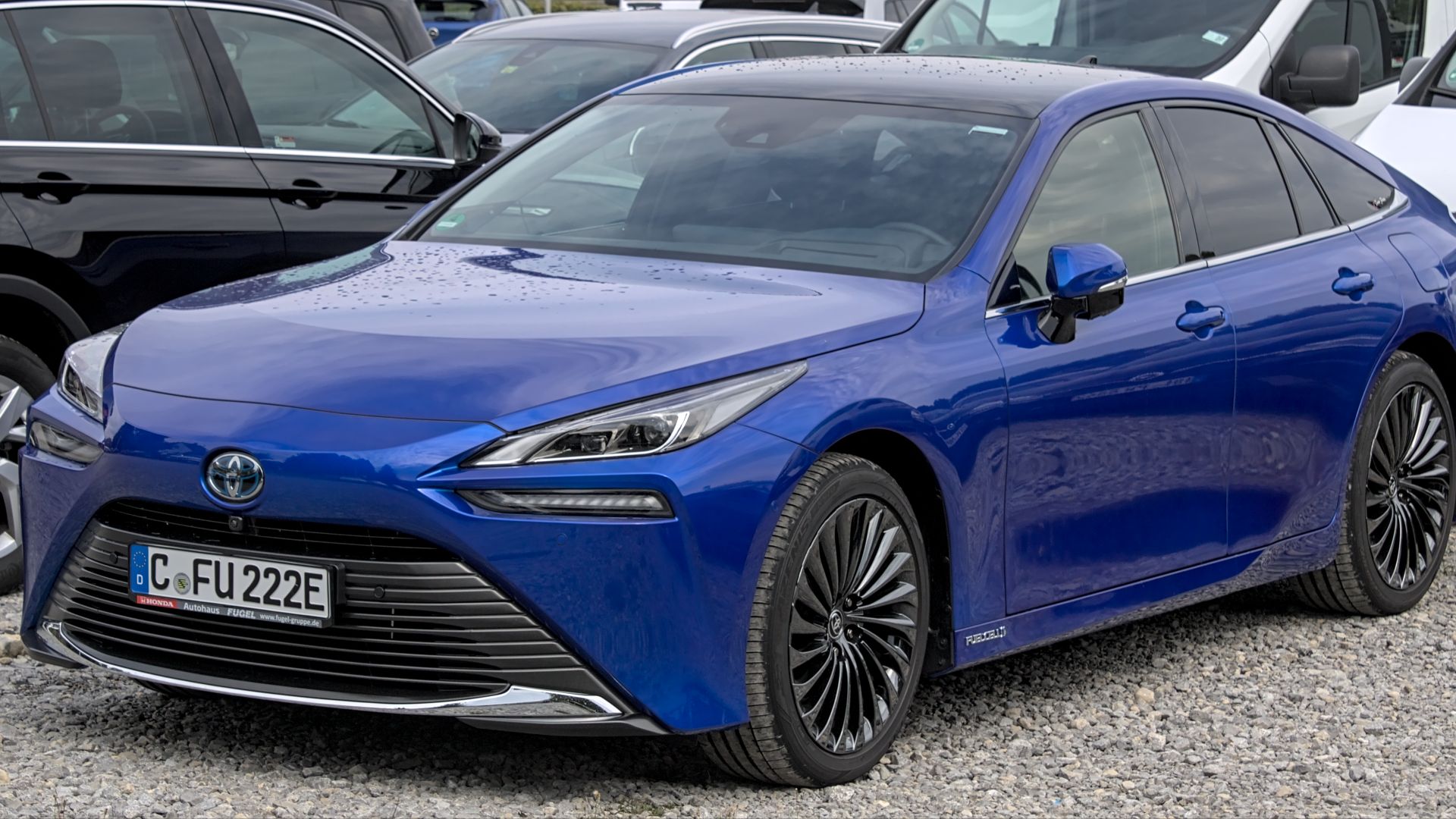
The Toyota Mirai was meant to help make hydrogen fuel-cell cars feel real for everyday drivers. It offered quick refueling, quiet electric driving, and clean tailpipe emissions, which all sounded very future-friendly. The trouble was that hydrogen stations remained rare, fuel was expensive, and the car only made sense in very specific regions.
6. Honda Clarity Fuel Cell
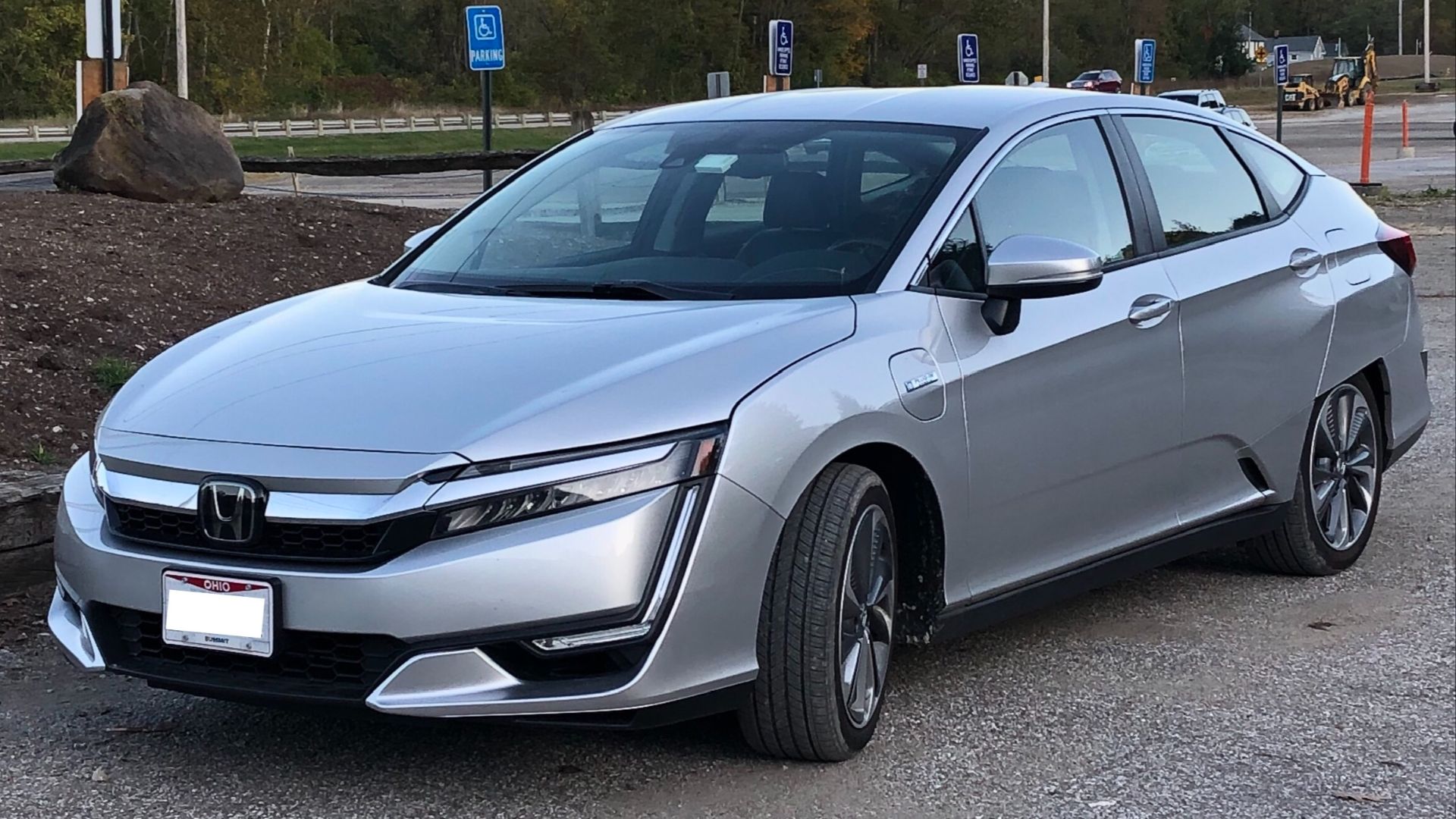
The Honda Clarity Fuel Cell had a sensible, polished approach to hydrogen power. Honda gave it a roomy cabin, smooth driving manners, and enough refinement to make the technology feel normal. Unfortunately, the same old problem remained: most people had nowhere convenient to refuel it. A good car can only do so much when the infrastructure barely exists.
7. Chevrolet Volt
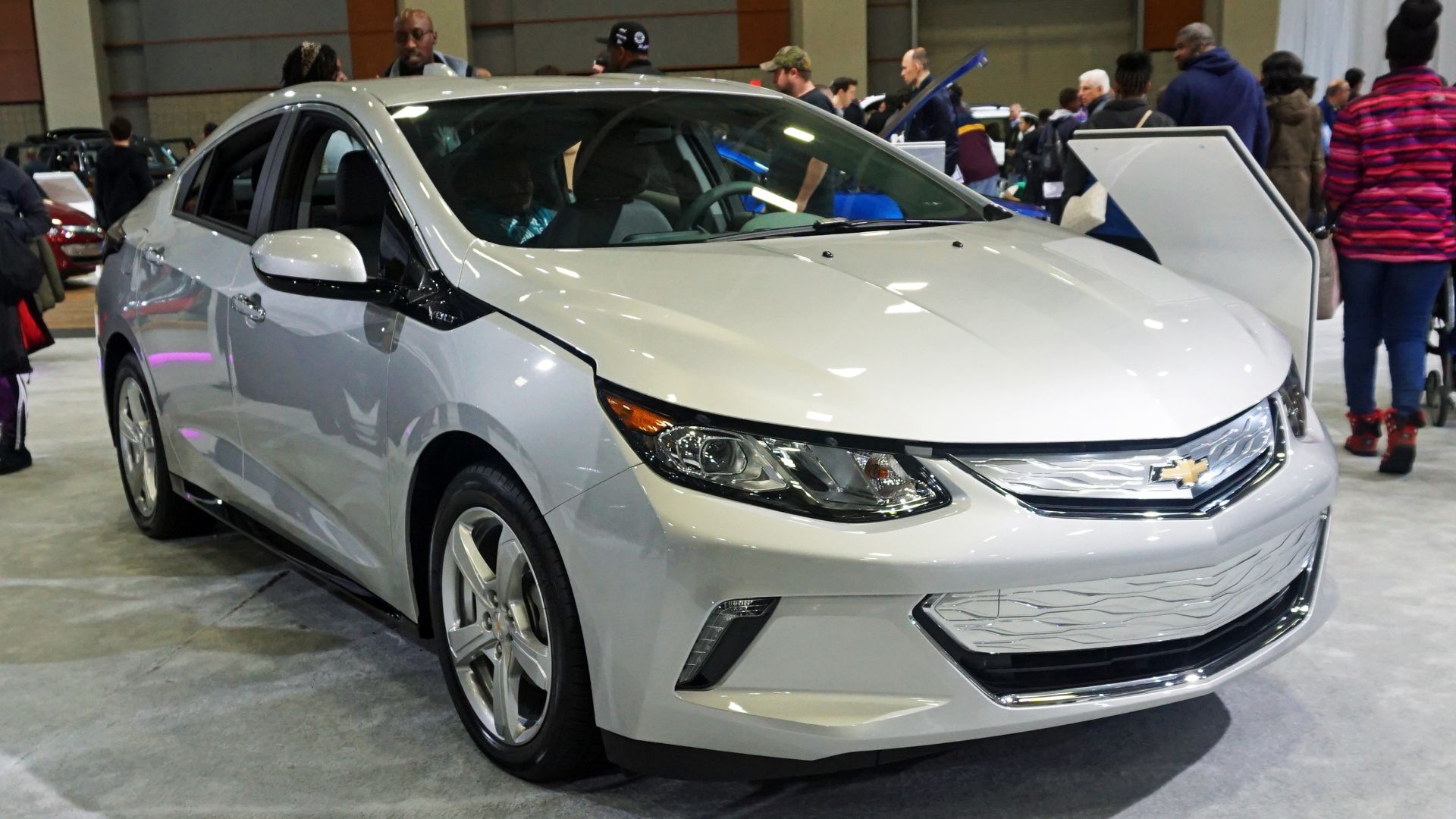
The Chevrolet Volt was a clever answer to early electric-car anxiety. It could drive on electric power for daily trips, then use a gasoline engine as a generator for longer distances. The idea made a lot of practical sense, but many shoppers didn’t fully understand whether it was an EV, a hybrid, or something in between.
 Mariordo (Mario Roberto Durán Ortiz) on Wikimedia
8. Fisker Karma
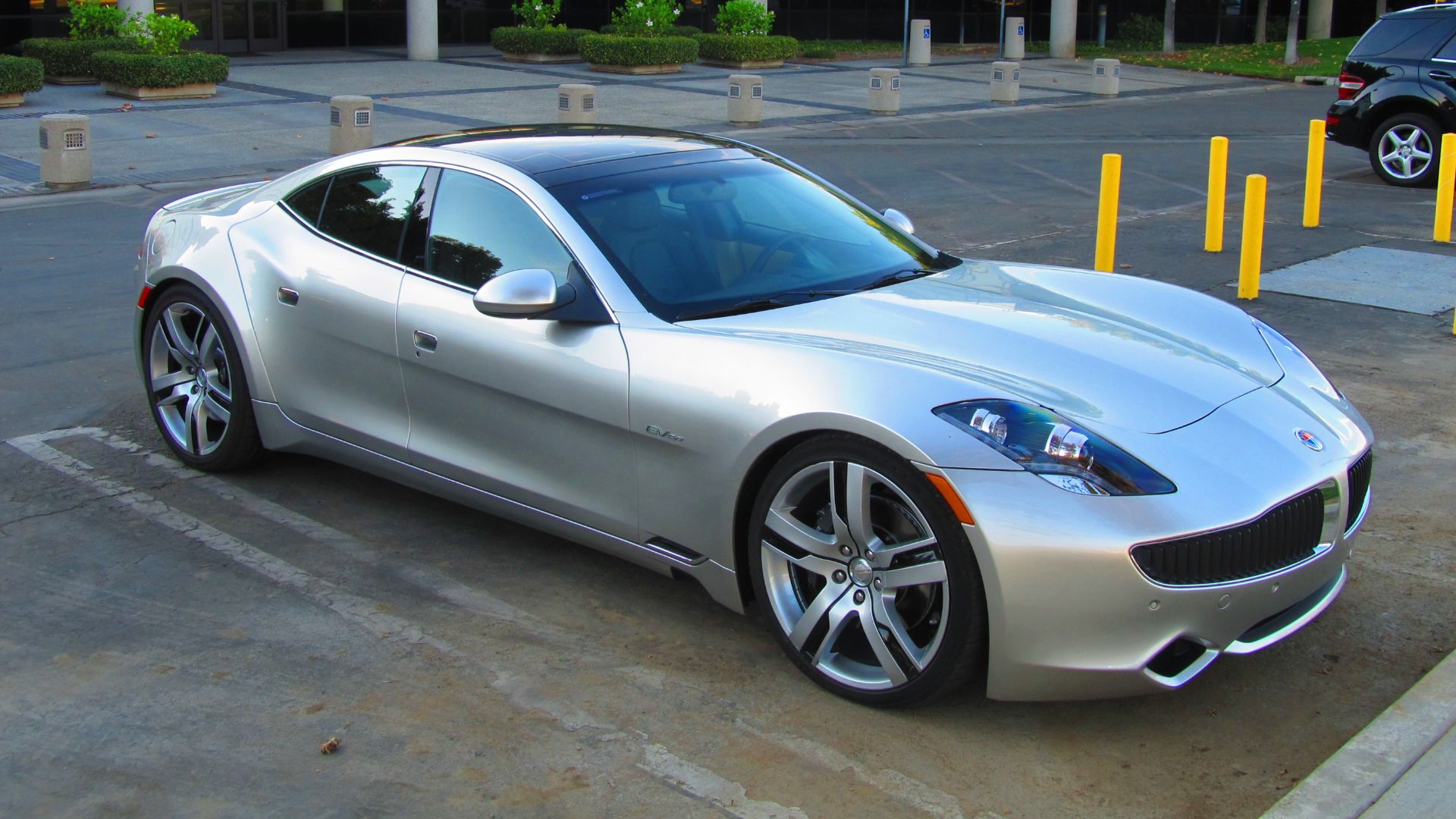
The Fisker Karma looked glamorous enough to make plug-in hybrids seem fashionable. Its low stance, dramatic body, and luxury image made it feel like an eco-conscious sports sedan from the future. Reliability issues, production struggles, and corporate instability quickly damaged the promise.
9. Chrysler Airflow
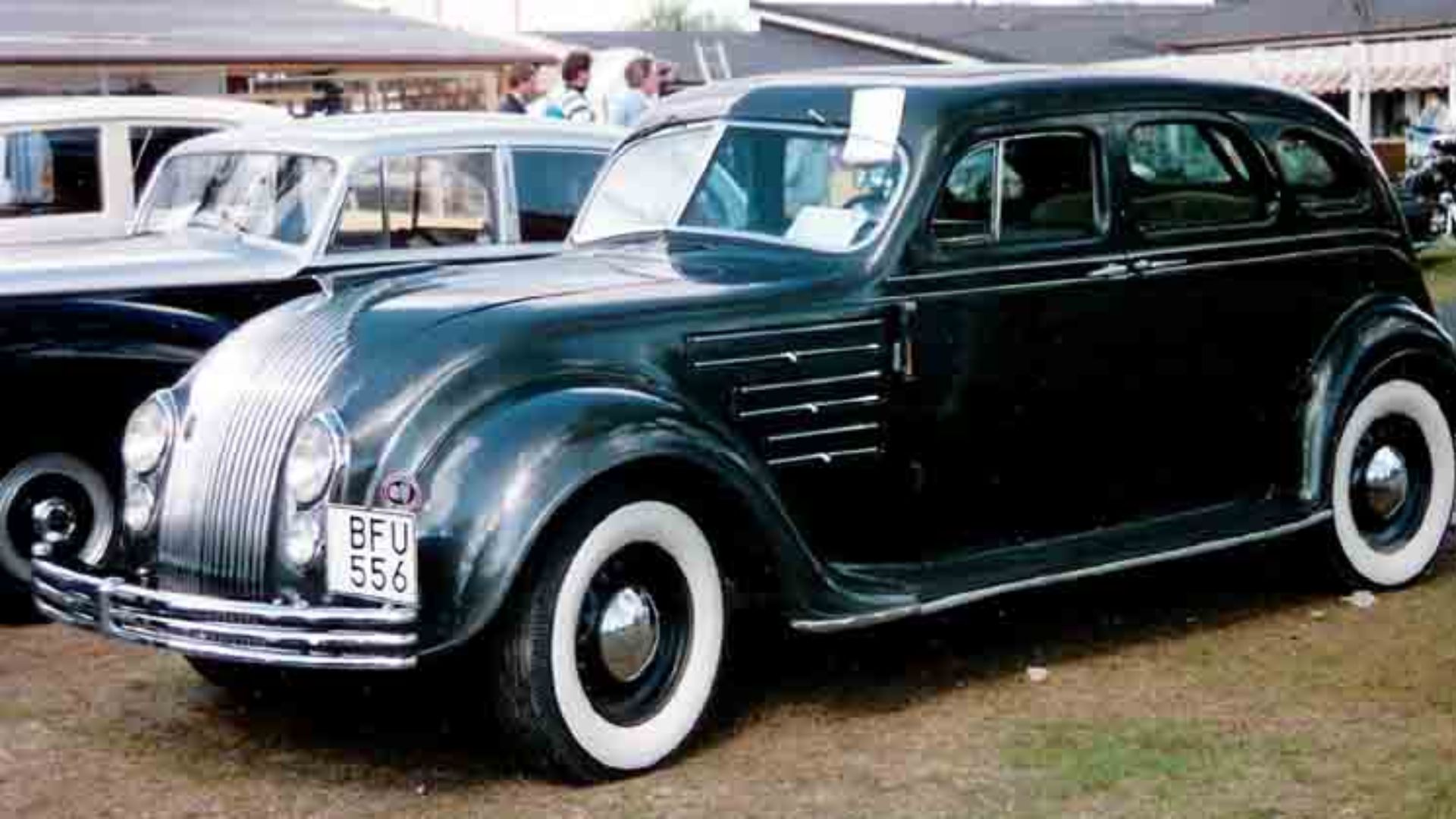
The Chrysler Airflow was aerodynamic, advanced, and deeply unusual for the 1930s. It was designed using wind-tunnel testing and had a more streamlined shape than many cars of its era. Buyers, however, weren’t ready for styling that looked so different from what they knew. Chrysler was thinking ahead, but the public wasn’t eager to follow.
 Lars-Göran Lindgren Sweden on Wikimedia
10. Renault Avantime
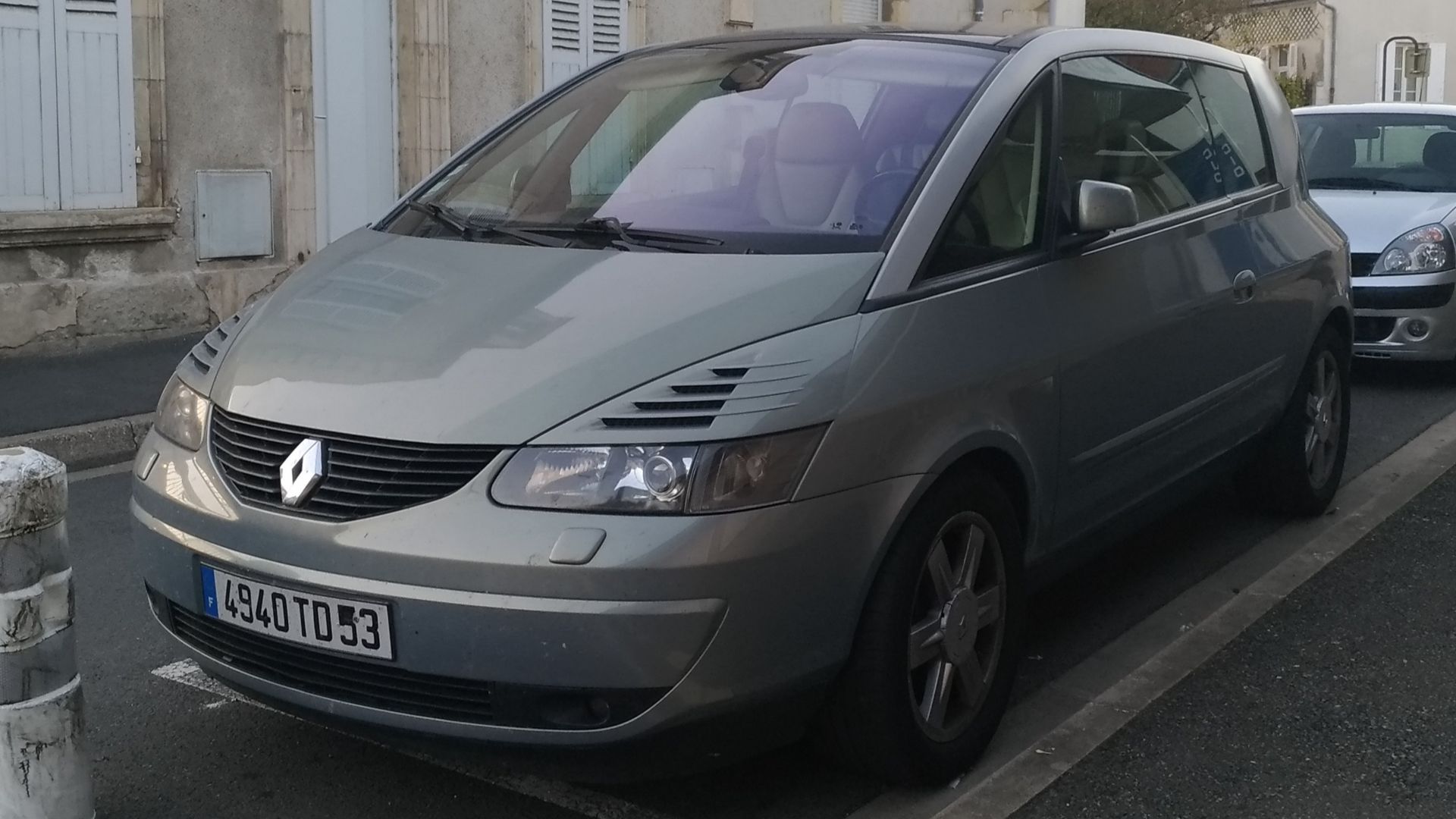
The Renault Avantime tried to invent a new kind of vehicle by blending a coupe, minivan, and luxury cruiser. That boldness made it fascinating, but it also made it hard to explain. Shoppers didn’t seem sure whether it was practical, sporty, stylish, or simply strange. In the end, the Avantime became a cult favorite rather than a new category.
11. Cadillac ELR
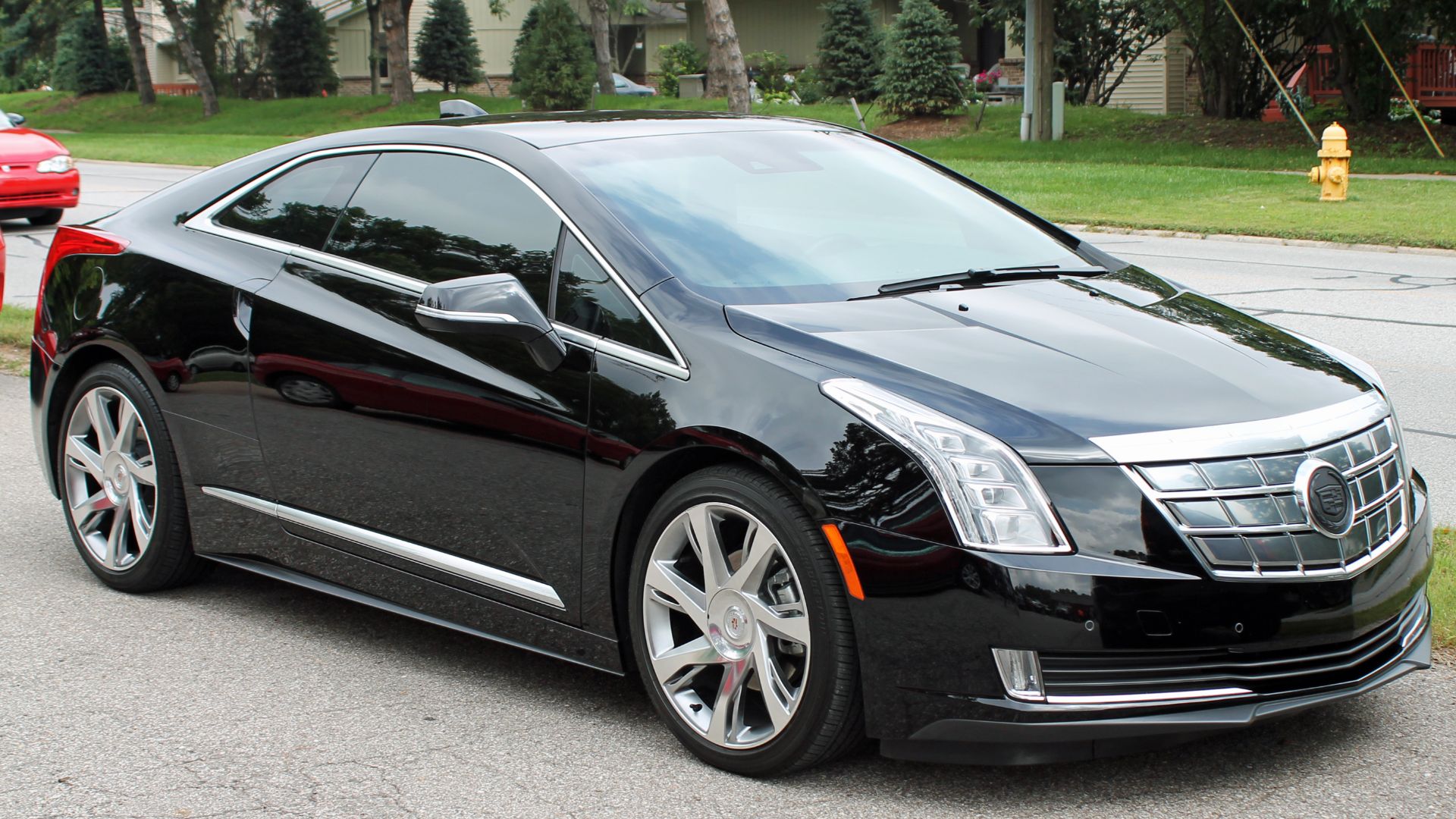
The Cadillac ELR was supposed to turn plug-in hybrid technology into something sleek and luxurious. It used a version of the Chevrolet Volt’s powertrain, wrapped in a sharp coupe body with a premium badge. The issue was price, since buyers struggled to justify paying so much more for technology they could connect to a cheaper Chevy. The ELR had style, but it didn’t make Cadillac the plug-in luxury leader.
12. Audi A2
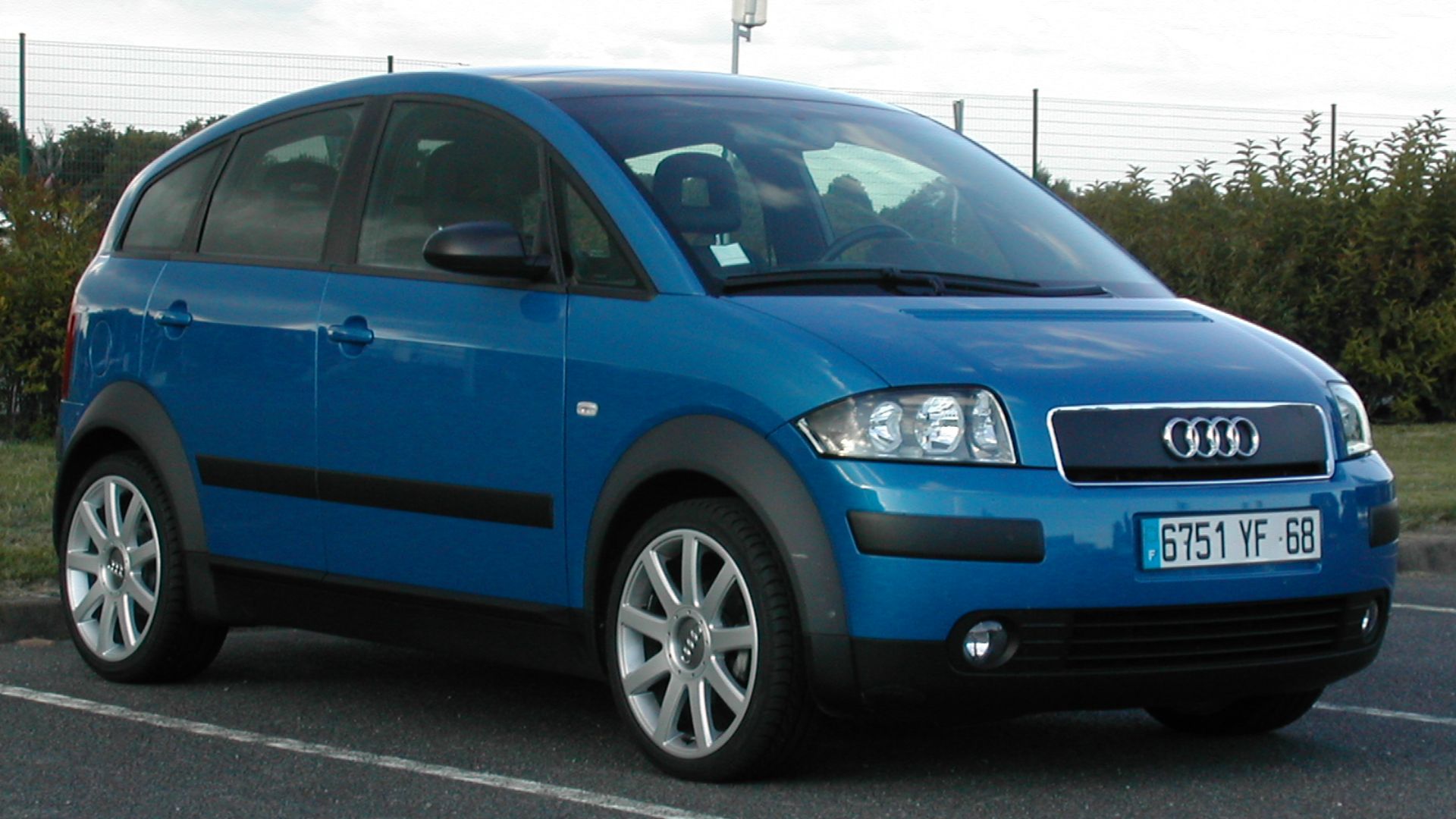
The Audi A2 was light, efficient, clever, and impressively engineered. Its aluminum construction and tall, practical shape made it feel like a smart vision of compact-car design. The problem was that it was expensive to build and too unusual for many small-car buyers. It won respect later, but at the time, the market didn’t reward Audi for being that sensible.
13. Volkswagen XL1
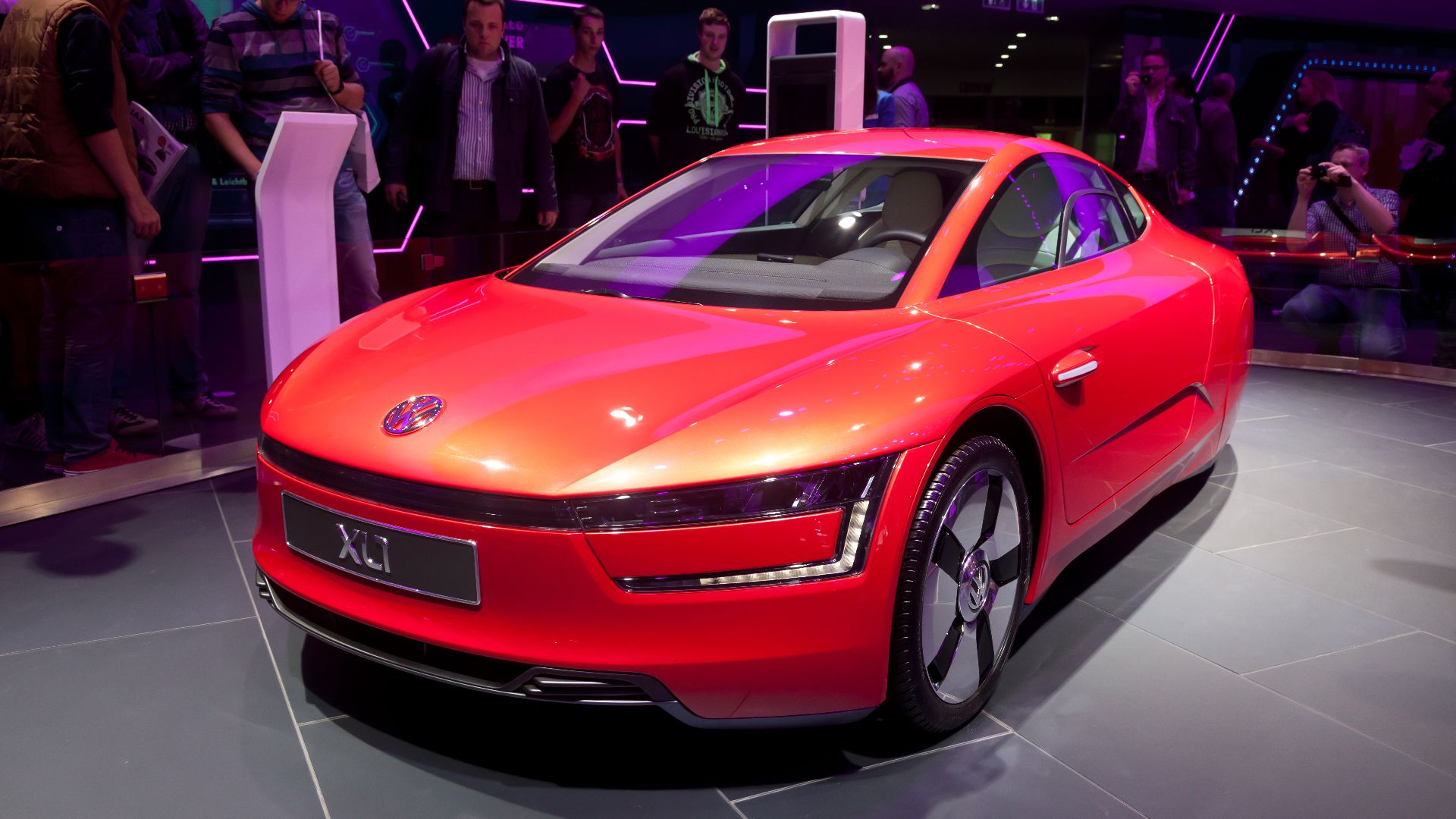
The Volkswagen XL1 was built to show how far efficiency could go. It had a tiny diesel-hybrid powertrain, an ultra-slippery body, and fuel economy numbers that sounded almost unreal. The catch was that it was extremely expensive, rare, and impractical for normal ownership. It was more engineering statement than transportation revolution.
14. Ford Probe
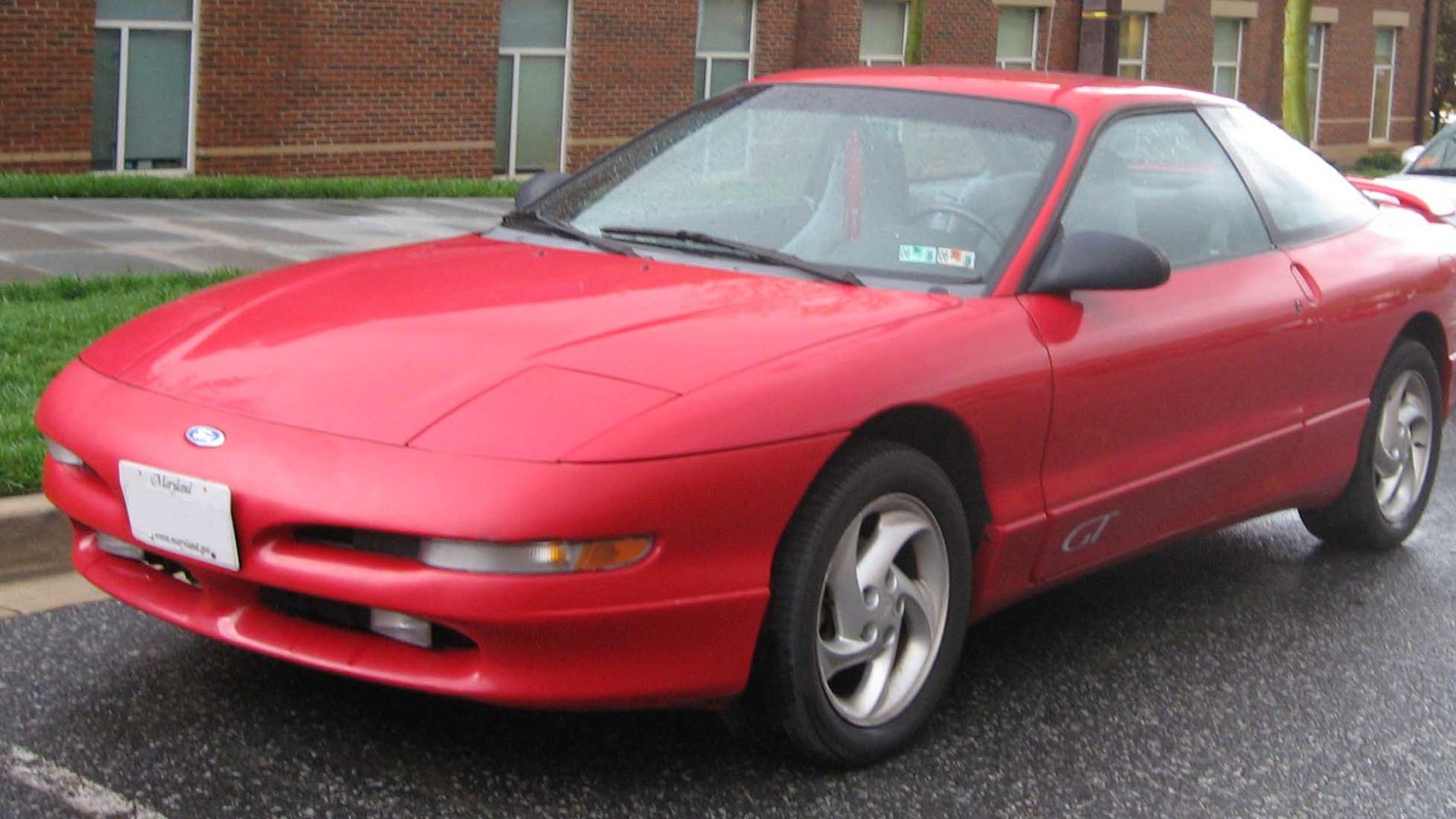
The Ford Probe was once linked to the possible future of the Mustang name, which was a dangerous assignment from the start. It had front-wheel drive, sleek styling, and shared development with Mazda, all of which made it very different from traditional American pony-car expectations. Buyers didn’t hate the Probe, but they didn’t want it replacing the Mustang either.
15. Nissan Murano CrossCabriolet
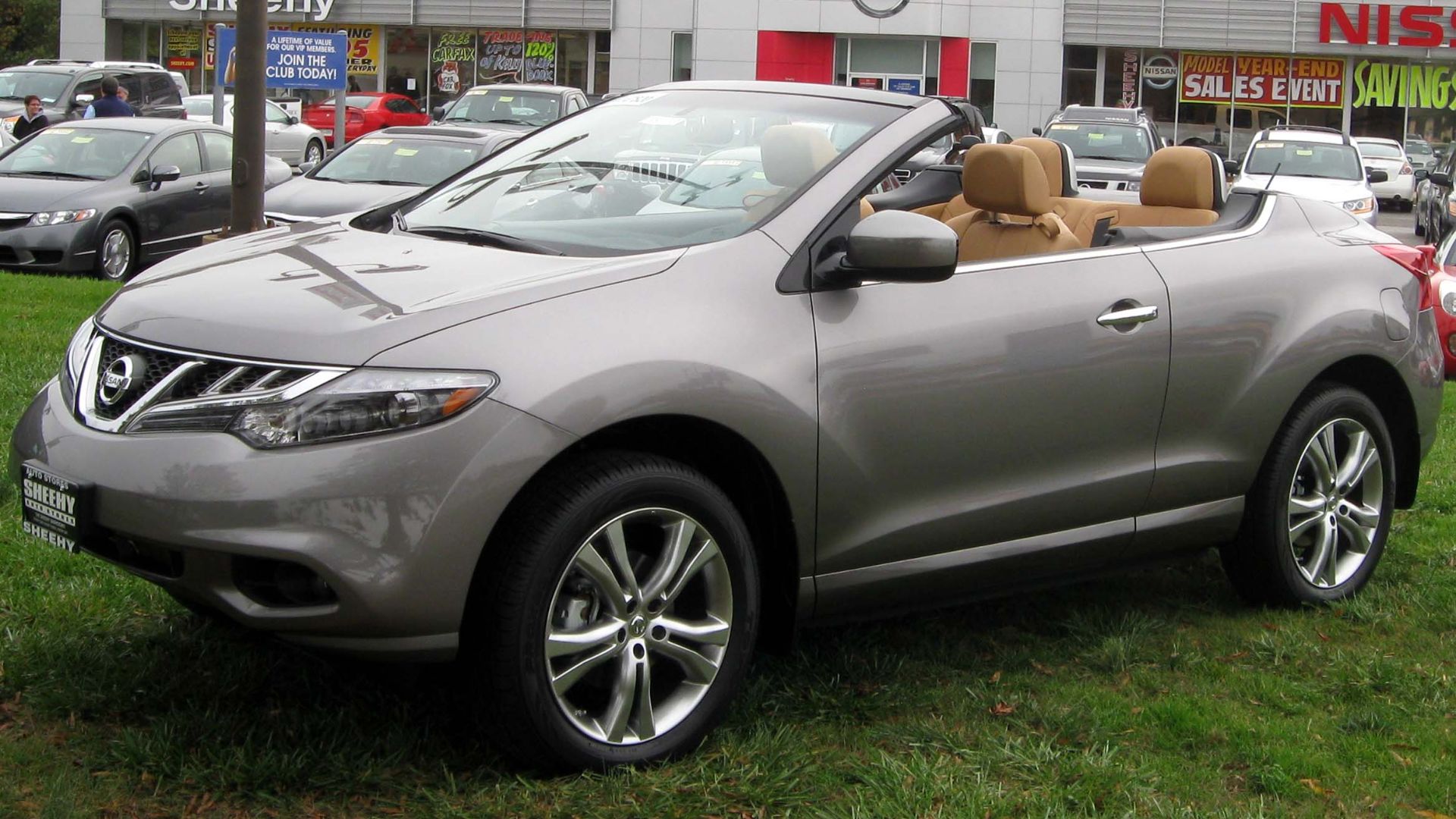
The Nissan Murano CrossCabriolet was supposed to create demand for a convertible crossover. On paper, it mixed SUV height with open-air driving, which sounded like a fresh idea. In reality, the styling was awkward, the price was high, and most shoppers didn’t seem to know who it was for.
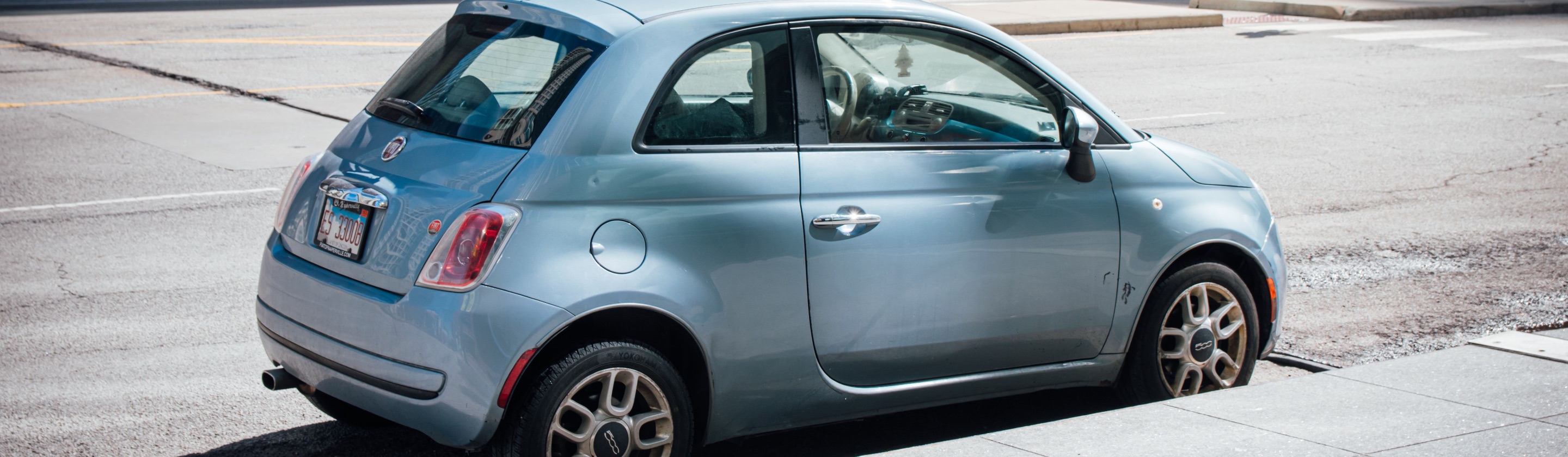
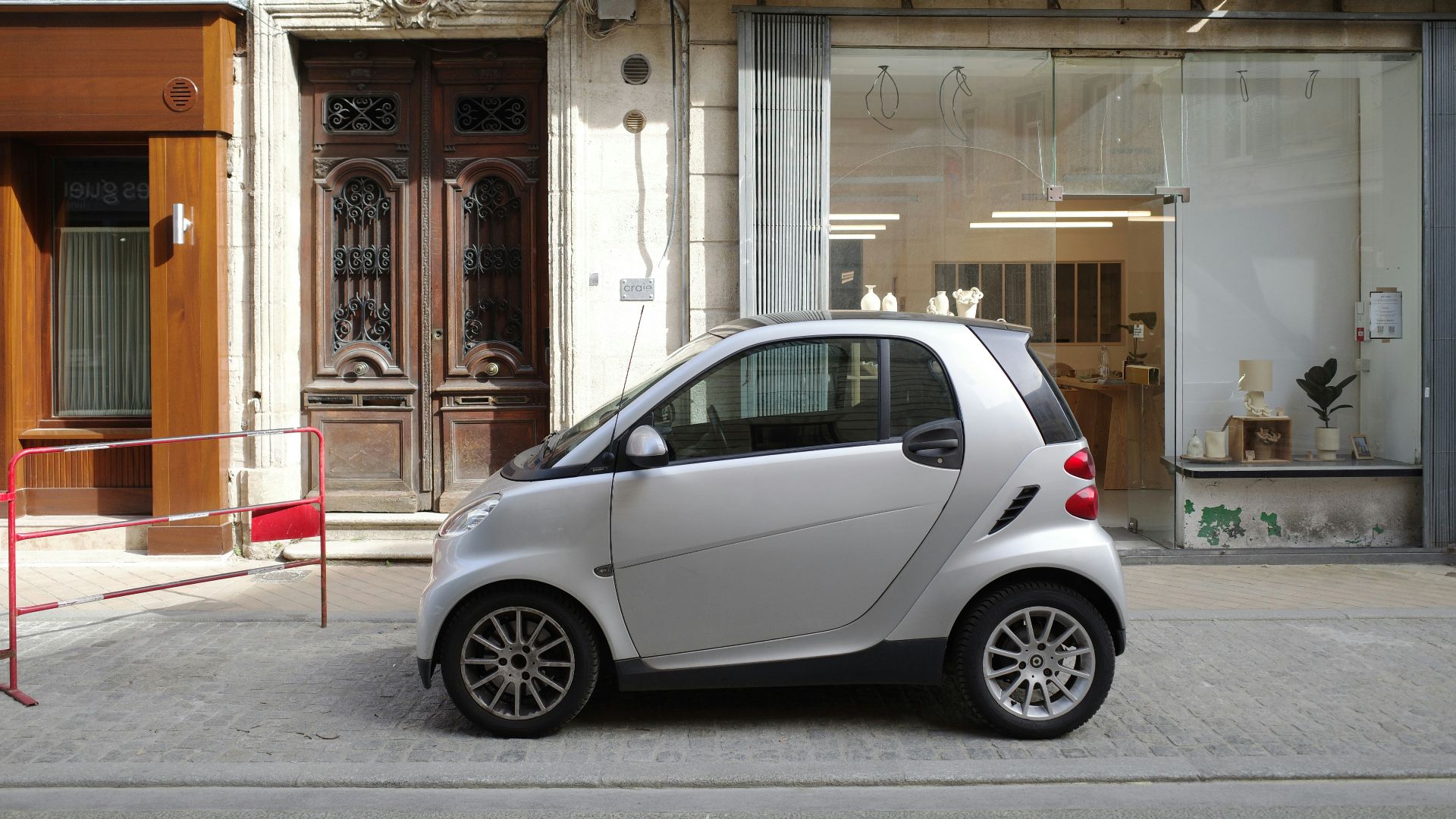
16. Smart Fortwo
The Smart Fortwo promised a future where tiny city cars would make urban driving easier, cleaner, and more efficient. It was incredibly easy to park and had a cheerful, space-saving personality. In the United States, though, many buyers were put off by the rough ride, limited highway comfort, and tininess.
17. Toyota iQ
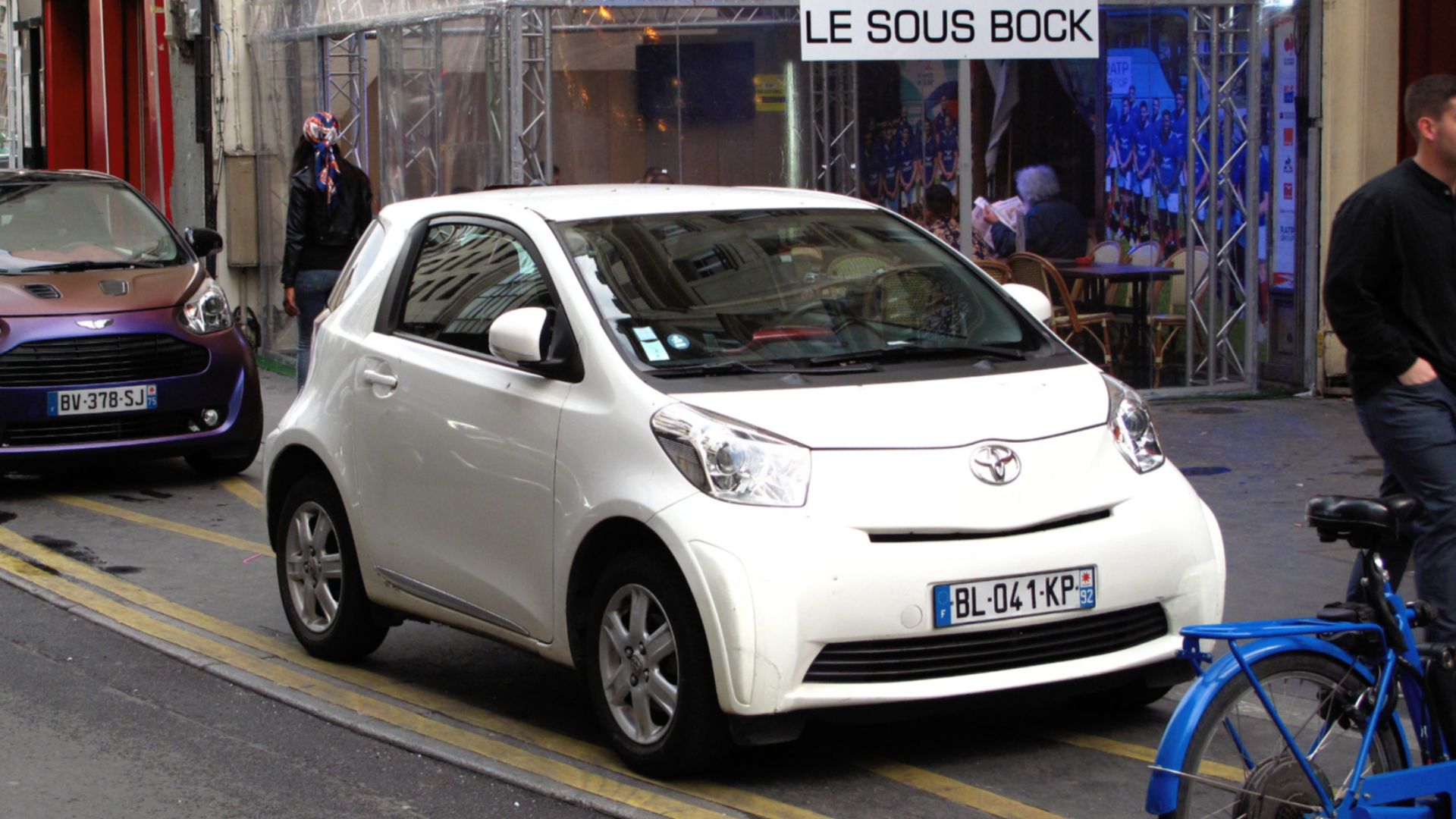
The Toyota iQ was designed as a clever microcar with surprisingly thoughtful packaging. It tried to prove that a very small car could still feel sophisticated, efficient, and useful in crowded cities. In the U.S., where it was sold as the Scion iQ, buyers didn’t warm to the small size or the compromises.
 Rutger van der Maar on Wikimedia
18. Saturn S-Series
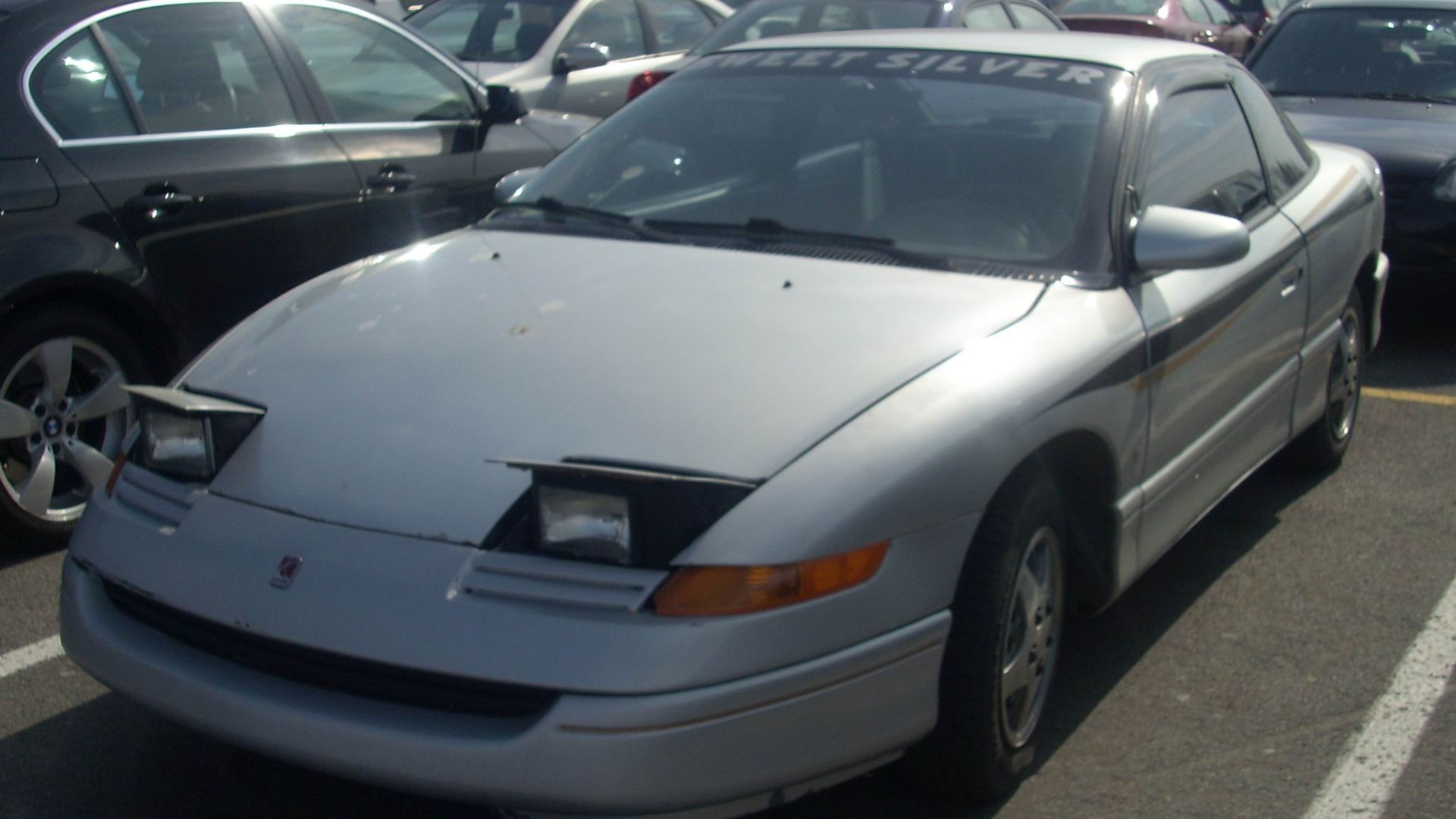
Saturn was supposed to change how Americans bought and thought about cars. The S-Series launched with plastic body panels, no-haggle pricing, and a friendly dealership experience that felt refreshingly different. At first, it worked, and Saturn built real loyalty. Over time, though, GM failed to give the brand enough strong new products, and the future of car buying became a missed opportunity.
19. Subaru SVX
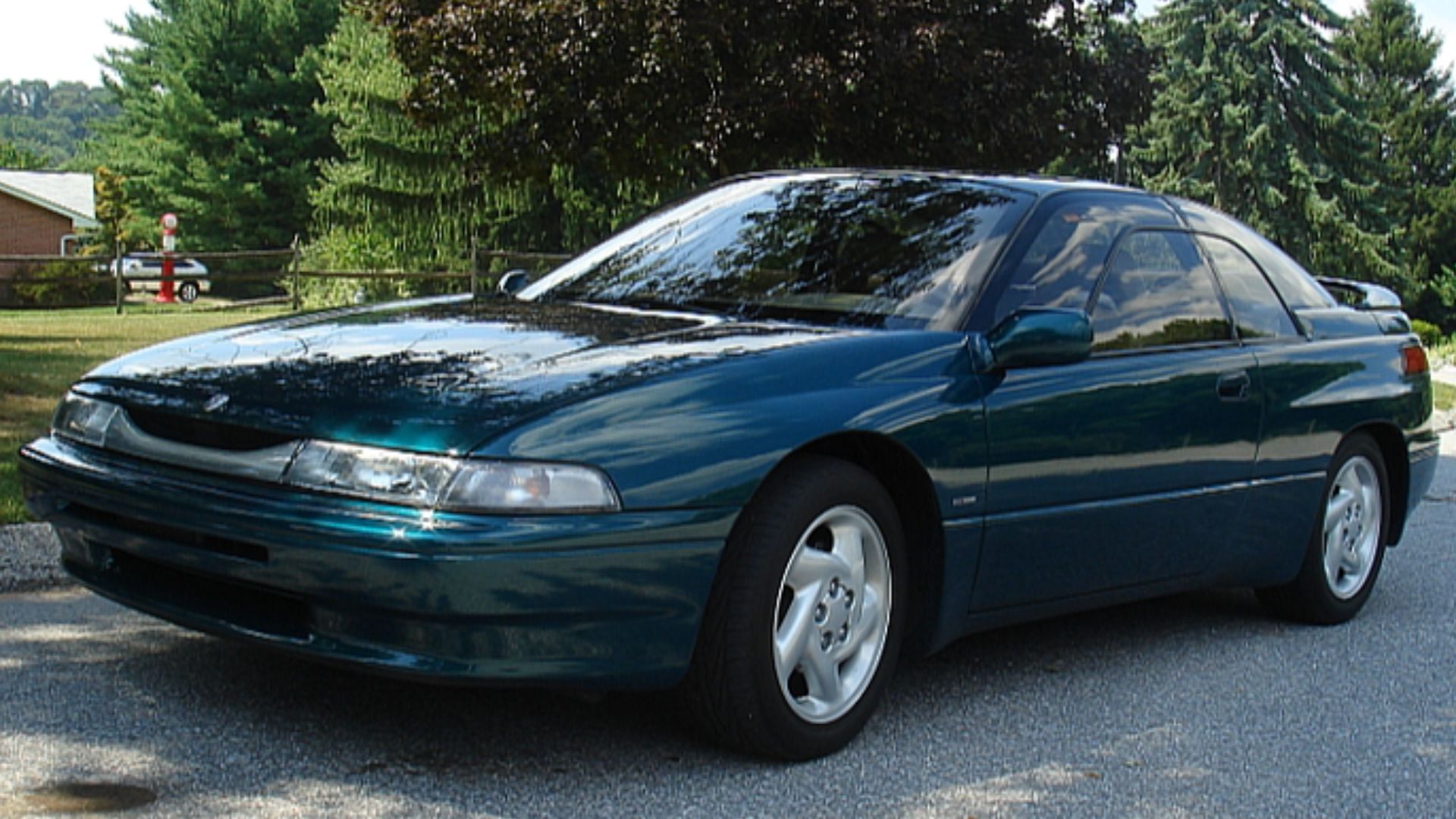
The Subaru SVX was a bold attempt to make Subaru seem more upscale and futuristic. It had dramatic window-within-a-window styling, all-wheel drive, and a smooth six-cylinder engine. The problem was that it was expensive, automatic-only, and far outside what many people expected from the brand.
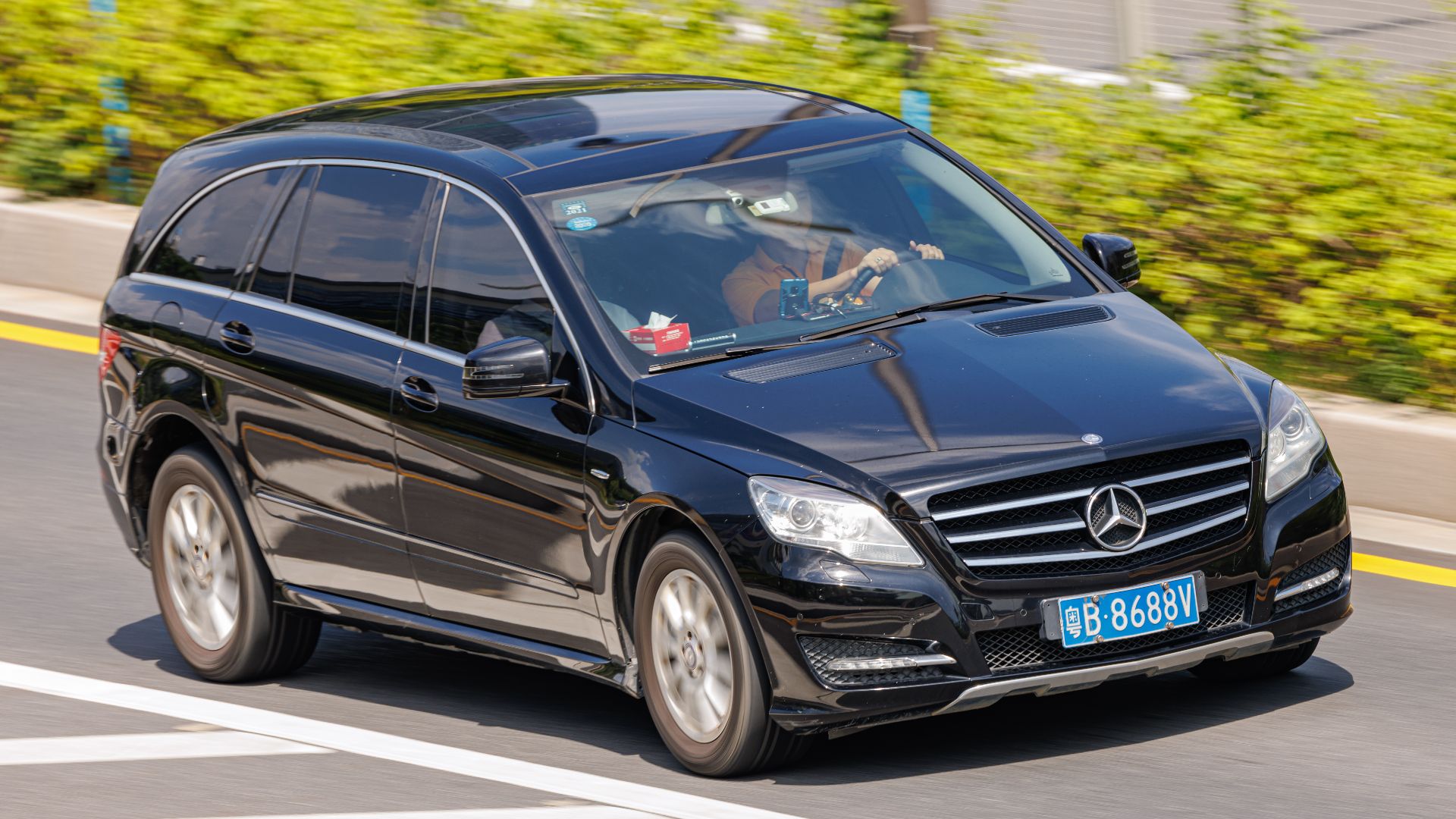
20. Mercedes-Benz R-Class
The Mercedes-Benz R-Class tried to combine luxury sedan comfort, minivan space, and SUV presence into one premium family vehicle. It was roomy and refined, but it landed before buyers were ready to call something minivan-adjacent aspirational. The shape was hard to love, and the concept was hard to market. Mercedes eventually found more success with conventional luxury SUVs, leaving the R-Class as an interesting detour.