
The Logo Only Tells Part of the Story
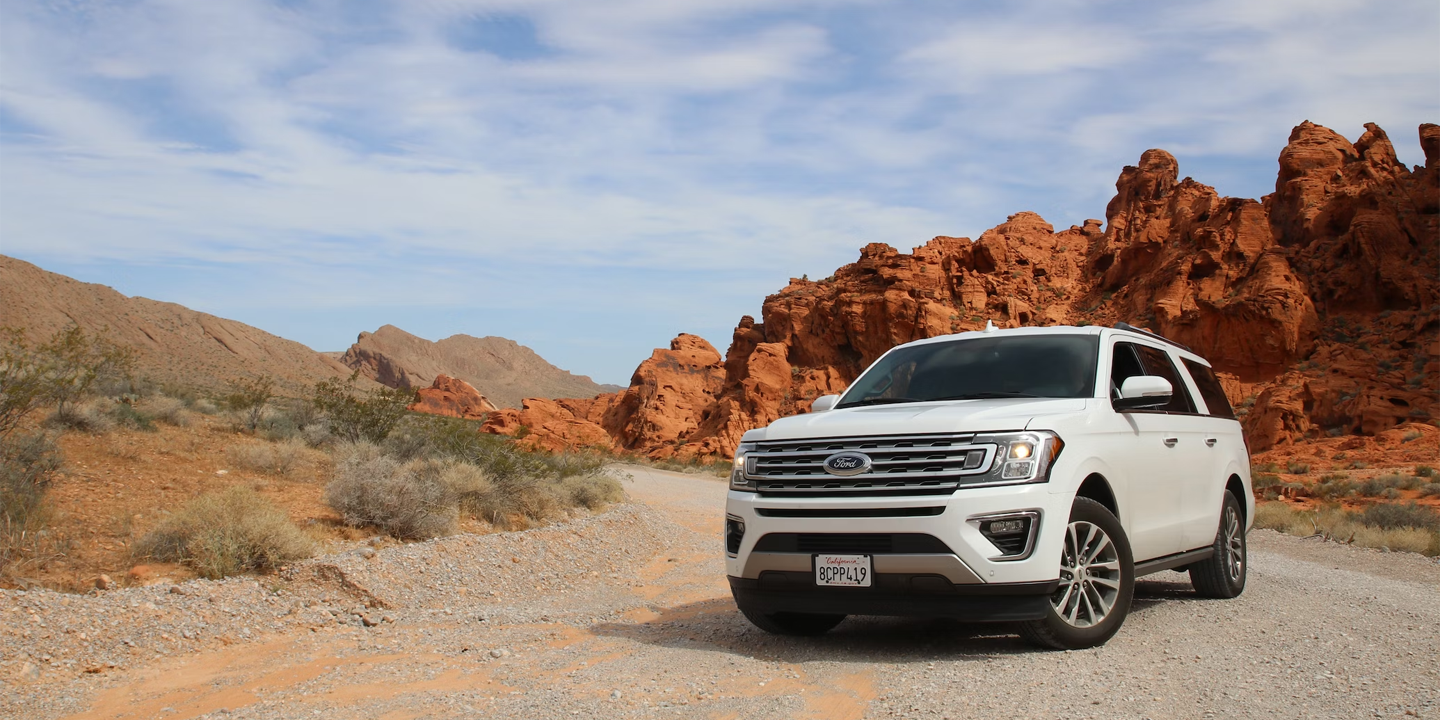
Car buyers are often encouraged to care about the badge almost as much as the vehicle wearing it. A famous emblem can create high expectations, while a mainstream logo may cause people to overlook something genuinely special. However, some ordinary brands have built cars capable of challenging far more prestigious competition, and several luxury manufacturers have released models that didn’t live up to their reputations. These 20 cars prove that a respected name can’t guarantee greatness, just as an unglamorous one doesn’t prevent it.
1. Chevrolet Corvette C8
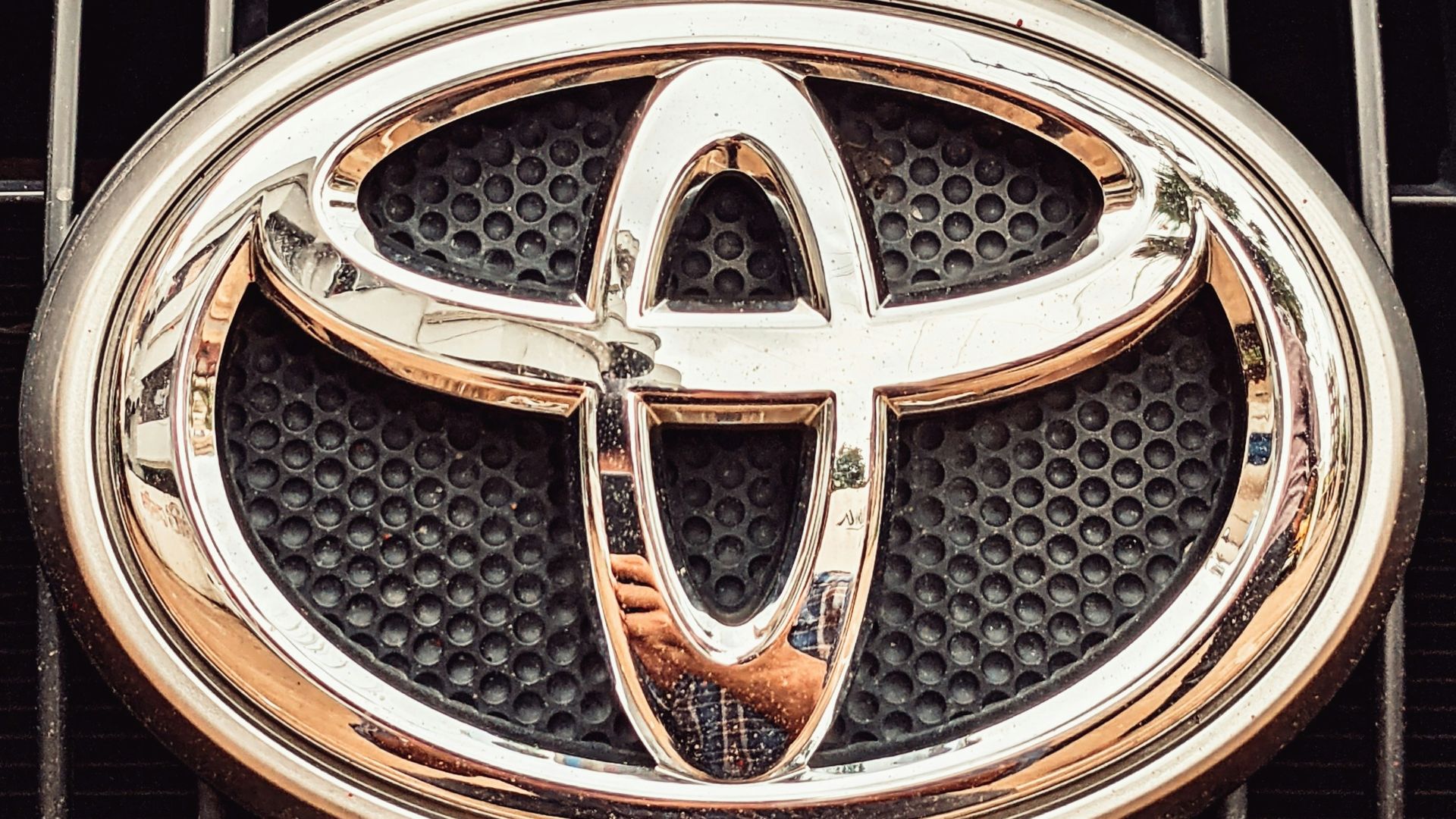
The Chevrolet badge usually appears on family SUVs, pickup trucks, and reasonably priced commuter cars, yet the C8 Corvette looks and performs like something far more exotic. You may not receive an Italian emblem on the hood, but the performance makes that much easier to accept.
2. Maserati Ghibli
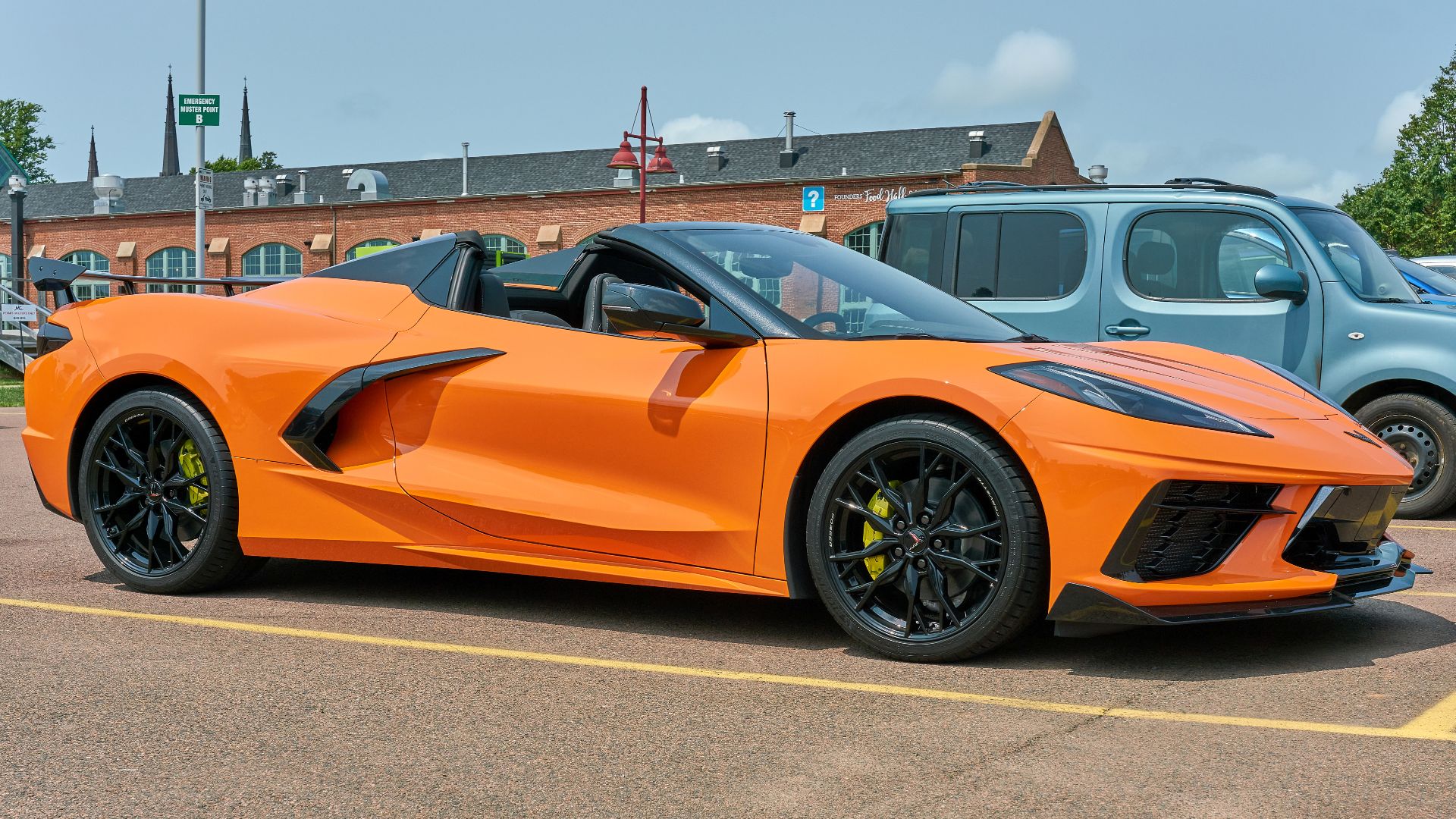
The Maserati Ghibli arrived with a prestigious Italian name, a trident on its grille, and styling that promised a genuinely special experience. Inside, however, some of its controls and materials felt less exclusive than buyers expected from a Maserati. The badge generated plenty of excitement, but the rest of the car didn’t always maintain it.
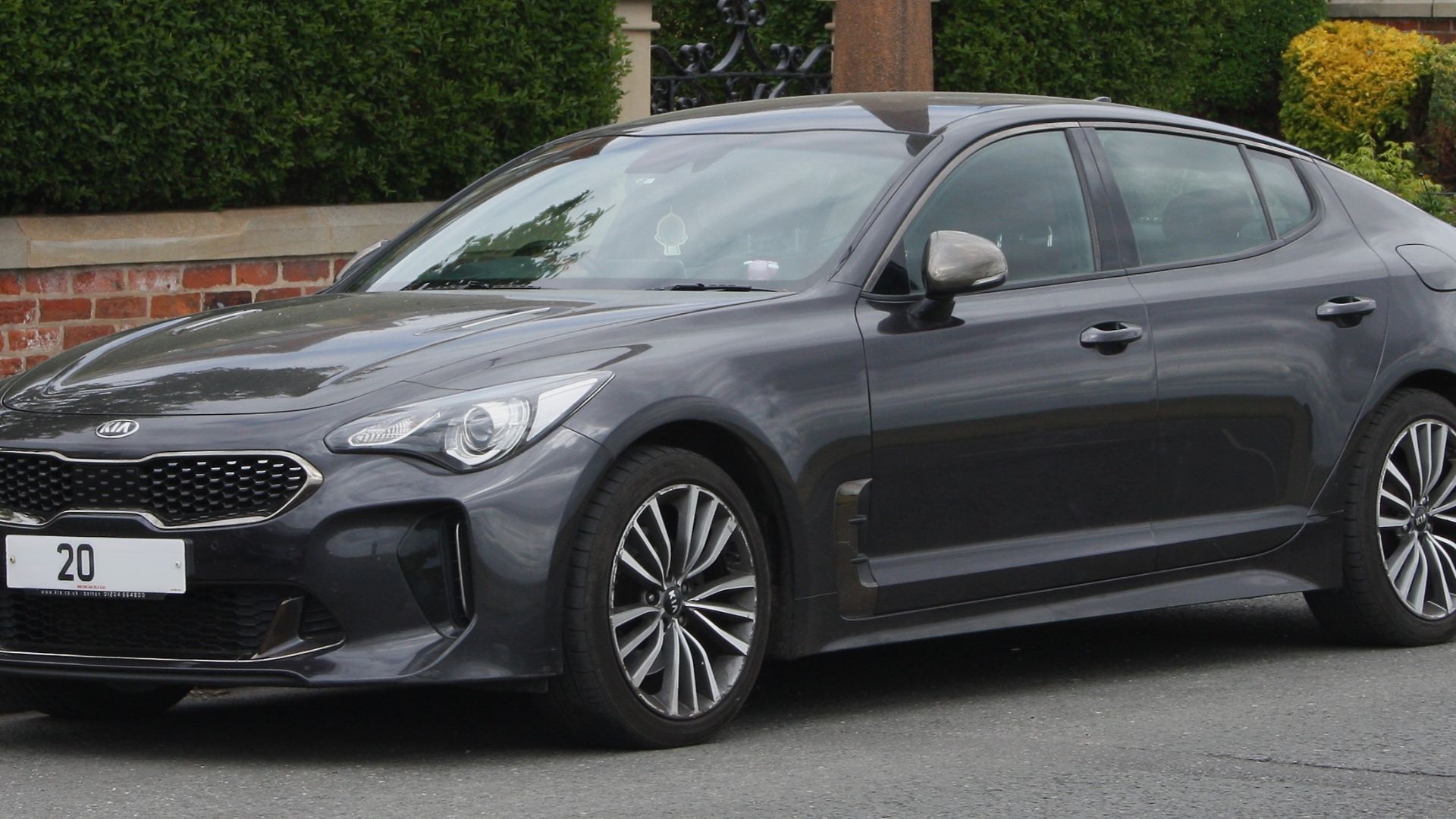
3. Kia Stinger GT
Few people expected Kia to produce a rear-wheel-drive grand tourer capable of worrying established European sports sedans. The Stinger GT offered a powerful twin-turbocharged V6, confident handling, and a roomy fastback body that made it useful every day. Its biggest obstacle wasn’t a lack of ability, but convincing buyers to take a Kia seriously.
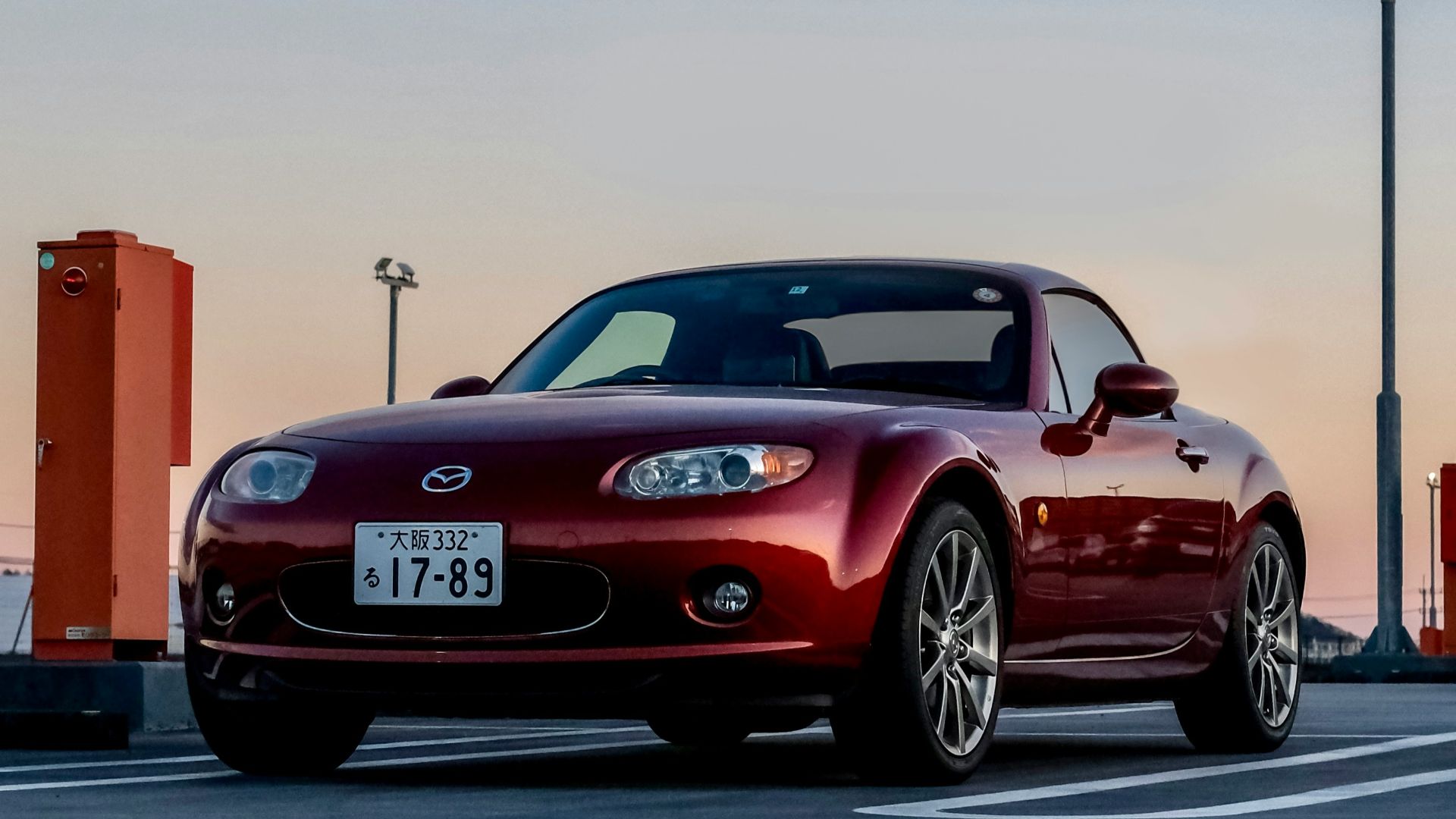
4. Mazda MX-5 Miata
The Miata has never needed enormous horsepower or an exclusive logo to earn the affection of drivers. Its low weight, responsive steering, and rear-wheel-drive layout make modest speeds feel engaging without requiring a racetrack. Mazda concentrated on getting the fundamentals right, which proved more valuable than adding unnecessary prestige.
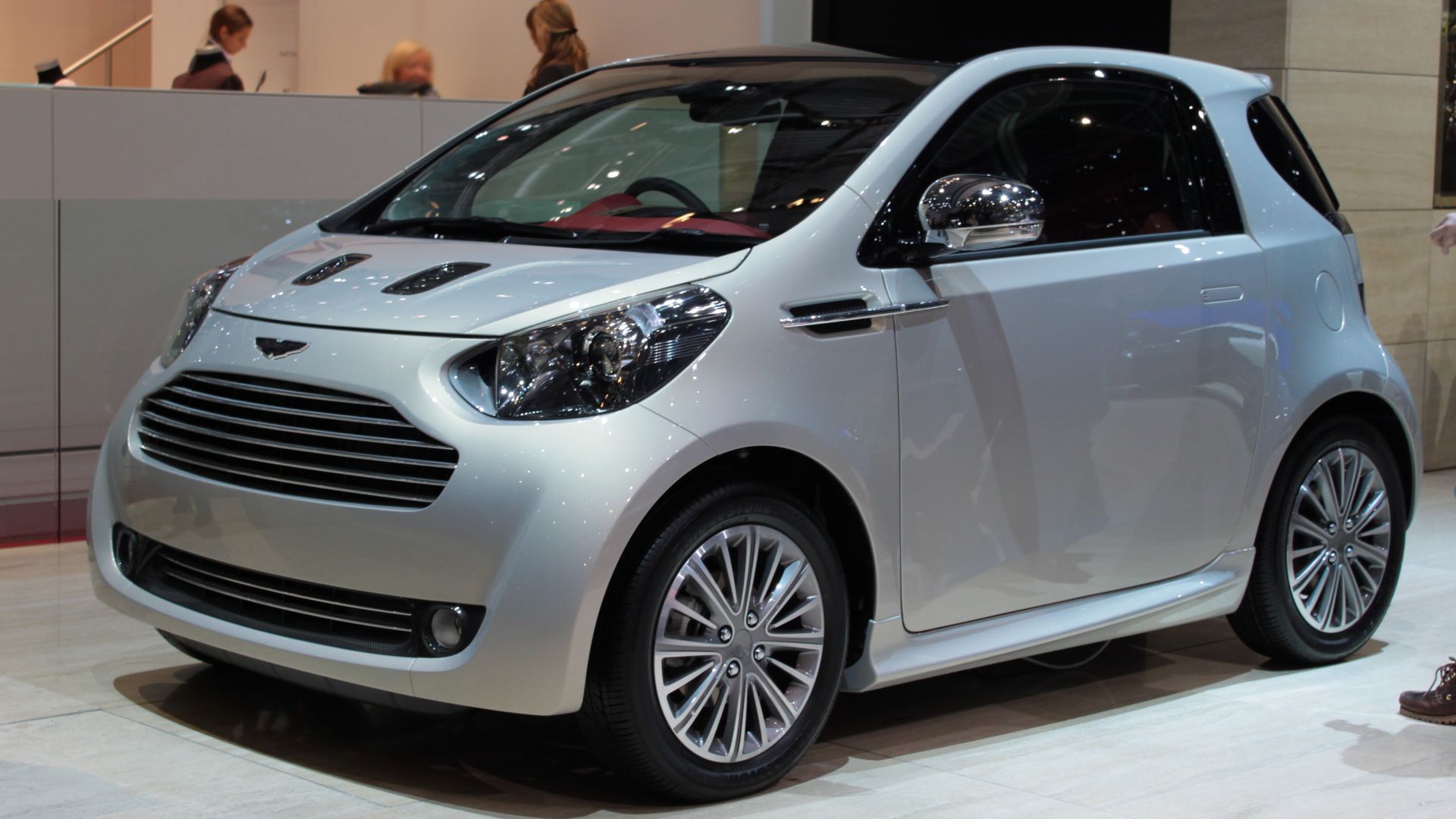
5. Aston Martin Cygnet
Aston Martin was known for elegant grand tourers when it placed its badge on the tiny Cygnet. Although the cabin received upscale materials, the car remained closely related to the far less glamorous Toyota iQ and offered none of the performance normally associated with the British brand.
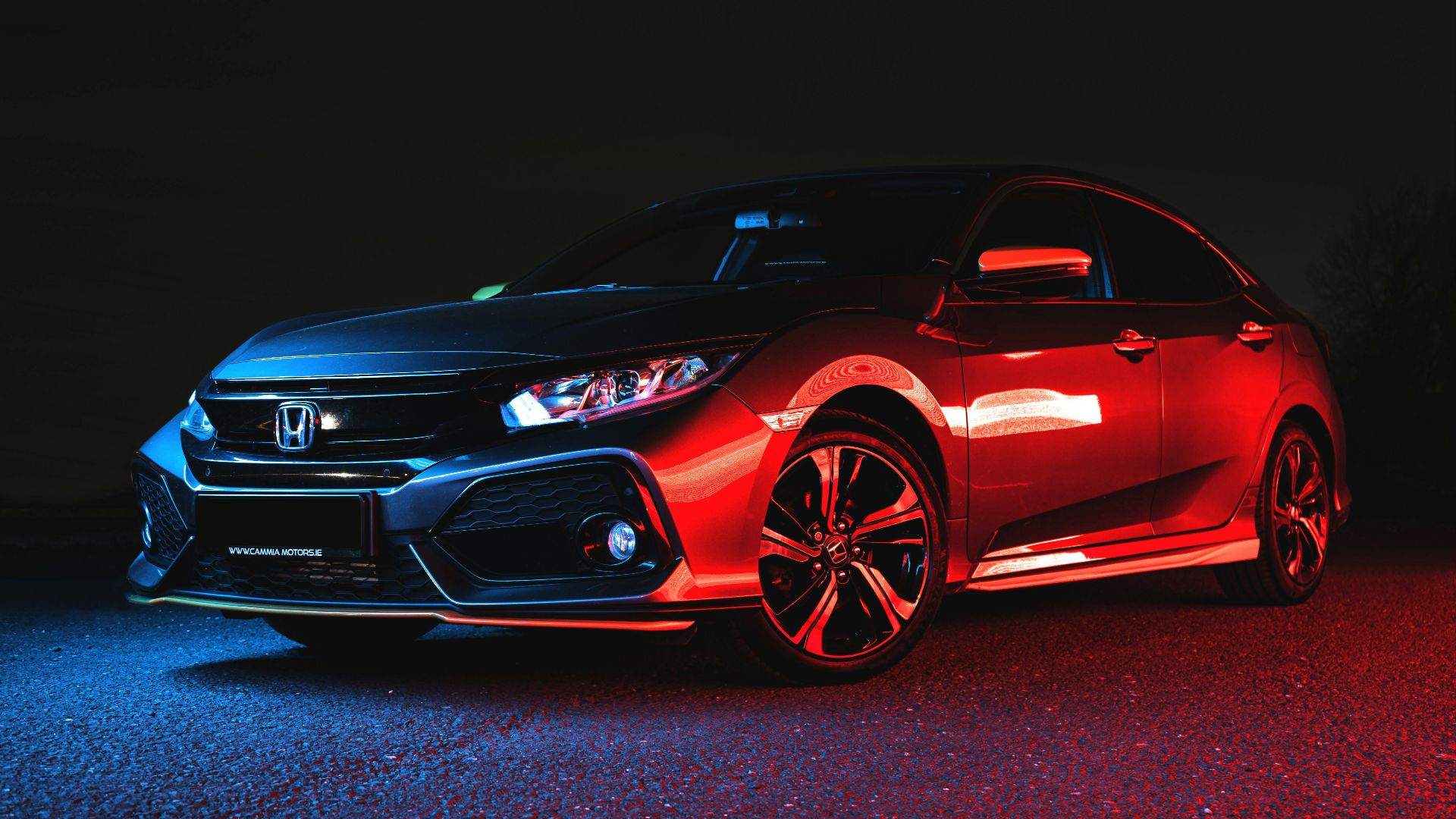
6. Honda Civic Type R
Seeing a Civic badge might make you expect dependable transportation rather than a serious performance machine. The Type R overturned that assumption with turbocharged power, precise handling, and a chassis capable of making front-wheel drive feel remarkably sophisticated.
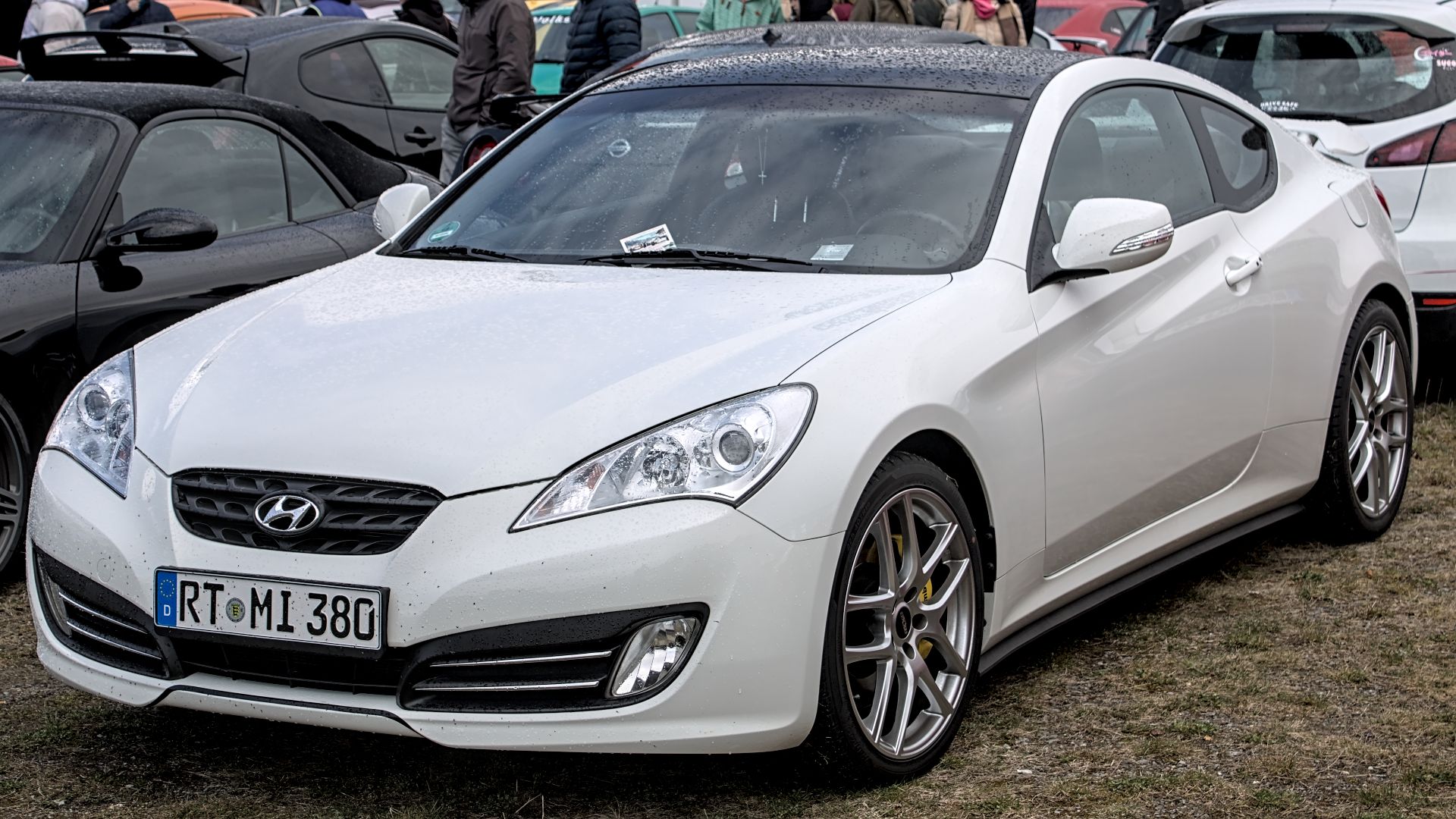
7. Hyundai Genesis
Before Genesis became a separate luxury brand, Hyundai used the name on a large and unexpectedly refined sedan. Buyers could get a spacious interior, rear-wheel drive, and available V8 power without entering a traditional premium showroom. The car helped prove that luxury qualities could come from a company still associated with affordable transportation.
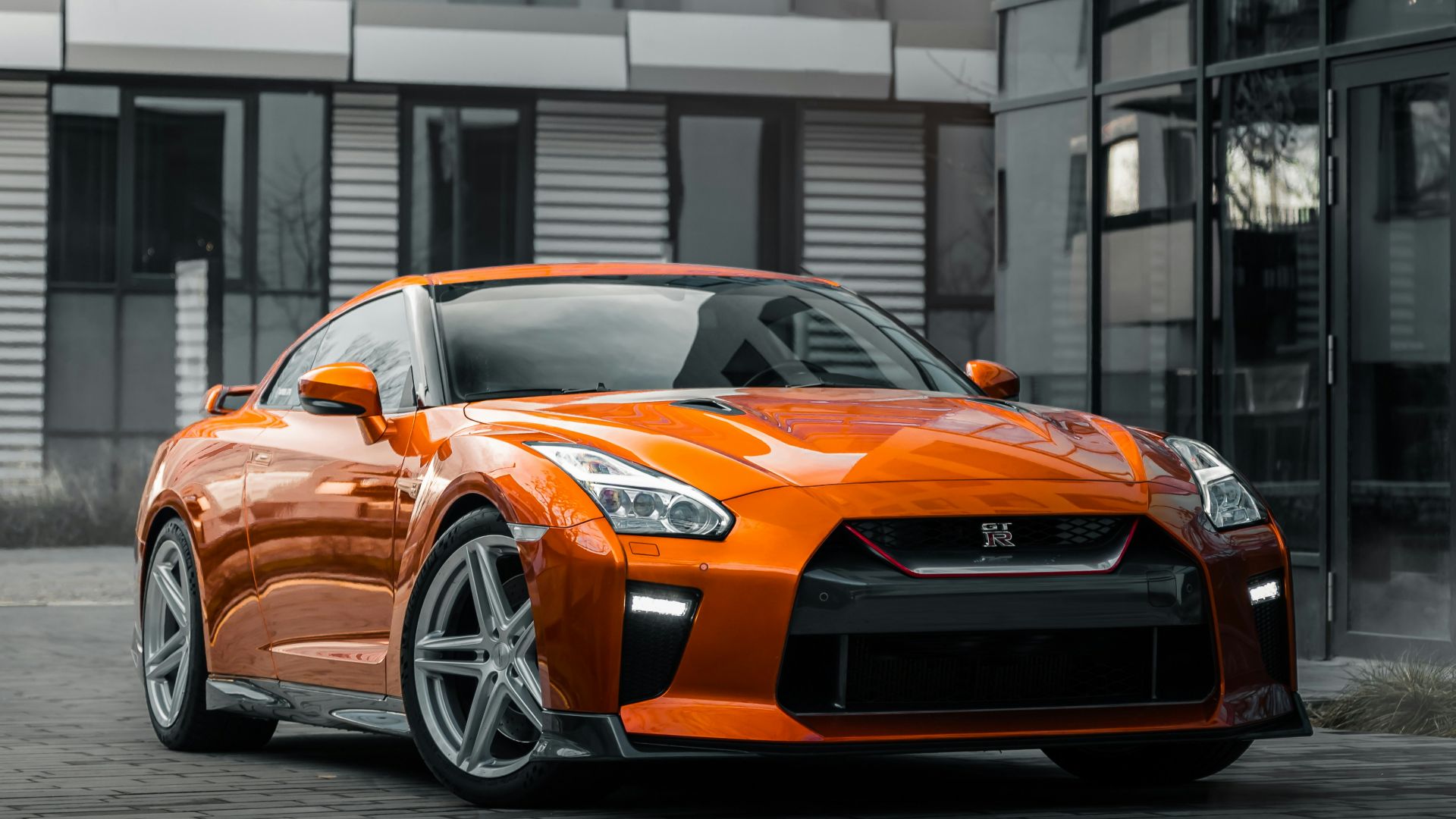
8. Nissan GT-R
The Nissan logo on the GT-R looked ordinary beside the badges of the supercars it challenged. Its twin-turbocharged V6, advanced all-wheel-drive system, and brutally effective acceleration allowed it to compete with cars costing considerably more. It didn’t need an exotic family name because its performance quickly established a reputation of its own.
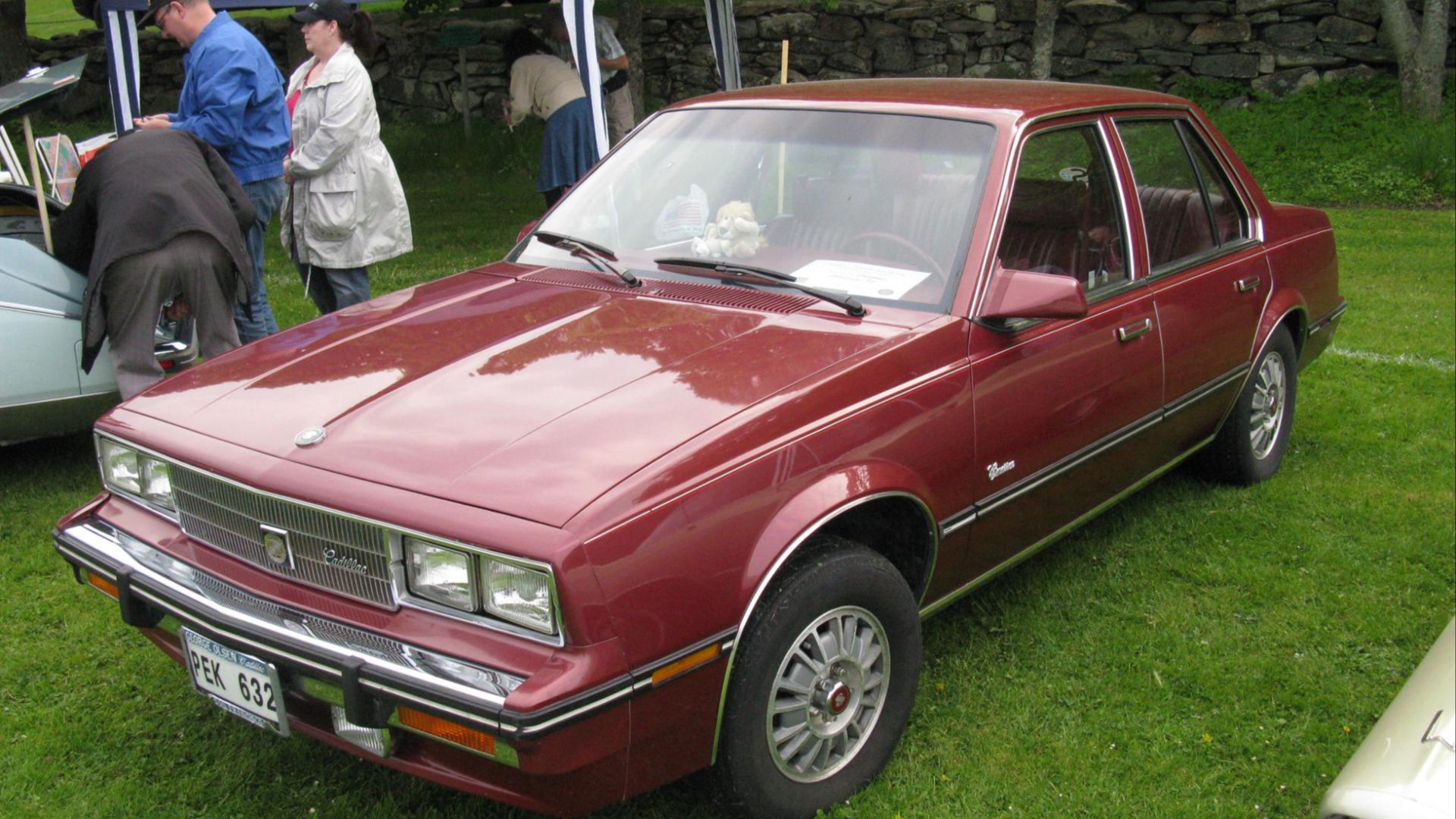
9. Cadillac Cimarron
Cadillac attempted to enter the compact luxury market by transforming a modest General Motors sedan into the Cimarron. Unfortunately, its close relationship to the Chevrolet Cavalier remained too obvious, despite the upgraded trim and Cadillac emblems. Buyers learned that adding leather and a respected badge wasn’t enough to create a convincing luxury car.
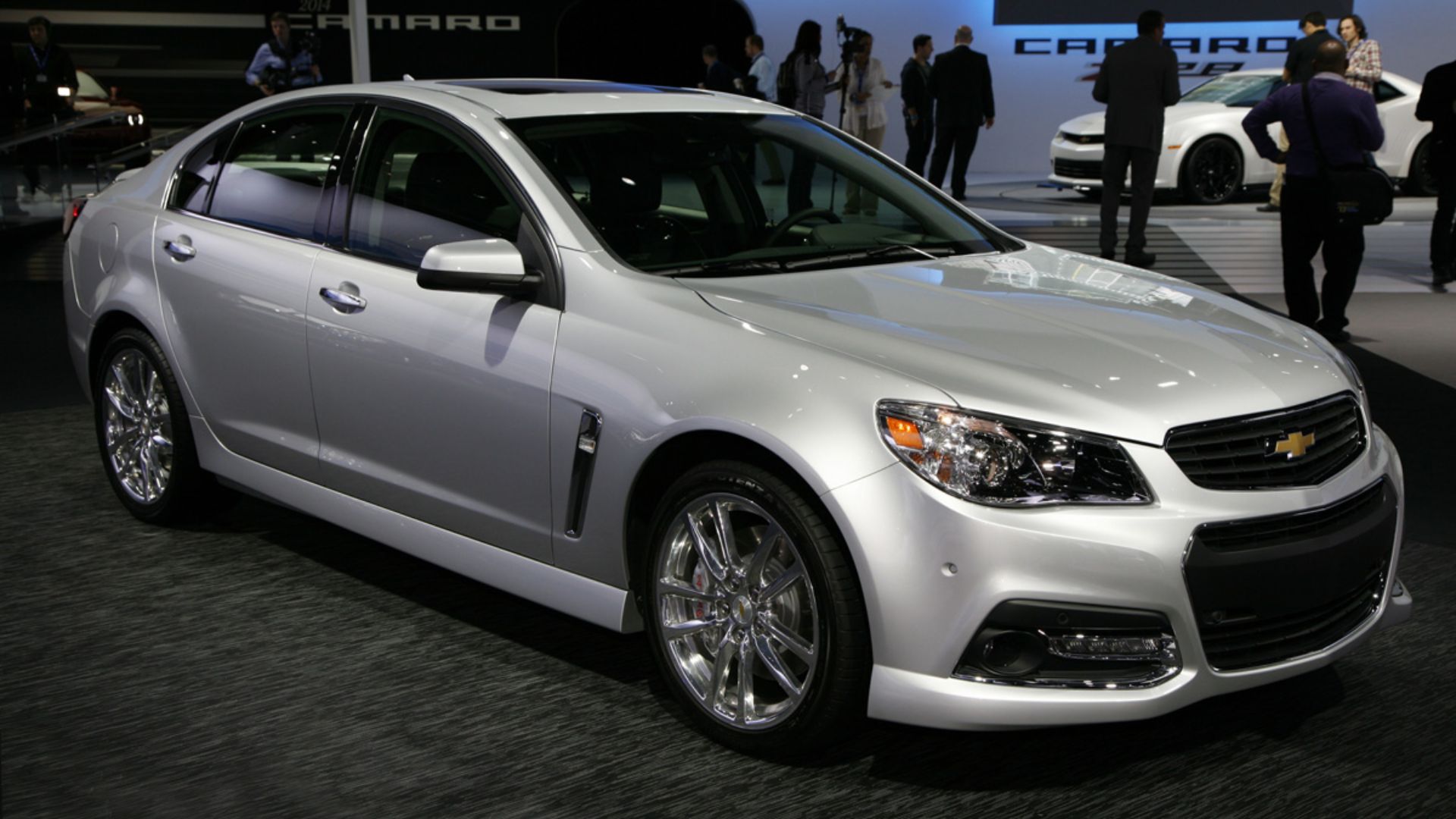
10. Chevrolet SS
The Chevrolet SS was so understated that you could easily mistake it for an ordinary rental car. Underneath its restrained body sat a powerful V8, rear-wheel drive, and, on later models, the option of a manual transmission. Drivers who looked past the anonymous styling found a proper performance sedan without the price or attention attached to a German luxury badge.
 That Hartford Guy on Wikimedia
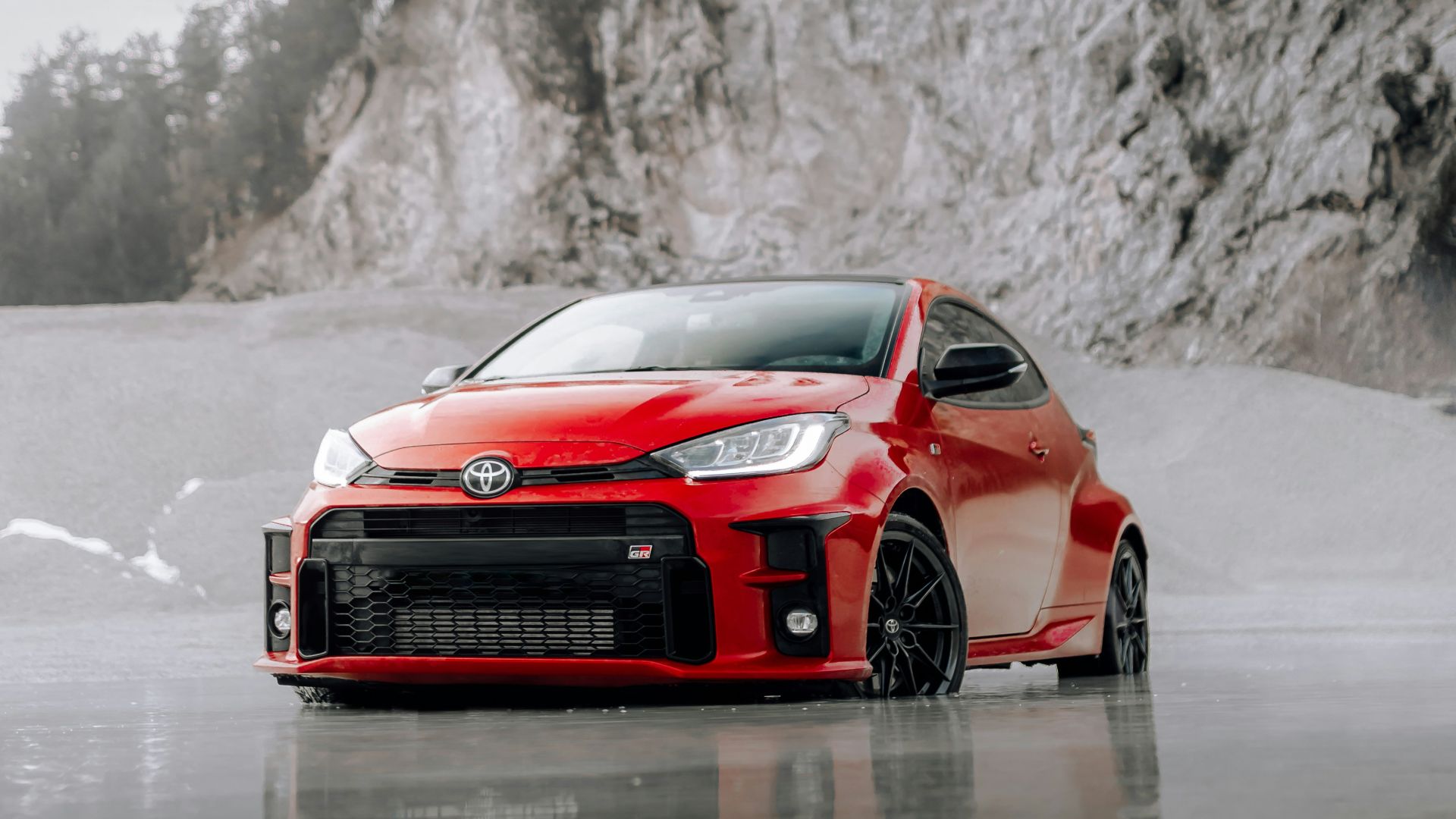
11. Toyota GR Yaris
The regular Yaris built its reputation as sensible, economical transportation, so the GR version came as quite a shock. Toyota gave the little hatchback a turbocharged engine, all-wheel drive, and specialized engineering developed with rallying in mind. Almost nothing about its performance matched the humble expectations created by the name on the back.
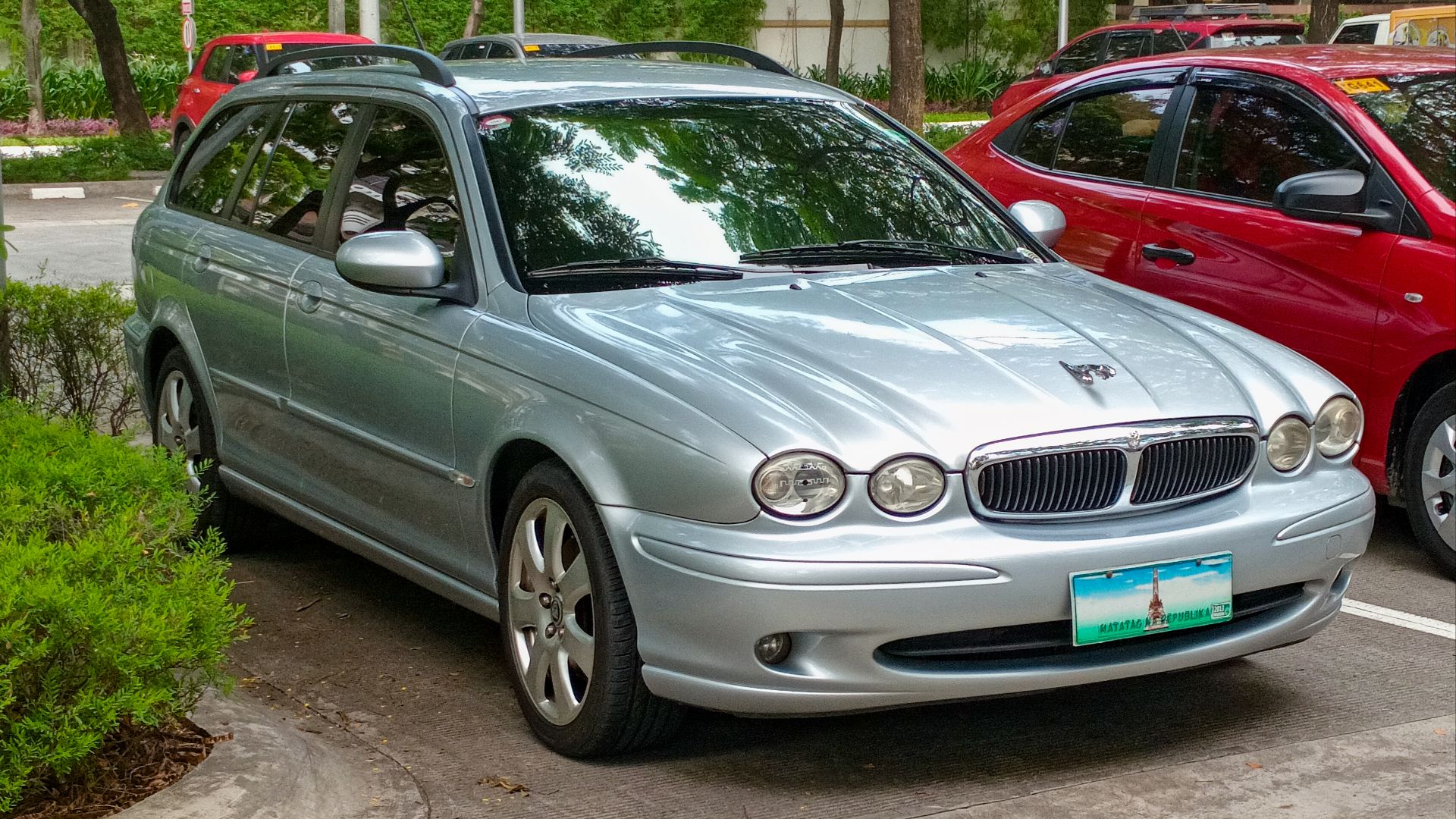
12. Jaguar X-Type
The Jaguar X-Type wore familiar styling and one of the most desirable badges in the automotive world. Its Ford connections weren’t automatically a flaw, but the finished car never felt distinctive or polished enough to satisfy everyone expecting a smaller version of a traditional Jaguar. The leaping cat could attract buyers into the showroom, though it couldn’t erase the sense that the car underneath was less special.
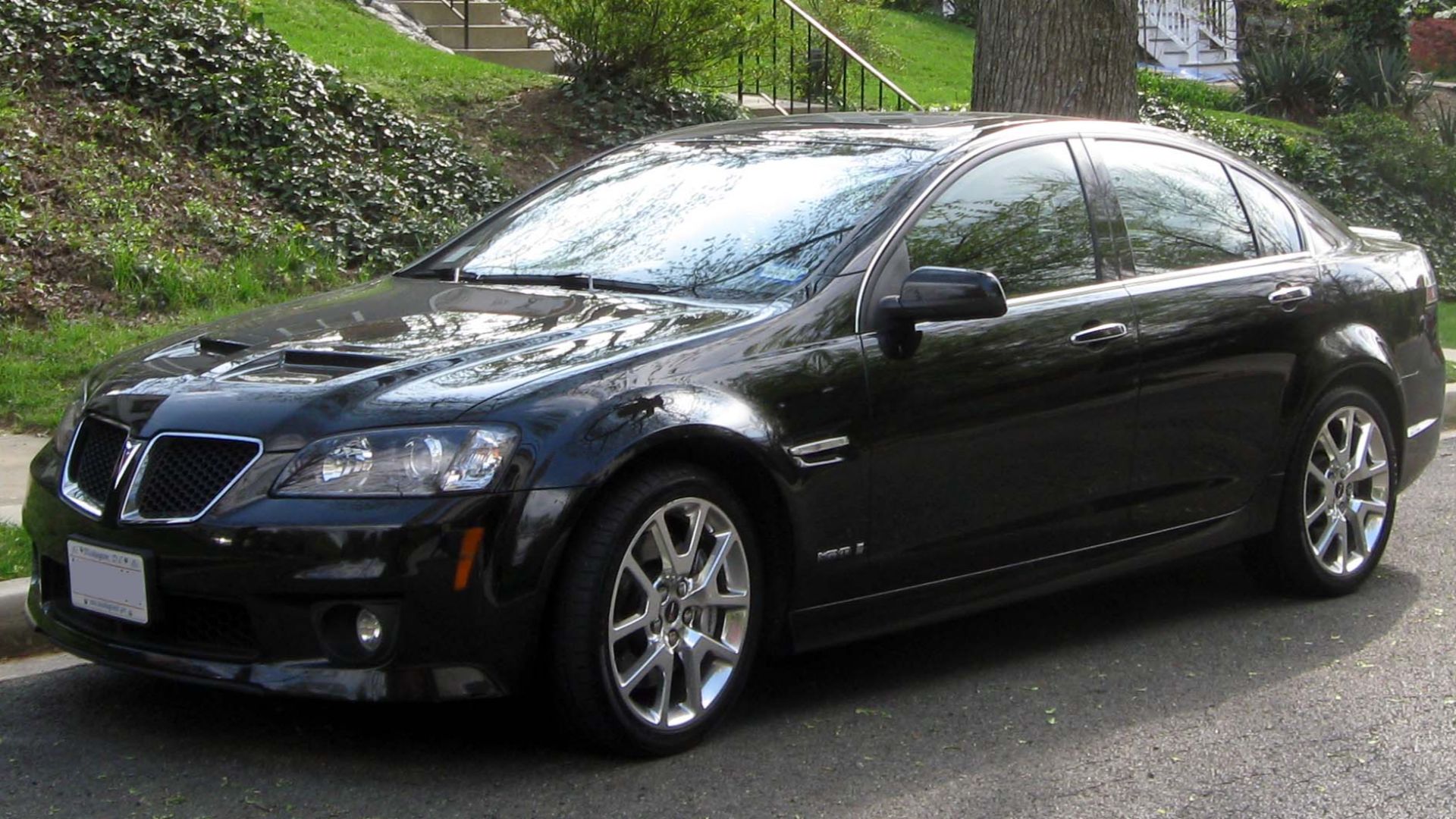
13. Pontiac G8 GXP
Pontiac’s reputation had become uneven by the time the G8 reached American dealerships. Developed from an Australian Holden, the G8 GXP delivered rear-wheel drive, a strong V8, and the kind of balanced performance associated with much more prestigious sports sedans. Sadly, the brand disappeared just as this car was showing how much it could still accomplish.
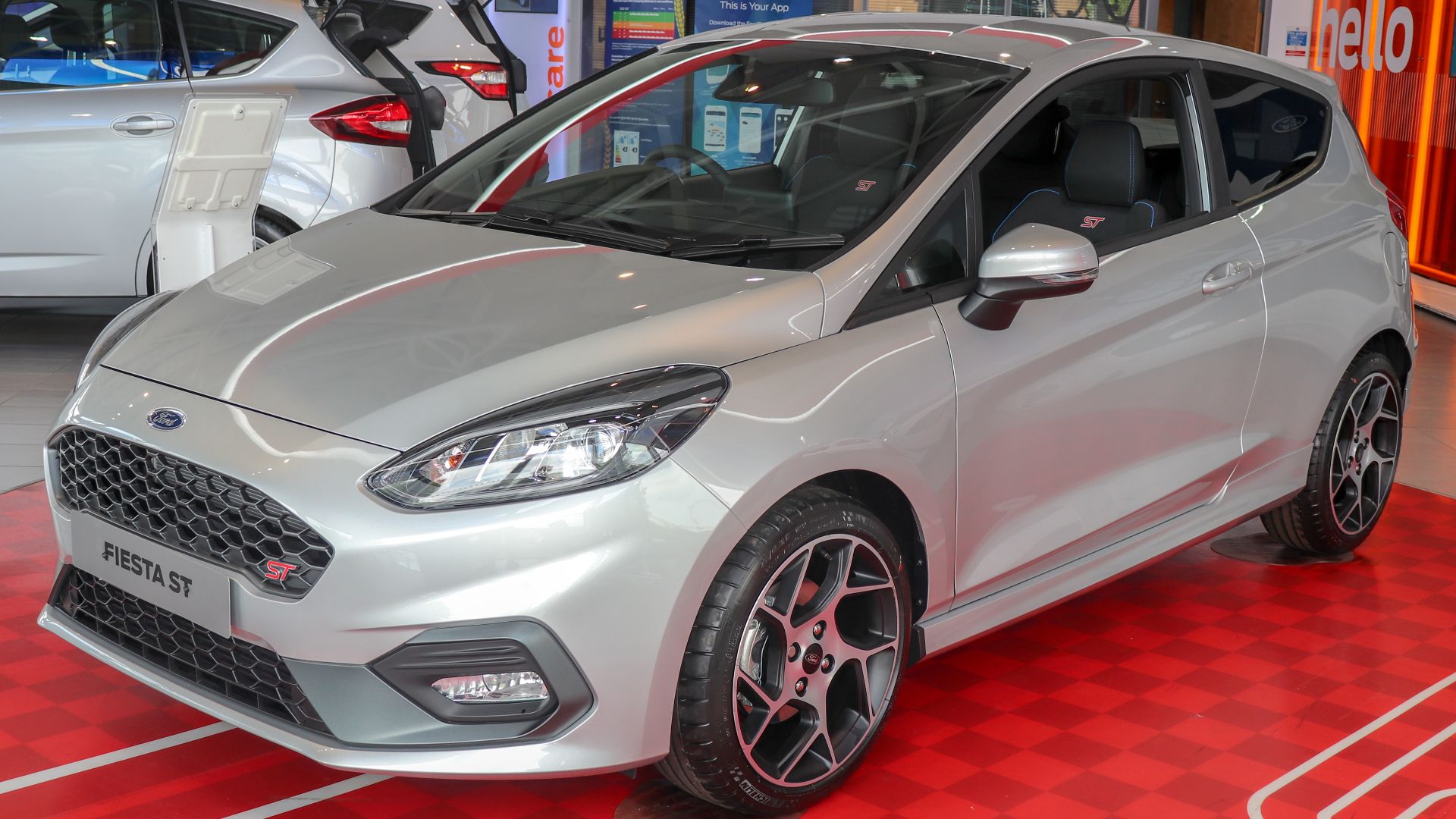
14. Ford Fiesta ST
There was nothing glamorous about the Fiesta name, which had long been attached to inexpensive small cars. The ST version turned that basic foundation into a lively hot hatch with sharp steering, low weight, and a playful chassis. It could make an ordinary trip enjoyable without relying on huge power figures or an upscale cabin.
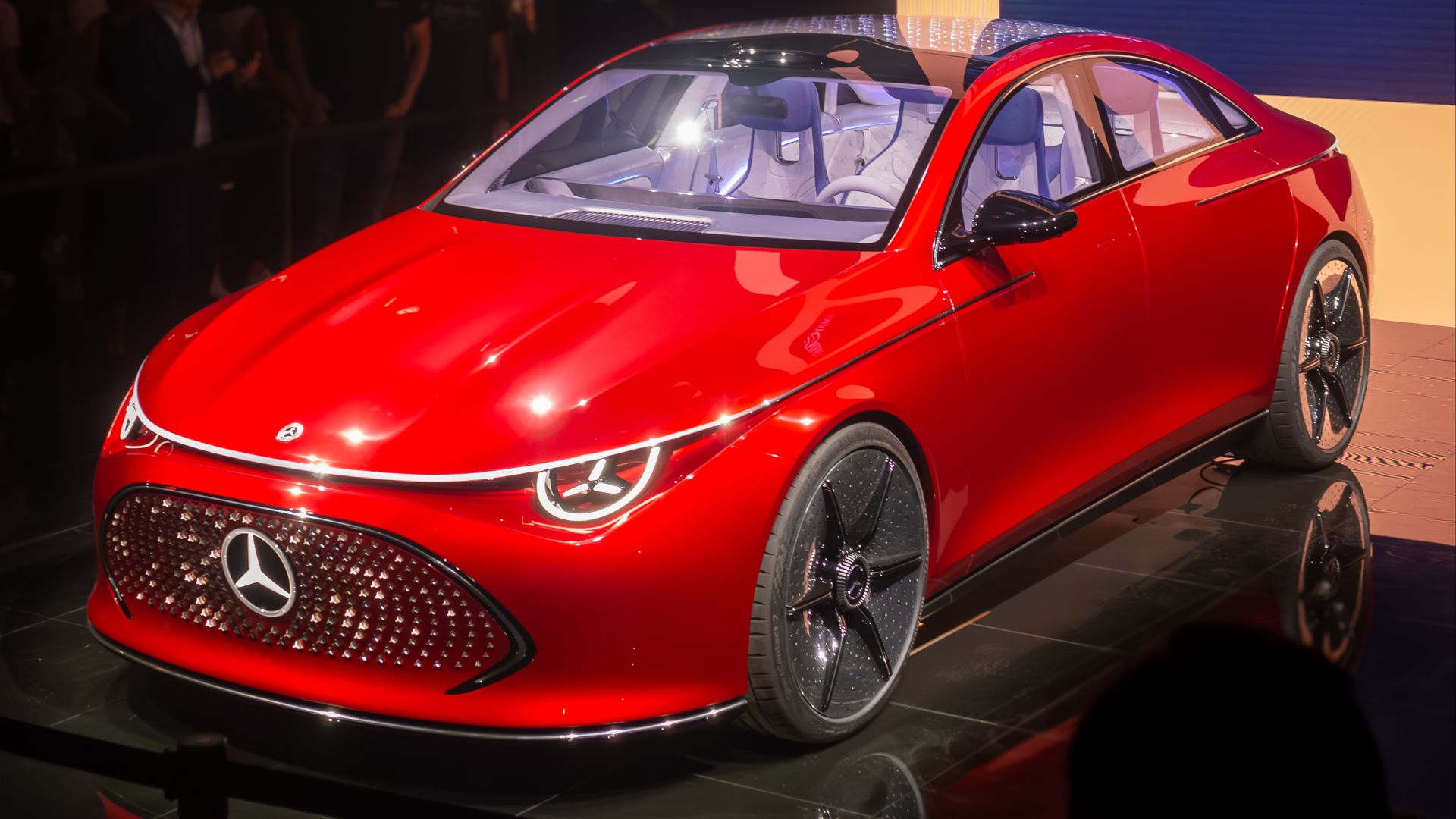
15. Mercedes-Benz CLA
The CLA made the three-pointed star available to buyers who couldn’t stretch to one of Mercedes-Benz’s larger sedans. That lower entry price came with trade-offs, including a tight rear seat, a firm ride, and cabin materials that didn’t always feel as luxurious as the badge suggested. Owning a Mercedes nameplate was the main attraction, but the experience could leave buyers wondering what else they had paid for.
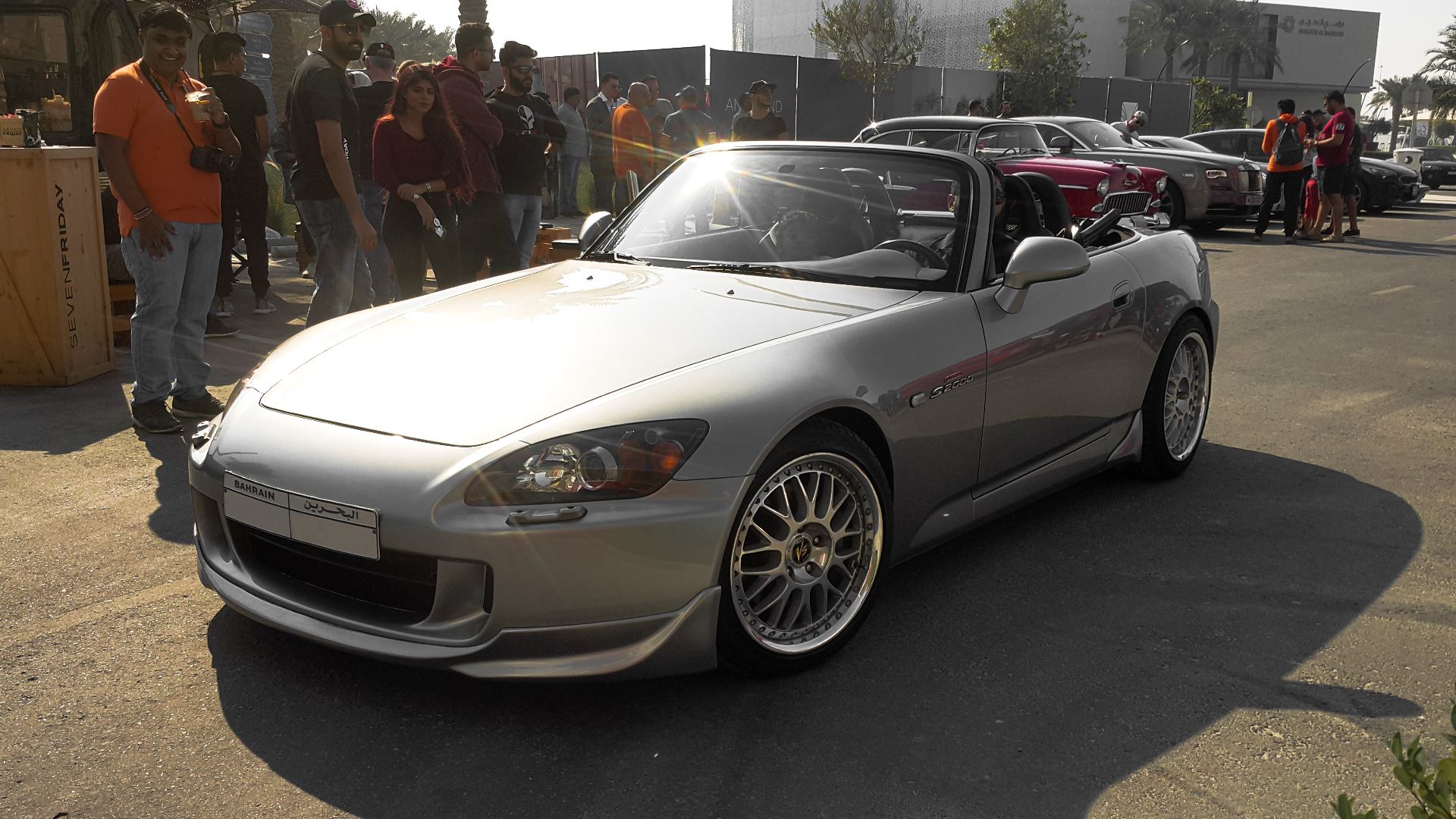
16. Honda S2000
Honda used its engineering talent to create a roadster with a high-revving engine, a precise manual transmission, and beautifully balanced handling. The S2000 didn’t come from a premium division, nor did it attempt to imitate one. Years after production ended, enthusiasts still value it because the driving experience mattered more than the logo on its nose.
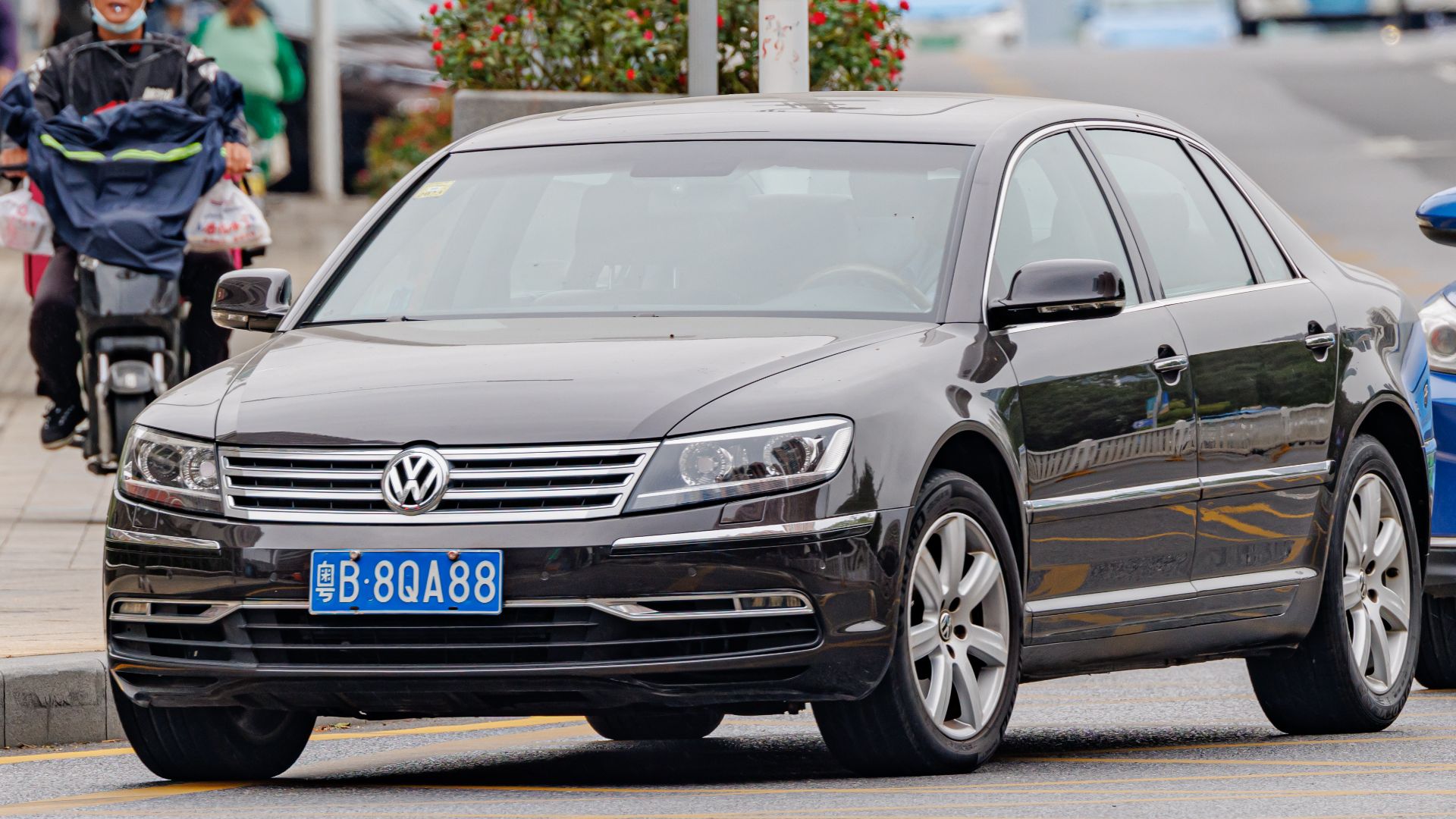
17. Volkswagen Phaeton
Volkswagen engineered the Phaeton to compete with some of the world’s finest luxury sedans. It offered impressive refinement, advanced technology, and even an available W12 engine, but many shoppers couldn’t accept paying luxury-car money for a Volkswagen badge. The Phaeton proved that a company could build an exceptional premium car and still struggle because its emblem wasn’t prestigious enough.
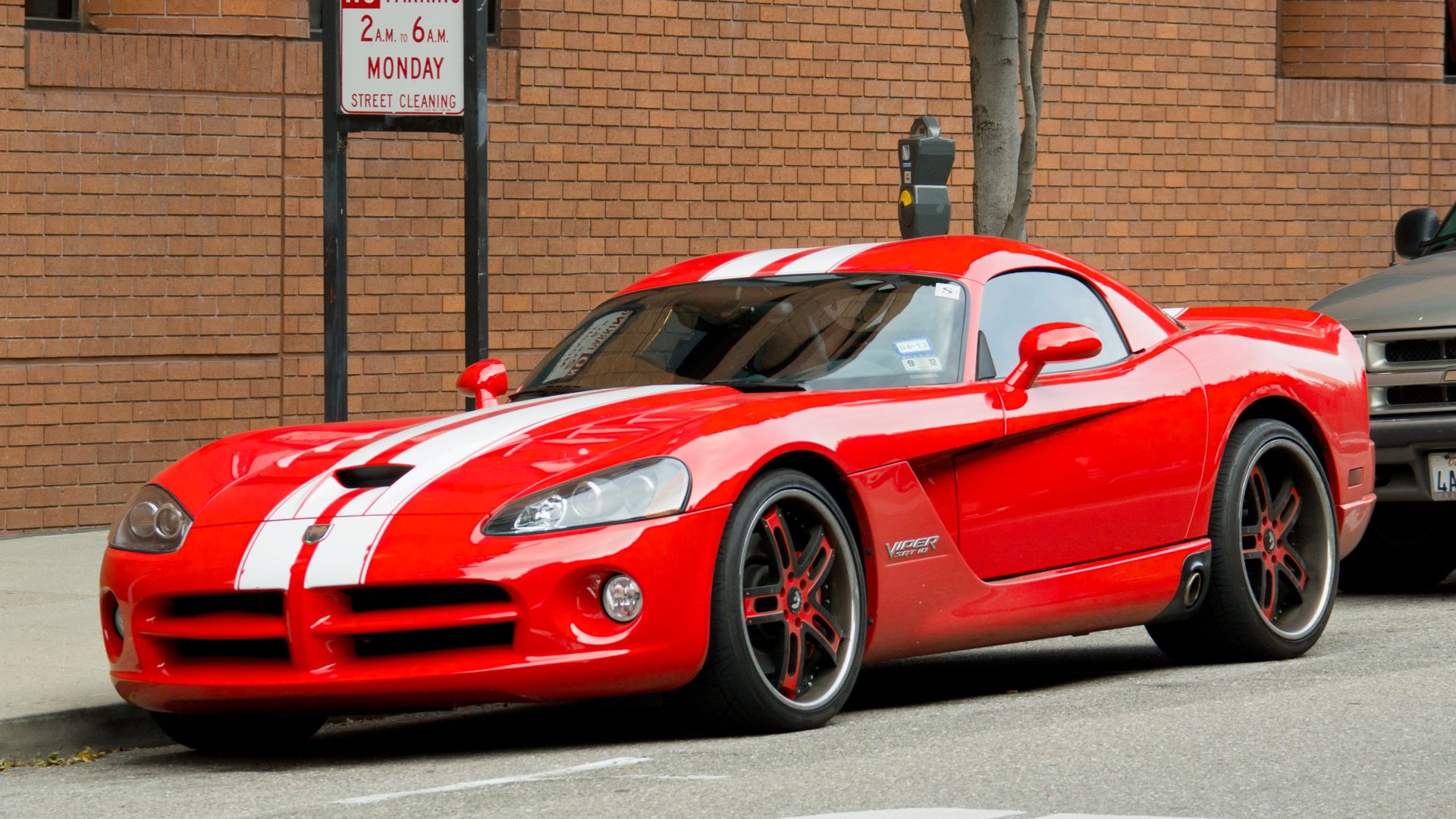
18. Dodge Viper
Dodge was better known for family vehicles and affordable muscle cars when it released the wild Viper. Its enormous V10, dramatic proportions, and demanding personality made it every bit as exotic as cars wearing far fancier badges. The interior wasn’t always luxurious, but nobody bought a Viper because they wanted extra cupholders and soft carpeting.
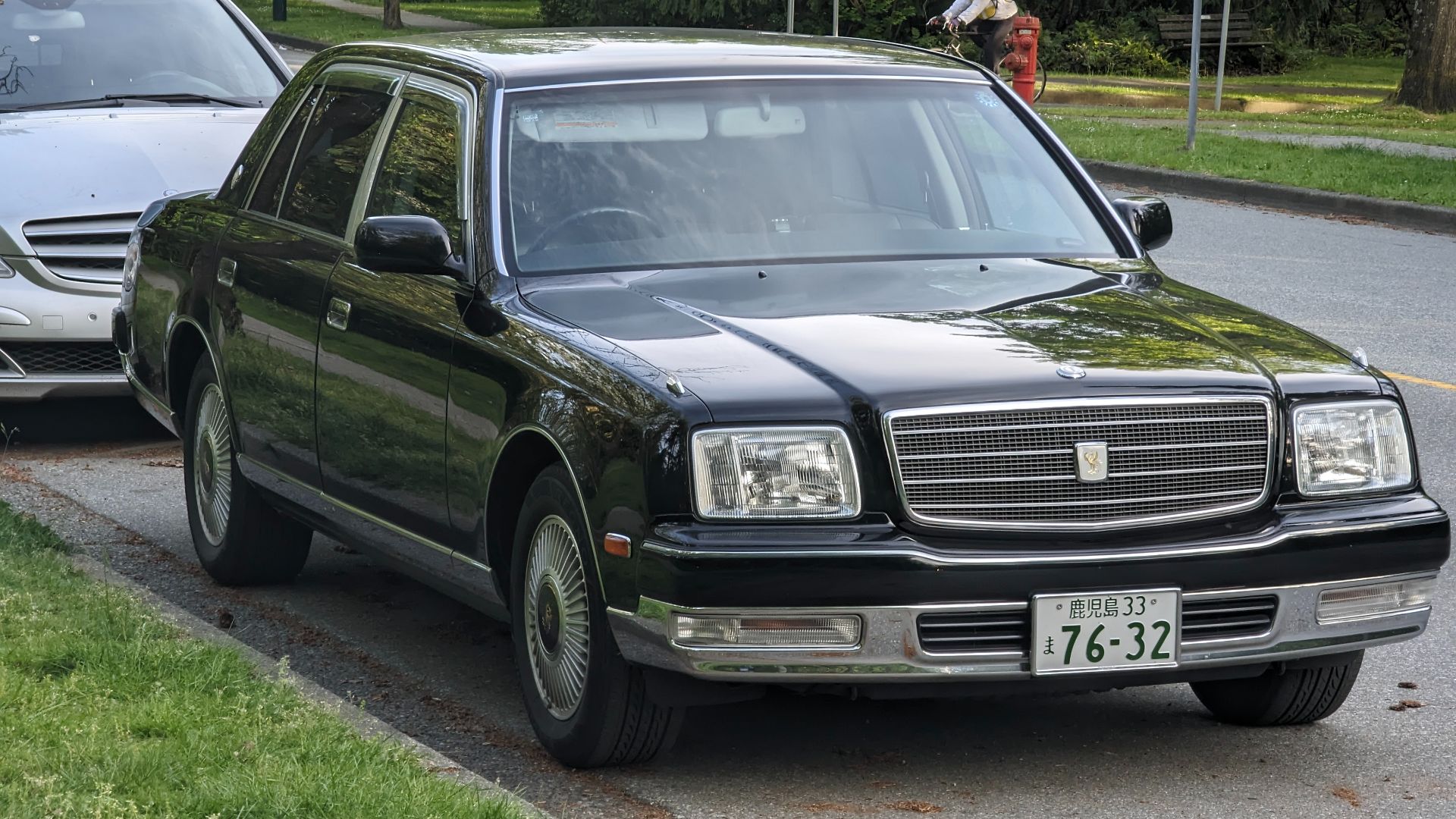
19. Toyota Century
Toyota’s reputation for reliable everyday cars hides the fact that it has long built one of Japan’s most prestigious sedans. The Century focuses on passenger comfort, quietness, and understated craftsmanship rather than using an internationally famous luxury badge to demand attention. It’s a reminder that genuine status doesn’t always need to announce itself from the grille.
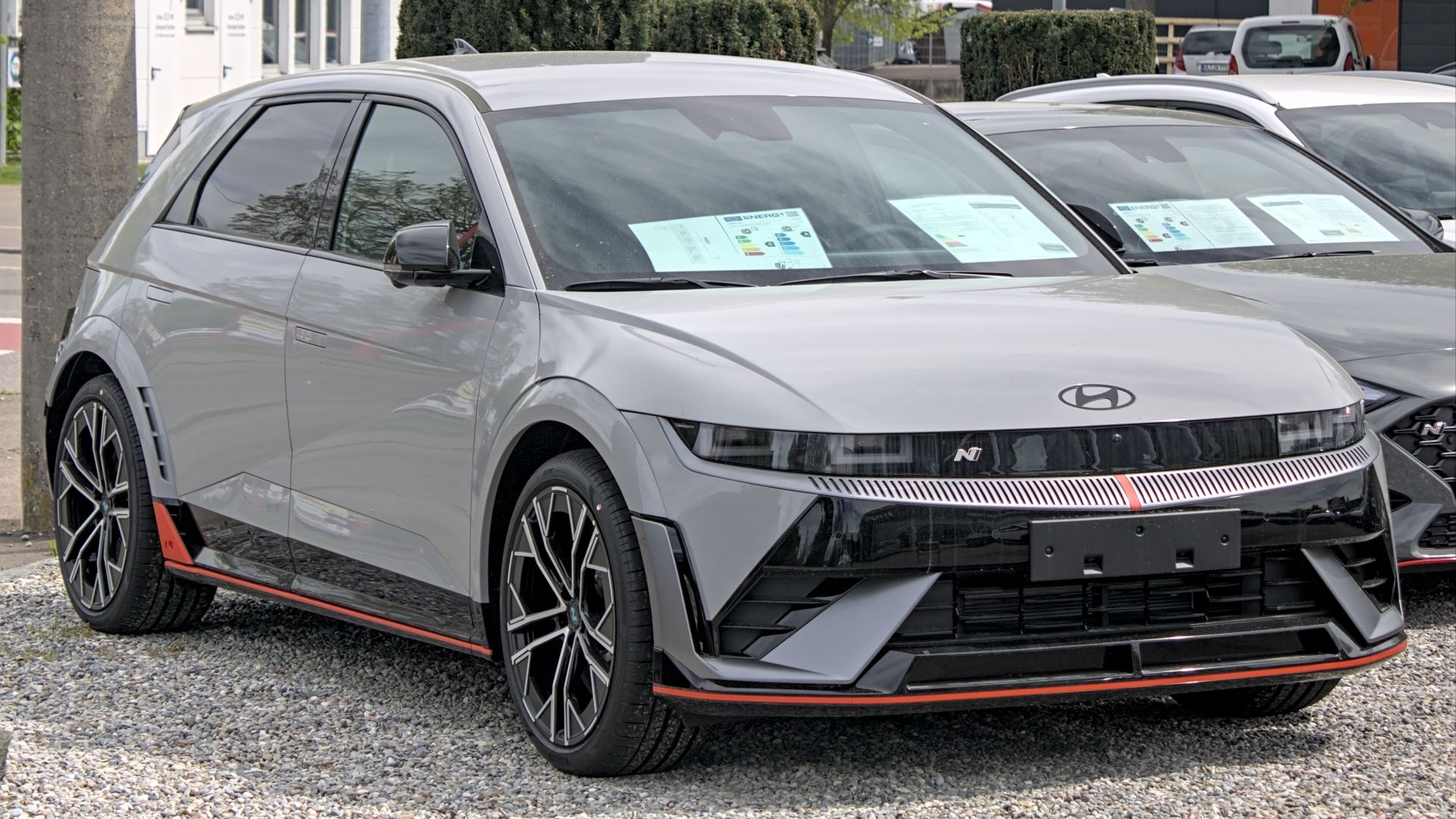
20. Hyundai Ioniq 5 N
A practical electric crossover from Hyundai didn’t sound like the obvious foundation for an exciting performance car. The Ioniq 5 N used substantial power, serious chassis upgrades, and clever technology to create an EV that felt developed for more than quick acceleration. Instead of borrowing credibility from a luxury name, Hyundai earned attention by building a car enthusiasts actually wanted to drive.