Technology Doesn't Excuse Everything
Tesla has changed the automotive industry in ways that are difficult to ignore, but impressive technology doesn't automatically mean every physical part of the car is built to the same standard. Over the years, owners and professional testers have reported everything from inconsistent panel gaps and paint problems to rattles, loose trim, glass defects, and troublesome seals. Consumer Reports has repeatedly documented owner complaints involving Tesla's paint, trim, body hardware, electronics, and leaks.
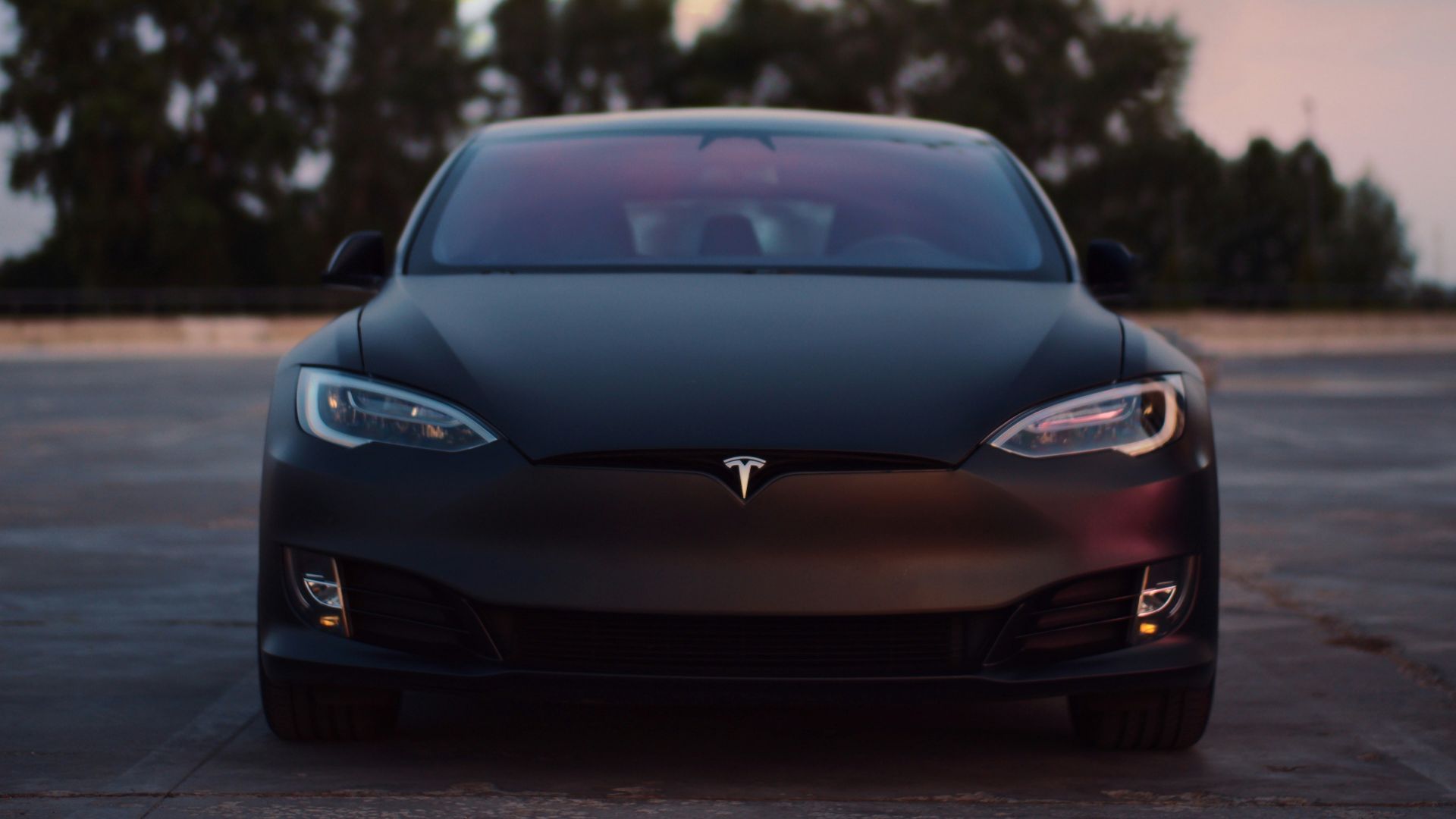
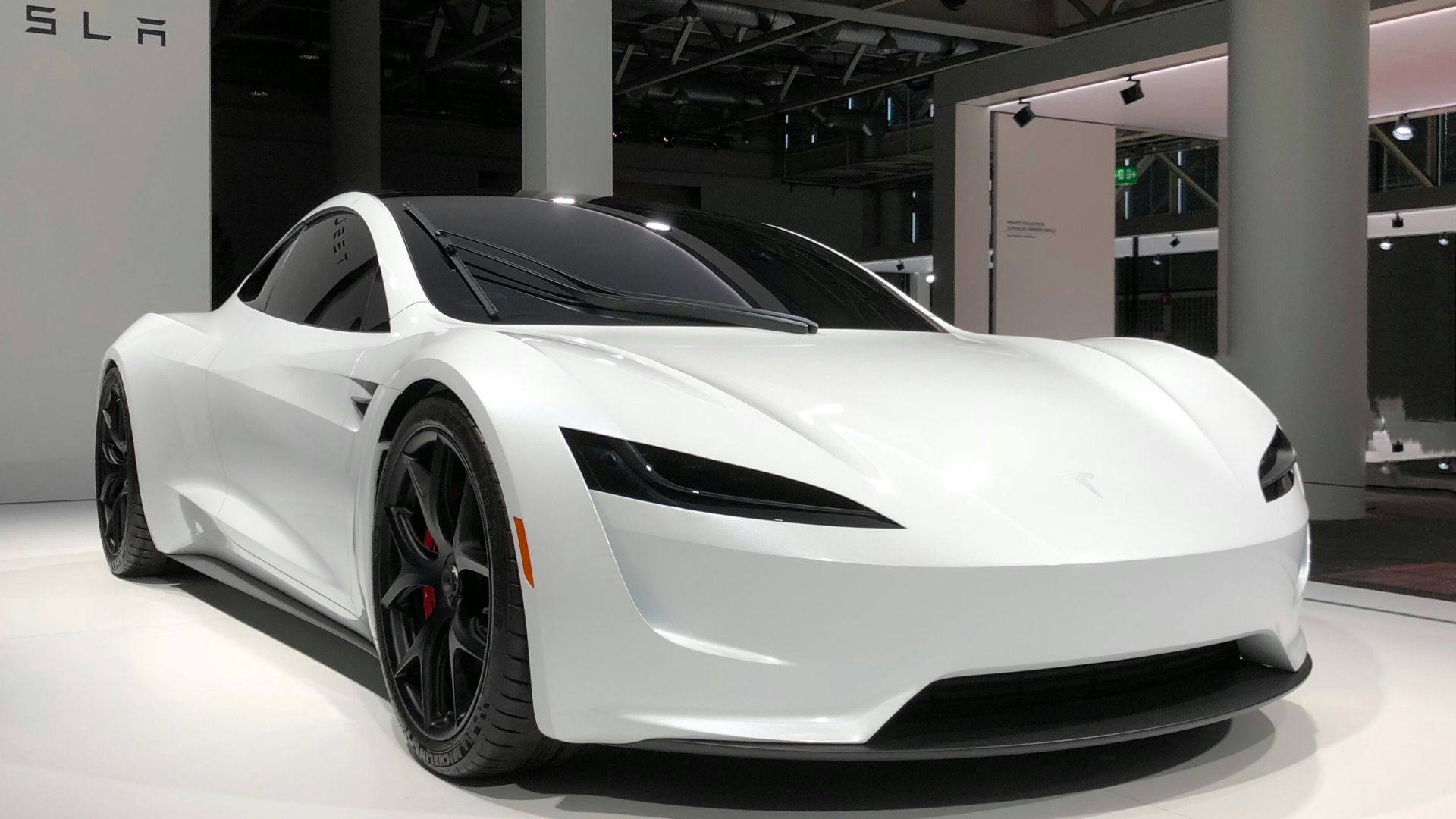
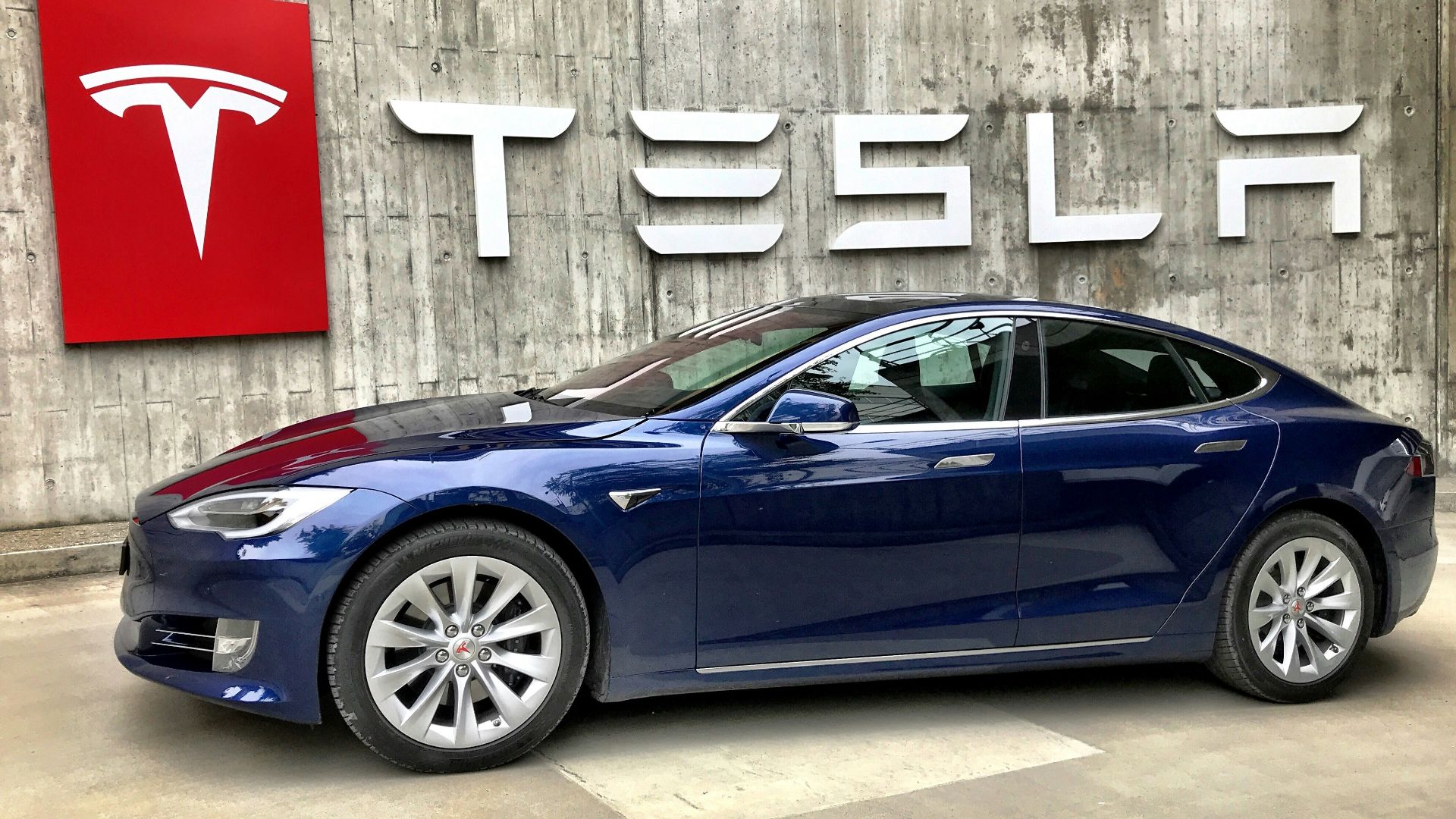 Tesla Fans Schweiz on Unsplash
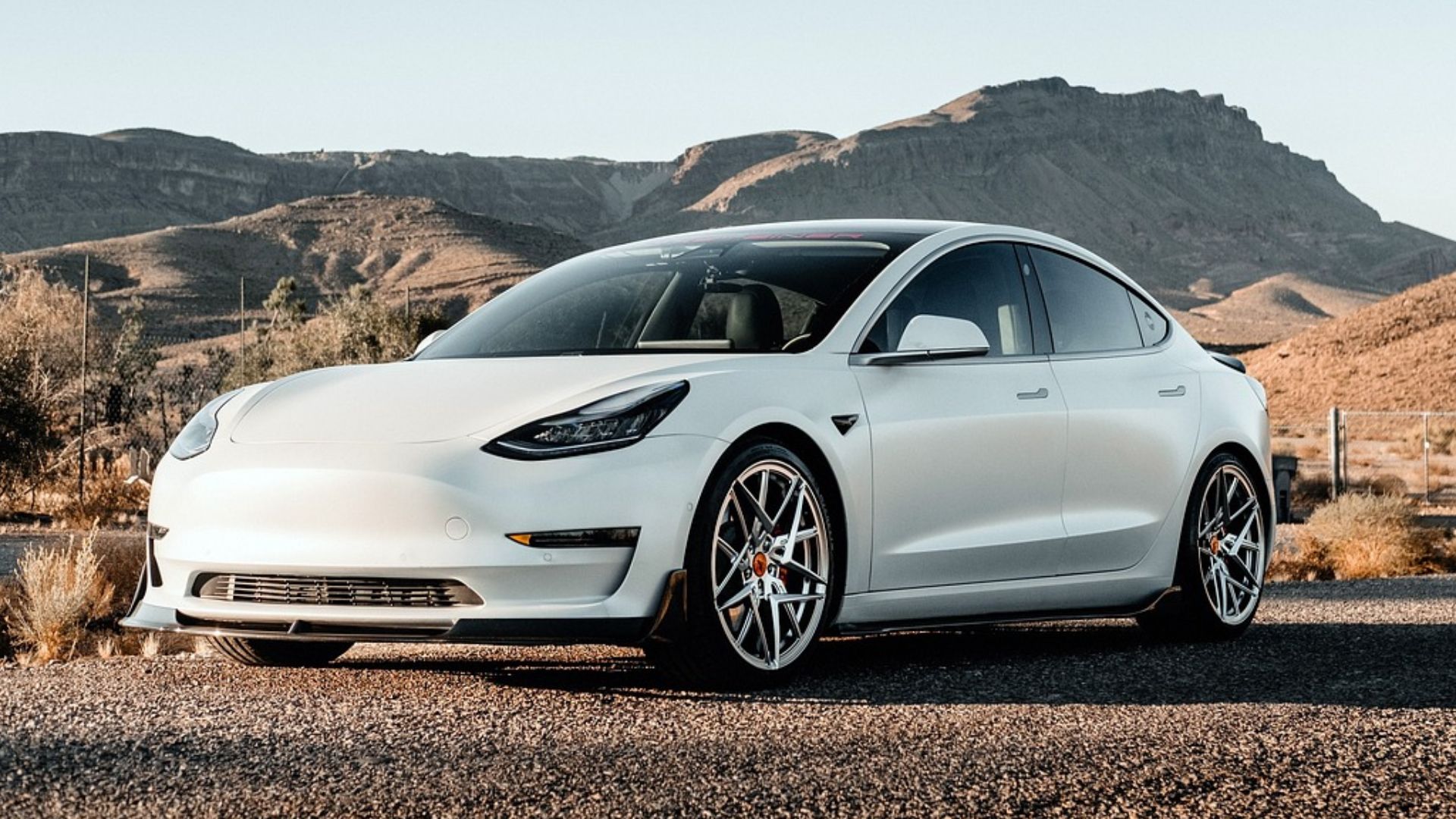
1. Uneven Panel Gaps
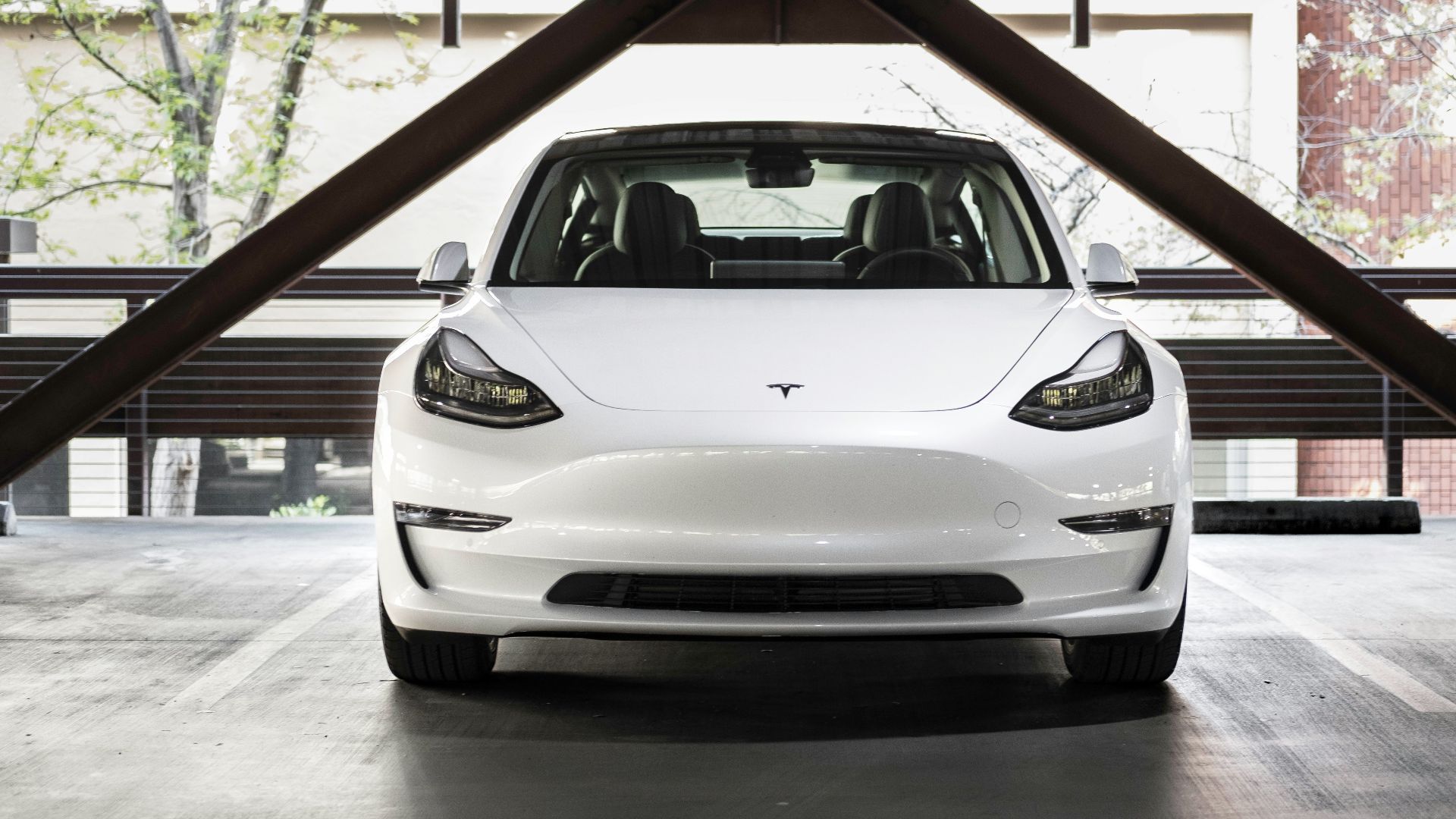
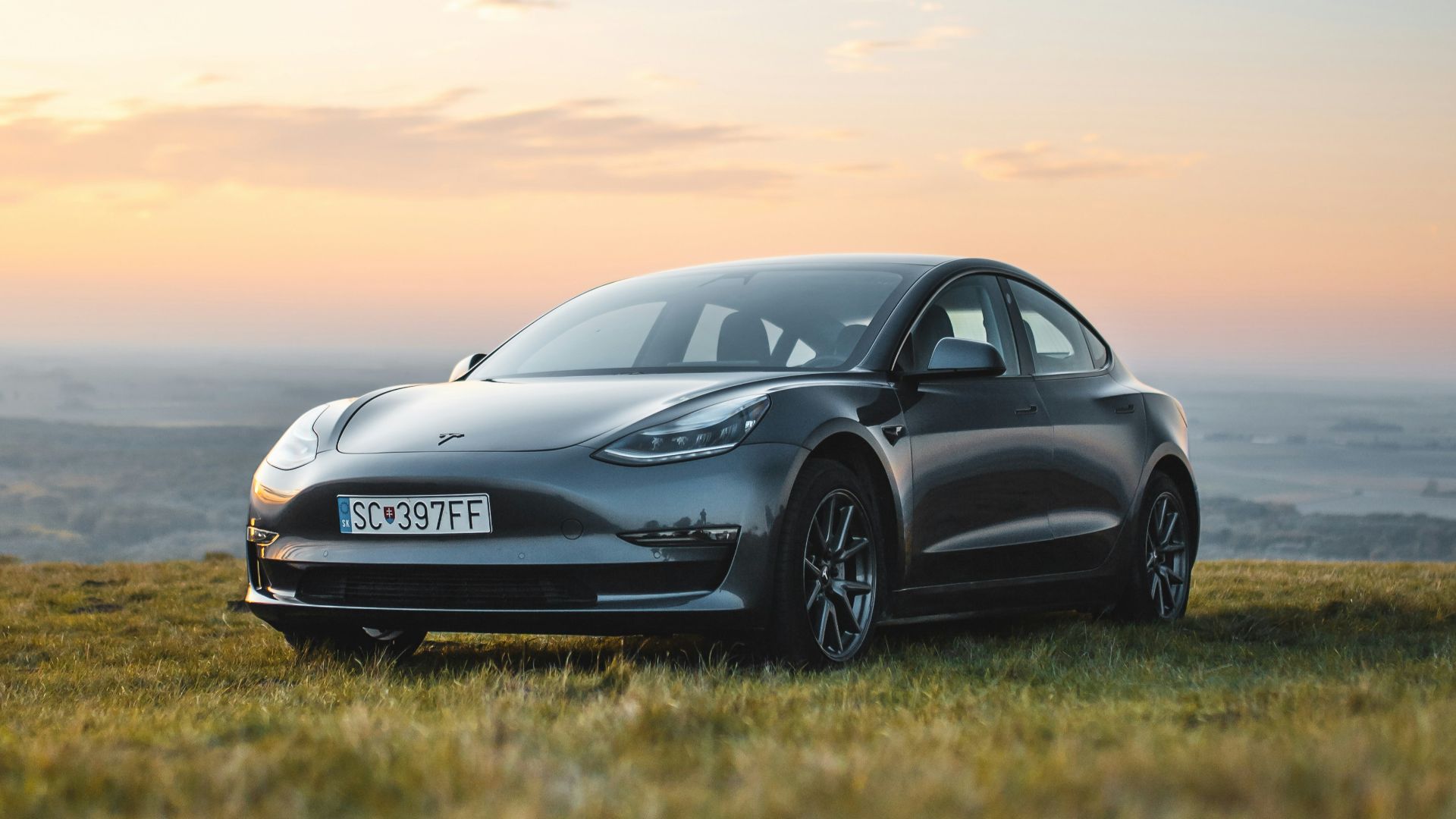
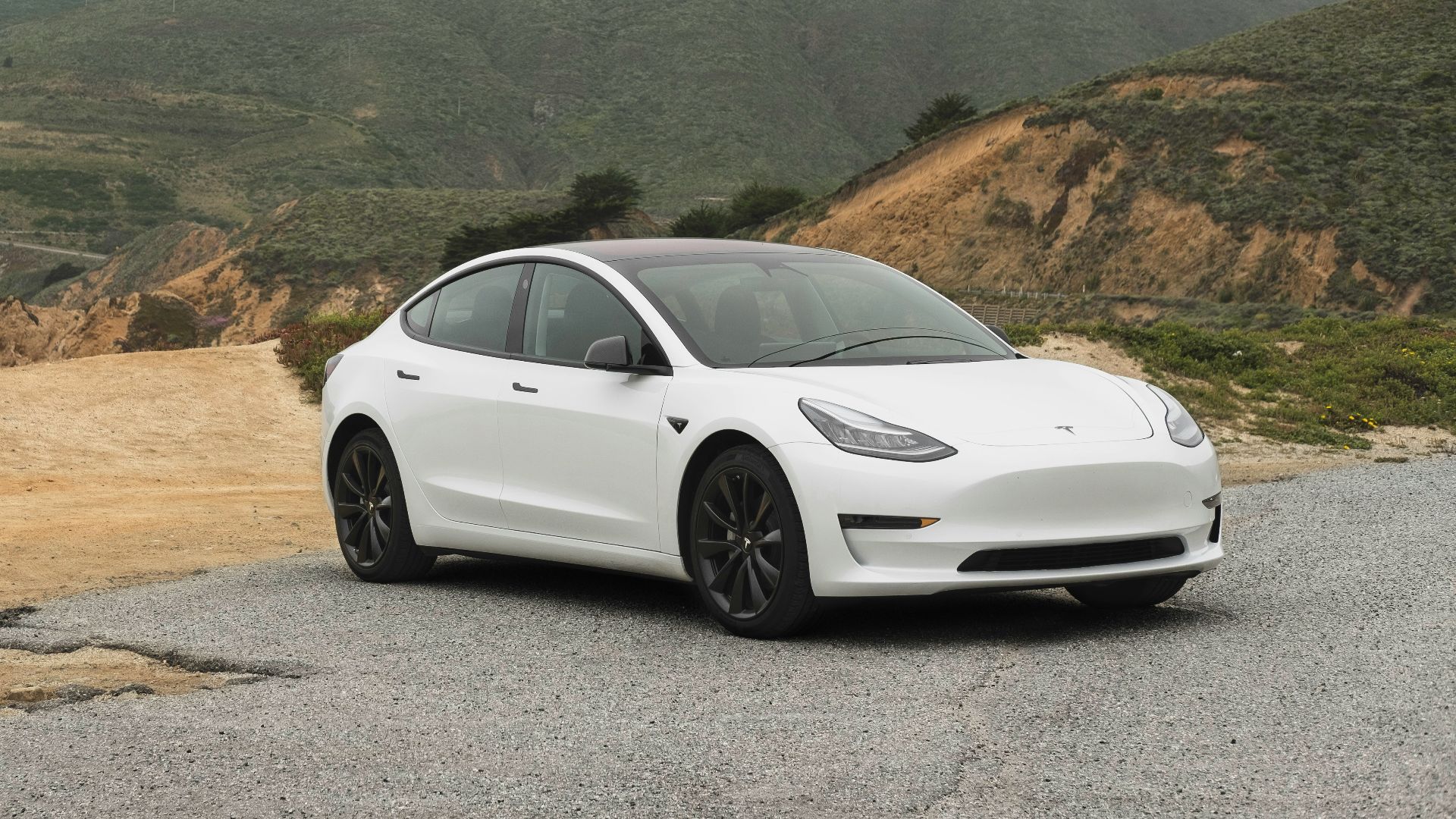
Tesla Model gaps have been the subject of complaints and reports for years. They’re also one of the first issues you’ll notice when checking out a Tesla in person. Panels that aren’t lined up evenly from one side of the car to the other can make an expensive car look cheap.
2. Paint That Doesn't Always Hold Up
Paint quality is another problem Tesla owners have noted, especially on some early Model 3 vehicles. Consumer Reports' reliability data includes reports of paint chipping, peeling, fading, and cracking, with some owners saying problems appeared surprisingly early. If you're inspecting a used Tesla, the paint deserves more attention than a quick glance from ten feet away.
3. Loose Interior Trim
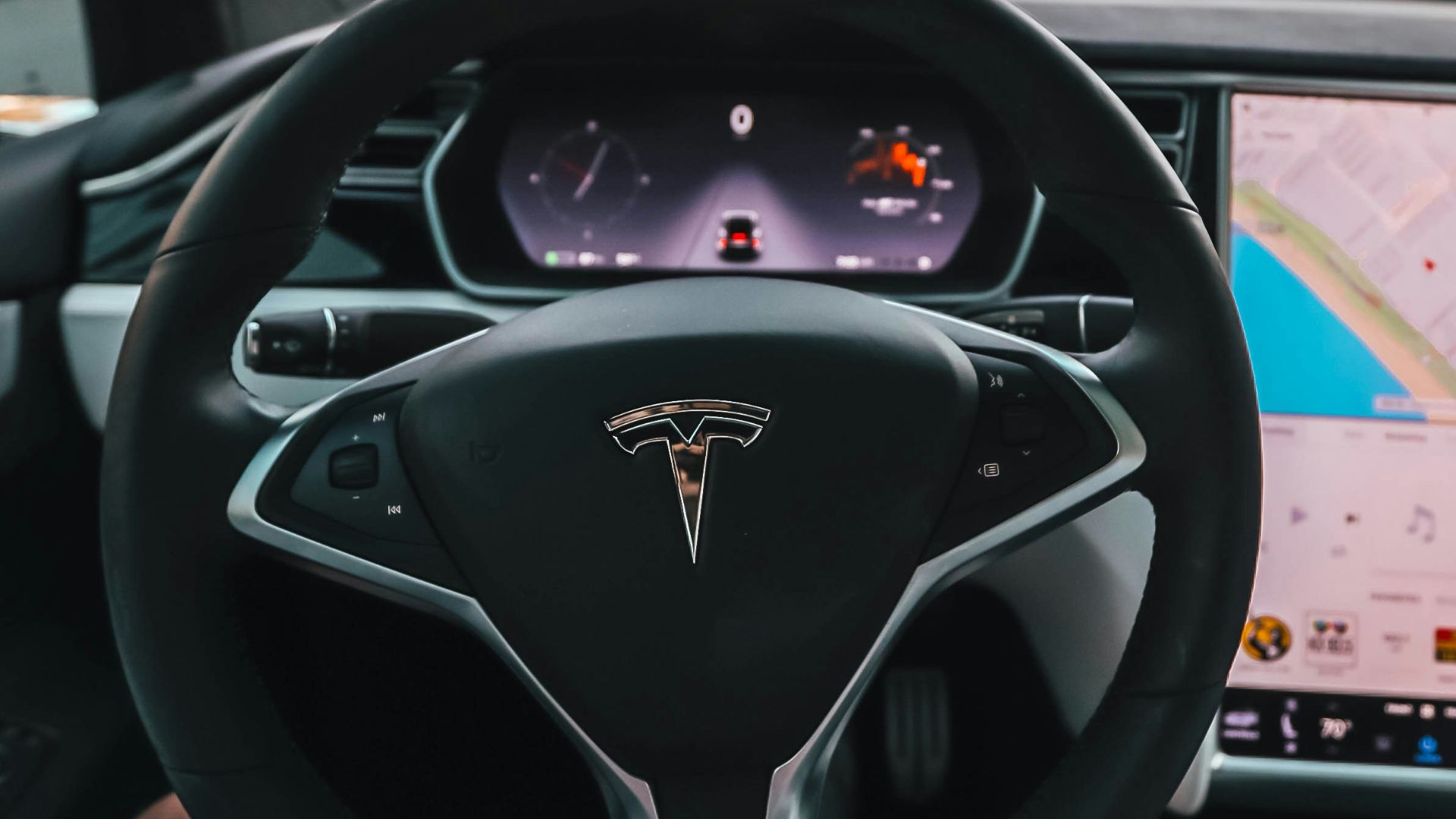
It doesn’t matter how fancy your interior looks if pieces of the interior start shifting around while you drive. Tesla owners have reported problems with loose or damaged trim, including door gaps around seats and other interior moldings. Loose interior/exterior trim is one area Consumer Reports continues to flag in its Tesla reliability records.
4. Persistent Dashboard Rattles
Does your new car have gremlins in the dash? Unexplained rattling sounds are among the many squeaks and rattles Tesla owners have reported coming from various areas of the cabins. Consumers also noted persistent dashboard rattles during its long-term Model Y test.
5. Wind Noise From Poor Sealing
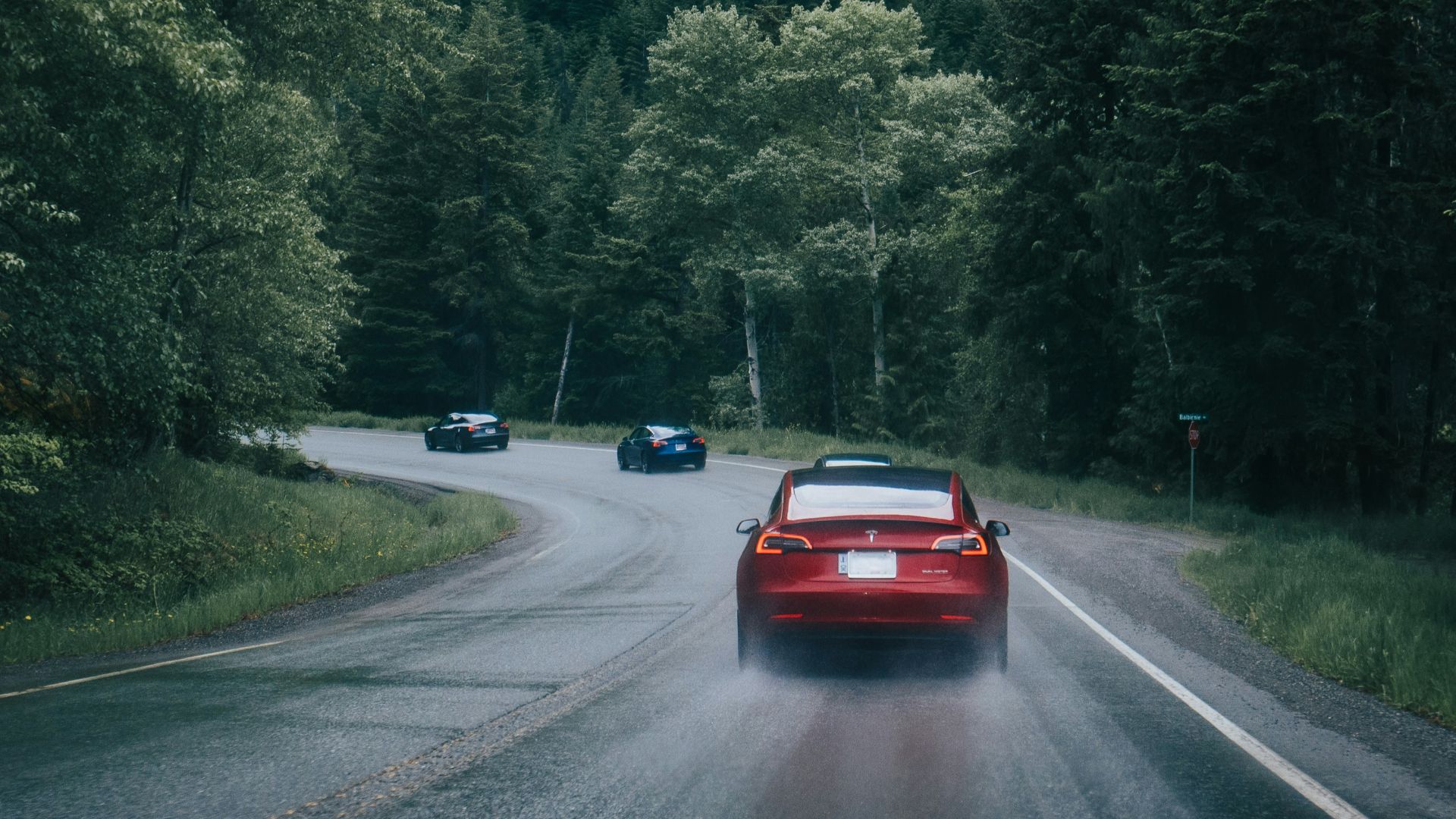
Tesla’s large frameless windows and expansive glass surfaces give problems with sealing plenty of places to occur. Some owners have complained about wind noise, while Consumer Reports noted what sounded like a whistle during its Tesla Model S review. Our reviewer eventually discovered it was due to a roof seal that was missing entirely.
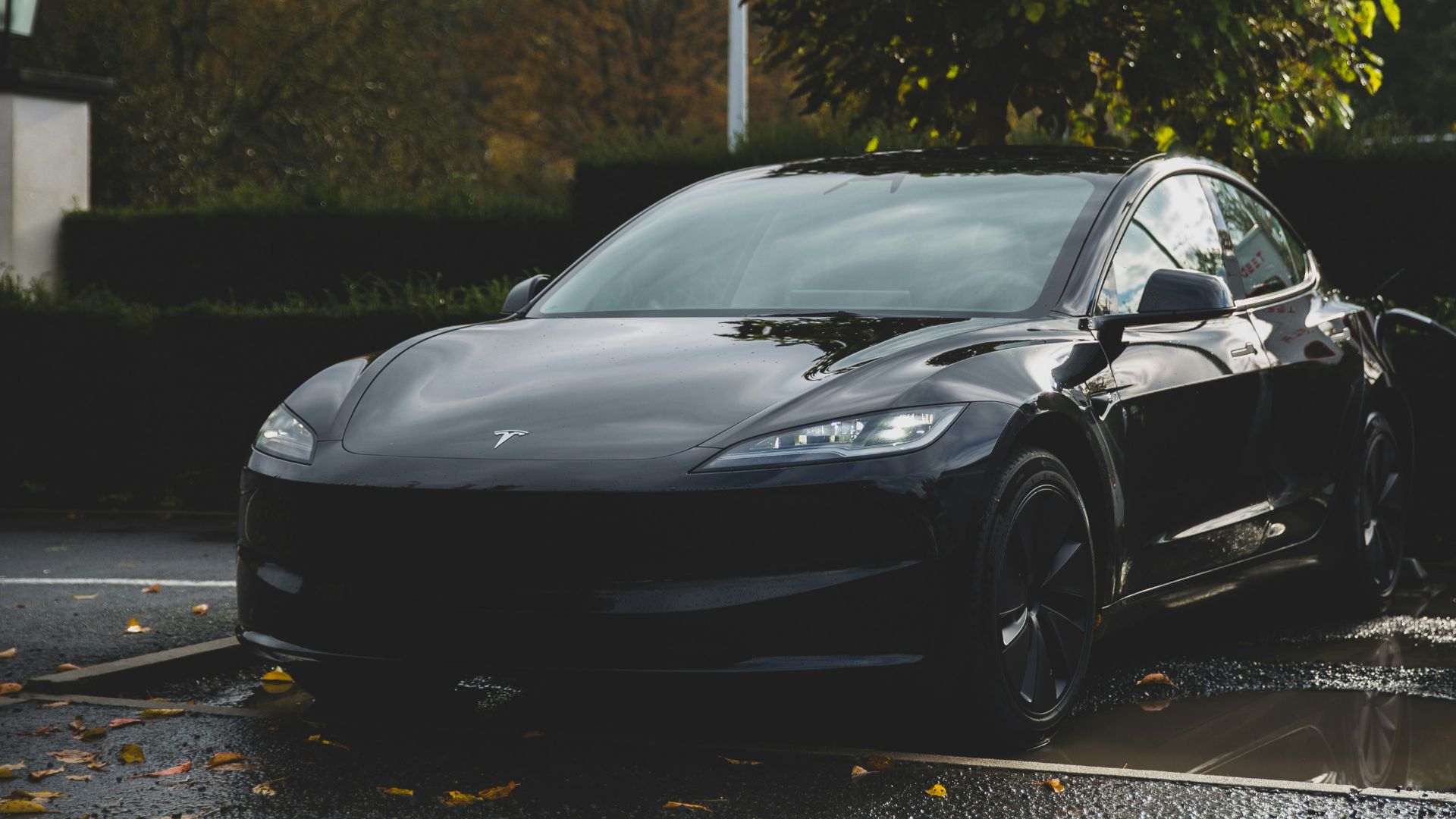
6. Water Leaks
Leaks aren’t something you want to discover after driving your used Tesla home from the dealer. CR’s Tesla reliability data includes consumer complaints about air and water leaks. This includes owners who said door-glass gasket seals appeared to be the culprit.
7. Glass Cracking
Tesla’s expansive glass areas are part of what makes the brand stand out. But they’ve also led to reports of cracking and other glass defects. Owners have told Consumer Reports about unexpected glass cracking on Model 3s, including rear windows and glass roofs.
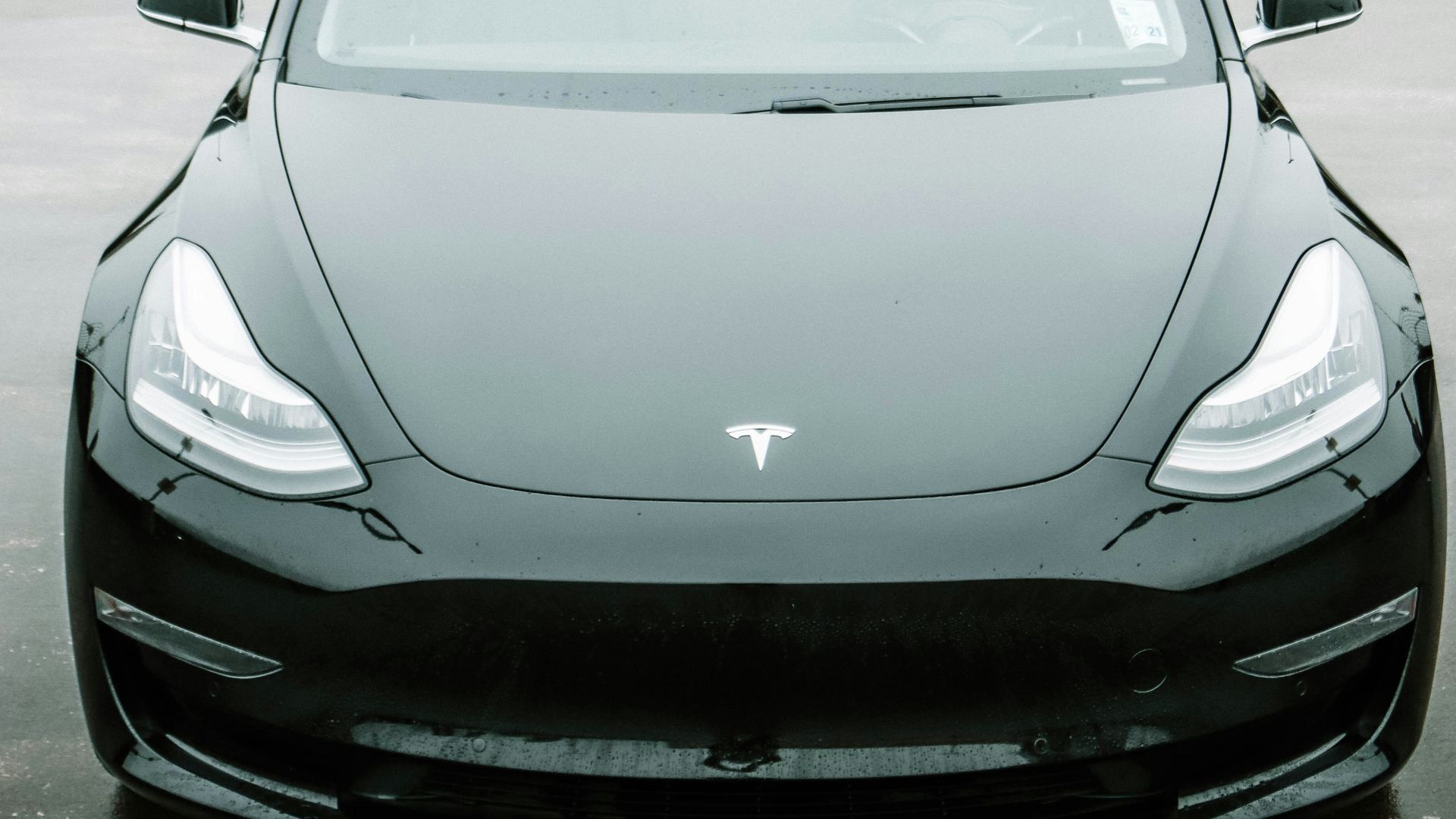
8. Misaligned Doors
Ideally, your door should fit neatly into its allotted space without you questioning if it was put there correctly. But some Tesla owners say they’ve received cars where doors weren’t aligned correctly right off the assembly line. You might even need to have the dealership come out and adjust them so they close properly.
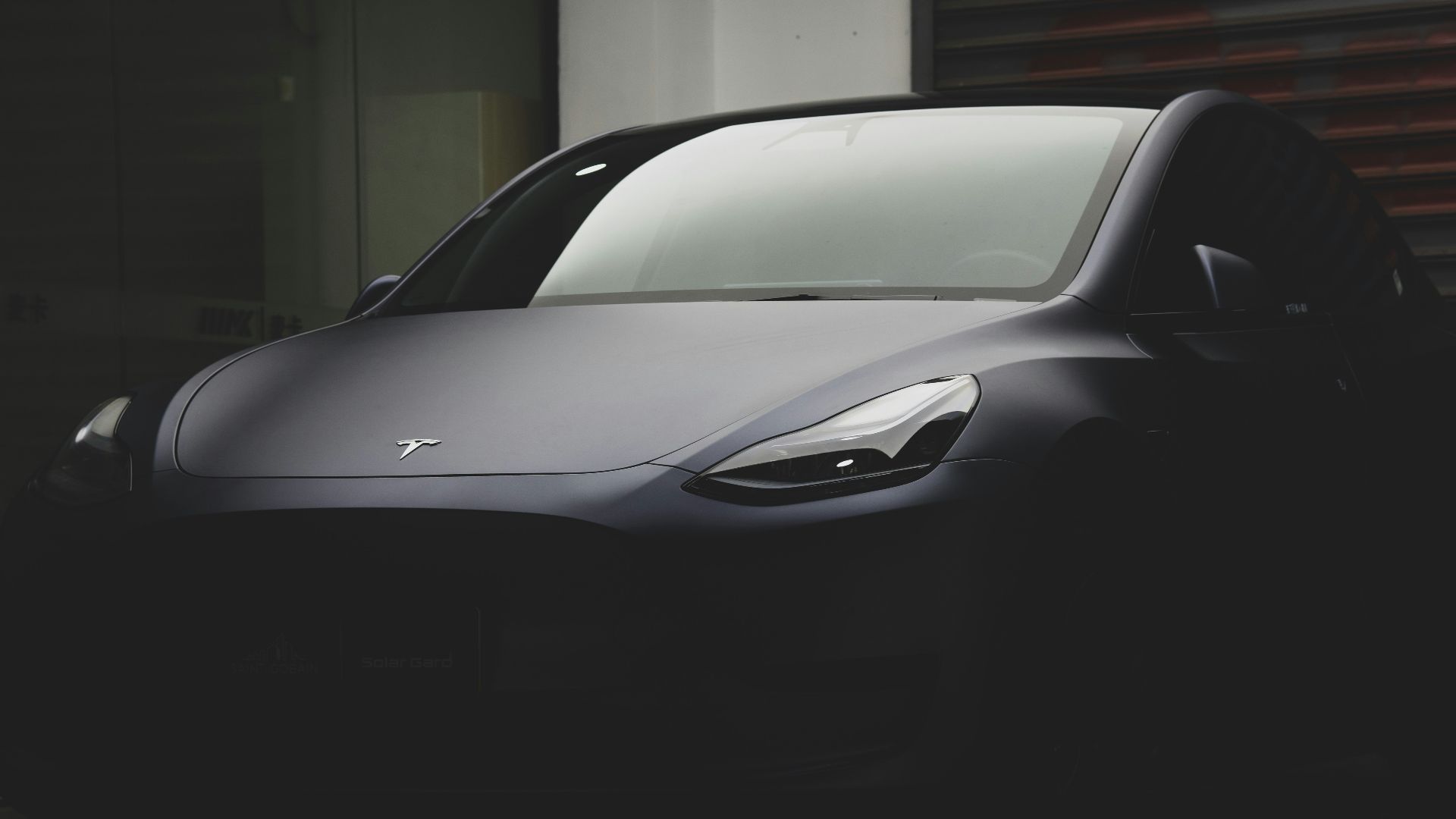
9. Hatch and Trunk Alignment
Large rear openings can reveal quite a bit about your vehicle’s assembly. Tesla owners have reported problems with their trunks and liftgates misaligning, as well as other bits of body hardware. When you're checking one out in person, opening and closing these panels can tell you plenty about how well the individual vehicle was put together.
10. Exterior Trim That Doesn't Stay Put
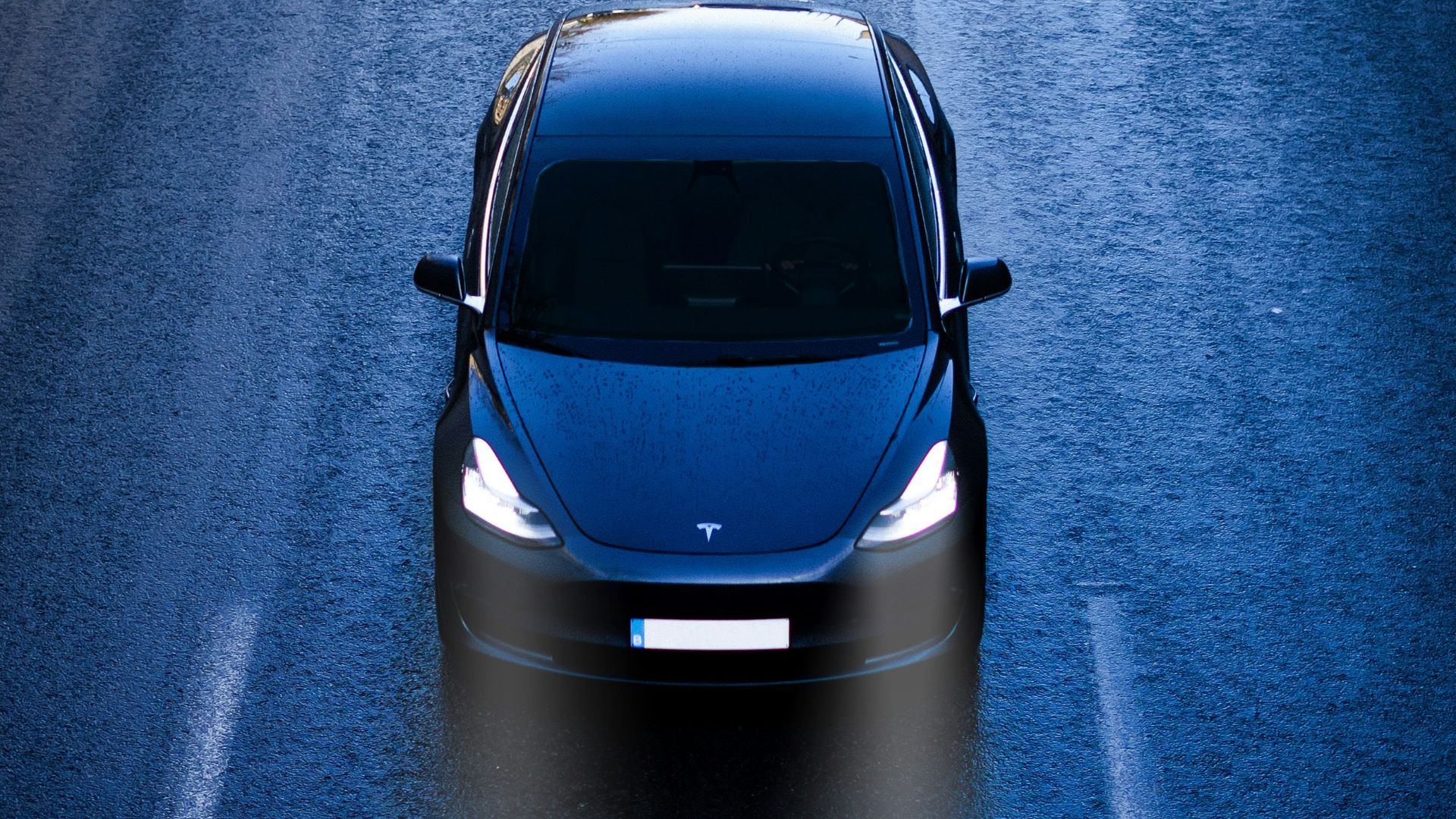
Door and other exterior trim should stay attached to your Tesla while you drive it. Road debris shouldn’t cause you to worry about small pieces of exterior trim falling off, either. It's an especially frustrating problem because something that looks purely cosmetic can eventually become a genuine repair concern.
11. Fragile-Looking Interior Materials
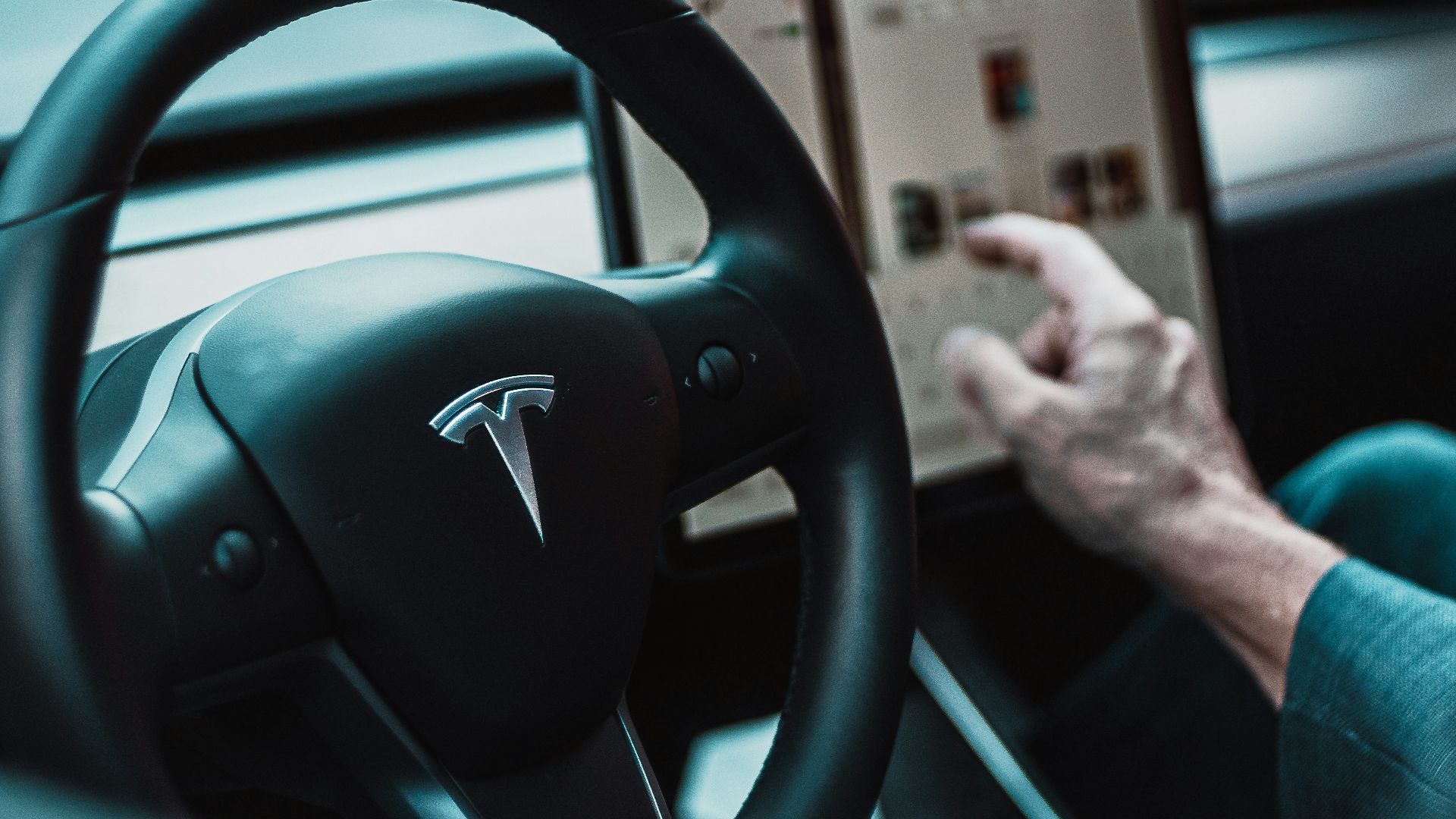
Tesla interiors often feel minimalist, which places more emphasis on individual pieces of trim and upholstery. Consumer Reports owners have noted problems with things like steering-wheel coverings being damaged during delivery and scratches on wheel caps. A minimalist interior can look incredible when it’s fresh off the factory floor.
12. Seats and Seat Hardware
Seats should feel sturdy and well put together every time you sit in them. Tesla owners have mentioned issues with seat-related components in their reliability submissions, however. That's the sort of issue enthusiasts should take seriously because basic structural and seating hardware shouldn't feel questionable on a new vehicle.
13. Frameless Window Problems
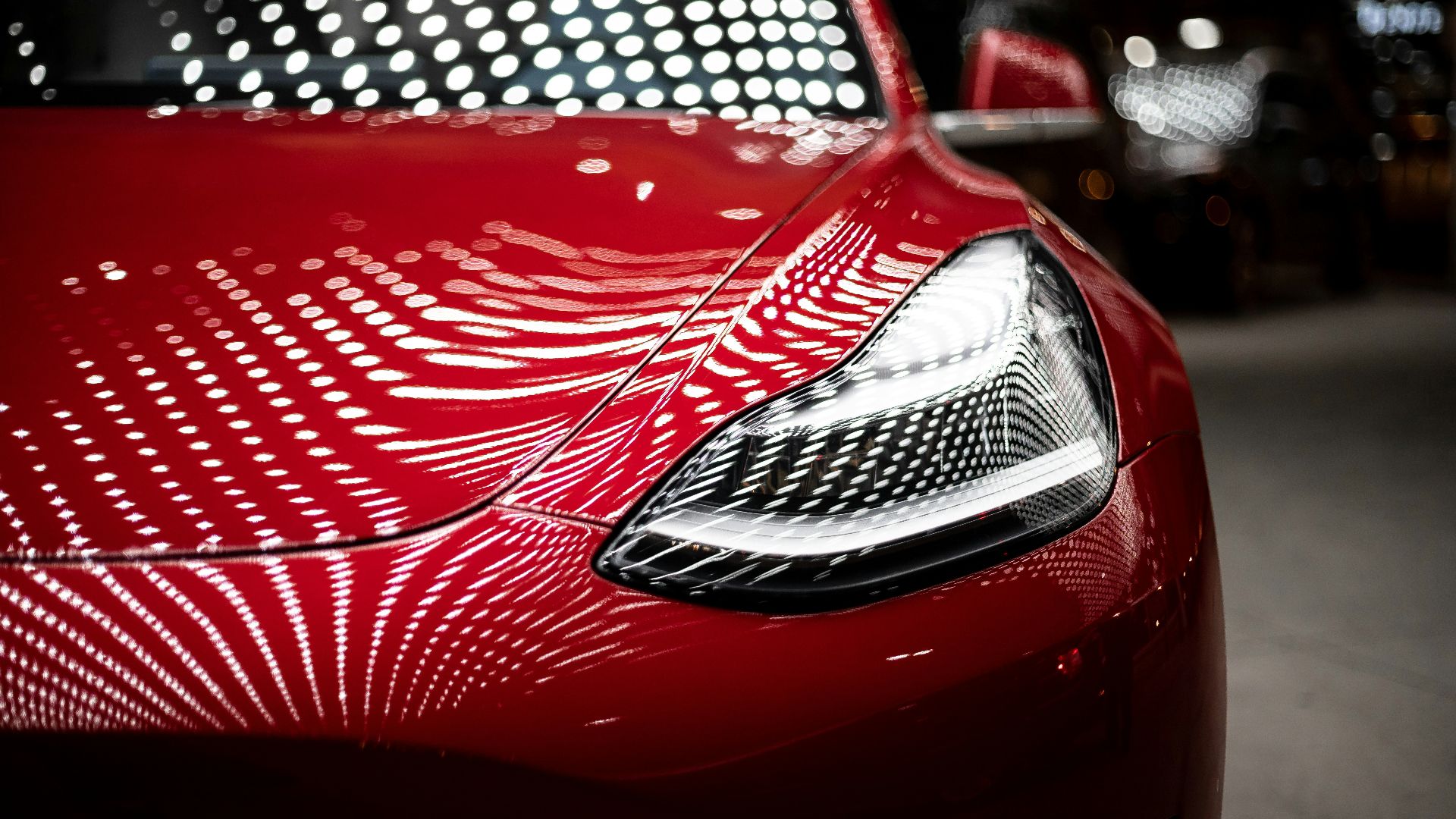
Tesla’s frameless windows are stylish but require exact alignment and sealing. Owners have reported window problems along with issues affecting seals, doors, and related body hardware. When the glass doesn't meet the surrounding seals correctly, you can end up with noise, leaks, or repeated adjustments.
14. Screen and Electronics Glitches
Some Tesla quality issues aren’t something you can poke at with your finger. Owners have submitted complaints to Consumer Reports about frozen touchscreens and other abnormal behavior that Tesla’s primary screens should never exhibit. Because Tesla puts so many vehicle functions onto screens, an electronic glitch can be much more noticeable than it would be in a car with conventional controls.
15. Climate-System Problems
Another frequently noted section of CR’s Tesla reliability roundup involves climate-system problems. Anything involving air-conditioning parts, fans, heating systems, refrigerant leaks, and more can show up here. When the vehicle depends heavily on sophisticated electronic and thermal systems, a relatively small component failure can quickly become an uncomfortable problem.
16. Charging-Related Hardware
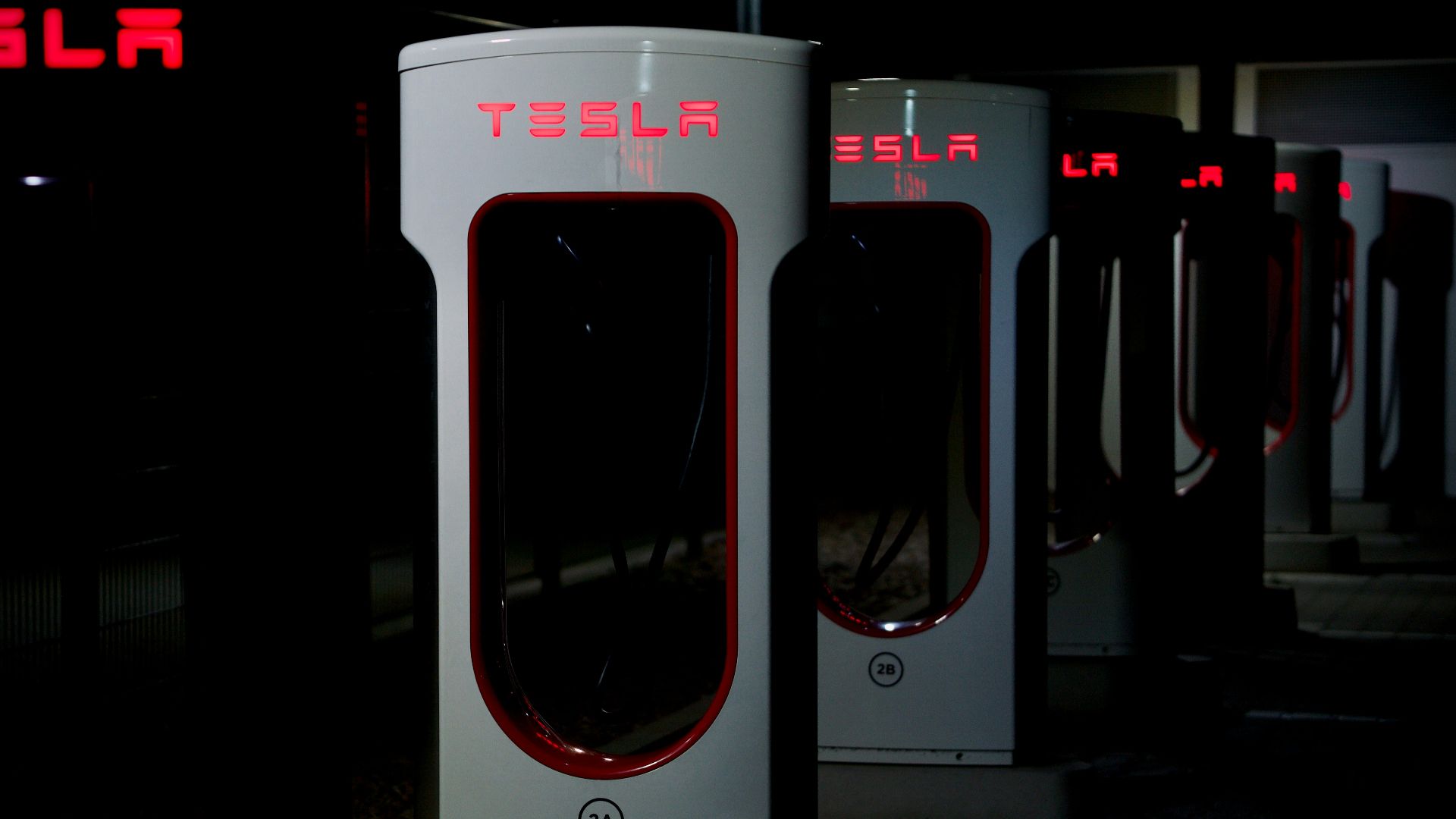
Because EVs rely exclusively on their charging systems, issues here are especially worthy of noting. Charging-related problems are included in Tesla’s reliability data, including vehicles that owners say refused to charge and issues with the charging port itself. If your EV won’t drive reliably, what good is it?
17. Suspension and Steering Complaints
Sure, Tesla acceleration and handling can blow your mind, but that doesn’t mean its suspension is immune to quality issues. Steering and suspension categories in CR’s reliability data include ball joints, various control components, alignment issues, wheel bearings, and more. Enthusiasts should note this category as well.
18. Repeated Service Visits
One annoying part about some build-quality issues isn’t always the problem itself. Sometimes it’s how many trips it takes to fix (or attempt to fix) the problem. A small problem becomes considerably more irritating when fixing it requires repeatedly returning to the service center.
 Tesla Fans Schweiz on Unsplash
19. Emergency Door-Release Concerns
Tesla's flush electronic door handles have recently faced particularly serious scrutiny. In August 2026, Chinese regulators initiated a recall affecting nearly 3 million Tesla vehicles over concerns that the handles could complicate emergency exits when electrical power is unavailable, with software and labeling changes planned as remedies. This isn't simply a cosmetic complaint about fit and finish.
20. Quality Can Vary From One Car to Another
Here’s one last thing to keep in mind when looking at a used Tesla. Build quality hasn’t always been consistent between cars. One owner may have years of problem-free ownership while another has gaps, rattles, paint problems, and repeated visits to the dealer.