A Checklist for Two Stressful Situations
Uh-oh. Whether you’ve just clipped a parked car (oops) or you’ve walked back to find damage on yours, how you deal with the situation matters. Instead of immediately pointing fingers and blowing the issue out of proportion, your goal should be to keep everyone safe, document what happened, and protect yourself financially and legally. Here are 10 things you should do after you've hit a parked car, and what to do if you're the one with the scratched paint.
1. Leave & Examine the Scene Safely
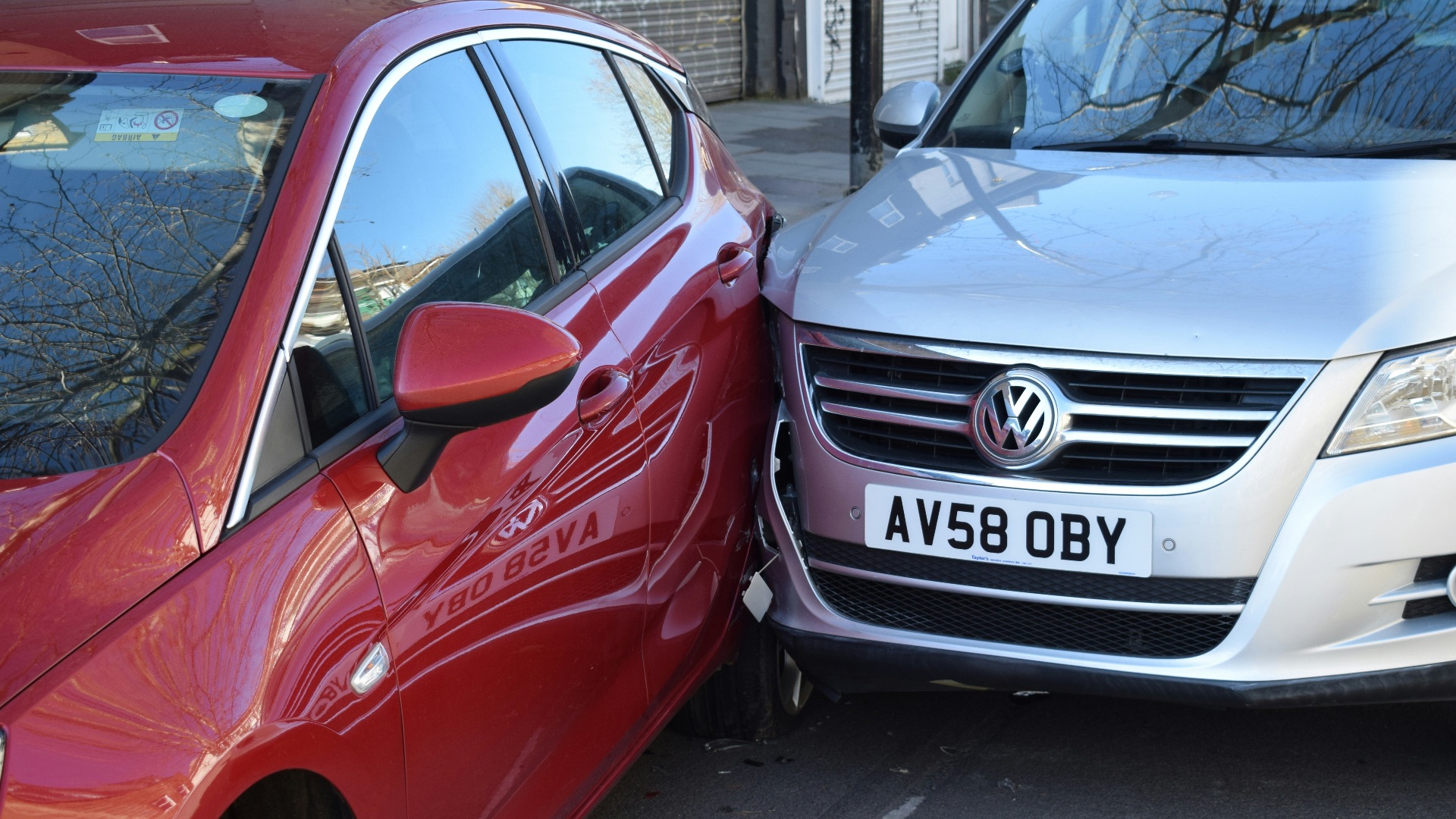
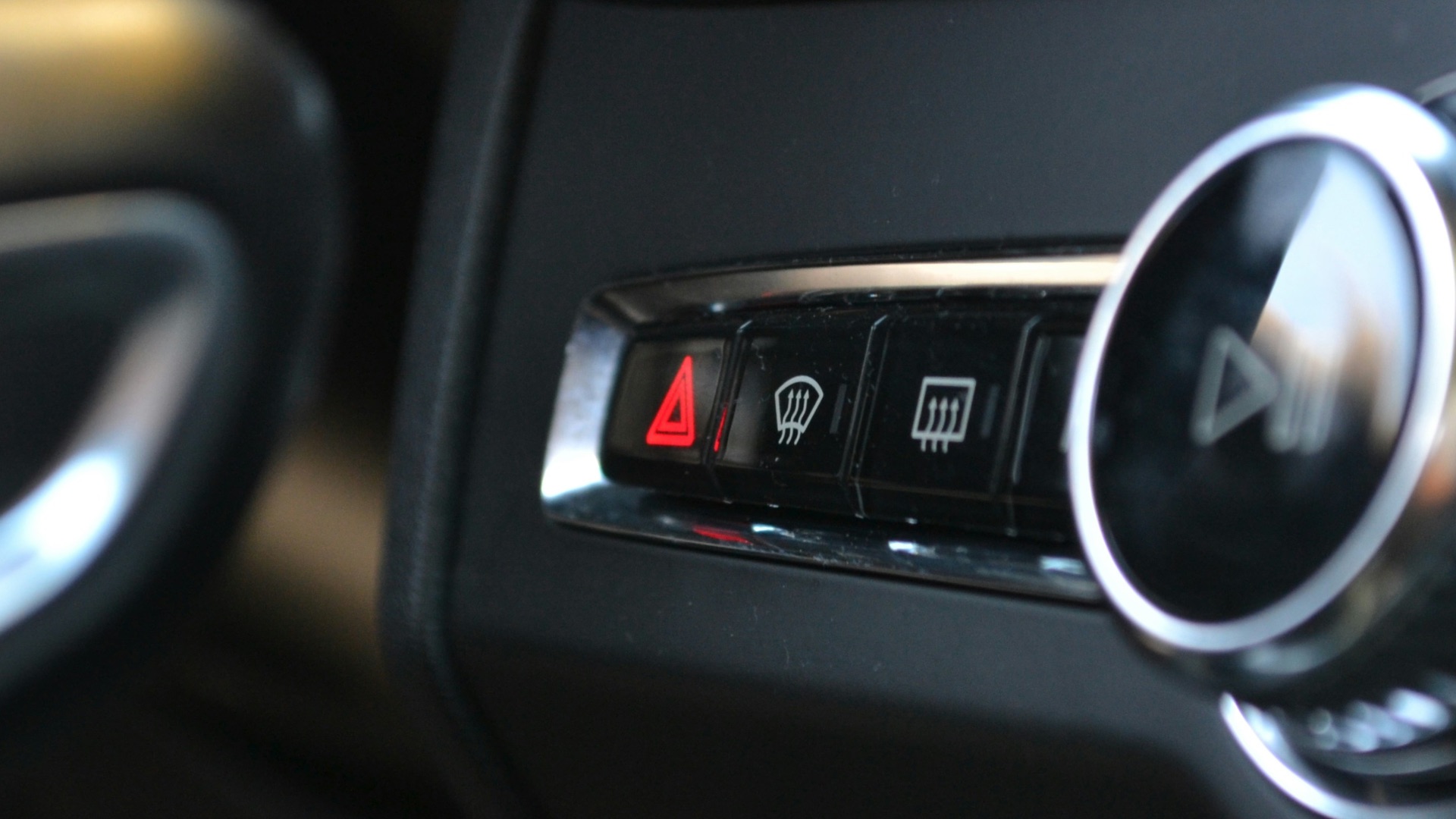
If you hit a parked car, do not drive off, even if the damage looks small. Pull over nearby where you’re not blocking traffic and turn on your hazard lights before getting out to examine the scene. Leaving without taking responsible steps can turn a minor incident into a serious legal problem.
2. Check for Injuries & Any Immediate Hazards
Even when the other car is parked, there may be pedestrians, cyclists, or passengers nearby who could be hurt. Look around for anyone who might have been affected, and scan for hazards like leaking fluid, smoke, or objects that have been knocked down. If there’s any sign of injury or danger, call 911 right away. It’s better to overreact to safety than underreact and make things worse.
3. Document the Situation Before Anything Changes
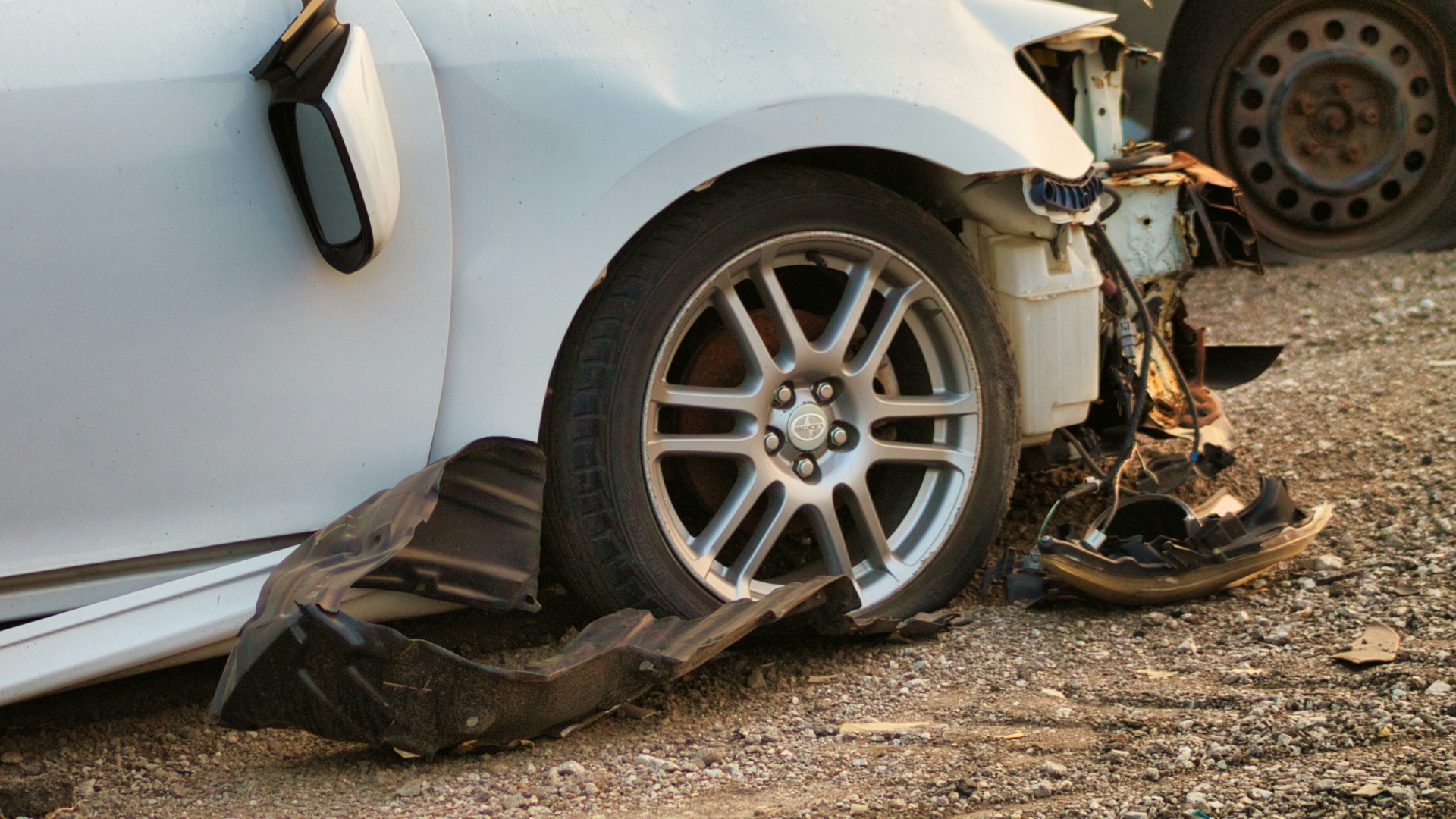
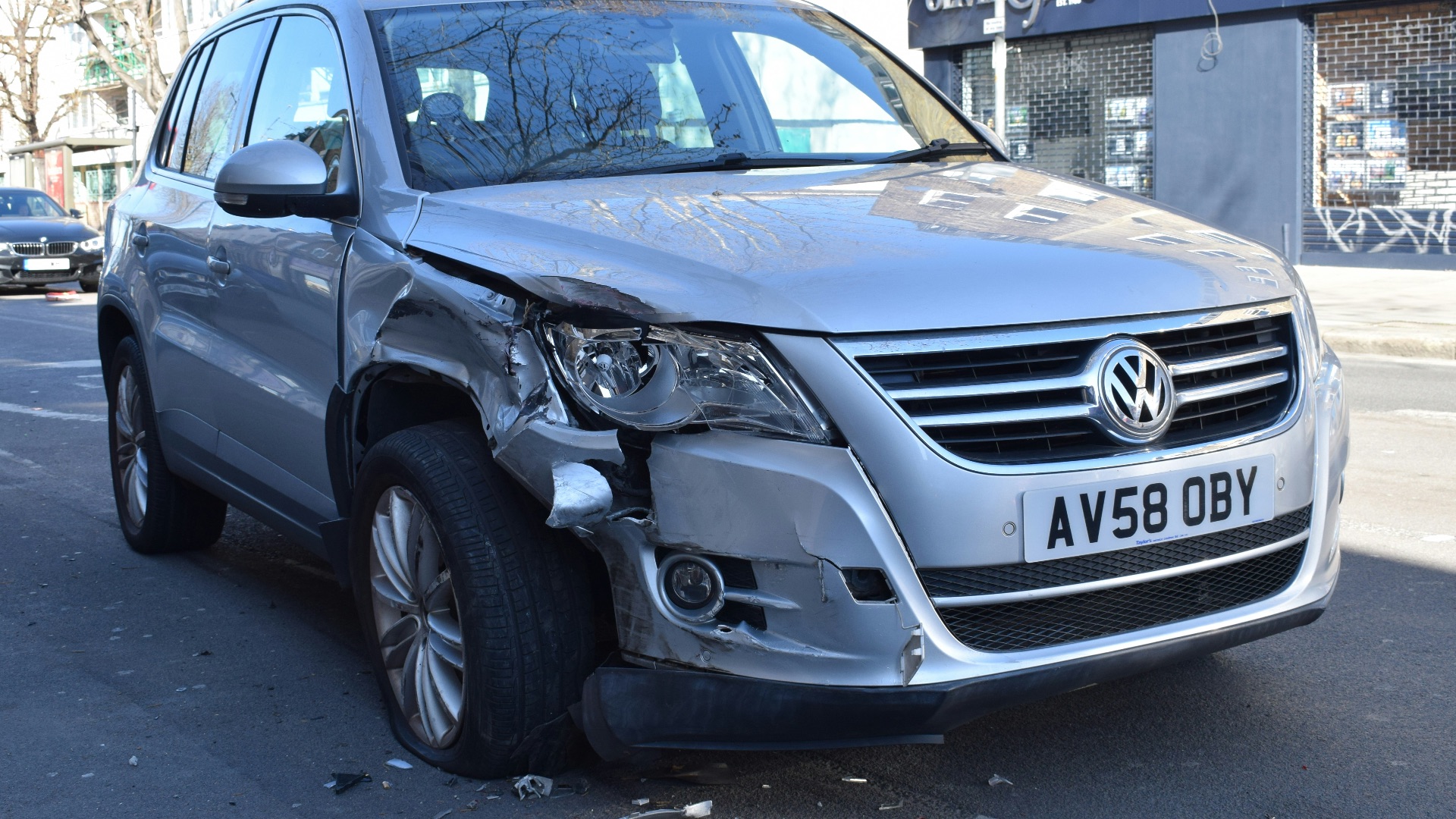
Use your phone to take clear photos from multiple angles, including both vehicles and the surrounding area. Capture wide shots that show where the cars are positioned, plus close-ups of damage, debris, and any identifying details. If the parked car is near a driveway, intersection, or posted sign, photograph those, too. These details can matter later if there’s disagreement about what happened.
4. Leave a Detailed Note
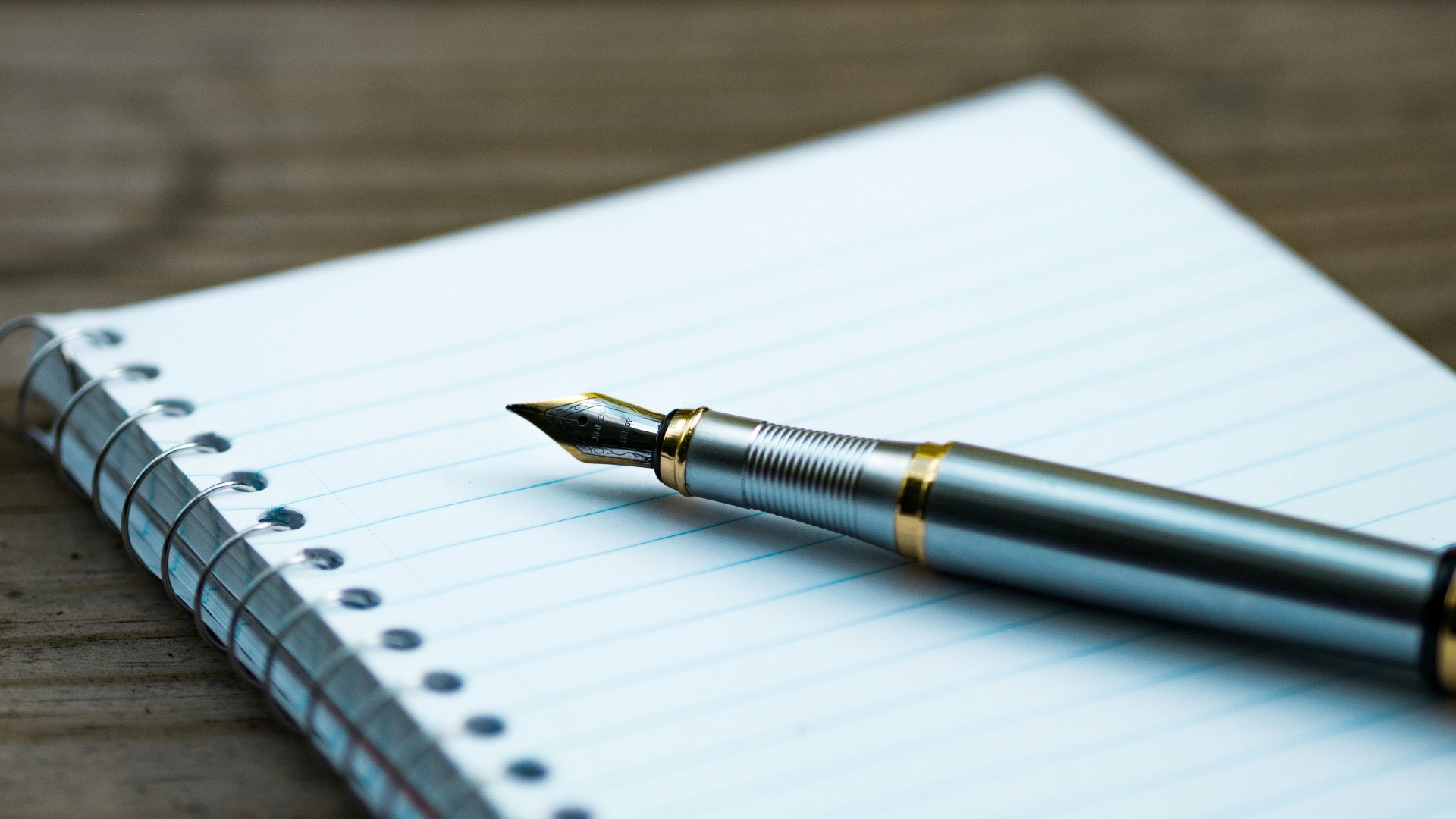
If the owner isn’t present, you still need to provide your information in a way they can use. Write your name, phone number, address, and insurance details, along with a brief explanation and the time you hit the car. Place the note somewhere secure, like under the windshield wiper, and consider taking a photo of the note in place. A vague note or missing details can look suspicious and create conflict.
5. Try to Locate the Owner
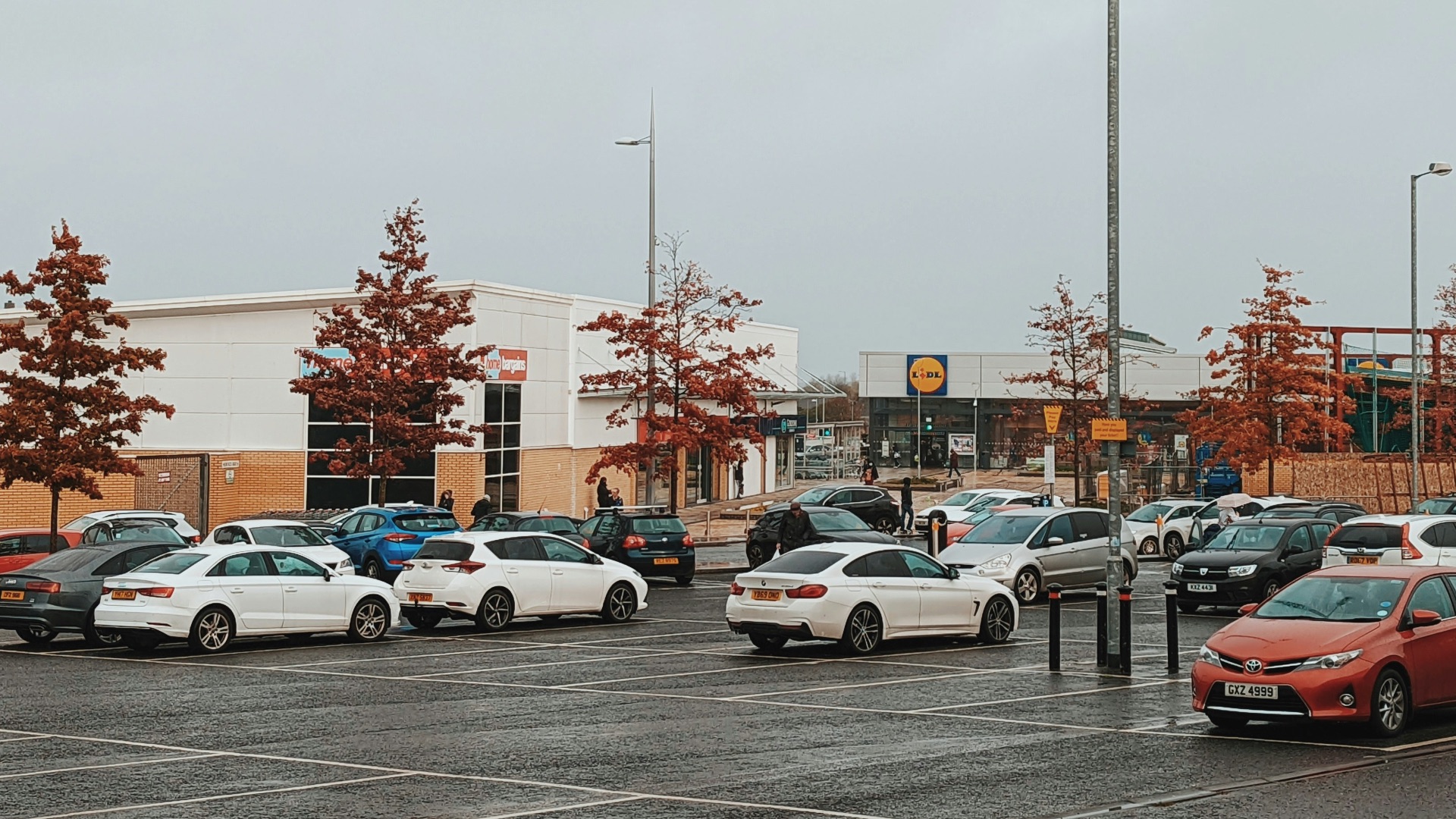
If you’re in a parking lot, you can ask a nearby business to make an announcement or check whether the vehicle belongs to an employee. Keep it polite and low-key so you don’t draw unnecessary attention or invite random opinions from strangers. If the owner shows up, stay calm and focus on exchanging information. Aim for cooperation.
6. Exchange the Right Information & Keep It Factual
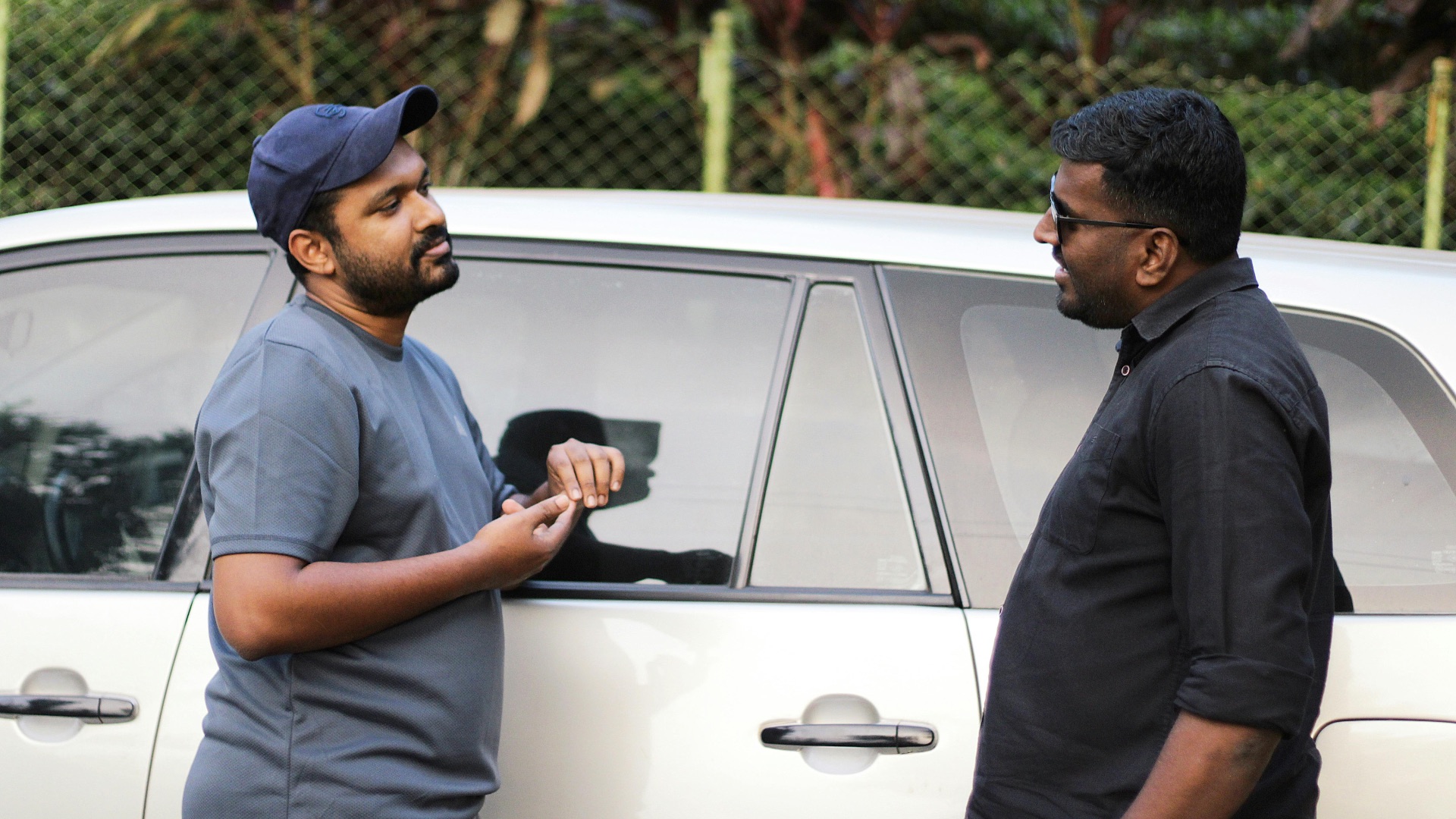
If you meet the owner, share your driver’s license, insurance card, and contact details. Stick to the facts about what occurred and avoid guessing about costs or causes. Don’t argue or go too into detail about specifics at the moment, because that’s what insurance adjusters are for. A simple, respectful exchange keeps the situation from escalating.
7. Consider Calling Police Depending on Location & Damage
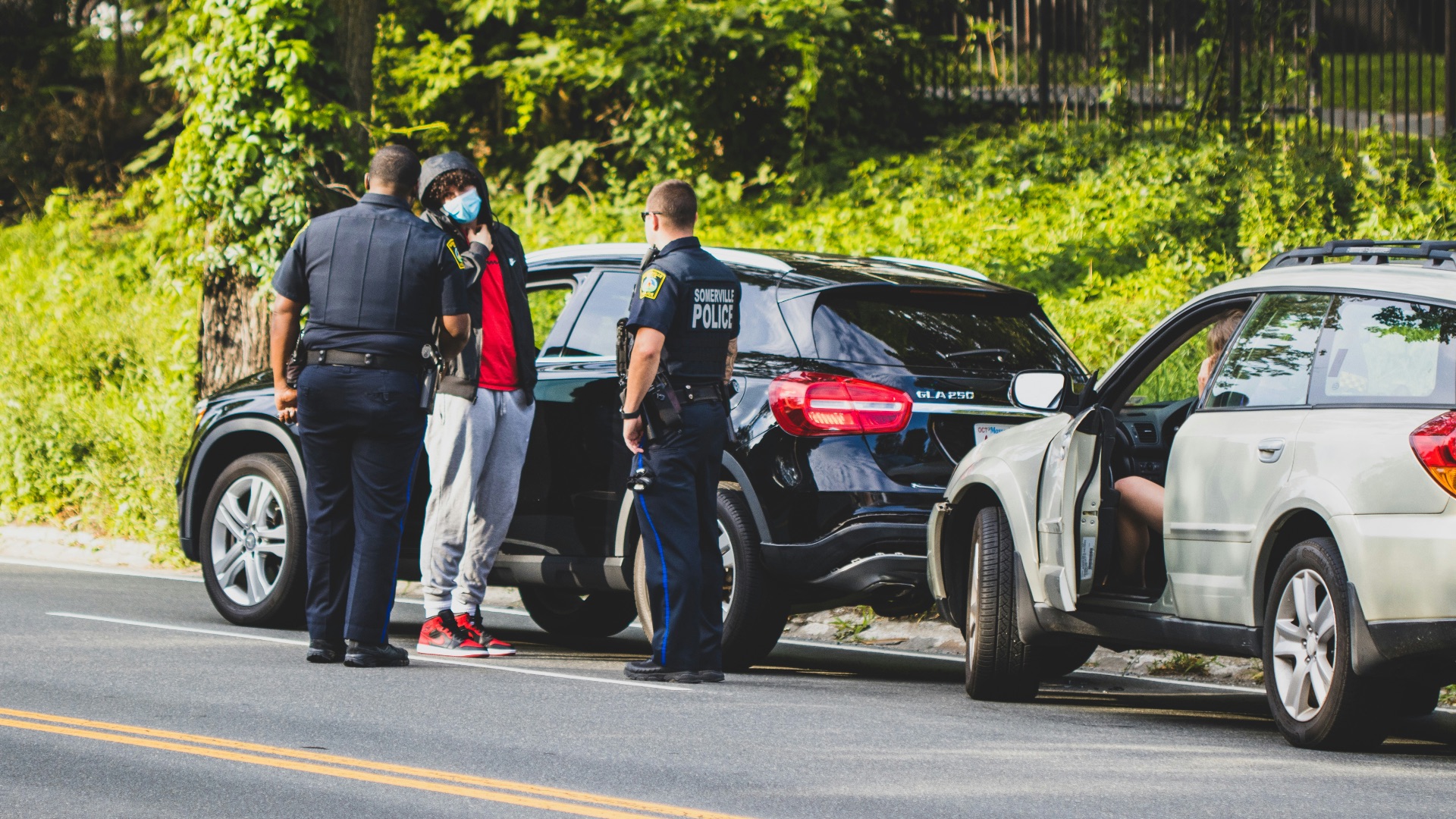
Some states or localities require reporting even for property damage, and certain parking facilities also have reporting rules. If there’s significant damage, a disputed account, or anything that feels off, a police report can help straighten things out.
8. Prepare Details & Notify Your Insurer Promptly
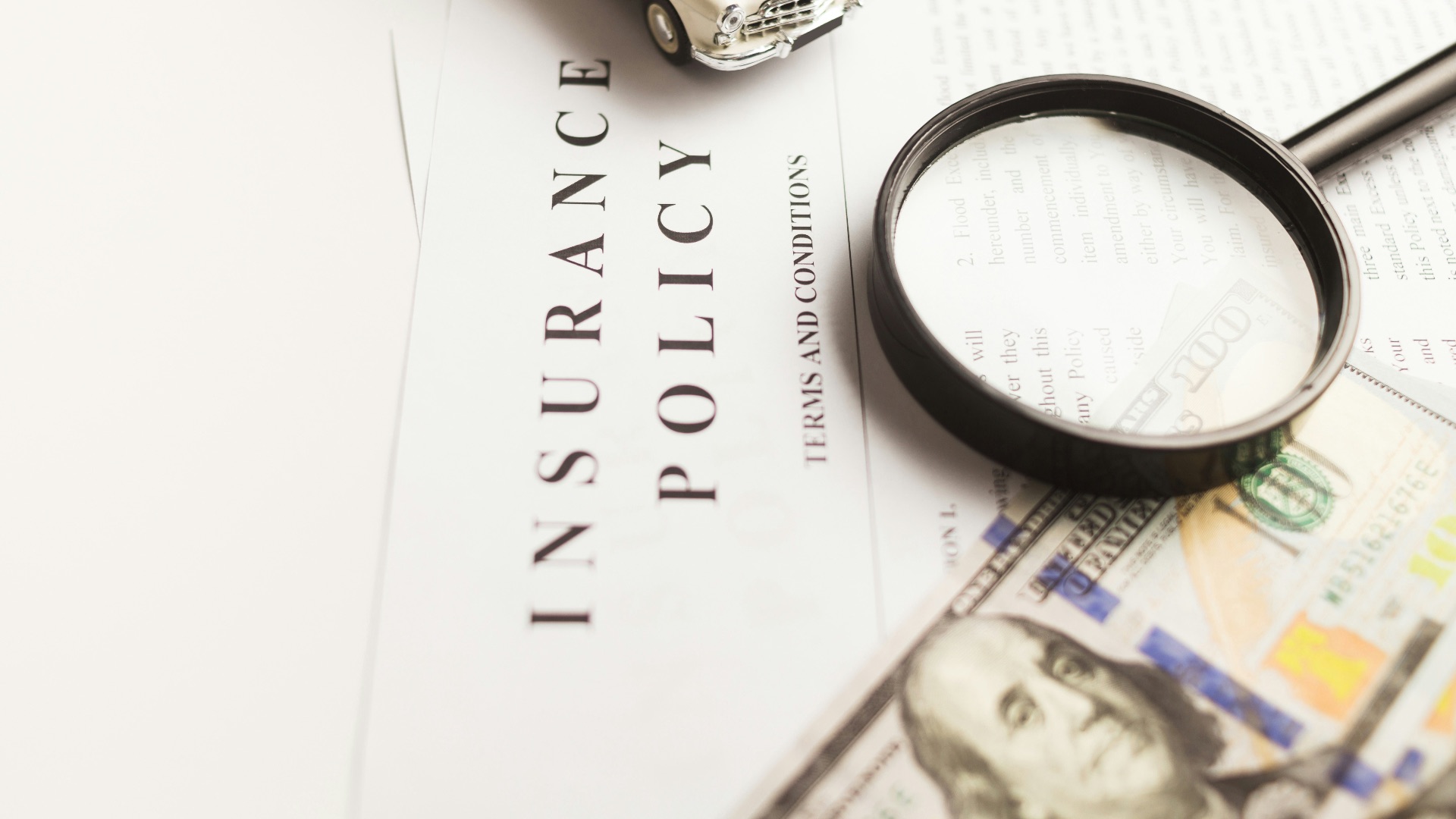
Quick reporting helps prevent delays and reduces the odds of coverage disputes, so contact your insurance company as soon as you can, even if you expect the other owner to handle it directly. Have your photos, the location, and the other vehicle’s information ready so the call stays straightforward. Be honest and specific about what you know, and avoid adding assumptions.
9. Don’t Fix Privately with Cash Unless You’re Comfortable
A cash arrangement can sound simple, but it can also go sideways if hidden damage or issues appear later. If you do consider it, get the agreement in writing with names, dates, and the amount paid, and keep copies of everything. Never hand over cash without at least basic documentation and identification.
10. Preserve Your Own Evidence & Notes While It’s Fresh
After you’ve handled the basics, write down what you remember, including weather, lighting, and anything that influenced visibility. Note the time, the direction you were traveling, and how you noticed the impact, then save your photos and any messages with the owner in a dedicated folder. Clear records can protect you if the story changes later.
Now that you have an idea of how to better prepare if you hit a parked vehicle, let's jump into what you should do if you're the one who suffered damage.
1. Look for Safety Issues Before Even Starting the Car
If you return to your car and see damage, don’t immediately drive off. Check whether a tire looks flat, a light is hanging, or fluid is leaking, because driving could make the problem dangerous. If you’re in a risky location, move to a safer nearby spot if the car is clearly drivable. When in doubt, call for roadside assistance.
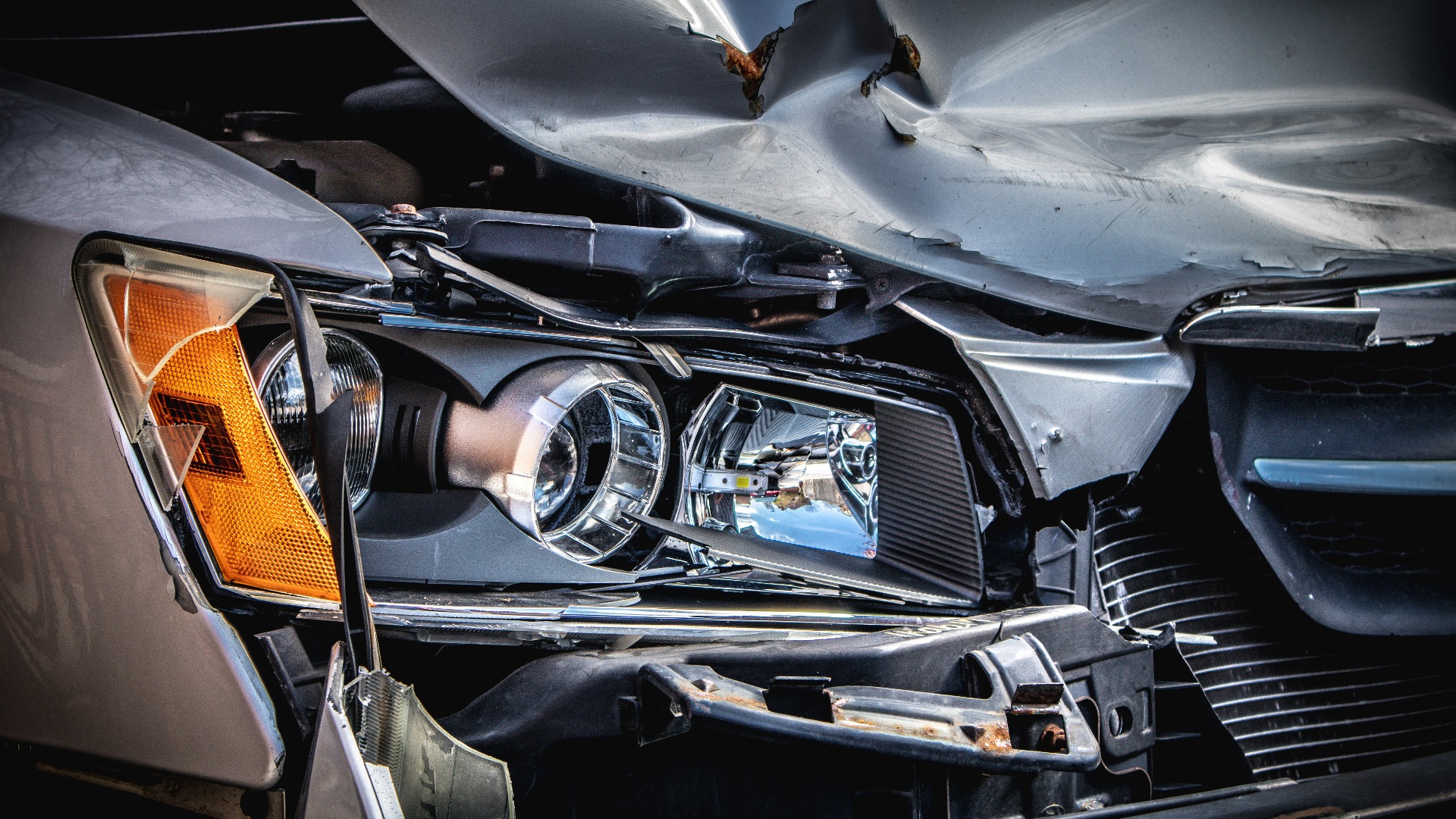 Clark Van Der Beken on Unsplash
2. Take Photos That Show Damage & Context
Start with wide shots that show where your car is parked and what’s around it, then zoom in for close-ups. Photograph paint transfer, broken plastic, dents, and anything on the ground littered around your vehicle. If there are security cameras on buildings or light poles, take a photo that shows their location relative to your car. Thorough documentation makes it easier to file a strong claim later.
3. Check for a Note & Don’t Toss It
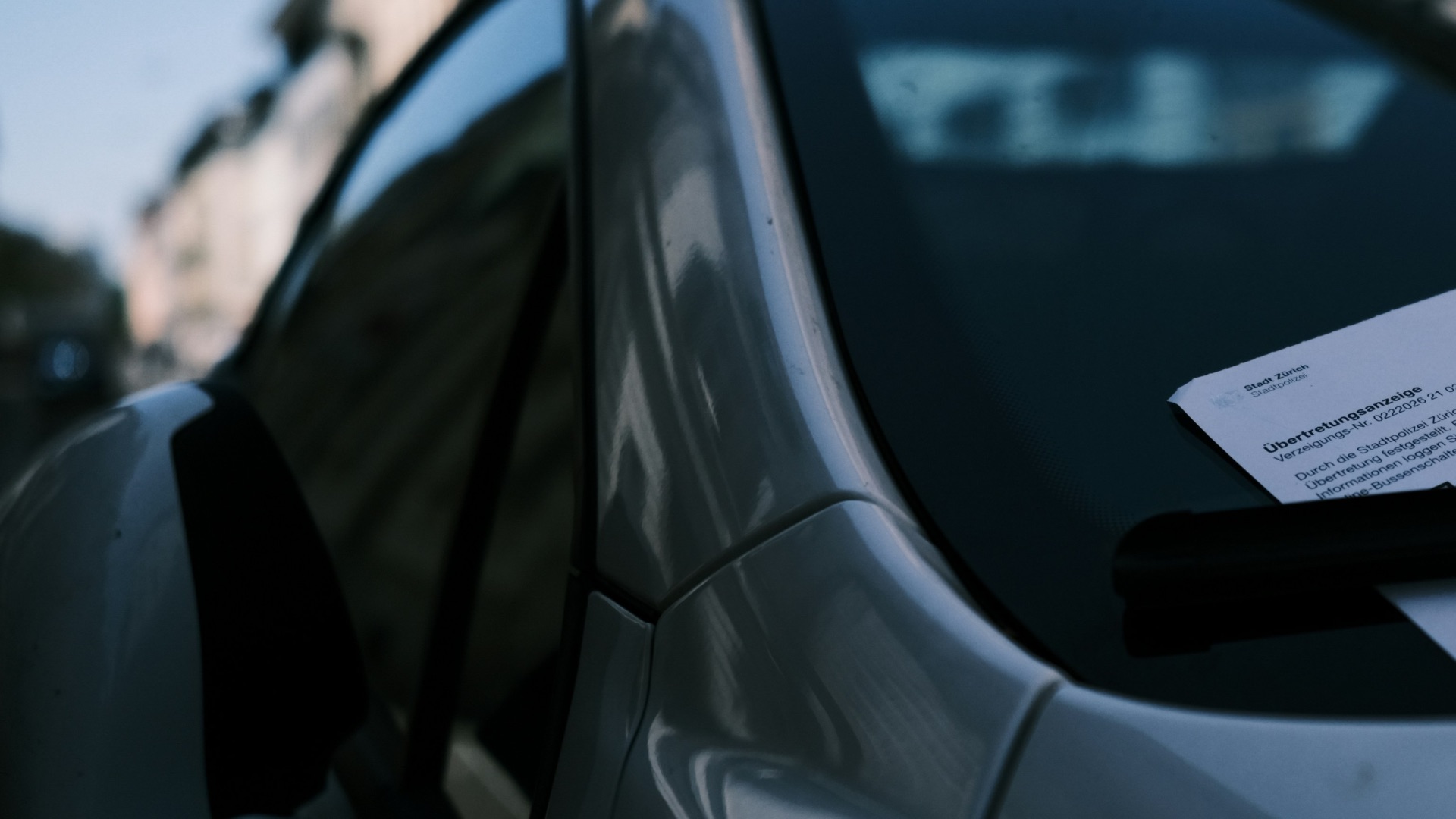
If someone left contact information, treat it like evidence. Take a photo of the note exactly where it was left, then store it somewhere safe. Record the time you found it and the approximate time you last saw your car undamaged. Those small details can help confirm a timeline.
4. Look for Witnesses
If you’re in a parking lot or residential area, ask nearby people if they saw or heard anything. Keep your questions simple, like whether they noticed a vehicle, a license plate, or a time range. If someone did see it, ask for their name and contact information. You shouldn't pressure anyone, of course, but you do want to act quickly because people leave and memories fade.
5. Ask for Footage
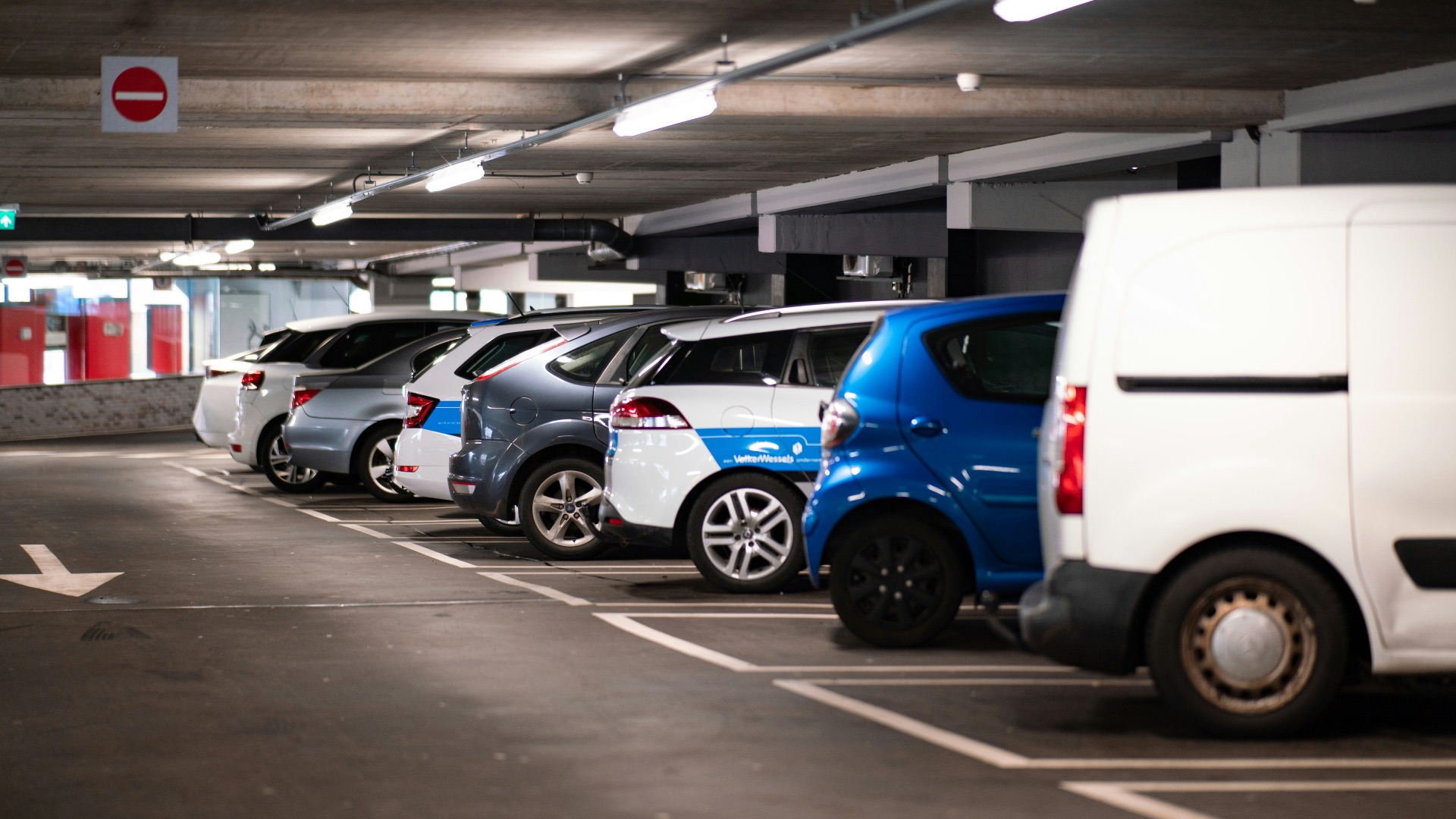
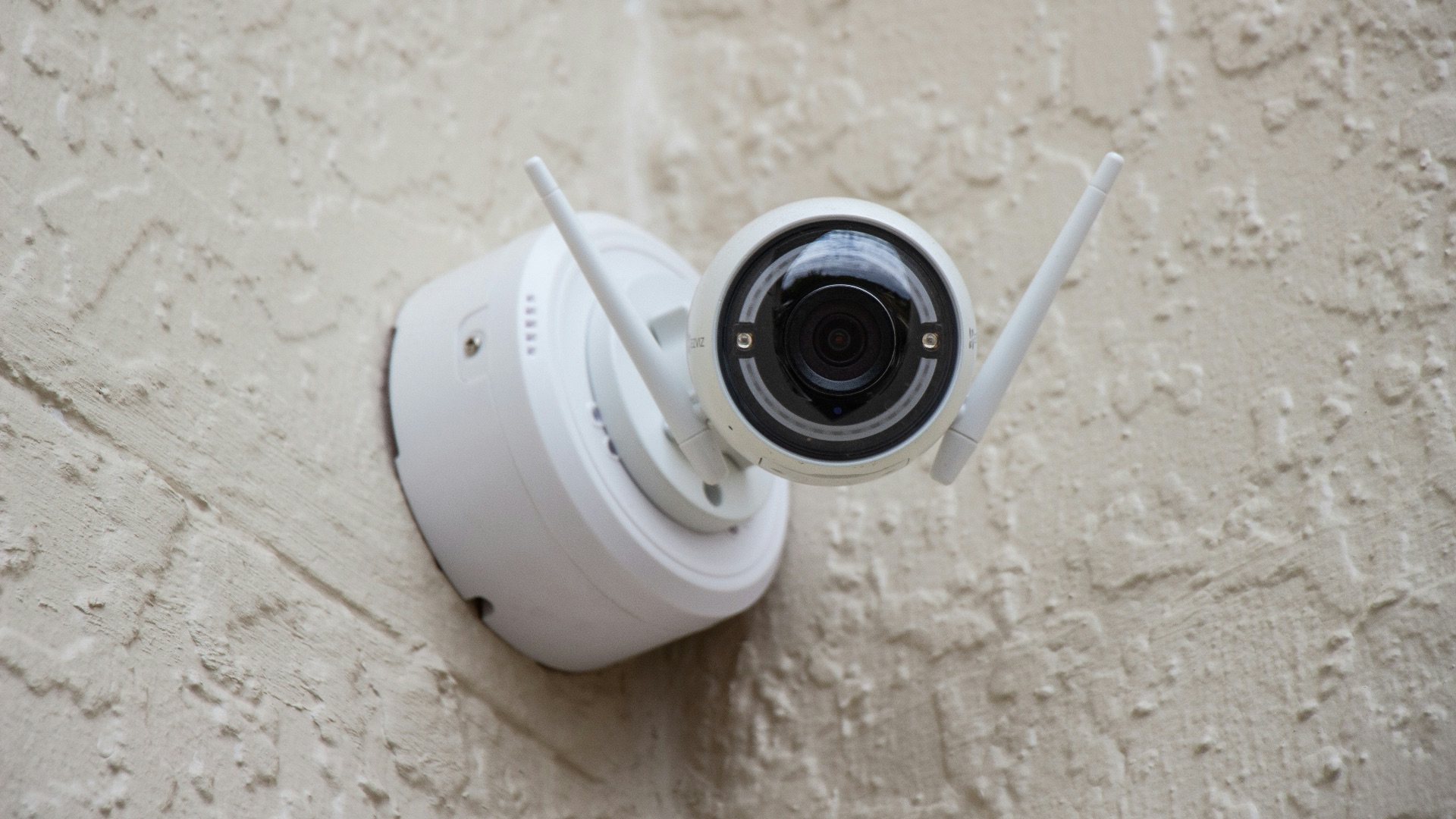
Many businesses and apartment buildings record over footage within days, sometimes within hours. If there’s a nearby store, ask politely whether they have a camera facing the area and how you can request video. You may not get the video immediately, but you can request that it be preserved. Write down who you spoke with and when, so you can follow up if needed.
6. File a Police Report If Required or If It's a Hit-and-Run
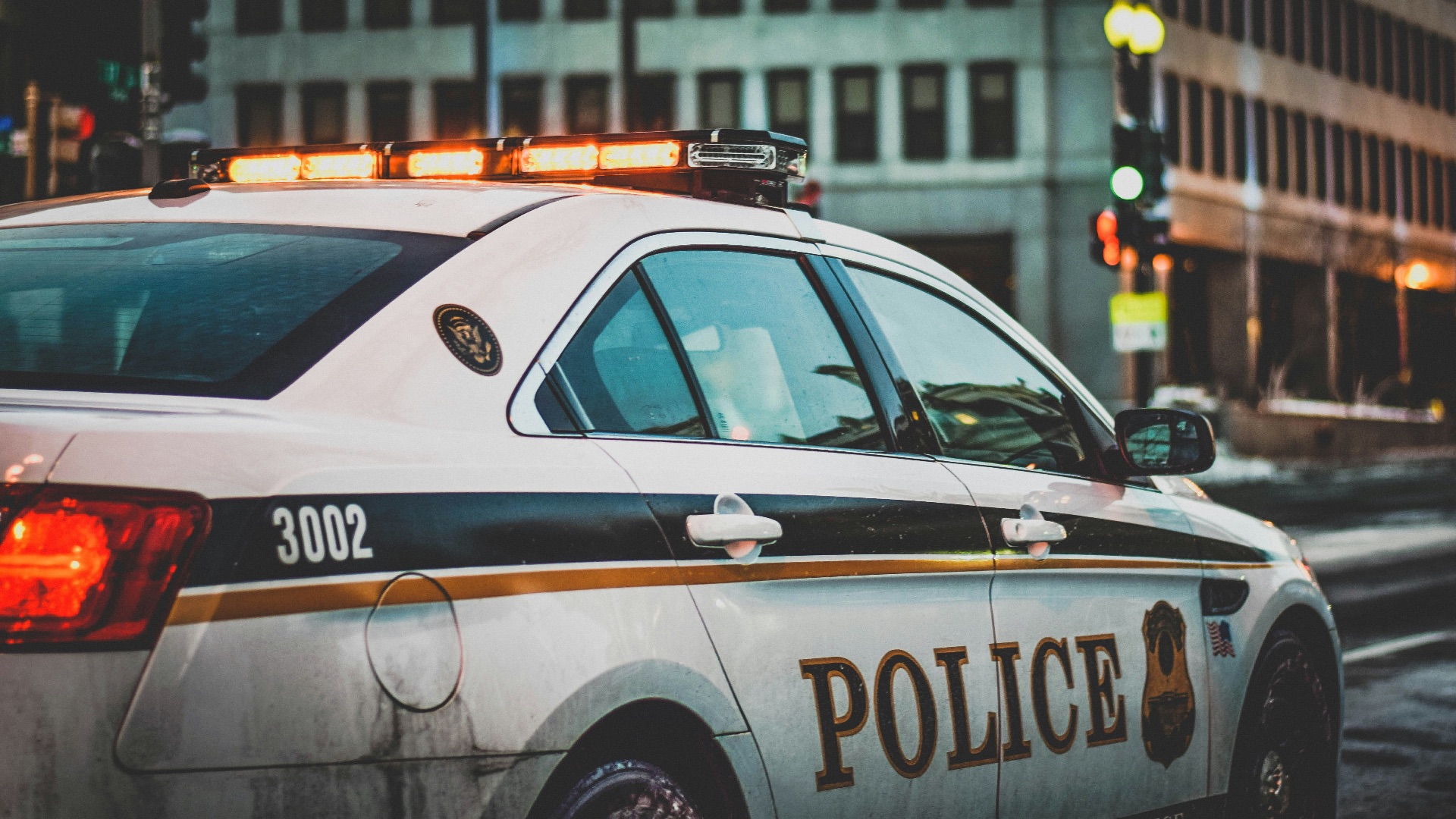
If there’s no note and the damage is noticeable, a police report can be important for insurance and for documenting a suspected hit-and-run. Use the non-emergency line unless there’s a safety threat. Provide photos, the location, and any witness details, and ask for the report number. Even when police can’t investigate deeply, having the report on file can still help.
7. Contact Your Insurance Company
Report the incident and share your photos, the police report number (if you have one), and any witness information. Ask specifically whether collision coverage or uninsured motorist property damage coverage might apply in your state and policy, and clarify what your deductible would be before you commit to a repair path. The more direct your questions are, the less confusion you’ll face later.

8. Get Repair Estimates
If the damage seems moderate or worse, get at least one estimate from a reputable repair shop. Ask what parts might be affected beyond what’s visible, especially around bumpers, sensors, and wheel alignment; a careful estimate now prevents surprise bills later.
9. Keep Track of Costs and Inconvenience
Save receipts for towing, rideshares, rental cars, and any temporary fixes you had to buy. Write down dates when the car was unavailable and any work time you lost if it’s relevant to your claim. Keep all claim-related emails and messages together so everything's organized and you're not left hunting for them later.
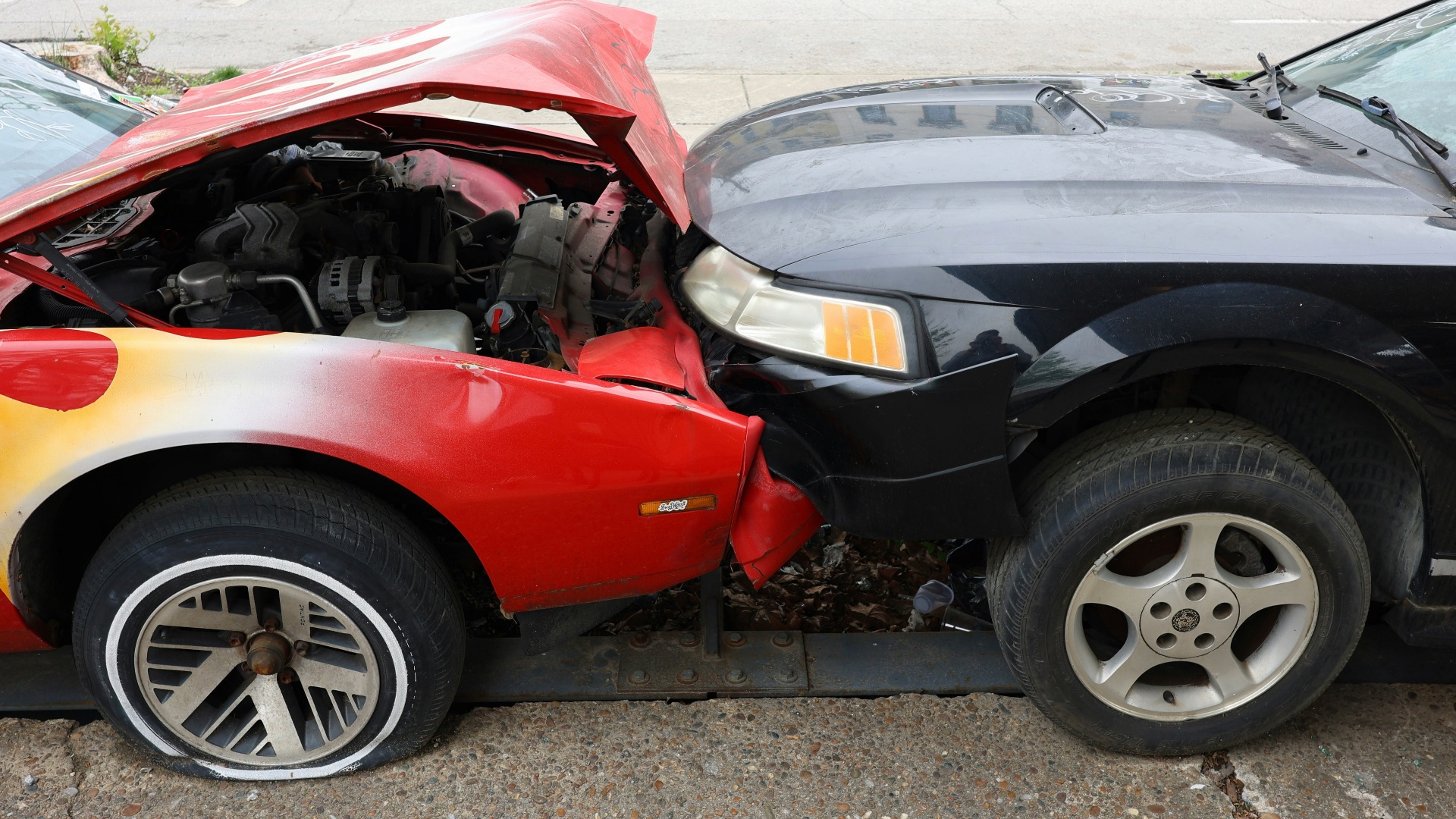
 Tingey Injury Law Firm on Unsplash
10. Follow Up Until the Situation Is Fully Resolved
If the other driver left a note, confirm details by phone or text and keep your tone professional. If there’s no responsible party identified, stay on top of your insurer’s requests and deadlines. Review the final repair paperwork and confirm that everything matches what was approved. Closing the loop protects you from lingering issues like missed damage, claim confusion, or unexpected charges.