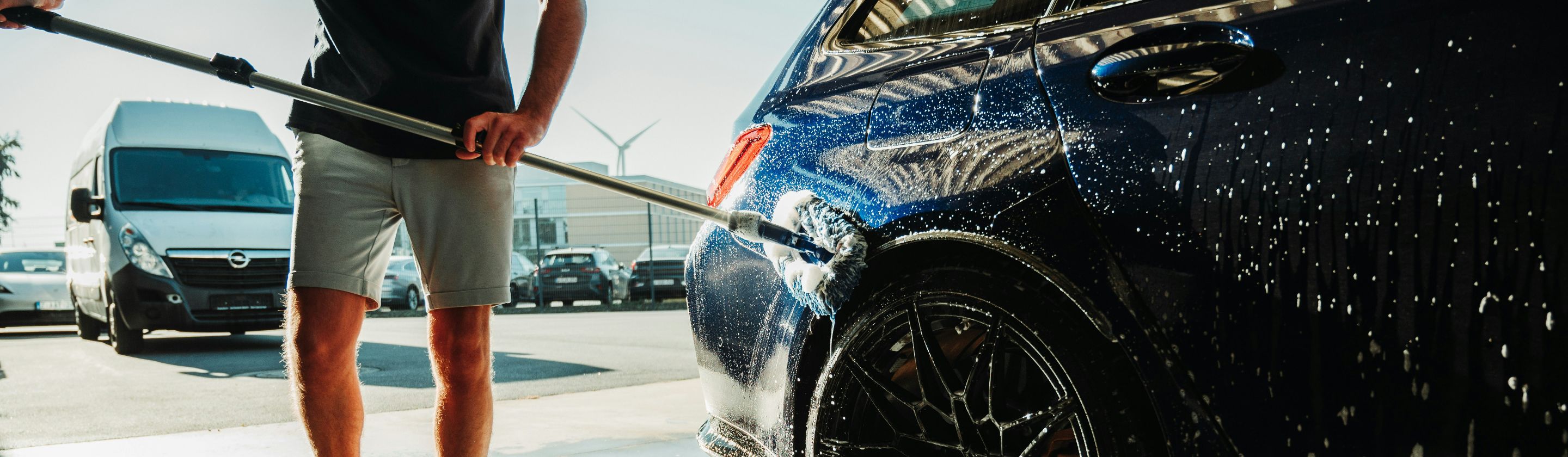
The Truth About Car Washes
Every driver has a routine for keeping a car looking sharp. Professional car washes promise speed, shine, and convenience, yet opinions about them vary widely. Some drivers swear by the experience, while others hesitate before pulling in. This list explores the appeal and the friction surrounding professional car washes, and whether or not they're actually worth it.
1. Time-Saving Convenience
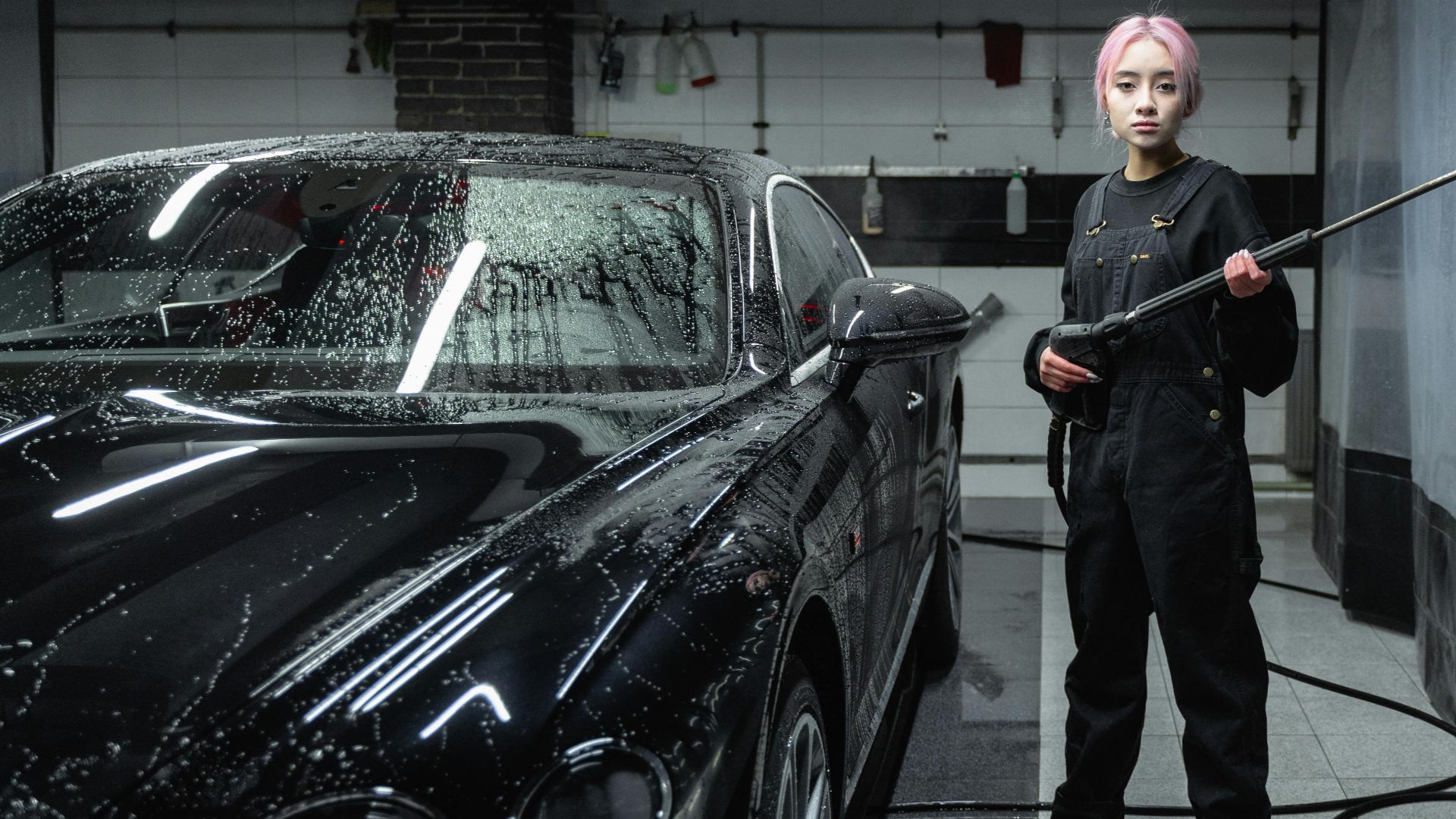
For drivers short on time, professional washes offer a major win. In just 3–10 minutes, they handle what takes up to an hour at home. With drive-thru formats and unlimited plans, maintenance becomes part of your routine—even doubling as cheeky parking in cities.
2. Comprehensive Interior and Exterior Cleaning
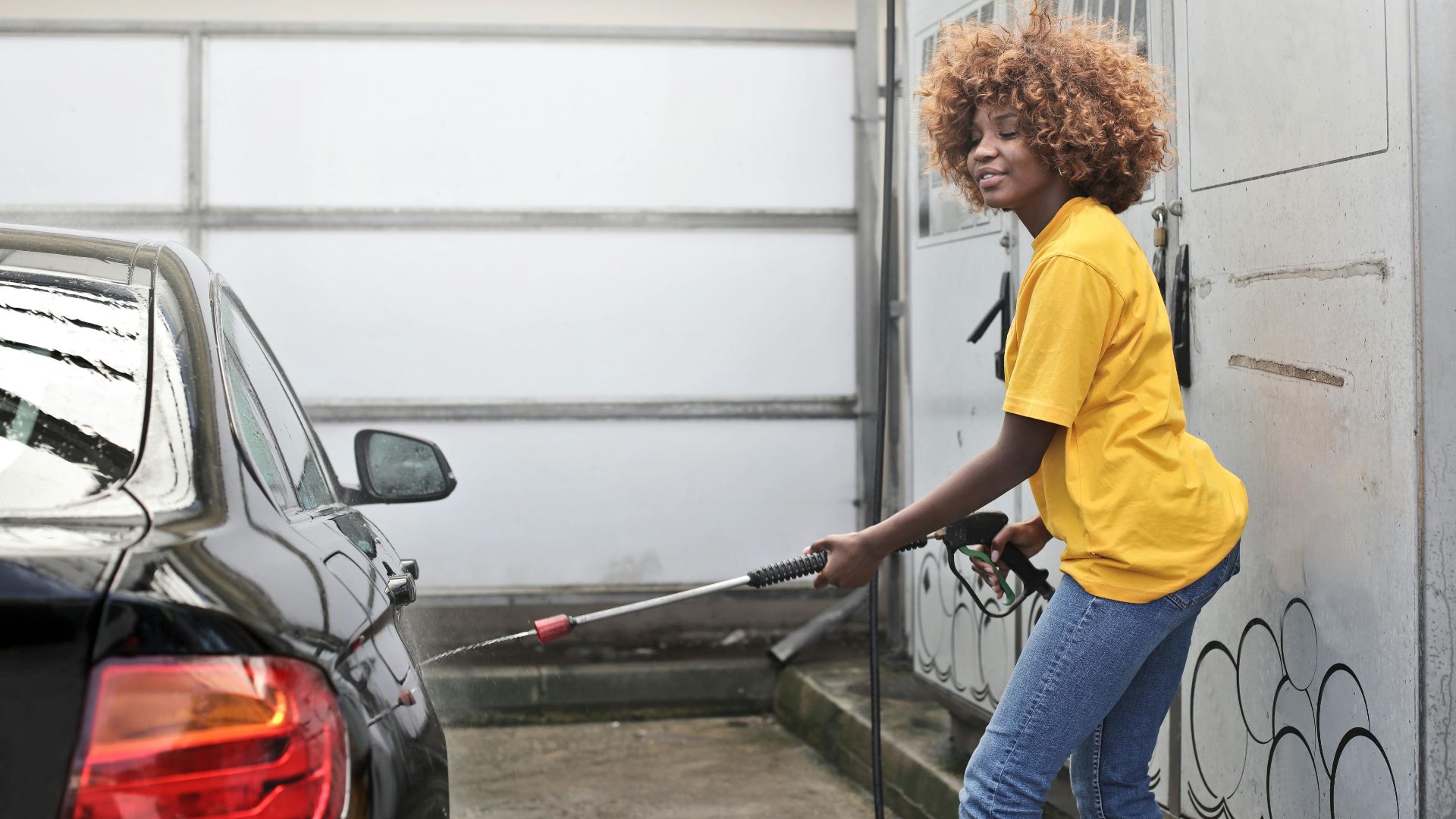
A thorough clean feels different when pros take over. Their vacuums and steam cleaners dig deep into seats and carpets, leaving the air fresher inside. Outside, targeted rinses and soaps cut through grime. Some even laugh about burning calories while vacuuming the “junk drawer” car floors.
3. Attention to Intricate Details
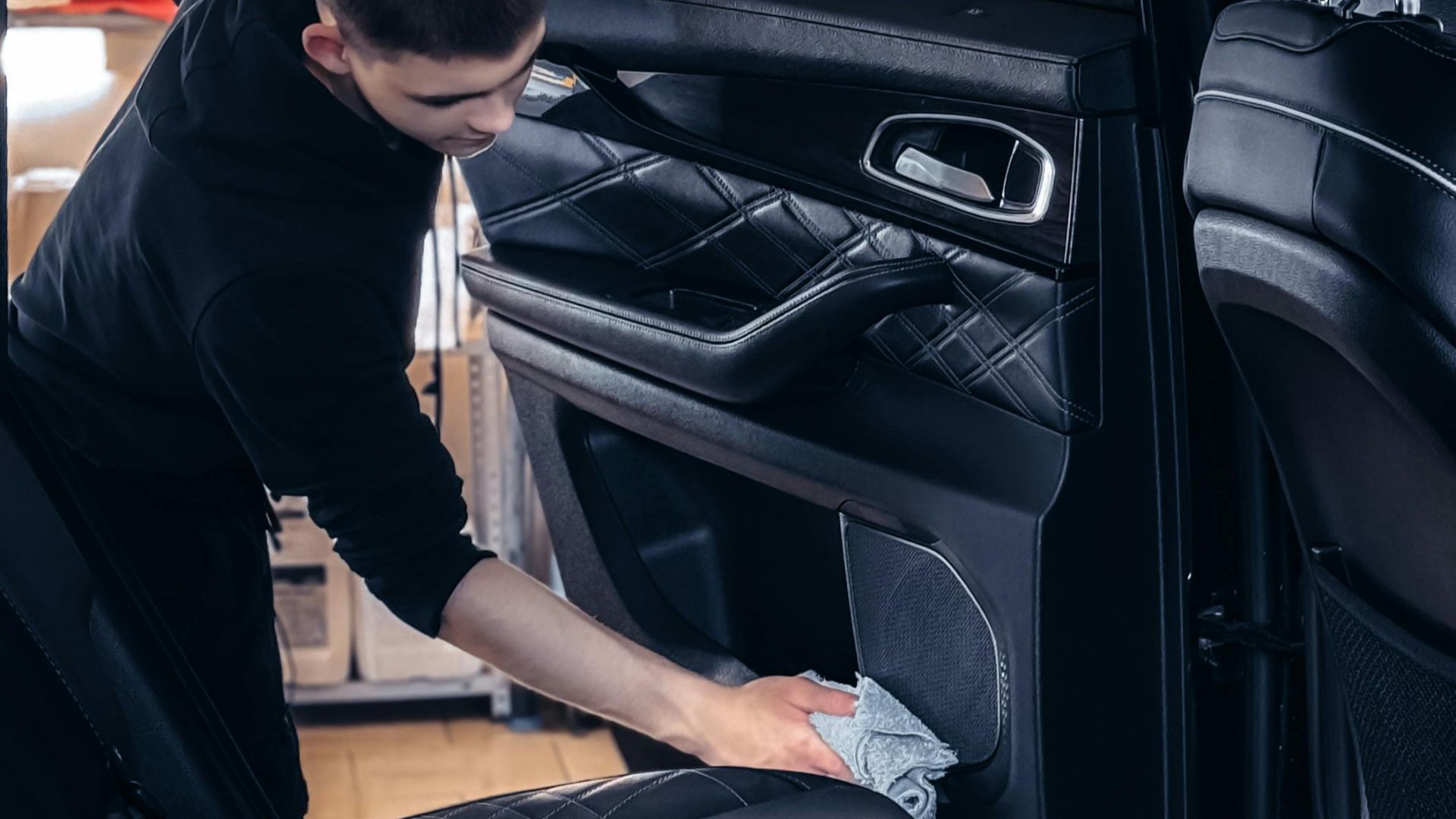
Every nook and cranny gets attention during a proper detail. From door jambs to vents and wheel wells, nothing gets skipped. Even stubborn brake dust gets cleared away. Once in a while, customers leave with surprise treasures they forgot ever stashed in their car.
4. Protective Waxing and Coatings
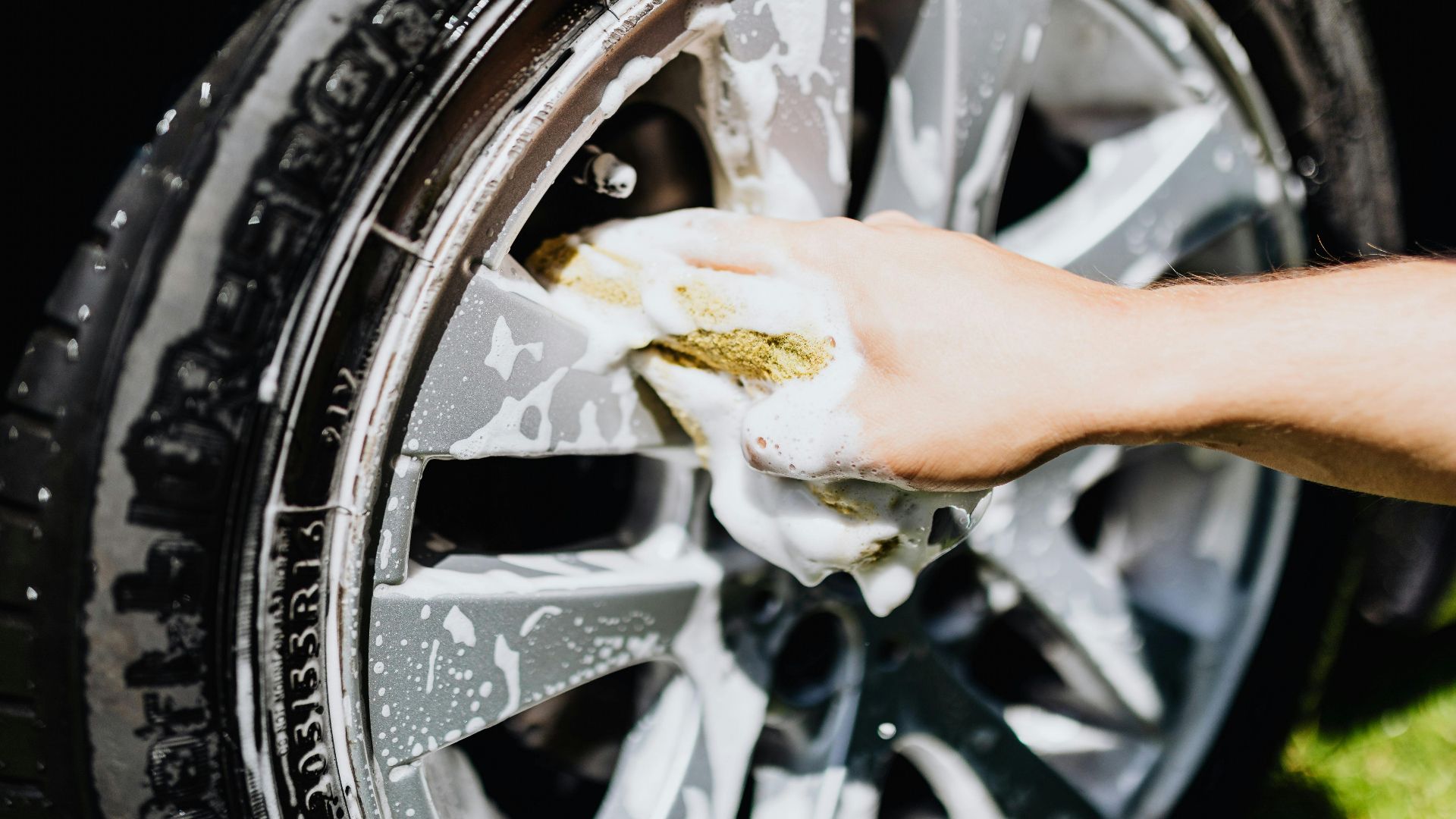
A shiny finish isn’t just for looks—it’s protection. Ceramic or polymer waxes shield paint from sun, rain, and grime to cut down on future washes. At most washes, this step includes synchronized lights and music, turning the chore into a fun little show.
5. Environmental Efficiency
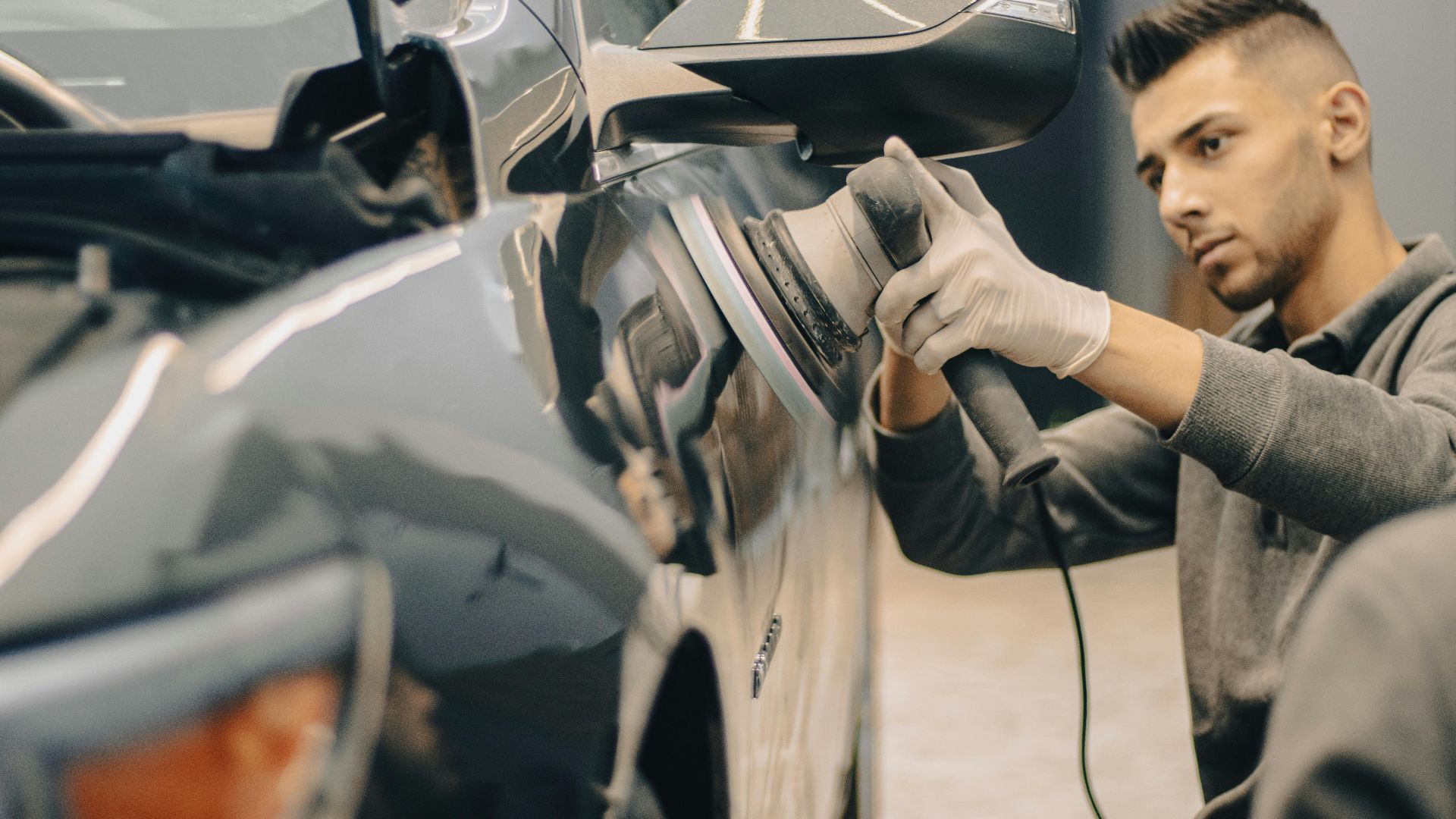
Eco-conscious drivers often feel better using a professional wash. These facilities recycle most of the water they use and treat it before discharge. With biodegradable soaps and energy-efficient tools, some even donate part of their proceeds to water-saving causes.
6. Undercarriage Rust Prevention
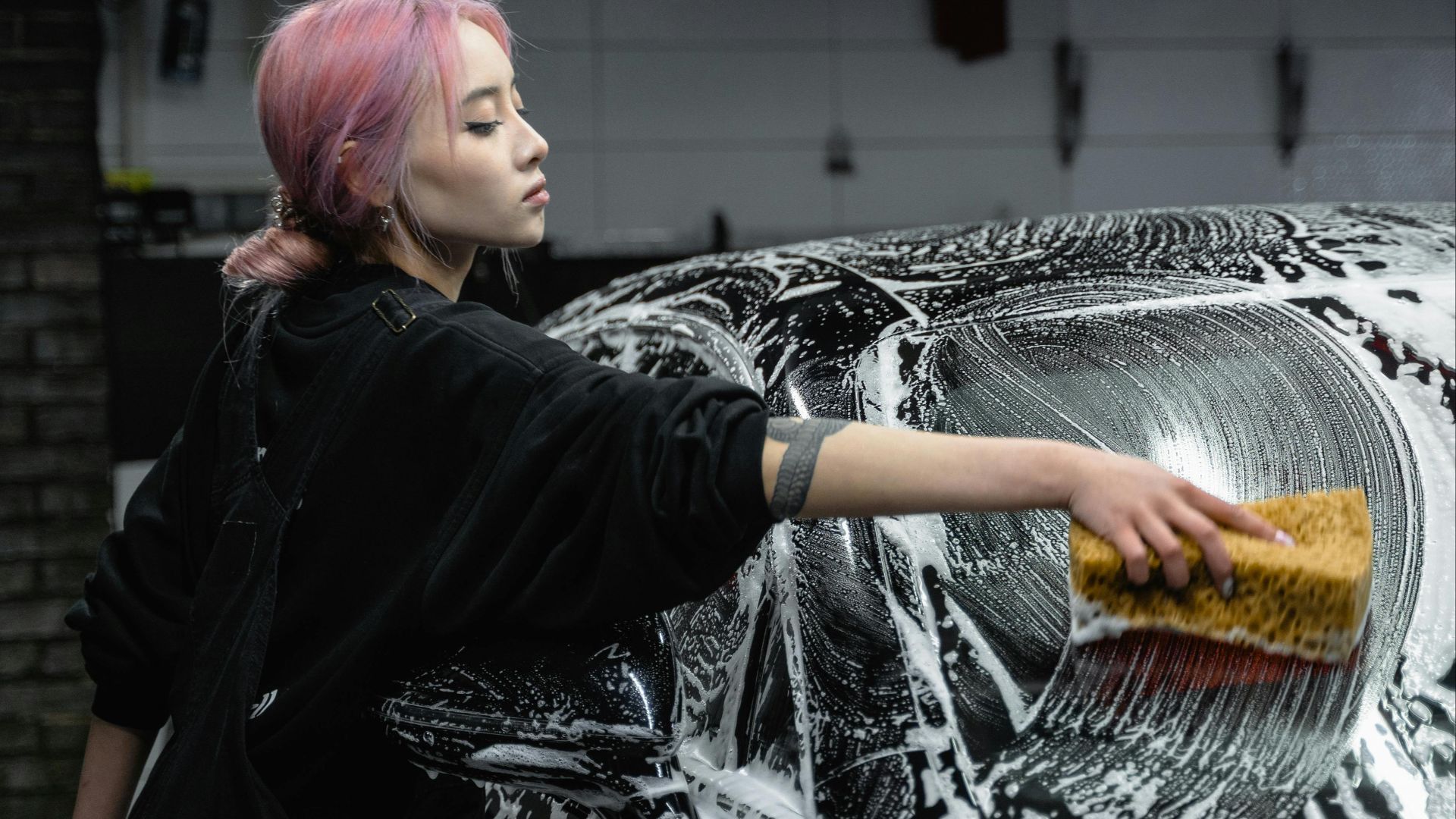
What’s underneath your car often needs more care than you think. Road salt, chemicals, and slush can quietly corrode metal. Undercarriage sprays wash it all away, and a couple of places even add rust blockers. In colder areas, drivers call these treatments “car pedicures.”
7. Variety of Customized Services
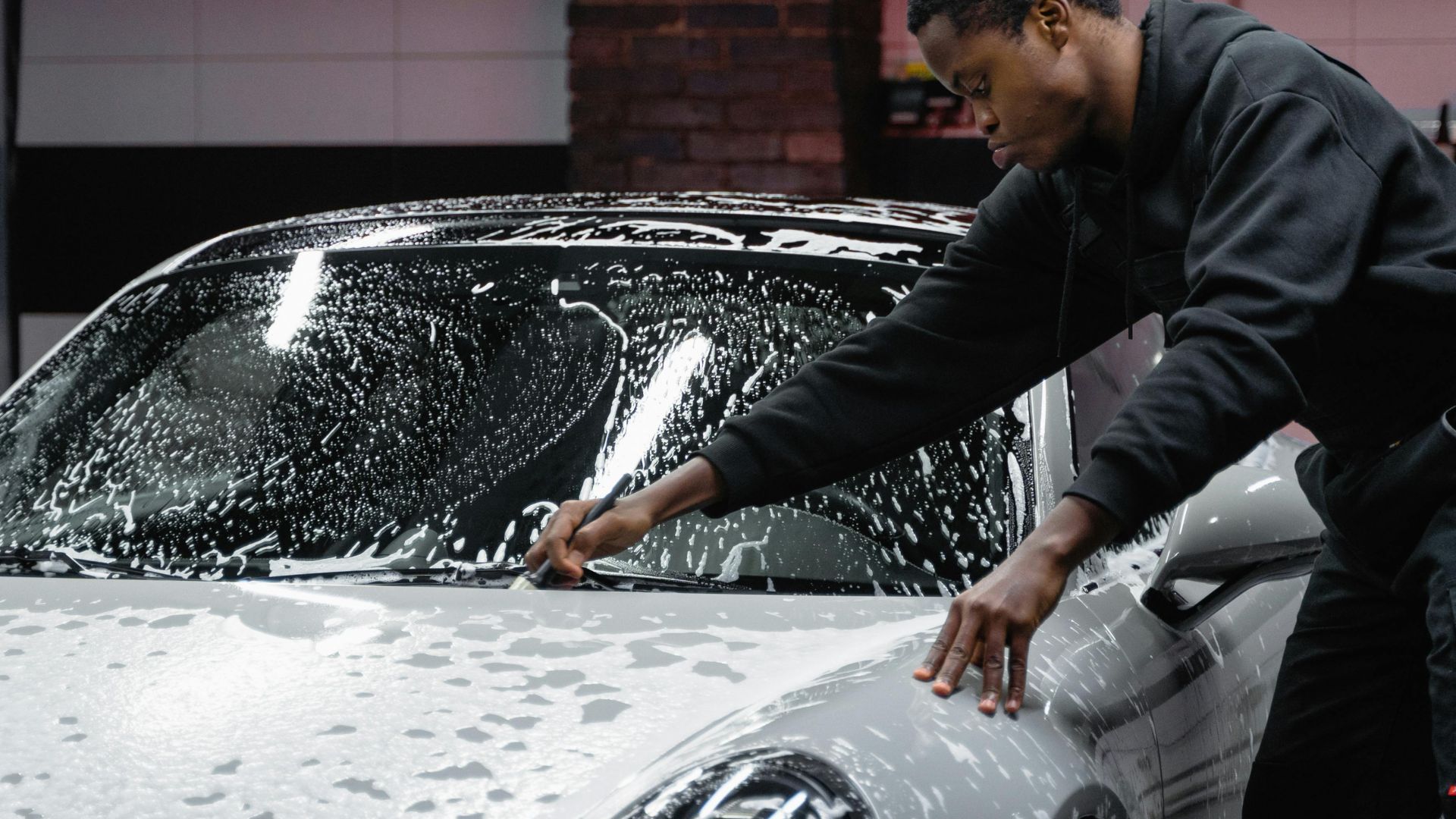
Every vehicle has different needs, and pro washes often cater to all of them. From engine bay cleaning to seasonal prep, the options cover more than just appearances. Some high-end packages even offer luxury touches that turn a wash into an experience.
8. Access to Advanced Equipment
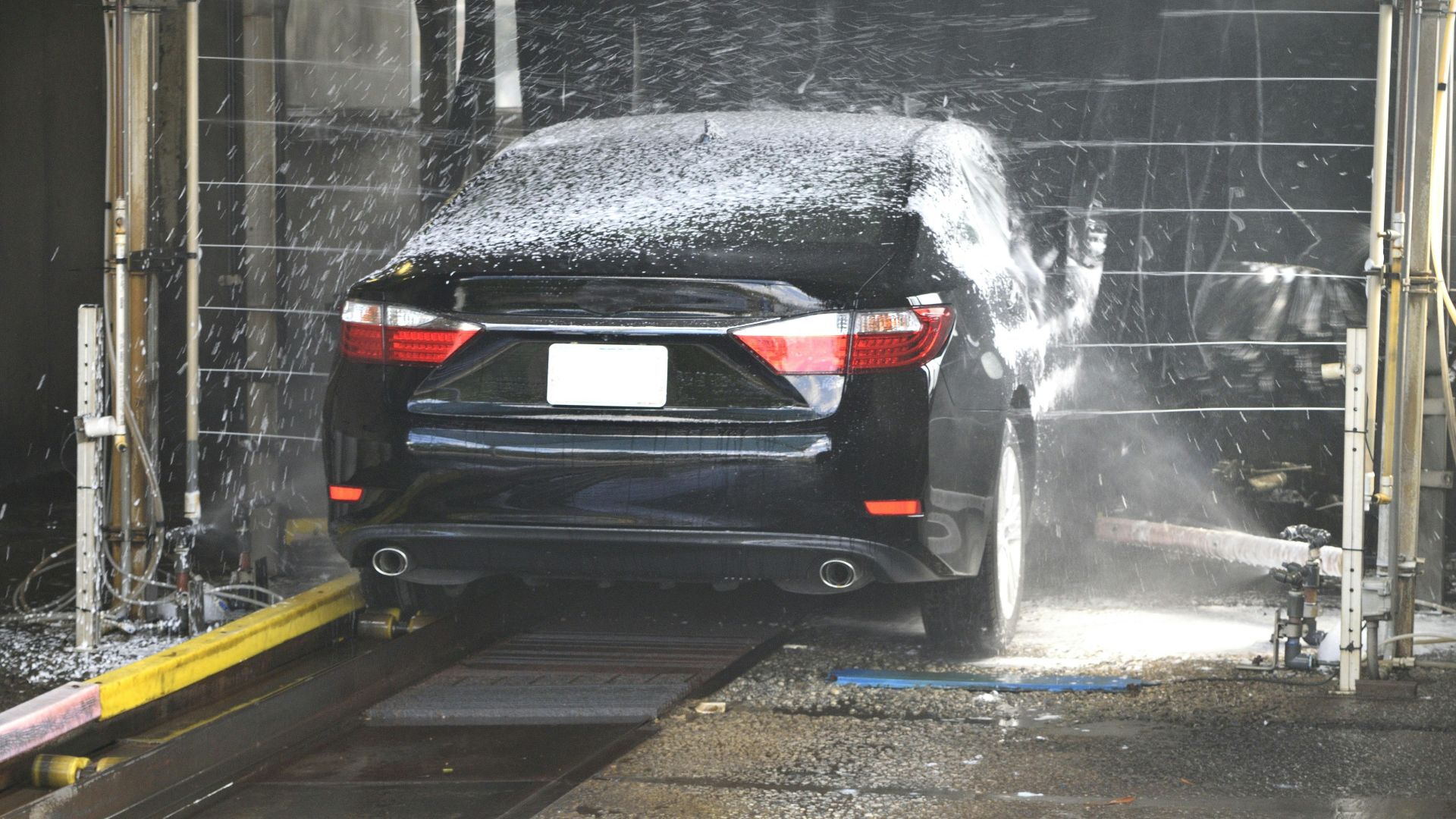
At-home tools can’t match what professional setups deliver. High-powered cannons, spot-free rinses, and specialty coatings go the extra mile. These facilities also maintain their equipment for reliable results.
9. Enhanced Resale Value
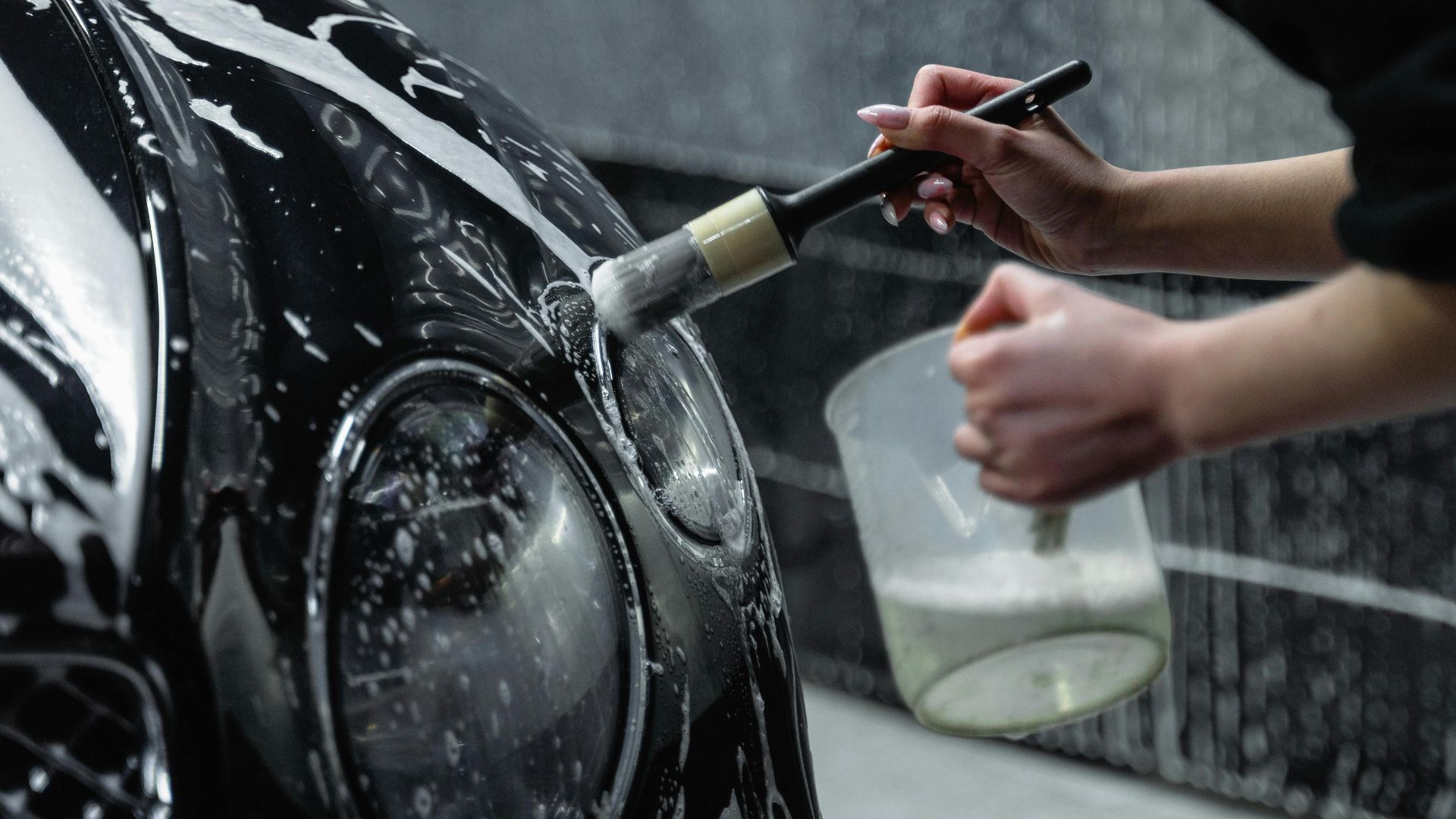
When it’s time to sell, a clean car stands out fast. Buyers notice spotless paint and fresh interiors, which often lead to better offers. Oftentimes, sellers even save wash receipts to prove their car received regular, professional attention and care.

10. Improved Driving Safety
Clear mirrors and headlights do more than shine—they help you stay safe. Visibility improves in low light, while clean sensors and windshields support advanced safety systems. Not to mention, it also stops people from pointing out every speck of dirt they see.

With the benefits out of the way, it’s time to look at the reasons drivers steer clear of professional car washes.
1. Paint Scratches From Dirty Brushes
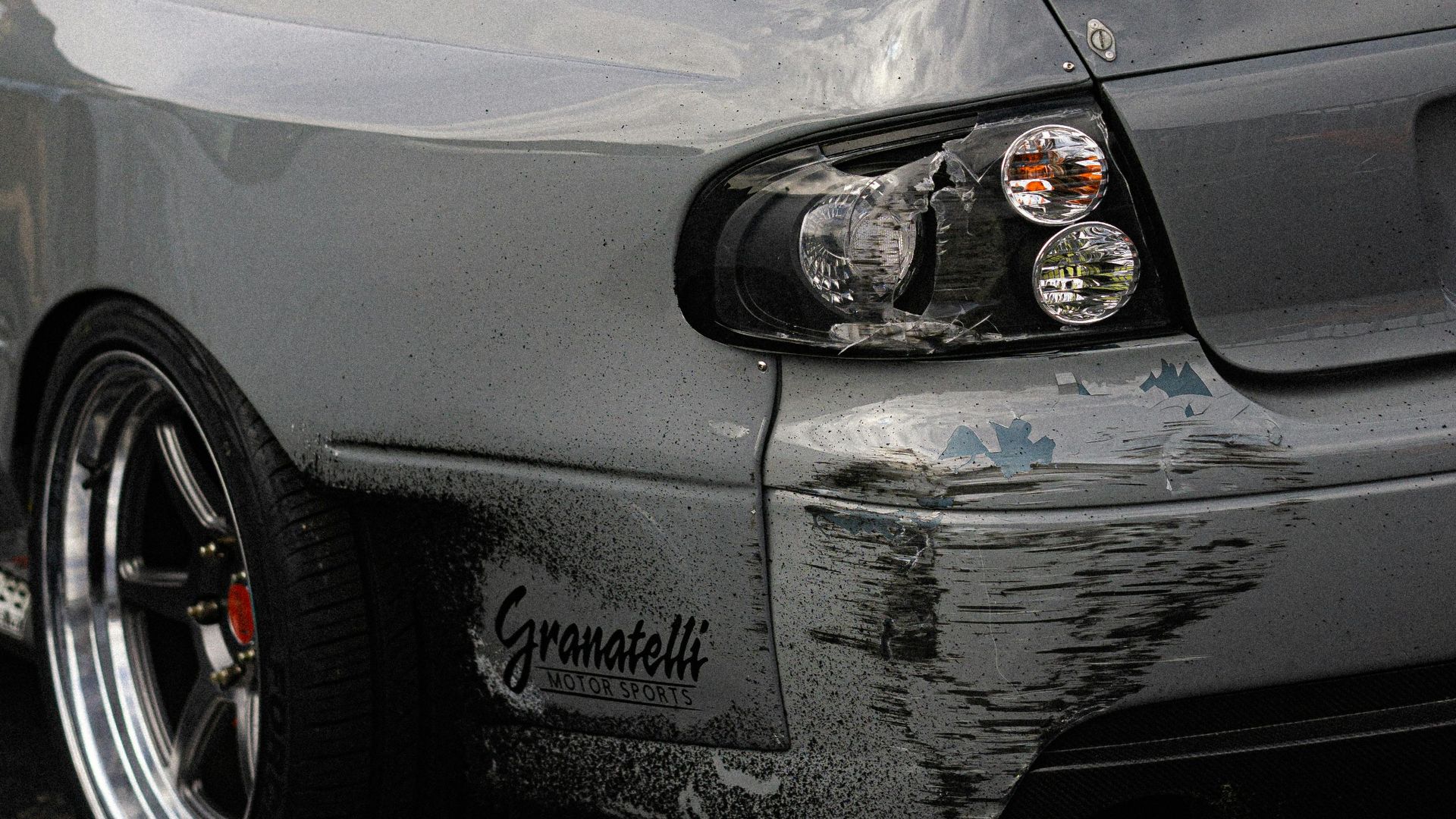
A fresh wash should improve your car’s appearance, not damage it. Unfortunately, leftover grit in automated brushes often causes swirl marks, especially on darker paint. Even soft-touch systems can scratch if worn out—earning the nickname “car tattoos” from frustrated detailers.
2. Wheel Alignment Disruptions
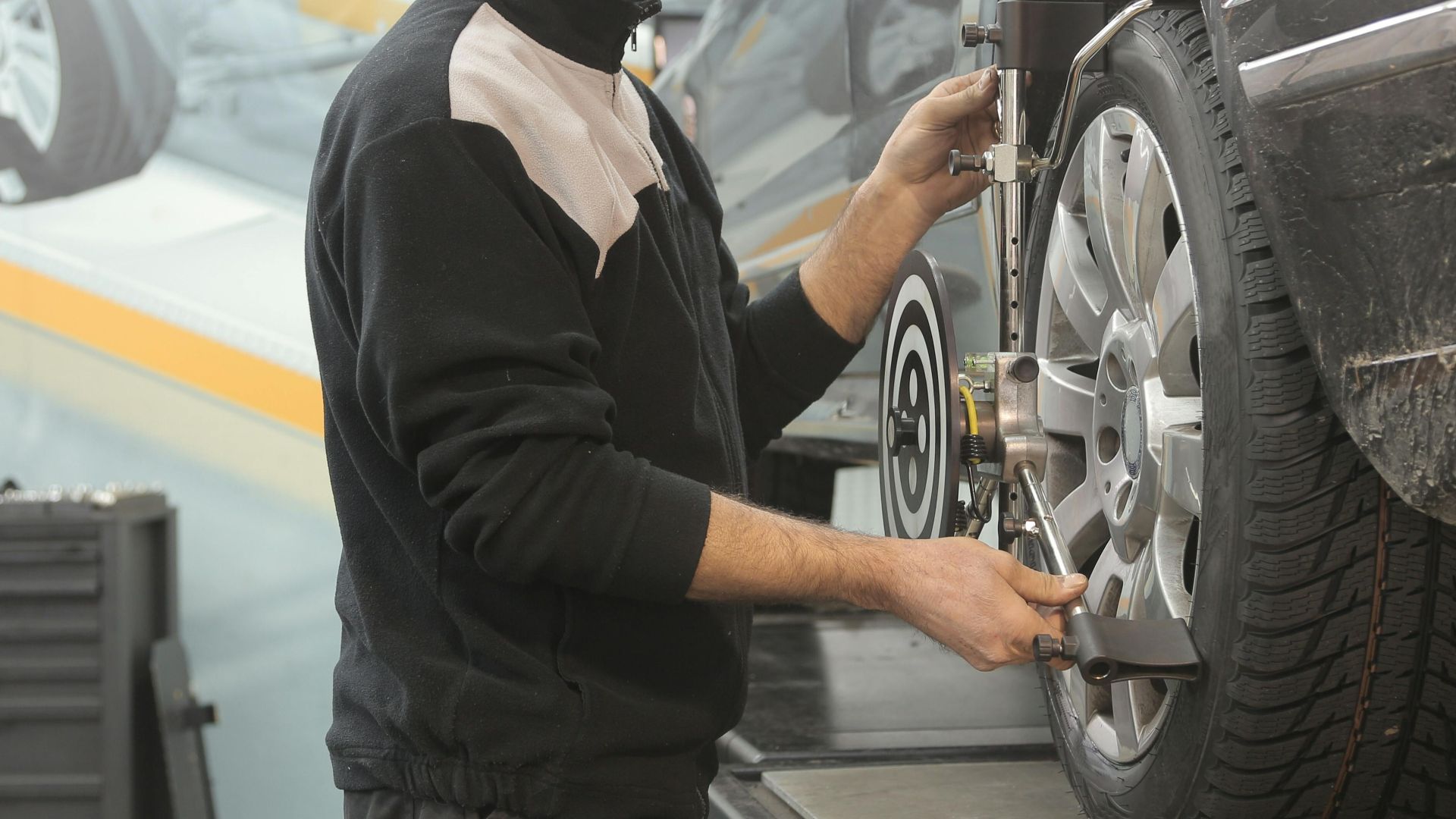
The ride might feel off after a wash, and conveyor tracks are often to blame. This is because worn guides tug tires unevenly, misaligning wheels and accelerating tire wear. In older facilities, repeated exposure can cause costly handling issues and frequent trips to the shop.
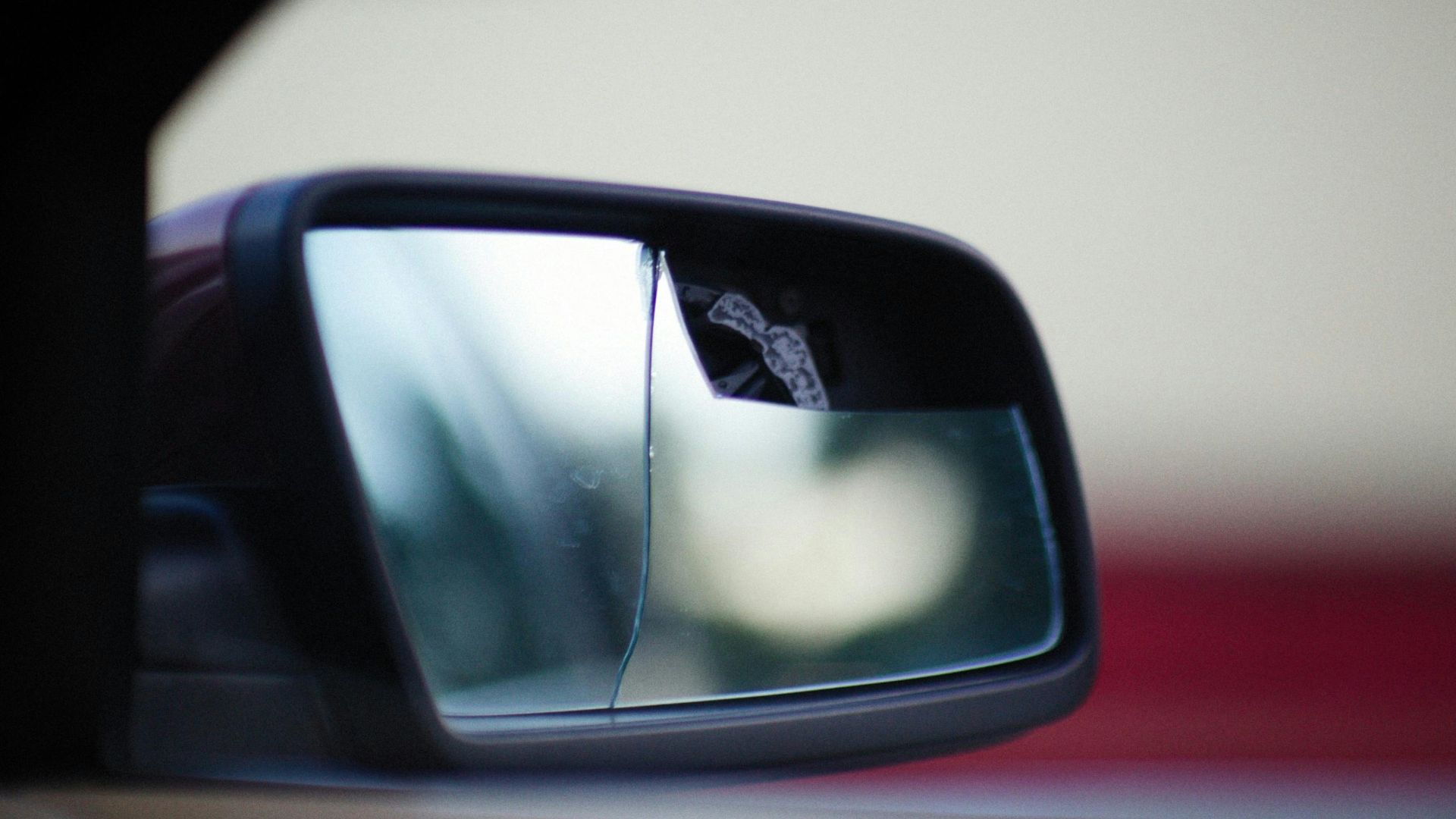
3. Damage to Side Mirrors
Tight tunnels and mechanical arms don’t always mix well with side mirrors. If mirrors aren’t folded correctly, they can snap or crack—especially on wide vehicles. With electronic folding parts, even a small hit turns into a repair that’s anything but cheap.
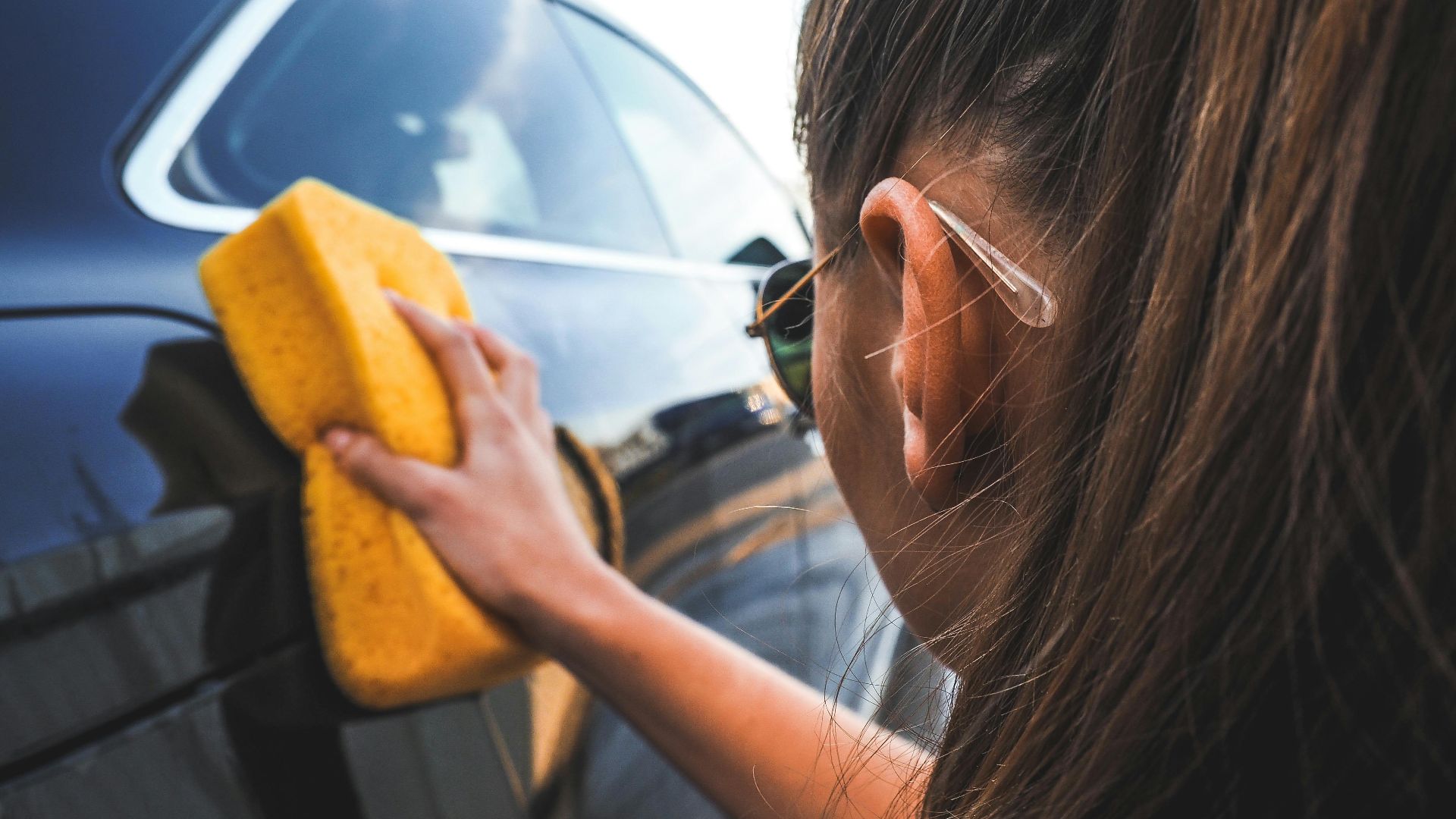
4. Persistent Hard Water Stains
A wash may leave more than it removes in hard-water areas. Mineral-heavy recycled water creates spots that etch into paint if left to dry. Without proper rinses, these ghost-like stains worsen under the sun and can become permanent over time.
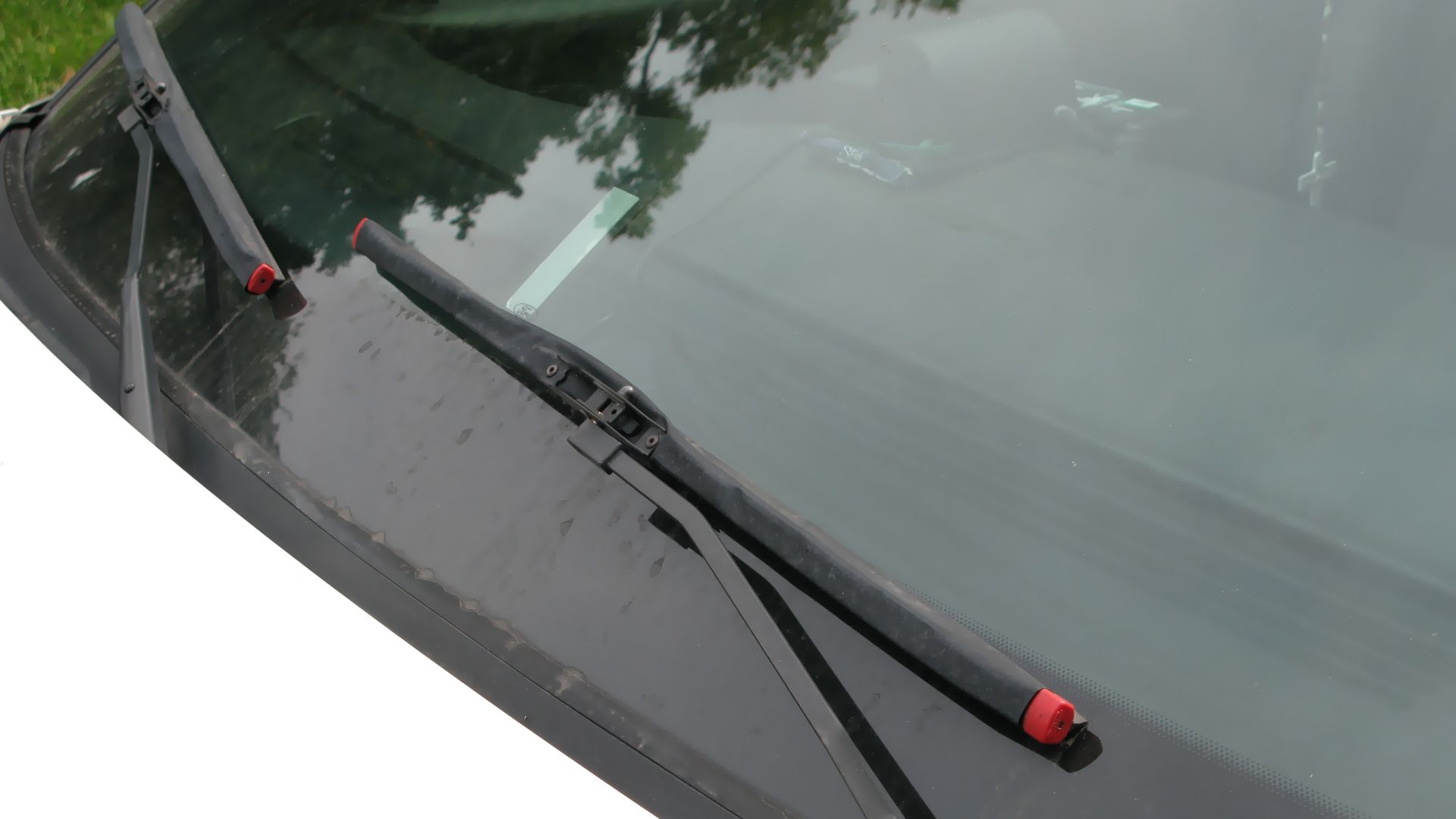
5. Broken Windshield Wipers
Wipers take a hit when pressure jets and brushes get too rough. Worn blades or fragile arms bend or break, sometimes alongside antennas. It’s why some drivers lift their wipers beforehand, giving their car a little salute to dodge damage.
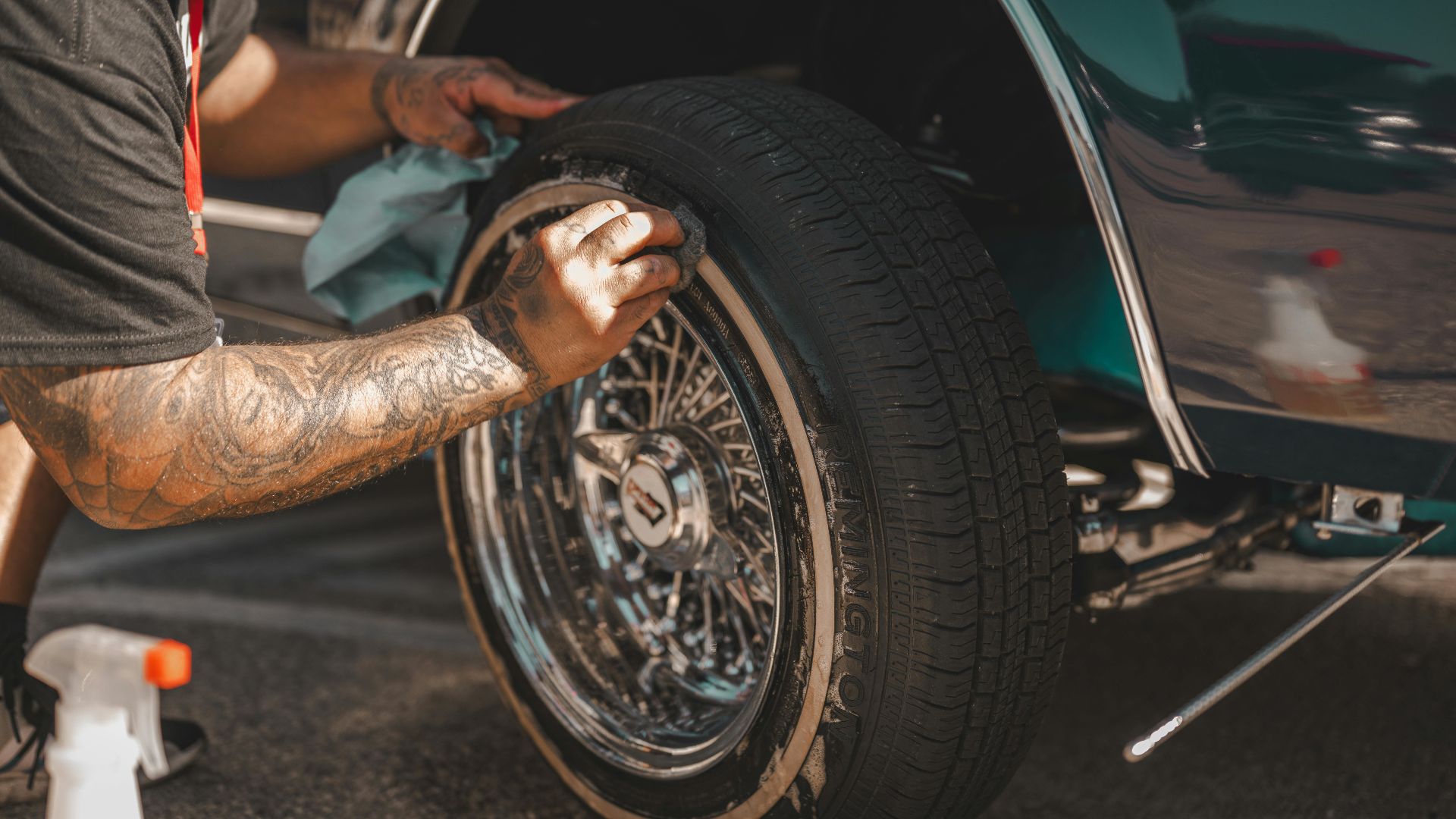
6. Rim and Wheel Scratches
Wheel damage is a common frustration at automatic washes. Without protective padding, conveyor grips can scrape alloy rims, leaving behind noticeable gouges. Custom wheels suffer more, especially low-profile types. These scratches don’t just look bad—they hurt resale value too.
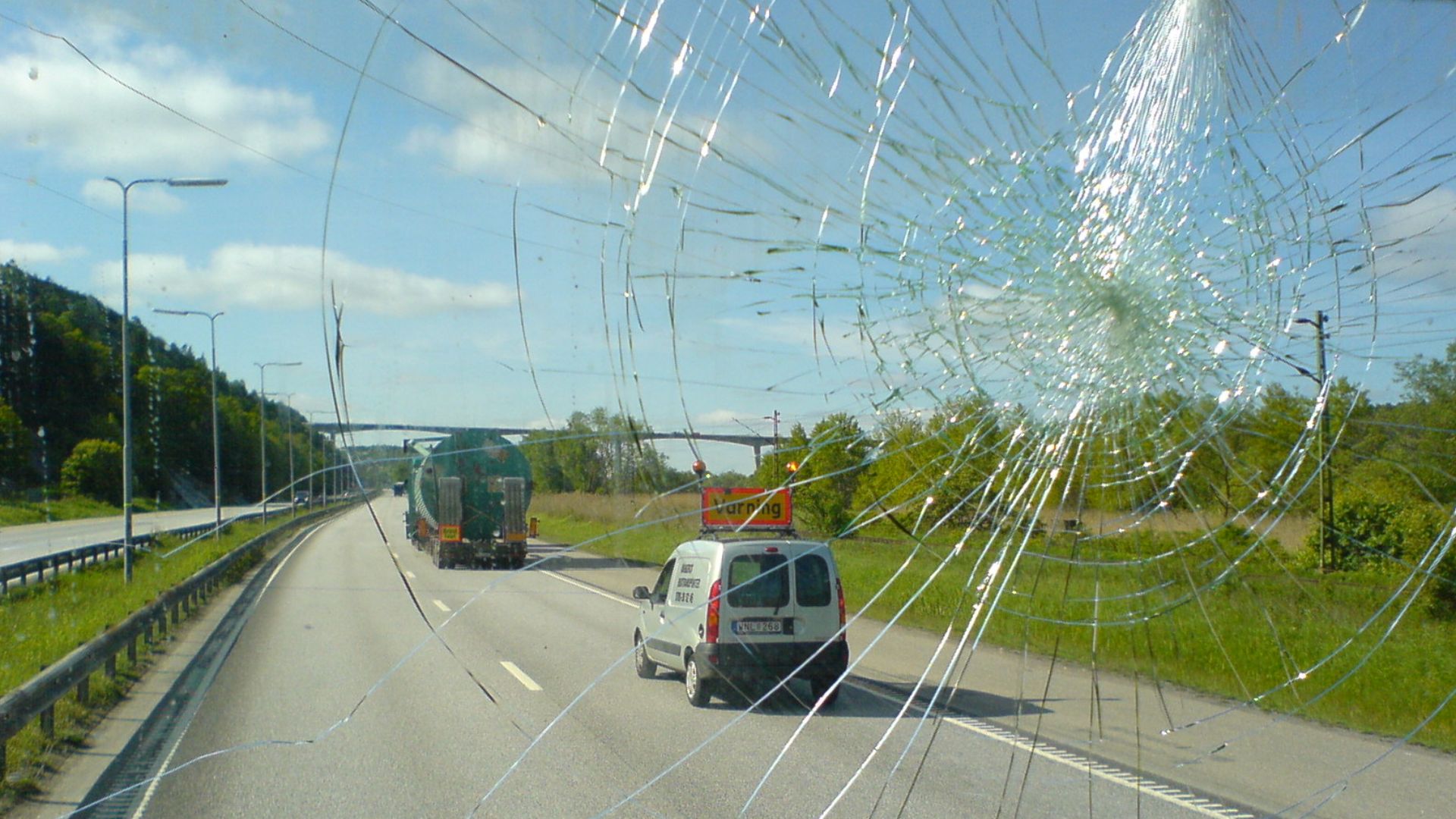
7. Exacerbated Windshield Cracks
A small chip can quickly turn into a full crack under wash pressure. Temperature swings from cold water add extra stress to the glass. What could’ve been a $50 fix often becomes a $300 replacement, and a serious safety concern.
8. High Service Costs
A quick wash might start cheap, but add-ons quickly raise the bill. Subscriptions help, though canceling them brings fees. For budget-conscious drivers, the long-term math rarely works out, especially when a basic home wash costs a fraction of the price.

9. Ineffective Dirt Removal
Some washes leave vehicles looking nearly as dirty as before. Recycled water and grimy brushes often just move the mess around. Off-road vehicles fare worse, needing extra passes or manual cleanup. Many drivers end up re-washing their cars at home.
10. Waiting Times
What should be quick often turns into a wait. During weekends or after storms, lines stretch long, and limited bays make things worse. Idling also adds fuel waste.