
10 Classic Dealership Add-Ons From the 80s That Were Absolute Scams & 10 That Were Actually Useful
10 Classic Dealership Add-Ons From the 80s That Were Absolute Scams & 10 That Were Actually Useful
The Extras That Could Make or Break Your Car Deal
Buying a new car in the 1980s often meant spending almost as much time talking about optional extras as choosing the vehicle itself. Dealerships loved offering add-ons that promised to protect your investment, improve comfort, or make your car stand out from every other one on the road. Some of those extras delivered real value and made daily driving more enjoyable, while others mostly padded the final bill without offering much in return.

1. VIN Etching Packages
Many dealers charged hefty fees to etch the vehicle identification number onto the windows, claiming it would discourage thieves. While the idea had some merit, the actual service was inexpensive and often cost far less than what dealerships charged. Buyers frequently paid several hundred dollars for something that could have been done for a fraction of the price.
2. Paint Protection Treatments
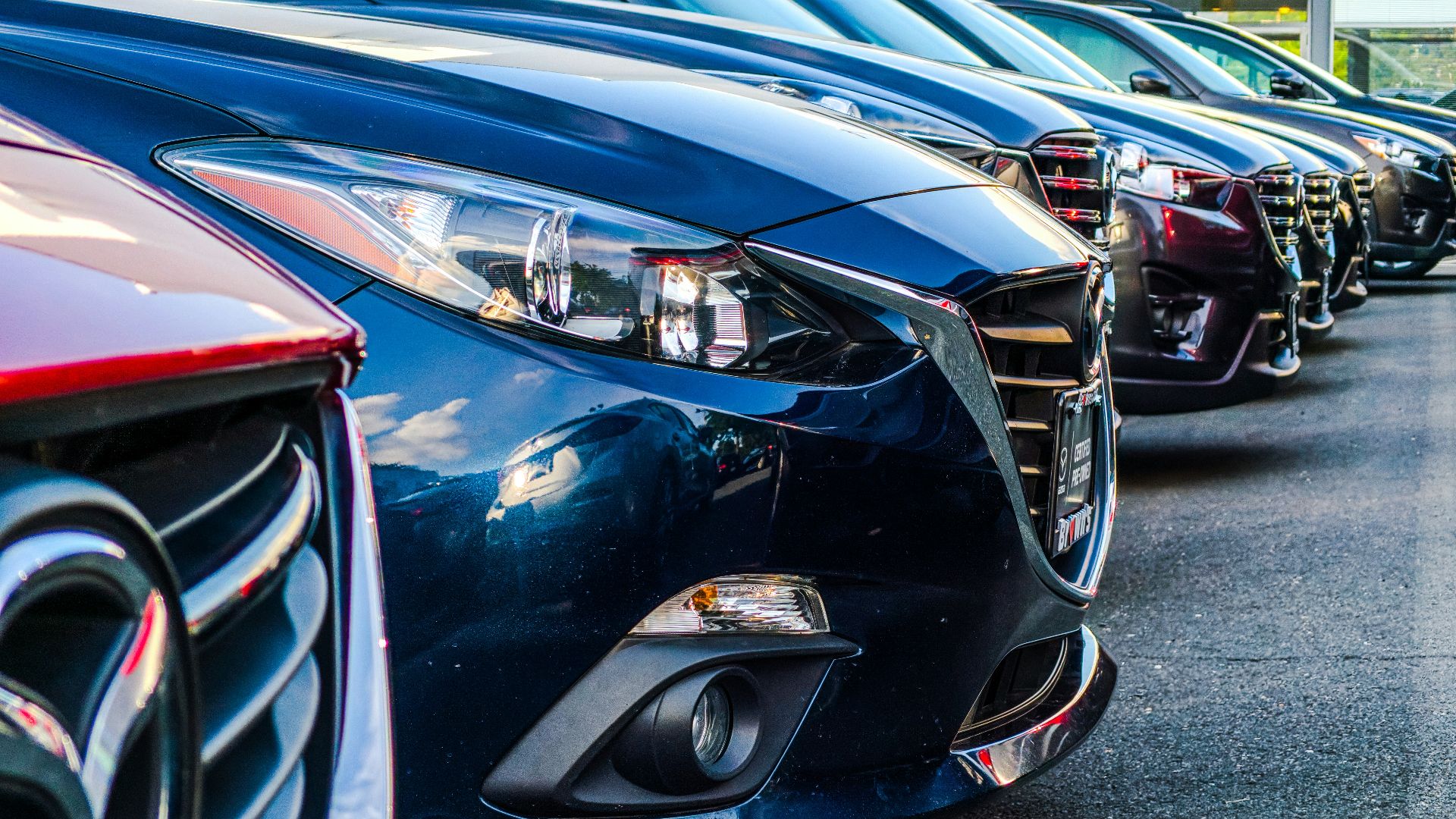
Dealerships would try to upsell special paint sealants that could keep your paint shiny and new for years to come. These treatments were often just someone slapping wax or a paint sealant on your car and marking up the price significantly. Washing and waxing your car regularly usually did the trick.
3. Fabric Protection Spray
A quick spray on the seats suddenly became a premium service with an equally premium price tag. Although fabric protectants could help repel spills, the products themselves weren't particularly expensive or difficult to apply. Many owners paid far more for the dealership service than the treatment was actually worth.
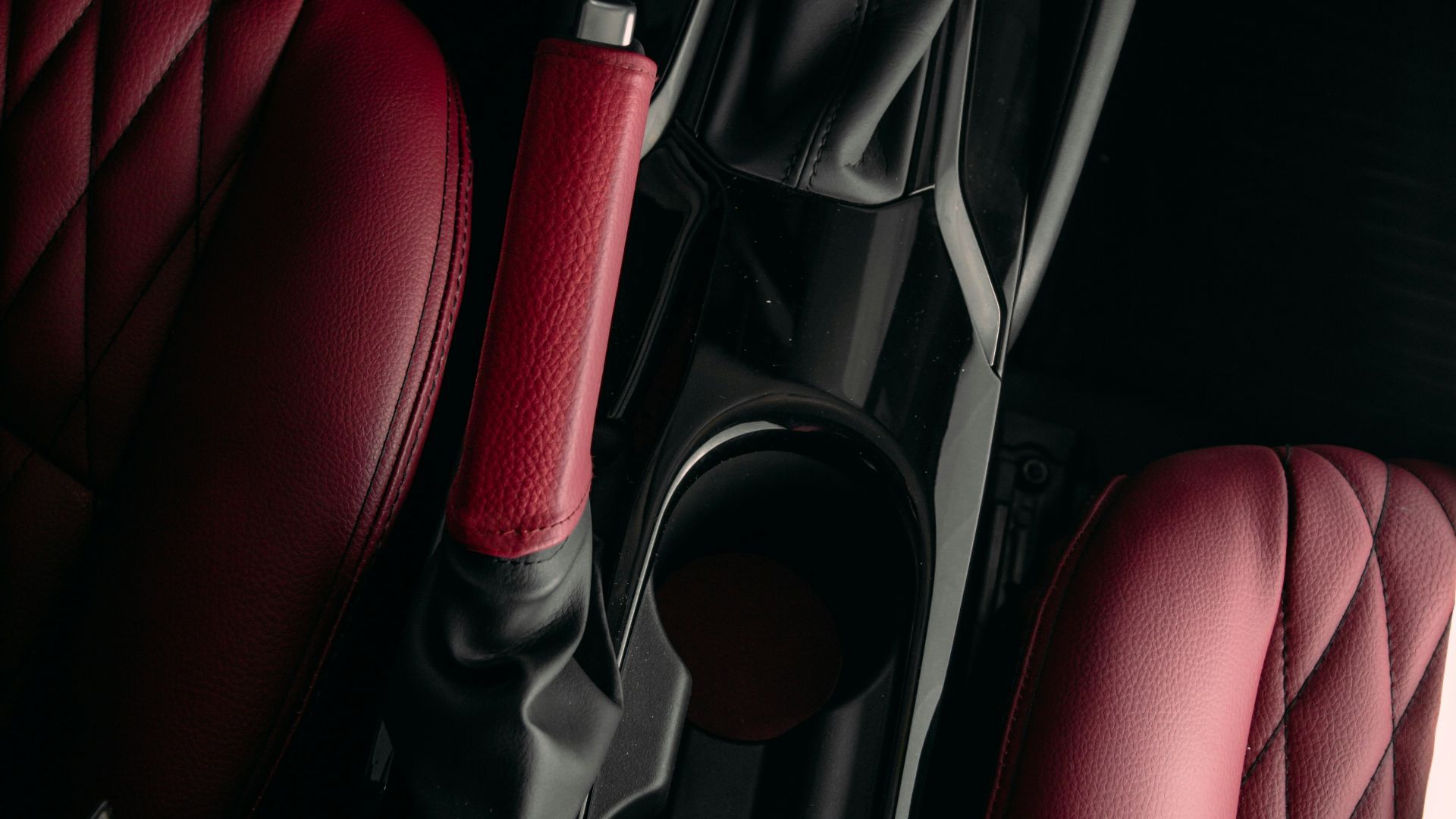
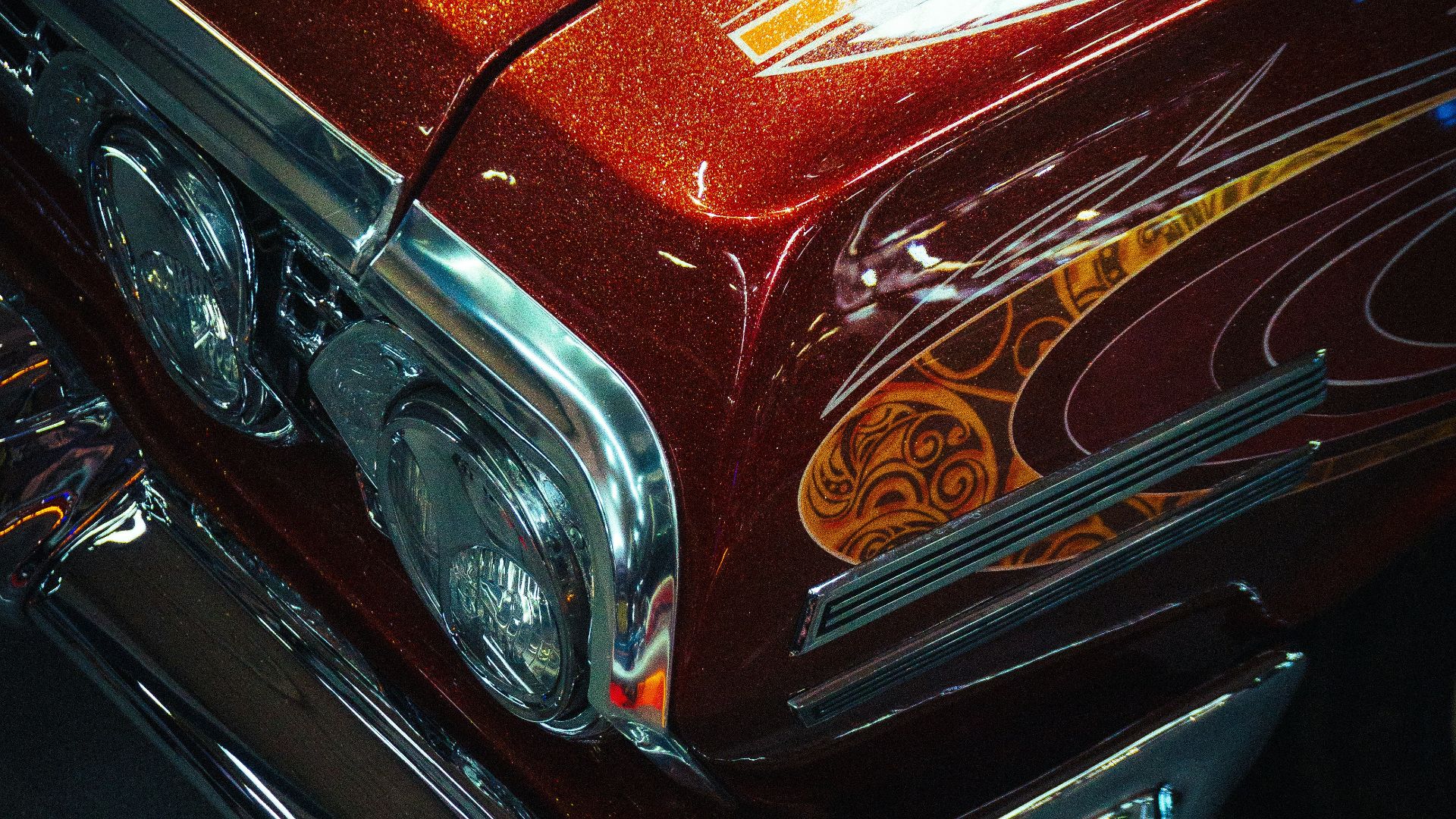
4. Decorative Pinstripes
Pinstripes were huge throughout the 1980s. It was common for dealerships to charge you extra to get them installed prior to your purchase. Those thin strips of vinyl often went on very quickly, but they came with a high price.
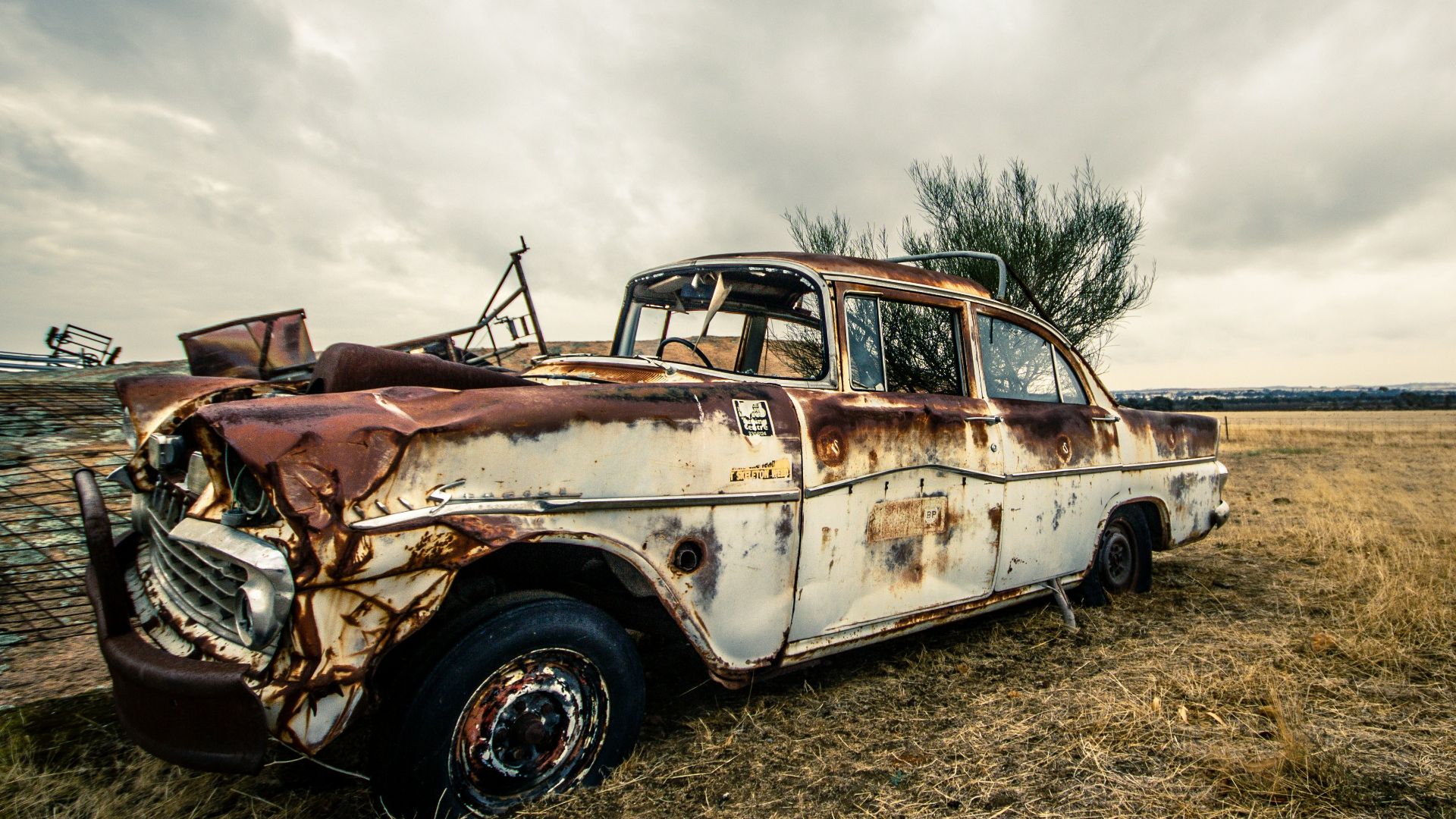
5. Rustproofing Packages
Extra rustproofing sounded reassuring, especially in snowy climates where road salt was common. The problem was that many manufacturers had already applied corrosion protection at the factory by the 1980s. Buyers sometimes ended up paying twice for protection the vehicle already included.
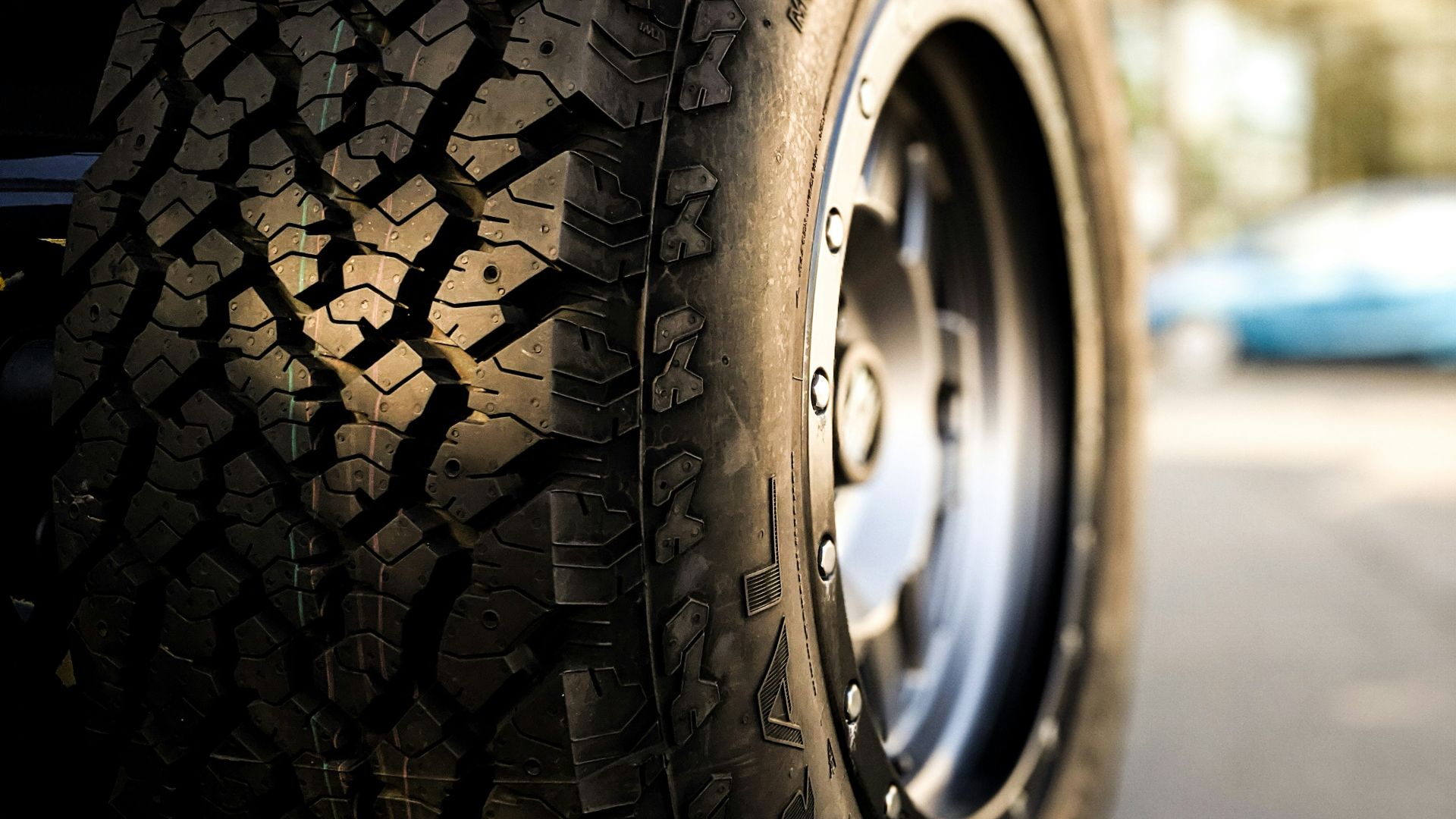
6. Nitrogen Tire Inflation
Dealerships began selling cars inflated with nitrogen instead of compressed air. While nitrogen does have its place in performance circles, most drivers wouldn't notice a difference. Dealerships often marked up this service considerably.
7. Dealer Markup Alarm Systems
Basic aftermarket alarms became a favorite upsell during the decade. The systems themselves weren't always bad, but dealerships frequently charged several times what independent installers would have asked. You often paid luxury prices for fairly ordinary equipment.
8. Undercoating Add-Ons
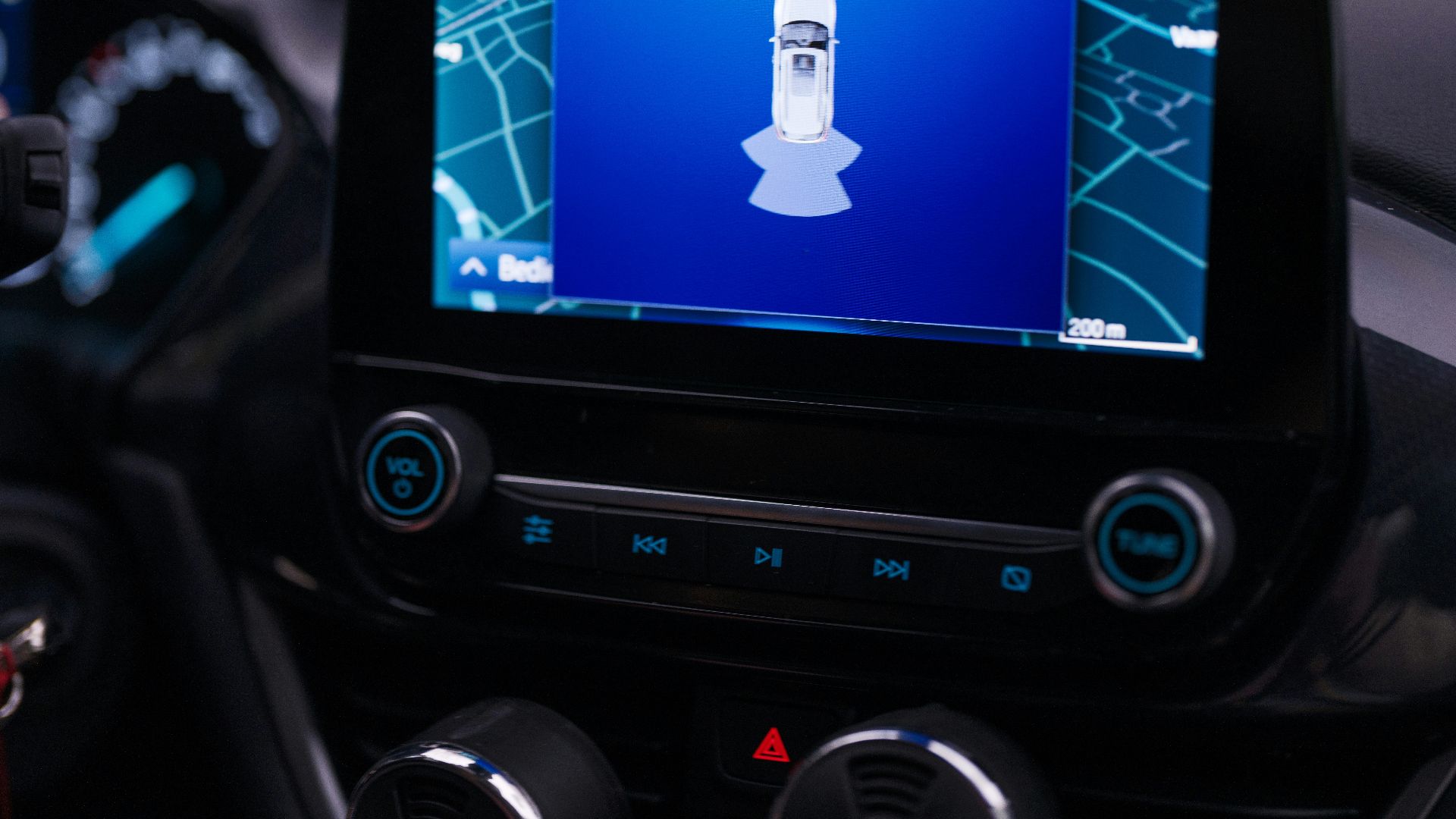
Heavy undercoating was supposed to offer protection from moisture and road debris. Some undercoatings actually locked in moisture if applied incorrectly. They also tended to wear off over time, leaving you without any protection.
9. Wheel Lock Packages
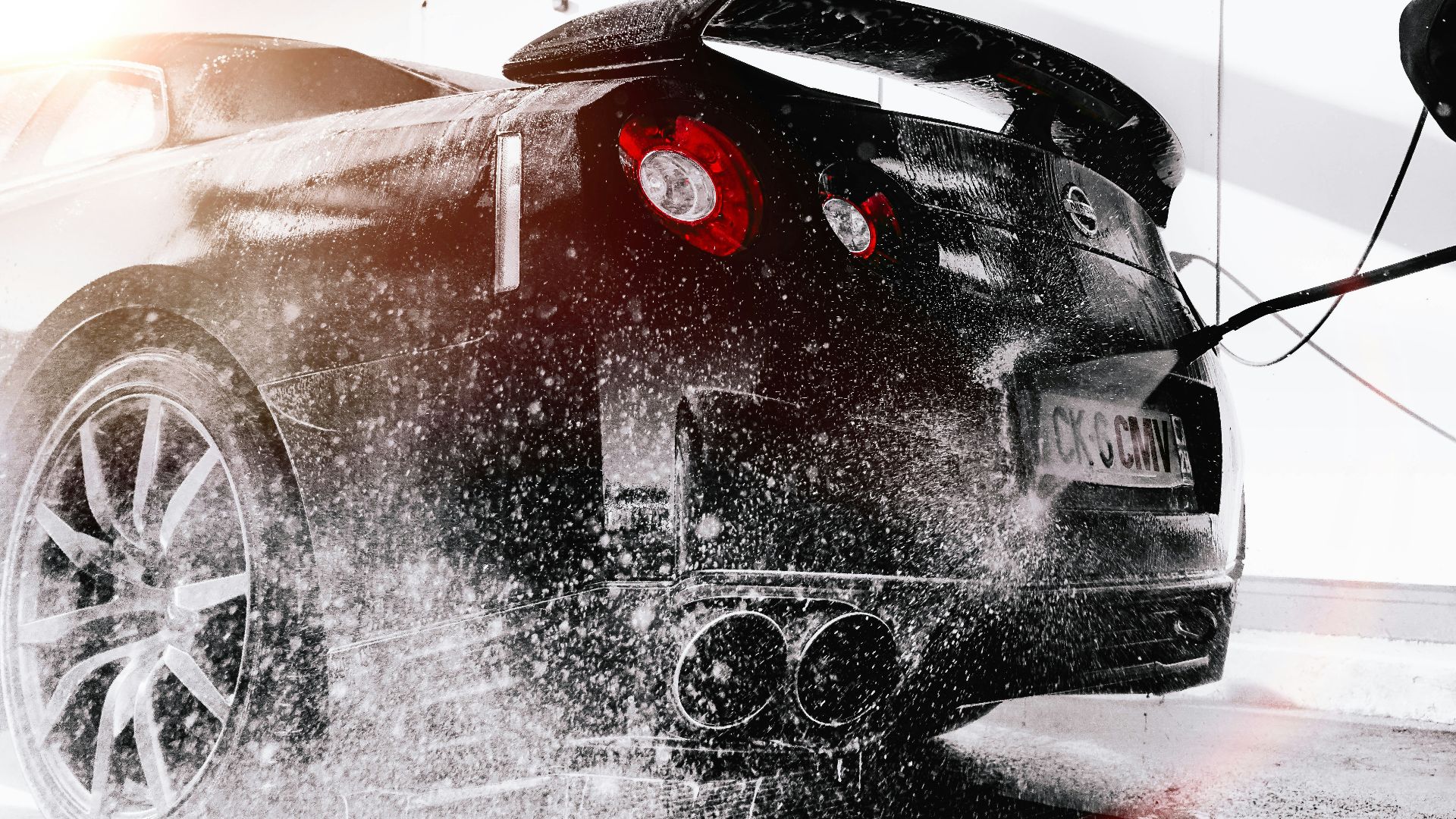
Wheel locks did provide some theft protection, but dealerships often charged far beyond their actual retail value. Similar kits were widely available at auto parts stores for much lower prices. The product itself wasn't useless, but the markup frequently was.
10. Extended Cosmetic Protection Plans
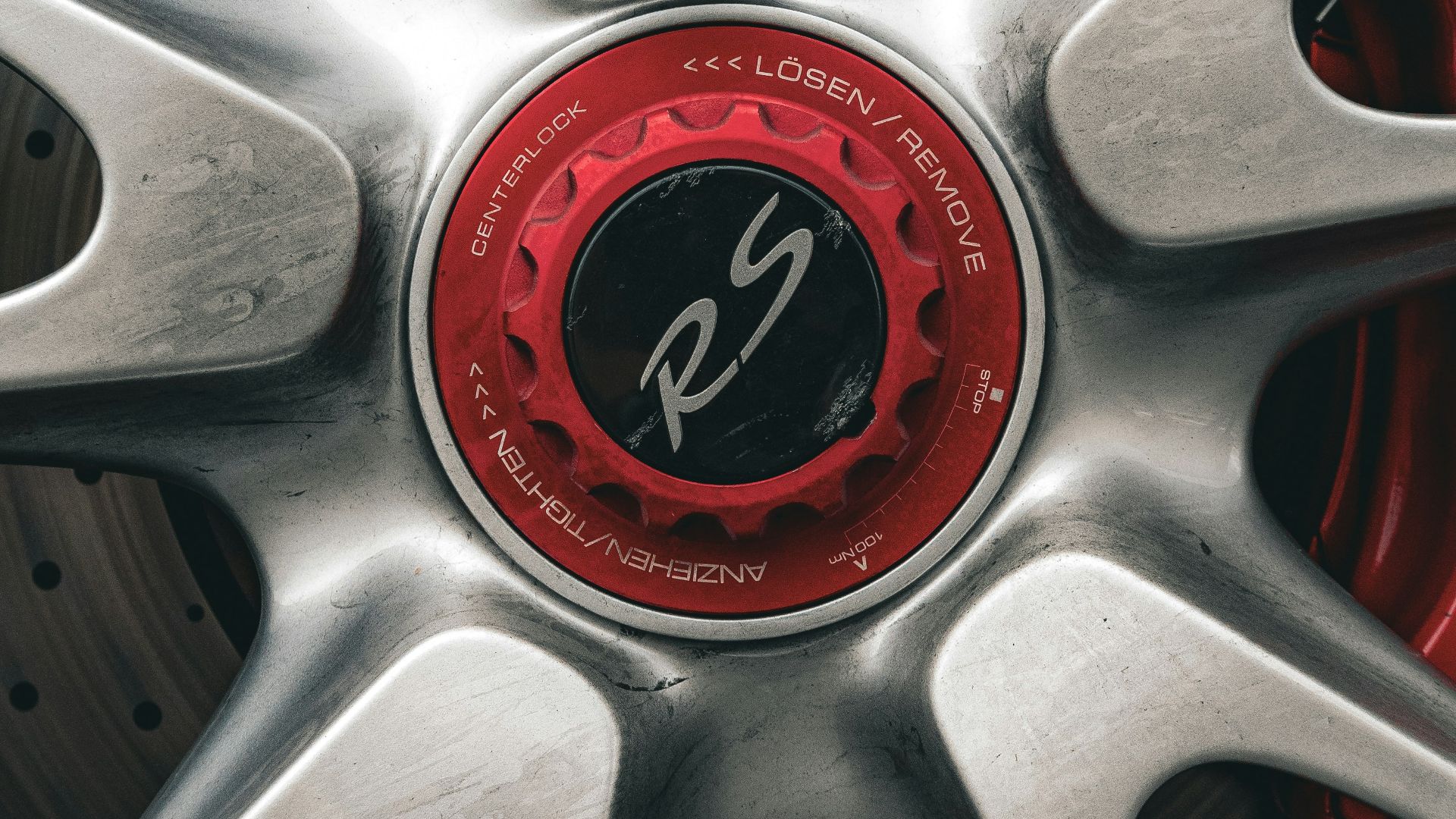
These plans covered anything from rock chips to interior stains for years after you purchased your vehicle. Many didn't realize there were holes in the coverage until they needed to use it. The plans always sounded great during the sale, but hindsight is 20/20.
Now that we talked about 10 terrible add-ons, here are 10 that were actually useful.
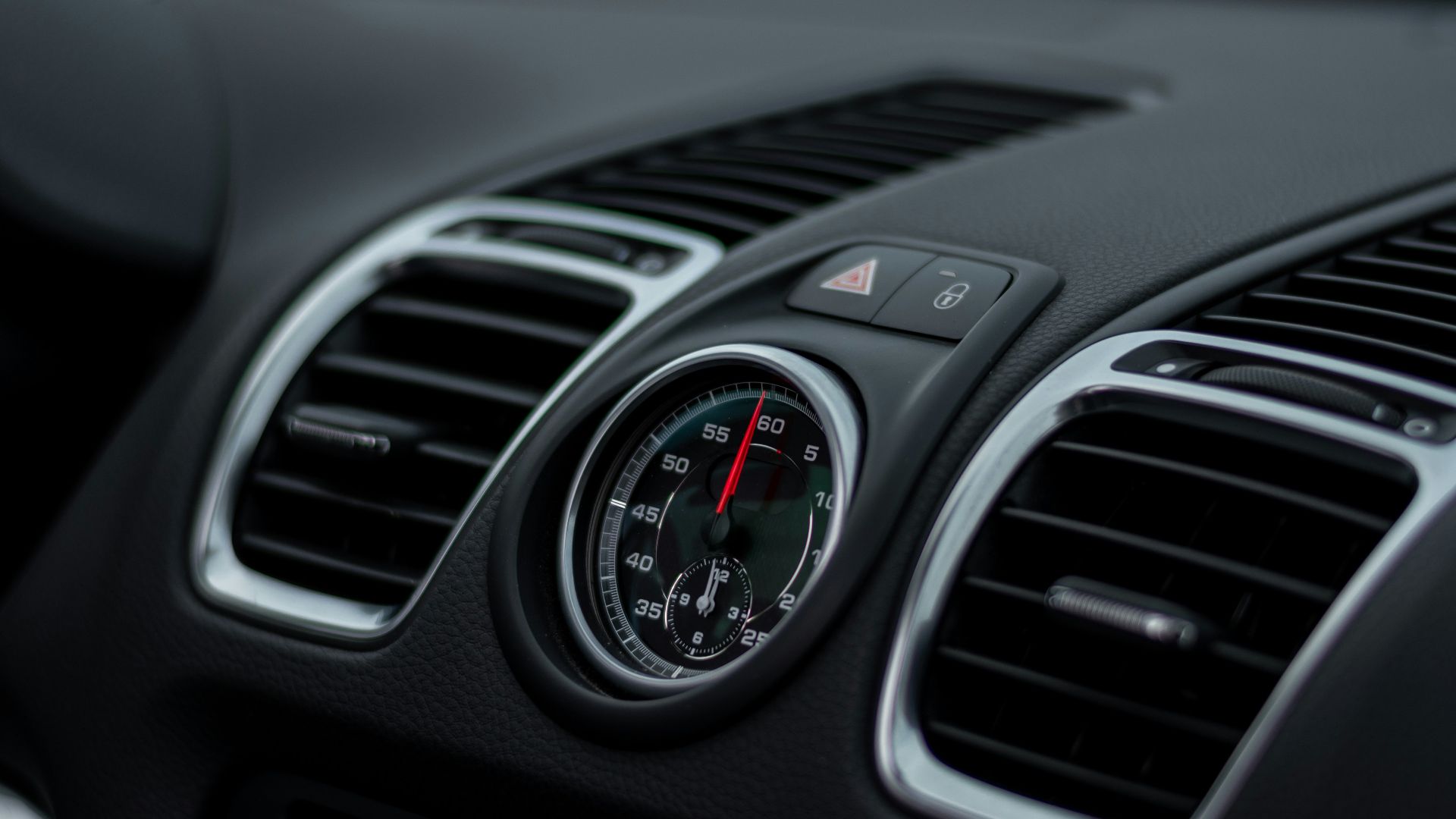
1. Air Conditioning
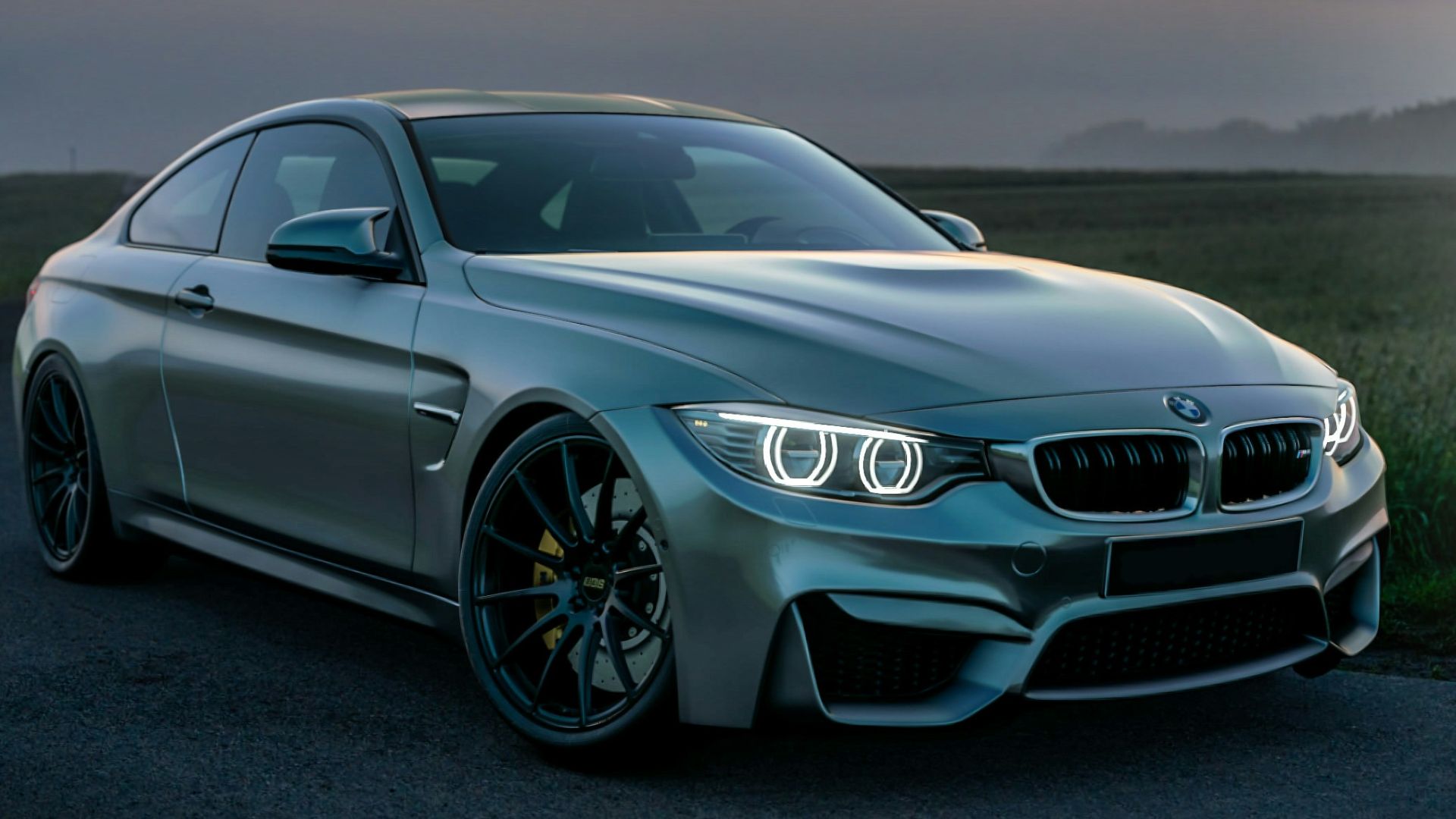
Not every car in the early 1980s came standard with air conditioning, making it a genuinely valuable option. Comfortable summer driving quickly justified the additional cost for many owners. It also helped improve resale value once cold air became an expected feature.
2. Cruise Control
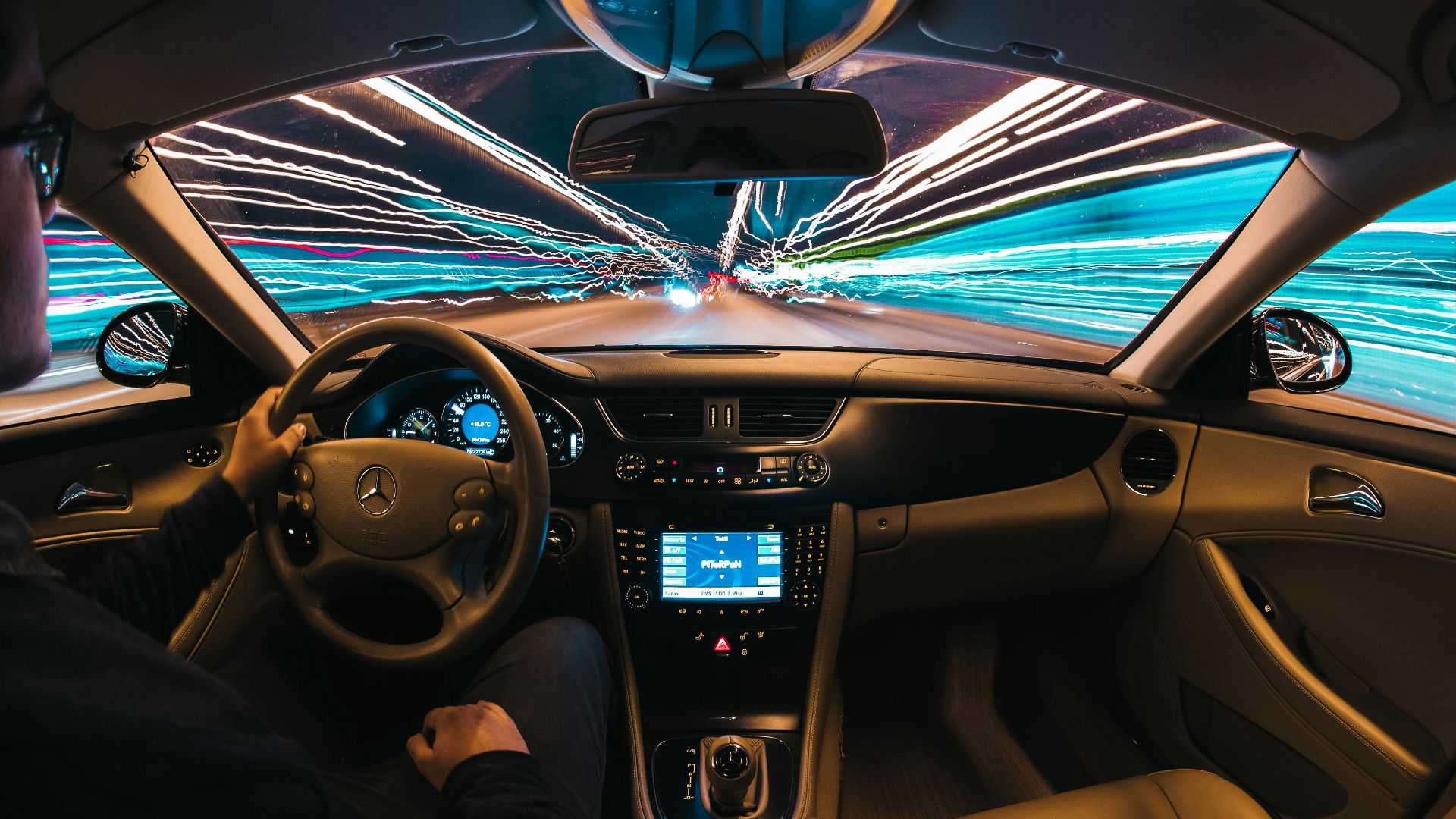
Driving on the highway became stress-free with cruise control. It helped reduce fatigue on long trips and even provided better gas mileage during longer journeys. Once you got used to cruise control, you didn't want to drive without it.
 Samuele Errico Piccarini on Unsplash
3. Rear Window Defrosters
A frosty rear window could seriously limit visibility on cold mornings. Rear defrosters cleared condensation and ice much faster than simply waiting for the cabin to warm up. That convenience also added an extra measure of safety during winter driving.
4. Power Windows
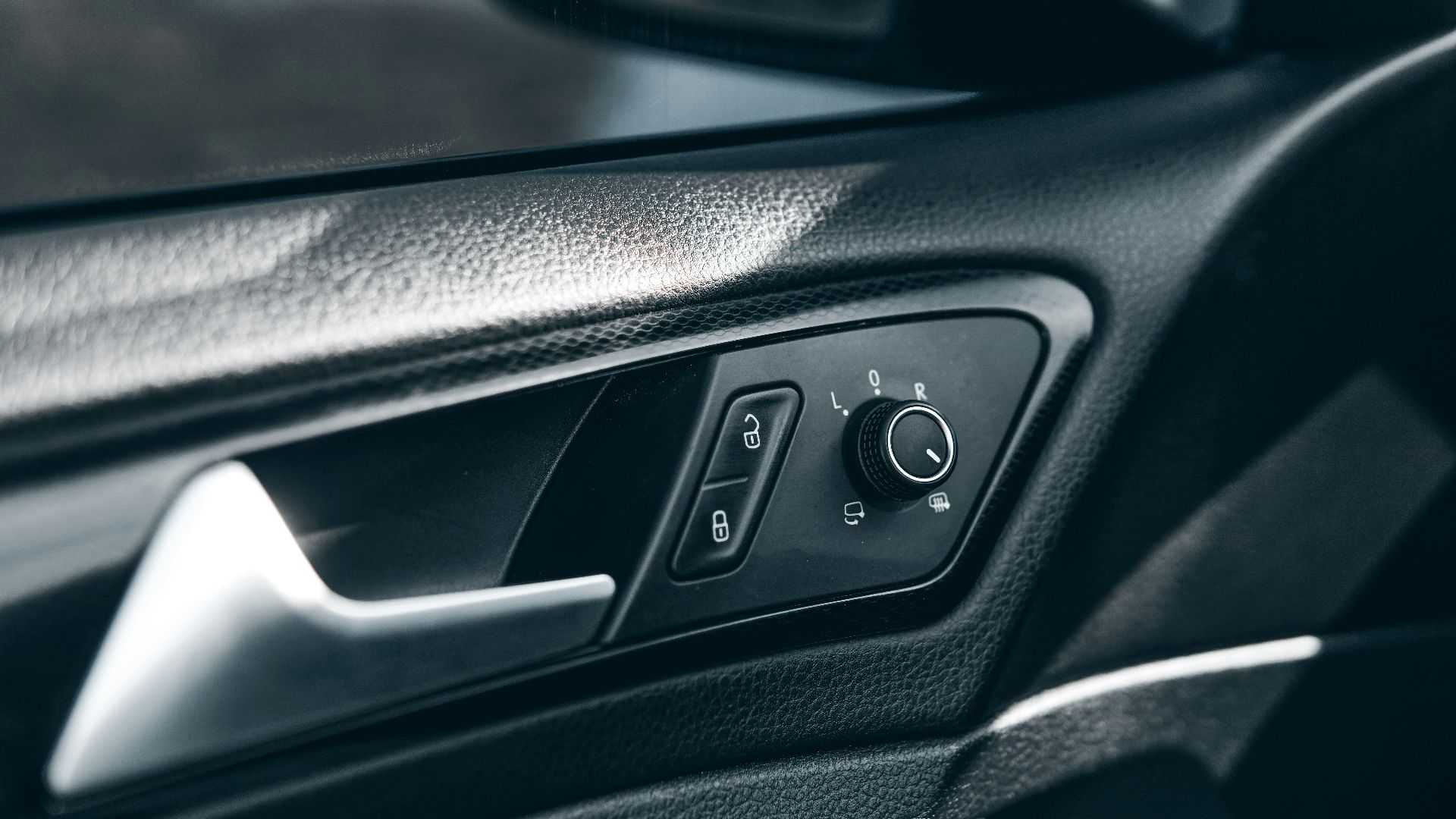
Rolling every window up by hand wasn't difficult, but power windows made daily driving noticeably easier. Drivers especially appreciated being able to adjust every window from the front seat. Families with children found the feature particularly convenient.
5. Power Door Locks
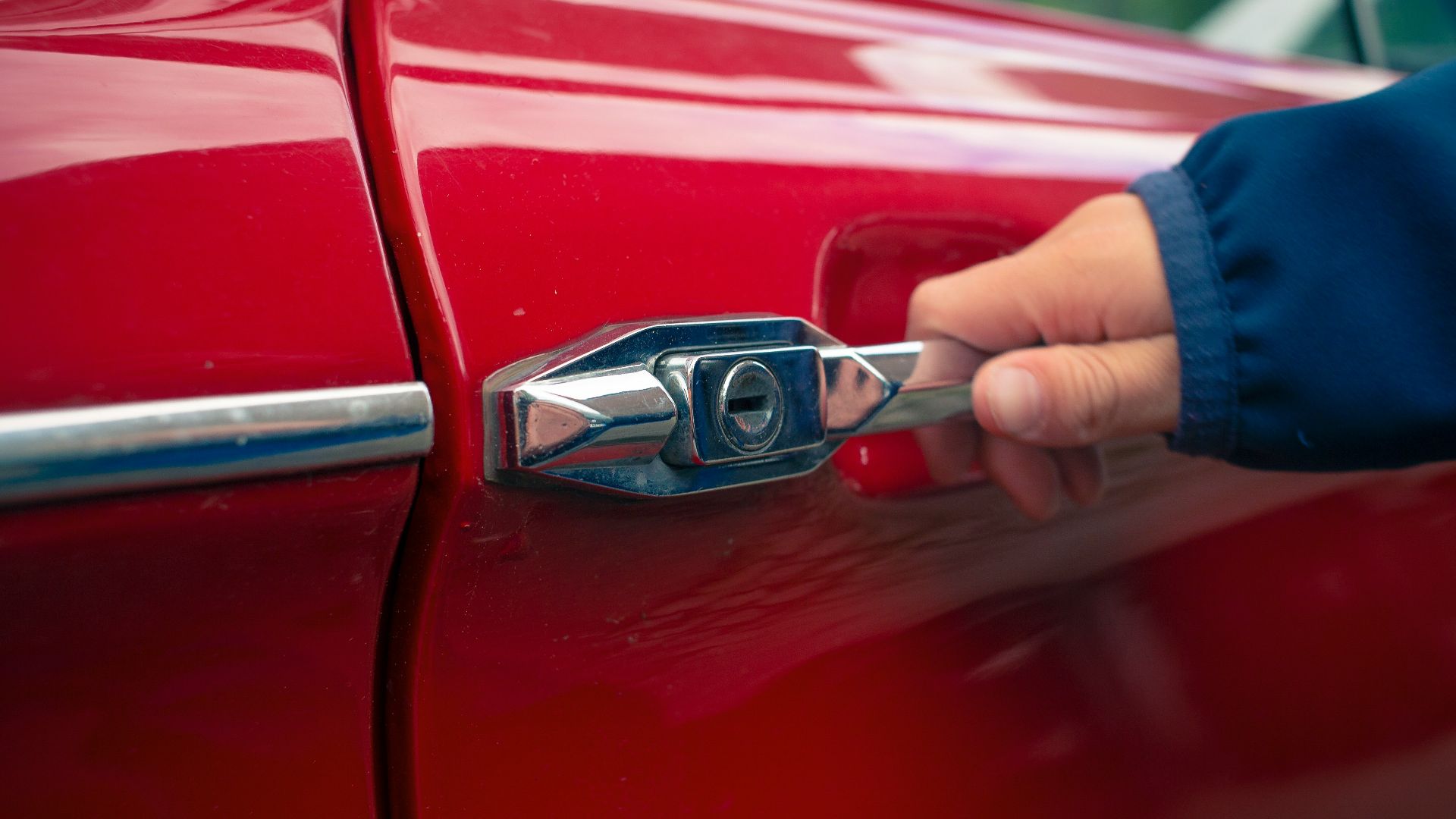
Locking down your entire car with the click of a button was convenient. No longer did you have to worry about locking each door individually. It saved you time and was a little safer too.
6. Tilt Steering Wheels
Drivers come in all shapes and sizes, making steering wheel adjustment surprisingly important. A tilt steering column allowed people to find a more comfortable driving position with minimal effort. Longer trips became much easier when you weren't constantly shifting around in your seat.

7. Better Factory Stereo Systems
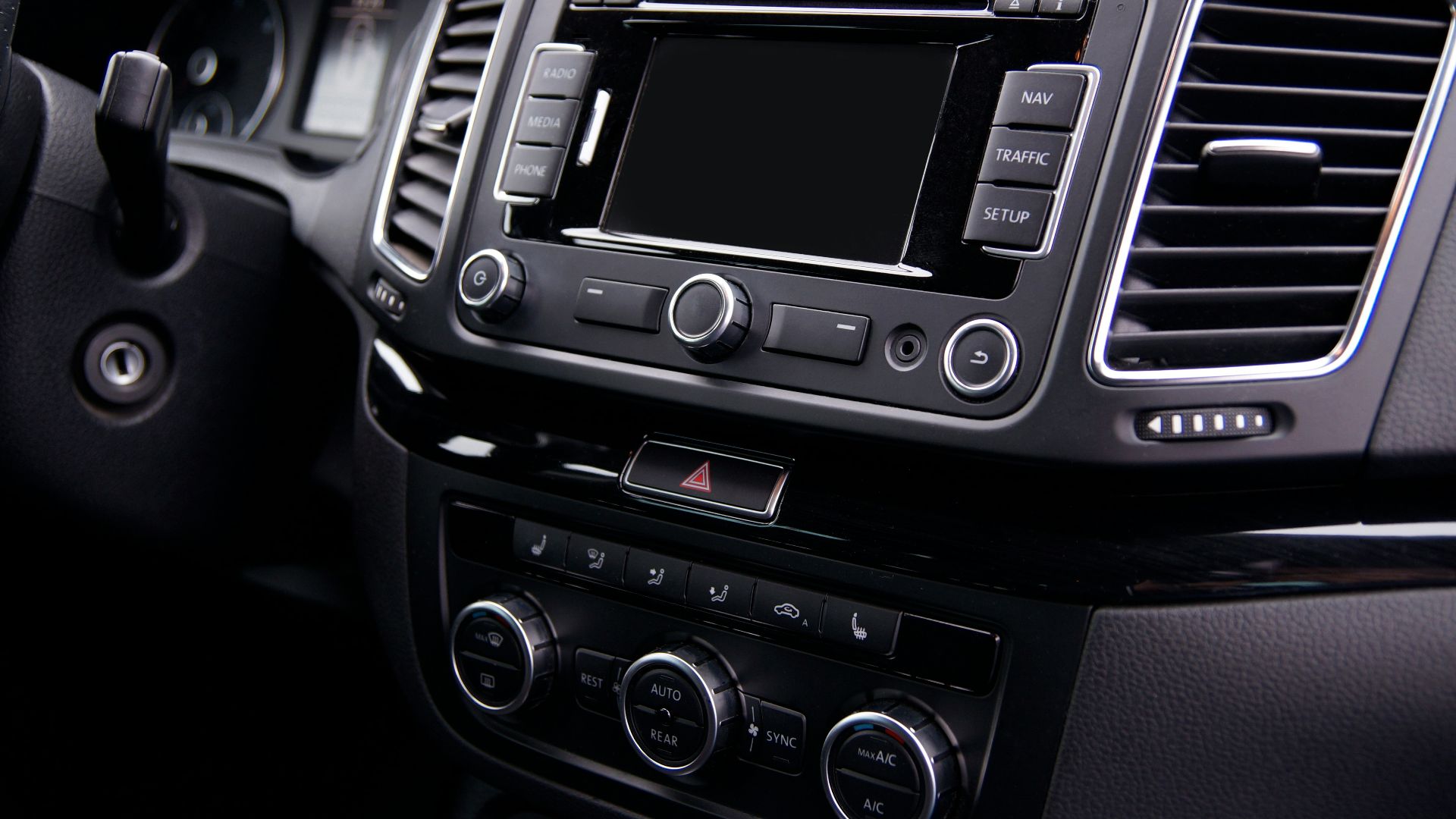
Upgraded audio systems offered clearer sound and more powerful speakers than the standard setups. Whether you were listening to rock, country, or the latest pop hits, better sound quality made every commute more enjoyable. For many buyers, this was one upgrade they used every single day.
8. Intermittent Windshield Wipers
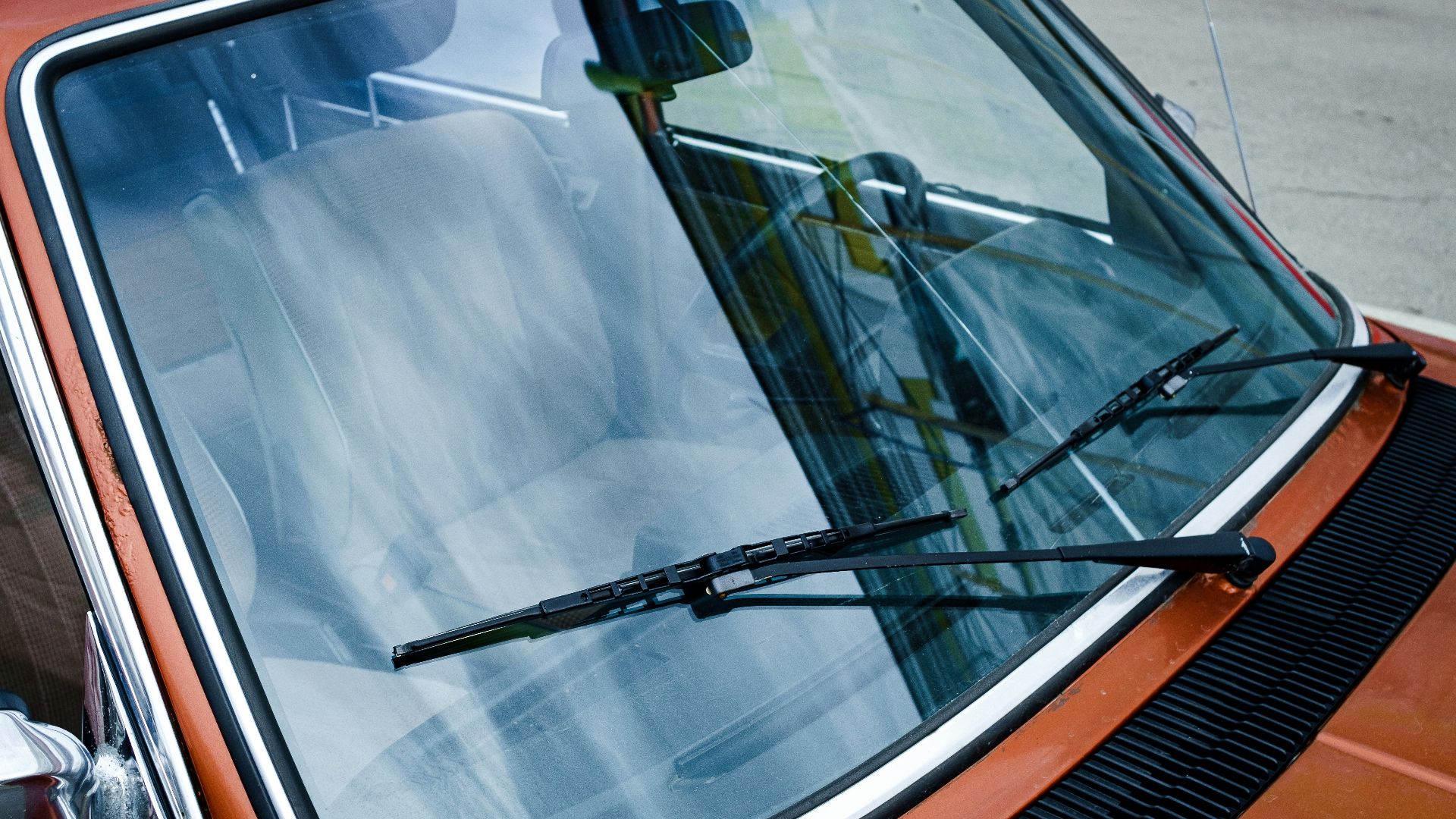
When it's raining heavily, you'll likely need your windshield wipers on high. However, if your wipers are on intermittent, you can adjust the speed to your needs without stopping and readjusting the dial. It was a small convenience that was much appreciated.
9. Remote Side Mirrors
Being able to adjust mirrors from inside the cabin felt surprisingly modern during the 1980s. It allowed drivers to fine-tune their view without opening the window or stopping the car. Better visibility contributed to safer lane changes and easier parking.
10. Heavy-Duty Floor Mats
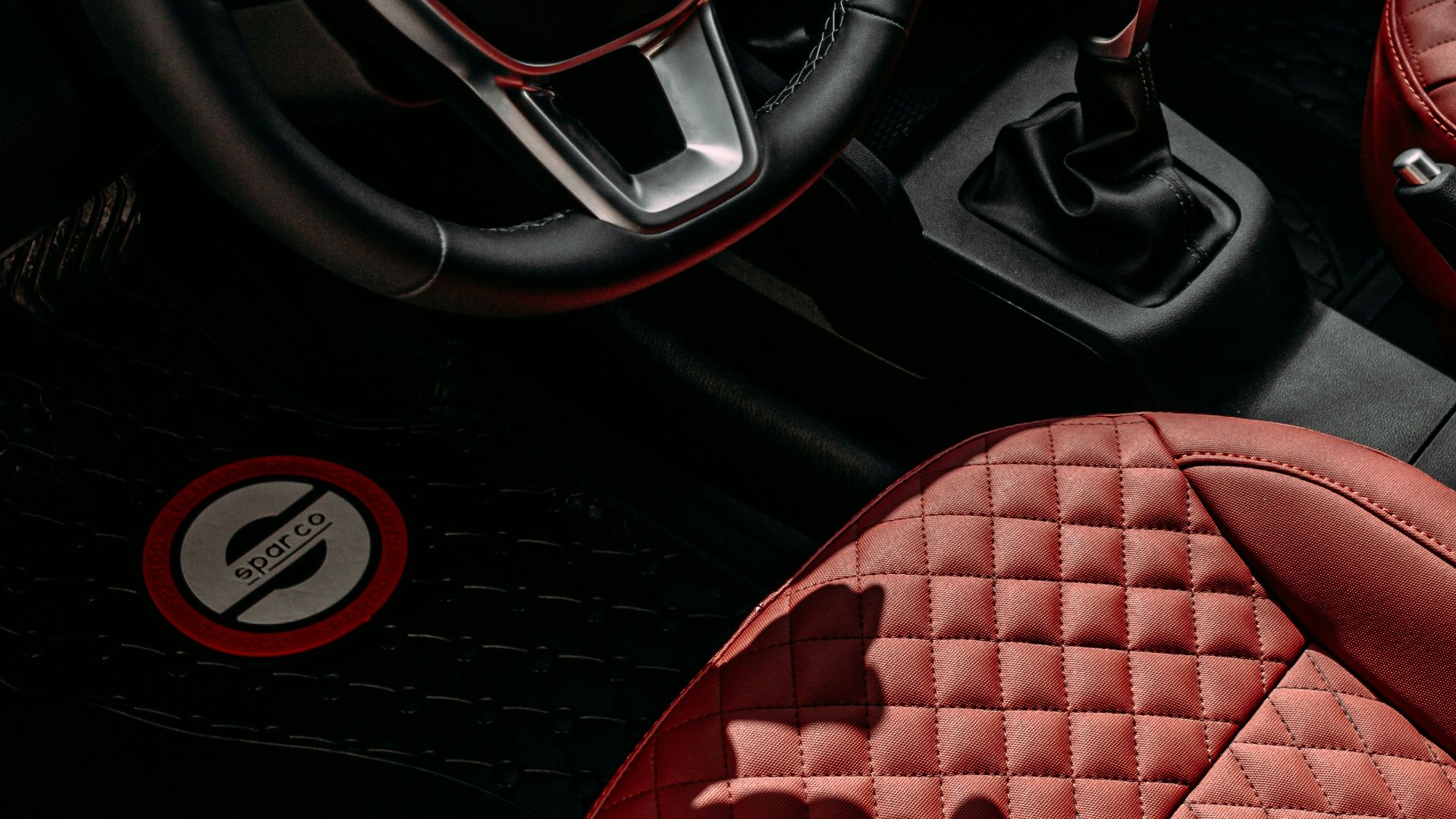
Factory carpet wasn't especially difficult to stain, particularly during muddy or snowy seasons. Durable floor mats helped protect the interior from dirt, salt, and everyday wear while making cleanup much easier. Unlike many flashy dealership extras, this was one accessory that consistently earned its keep.