The Collector Car Garage Is Changing
Classic-car enthusiasm isn’t disappearing with younger generations, but the definition of a desirable classic is definitely shifting in surprising ways. Younger enthusiasts often gravitate toward completely different models than longtime collectors do. Cars from the 1980s, ’90s, and early 2000s are becoming increasingly collectible, while some once-unquestioned icons attract disproportionately older audiences. Here are 10 classics struggling to connect with younger buyers, and 10 that seem to have no trouble getting their attention.
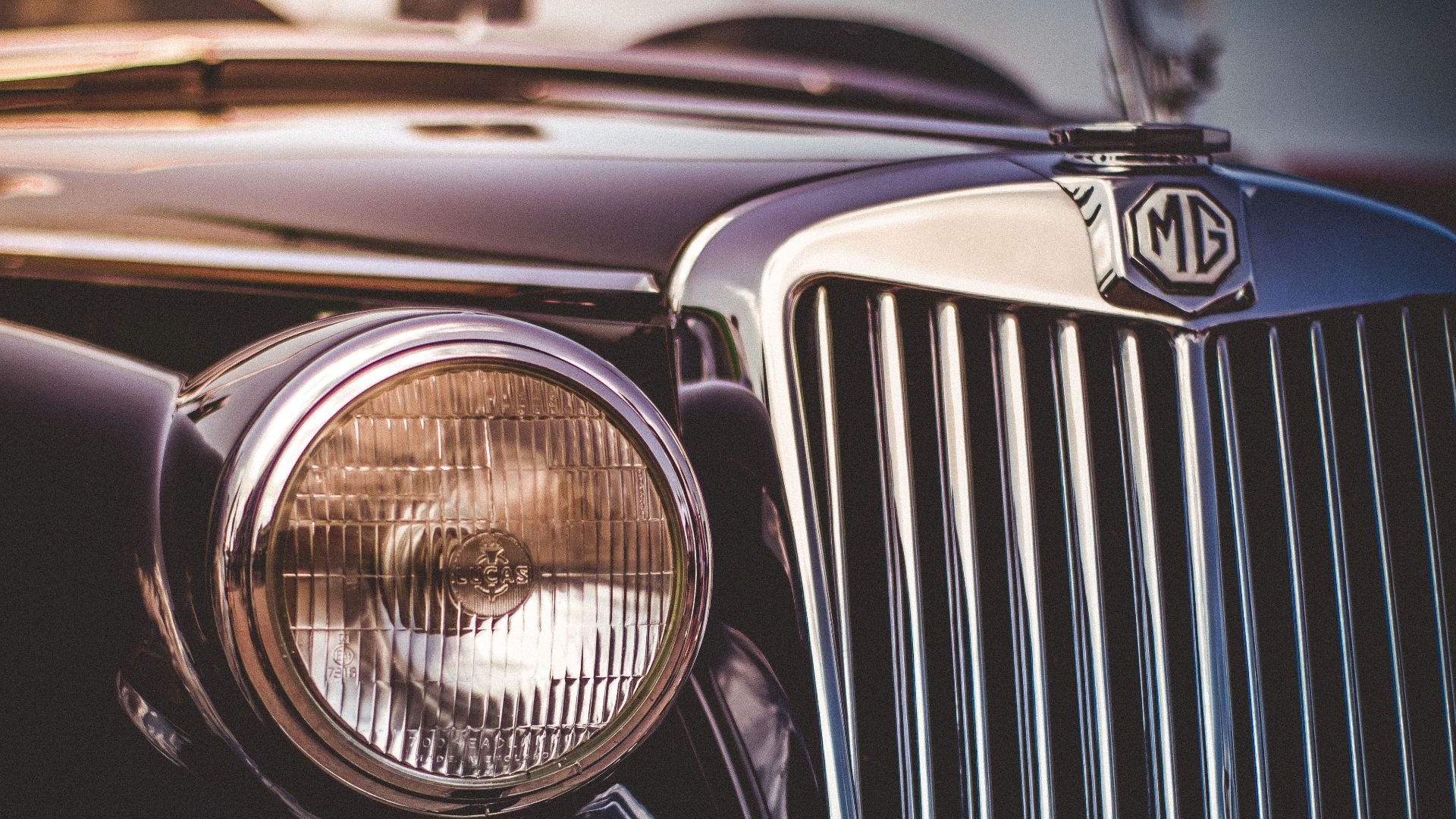
1. MG TD
There was a time when an MG TD represented affordable British sports-car fun, but its audience has aged considerably. 88% of insurance quotes for T-series MGs came from enthusiasts born before 1965. Younger shoppers can get something faster, more familiar, and easier to live with for similar money, which makes the little MG a tougher sell than it used to be.
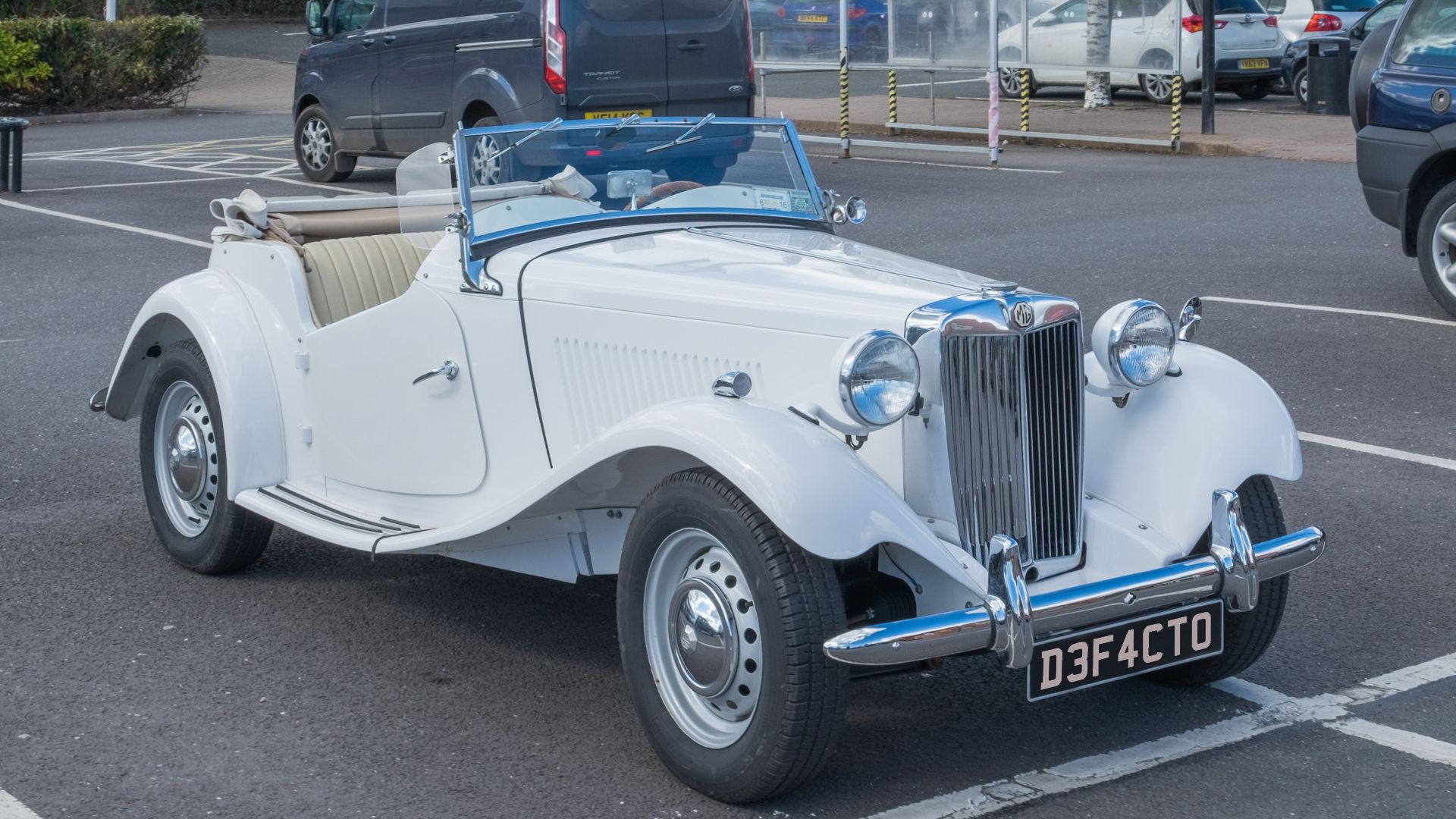
2. Porsche 356
The Porsche badge certainly hasn't lost its appeal, but younger enthusiasts seem much more interested in later generations of the brand. Nearly 70% of people seeking insurance quotes for the 356 were born in 1965 or earlier. High prices don't help either, especially when younger Porsche fans have 911s and other performance models competing for their money.
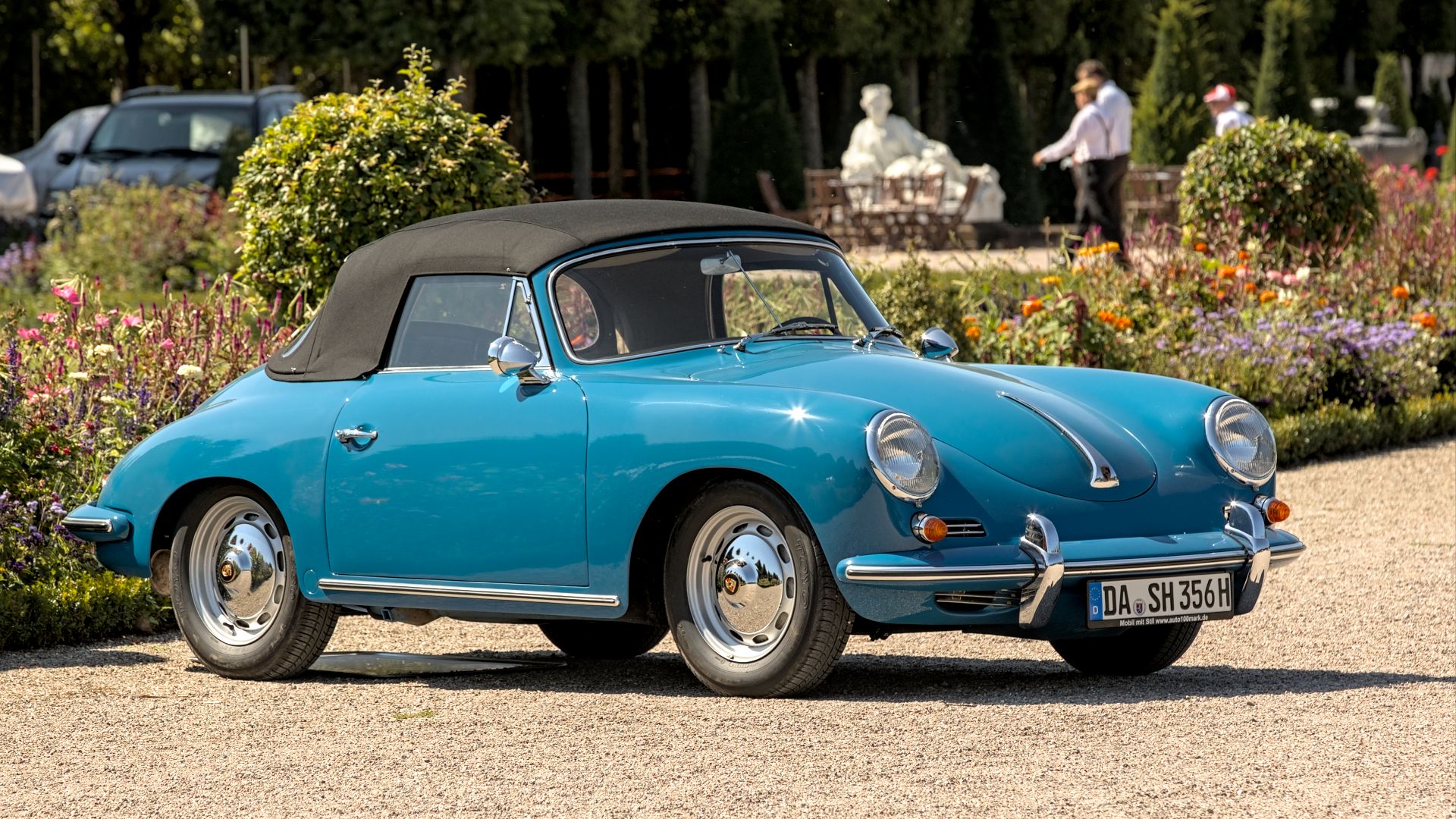
3. Jaguar E-Type
Few people are going to argue that an E-Type isn't beautiful, but admiring one and buying one are two very different things. About 80% of insurance quotes across the three E-Type series came from people born before 1965. Prices can be intimidating, but even the comparatively affordable later versions haven't generated much interest from younger collectors.
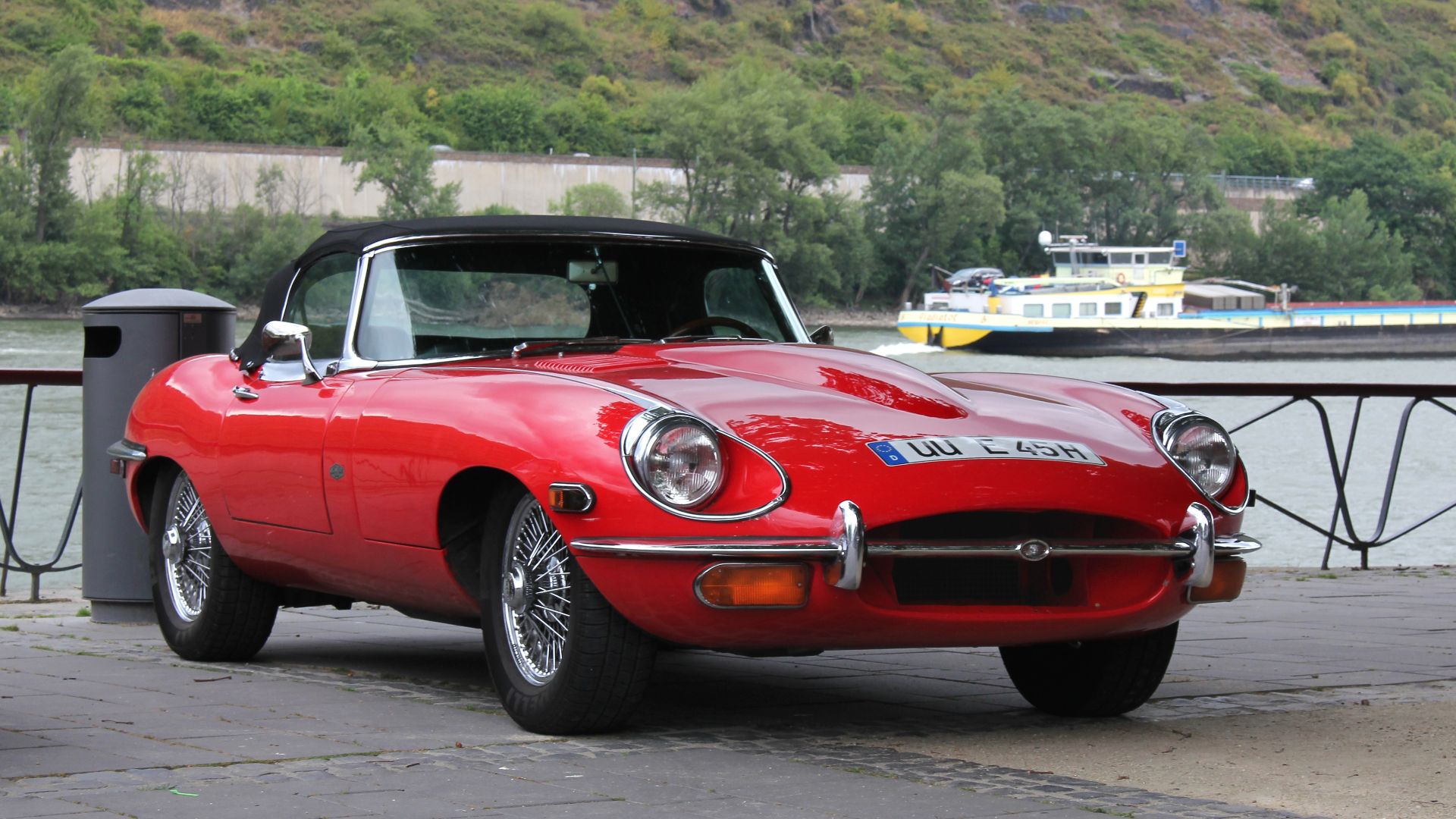
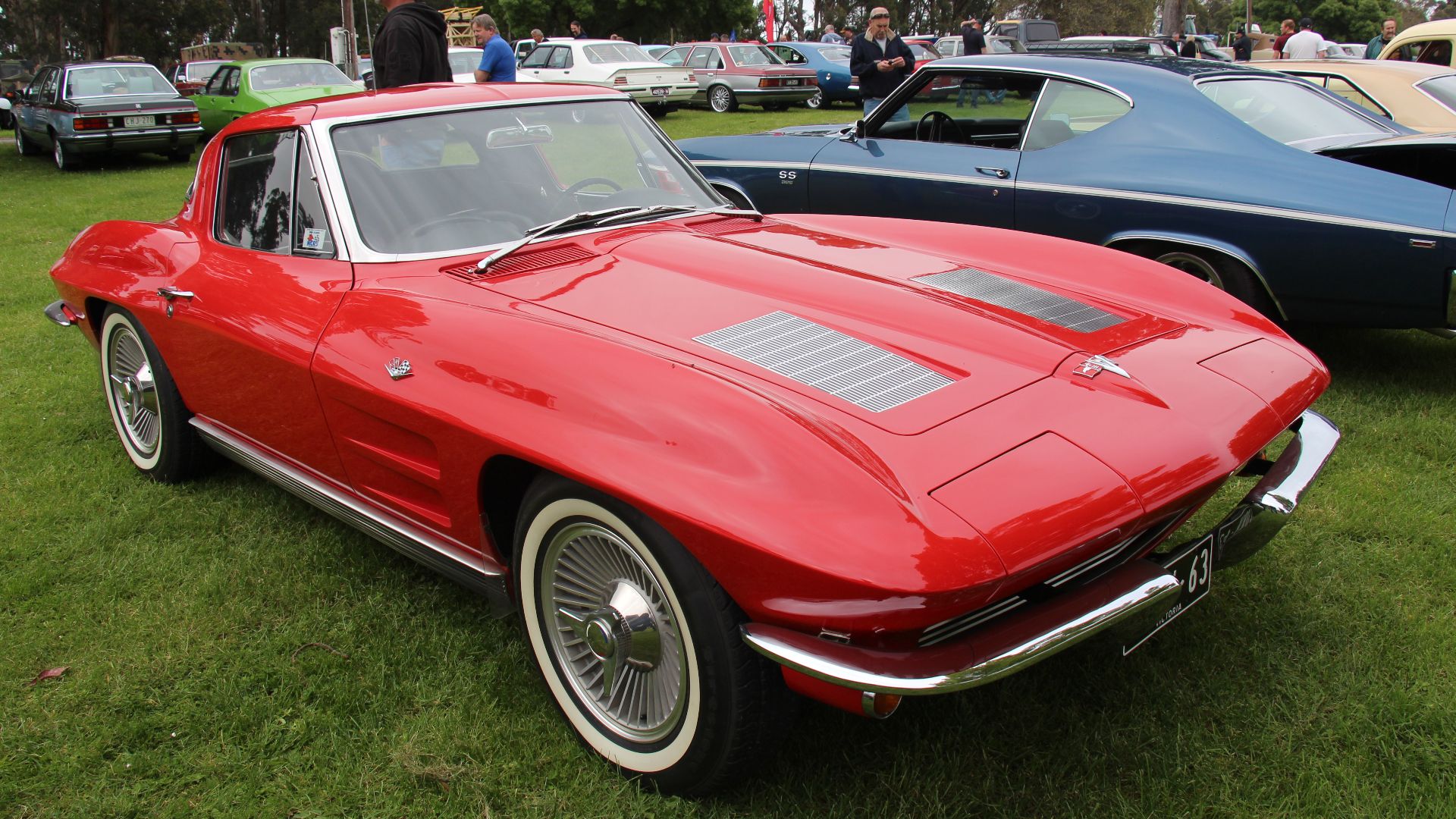
4. 1963–1967 Chevrolet Corvette
The C2 Corvette remains one of America's most celebrated sports cars, yet its buyer base is surprisingly old. Roughly 74% of people requesting quotes for one had already been alive when the C2 was new. Younger Corvette shoppers appear far more willing to look at later generations where their money buys considerably more performance.
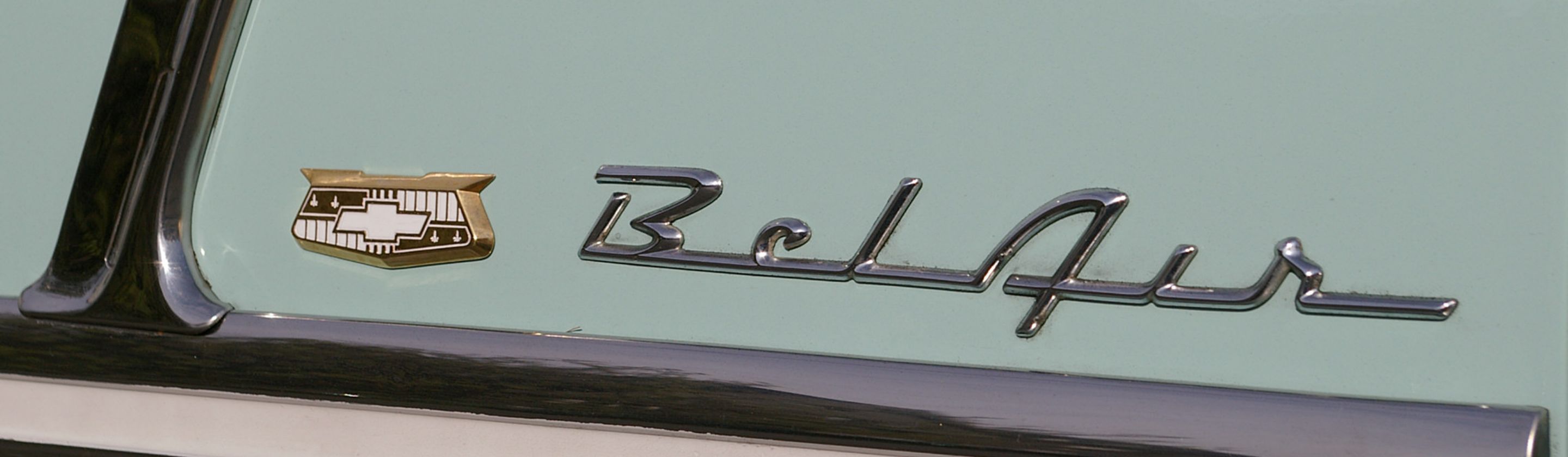
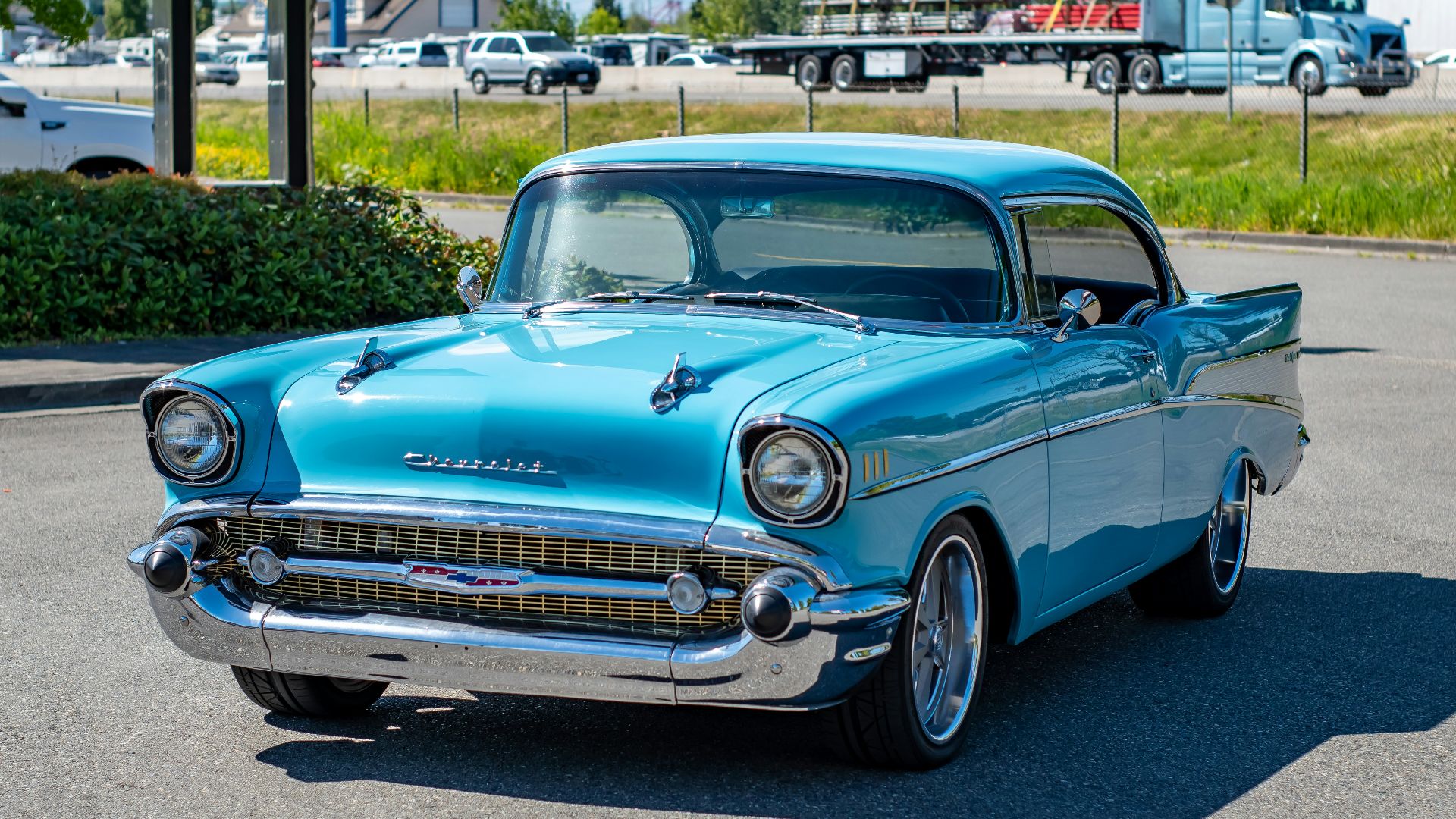
5. 1955–1957 Chevrolet Bel Air
The Tri-Five Bel Air once seemed almost mandatory at any serious American car show. However, younger collectors haven't embraced 1950s American cars at anywhere near the same level. The Bel Air still has plenty of admirers, but nostalgia for the 1950s simply isn't as powerful among buyers born decades later.
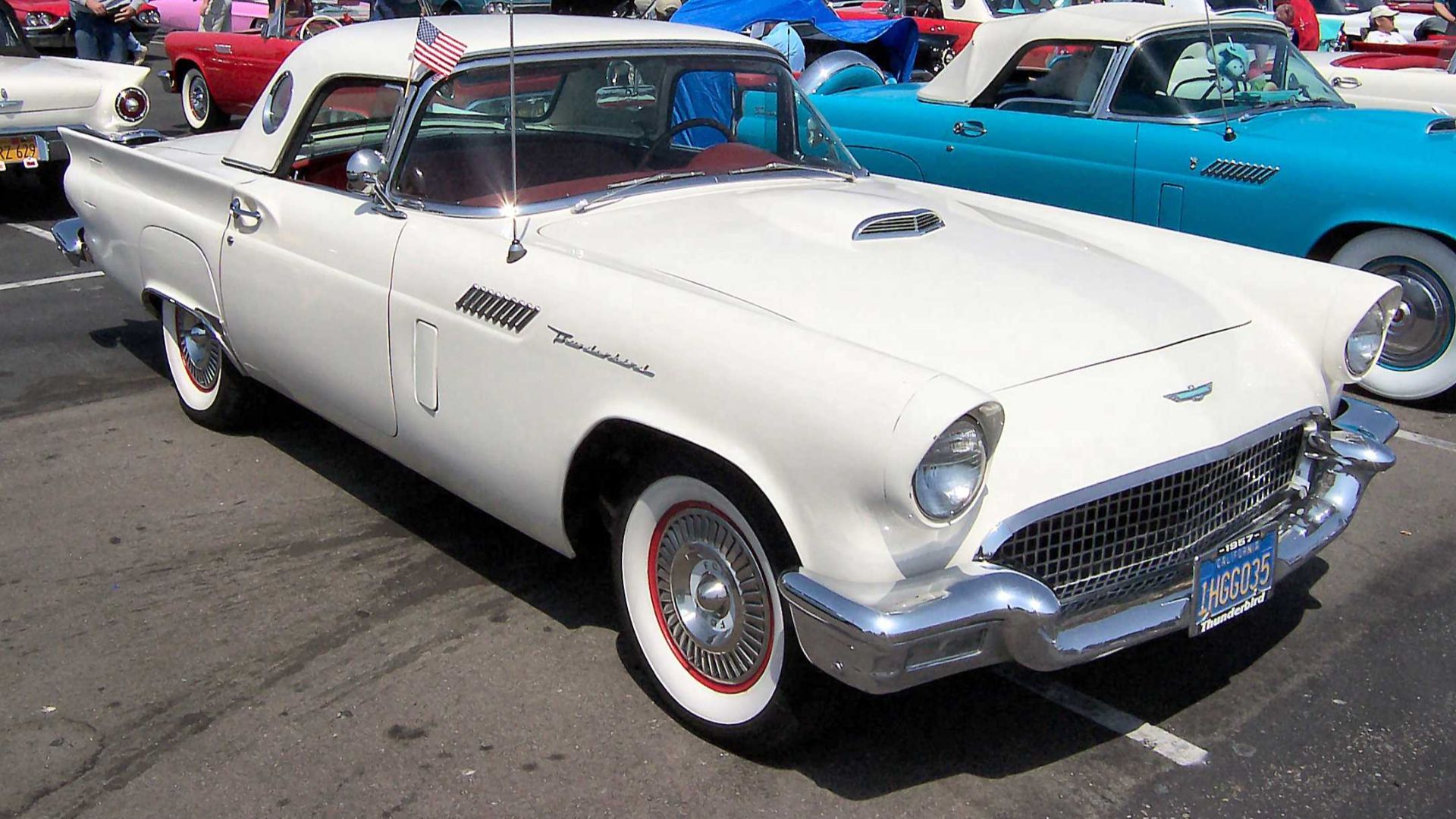
6. 1955–1957 Ford Thunderbird
The first-generation Thunderbird has chrome, V8 power, and one of the most recognizable designs of its era, but that doesn't automatically translate into youthful demand. Like many premium American cars from the 1950s, it belongs to a segment historically dominated by older collectors. Younger enthusiasts looking for a Thunderbird have even shown increasing interest in the less expensive 1964–1966 generation instead.
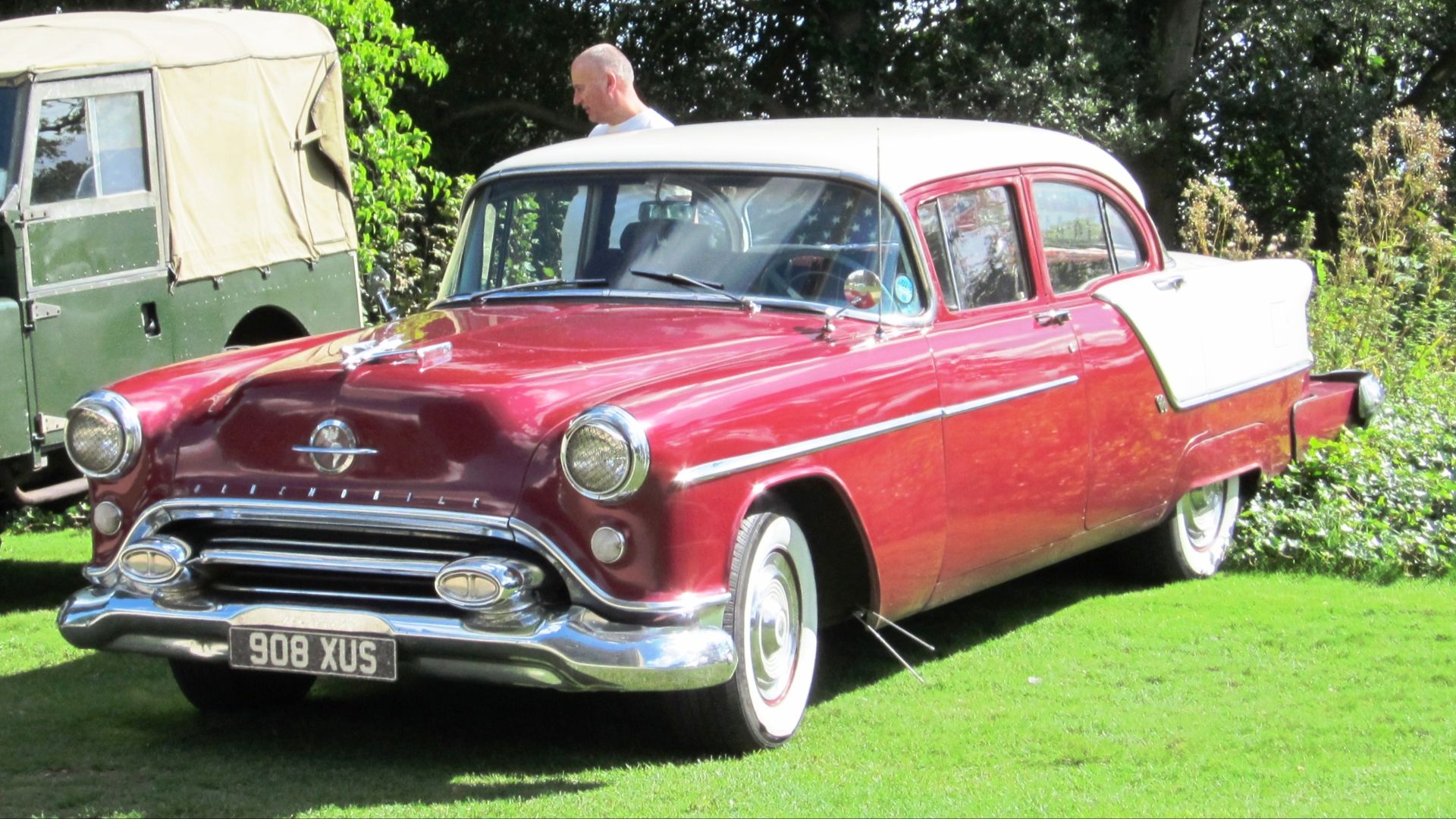
7. 1950s Oldsmobile 88
Early Oldsmobile 88s were important performance cars long before the muscle-car era officially arrived, but historical significance only goes so far in today's market. Older American sedans from the 1950s generally attract less younger-buyer interest than later muscle cars, SUVs, and Japanese performance models. There's also a visibility problem, seeing as there are no new Oldsmobiles to introduce younger fans to the name.
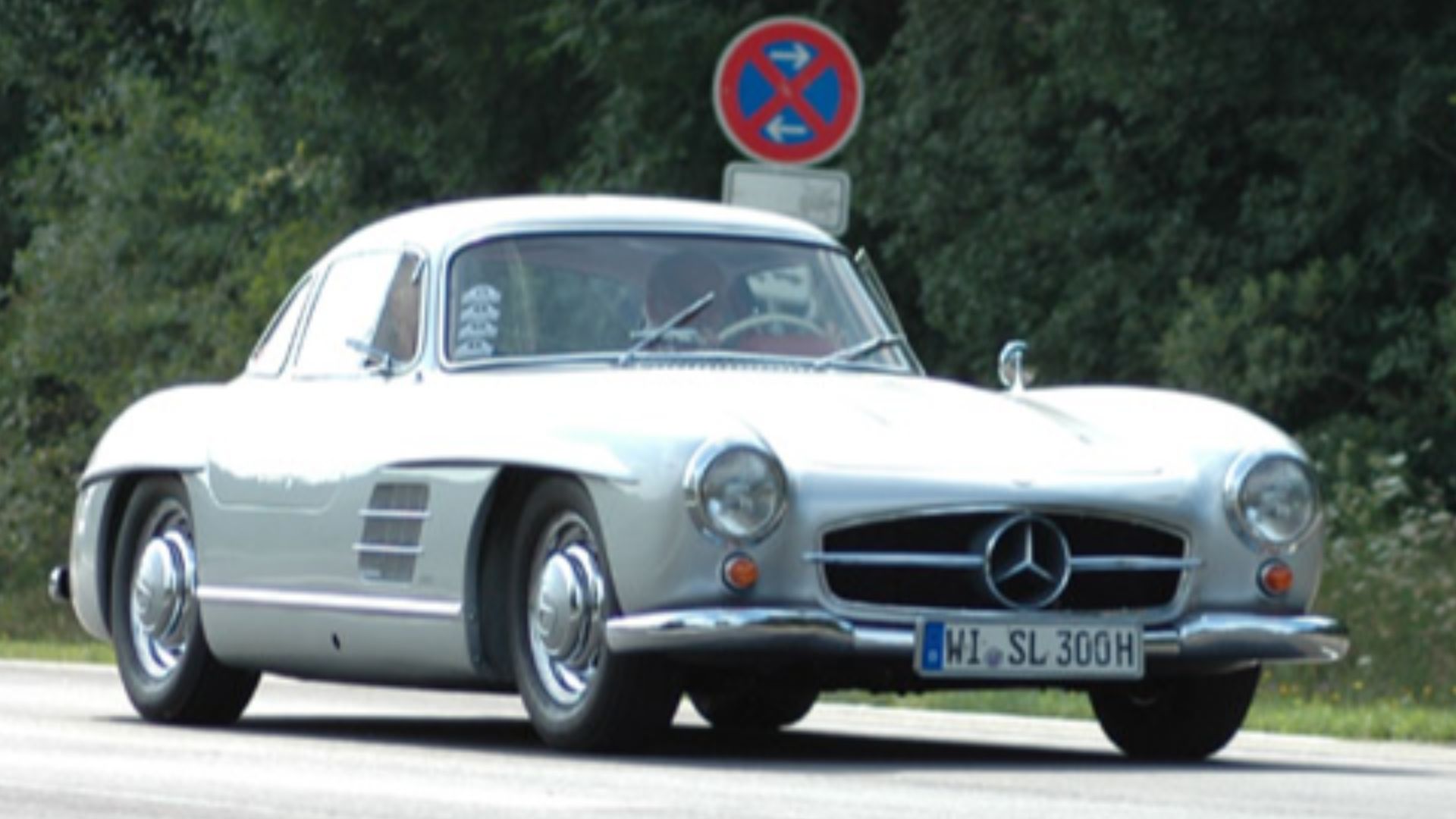
8. Mercedes-Benz 300SL
The 300SL isn't in danger of becoming undesirable, because rarity and international significance keep it firmly among blue-chip collectibles. Its demographic profile does skew older, though, and there's substantially stronger younger-generation interest in the Shelby Cobra when comparing the two high-dollar classics. For the relatively tiny number of younger collectors wealthy enough to shop at this level, other automotive icons can be more tempting.
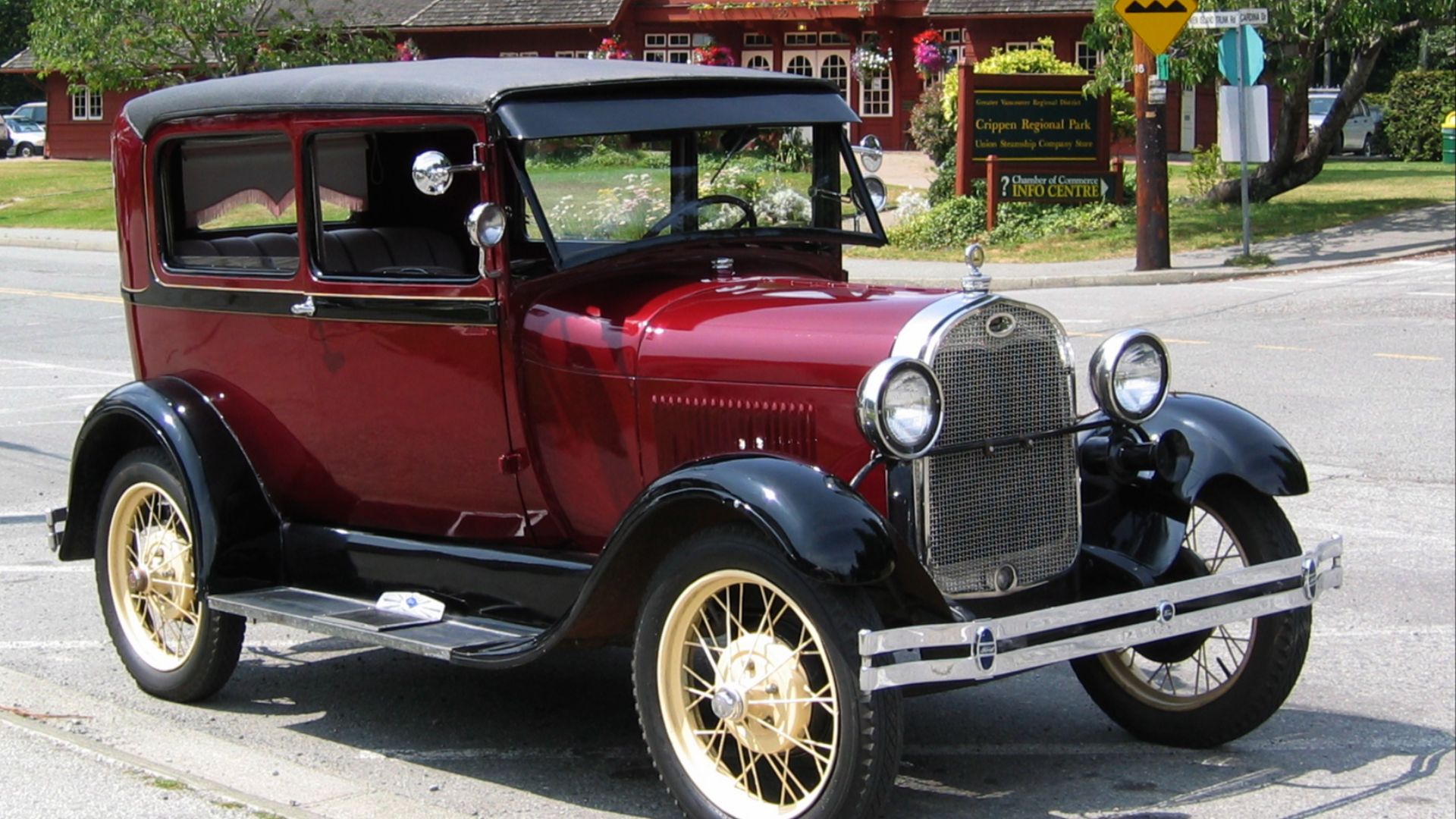
9. Ford Model A
The Model A remains hugely recognizable and enjoys tremendous club support, but its age makes it a specialized proposition for a younger driver. Its modest speed, old-fashioned controls, and very different driving experience require someone who specifically wants an early automobile rather than simply a fun classic. Prewar cars still have a healthy collector community, but the broader market has increasingly expanded toward much newer enthusiast vehicles.
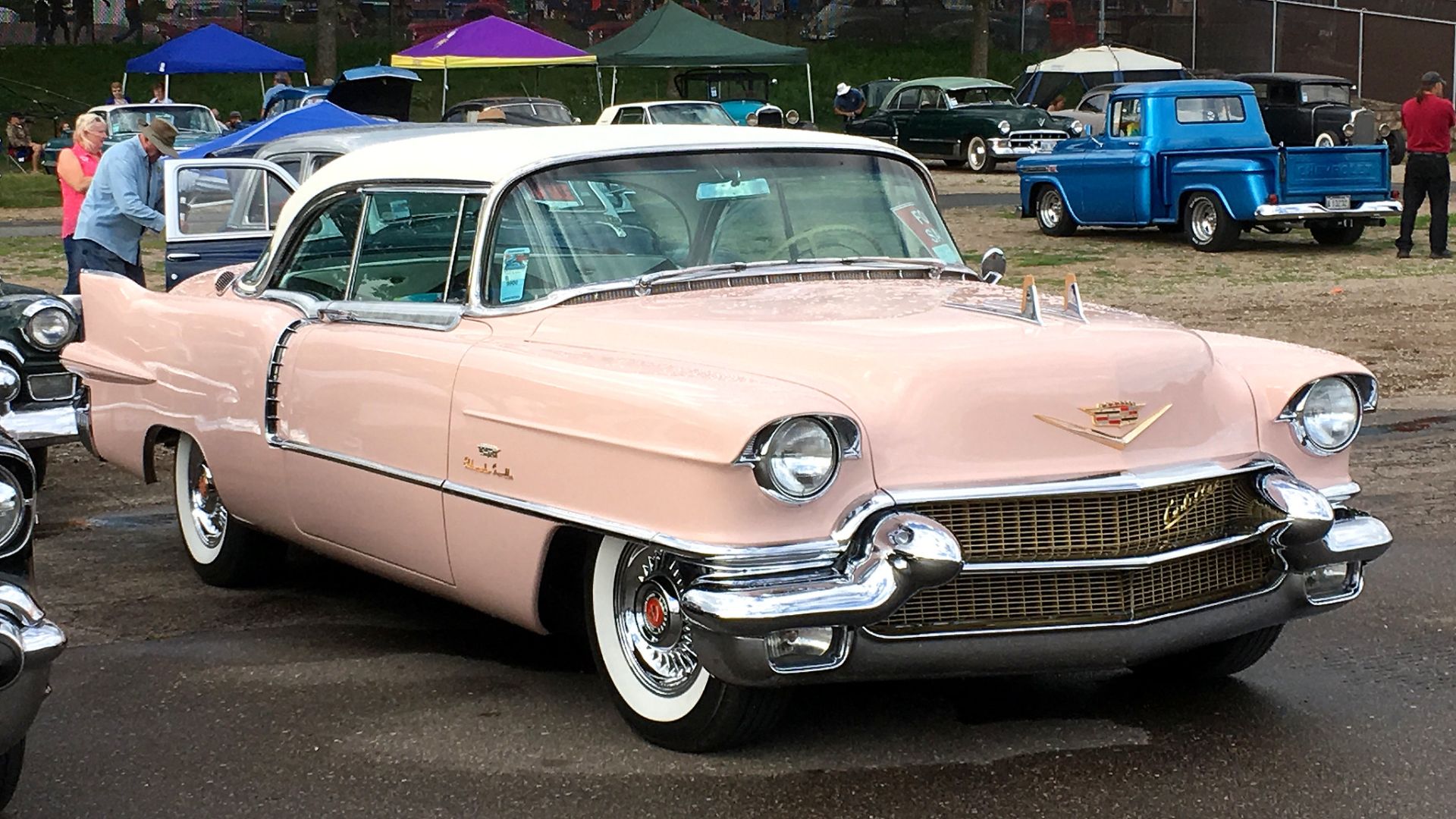
10. 1950s Cadillac Eldorado
Few cars announce their decade quite as loudly as a huge 1950s Cadillac, which is both its greatest strength and limitation. These cars can be expensive to restore, cumbersome to store, and thirsty enough to make frequent driving an event in itself. Since younger enthusiasts historically account for a relatively small portion of 1950s American-classic interest, an Eldorado needs a buyer who's specifically in love with the era.
Now that we've talked about the classics that younger buyers don't seem impressed by, let's cover the ones that they're buying in droves.
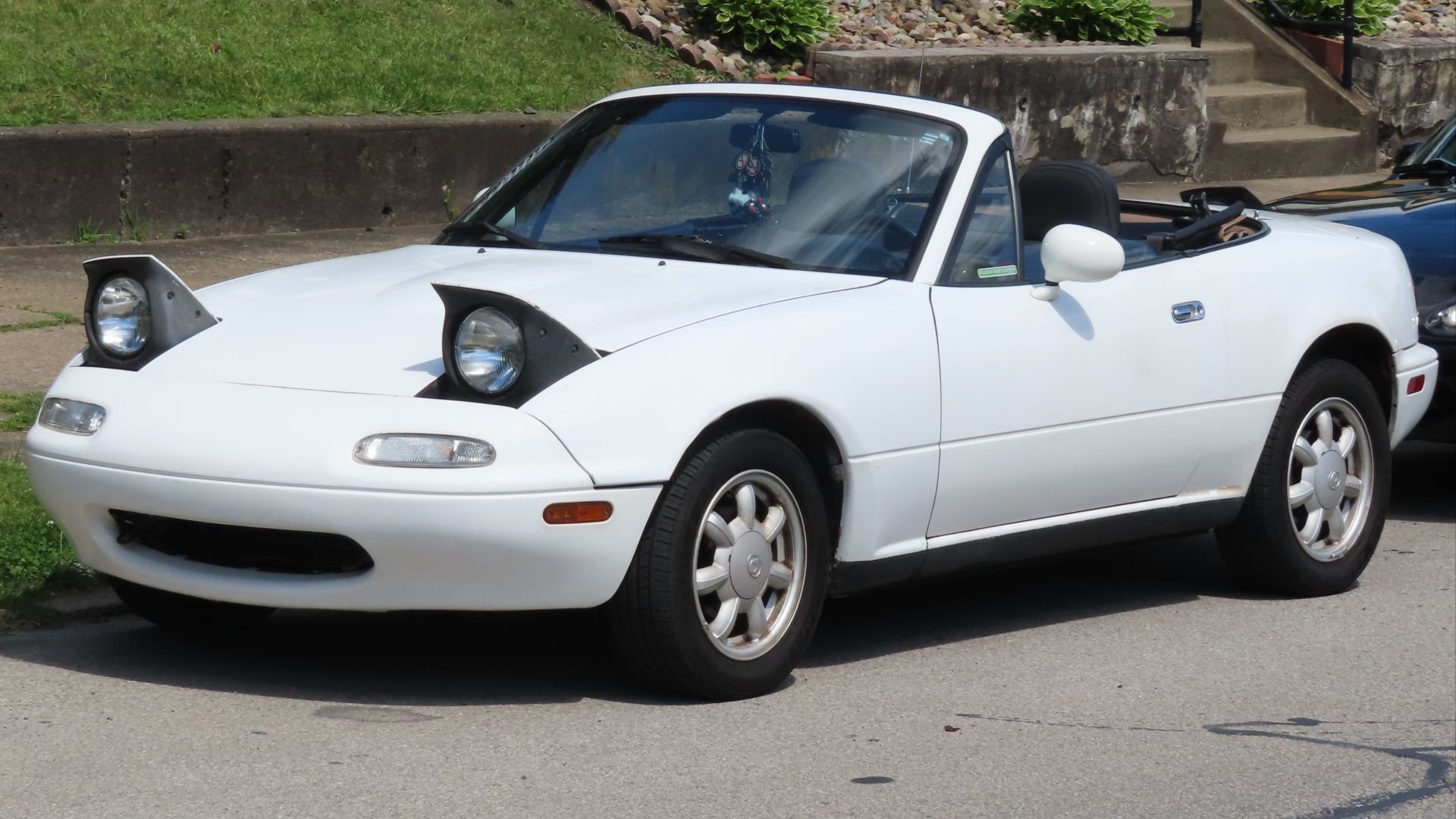
1. 1990–1998 Mazda MX-5 Miata
If you're wondering what younger collectors are actually chasing, the first-generation Miata is a very good place to start.1990s Miatas are the collector vehicles Gen Z enthusiasts most commonly inquire about for insurance. They're affordable by classic-car standards, entertaining to drive, and familiar to a generation that grew up seeing them everywhere.
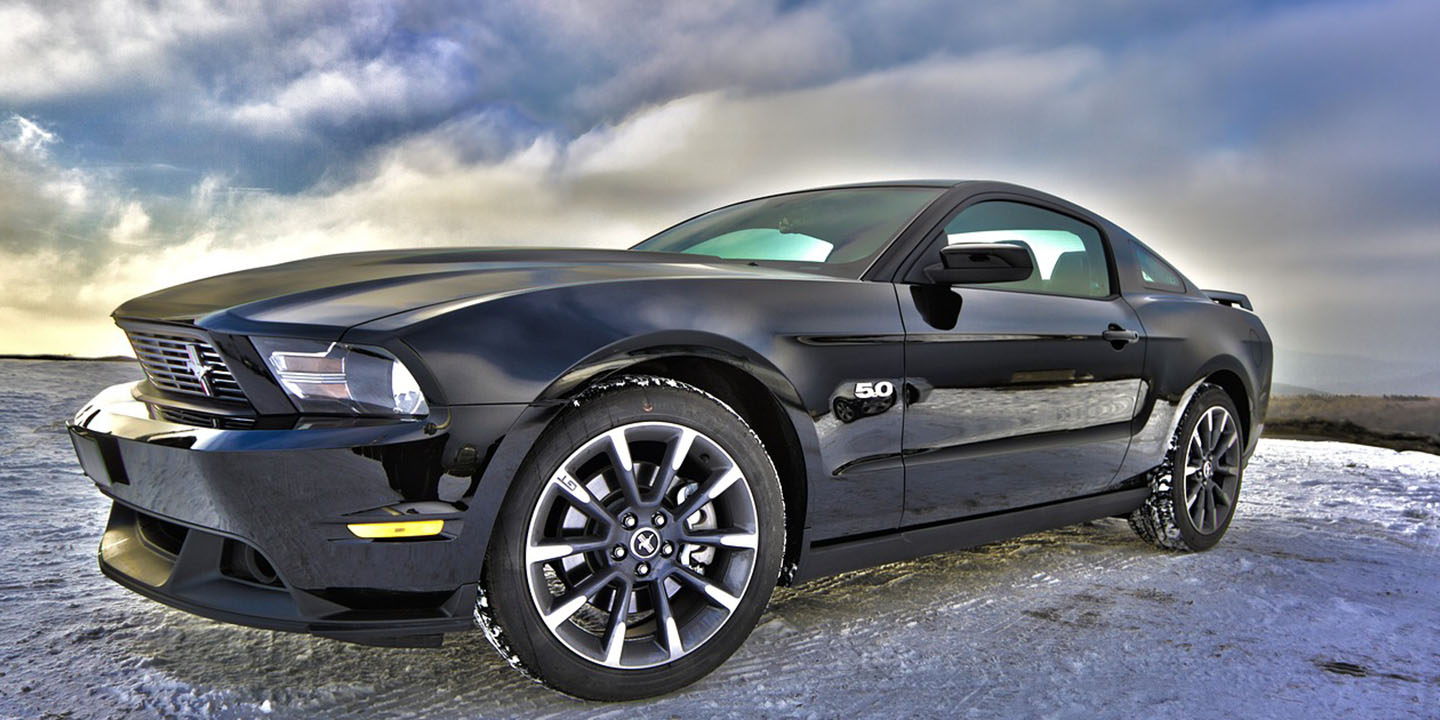
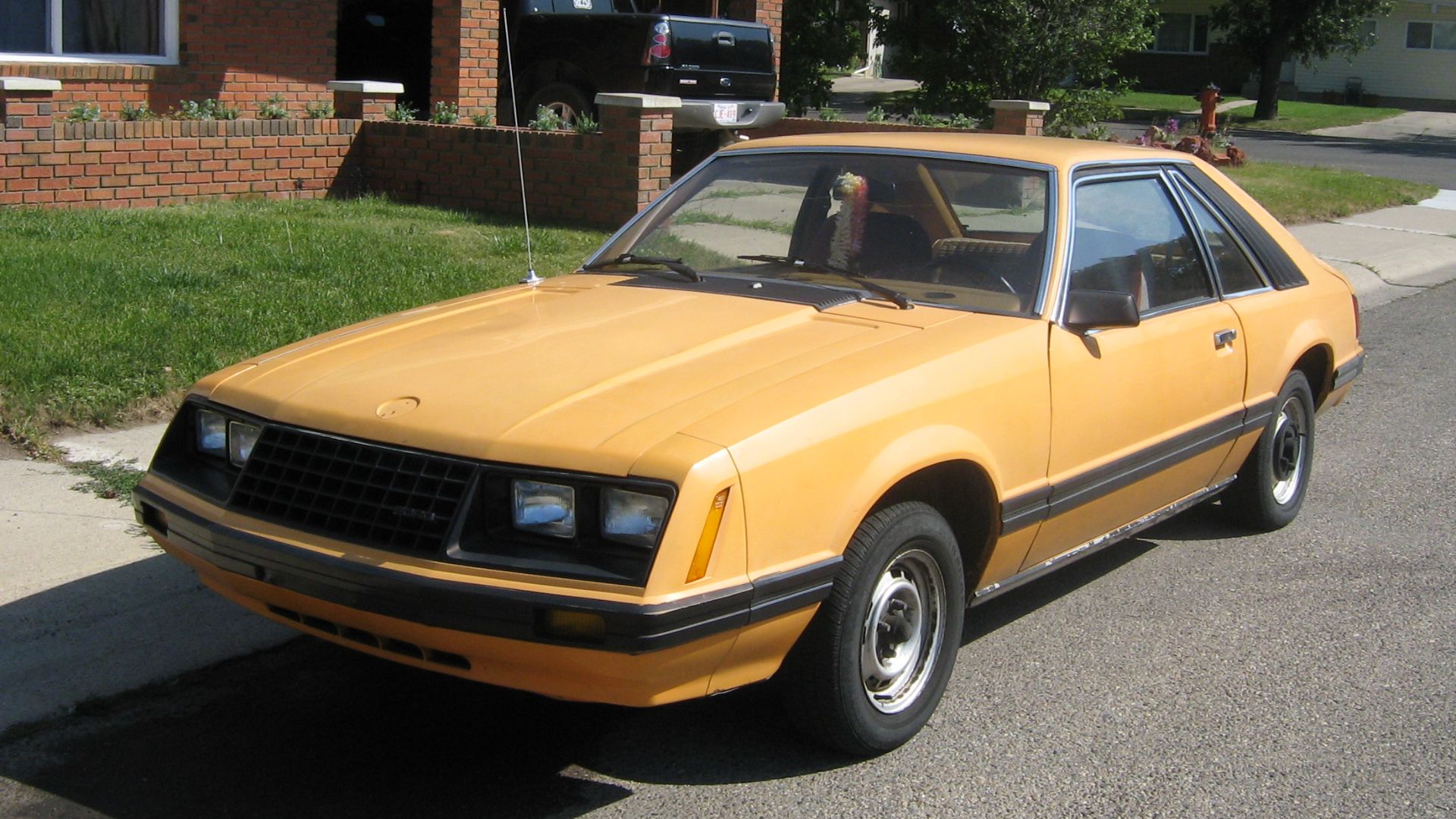
2. 1979–1993 Ford Mustang
Fox-body Mustangs spent years being treated as used cars, and that period is very much over. Values surged dramatically over the past decade as enthusiasts began recognizing clean examples as legitimate collectibles. Their combination of V8 power, enormous aftermarket support, and unmistakable 1980s styling gives younger Mustang fans an accessible alternative to increasingly pricey 1960s cars.
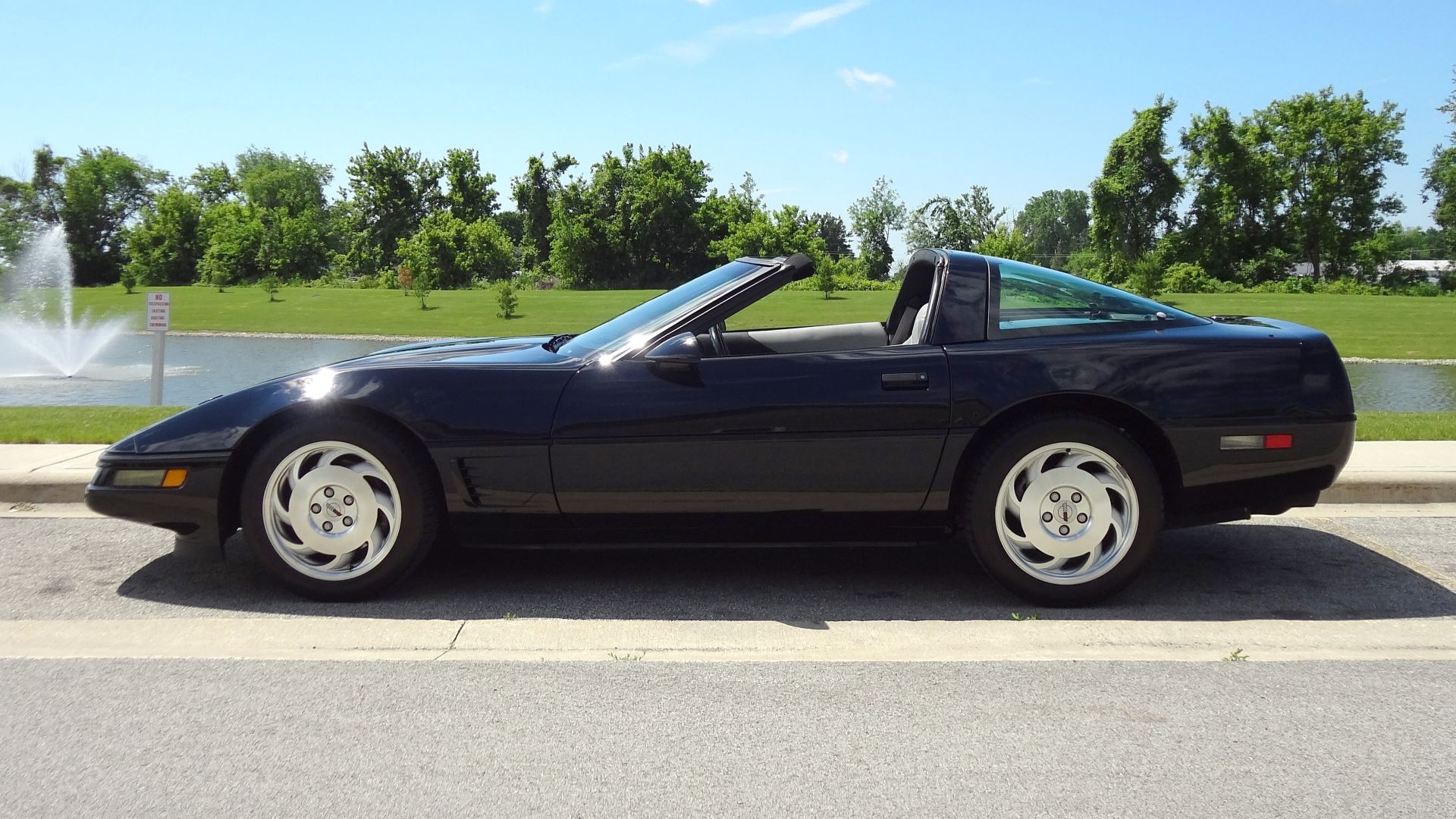
3. 1984–1996 Chevrolet Corvette
Younger buyers aren't rejecting the Corvette so much as choosing a different Corvette. Hagerty demographic data has shown the C4 attracts comparatively strong interest from younger enthusiasts, unlike the much older C2. With pop-up headlights, digital dashboards on early cars, and serious performance available without C2 pricing, the appeal is easy to understand.
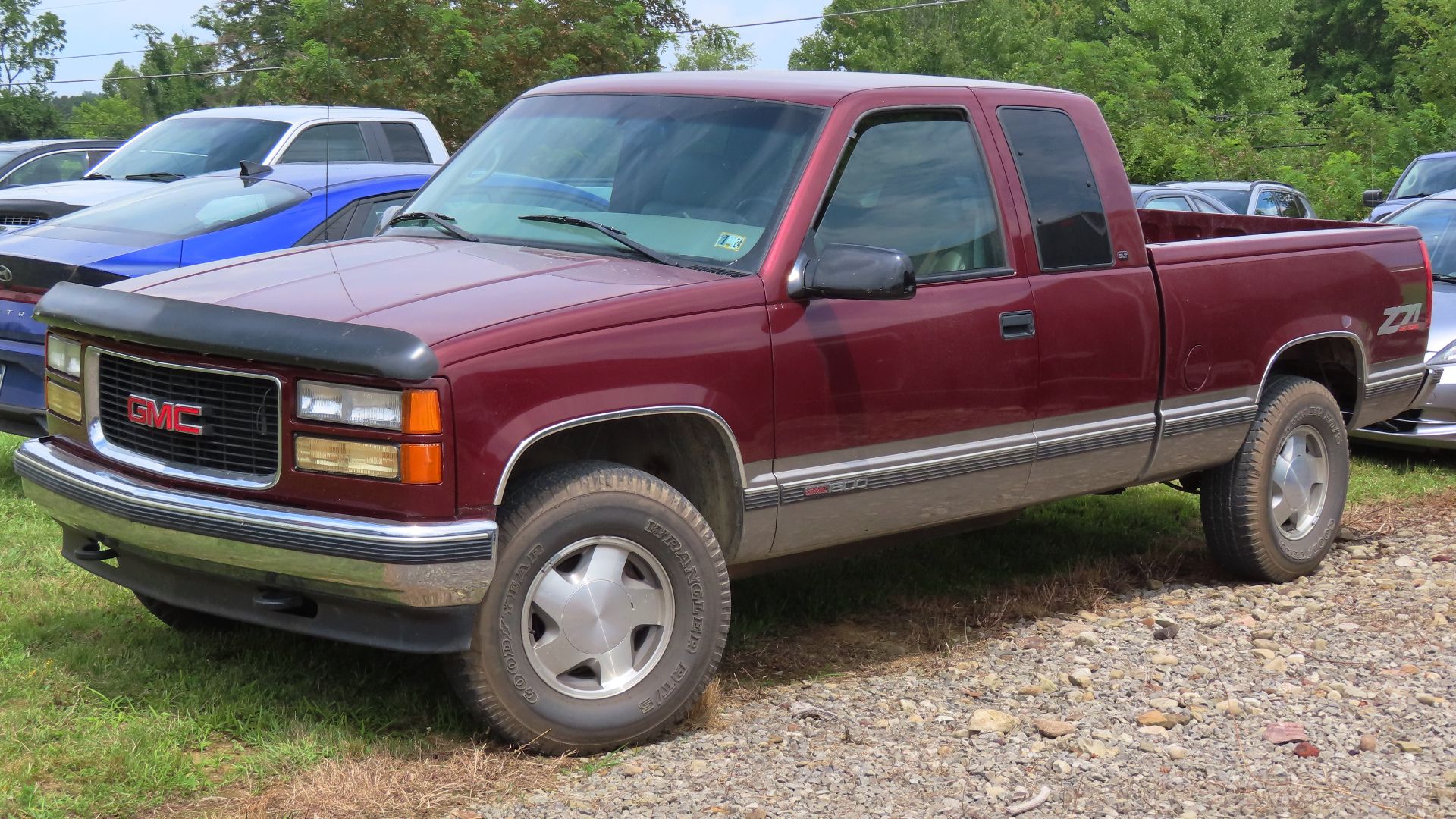
4. 1988–2000 Chevrolet & GMC GMT400 Pickups
The pickup truck you once saw parked outside every hardware store is now a collector vehicle. Straightforward mechanicals, plentiful parts, and an enormous selection of body styles make them particularly inviting for owners who actually plan to use their classics.
5. 1965–1968 Ford Mustang
Not every 1960s favorite is aging out of the hobby. The majority of interest in early Mustangs actually comes from Gen X and younger enthusiasts, giving the original pony car unusually broad generational appeal. They're recognizable, easy to personalize, and supported by such a huge parts industry that ownership doesn't require hunting down every component yourself.
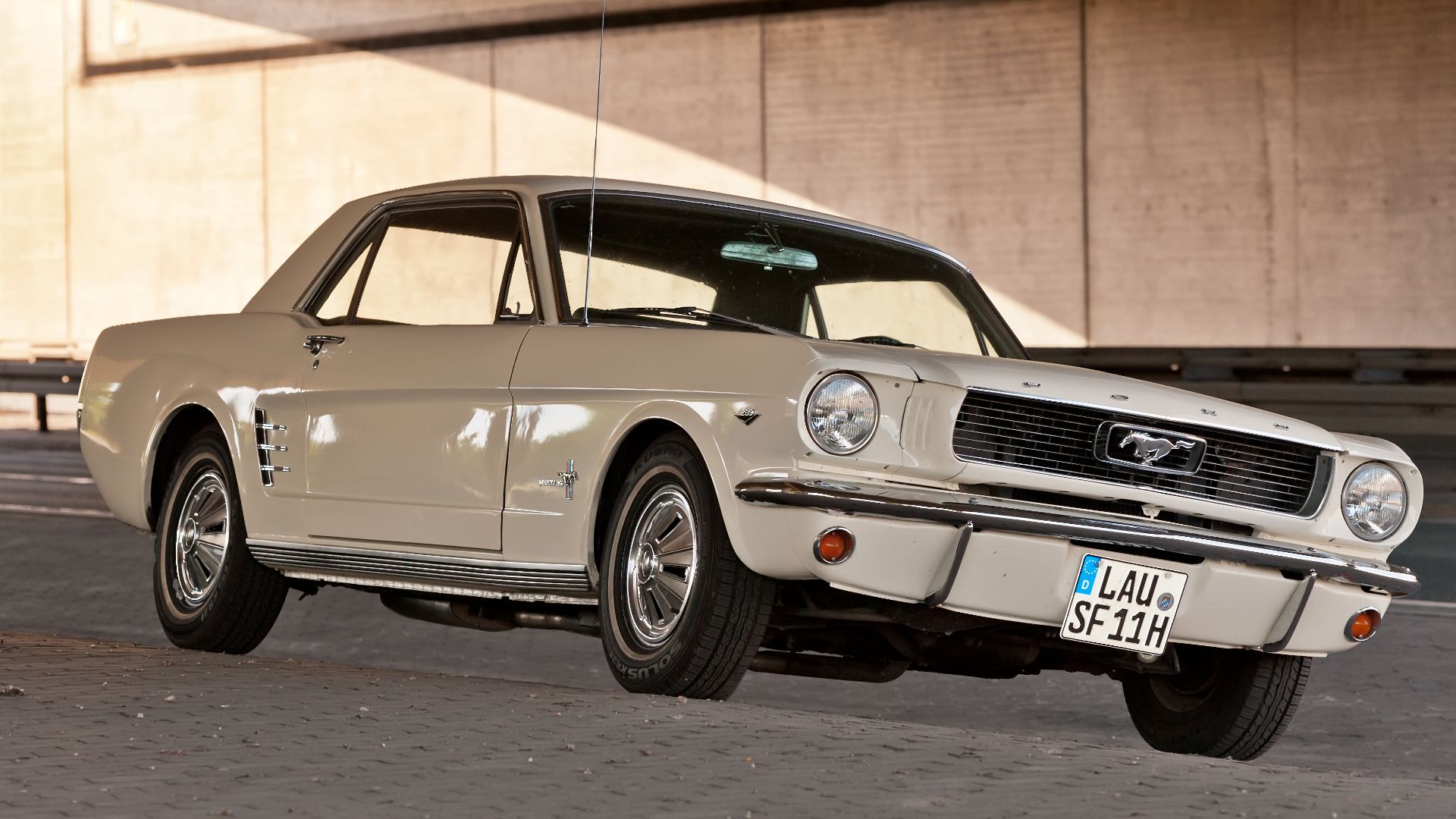 Hans-Jürgen Neubert on Wikimedia
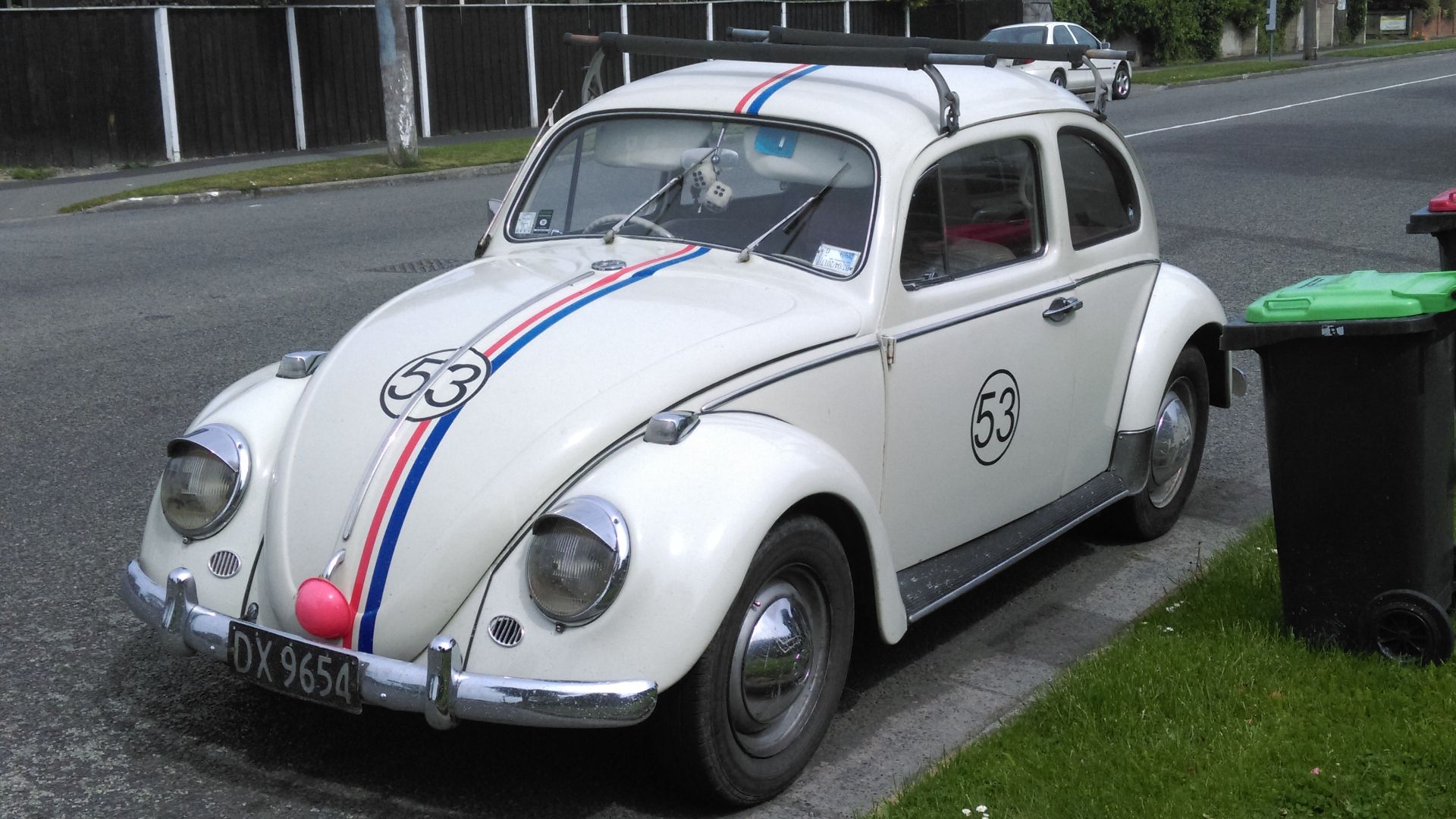
6. 1949–1967 Volkswagen Beetle
The Beetle manages something relatively few cars of its age can pull off: younger people still genuinely want one. Its approachable size, endless customization possibilities, and instantly recognizable appearance have helped it escape the demographic slump affecting many contemporaries.
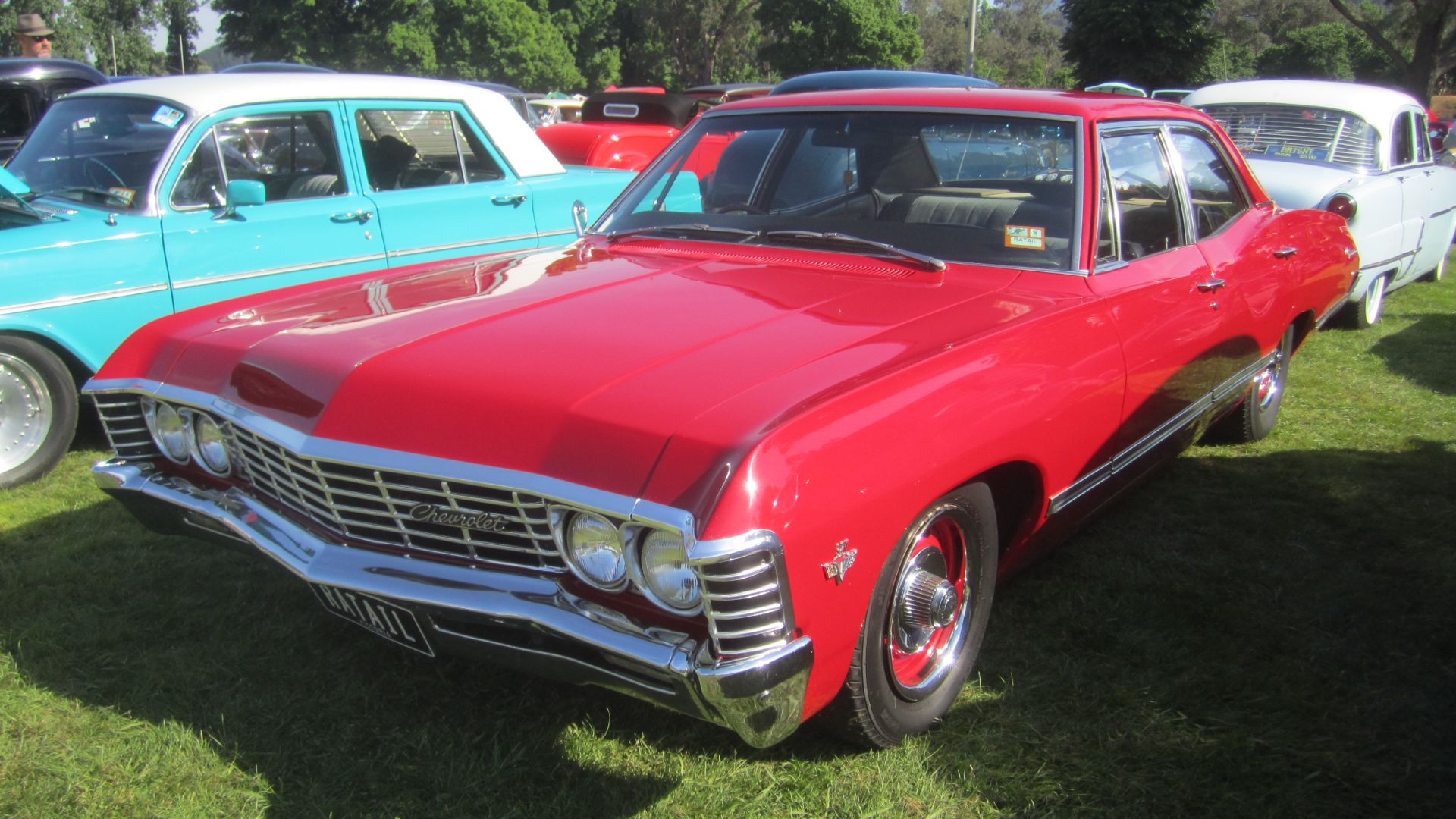
7. 1960s Chevrolet Impala
Big American cars aren't automatically losing young buyers, as the Impala proves. Decades of appearances in music, custom-car culture, and popular media have given the Impala an identity that reaches well beyond people who remember buying one new.
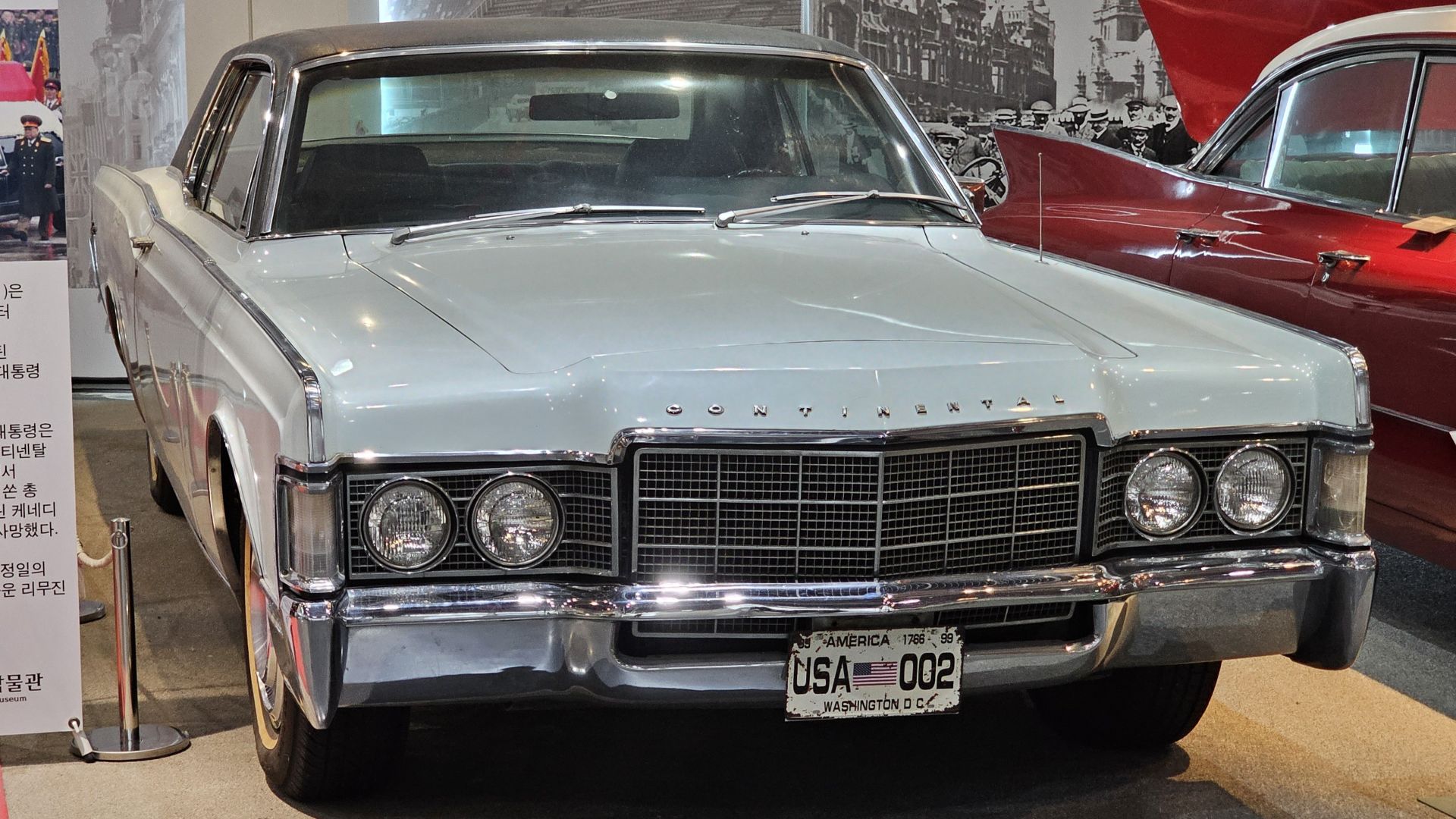
8. 1961–1969 Lincoln Continental
A four-door luxury sedan from the 1960s might sound like exactly the sort of classic younger buyers would overlook, but the Continental breaks that assumption. Its clean styling and distinctive rear-hinged back doors have helped keep the Continental relevant long after many luxury cars of the period faded from younger buyers' wish lists.
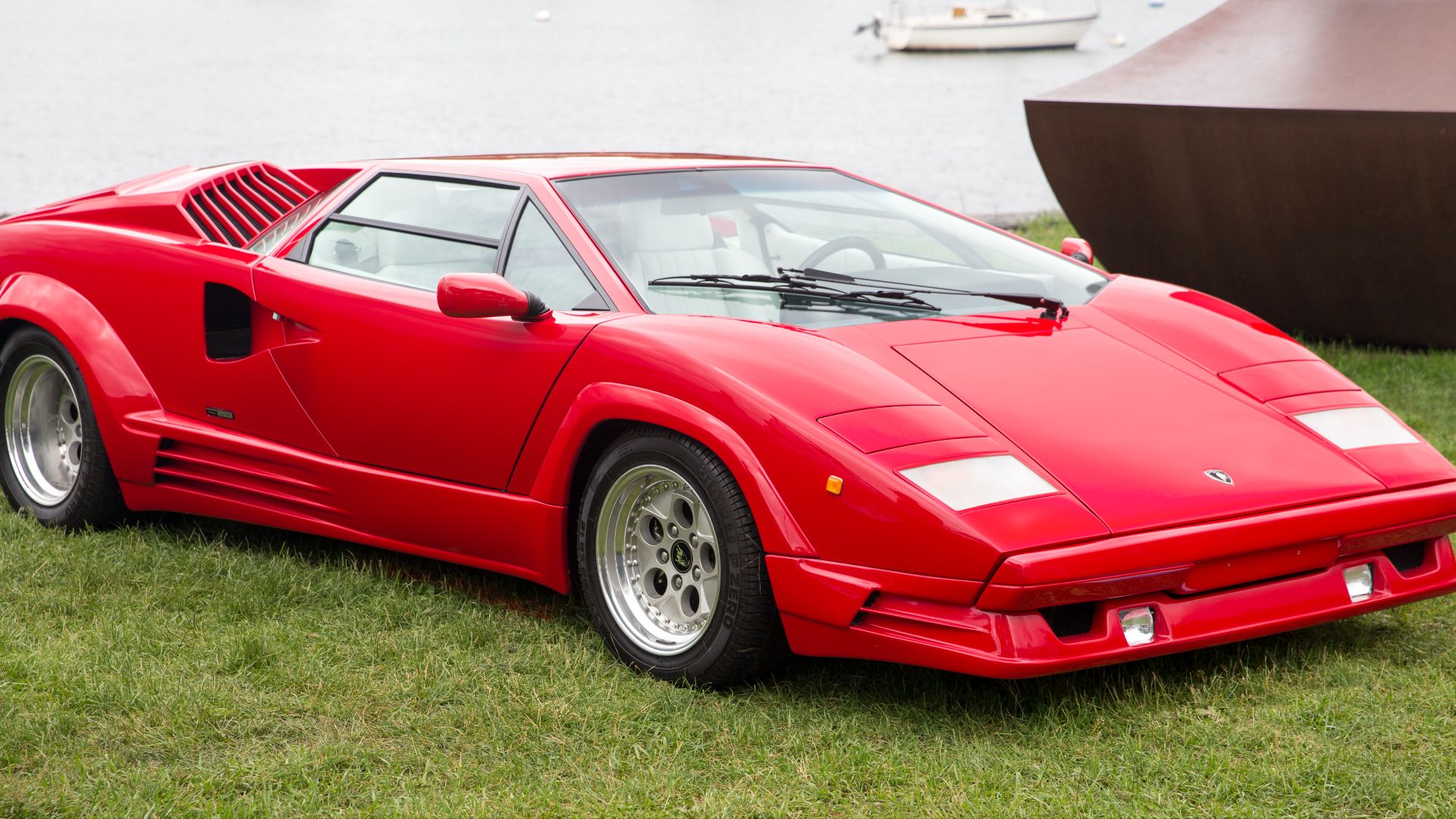
9. 1989 Lamborghini Countach 25th Anniversary
The Countach may have debuted long before many Millennial collectors were born, but they certainly know what it is. The 25th Anniversary Countach is increasingly popular among Millennial collectors. Its wild styling and enduring presence in enthusiast culture mean nostalgia for this Lamborghini wasn't limited to people old enough to drive one in the 1980s.
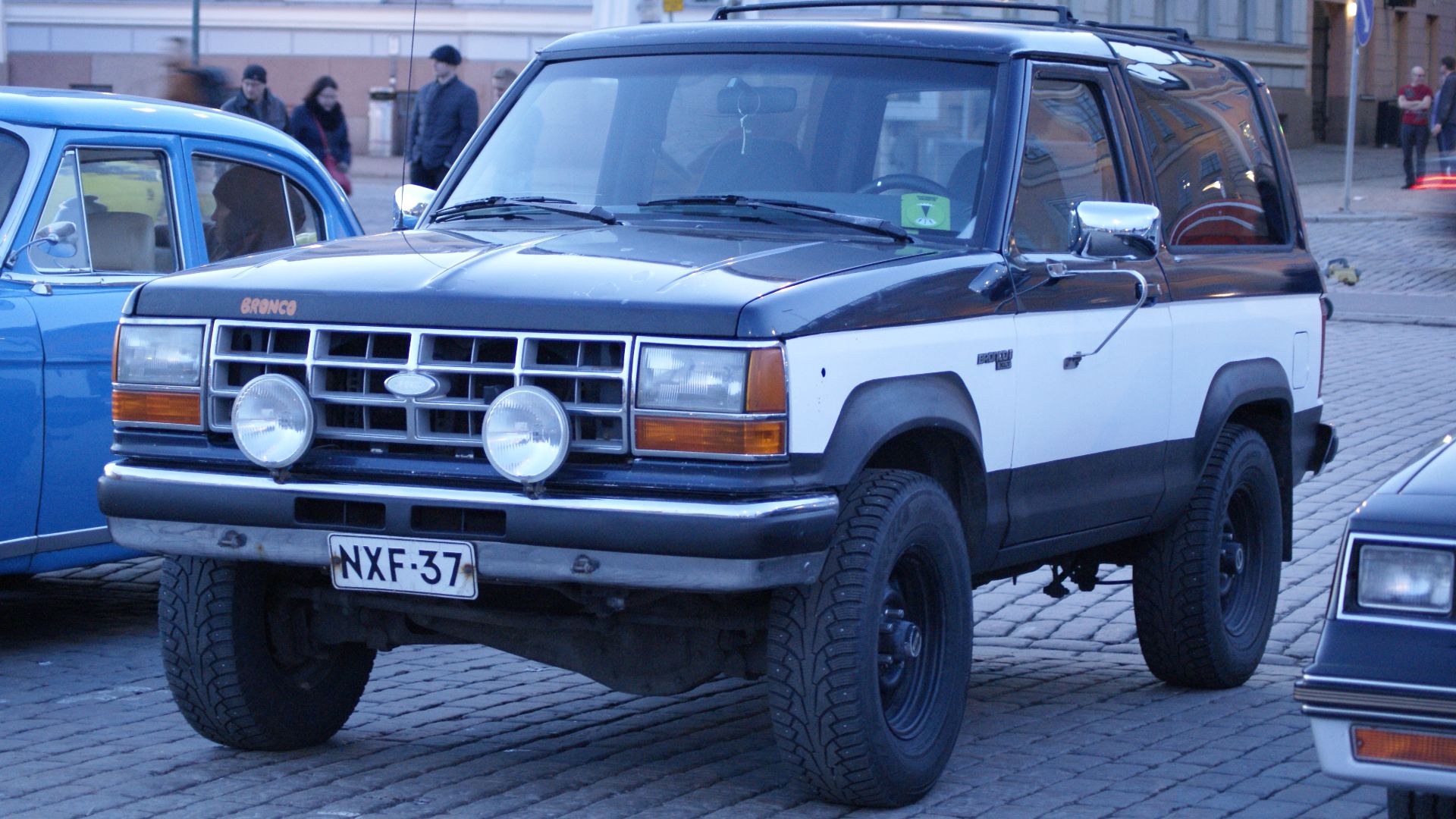
10. 1984–1990 Ford Bronco II
For years, the Bronco II lived in the shadow of larger and more celebrated vintage SUVs. That's changing, with Gen Z and Millennials accounting for 38% of buyer interest in the model in 2025. Affordable prices and unmistakable 1980s styling give younger collectors a way into the booming vintage-SUV scene without paying full-size Bronco money.