10 Cars Infamous For Rust & 10 That Are Practically Resistant
Not Every Car Ages the Same
Rust has sent countless otherwise reliable vehicles to the scrapyard long before their engines gave up. While climate and maintenance certainly play a role, some models developed reputations for corroding far more quickly than others, especially in regions where road salt is common. On the other hand, some vehicles have earned praise for somehow resisting rust even after years of harsh winters. Here are 10 cars notorious for corrosion and 10 that have proven remarkably impervious.
 Retired electrician on Wikimedia
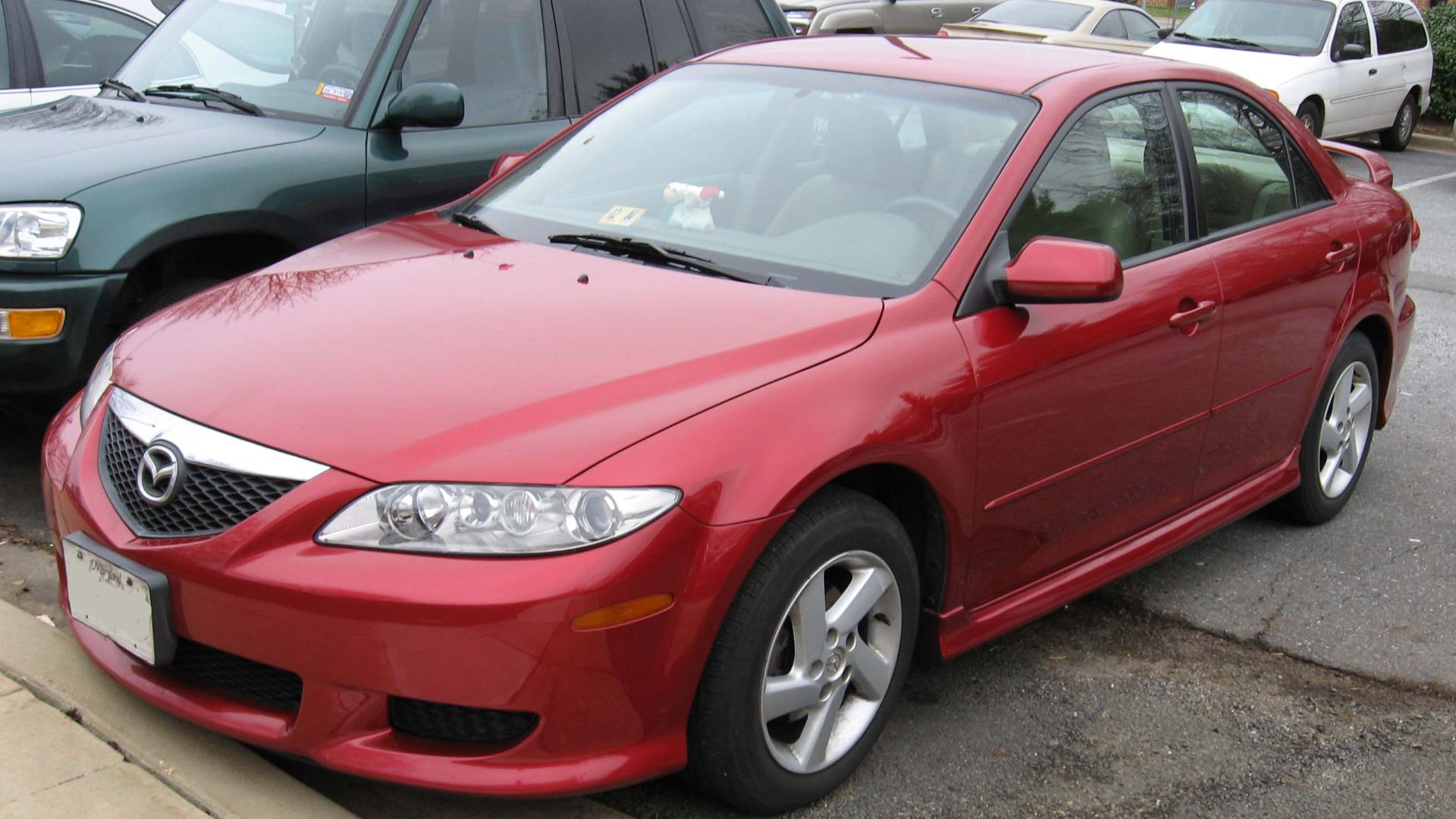
1. Mazda6 (2003–2008)
The first-generation Mazda6 earned praise for its sporty handling, but rust was one of its biggest weaknesses. Rear wheel arches, rocker panels, and the underside often developed corrosion far earlier than owners expected, particularly in northern climates. Many otherwise solid cars were retired because rust became too expensive to repair.
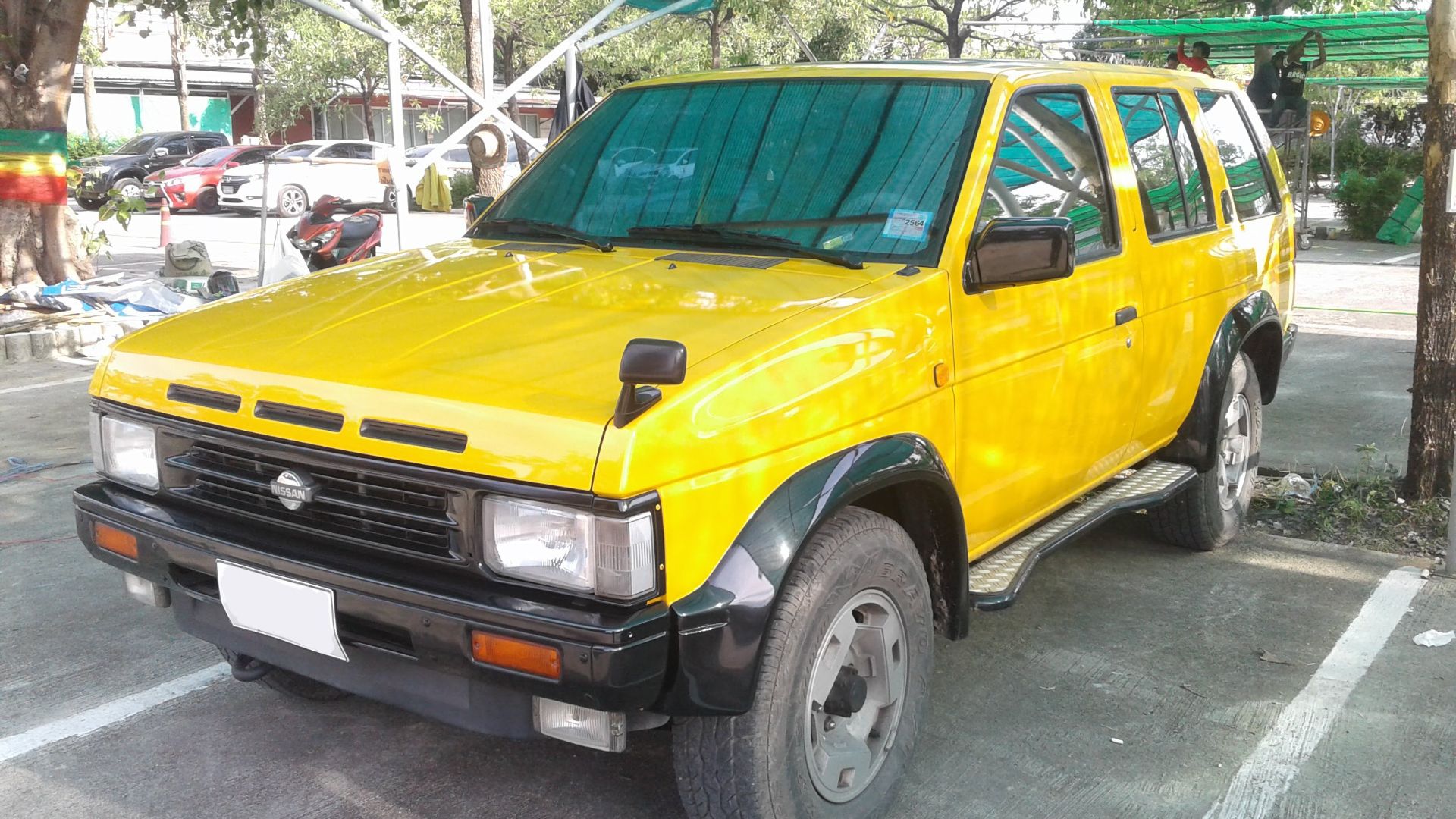
2. Nissan Pathfinder (1996–2004)
Older Pathfinders developed a serious reputation for frame rust. In severe cases, corrosion around the front suspension mounting points became a safety concern, prompting recalls in some regions. Vehicles driven on salted winter roads were especially vulnerable. Plenty of good engines outlasted frames that simply couldn't be saved.
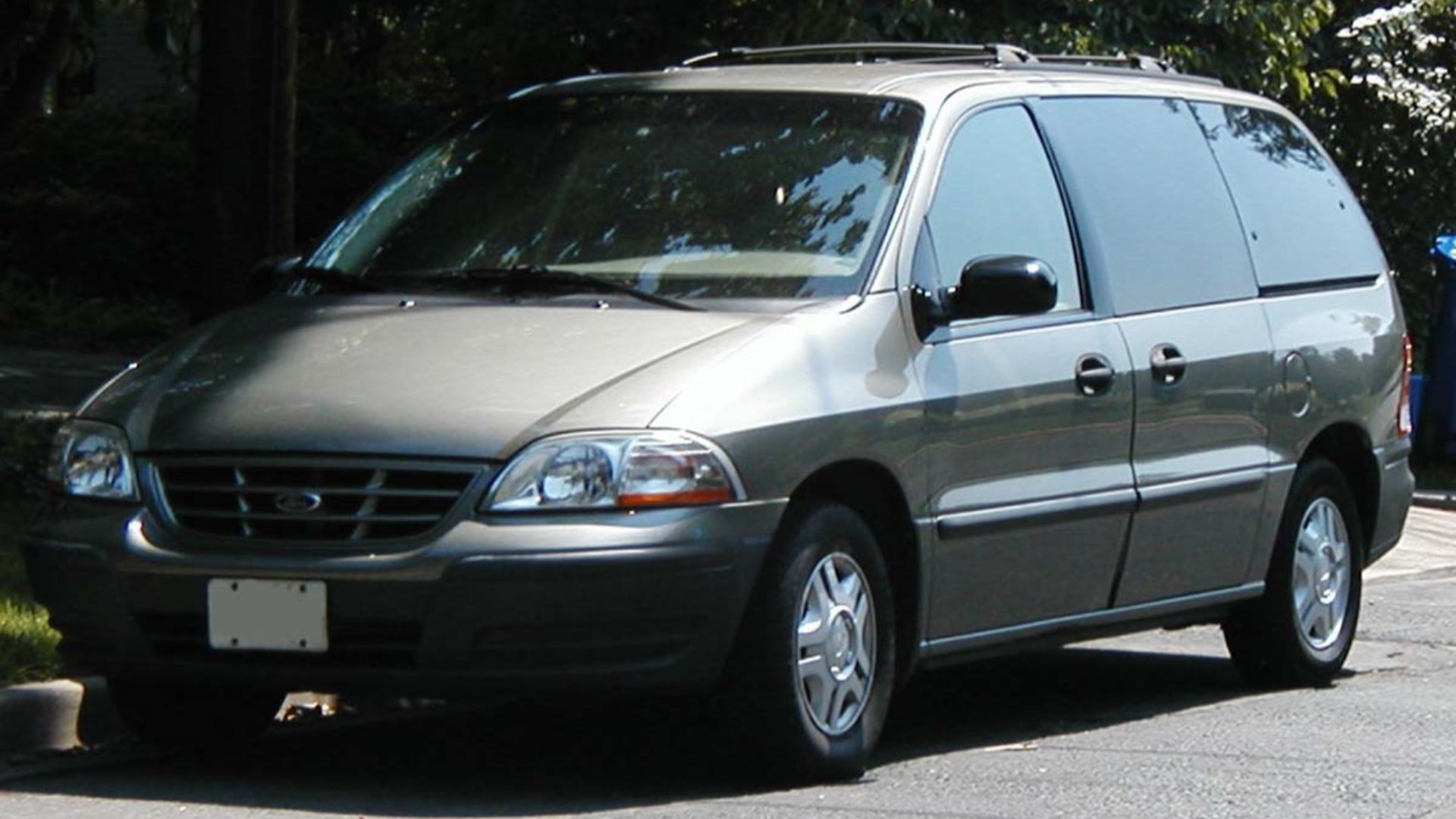
3. Ford Windstar (1995–2003)
The Ford Windstar became well known for rear axle corrosion, particularly in states that heavily salt their roads. Rust could weaken suspension components enough to create dangerous driving conditions. Ford eventually issued recalls addressing some of these issues.
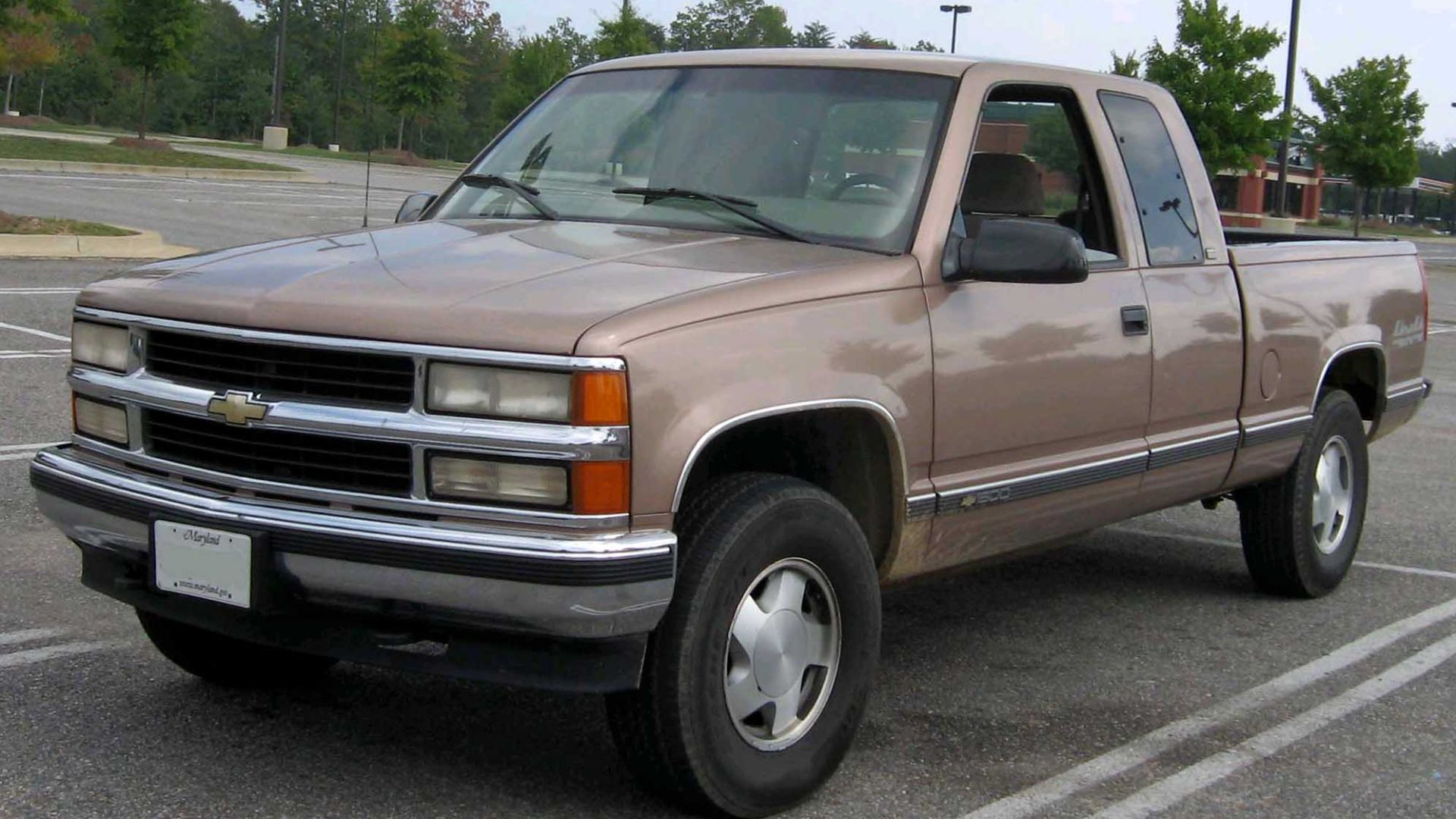
4. Chevrolet C/K Pickup (1988–1998)
These trucks developed legendary durability mechanically, but their bodies often told a different story. Cab corners, rocker panels, wheel arches, and bedsides frequently rusted through after years of winter driving. Seeing one with replacement body panels has become fairly common.
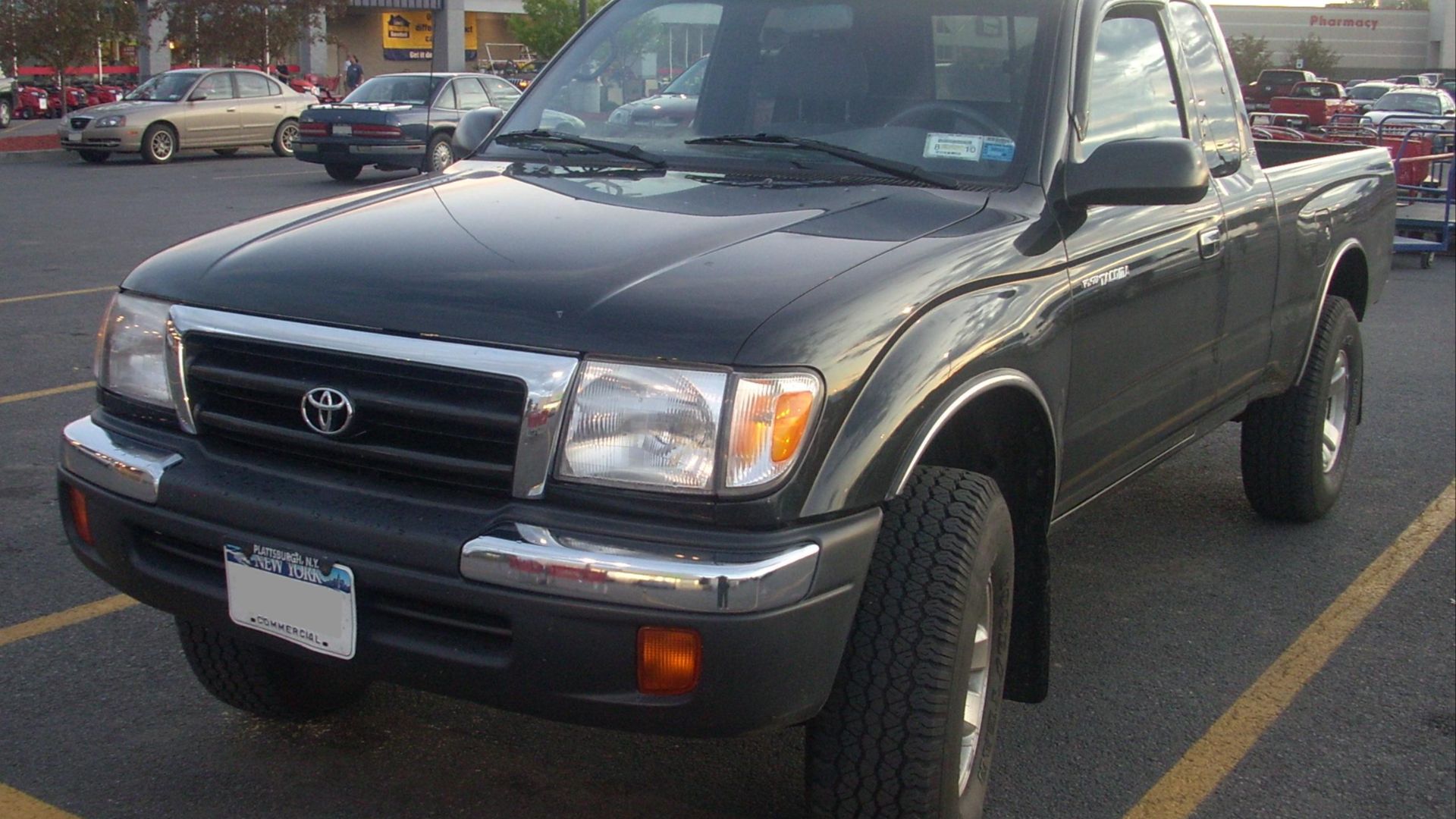
5. Toyota Tacoma (1995–2010)
Toyota's compact pickup is famous for reliability, yet early Tacomas suffered from severe frame corrosion. The problem became serious enough that Toyota conducted extensive recalls and even bought back many affected trucks. Engines often remained in excellent condition while the frames deteriorated underneath them.
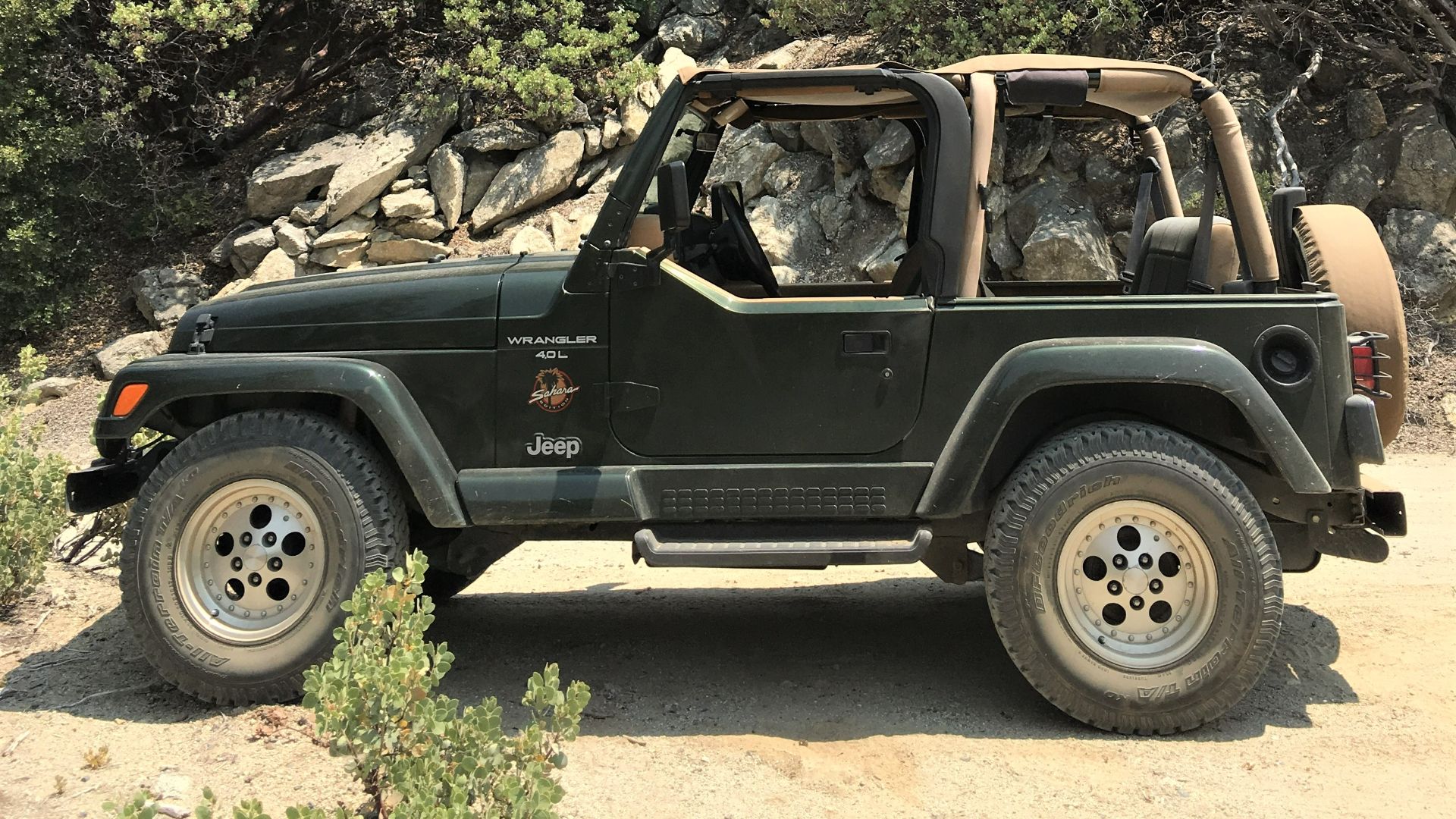
6. Jeep Wrangler TJ (1997–2006)
The TJ Wrangler is beloved by off-road enthusiasts, but its frames don't always hold up well in wet climates. Rust commonly appears around the rear control arm mounts and other structural areas. Mud, moisture, and winter salt only accelerate the process if the frame isn't cleaned regularly.
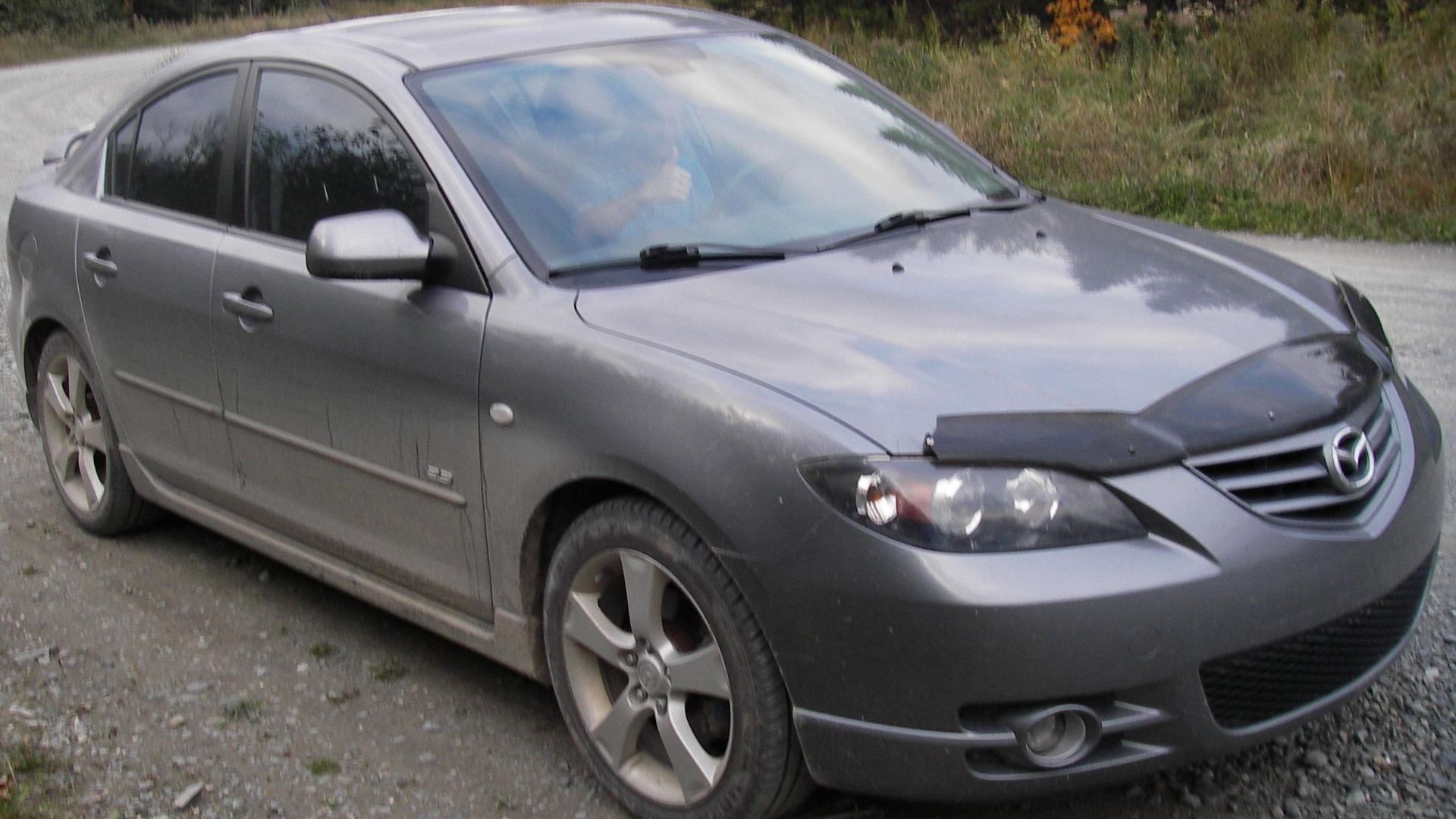
7. Mazda3 (2004–2009)
Early Mazda3 models offered excellent driving dynamics but, much like first-generation Mazda6 models, struggled with corrosion. Wheel wells, rocker panels, rear quarter panels, and hatch areas frequently showed bubbling paint before owners expected. In snowy regions, the problem became especially widespread.
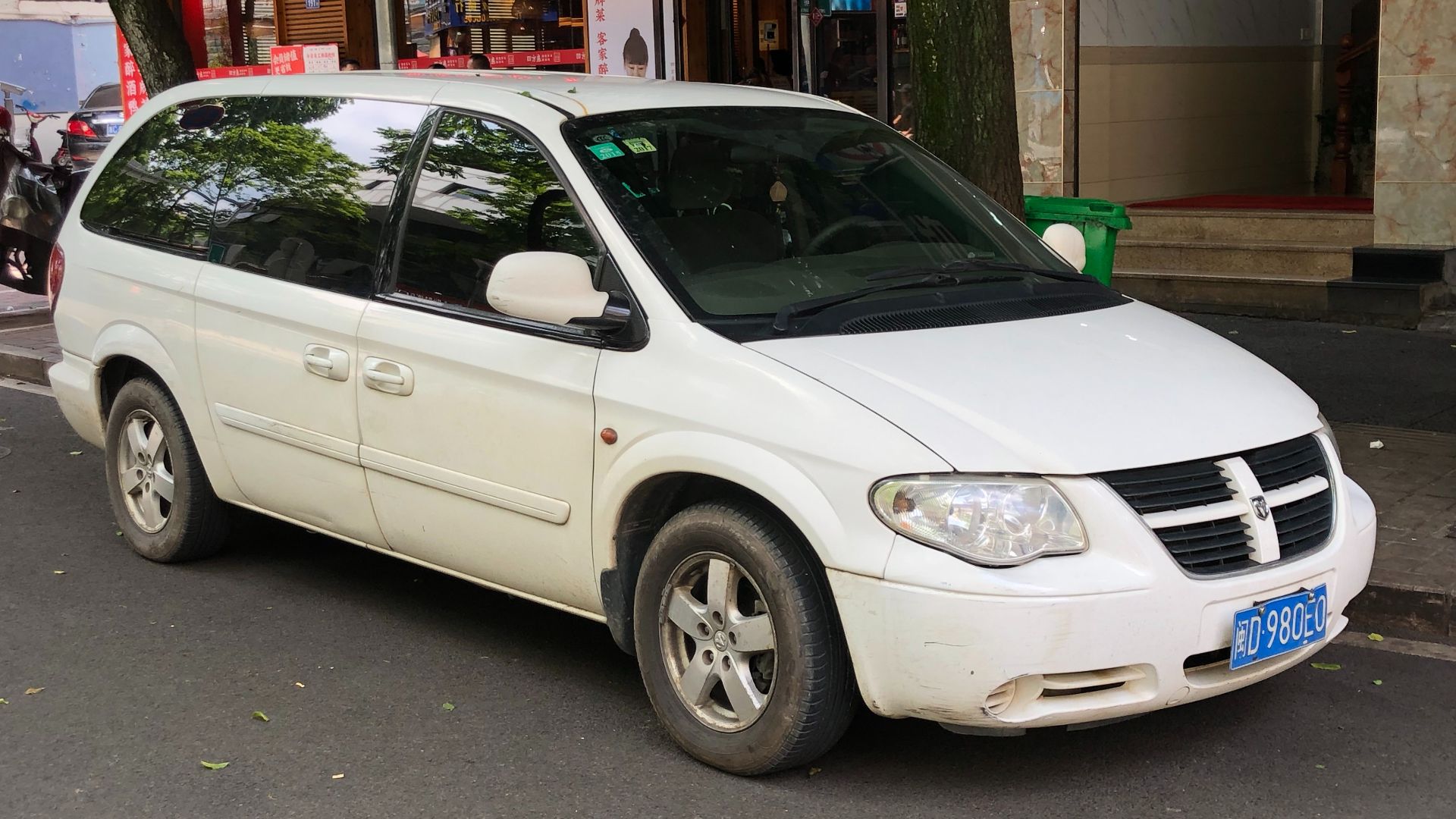
8. Dodge Caravan (1996–2007)
Older Caravans regularly developed rust around the sliding doors, rocker panels, and rear wheel arches. Family use often meant years of exposure to road salt without frequent underbody cleaning. Mechanical reliability varied, but body corrosion consistently shortened the lifespan of many examples. Finding an older one with minimal rust has become increasingly difficult.
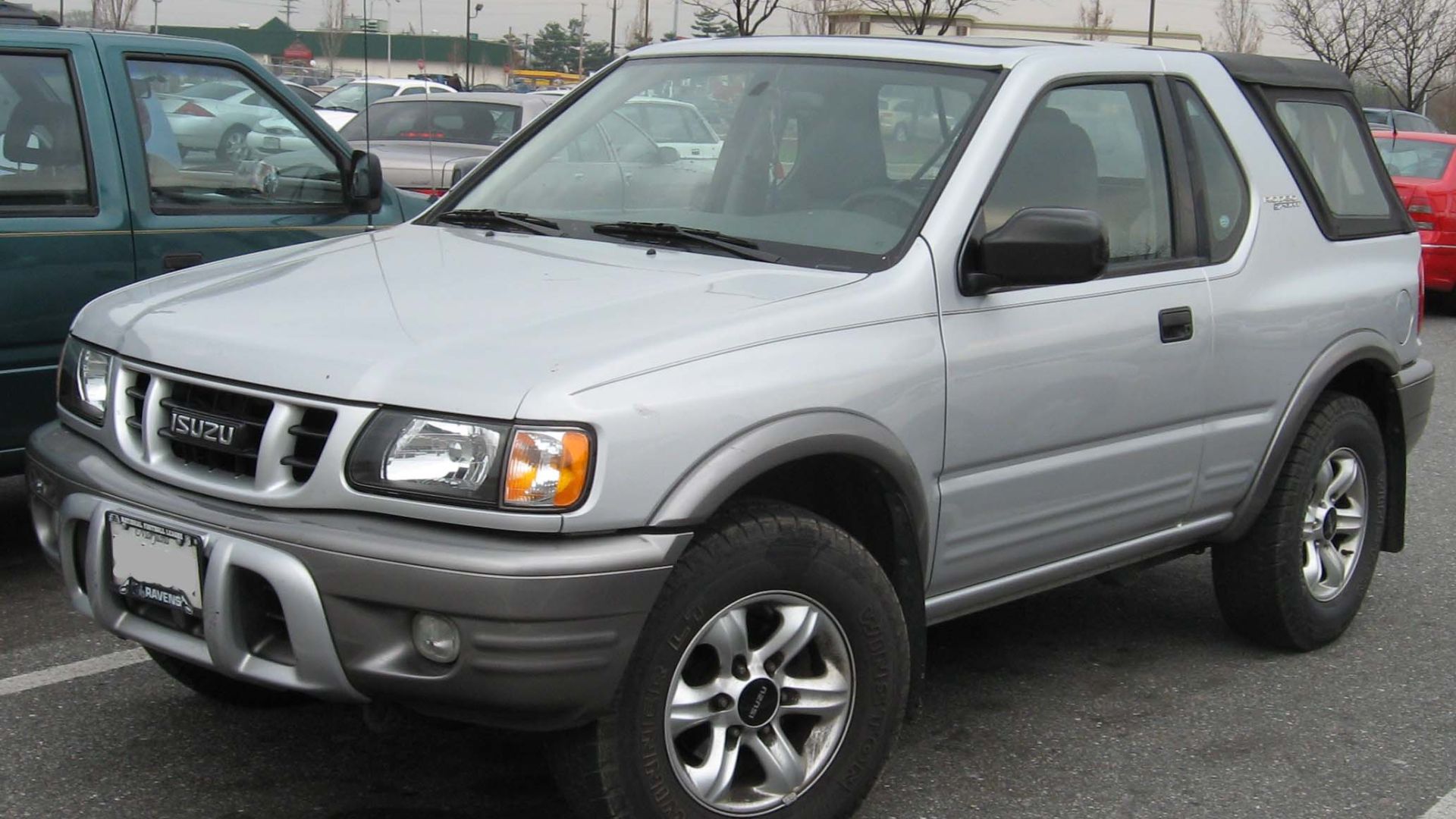
9. Isuzu Rodeo (1998–2004)
The Rodeo never escaped criticism for frame and underbody corrosion. Rust commonly affected suspension mounting points and structural components after years in harsh climates. Many owners found that the body looked acceptable while serious damage was hiding underneath.
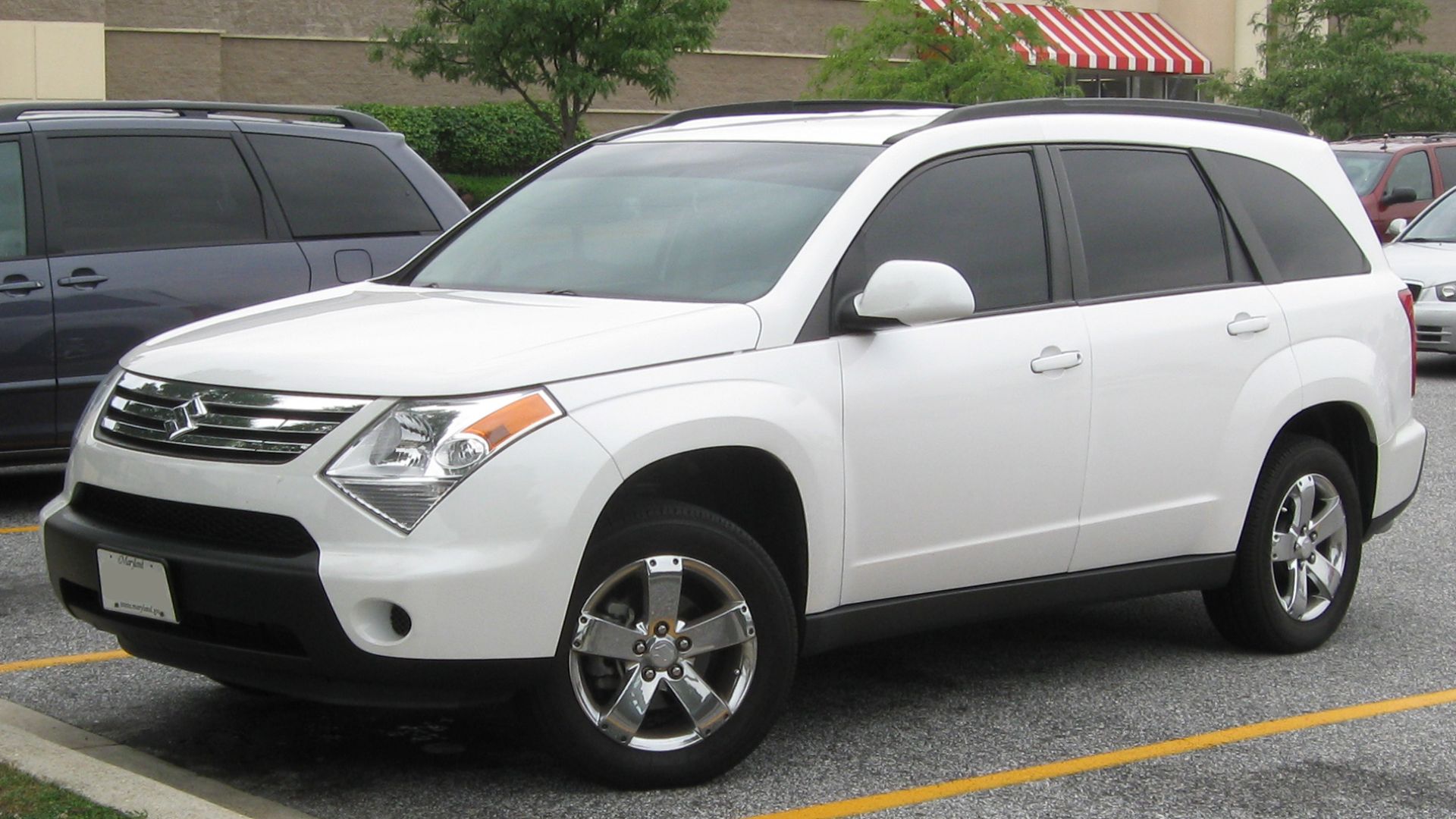
10. Suzuki XL-7 (1999–2006)
The original XL-7 developed a reputation for corrosion that often appeared underneath before it became visible elsewhere. Frames, brake lines, and suspension components were common trouble spots. Vehicles that spent their lives in dry climates generally survived much better.
Now that we've talked about the cars that are infamous rust buckets, let's cover the unusually impervious ones.
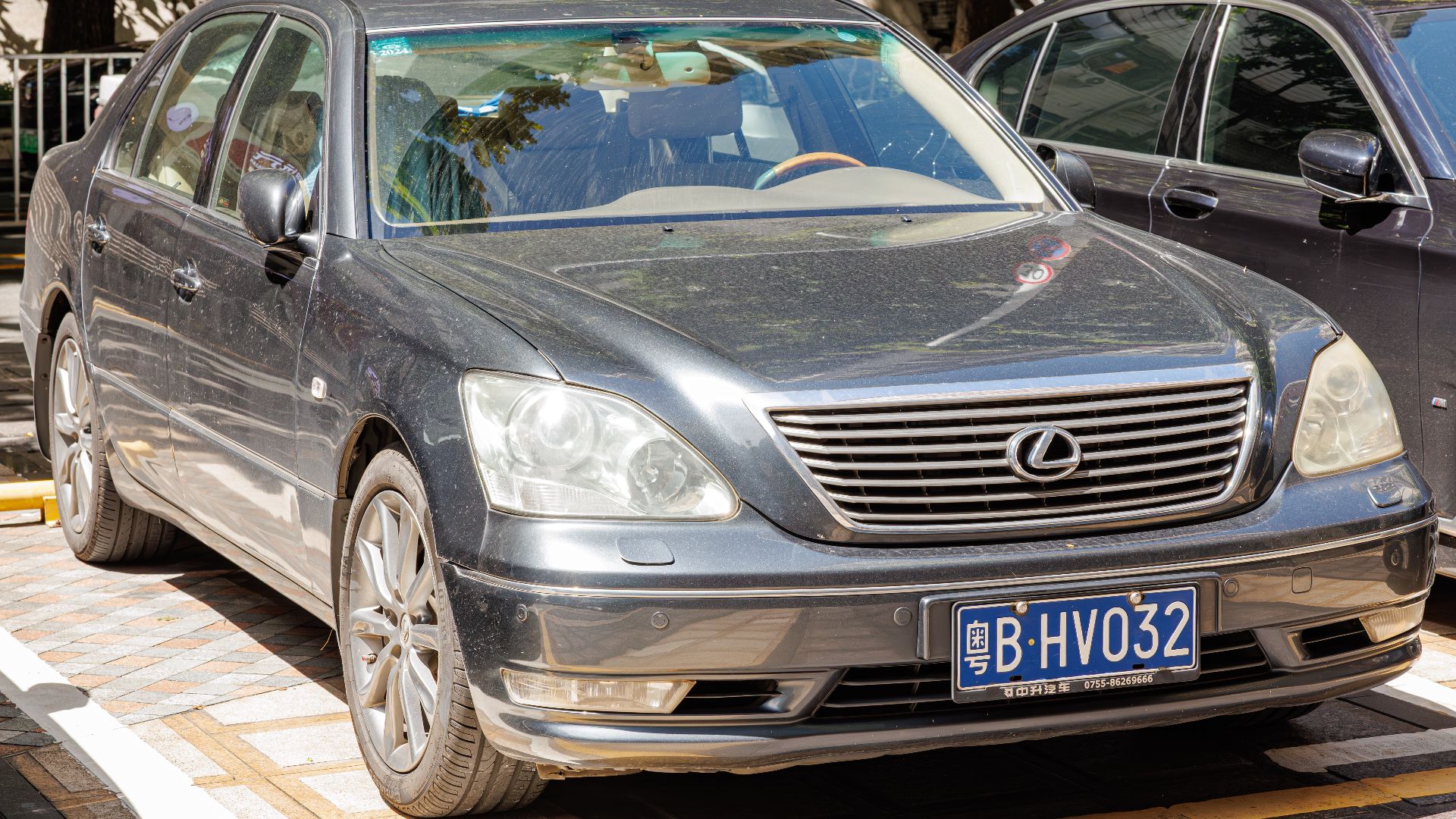
1. Lexus LS 430 (2001–2006)
The LS 430 wasn't just beautifully built; it was also impressively resistant to corrosion. Excellent paint quality, careful rustproofing, and meticulous manufacturing helped these luxury sedans age gracefully. Even examples with high mileage often retain remarkably clean bodies.
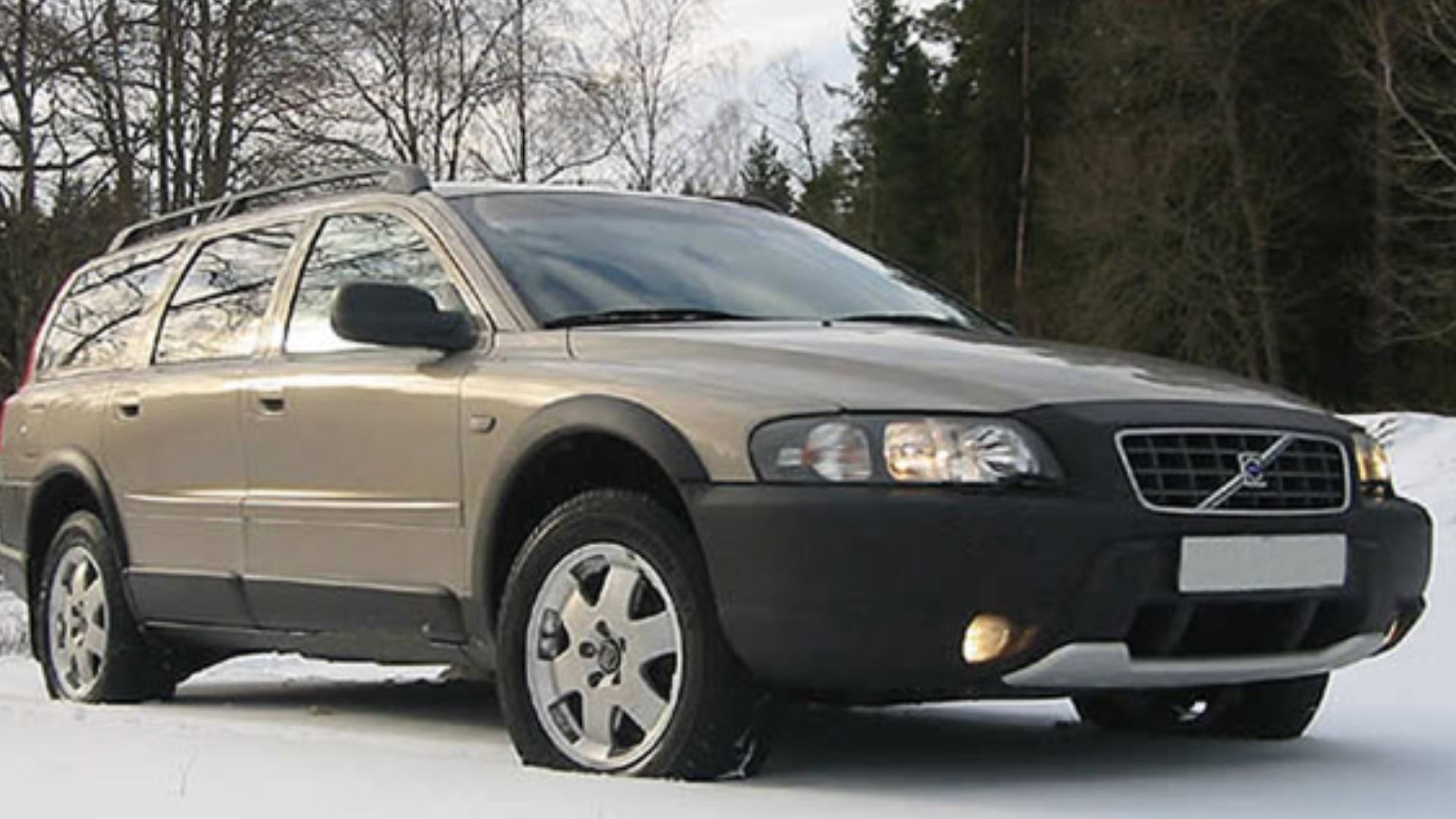
2. Volvo XC70 (2001–2007)
Volvo invested heavily in corrosion protection during this era, and it shows. Galvanized body panels and extensive rustproofing helped the XC70 survive harsh Scandinavian winters with impressive success. While no vehicle is completely immune, these wagons generally age exceptionally well, especially with proper maintenance.
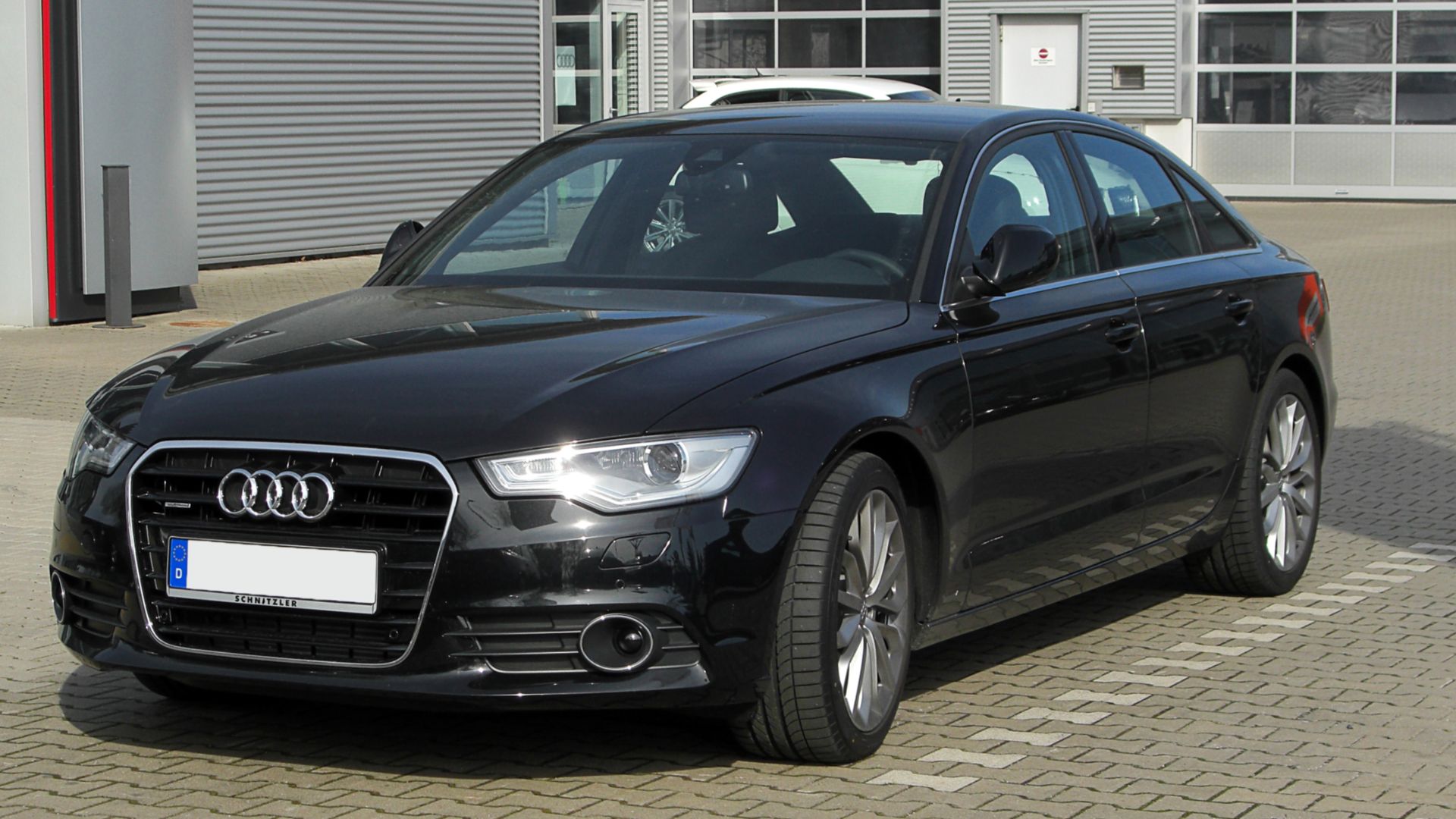
3. Audi A6 (C6, 2005–2011)
Audi's use of galvanized steel paid off with the C6-generation A6. Surface rust underneath can occur over time, but serious body corrosion is relatively uncommon compared to many rivals. Doors, fenders, and quarter panels tend to hold up well even after years on salted roads.
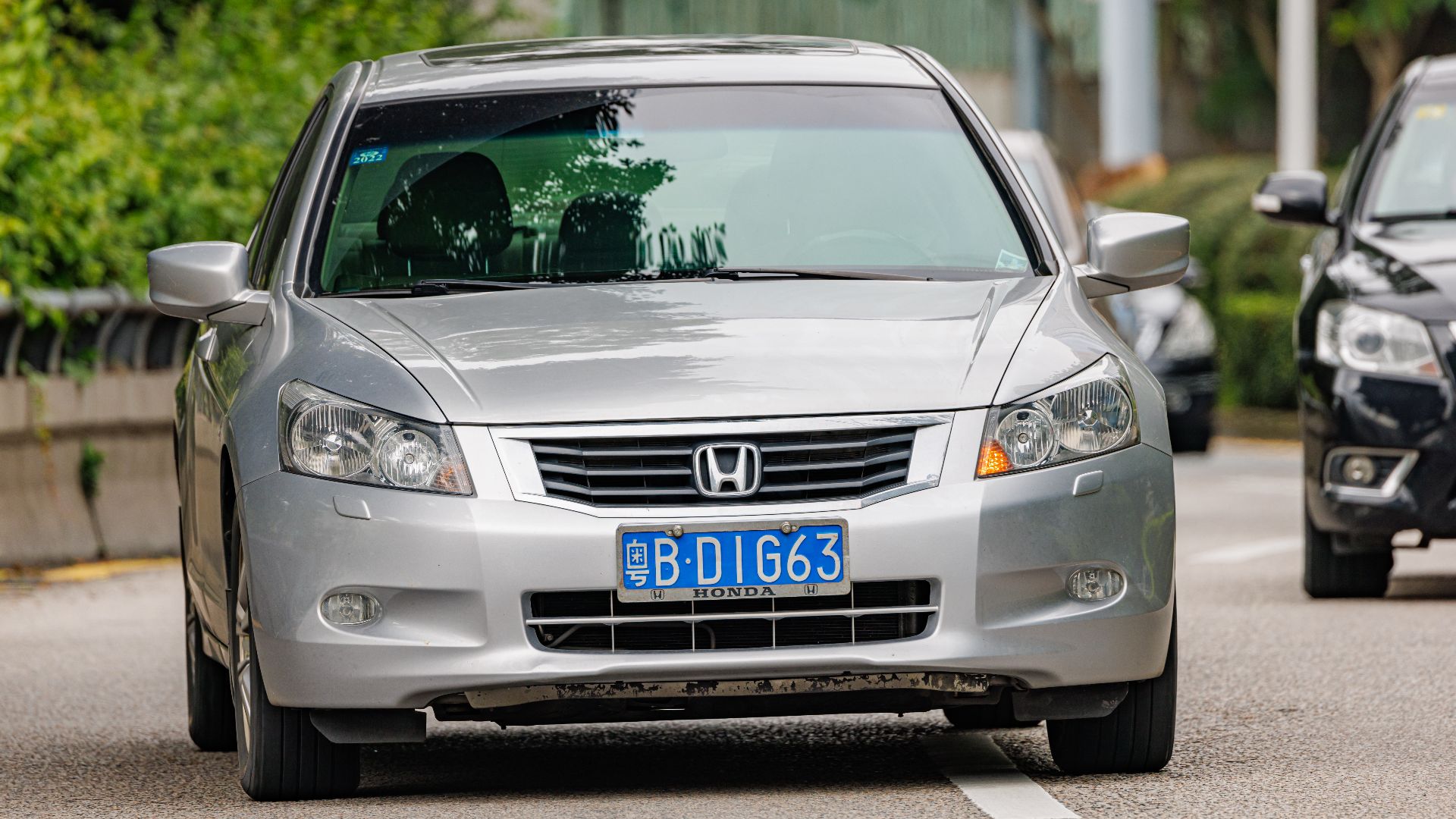
4. Honda Accord (2008–2017)
Unlike some earlier Hondas, the eighth- and ninth-generation Accord benefited from much better corrosion protection. With normal maintenance, body rust is relatively uncommon even in northern regions. You may still find minor surface corrosion underneath older examples, but structural rust is far less common than many competitors. It's part of why the Accord has such a stellar reputation for reliability.
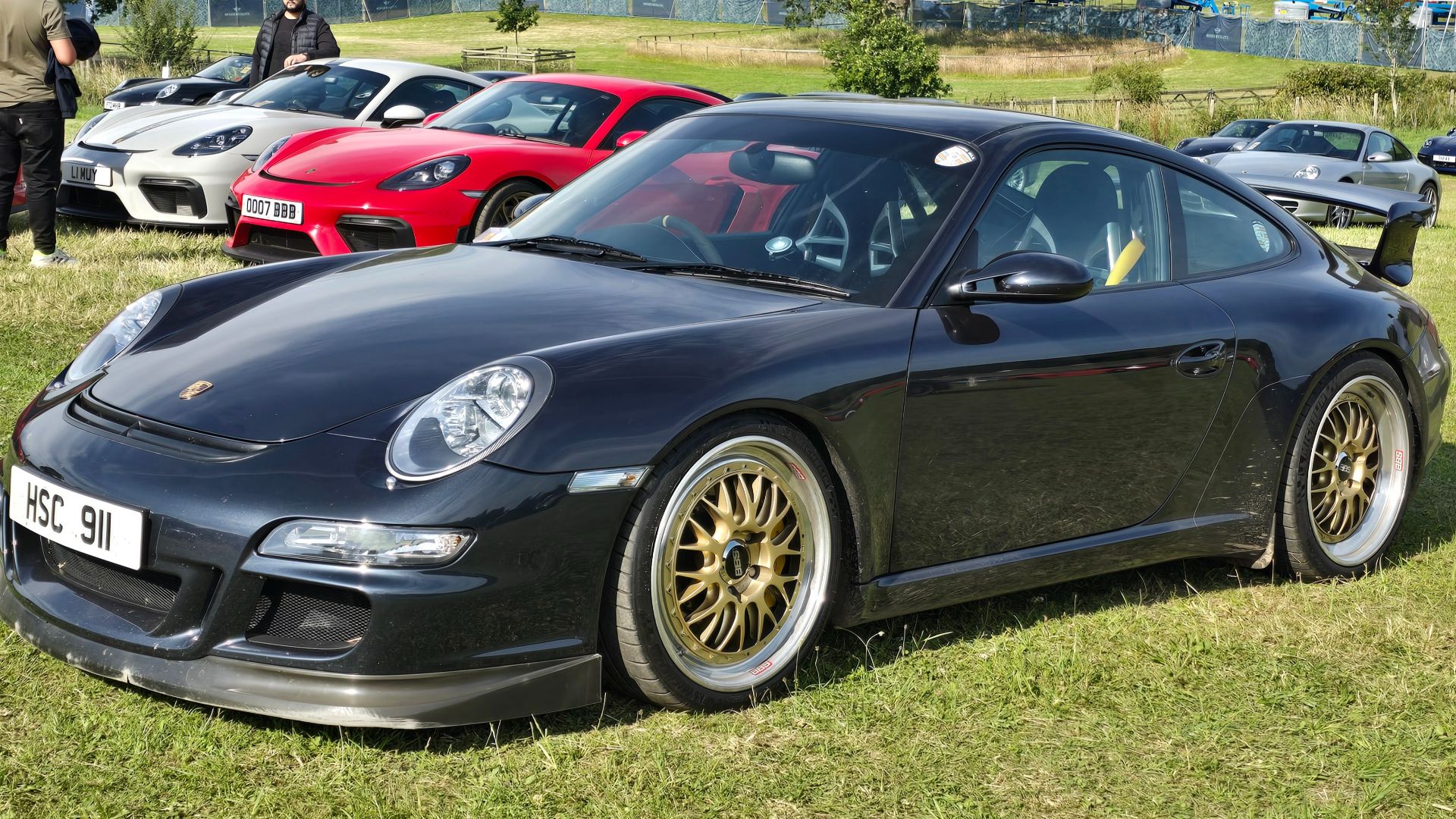
5. Porsche 911 (997, 2005–2012)
Modern Porsche 911s are engineered with outstanding corrosion resistance. Galvanized steel construction and premium paint quality allow these sports cars to stay remarkably clean for years. Even vehicles driven regularly and kept outside often show minimal signs of body rust.
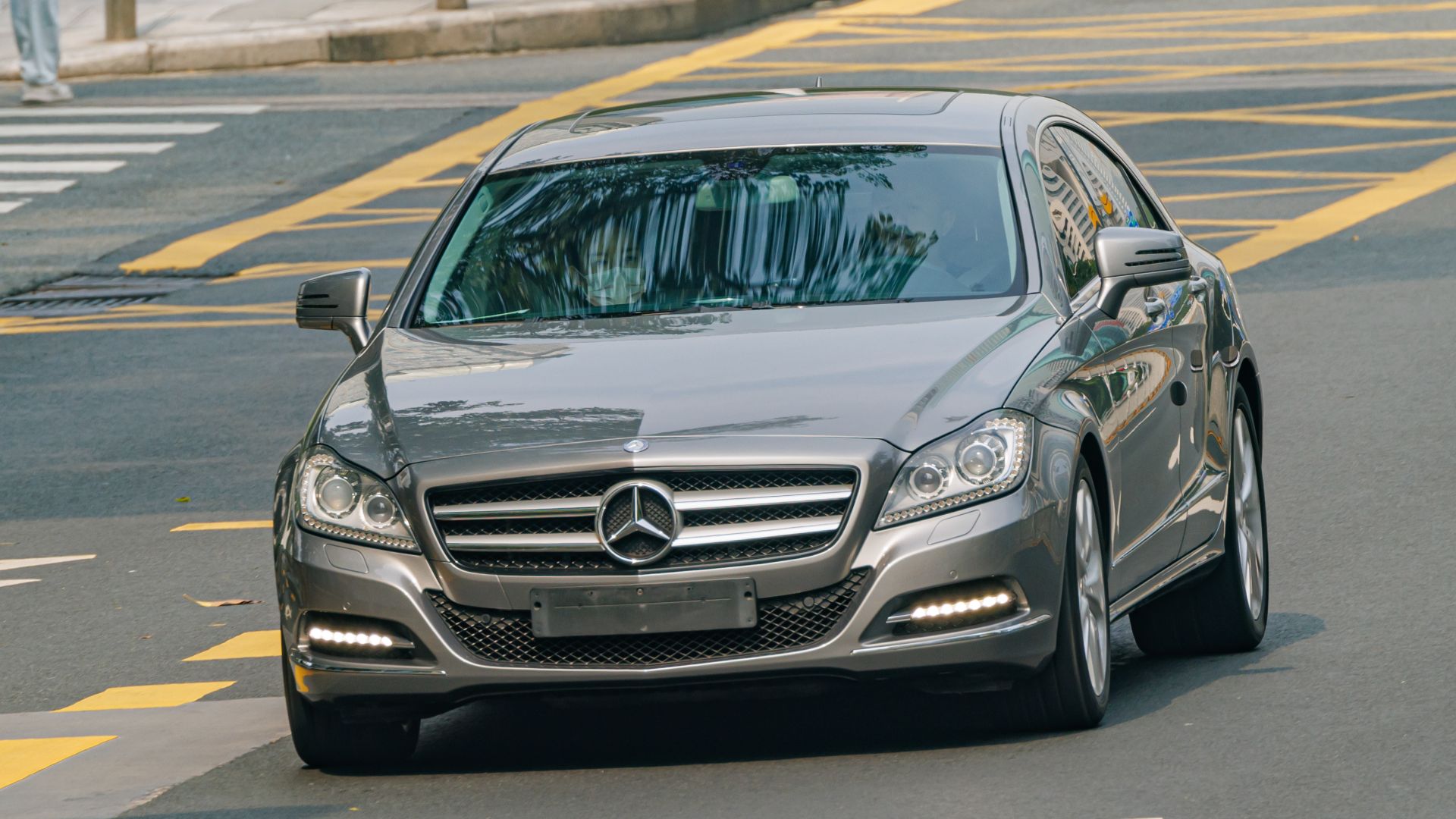
6. Mercedes-Benz E-Class (W212, 2010–2016)
Mercedes significantly improved corrosion protection after earlier generations experienced rust complaints. The W212 became known for holding up much better against the elements than its predecessors. Well-maintained examples often look years newer than their age suggests.
7. Tesla Model S (2012–Present)
The Model S avoids many traditional rust issues thanks to its extensive use of aluminum body panels. Aluminum can still corrode under certain conditions, but it doesn't rust like conventional steel. Owners in snowy climates generally report excellent resistance to body corrosion.

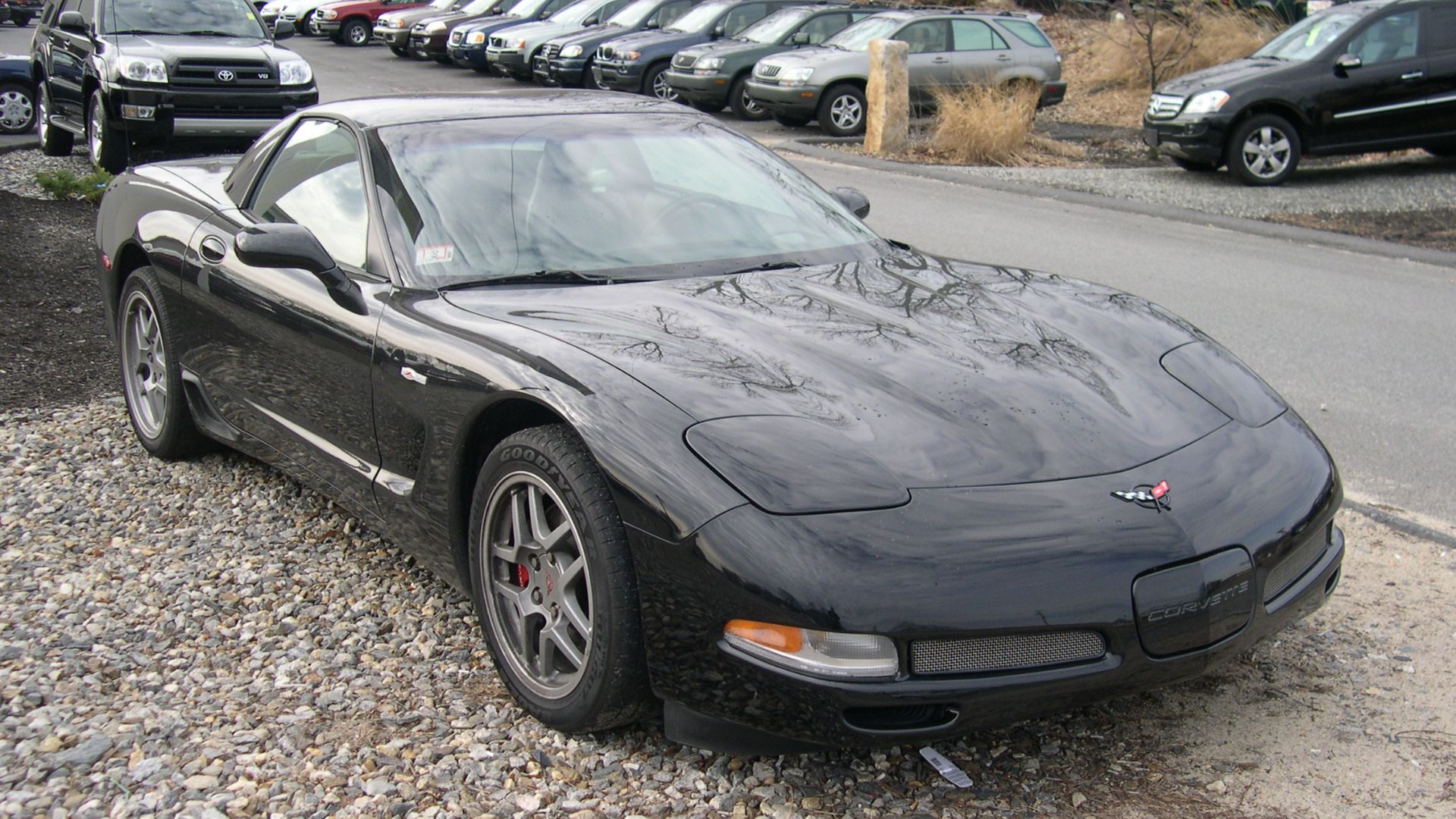
8. Chevrolet Corvette (C5, 1997–2004)
Fiberglass body panels mean the C5 Corvette doesn't suffer from conventional body rust. Its steel frame still requires attention, but the exterior panels won't develop the bubbling corrosion seen on steel-bodied cars. That's one reason many older Corvettes continue to look remarkably fresh.
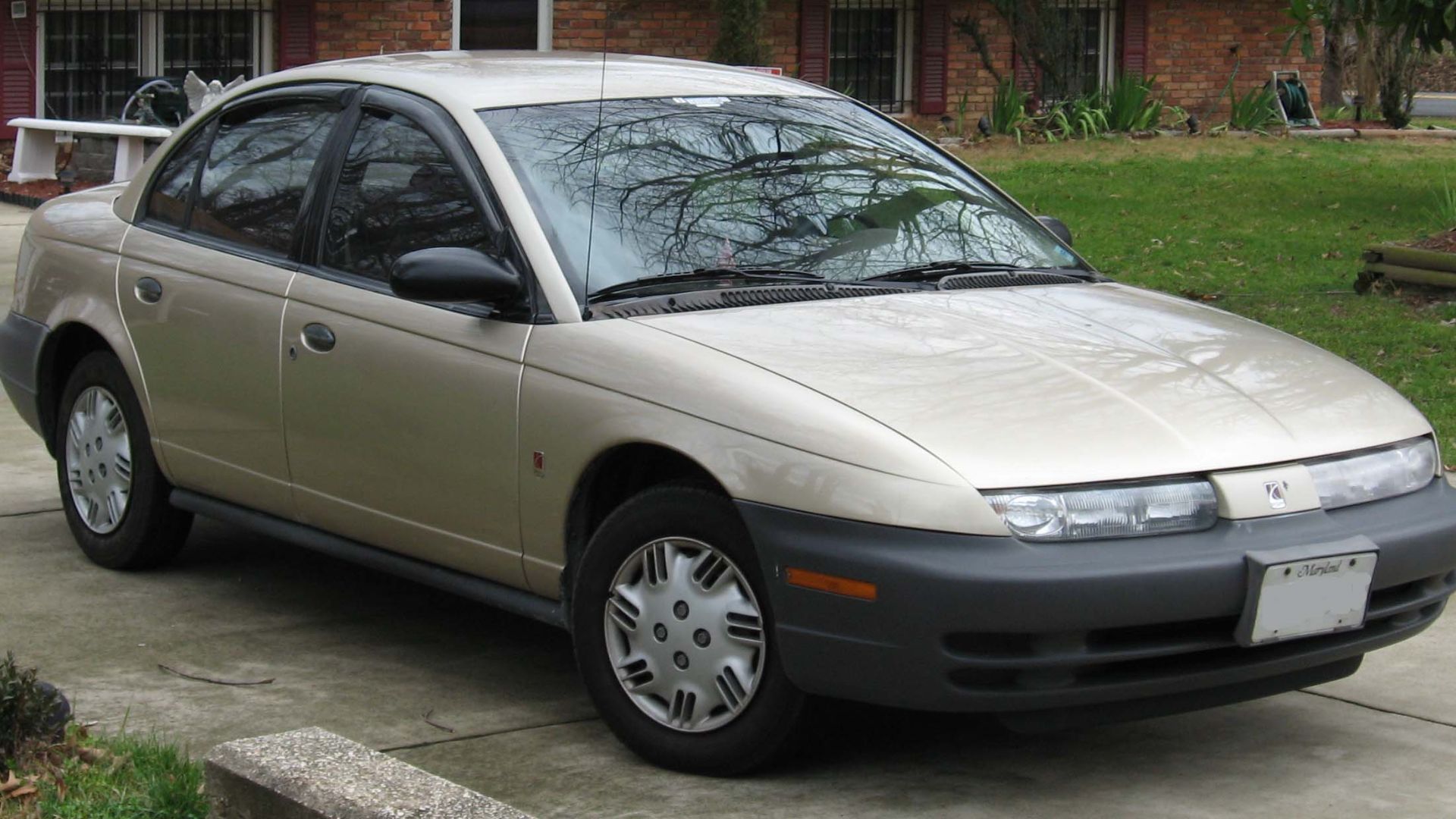
9. Saturn S-Series (1991–2002)
Saturn's polymer body panels gave these compact cars a unique advantage. They couldn't rust the way traditional steel fenders and doors could, helping many cars maintain a clean appearance for decades. The steel space frame underneath still deserves inspection, but visible body corrosion is far less common.
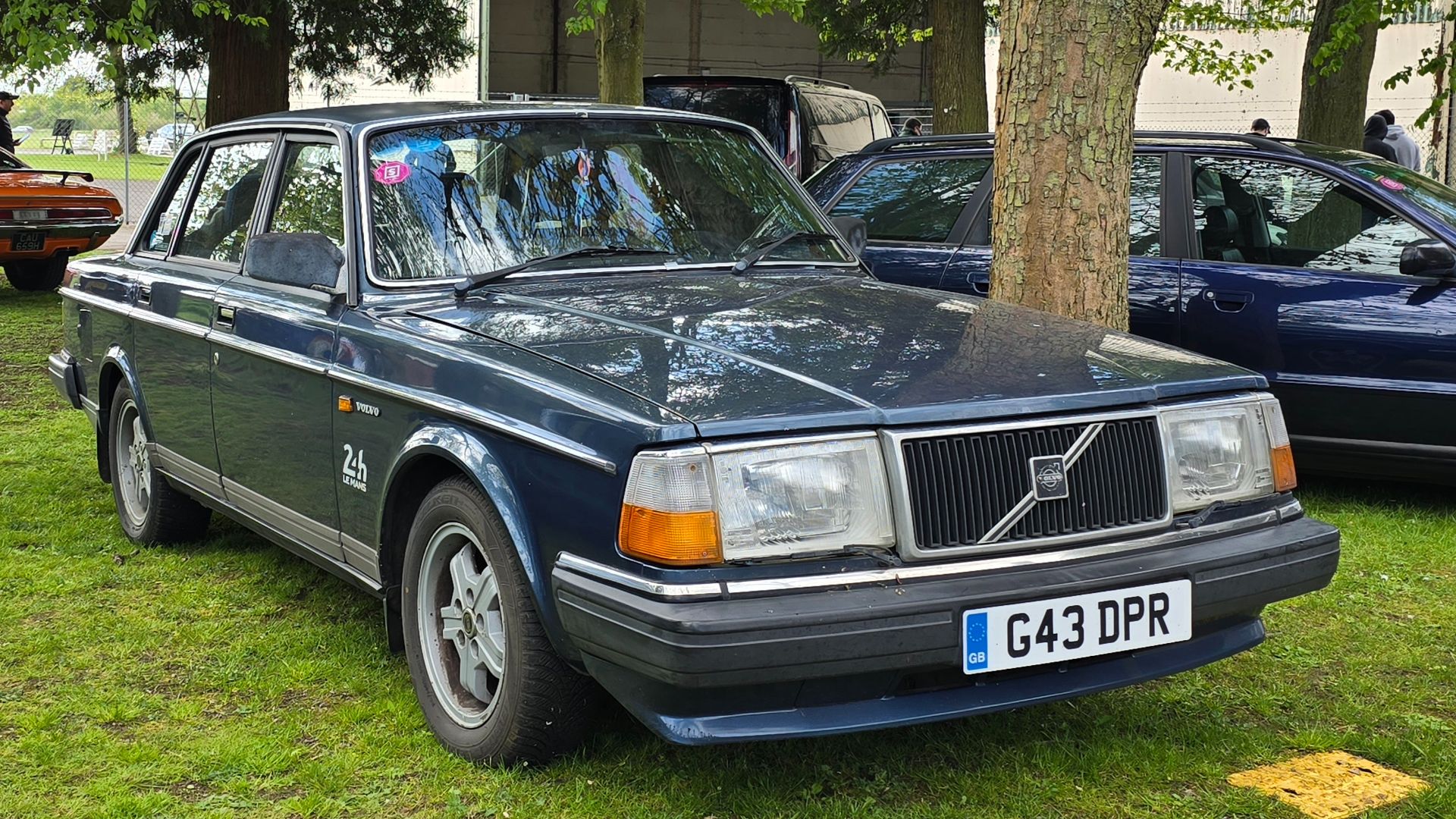
10. Volvo 240 (1975–1993)
The Volvo 240 earned its legendary reputation through durability in nearly every category, including corrosion resistance. Extensive galvanization and robust rustproofing helped many survive decades of harsh winters. It's still common to find well-preserved examples with surprisingly solid bodies, despite their age.