Efficient Options with Very Different Strengths
Should you get a hybrid or an EV? Sure, both cars promise lower running costs and reduced fuel consumption, but they approach those goals in completely different ways. While a conventional hybrid combines a gasoline engine with an electric motor, a fully electric vehicle relies entirely on battery power, and that slight difference can affect everything from road-trip planning and winter driving to maintenance, emissions, and everyday convenience. To help you make your choice, here are 10 reasons why hybrids might be the better pick, and 10 reasons why EVs are.
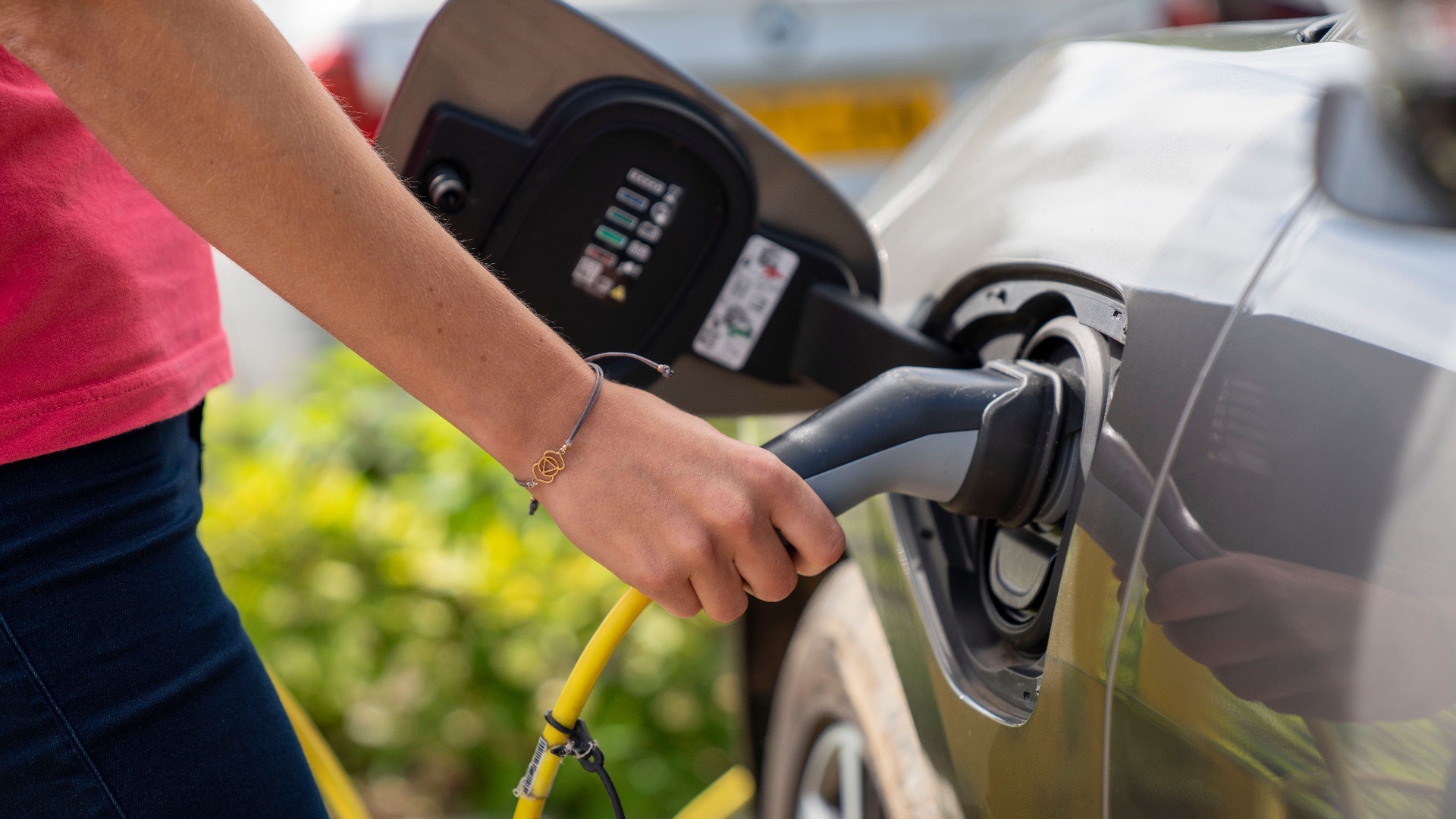
1. You Don’t Need Somewhere to Charge
A conventional hybrid replenishes its battery through regenerative braking and energy supplied by the gasoline engine, so there’s no need to plug it in. That makes ownership much easier if you live in an apartment, rent a home, or park on the street. You can enjoy better fuel economy without installing equipment or regularly searching for an available charger.

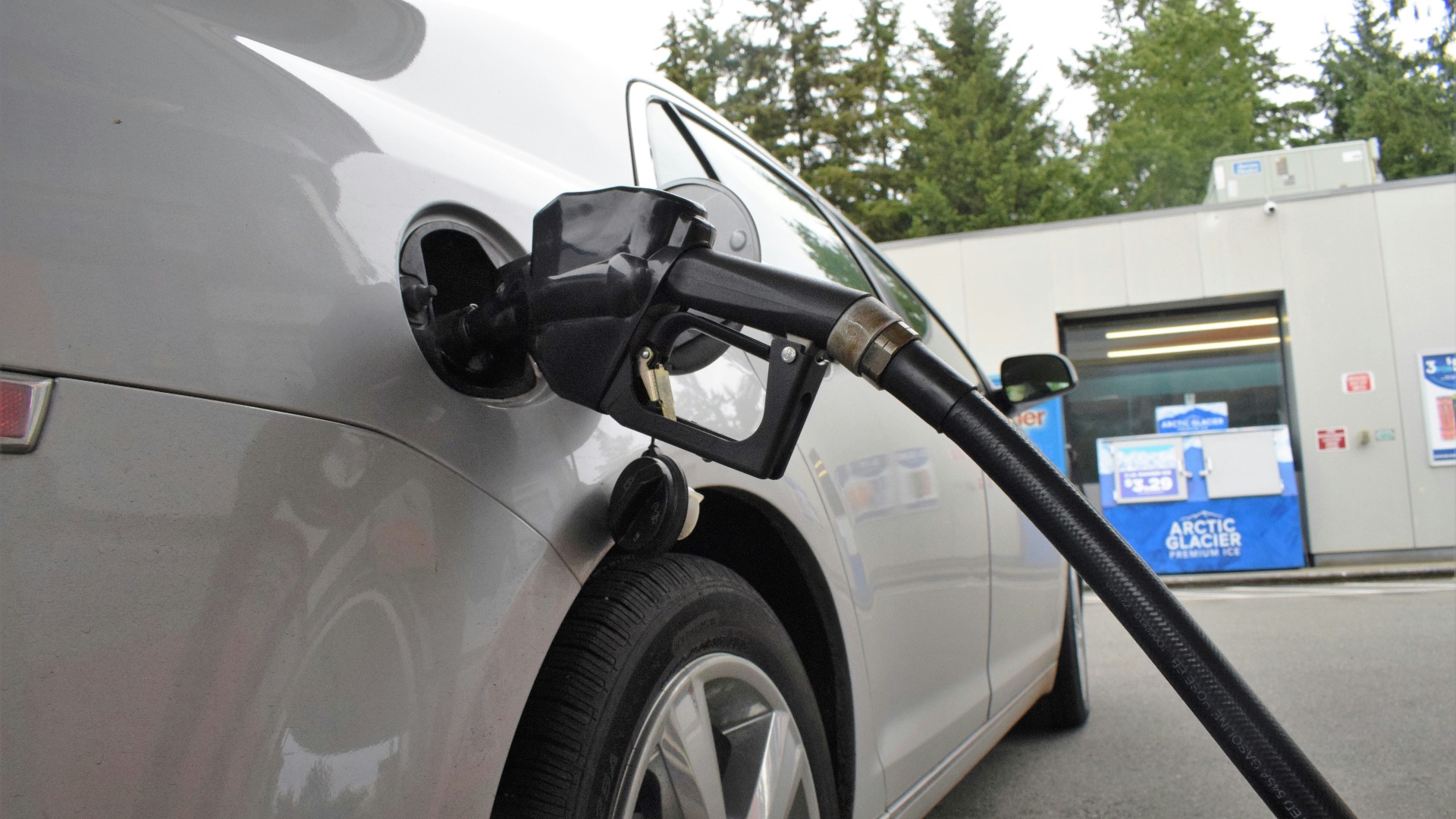
2. Refueling Only Takes a Few Minutes
Even the fastest EV chargers generally require more time than a standard visit to a gas station. With a hybrid, you can fill the tank and return to the road without building a lengthy stop into your schedule. This advantage becomes especially noticeable during long trips or on days when you’re already running late.
3. Long Journeys Require Less Planning
Driving a hybrid across several states or through remote regions usually doesn’t demand much advance preparation. Gas stations remain widely available, and you don’t have to choose stops based on charging speed, connector compatibility, or charger availability. Unexpected detours also feel less disruptive when almost any nearby town can provide fuel.

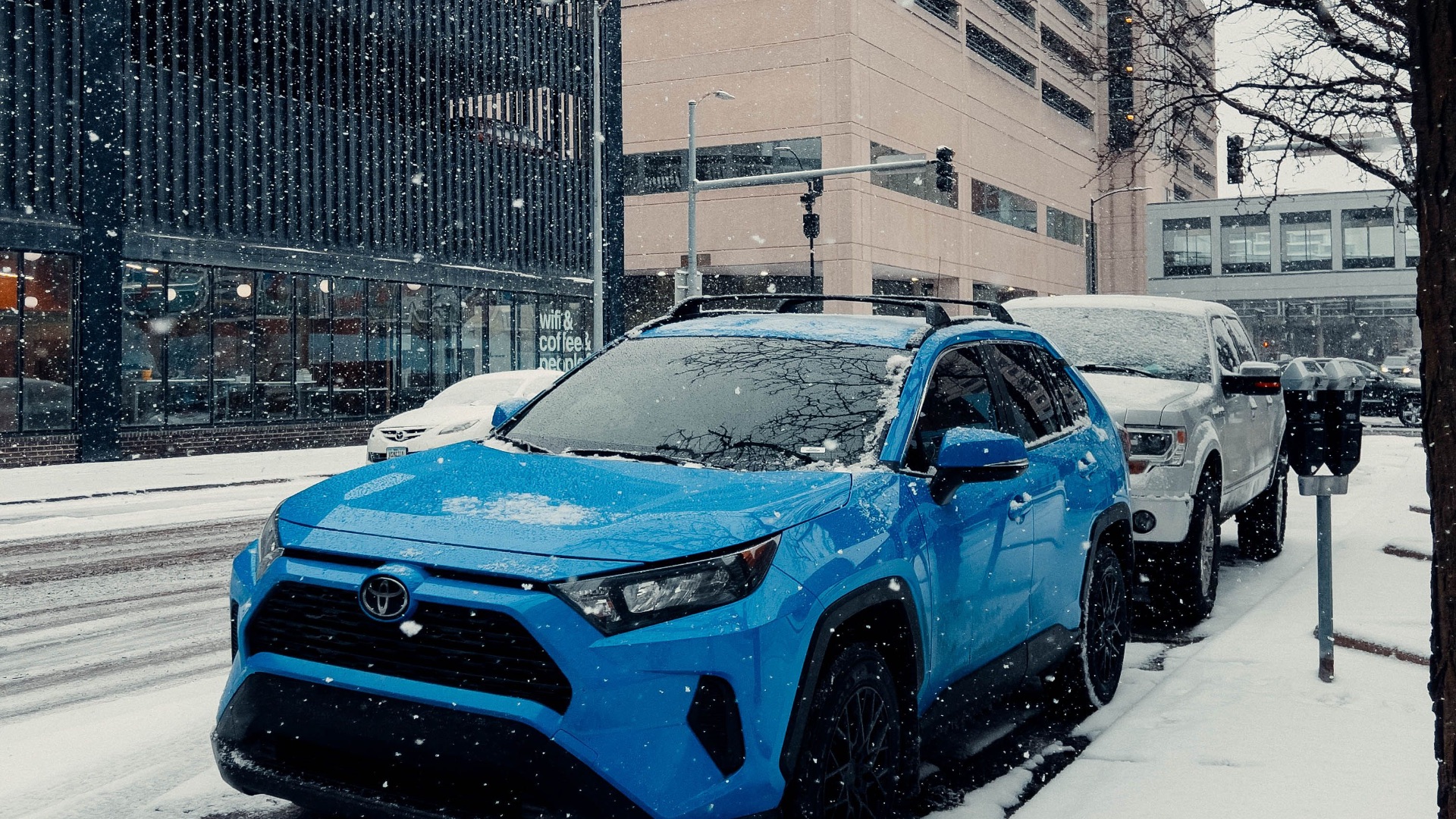
4. Cold Weather Is Less Disruptive
Low temperatures affect every vehicle, but an electric car depends entirely on a battery whose performance and available range can decline in cold conditions. A hybrid can continue relying on its gasoline engine, even when the battery isn’t operating at peak efficiency. Drivers in colder climates may find that flexibility reassuring during winter commutes and longer seasonal trips.
5. One Car Can Cover More Situations
Households with only one vehicle often need it to handle commuting, vacations, emergencies, and spontaneous drives. A hybrid can perform all of those roles without requiring access to a charger or a second gasoline-powered car. Its ability to travel efficiently in town while still covering long distances makes it an adaptable all-purpose option.
6. They’re Convenient for Frequent Highway Travelers
Hybrids are particularly efficient in stop-and-go traffic, but their gasoline engines still make sustained highway driving straightforward. You won’t need to stop for electricity after several hours or wonder whether the next fast charger is working. Sales representatives, regional workers, and other high-mileage drivers may value that predictability more than the benefits of fully electric operation.

7. Regenerative Braking Still Saves Energy
Choosing a hybrid doesn’t mean giving up one of the most useful features found in an EV. Regenerative braking captures some of the energy normally lost while slowing down and stores it in the battery for later use. Along with electric motor assistance and automatic engine shutoff, this helps hybrids use fuel more efficiently, particularly in urban traffic.
8. They Fit More Easily Into Established Routines
A hybrid works much like the gasoline car most people already know how to operate. You refuel at the same stations, use familiar road-trip habits, and don’t need to learn the differences among home, Level 2, and DC fast charging. For someone who wants improved efficiency without changing how they manage a vehicle, that familiarity can matter.

9. Rural Drivers Have Fewer Infrastructure Concerns
Public charging is expanding, but its convenience still varies considerably by location. Someone living in a rural area may have to travel farther to reach a compatible fast charger, especially when driving away from major highways. A hybrid avoids most of that uncertainty while still using less gasoline than a comparable conventional vehicle.

10. Running Out of Fuel Is Easier to Resolve
An empty gas tank is inconvenient, but the solution can be as simple as bringing over a small fuel container. A depleted EV generally needs access to electricity or specialized roadside assistance capable of providing a charge or tow. Hybrids give drivers more familiar recovery options when poor planning, severe traffic, or an unexpected route leaves them stranded.
Hybrids make a strong case for flexibility, especially when charging access is limited or long-distance travel is common. Electric cars, however, offer advantages that become increasingly persuasive when you have reliable home charging and most of your driving stays within the vehicle’s range.
1. They Produce No Tailpipe Emissions
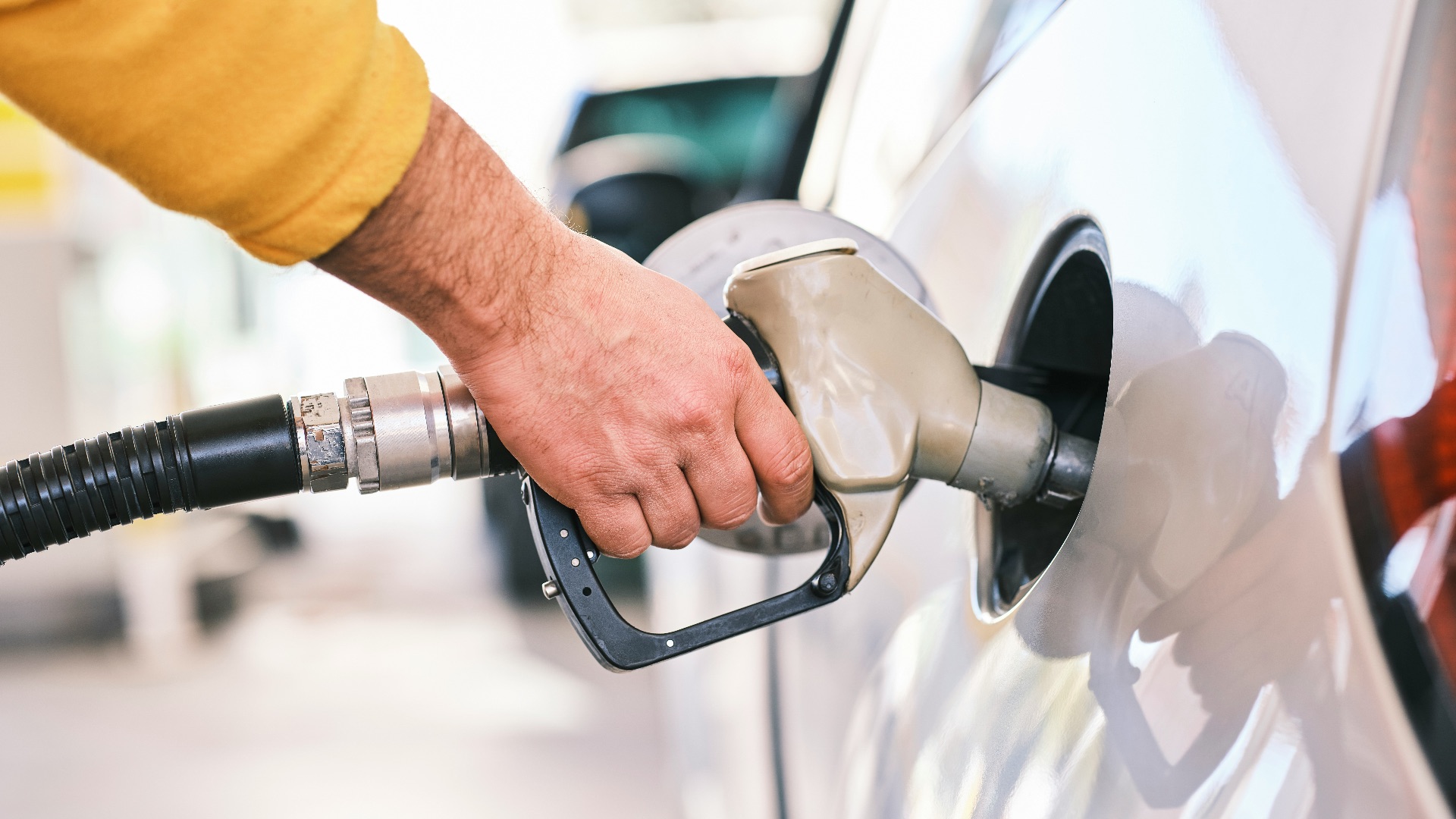
A fully electric car doesn’t burn gasoline, so it releases no carbon dioxide, nitrogen oxides, or other exhaust pollutants from a tailpipe while being driven. Electricity generation can still create emissions, depending on the local power supply, but EVs typically produce lower total greenhouse gas emissions than gasoline vehicles. Their environmental advantage grows further when the electricity comes from lower-carbon or renewable sources.
2. Electricity Can Cost Less Than Gasoline
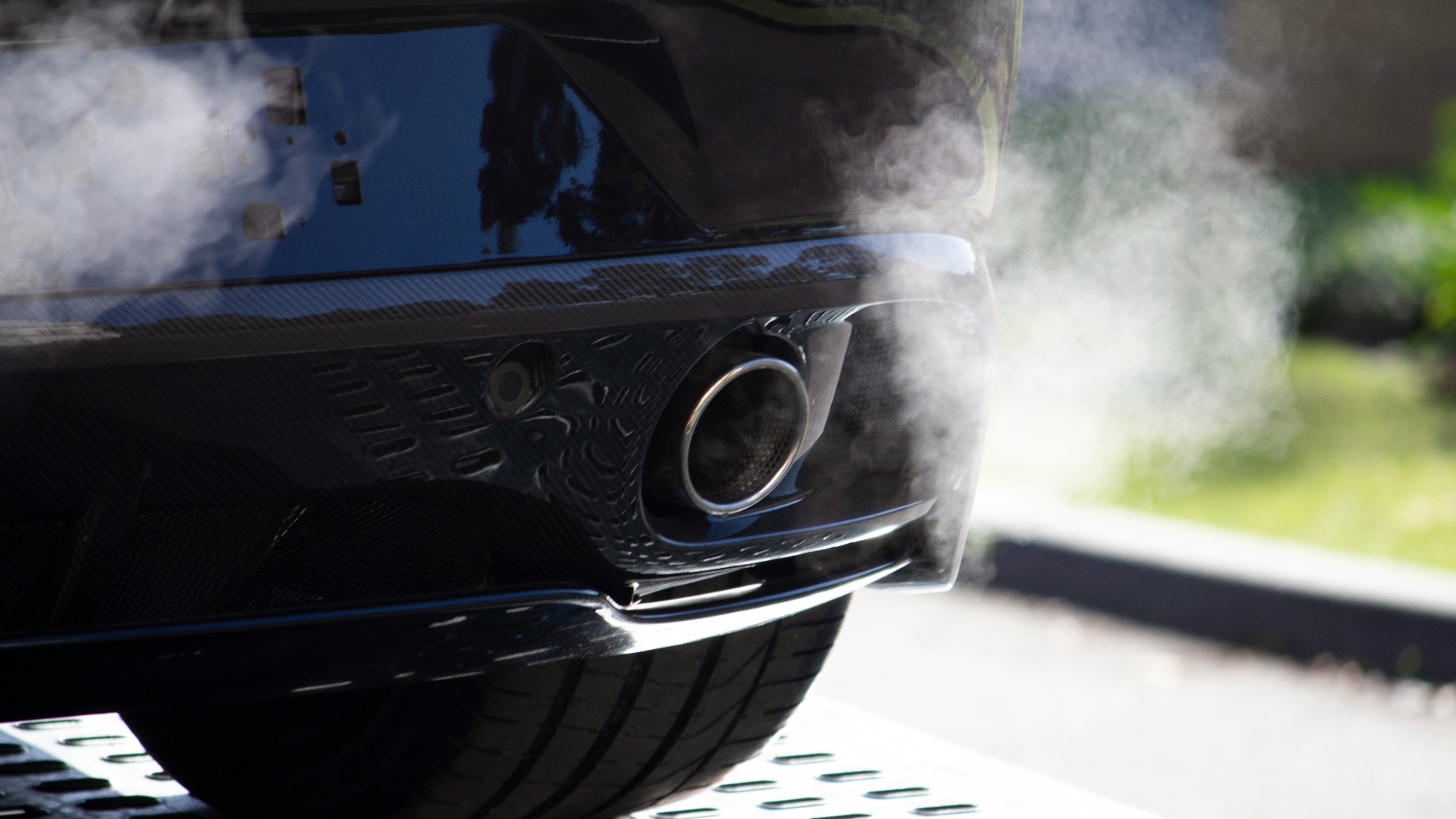
Charging an EV at home is often less expensive than purchasing the gasoline needed to travel the same distance, although local utility rates and fuel prices affect the calculation. Owners may save even more by charging during off-peak hours when their utility offers time-based pricing. Public fast charging can cost more, but home charging usually accounts for most energy use among drivers who have access to it.
3. There Are Fewer Routine Maintenance Demands
Electric cars don’t need oil changes, spark plugs, engine air filters, or exhaust-system repairs. Their drivetrains contain fewer moving components than vehicles powered partly or entirely by combustion engines. Tires, brakes, cabin filters, and other regular items still require attention, but the overall maintenance schedule is usually simpler.
4. Home Charging Can Be Extremely Convenient
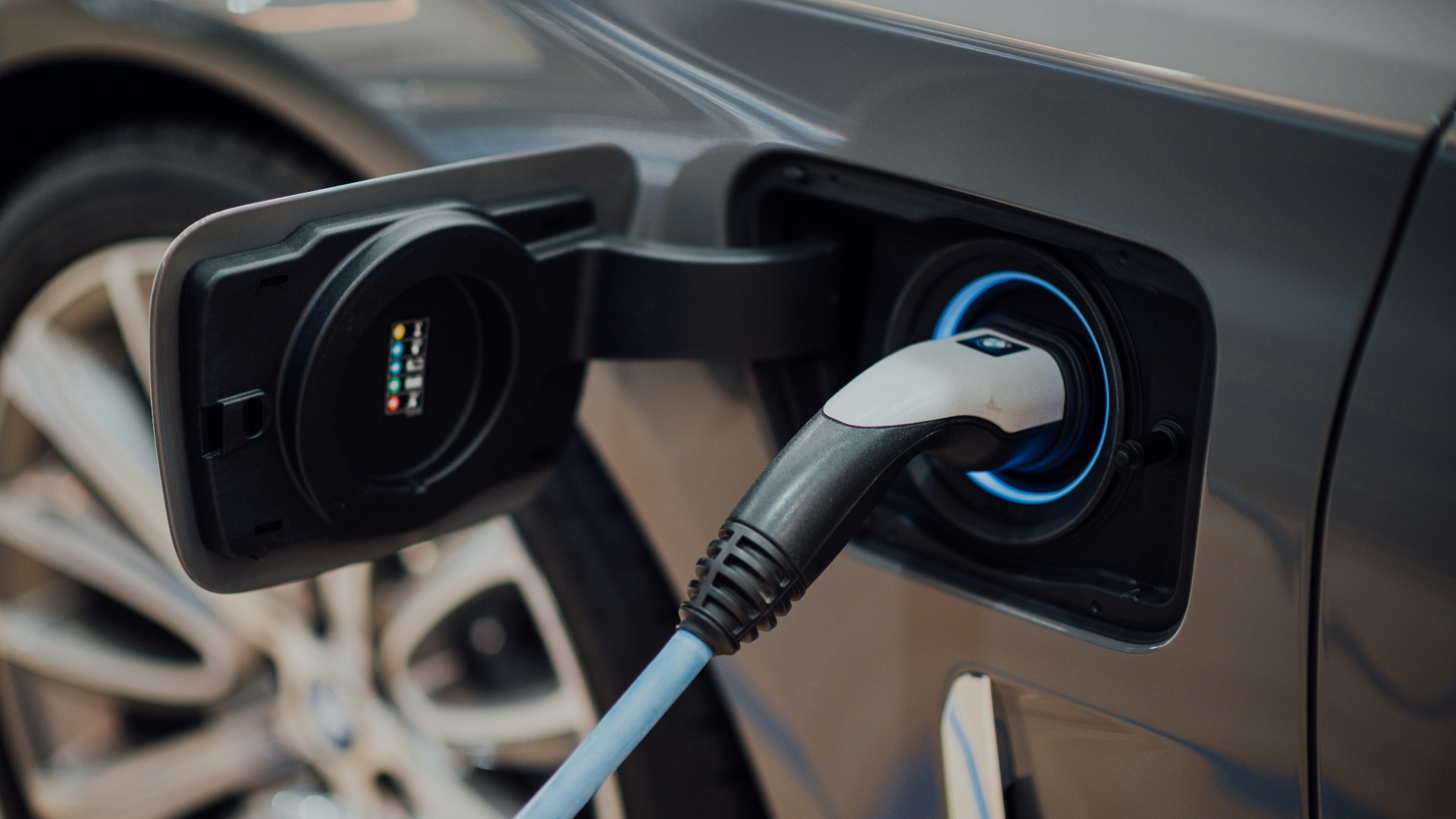
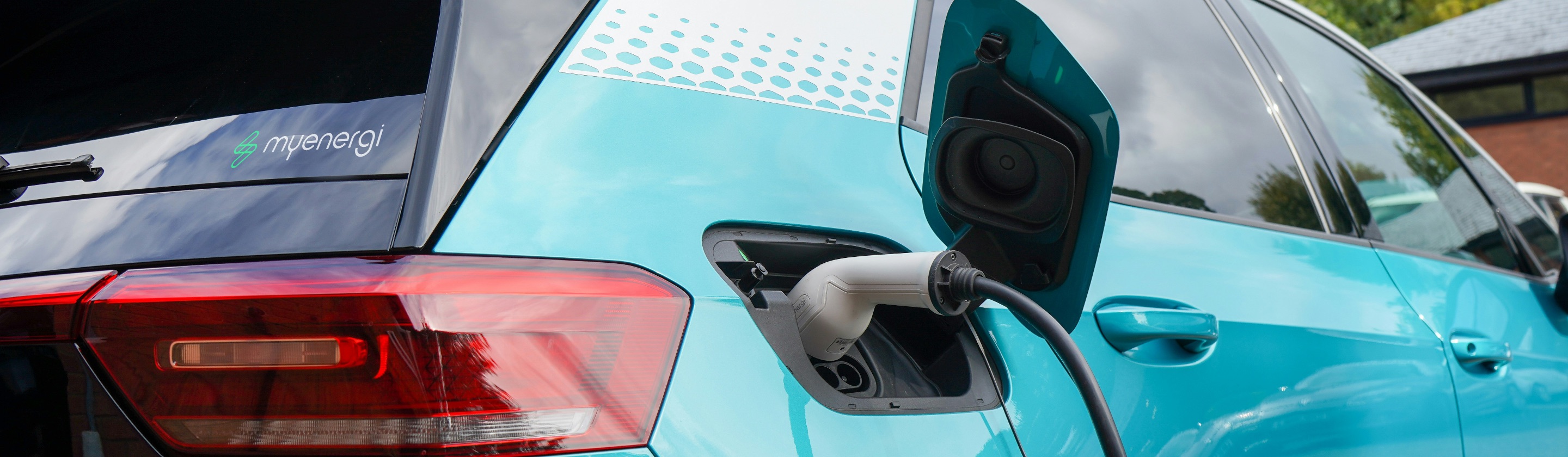
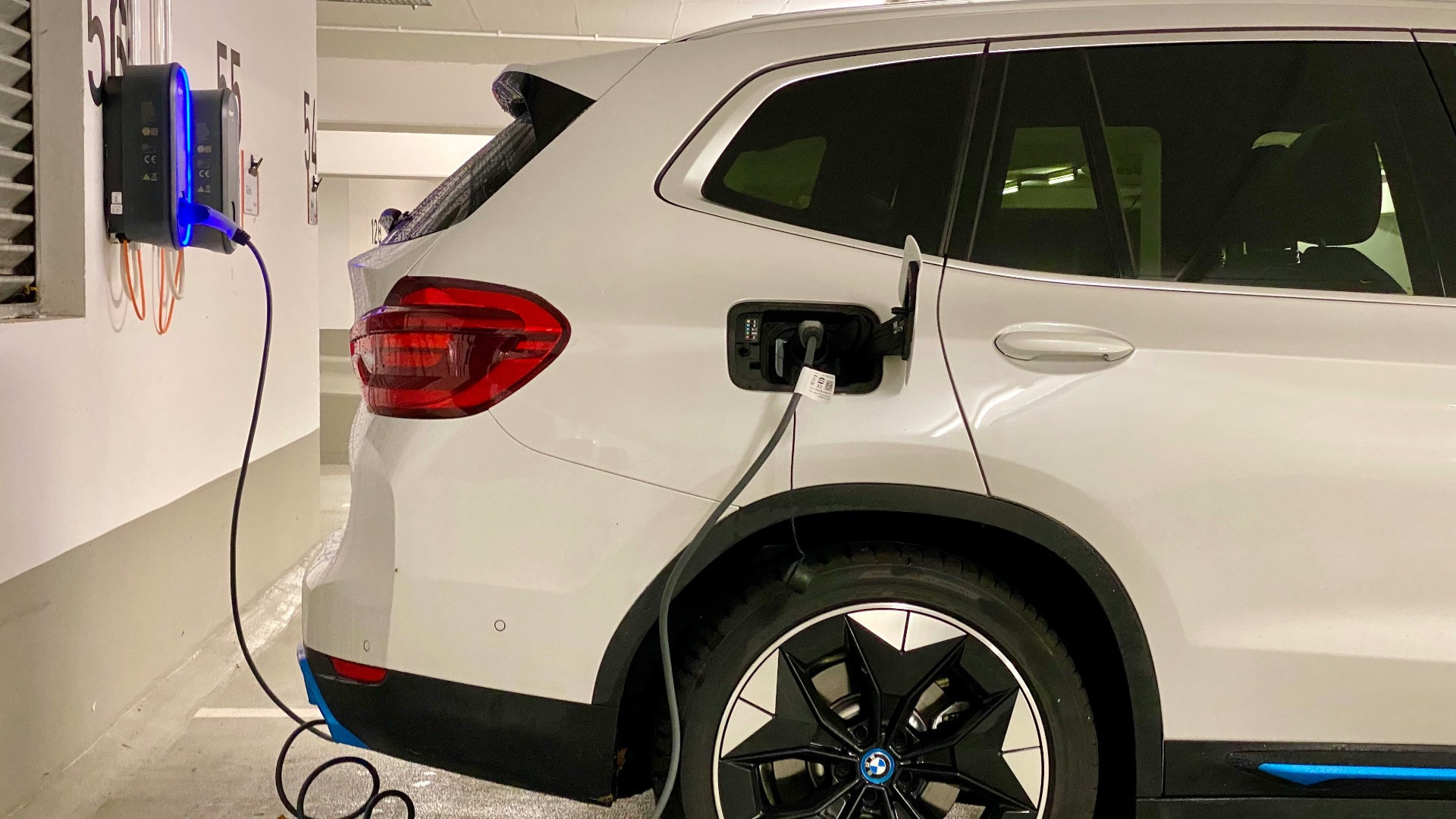
An EV lets you replenish your range while the car is parked overnight, much as you would charge a phone or laptop. Instead of making a separate fuel stop, you can begin many mornings with enough power for the day’s driving. Level 1 charging may suit lower-mileage routines, while Level 2 equipment provides faster residential charging for drivers with greater daily needs.
5. Electric Motors Respond Immediately
Electric motors deliver torque without waiting for an engine to rev or a transmission to select the right gear. As a result, many EVs accelerate promptly when you press the pedal, even if they aren’t marketed as performance vehicles. That immediate response can make merging, passing, and navigating busy intersections feel more controlled.
6. The Driving Experience Is Smoother
A fully electric powertrain avoids engine vibration, exhaust sounds, and many of the gear changes associated with combustion vehicles. Acceleration tends to feel continuous because numerous EVs use a single-speed transmission. For drivers who spend significant time commuting, the more settled cabin and seamless power delivery can make everyday travel feel less tiring.
7. They Use Energy More Efficiently
Combustion engines lose a large portion of their fuel’s energy through heat, friction, and other inefficiencies. Electric drivetrains convert a much greater share of their stored energy into movement, giving EVs a fundamental efficiency advantage. Hybrids reduce the waste associated with gasoline engines, but they can’t eliminate it because they still burn fuel.
8. Regenerative Braking Can Handle More of the Work
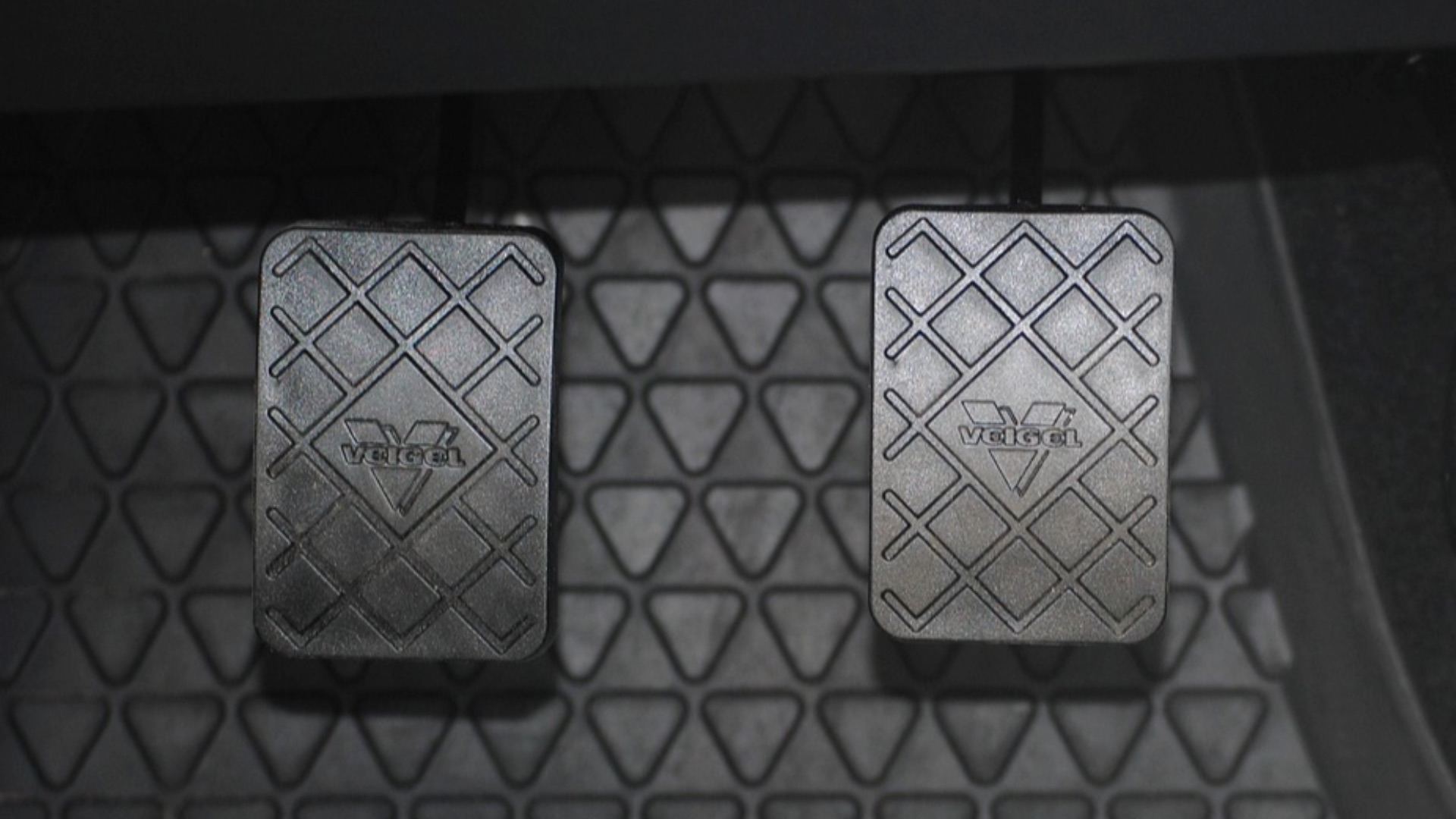
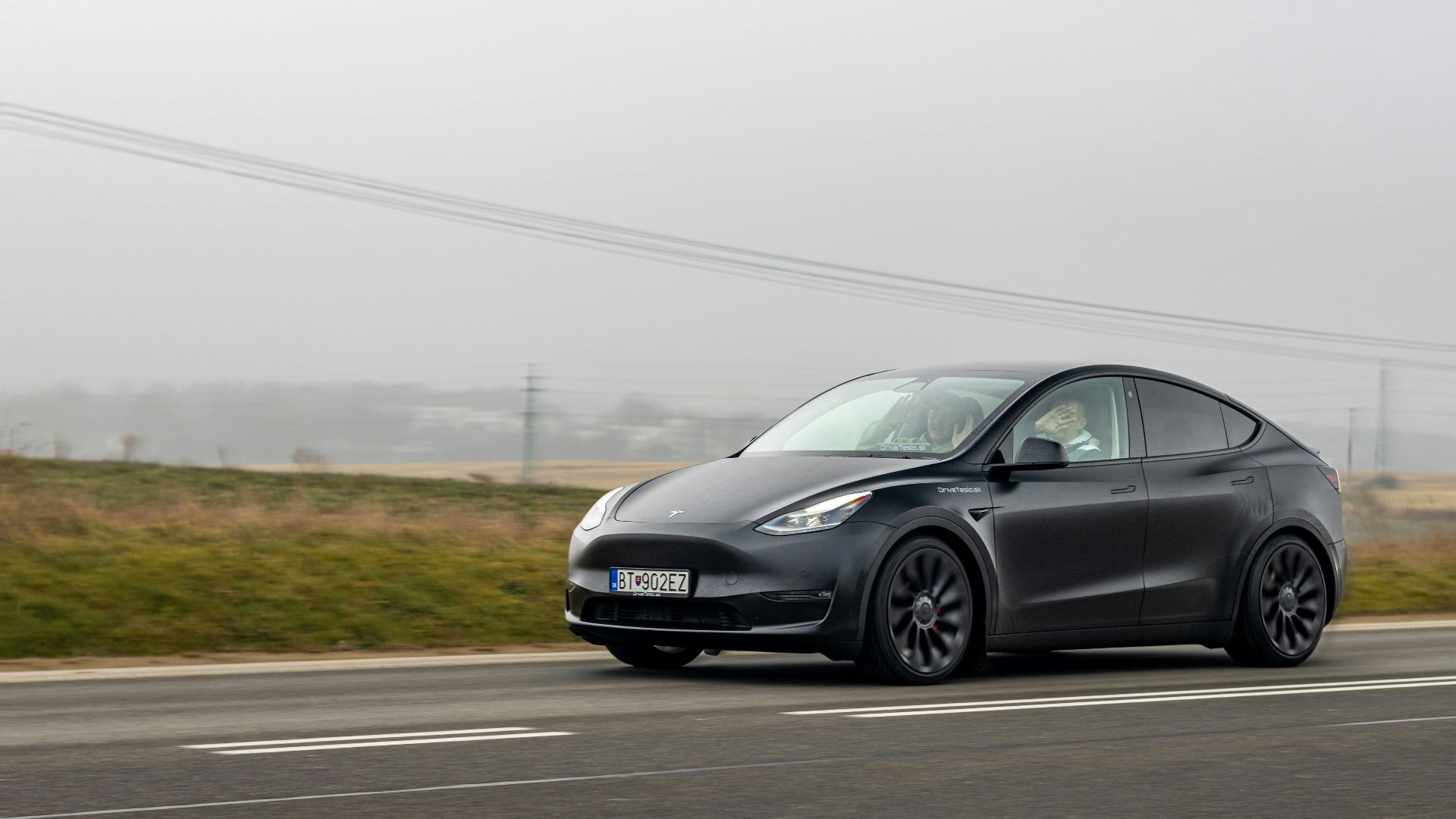
Many electric cars offer strong regenerative braking that slows the vehicle substantially when you ease off the accelerator. In some models, drivers can complete much of a routine trip while barely touching the brake pedal. Besides returning energy to the battery, this can reduce wear on the conventional friction brakes.
9. Preconditioning Doesn’t Require an Idling Engine
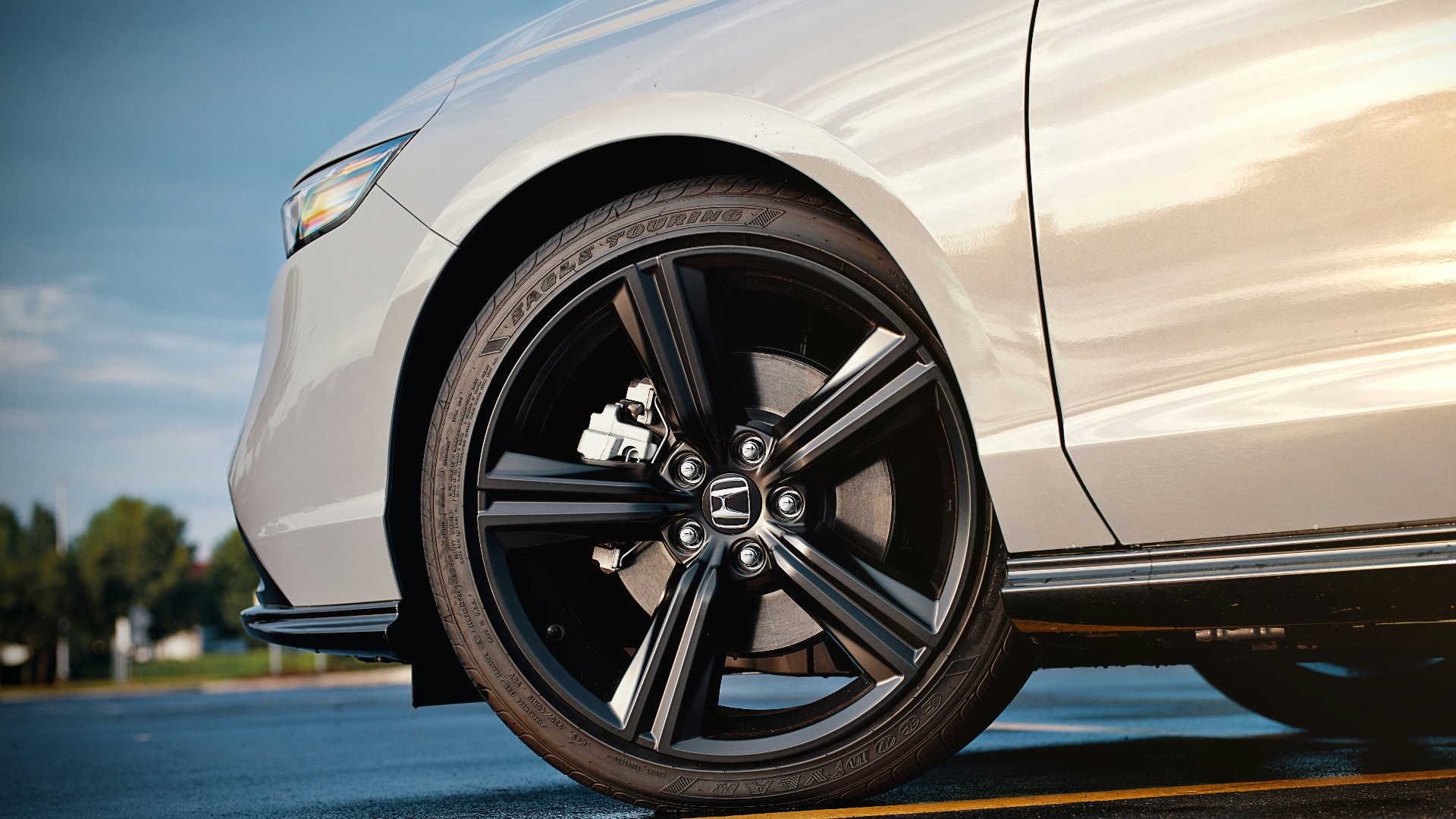
An EV can warm or cool its cabin while it remains plugged in, allowing it to draw energy from the electrical supply rather than relying entirely on the battery. You can step into a comfortable interior without leaving a gasoline engine running outside. Preconditioning can also help prepare the battery for cold-weather driving or fast charging in models that support the feature.
10. You Can Stop Buying Gas Entirely
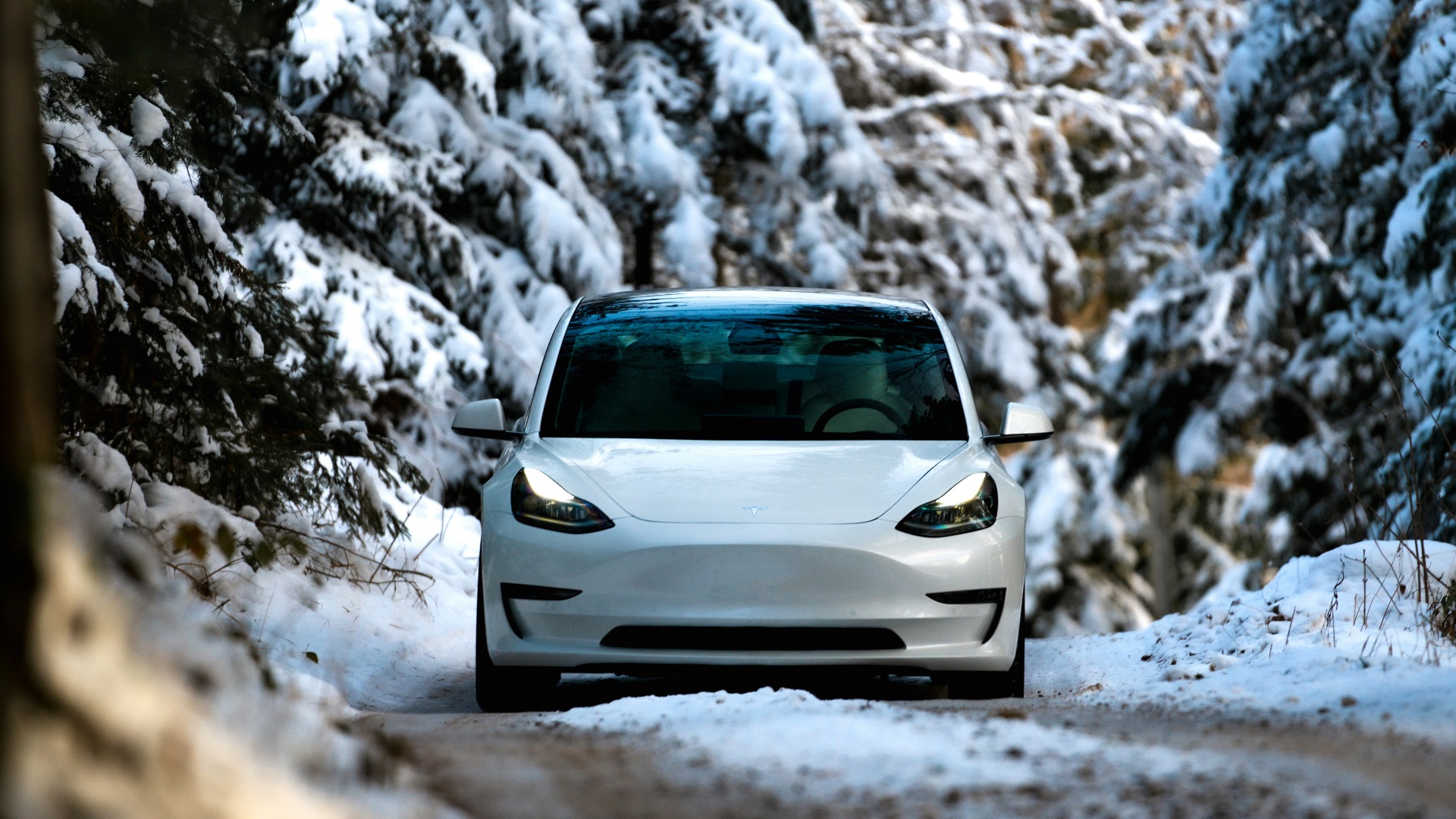
A hybrid reduces gasoline use, but it still requires regular visits to the pump and remains affected by fluctuating fuel prices. An electric car removes gasoline from your transportation budget altogether. For someone who can charge reliably at home, avoiding fuel stations may become one of the most appreciated parts of ownership.