F1’s Embarrassing And Legendary Drivers
Despite all its glory, Formula 1's glamor masks a dark pit lane of disaster. For every Senna or Schumacher, there's a driver who couldn’t park straight in Monaco. Like with every sport, there's a broad spectrum of performance, and some drivers are simply better than others. Here’s a rundown of the best and worst F1 drivers, starting with the ones who stalled in disgrace.
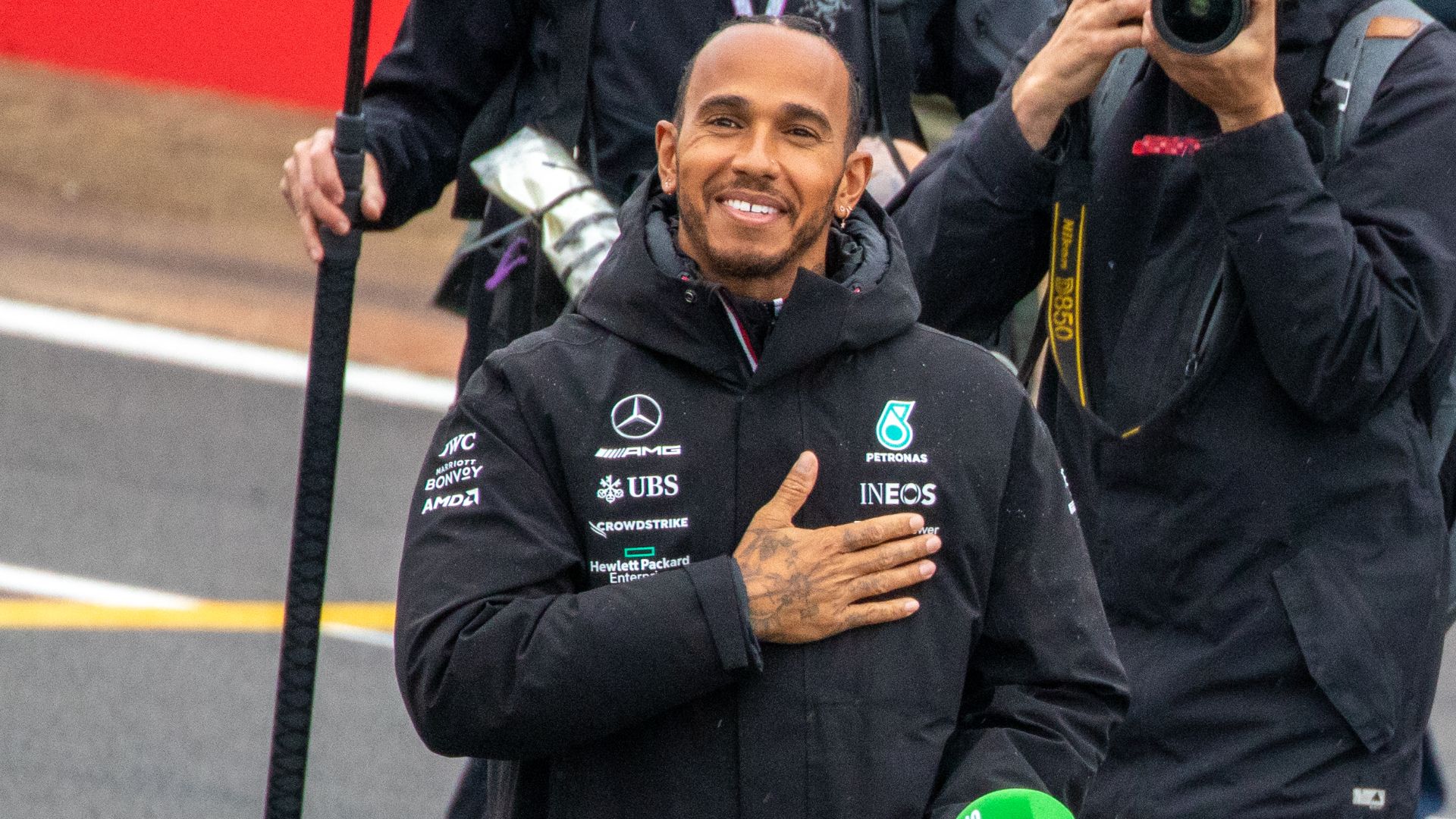
1. Taki Inoue
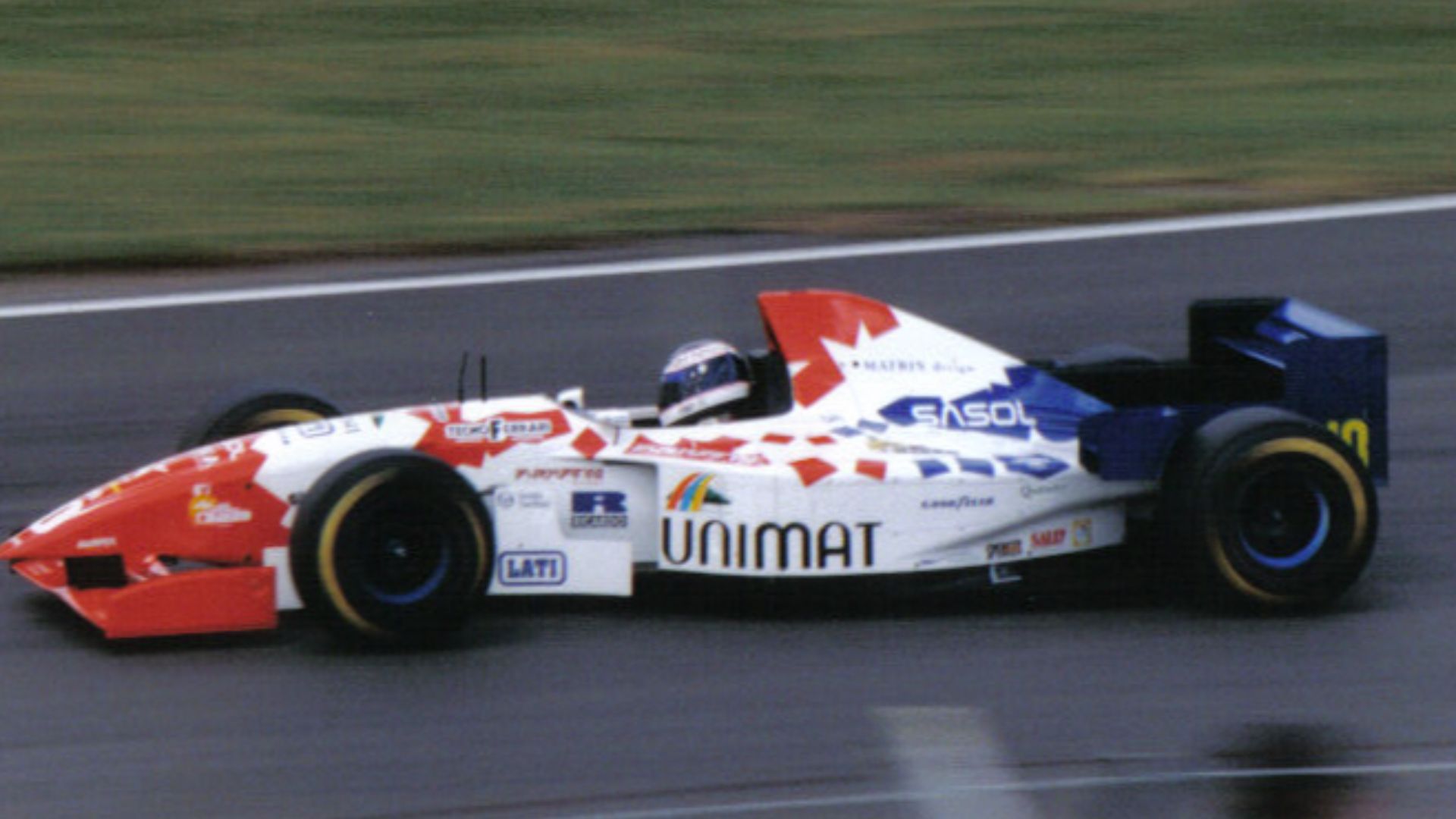
Taki Inoue’s 1995 season with Footwork Arrows was chaotic and slow. He became infamous for two bizarre incidents. In Monaco, his car was hit while being towed, and in Hungary, he was struck by a medical car while grabbing a fire extinguisher.
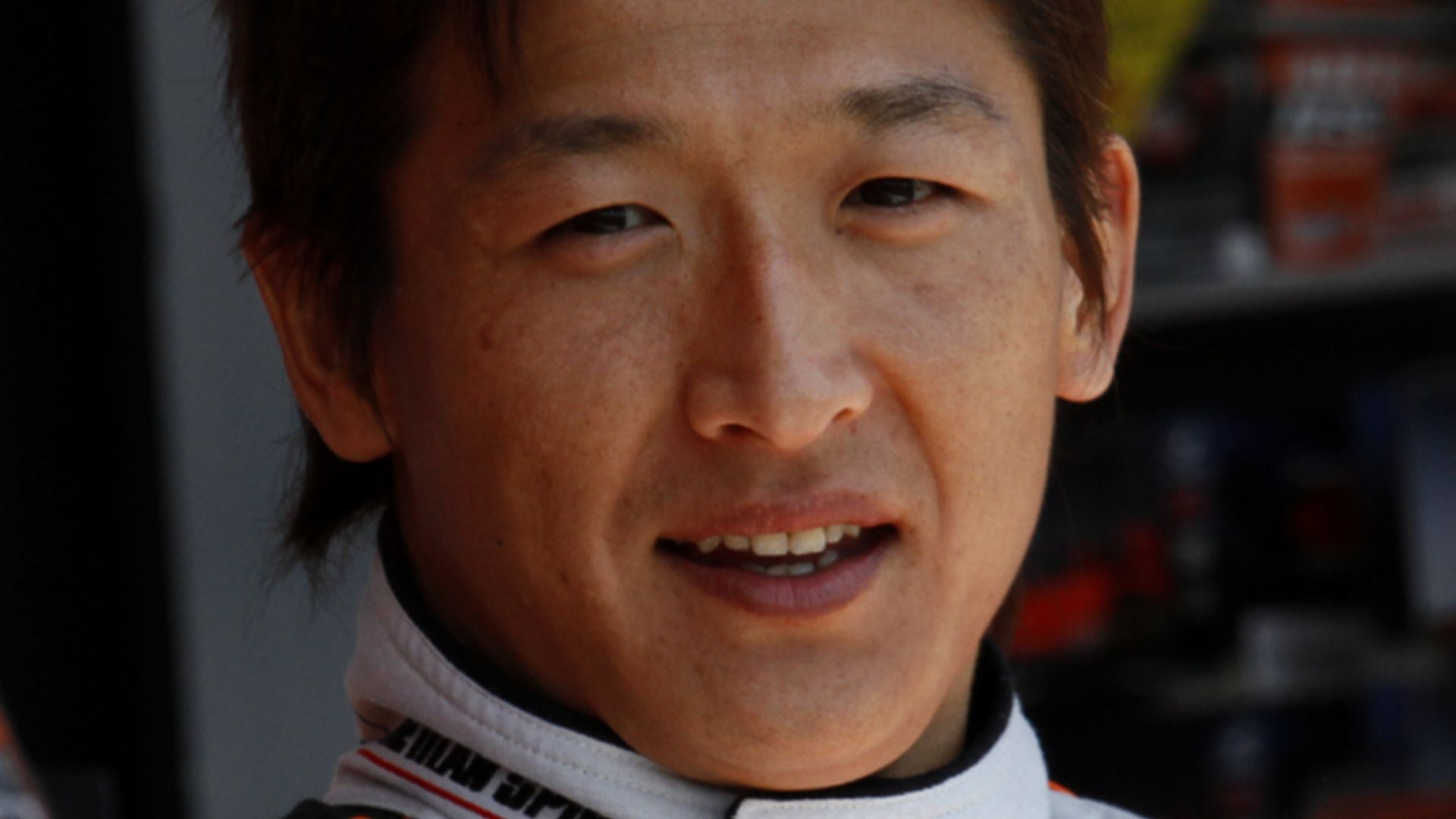
2. Yuji Ide
The FIA revoked Yuji Ide’s Super Licence in 2006, reflecting safety concerns. Driving for Super Aguri, Ide entered F1 at 31 with minimal experience in high-powered single-seaters. His debut was marred by constant spins and a notorious incident at Imola, where he collided with Christijan Albers.
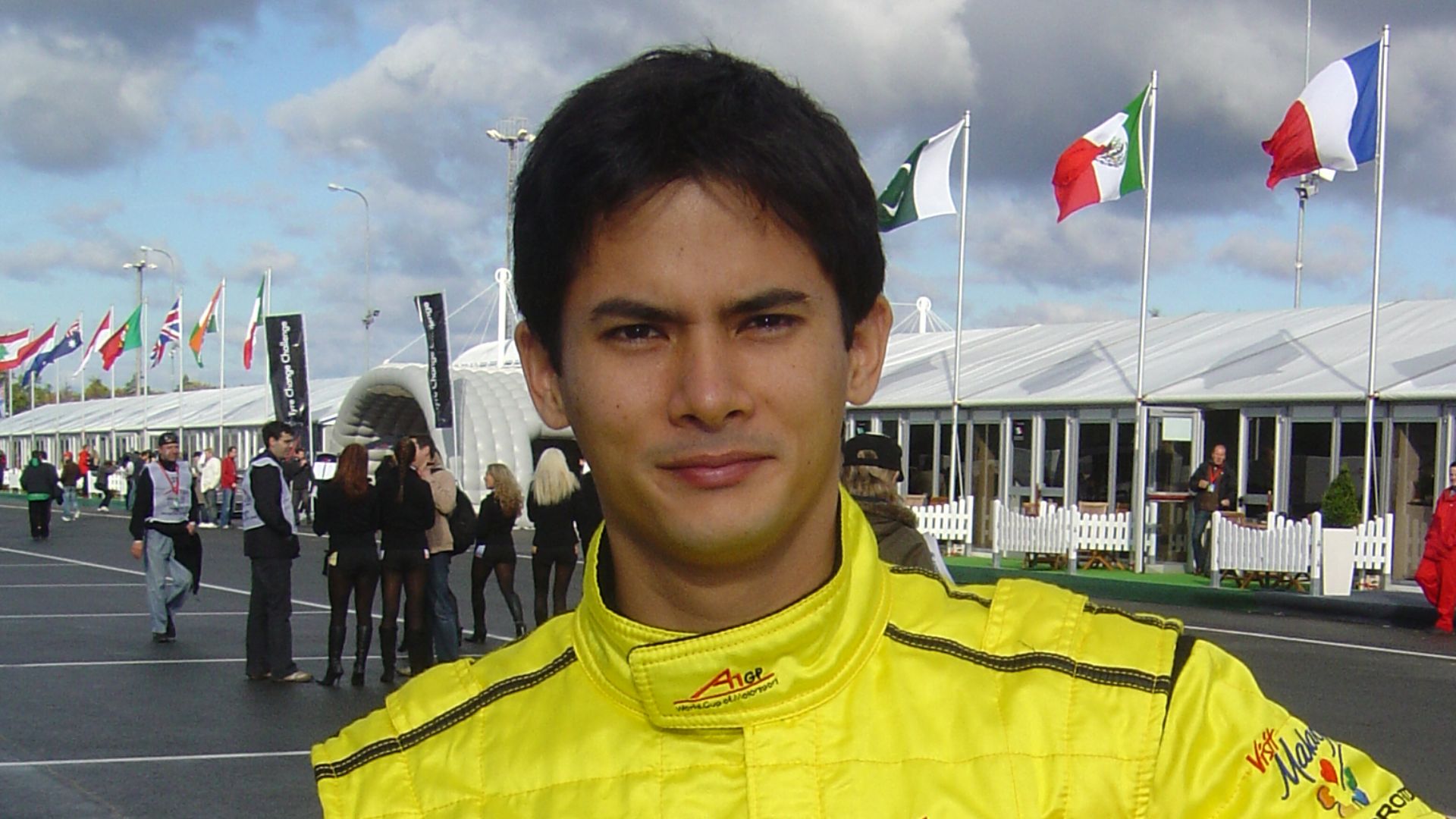
3. Alex Yoong
There’s slow, and then there’s Yoong slow. Alex Yoong made history as Malaysia’s first Formula 1 driver, debuting with Minardi in 2001. However, his performance lagged far behind even the backmarkers. He failed to qualify for three races in 2002 due to the 107% rule.
4. Giovanni Lavaggi
He wasn’t called “Johnny Carwash” for speed. Lavaggi entered Formula 1 in 1995 as a paid driver, a term reserved for racers who bring sponsorship money rather than pure merit. Competing with Pacific and later Minardi, Lavaggi appeared in 10 Grands Prix but finished only two.
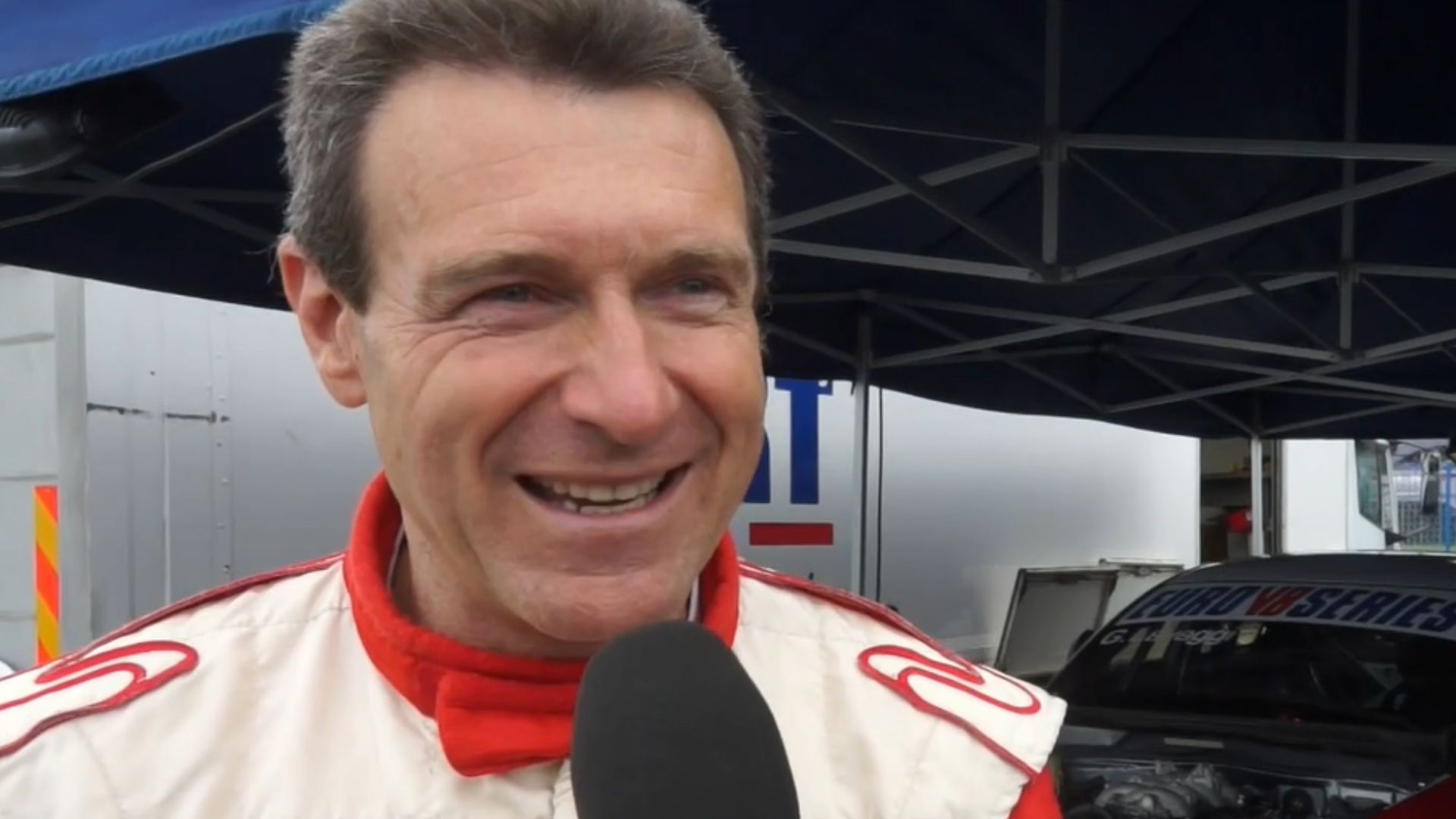 Giovanni Lavaggi takes the Lexus for a spin at Mugello by EuroV8Series
5. Jean-Denis Deletraz
Swiss driver Jean-Denis Deletraz made only three F1 starts: two in 1994 and one in 1995. His lack of competitive pace left a lasting impression. In Portugal, he was lapped ten times in a single race and finished more than seven minutes behind the leader.
6. Luca Badoer
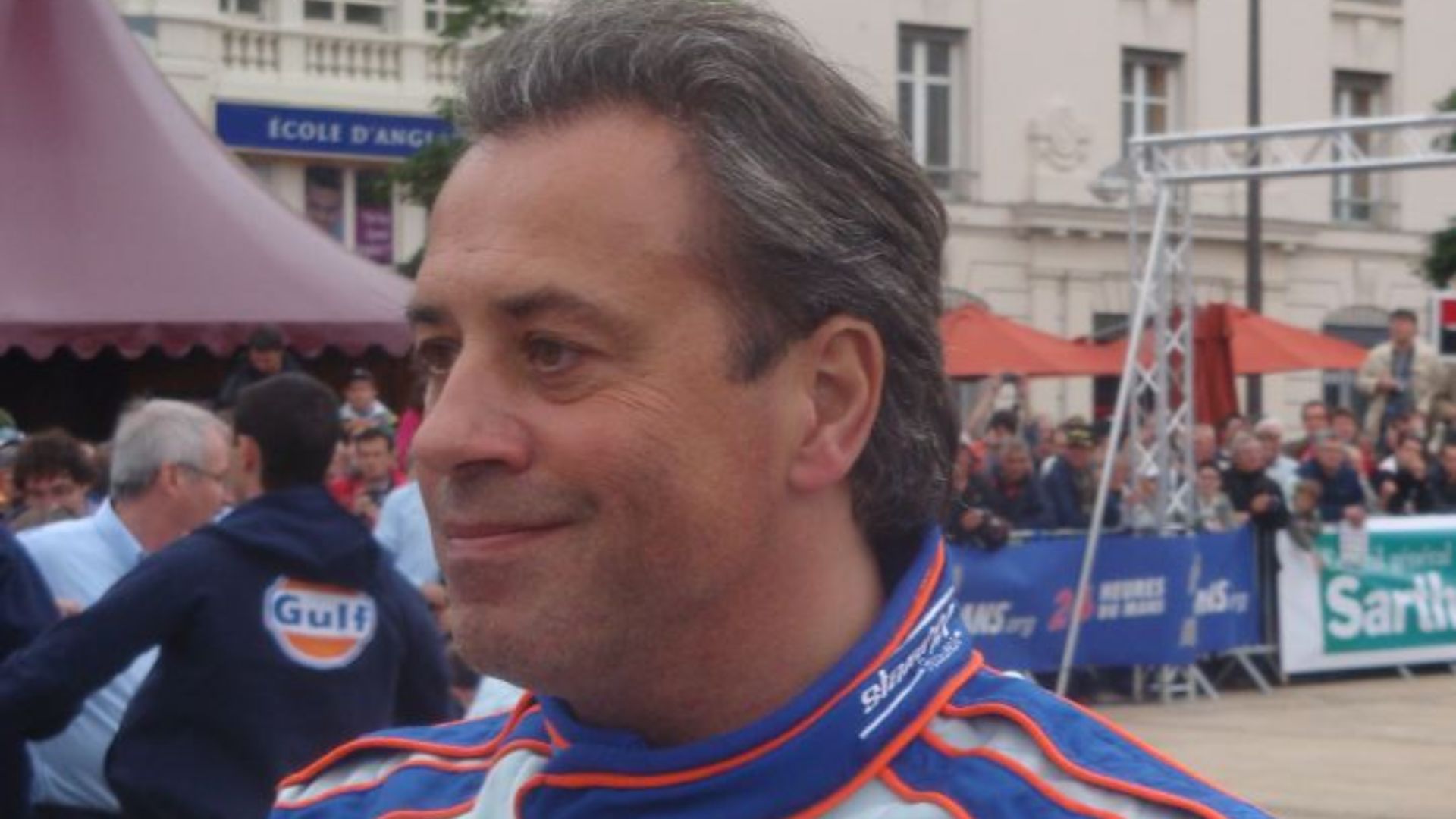
Badoer’s career spanned multiple teams, yet not a single championship point came his way. Ironically, he led a race in 1999 for Minardi at the Nurburgring, only to retire with gearbox failure. Statistically, Badoer holds the dubious honor of being the most experienced driver ever to score no points.
7. Narain Karthikeyan
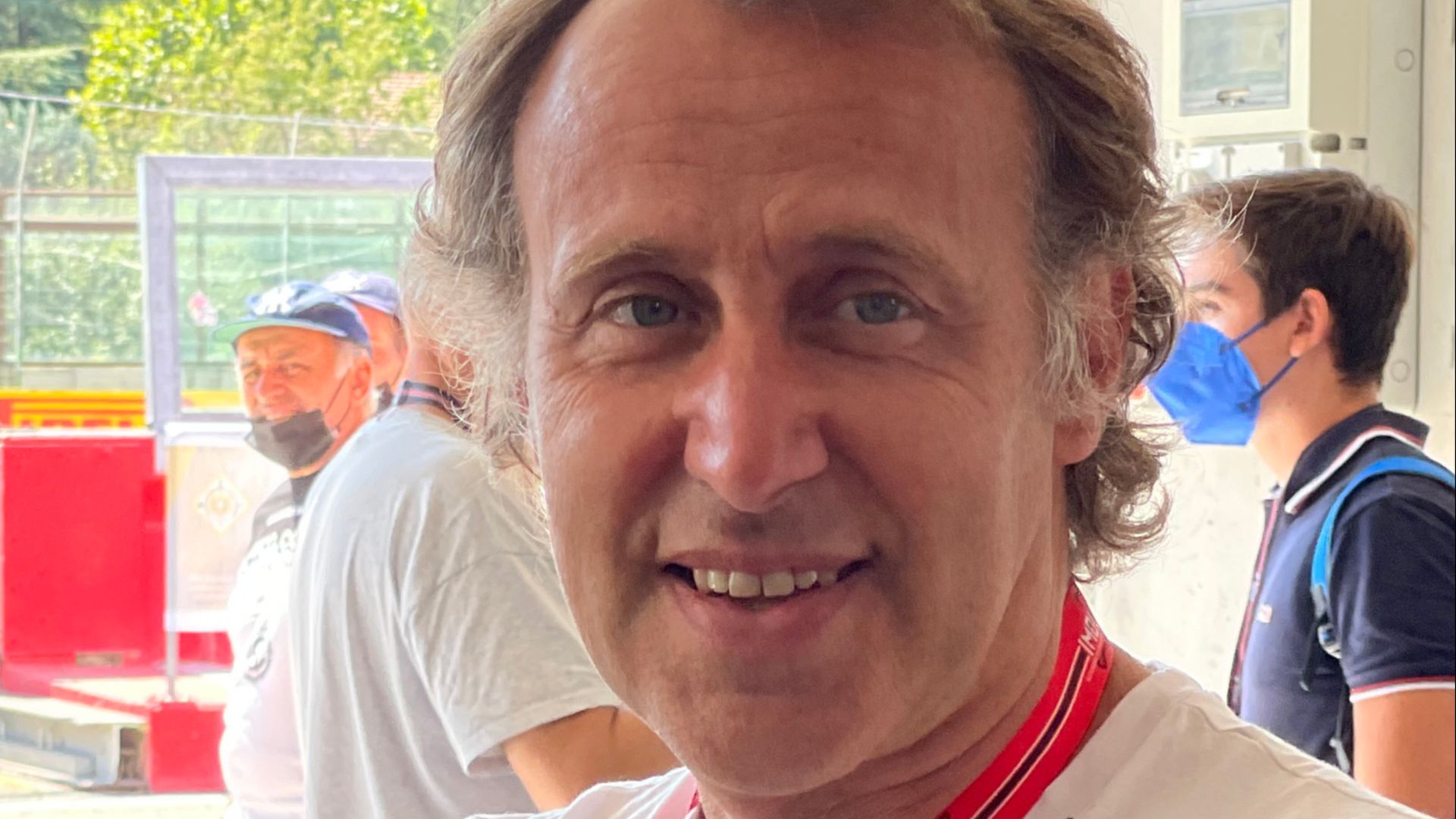
He called himself "the fastest Indian." Though Narain Karthikeyan became a trailblazer as India’s first Formula 1 driver, his on-track performance often fell short. Racing for Jordan in 2005 and HRT from 2011–2012, he rarely beat his teammates and was usually found near the back of the field.
8. Ricardo Rosset
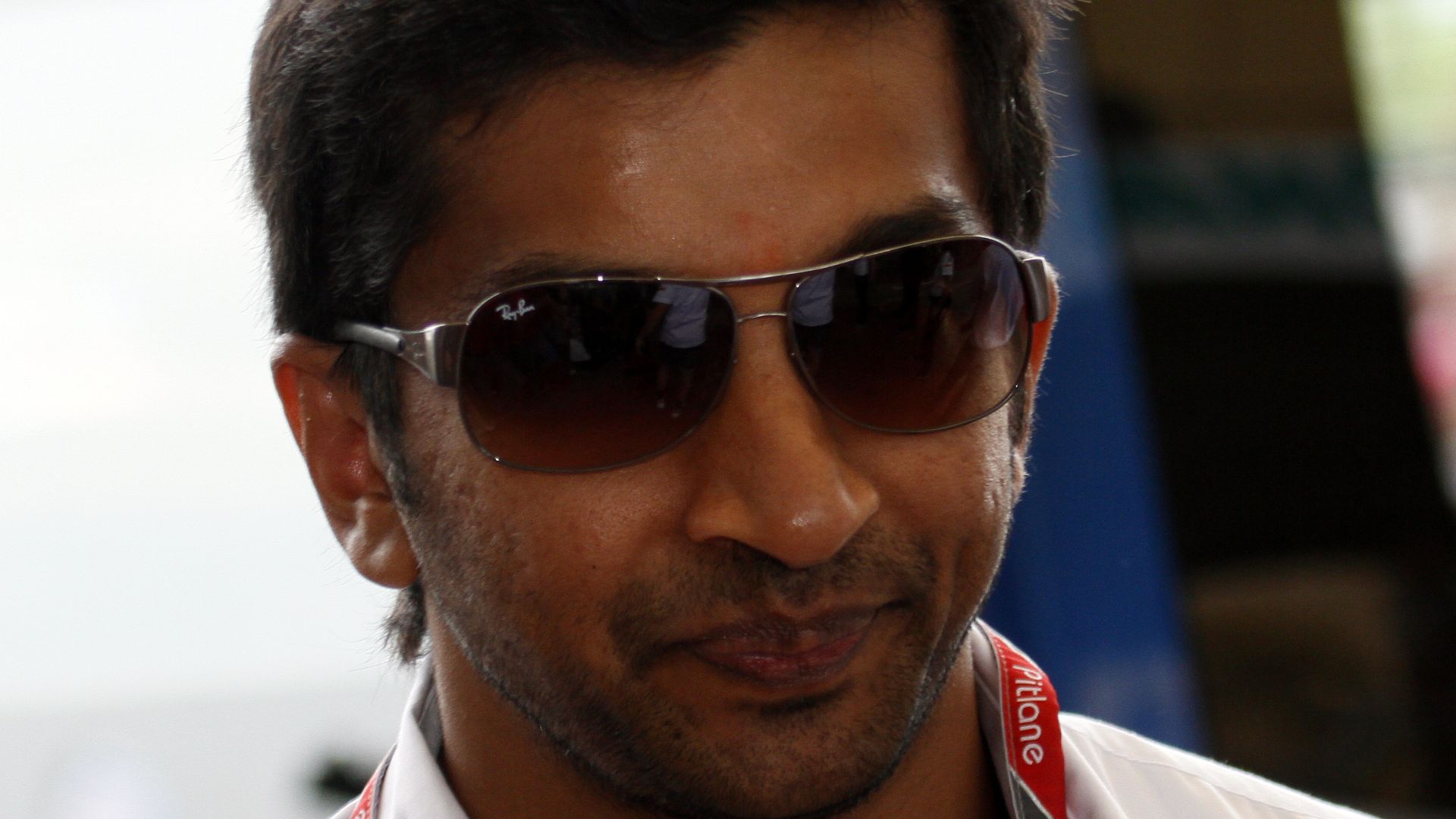
Rosset's tenure in F1 included lackluster seasons with Footwork Arrows and Tyrrell in the late ’90s. He was repeatedly outclassed by teammates and gained a reputation for crashing under pressure. In 1998, he failed to qualify for six races.
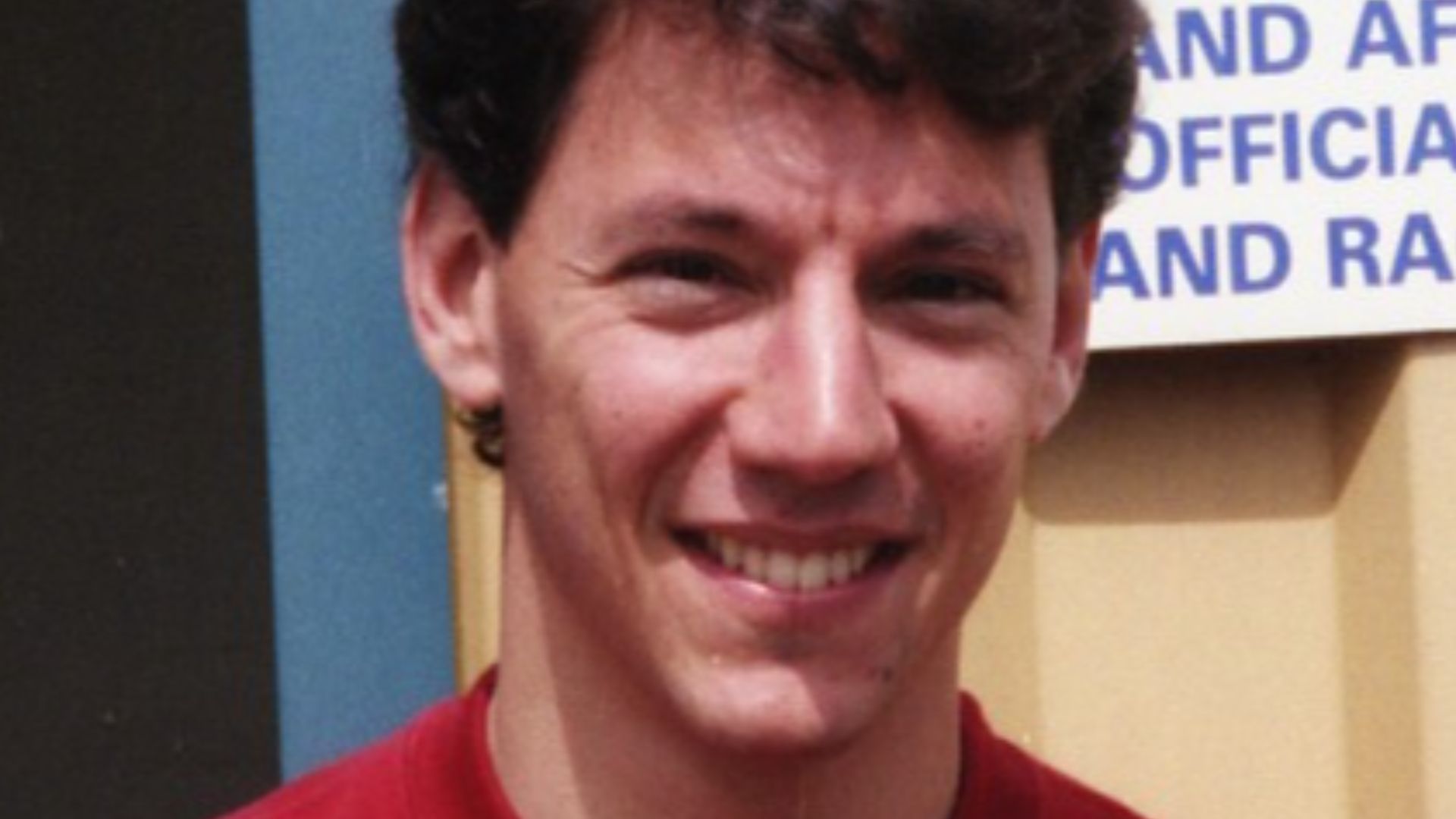
9. Al Pease
Three words: disqualified for slowness. At the 1969 Canadian Grand Prix, British-Canadian driver Al Pease became the only man in Formula 1 history to be black-flagged for being too slow. Driving a privateer Eagle, Pease repeatedly got in the way of leading cars and even caused several near-collisions.
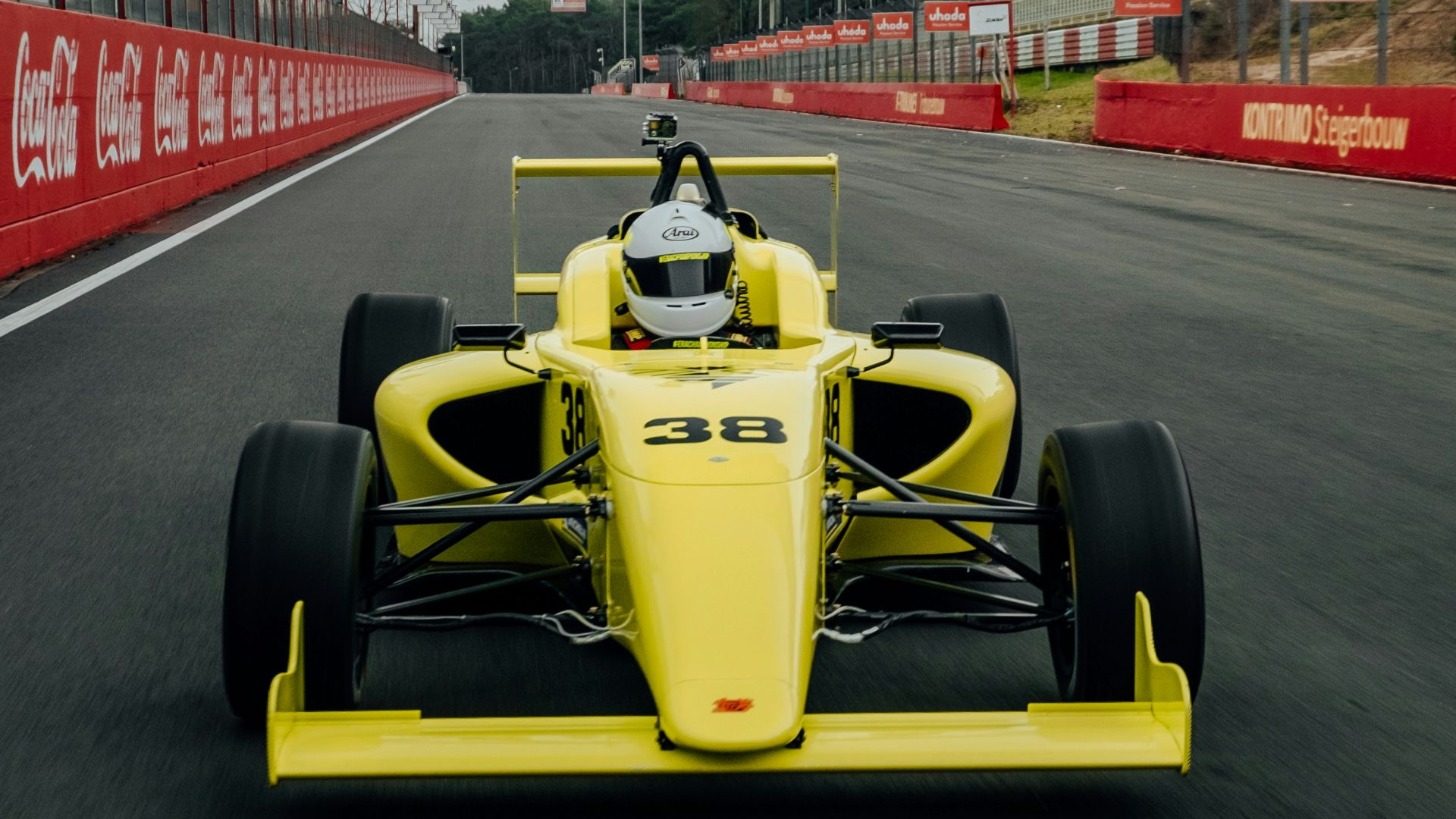
10. Perry McCarthy
He was the original Stig. Perry McCarthy’s Formula 1 experience with Andrea Moda in 1992 was less a racing career and more a motorsport tragedy. The team was so disorganized that McCarthy once sat in the pit lane without a working car.
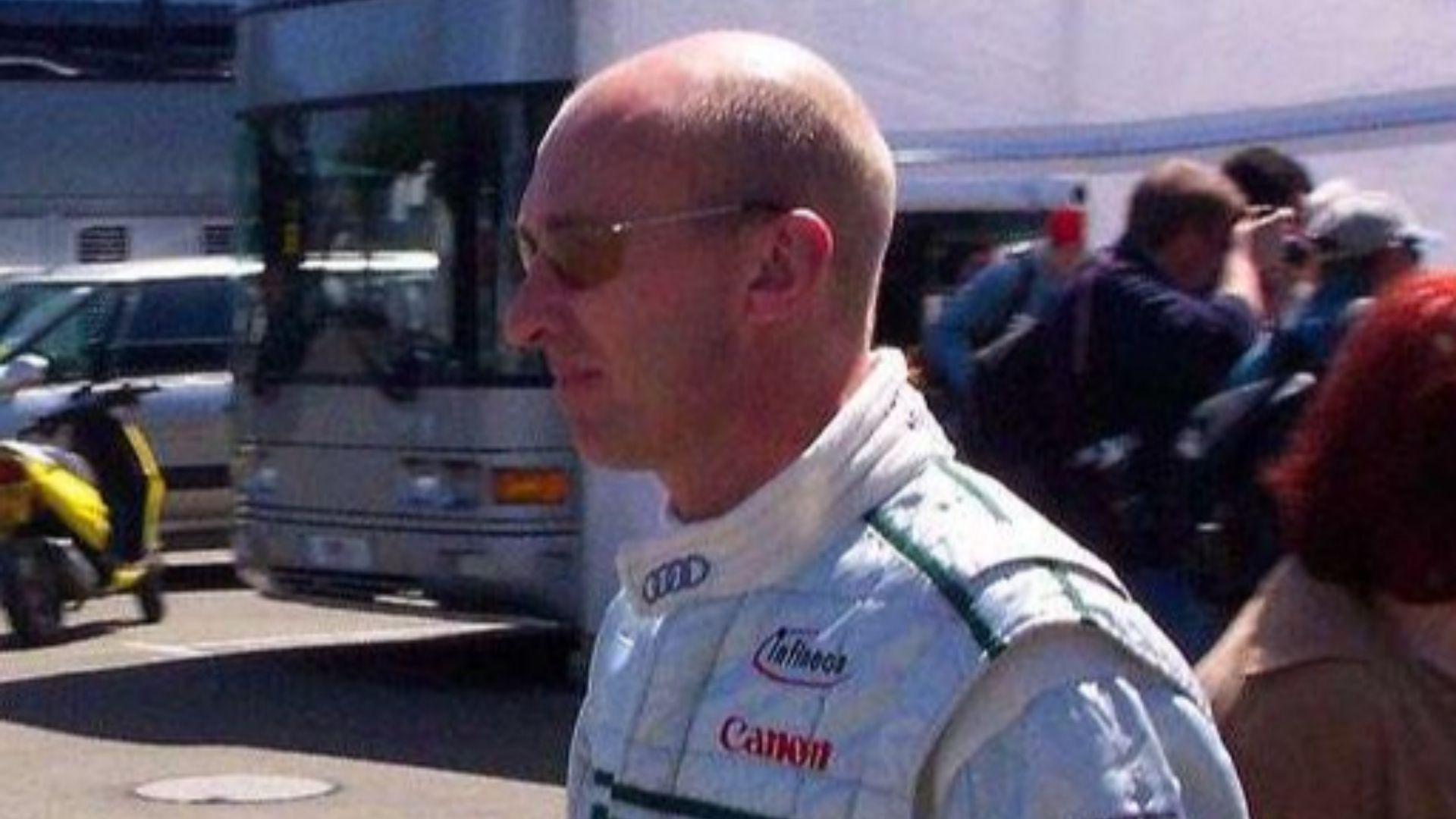 The original uploader was Rollie at English Wikipedia. on Wikimedia
Those were the drivers who made fans wince and shake their heads. Now, it’s time to acknowledge the legends. The next 10 F1 drivers redefined what greatness looks like at 200 miles per hour.
1. Ayrton Senna
Ayrton Senna was electric, especially in the wet, where he seemed to read the rain like sheet music. His pole positions stood as a record for over a decade. Driving for McLaren, he captured three world titles, but it was his fierce rivalry with Alain Prost that carved his myth.
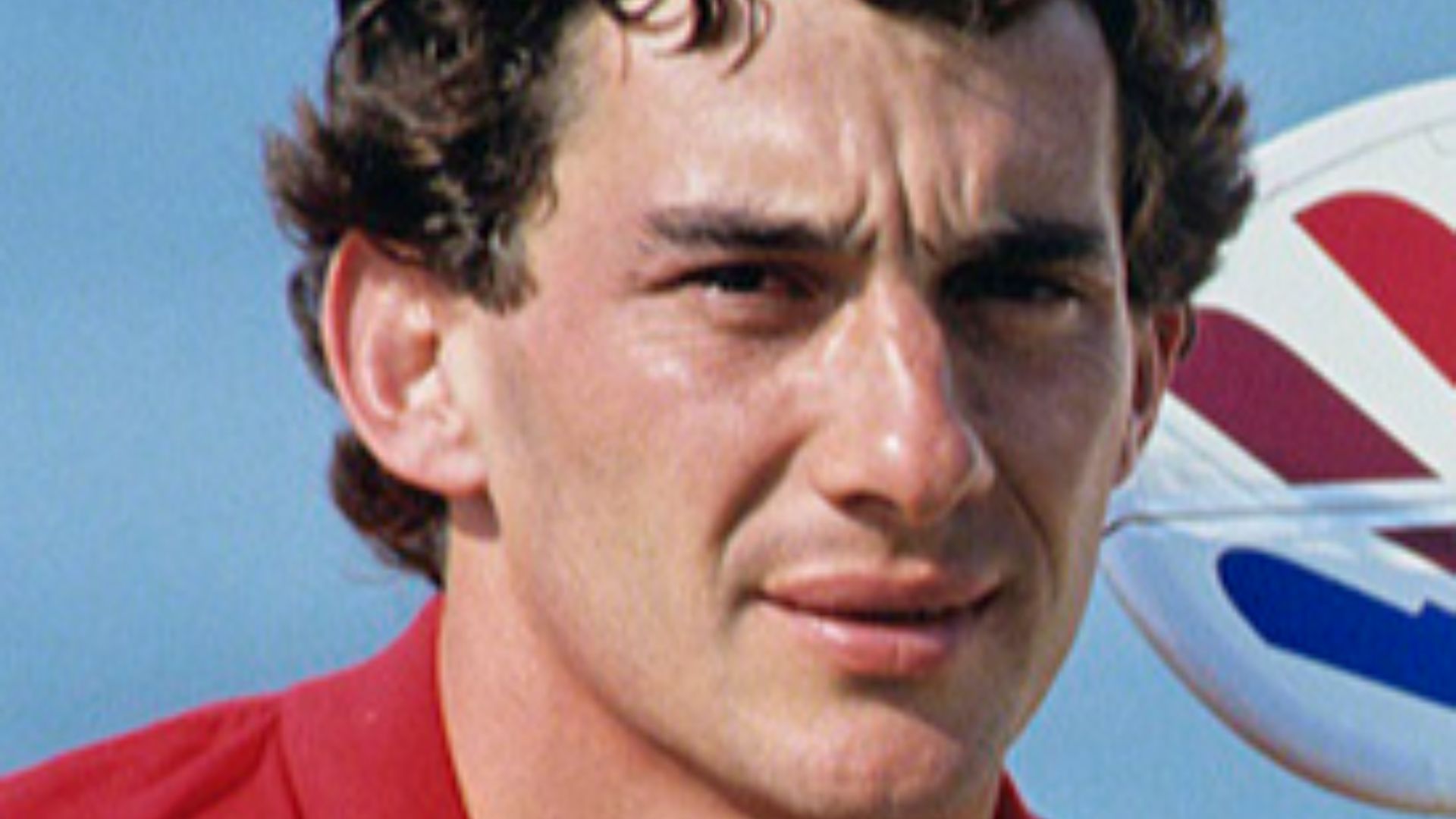 File:Ayrton Senna 2.jpg: Instituto Ayrton Senna derivative work: F1fans on Wikimedia
2. Michael Schumacher
With seven world titles (five consecutive from 2000 to 2004), he turned a struggling team into a juggernaut. Known for his consistency and tireless development feedback, he made strategy an art form. Though his aggressive tactics sparked debate, his sheer success is hard to rival.
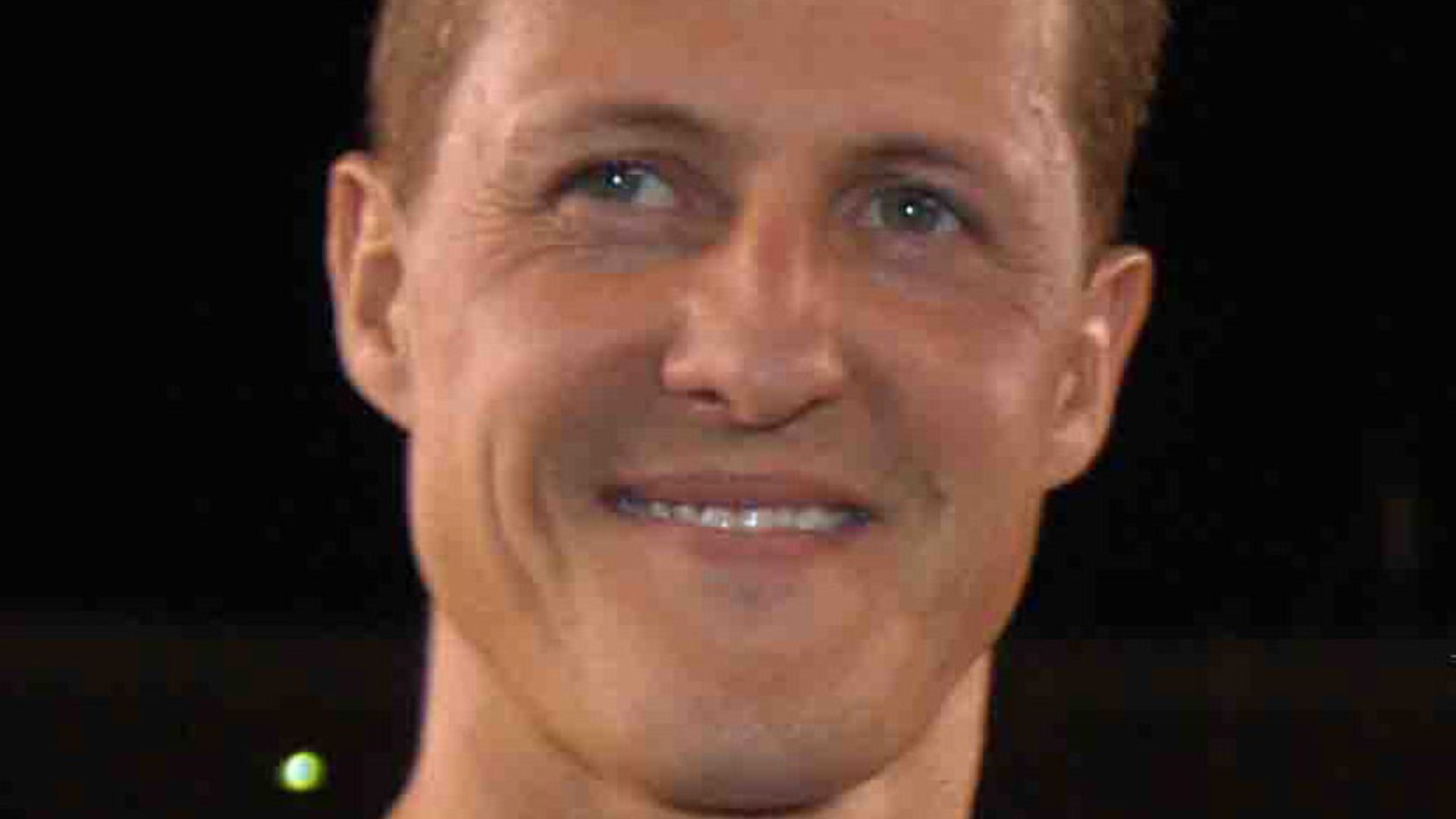 Original: Aécio Neves – Wellington Pedro/Imprensa MG Derivative work: F1fans / FMSky on Wikimedia
3. Lewis Hamilton
Lewis Hamilton burst onto the F1 scene in 2007 and nearly won the title as a rookie. The next year, he clinched it. Over time, he became the face of modern F1, equaling Schumacher’s seven championships and surpassing him in wins and poles.
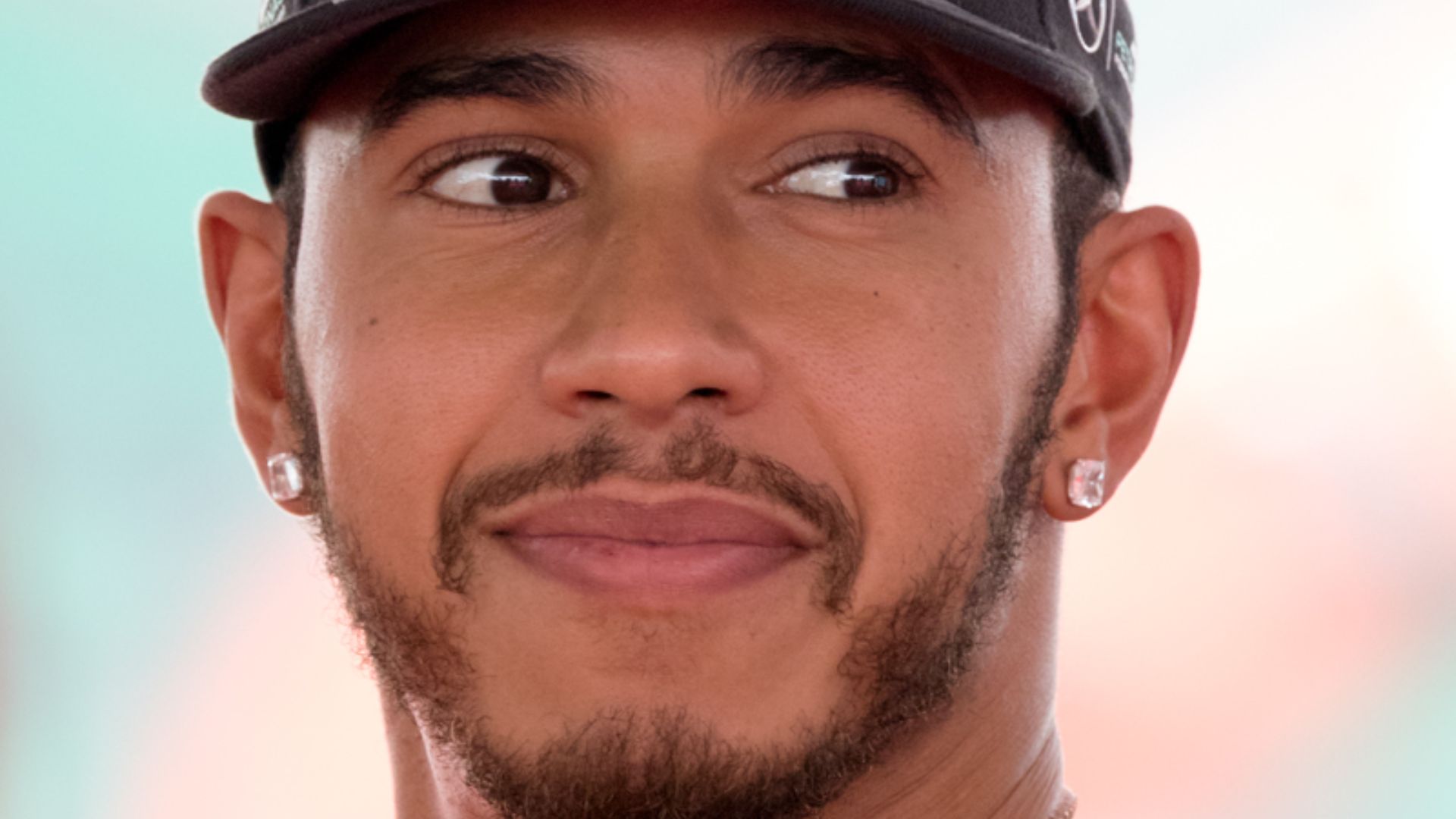
4. Juan Manuel Fangio
The sport’s first true maestro wore a bowtie and a quiet smile. Juan Manuel Fangio won 5 world titles in the 1950s, an incredible feat in an era when death lurked around every bend. He drove for Alfa Romeo, Ferrari, Mercedes, and Maserati, winning with all four.
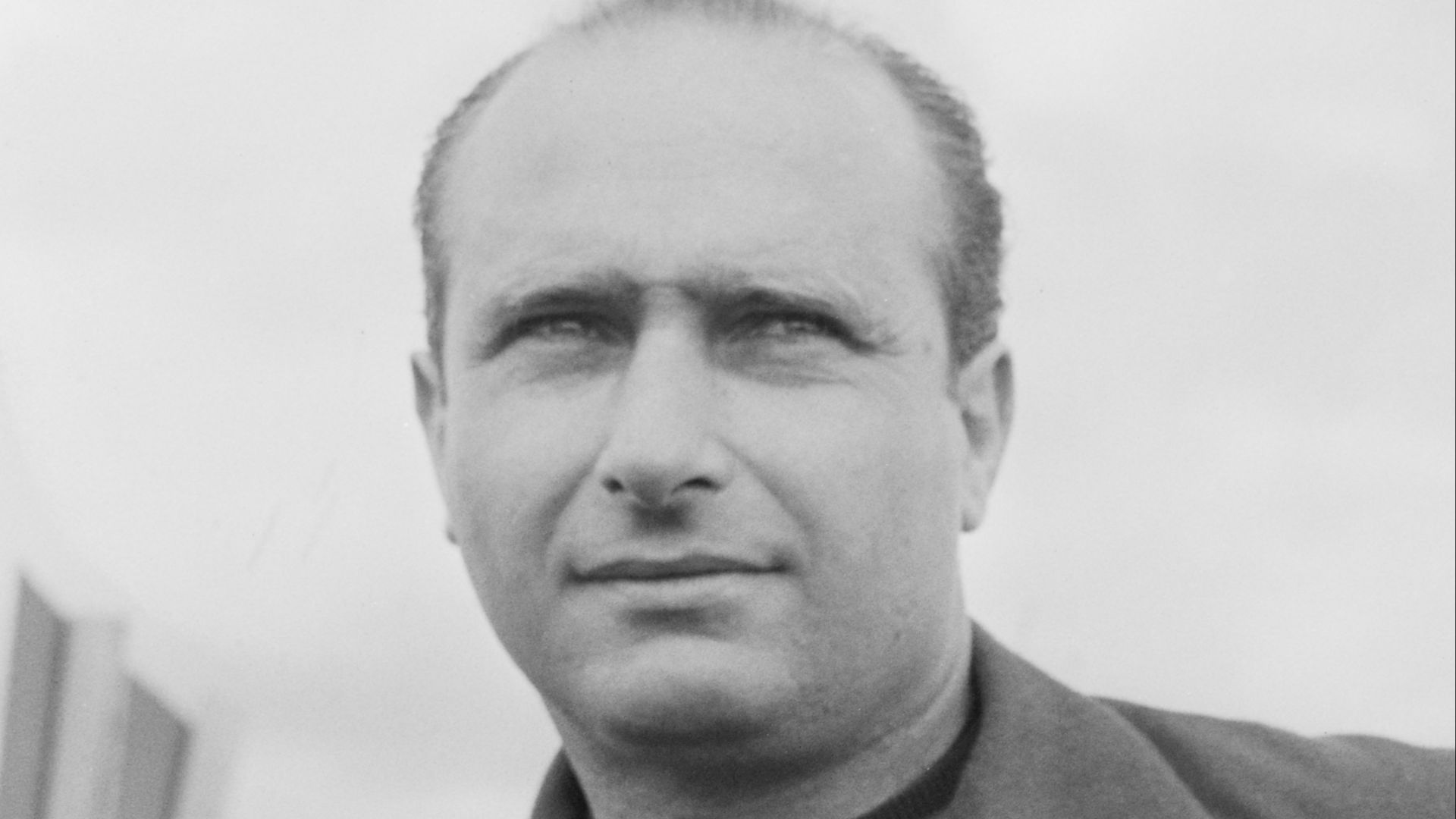
5. Alain Prost
They called him “The Professor,” and it wasn’t a nickname handed out lightly. Across four titles and 51 career wins, he became famous for precision driving and knowing when not to fight. His rivalry with Senna was emotionally explosive, but it brought out the best in both men.
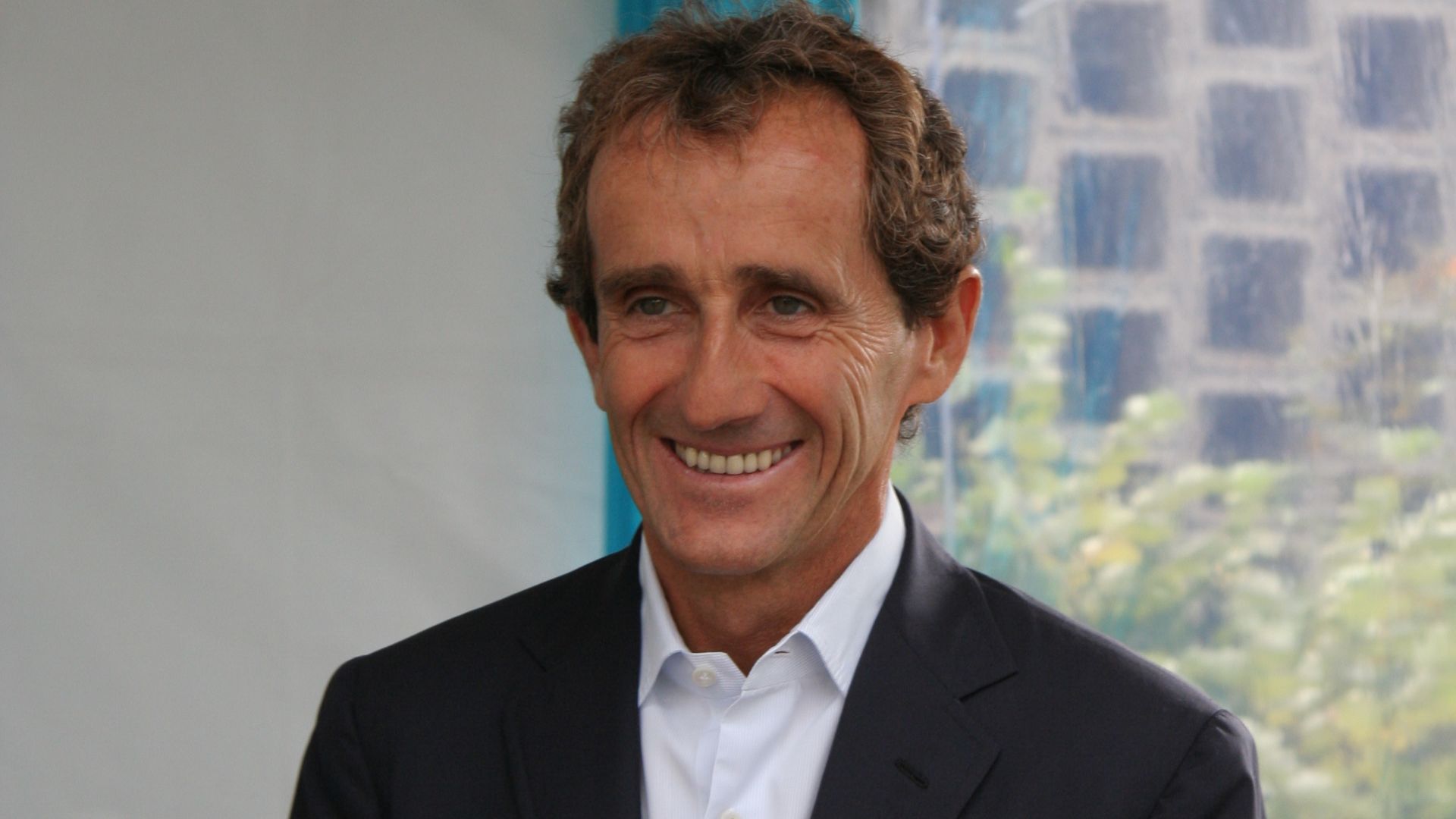
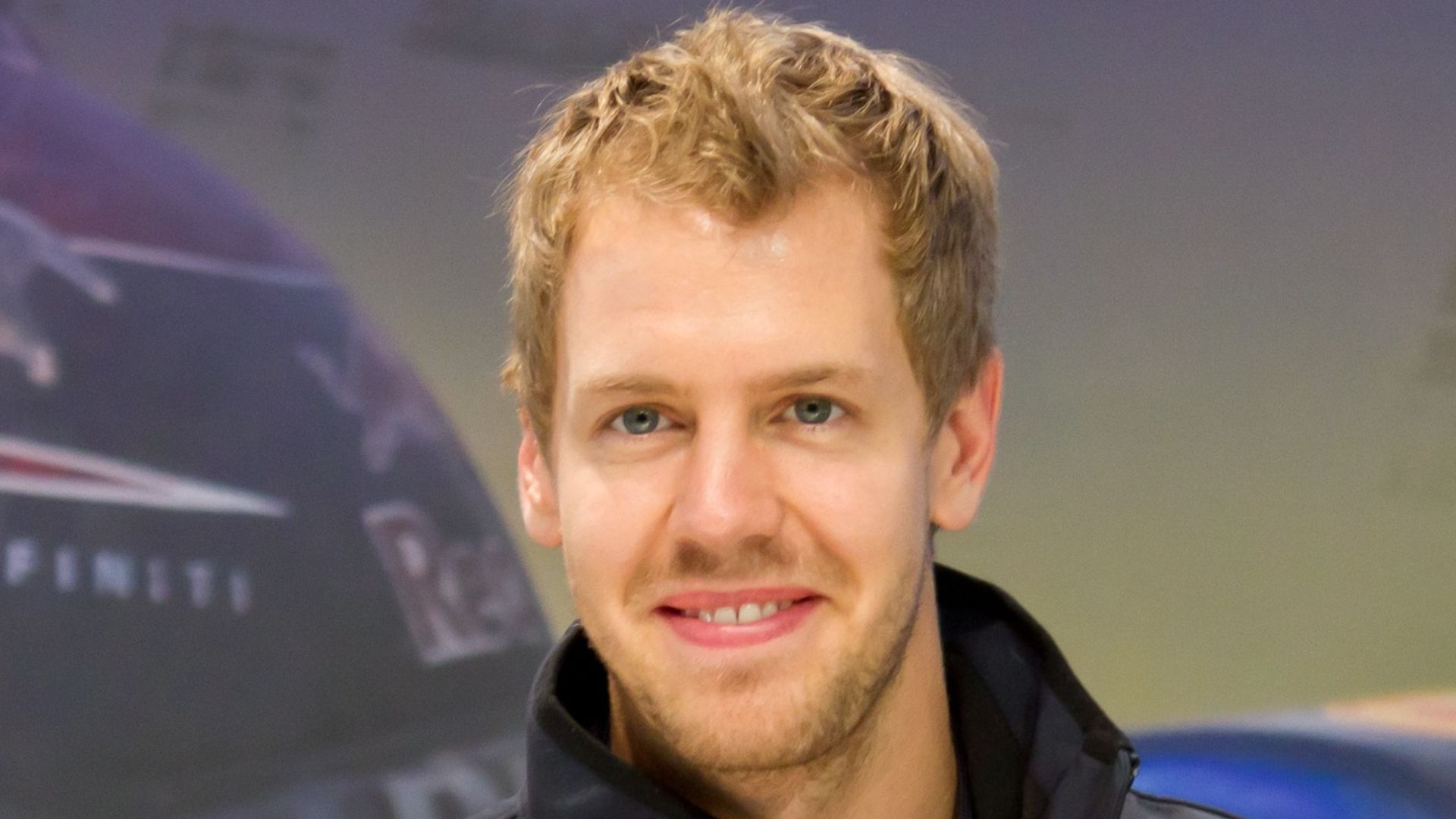
6. Sebastian Vettel
Sebastian Vettel made history in 2010 as the youngest world champion ever. He followed it with three more consecutive titles to form one of the most dominant streaks in Red Bull Racing’s history. Known for his near-perfect qualifying laps and blistering starts, Vettel could vanish into the distance by Turn 3.
7. Fernando Alonso
Call him stubborn or brilliant, but always call him fast. Fernando Alonso was the youngest double world champion in 2005 and 2006. His racecraft remains among the sharpest ever seen. Whether defending against faster cars or pulling off surprise podiums in midfield machinery, Alonso reads races like chess games.
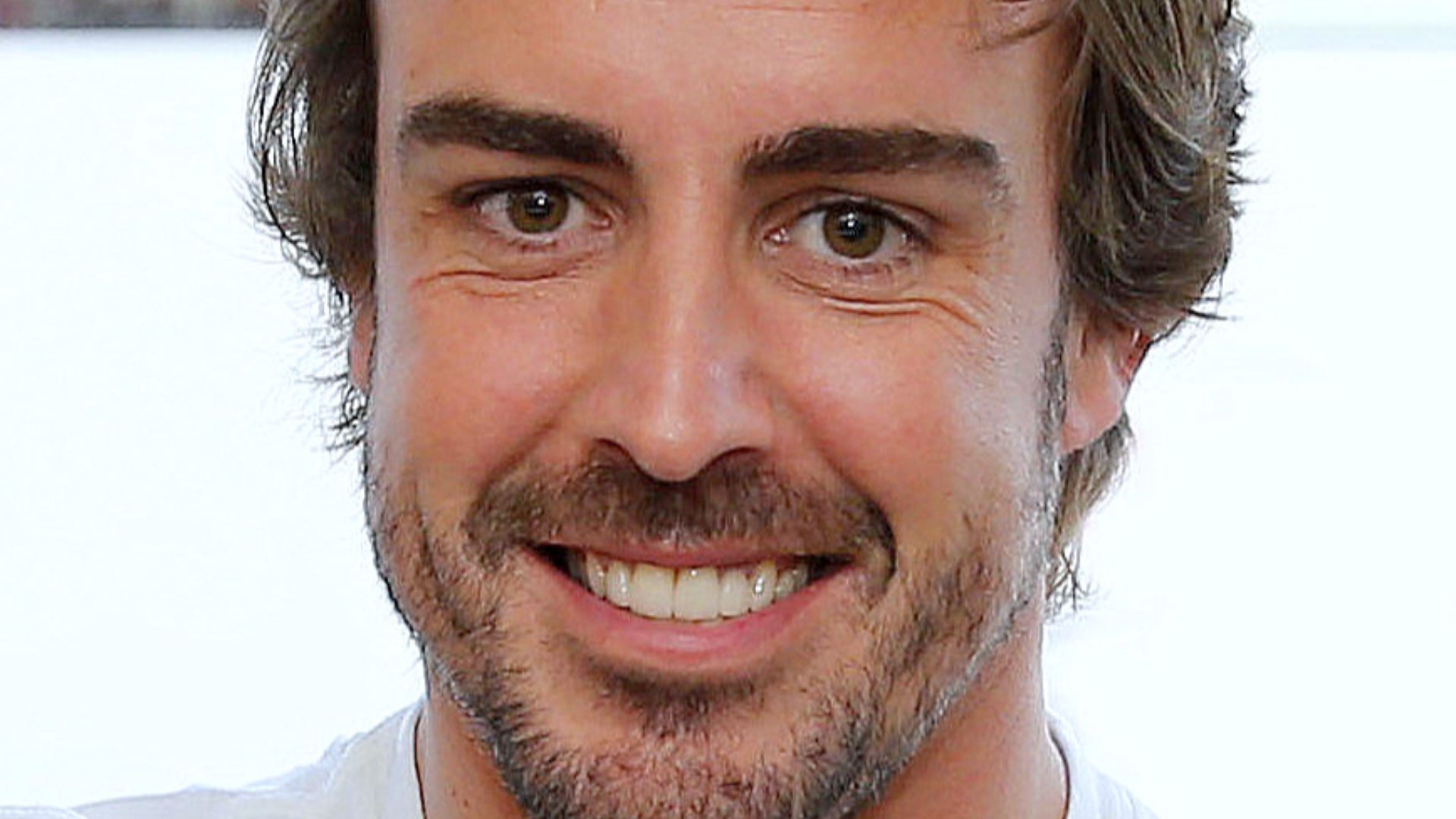 Box Repsol | Flickr on Wikimedia
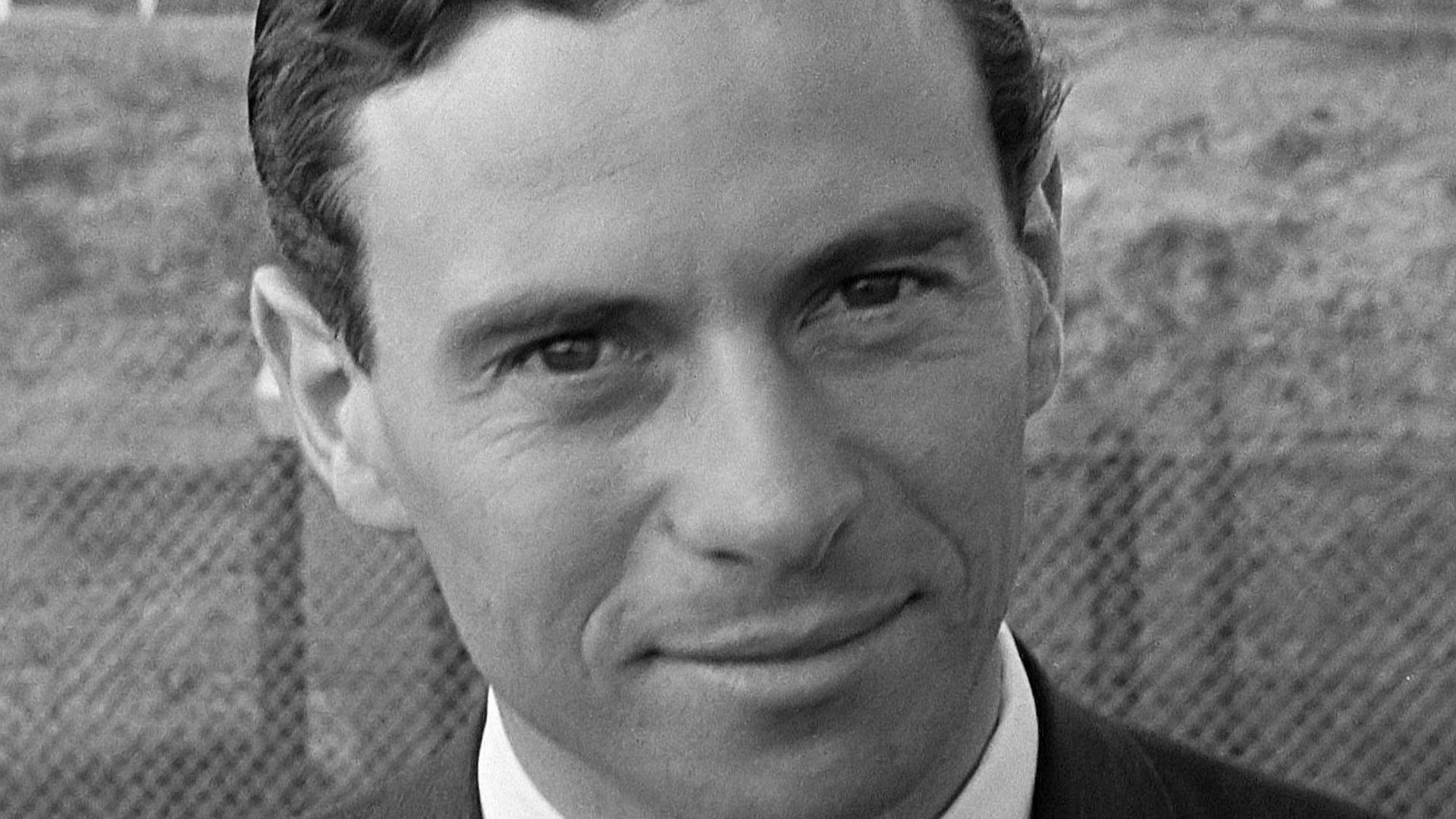
8. Jim Clark
Jim Clark, a two-time world champion, was widely considered the most naturally gifted driver of the 1960s. He won 25 races out of just 72 starts, a ratio that remains elite. Clark could glide a Lotus across corners with uncanny smoothness, often making it look too easy.
9. Niki Lauda
This driver was burned and nearly killed in a fiery Nurburgring crash in 1976. Yet, just 42 days later, he returned to race. His courage was legendary, but so was his mind. A three-time champion, Lauda often outthink rather than outdrive his rivals.
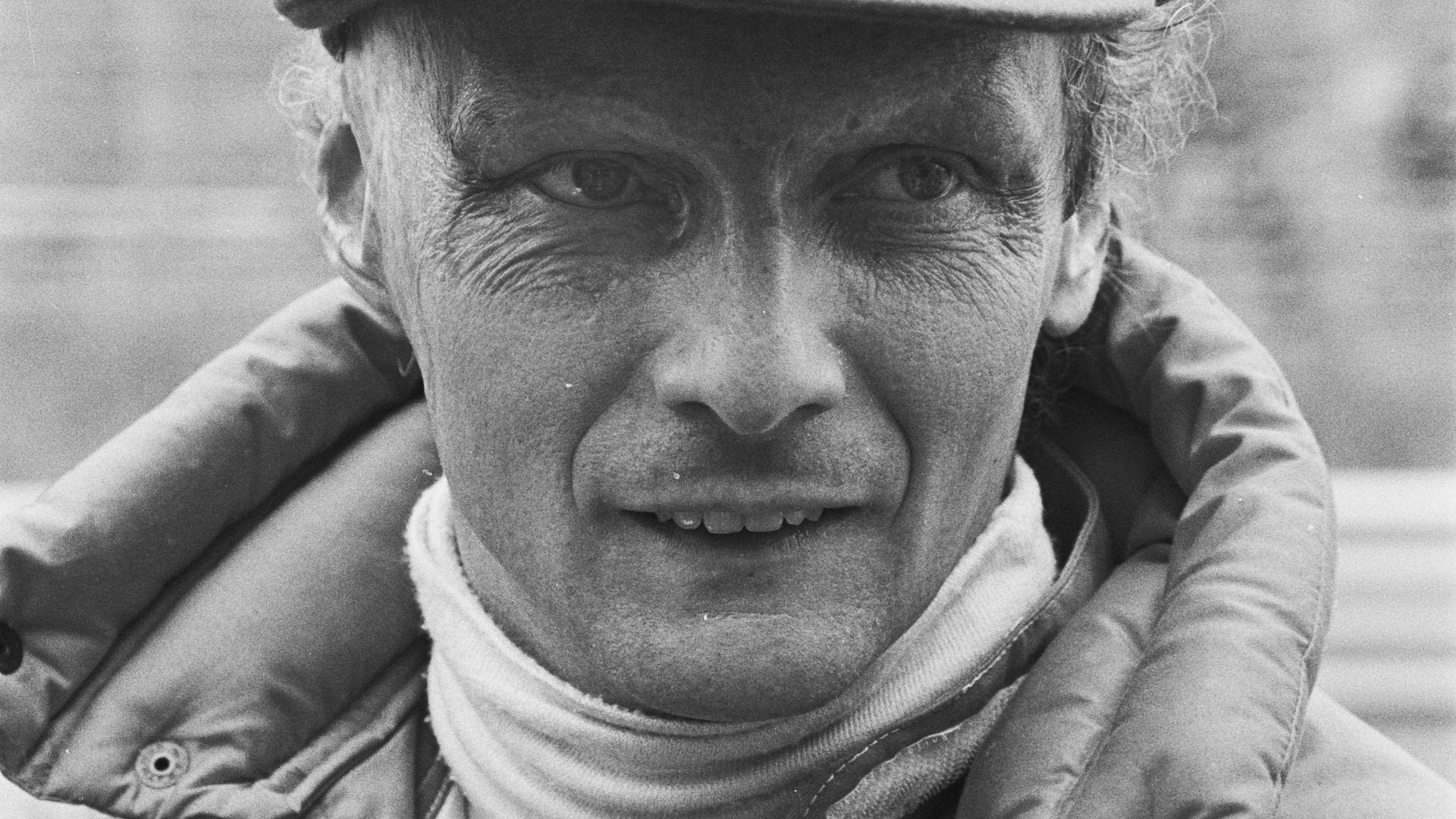 Hans van Dijk for Anefo / neg. stroken, 1945-1989, 2.24.01.05, item number 932-2315 on Wikimedia
10. Max Verstappen
Max Verstappen became the youngest to start F1 racing at 17. Within two years, he won his debut for Red Bull in Spain, making him the youngest race winner ever. His aggressive style matured into clinical efficiency, and by the mid-2020s, he had stacked multiple titles.