
Newbie Behind the Wheel
You got your license! Now, you're all ready to hit the road... right? Despite how exciting it is to be a new driver on the road, being a newbie can (unsurprisingly) cause a lot of anxiety, too. Even when you know the rules and have practiced enough to pass the test, real roads can feel unpredictable in ways that quieter streets and doing loops in a parking lot never do. If you're feeling the pressure every time you get behind the wheel, you're not alone. Here are 20 things that are probably spiking your heart rate whenever you drive.

1. Merging Onto the Highway
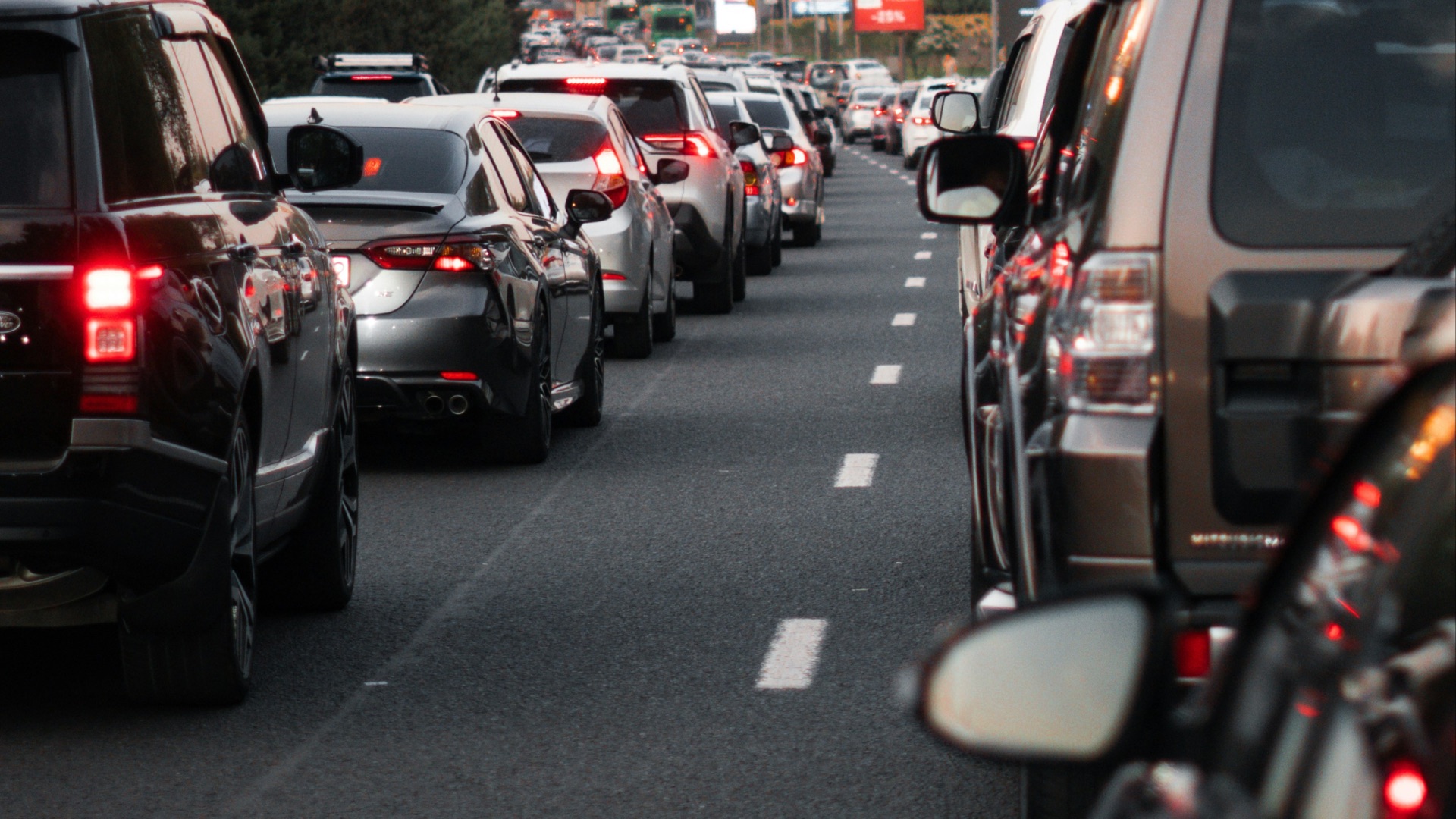
Merging can feel scary because everything seems to happen at once. You have to check your mirrors, watch the cars ahead of you, judge the speed of traffic, and find a safe gap without hesitating too much. New drivers often worry that other cars won’t let them in or that they’ll run out of lane before they’re ready. With practice, you start to trust the process of matching speed, signaling early, and moving smoothly into traffic.
 Nursultan Abakirov on Unsplash
2. Driving Next to Large Trucks
Being beside a semi-truck or large delivery vehicle can make a new driver feel boxed in. These vehicles take up more space, block your view, and create a stronger sense of pressure when you’re close to them. It’s normal to feel uneasy when you can’t see around a truck or when it drifts slightly within its lane. Keeping a safe distance and avoiding lingering in blind spots can help you feel more in control.

3. Making Left Turns Across Traffic
Left turns can feel intimidating because they require timing and judgment. You may need to wait in the middle of an intersection while cars come toward you, which can make the situation feel more urgent than it really is. Many new drivers worry about misjudging the gap or holding up the cars behind them. The safest approach is to wait until you’re confident the turn can be made without rushing.
4. Parking Between Two Cars
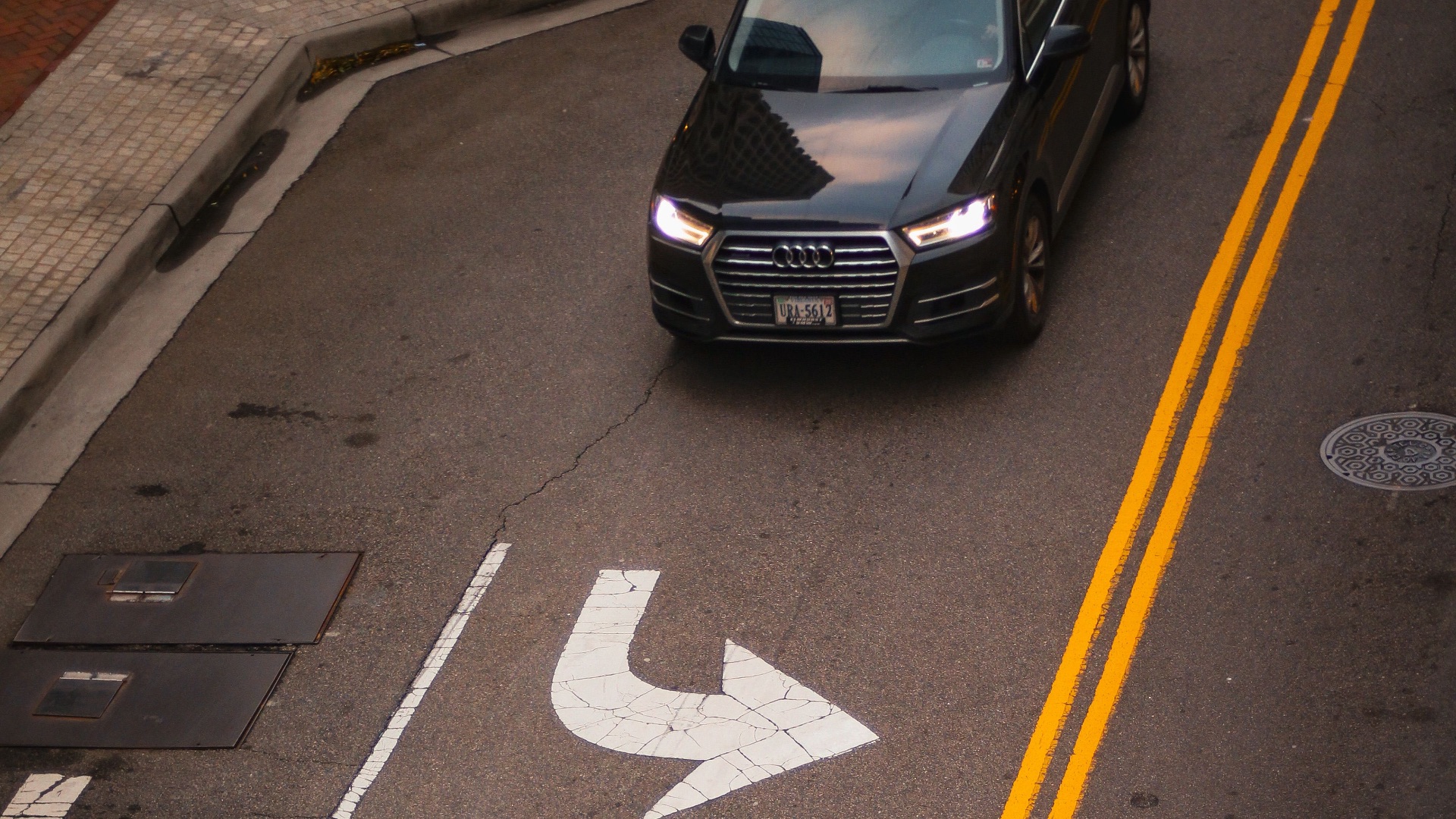
Parallel parking or pulling into a tight space can make even a calm new driver tense up. There’s the fear of bumping another car, turning the wheel too soon, or having people nearby watching every move. Parking feels especially stressful because it happens slowly, so every small mistake feels more noticeable. Over time, learning your car’s size and practicing in lower-pressure spaces makes parking much less stressful.

5. Driving in Heavy Rain
Rain changes the way the road feels, especially when you’re still getting used to how your car responds. The windshield can blur, tires can lose grip, and stopping distances can become harder to judge. New drivers may also feel nervous when other cars keep driving fast despite the weather. Slowing down, increasing following distance, and using your headlights can make wet roads feel more manageable.
6. Changing Lanes in Busy Traffic
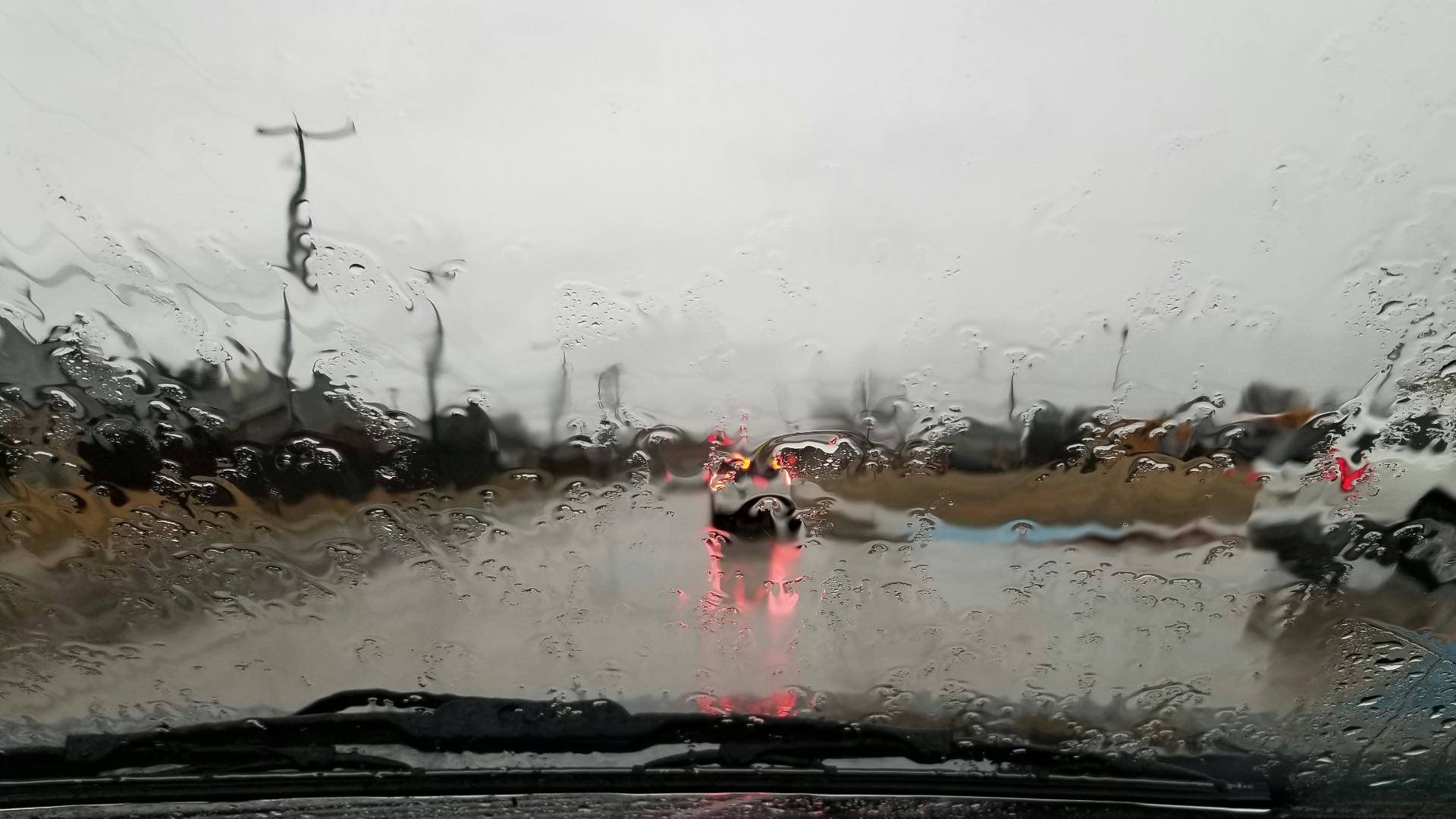
Lane changes can feel scary because you have to keep track of several moving vehicles at once. It’s easy to worry that you’ll miss someone in your blind spot or move over at the wrong moment. New drivers sometimes wait too long, then feel pressured when traffic doesn’t create an obvious opening. A clear signal, mirror checks, a shoulder check, and a steady movement can make the maneuver safer and less stressful.
7. Being Honked At
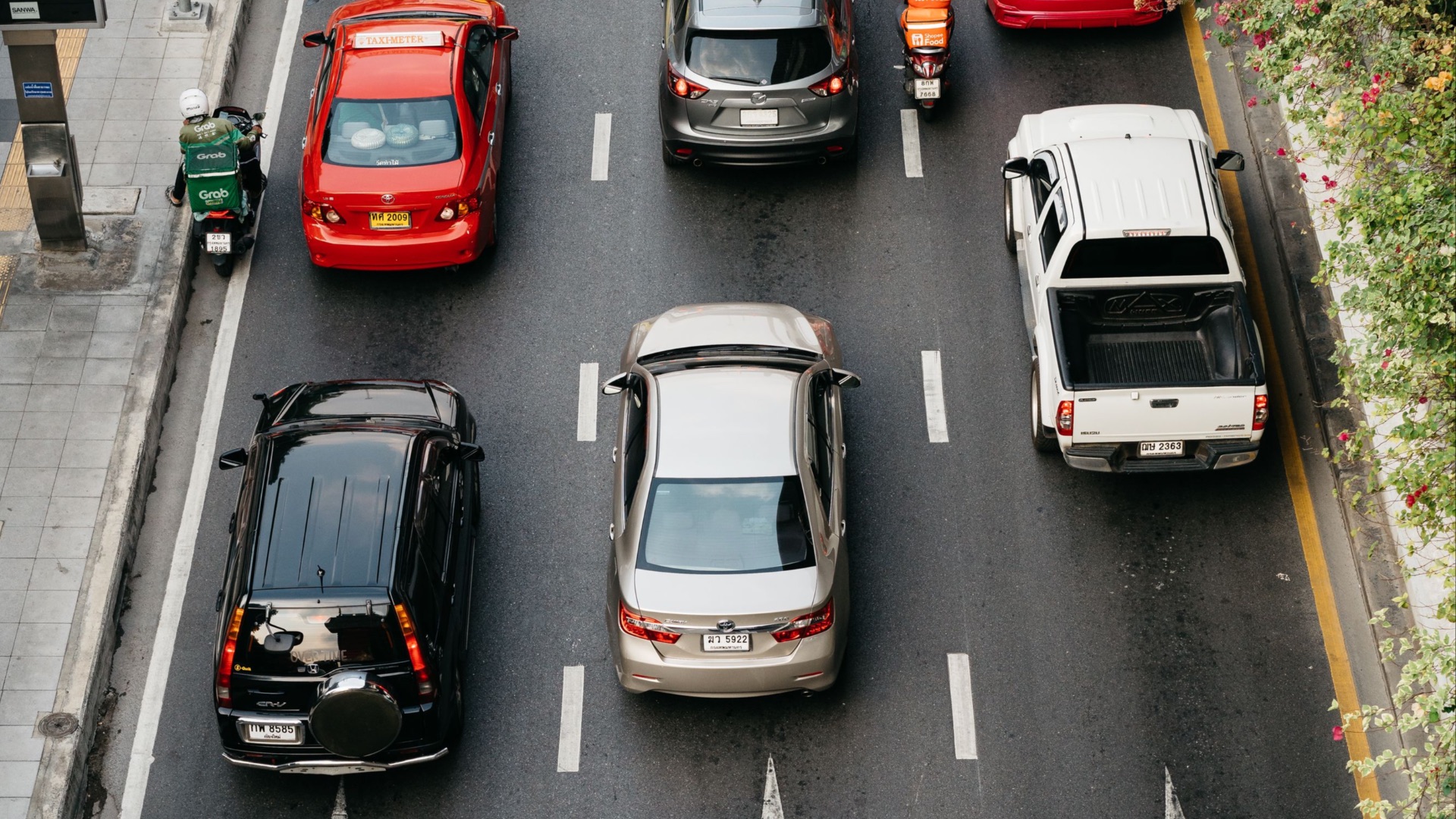
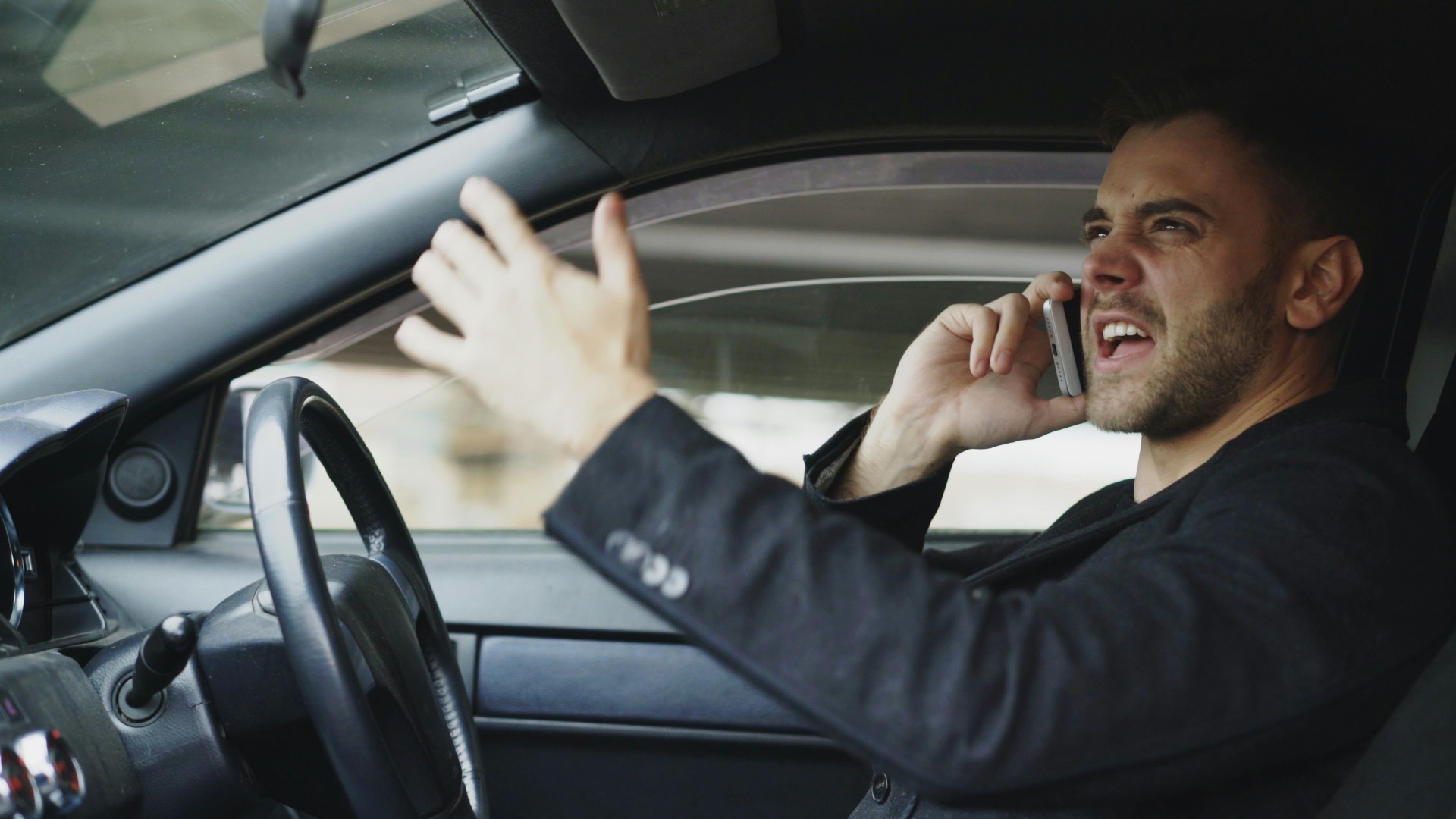
Getting honked at can feel personal, even when it usually isn’t. A new driver may immediately wonder what they did wrong or feel rushed into making a quick decision. The sound can raise your stress level, especially at intersections or in traffic. The best thing you can do is stay focused on safety instead of reacting emotionally to another driver’s impatience.
8. Driving at Night
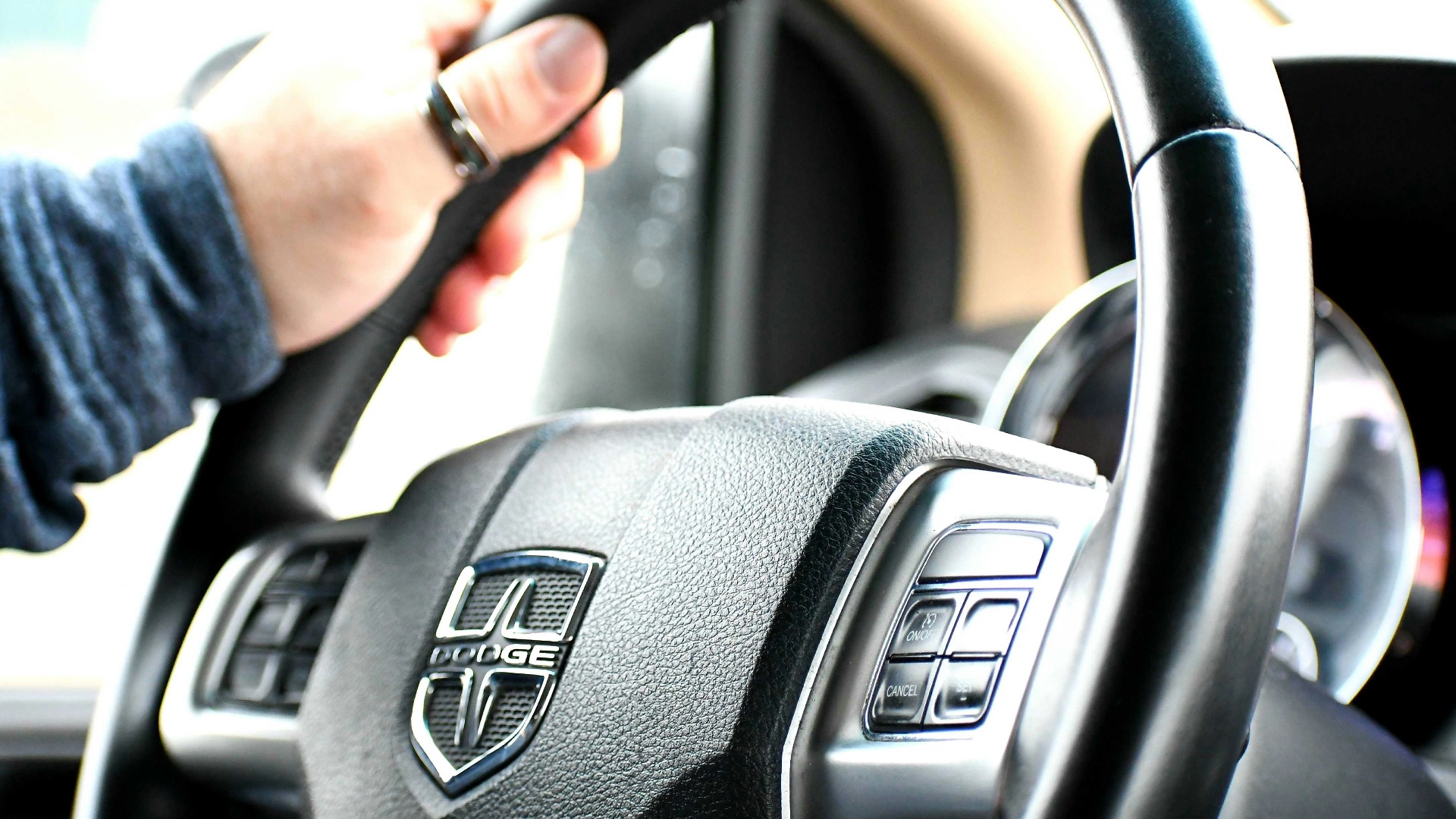
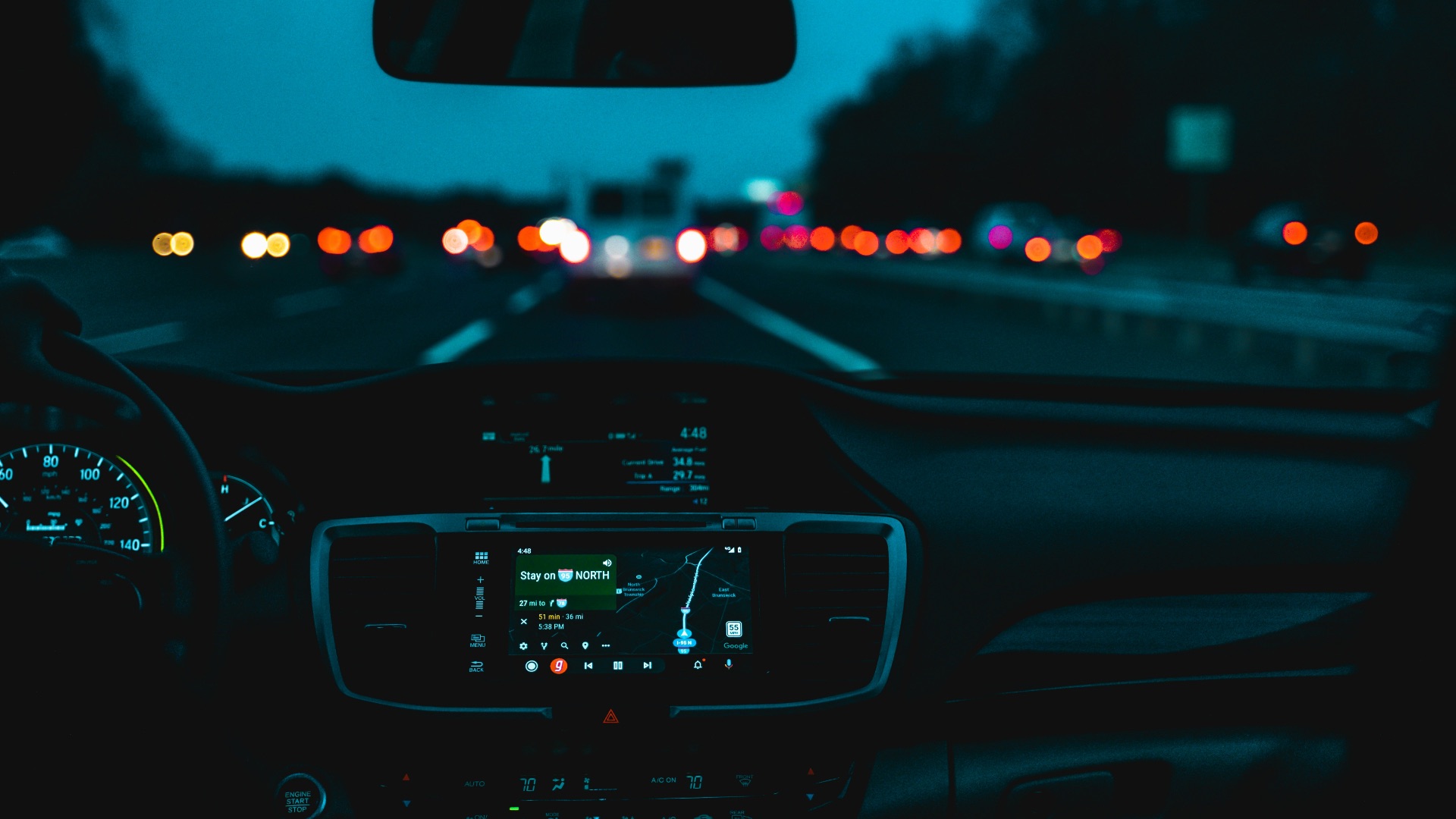
Night driving can feel unsettling because your view is limited and familiar roads may look different. Headlights, reflections, and dark stretches of road can make it harder to judge distance and speed. New drivers may also feel less confident spotting pedestrians, cyclists, or road signs after dark. Using your lights properly, reducing speed when needed, and staying extra alert can help you build confidence.
9. Navigating Roundabouts
Roundabouts can be confusing at first because the traffic pattern feels different from a regular intersection. You have to yield, choose the right lane, watch for cars already inside, and know where to exit. New drivers may fear entering too soon or missing their exit entirely. Once you understand that the key is yielding before entering and signaling before exiting, roundabouts become much easier to handle.

10. Driving with Passengers
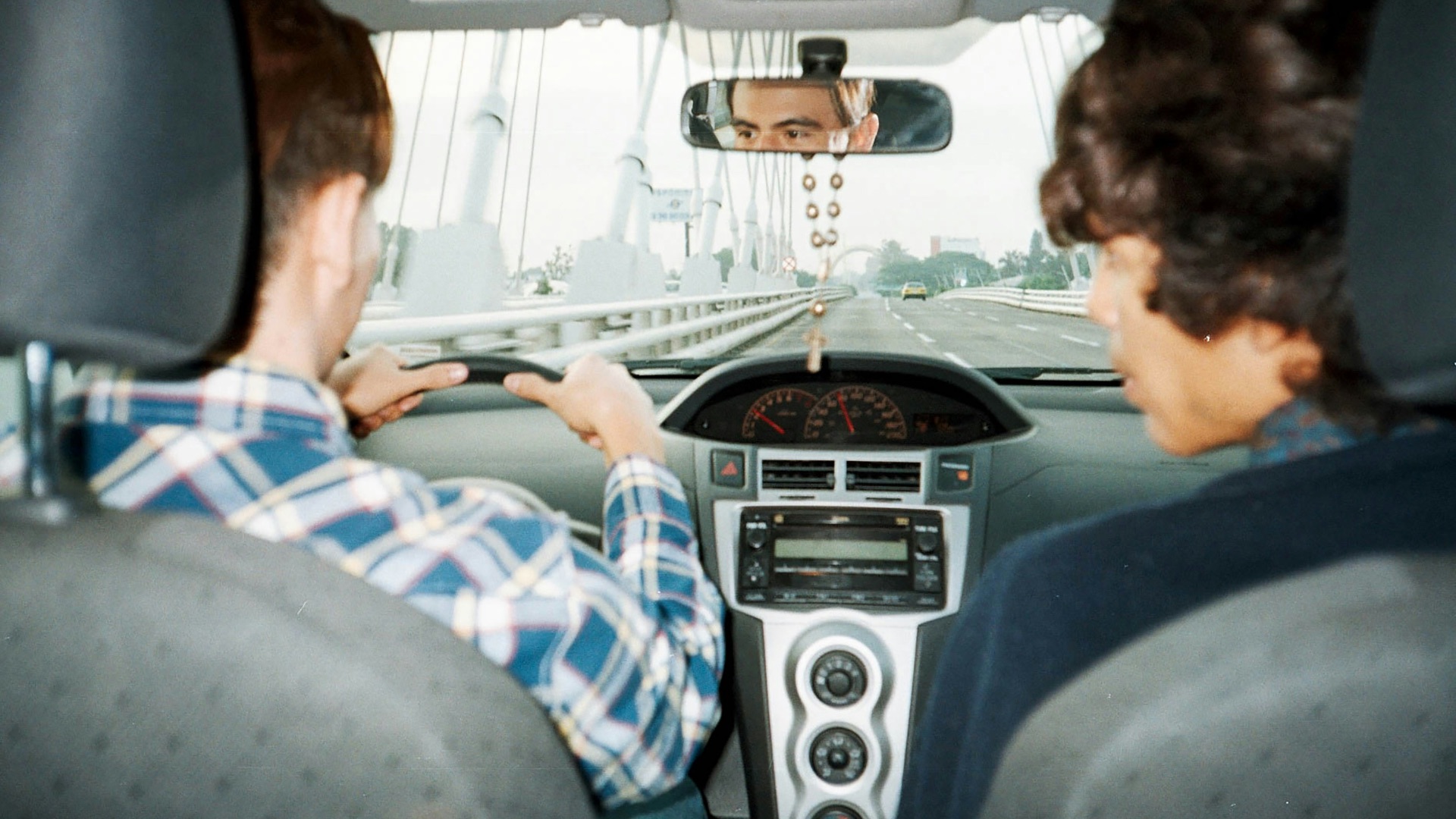
Having passengers in the car can make a new driver more self-conscious. Friends or family members may talk, give advice, react to small mistakes, or distract you without meaning to. Even a harmless comment can make you second-guess yourself when you’re still building confidence. It’s completely reasonable to ask passengers to keep things calm while you focus on the road.
11. Handling Four-Way Stops
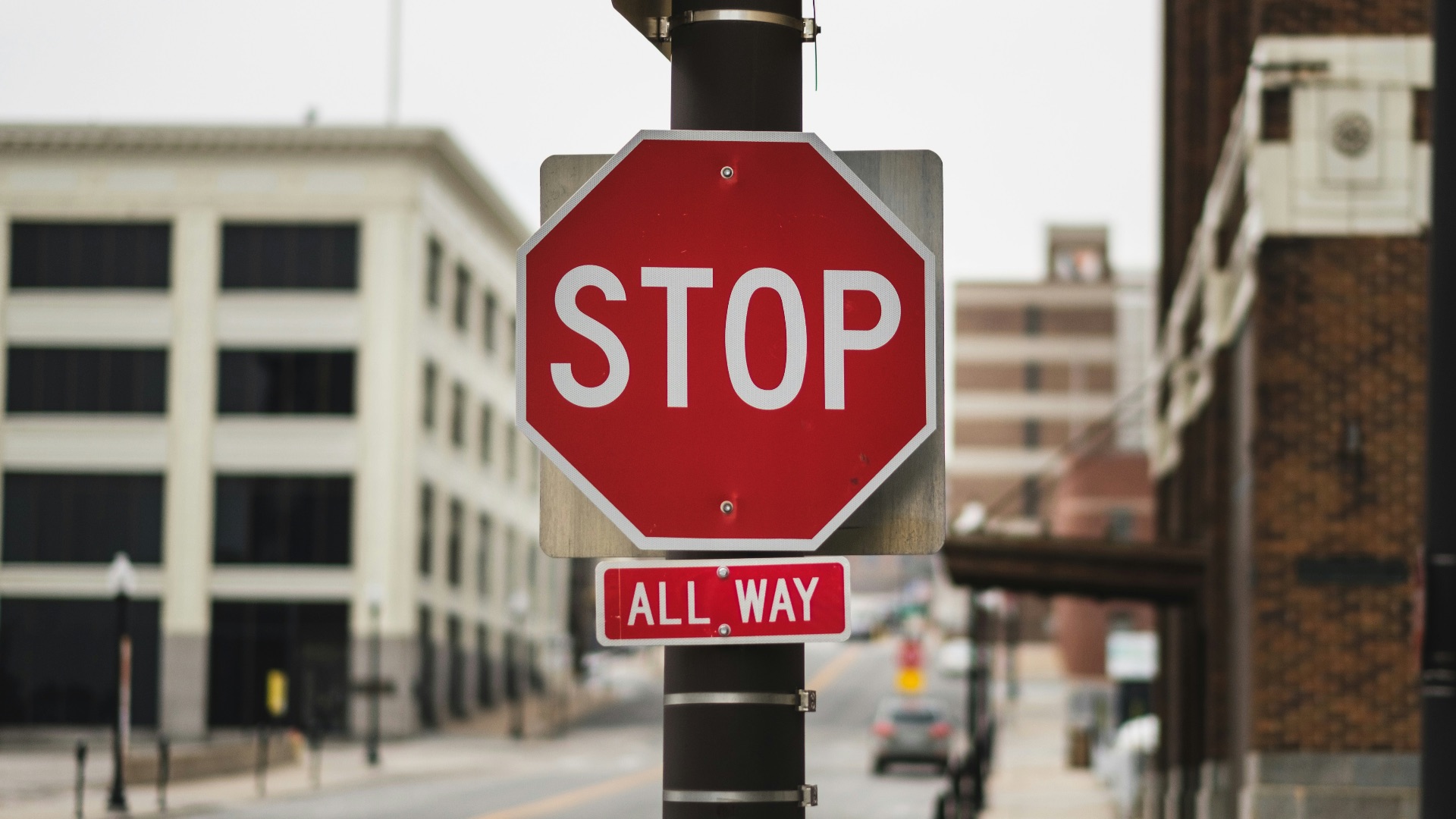
Four-way stops can feel stressful because the rules are simple in theory but messy in real life. You may not always know who arrived first, and some drivers wave others through or move before it’s their turn. New drivers often worry about going too soon or waiting so long that everyone gets confused. Making eye contact when possible, pausing fully, and following the right-of-way rules can help you make a clear decision.
12. Driving in an Unfamiliar Area
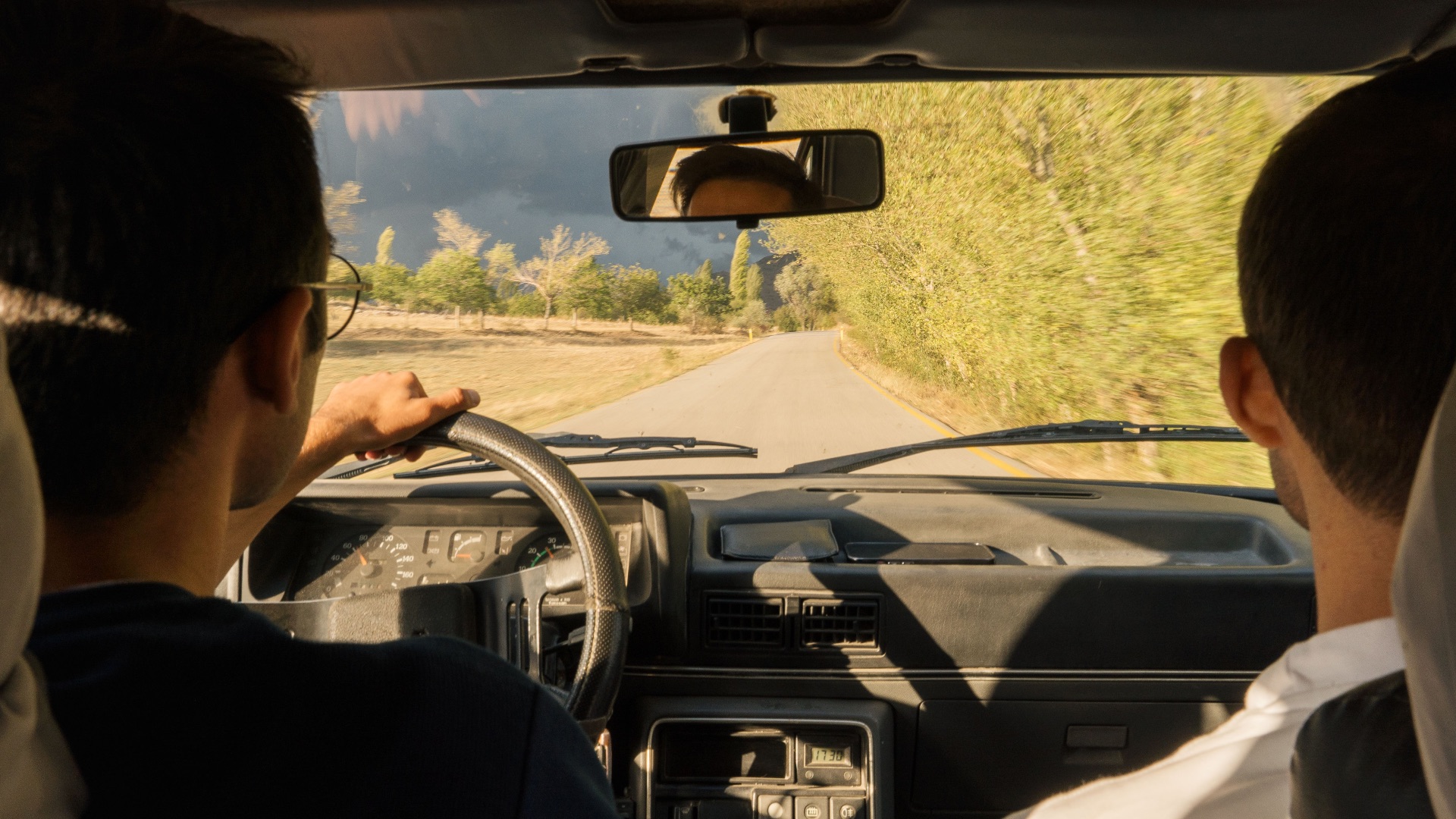
Unfamiliar roads can make driving feel much harder than usual. You’re trying to follow directions while also watching for signs, lane changes, speed limits, and sudden turns. Missing a turn can feel stressful, but it’s usually safer to continue and reroute than to make a last-second move. Giving yourself extra time and reviewing the route beforehand can reduce that sense of pressure.
13. Backing Out of a Parking Space
Reversing can feel nerve-racking because your view is more limited than when you’re moving forward. Cars, pedestrians, shopping carts, and other obstacles can appear quickly in busy lots. New drivers may worry about turning the wheel the wrong way or not noticing something behind them. Taking your time, checking all directions, and backing out slowly can make the situation safer.

14. Driving Near Aggressive Drivers
Aggressive drivers can make new drivers feel rushed and unsafe. Someone tailgating, weaving between lanes, or speeding around you can create pressure to drive faster than you’re comfortable with. It’s important to remember that you don’t have to match another driver’s behavior. Keeping your distance and letting them pass is usually the safest choice.
15. Entering a Busy Intersection
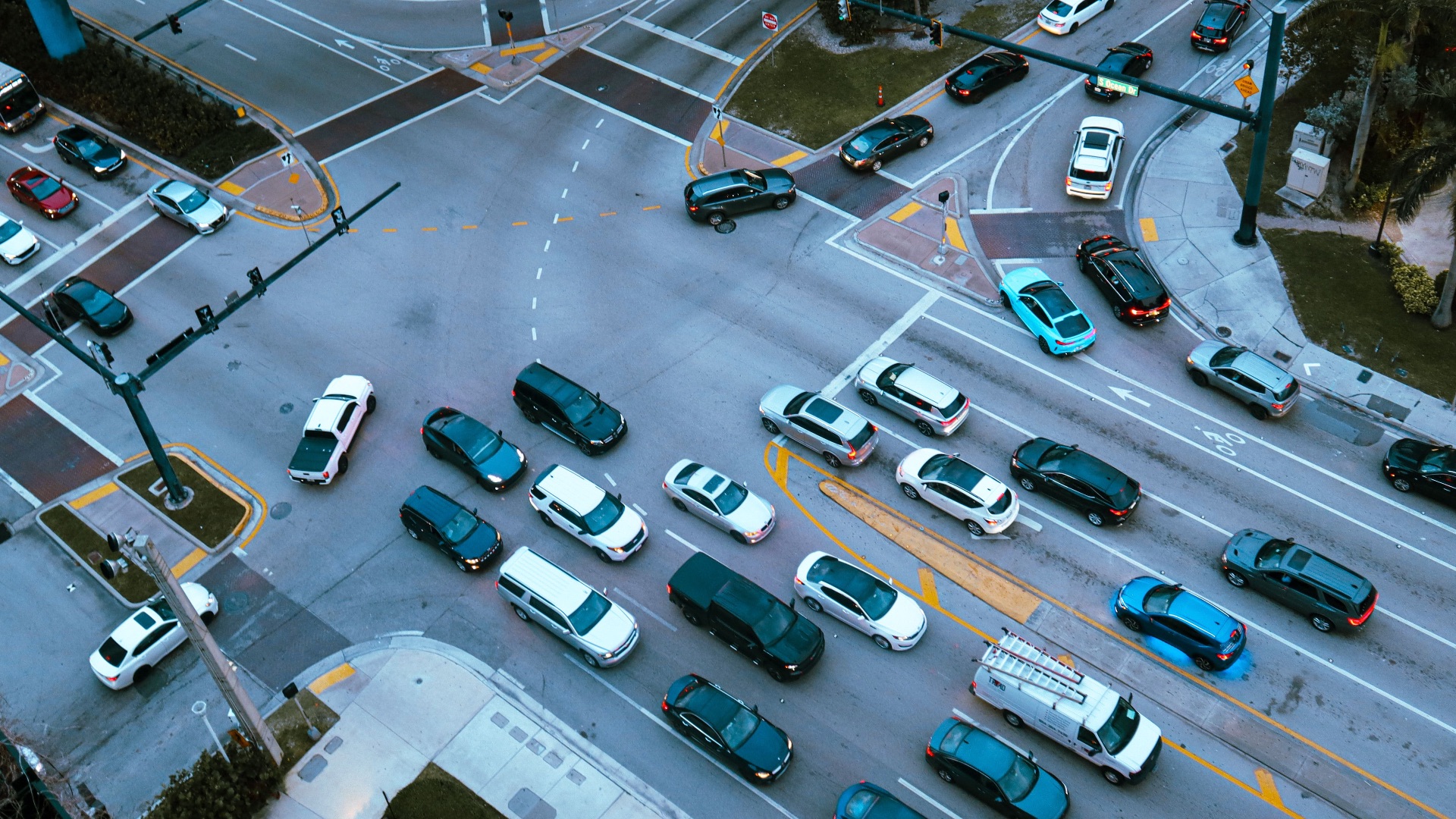
Busy intersections can feel overwhelming because there are so many things to watch. Cars may be turning, pedestrians may be crossing, cyclists may be nearby, and traffic lights can change quickly. New drivers may feel nervous about blocking the intersection or making the wrong move under pressure. The safest habit is to scan carefully, avoid rushing, and only enter when you have room to continue through.
16. Driving on Narrow Roads
Narrow roads can make new drivers feel like every passing car is too close. This is especially true on residential streets lined with parked cars or roads without much shoulder space. You may worry about clipping a mirror, drifting over the center line, or not leaving enough room. Slowing down and keeping your eyes aimed ahead can help you maintain a steadier position.

17. Going Through Drive-Thrus
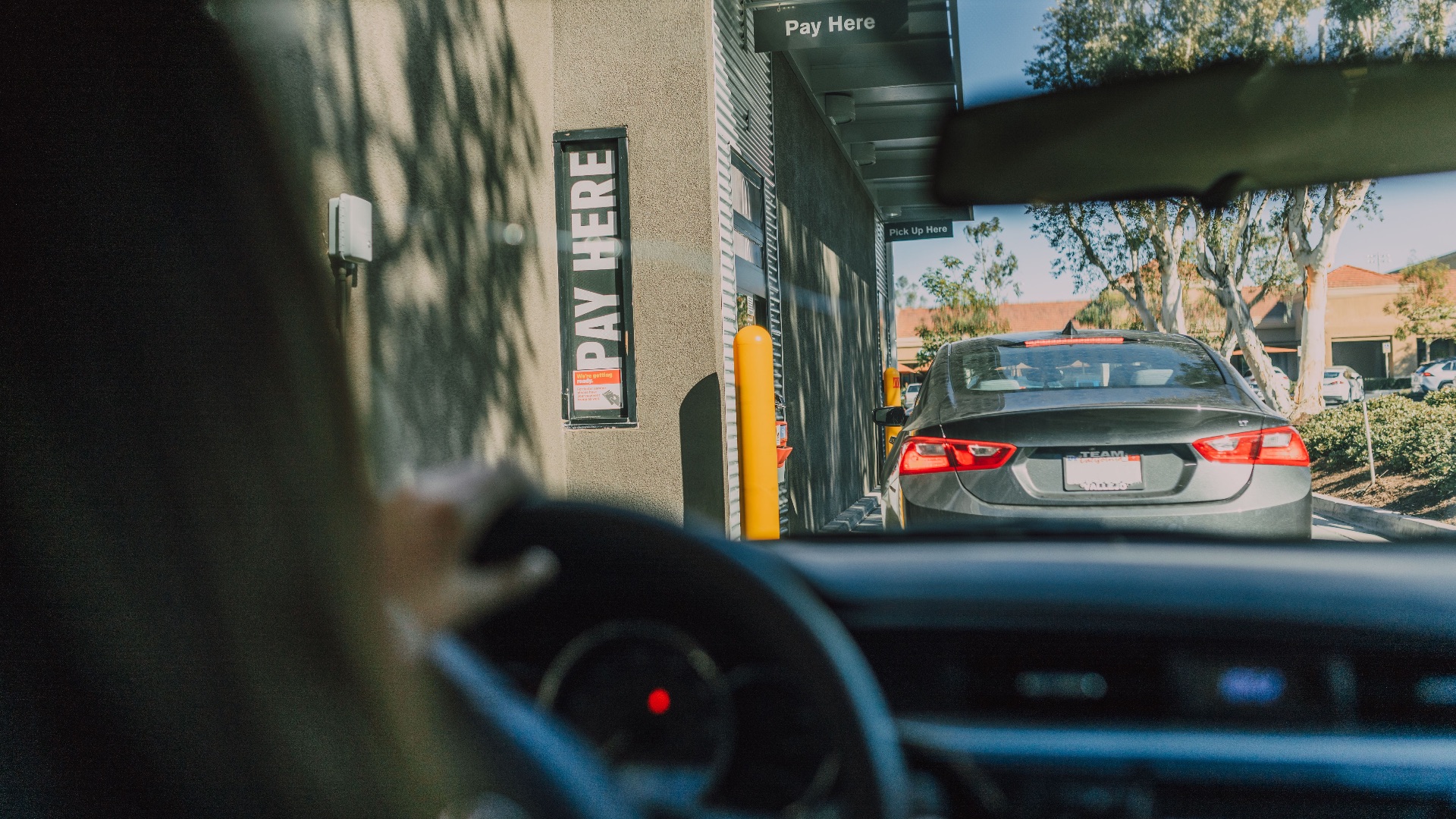
Drive-thrus can feel surprisingly stressful when you’re still learning how your car moves at low speeds. The lanes are often tight, the turns can be sharp, and the curbs feel very close. New drivers may also feel pressured when there are cars behind them waiting. Moving slowly and focusing on steering rather than speed makes these tight spaces easier to handle.
18. Driving in Snow or Ice
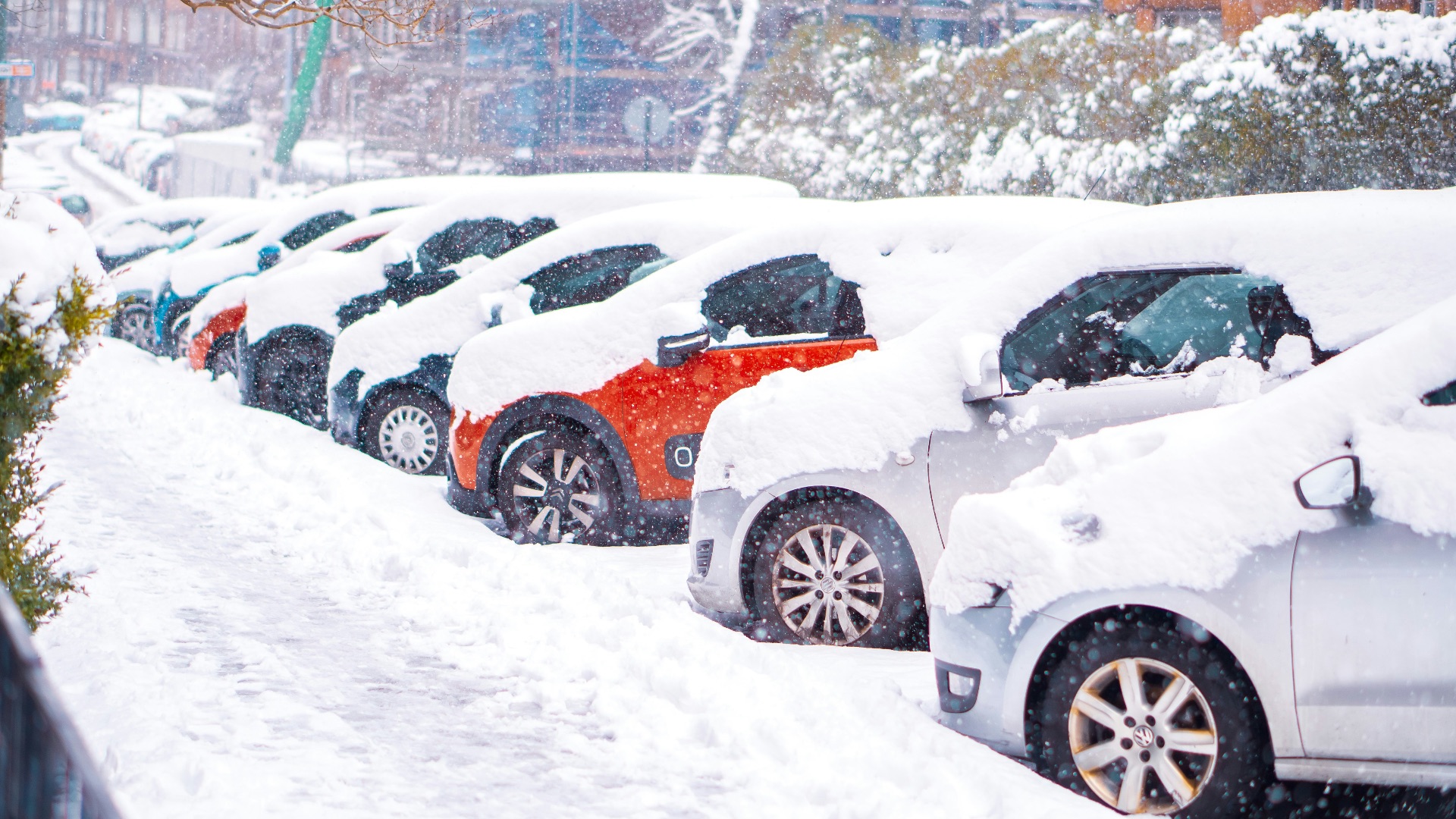
Snow and ice can make the road feel unpredictable, especially for someone without much experience. Braking, turning, and accelerating all require more care because the tires may not grip the way you expect. New drivers often feel scared of sliding or being unable to stop in time. Reducing speed, leaving much more space, and avoiding sudden movements are key habits in winter conditions.
19. Getting Pulled Over
The idea of being pulled over can make new drivers anxious, even when they haven’t done anything wrong. Flashing lights behind you can create instant panic, and it may be hard to think clearly in the moment. The important thing is to signal, pull over safely, stay calm, and follow the officer’s instructions. Knowing what to do ahead of time can make the situation feel less overwhelming.

20. Making a Mistake in Front of Other Drivers
Every new driver worries about stalling, missing a turn, braking too hard, or doing something awkward while others are watching. It can feel embarrassing, especially when traffic is moving quickly around you. Still, mistakes are part of learning, and most drivers have had their own uncomfortable moments behind the wheel. What matters most is correcting safely, staying calm, and continuing to build experience one drive at a time.