
How Your Driving Habits Can Cost You
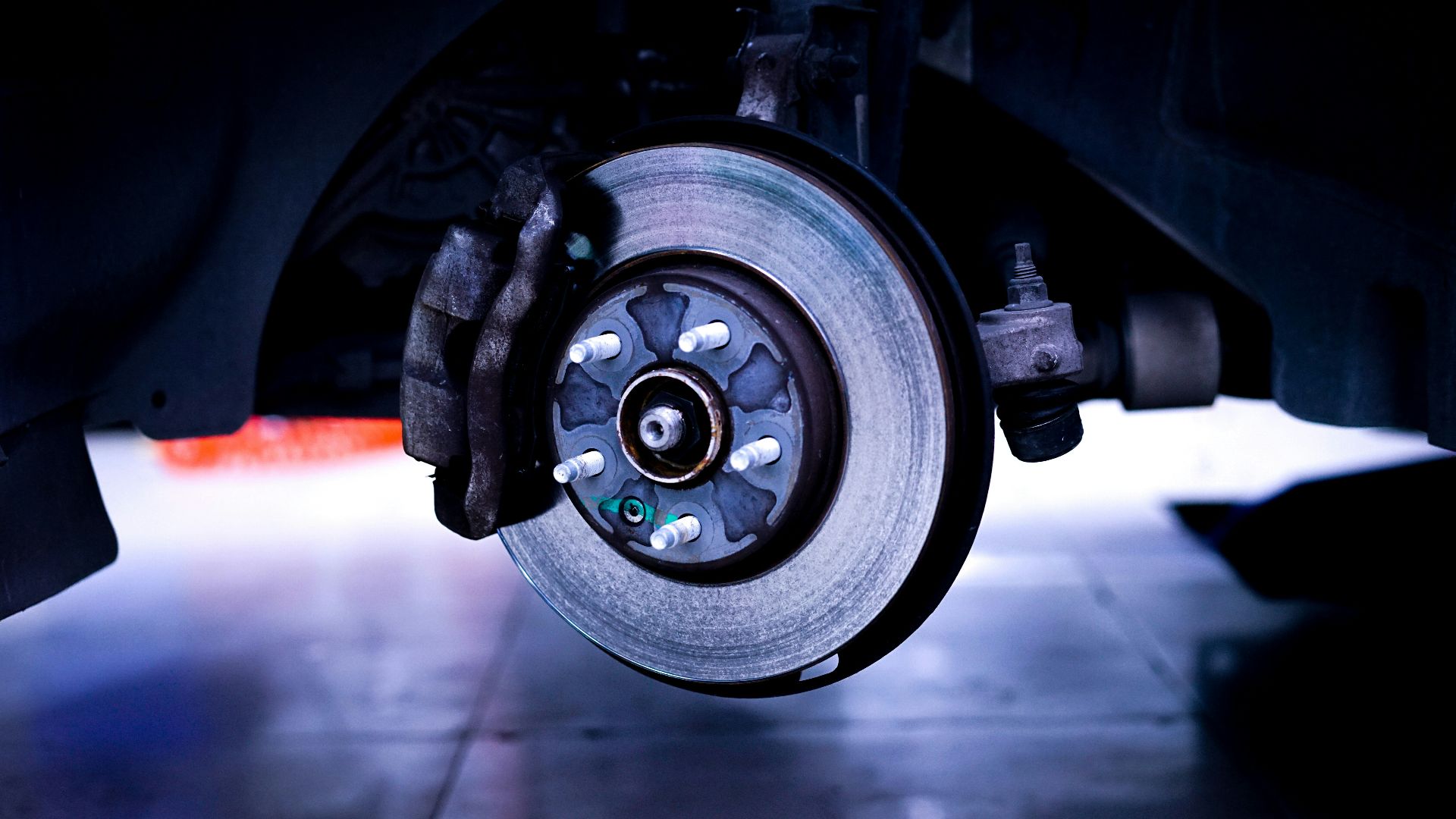
Brake wear doesn't just come down to mileage. A lot of it has to do with how you drive every single day, and some habits can eat through pads and rotors much faster than people realize. If you've ever wondered why one driver seems to get years out of one set of brakes while another is back at the shop far too soon, these 20 common driving behaviors usually explain the difference.

1. Riding the Brakes Down Hills
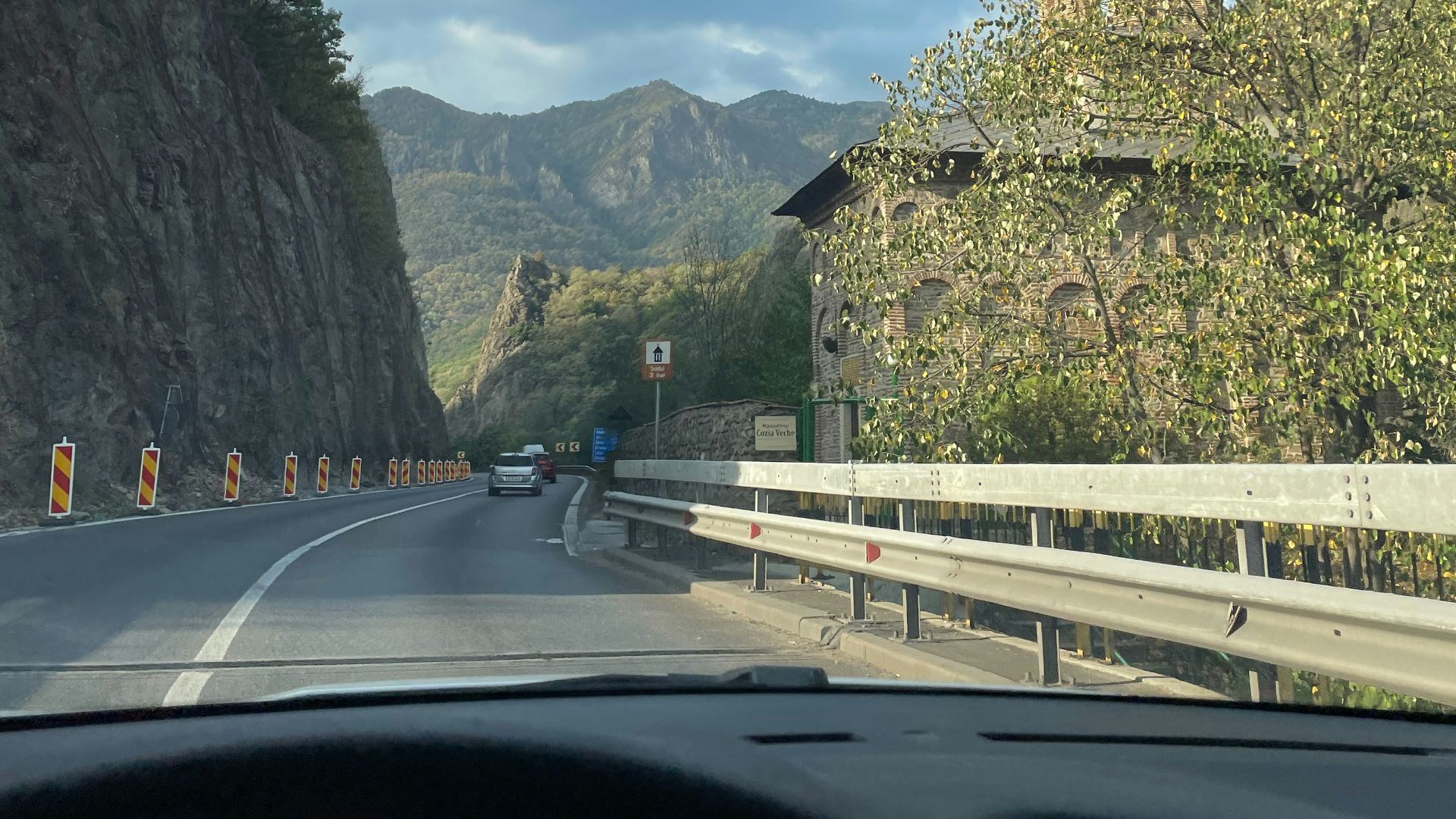
It might make you feel safer, but keeping your foot on the brake the whole way down a hill creates constant heat, and heat is one of the fastest ways to wear brakes out. Instead of giving the system a break, you're asking it to work nonstop for longer than it should, and that extra friction adds up quickly. Instead, just begin the hill with less speed in the first place.
2. Waiting Too Long to Slow Down
Some drivers stay on the gas until the last possible second and then brake hard right before a stop. That may save a few moments, but it puts a lot more stress on the braking system than slowing gradually. Sharp, repeated stops wear pads faster and can also be rough on rotors.

3. Following Too Closely in Traffic
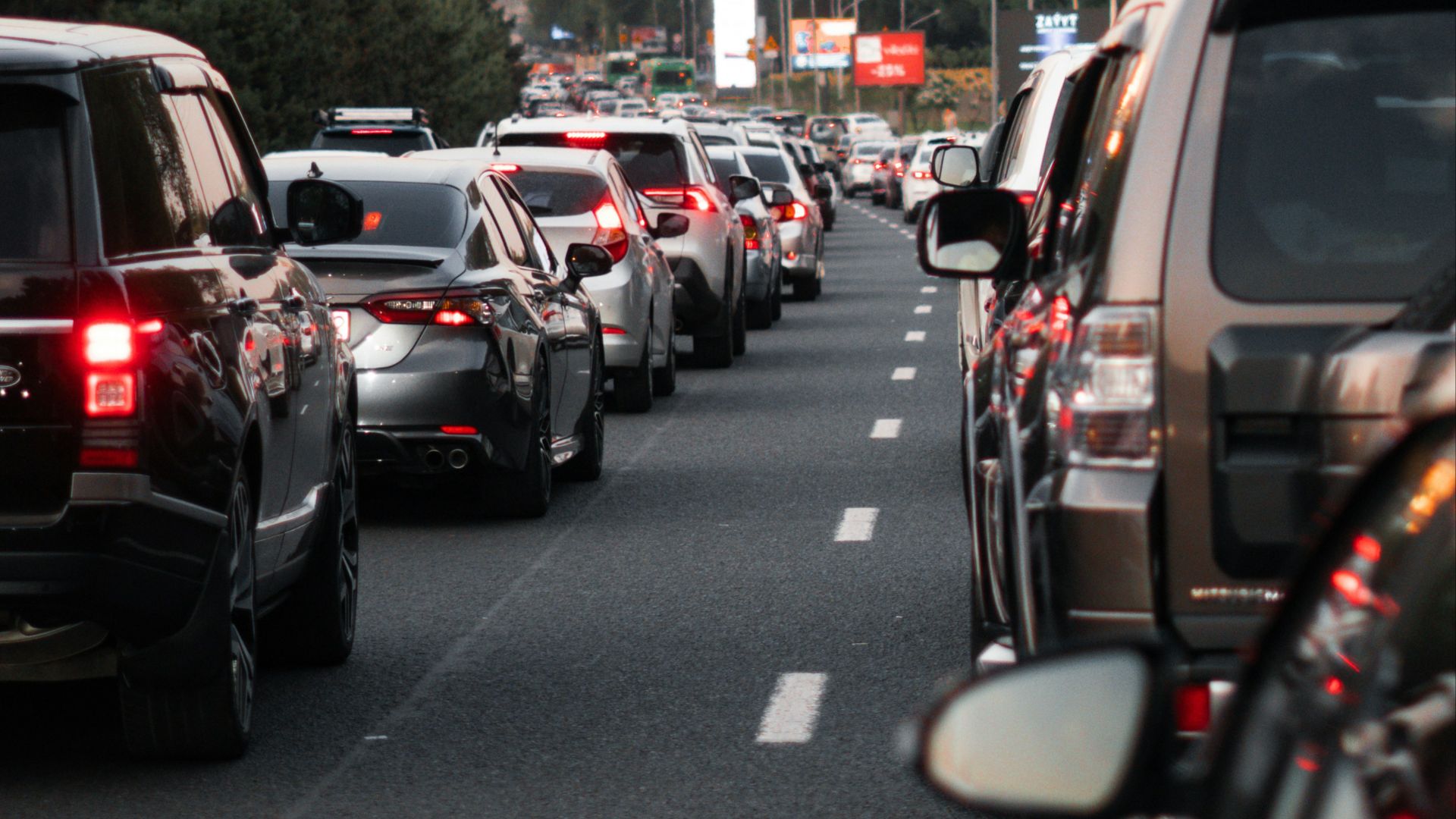
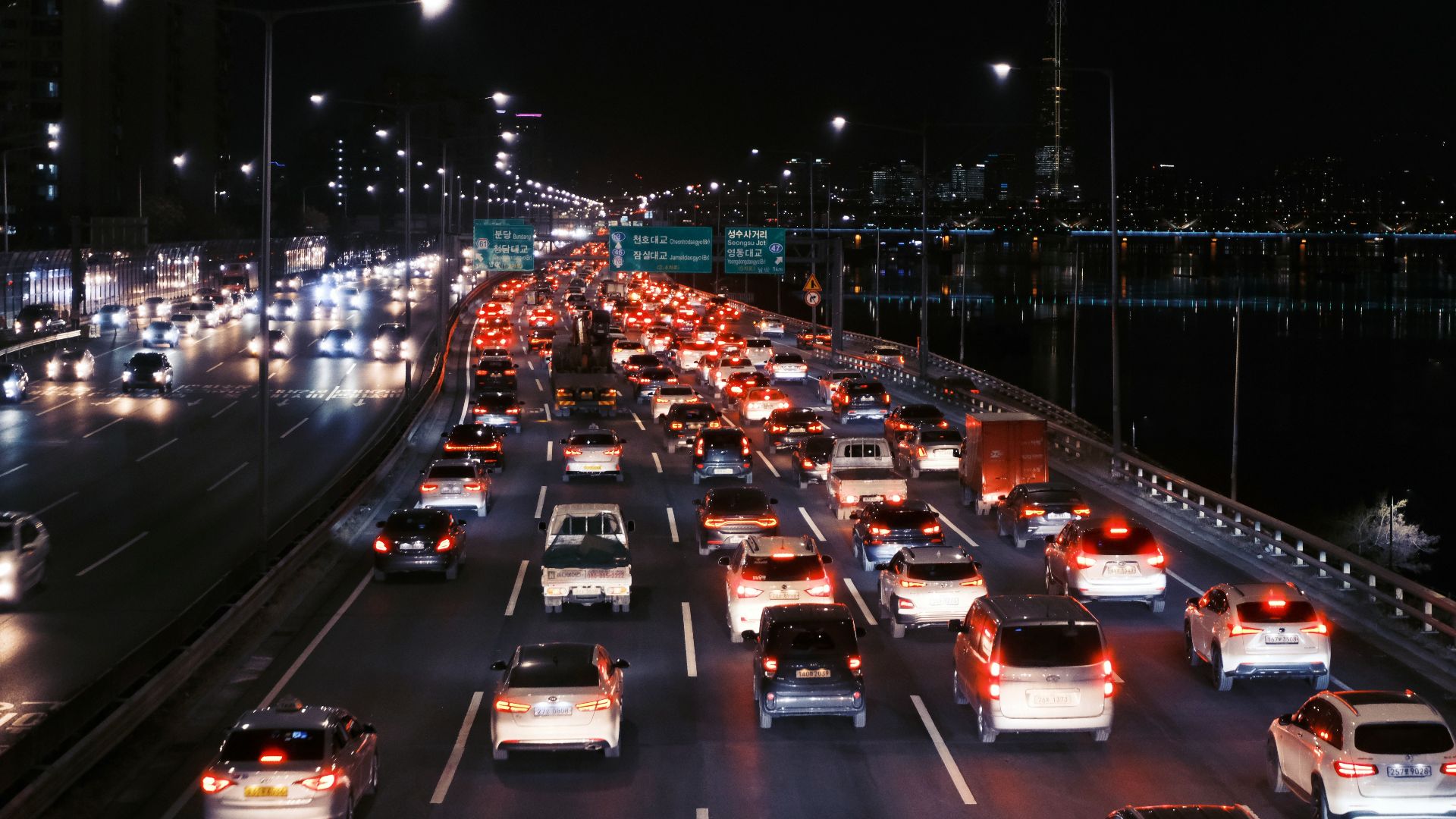
When you leave very little space between your car and the one ahead, you end up braking more often and more suddenly. Even normal traffic flow becomes a series of little panic stops instead of smoother speed adjustments, and your brakes take the hit every time that happens.
 Nursultan Abakirov on Unsplash
4. Constant Stop-&-Go City Driving
City driving is tough on brakes because you're always slowing down, stopping, and starting back up again. Every traffic light, crosswalk, and backed-up intersection adds another round of friction. Unfortunately, this is a pretty unavoidable part of urban driving.
5. Braking Hard for Every Red Light
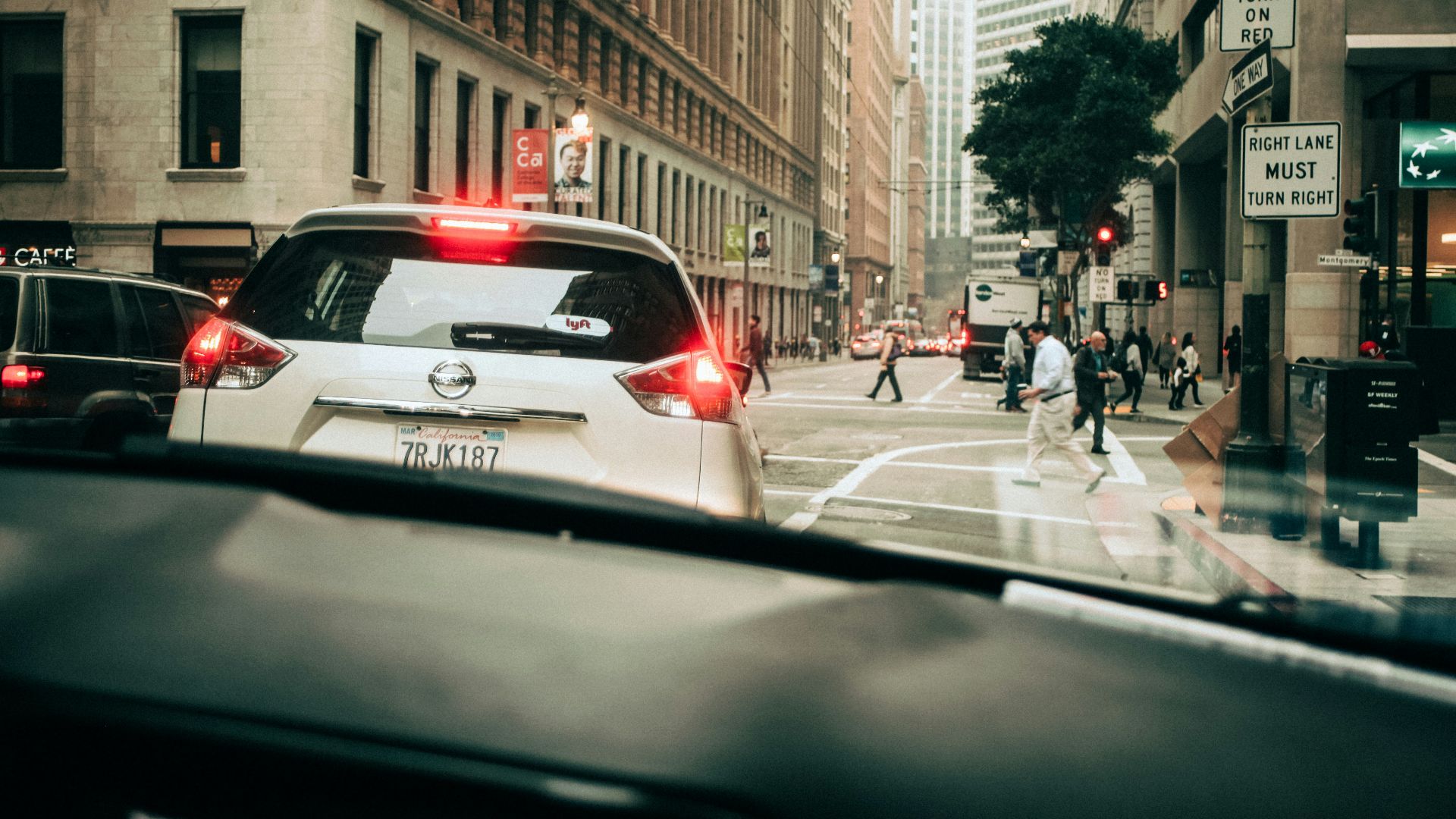
Some people know the light is red from far away and still keep rolling at full speed until they have to slam the brakes. That kind of driving creates unnecessary strain and turns routine stops into harsher ones. A smoother approach is easier on the car and usually on the driver and passengers, too.

6. Keeping Unneeded Weight in the Vehicle
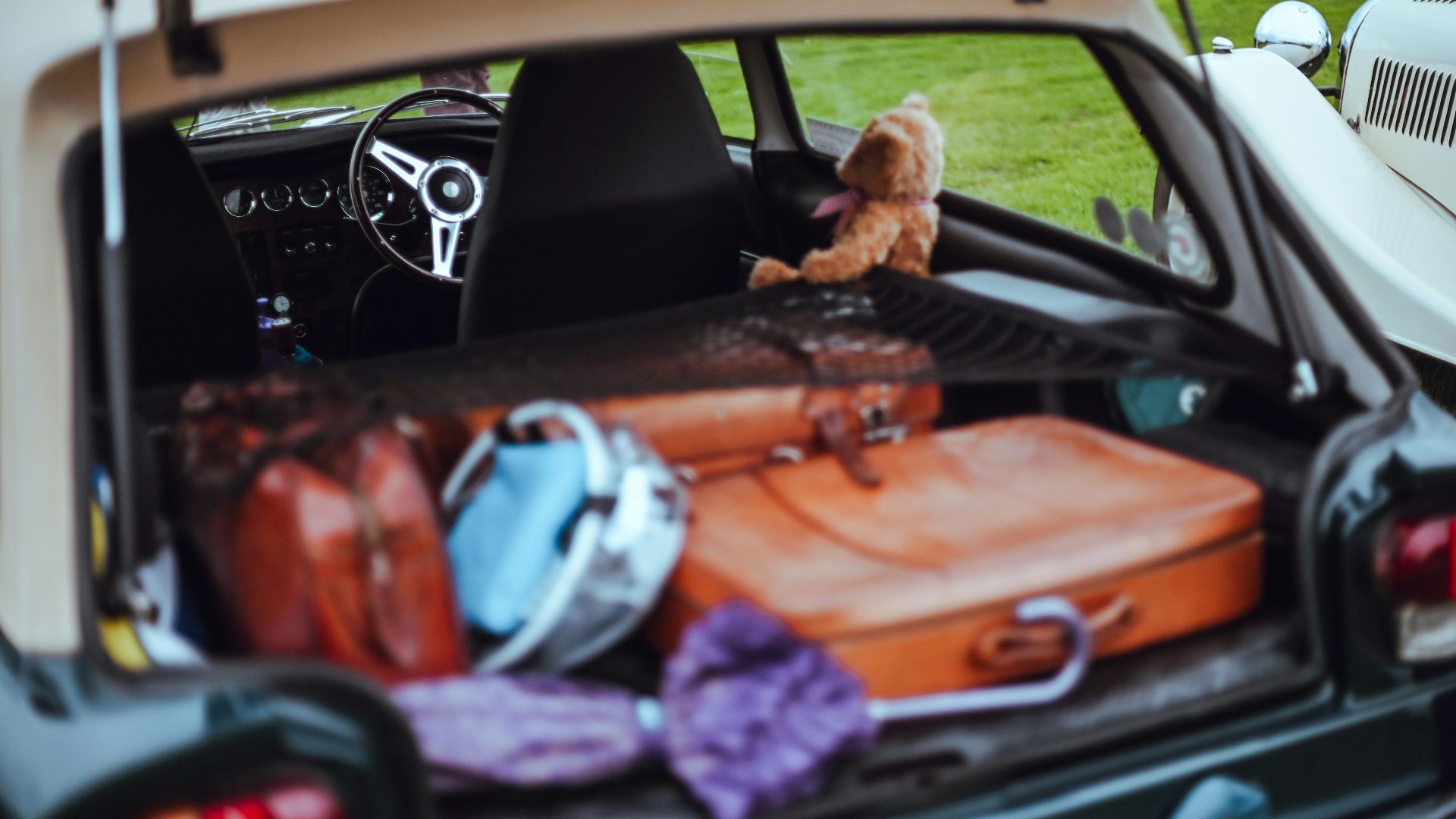
The heavier your car is, the more effort it takes to slow it down. If your trunk is full of tools, boxes, sports gear, or random stuff you never took out, your brakes are handling extra load all the time. It may not seem like much in the moment, but the added weight forces more work at every stop.
7. Speeding Up Just to Brake Again
It's surprisingly common to rush toward stopped traffic or a turn, only to jump on the brakes a few seconds later. That pattern doesn't make driving smoother or faster, and it definitely doesn't help brake life. You're basically creating extra work for the system for no real reason.
8. Creeping Forward Constantly in Heavy Traffic
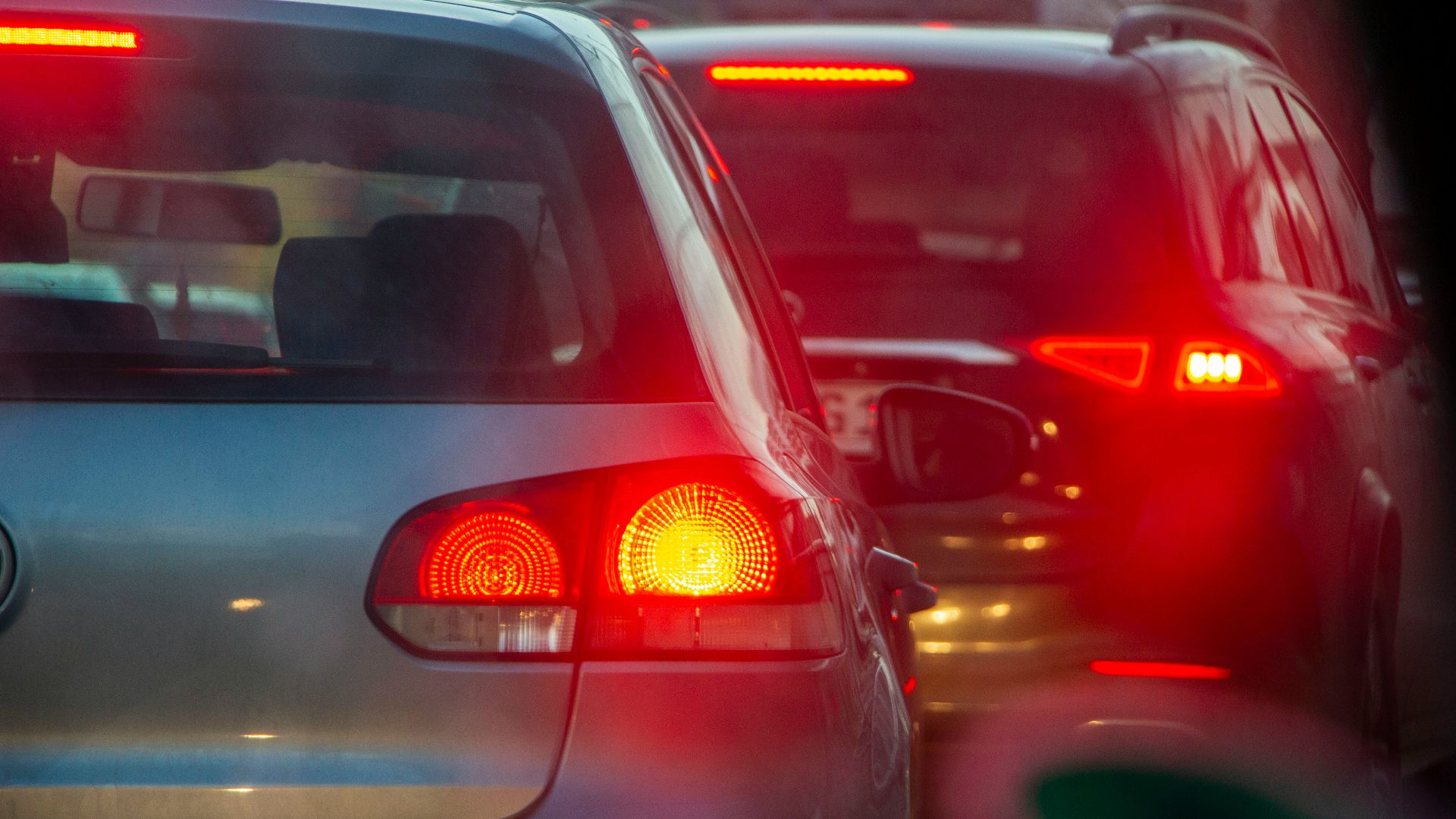
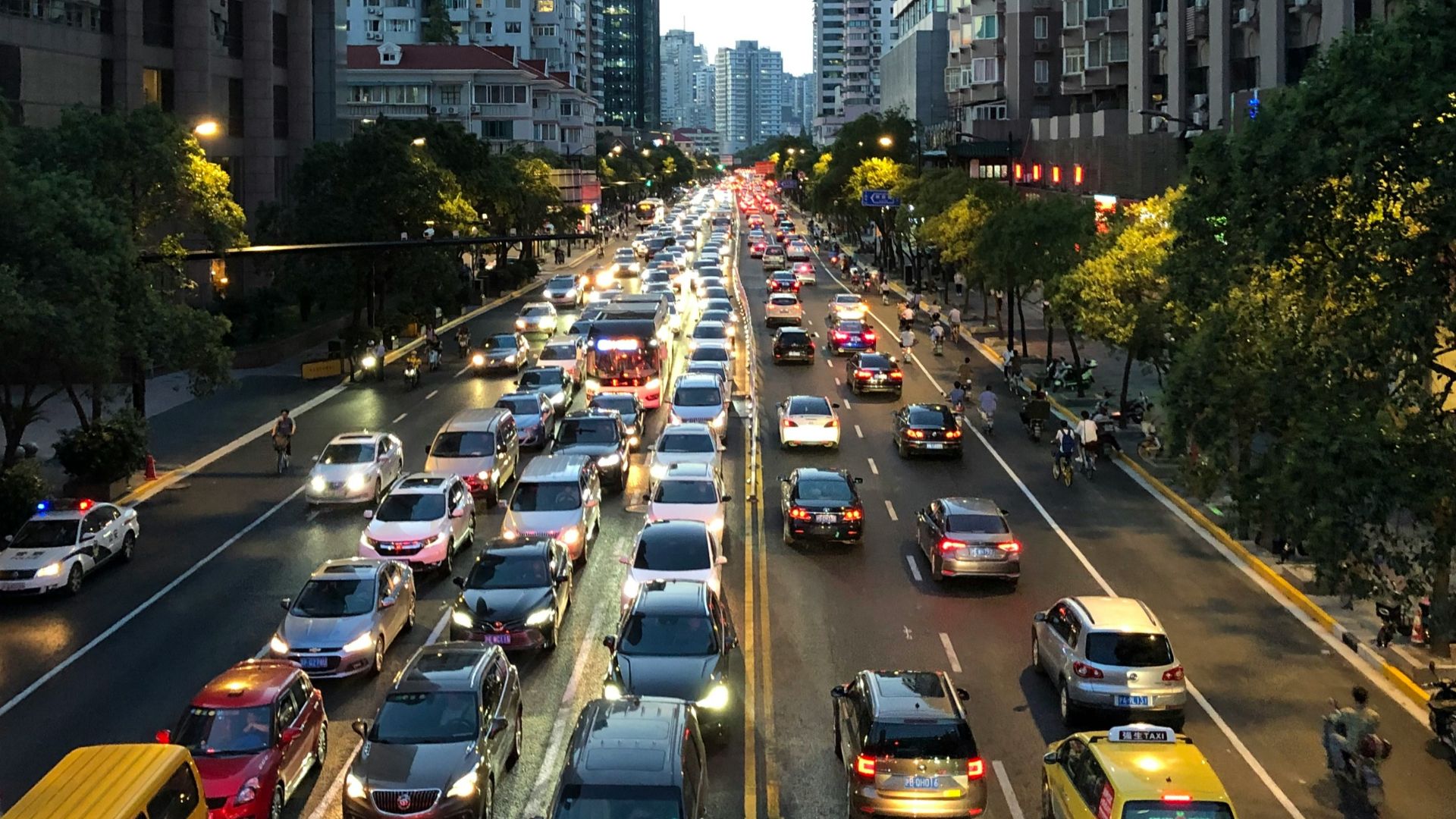
In slow traffic, a lot of drivers inch forward every few seconds and tap the brakes again and again. That repeated stop-start pattern may feel harmless, but it keeps the brakes in near-constant use, and over time, all those little applications create extra wear. Don't worry, the wall of traffic in front of you isn't going anywhere any time soon.
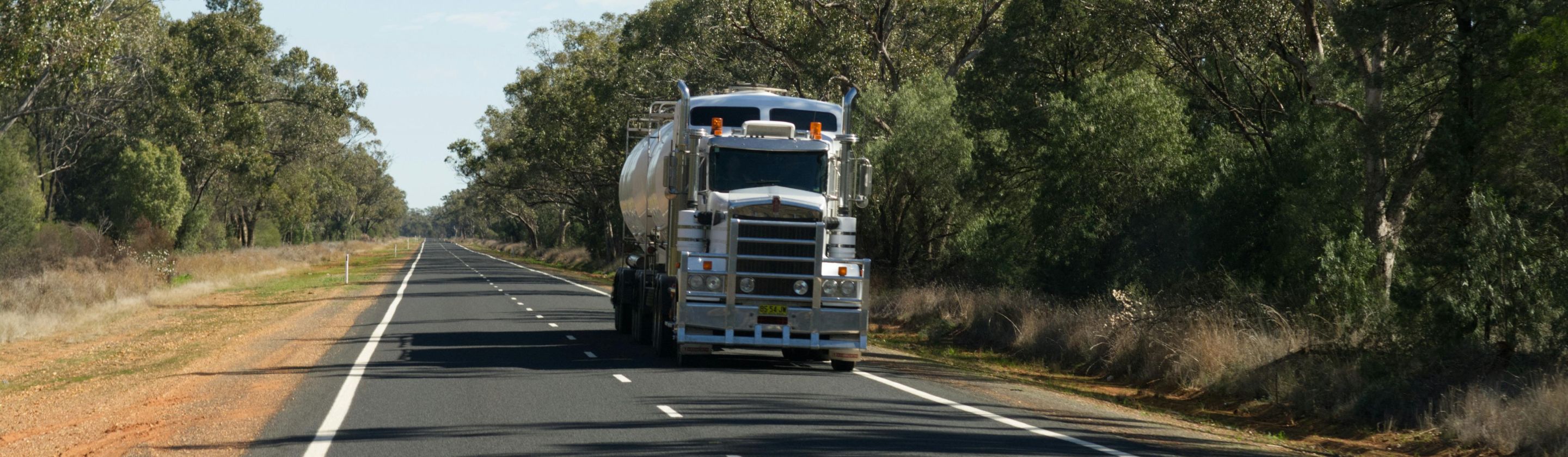
9. Towing More Than the Vehicle Likes
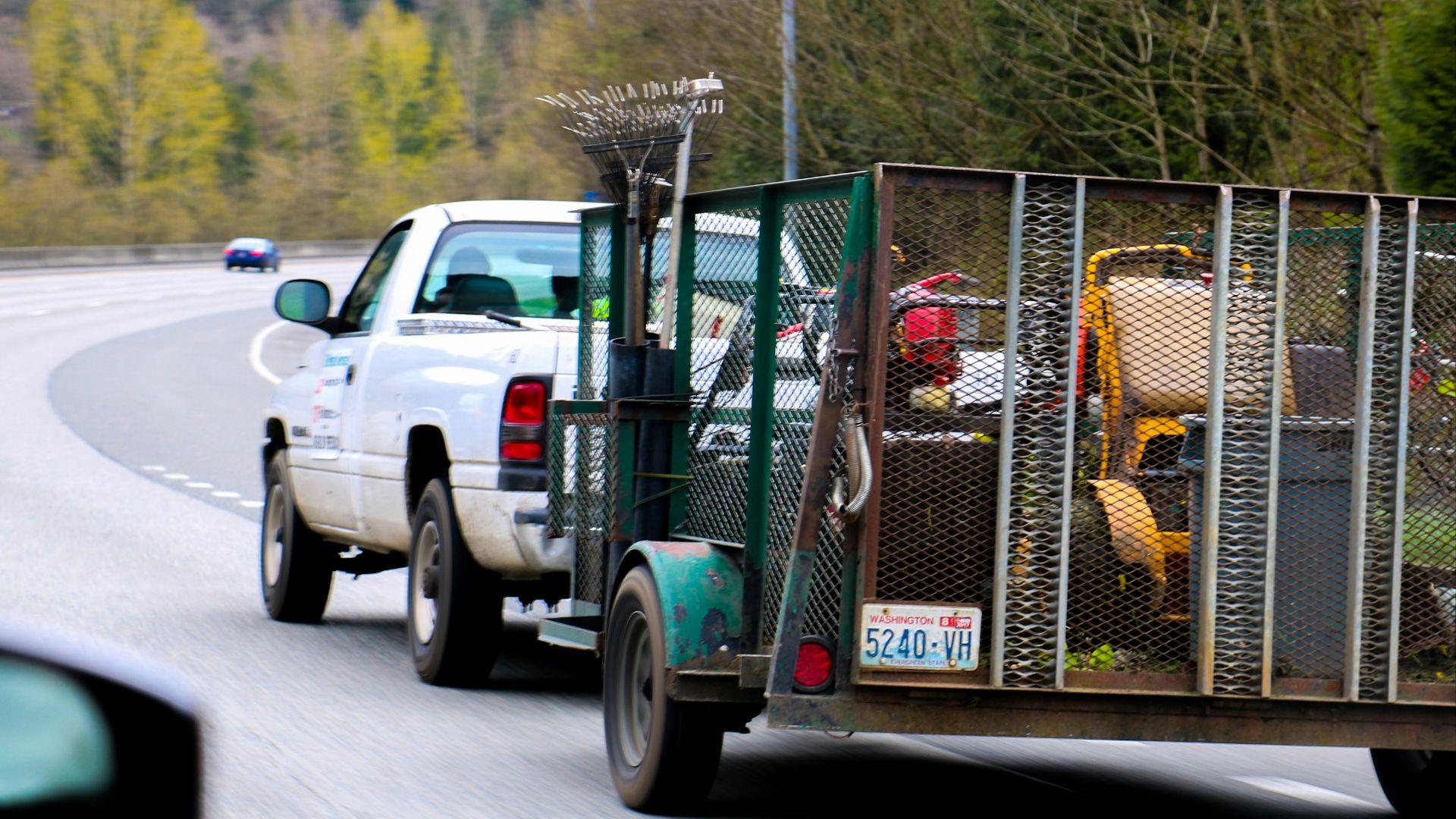
Pulling a trailer or hauling heavy loads means your brakes have to deal with a lot more momentum. If the setup isn't ideal or the load is near the vehicle's limit, the braking system gets a lot of extra strain. That can shorten brake life quickly, especially if you tow things often.
10. Ignoring Lower Gears on Long Descents
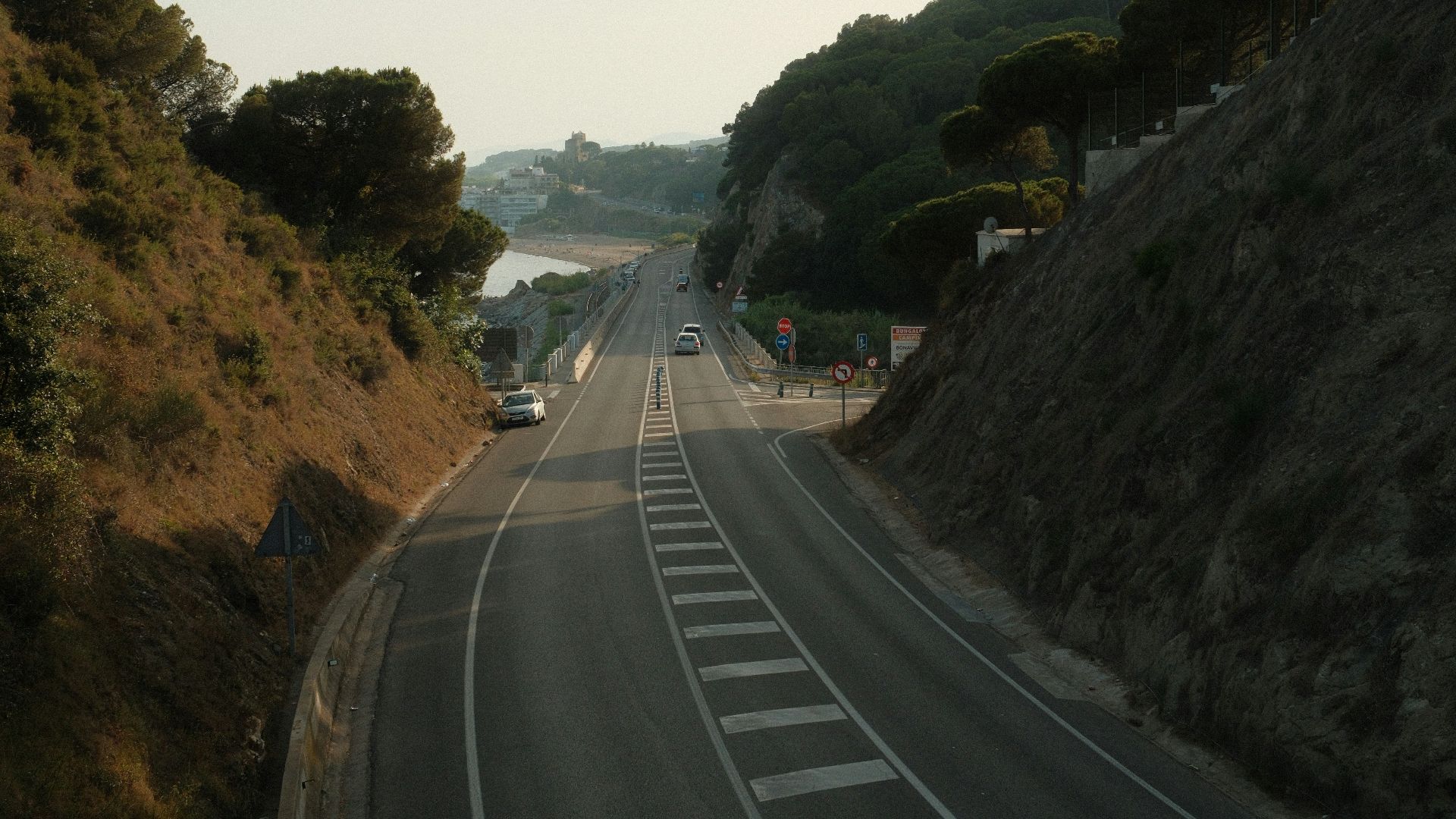
When drivers rely only on the brakes during long downhill stretches instead of using lower gears, the system has to do all the slowing by itself. That creates a lot of heat and repeated pressure, especially over extended distances. Using engine braking helps spread out the workload.
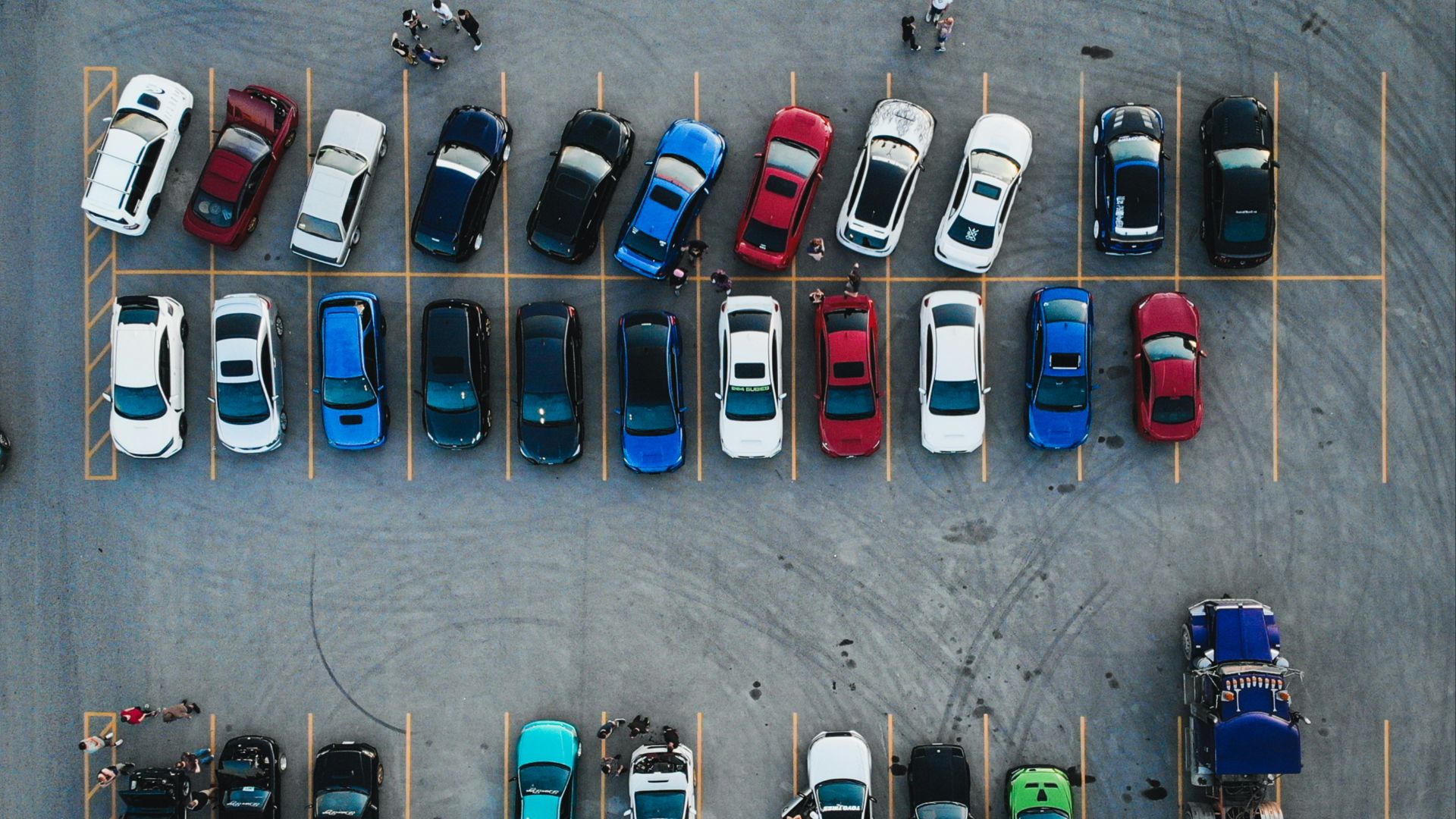
11. Last-Second Braking in Parking Lots
It may not seem like a big deal at low speeds, but darting through parking lots and braking abruptly still adds unnecessary wear. Those constant short stops stack up, especially if you're doing it every day in crowded lots or garages. Smooth, controlled driving helps every time, even in small spaces.
12. Driving Aggressively
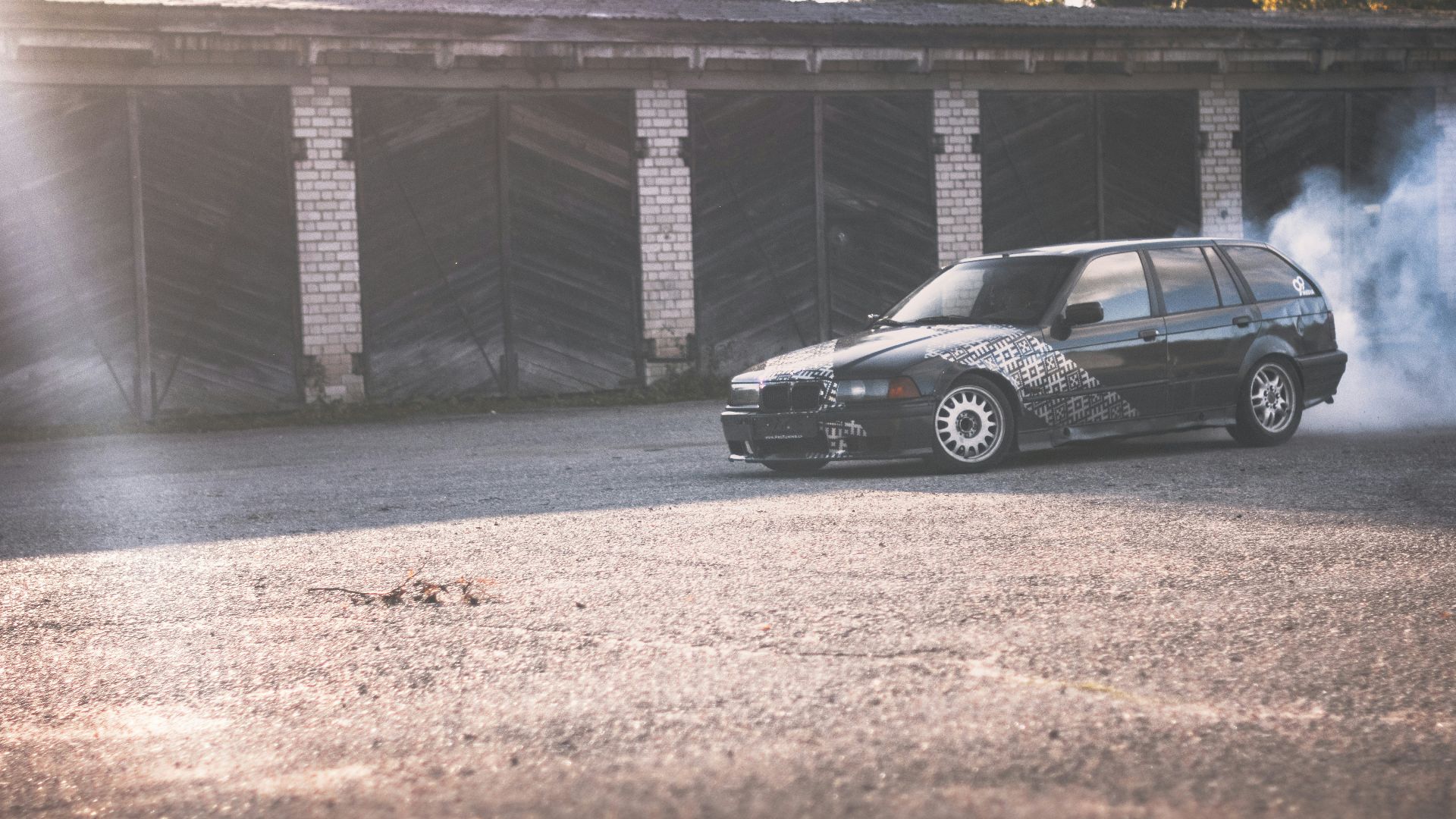
Aggressive driving usually means faster acceleration, less coasting, and more abrupt braking. Even if it feels more exciting from behind the wheel, it puts more stress on several parts of the car, including the brakes. The system ends up cleaning up after every rushed decision.
13. Not Looking Far Enough Ahead
When you only react to what's right in front of you, you tend to brake later and harder. Drivers who scan farther ahead usually spot traffic slowdowns, turns, and lights early enough to ease off the gas sooner, which gives the car more time to slow down naturally. A little awareness goes a long way toward saving brake life.
14. Slamming on the Brakes for Speed Bumps
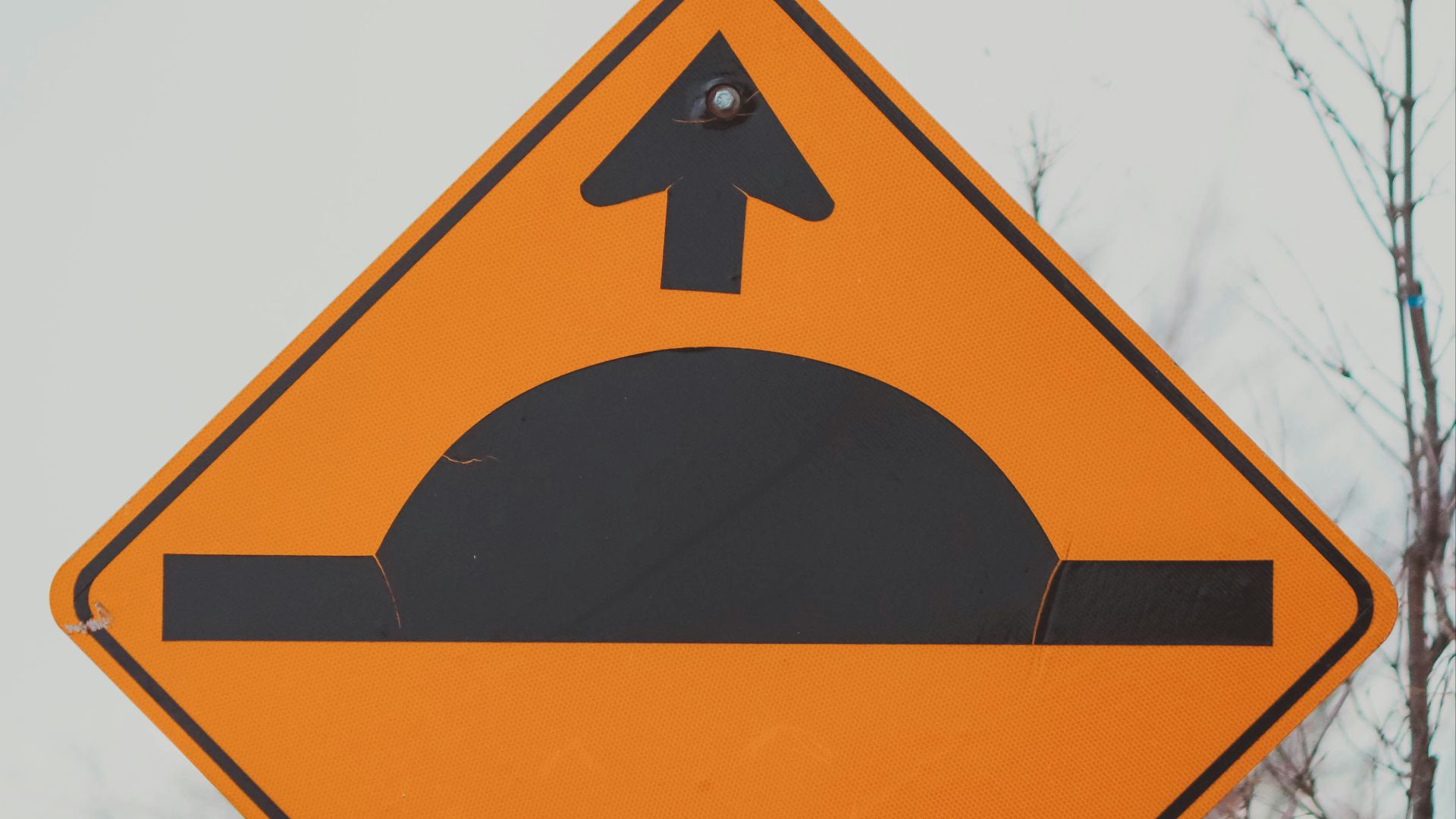
Some drivers roll toward a speed bump too fast and then hit the brakes hard at the last moment. That kind of sudden stop is avoidable and just adds an unnecessary jolt to the system. In addition to wearing down the brakes, it makes the whole maneuver feel rougher than it needs to be.
15. Using Two Feet Without Meaning To
Drivers who keep one foot near the brake and one near the gas sometimes apply slight brake pressure without realizing it. That can cause the brakes to stay partially engaged while the car is still moving forward. Not only does that wear things down faster, but it can also make the vehicle feel less smooth. It's a habit that creates more trouble than convenience.
16. Rushing Through Familiar Routes
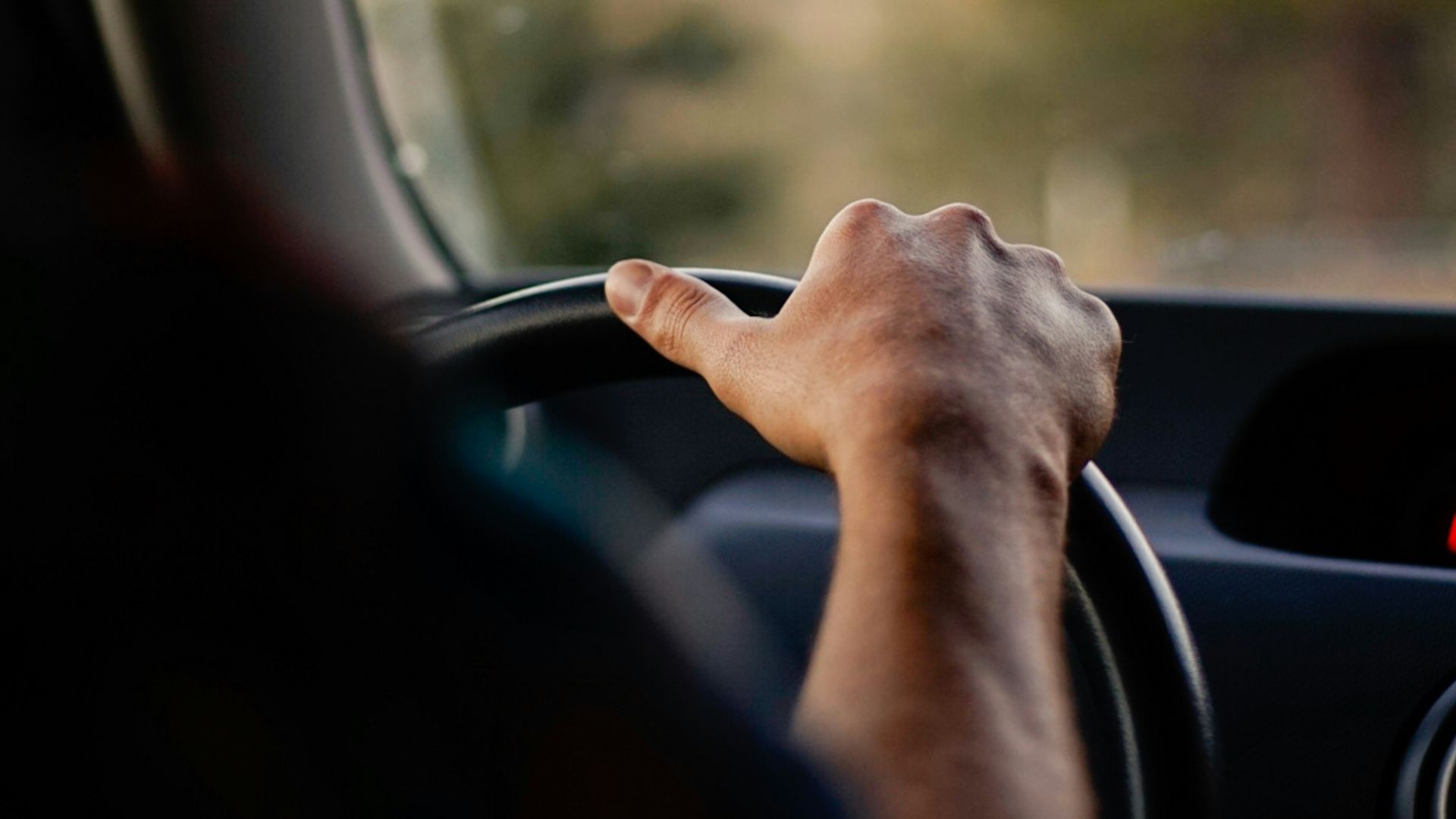
People often drive more casually on roads they know well, but that comfort can turn into sloppy braking habits. You might speed toward the same stop sign every day or brake late at the same corner because you've done it a hundred times, but familiarity doesn't make the brakes work any less.

17. Driving Too Fast in Wet Conditions
Wet roads require more distance and more care when slowing down, yet some drivers don't adjust enough for the conditions. That often leads to sharper braking because the car doesn't slow as quickly as expected. The braking system ends up working harder to make up for that bad timing.

18. Skipping Smooth Coasting Opportunities
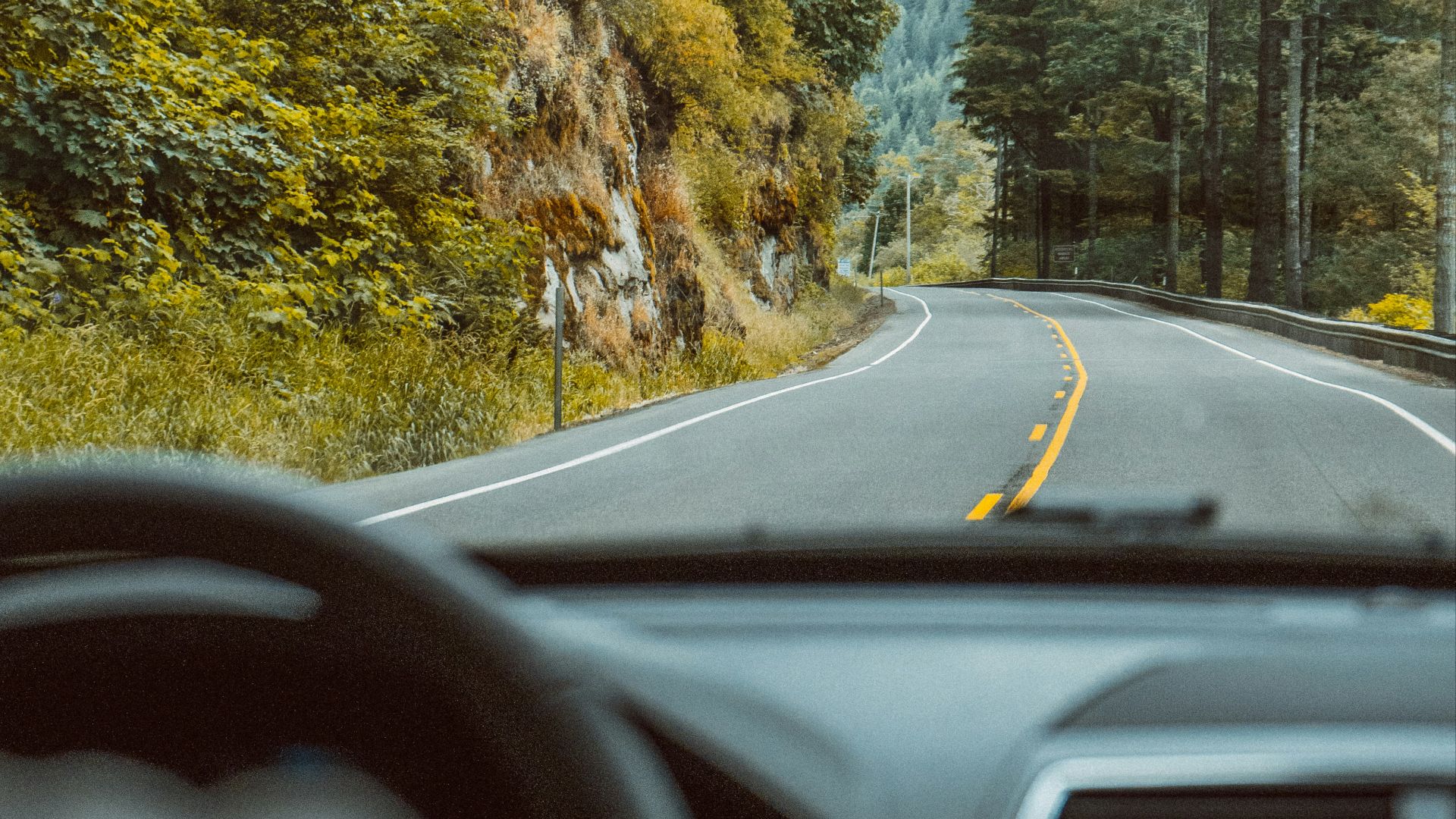
A lot of drivers could simply lift off the gas earlier and let the car slow down naturally, but they don't. Instead, they maintain speed longer and rely on the brakes to do all the work at the end. Missing those easy coasting moments means more frequent brake use than necessary.
 Cristofer Maximilian on Unsplash
19. Driving With Worn Suspension Components
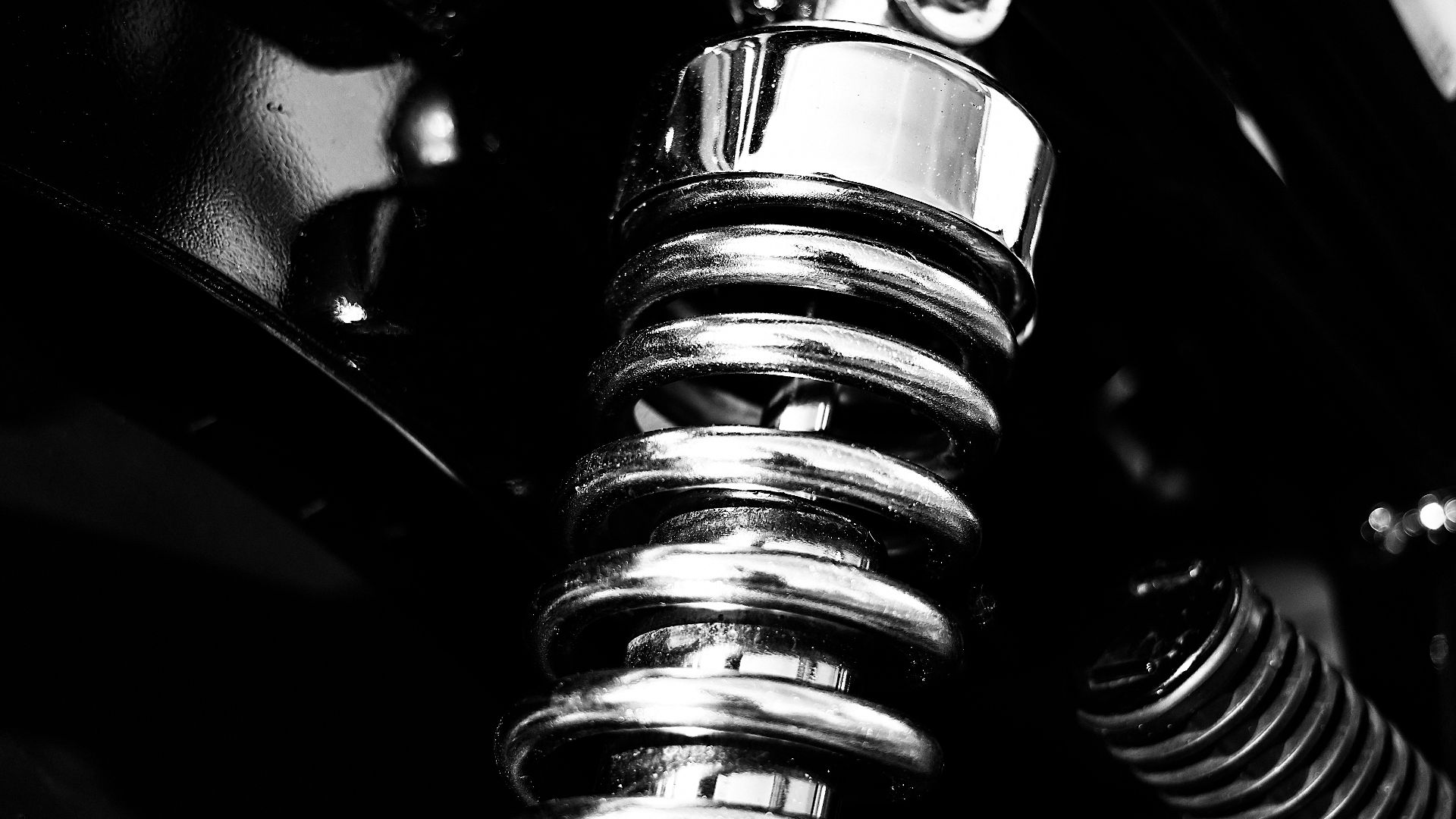
Bad shocks, struts, or other suspension issues can make braking less even and put extra stress on the system. The car may dive more, feel unsettled, or transfer weight poorly when you slow down. That changes how the brakes work and can increase wear in ways that aren't always obvious right away. Sometimes the problem isn't just your braking style but the condition of the vehicle underneath you.
20. Ignoring Brake Problems
If your brakes are already squeaking, grinding, vibrating, or feeling weak, continuing to drive like everything's fine only makes things worse. Worn pads can damage rotors, and small issues can turn into bigger repairs pretty fast.