Should You Get a Dash Cam?
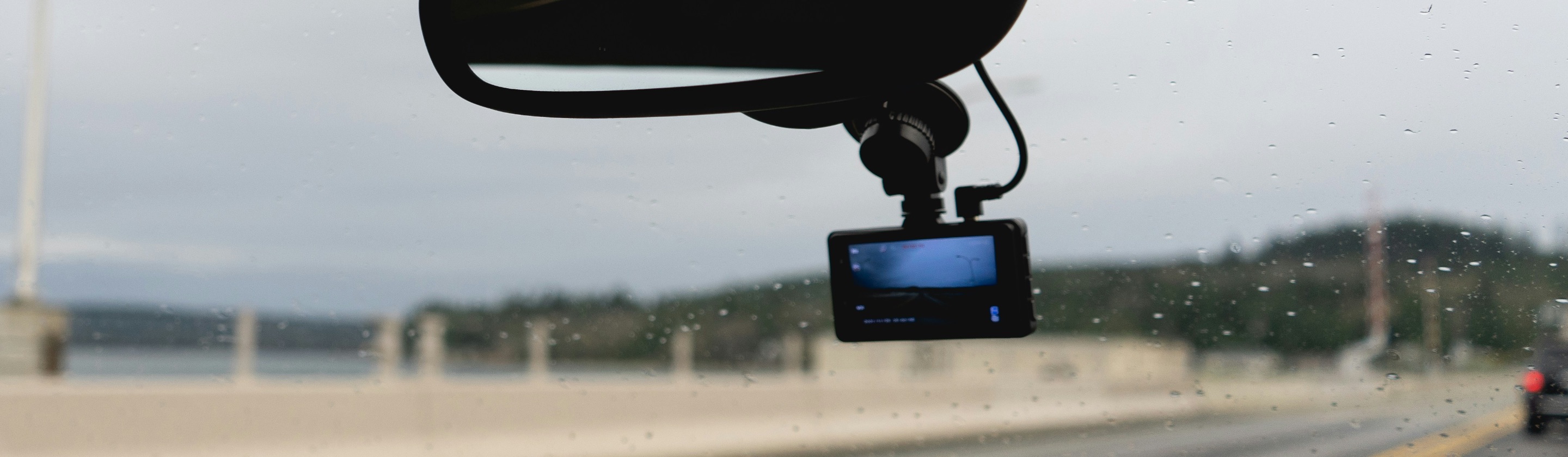
Dash cams have become one of the most talked-about car accessories in recent years, and it's easy to see why: they promise protection, peace of mind, and a handy record of everything that happens on the road. But like most things, the reality is a little more nuanced than the marketing suggests. Whether you're seriously considering buying one or just curious about what all the fuss is about, it helps to weigh both sides before you commit to mounting a device on your windshield.
1. It Gives You Solid Evidence in an Accident
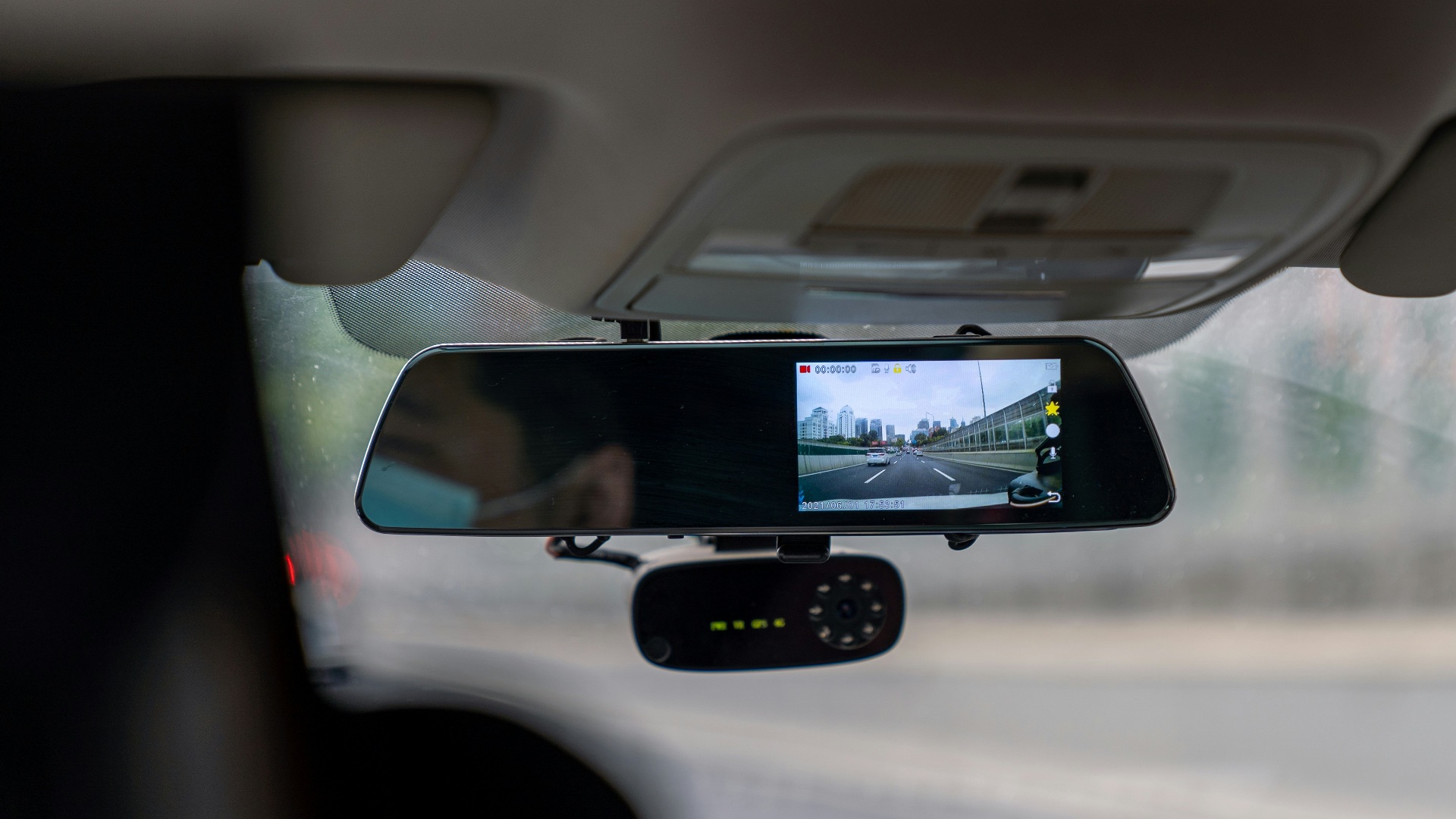
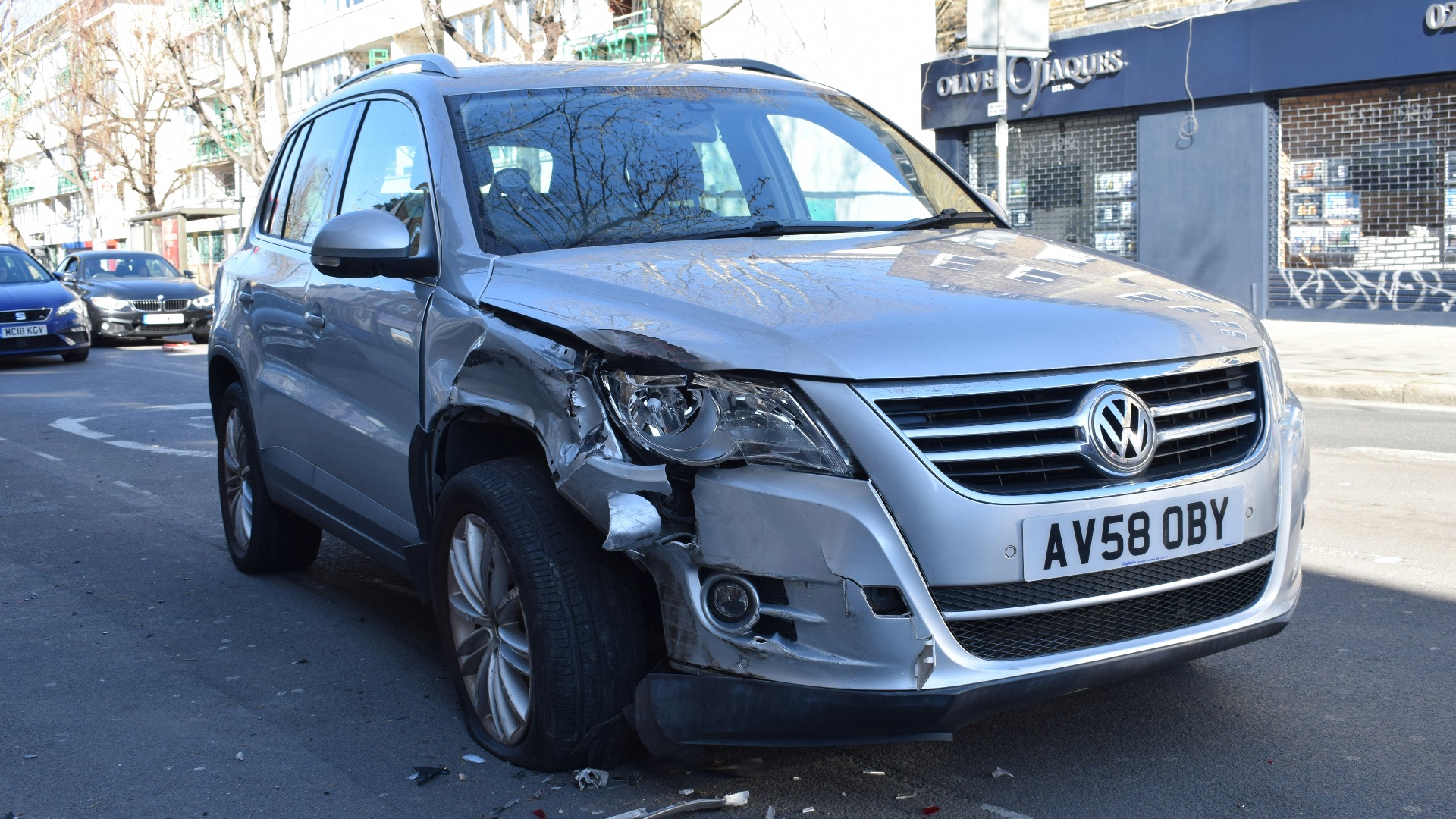
If you're ever involved in a collision, having video footage of the incident can make a world of difference when it comes to insurance claims and legal disputes. Rather than relying on conflicting witness accounts or the other driver's version of events, you'll have clear, timestamped footage to back you up.
2. It Can Lower Your Insurance Premiums
Some insurance providers offer discounts to drivers who use dash cams, since the footage reduces the risk of fraudulent claims and makes it easier to determine fault. It's worth checking with your insurer to see whether you qualify for any kind of reduction, because the savings could offset the cost of the device itself over time.

3. It Deters Fraudulent Insurance Claims
So-called "crash for cash" scams, where someone deliberately causes an accident to claim insurance money, are more common than most people realize. A visible dash cam can discourage opportunistic drivers from targeting your vehicle, since they know the incident will be recorded. And if a scammer does try their luck, you'll have footage that exposes exactly what happened.
4. It Encourages Better Driving Habits
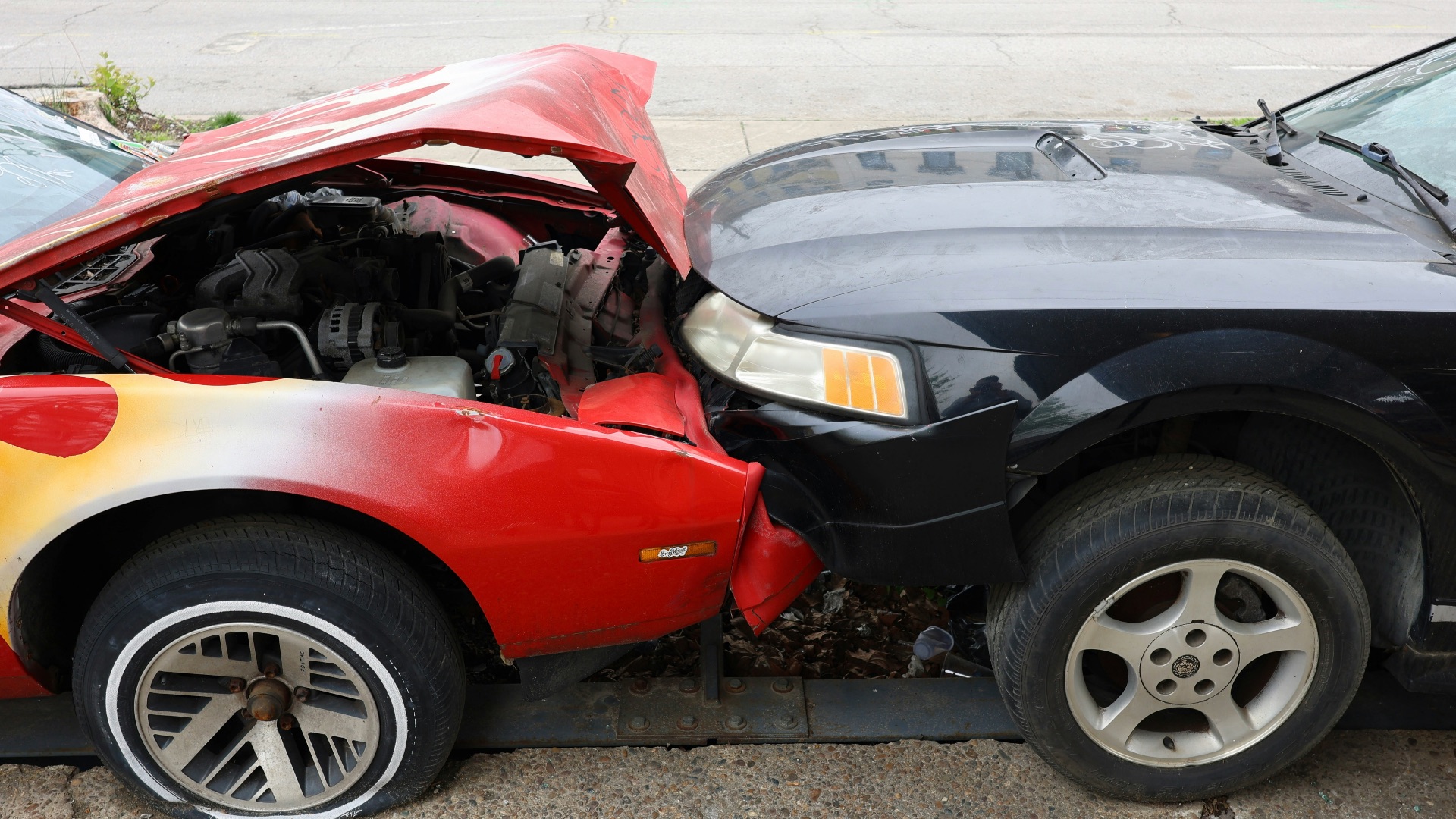
Knowing that your trips are being recorded tends to make drivers more conscious of how they behave behind the wheel. You might find yourself speeding less, braking more smoothly, or paying closer attention to road signs simply because you're aware the footage exists. Over time, those small behavioral shifts can add up to a meaningfully safer driving record.
5. It's Useful for Parking Incidents
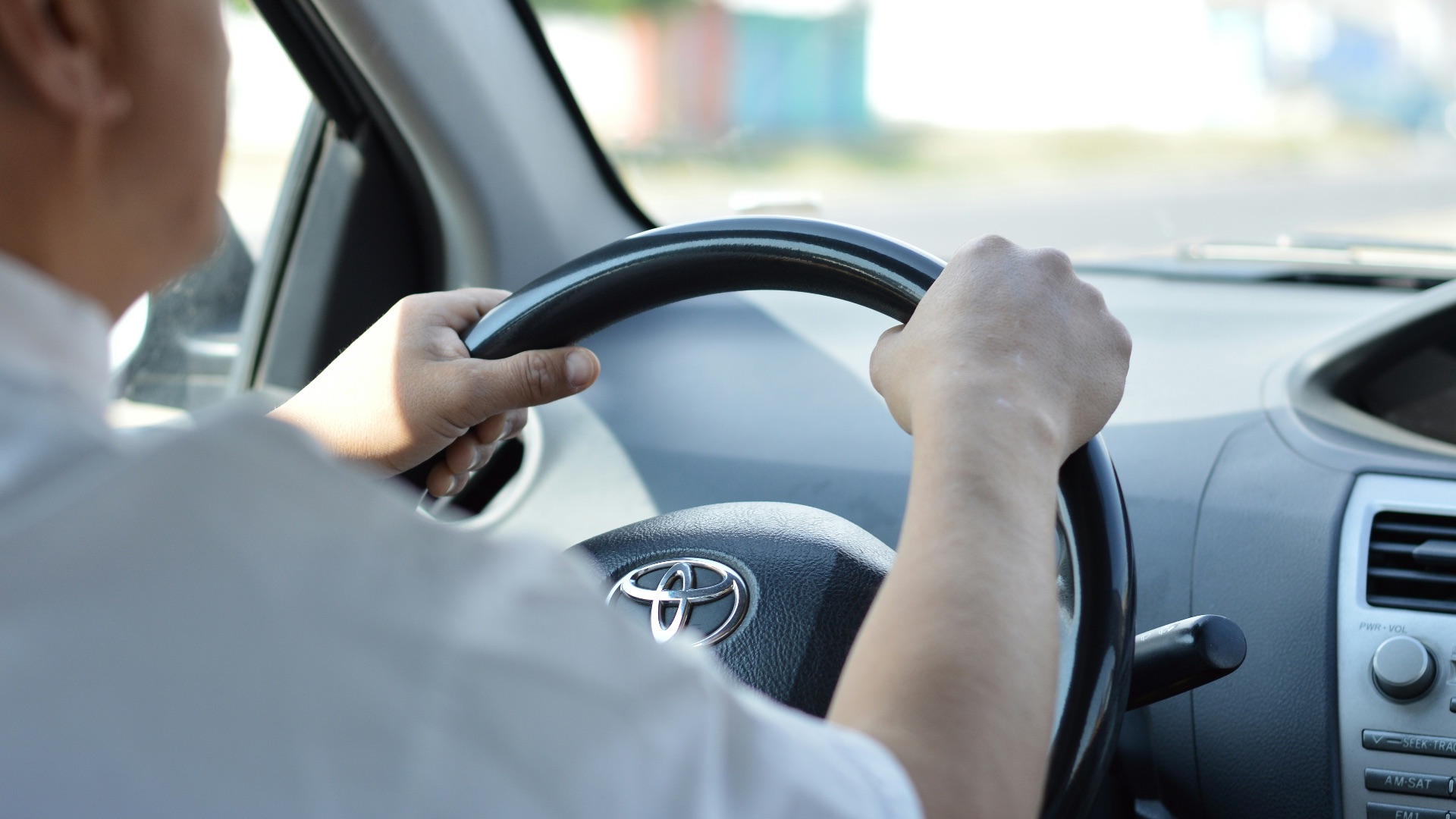
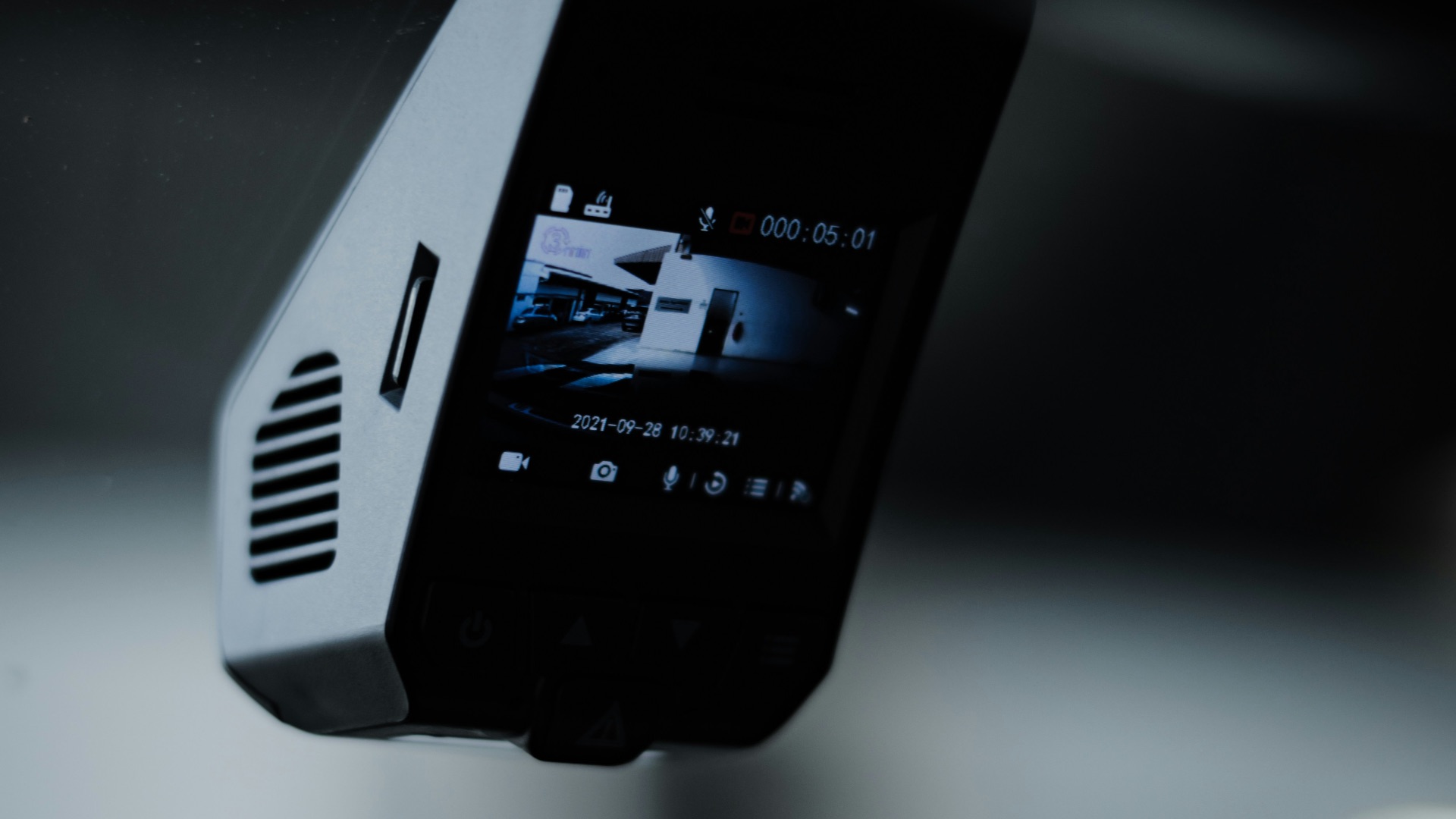
Many modern dash cams come with a parking mode that continues recording even when the car is switched off, which means you can capture hit-and-runs or vandalism in a parking lot. If someone clips your bumper and drives away, you'll have footage of the vehicle and potentially the license plate to follow up with.
6. It Can Capture Unexpected Road Events
From sudden road rage incidents to animals darting across the highway, there's no shortage of unpredictable things that can happen while you're driving. A dash cam records all of it without you having to do a thing, giving you a record you didn't even know you needed until the moment you actually do. Some footage has even ended up serving as evidence in broader legal or insurance investigations involving other parties on the road.

7. It's a Useful Tool for New or Teen Drivers
If you have a new driver in the family, a dash cam can serve as a valuable feedback tool for reviewing trips and identifying areas for improvement. Parents can use the footage to have specific, evidence-based conversations about driving behavior rather than relying on secondhand accounts. It also adds a layer of accountability that many young drivers find motivating.

8. It Can Support You in Road Rage Situations
If another driver behaves aggressively toward you on the road, dash cam footage can be submitted to the police as evidence of dangerous or threatening behavior. Rather than being stuck in a he-said-she-said situation, you'll have a clear record of what transpired. This is especially useful in cases where the other driver attempts to report you instead.

9. Some Models Offer GPS Tracking
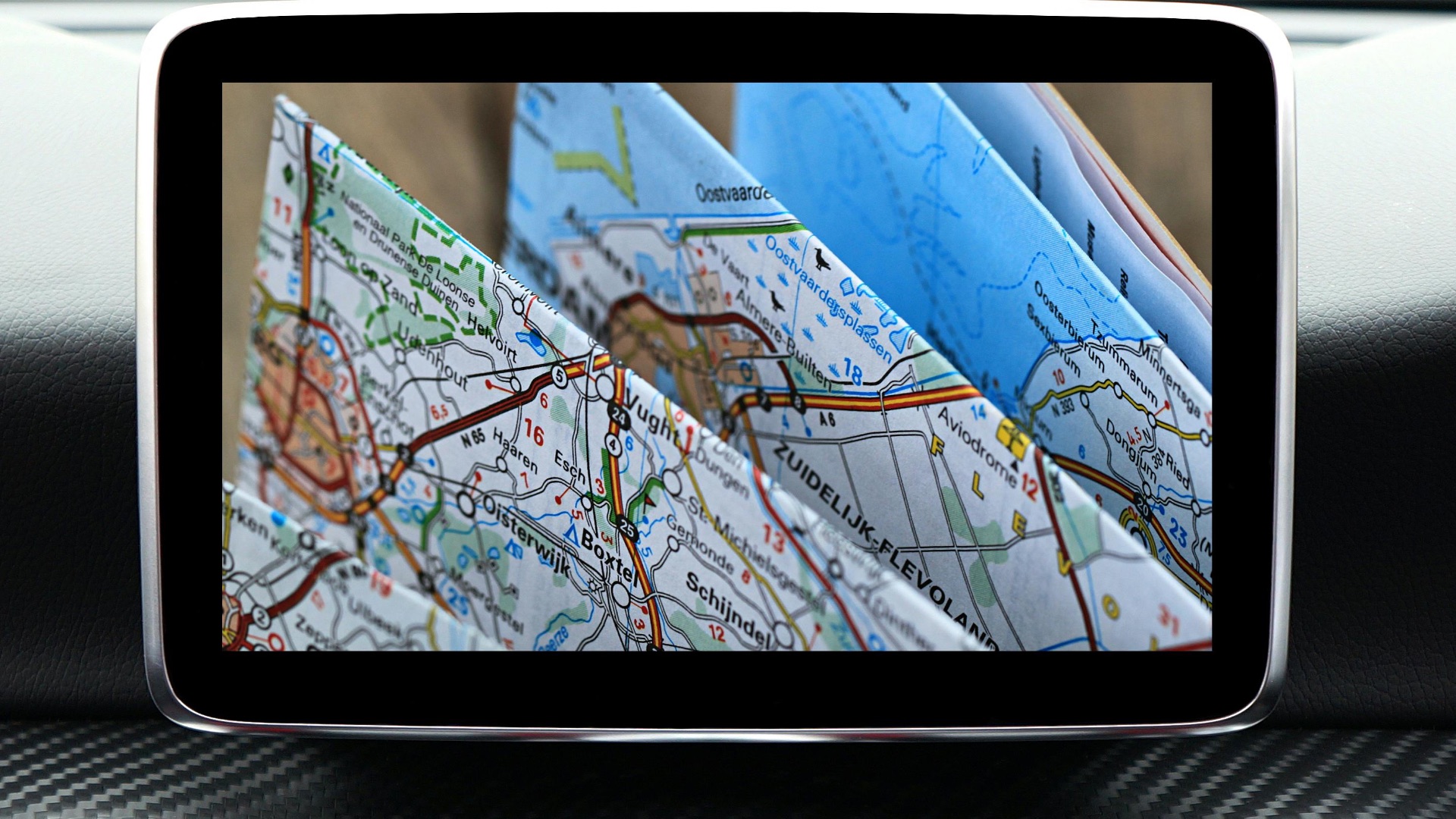
Higher-end dash cams come equipped with GPS functionality, which records your speed and exact location alongside the video footage. This data can be extremely helpful in proving that you were driving within the speed limit at the time of an incident. It also makes it easier to reconstruct exactly where and how an event unfolded if there's ever a dispute.
10. The Technology Has Become Much More Affordable
Dash cams have dropped considerably in price over the past decade, and you can now find reliable models with solid video quality for well under a hundred dollars. The barrier to entry is low enough that the investment is accessible for most drivers, and the range of features available at different price points has never been better. You don't need to spend a fortune to get a device that does the job well.
As useful as a dash cam can be, it's not a perfect solution for every driver or every situation. Before you head to the checkout, it's worth considering a few of the less glamorous realities that often get glossed over in the enthusiasm around these devices.
1. Installation and Setup Can Be Frustrating
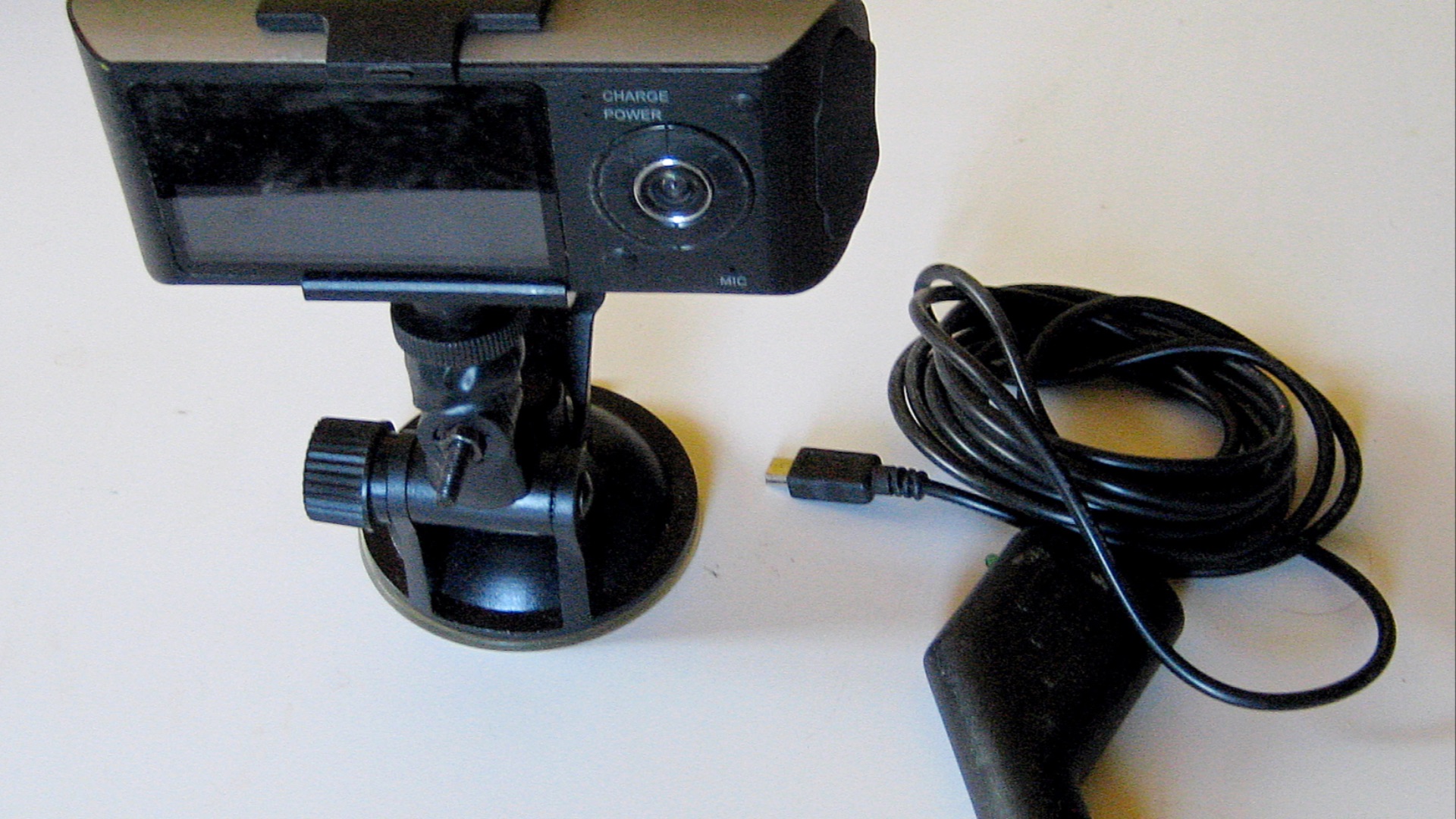
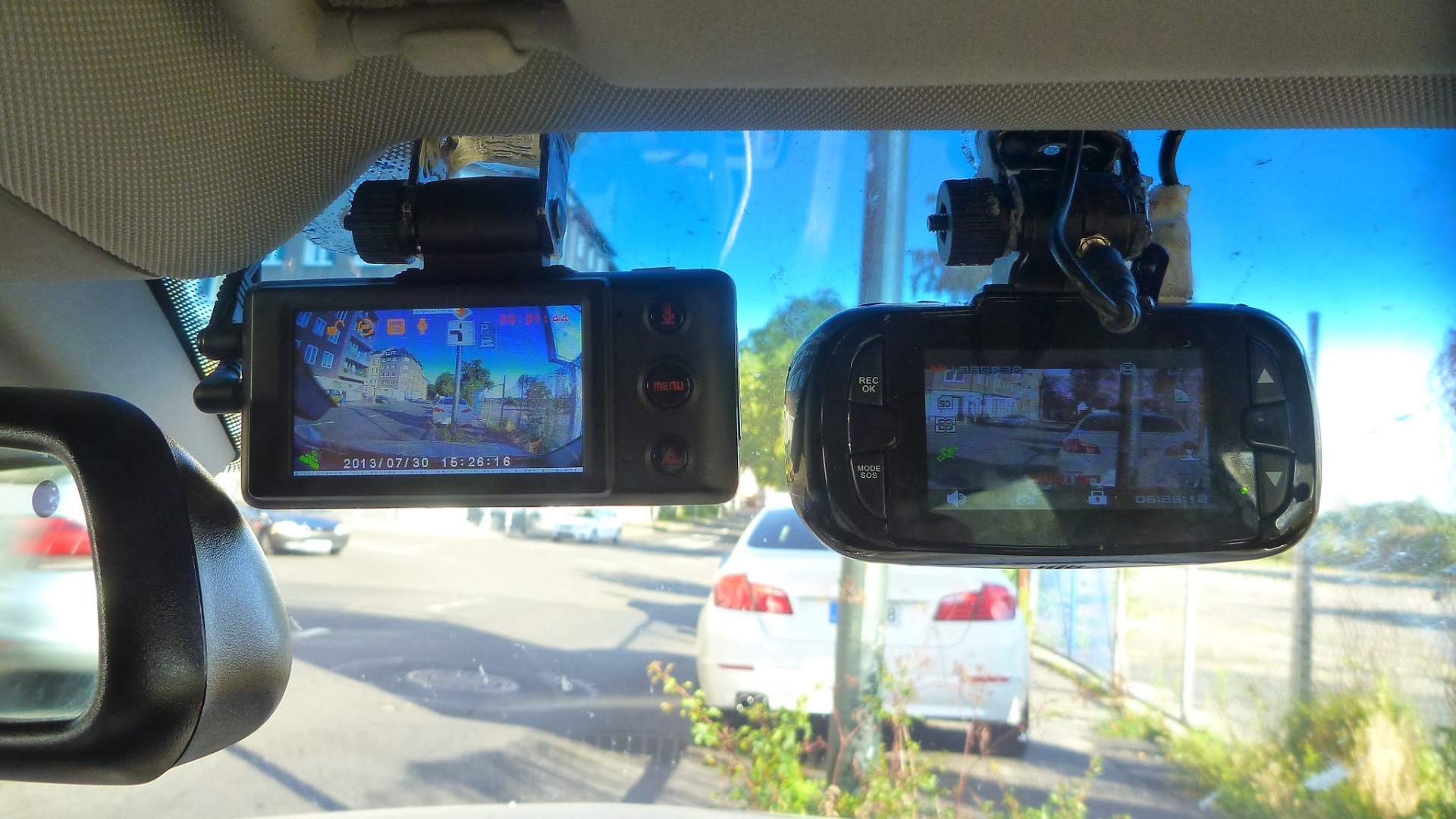
Getting a dash cam properly set up isn't always the plug-and-play experience the packaging implies, especially if you want a clean, wire-free look with the cables tucked away. Running wires through your car's interior often requires some technical know-how and the right tools, and many people end up either paying for professional installation or settling for a messier result. If you're not particularly handy, that initial setup can quickly become more of a headache than it's worth.
 Schekinov Alexey Victorovich on Wikimedia
2. The Footage Can Be Used Against You
It's easy to assume that dash cam footage will always work in your favor, but that's not necessarily the case. If you were the one speeding, running a yellow light, or making a questionable lane change at the time of an accident, that footage could actually hurt your position in an insurance claim or legal proceeding. Once the footage exists, you may be legally required to hand it over, and it won't necessarily tell the story you were hoping for.
3. Privacy Concerns Are a Real Issue
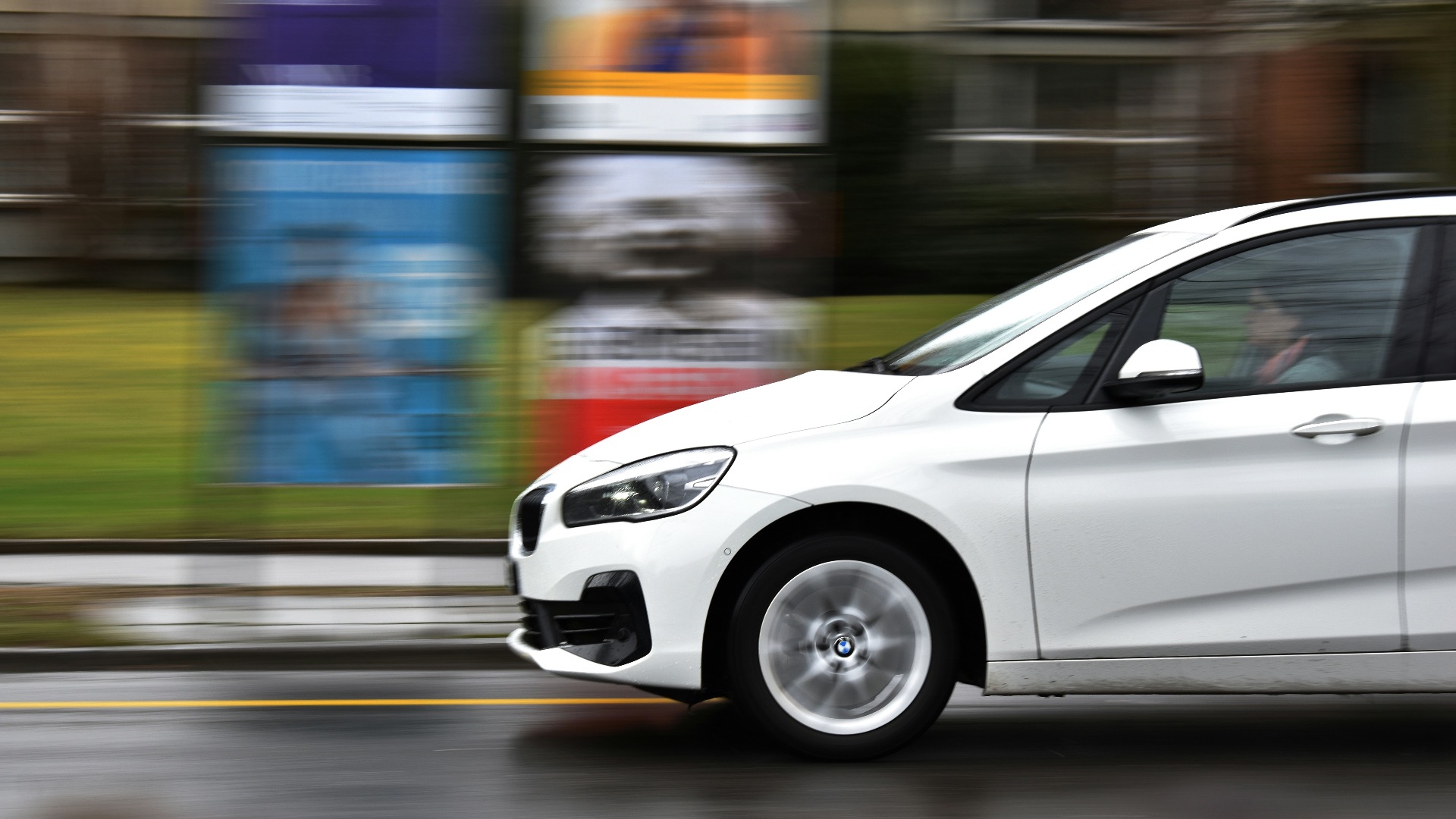
Depending on where you live, recording other people on public roads can raise legal questions, particularly if you're capturing footage in areas where privacy expectations are higher. Some countries and states have specific regulations around dash cam use, and failing to comply could land you in an unexpected legal gray area. It's worth researching the rules in your region before you start recording.
4. Memory Cards Require Regular Maintenance
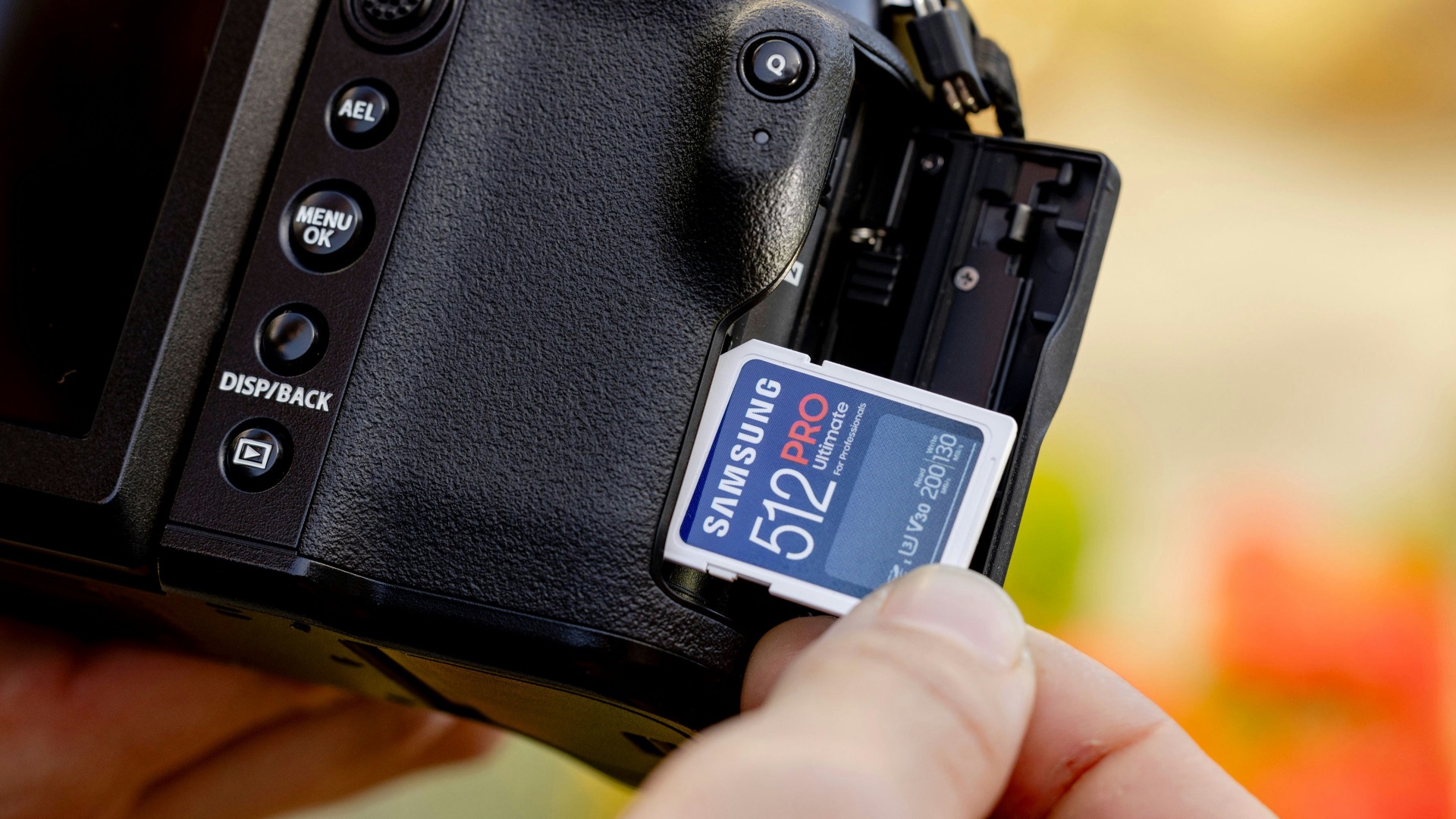
Most dash cams record footage in a loop, overwriting older files as the storage fills up, which means you need to manually save any footage you actually want to keep before it's gone. Memory cards also have a limited lifespan and can fail unexpectedly, meaning critical footage could be lost precisely when you need it most. Staying on top of card health and regular data management is an ongoing responsibility that many buyers don't anticipate.
5. They Can Be a Distraction
There's an irony in the fact that a device meant to improve road safety can itself become a source of distraction. Some drivers find themselves glancing at the screen, adjusting settings, or fiddling with the device while behind the wheel. For drivers who are already prone to distraction, adding another piece of technology to the equation isn't necessarily a net positive.
6. Video Quality Isn't Always What You'd Expect
Budget dash cams often struggle in low-light conditions, producing blurry or pixelated footage that may not be clear enough to read a license plate or identify a vehicle. Even mid-range models can fall short in challenging weather, such as heavy rain or glare from the sun, which are ironically the exact conditions in which accidents are most likely to occur.
7. They Can Overheat in Hot Climates
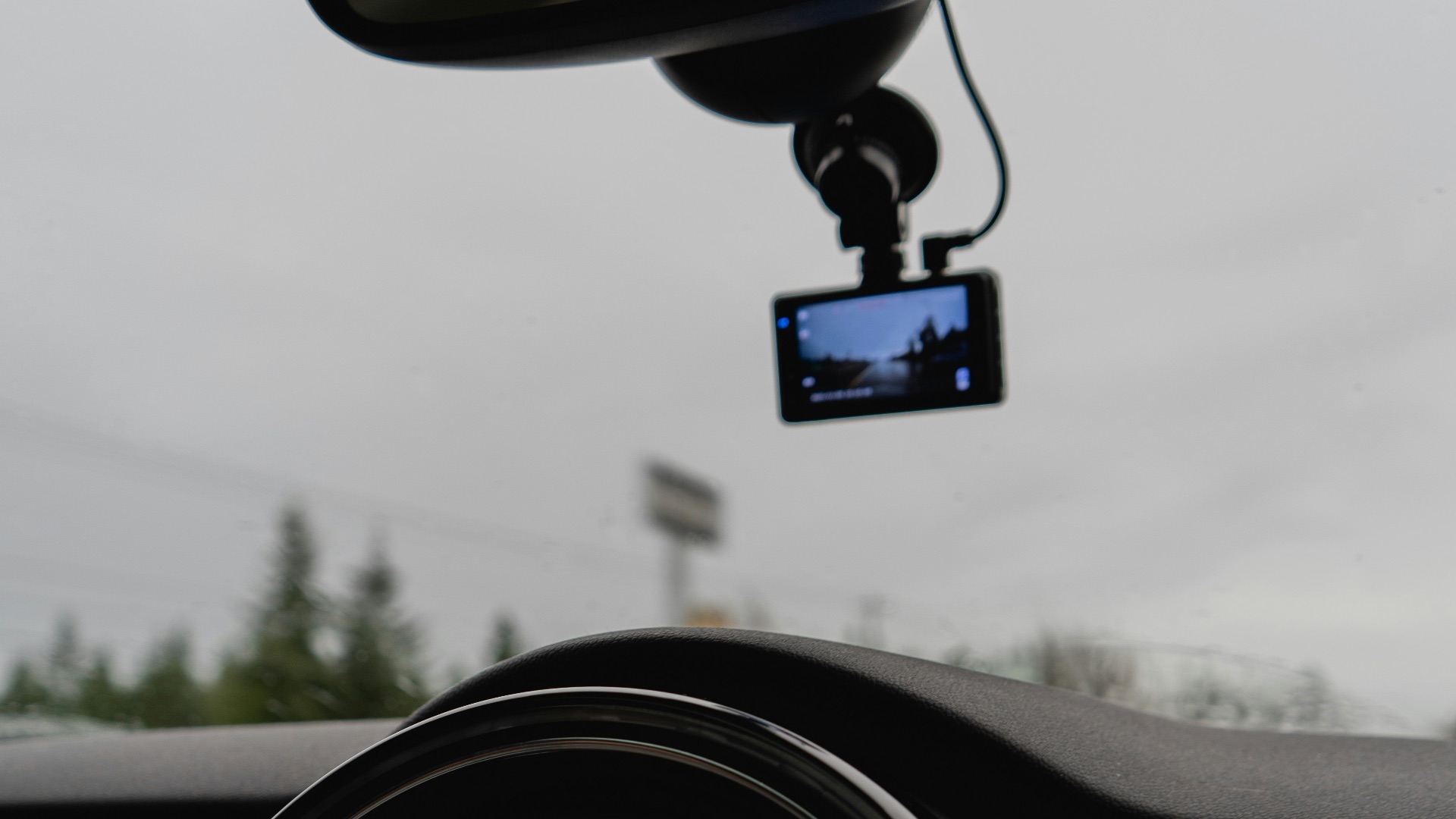
Dash cams mounted on windshields are exposed to direct sunlight for extended periods, and in warmer climates, this can cause the device to overheat and shut down. Beyond the inconvenience, repeated heat exposure can shorten the lifespan of the camera and degrade the battery over time. If you live somewhere with long, hot summers, you may find yourself replacing the unit more frequently than you'd like.
8. Theft Is a Legitimate Risk
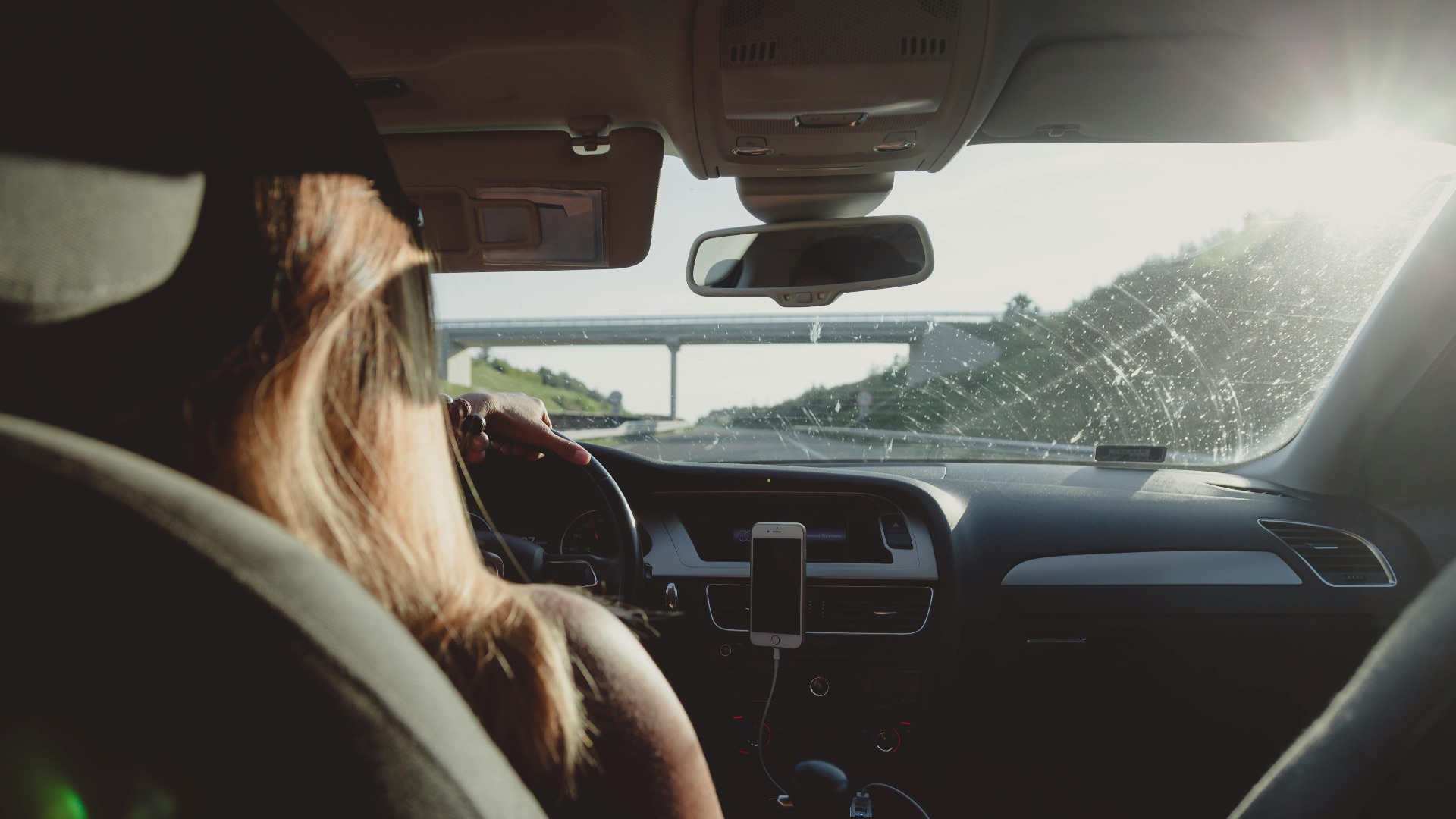
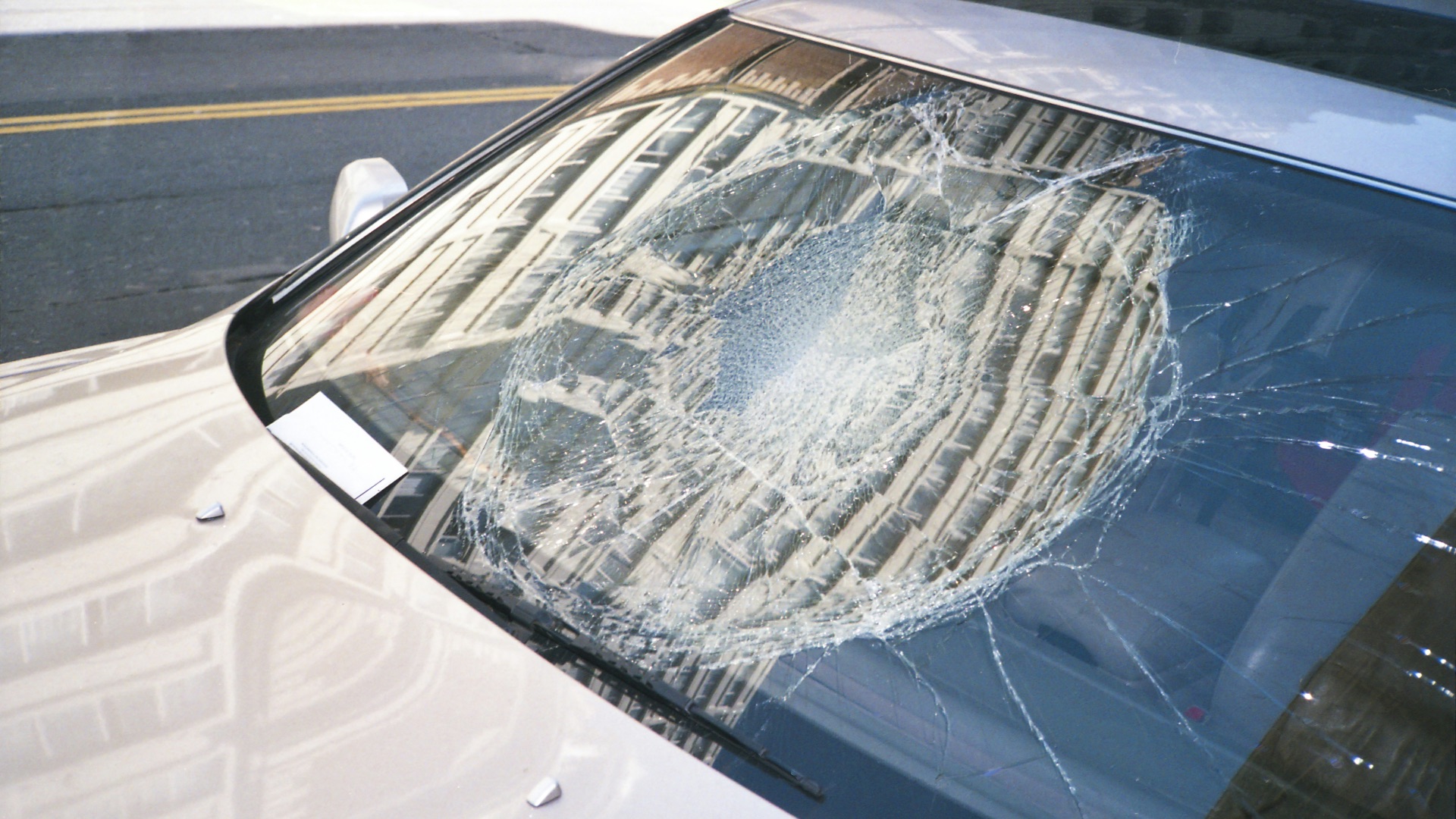
A dash cam mounted visibly on your windshield can attract the attention of thieves, particularly in urban areas where smash-and-grab incidents are more common. Even a relatively inexpensive device can be tempting enough to prompt a break-in, which would cost you far more in repairs than the camera itself was worth. The irony of having your car broken into because of your security device is not lost on anyone who's experienced it.
9. Not All Insurers Accept Dash Cam Footage
While some insurers are receptive to dash cam footage, others have policies that don't formally accommodate it as evidence, which can undermine one of the main selling points of the device. The legal admissibility of footage also varies depending on jurisdiction, and the process of submitting and having footage accepted can be more complicated than expected. Don't assume that having video automatically means your claim will be processed more smoothly.

10. The Ongoing Costs Add Up Over Time
The upfront cost of a dash cam is just the beginning; you'll also need to factor in replacement memory cards, potential professional installation, and eventually a new unit when the hardware ages out. Some models require subscription fees for cloud storage or additional features, which aren't always clearly disclosed at the point of purchase. When you add everything up, the total investment can be considerably more than the sticker price suggests.