The Wrong (and Right) Way to Secure Cargo
When you're moving cargo, it's easy to assume that getting everything loaded is the hard part and that the rest will take care of itself. In reality, a poorly secured load can shift, break, spill, or create serious safety risks for you and everyone else on the road. Good cargo securement isn't just about preventing damage to your belongings, but also about maintaining vehicle control, protecting other drivers, and making the entire move less stressful from start to finish. Here are 10 moving cargo mistakes you definitely don't want to make, and 10 smart tips to ensure you do it safely.

1. Assuming Heavy Items Will Stay Put
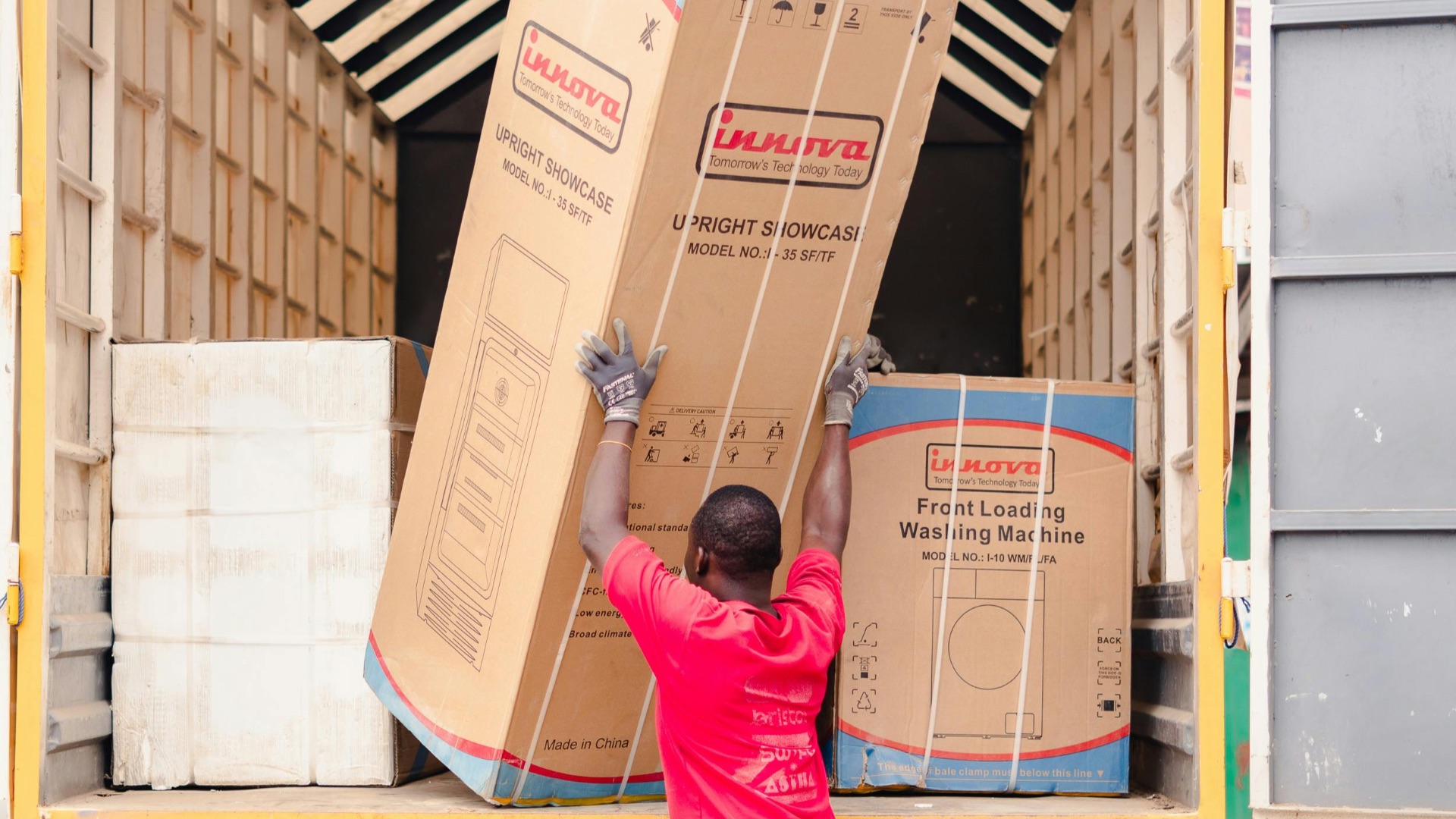
A lot of people think that if something is heavy enough, it won't move much during transport. The problem is that even very heavy cargo can slide, tip, or roll once the vehicle turns, brakes, or hits a rough stretch of road. Weight alone doesn't create stability, so large items still need to be restrained properly.
2. Using the Wrong Tie-Downs
Not all straps, ropes, and bungee cords are built for the same kind of job. If you're using weak or worn tie-downs, they may not hold tension well enough to keep cargo in place once the trip is underway and may even snap under too much pressure. If you want everything to be secure, you should use equipment that matches the size, weight, and shape of what you're transporting.

3. Leaving Empty Space Between Items
When you leave gaps between boxes, furniture, or equipment, those open areas give everything room to shift. And once movement starts, items can domino into one another, fall over, or place extra pressure on whatever is holding them back.

4. Ignoring Weight Distribution
It's common to load quickly and focus more on fitting everything in than on where the weight is going. When too much weight ends up on one side or too high in the load, the vehicle can become harder to handle and the cargo itself becomes more likely to shift. Poor balance affects both safety and driving performance in ways that aren't always obvious at first, so you always want to keep that in mind.

5. Trusting Bungee Cords for Major Securement
Bungee cords can be useful for holding lightweight covers or keeping small items together, but they shouldn't be doing the work of heavy-duty restraints. They stretch too easily, lose tension, and don't provide the kind of reliable hold that larger cargo needs. If you're relying on them for serious securement, you're taking a risk that doesn't need to be there.

6. Failing to Protect Fragile or Irregularly Shaped Items
Some loads aren't easy to secure because they don't sit flat or stack neatly. Fragile pieces, appliances, tools, and oddly shaped items need more than a quick strap across the top if you want them to stay protected. Without padding, support, and careful placement, these items can shift or crack even when the rest of the load seems stable.

7. Not Accounting for Sudden Braking
A load may look perfectly secure when the vehicle is parked, but sudden braking can create a lot of forward force that can throw cargo out of place. That means an item that seemed stable in the driveway may lurch the moment traffic stops unexpectedly. Too many people judge security by appearance alone instead of thinking about what happens in motion, and you don't want that to be you.

8. Skipping a Final Check Before Leaving
Once everything is packed, most people just want to get on the road. But that rush can lead to missed straps, unsecured doors, loose boxes, or tie-downs that were never tightened all the way. A five-minute walkaround often catches the kind of mistake that turns into a major headache later.

9. Ignoring Changes During the Trip
Cargo securement isn't something you set once and forget. Straps can loosen, stacks can settle, and shifting weight can change how the load sits after a few miles. If you never stop to inspect it, small issues can spiral into bigger ones before you notice anything is wrong.

10. Overloading the Vehicle or Trailer
Even if the cargo looks like it's packed neatly, too much weight can shift the entire setup and make it unsafe. An overloaded truck, van, or trailer puts extra stress on tires, brakes, suspension, and tie-down points, which raises the chance of equipment failure or loss of control. Even if you want to get it all done in one go, you never want to bite off more than you can chew.
Now that we've pointed out the mistakes you don't want to make, let's jump into how you can better secure your cargo so that everything arrives safe and sound.

1. Start with a Stable Loading Plan
Before you begin lifting anything into the vehicle, take a minute to think through where each category of cargo should go. Place heavier items low, keep the load balanced from side to side, and avoid building unstable stacks that can tip during turns. A smarter loading plan makes the rest of the securement process easier because you won't be scrambling to fix bad placement later.

2. Use Quality Straps Rated for the Job
Choose ratchet straps, tie-downs, or other restraints that are designed for the amount of weight you're carrying. It's also worth checking for frayed edges, damaged hooks, or worn hardware before every move, since weak gear can fail under stress. When your equipment is in good shape and properly rated, you're giving the load a much better chance of staying exactly where it belongs.
3. Pack Tightly to Limit Movement
Try to reduce open space as much as possible so your cargo can't build momentum inside your truck or trailer. Boxes, bins, and larger items should be arranged in a way that supports the load from multiple sides instead of leaving room for shifting. When things are packed snugly, the restraints don't have to work as hard to compensate for movement.

4. Keep the Weight Low and Even
A lower center of gravity makes the vehicle more stable and helps the cargo stay controlled in motion. So spread the weight evenly across the load area and avoid placing the heaviest items on top of lighter ones that could collapse or slide. This approach will help protect your belongings as well as make steering, braking, and cornering feel more predictable.

5. Secure Large Items at Multiple Points
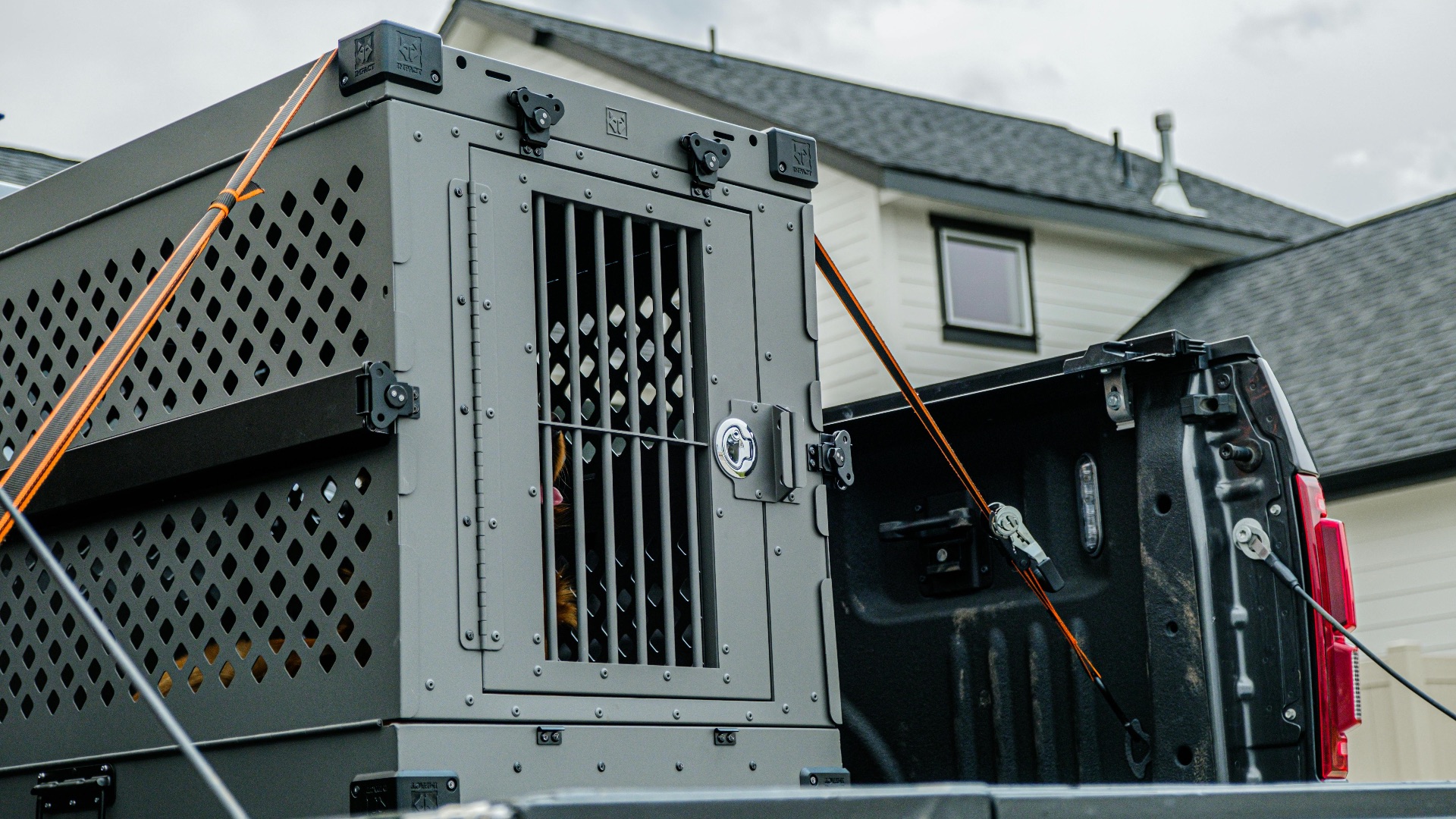
One strap is rarely enough for heavy furniture, appliances, or bulky equipment. Using multiple anchor points helps prevent forward movement, side shifting, and tipping, especially when the road or traffic conditions change suddenly. The goal is to keep each major item restrained from more than one direction, so it can't start moving with a single jolt.

6. Add Padding and Blocking Where Needed
Blankets, edge protectors, foam, and blocking materials can make a big difference when you're transporting fragile or awkward cargo. These additions help reduce direct impact, prevent abrasion from straps, and keep oddly shaped items from rocking in place. Sometimes the safest load isn't the one with the most straps, but the one that combines restraint with proper support.

7. Think Through Stops, Turns, and Speed Changes
Safe securement means preparing for what the cargo will experience once the vehicle is moving, not just what it looks like when parked. Remember: every turn, lane change, stoplight, and dip in the road puts pressure on the load in different directions. If you secure cargo with real driving conditions in mind, you're much less likely to be surprised later.

8. Do a Full Walkaround Before You Leave
Make sure to check the doors, ramps, latches, straps, and anchor points before starting the trip, and double-check that nothing is leaning unstably and loose items haven't been left unsecured near the opening. This final walkaround review helps you catch preventable problems before it's too late.
9. Recheck the Load Early and Often
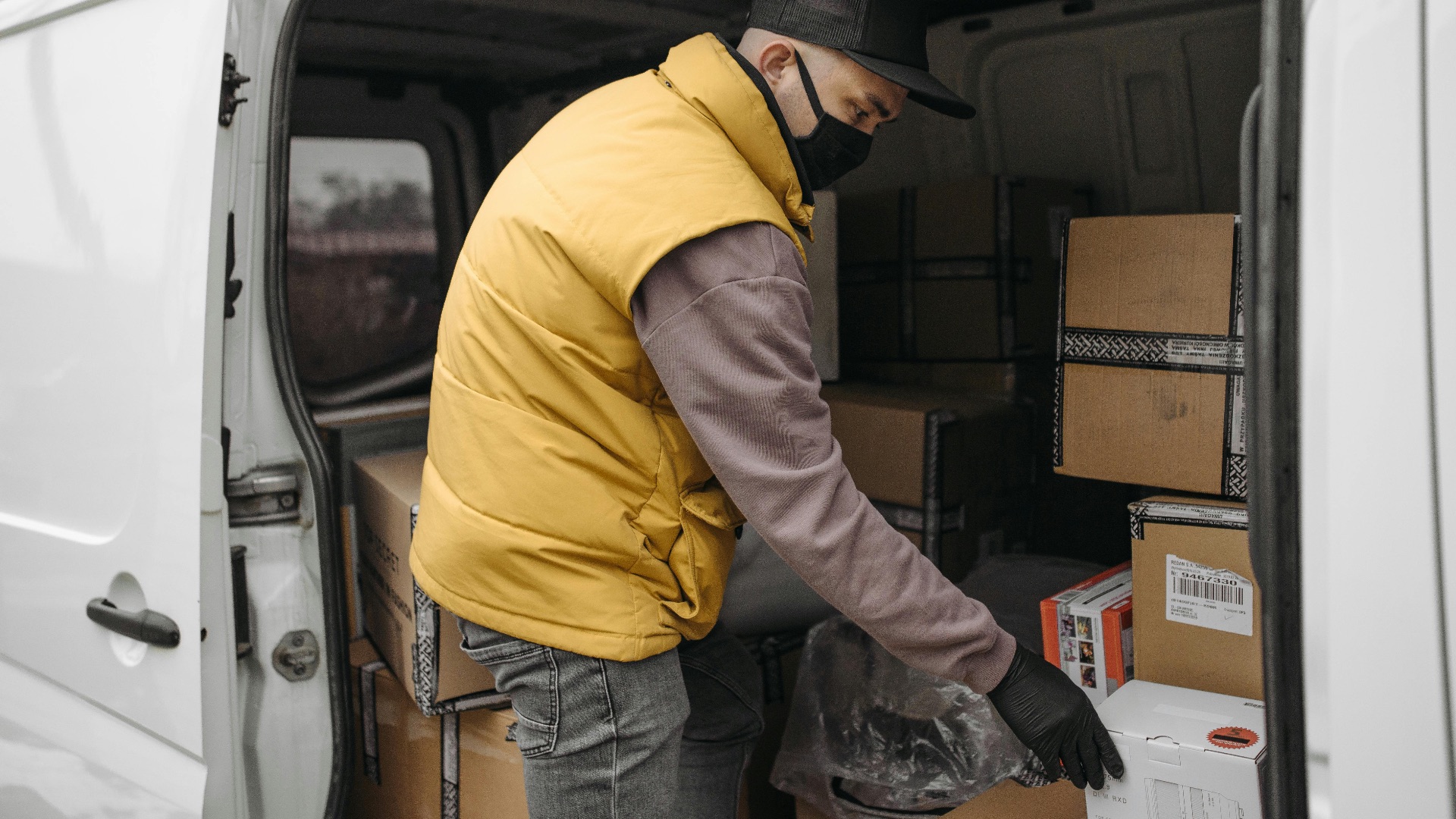
After the first few miles, pull over somewhere safe and inspect the cargo again. Loads often settle once the trip begins, and a strap that seemed tight at the start may need adjustment shortly afterward, or vice versa. Continual checks during longer trips help you stay ahead of problems instead of discovering them after damage has already been done.
10. Always Stay Within Weight Limits
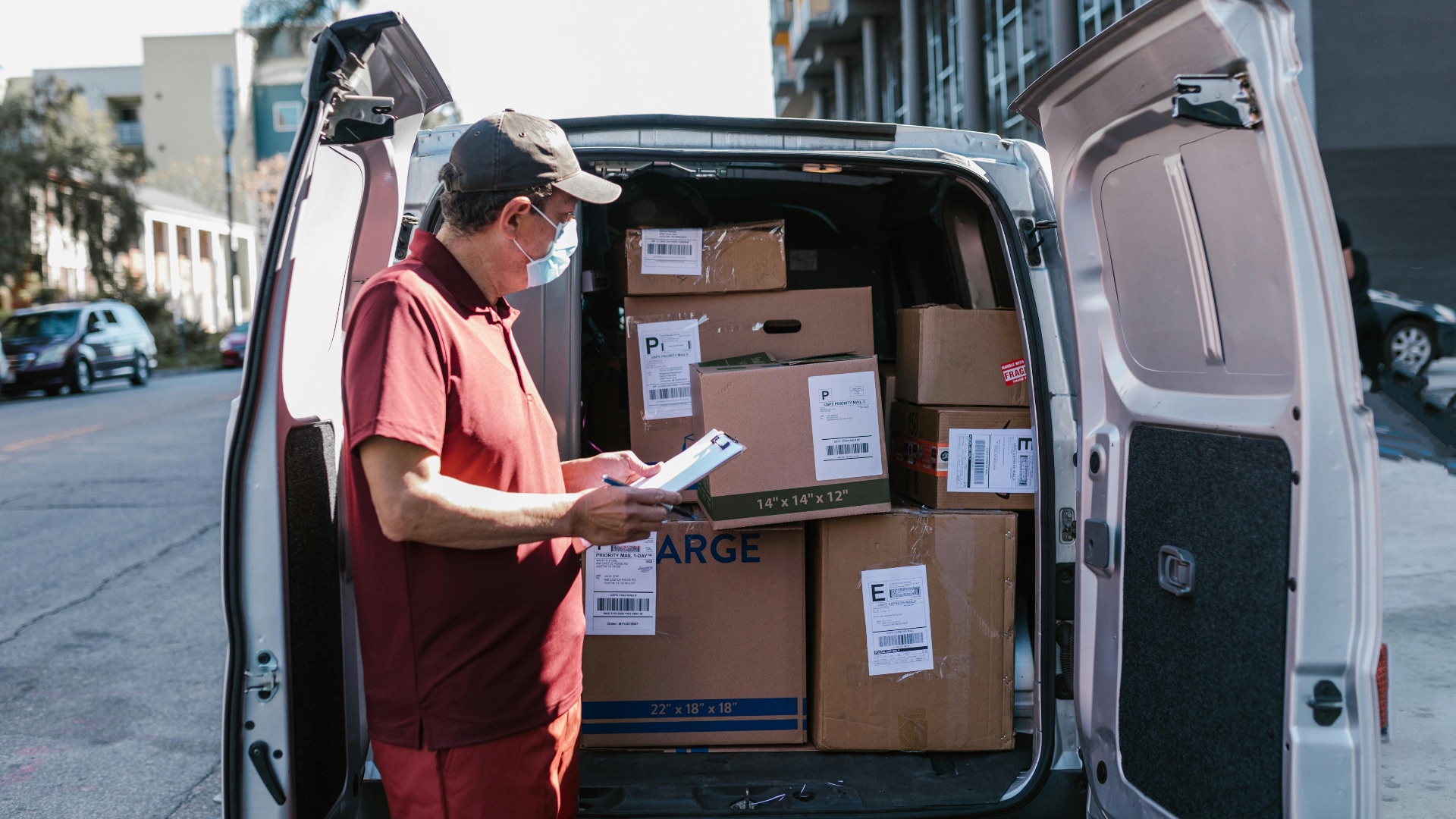
Rather than guessing and hoping for the best, look up the vehicle's payload capacity and the trailer's rating before loading. Those limits exist for a reason, and exceeding them can undermine both the securement system and the vehicle's ability to handle the road safely. When you respect the numbers, every other safety step becomes more effective.