Master the Art of the Used Car Inspection
Getting behind the wheel of a pre-owned vehicle is about more than just seeing if you like the color of the dashboard or how the seats feel. You're essentially playing detective to figure out if the previous owner took care of the machine or if they’re trying to pass off their headaches. It’s easy to get swept up in the excitement of a new purchase, but staying focused on the mechanical details can save thousands of dollars down the road.
1. Arrive Before the Engine Warms Up
Ask the seller not to start the car until you arrive so you can assess how it starts from a complete stop. Sometimes belts will squeal, or the engine will make other noises when it’s cold. If they won’t turn the car off while you’re under the hood, beware!

2. Turn Off the Radio Immediately
You want to be able to hear everything and nothing when you first get in the car. Every squeak or clang could be symptomatic of a failing control arm or some loose interior trim. You can listen to Billy Joel once you know for sure that your new ride isn’t serenading you with expensive car noises.
3. Sniff the Interior for Hidden Issues
If the interior smells strongly of fragrances or air fresheners, it could mean mildew or that a heavy smoker was the previous owner. Sweet smells could indicate coolant leakage, while musty odors may mean the car sat in floodwaters at some point. Your sense of smell can help detect trouble that won’t be covered by a thorough detailing.
4. Test Every Single Button
Yeah, it’ll be annoying, but you need to make sure all the windows go up and down and all the seats adjust. Electrical systems can be finicky and very expensive to replace when they malfunction. You’ll be glad you checked that the heated seats actually work when the weather turns cold.
5. Drive Over Some Speed Bumps
If you can drive the car through a bumpy parking lot, you can test out the struts and shocks. Listen for any tinny sounds when you go over bumps. A car should settle quickly after hitting a bump, not bounce around like a boat in the ocean.
6. Check the Oil Yourself
Pulling the dipstick after your drive can reveal a lot about how well the engine is being lubricated and maintained. You’re looking for clean, amber-colored fluid rather than something that looks like thick chocolate milk or has a burnt smell. If the oil looks exceptionally dark or gritty, it’s a sign that the previous owner probably skipped a few too many trips to the mechanic.
7. Bring a Friend Along for the Ride
Another set of eyes and ears can help pinpoint issues that may have been missed or forgotten. Plus, they can stand outside while you’re in the car and watch for smoke emanating from the tailpipe when you first accelerate. Sometimes it’s good to have someone else there to talk some sense into you.
8. Feel for Steering Vibrations
When cruising at highway speeds, does the steering wheel vibrate? This could be an indicator of unbalanced tires or worse: a misaligned front end. You want your vehicle to drive straight and true with little input from the steering wheel.
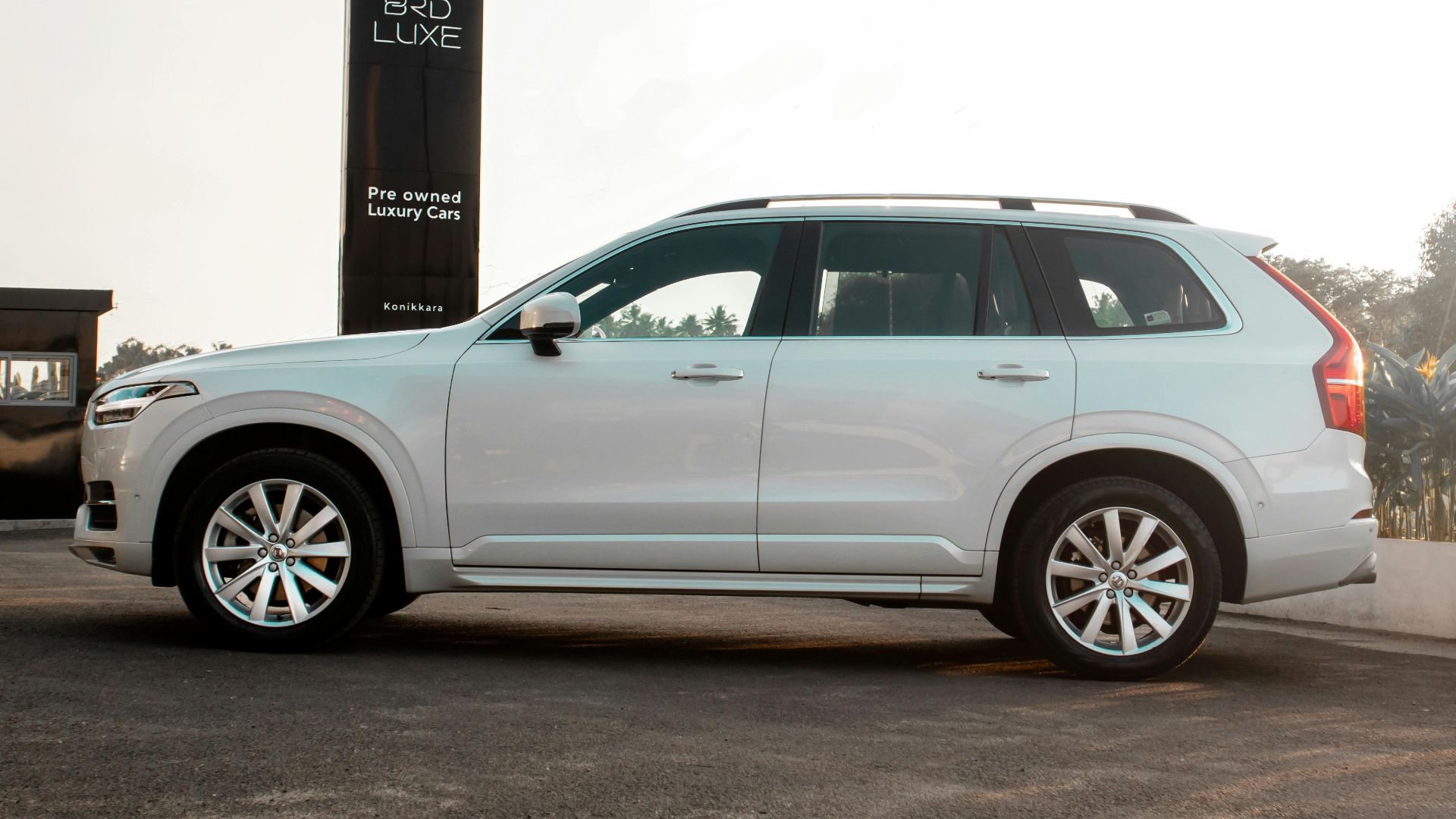
9. Slam on the Brakes Safely
Find an open road where you can safely come to a hard stop. You’ll know instantly if there’s anything wrong with the brakes. If the brake pedal pulsates or pulls to one side when you step on it, you are in for a brake job sooner than expected.
 AMBADY KOLAZHIKKARAN on Pexels
10. Scan the Tires for Uneven Wear
Do all four tires wear evenly across the tread? Cupping or bald spots can mean worn suspension components or worse: previous accident damage that bent the frame. Nobody wants to buy a car and then have to buy a new set of tires a month later.

11. Check the VIN in Multiple Spots
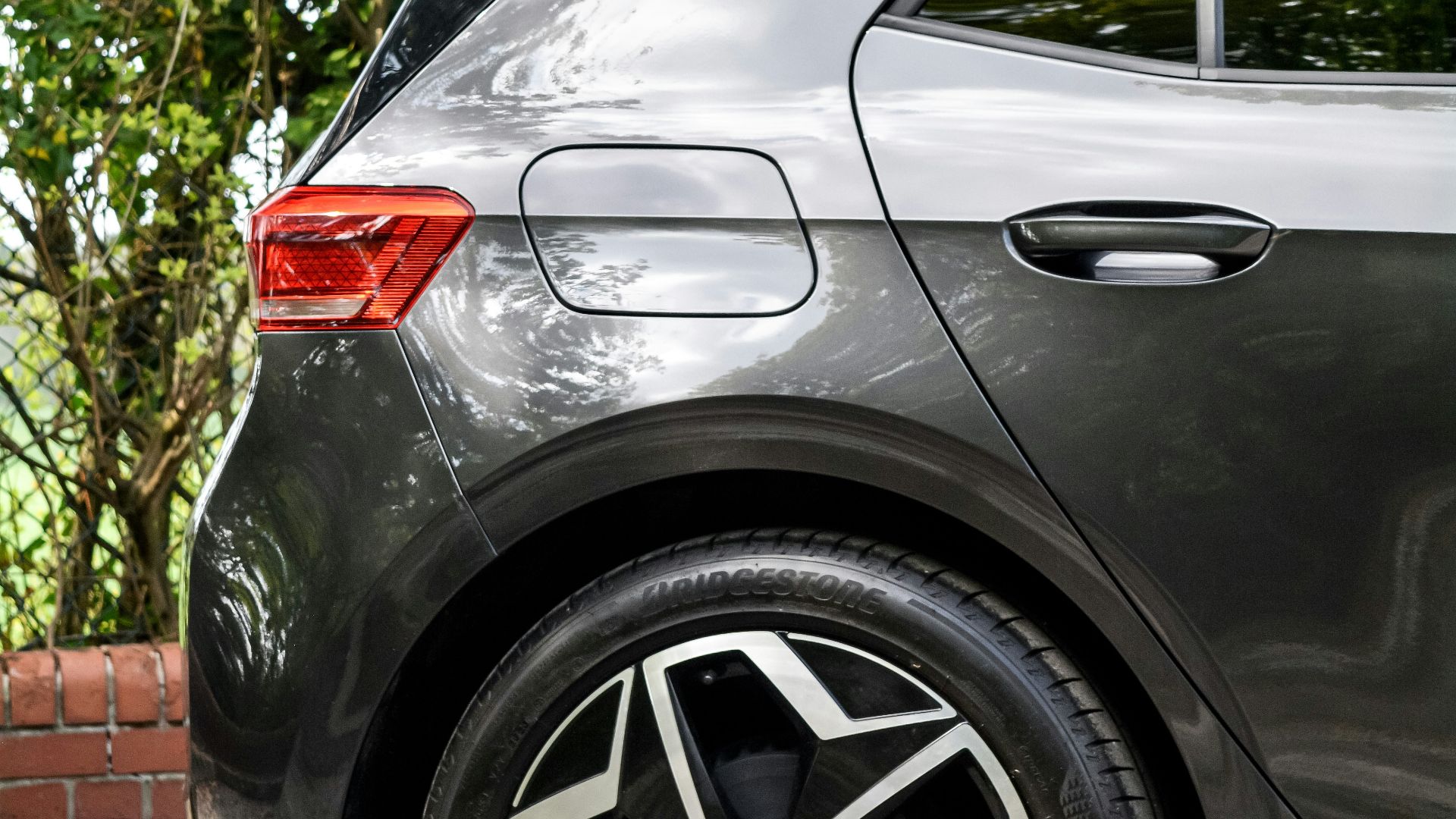
Make sure the VIN numbers match on the dashboard, driver’s door jamb, and engine bay. Consistent VIN numbers will give you confidence that the car is not a “Frankenstein” built from multiple salvage vehicles. This one’s easy and should only take seconds.
 Swansway Motor Group on Unsplash
12. Verify the Heater and A/C Performance
Even on a hot day, turn the heat on to make sure it’s functioning properly and to check for leaks in the heater core. Turning on the A/C should produce cold air within a couple of minutes. Heating and cooling systems are costly to repair or replace.
 Pop Emanuel Alexandru on Unsplash
13. Look Under the Floor Mats
You’d be surprised what can be found hiding underneath the carpeting. Rust and water stains can indicate previous windshield leaks or faulty body seals. Water should not accumulate underneath the floor mats unless something has been spilled.
14. Observe the Exhaust Color
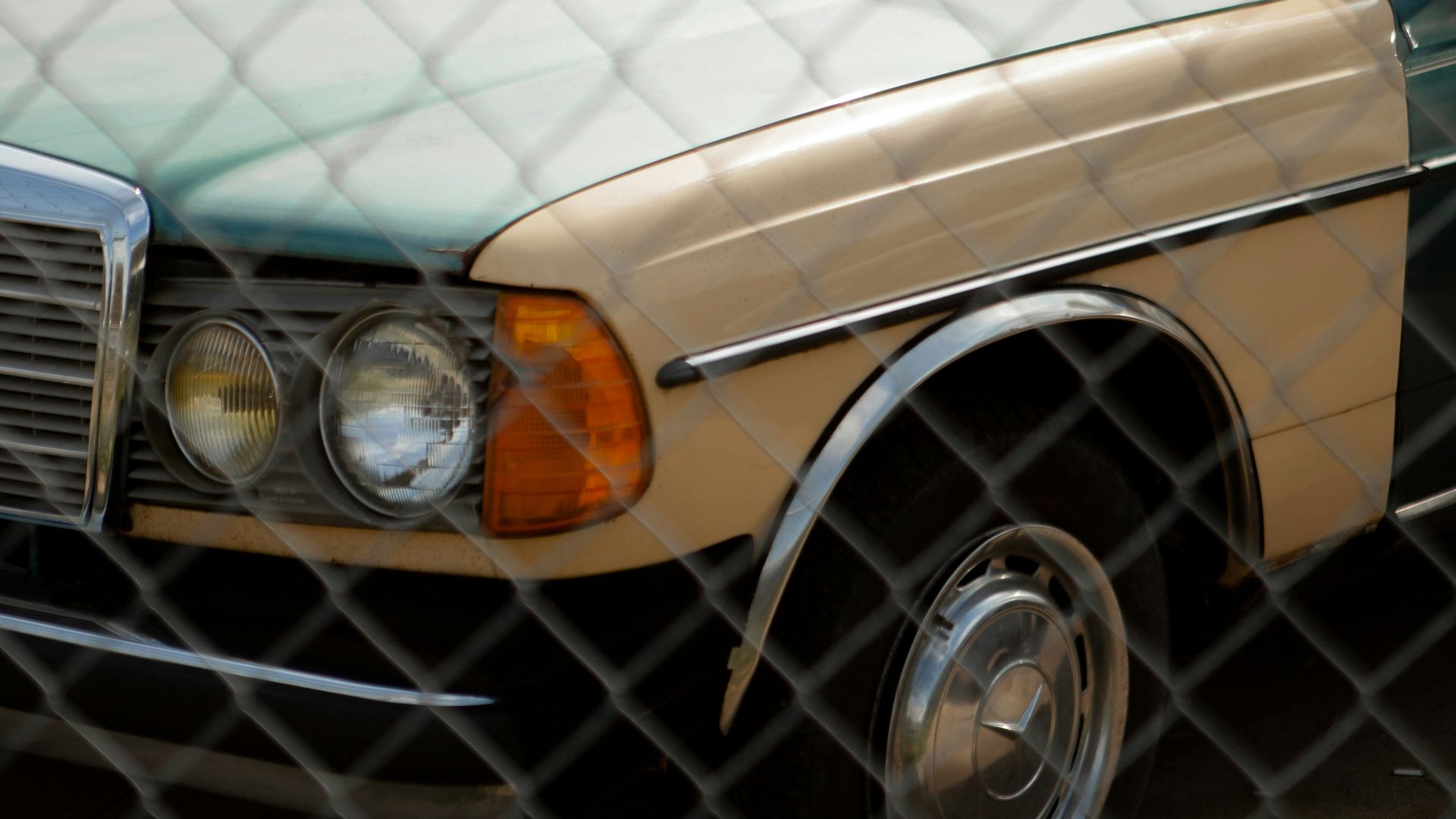
Park the car and pop open the hood while it’s idling to check for obvious engine misfires. White exhaust is normal on cold mornings, but blue smoke means it’s burning oil, and black smoke is usually a sign of fuel problems. You want nearly invisible exhaust after the car warms up.

15. Cycle Through All the Gears
Manual or automatic, shifting through all the gears is essential to ensuring the transmission is in working order. There should be no delay when you put the shifter into reverse or drive from a stop. Listen for any whining or slipping when you accelerate.

16. Inspect the Spare Tire Well
Open your trunk and take a peek underneath. Was the car involved in a rear-end collision? Is there evidence of water or crushed metal hidden underneath? This is also a great time to confirm that all the factory tools are present, along with the jack.
17. Ask for the Maintenance Records
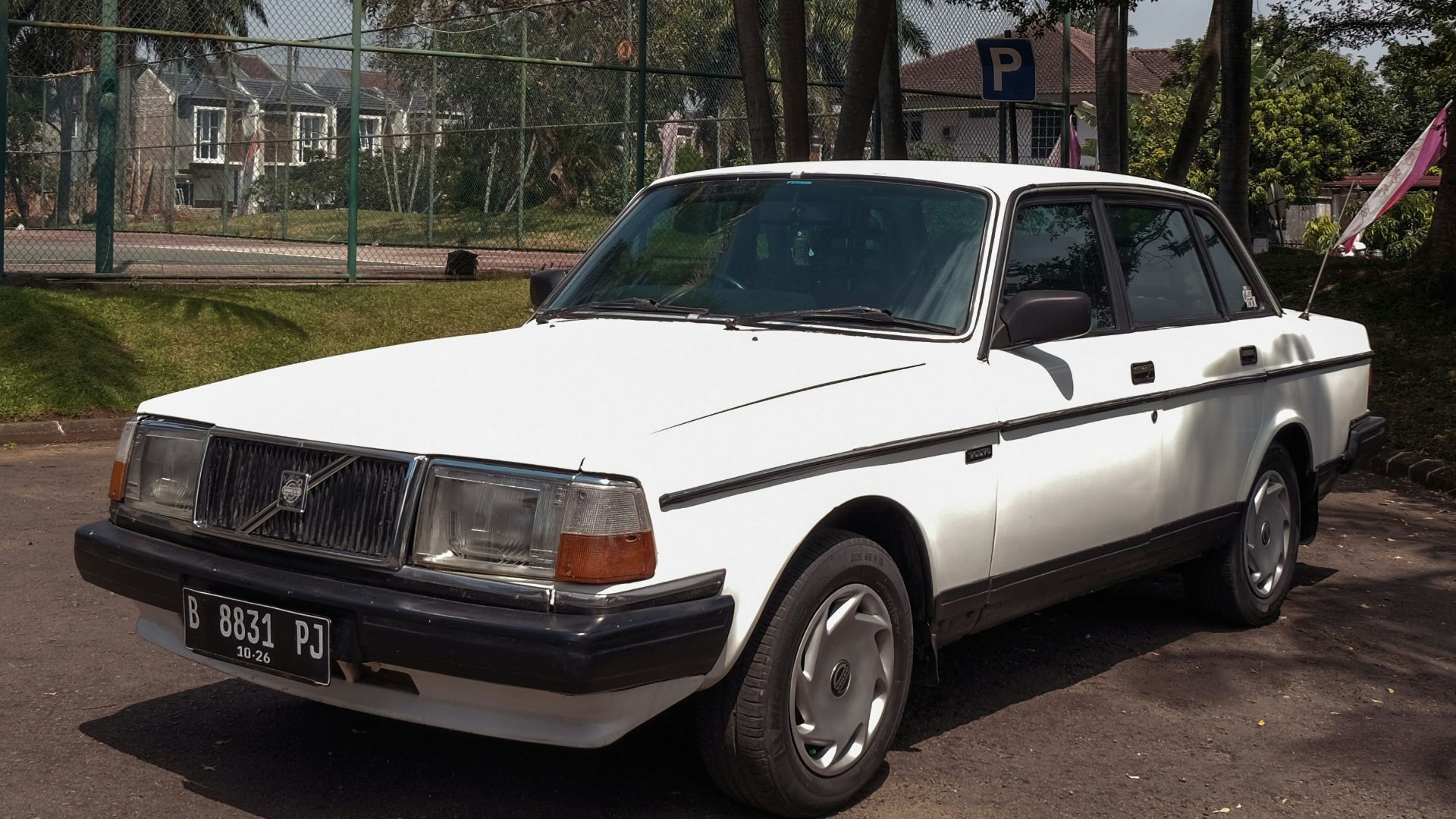
Receipts aren’t fun, but they will be the most valuable addition to any used car purchase. Fresh oil changes and old belt replacement dates can tell you a lot about the life of the car. It’s a major issue if the same transmission problem has occurred multiple times without documentation.
18. Park Over a Clean Patch of Pavement
After your test drive, let the car sit for a few minutes and then pull forward to see if any fluids have dripped onto the ground. Red, green, or amber puddles are clear signs of leaks that will eventually lead to a breakdown if they aren't addressed. A healthy car should leave the asphalt just as dry as it found it.

19. Open and Close Every Door
Do the doors close flush with the body of the car? Are any of the doors difficult to open or close? Body damage or old age can wreak havoc on door alignment. Doors should easily latch with little effort and make a satisfying “click” when they shut.
 Swansway Motor Group on Unsplash
20. Trust Your Gut Feeling
If you’re getting bad vibes about the car or the owner, walk away. Literally walk away and look at another car. Don’t settle if your instinct is telling you something is wrong. Trust yourself, and good used cars will find you!