Tedious Commutes
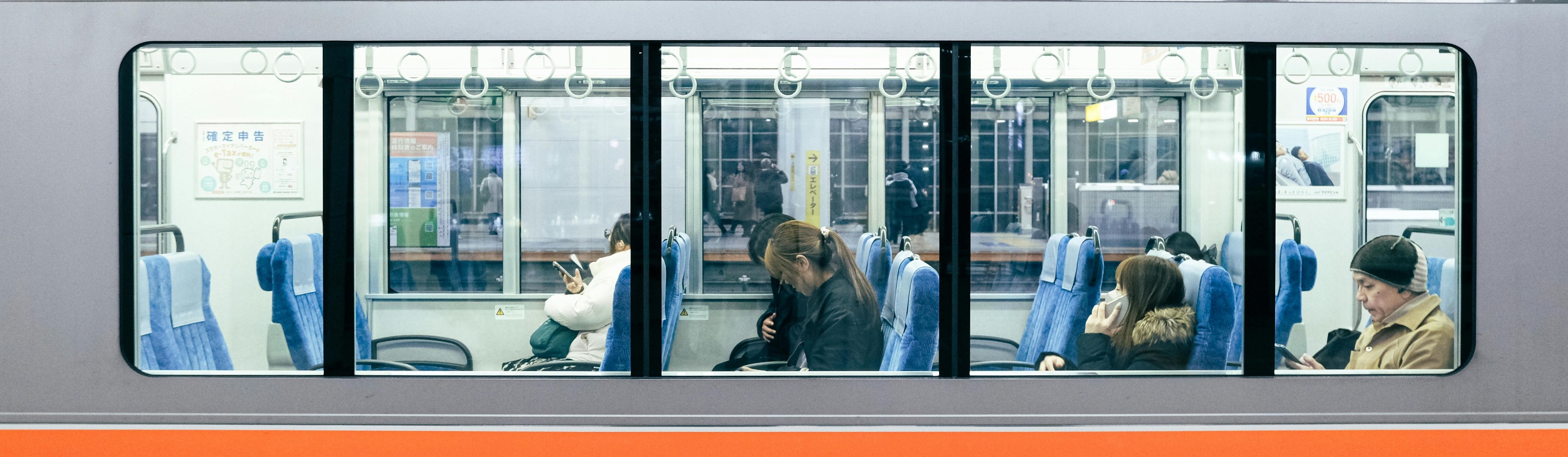
Did you know that tacking on an extra 20-30 minutes of commute time is linked to lower life satisfaction and happiness levels? That probably comes as no surprise; no one likes a lengthy commute. For many, it's just an unavoidable part of life, the tedious route it takes to get to work—but that doesn't mean it has to feel like wasted time. Whether you're stuck in traffic or packed into a train, there are plenty of ways to make those hours work in your favor so it's not sucking the life out of you. With the right habits and a little planning, your commute might actually become one of the more productive or enjoyable stretches of your day.

1. Start a Podcast Habit
If you haven't explored the world of podcasts yet, your commute is the perfect place to start. There are shows covering virtually every interest imaginable, from true crime and comedy to finance, history, and self-improvement. Dedicating your commute time to a series you love gives you something to look forward to each morning instead of dreading the drive or ride ahead.
2. Use the Time to Learn a New Language
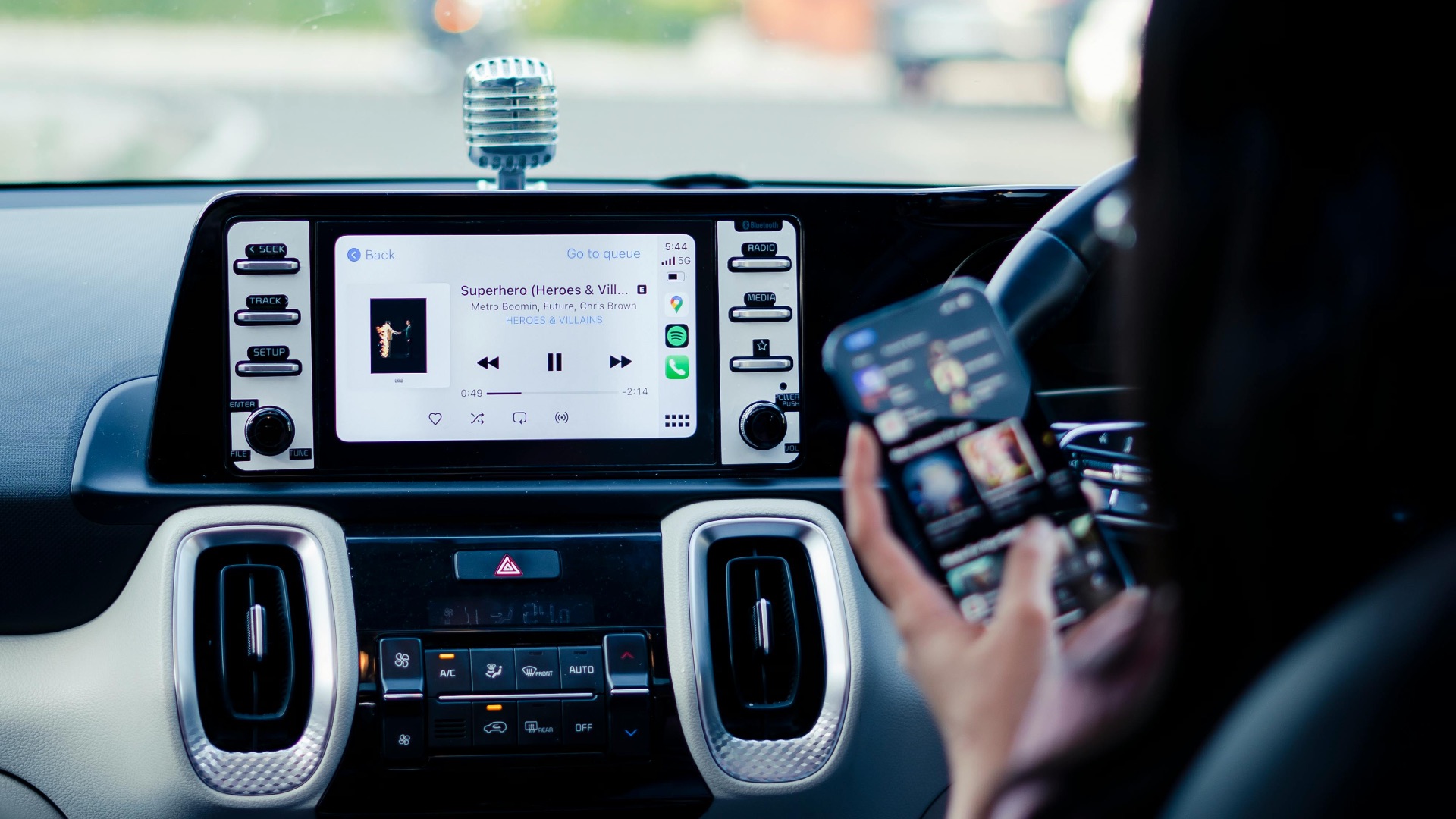
Language-learning apps like Duolingo are designed with on-the-go use in mind, making them ideal for commuters who take transit. Even 30 minutes of daily practice can lead to meaningful progress over weeks and months. It's a practical way to build a valuable skill without having to carve out extra time in your already busy schedule.
3. Create a Commute-Only Playlist
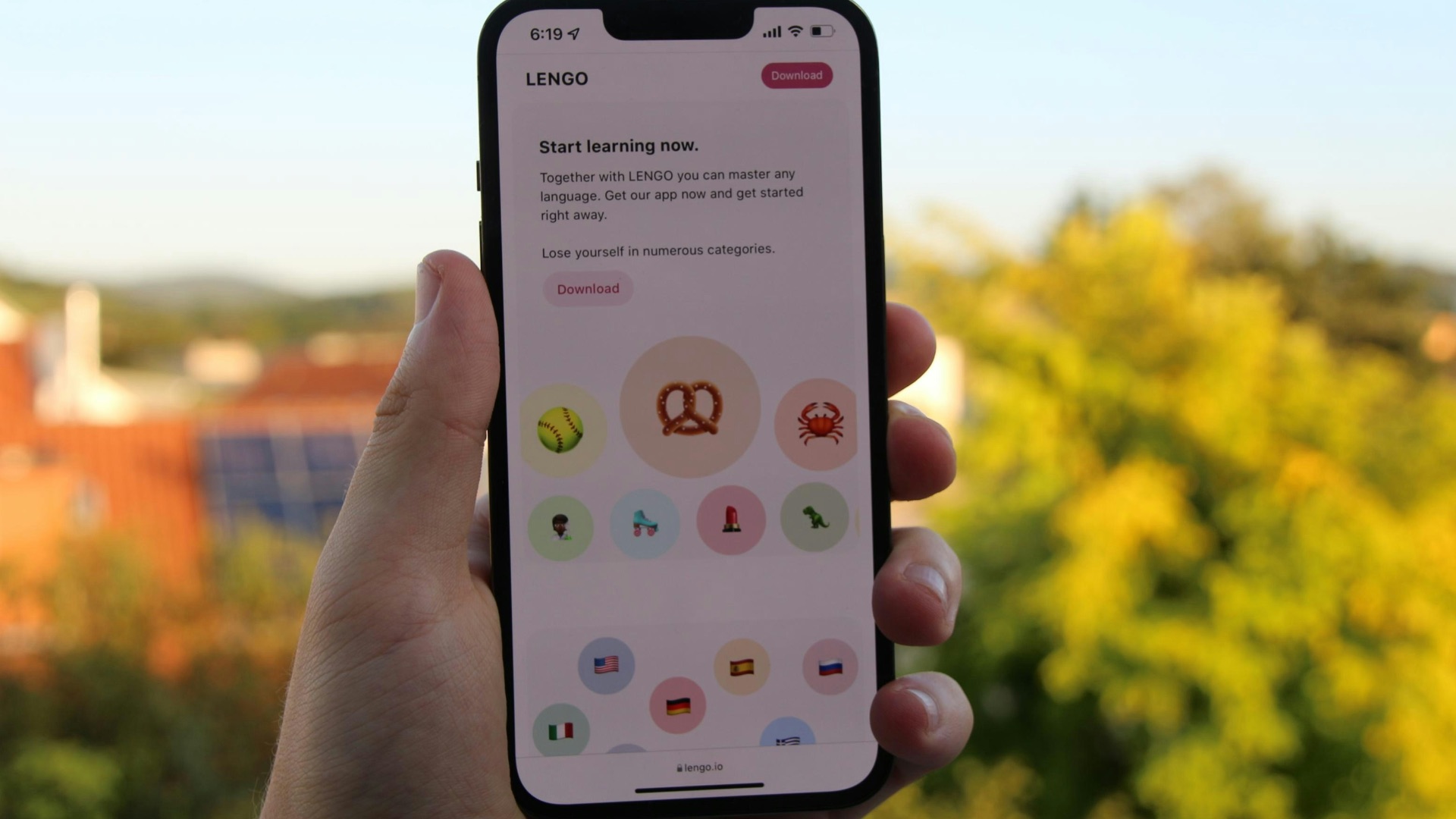
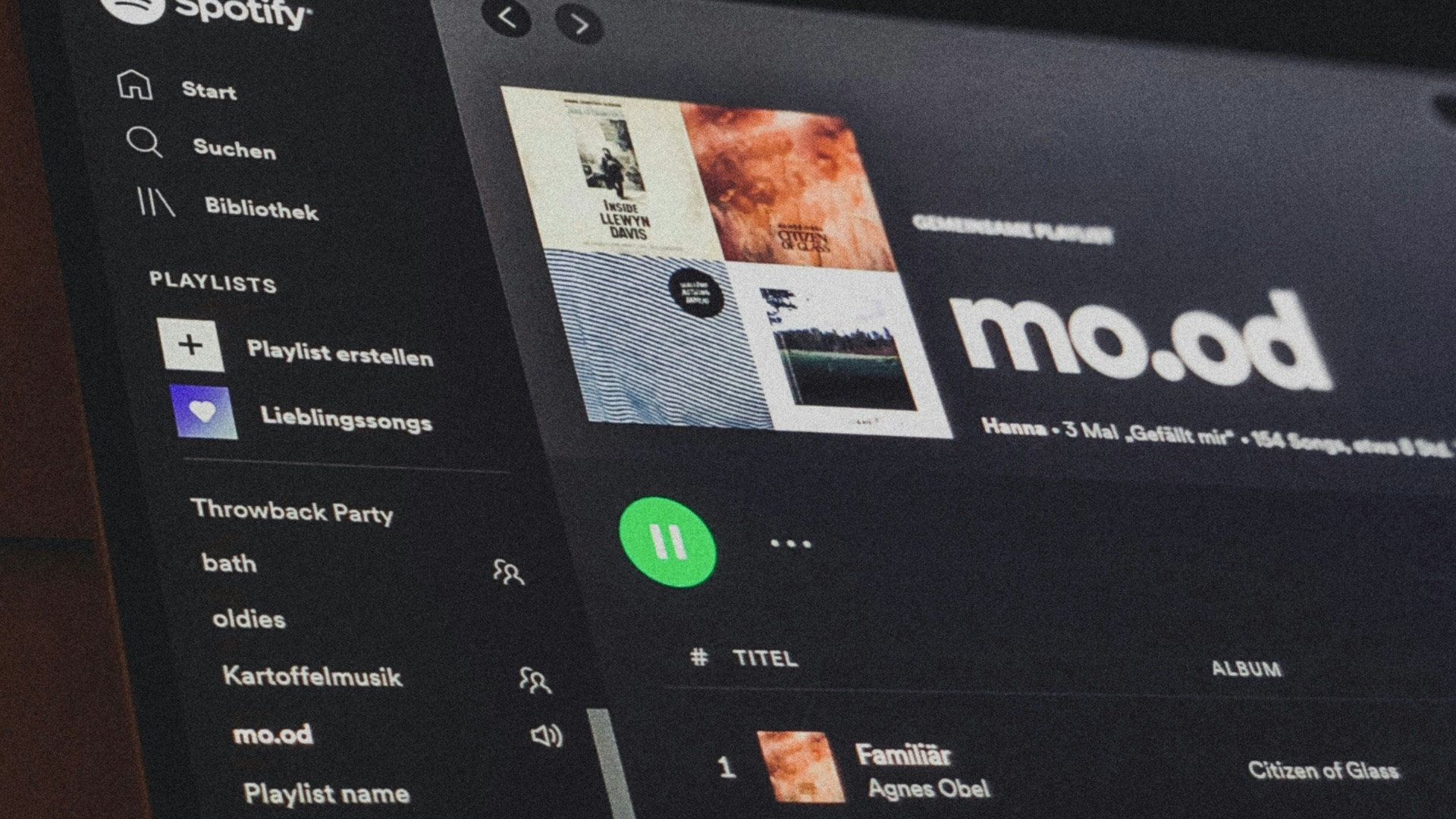
Put together a playlist you only listen to during your commute so it stays fresh and something you actually look forward to. Music has a strong effect on mood, so curating upbeat or energizing tracks can set a positive tone before you even arrive at the office. Keeping it exclusive to commute time also means you won't burn through it too quickly.
 Hanna Theresia Pitter on Unsplash
4. Listen to Audiobooks
Audiobooks are one of the best ways to get through your reading list without actually sitting down with a book. Services like Audible or Libby (which connects to your local library for free) make it easy to access thousands of titles. You might be surprised how many books you can finish in a year just by listening during your daily commute.

5. Plan Your Day While You Travel
If you're taking public transit, use the commute to mentally map out your priorities and tasks for the day ahead. You can jot notes into your phone or use a planning app to organize your schedule before you walk through the door. Arriving at work with a clear plan already in place makes the start of your day significantly less stressful.
6. Try Mindfulness or Meditation
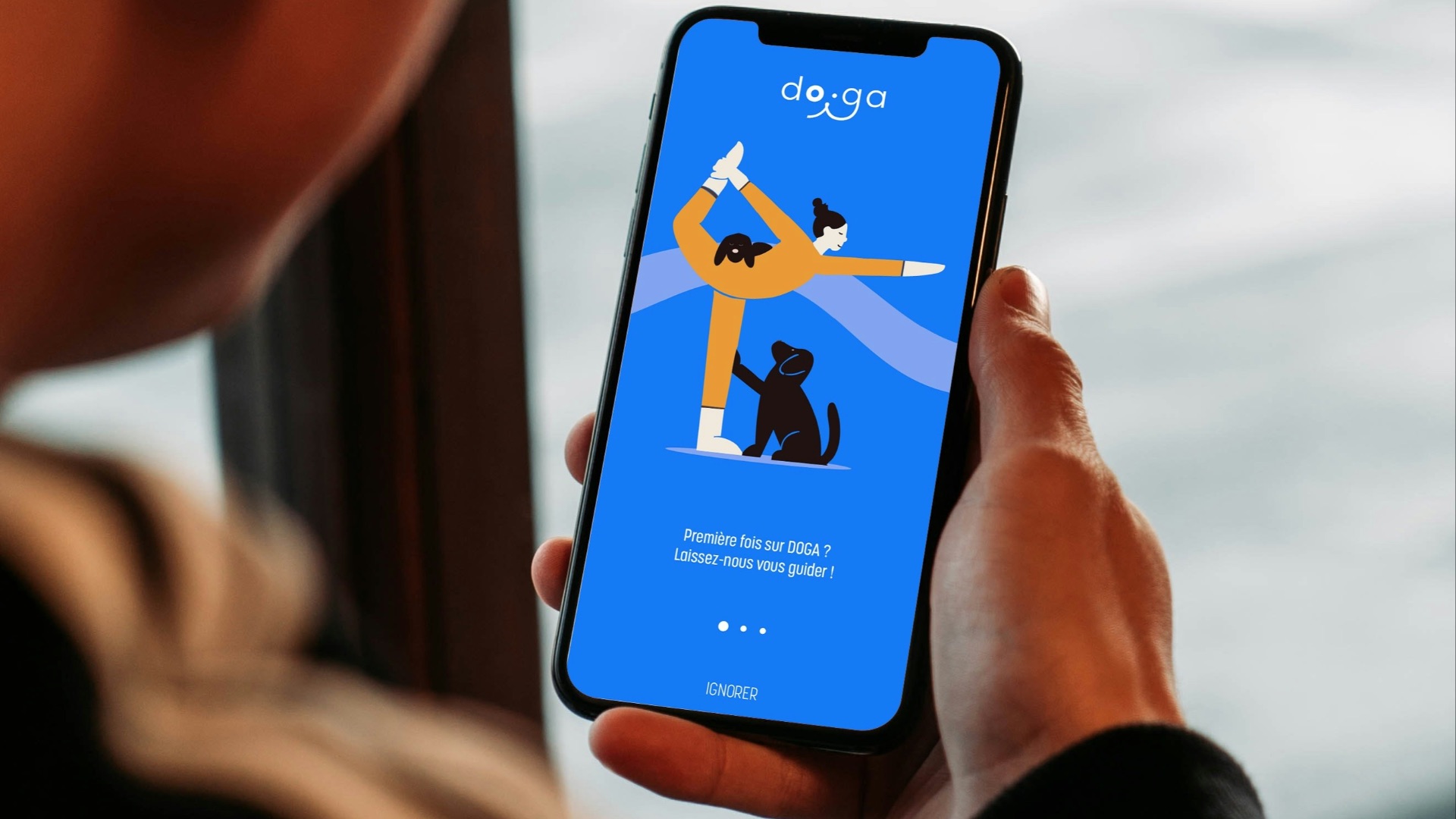
Apps like Calm or Headspace offer guided sessions specifically designed for commuters, many of which are under 10 minutes. Practicing mindfulness during your commute can help reduce stress and put you in a calmer headspace before a busy workday. If you're driving, opt for audio-only sessions so you can keep your focus on the road.
 Lola Waligora-Thomas on Unsplash
7. Catch Up on the News
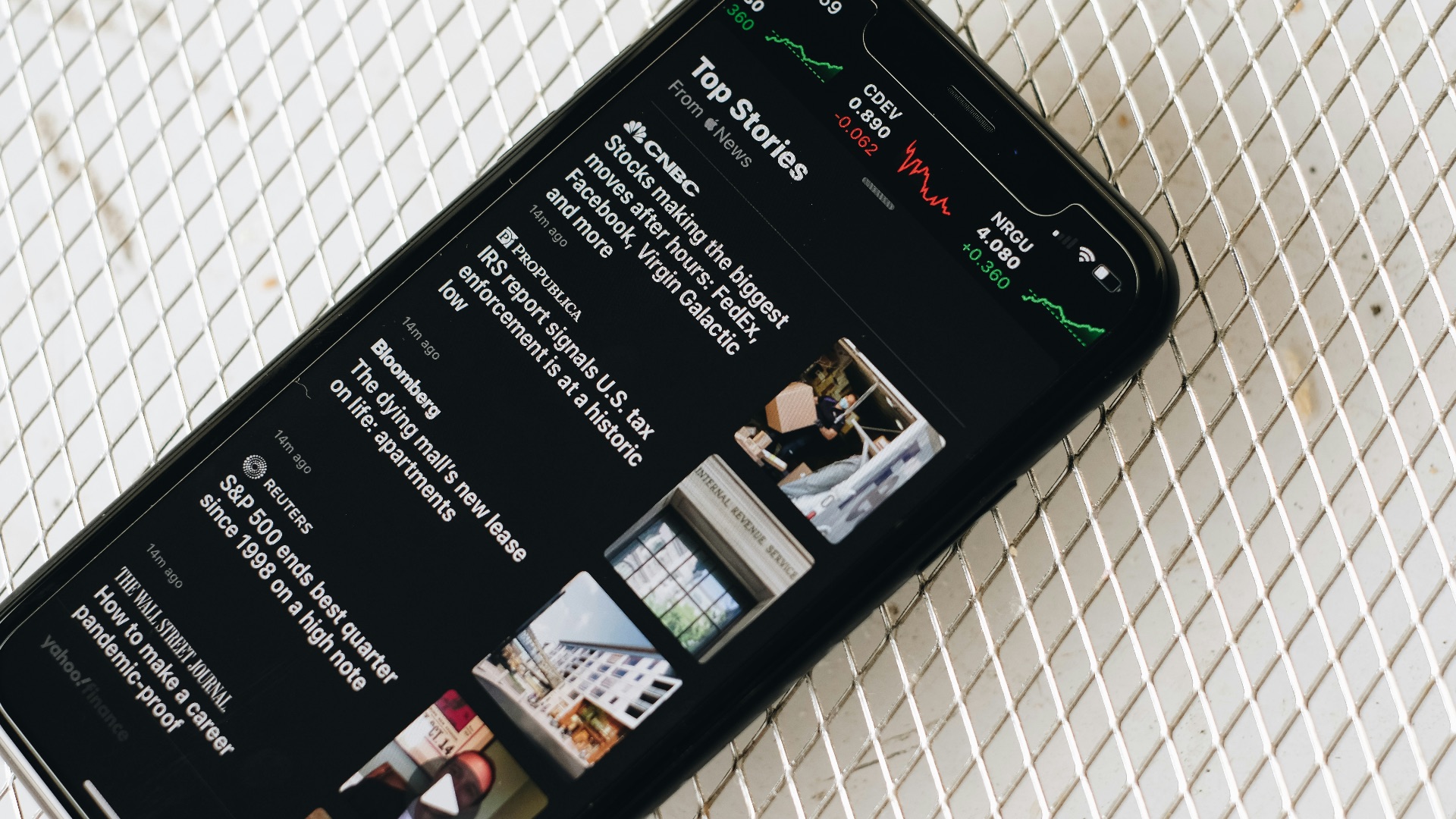
A long commute gives you a solid window of time to stay informed without cutting into your morning or evening routine. News podcasts, radio programs, and audio briefings from outlets like NPR or the BBC are easy to follow while you're on the move. You'll arrive at work (or home) already up to speed on what's happening in the world. Just make sure not to doomscroll, of course.
8. Network Without the Extra Effort
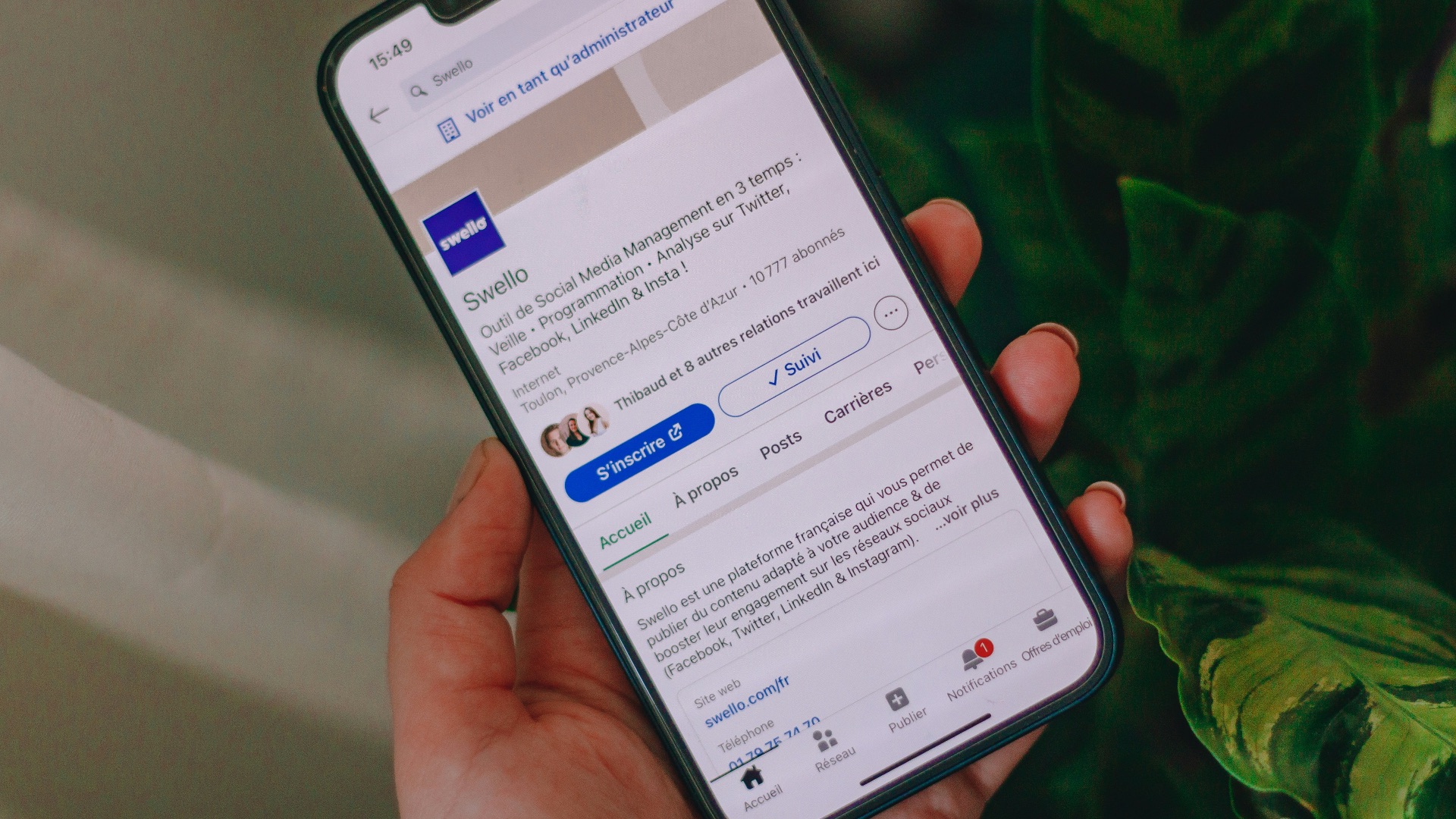
If you're on a train or bus, commute time can be a surprisingly productive window for professional networking. Replying to LinkedIn messages, commenting on industry posts, or even drafting a quick email to a contact you've been meaning to reach out to are all things you can handle from your phone. Staying active in your professional community doesn't always require sitting at a desk.
9. Download Entertainment for Offline Use
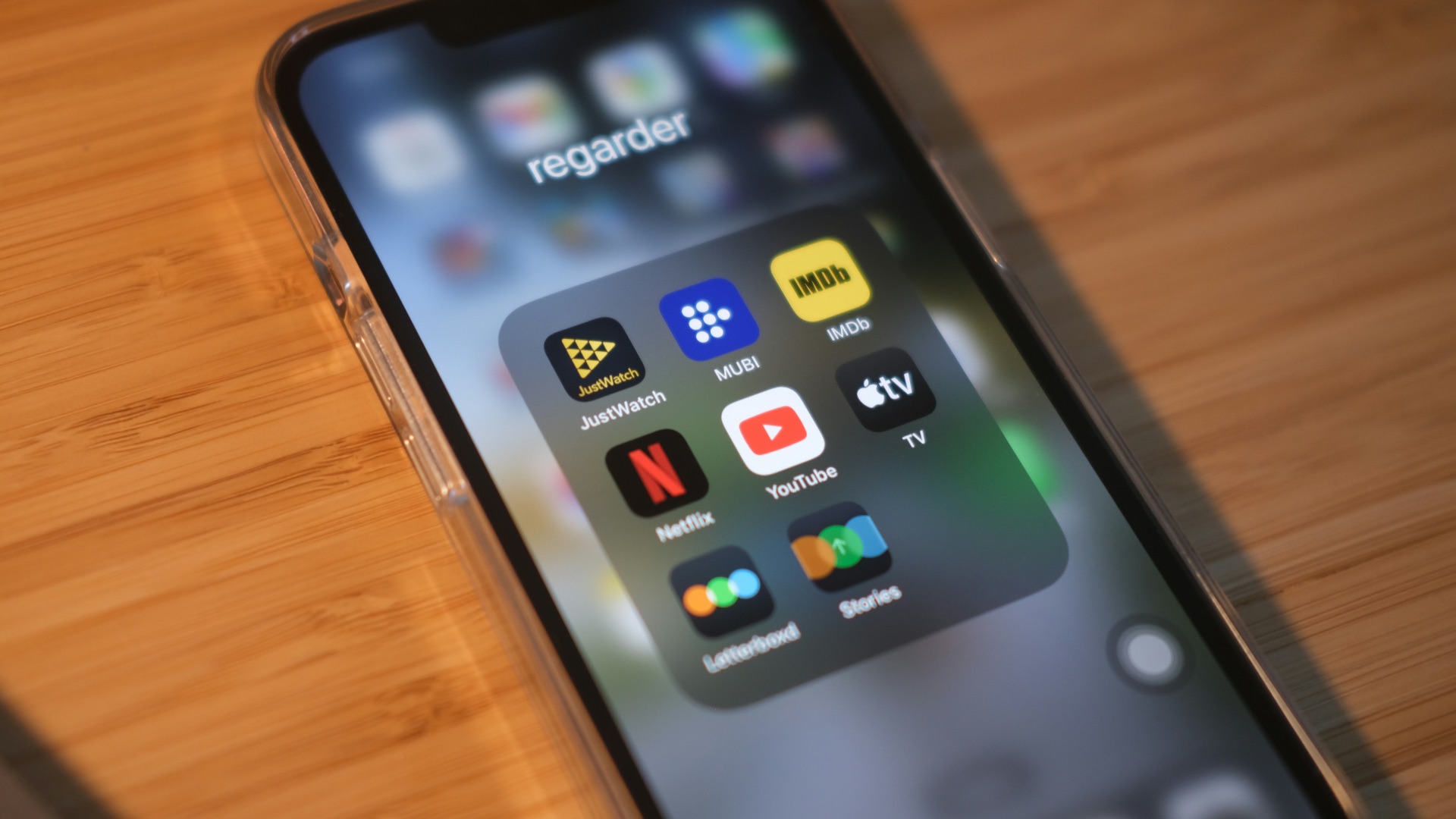
Spotty cell service on a train or long route doesn't have to mean a boring ride if you plan ahead. Download episodes of a TV show, a movie, or a playlist before you leave so you're covered regardless of your signal strength. Having something you're excited to watch or listen to makes even the longest commutes feel shorter.
10. Treat Yourself to Something Small
Sometimes the easiest way to make a commute more enjoyable is to pair it with a small treat you look forward to. That could be a great cup of coffee you grab on the way, a snack you only eat on the train, or even a comfortable travel pillow for longer rides. Associating your commute with something pleasant can shift how you feel about it over time.

11. Invest in Quality Headphones
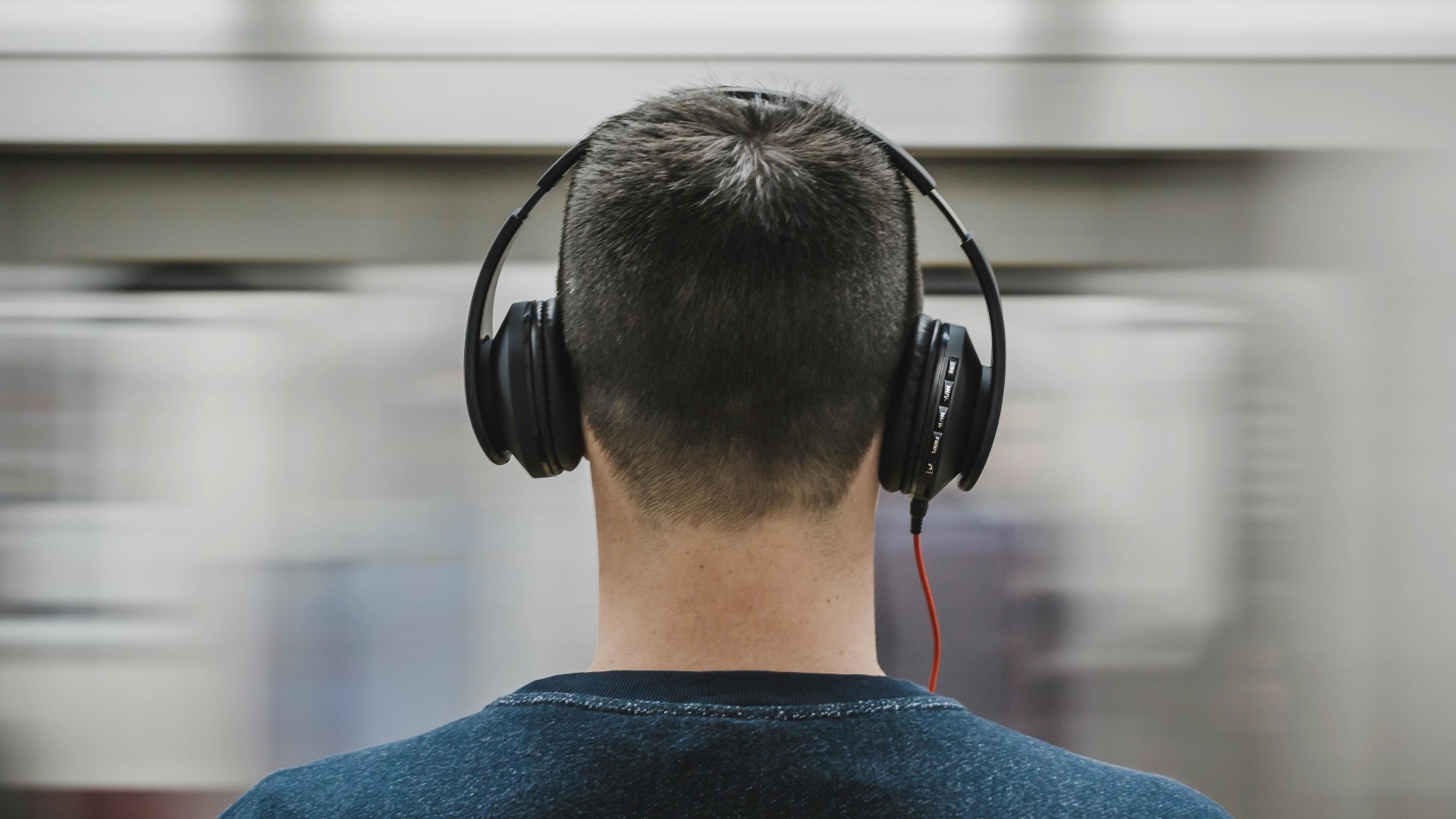
A good pair of noise-canceling headphones can completely transform a noisy commute into something far more bearable. They don't just block out the sounds of traffic or crowded train cars; they also make whatever you're listening to sound noticeably better. It's one of the more worthwhile investments you can make if you commute regularly.
12. Pack a Comfortable Bag
Lugging around an overstuffed or poorly designed bag makes a long commute physically exhausting before the day has even begun. Look for a bag with padded straps, good weight distribution, and enough compartments to keep things organized. A well-packed, ergonomic bag is a small change that makes a noticeable difference in how you feel by the time you arrive.

13. Keep Snacks on Hand
Long commutes have a way of overlapping with meal times, and arriving at work hungry is a reliable way to start the day on the wrong foot. Keeping a few portable snacks in your bag, like a granola bar, nuts, or fruit, means you're never stuck running on empty. That way, you'll stay focused and in a better mood throughout the morning.

14. Adjust Your Departure Time
If your schedule allows for any flexibility, experimenting with your departure time can make a real difference in how your commute feels. Leaving even 20 to 30 minutes earlier can help you avoid peak congestion, reduce stress, and give you a more predictable arrival time. The trade-off in sleep or convenience is often worth it when the alternative is sitting in gridlock every morning.

15. Explore Alternative Routes
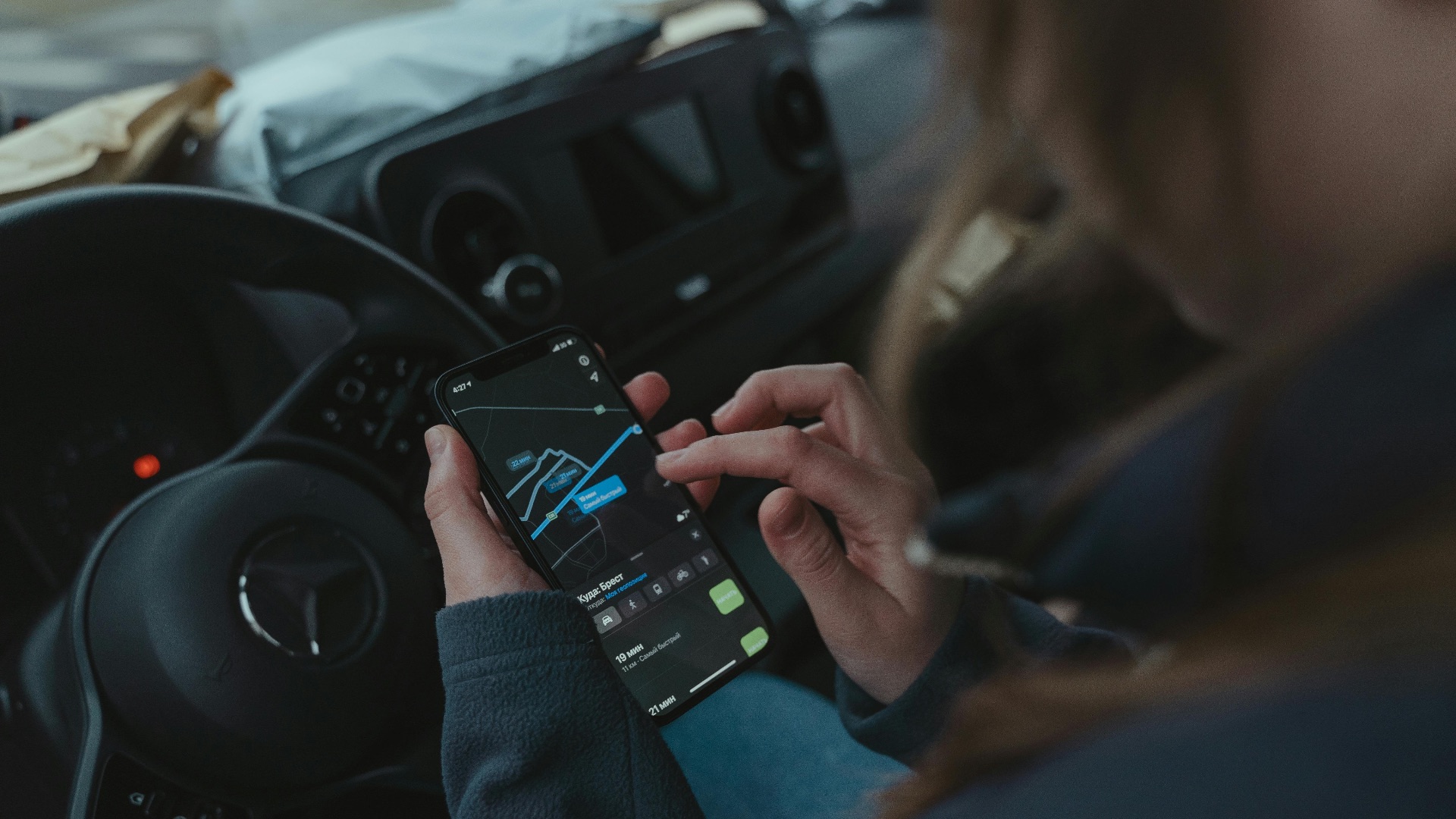
It's easy to default to the same route every day without considering whether it's actually the best option. Taking some time to explore alternatives through a navigation app might reveal a less congested road, a more scenic path, or a route that shaves meaningful time off your trip. A change of scenery can also make the commute feel less monotonous, even if the time difference is minimal.
16. Use a Commuter App
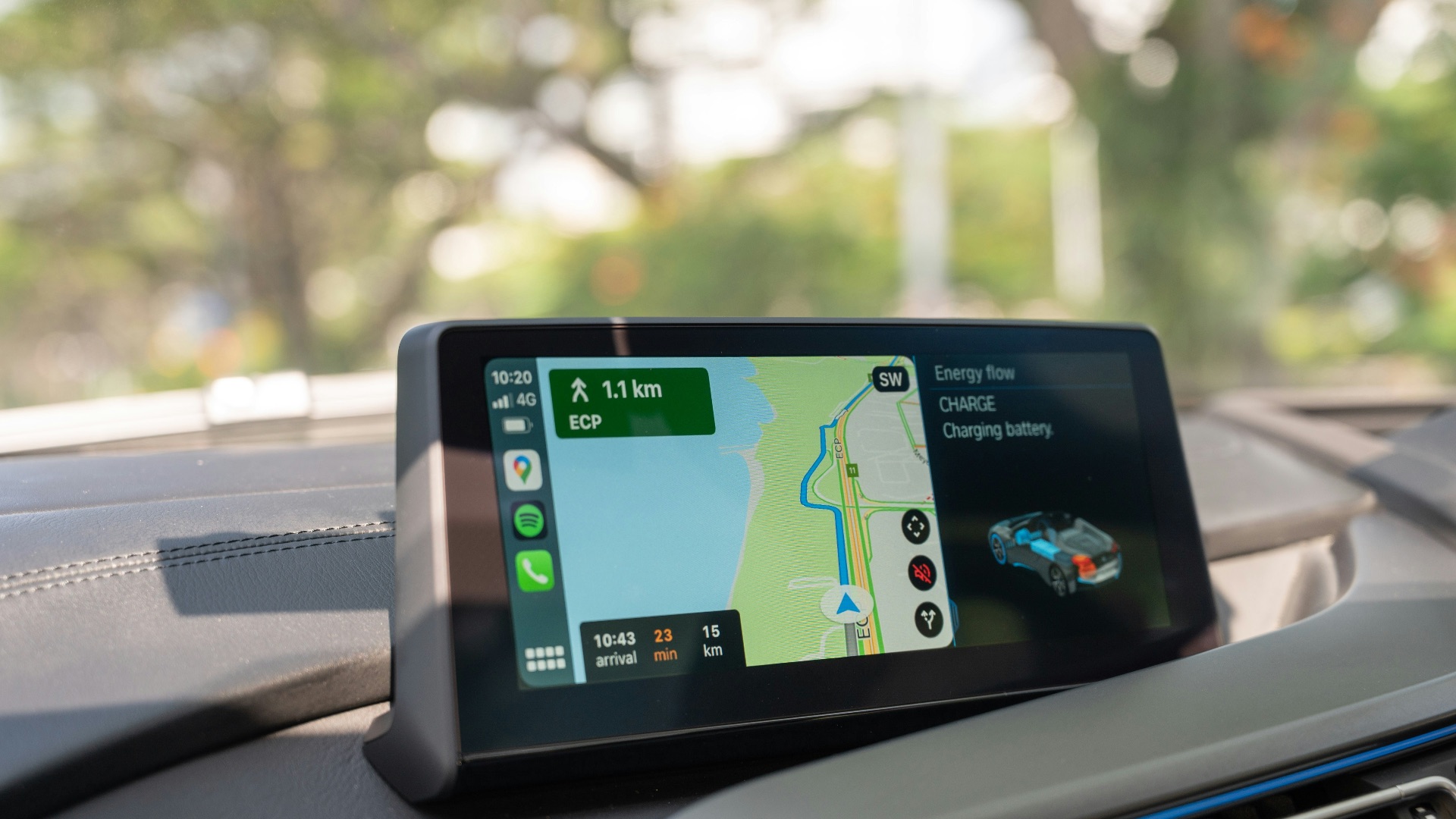
Apps like Google Maps, Waze, or your city's official transit app can help you navigate your commute more efficiently and with fewer surprises. Many of them offer real-time traffic updates, delay notifications, and alternate routing suggestions so you're never caught off guard. Staying informed about what's ahead of you takes a lot of the frustration out of an otherwise unpredictable journey.
17. Stretch When You Can
Long periods of sitting, whether in a car or on a train, can leave you feeling stiff and low-energy by the time you reach your destination. If you're on public transit, simple seated stretches for your neck, shoulders, and back can help prevent that sluggish feeling from building up. Even commuters who drive can benefit from a quick stretch during a rest stop or after parking.

18. Connect with Fellow Commuters
If you take the same route every day, there's a good chance you're riding alongside the same people regularly without ever acknowledging it. Striking up a friendly conversation with a fellow commuter can make the time pass faster and even lead to an unexpected connection. You don't have to commit to a daily chat; sometimes a brief exchange is enough to make the ride feel a little less isolating.

19. Use Carpooling to Your Advantage
Carpooling isn't just good for reducing your carbon footprint; it can also make a long commute more social and noticeably less draining. Sharing the drive means you get a mental break on the days you're not behind the wheel, which you can use however you like. Apps or workplace rideshare programs make it easier than ever to find a compatible co-commuter.

20. Reframe How You Think About the Time
One of the most effective shifts you can make is changing how you mentally categorize your commute. Instead of viewing it as time that's been taken from you, consider it a built-in buffer between work and home, a transition period that's entirely yours. That small change in perspective can make a long commute feel less like an obstacle and more like a part of your routine that actually serves a purpose.