10 F1 Seasons That Were Pure Chaos & 10 That Weren’t Chaotic Enough
Some Seasons Need a Safety Car for the Plot
Formula 1 is at its best when speed, politics, weather, reliability, rivalries, and questionable decisions all arrive at the same time. Some seasons feel like they followed a dramatic script, while in others, the title is basically settled so early that everyone starts searching for midfield drama just to stay awake. From legendary championship fights to one-team walkovers, here are the 10 most chaotic seasons in F1 history and 10 that weren't chaotic enough.
1. 1982
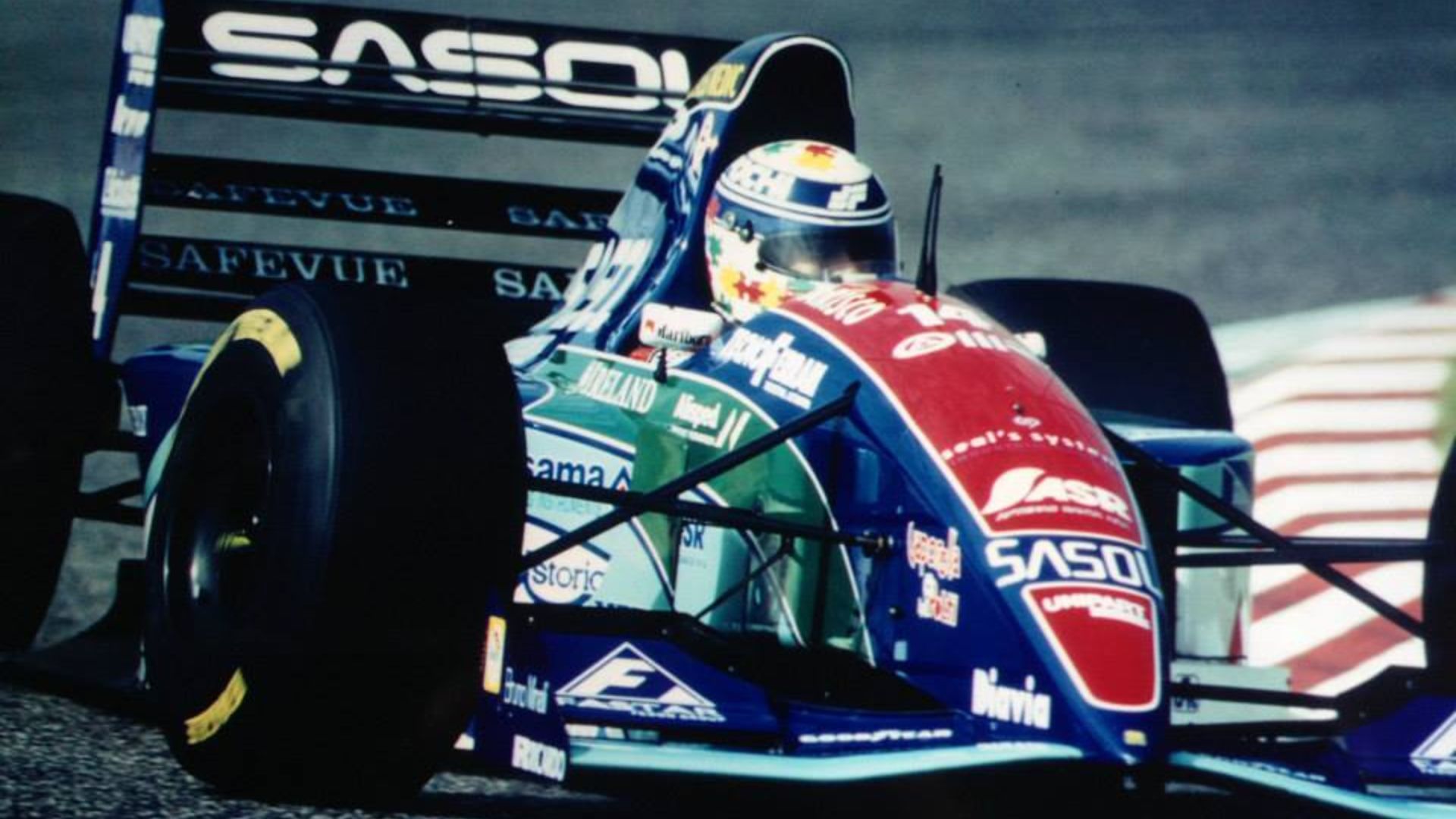
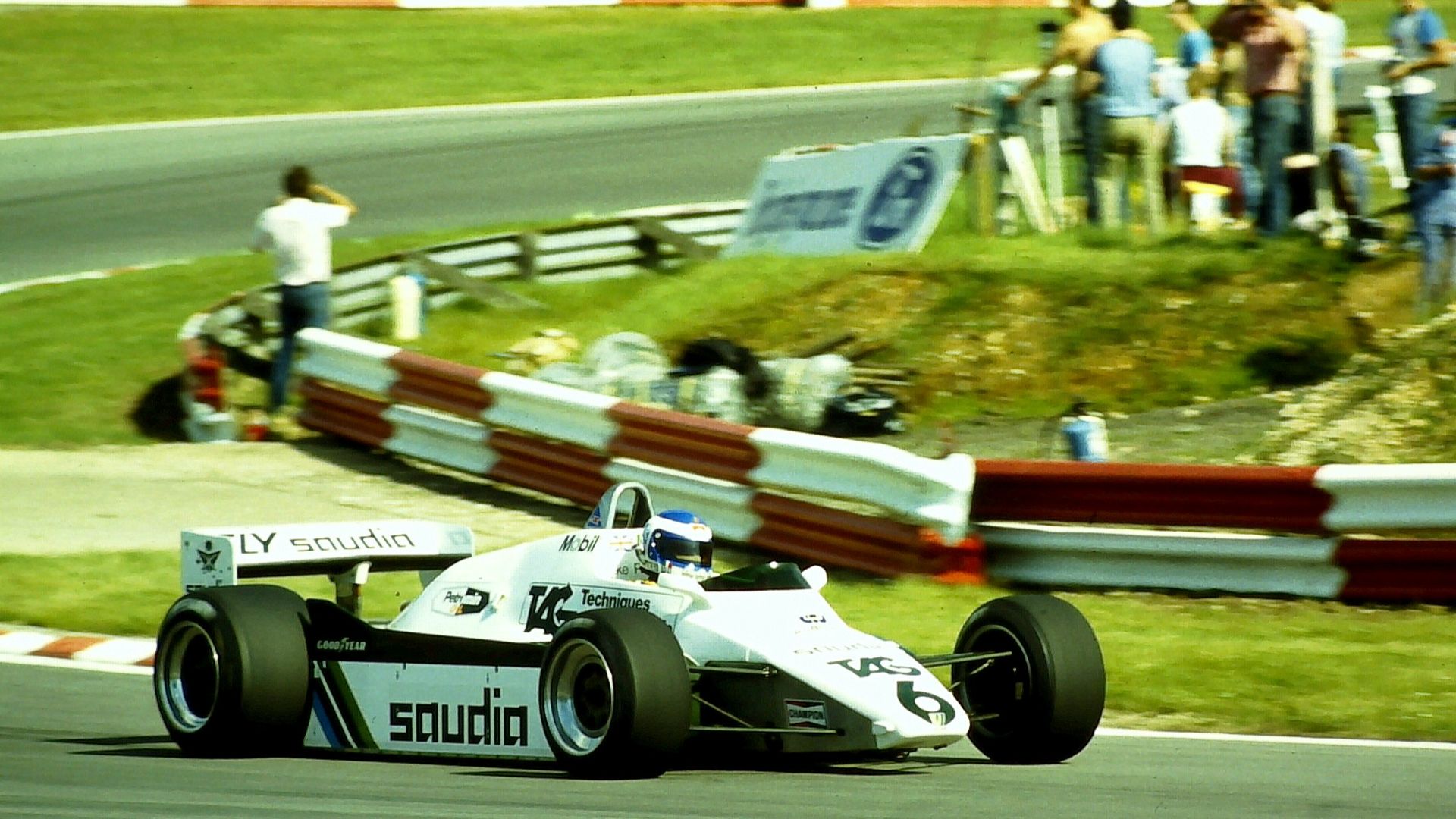
The 1982 season was one of the most unpredictable and tragic years in F1 history. Keke Rosberg won the championship with only one race victory, which tells you everything about how scattered the season became. The year included multiple winners, political fights, boycotts, severe crashes, and the deaths of Gilles Villeneuve and Riccardo Paletti.
2. 2007
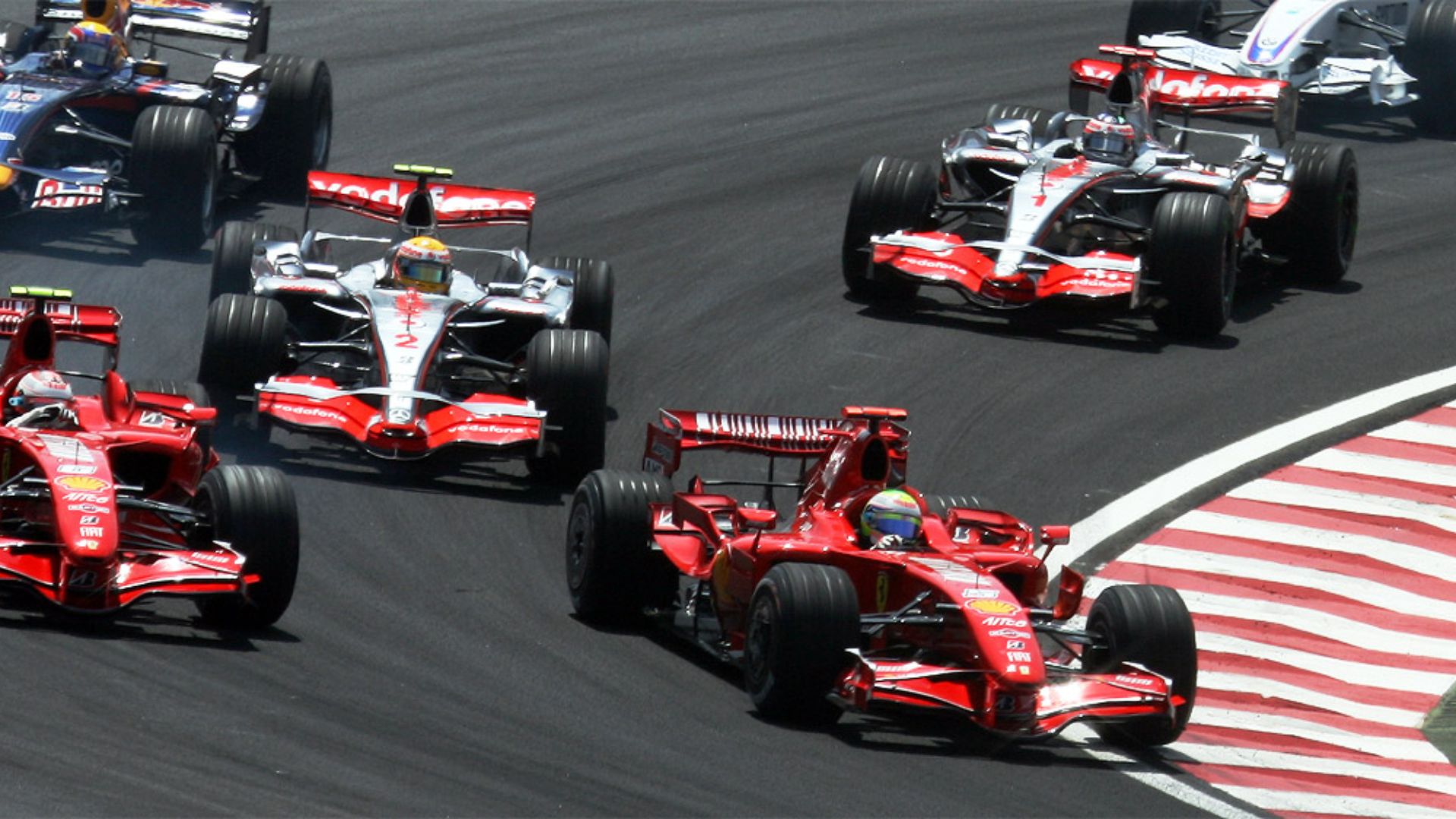
The 2007 season had everything: a rookie sensation, a reigning champion at a new team, internal McLaren tension, Ferrari waiting to pounce, and a spying scandal that swallowed the paddock whole. Lewis Hamilton and Fernando Alonso took points off each other all year, which opened the door for Kimi Räikkönen to win the title by a single point.
3. 2021
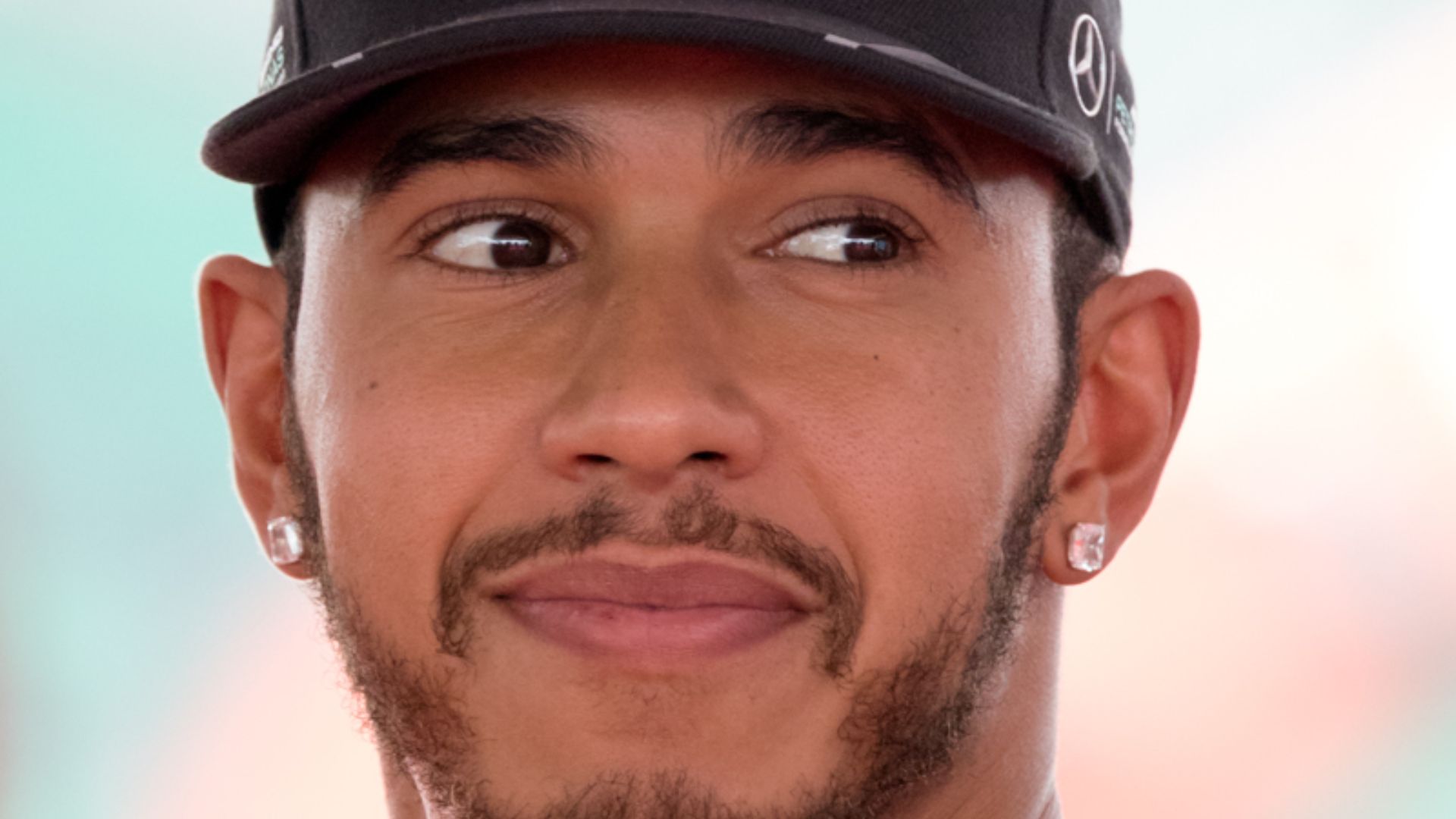
The 2021 season was a title fight with no chill whatsoever. Lewis Hamilton and Max Verstappen traded wins, contact, complaints, penalties, and psychological warfare across a season that kept tightening until the final laps in Abu Dhabi. The ending, where race control allowed only some lapped cars to unlap themselves before a last-lap restart, giving Verstappen the chance to pass Hamilton, remains one of the most controversial moments in modern F1.
4. 1994
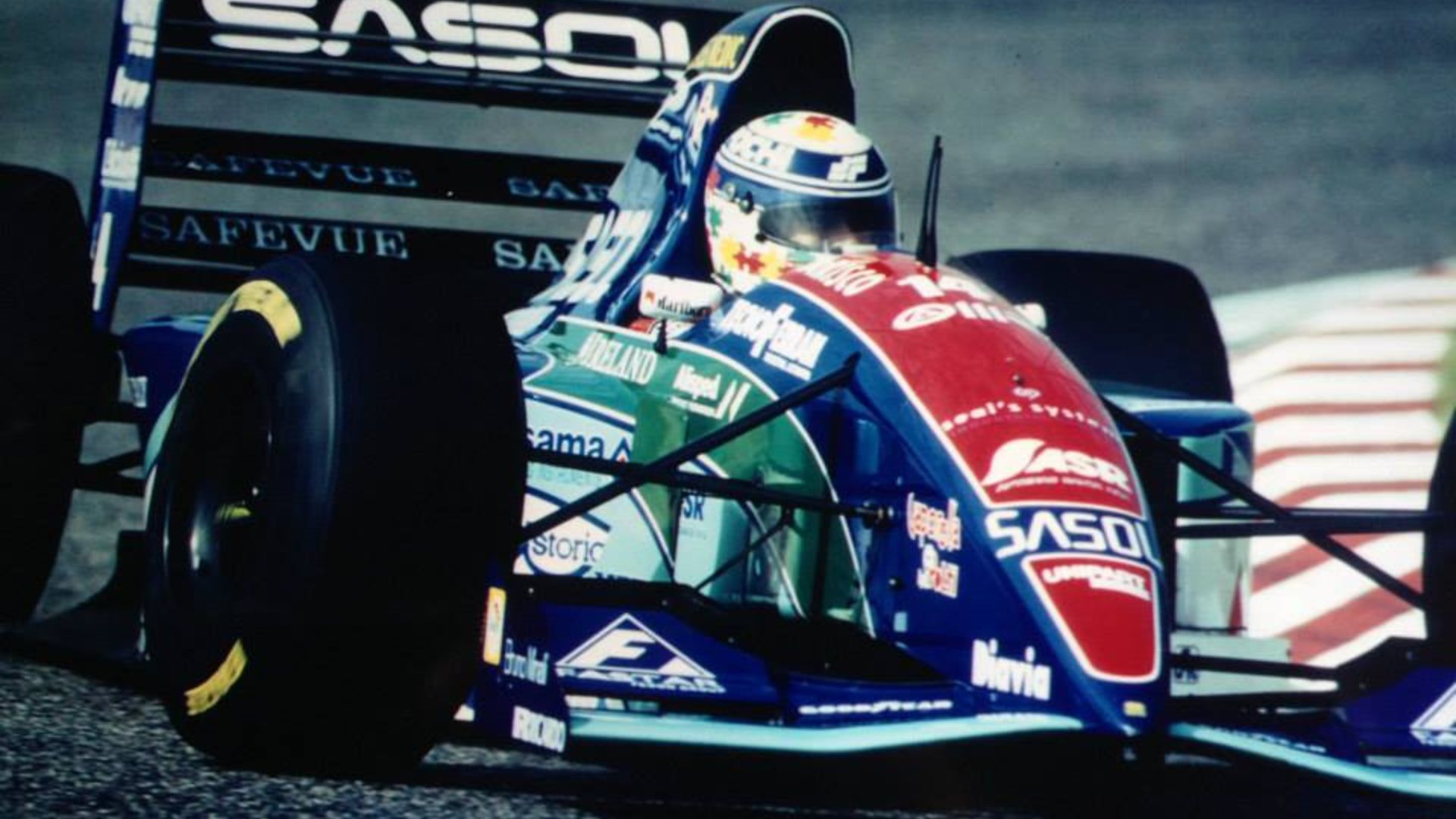
The 1994 season was intense, controversial, and deeply tragic. Ayrton Senna and Roland Ratzenberger died during the San Marino Grand Prix weekend, changing F1’s safety conversation forever. The title fight between Michael Schumacher and Damon Hill ended with a collision in Adelaide, which only added to the season’s uneasy legacy.
5. 1997
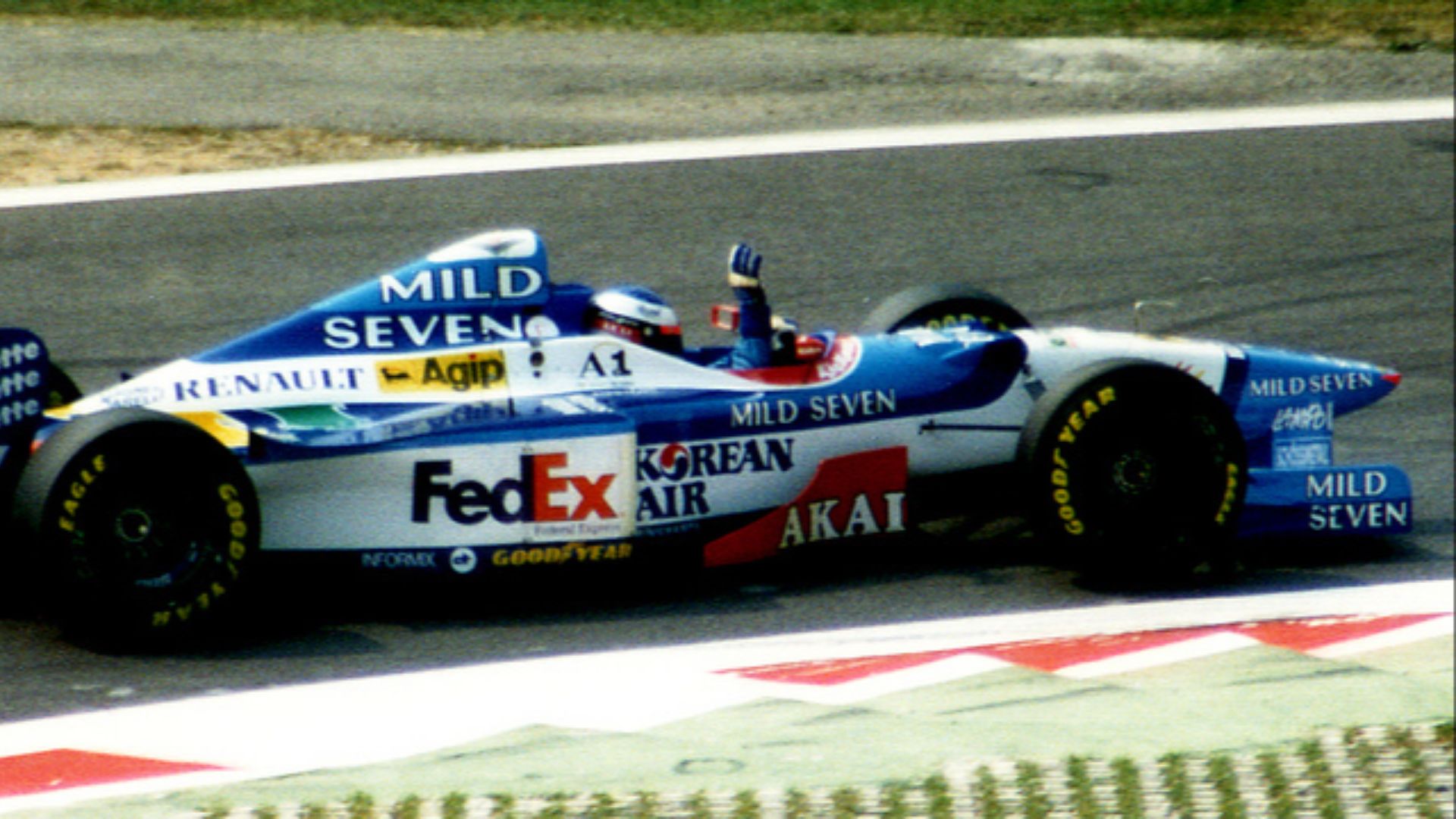
The 1997 season built toward one of the most infamous title-deciding moments in F1. Jacques Villeneuve and Michael Schumacher fought all year, and the championship ended at Jerez when Schumacher turned in on Villeneuve during their battle. Schumacher retired from the race and was later excluded from the championship standings, while Villeneuve took the title.
6. 2012
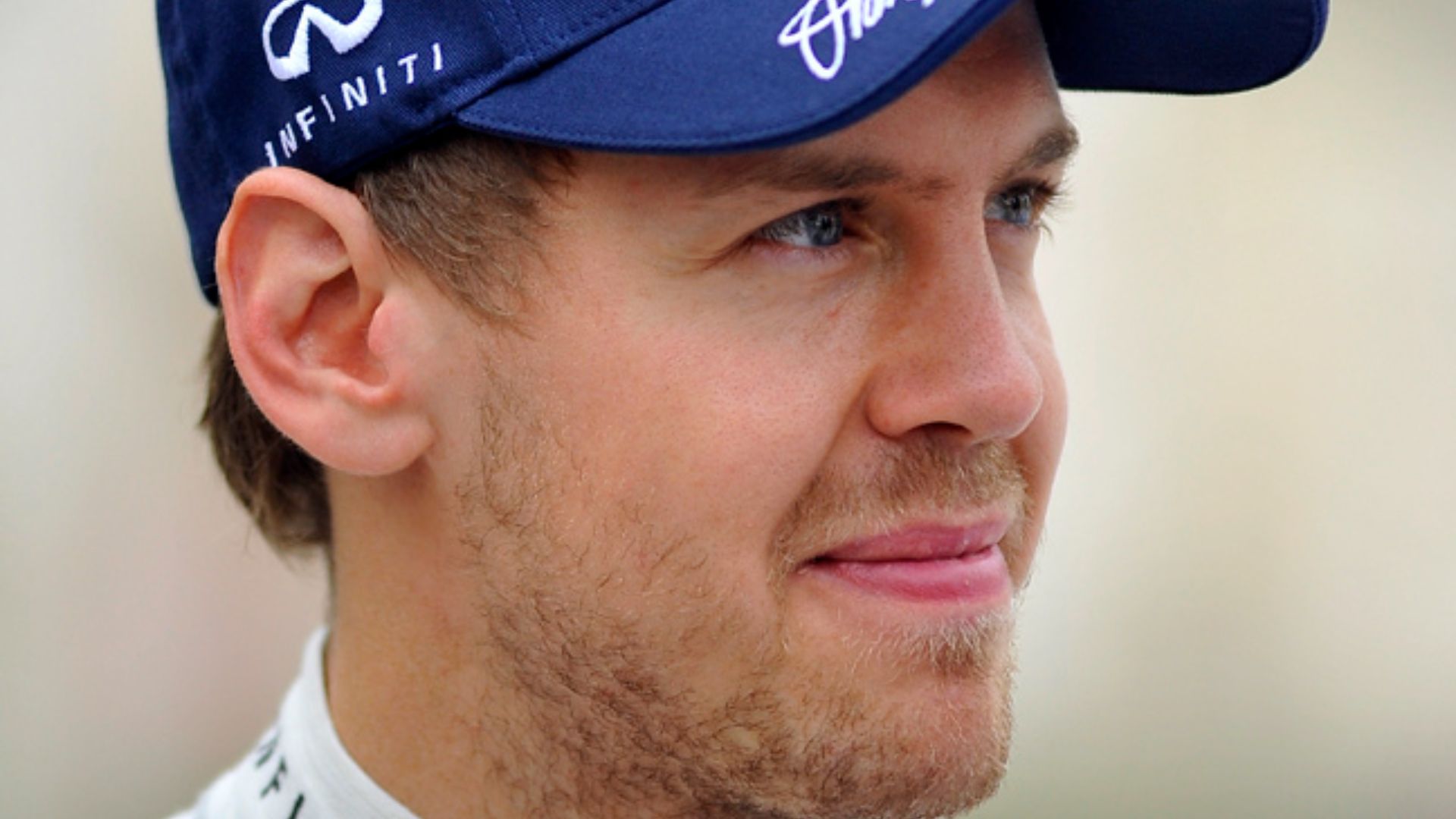
The 2012 season started like someone had shaken the grid in a jar. Seven different drivers won the first seven races, which made predictions feel almost pointless. Fernando Alonso dragged a less-than-perfect Ferrari into the title fight, while Sebastian Vettel and Red Bull eventually found their rhythm. The championship went to the final race in Brazil, where rain, spins, and title tension made everyone’s blood pressure run sky-high.
7. 2009
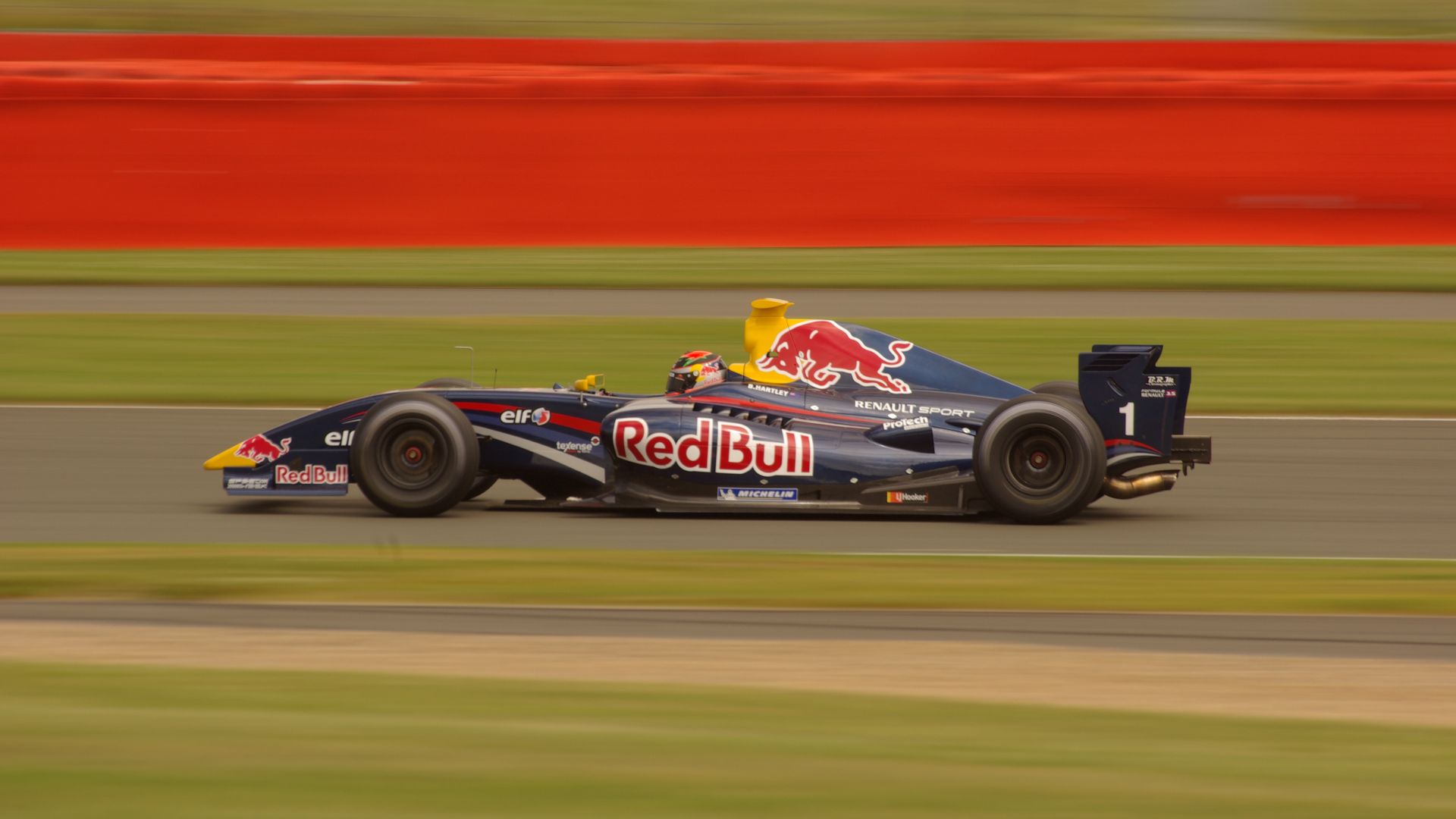
The 2009 season began with Brawn GP rising from Honda’s ashes and suddenly embarrassing the established giants. Jenson Button dominated early, while rivals scrambled to understand the double diffuser advantage and catch up. A team that barely existed winning both championships isn't normal behavior, which is why the season remains so deliciously strange.
8. 1986
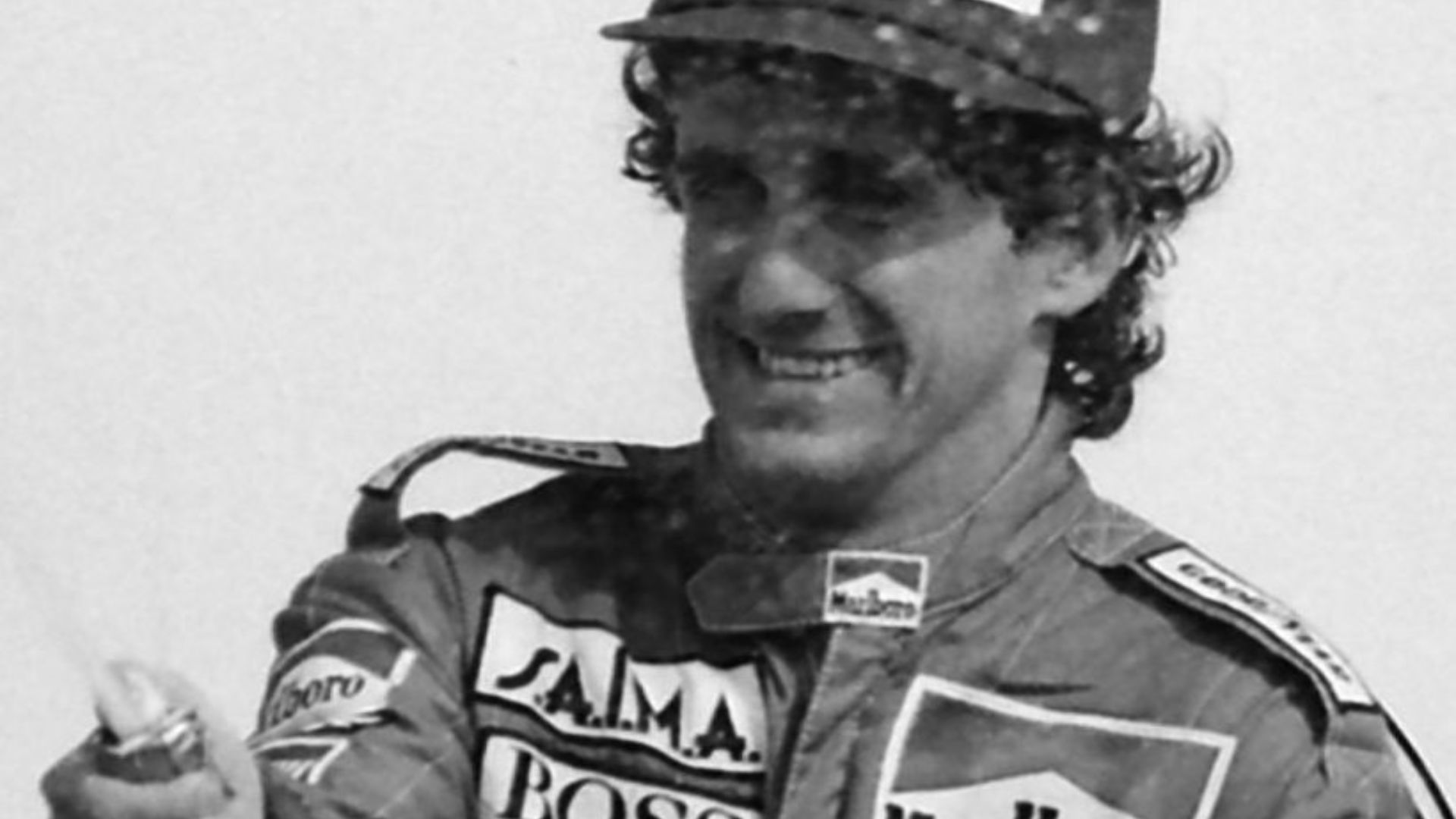
The 1986 season gave F1 one of its greatest three-way championship fights. Alain Prost, Nigel Mansell, and Nelson Piquet all reached the final round in Australia with title hopes alive. Mansell’s tire failure turned the race upside down, Williams had to pit Piquet for safety, and Prost slipped through to win the championship.
 Fotopersbureau de Boer on Wikimedia
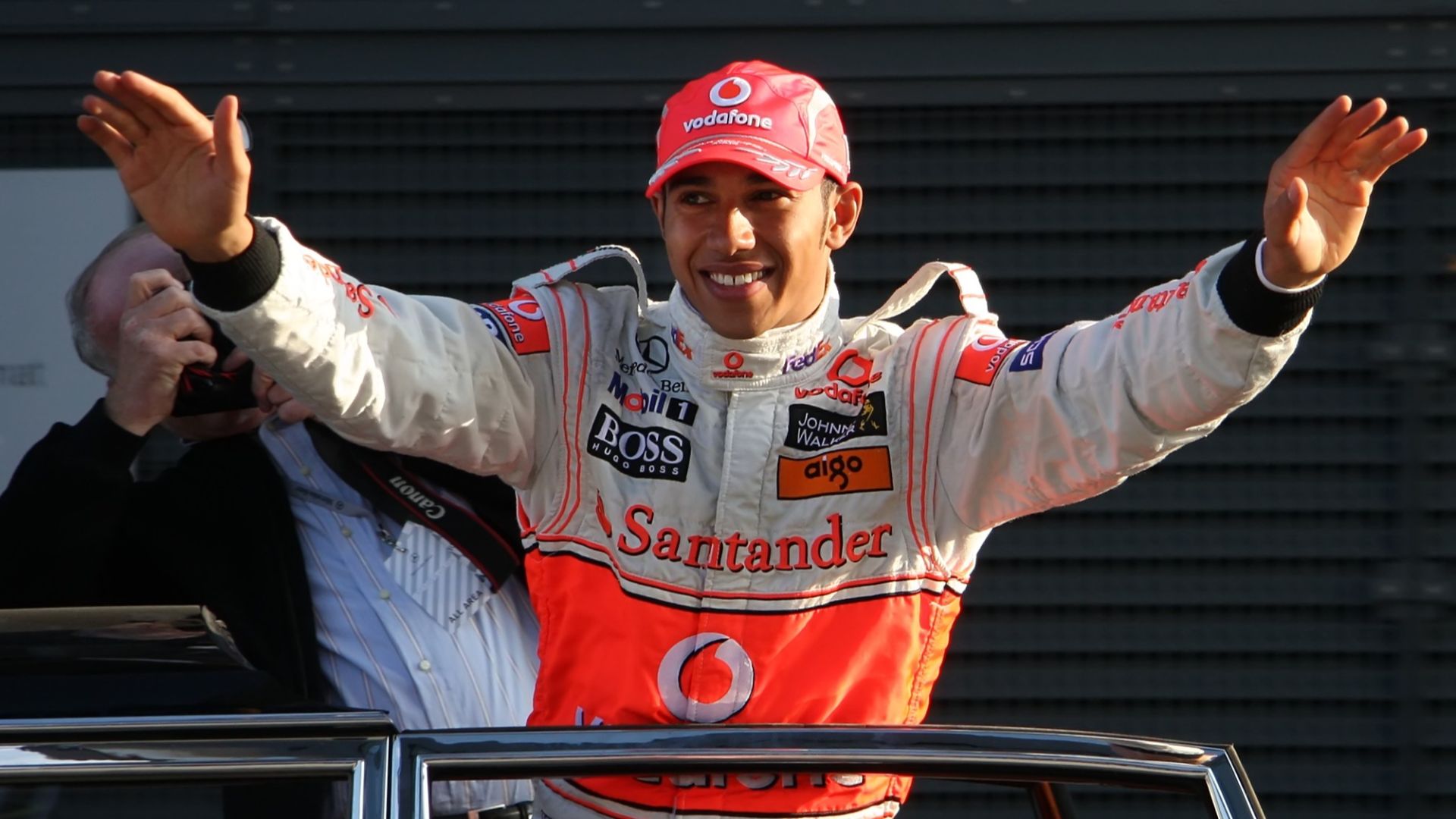
9. 2008
The 2008 season saved its wildest moment for the final corner of the final lap. Lewis Hamilton needed fifth place in Brazil to win the title, while Felipe Massa briefly looked like a champion after crossing the line first. Then Hamilton passed Timo Glock in the final seconds, taking the championship by one point.
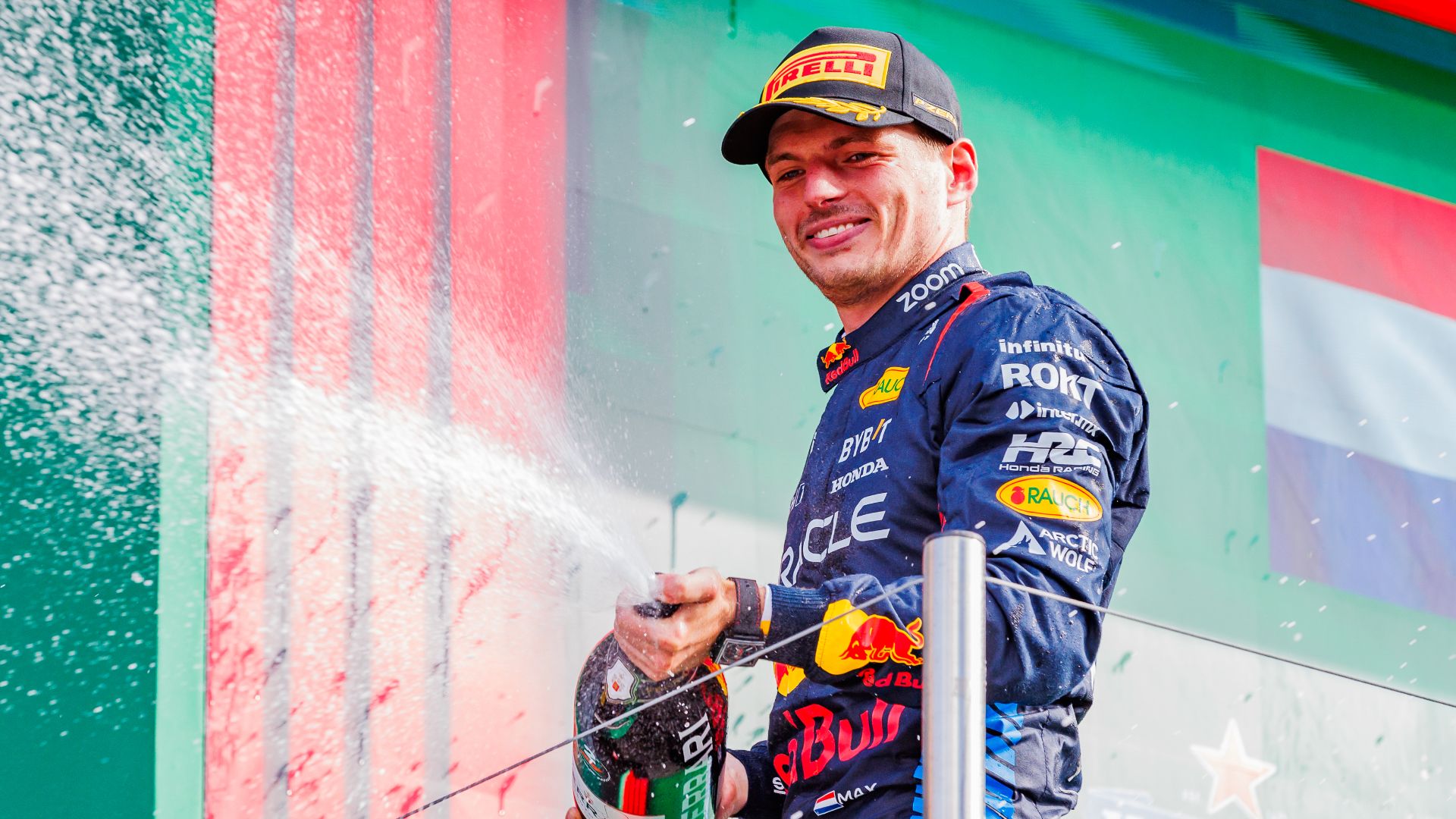
10. 2024
The 2024 season looked like another Red Bull march at first, then decided to become much more interesting. Max Verstappen still won the drivers’ title, but McLaren surged hard enough to take the constructors’ championship, and Ferrari also became a real factor late in the year. The season featured multiple winners, a tightening title atmosphere, penalties, strategy swings, and several teams having genuine moments of hope.
Now that we've talked about the F1 seasons categorized by drama and suspense, let's talk about the ones that were a bit too smooth.
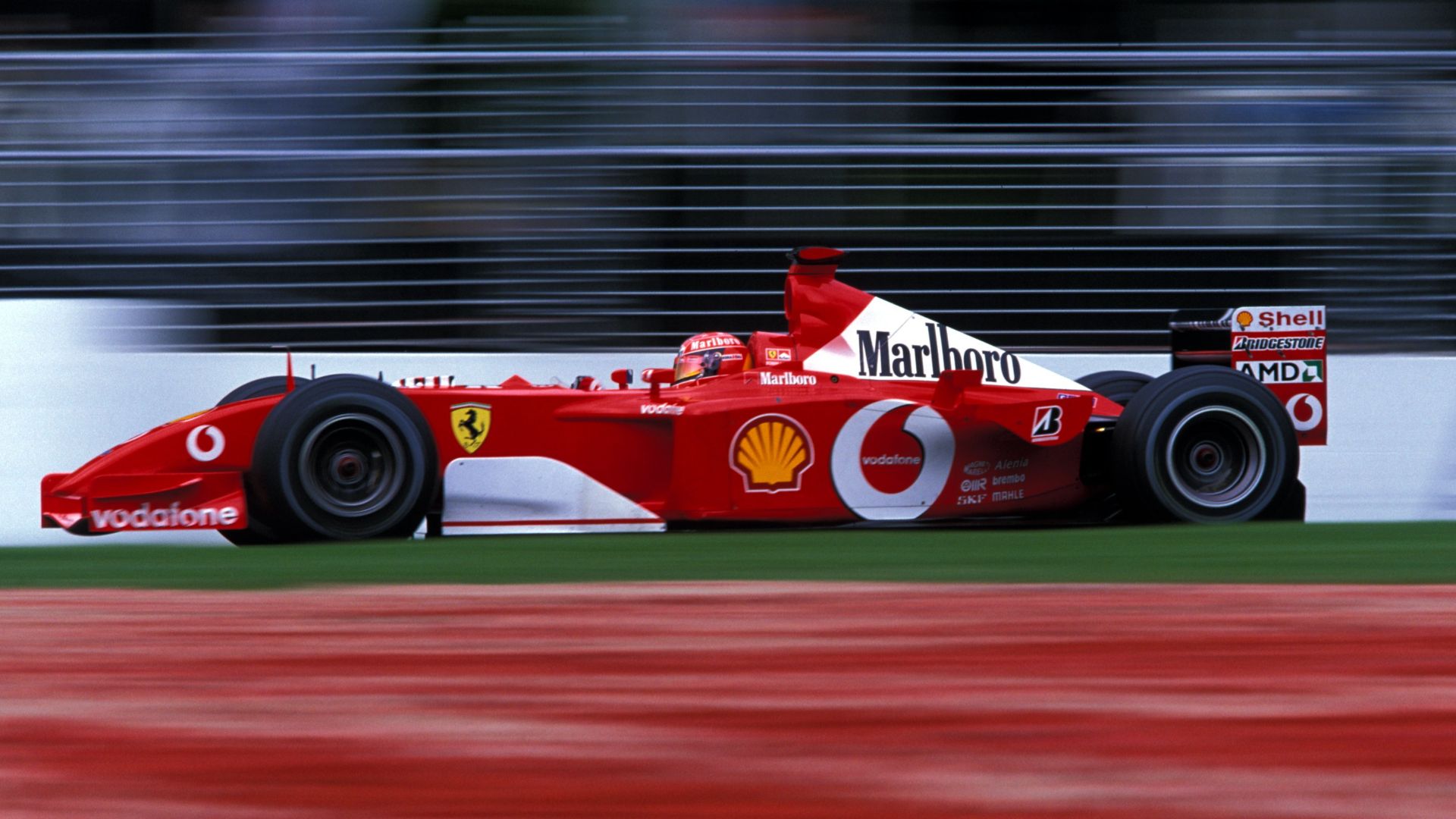
1. 2002
The 2002 season was a Ferrari masterpiece and a suspense problem. Michael Schumacher and Ferrari were so dominant that the championship felt more like a formality than a fight. Schumacher finished every race on the podium, which is incredible, but also a slap in the face to tension.
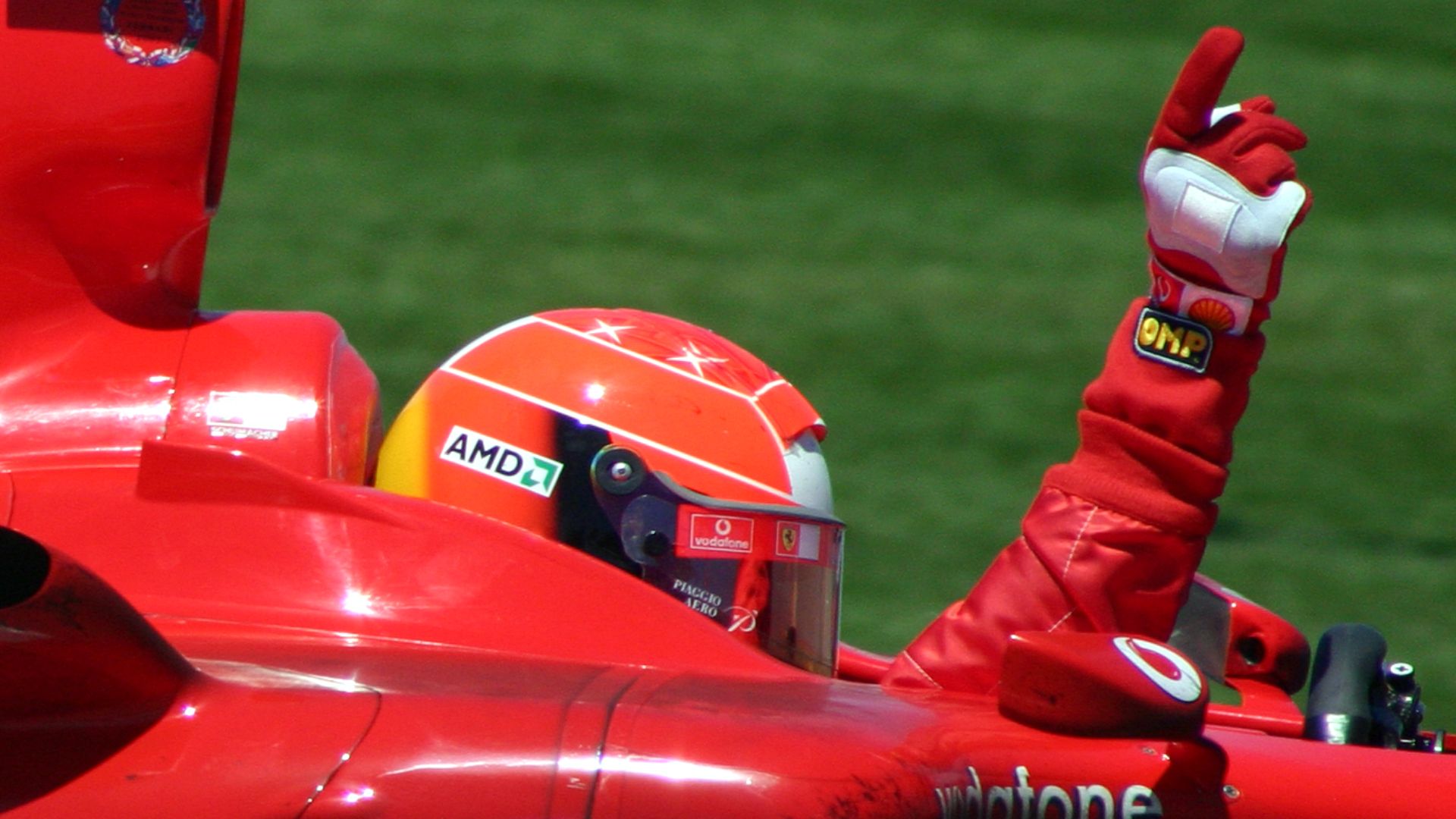
2. 2004
Ferrari and Schumacher returned in 2004 with another season that left rivals looking mildly inconvenienced by history. Schumacher won 13 races, and the title never really felt in doubt. Fans could admire the precision while still wishing someone would throw a serious challenge into the room.
3. 2011
Sebastian Vettel’s 2011 season was calm in the way only total control can be calm. Red Bull had speed, Vettel had confidence, and the championship quickly leaned in one direction. There were still good races and strong performances elsewhere, but the title picture rarely felt unstable.
4. 2013
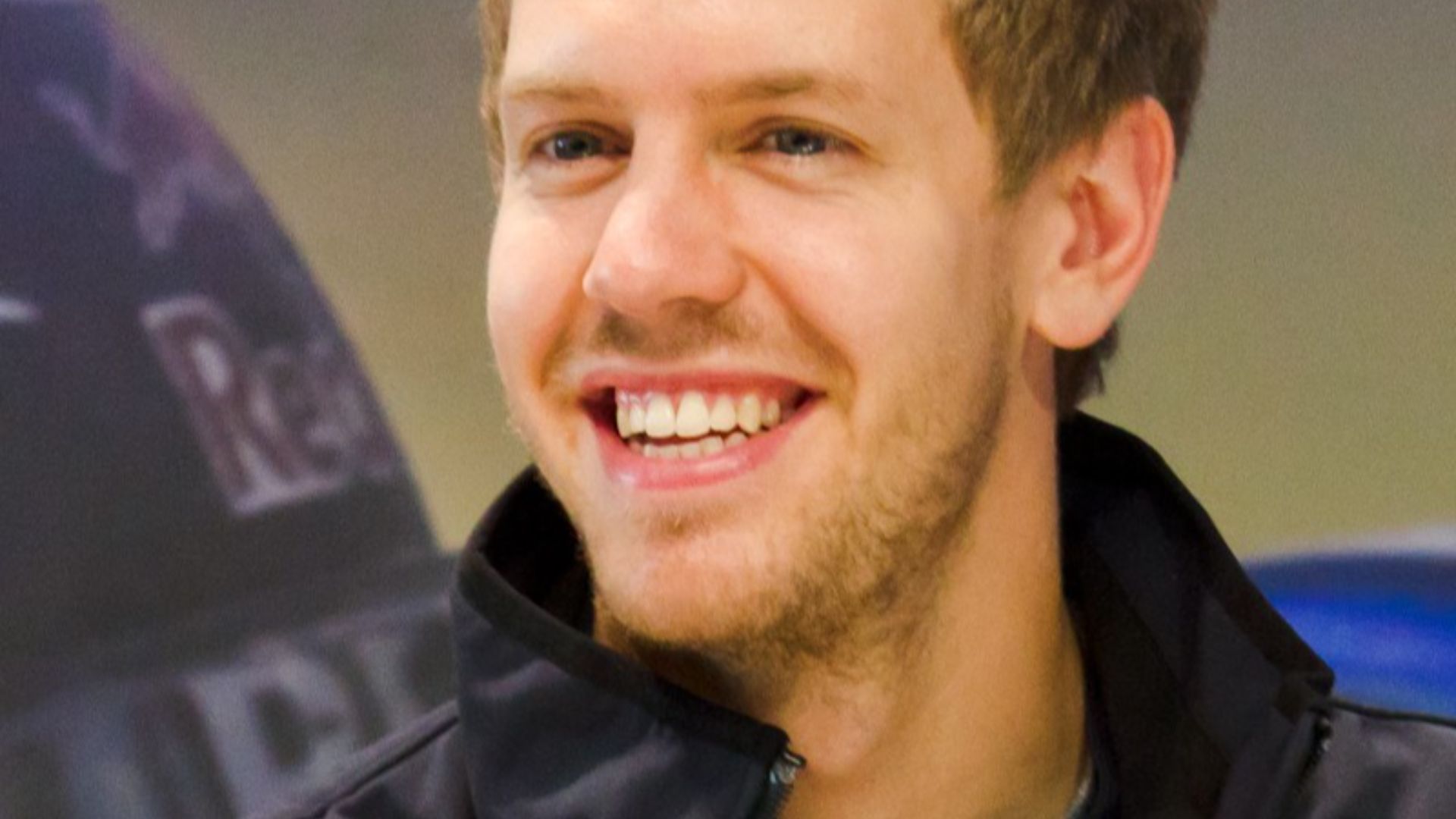
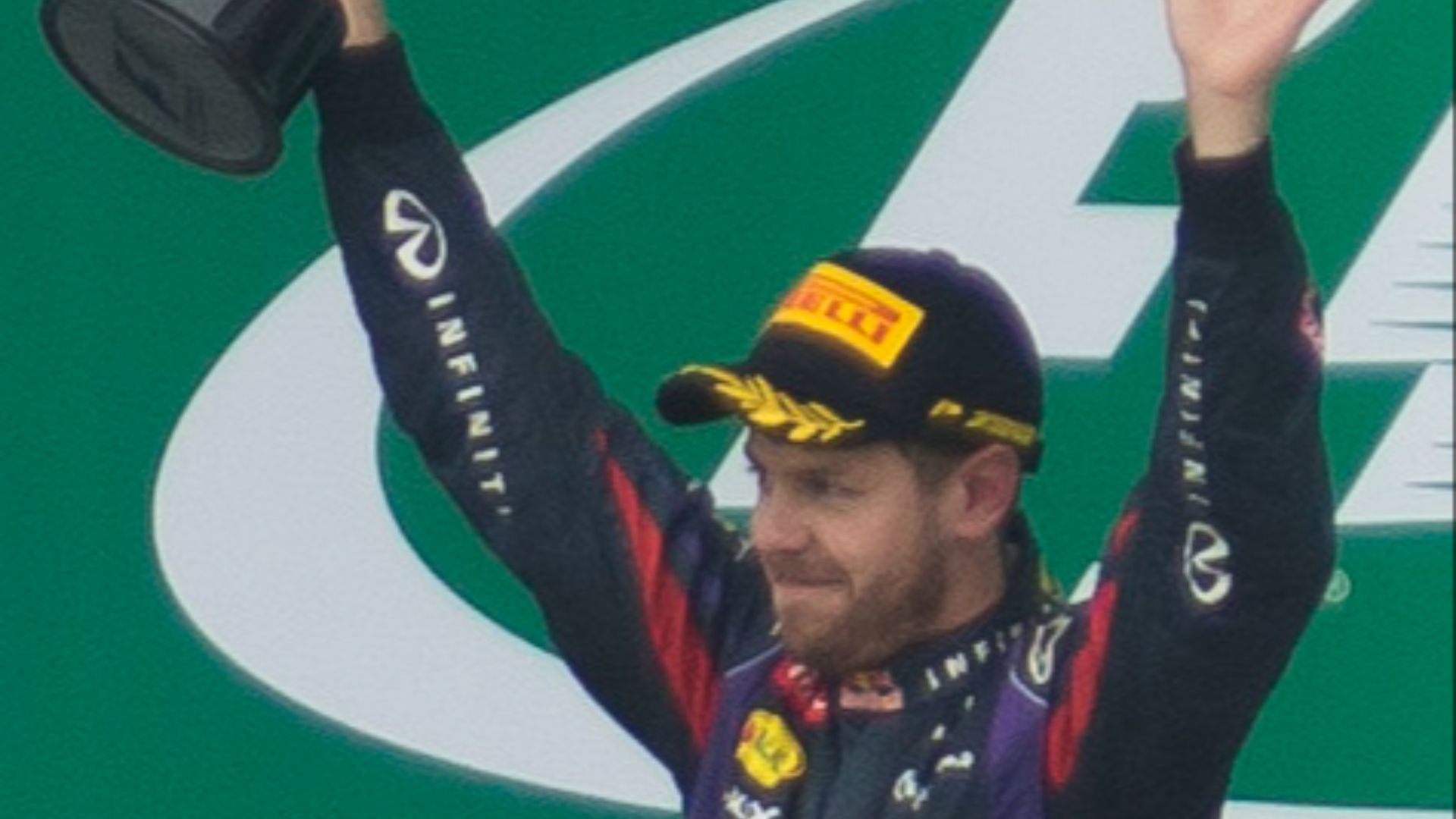
The second half of 2013 turned into a Red Bull and Vettel victory parade. Vettel won the final nine races in a row, which was extraordinary but not exactly suspenseful. Early-season intrigue faded as Red Bull found another level and everyone else started looking like guests at Vettel’s private event.
5. 2015
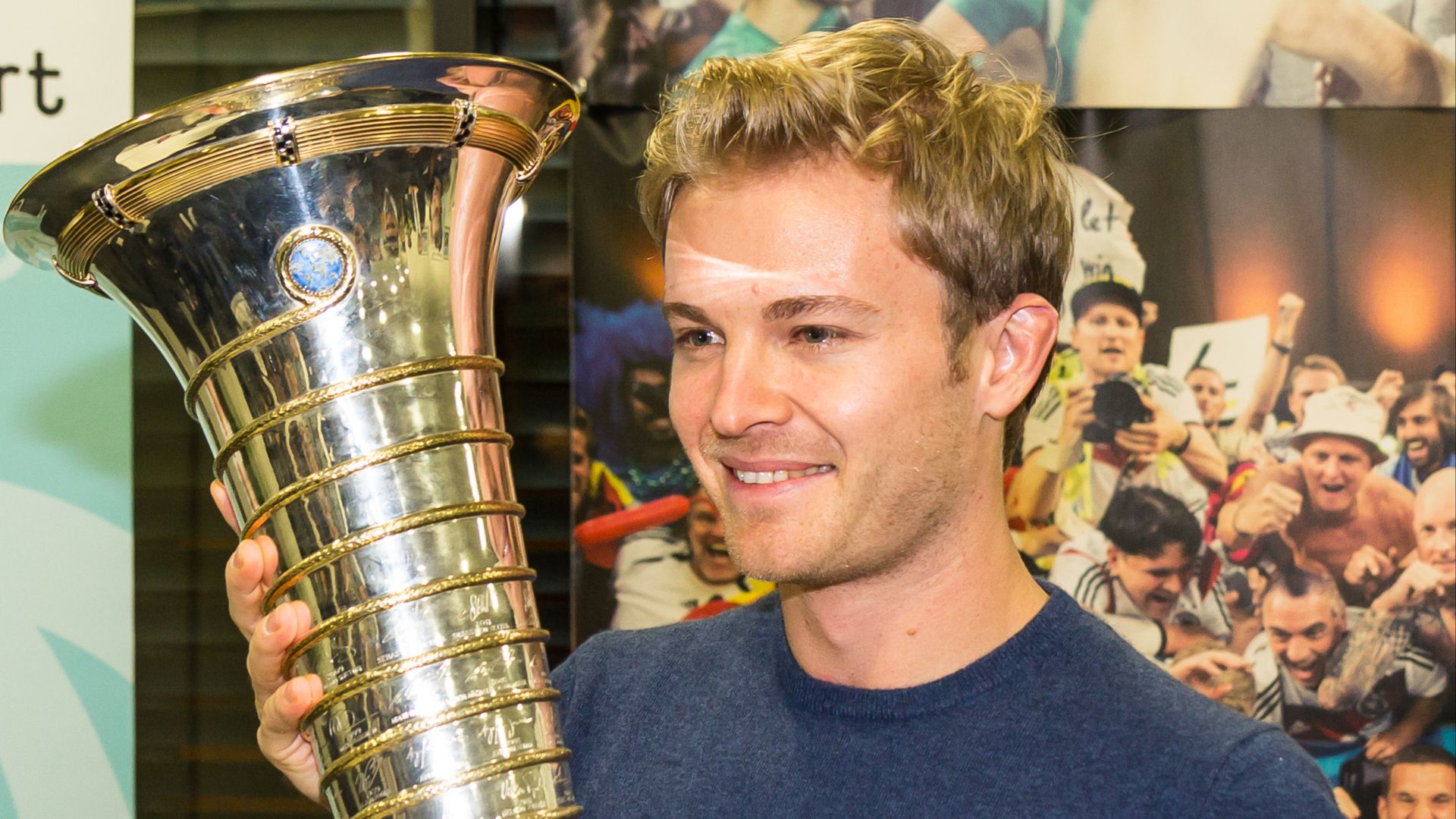
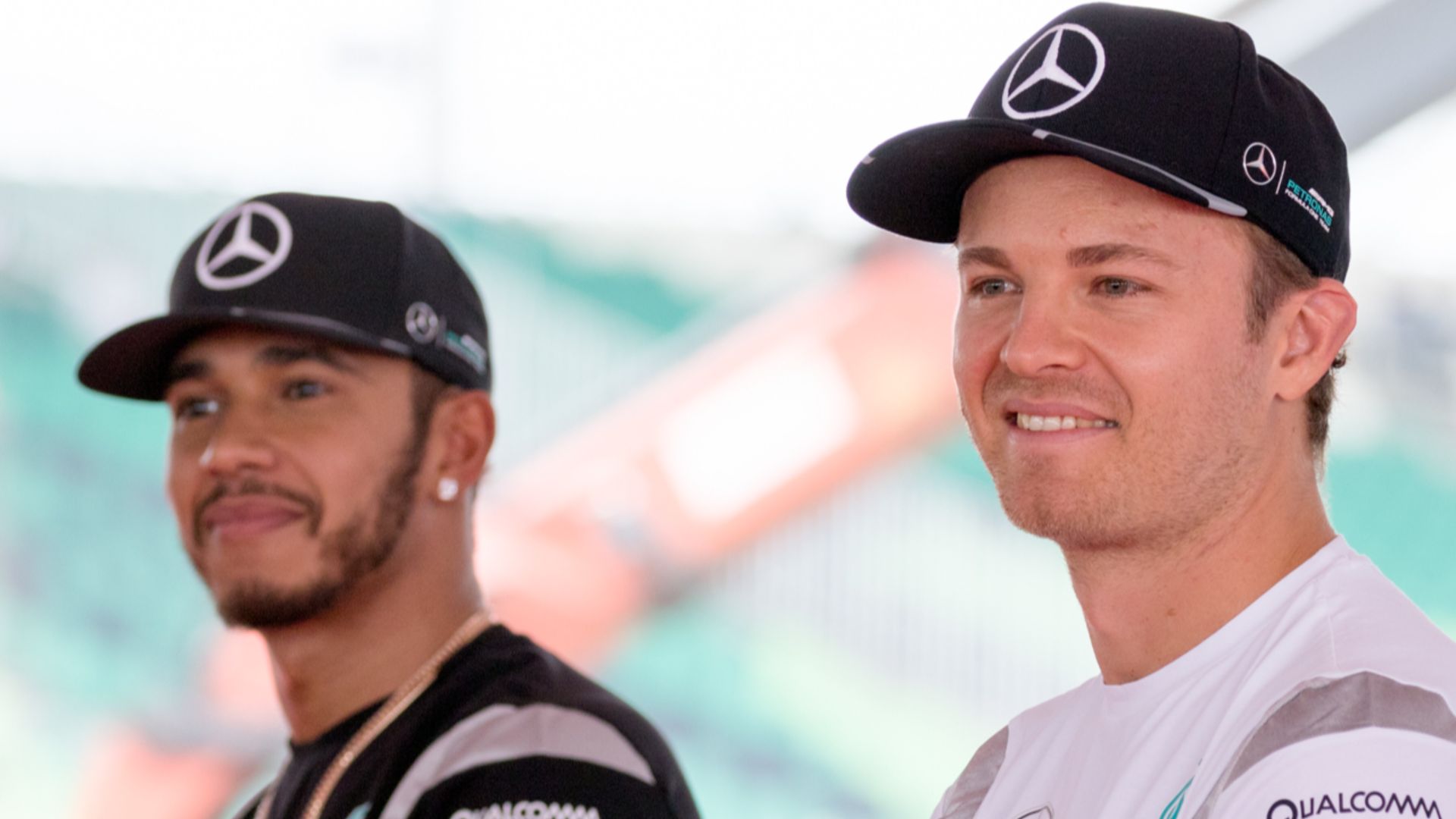
Mercedes had the 2015 season firmly under control. Lewis Hamilton and Nico Rosberg fought inside the same team, but the wider championship battle rarely looked open to outsiders. Ferrari grabbed some wins with Sebastian Vettel, which helped, but not enough to change the season’s shape.
6. 2016
The 2016 season had a real title fight, but it was almost entirely contained inside Mercedes. Hamilton and Rosberg delivered tension, mind games, and mechanical heartbreak, while the rest of the grid mostly watched from a respectful distance. Rosberg’s championship win was dramatic because of the rivalry, not because the whole field was unpredictable.
7. 2019
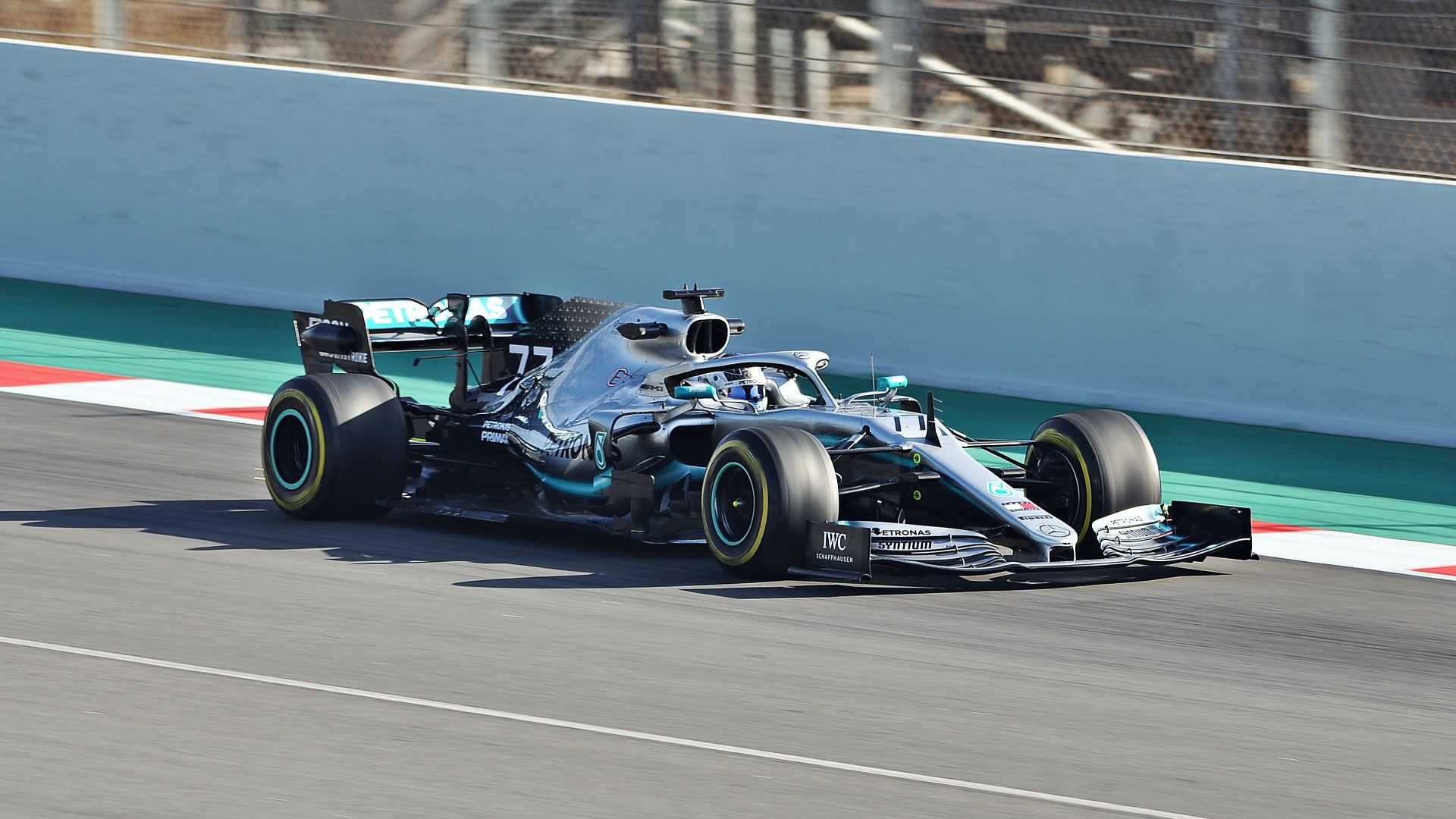
The 2019 season had some excellent individual races, but the championship itself settled into familiar Mercedes territory. Lewis Hamilton took another title, Valtteri Bottas started strongly but could not sustain a full-season challenge, and Ferrari’s flashes of speed came with enough inconsistency to keep things frustrating. Red Bull had standout moments too, especially with Verstappen, but not enough to create full title chaos.
8. 2020
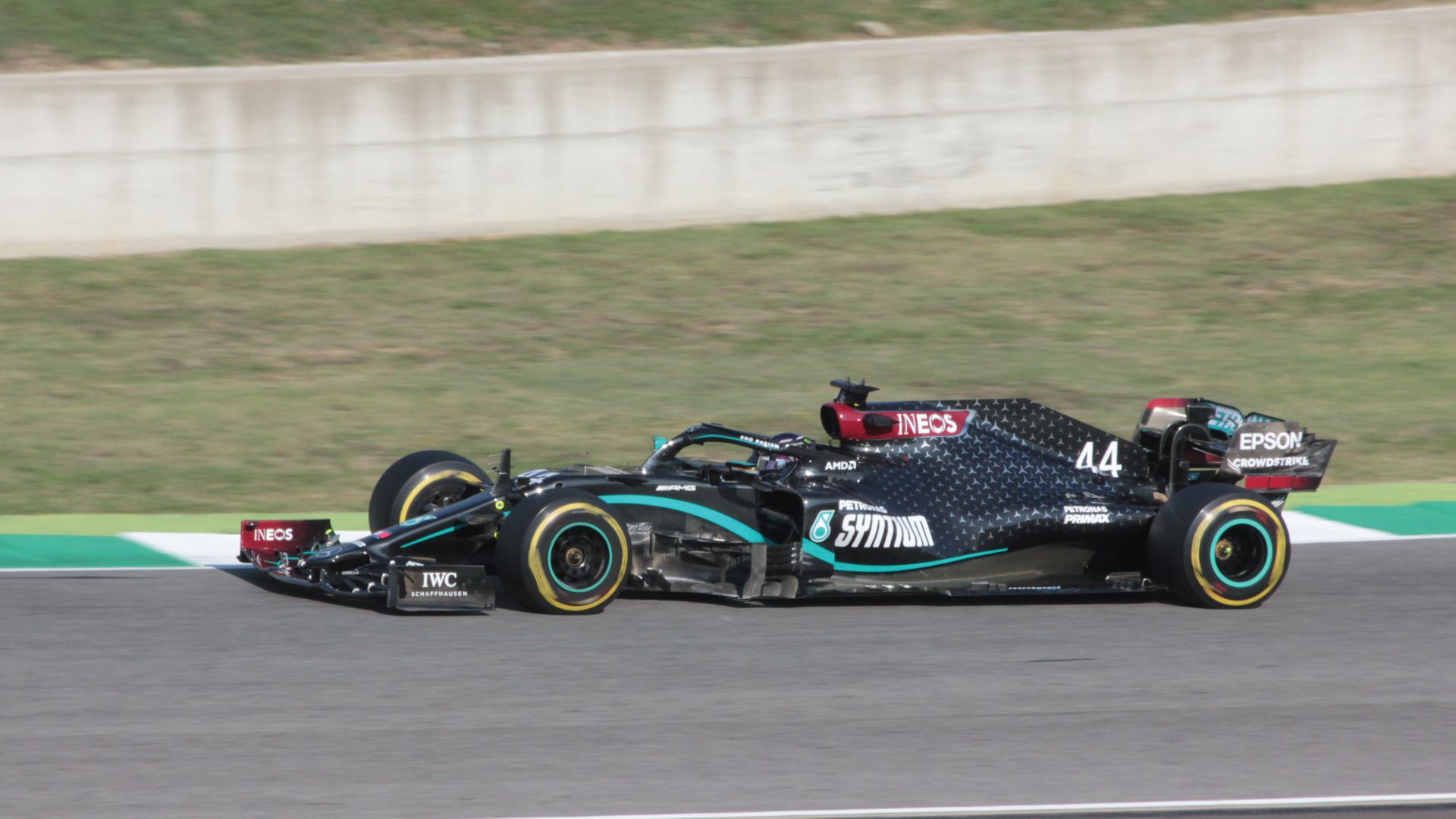
The 2020 season was chaotic off track because of the pandemic, revised calendar, and unusual venues, but the championship fight itself wasn't especially wild. Mercedes and Hamilton were comfortably ahead, and Hamilton sealed another driver’s title with room to spare. The season gave fans great oddities like Pierre Gasly winning at Monza and Racing Point winning in Bahrain with Sergio Pérez, so it wasn’t dull, but, the title race needed much more danger if it wanted to feel truly unpredictable.
9. 2023
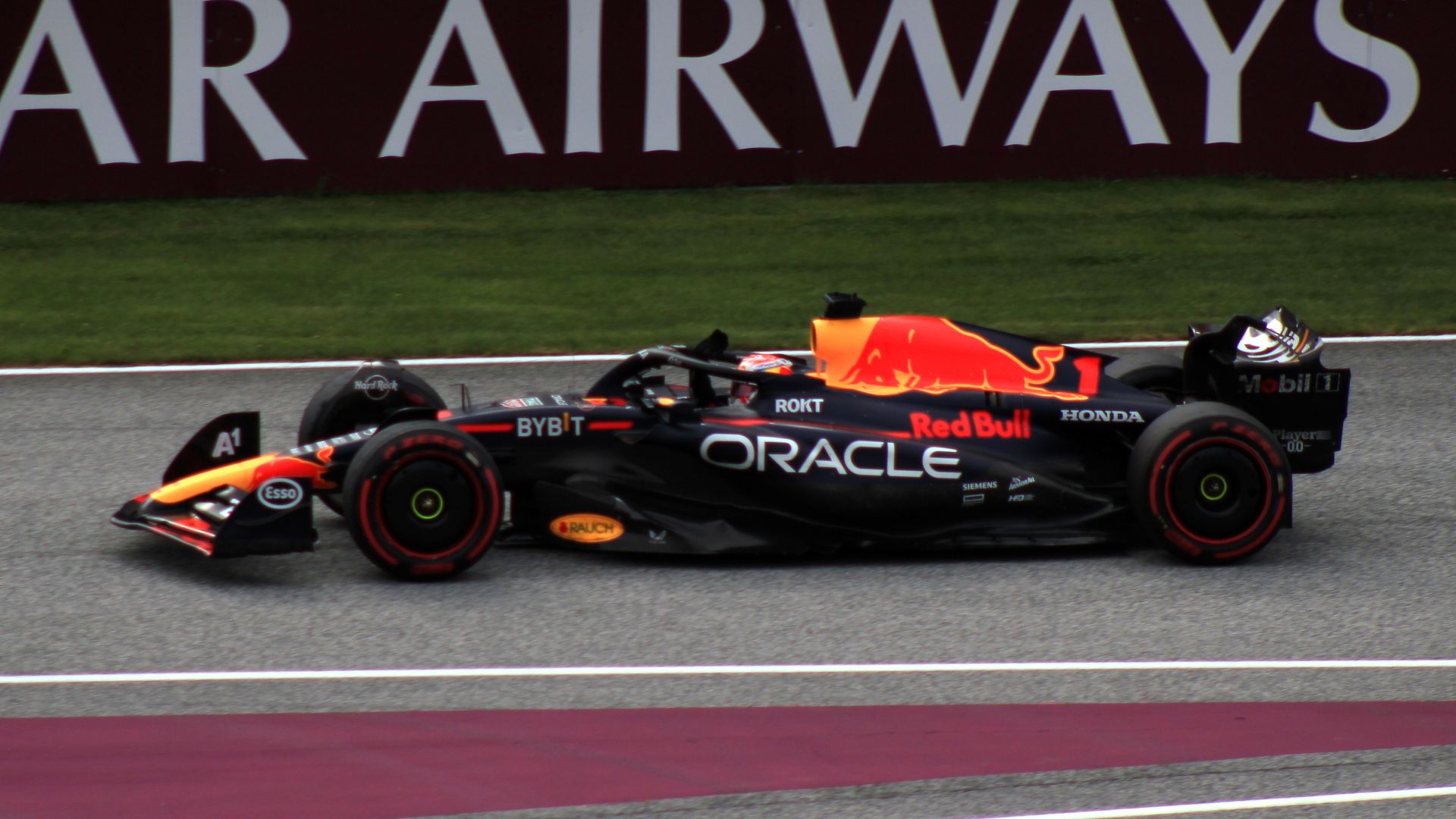
The 2023 season was historic domination from Red Bull and Max Verstappen. Verstappen won 19 of 22 races, while Red Bull won 21 of 22, which is almost comically efficient. There were interesting stories behind them, including Aston Martin’s early rise, McLaren’s midseason comeback, and Ferrari’s Singapore win, but the title fight was basically locked in a vault.
10. 2025
The 2025 season had storylines, rookies, and a major McLaren resurgence, but the constructors’ battle became too one-sided too early. McLaren clinched the constructors’ championship at the Singapore Grand Prix, making it their second consecutive team title, while Lando Norris and Oscar Piastri turned the drivers’ fight into the main attraction. That intra-team tension gave the season plenty to discuss, but the wider team battle lacked the messiness fans crave.