When Small Really Meant Small
Compact cars are common today, but some manufacturers took downsizing to an entirely different level. Whether driven by postwar fuel shortages, crowded city streets, or simple engineering curiosity, these tiny production cars proved that getting from one place to another didn't always require a full-sized automobile. Many of them look almost toy-like by modern standards, but they were legitimate road-going vehicles. If you've ever thought today's compact cars are small, these 20 models will make them seem enormous.
 Lars-Göran Lindgren Sweden on Wikimedia
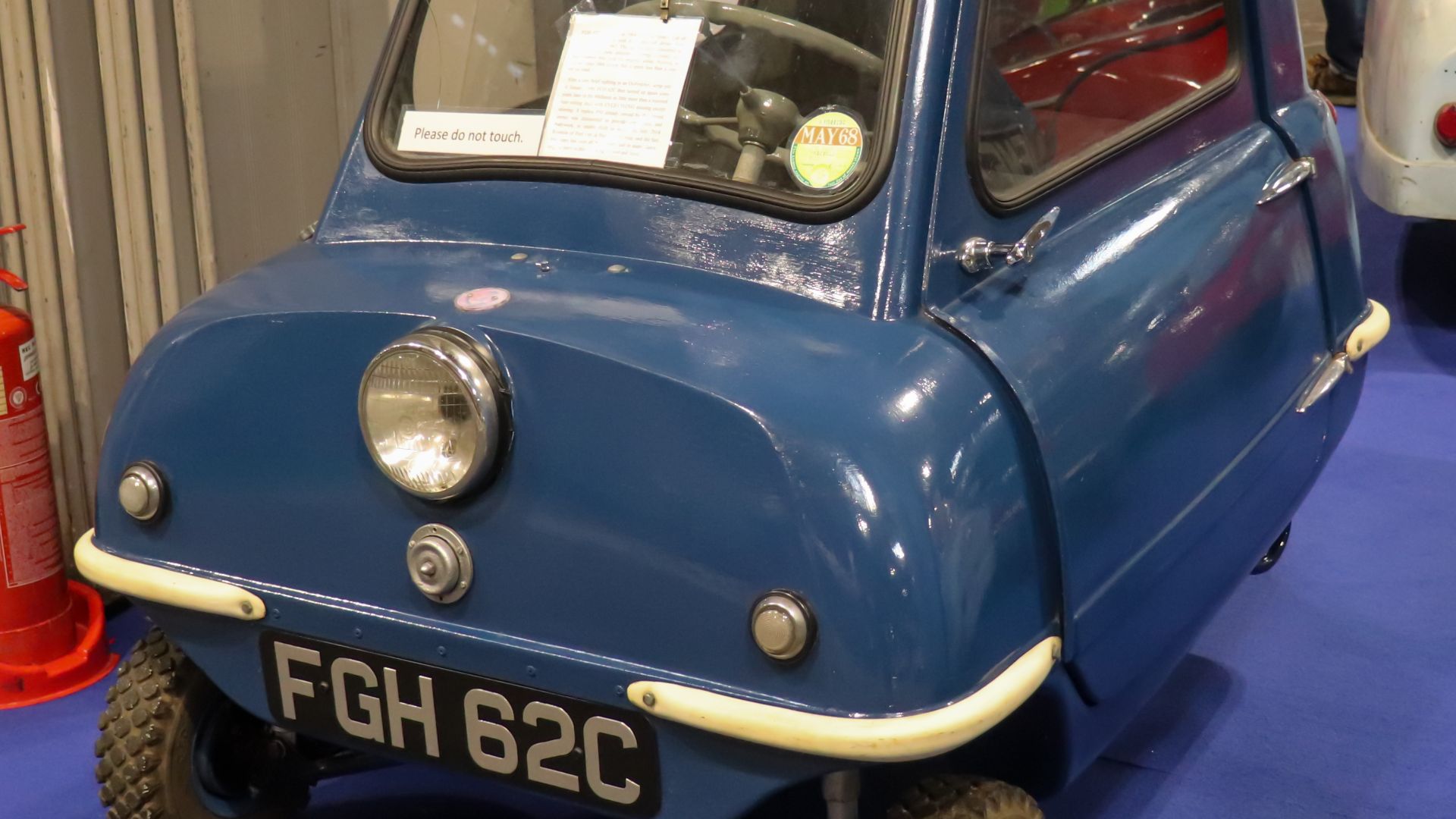
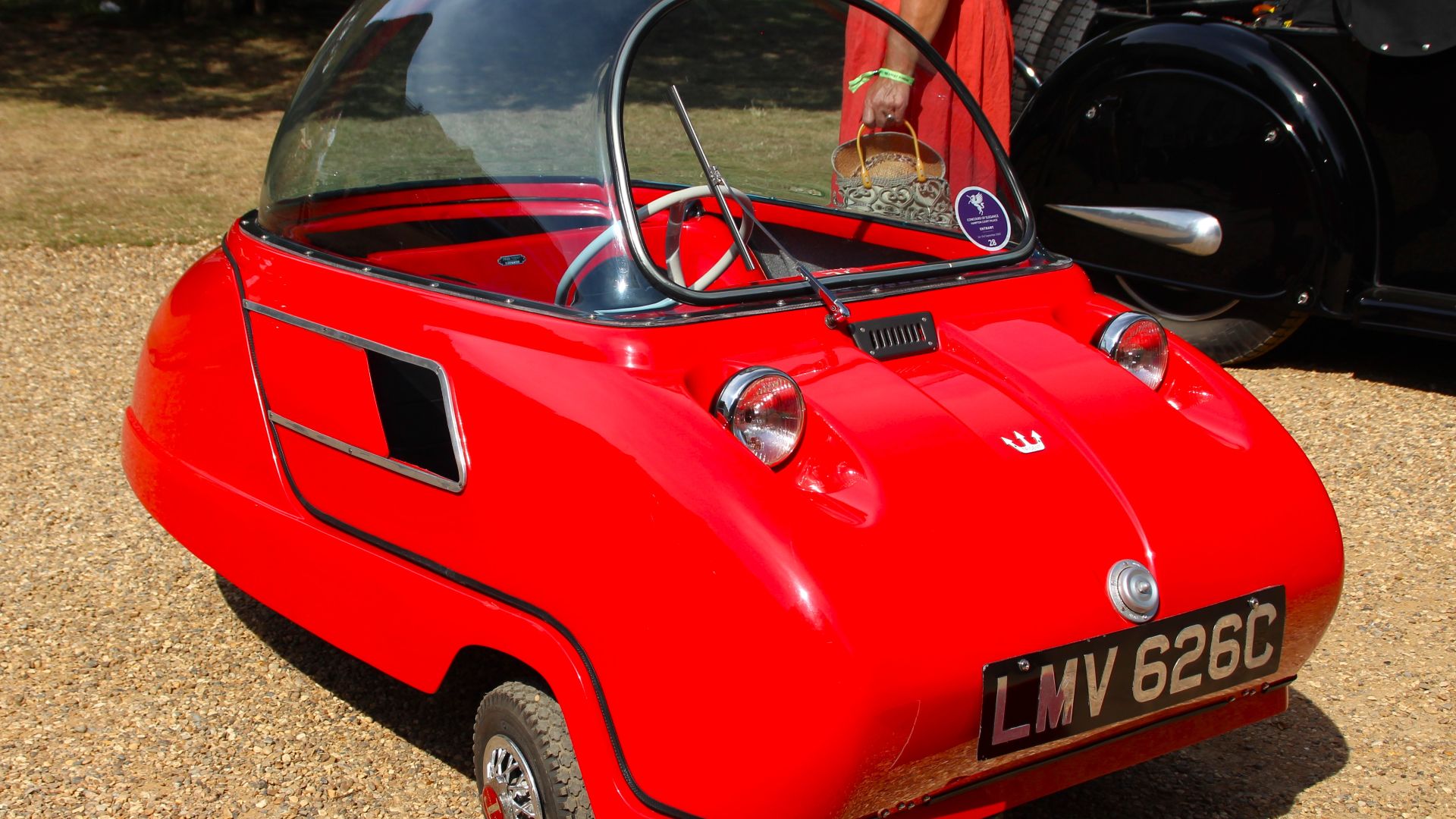
1. Peel P50
The Peel P50 is widely recognized as the smallest production car ever built. Measuring just over 54 inches long, it was designed for one person and a shopping bag. Early versions didn't even have a reverse gear, so drivers simply picked up the rear of the car and turned it around by hand.
2. Peel Trident
The Peel Trident looked like something straight out of a science fiction movie thanks to its bubble-style canopy. It shared many mechanical components with the P50 but added room for two occupants, provided they didn't mind sitting very close together. Its futuristic styling helped it stand apart from other microcars of the 1960s, and today, it's a highly sought-after collector's item.
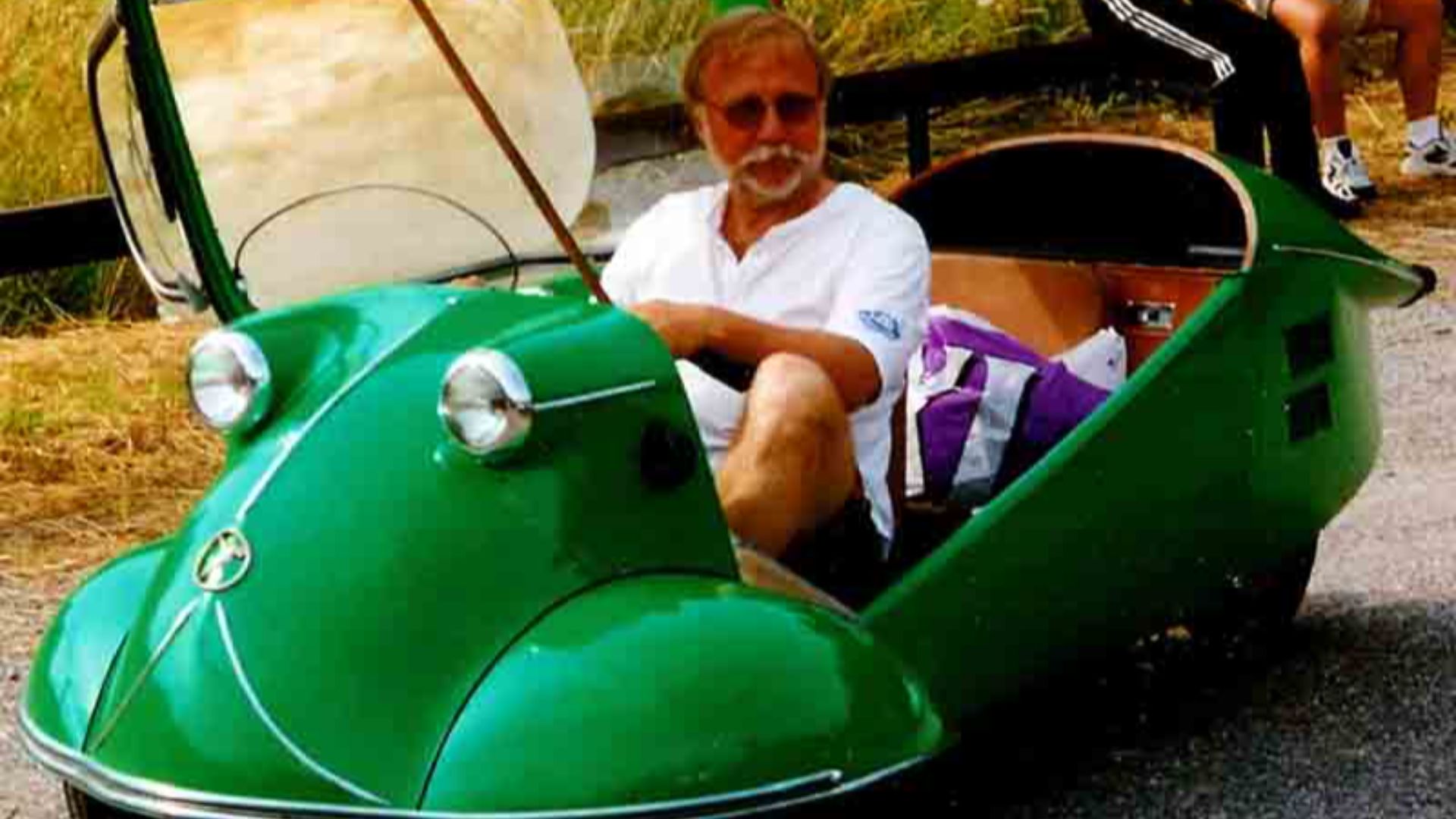
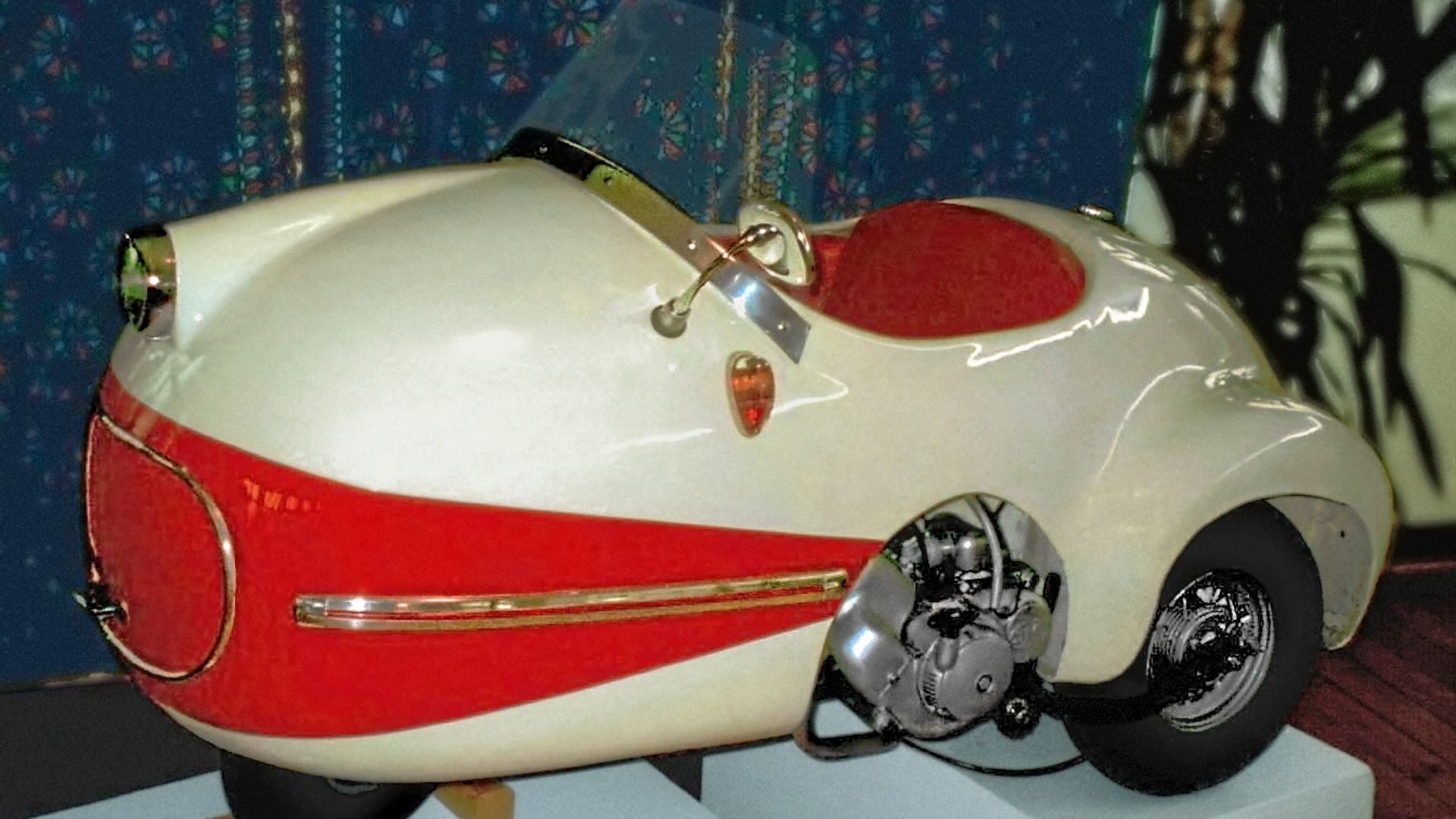
3. Brütsch Mopetta
The Brütsch Mopetta was less a conventional automobile and more a motorized runabout. Built in Germany during the 1950s, it featured a single seat and three wheels wrapped in an incredibly small fiberglass body. Although production numbers remained low, it captured plenty of attention for its unusual appearance.
 Buch-t
Derivative work MagentaGreen on Wikimedia
Buch-t
Derivative work MagentaGreen on Wikimedia
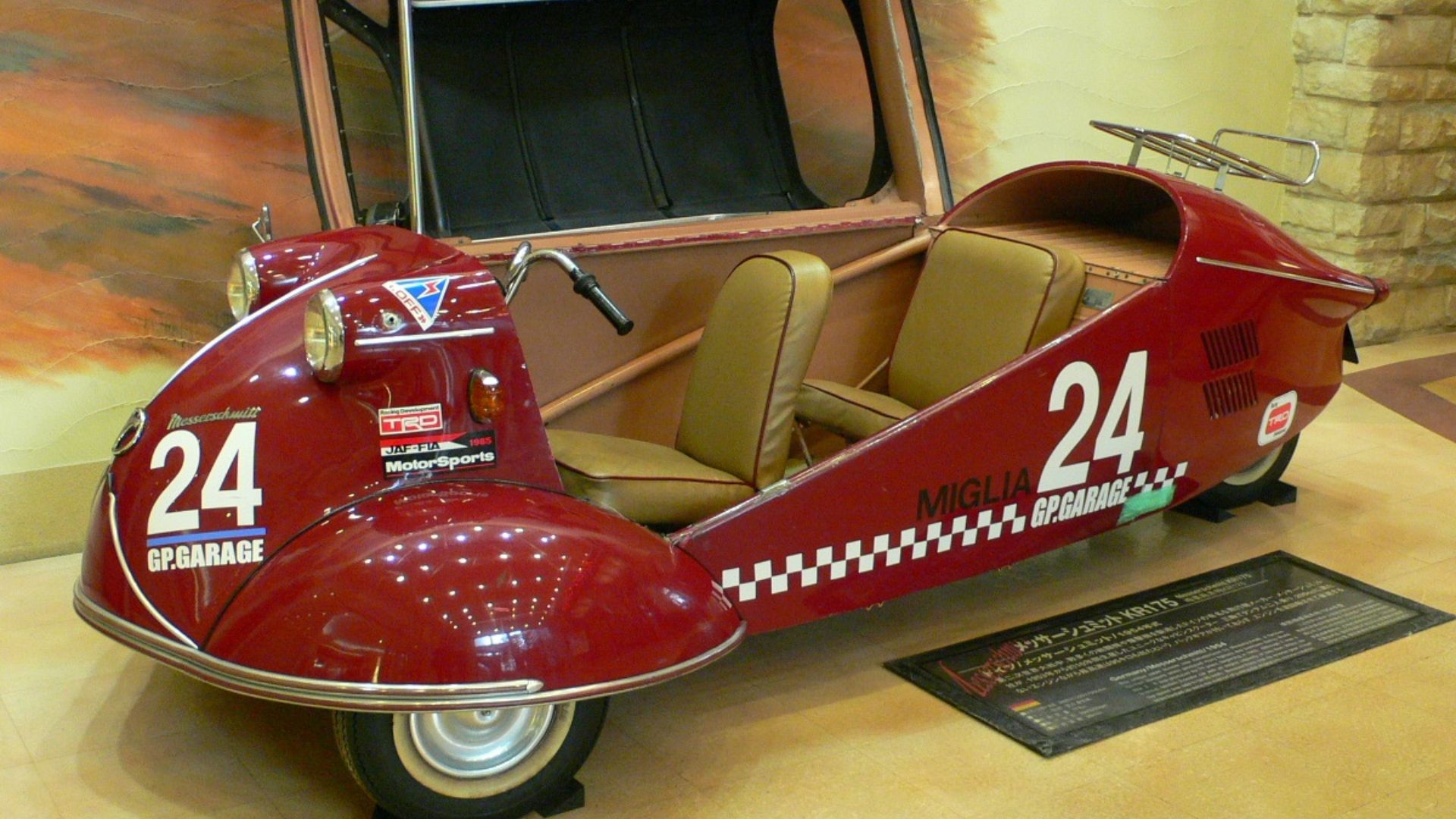
4. Messerschmitt KR175
Originally developed by the aircraft manufacturer Messerschmitt, the KR175 reflected its aviation roots with tandem seating and a bubble canopy. The tiny three-wheeler offered affordable transportation during postwar Germany's recovery. Despite its unusual layout, thousands were built and sold, making it one of Europe's most popular microcars.
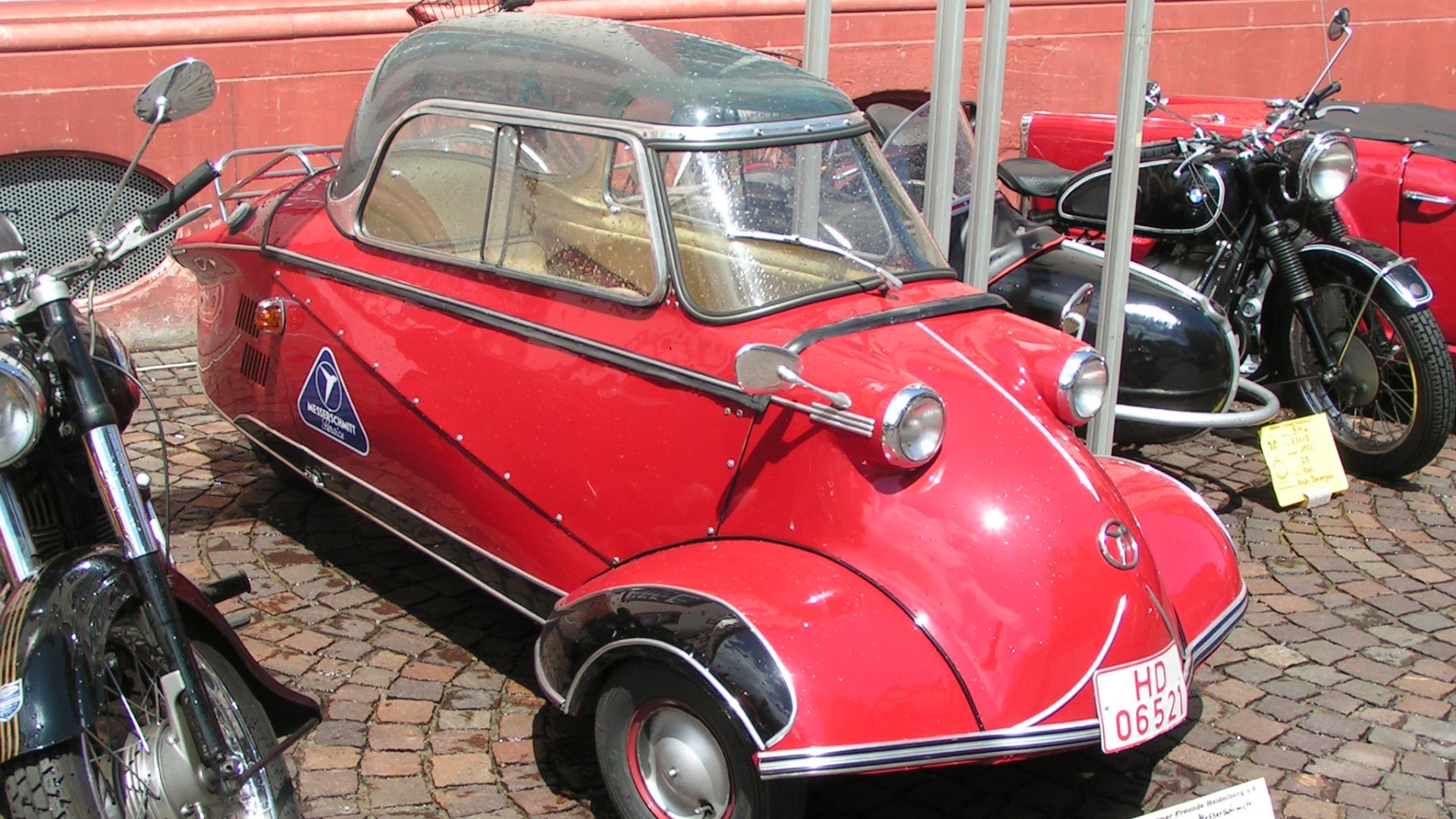
5. Messerschmitt KR200
The KR200 refined the earlier KR175 while keeping its unmistakable aircraft-inspired design. It offered slightly better performance and improved reliability without sacrificing its compact footprint. The driver and passenger sat one behind the other rather than side by side, helping keep the body exceptionally narrow.
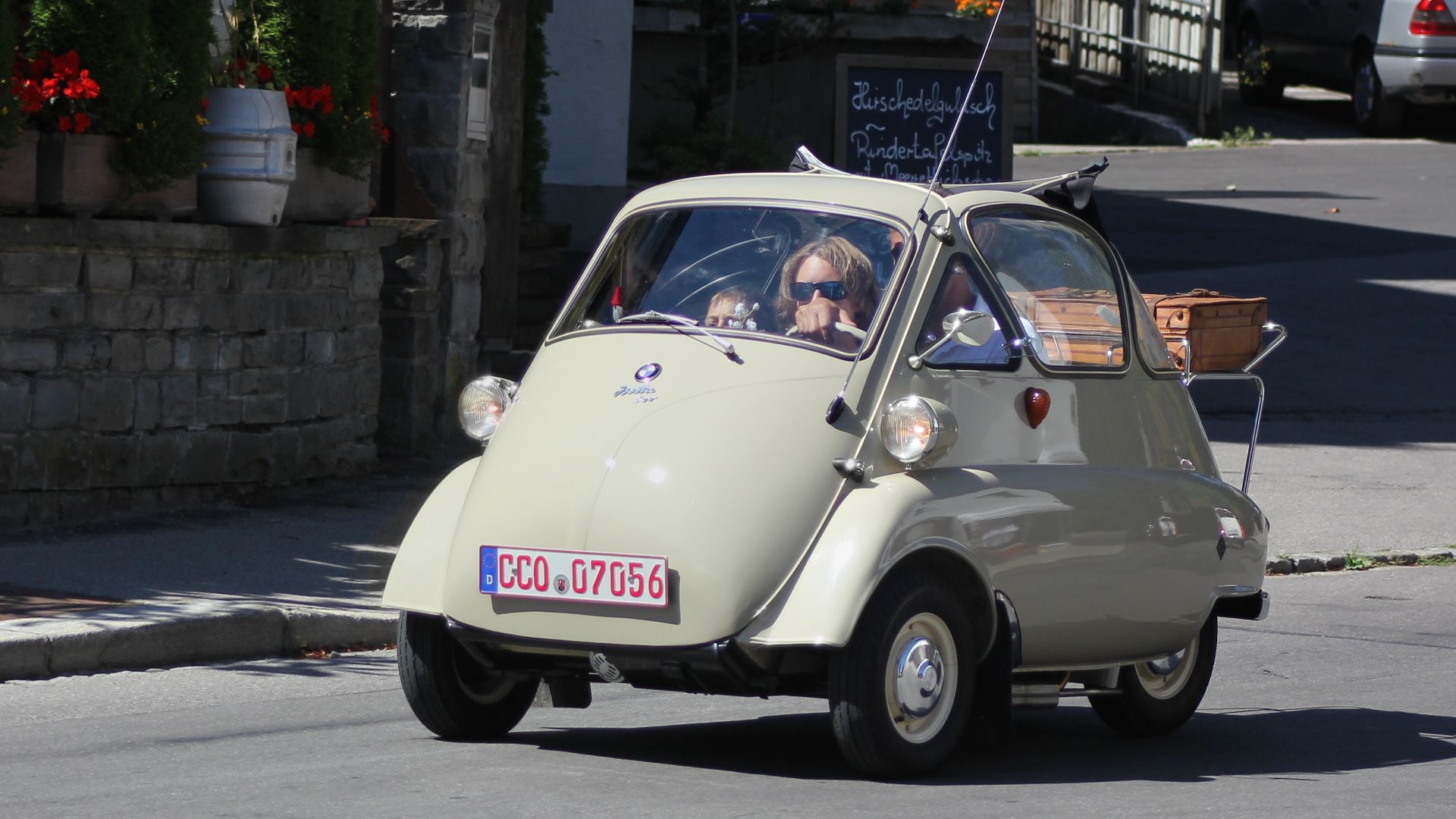
6. BMW Isetta
The BMW Isetta remains one of the best-known microcars in automotive history. Its front-opening door made getting in and out part of the experience, while its tiny dimensions made parking almost effortless. During the 1950s, it provided economical transportation to thousands of European drivers.
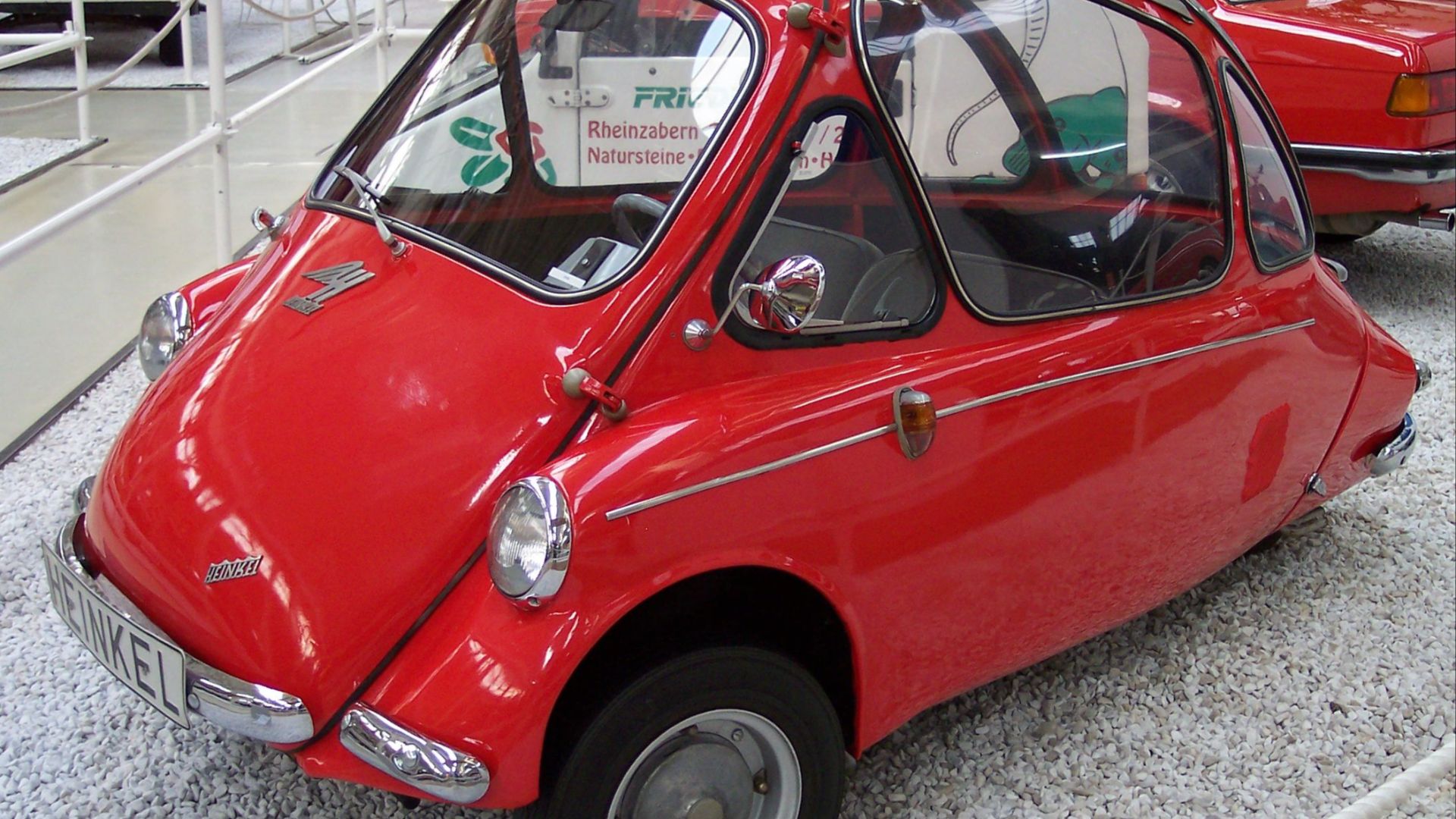
7. Heinkel Kabine
The Heinkel Kabine closely resembled the Isetta but came from another former aircraft manufacturer. Like its rival, it featured a front-hinged door and compact dimensions designed for city driving. Buyers appreciated its fuel economy and surprisingly practical interior.
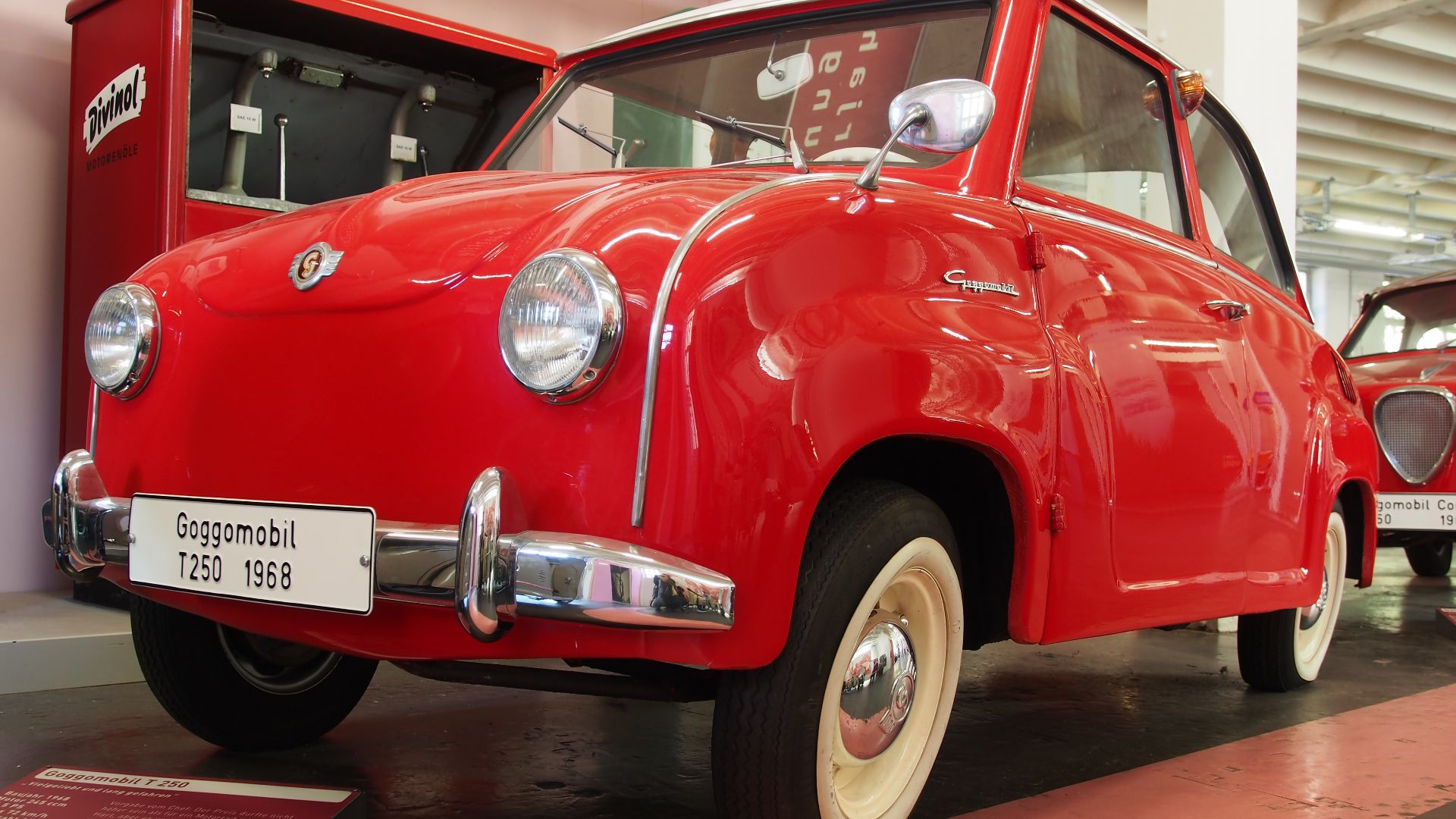
8. Goggomobil T250
The Goggomobil T250 proved that a tiny car could still have room for four people. Although compact by any measure, its clever packaging made surprisingly good use of limited space. It became especially popular in Europe during the late 1950s and early 1960s.
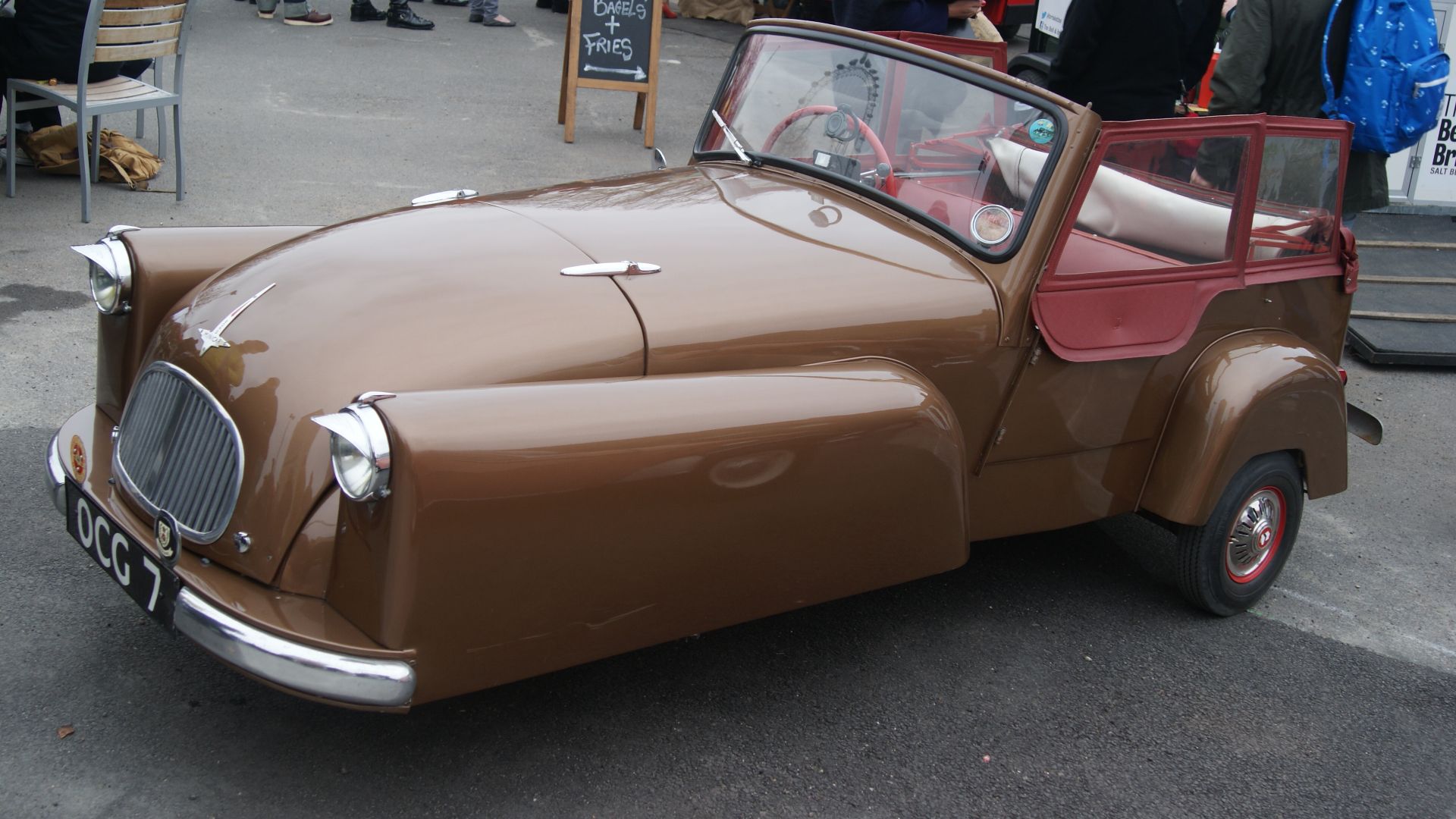
9. Bond Minicar
Britain's Bond Minicar offered inexpensive transportation in a remarkably small package. Early versions featured three wheels and motorcycle-derived mechanical components to keep costs down. Its lightweight construction made it economical to operate during an era when fuel prices mattered greatly.
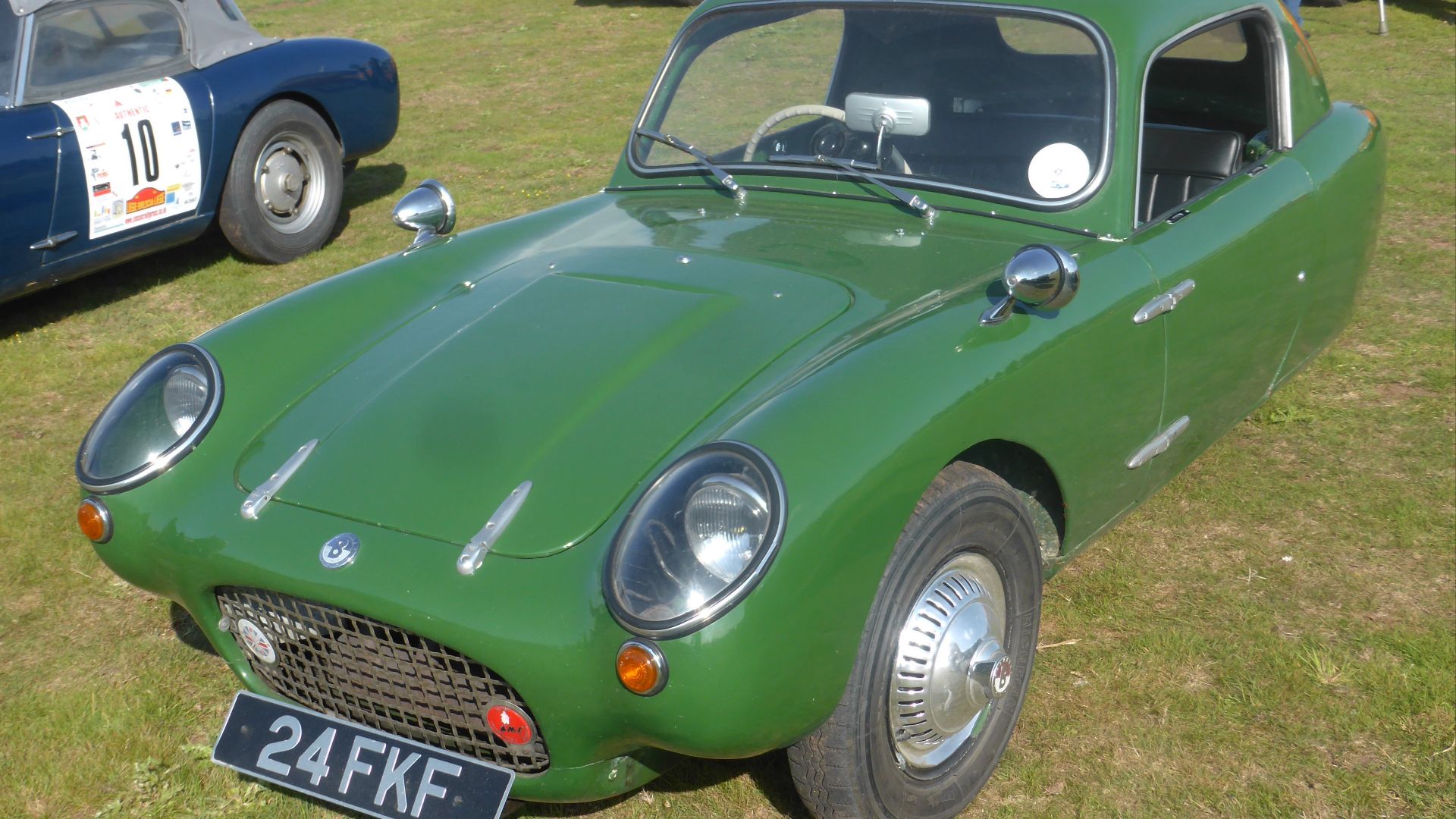
10. Berkeley T60
The Berkeley T60 packed surprising personality into its tiny frame. This British three-wheeler used fiberglass construction to save weight while offering affordable transportation. Despite its modest performance, it developed a loyal following among enthusiasts.
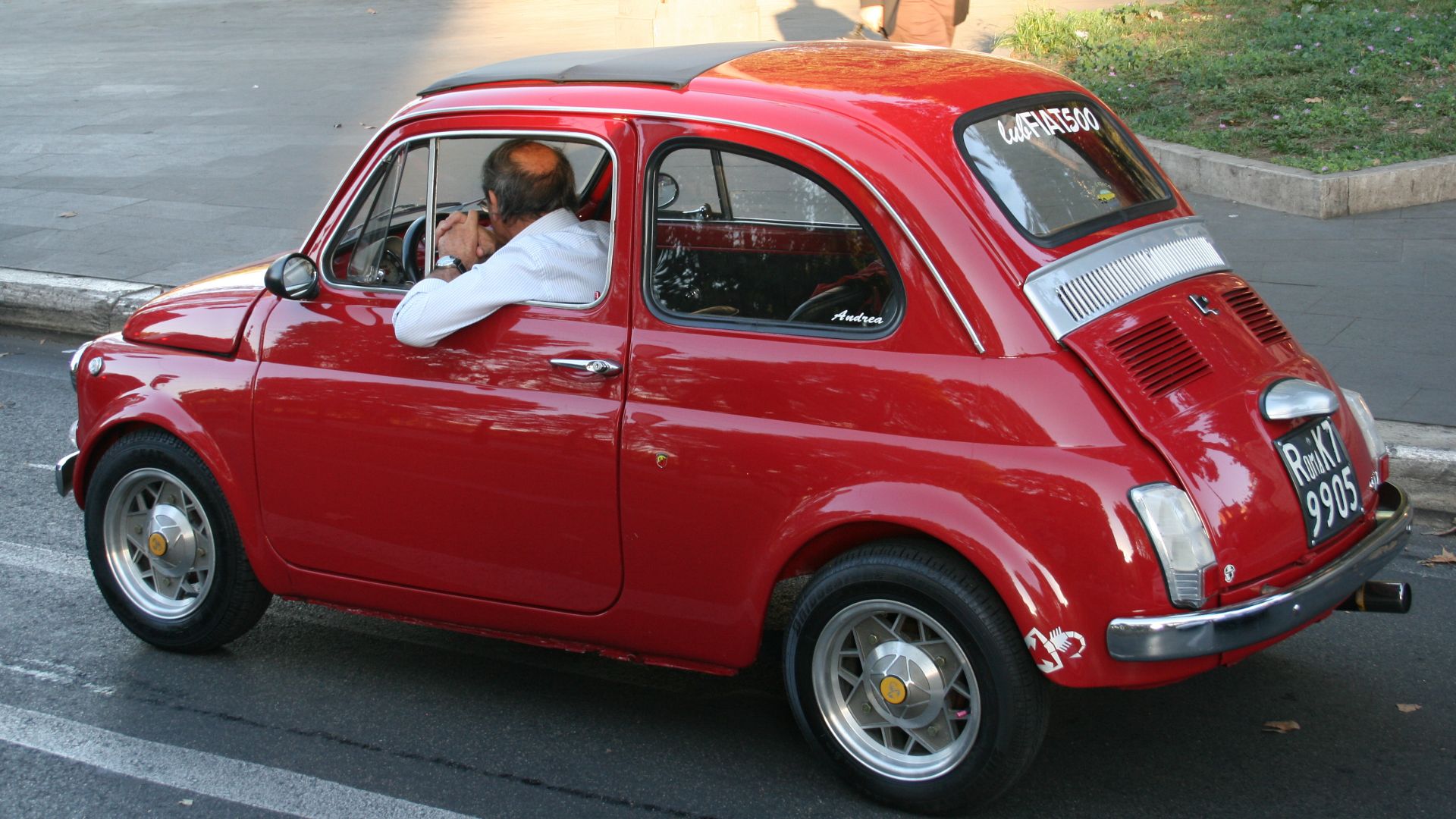
11. Fiat 500 Nuova
Introduced in 1957, the original Fiat 500 Nuova became one of Italy's greatest automotive success stories. It measured under 10 feet long yet comfortably handled crowded European streets. Its simple engineering kept ownership costs low while making repairs relatively straightforward.
 Jean-Pol GRANDMONT on Wikimedia
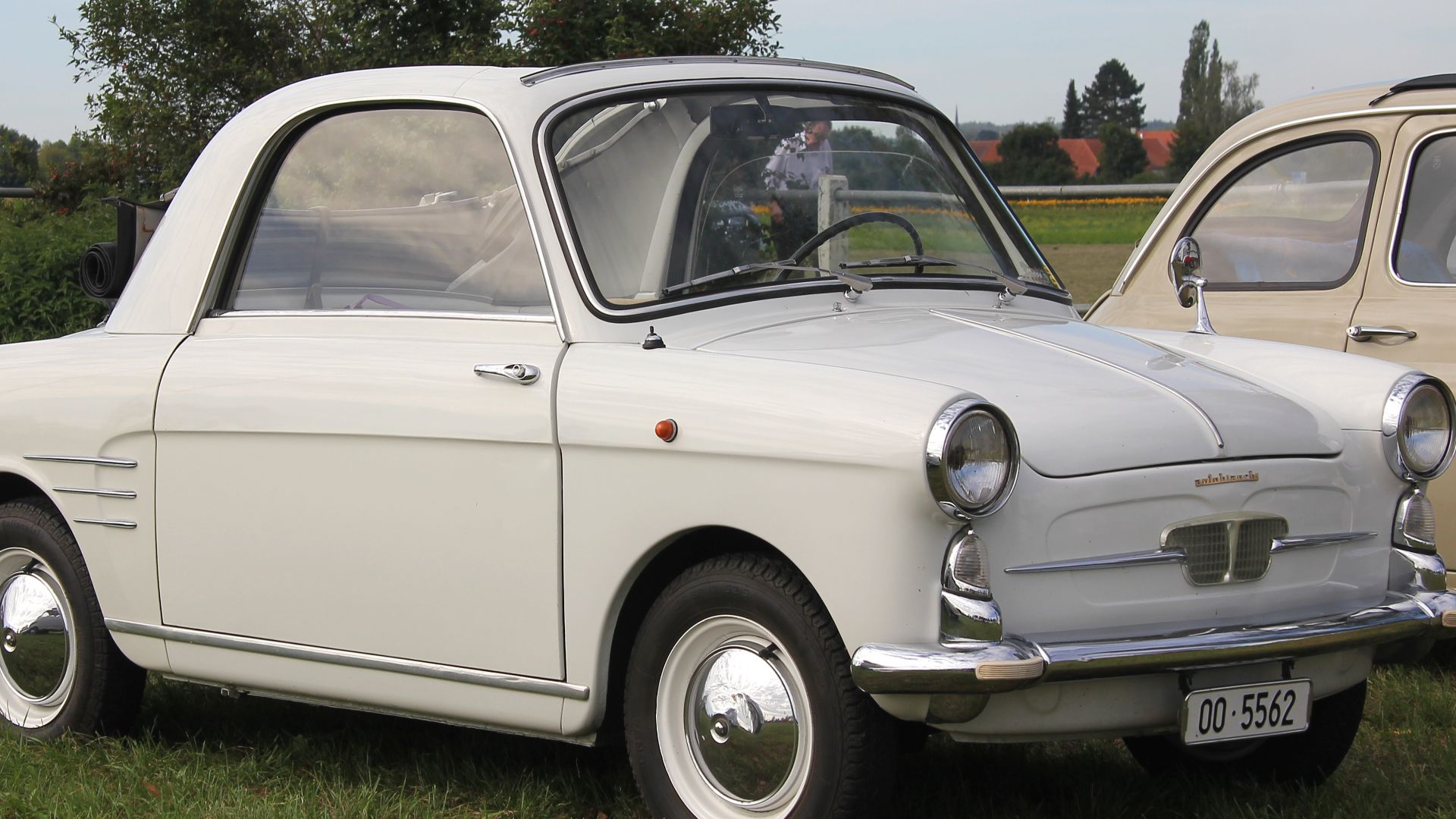
12. Autobianchi Bianchina
The Autobianchi Bianchina shared much of its mechanical foundation with the Fiat 500 but added more stylish bodywork. Buyers could choose from several body styles, including convertible and wagon versions. It offered an upscale alternative without giving up its city-friendly proportions.
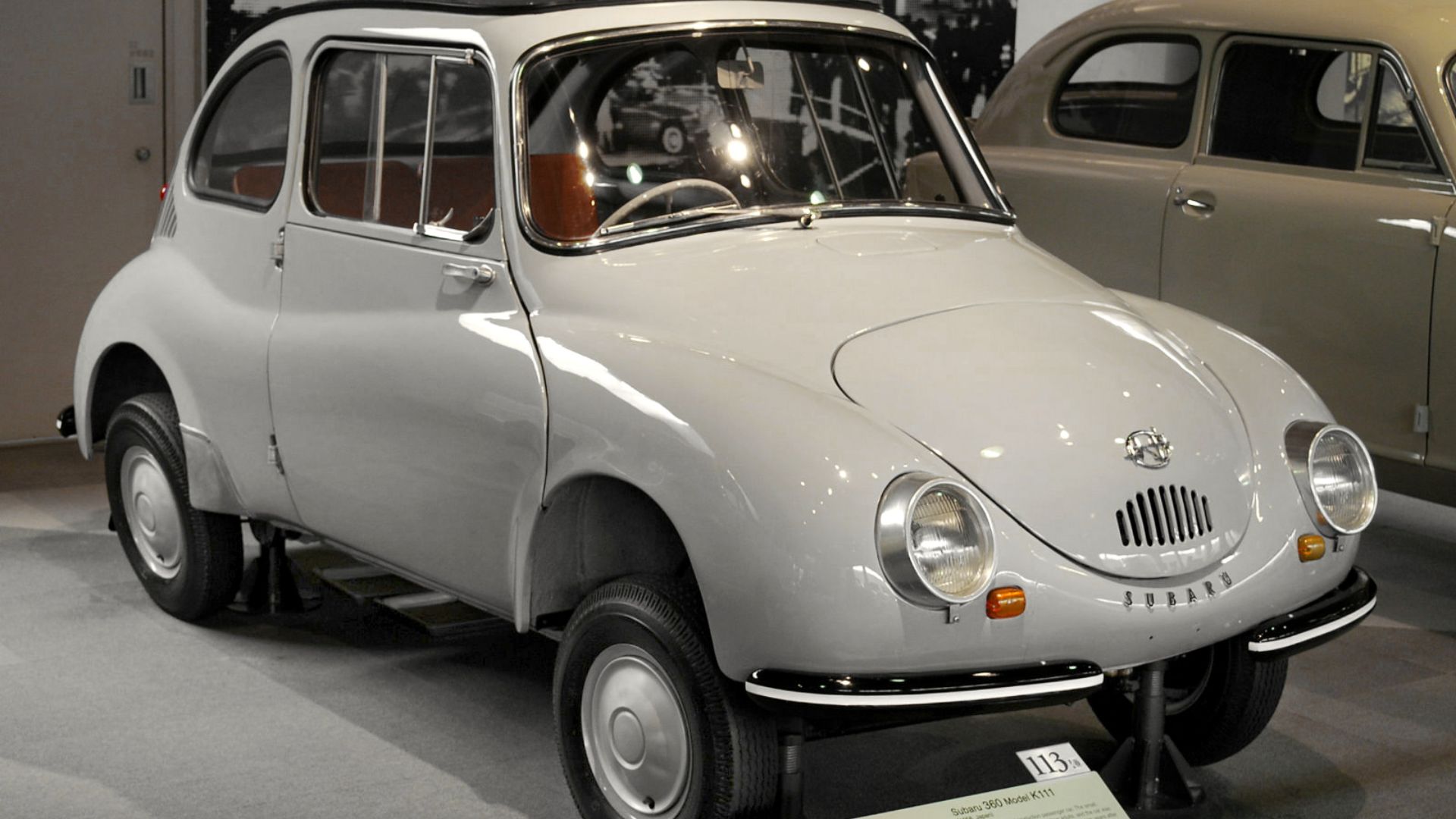
13. Subaru 360
Nicknamed the "Ladybug," the Subaru 360 introduced many people to Japan's growing automotive industry. Its lightweight construction and compact size made it affordable to own and operate. Although tiny by American standards, it became enormously successful in Japan.
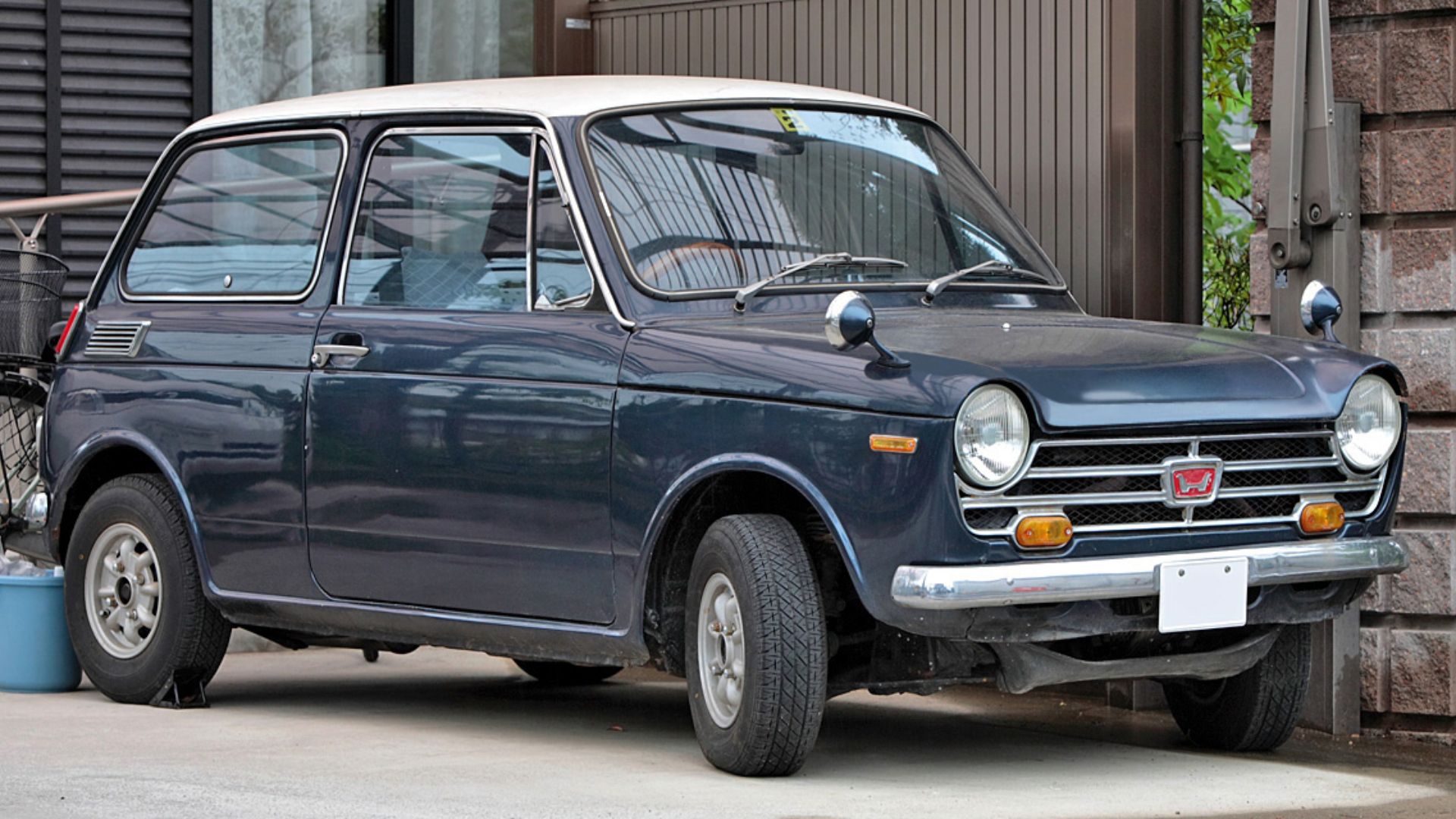
14. Honda N360
Honda's N360 demonstrated that small cars could still feel refined. Its compact dimensions made it ideal for dense urban environments while delivering surprisingly lively performance from its tiny engine. The model played an important role in Honda's expansion into passenger cars. It remains a significant milestone in the brand's history.
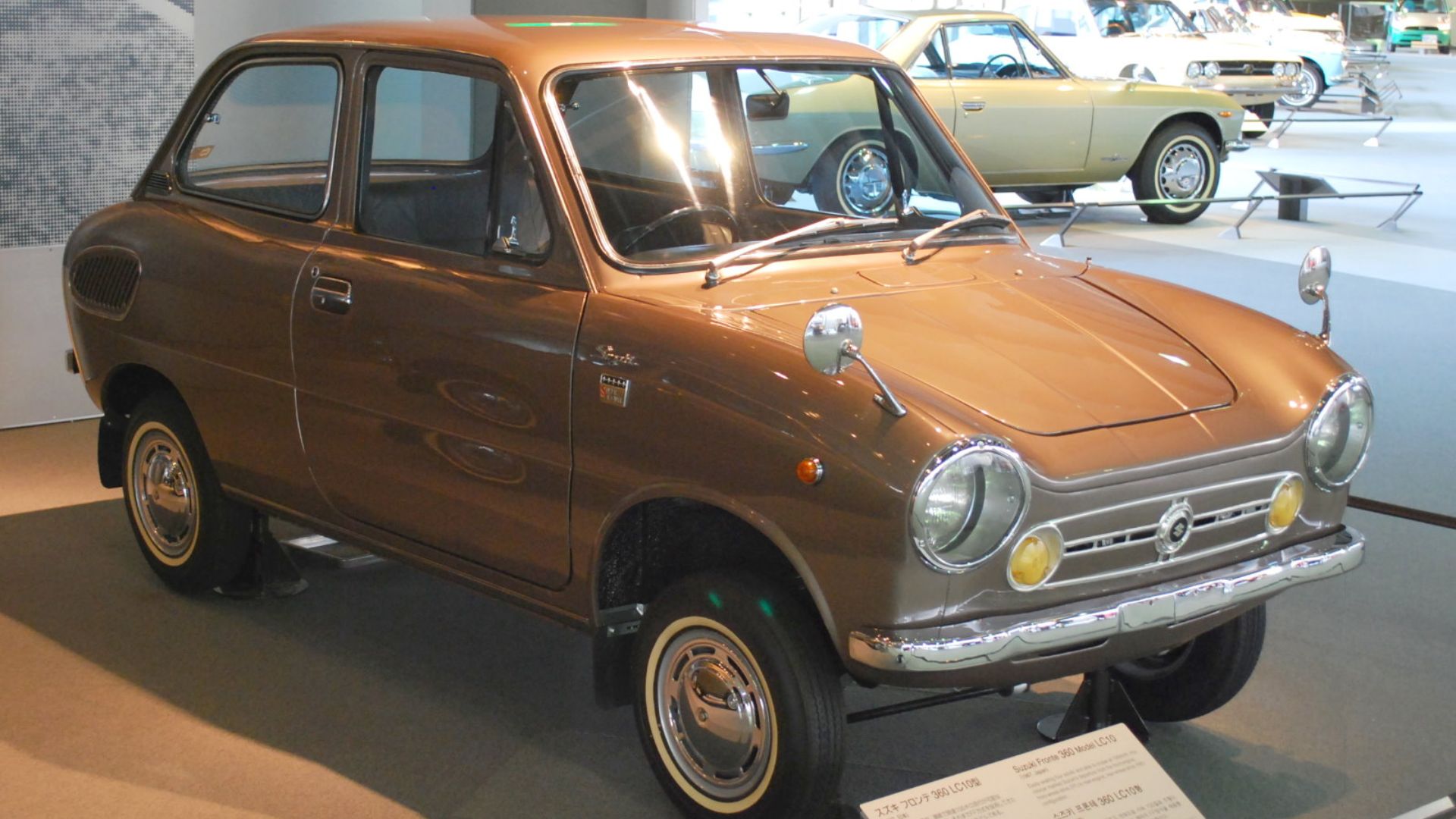
15. Suzuki Fronte 360
The Suzuki Fronte 360 embraced Japan's kei car regulations by maximizing interior space within strict size limits. Despite its tiny footprint, it provided practical transportation for families and commuters alike. Constant development helped improve comfort and reliability over successive versions.
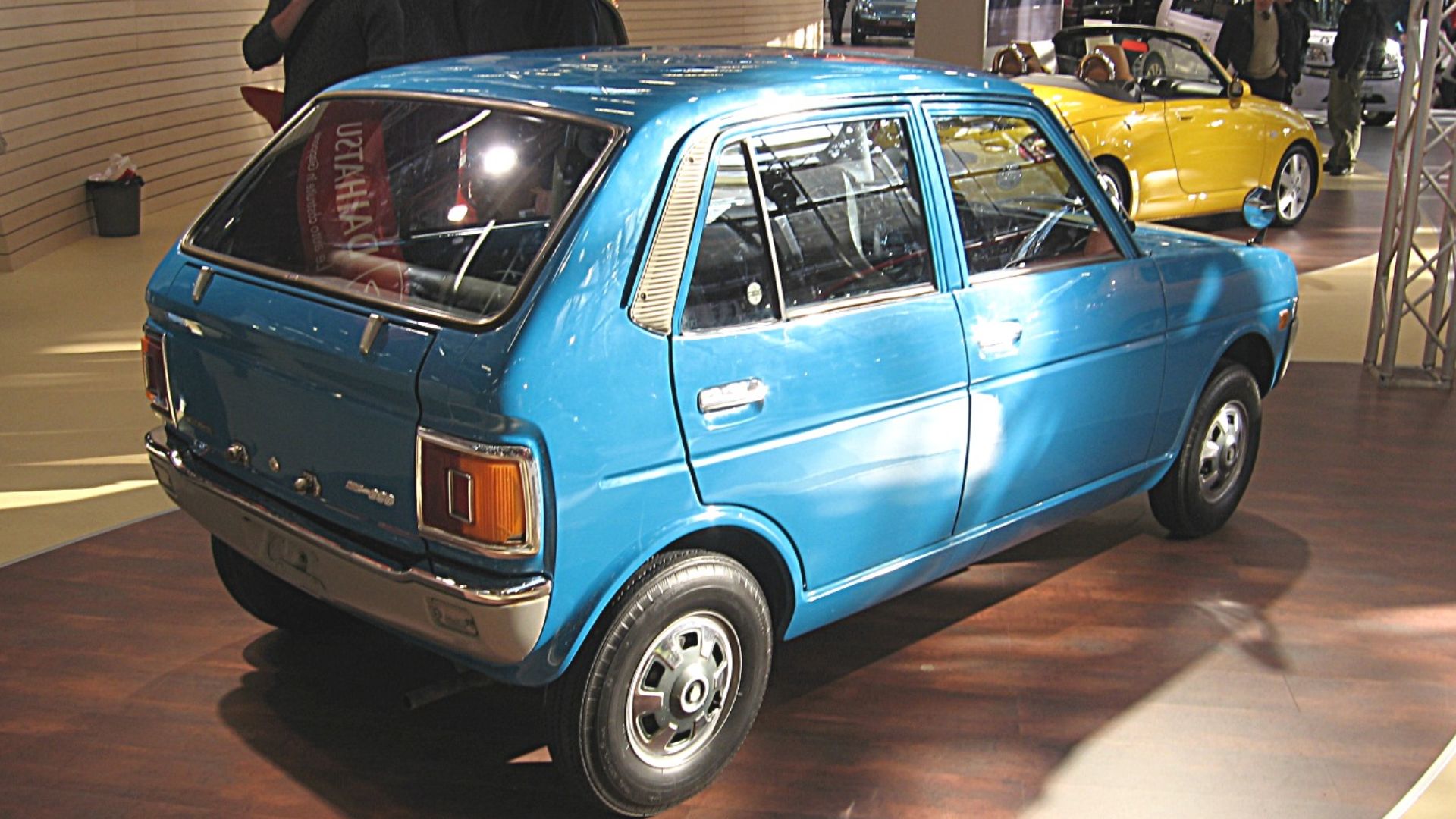
16. Daihatsu Fellow Max
Daihatsu's Fellow Max squeezed an impressive amount of practicality into a remarkably compact body. It followed kei car regulations while offering improved comfort compared to many earlier microcars. Buyers appreciated its dependable engineering and economical operation.
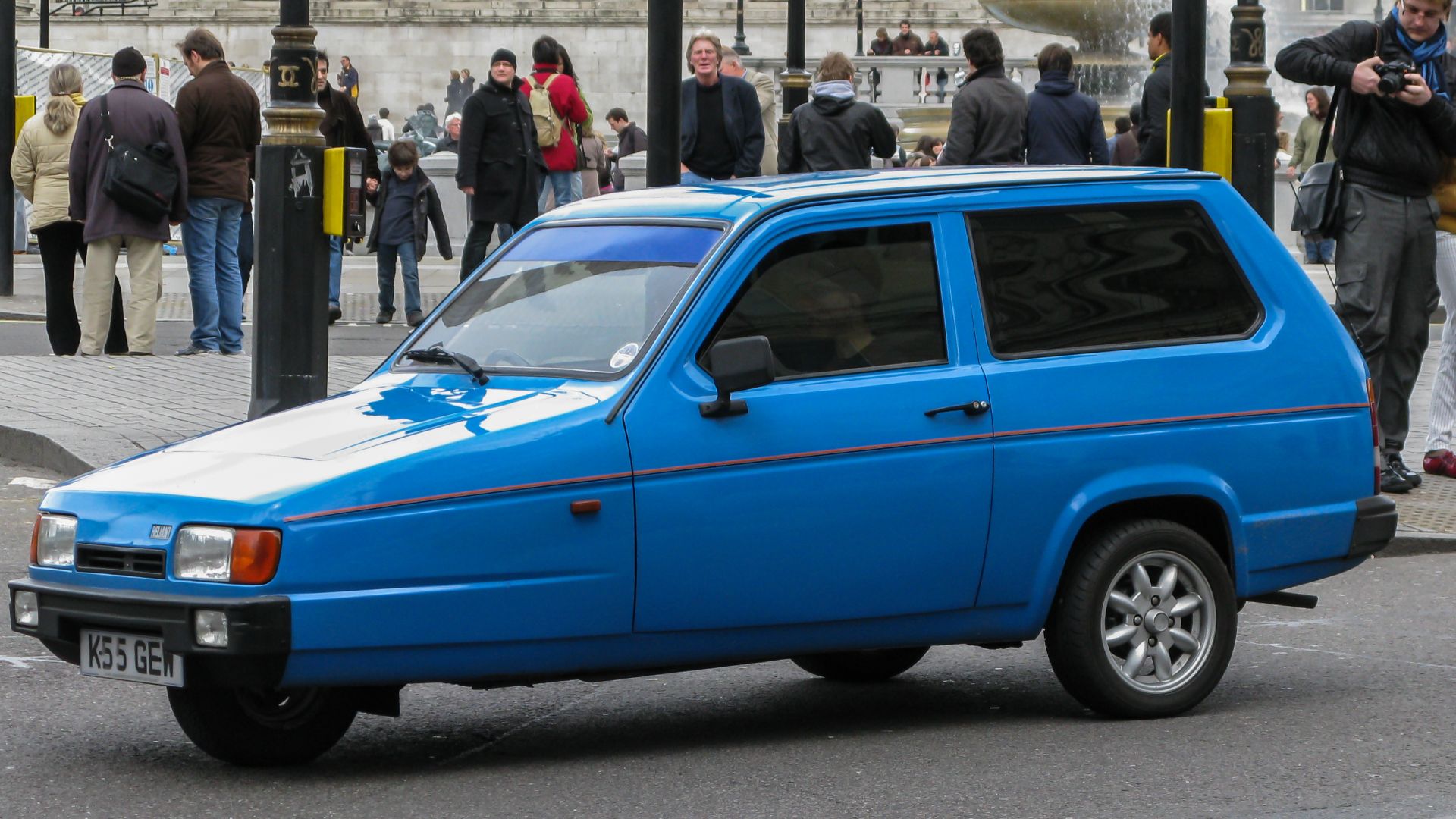
17. Reliant Robin
The Reliant Robin became famous for its three-wheel layout and unmistakable shape. Although television often exaggerated its tendency to tip over, it was genuinely one of Britain's most recognizable tiny production vehicles. Its compact size kept running costs impressively low. Decades later, it's still remembered with plenty of affection.
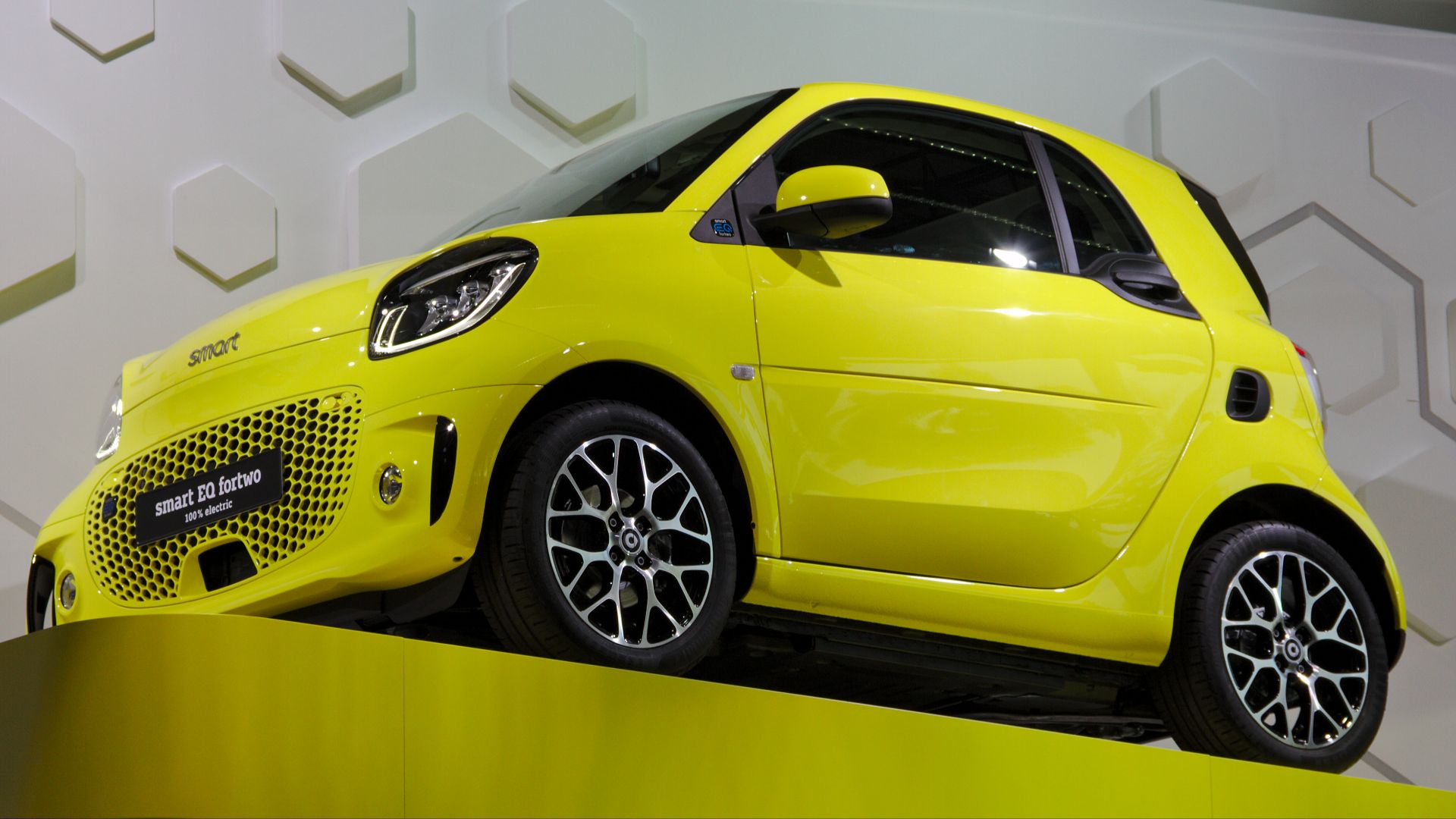
18. Smart Fortwo
The Smart Fortwo proved that microcars still had a place in the modern world. At under nine feet long, it could fit into parking spaces many conventional cars couldn't even attempt. Clever engineering helped maximize interior room despite its tiny footprint. Urban drivers quickly discovered just how practical extreme compactness could be.
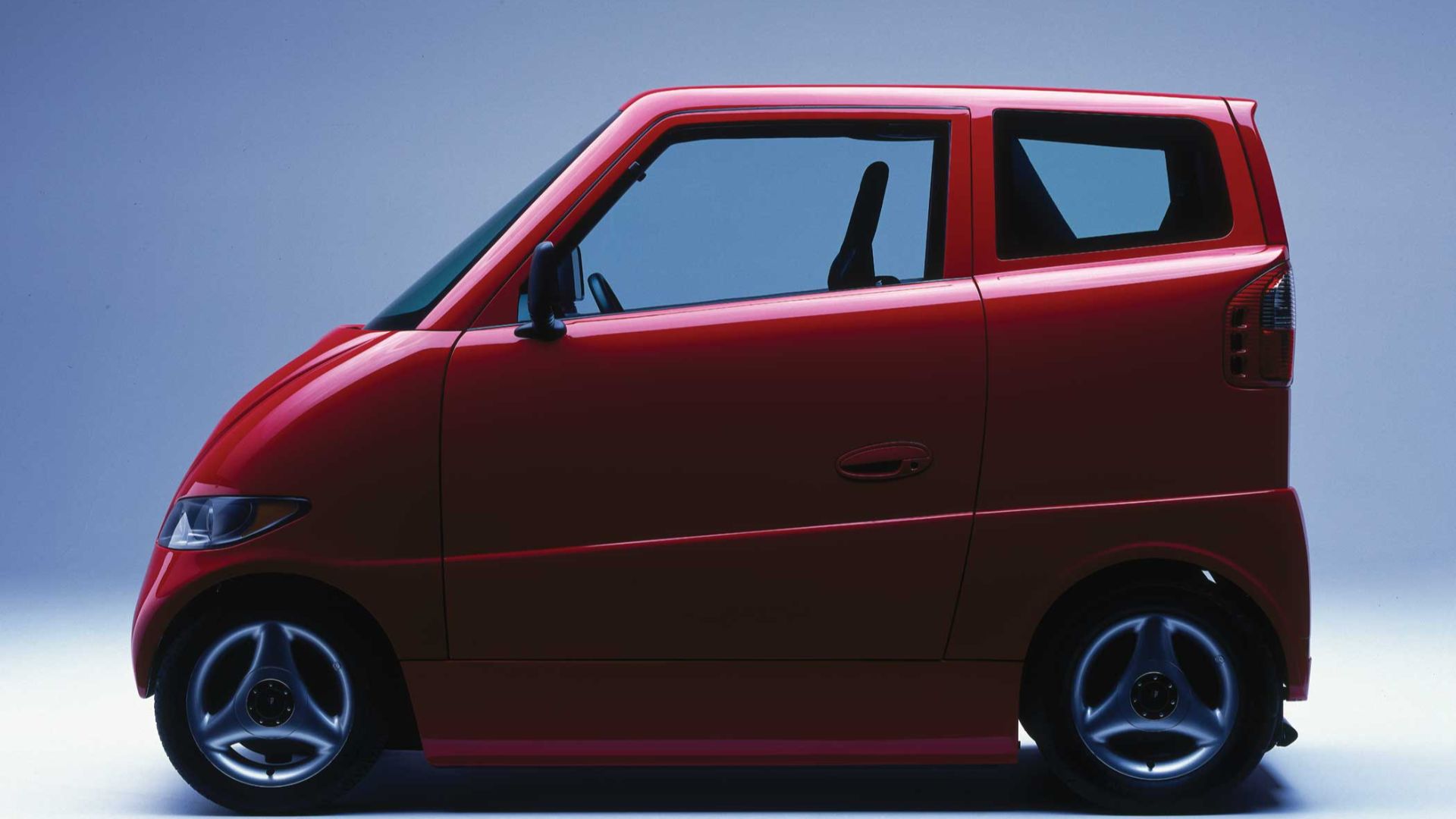
19. Tango T600
The Commuter Cars Tango T600 took a different approach by making the vehicle exceptionally narrow rather than simply short. Its two-seat tandem layout allowed it to occupy very little road space while delivering impressive electric performance. Production numbers remained extremely limited, making it a rare sight.
20. Citroën Ami
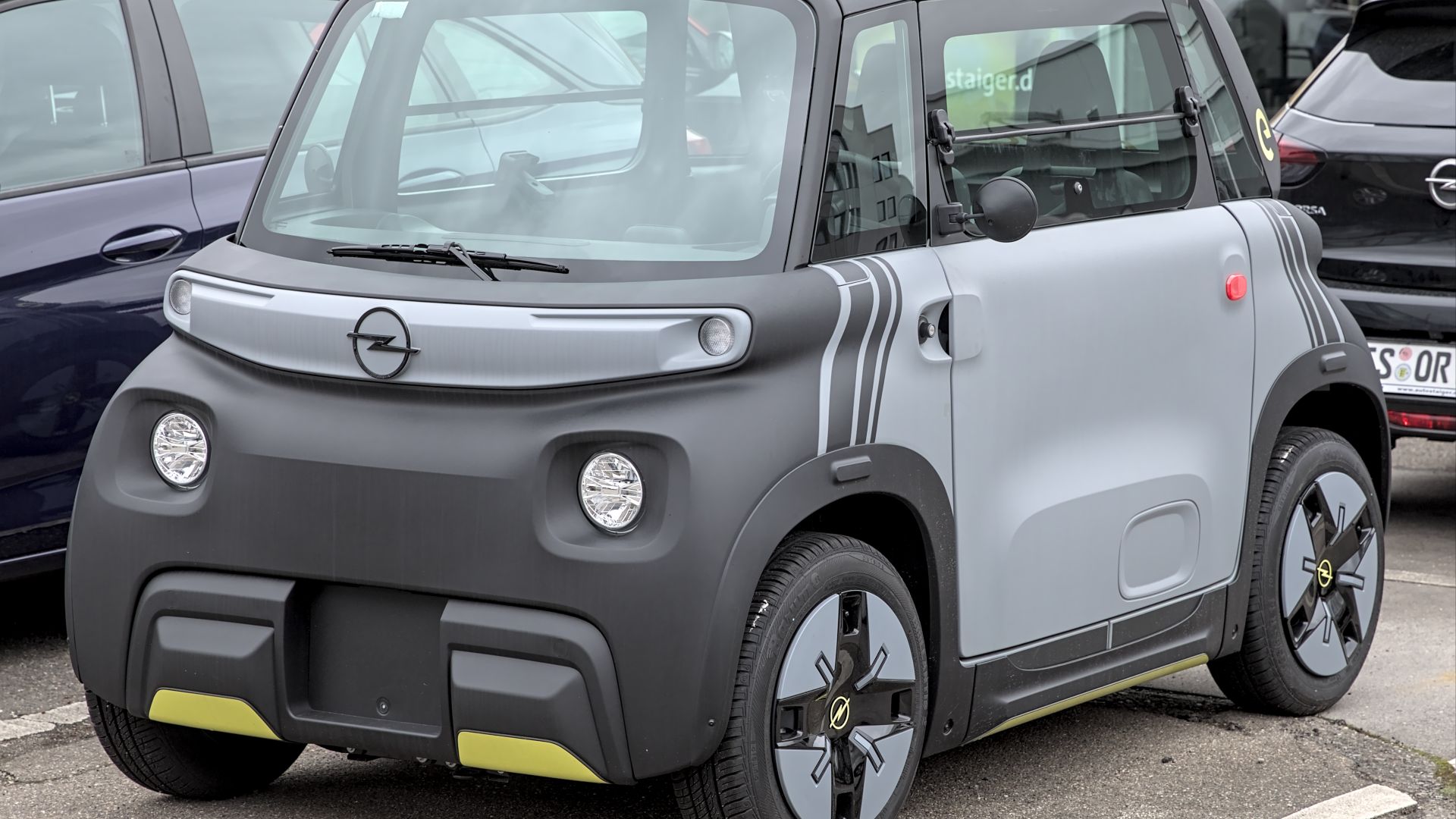
The modern Citroën Ami blurs the line between automobile and neighborhood electric vehicle in several European markets. Its compact dimensions make weaving through busy city streets remarkably easy while keeping operating costs low. It's proof that tiny cars are still finding new audiences in the electric age.