America's Sports Car: 20 Facts About the Corvette That Every Fan Should Know
A Legend With Eight Generations of Attitude
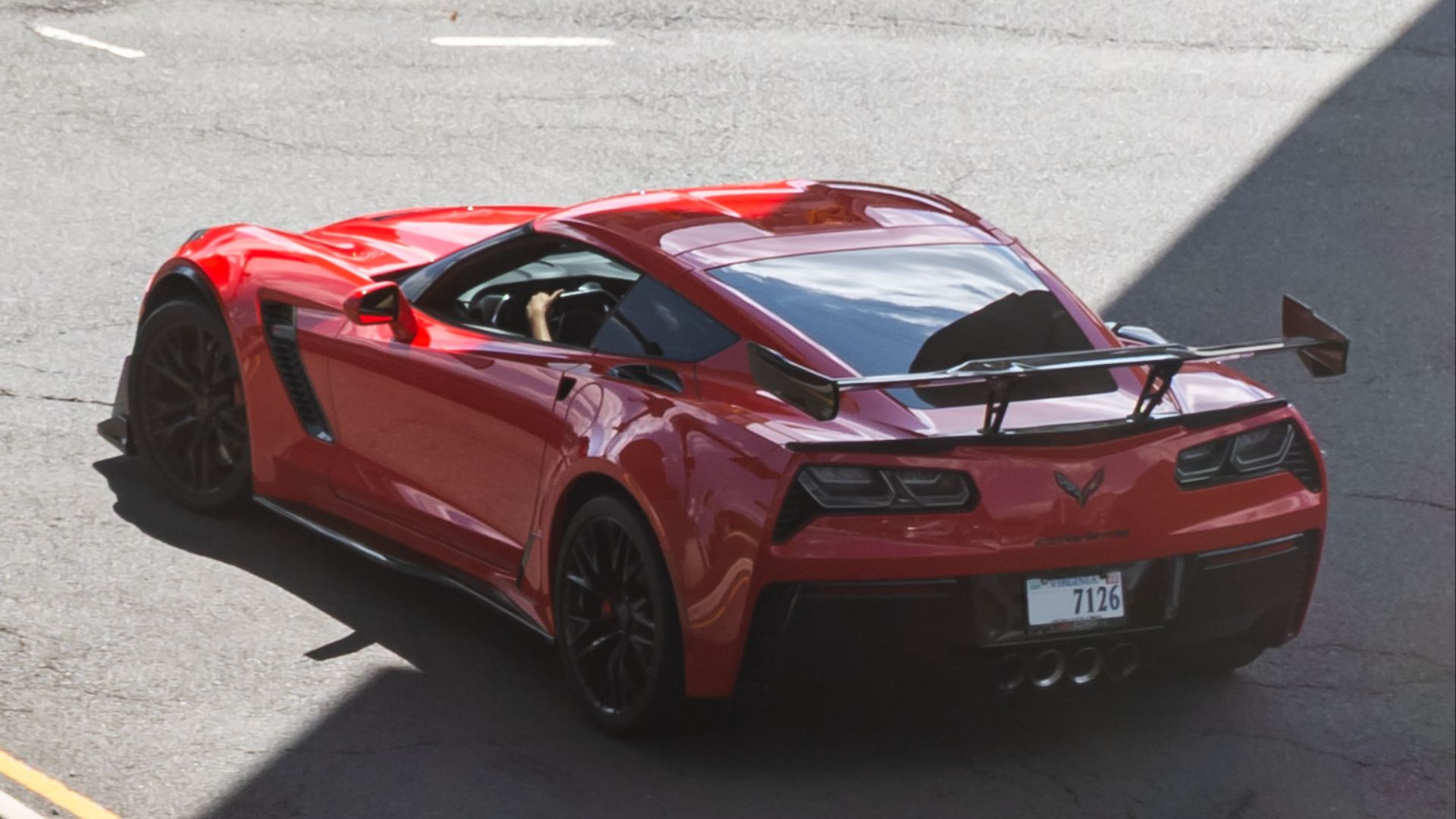
The Chevrolet Corvette has been called “America’s sports car” for a reason. Since 1953, it has mixed style, speed, innovation, racing credibility, and surprising value in a way few cars have managed for so long. Across eight generations, the Corvette has gone from a fiberglass roadster with modest power to a mid-engine supercar that can stare down exotic machinery without blinking. If you love cars, the Corvette is one of those names you simply have to understand. Here are 20 facts about the Corvette that every muscle car fan should know.
1. It Debuted in 1953
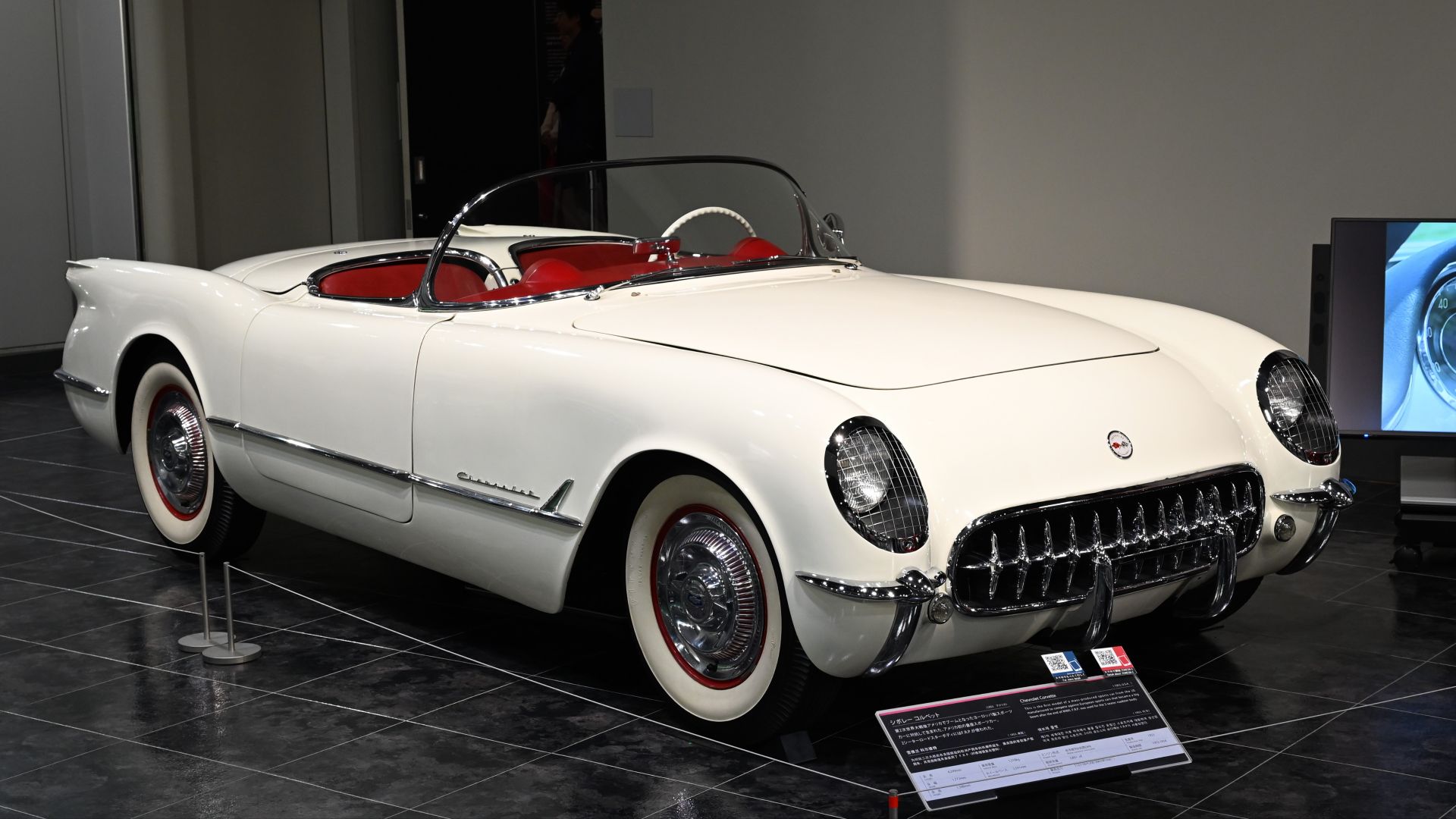
The first Corvette appeared as a concept at General Motors’ Motorama show in New York in 1953. Public reaction was strong enough that Chevrolet rushed it into production that same year. Only 300 were built for the 1953 model year, and all were Polo White convertibles.
2. The First Corvette Wasn’t a V8
Modern Corvette fans associate the car with V8 power, but the first model used Chevrolet’s “Blue Flame” inline-six. It was paired with a two-speed automatic transmission, which wasn’t exactly the stuff of racing dreams. Early performance was more stylish than ferocious, but the car had the right look and the right idea.
3. Fiberglass Was a Big Deal
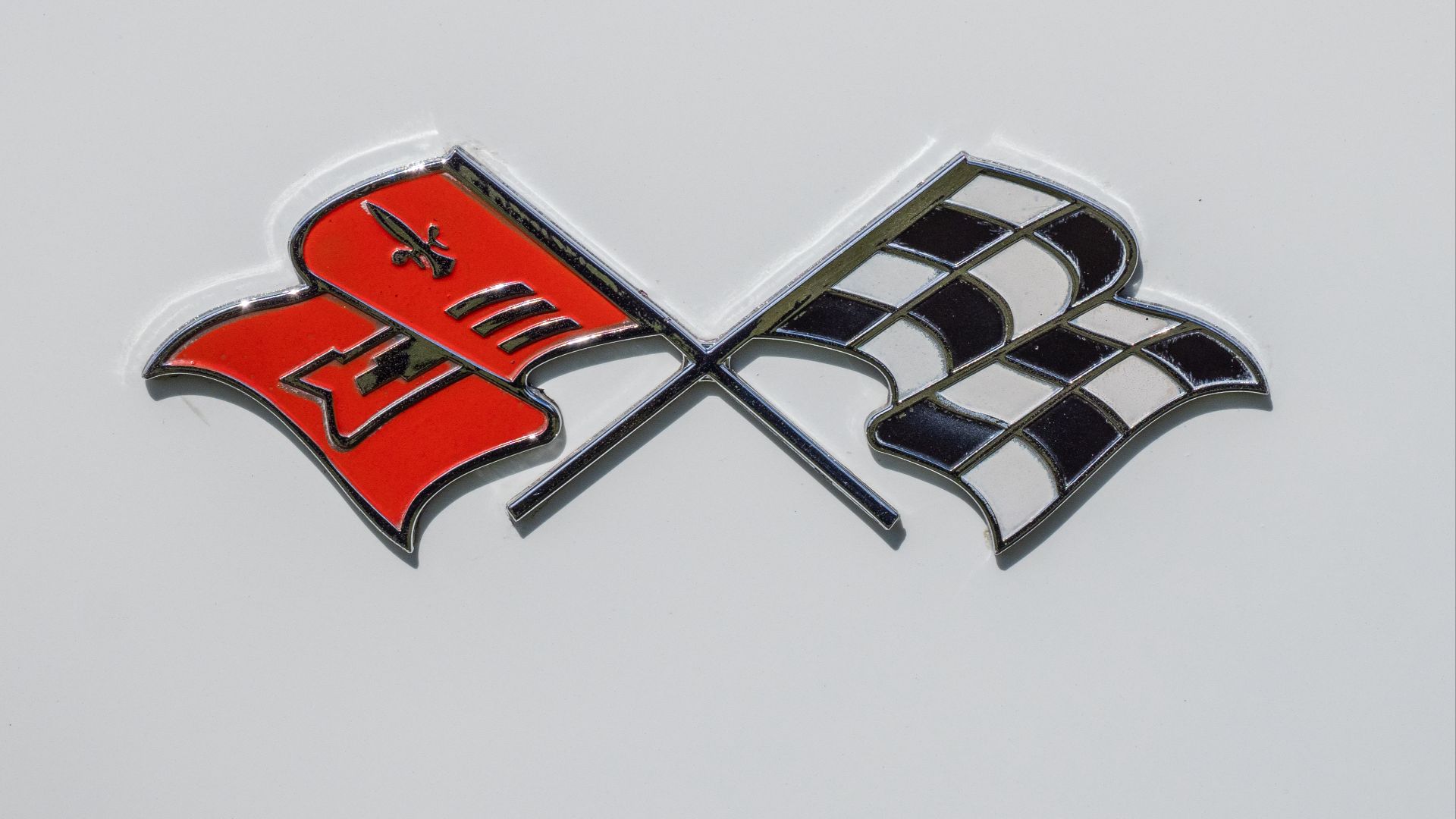
The Corvette’s fiberglass body was one of its most distinctive early features. At the time, fiberglass helped Chevrolet create a sleek sports car shape without the same tooling costs as steel. It also gave the Corvette a lightweight, forward-thinking identity.

4. The Small-Block V8 Saved It
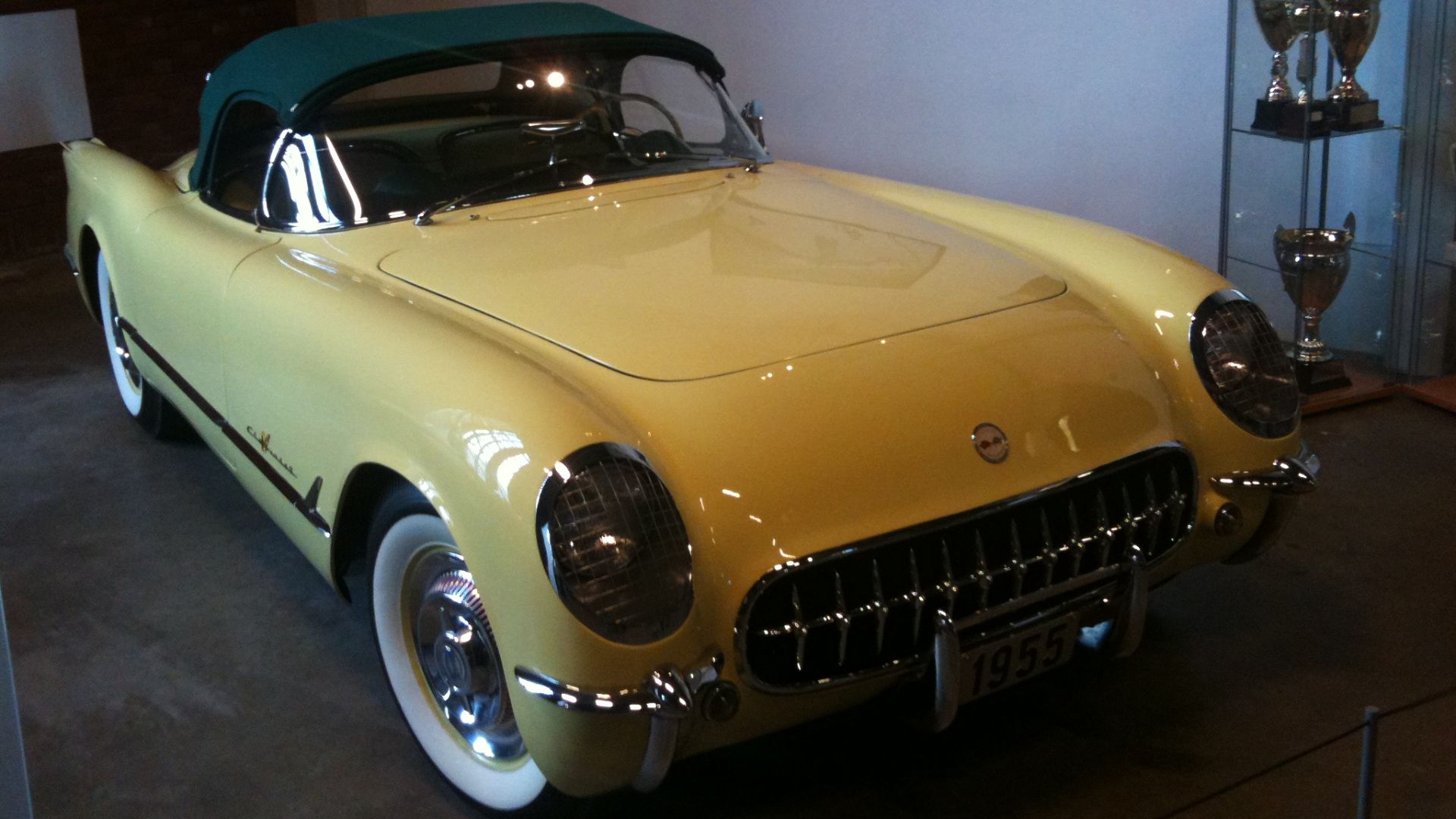
The Corvette’s future looked uncertain in its early years because sales were not exactly setting the world on fire. Things changed when Chevrolet added the small-block V8 for 1955, giving the car the performance it always looked like it should have. Suddenly, the Corvette had real muscle to match its sporty design.
5. Zora Arkus-Duntov Became Its Patron Saint
Zora Arkus-Duntov is often called the “Father of the Corvette.” He pushed hard for performance, racing credibility, better handling, and engineering improvements. Without his influence, the Corvette might have remained more of a stylish cruiser than a true sports car.
6. The 1963 Split-Window Coupe Is a Legend
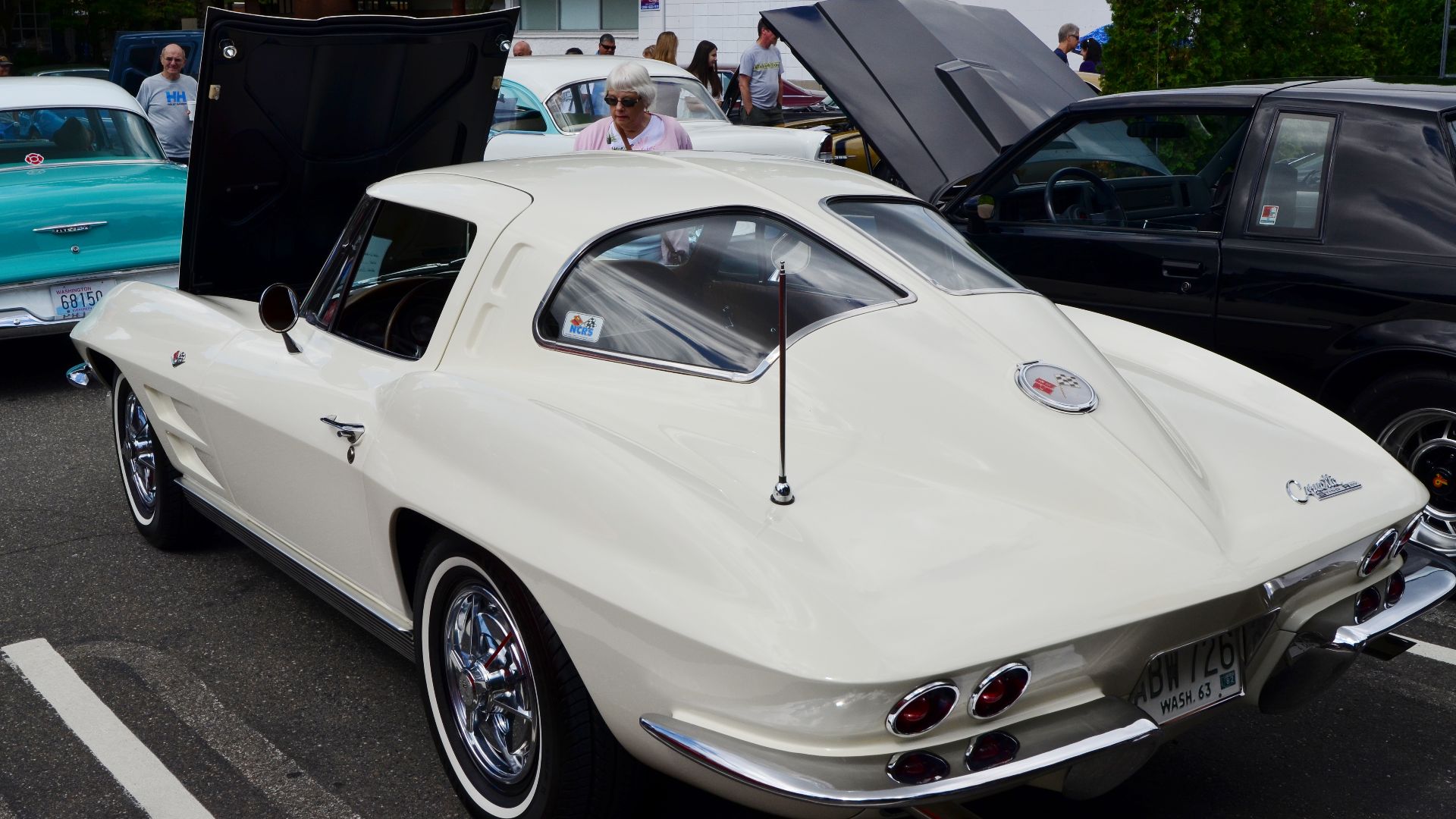
The 1963 Corvette Sting Ray coupe introduced one of the most famous rear-window designs in car history. Its split rear window looked dramatic and futuristic, but it also created visibility complaints. Chevrolet removed the split window after just one model year, which made the 1963 coupe especially collectible.
7. The Sting Ray Name Mattered
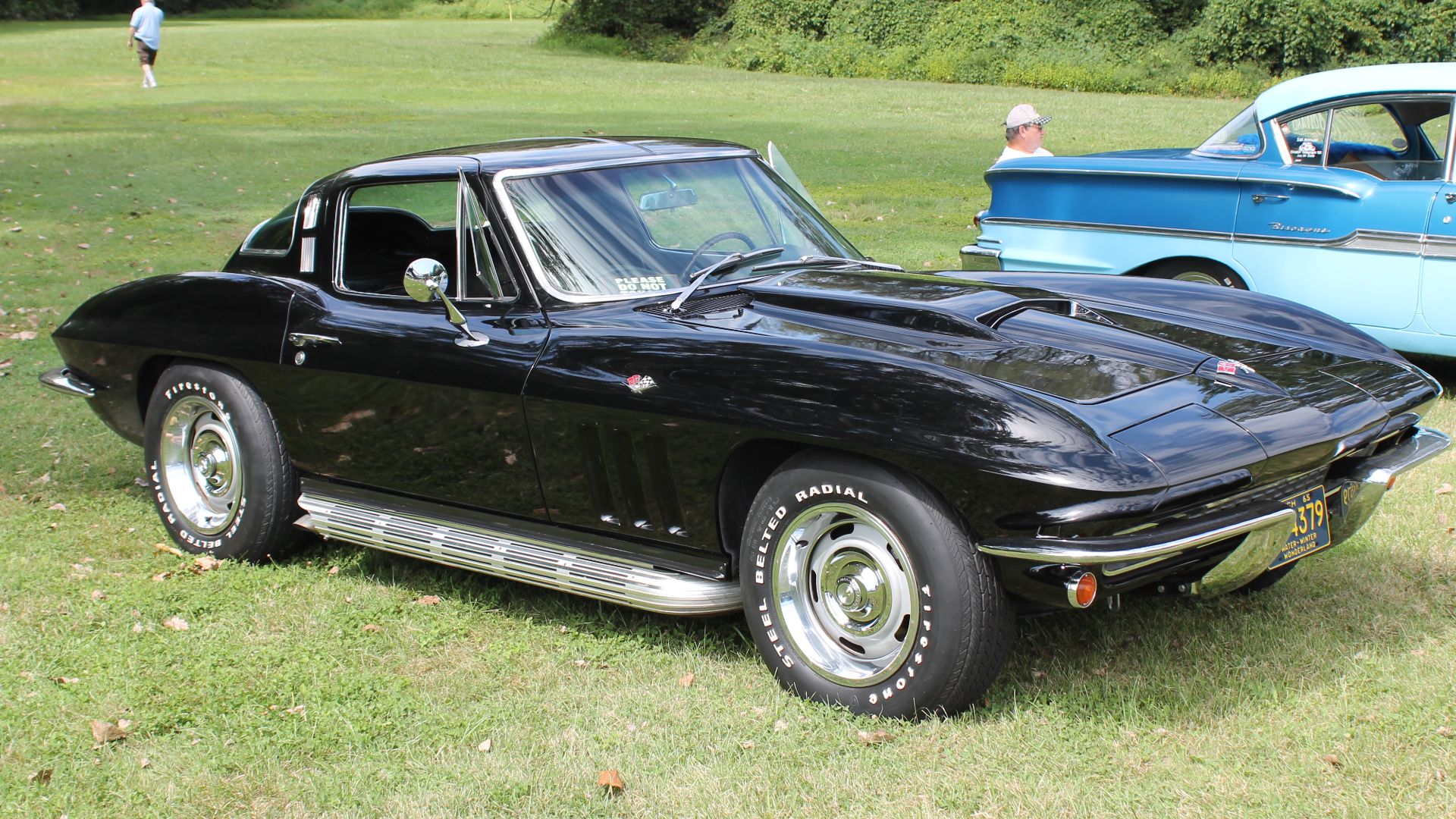
The Sting Ray name arrived with the second-generation Corvette in 1963. It gave the car a sharper identity and matched the dramatic styling of the new generation. Later, “Stingray” would return in different forms, keeping the name alive for new fans.
8. Independent Rear Suspension Changed the Game
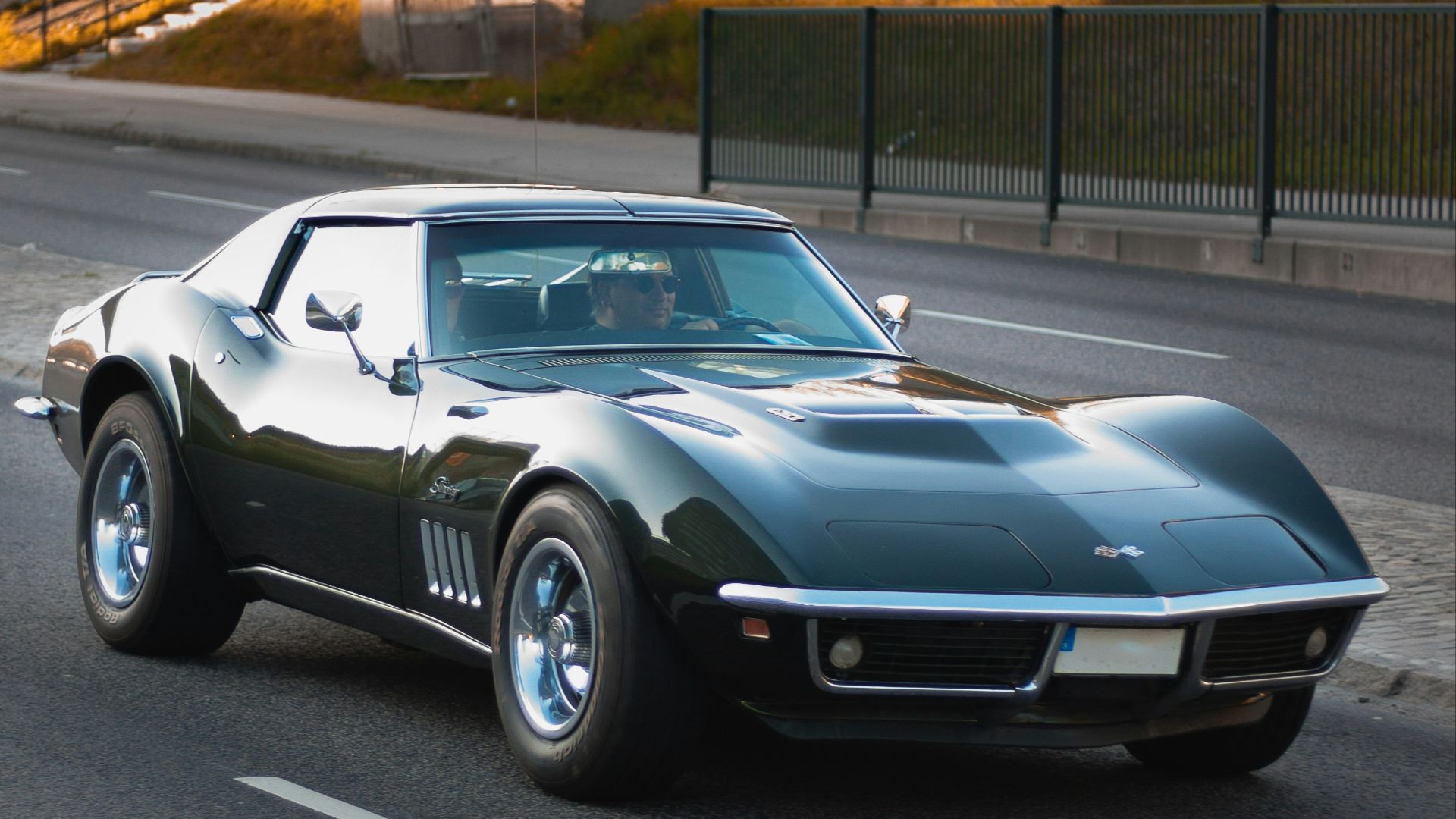
The second-generation Corvette also introduced independent rear suspension. That was a major improvement over the earlier solid-axle setup and helped the car become more refined and capable. Better suspension meant the Corvette could corner with more confidence rather than relying only on straight-line speed.
9. The Corvette Has Been Built in Bowling Green Since 1981
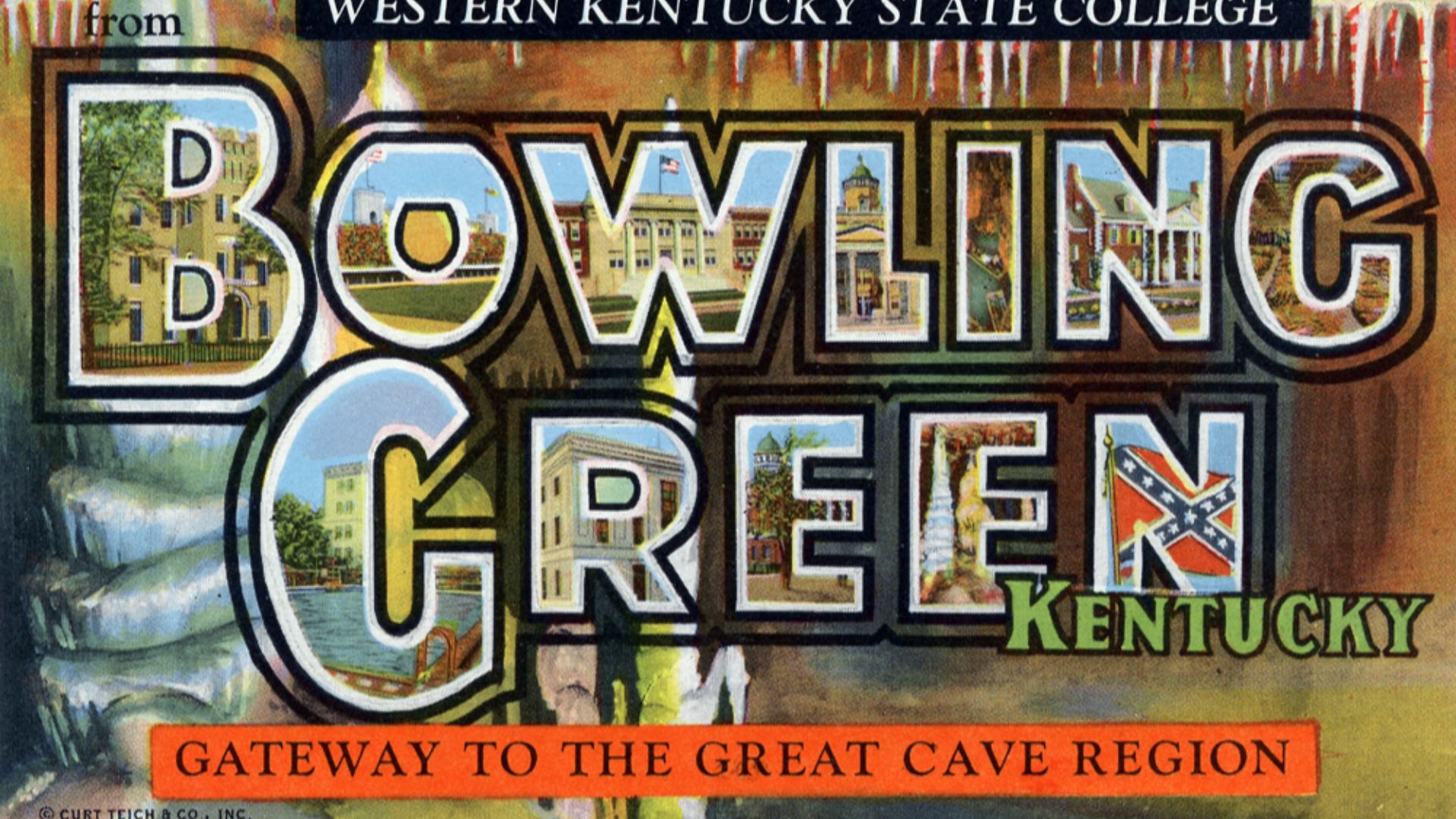
Corvette production moved to Bowling Green, Kentucky, in 1981. Since then, the city has become deeply tied to the Corvette community. It’s also home to the National Corvette Museum, which celebrates the car’s history and culture.
 Steve Shook from Moscow, Idaho, USA on Wikimedia
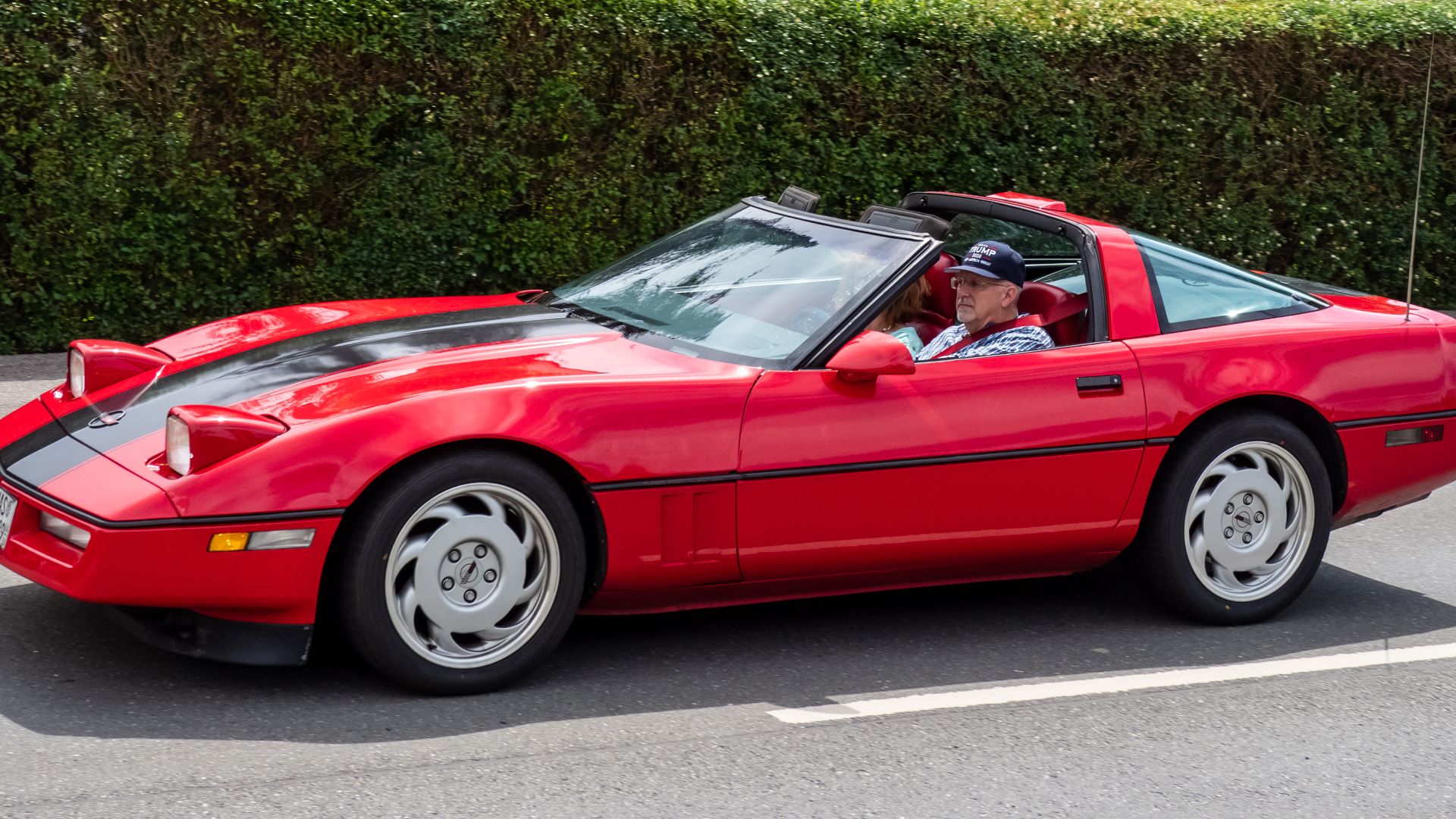
10. The C4 Was a Major Modern Reset
The C4 Corvette arrived for 1984 after Chevrolet skipped the 1983 model year for regular production. Its design was much more modern, with sharper lines, improved handling, and a more technical feel. It helped move the Corvette away from the long-running C3 era and into a more contemporary performance world.
11. The ZR-1 Was a 1990s Super-Corvette
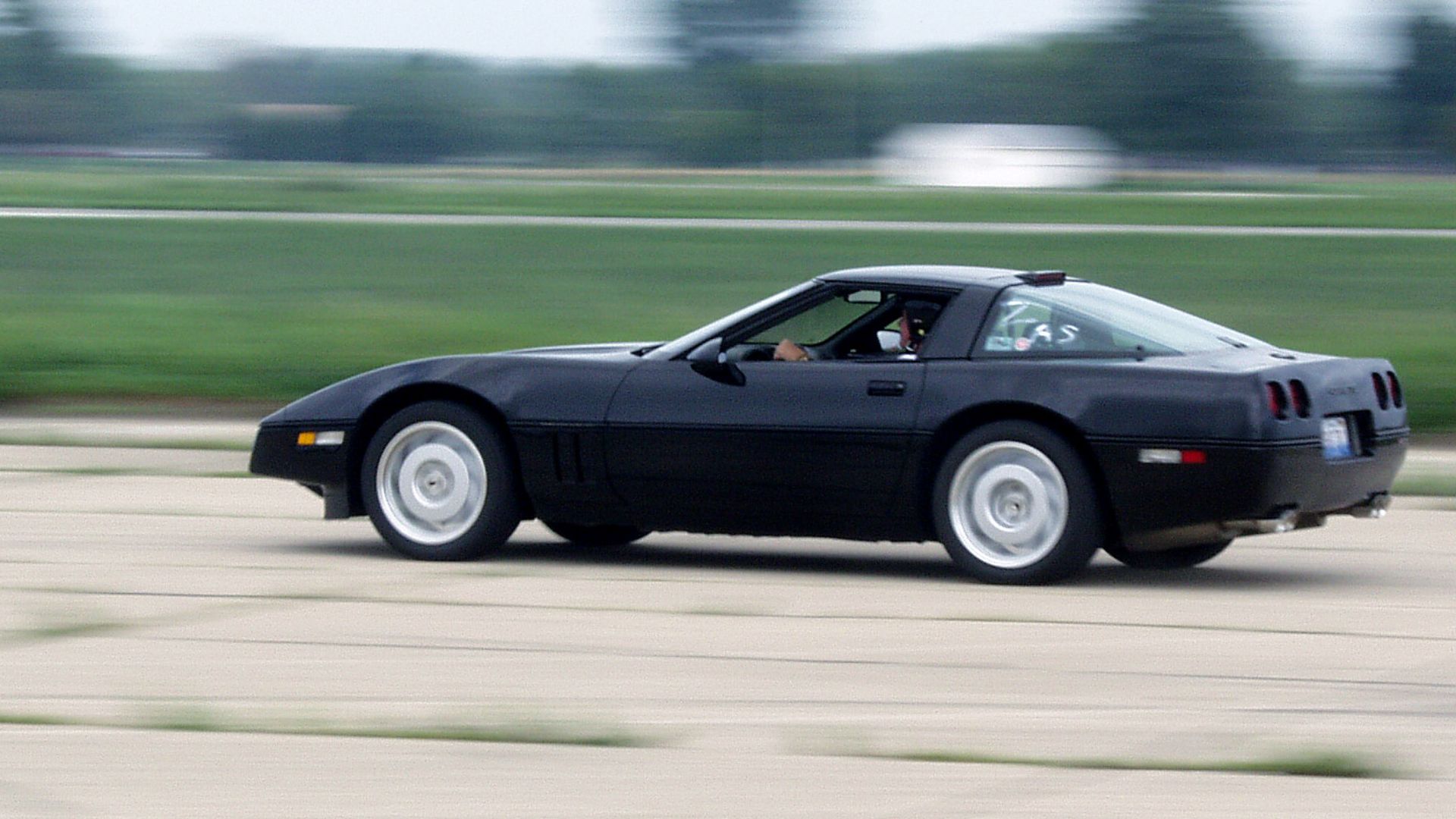
The C4 ZR-1 brought serious exotic credibility to the Corvette lineup. Its LT5 engine was developed with Lotus and built by Mercury Marine, which gave it a very unusual engineering story. The car was fast, expensive, and much more sophisticated than many people expected from Chevrolet at the time.
12. The C5 Finally Put the Transmission in the Back
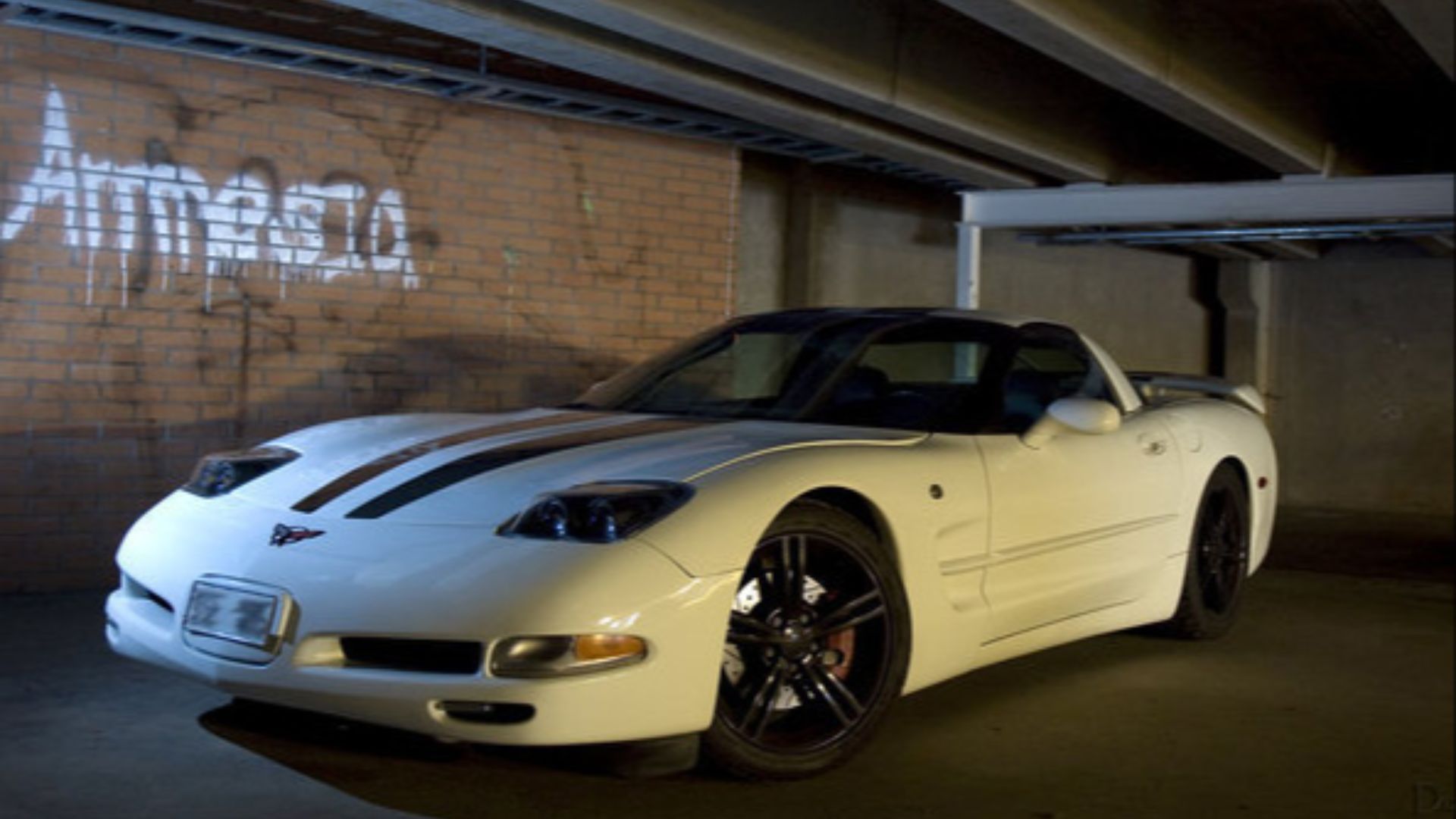
The C5 Corvette introduced a rear-mounted transaxle, which improved weight distribution and handling. That layout helped the car feel more balanced and serious than earlier generations. The C5 also brought a new structure, better refinement, and the LS1 V8, which became a performance favorite.
13. The Z06 Name Came Back With Purpose
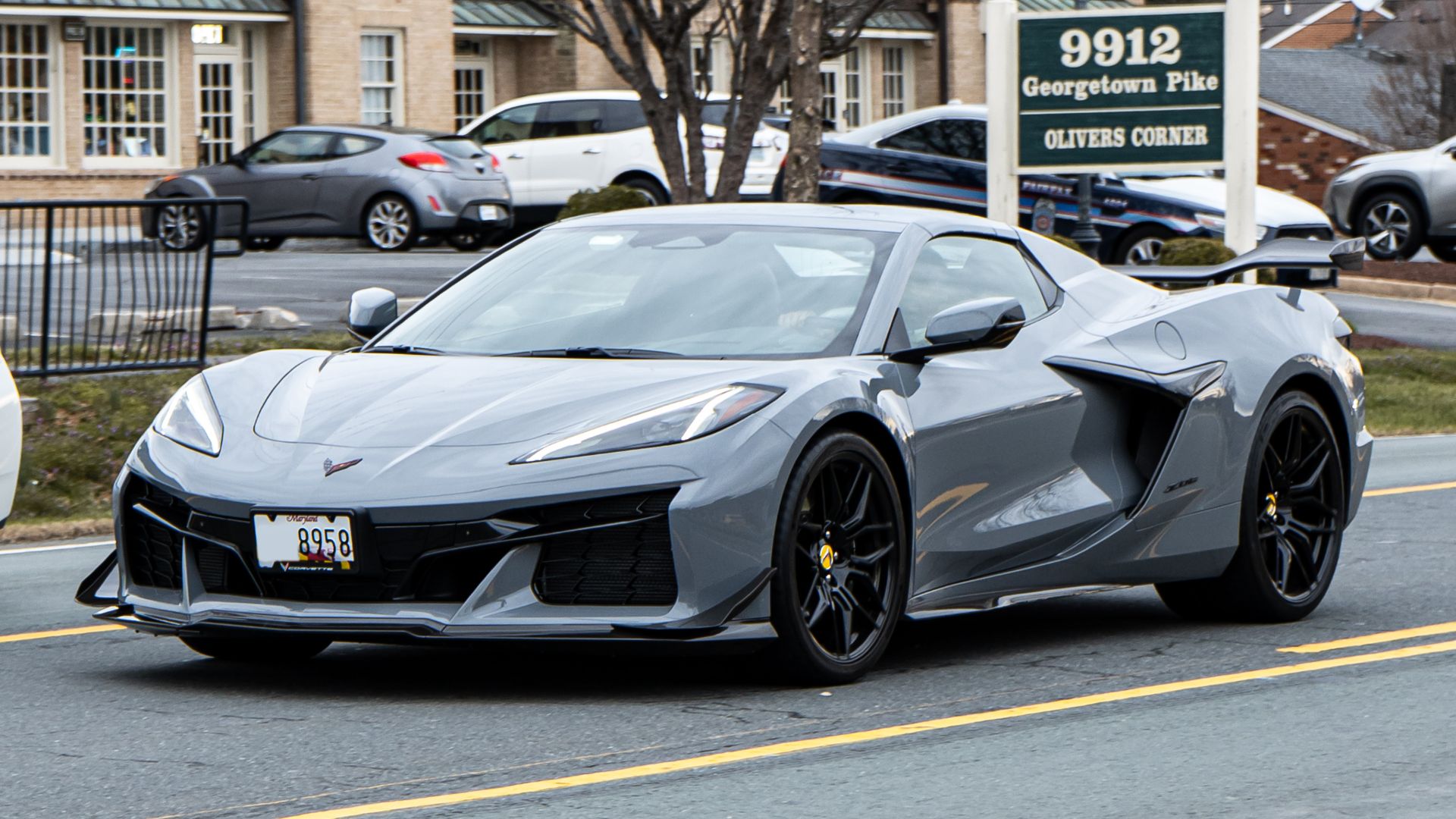
The Z06 name originally appeared in 1963 as a performance package, but it returned in a big way with the C5. The modern Z06 became the sharper, lighter, track-focused Corvette that enthusiasts wanted. It offered serious performance without needing exotic-car pricing.
14. Corvette Racing Built Its Reputation
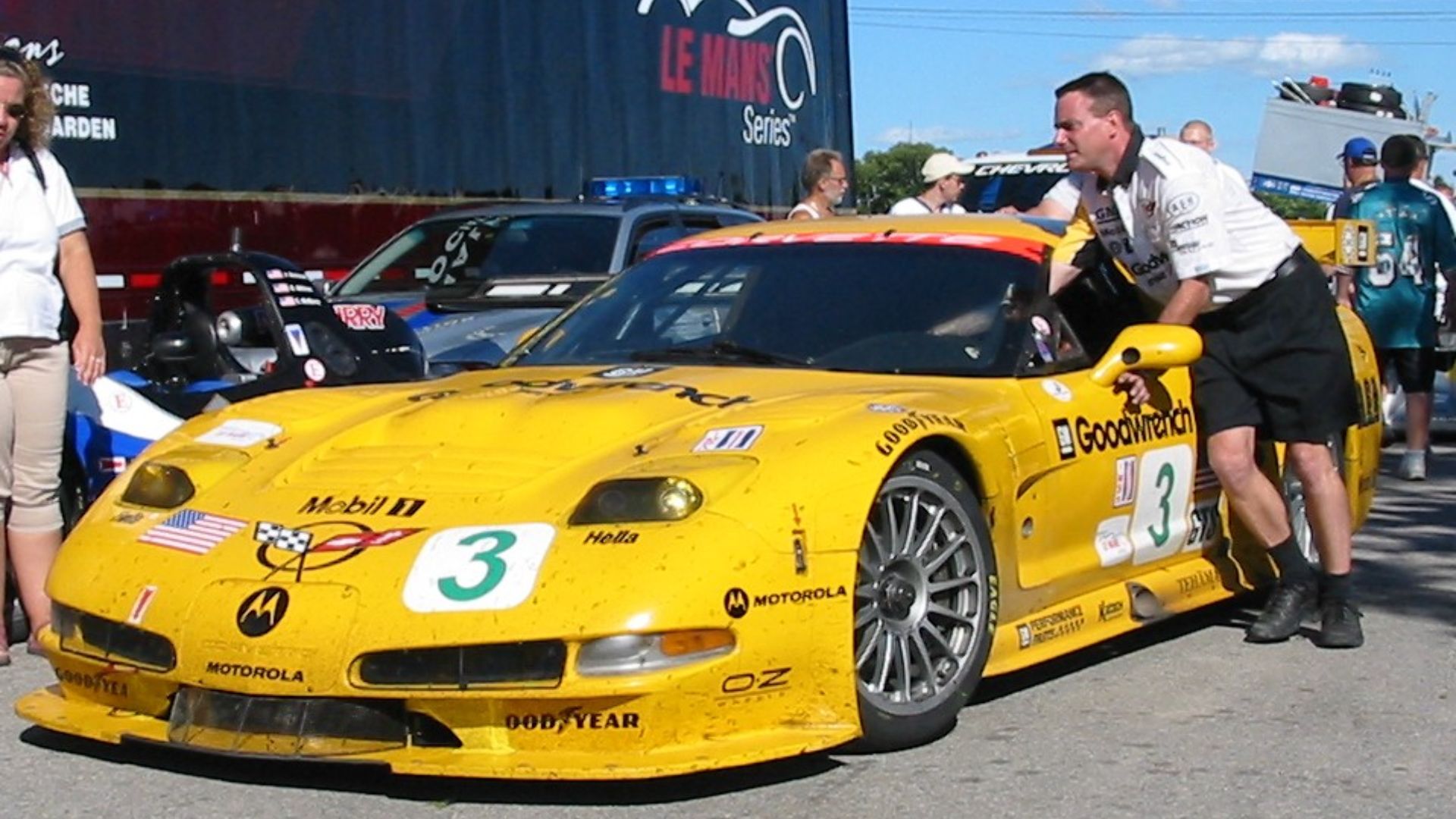
The Corvette’s racing success helped give the road car more credibility. Corvette Racing became a major force in endurance racing, especially at events like Le Mans and in American sports car competition. Those yellow race cars made the Corvette feel like more than a weekend toy—they showed the world that America’s sports car could fight hard on the global stage.
15. The C6 ZR1 Brought Supercharged Madness
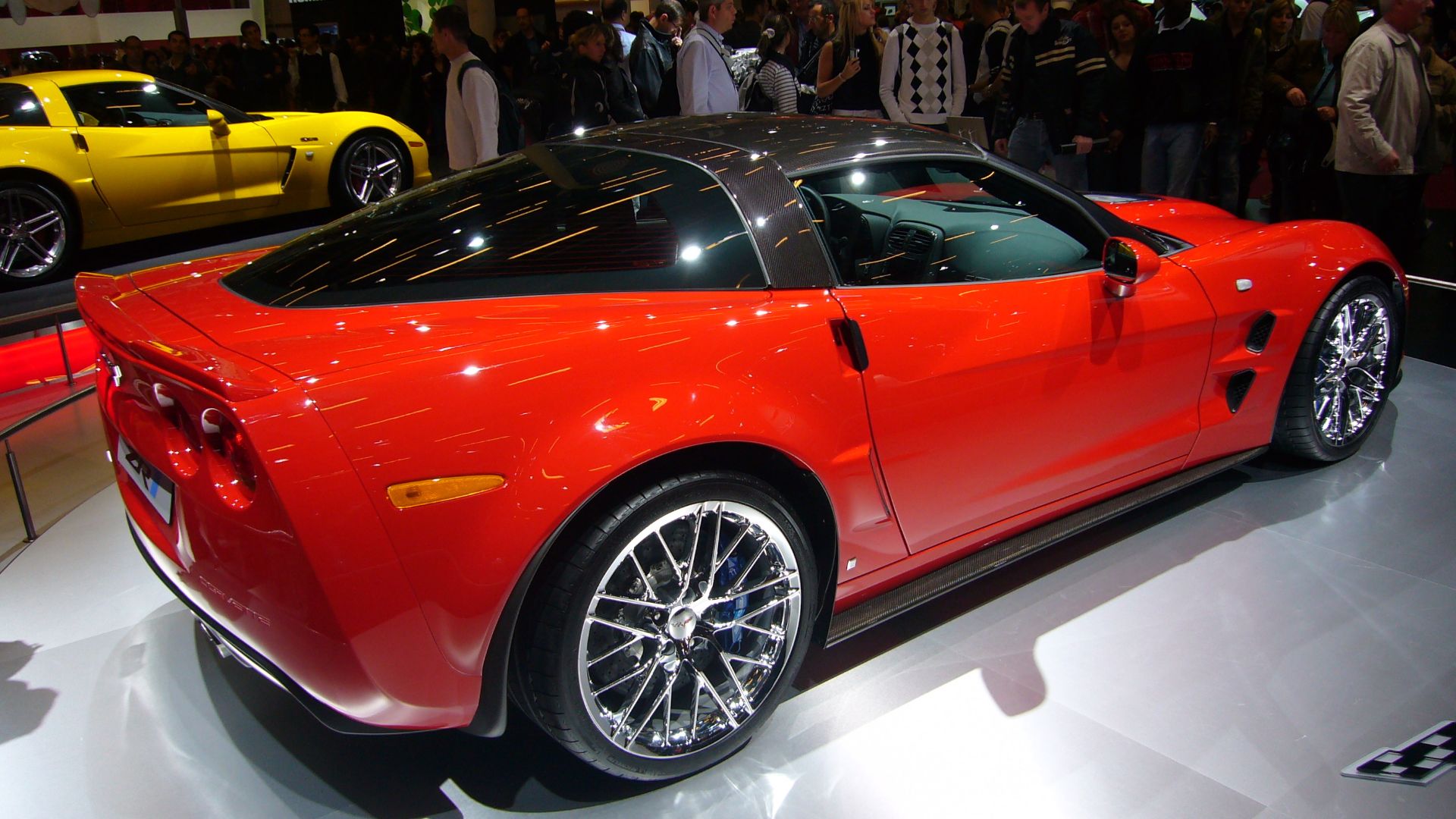
The C6 ZR1 arrived with a supercharged LS9 V8 making 638 horsepower. That was an enormous number when it launched and helped put the Corvette in the conversation with far more expensive supercars. It also used carbon-fiber body panels and serious performance hardware.
 Rutger van der Maar on Wikimedia
16. The C7 Was the Last Front-Engine Corvette
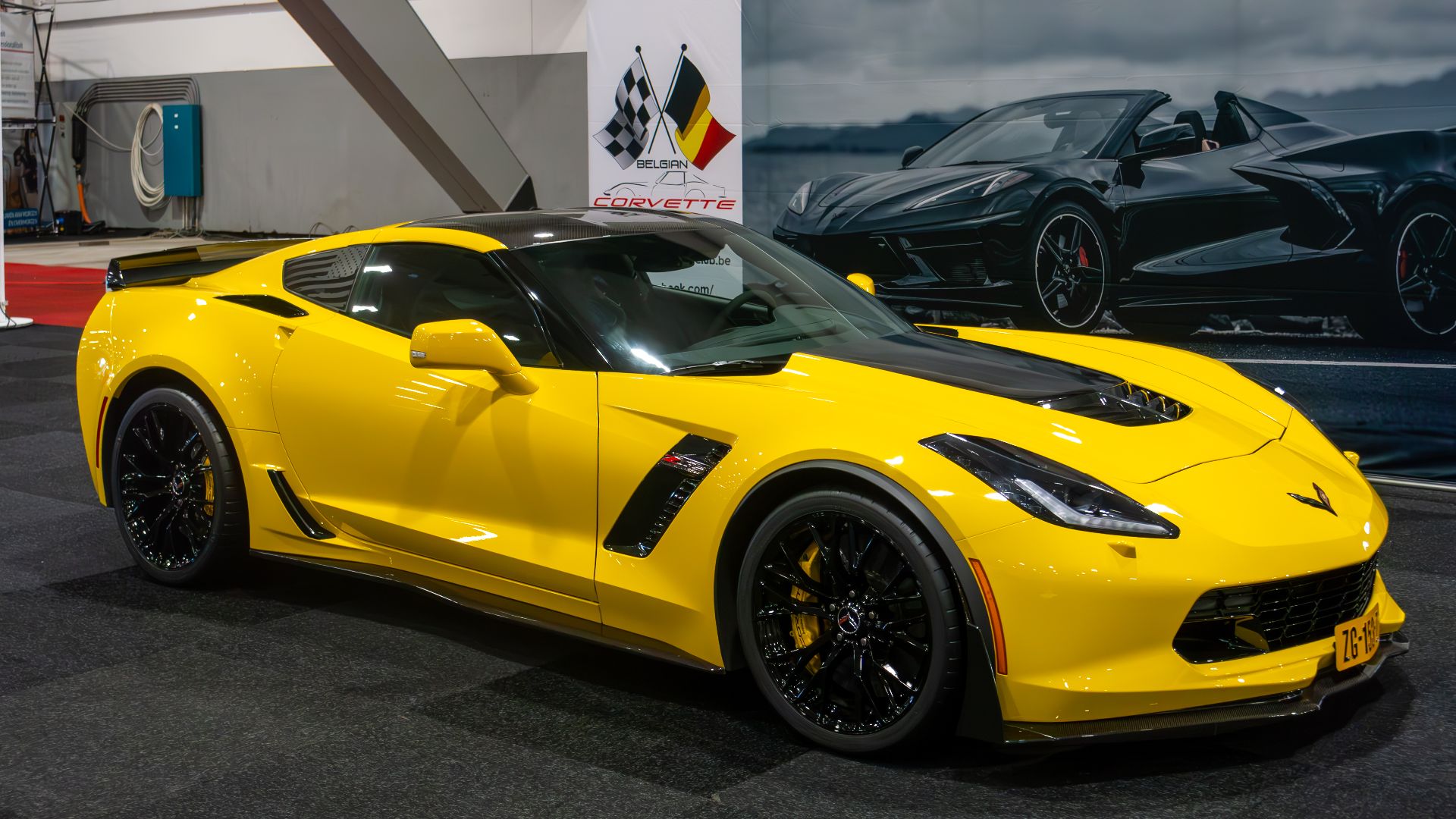
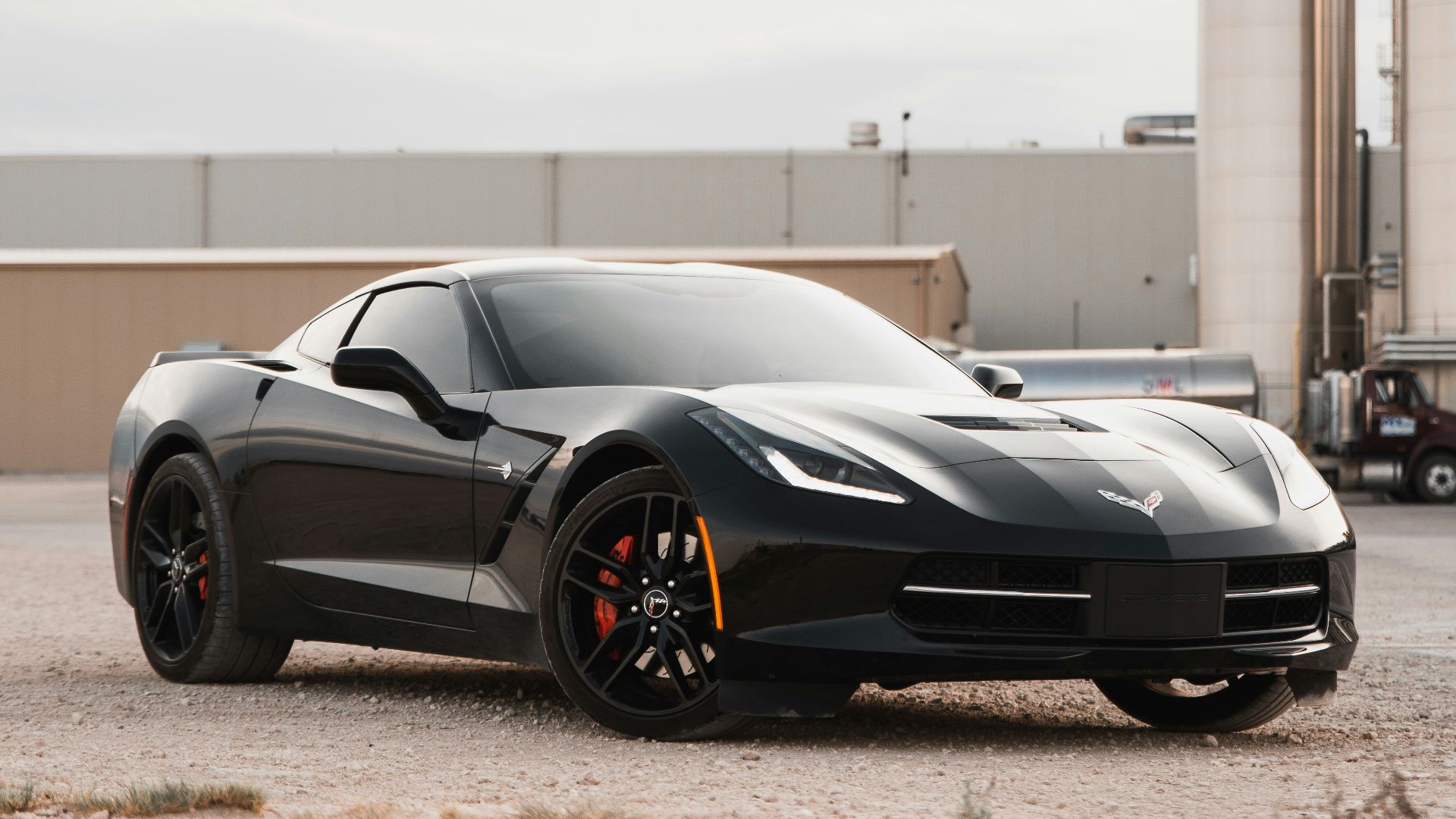
The C7 Corvette, sold from 2014 through 2019, was the final generation with the traditional front-engine layout. It sharpened the design, improved the interior, and brought the Stingray name back in a big way. The C7 Z06 and ZR1 pushed the front-engine formula to wild levels of performance.
17. The C8 Moved the Engine Behind the Driver
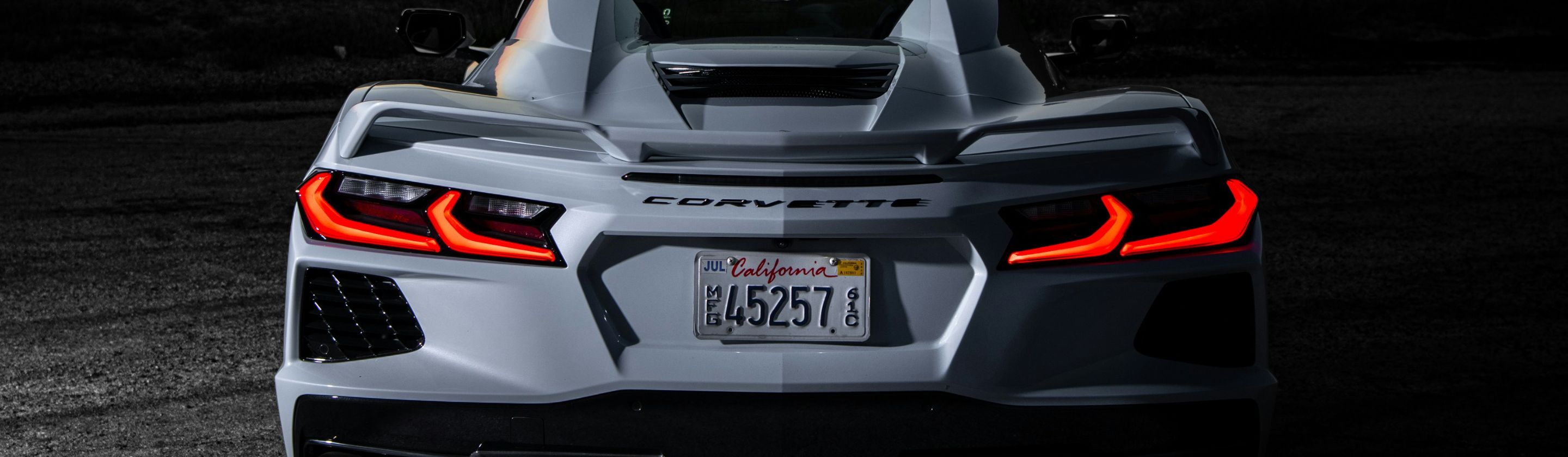
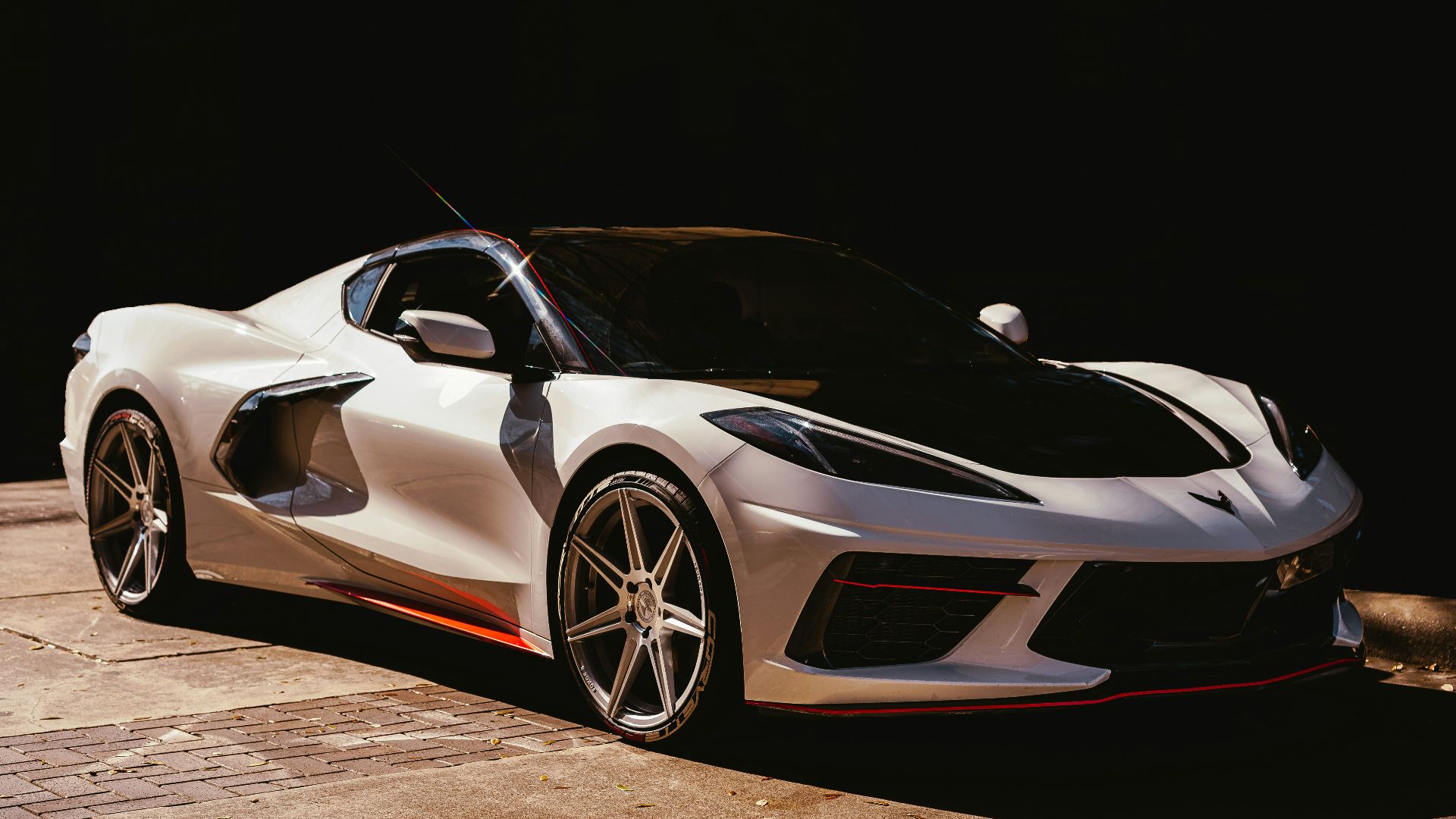
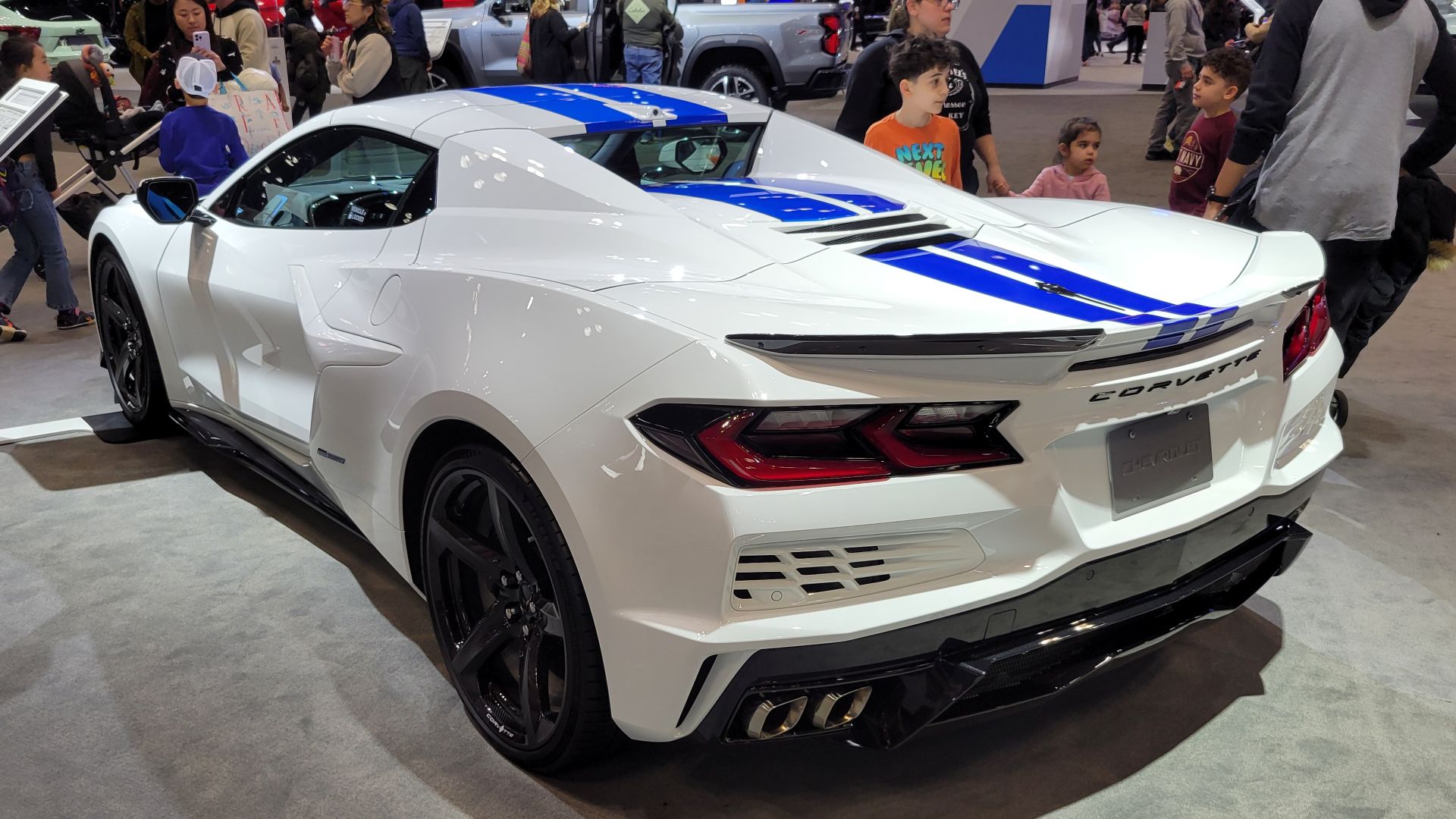
The 2020 Corvette C8 made the biggest layout change in the car’s history by going mid-engine. That move had been rumored and dreamed about for decades, so seeing it actually happen was a major moment. The new layout improved traction, balance, and supercar presence.
18. The Corvette Still Offers Huge Performance Value
One of the Corvette’s greatest tricks is delivering serious performance for less money than many European rivals. It has often offered sports-car or supercar speed at a price that, while not cheap, is far more approachable than exotic brands. That value has been central to its identity from the beginning.
19. The E-Ray Made It Electrified
The Corvette E-Ray brought hybrid technology and all-wheel drive to the lineup. That was a major shift for a car long associated with rear-wheel-drive V8 tradition. Instead of replacing performance character, the electric assist added traction and instant response. It showed that electrification could make the Corvette faster without turning it into something unrecognizable.
20. The ZR1 Became the Most Powerful Production Corvette
The 2025 Corvette ZR1 took the C8 platform to a new extreme with a twin-turbocharged 5.5-liter V8. Chevrolet calls it the fastest and highest-horsepower production Corvette of all time, which is a pretty bold statement. It shows just how far the car has traveled from that 1953 inline-six roadster.