
Four Wheels, Big Consequences
Cars are more than machines that get people from one place to another. The right car can change how people work, travel, build cities, spend money, dream about freedom, and even think about the future. Some models made mobility affordable while others helped move the world toward cleaner or smarter transportation. These 20 cars didn’t just sell well or look good; they made life meaningfully different for millions of people.
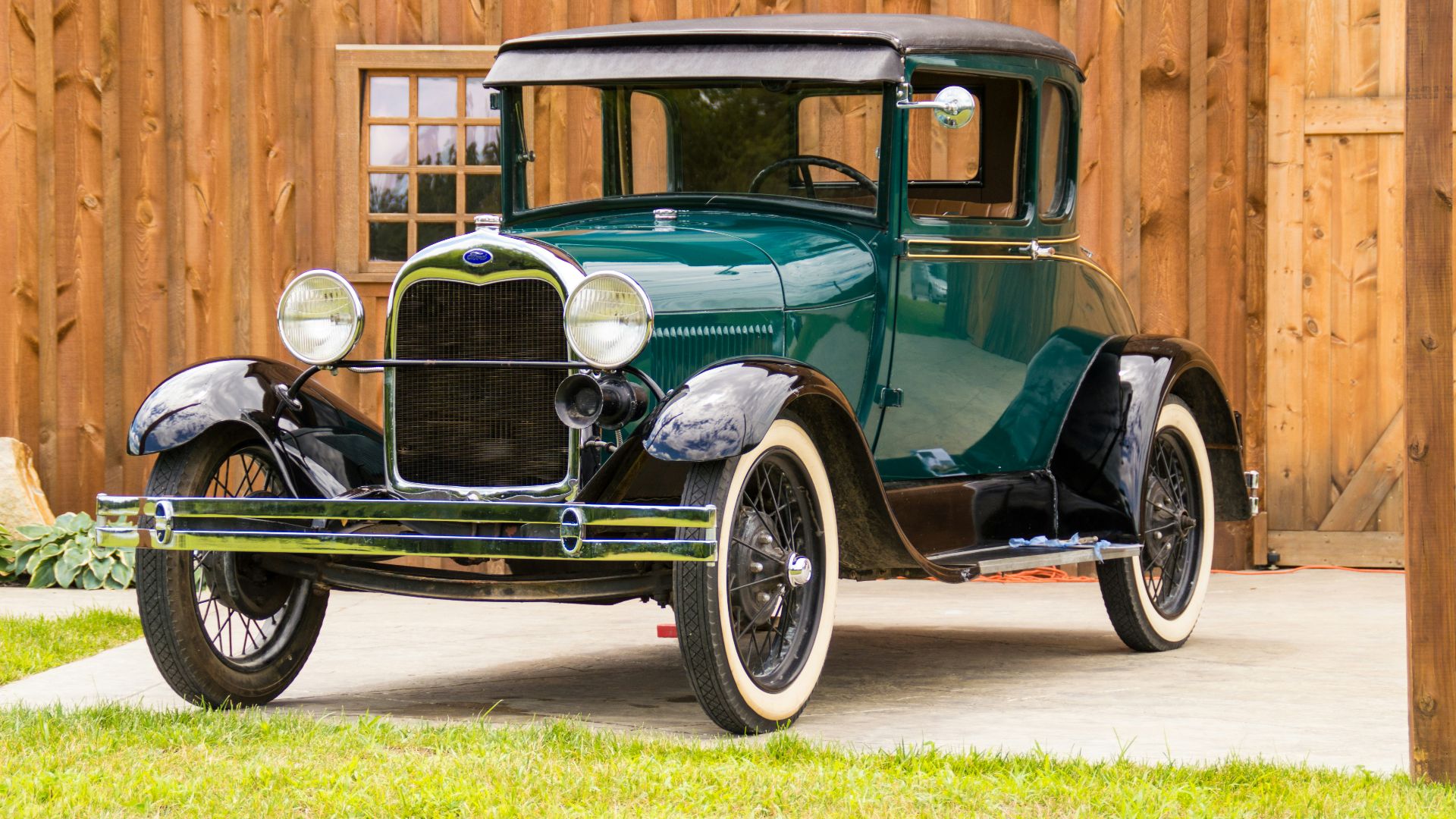
1. Ford Model T
The Ford Model T made car ownership possible for ordinary Americans in a way earlier cars simply hadn’t. It was affordable, durable, and simple enough to operate and maintain compared with many vehicles of its time. Henry Ford’s moving assembly line helped lower costs and changed manufacturing far beyond the auto industry.
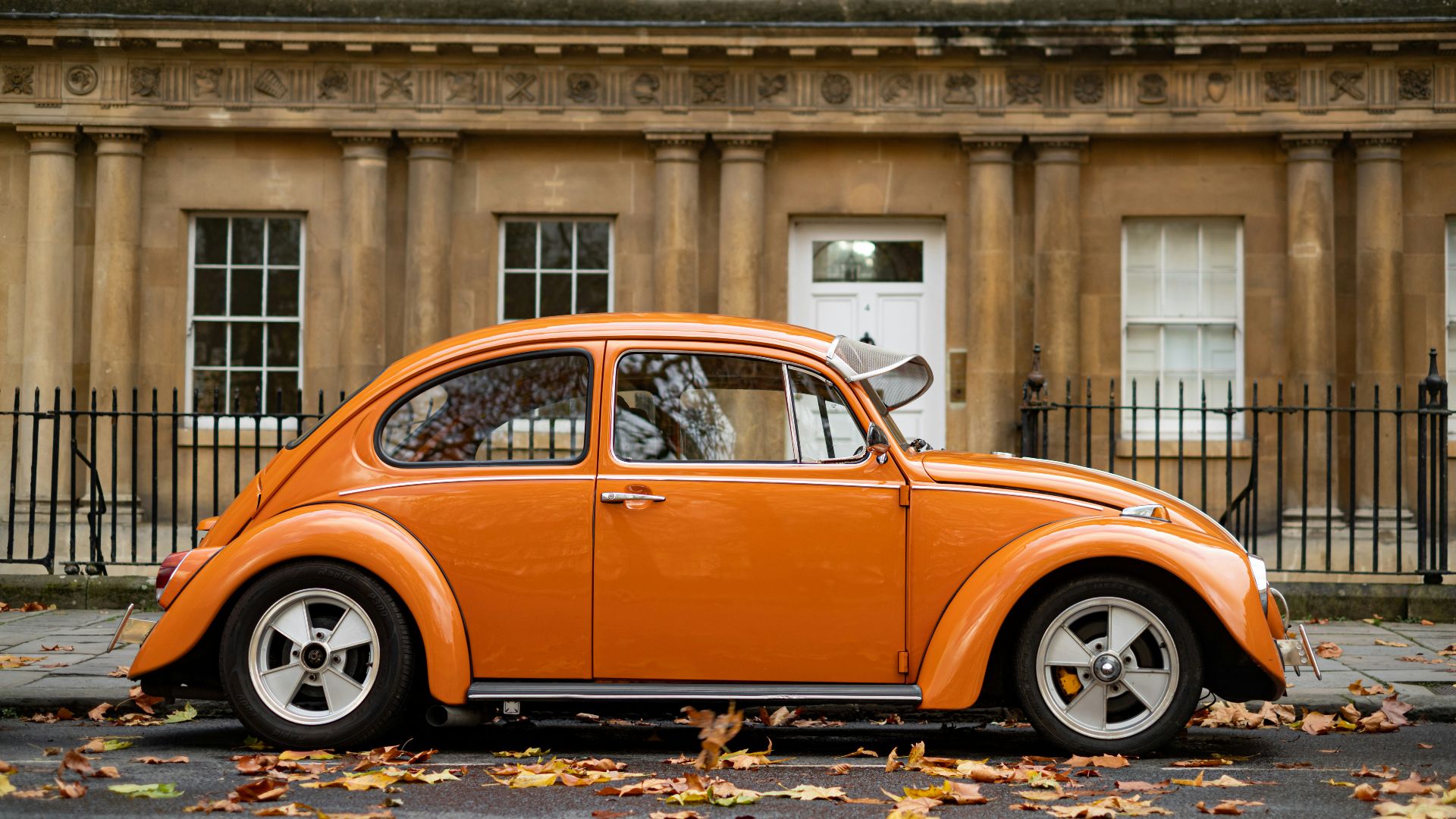
2. Volkswagen Beetle
The Volkswagen Beetle became one of the most recognizable cars ever made. Its simple engineering, charming shape, and global reach made it a practical car for millions of people. After World War II, it became a symbol of affordable transportation and later a countercultural icon.
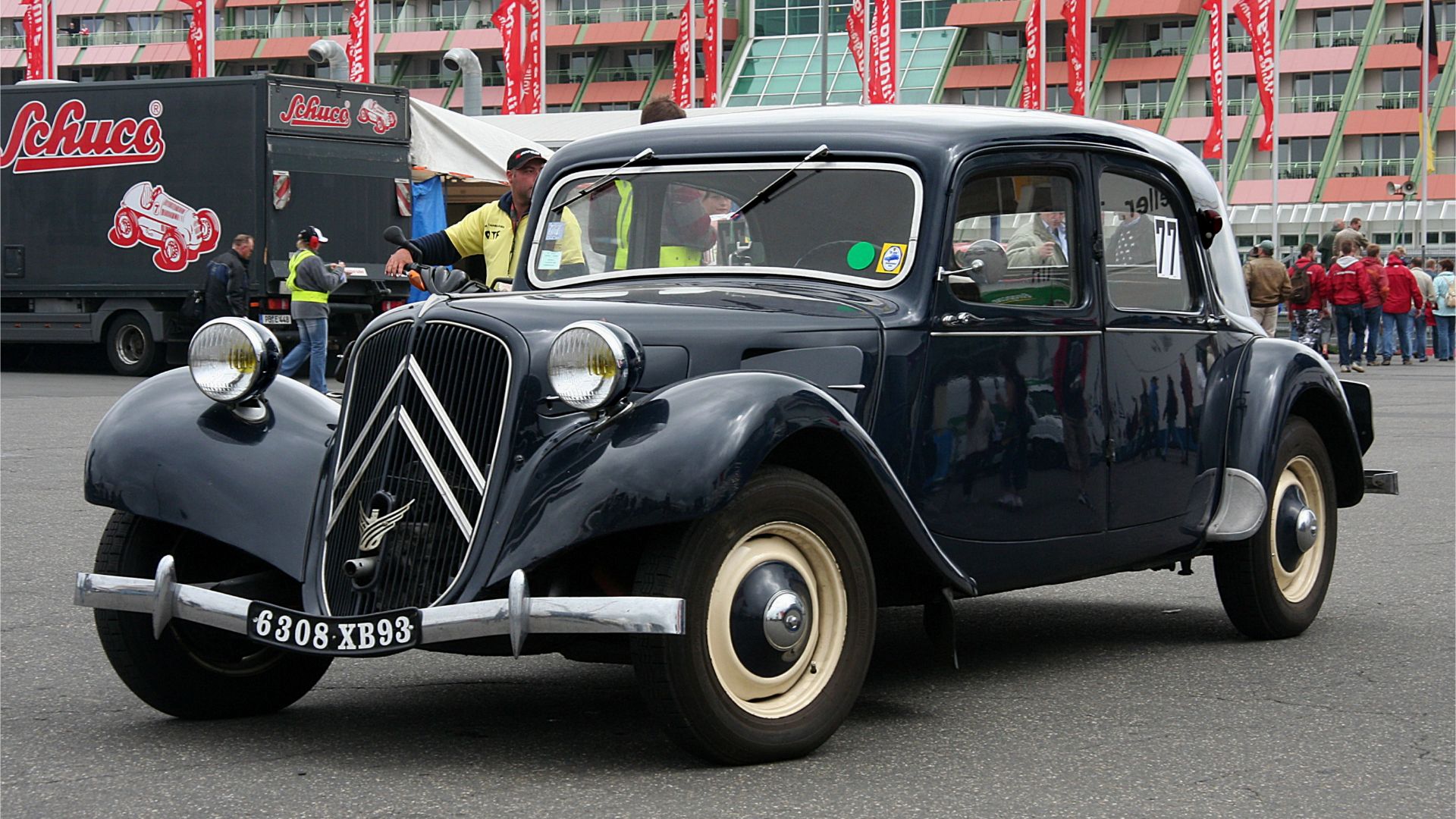
3. Citroën Traction Avant
The Citroën Traction Avant helped bring front-wheel drive into the mainstream. Launched in the 1930s, it also used unibody construction, which was advanced for its time. Those ideas improved packaging, handling, and efficiency in ways that influenced generations of cars.
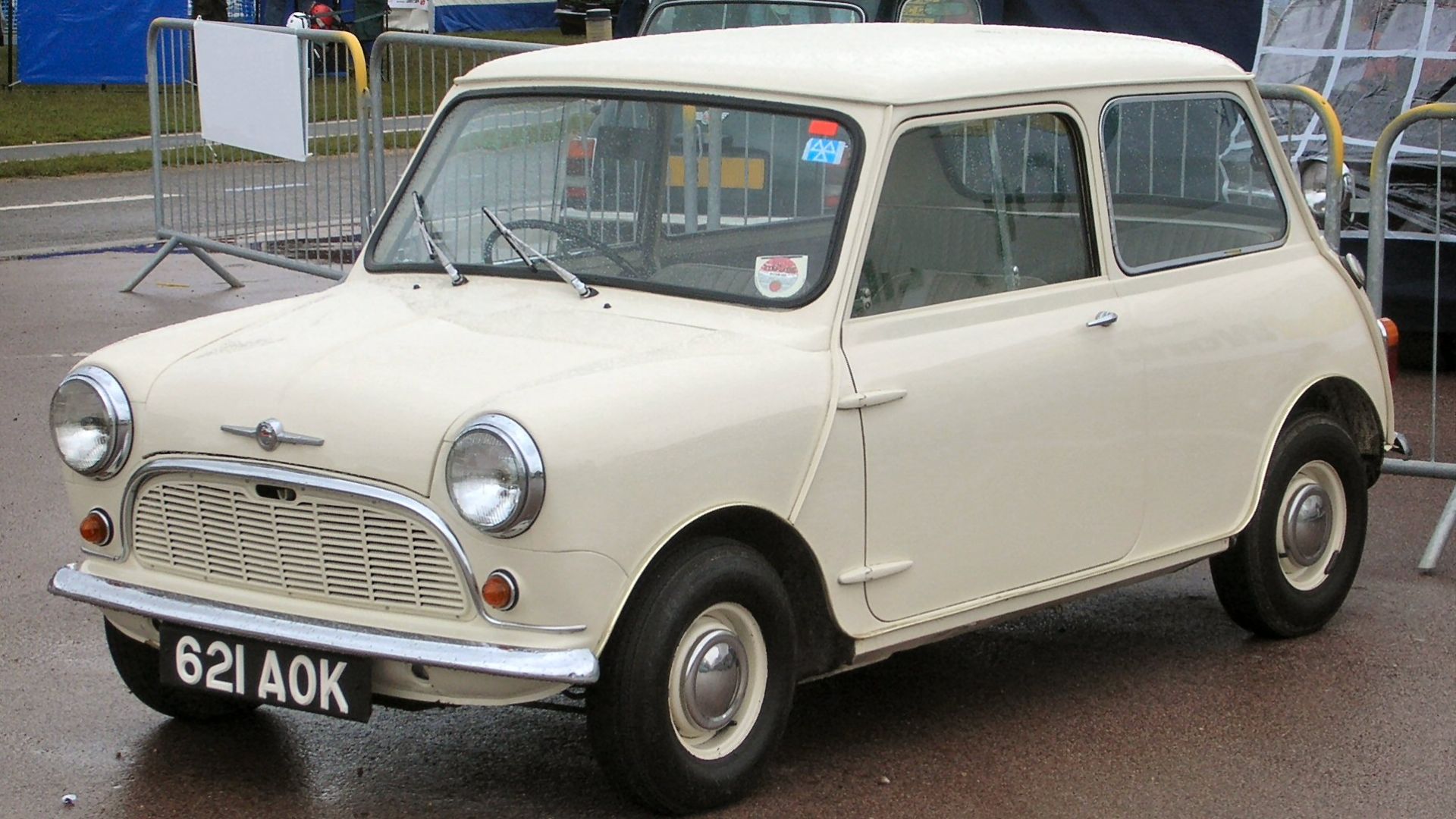
4. Mini
The original Mini changed small-car design by proving that tiny could still be clever, useful, and fun. Its transverse engine and front-wheel-drive layout created impressive interior space for such a small footprint. That packaging idea influenced countless compact cars that followed.
5. Toyota Corolla
The Toyota Corolla became a global symbol of dependable, affordable transportation. It wasn’t flashy, but that was part of its strength. For millions of drivers, the Corolla offered reliability, fuel economy, and low running costs without demanding much. Sometimes changing the world means starting every morning without complaint.
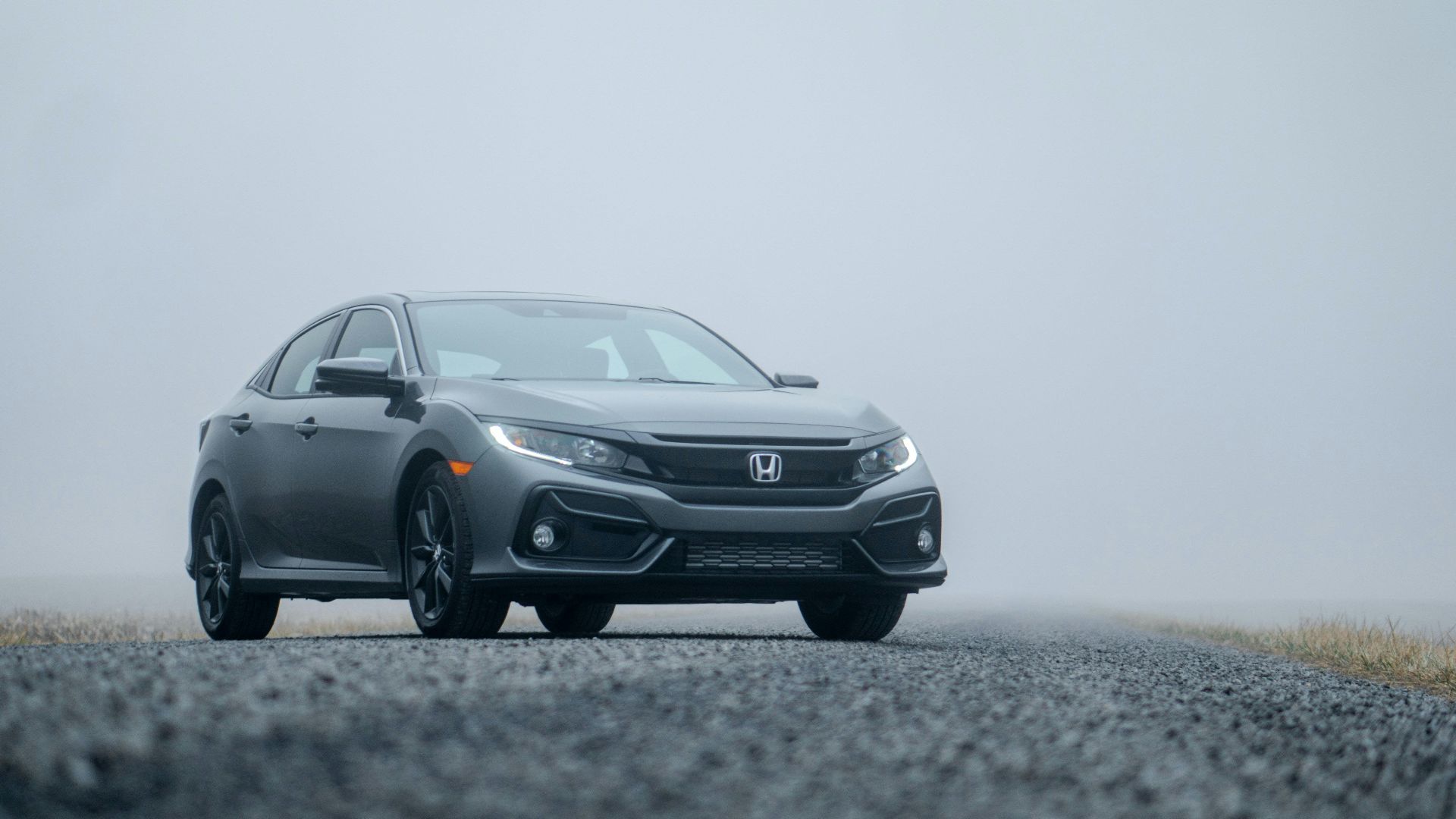
6. Honda Civic
The Honda Civic helped redefine what a small economy car could be. It arrived with good fuel efficiency, practical packaging, and a reputation for durability at a time when buyers increasingly cared about gas prices. Later generations also became favorites among tuners, commuters, students, and families. The Civic showed that practical cars could have personality, too.
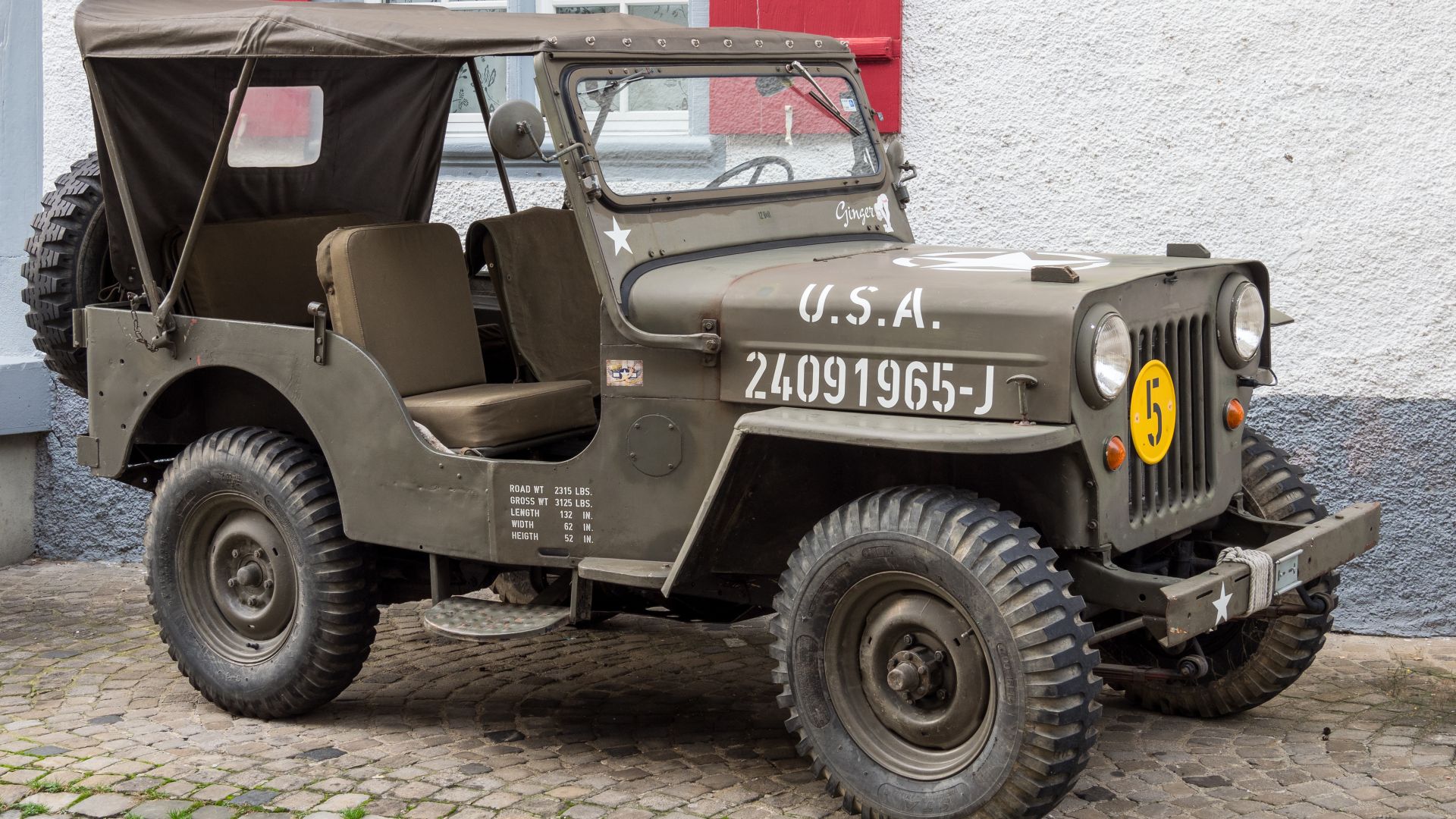
7. Jeep Willys MB
The Willys MB became one of the most important military vehicles of World War II. It was tough, simple, lightweight, and capable of going places ordinary cars couldn't. After the war, its basic idea helped inspire civilian Jeeps and the broader off-road vehicle market.
8. Land Rover Series I
The Land Rover Series I brought rugged utility to farms, expeditions, emergency services, and remote communities around the world. It wasn’t luxurious, and that was very much the point. It could cross difficult terrain, carry equipment, and keep working in places where paved roads were more rumor than reality.

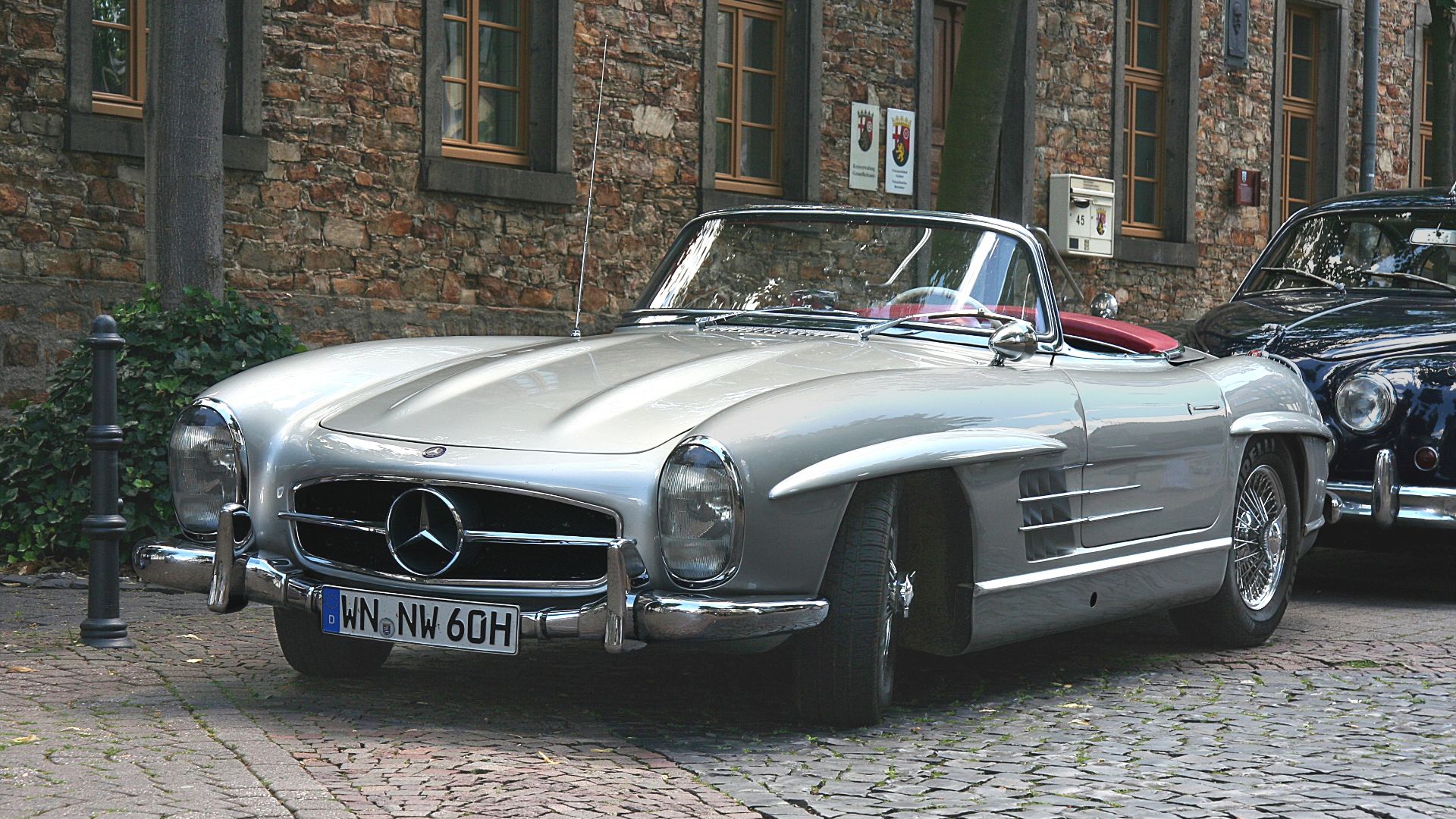
9. Mercedes-Benz 300 SL
The Mercedes-Benz 300 SL proved that advanced engineering could create a road car with genuine racing DNA. Its fuel-injected engine, lightweight construction, and famous gullwing doors made it a technical and design landmark. It helped establish the idea of the modern exotic grand tourer.
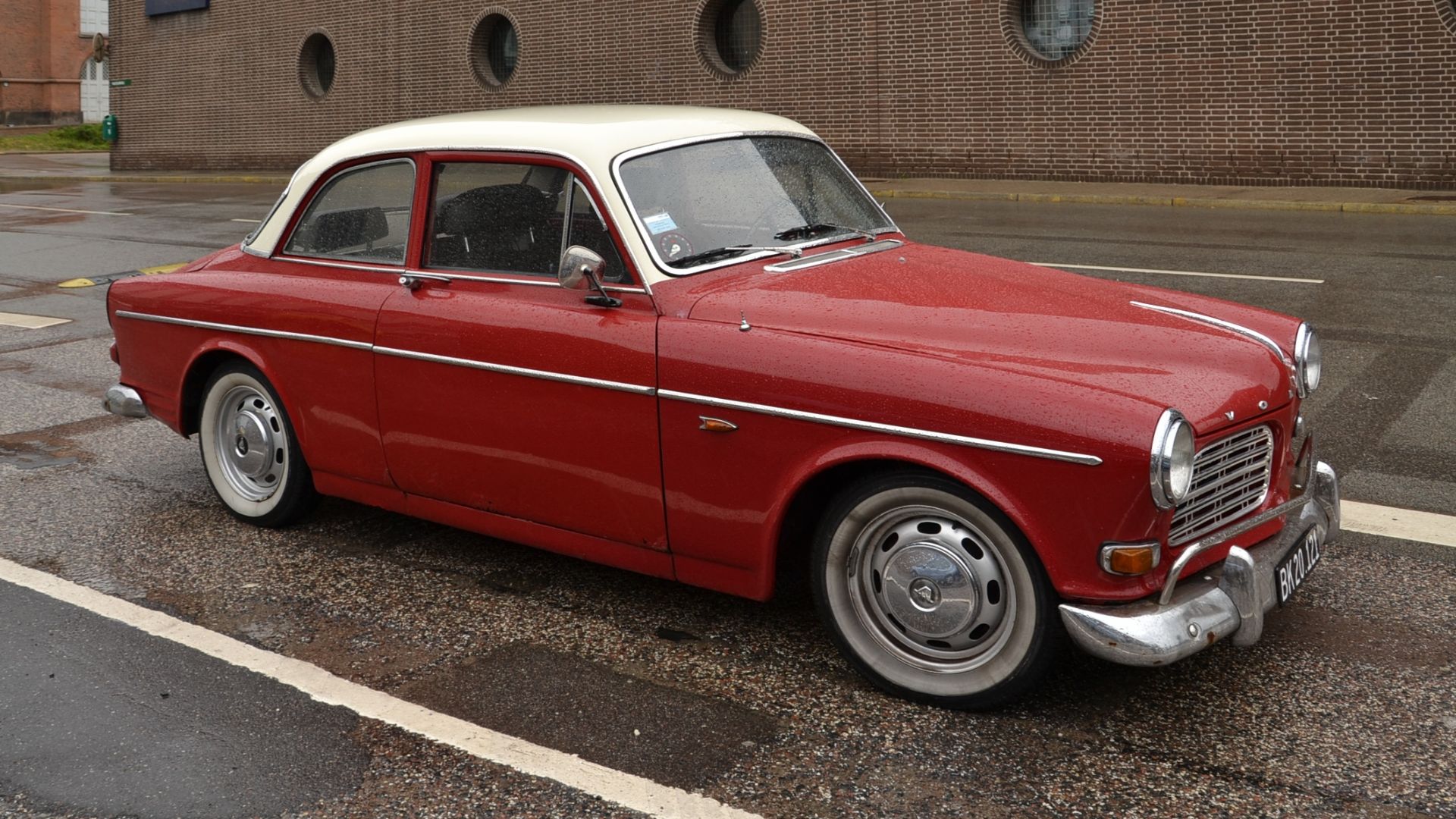
10. Volvo Amazon
The Volvo Amazon helped make safety a serious selling point. It was one of the first production cars to feature the three-point seat belt, a device that would save countless lives. Volvo’s decision to prioritize safety helped shift expectations across the industry.
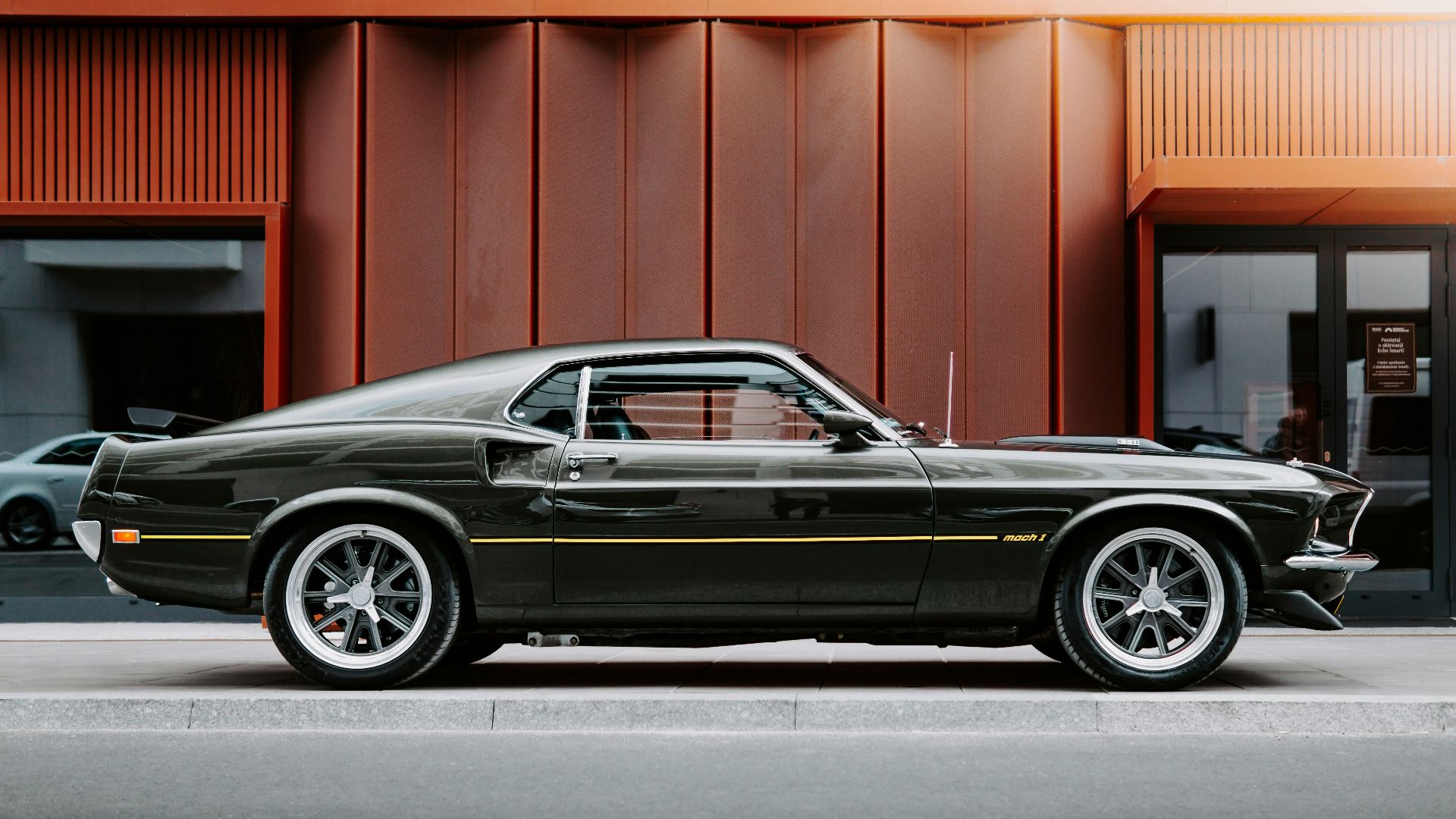
11. Ford Mustang
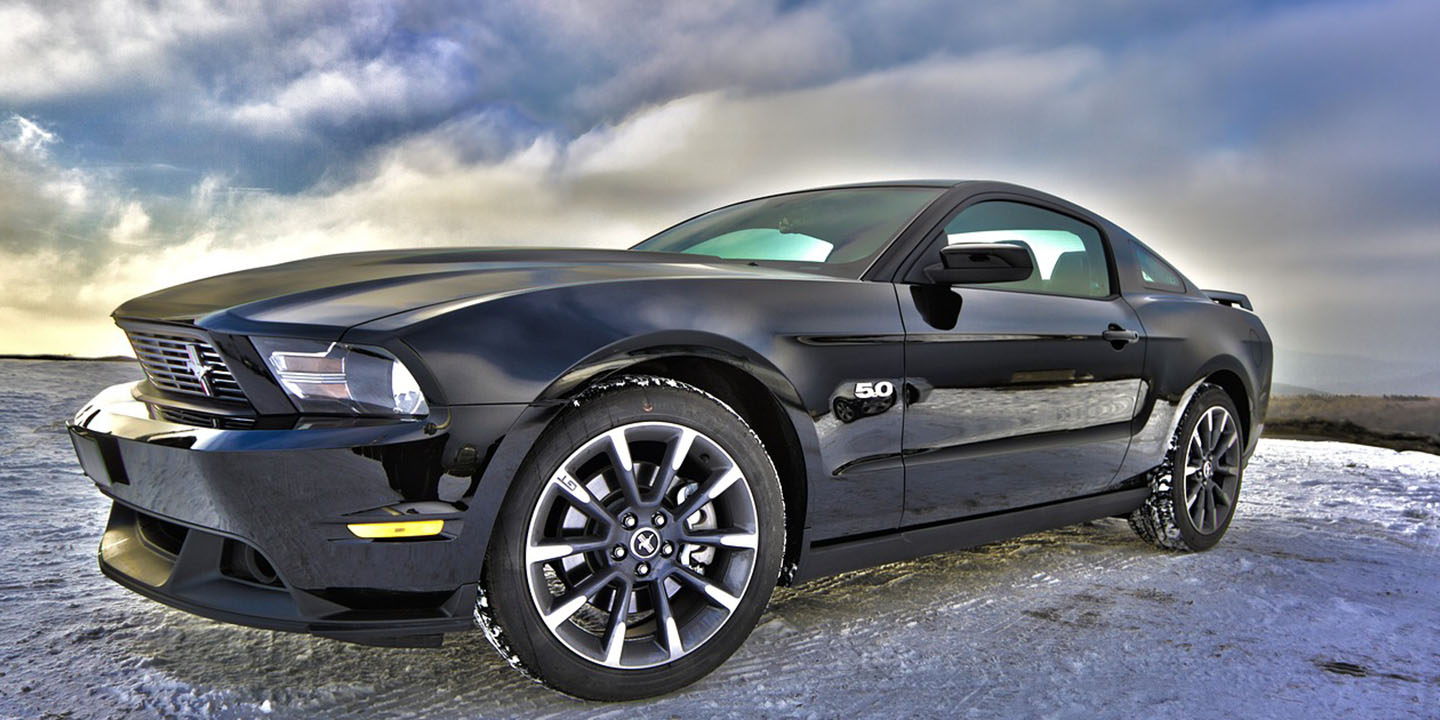
The Ford Mustang created the pony car segment and changed how Americans thought about affordable performance. It allowed people to own a sports car without taking out a second mortgage. It also proved that emotion could sell a car just as strongly as practicality.
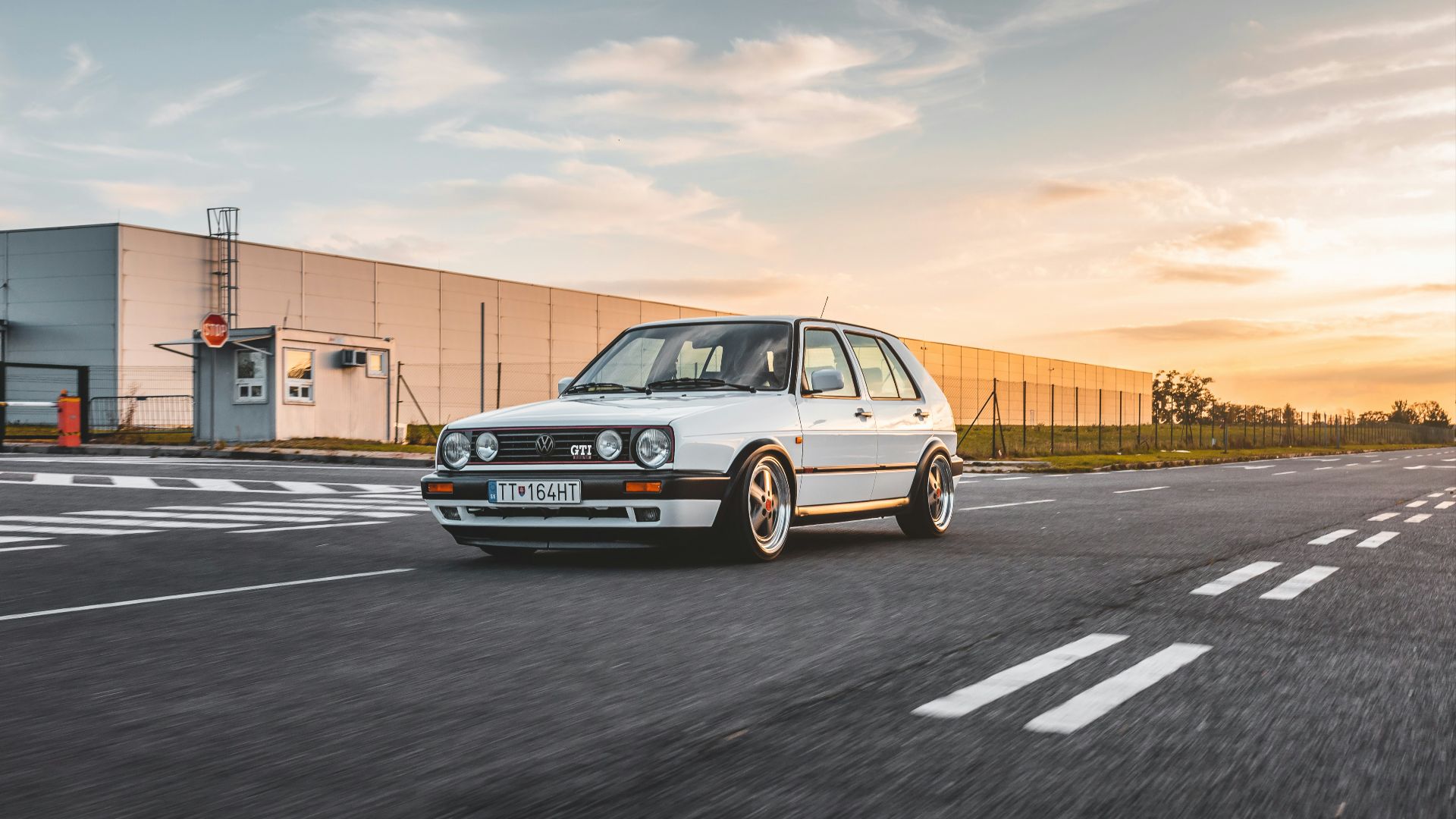
12. Volkswagen Golf GTI
The Volkswagen Golf GTI helped invent the hot hatch formula. It combined everyday usefulness with genuine driving fun, making performance feel practical and approachable. You could commute during the week and enjoy a back road on the weekend without needing a separate toy.
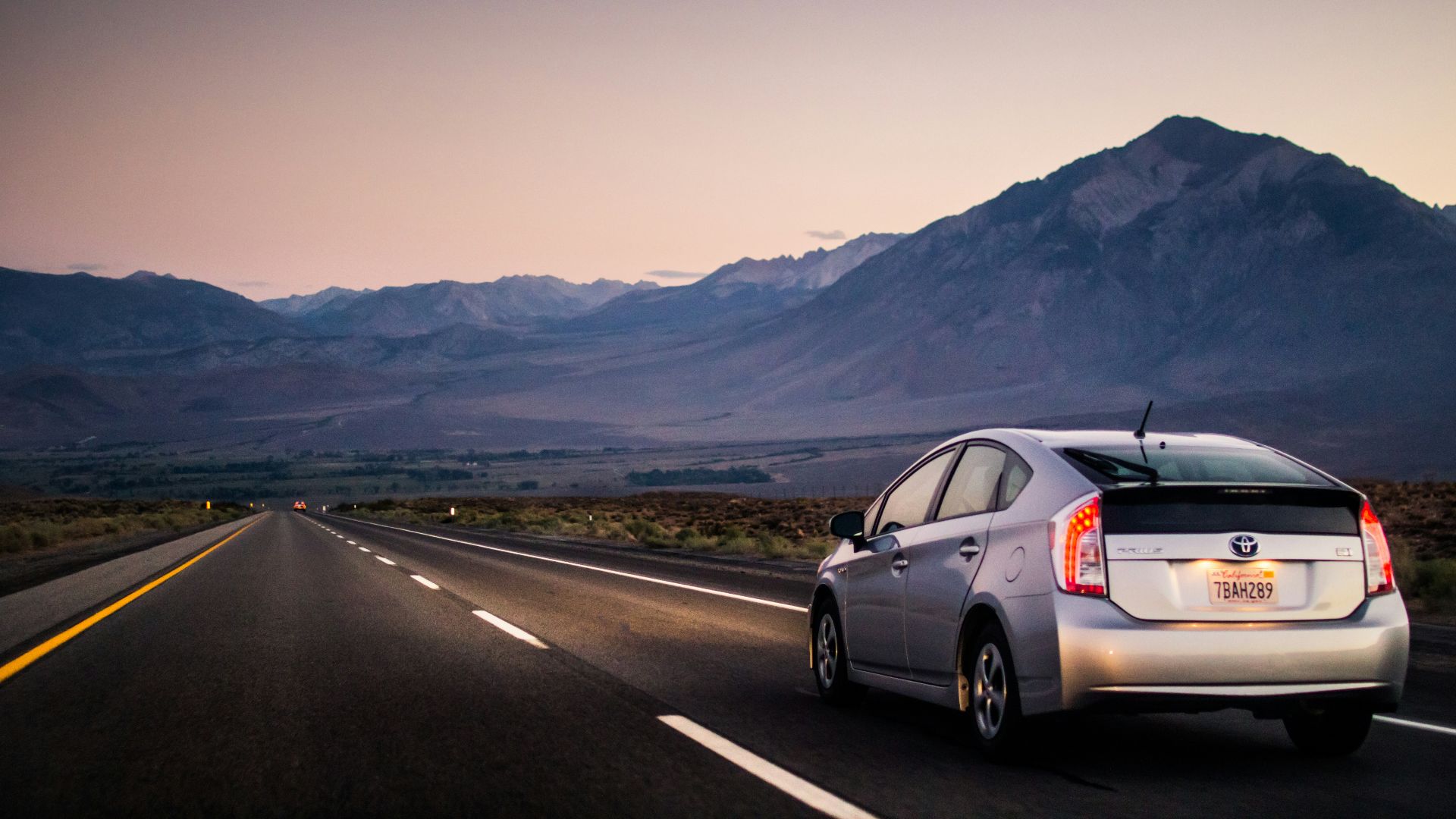
13. Toyota Prius
The Toyota Prius brought hybrid technology into the mainstream. It showed that fuel efficiency could become a major part of a car’s identity rather than a quiet spec sheet detail. The Prius also pushed automakers to take electrification more seriously long before electric cars became common.
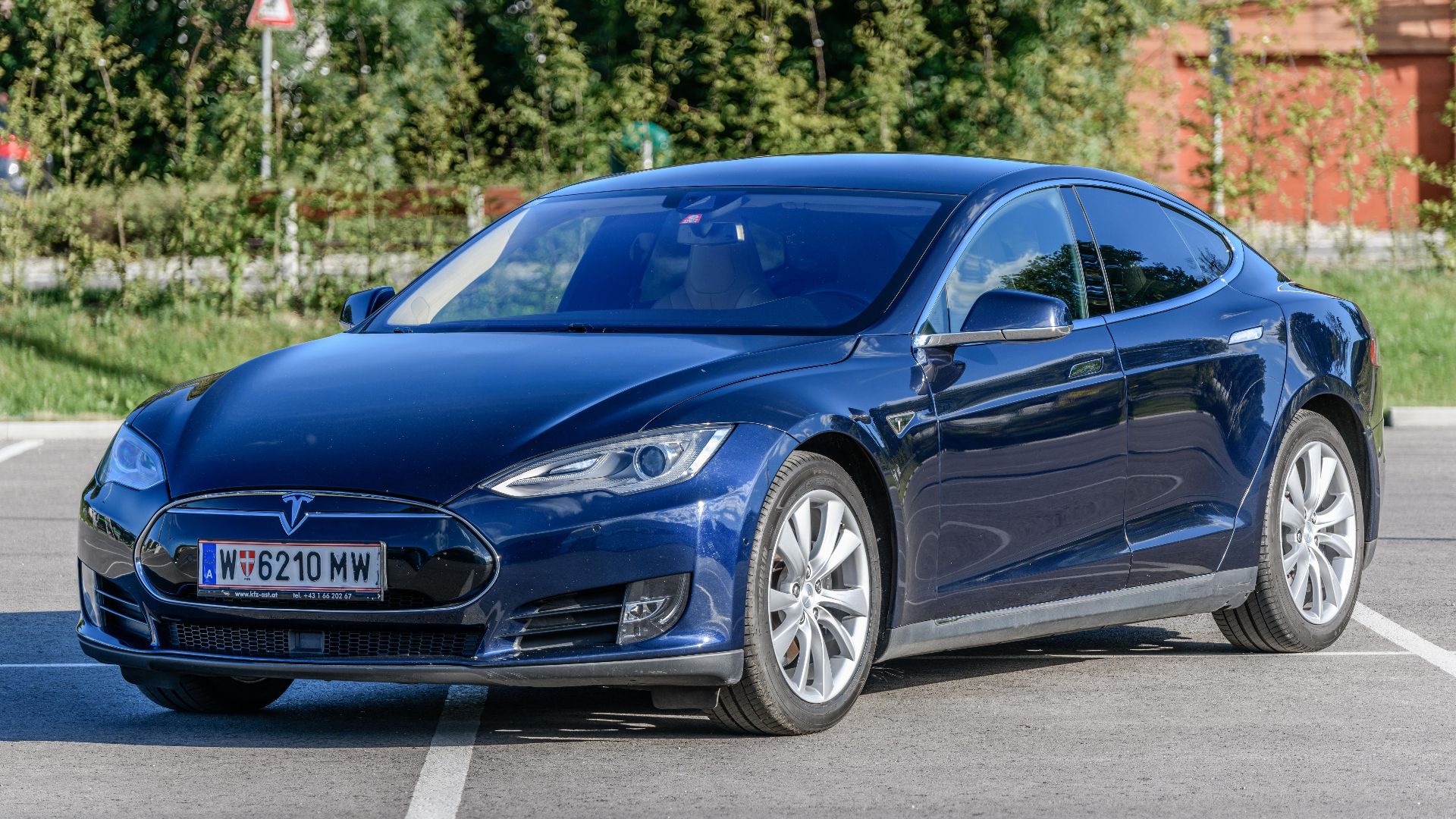
14. Tesla Model S
The Tesla Model S changed expectations for electric cars. Before it, many people thought EVs were slow, short-range, odd-looking, or useful only for very committed early adopters. The Model S proved that an electric sedan could be fast, desirable, high-tech, and capable of long-distance travel with the right charging network.
15. Nissan Leaf
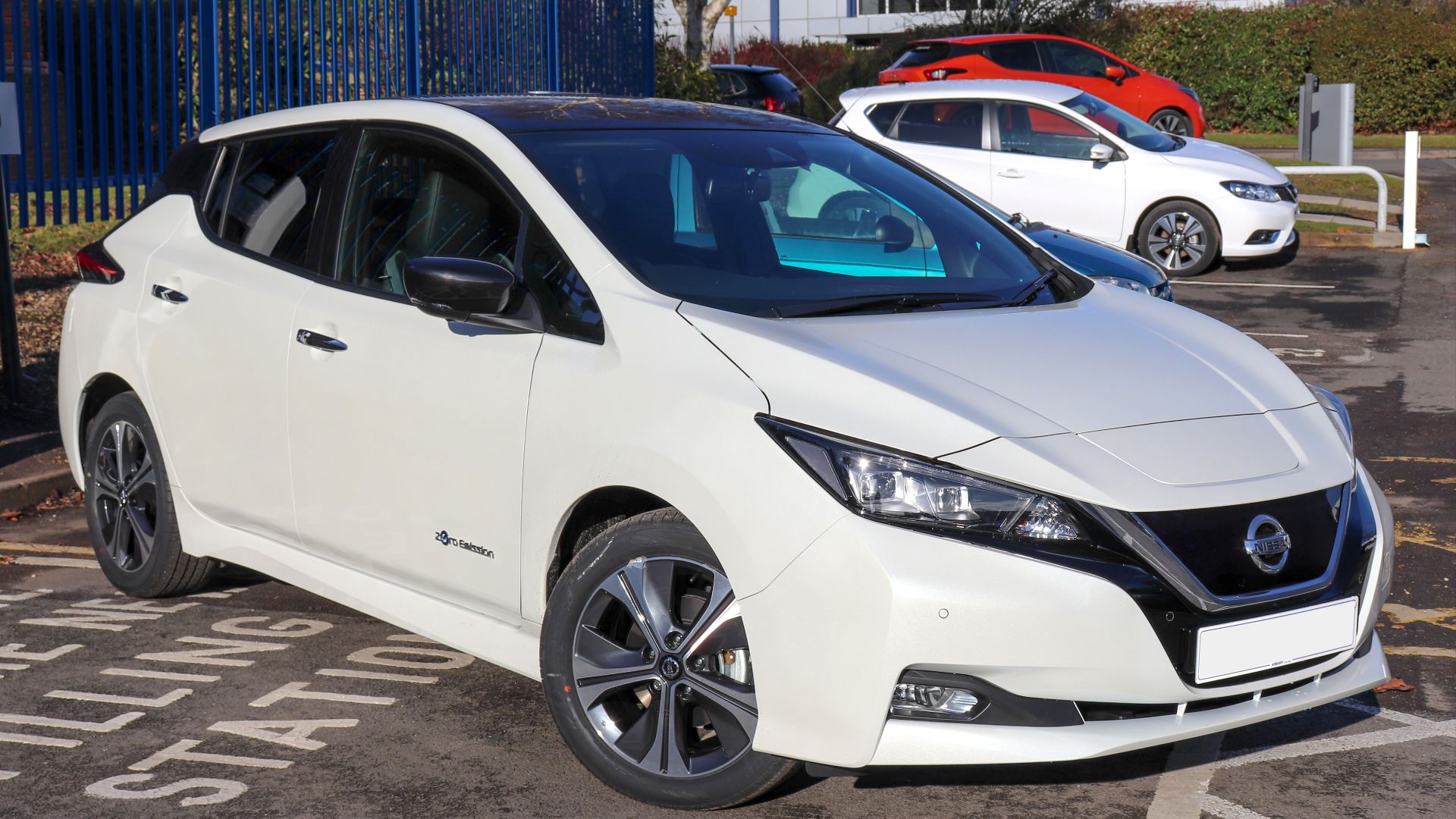
Largely considered as the first mass-produced, mainstream EV, the Nissan Leaf helped make electric driving more accessible to regular buyers. It wasn’t a luxury car or a performance statement; it was a practical hatchback designed for daily use. That mattered because technology doesn’t change the world if only a few wealthy people can try it.
16. Mazda MX-5 Miata
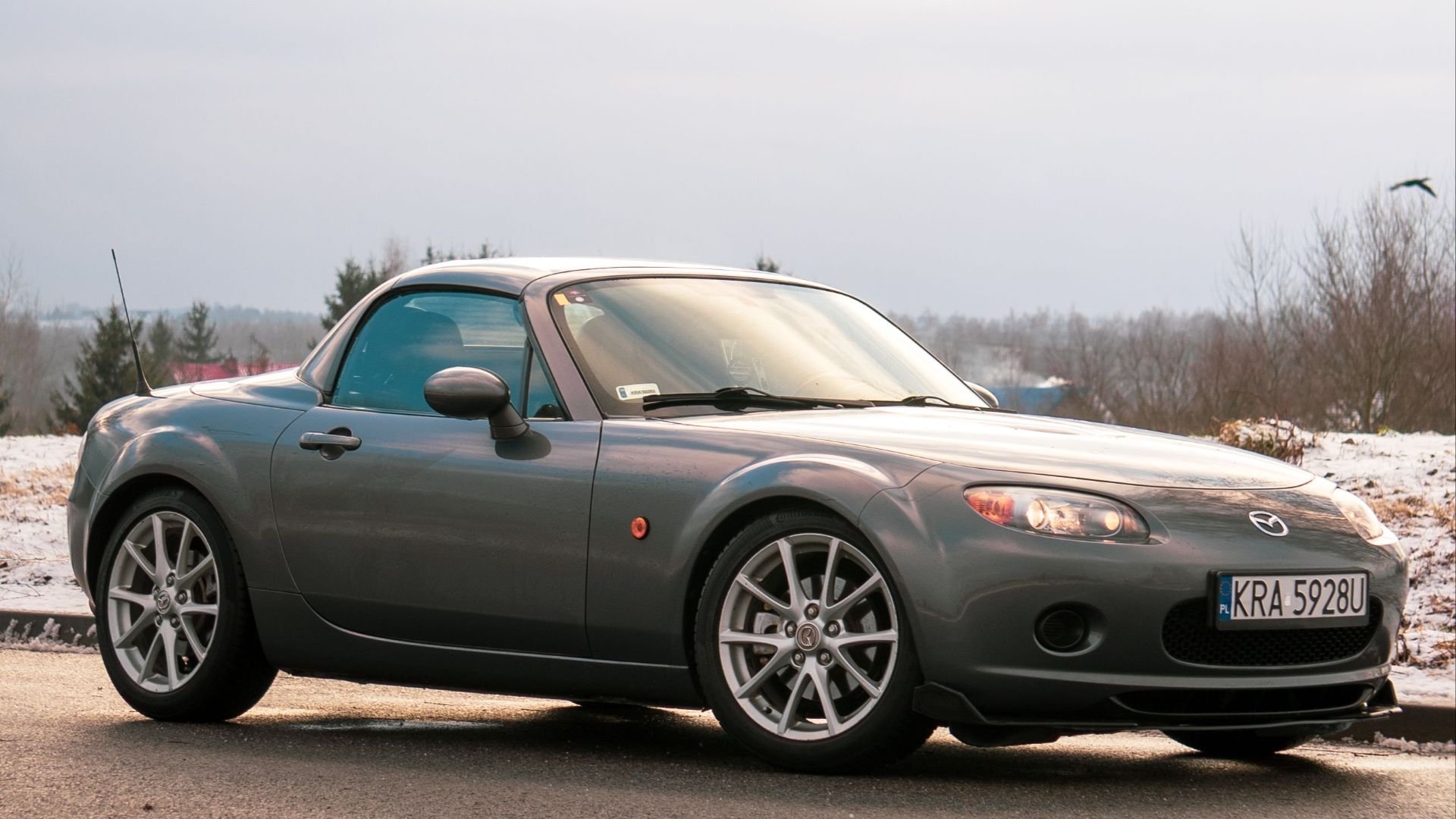
The Mazda MX-5 Miata revived the simple, lightweight roadster at a time when many sports cars were becoming heavier and more complicated. It proved that fun didn’t need huge horsepower or exotic pricing. The Miata’s reliability and approachability helped keep affordable sports-car culture alive.
17. Chrysler Minivan
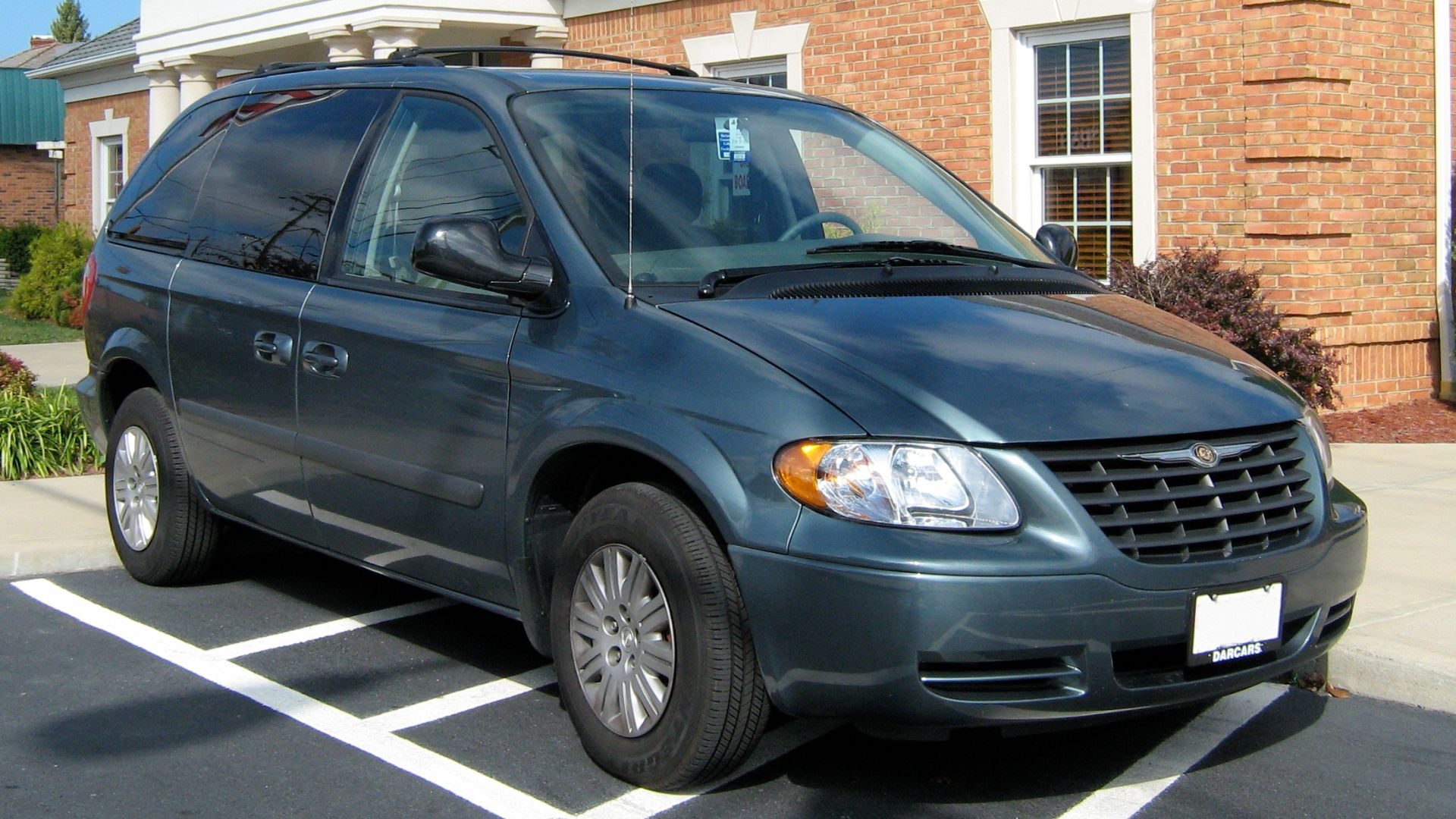
The Chrysler minivan changed family transportation in the 1980s, offering the passenger and cargo space families needed without the size and driving feel of a full-size van. Sliding doors, flexible seating, and a car-like layout made everyday life easier for parents, kids, and anyone hauling their household across town. The minivan may not be glamorous, but it solved real problems beautifully.
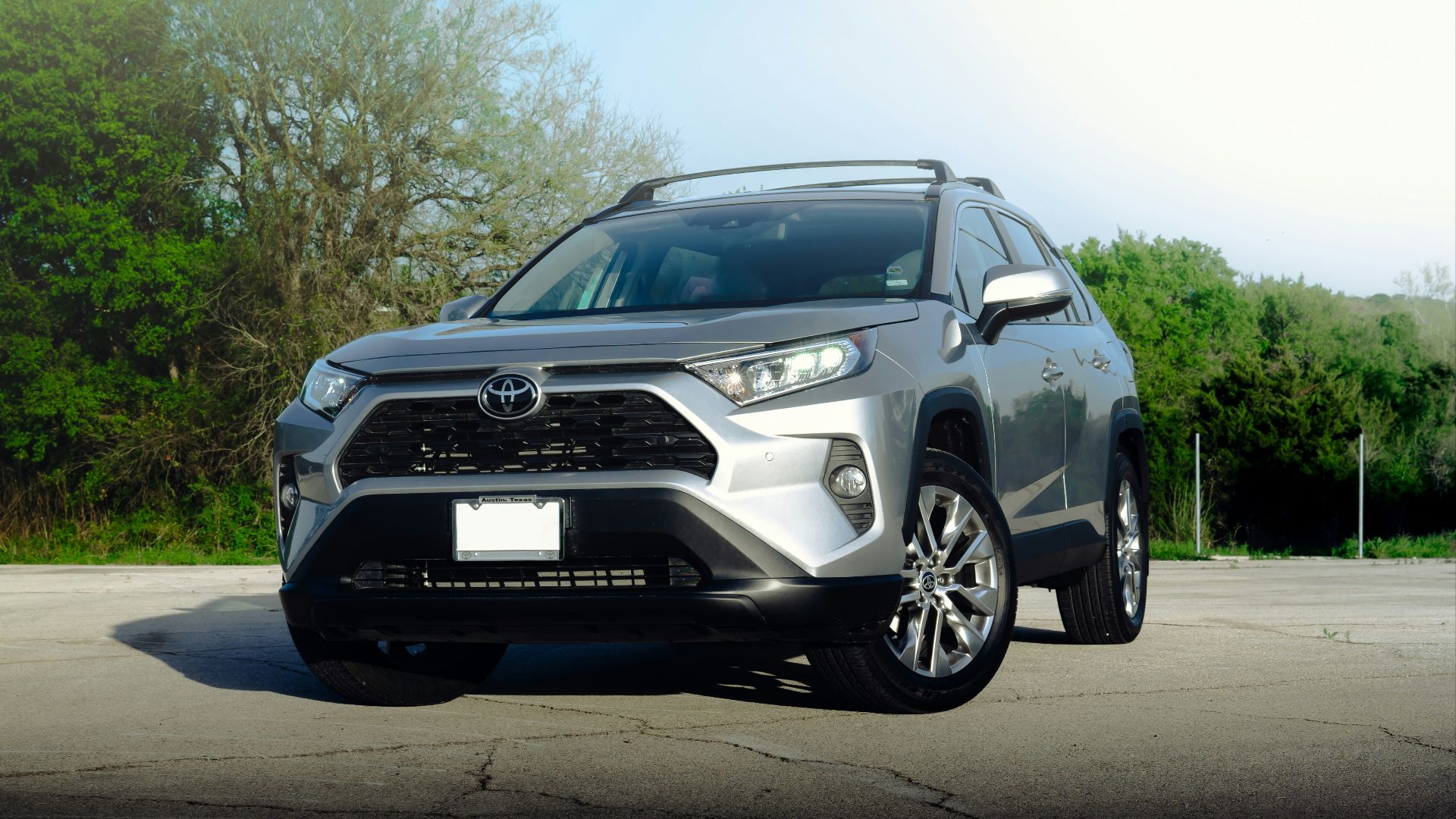
18. Toyota RAV4
The Toyota RAV4 helped popularize the compact crossover. It gave buyers SUV style and practicality without the size, fuel use, or truck-like feel of traditional SUVs. That formula reshaped the entire car market, for better or worse, because customers loved the higher seating position and everyday usefulness.
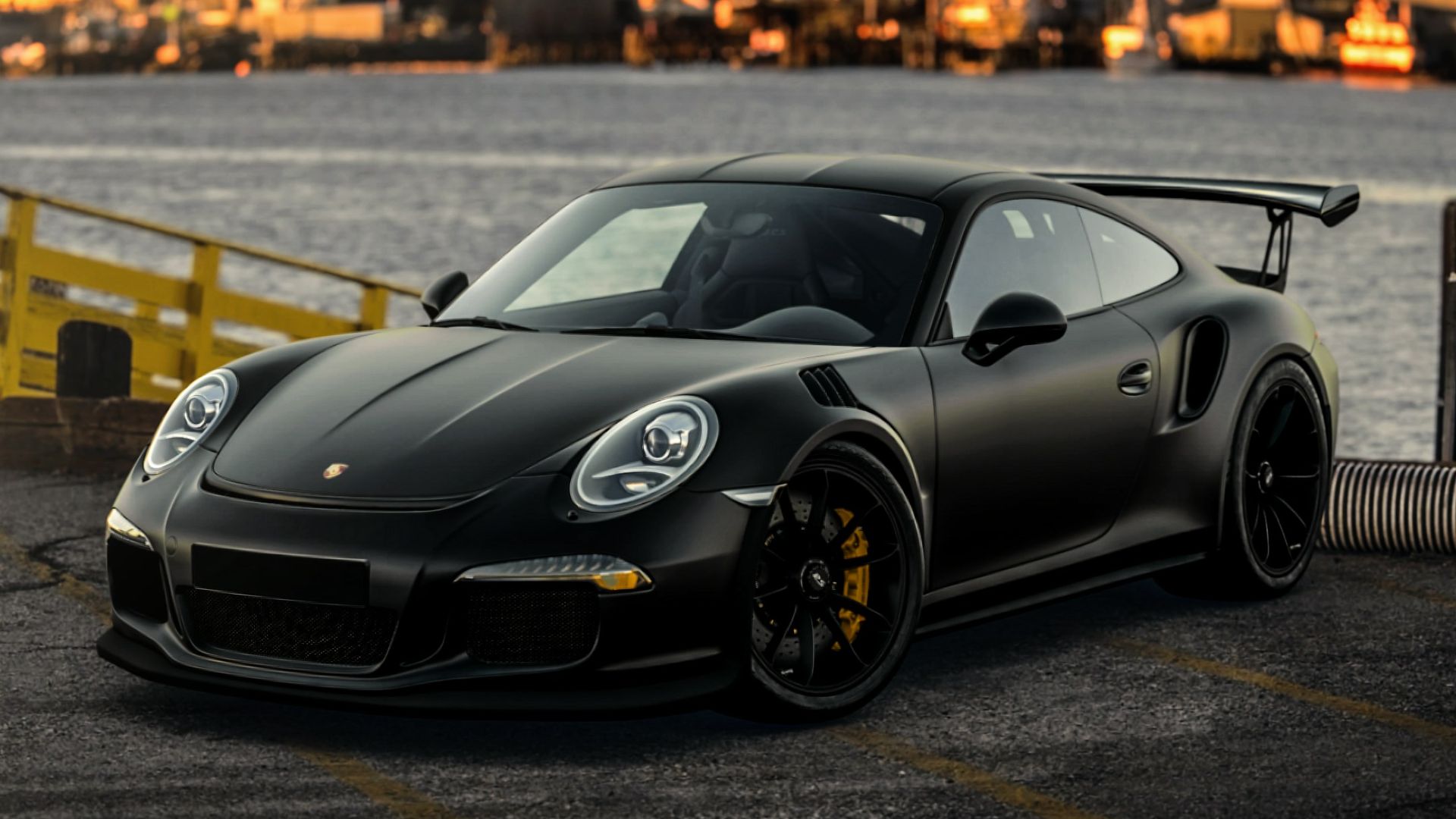
19. Porsche 911
The Porsche 911 changed the world by proving that a car could evolve for decades without losing its identity. Its rear-engine layout, distinctive shape, and constant refinement made it one of the most enduring sports cars ever built. The 911 influenced performance engineering, motorsport, and enthusiast culture around the globe.
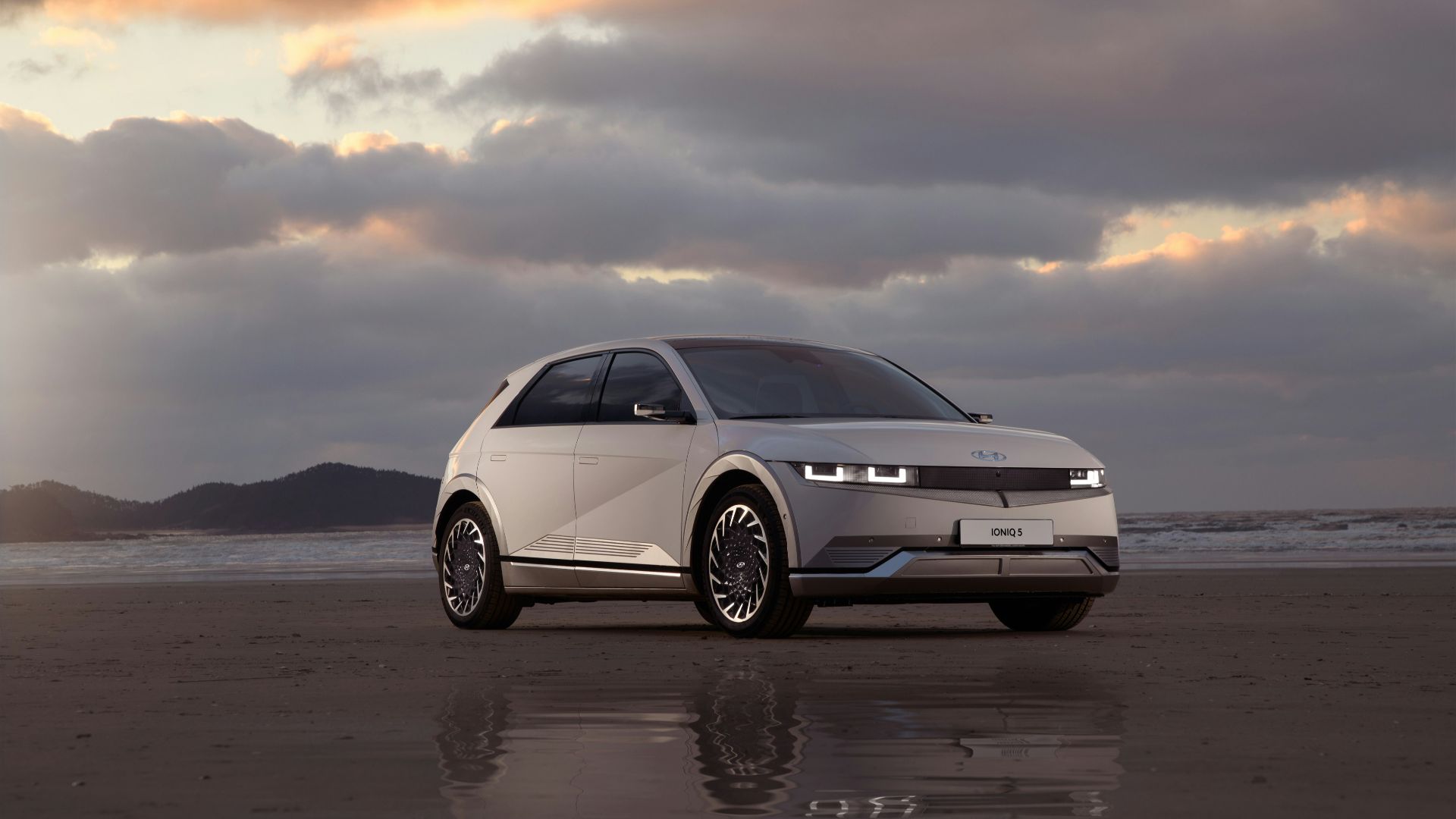
20. Hyundai Ioniq 5
The Hyundai Ioniq 5 showed how quickly electric cars could become stylish, practical, and surprisingly desirable. Its bold design, roomy interior, fast-charging capability, and mainstream-brand pricing helped make EVs feel less like science projects. It also proved that legacy automakers outside the traditional luxury space could build exciting electric vehicles.
 Hyundai Motor Group on Unsplash