
20 Popular European Cars That Were Complete Flops in the U.S.
Big Hits Overseas, Big Disappointments in America
Just because a car is popular in Europe doesn't mean American drivers will love it. Over the years, plenty of European automakers have brought their successful models across the Atlantic, only to discover that American buyers have very different tastes. Some struggled because of their small engines or unusual styling, while others were held back by reliability problems, high prices, or poor marketing. Even cars that sold millions overseas sometimes barely made an impression in the U.S. Here are 20 European cars that were hits at home but had a much harder time winning over American drivers.
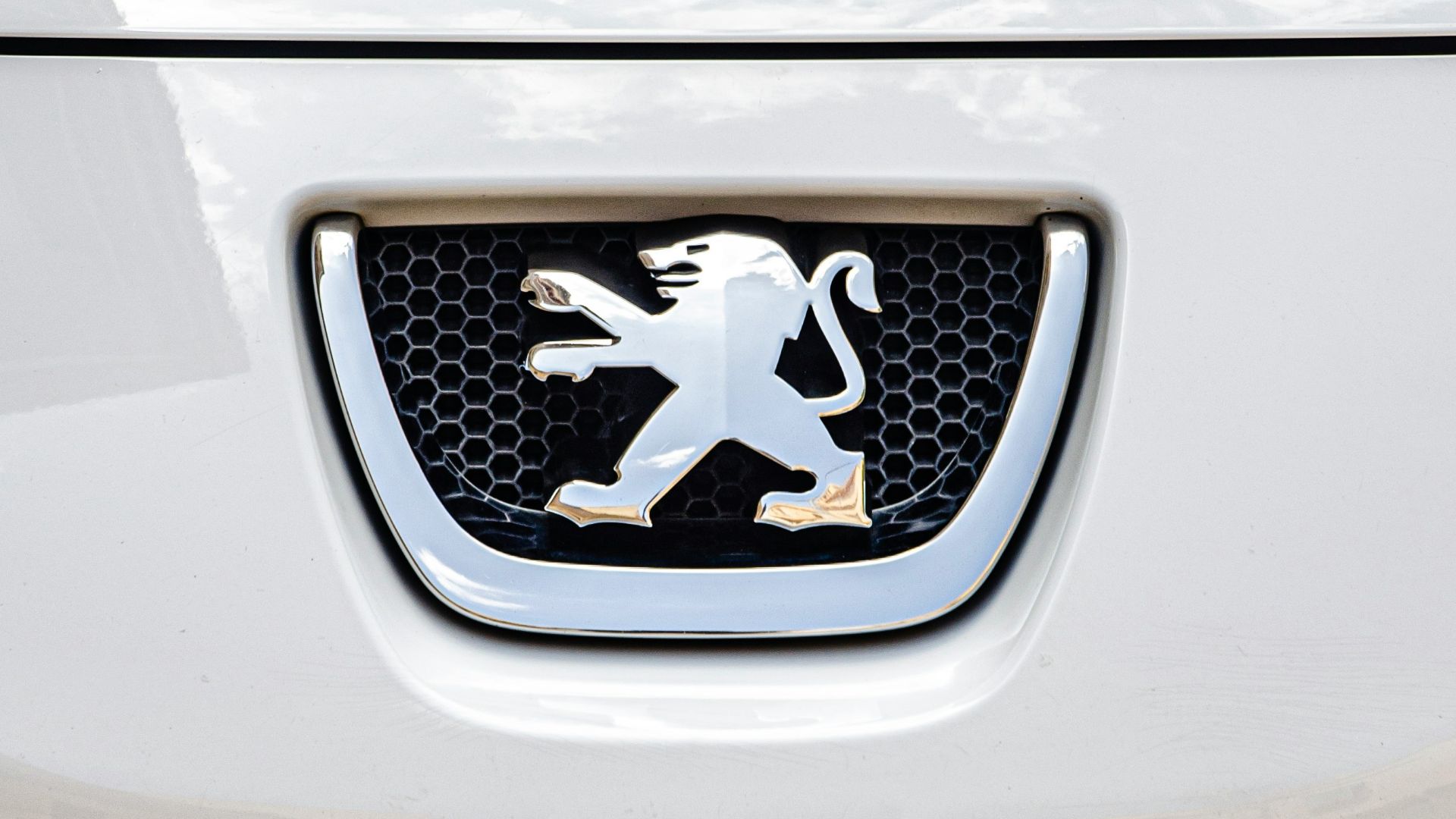
1. Renault 5 (Le Car)
The Renault 5 was one of Europe's most successful small cars during the 1970s and 1980s, earning a reputation for being affordable and practical. When Renault introduced it to America in 1976, eventually renaming it Le Car, the company hoped its European popularity would translate into American sales. Unfortunately, its modest engine, small size, and competition from the Honda Civic and Volkswagen Rabbit made it a tough sell, and Renault pulled it from the U.S. market in 1983.
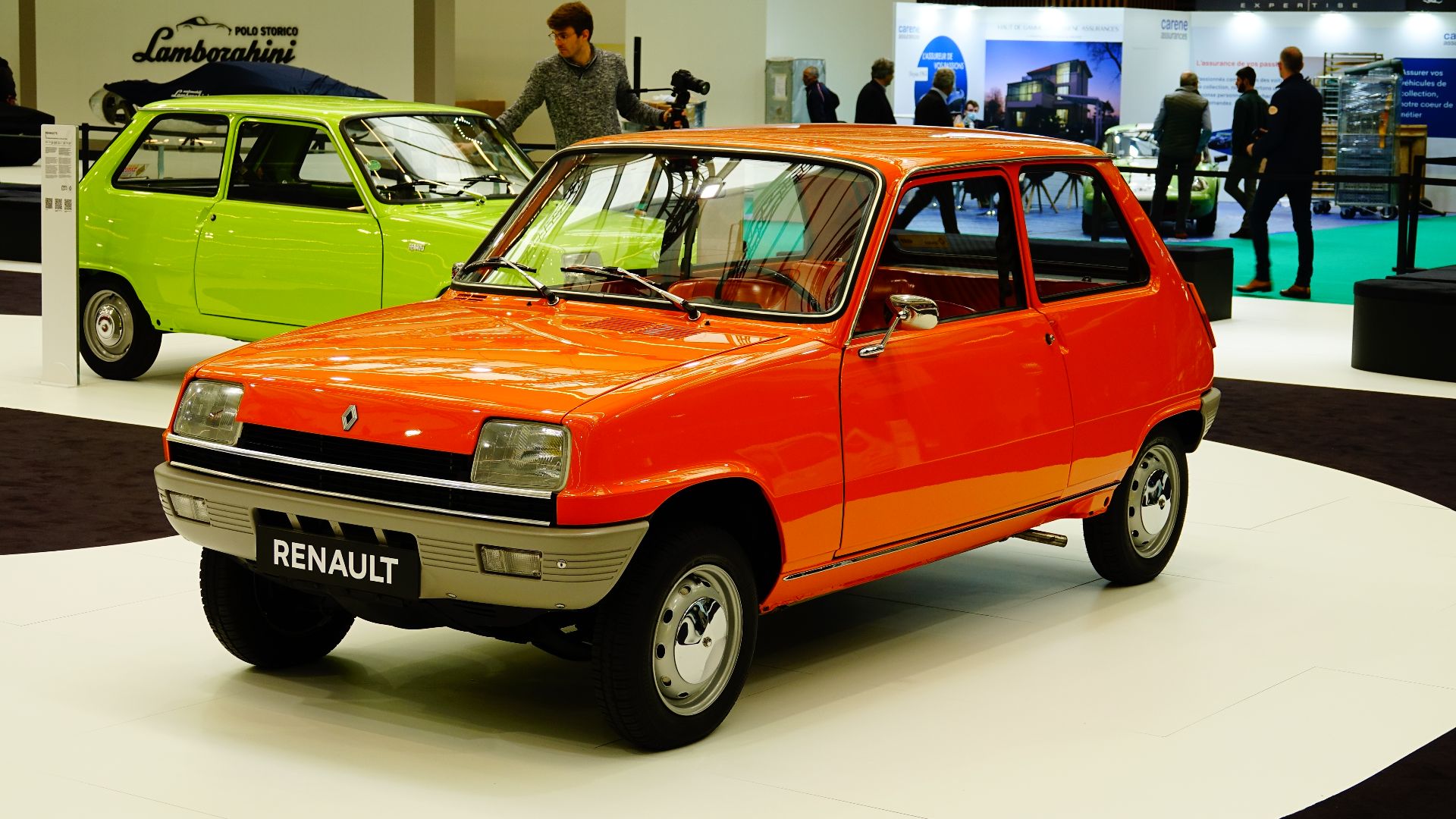
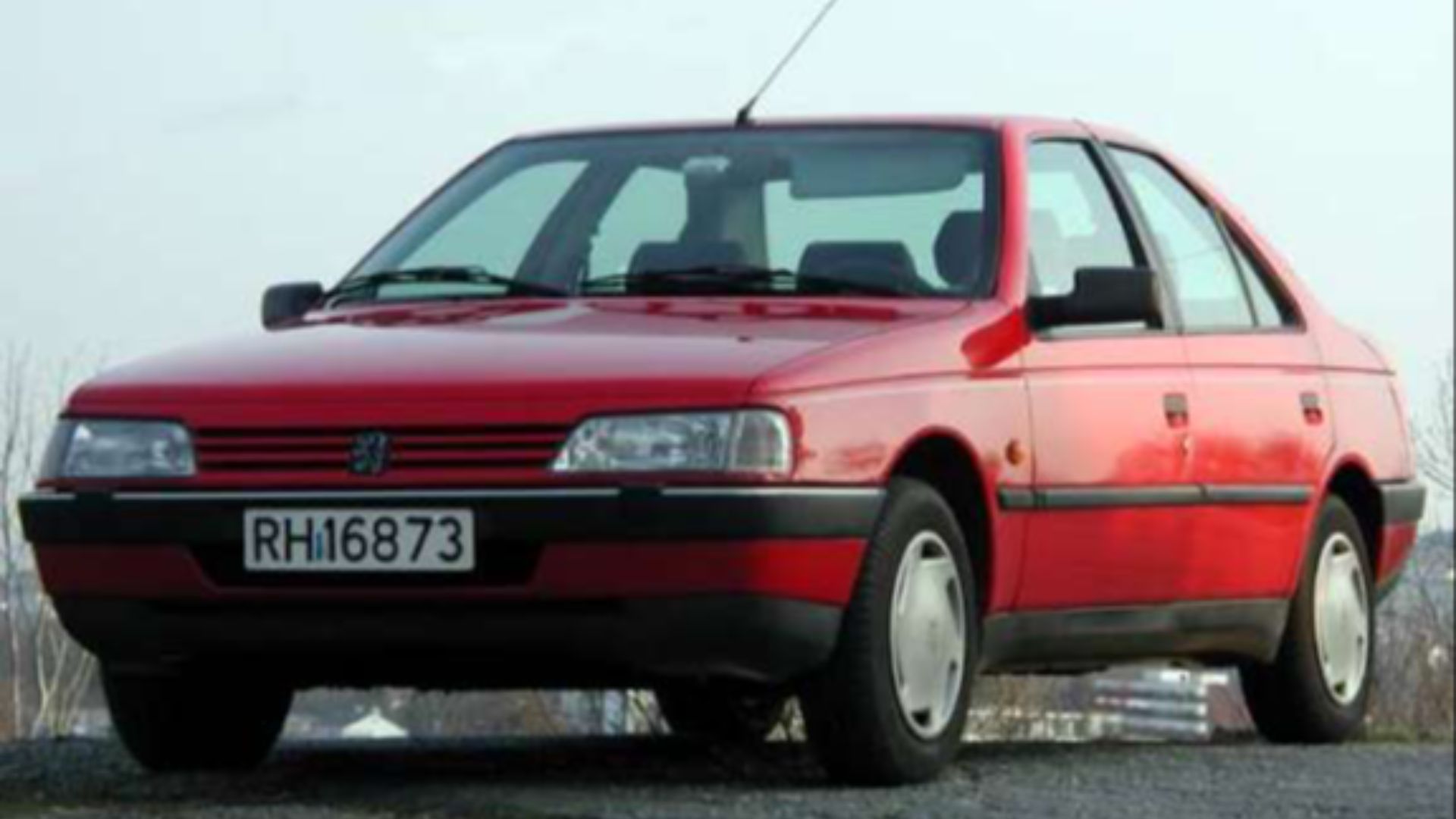
2. Peugeot 405
European drivers loved the Peugeot 405, which even won the prestigious European Car of the Year award in 1988. Peugeot brought the sedan to America hoping its comfortable ride and attractive styling would appeal to buyers looking for something different. However, the brand's limited dealership network and growing competition from Japanese manufacturers made it difficult to win over customers. Sales never really took off, and Peugeot eventually abandoned the American market altogether in 1991.
3. Fiat Strada
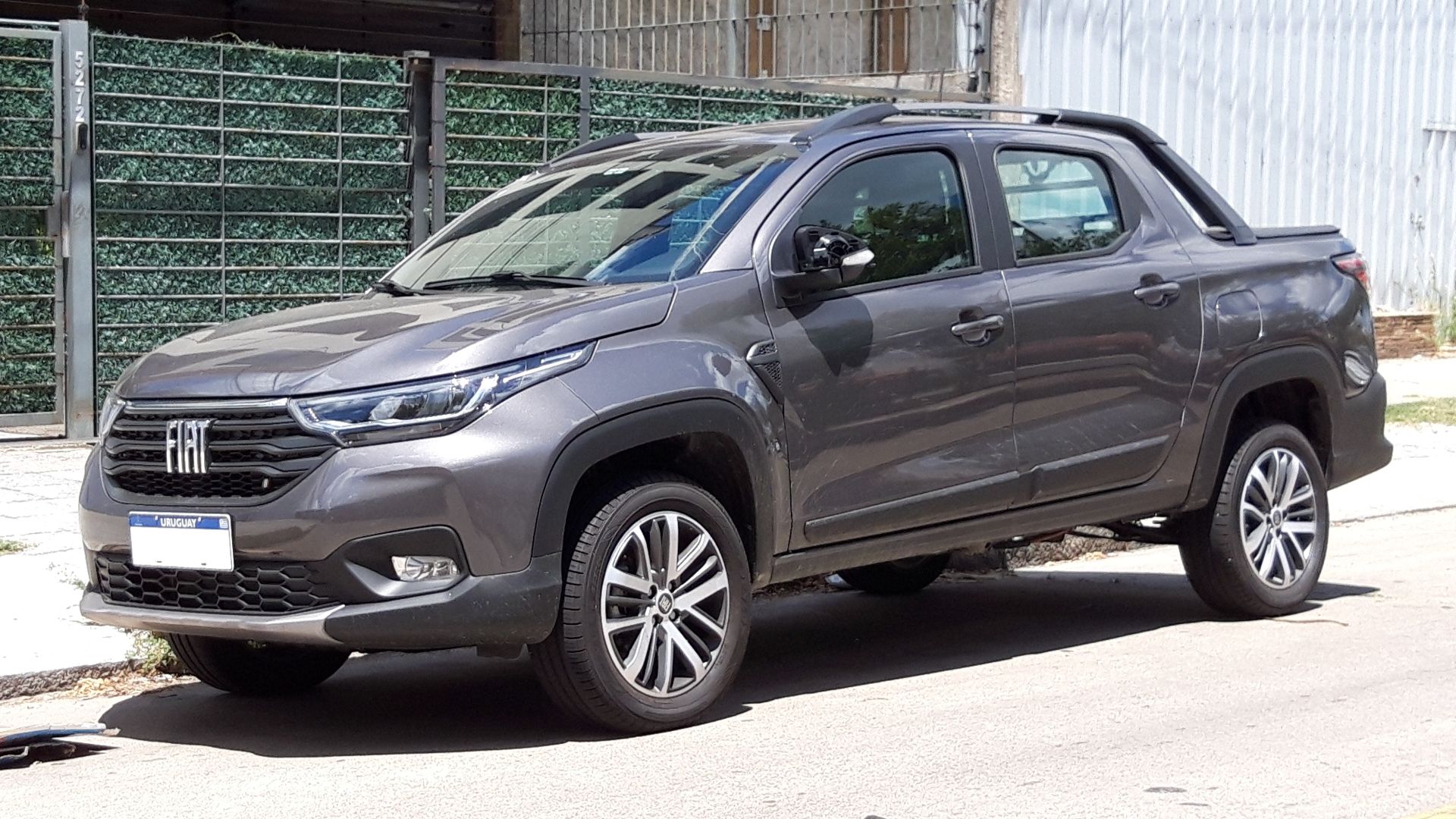
Known as the Fiat Ritmo in Europe, this compact hatchback became a familiar sight on European roads after its introduction in 1978. Fiat renamed it the Strada for American buyers, offering distinctive styling and a surprisingly spacious interior for its size. Unfortunately, inconsistent build quality and reliability concerns made it difficult to compete with increasingly dependable Japanese alternatives. The Strada disappeared from American showrooms after the early 1980s, while the Ritmo continued selling in Europe for several more years.
4. Renault Dauphine
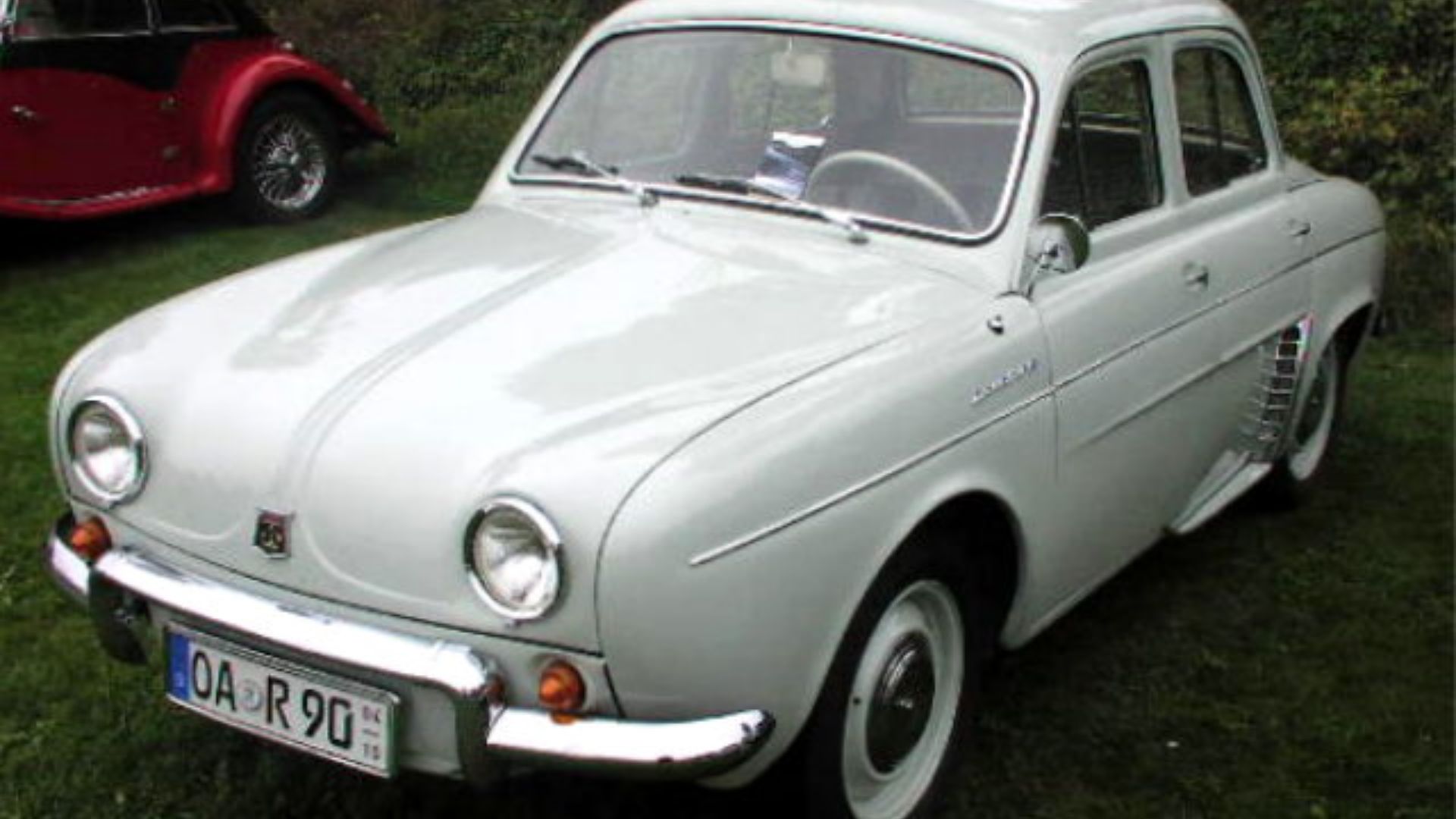
During the late 1950s, the Renault Dauphine became a popular choice for European families looking for an inexpensive small sedan. Its American introduction initially looked promising, with sales eventually exceeding 100,000 units annually. However, durability problems, rust, and poor resale values quickly damaged its reputation among American drivers. Demand dropped so dramatically that thousands of unsold cars piled up, turning what looked like an early success into an expensive disappointment.
5. Alfa Romeo 164
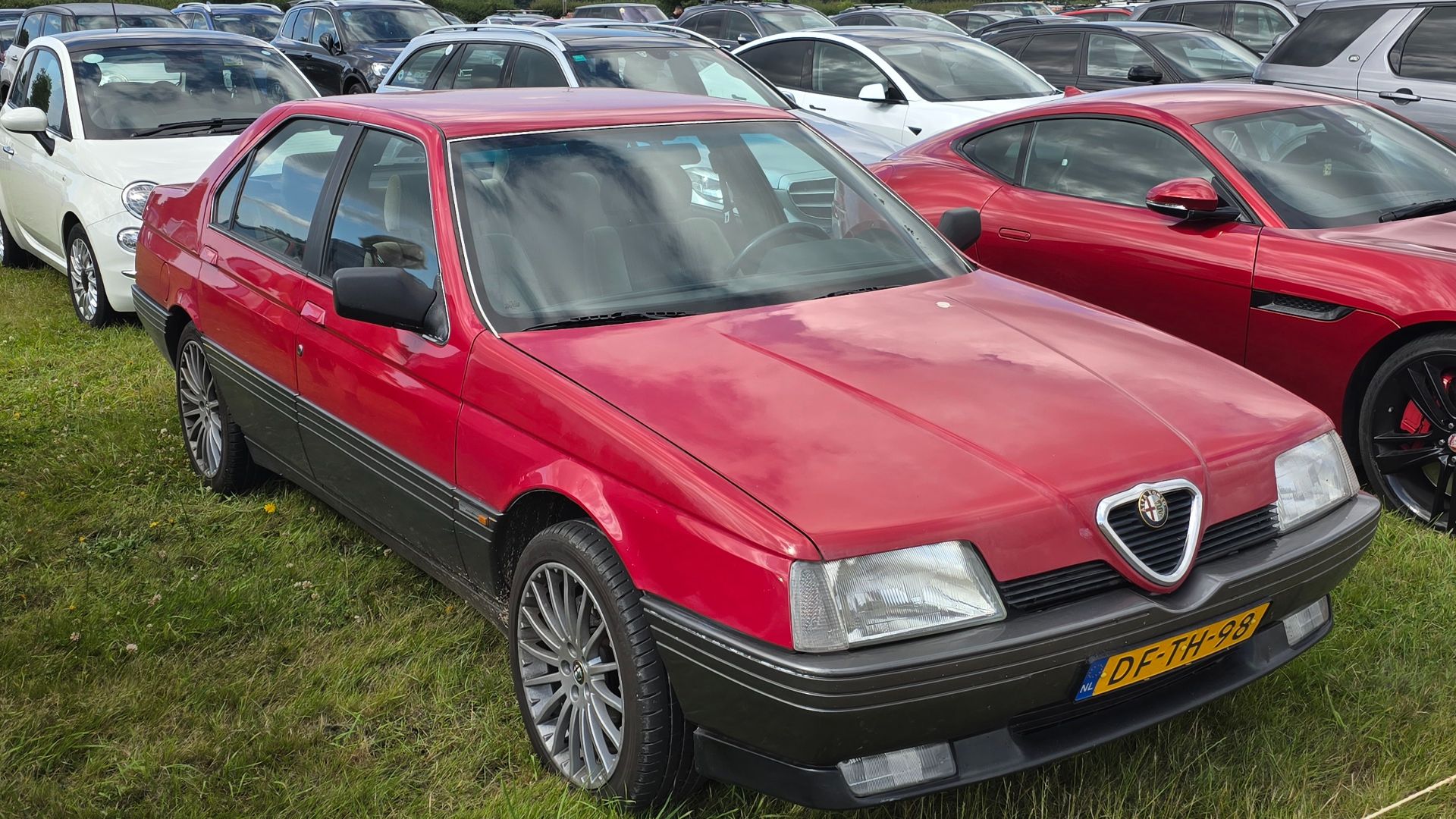
Italian drivers appreciated the Alfa Romeo 164 for its elegant styling, comfortable interior, and enjoyable performance. When it arrived in America for the 1991 model year, Alfa Romeo hoped it could hold its own against established European luxury sedans. However, concerns about reliability, limited dealership support, and tough competition from German manufacturers kept sales relatively low. Although enthusiasts appreciated its character, the 164 never became the commercial success Alfa Romeo needed in the U.S.
6. Ford Sierra (Merkur XR4Ti)
The Ford Sierra enjoyed considerable success across Europe throughout the 1980s, so Ford decided to bring a performance-oriented version to American buyers under the unfamiliar Merkur XR4Ti name in 1985. Unfortunately, its unusual styling, relatively high price, and confusing branding made it difficult for customers to figure out exactly where the car fit in the market. Despite its capable turbocharged engine, sales never came close to the Sierra's European popularity, and production for America ended in 1989.
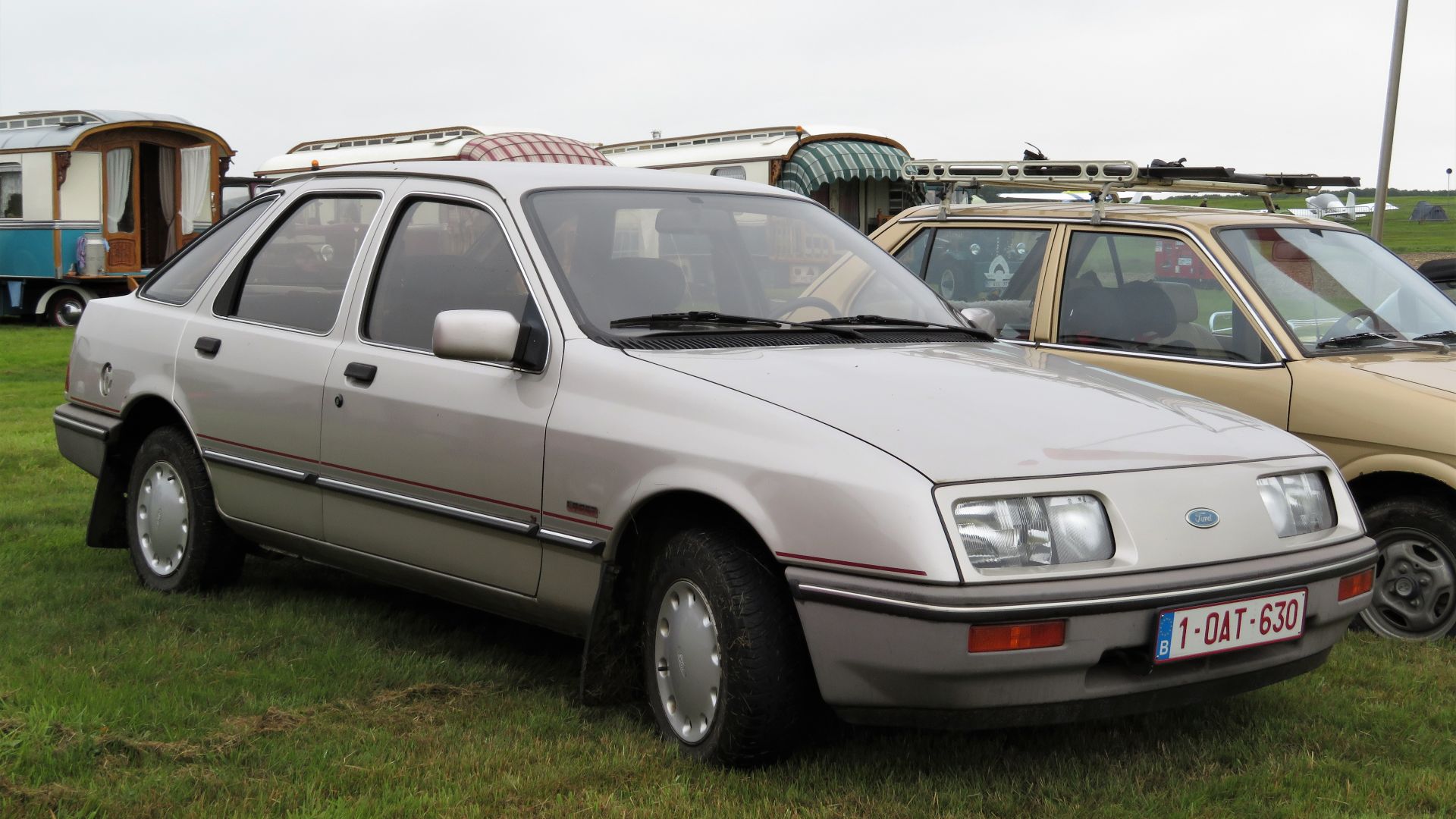
7. Fiat 500L
European families appreciated the Fiat 500L for offering plenty of interior space in a relatively compact package. Fiat introduced it to the United States for the 2014 model year, hoping American buyers would be drawn to its quirky appearance and practicality. Unfortunately, its unconventional proportions and competition from more familiar compact crossovers made it difficult to keep buyers interested. American sales peaked at just over 12,000 units in 2014 before dropping sharply, while European demand remained substantially stronger.
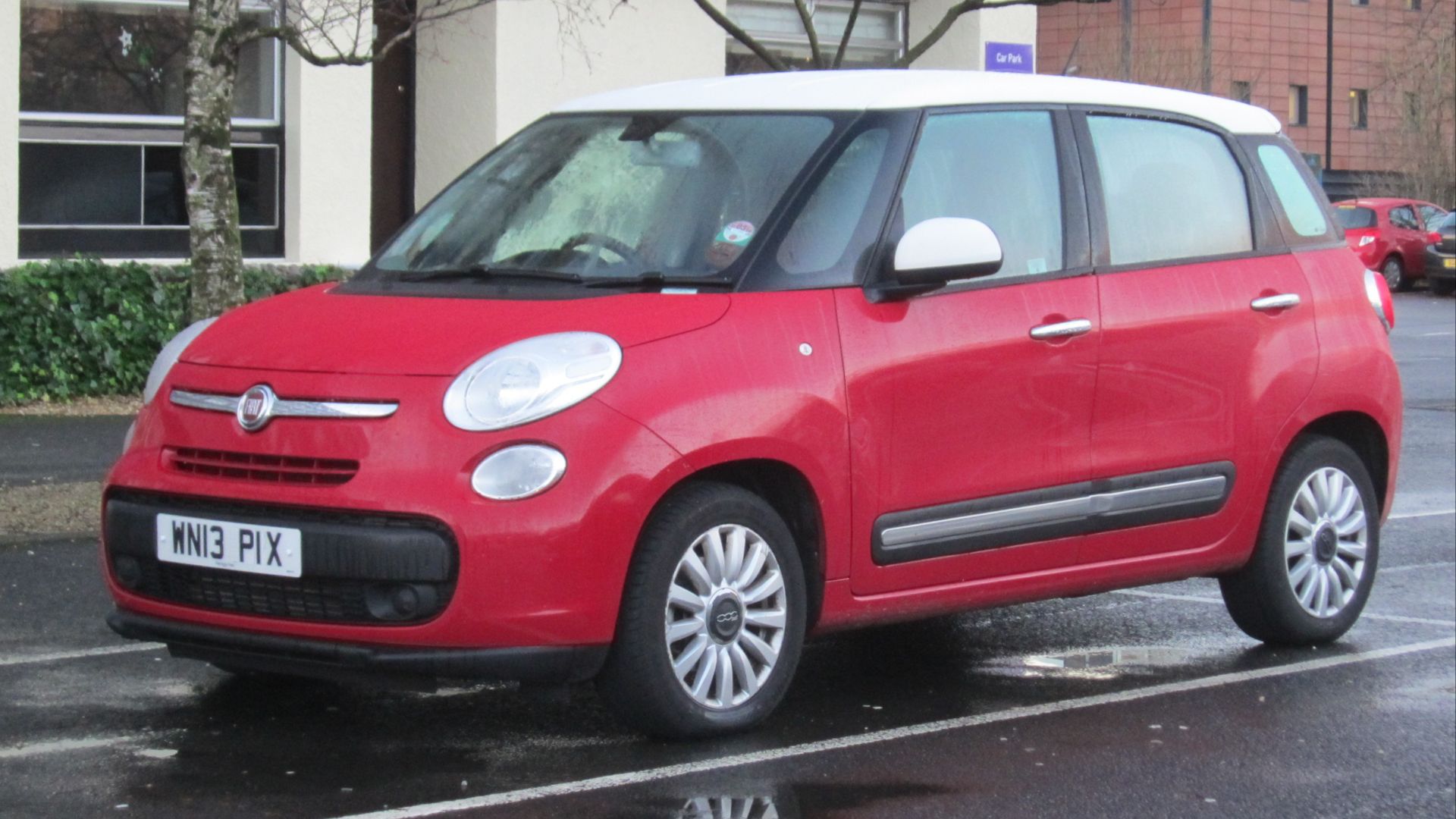
8. Rover SD1 (Rover 3500)
The Rover SD1 was a respected executive car in Britain, even winning the European Car of the Year award in 1977. American buyers received the V8-powered Rover 3500 for the 1980 model year, which seemed promising given the country's enthusiasm for powerful engines. Unfortunately, underwhelming performance, questionable build quality, and limited marketing prevented the car from attracting much attention. Rover only sold about1,000 of them before pulling the model from the U.S.
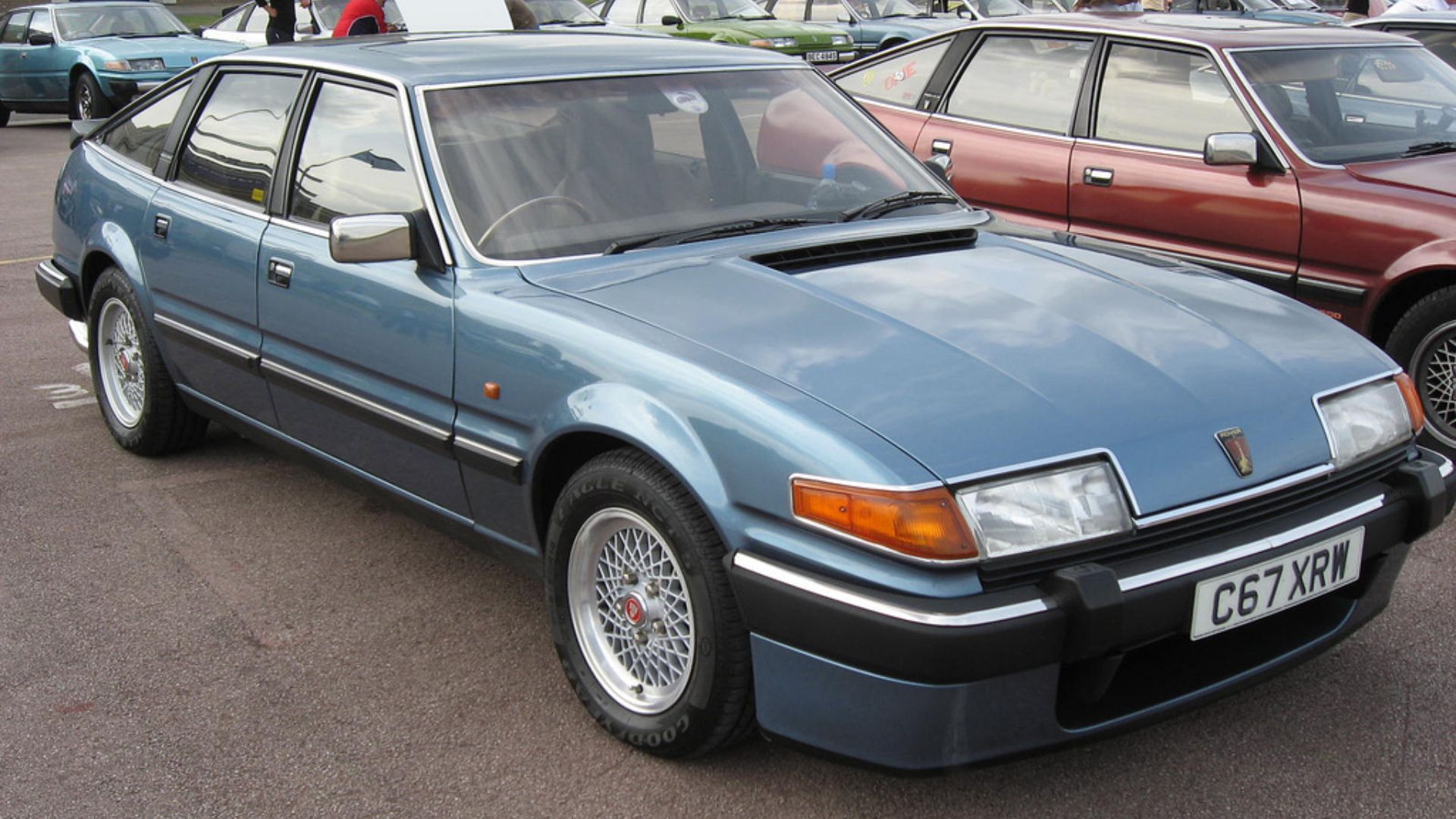
9. Peugeot 505
Known for its comfortable suspension and durability, the Peugeot 505 developed a loyal following throughout Europe and several international markets. American drivers could choose between the sedan and station wagon, including diesel-powered versions that appealed to buyers looking to save on fuel. Although it enjoyed some modest success, Peugeot struggled to maintain sales as competitors introduced newer and more appealing vehicles. By the early 1990s, the aging 505 simply couldn't attract enough customers to help keep the French automaker in America.
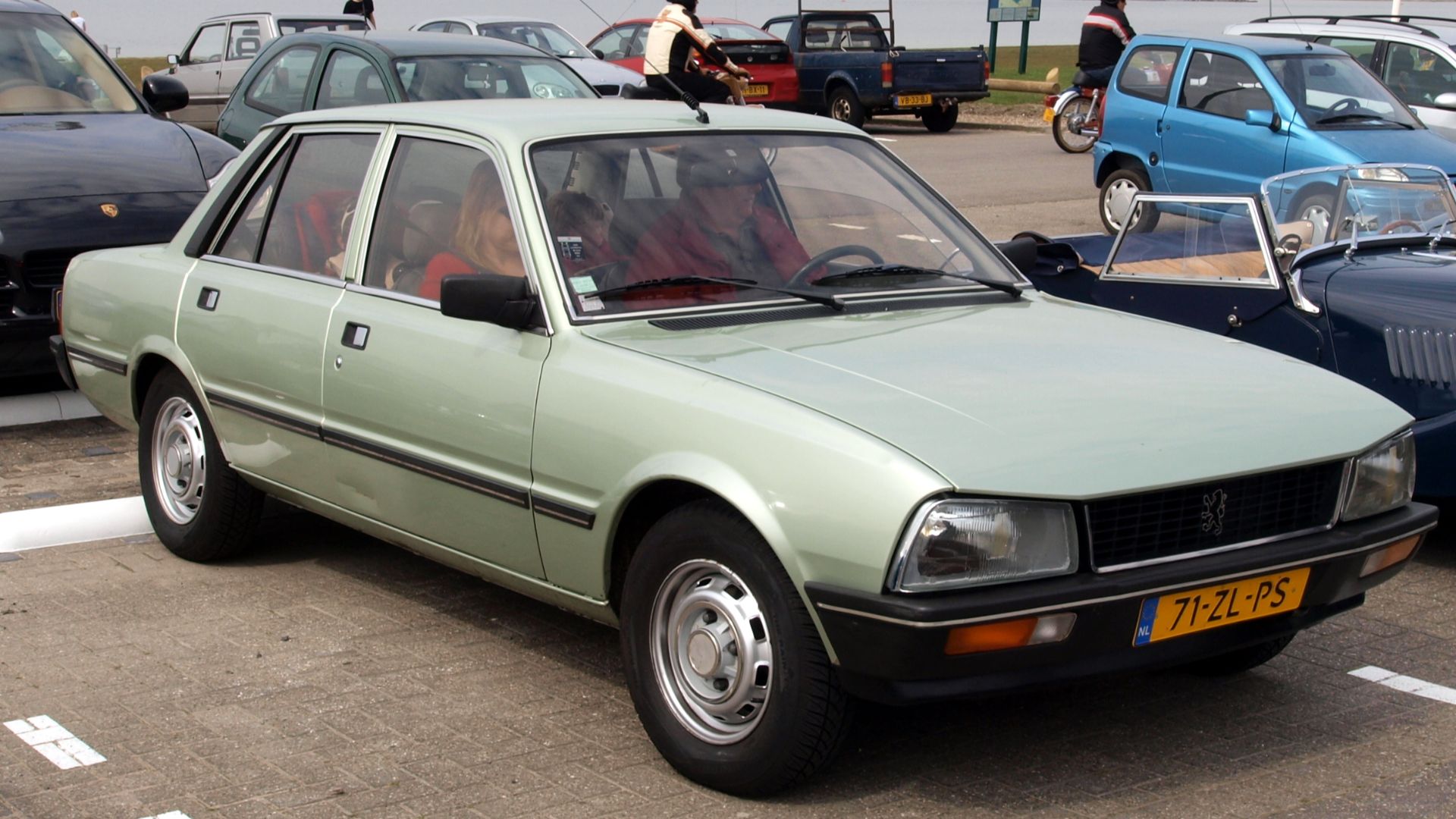
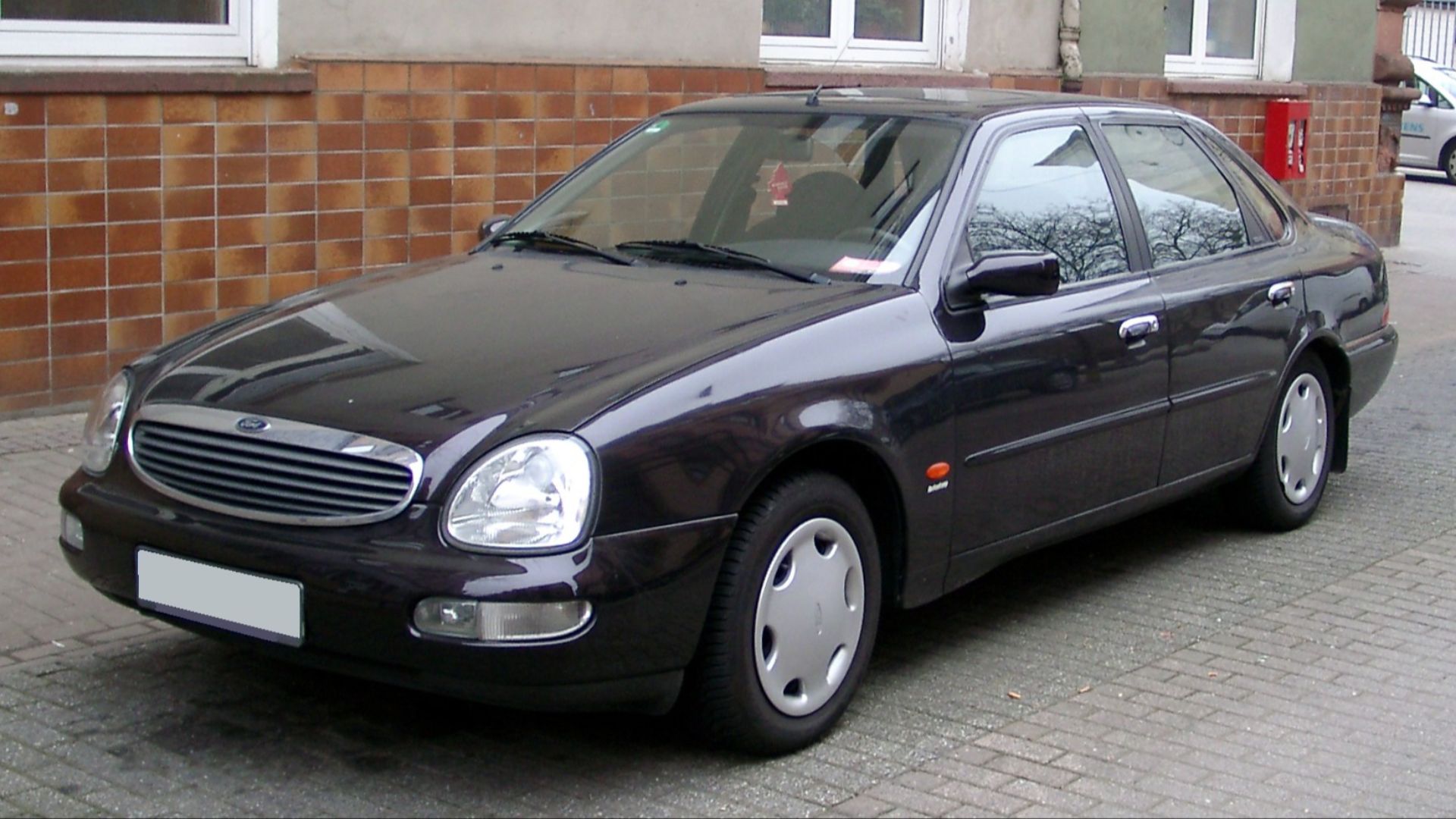
10. Ford Scorpio (Merkur Scorpio)
The Ford Scorpio was a successful European executive car that offered a spacious interior, comfortable ride, and plenty of standard equipment. Ford introduced it to America in 1988 under the Merkur brand, marketing it as an upscale alternative to conventional sedans. Unfortunately, buyers weren't particularly interested in paying premium prices for a car wearing an unfamiliar badge. The Merkur Scorpio lasted just two model years in the U.S., even though the European version remained on sale for another decade.
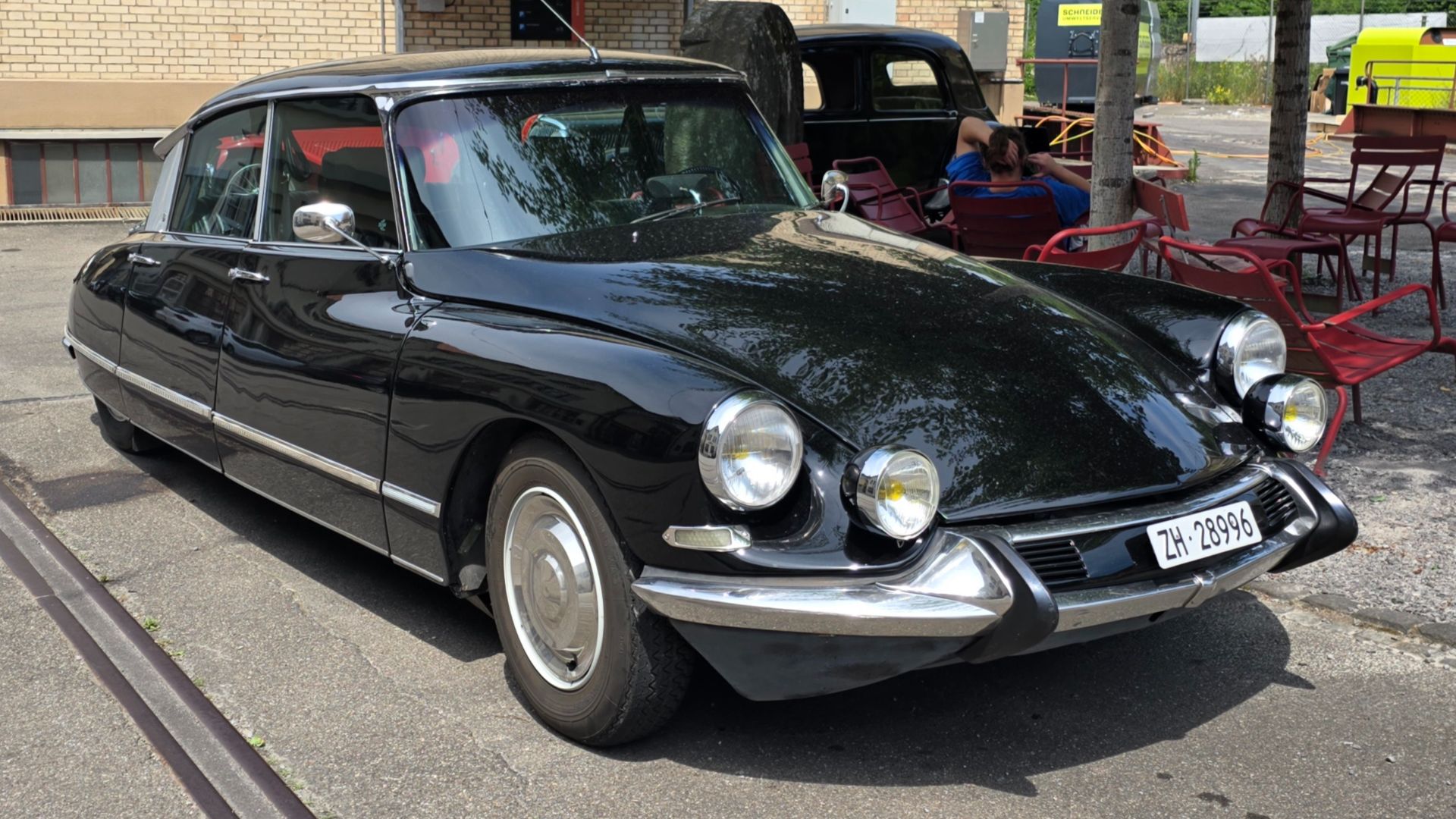
11. Citroën DS
The Citroën DS became one of France's most celebrated automobiles thanks to its futuristic appearance and innovative hydropneumatic suspension. While some American buyers appreciated its comfortable ride and unusual engineering, the car struggled to attract a wider audience. Its distinctive controls, specialized maintenance requirements, and relatively small dealership network made it a harder sell. The DS remained an admired European success, but relatively few found their way onto American roads.
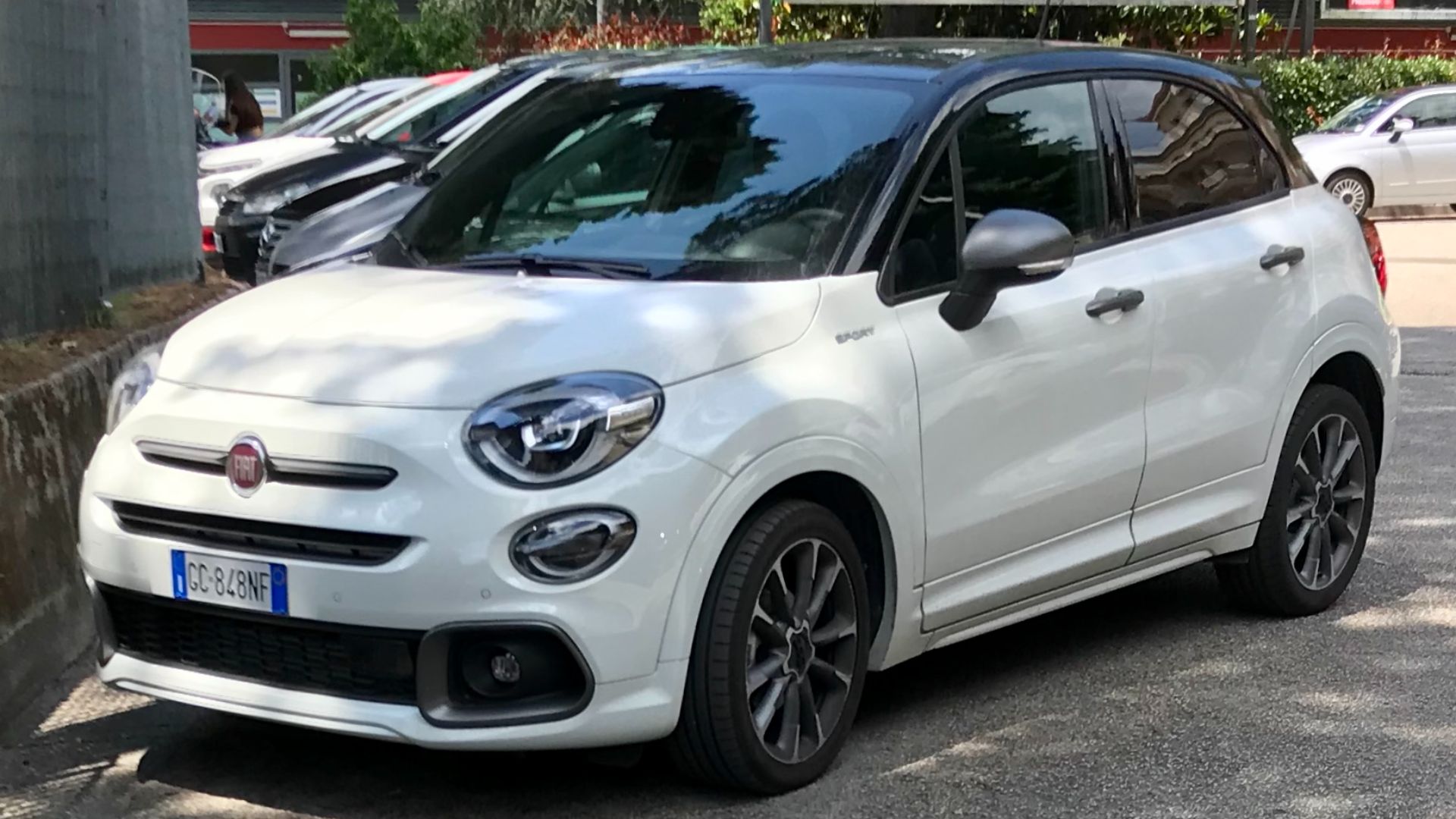
12. Fiat 500X
Compact crossovers became incredibly popular in Europe, and the Fiat 500X benefited from that demand after its 2014 introduction. Fiat brought the vehicle to America for the 2016 model year, hoping its Italian styling would help it stand out from more conventional competitors. While European sales exceeded 100,000 units in 2016, American sales reached only about 12,600 that year. Interest continued to fade afterward, and Fiat eventually discontinued the 500X in the U.S. following the 2023 model year.
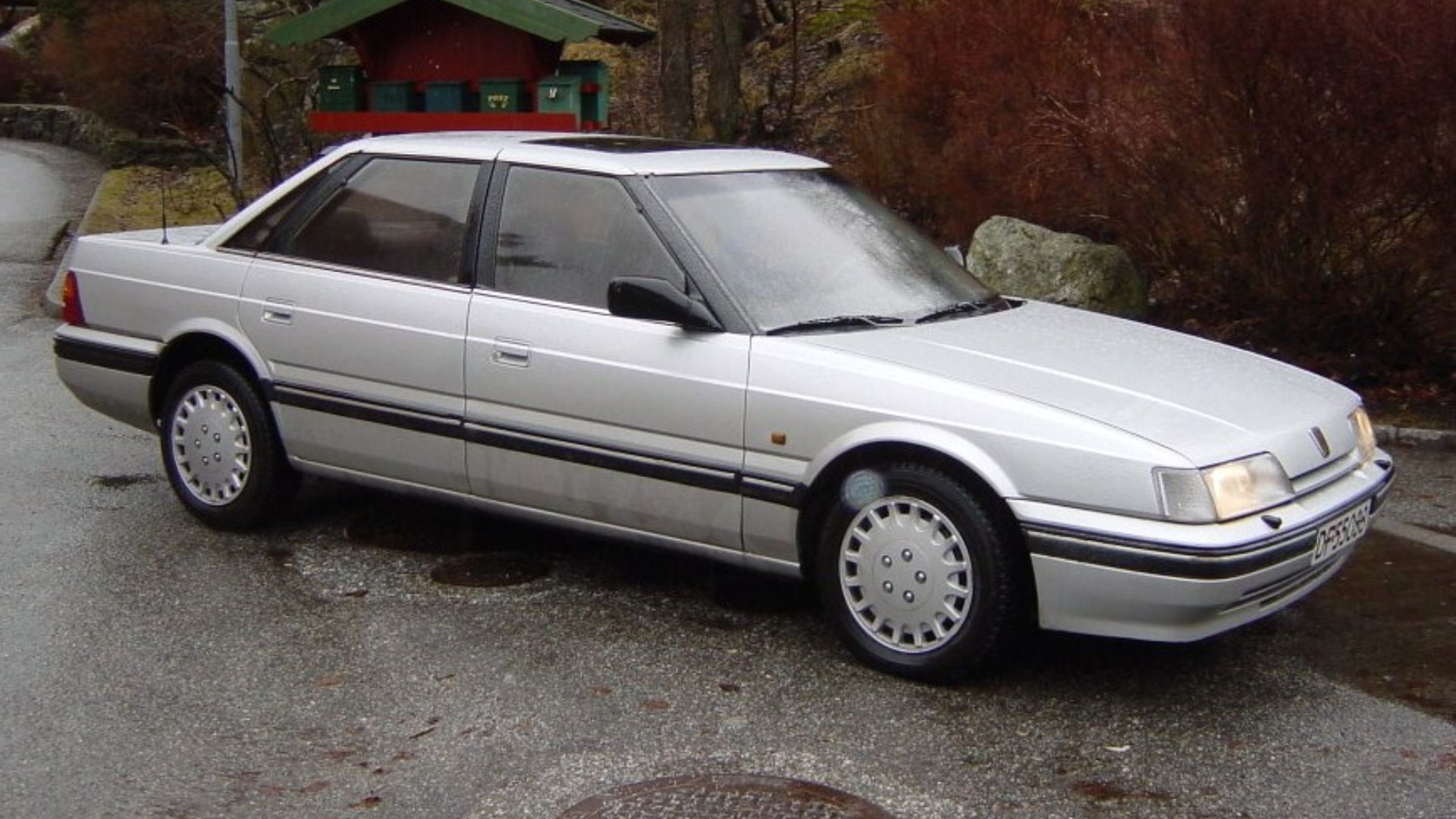
13. Rover 800 (Sterling)
The Rover 800 enjoyed a respectable career in Britain, where its upscale styling and comfortable interior appealed to executive-car buyers. For America, the vehicle arrived under the Sterling name in 1987, with the company hoping to challenge established luxury manufacturers. Early sales were encouraging, but reliability problems and disappointing build quality quickly shook customer confidence. By 1991, Sterling had left the American market, even though the Rover 800 continued selling overseas.
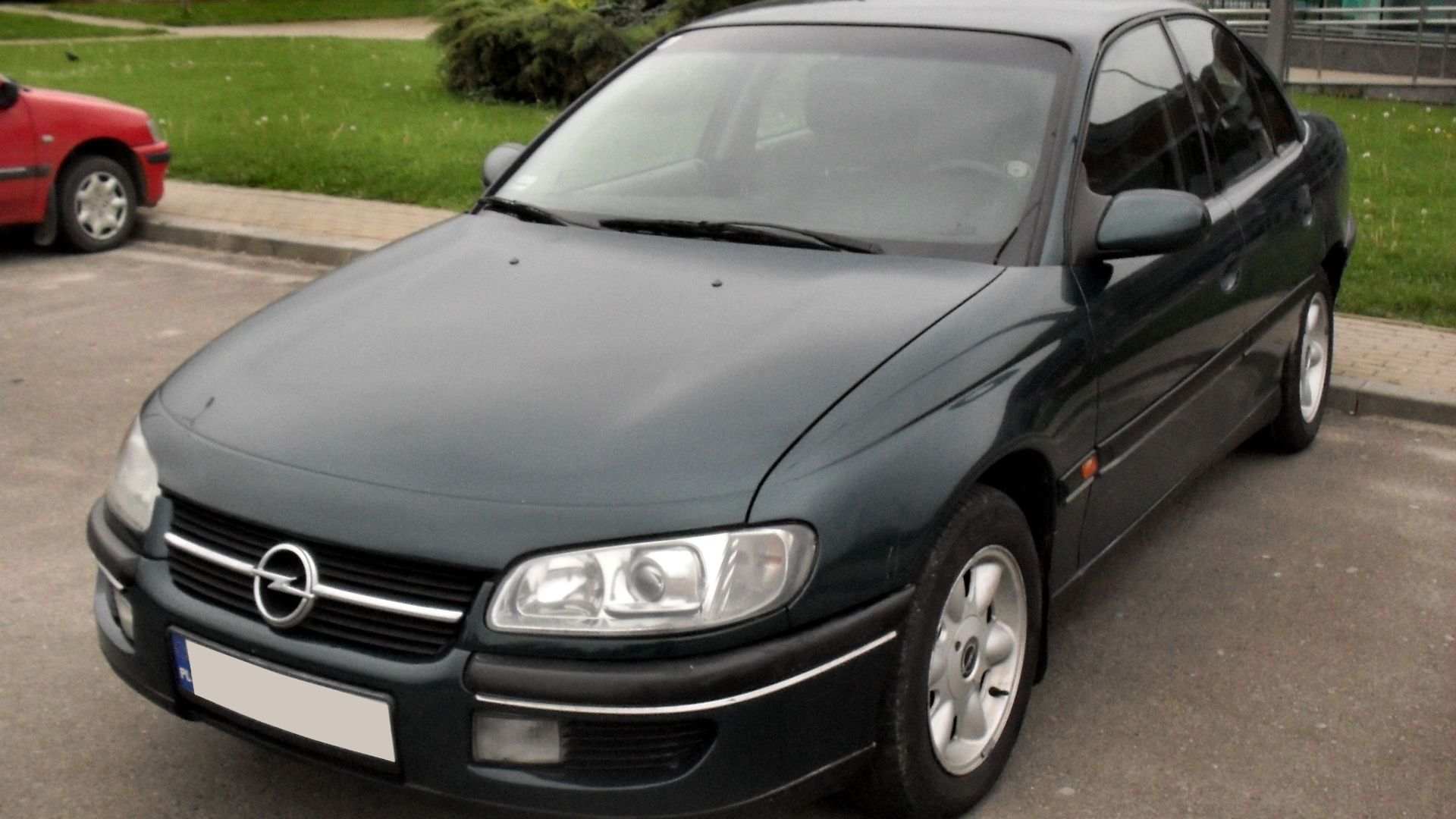
14. Opel Omega (Cadillac Catera)
The Opel Omega was a popular executive sedan in Germany and other European markets, offering generous interior space and a comfortable ride. General Motors decided to adapt it for America as the Cadillac Catera, introducing the model in 1997 to attract younger luxury buyers. Unfortunately, its fairly ordinary styling and performance didn't quite live up to what buyers expected from the Cadillac name. Sales steadily declined after the initial launch period, and the Catera was discontinued after the 2001 model year.
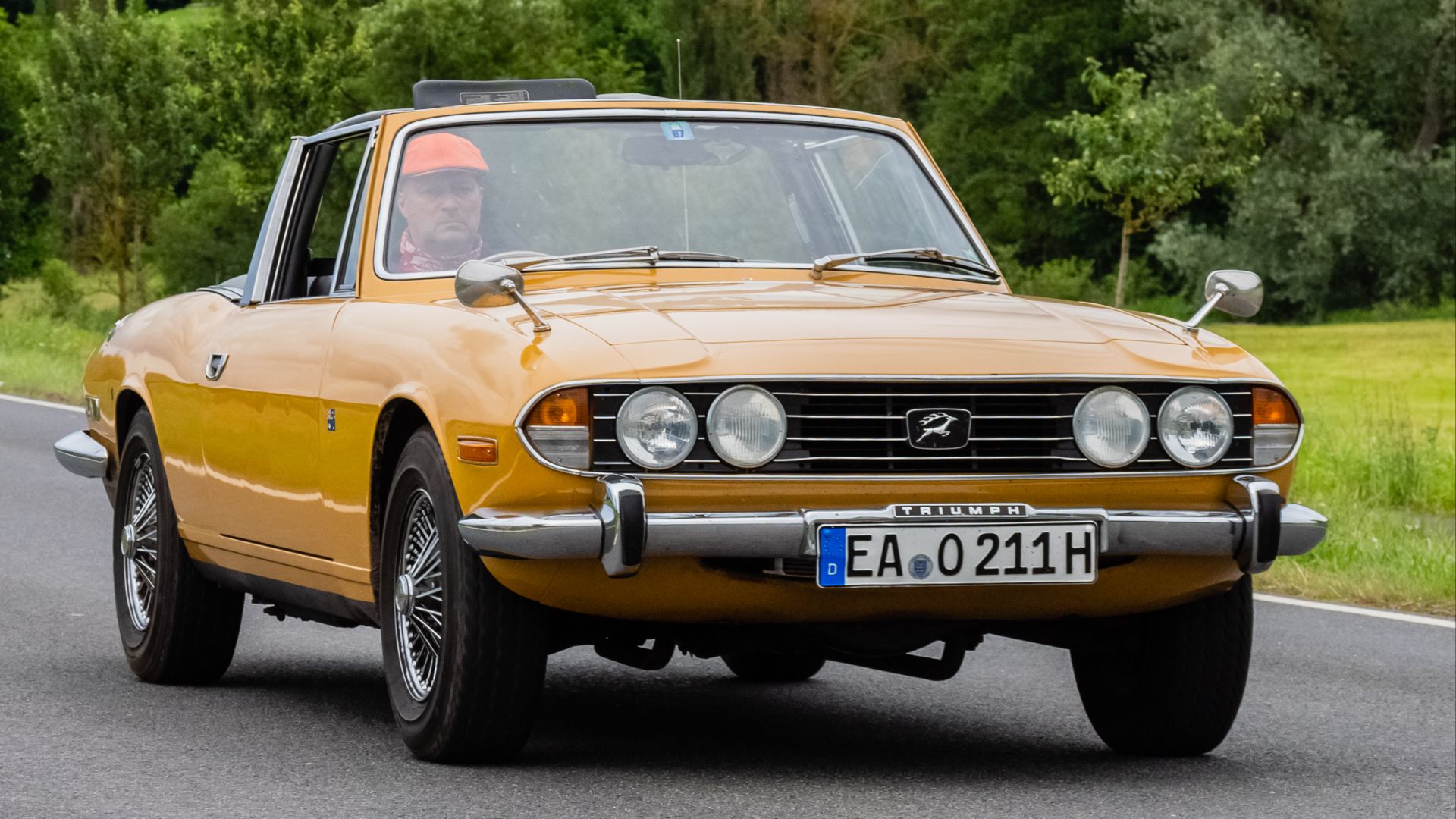
15. Triumph Stag
British motorists admired the Triumph Stag for its handsome styling, convertible roof, and distinctive V8 engine. When Triumph introduced it to America in the early 1970s, the company hoped it would appeal to drivers looking for a European grand touring car. Unfortunately, serious engine reliability problems and competition from established sports cars made those ambitions difficult to achieve. Fewer than 3,000 were sold in the U.S. before imports ended in 1973, although the Stag remained available in Britain for several more years.
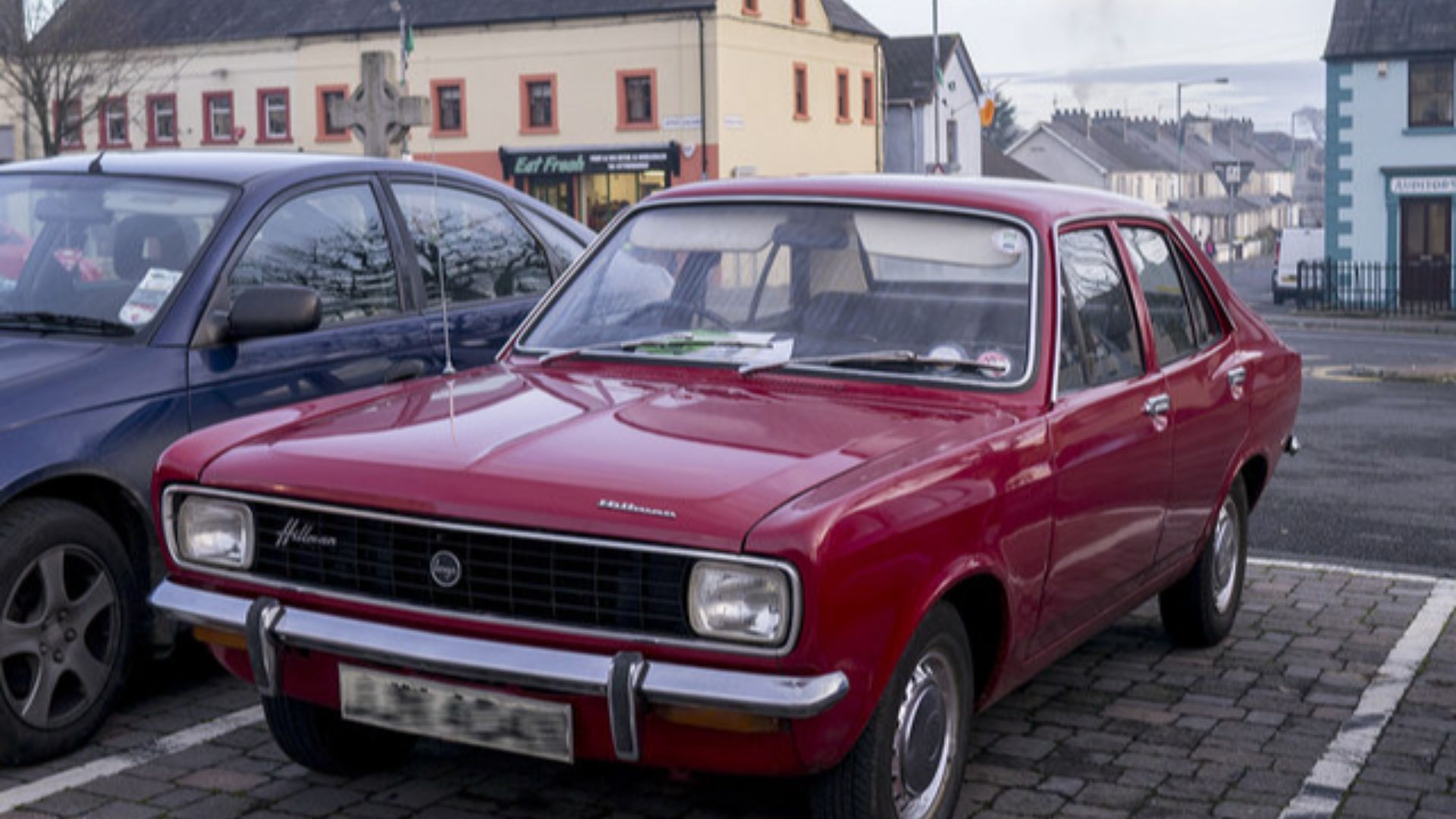
16. Hillman Avenger (Plymouth Cricket)
The Hillman Avenger became a familiar family car in Britain after its introduction in 1970, offering simple, affordable transportation. Chrysler decided to sell a modified version in America under the Plymouth Cricket name, hoping to compete in the growing compact-car market. However, American buyers generally preferred alternatives such as the Ford Pinto and Chevrolet Vega, while quality concerns did little to help the Cricket's reputation. Sales were disappointing, and Chrysler pulled the British-built model from America after only a few years.
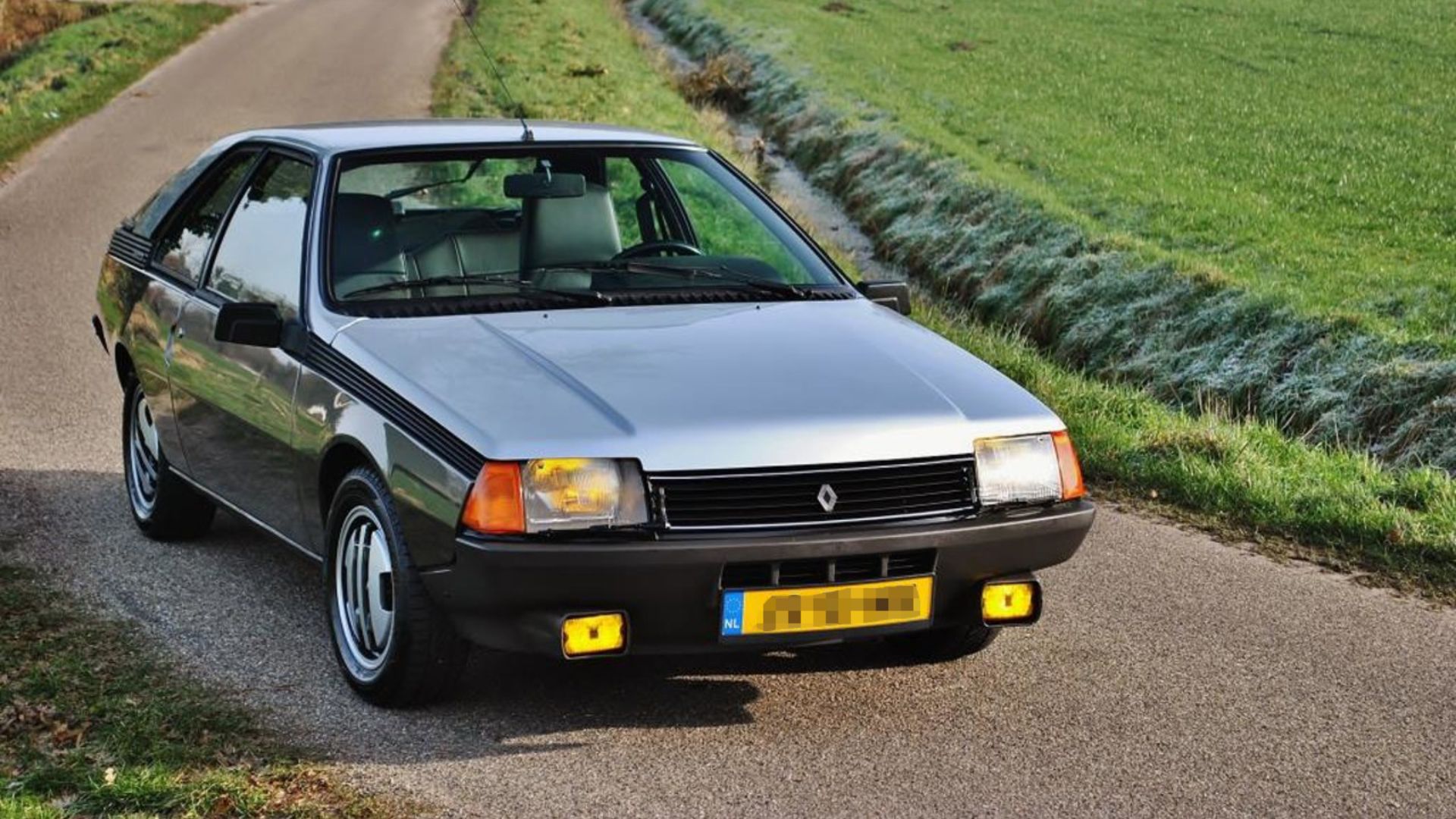
17. Renault Fuego
The Renault Fuego attracted European buyers during the 1980s with its sporty looks and practical hatchback design. Renault introduced it to American customers in 1982, offering something a little different from conventional compact coupes. Unfortunately, its performance didn't always live up to its aggressive styling, and reliability concerns made some buyers think twice. Although the Fuego developed a small following, American sales remained limited, and the car disappeared from U.S. showrooms well before European production ended.
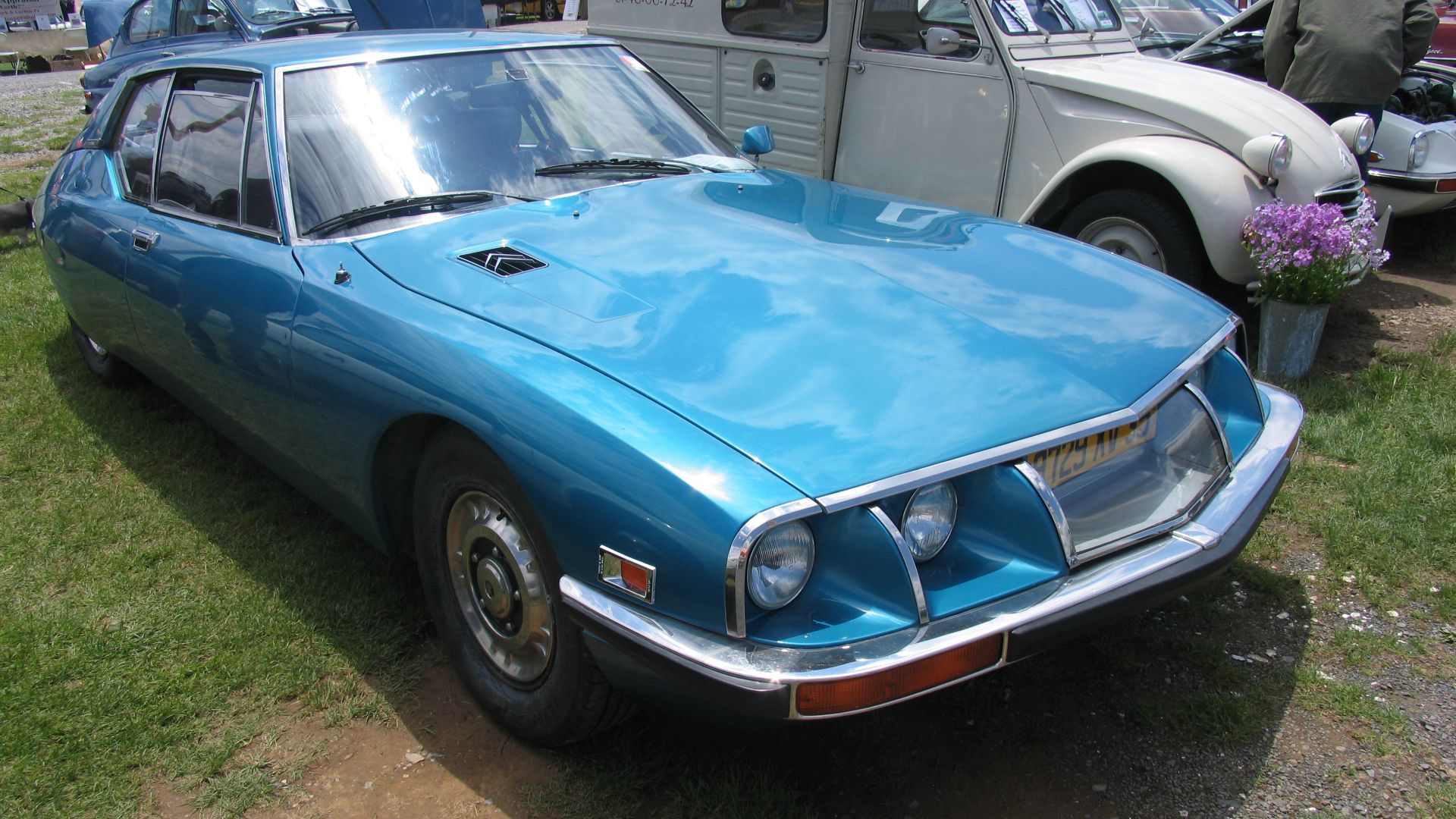
18. Citroën SM
The Citroën SM attracted plenty of attention in Europe during the early 1970s thanks to its sophisticated engineering, distinctive styling, and Maserati-developed V6 engine. American buyers could purchase the luxurious coupe, but its high price and complicated maintenance requirements made it a difficult sell. Changing American vehicle regulations and Citroën's broader financial difficulties only added to its problems. Although the SM eventually became a sought-after collector's car, it never achieved substantial commercial success in the U.S.
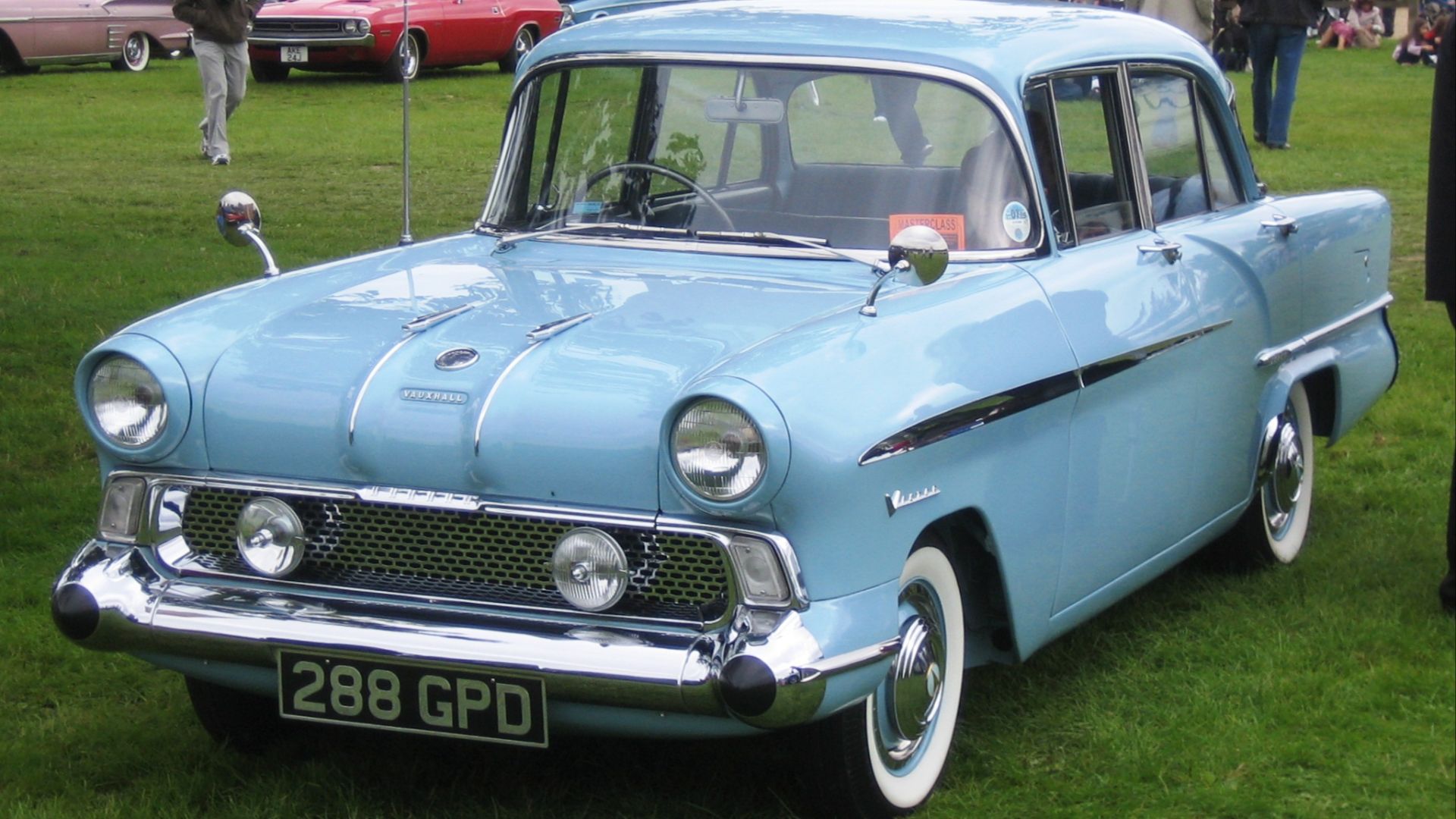
19. Vauxhall Victor
The Vauxhall Victor enjoyed a successful career in Britain, where it served as an affordable and practical family sedan. General Motors brought the British-built car to America through Pontiac dealerships in the late 1950s, initially attracting considerable interest. Unfortunately, serious rust problems and growing competition from domestic compact cars quickly hurt its reputation and sales. GM eventually gave up on the American experiment, even as later generations of the Victor continued finding customers in Britain.
20. Renault 9 (AMC Renault Alliance)
The Renault 9 was a popular European compact sedan, and its American counterpart arrived in 1983 as the AMC-built Renault Alliance. At first, things looked great, with the Alliance winning Motor Trend's Car of the Year award and attracting nearly 125,000 American buyers during its first full year. Unfortunately, reliability complaints, quality-control problems, and changing market conditions caused sales to fall over the following years. Production ended in 1987, leaving Renault with another disappointing long-term result despite the car's impressive American debut.