
Confidence Comes Before Experience
New drivers like to get the show on the road. As soon as they get their license, they're driving off into the sunset, thinking that passing the test was the hardest part. But it's not. In fact, just because you've aced your exam with flying colors doesn't mean you’ve already mastered everything, and experienced drivers, too, have learned that the hard way. Here are 20 things driving newbies always overestimate.

1. Their Reaction Time
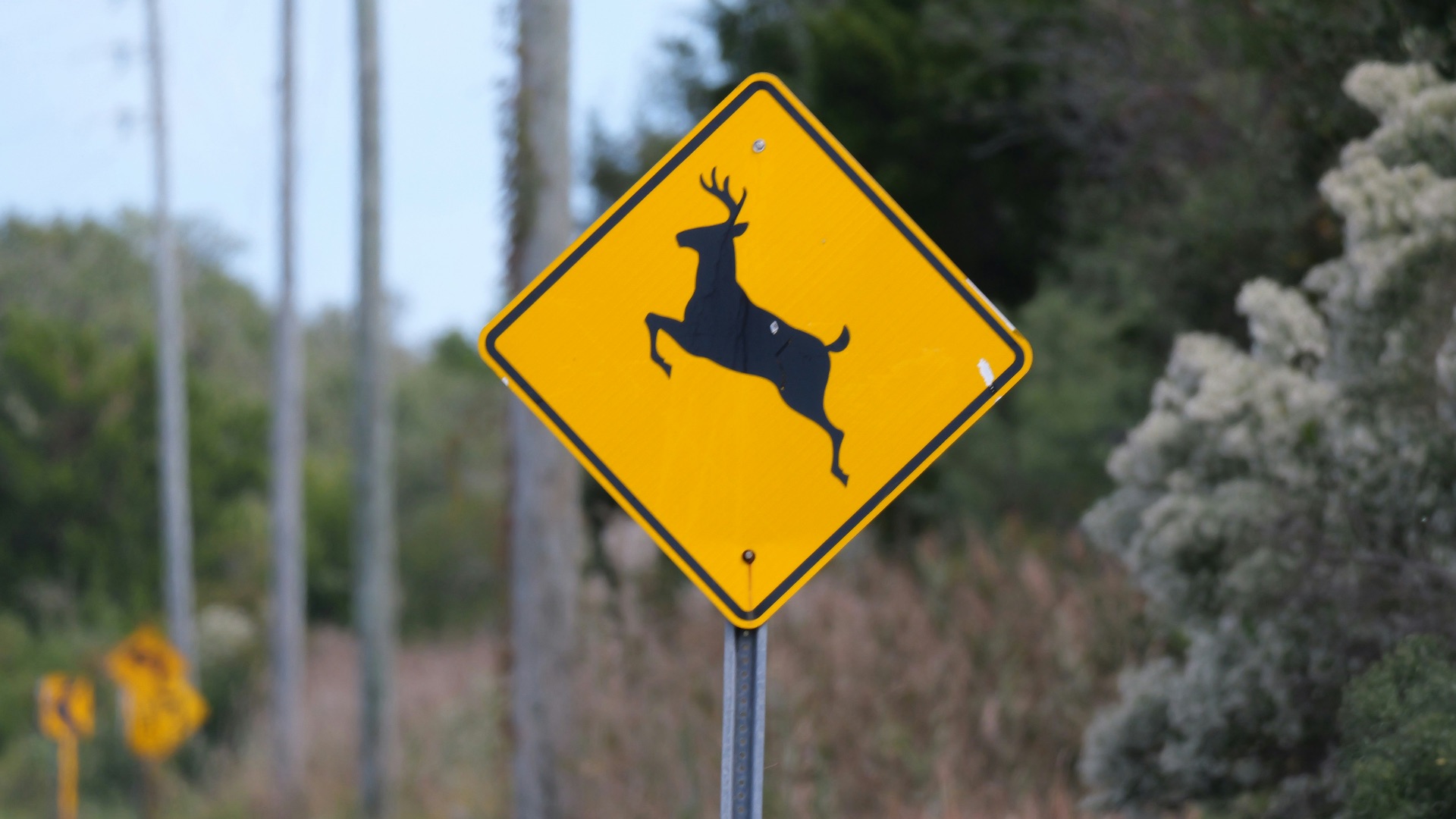
If a deer pops up on the road, you might think you'd be able to brake fast enough. But you probably know that it's not always so easy. New drivers especially are prone to thinking they’ll react immediately if something suddenly appears in front of them, but it's always best to slow down and leave enough space in front.
2. How Quickly Their Car Can Stop
Unless you're driving an EV, braking doesn't always apply automatically. The faster you're traveling, the longer it'll take for you to stop—something that new drivers often forget. Bad weather creating wet or slippery pavement will only mean you need to brake earlier.
3. Their Ability to Multitask
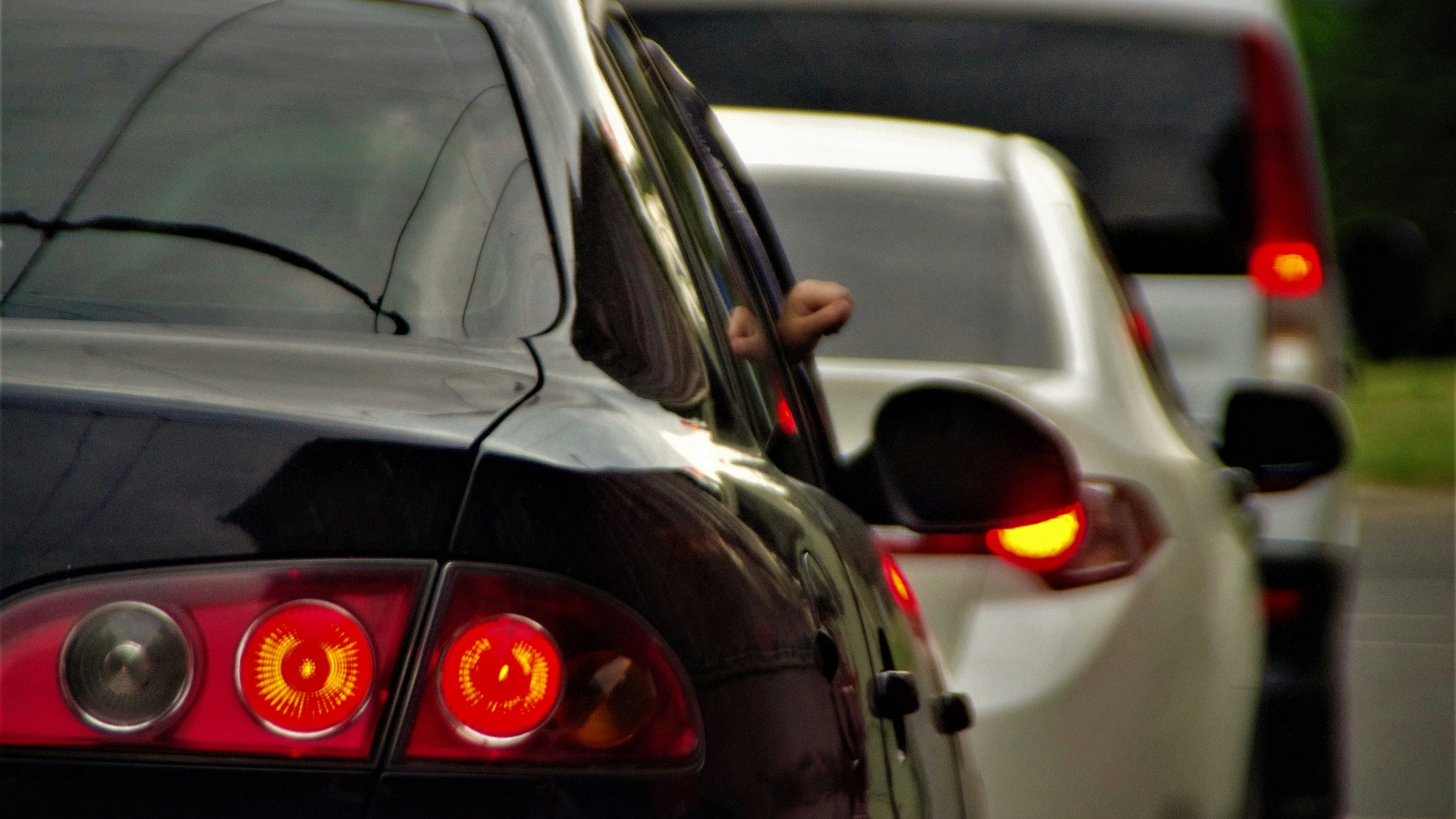
New drivers see experienced drivers talking to passengers, rerouting the GPS, and changing the music, and think that they'll be able to do the same as soon as they jump in the driver's seat, too. What they don't know is that multitasking will always be dangerous, and beginners can make even costlier mistakes.
4. How Much Other Drivers Notice Them
It’s easy to assume that other drivers can see you simply because you can see them. But it only takes one second of inattention for drivers to miss vehicles, especially if said vehicles are hidden in blind spots. New drivers are often taught to drive defensively, and that includes avoiding the assumption that other road users always know what your intentions are.
5. Their Skill at Judging Speed
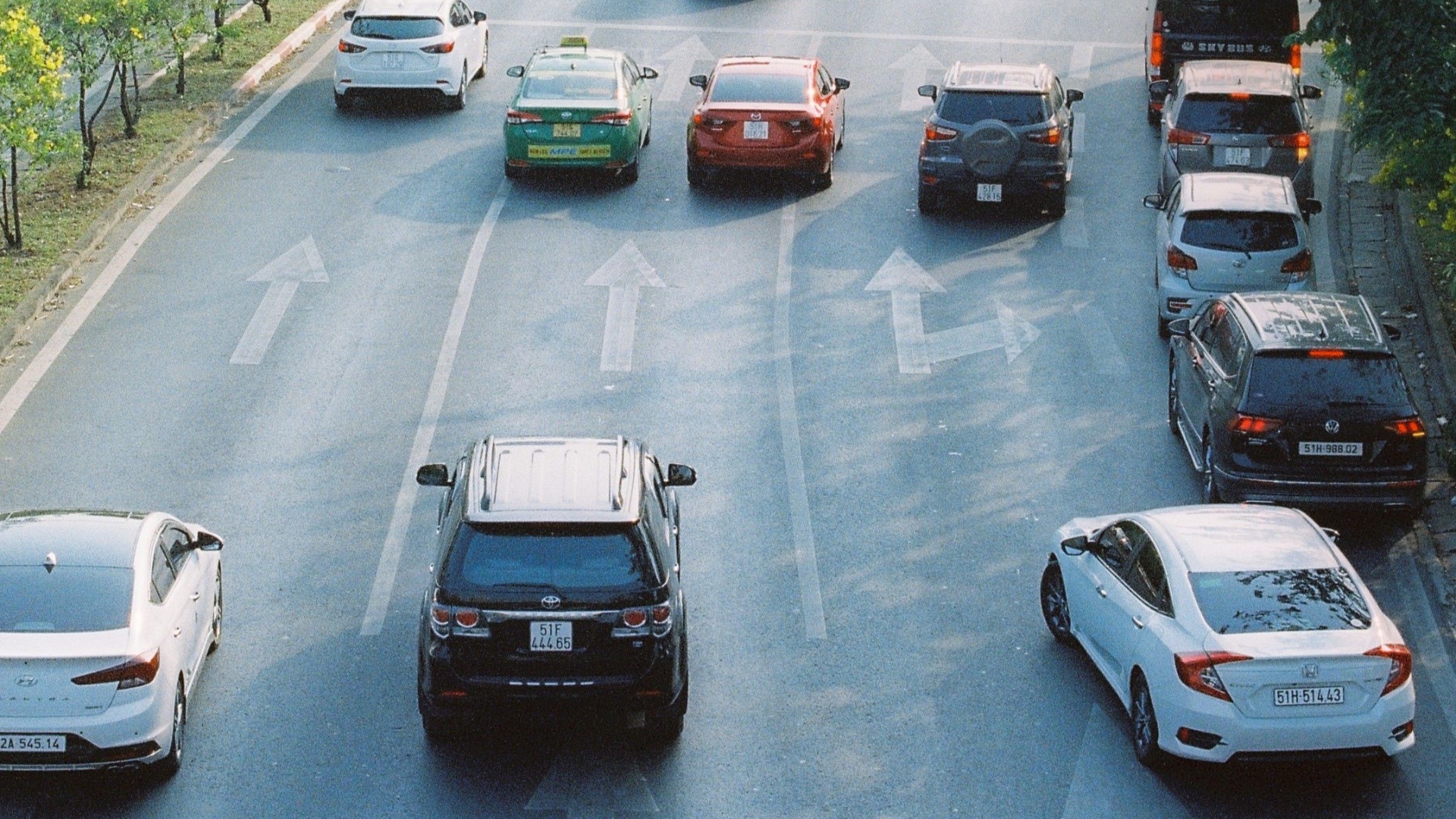
It's not just reaction time that new drivers might overestimate, but they might struggle with judging speed, too. It takes years of experience on the road to be able to know, roughly, how fast someone is driving from a distance. New drivers may think they have enough time to make a turn, only for their guess to be wrong.
6. How Much Time They’ll Save by Speeding
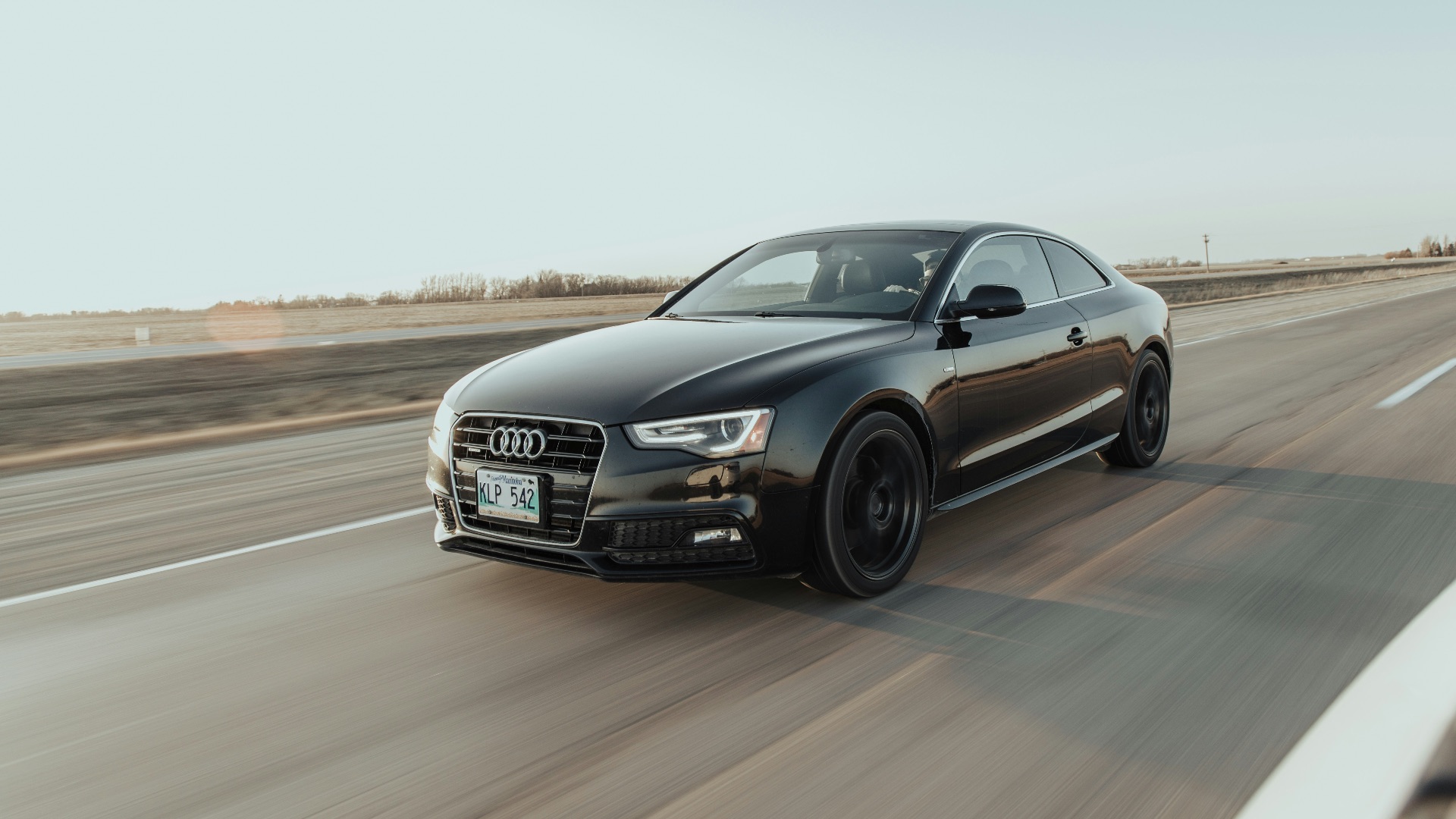
This assumption is one that experienced drivers also fall victim to: the idea that, by speeding up, you'll shorten your trip. And yet, you still need to take into account traffic lights, congestion, and the occasionally slower vehicle that cancels out whatever advantage speeding briefly provides. Plus, all you're doing by speeding up is putting your safety at risk.
7. How Well They Know the Size of Their Car
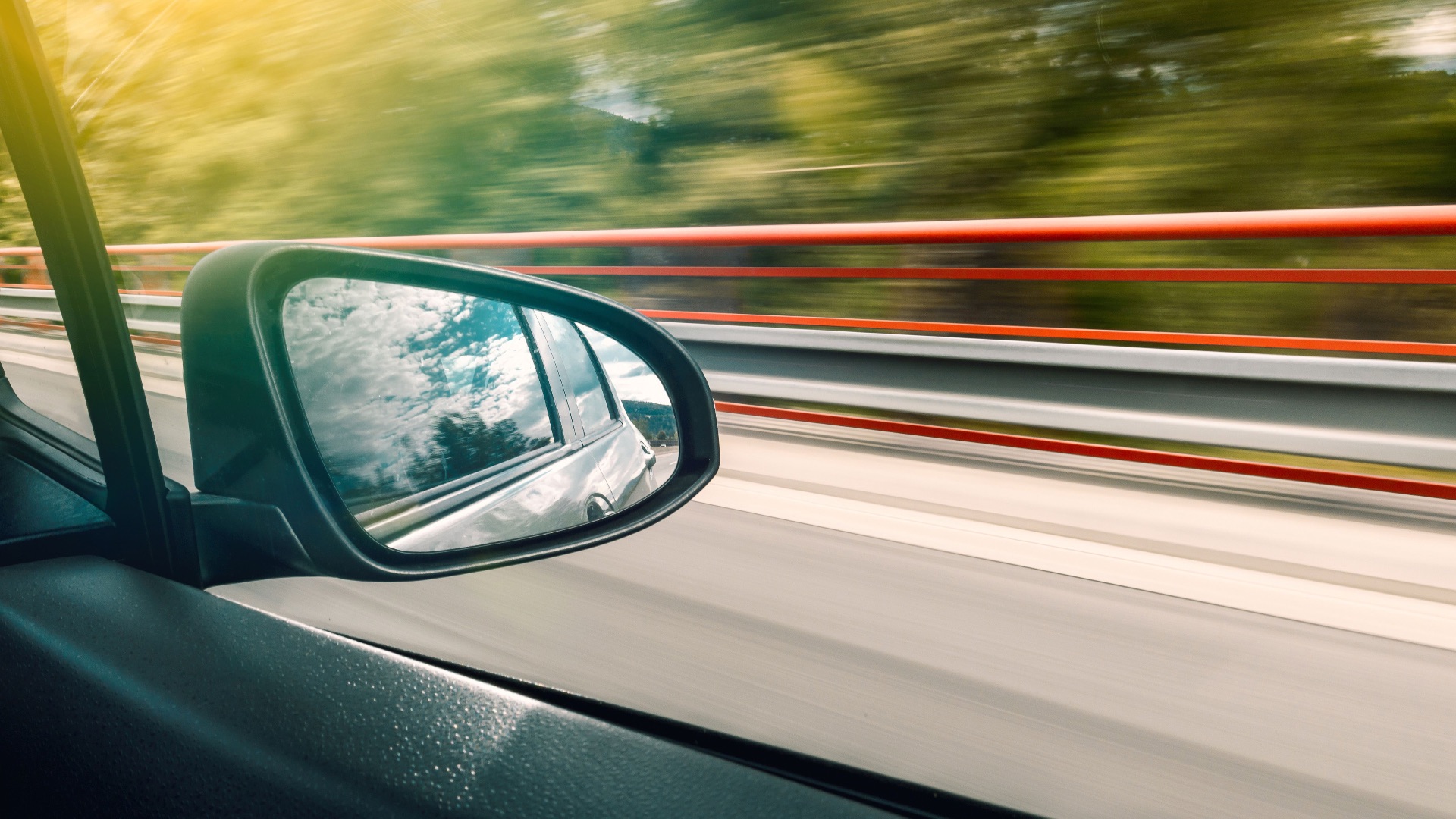
Newbies typically overestimate (or underestimate) the size of the car they're driving in, meaning they're likely to think it's bigger or smaller than it really is. As a result, they may think they have enough space to pull into a parking spot, and then be met with the reality that their spatial guesses were totally off.
8. Their Ability to Handle Bad Weather
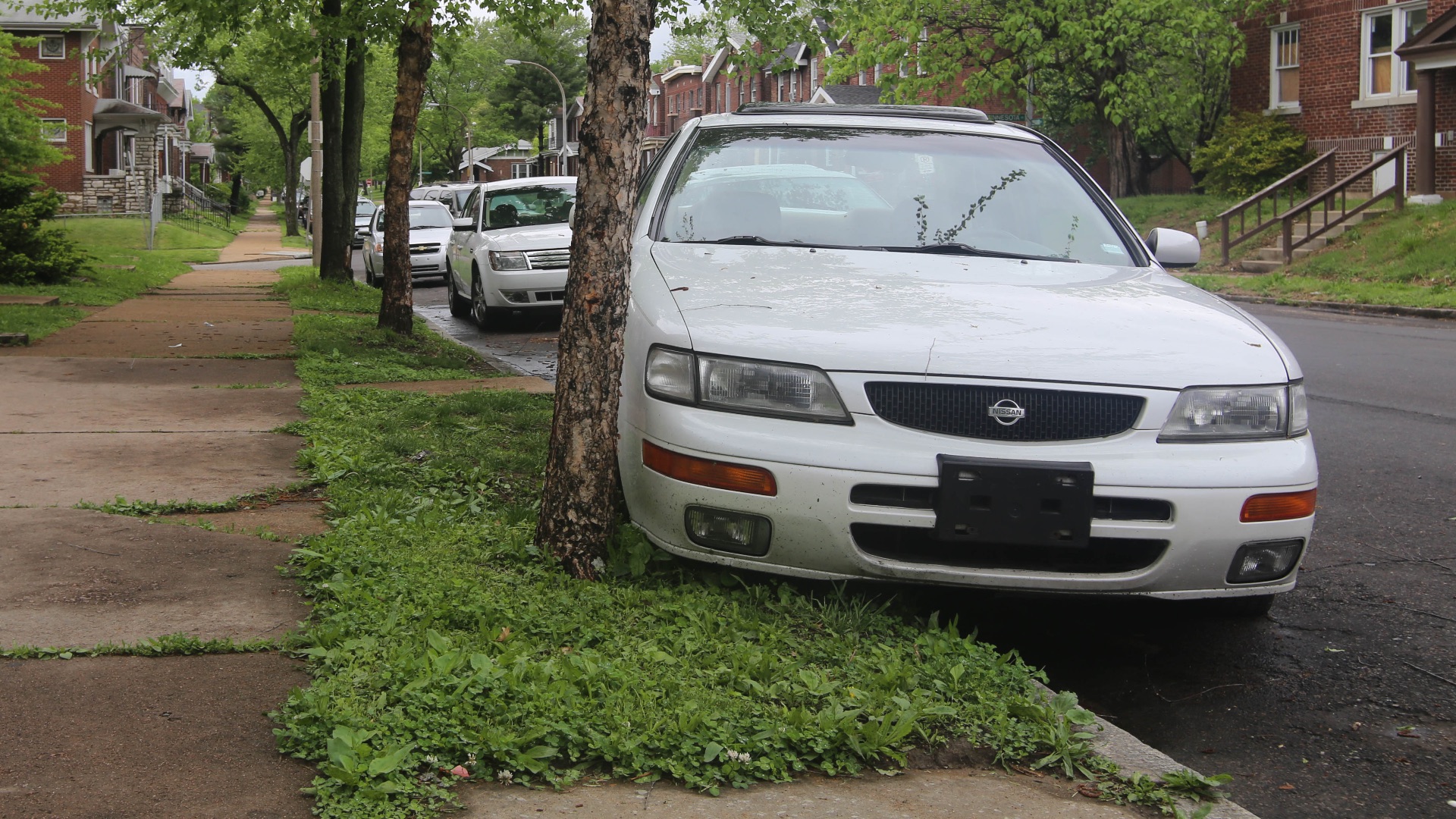
A little rain might not seem too bad, but throw in some snow and sleet and new drivers will instantly realize that they can't underestimate bad weather. After all, some conditions can severely affect visibility, steering, and braking, and anyone who's not as experienced behind the wheel is going to have a much harder time on the road.
9. How Much Grip Their Tires Have
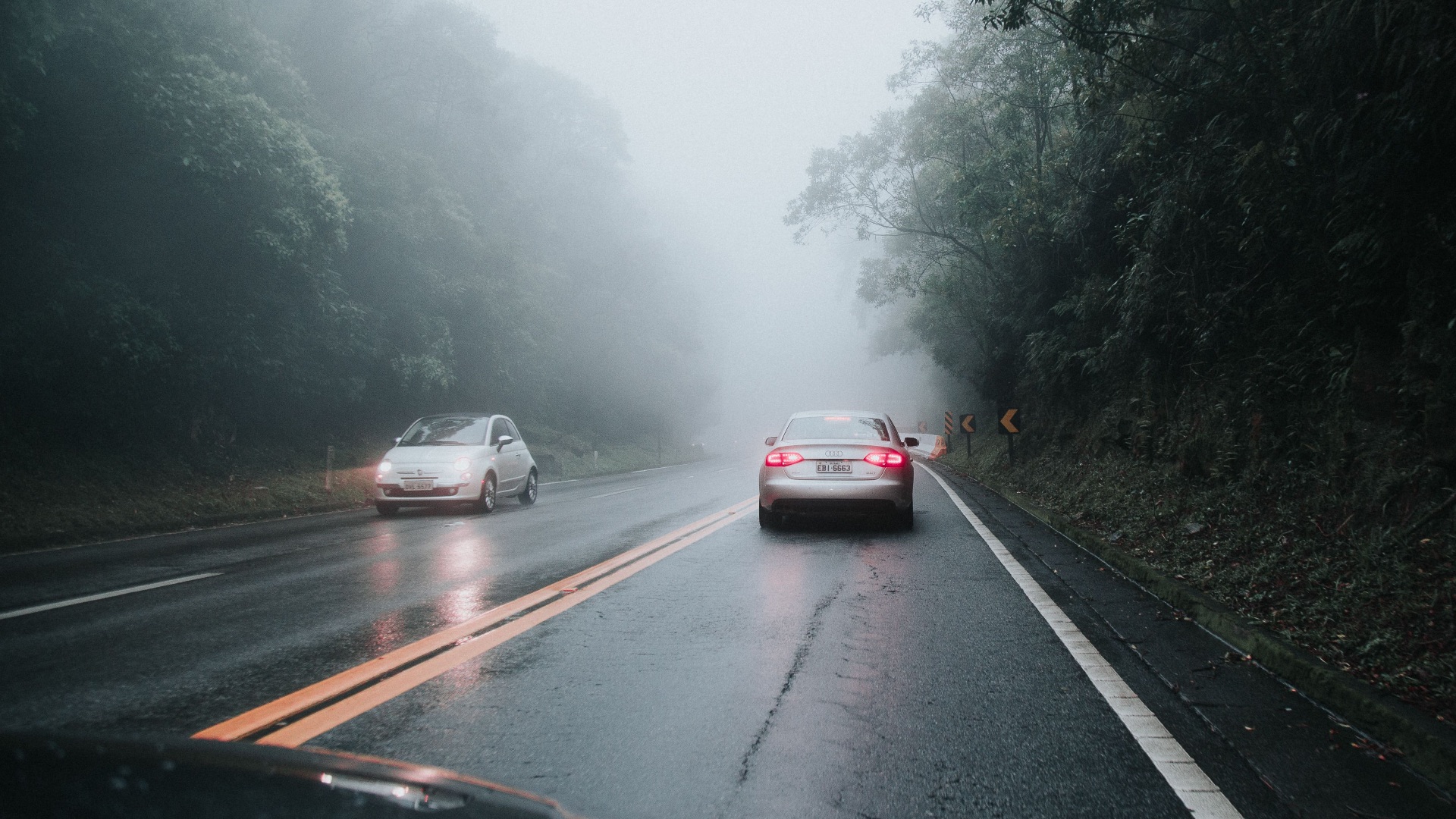
Drivers, especially beginners, rarely think about tire traction until something catches them off guard in bad weather. That means new drivers may constantly overestimate how much their tires can handle, then discover at the worst time possible that there are limits.
10. Their Ability to Recover from a Mistake
You can have excellent reflexes and still be slower to react behind the wheel—some mistakes just happen too quickly or leave too little space for you to correct them. New drivers may therefore put far too much trust in their abilities when recovering from minor mishaps on the road can be tricky.
11. How Predictable Other Drivers Are
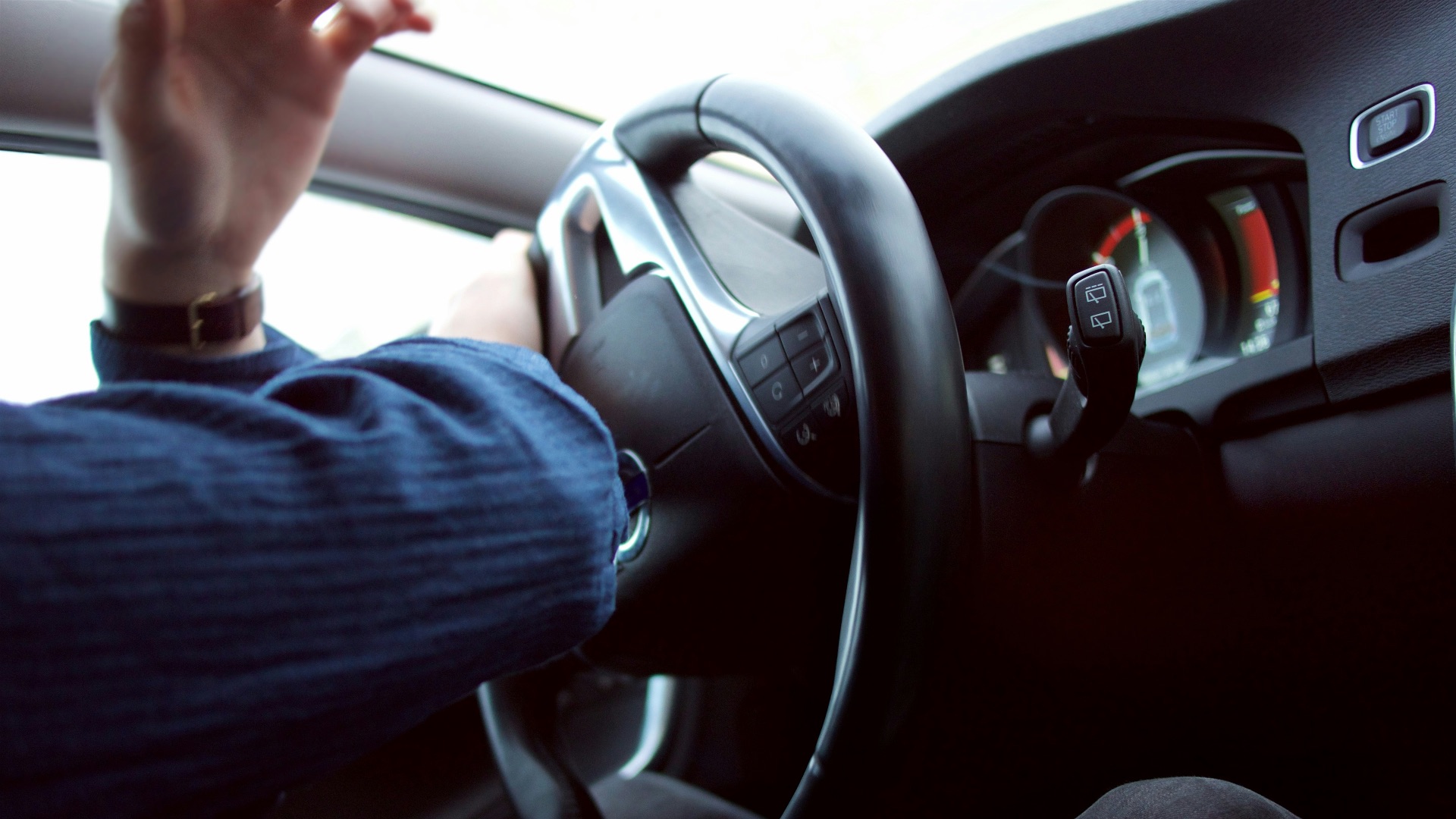
Sure, everybody should be following the rules of the road, but that doesn't mean everyone will be. New drivers may be in for a nasty surprise when others change lanes without signaling, turn from the wrong lane, or brake abruptly in front of them. Experienced drivers, though, know to leave plenty of room for these possibilities.
12. How Much They Can See in Their Mirrors
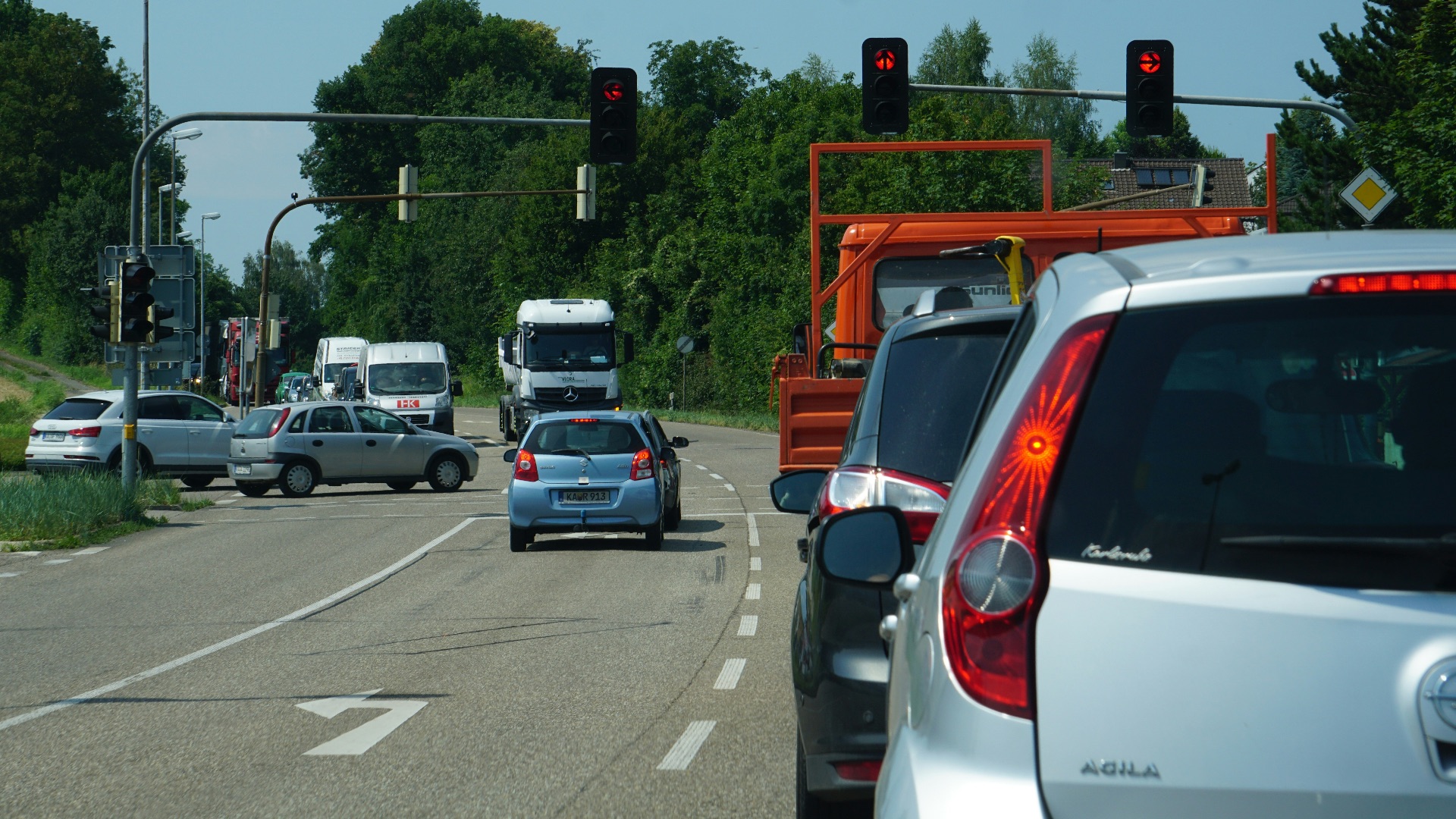
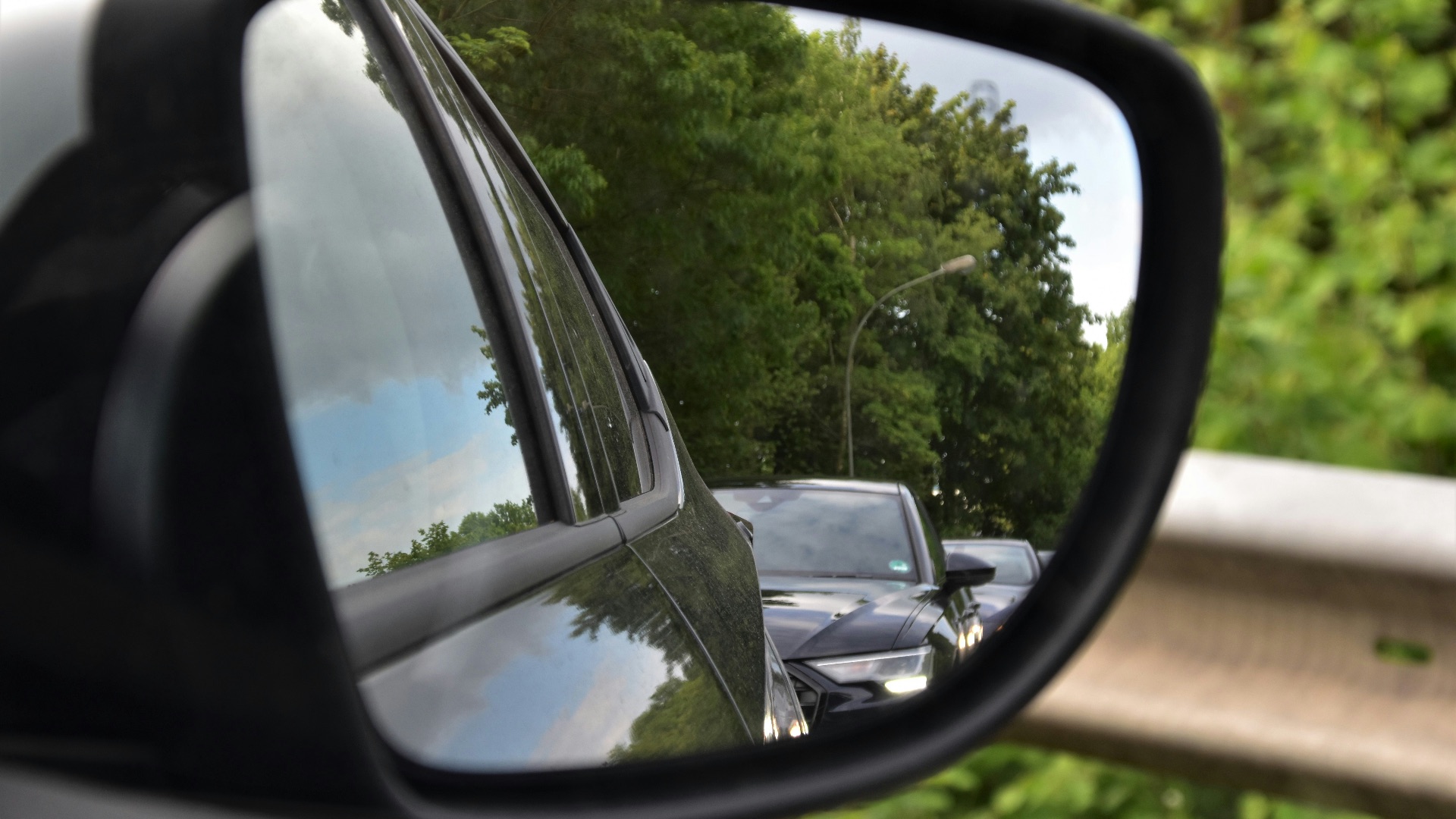
Since new drivers are taught to always keep an eye on their mirrors, they may overestimate just how much their mirrors can tell them. But blind spots can hide cars, bicycles, and motorcycles that aren’t immediately obvious until you turn your head to actually look. Mirrors are useful, sure, but they rarely give you a complete picture.
13. Their Parking Abilities
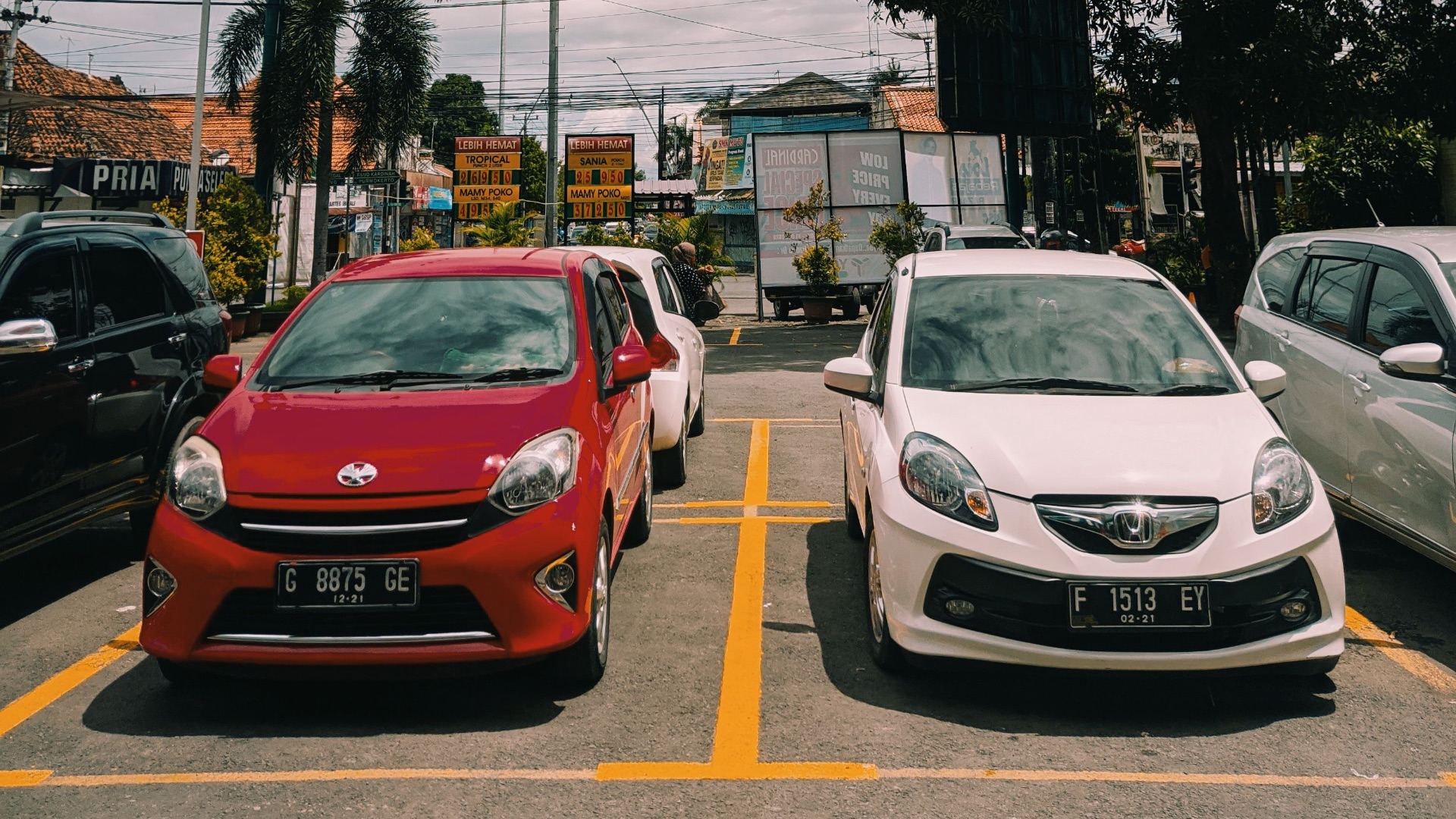
Once you’ve successfully parallel parked a few times, it’s easy to start believing you’ve completely mastered it. But parking spaces aren't always so lenient, and drivers will always have to deal with tighter spots or busier lots. Different vehicle sizes can also make certain maneuvers considerably harder to execute.
14. How Much Space They Have to Merge
There's a reason why highway merging remains one of the most common fears even among experienced drivers. And, as mentioned, new drivers already have a tendency to incorrectly judge how fast other vehicles are going. Pair that together, and it can paint a grim picture.
15. How Far Ahead They’re Looking
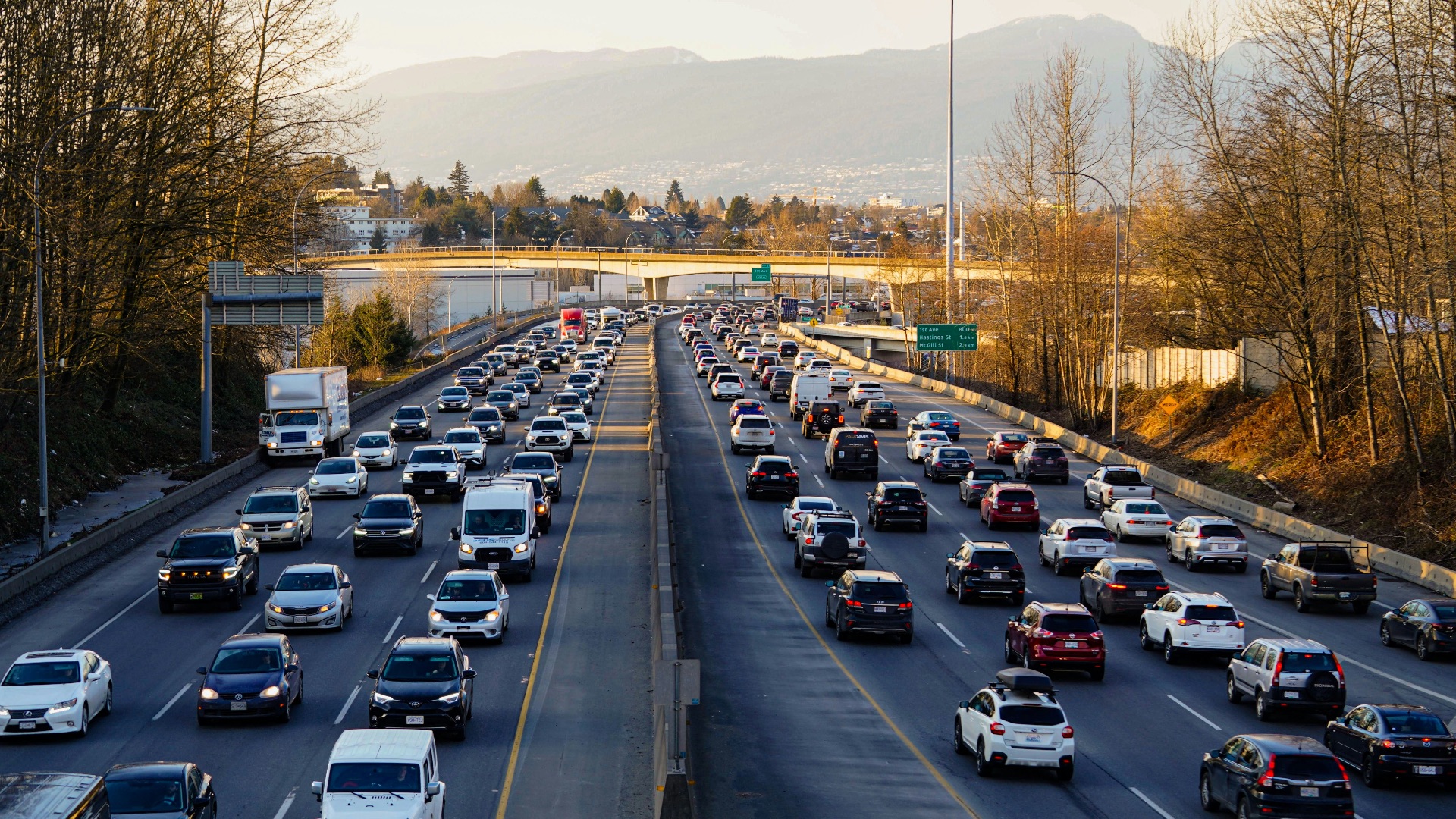
New drivers might think they're looking "far" ahead, when in reality their eyes are only on the car immediately in front of them. Experienced drivers, on the other hand, know that looking farther ahead means doing a constant sweep of your surroundings, so you're always prepared for changing road conditions.
16. How Well They Can Drive When Tired
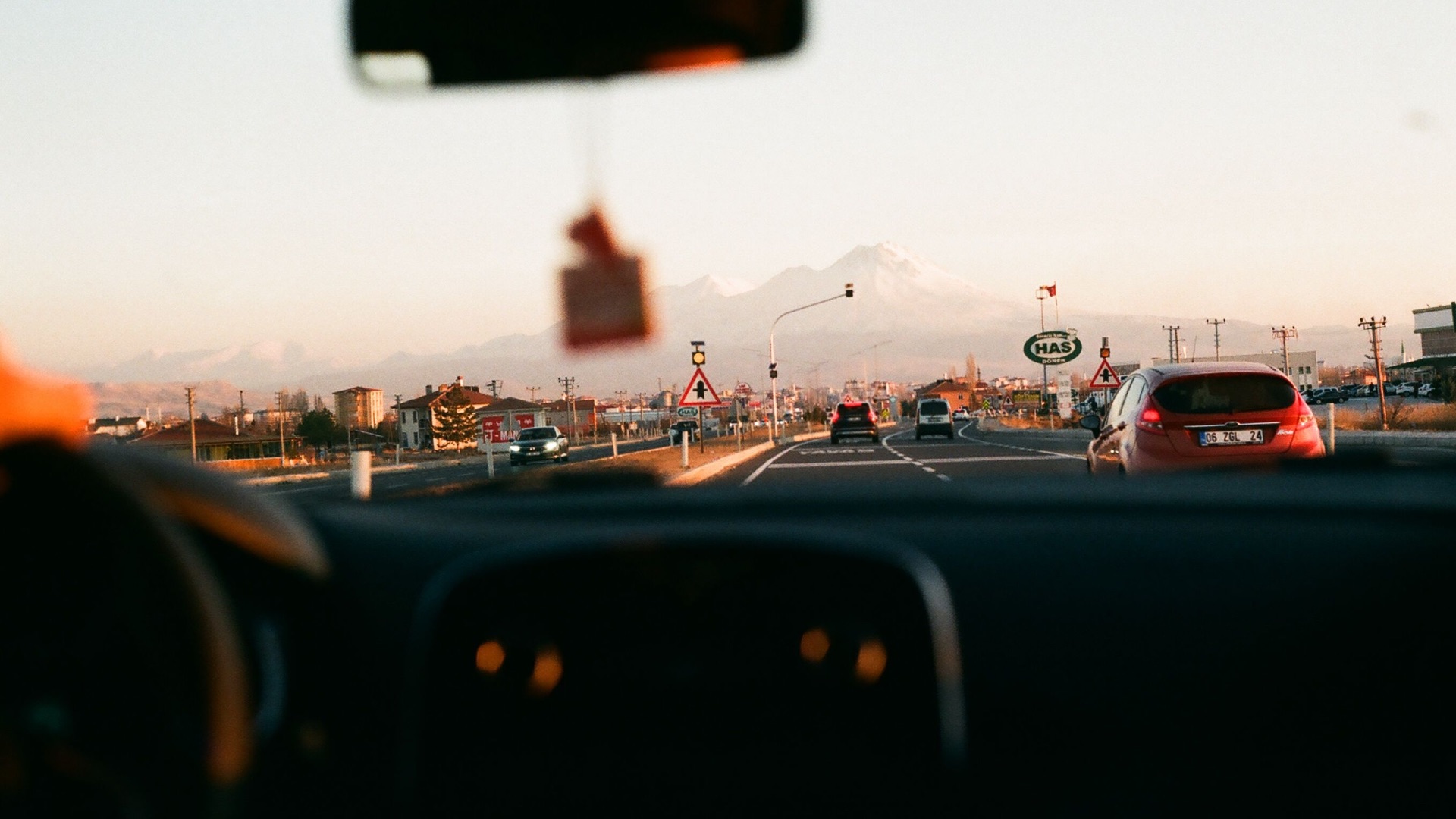
Your eyelids don't have to droop for you to know you shouldn't be driving. New drivers, though, often think minor fatigue isn't detrimental behind the wheel, but even reacting a little slower or being less focused than usual can still spell out trouble on the road. Being tired can also make you impatient, and impatience can lead to aggressive, unsafe maneuvers.
17. How Much Fuel They Have Left
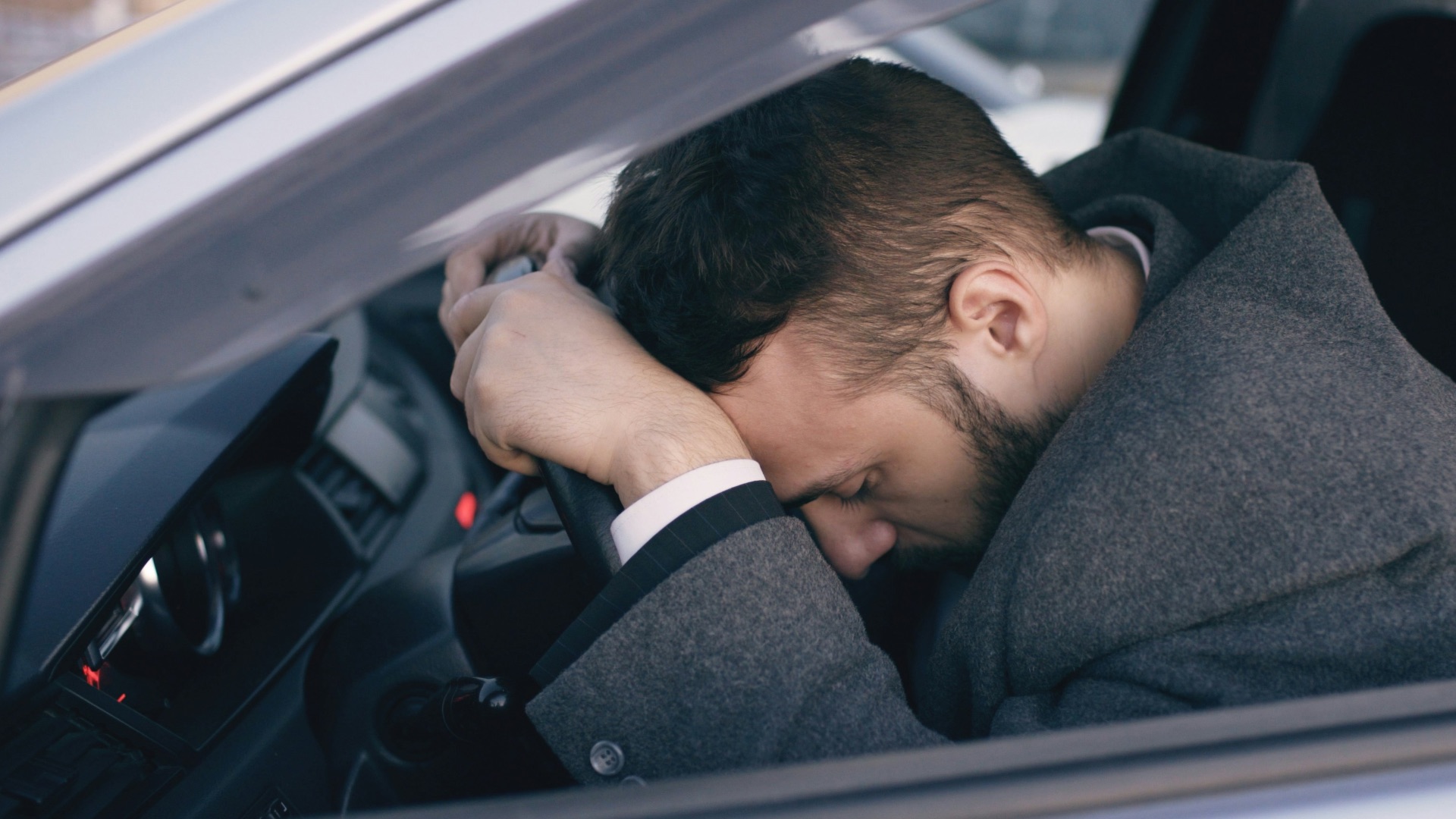
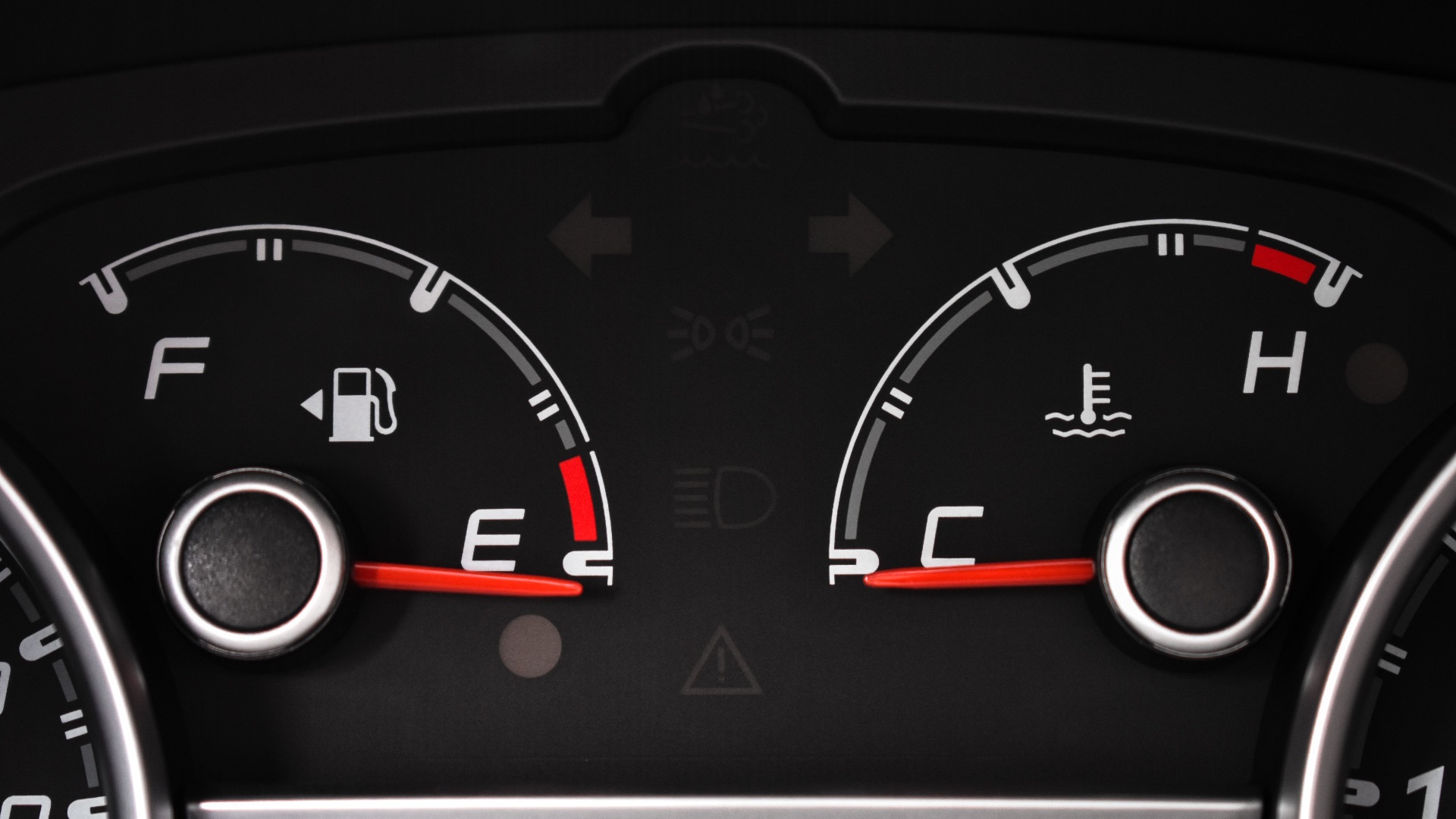
New drivers might think they've got enough in the tank to get to their destination, even if the low-fuel sign is on, but many factors, from hills to weather and congested roads, can affect how far the car can still actually drive. Treating the final portion of the tank as a dependable reserve might only leave you scrambling for a gas station at the worst possible moment.
18. Their Understanding of Right-of-Way
Knowing the rules on a written test is different from applying them in the real world. What new drivers don't know is that sometimes, their right-of-way can be abruptly taken away by a careless driver, or other drivers may assume their own rules. It's another reminder that it's always best to drive defensively.

19. How Much Attention a Familiar Route Requires
New drivers might think it's fine to breeze through familiar roads, but familiarity may only encourage them to pay less attention. And yet, the roads can change: construction, inattentive pedestrians, or chaotic traffic can sometimes appear without warning. A road you know well, therefore, still requires the same amount of focus as one you’re unfamiliar with.
20. How Experienced They’ve Become
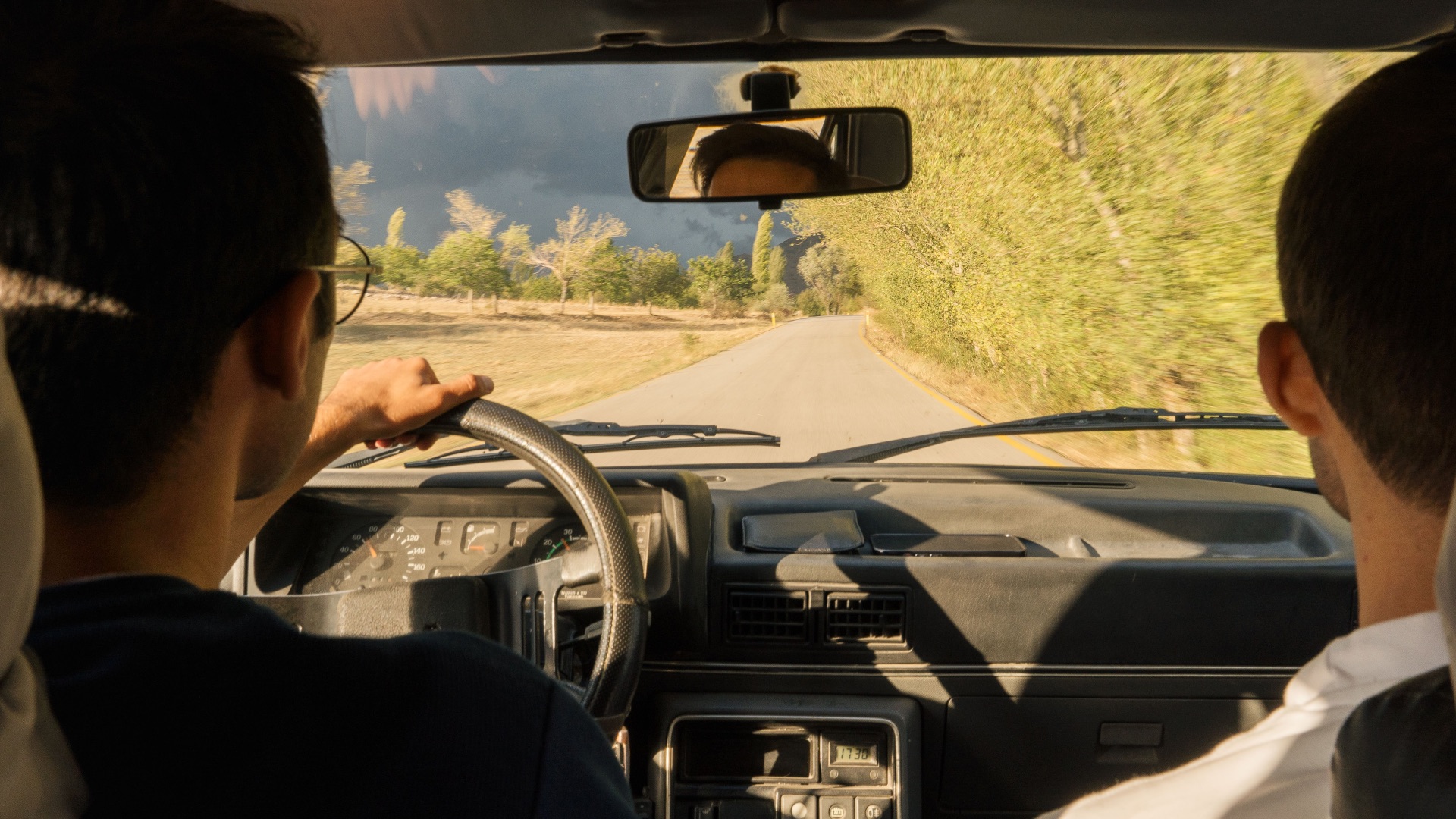
A few months of regular driving can immediately make a new driver feel like they've learned all they need to know, and that can make them overconfident. But experienced drivers will know that there's always something new to absorb; the roads, as we've said, can change. It's good to feel confident in your abilities, but it's important to not let that arrogance blind you.