20 Cars That Only Existed Because of One Strange Moment in History
Cars Born From Very Specific Circumstances
Most cars exist because an automaker thinks people will buy them, but sometimes history gets involved in the product-planning process. Wars, fuel shortages, racing regulations, government programs, and political experiments have all produced vehicles that probably wouldn't have appeared otherwise. Some became icons, while others disappeared once the circumstances behind them changed. These 20 cars make much more sense when you know what was happening at the time.
1. Volkswagen Beetle
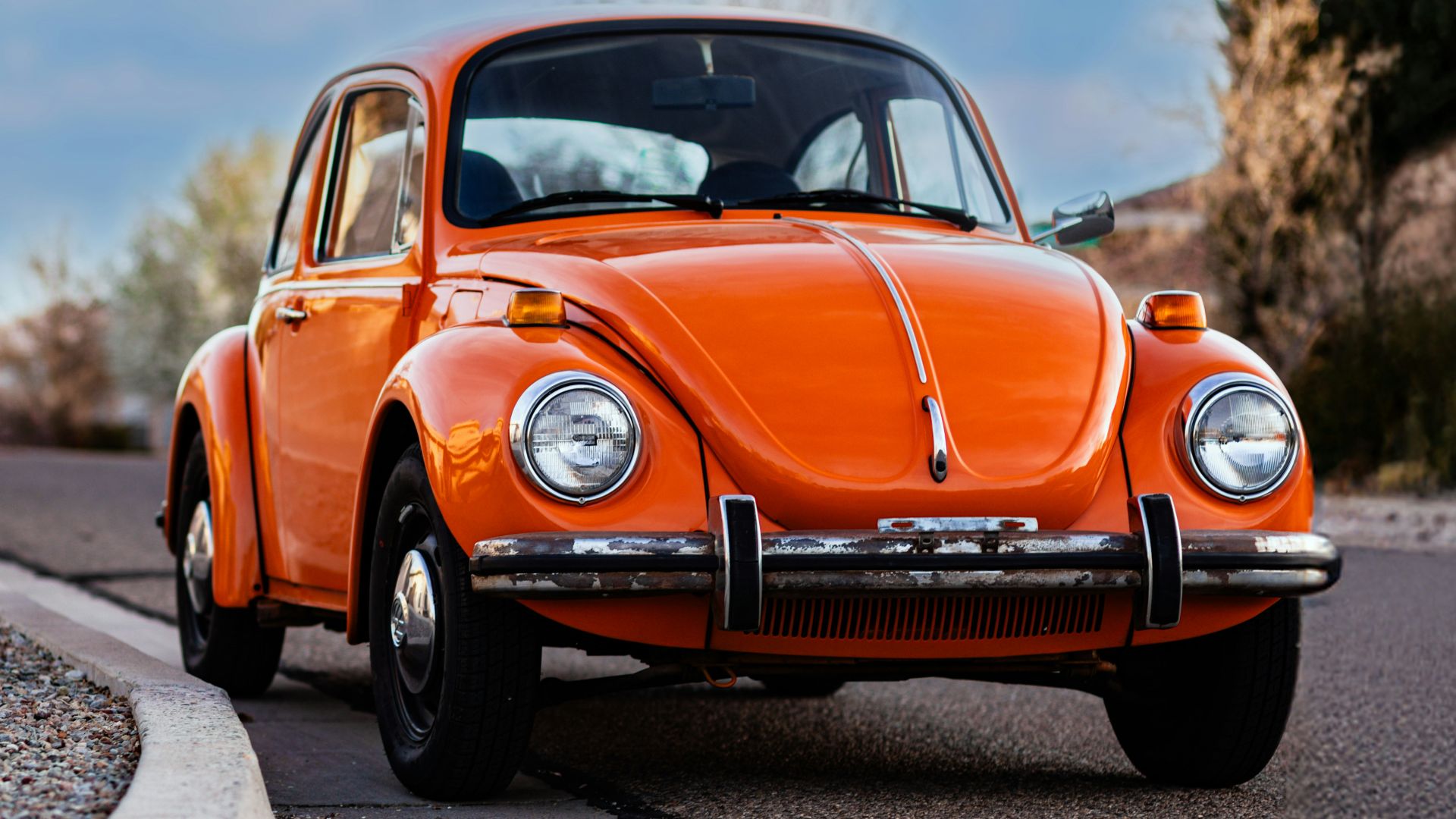
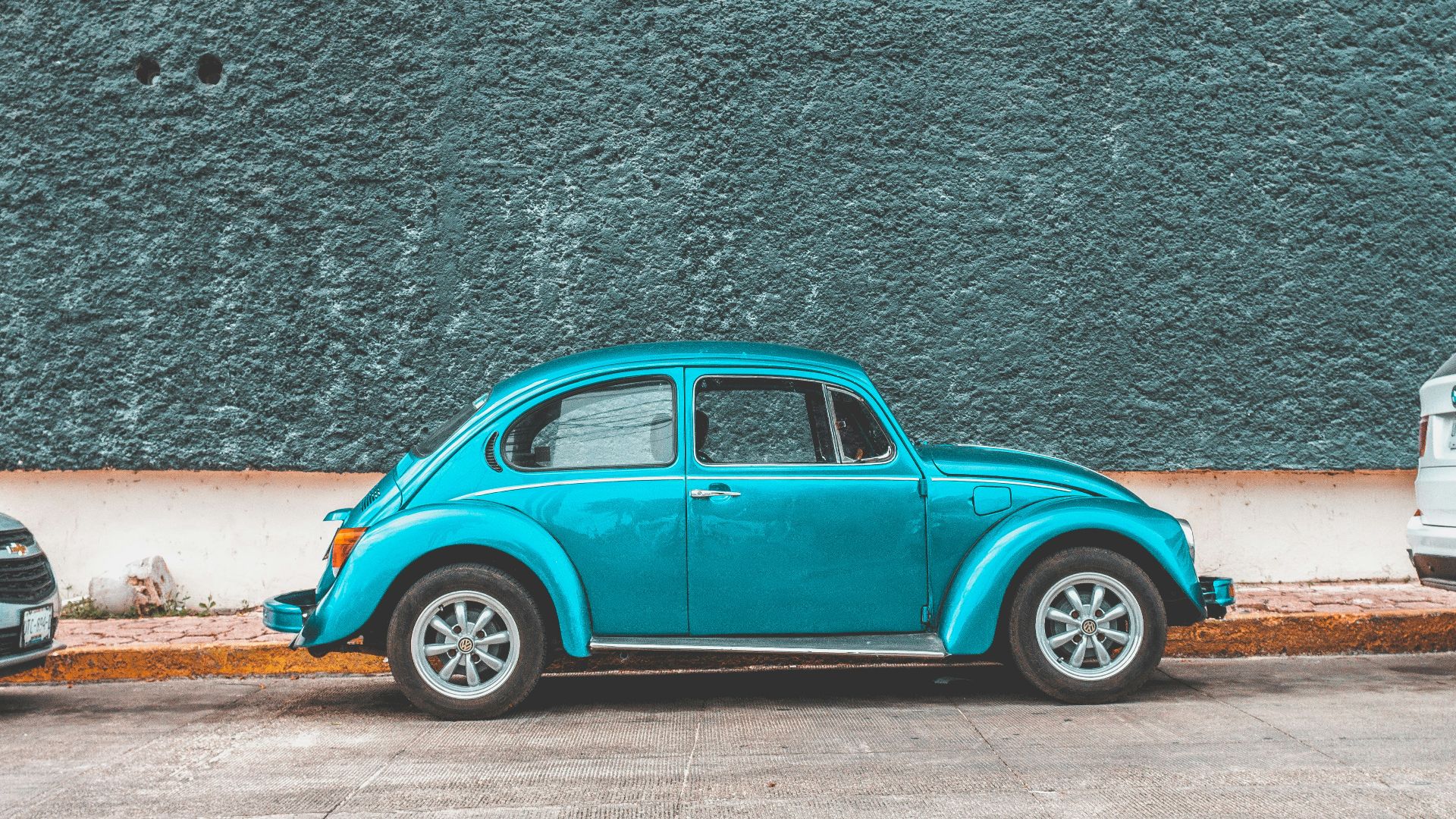
The Beetle's origins are closely tied to Nazi Germany's push to create an affordable "people's car" during the 1930s. Ferdinand Porsche was commissioned to develop a simple vehicle that ordinary German families could supposedly afford. World War II delayed its rise as a civilian car, but production expanded rapidly afterward. Without that government-backed project, one of history's most recognizable cars might never have existed in the same form.
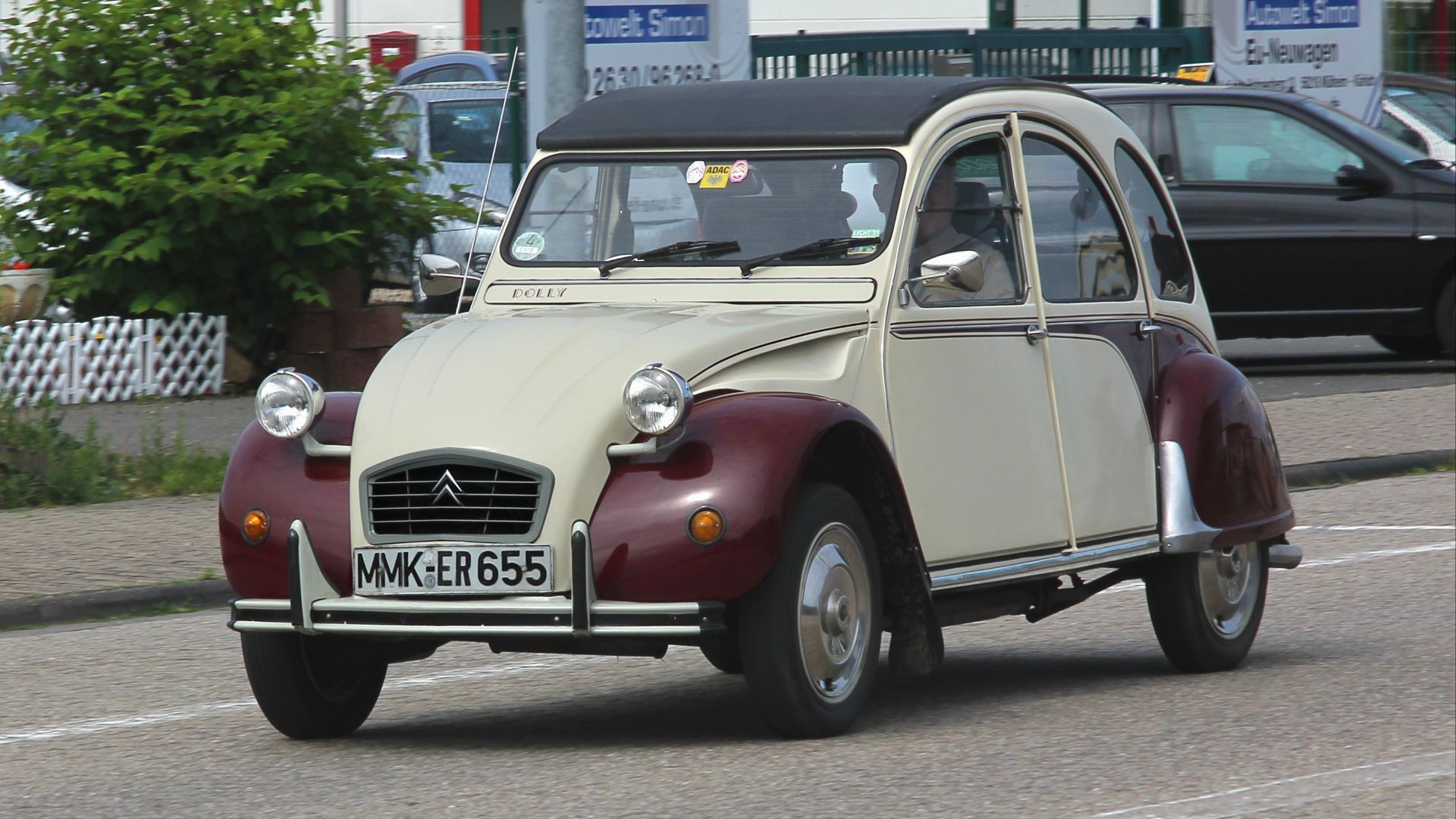
2. Citroën 2CV
France still had a large rural population in the 1930s that needed basic, inexpensive transportation. Citroën designed the 2CV so farmers could carry people and goods across rough country roads without spending much money. World War II delayed its public debut until 1948, tying the car closely to France's postwar recovery. Its unusual simplicity was a direct response to the country's economic needs.
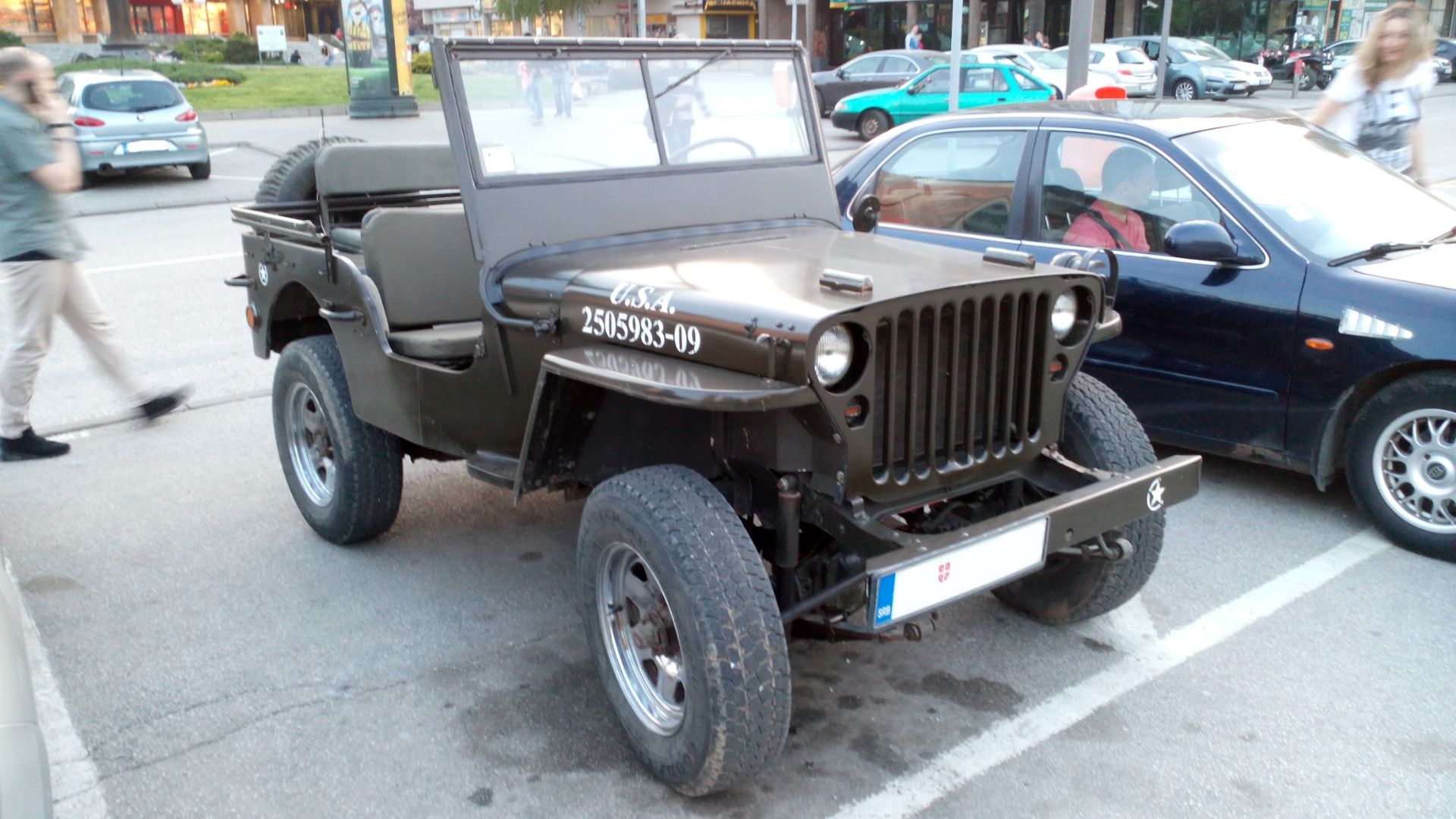
3. Willys Jeep CJ
The civilian Jeep exists because World War II produced one of the most famous military vehicles ever made. After the war, Willys realized the rugged design could also appeal to farmers, workers, and everyday drivers. The CJ, short for Civilian Jeep, adapted the military vehicle for peacetime use. Not too many cars have moved so directly from wartime service to dealership showrooms.
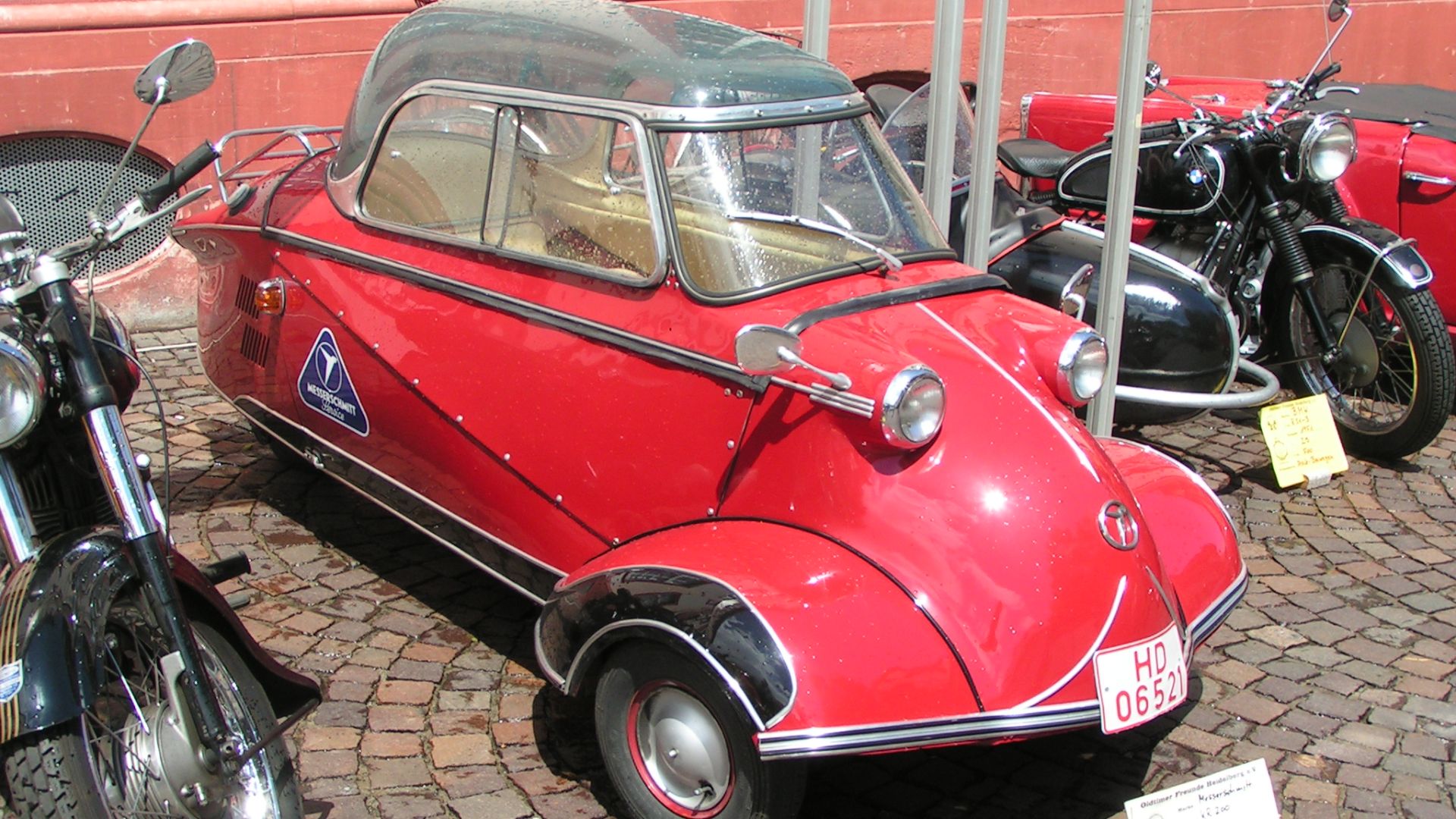
4. Messerschmitt KR200
After World War II, German aircraft manufacturers faced restrictions on building airplanes, leaving companies such as Messerschmitt looking for new products. One result was the tiny KR200, a three-wheeled bubble car with clear aviation influences. Recovering European economies also badly needed cheap, fuel-efficient transportation. As prosperity returned and conventional cars became easier to afford, vehicles like the KR200 lost much of their appeal.
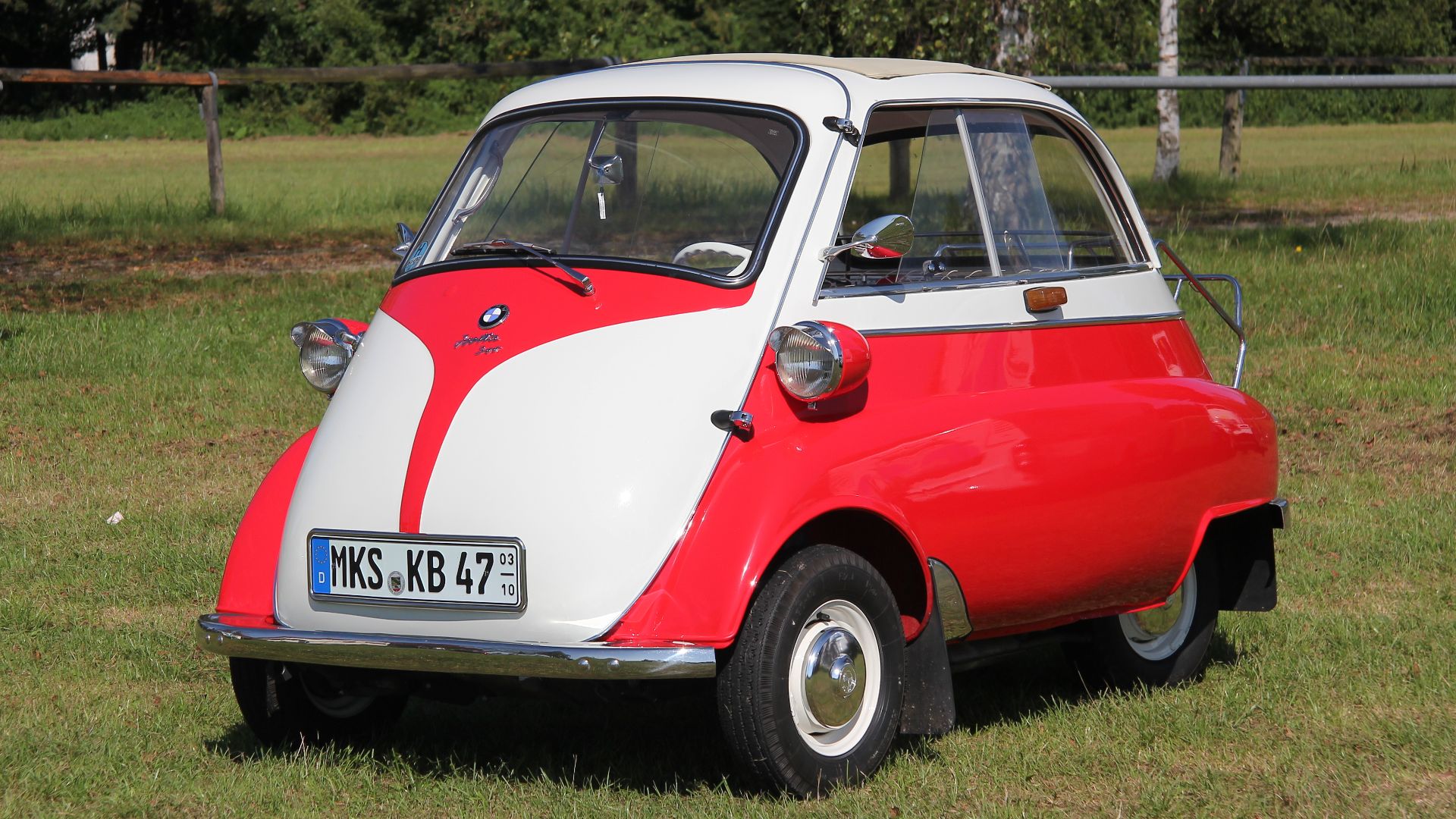
5. BMW Isetta
Postwar Europe was ideal territory for microcars, and BMW badly needed an inexpensive model during its financial struggles in the 1950s. The company licensed the Isetta design from Italian manufacturer Iso and turned it into a recognizable economy car. Its front-opening door and tiny dimensions look strange now, but cheap transportation mattered more than convention. As incomes rose, the Isetta gradually lost the reason it had been created.
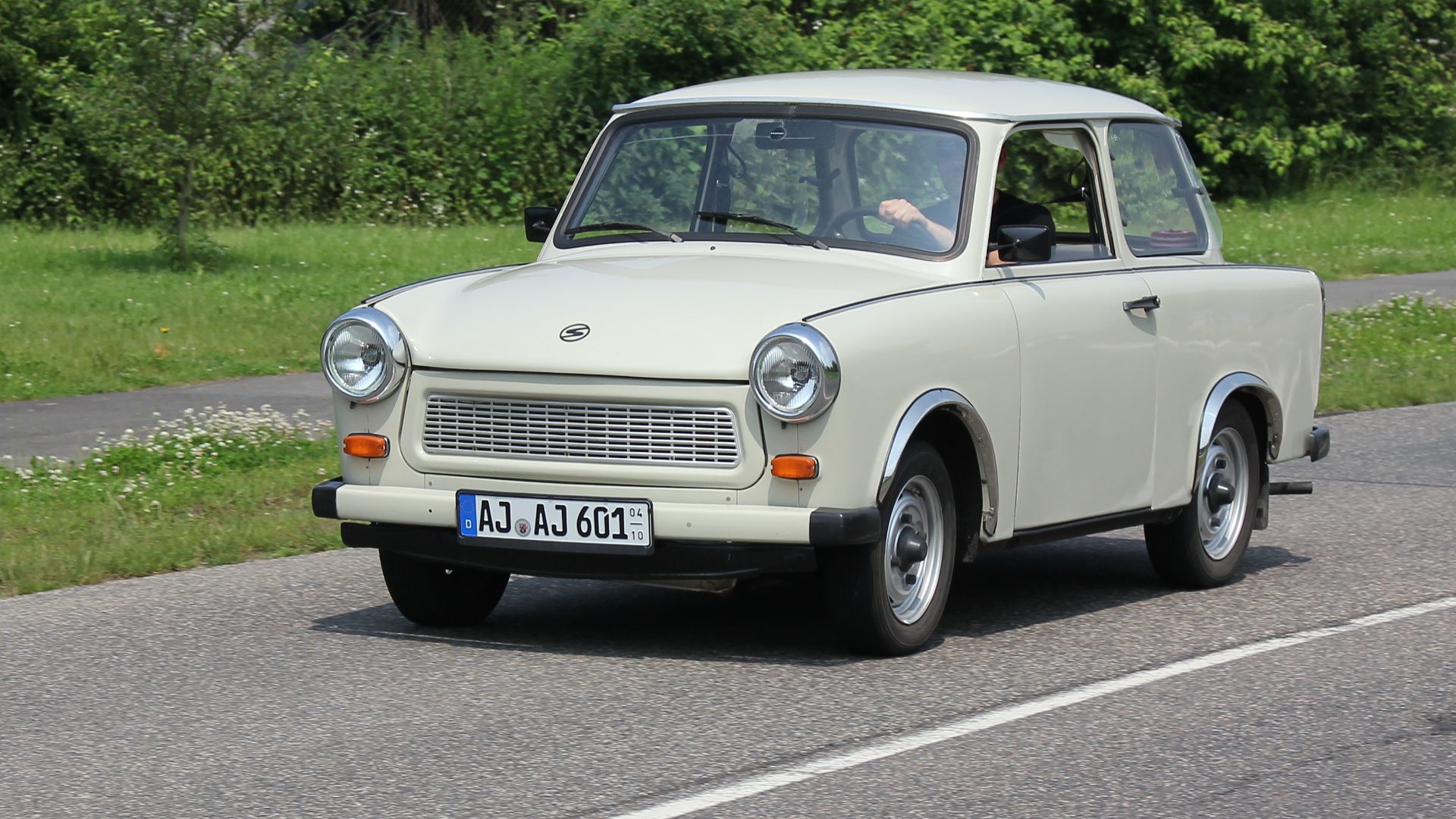
6. Trabant 601
The Trabant was a product of communist East Germany's centrally planned economy and limited industrial resources. Its body famously used Duroplast, a fiber-reinforced material, partly because steel was scarce. The two-stroke engine and decades-long production run also reflected a market with little Western-style competition. After German reunification, the Trabant became an unmistakable symbol of a bygone system.
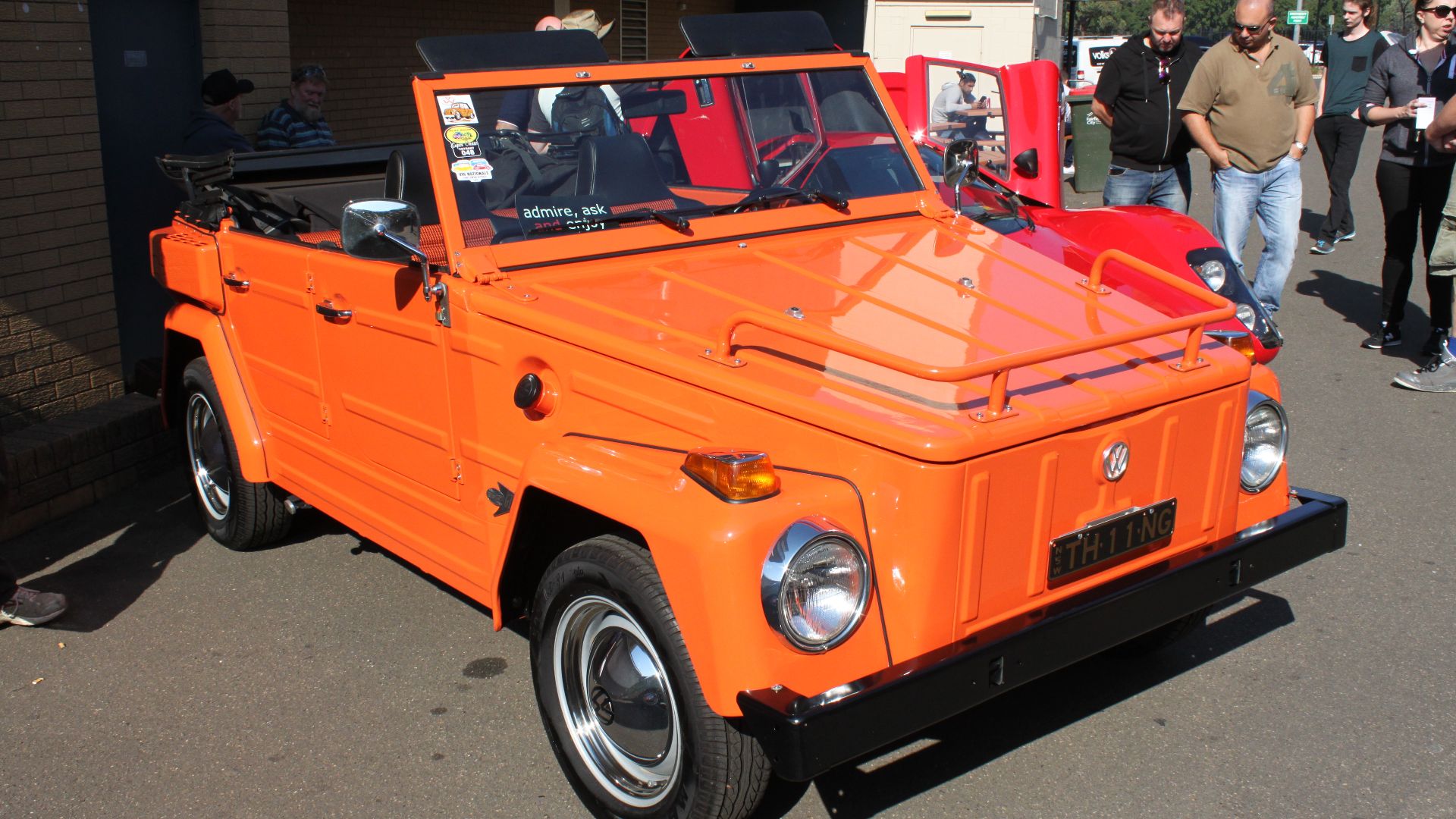
7. Volkswagen Type 181
The Volkswagen Type 181, known in the U.S. as the Thing, began with the West German military's need for a cheap and simple utility vehicle during the Cold War. Volkswagen combined existing mechanical components rather than developing an entirely new platform. Civilian versions later reached several markets, where the stripped-down design became part of the charm. Without those military requirements, Volkswagen probably wouldn't have created anything quite like it.
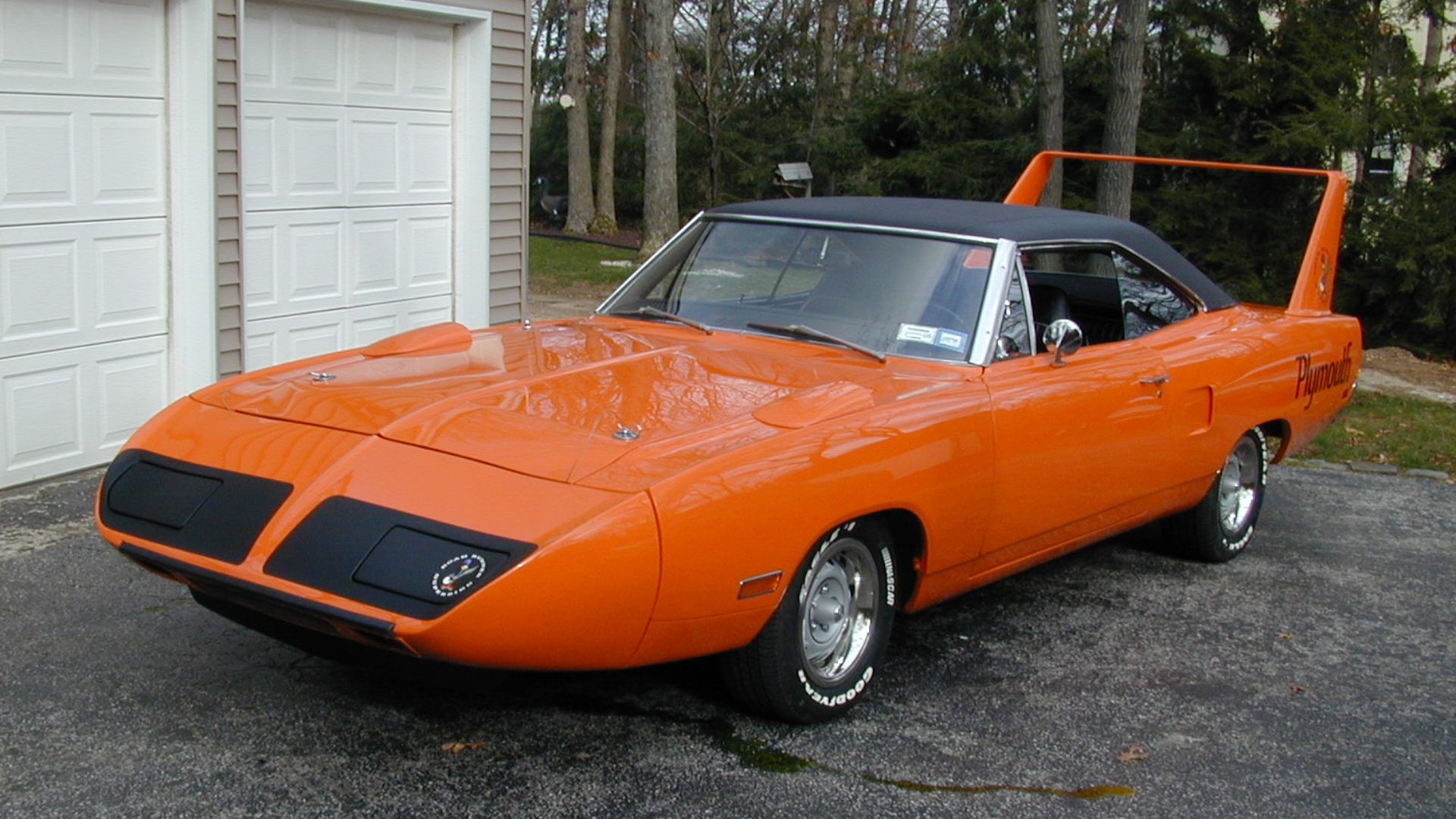
8. Plymouth Superbird
The Plymouth Superbird makes much more sense once you know it was built largely because of NASCAR. Homologation rules required manufacturers to sell road-going versions of certain race cars, so Plymouth offered the aerodynamic Superbird to the public in 1970. Its giant rear wing and pointed nose were designed for high-speed racing rather than subtle styling. When NASCAR changed its rules, the brief era that produced cars like this quickly ended.
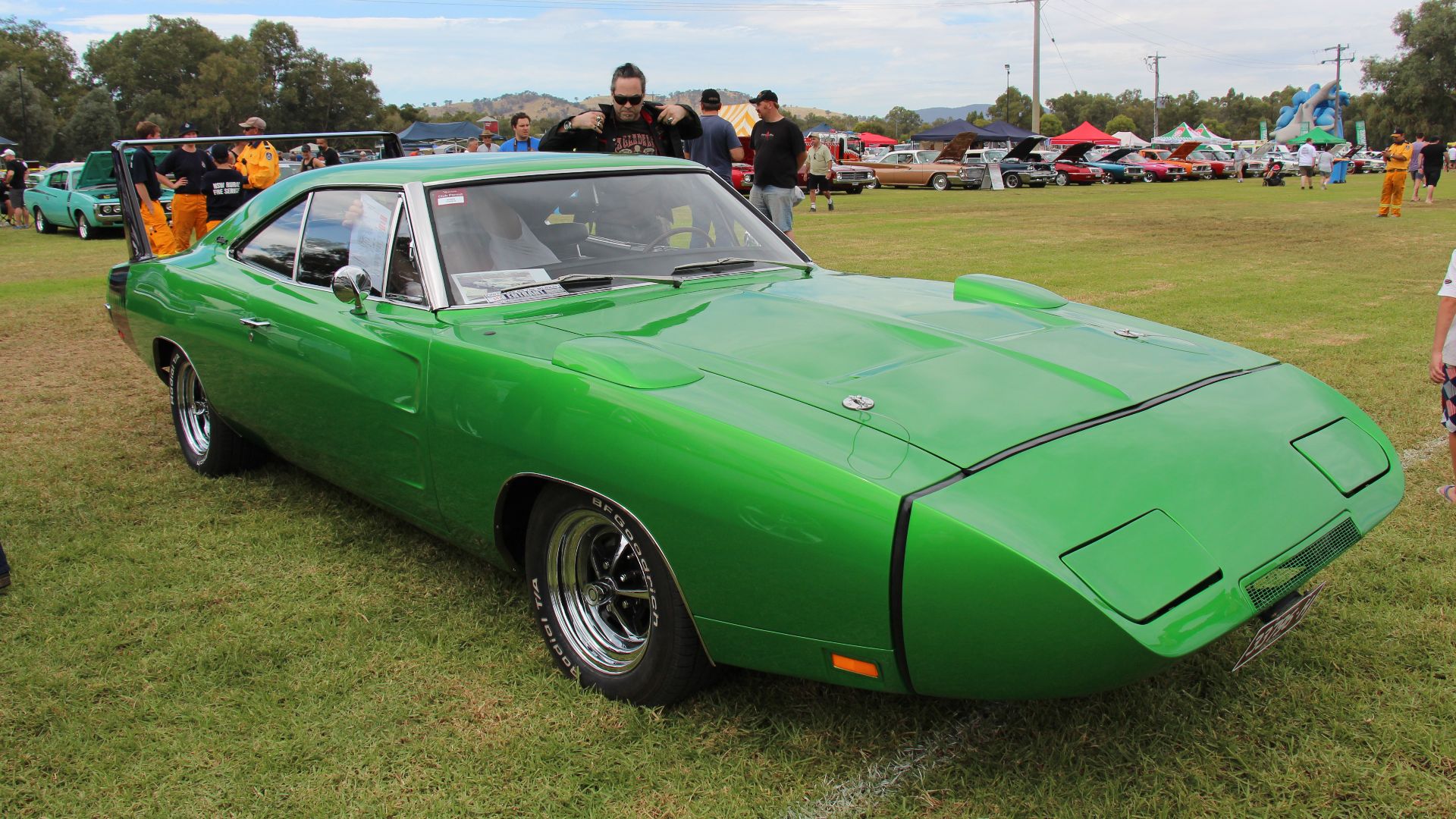
9. Dodge Charger Daytona
Before the Superbird came the Dodge Charger Daytona, another creation of NASCAR's late-1960s aerodynamic battle. Dodge wanted the Charger to perform better at very high speeds, so engineers added a tall rear wing and long nose cone. Homologation rules meant street versions also had to be sold. Once the racing regulations changed, there was little reason to continue making such an extreme-looking road car.
10. BMW M1
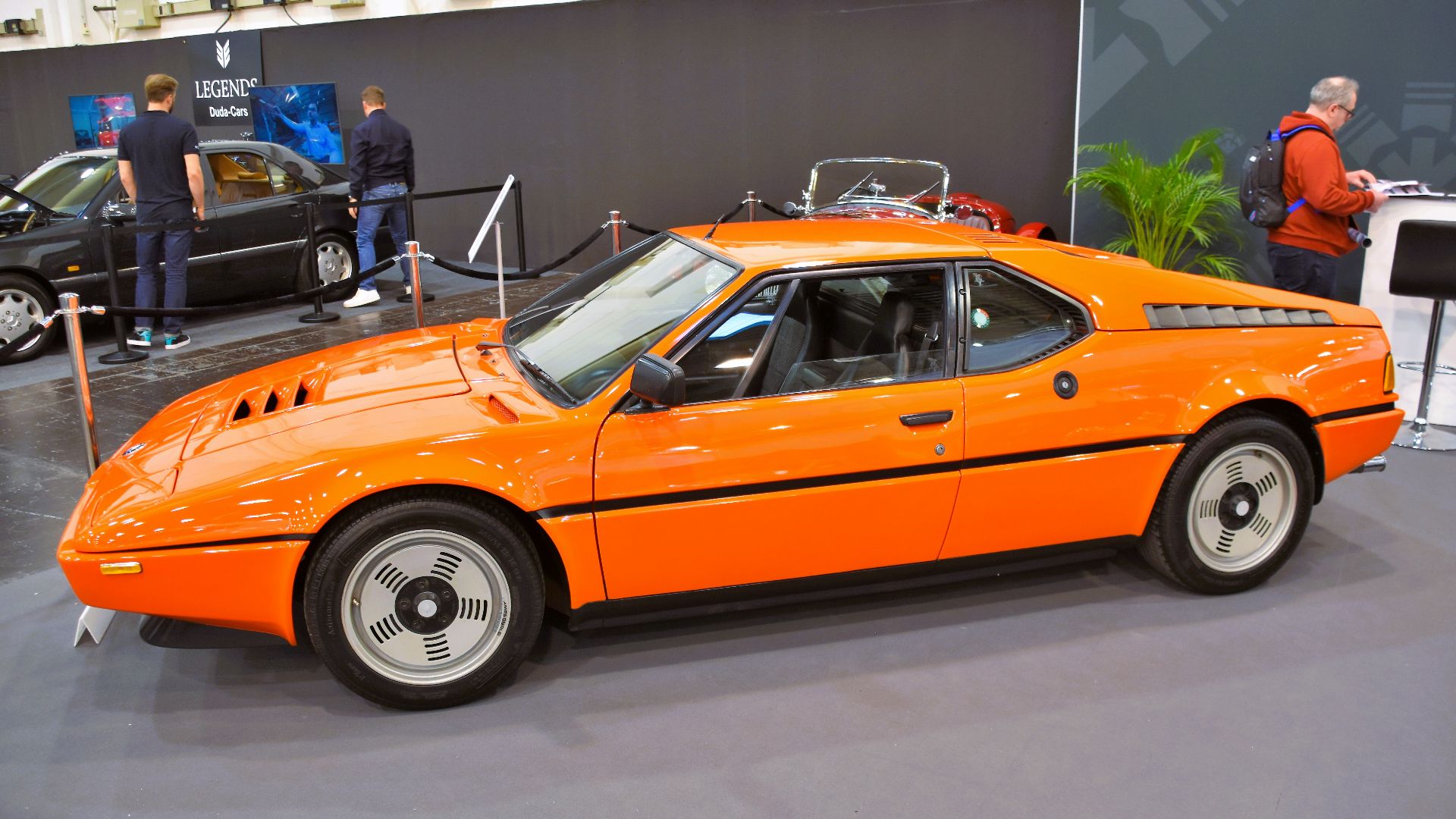
BMW's first true supercar was heavily shaped by late-1970s racing rules. The company planned the M1 for Group 4 competition and initially partnered with Lamborghini, but that arrangement collapsed during Lamborghini's financial troubles. BMW took over the project and built enough road cars to meet homologation requirements. That combination of racing rules and a failed partnership gave the M1 an unusually complicated origin story.
11. Ford RS200
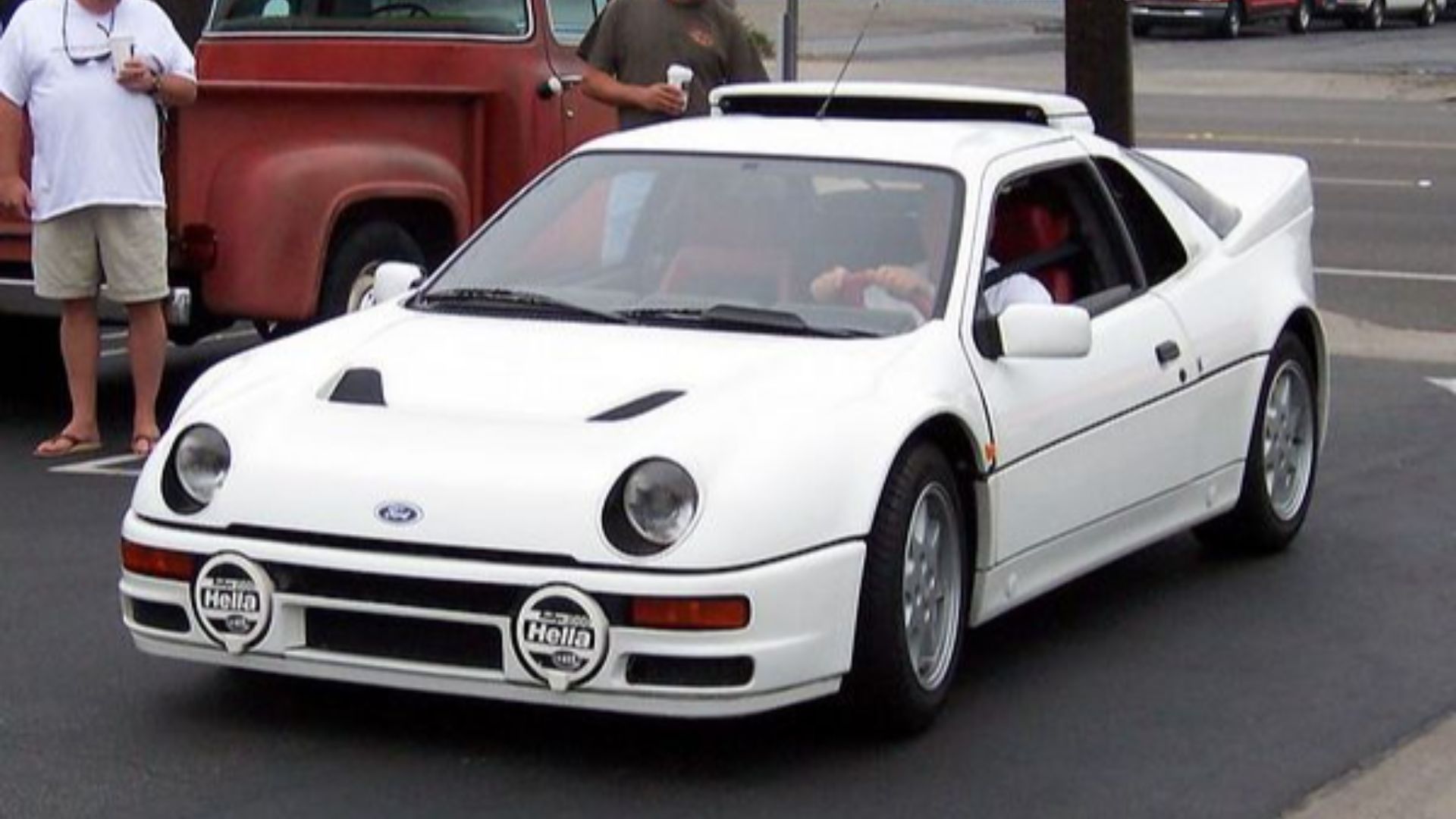
Group B rallying encouraged manufacturers to build incredibly specialized road cars, and the Ford RS200 was one of the most dramatic examples. Ford designed the mid-engine, all-wheel-drive model around the category's rules rather than modifying an ordinary production car. Street versions existed largely because homologation required them. When Group B was canceled in 1986 after several deadly accidents, the RS200 became permanently tied to that short-lived era.
 RadioActive~commonswiki on Wikimedia
12. Peugeot 205 T16
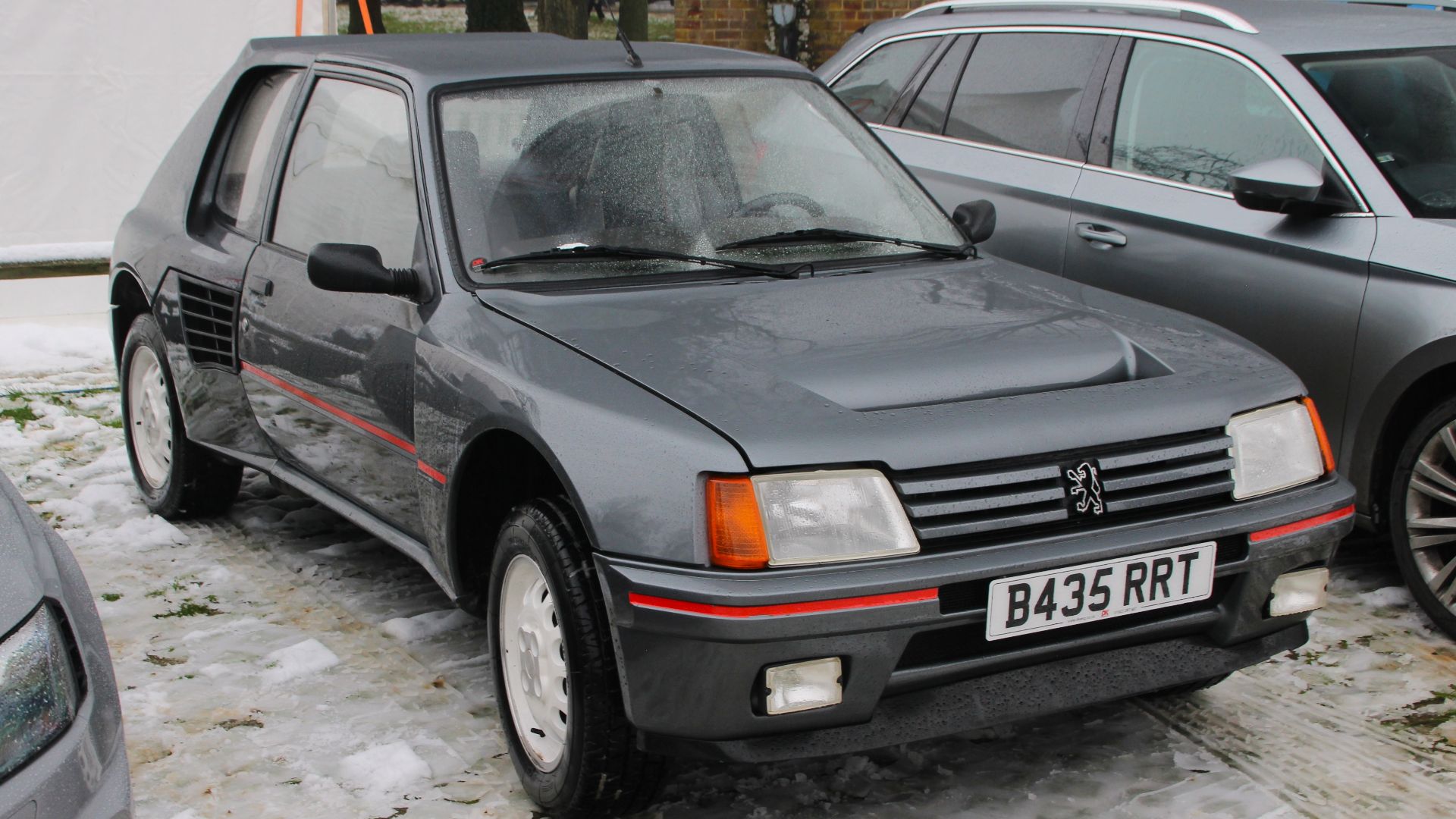
The Peugeot 205 T16 resembled the regular 205 hatchback from a distance, but mechanically, it was a very different machine. Group B rules pushed Peugeot to build a mid-engine, all-wheel-drive competition car along with enough road versions for homologation. Those civilian models were never intended to replace the normal 205 as everyday transportation. When Group B disappeared, so did the need for cars this specialized.
13. Porsche 959
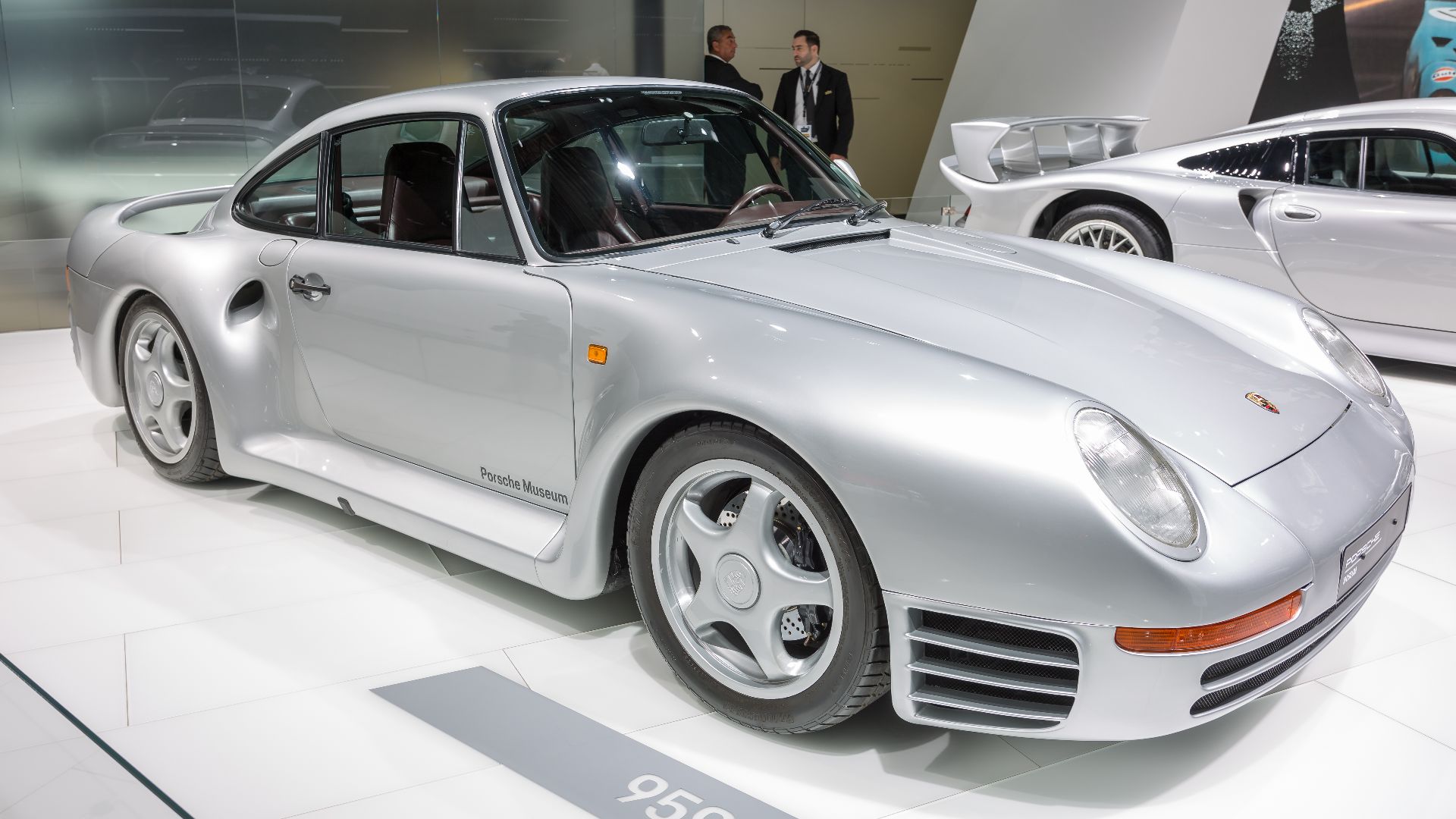
Porsche developed the 959 partly with the FIA's Group B regulations in mind, turning it into a showcase for advanced technology. Its sophisticated all-wheel drive, twin-turbo engine, and electronic systems were remarkable for the mid-1980s. Group B ended before the 959 could have the racing career originally envisioned for it, but Porsche still developed it into an extraordinary road car. Its reputation is closely connected to a motorsports era that vanished almost as quickly as it appeared.
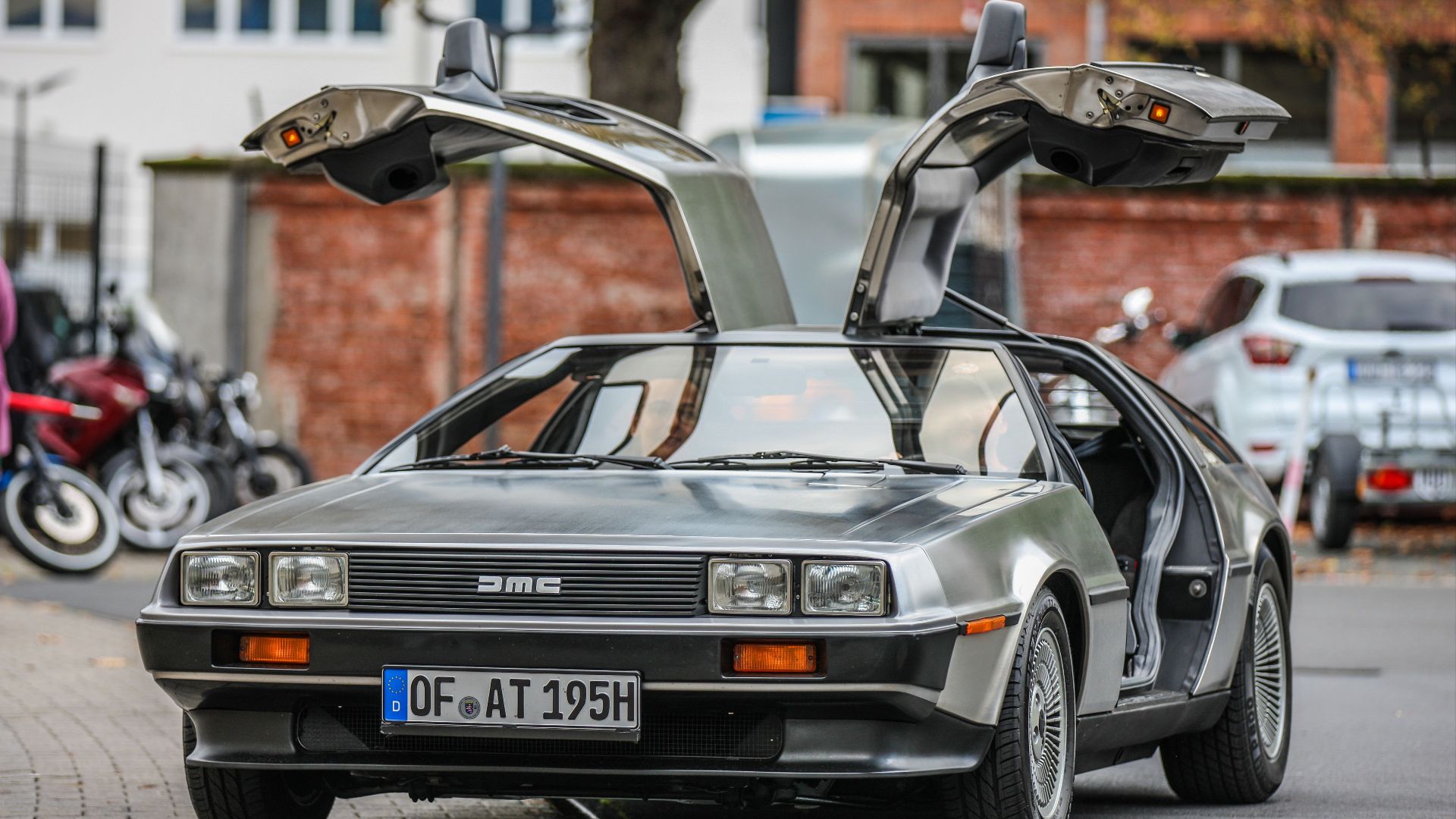
14. DeLorean DMC-12
The DeLorean DMC-12 was closely linked to a British government effort to create jobs in Northern Ireland during the Troubles. Public funding helped establish a factory in Dunmurry, near Belfast, where the stainless-steel sports car was produced. Political and economic goals played an unusually large role in shaping the company. The business failed quickly, but that unusual mix of government support and automotive ambition created a lasting cultural icon.
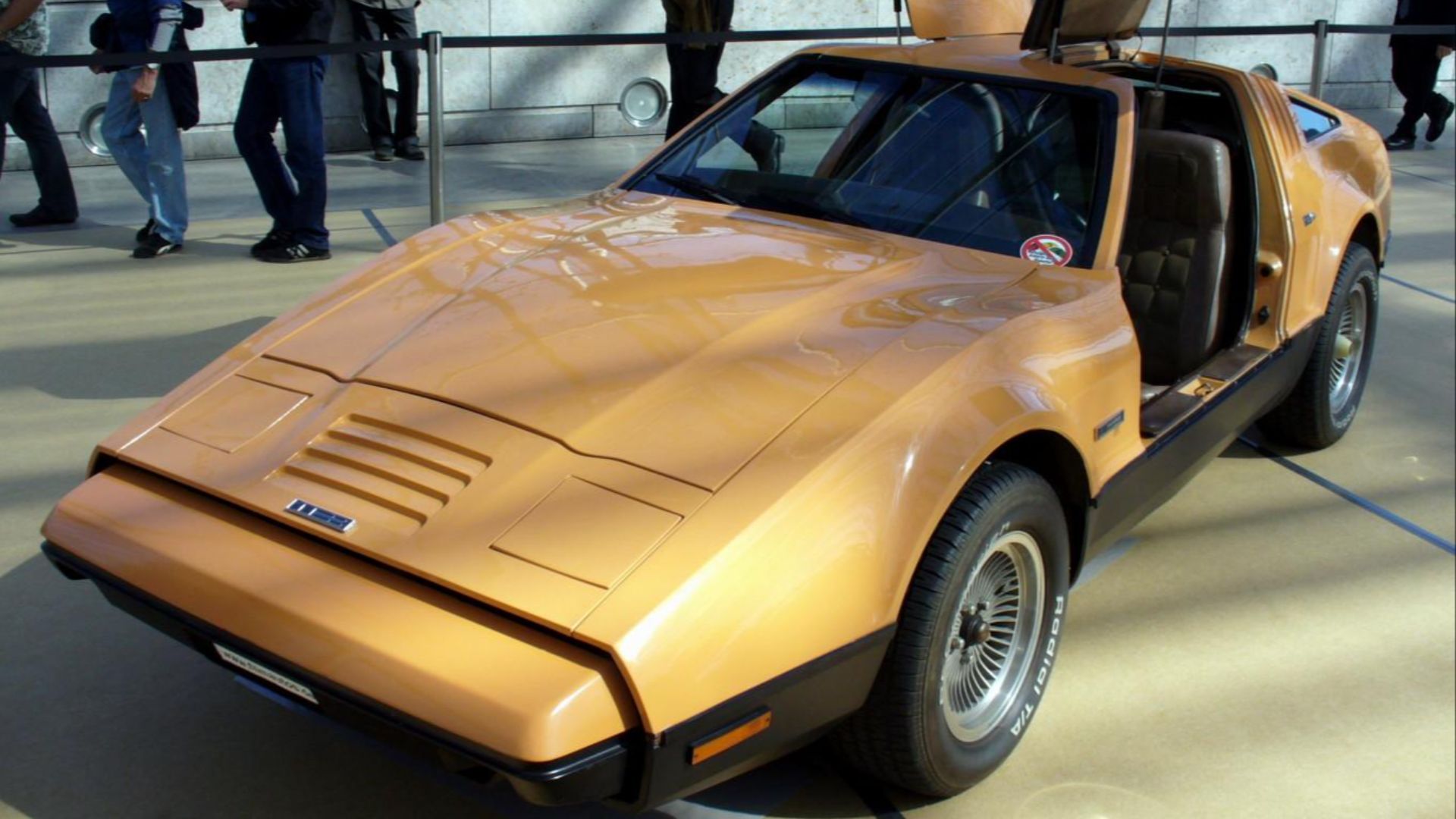
15. Bricklin SV-1
The Bricklin SV-1 also emerged from a mix of automotive ambition and government involvement, this time in New Brunswick, Canada. Provincial officials backed Malcolm Bricklin's plan to build a safety-focused sports car while creating local jobs. Production was expensive and troubled, and the government financing soon became controversial. The company lasted only a few years, leaving the SV-1 as a memorable product of that short-lived experiment.
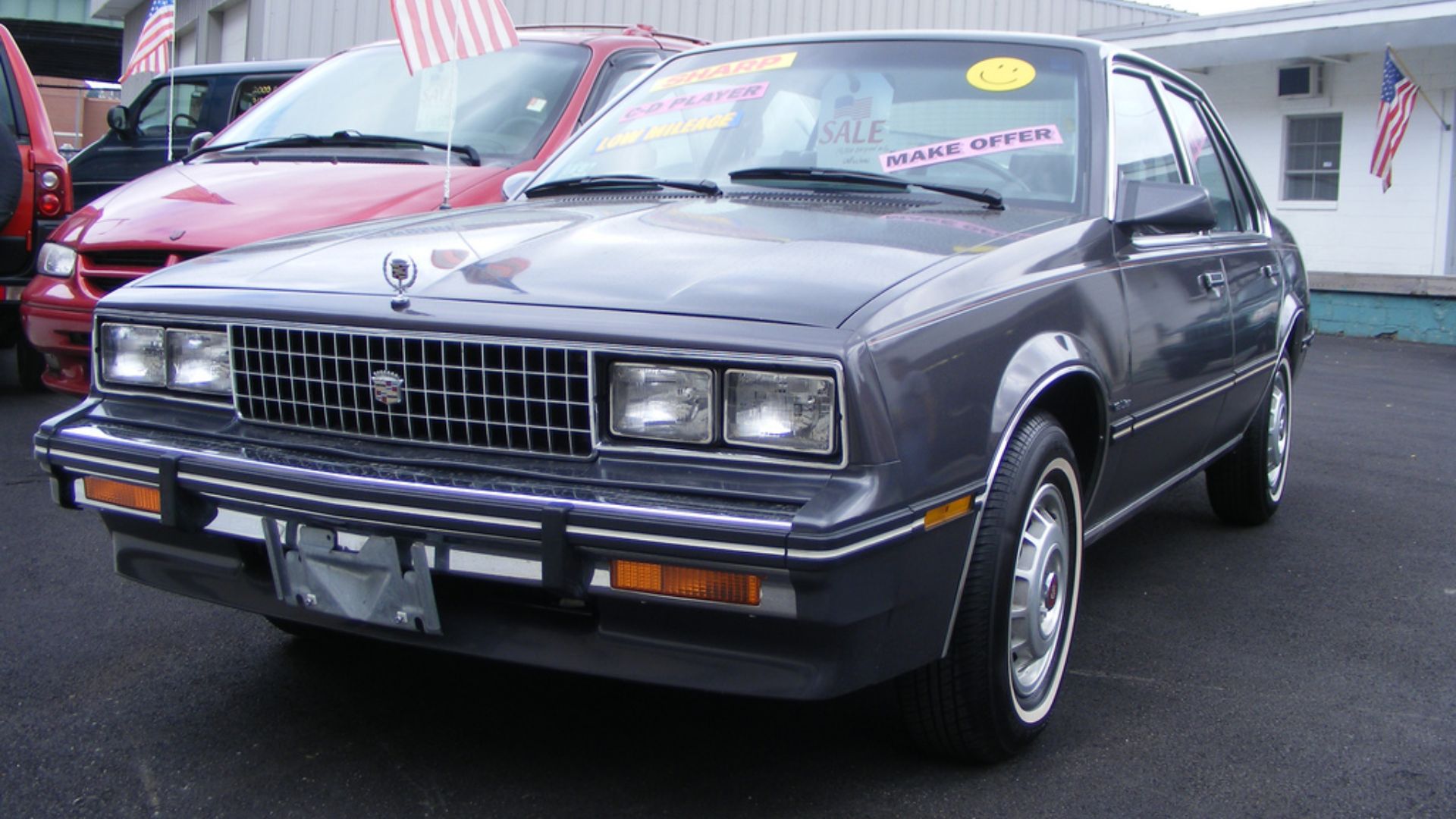
16. Cadillac Cimarron
The Cimarron arrived as American automakers were responding to higher fuel prices, changing tastes, and stricter fuel-economy demands. Cadillac suddenly needed something smaller and more efficient than the large luxury cars traditionally associated with the brand. Its answer was a compact sedan closely related to the Chevrolet Cavalier, introduced as a Cadillac in the early 1980s. Without that era's dramatic downsizing, Cadillac probably wouldn't have entered the compact market so quickly.
17. GM EV1
The EV1 was closely connected to California's push for zero-emission vehicles during the 1990s. General Motors developed the futuristic electric car while automakers faced growing pressure to put cleaner vehicles on the road. Customers leased the EV1 in limited markets before GM eventually ended the program and reclaimed nearly all of them. Today's EVs are mainstream products, but the EV1 came from a much earlier period of regulation-driven experimentation.
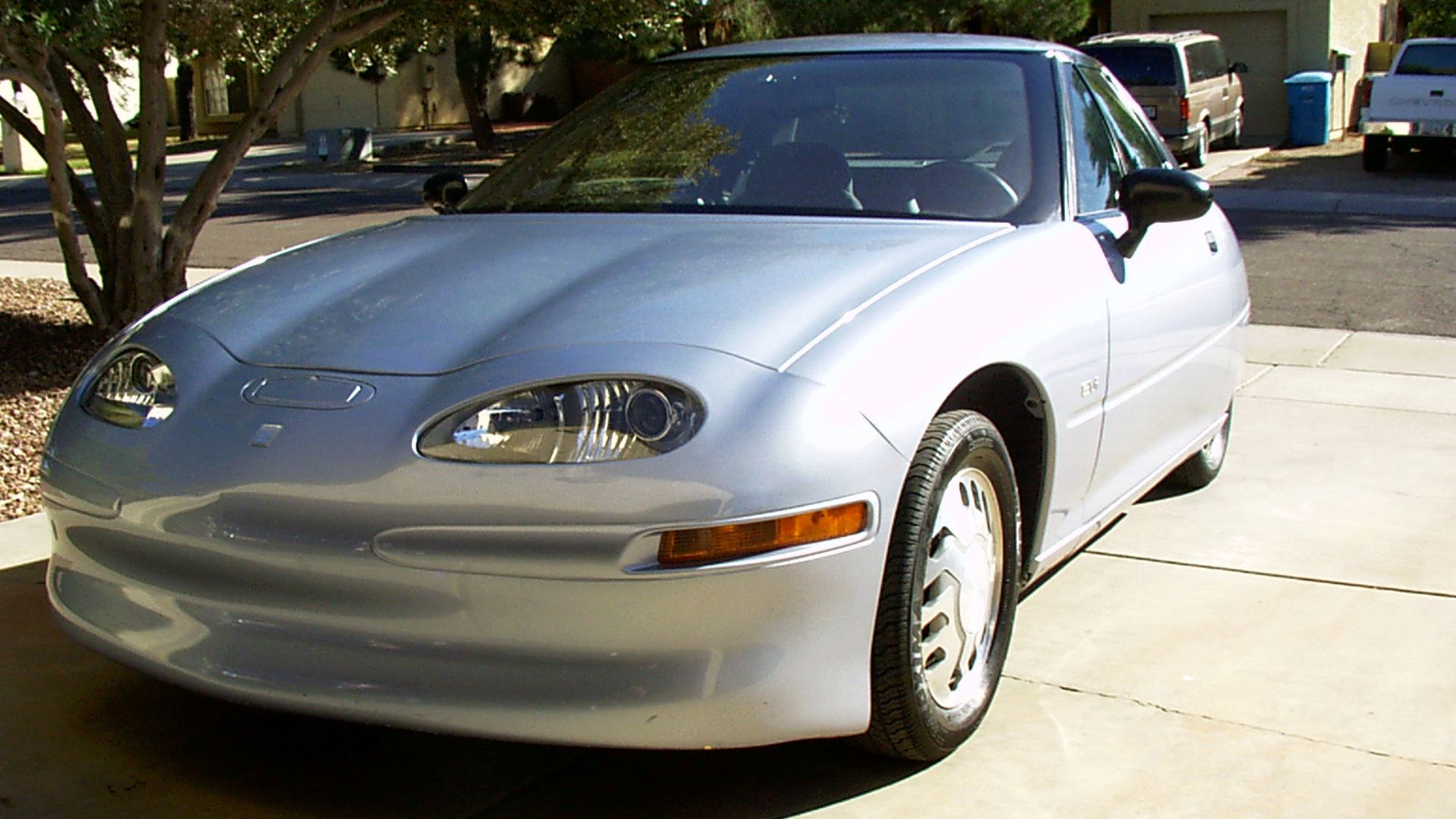 RightBrainPhotography (Rick Rowen) on Wikimedia
18. Hummer H1
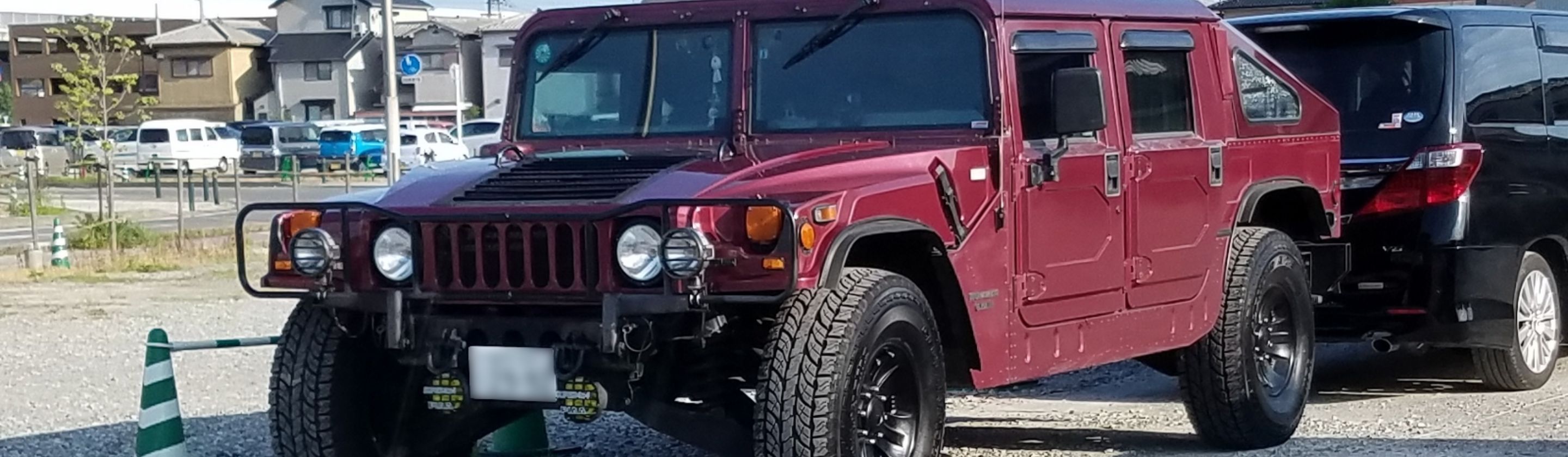
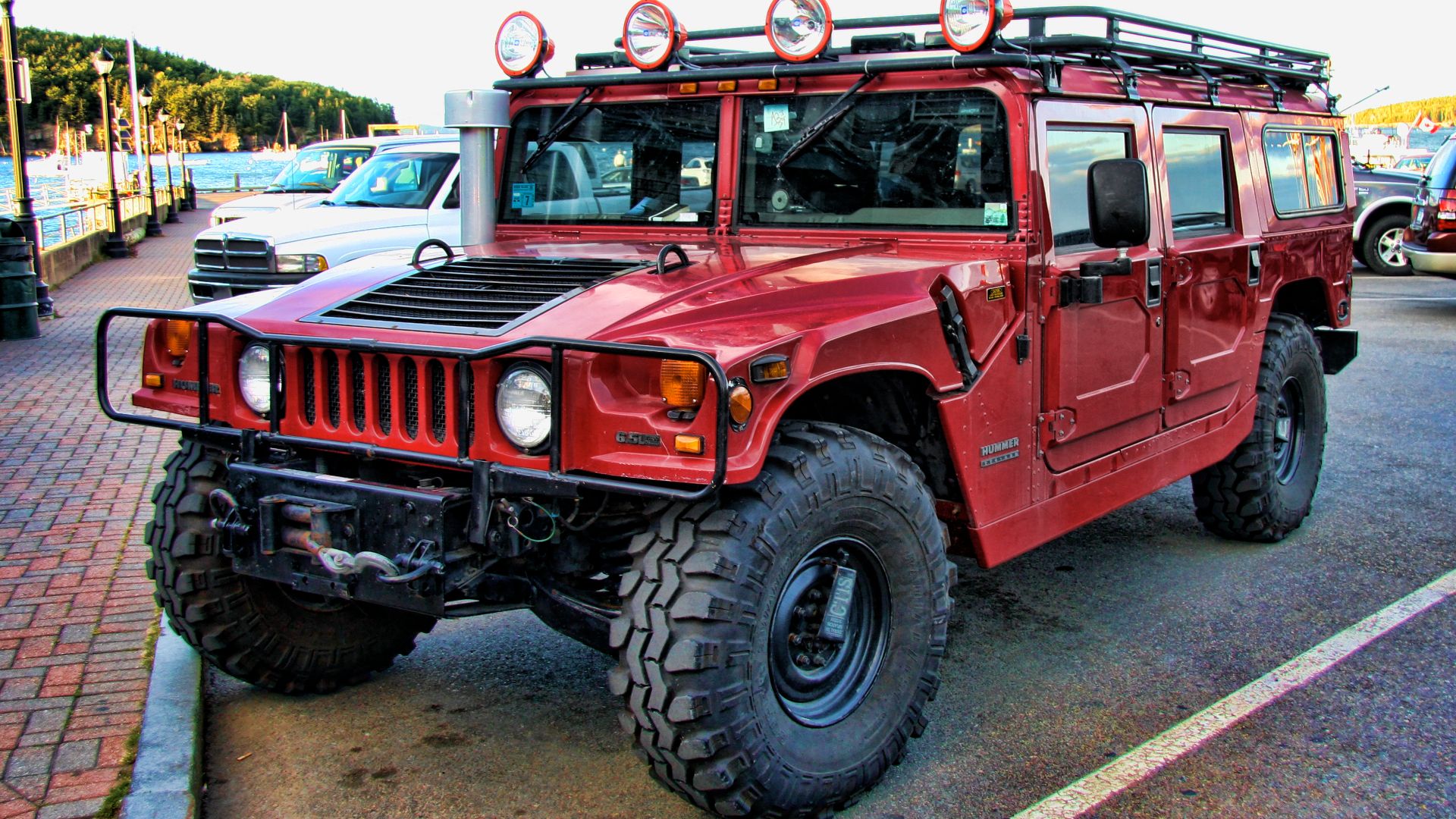
The civilian Hummer H1 probably wouldn't have existed without the attention surrounding the military Humvee after the Gulf War. Its battlefield appearances made the vehicle instantly recognizable, and Arnold Schwarzenegger famously encouraged AM General to sell a civilian version. The H1 kept much of the military model's huge width and uncompromising design. It wasn't especially practical or fuel-efficient, which helped make it such a distinct product of the early 1990s.
19. Chevrolet Monte Carlo Aerocoupe
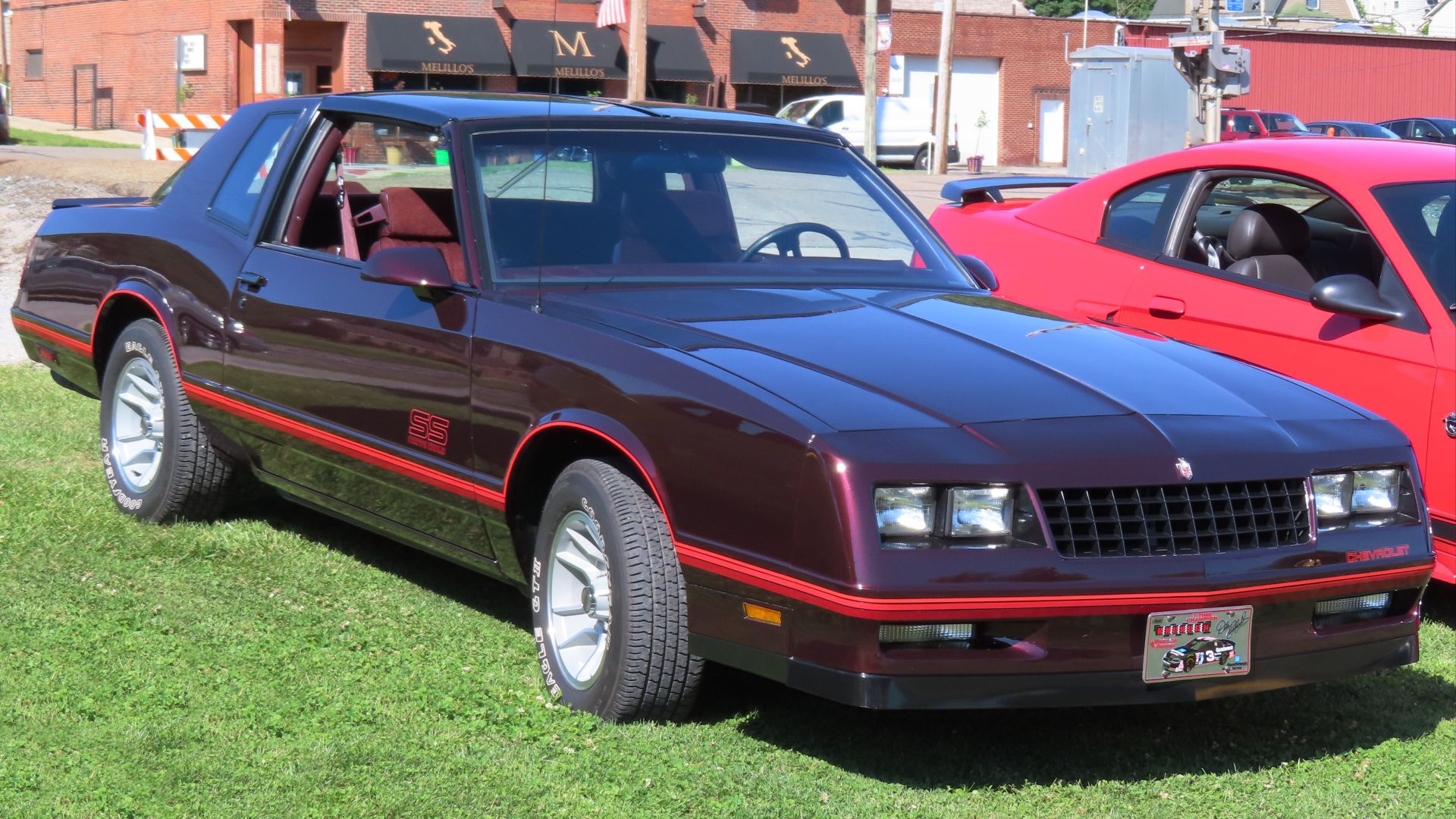
During the 1980s, NASCAR teams realized the standard Monte Carlo wasn't ideal for high-speed aerodynamic performance. Chevrolet responded with the Aerocoupe, which used a dramatically sloped rear window to improve airflow. Homologation rules meant buyers could purchase the unusual body style from dealerships as well. Once racing priorities changed, Chevrolet had little reason to keep producing such a specialized version.
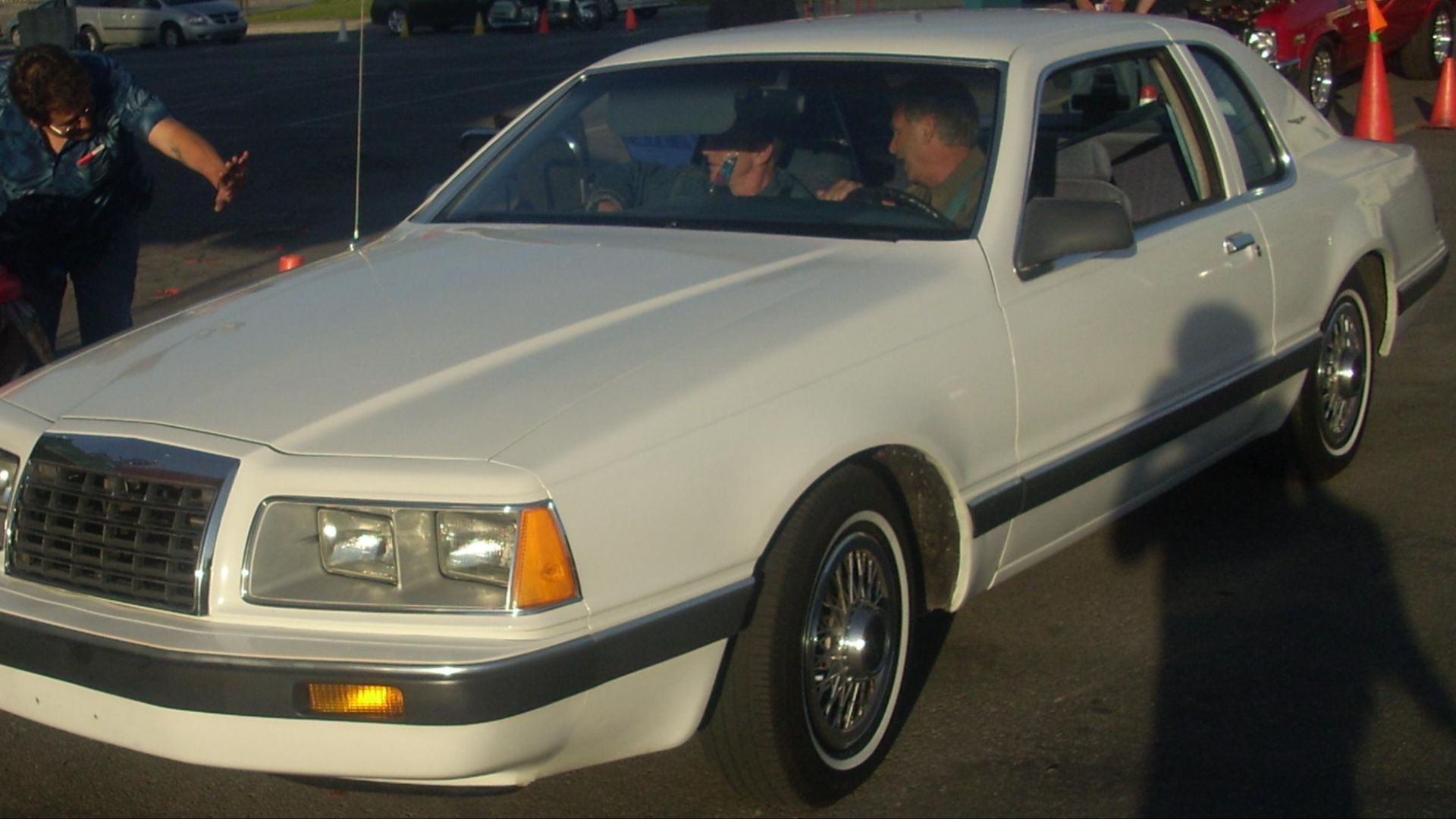
20. Ford Thunderbird Sports Coupe With the Aerodynamic Nose
NASCAR's aerodynamic battles also shaped the Ford Thunderbird during the 1980s. Ford gave the car a sleeker body to help its racing versions compete more effectively at tracks such as Daytona and Talladega. At the time, the connection between showroom cars and stock-car racing was still strong enough to influence production styling. As NASCAR moved farther away from truly production-based body designs, that incentive gradually disappeared.