
Even the Most Coveted Names Can Lose Their Shine
Luxury car brands spend decades building reputations for prestige, performance, and cutting-edge engineering, but staying on top isn't easy. Shifting buyer preferences, reliability concerns, uninspired designs, and stronger competition have caused some once-desirable marques to lose the excitement they once generated. That doesn't mean these automakers don't still build impressive vehicles. It simply means they no longer have quite the same cachet they once enjoyed. Here are 20 luxury car brands that lost their cool.
1. Jaguar
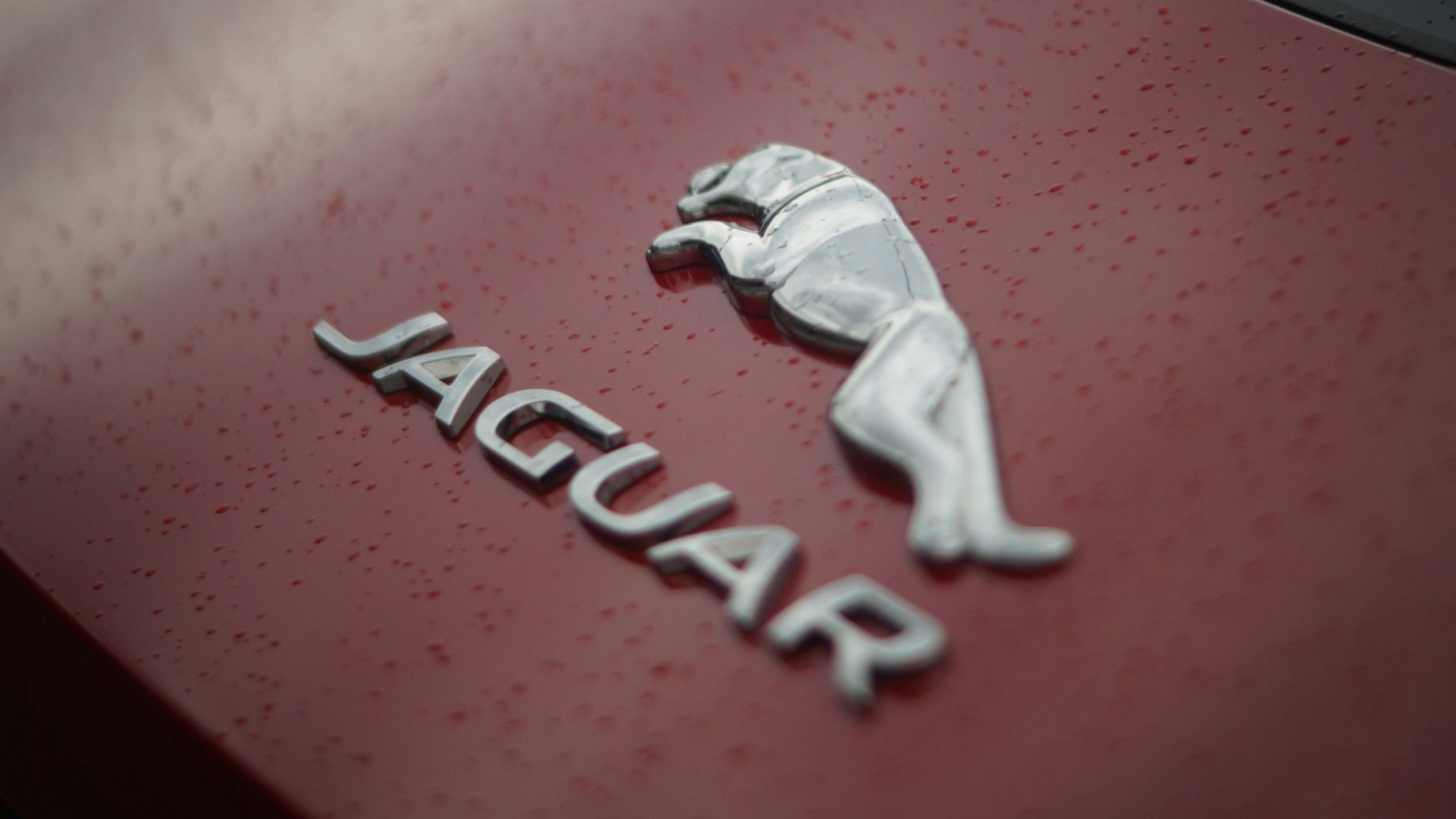
Jaguar was once synonymous with elegant British luxury and beautiful grand touring cars. In recent years, an aging lineup, reliability concerns, and inconsistent branding have made it difficult to compete with German rivals. The company's controversial 2024 rebranding only divided enthusiasts further.
2. Infiniti
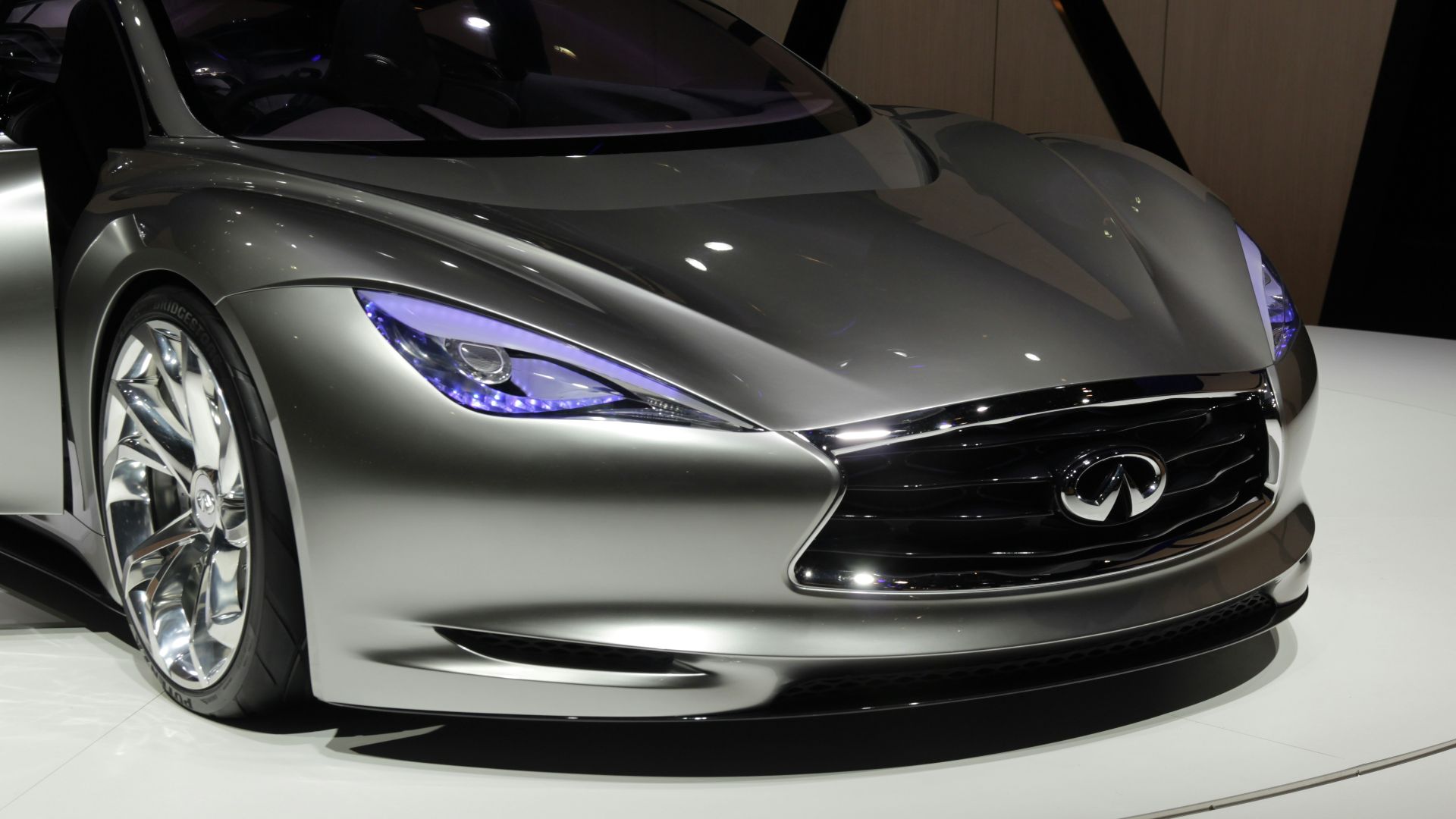
When Infiniti launched in 1989, it quickly established itself as a serious challenger to Lexus and Acura. Over time, however, the lineup became dated while competitors introduced newer technology and fresher designs. Several models remained on sale with only modest updates for years, and as a result, the brand gradually slipped from the luxury spotlight.
 Christian Paul Stobbe on Unsplash
3. Lincoln
Lincoln once represented American luxury at its finest, with iconic models like the Continental setting the standard. During the 2000s, too many rebadged Fords diluted the brand's premium image. Recent SUVs have improved its reputation considerably, but it still hasn't fully reclaimed its former status.

4. Cadillac
Cadillac dominated American luxury for much of the twentieth century. As Mercedes-Benz, BMW, and Lexus expanded, Cadillac struggled with inconsistent styling and an aging customer base. The Blackwing models and electric Lyriq have helped restore some enthusiasm, but the brand still hasn't completely recaptured the cultural influence it once enjoyed.
5. Acura
Acura helped pioneer Japanese luxury in the U.S., but its excitement faded as performance models disappeared and styling became more conservative. Buyers increasingly gravitated toward German competitors that offered stronger brand prestige.
6. Maserati
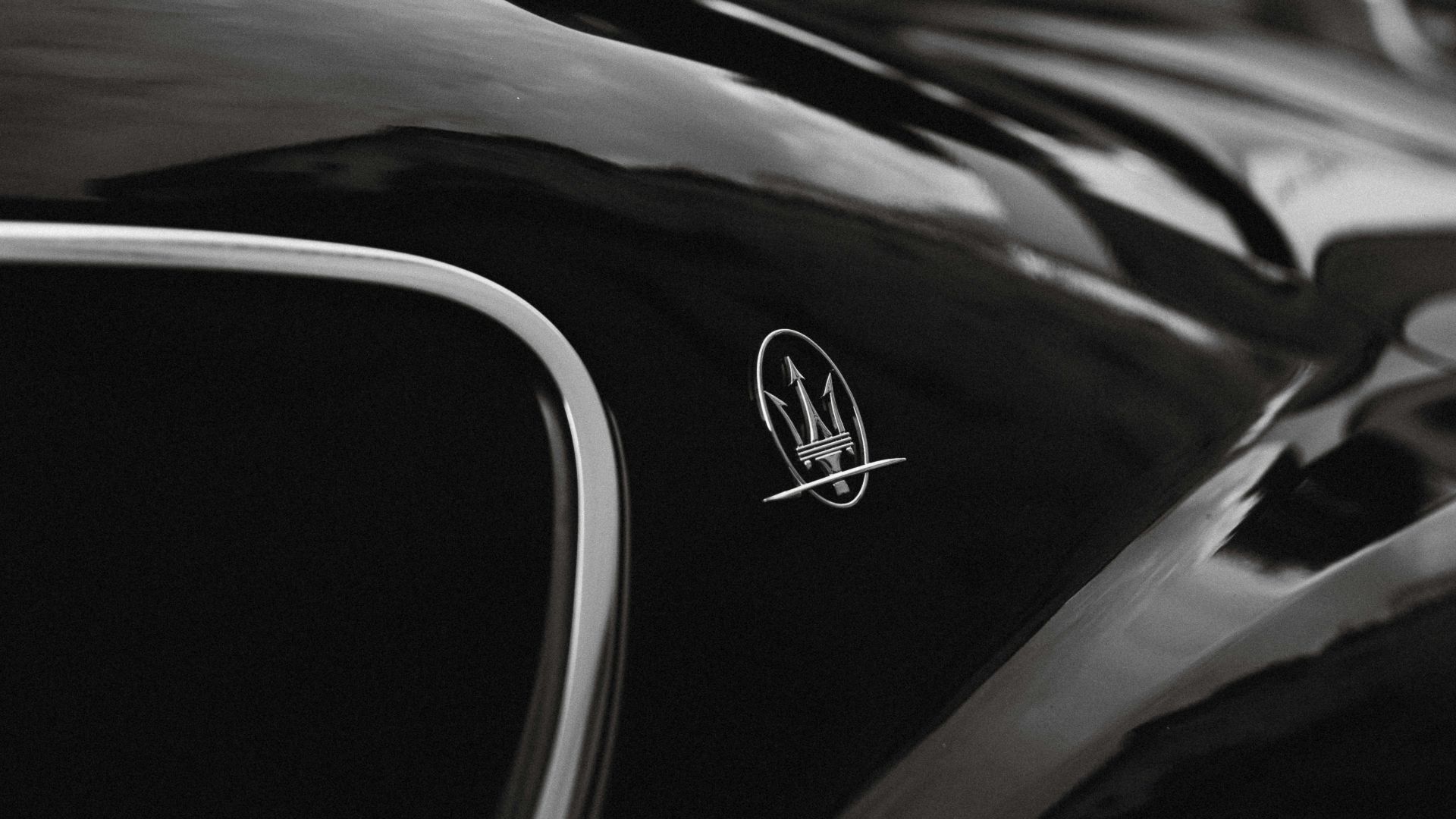
Maserati still builds beautiful cars with unmistakable Italian character, but quality concerns and steep depreciation have hurt its reputation. Buyers often hesitate because ownership costs can be surprisingly high after the warranty expires. Limited sales volumes have also made it harder to maintain momentum.
7. Chrysler
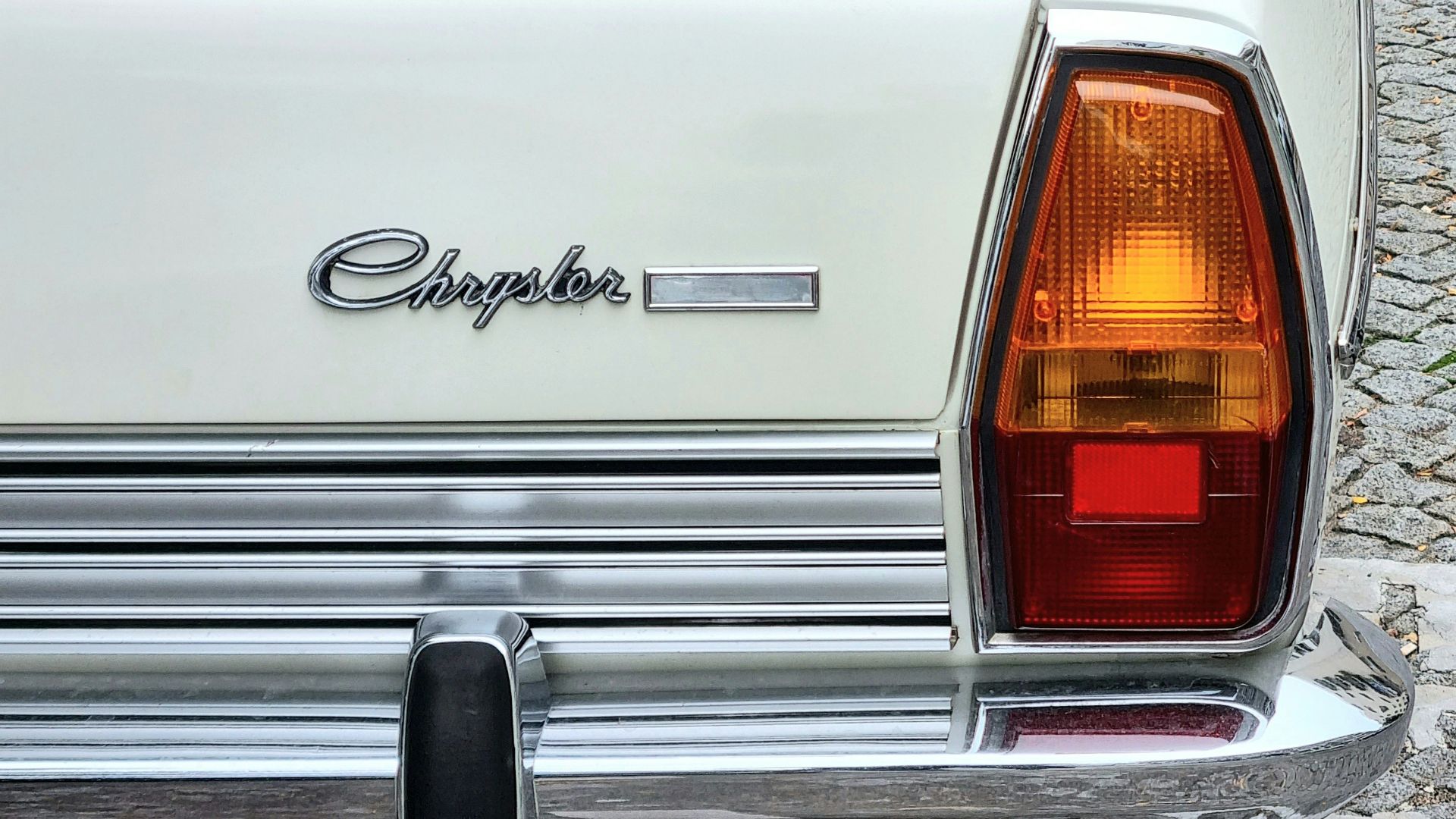
There was a time when Chrysler's 300 gave the brand genuine luxury credibility. Unfortunately, an aging product lineup and years of limited investment gradually pushed it out of the premium conversation. Today, the company sells only a handful of models in North America.
8. Saab
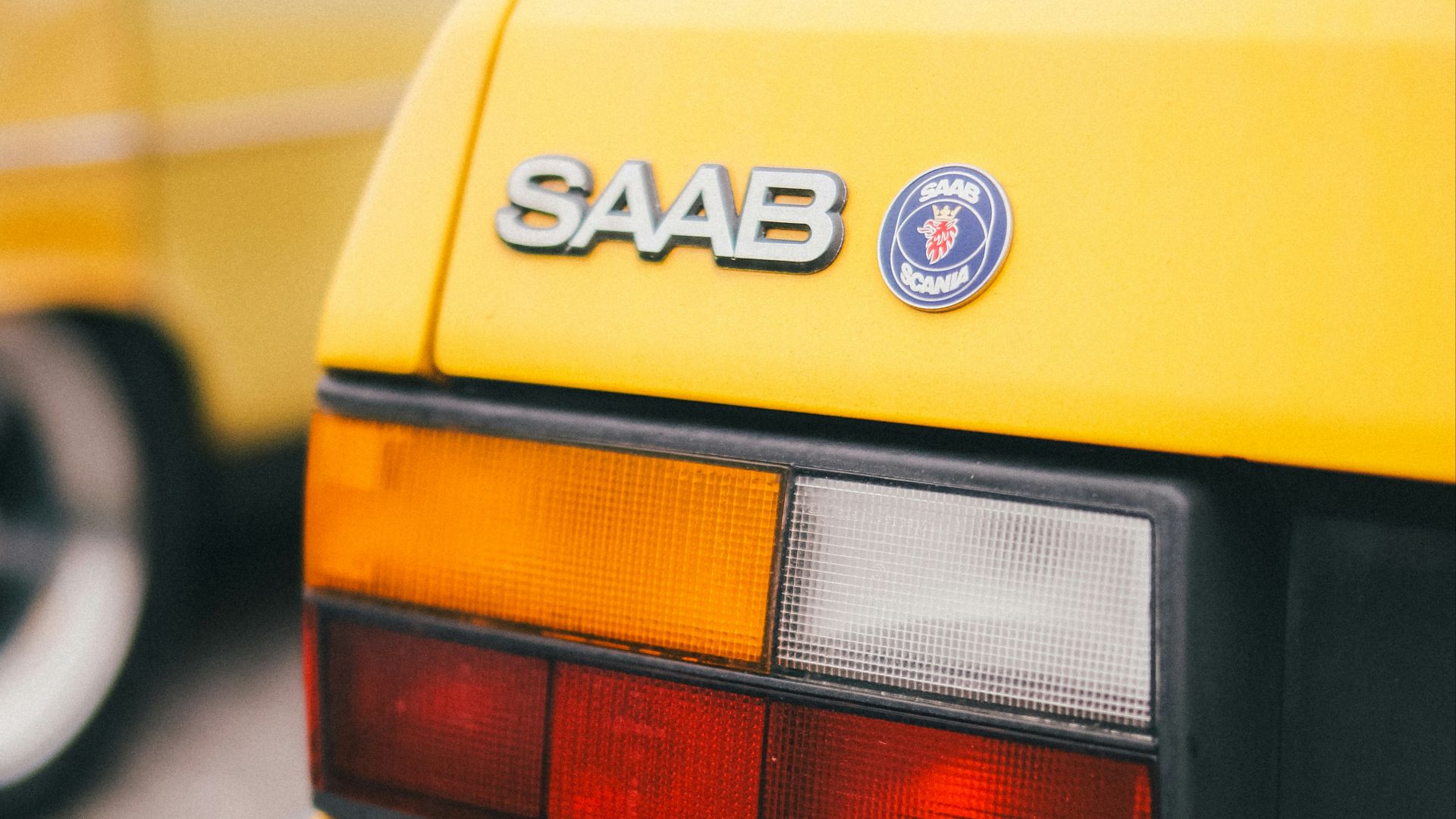
Saab built a fiercely loyal following with its quirky engineering, turbocharged performance, and Scandinavian design philosophy. Financial struggles eventually caught up with the company, leading to its collapse in 2011. Enthusiasts still admire many classic Saabs, but the brand itself has disappeared.
9. Mercury
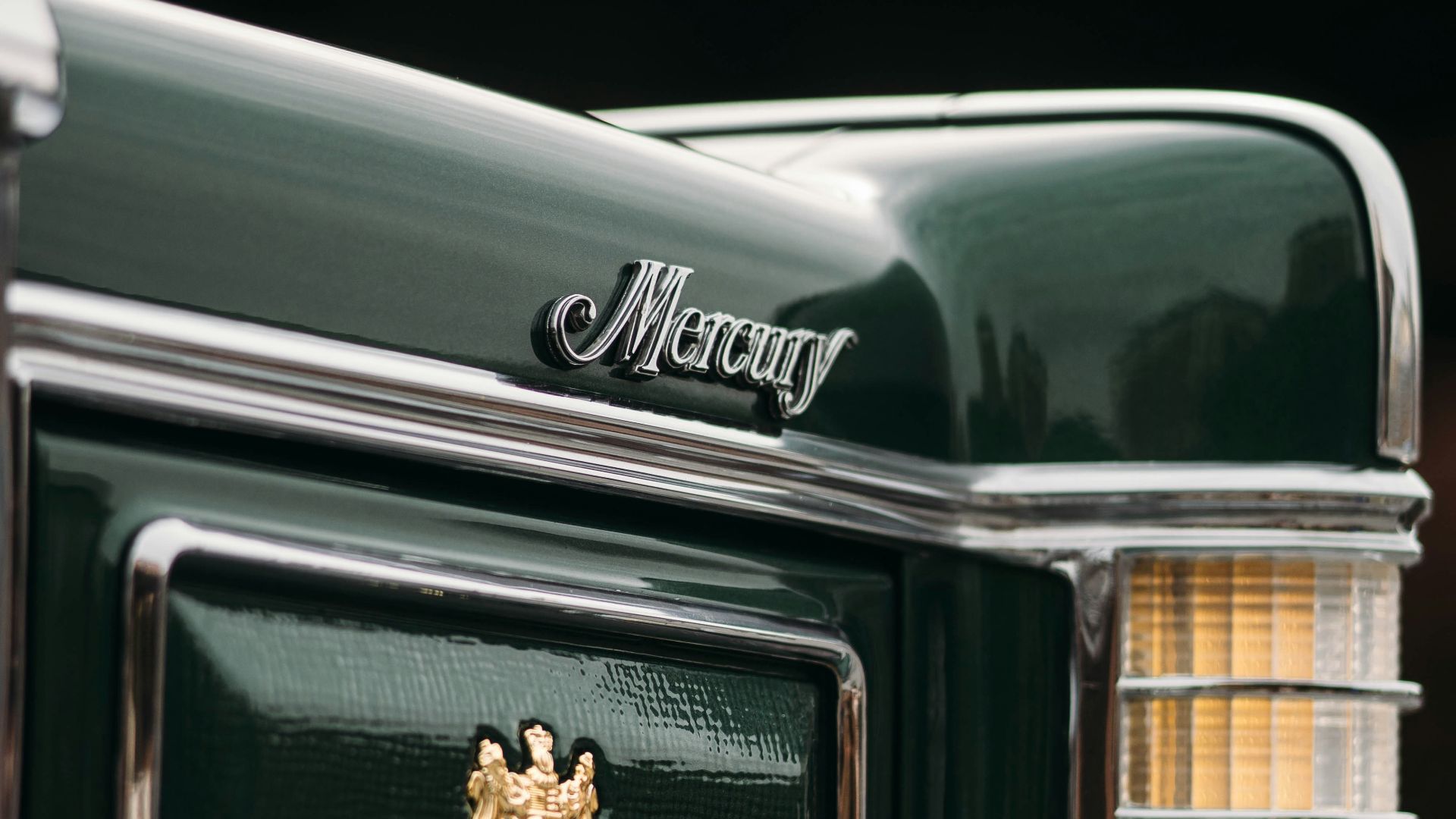
Mercury occupied the space between Ford and Lincoln for decades. As consumer tastes changed and product overlap increased, buyers struggled to see why the brand still existed. Ford ultimately discontinued Mercury in 2011. Its disappearance marked the end of a long chapter in American automotive history.
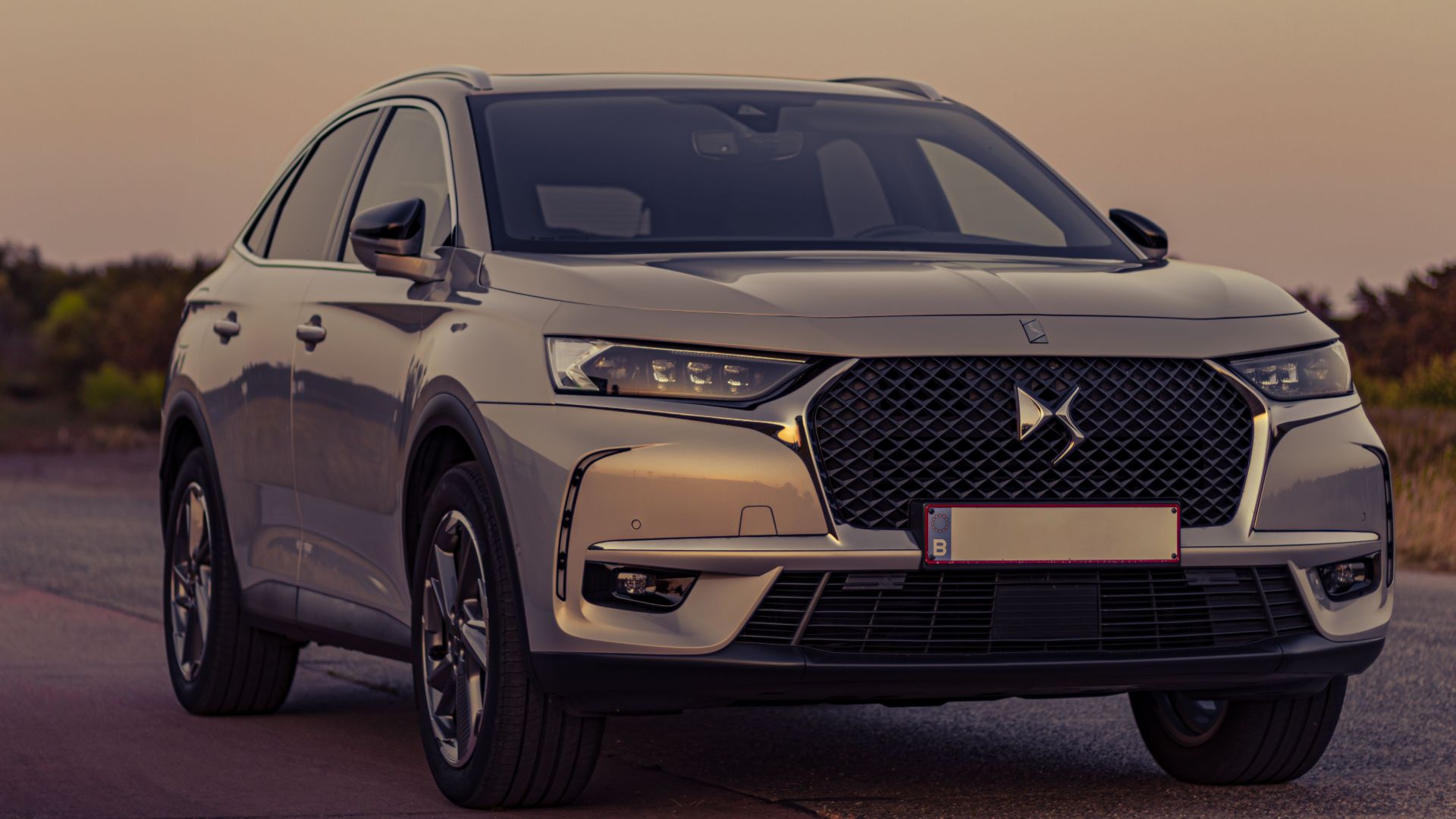
10. DS Automobiles
DS was spun off from Citroën to become a standalone French luxury brand with ambitious goals. While its interiors and styling are distinctive, it has struggled to achieve the global recognition enjoyed by established luxury manufacturers. Outside Europe, many buyers are barely familiar with the name.
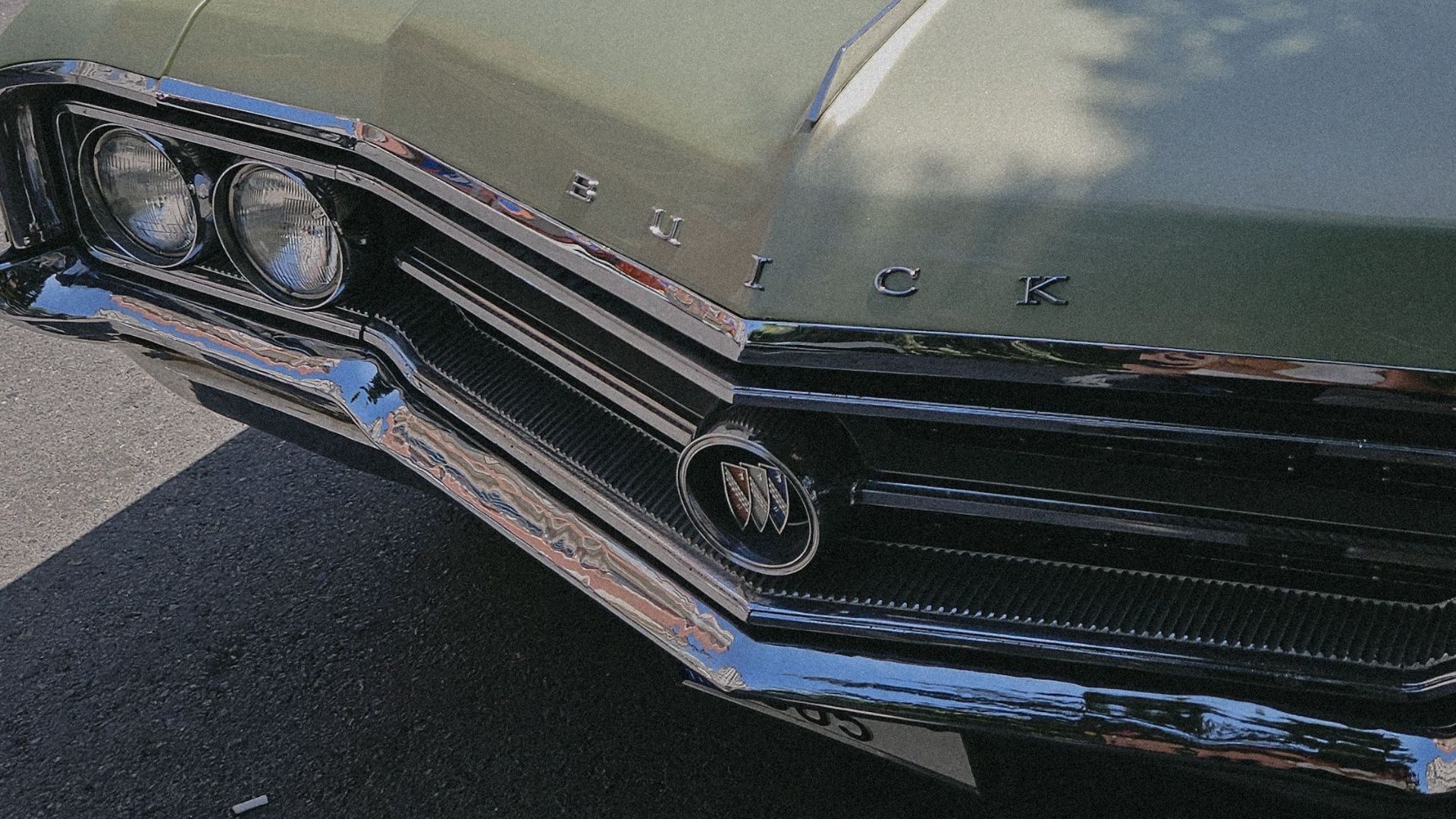
11. Buick
Buick was once considered one of America's premier near-luxury brands. Its image became associated with older buyers for many years, making it less appealing to younger customers. Stylish SUVs have helped modernize the lineup, particularly in China, but the brand's cool factor hasn't fully returned.
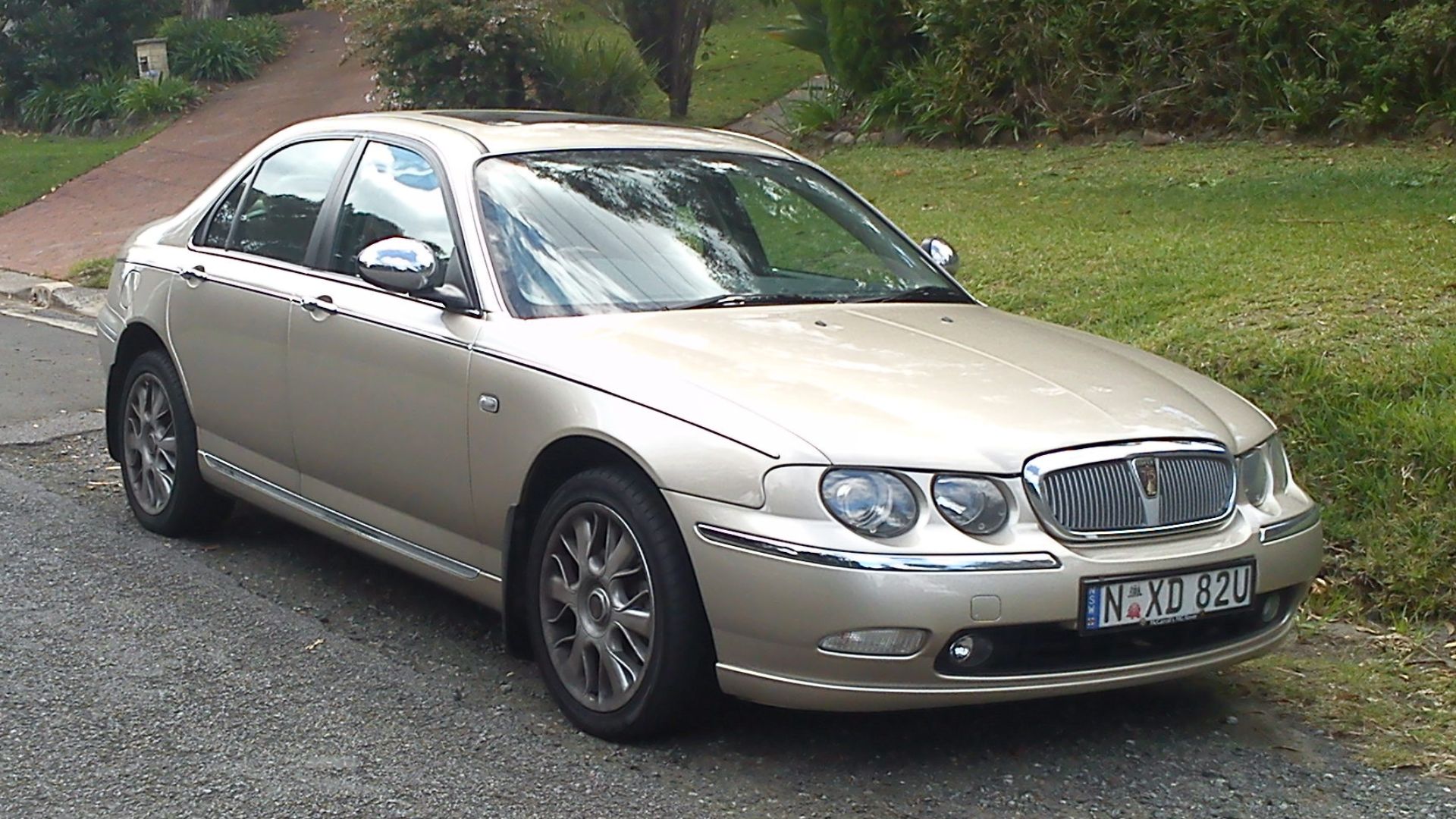
12. Rover
Before its collapse, Rover produced refined British sedans with an emphasis on comfort rather than outright performance. Years of financial instability and outdated products eventually overwhelmed the company. The Rover name disappeared in 2005, leaving behind a small but loyal group of enthusiasts.
13. Lancia
Lancia was once responsible for some of the most innovative and successful rally cars ever built. Unfortunately, decades of shrinking product offerings and limited international sales dramatically reduced its influence. The legendary Delta Integrale remains a performance icon, but the brand itself faded from global relevance.
14. Imperial
Imperial was once Chrysler's answer to Cadillac and Lincoln, offering massive luxury sedans packed with premium features and distinctive styling. During the 1950s and 1960s, owning an Imperial was a clear sign that you'd made it. As competition intensified and Chrysler struggled to distinguish the brand from its regular lineup, Imperial gradually lost its prestige before being discontinued for good in 1983.
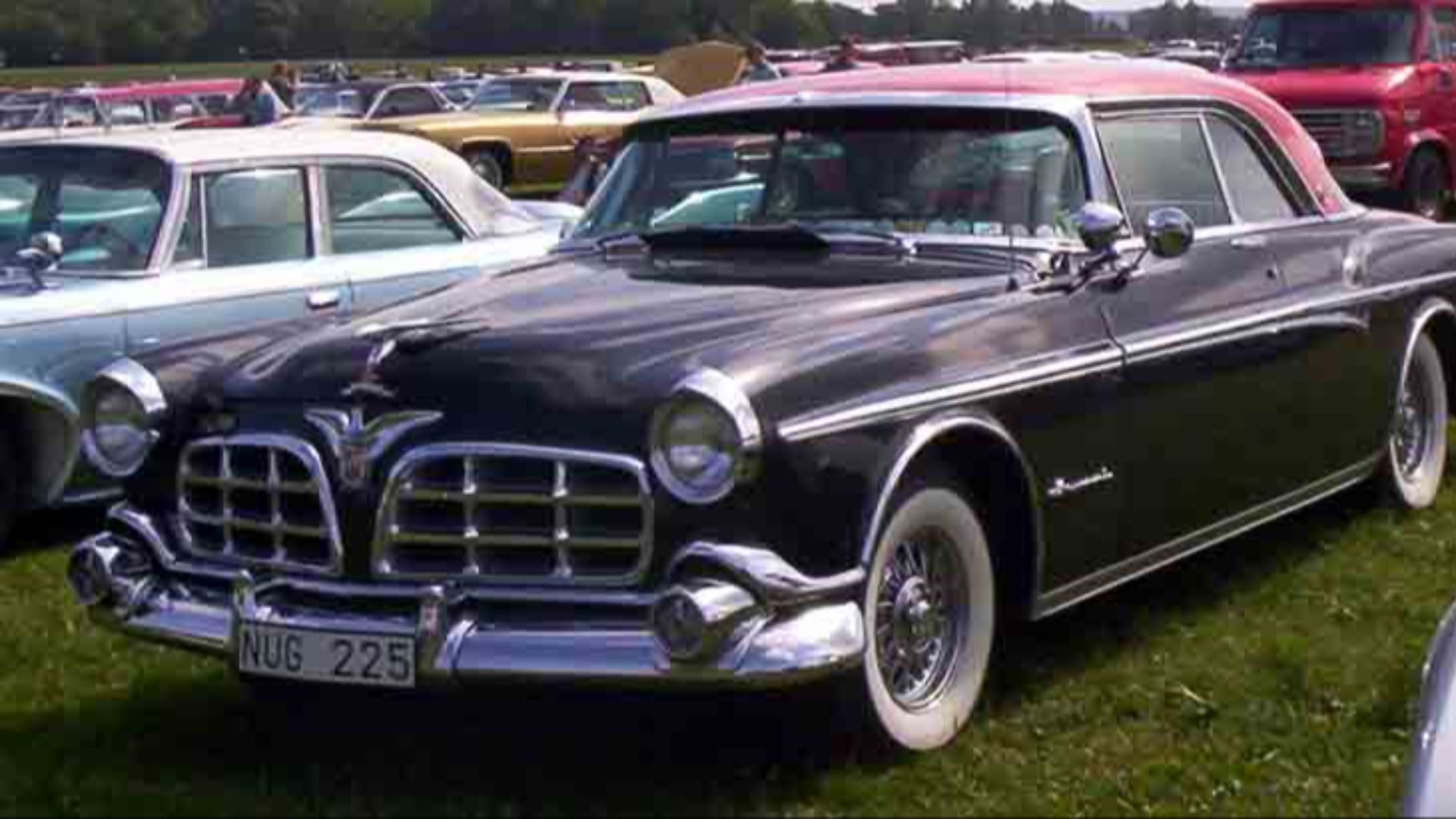 Lars-Göran Lindgren Sweden on Wikimedia
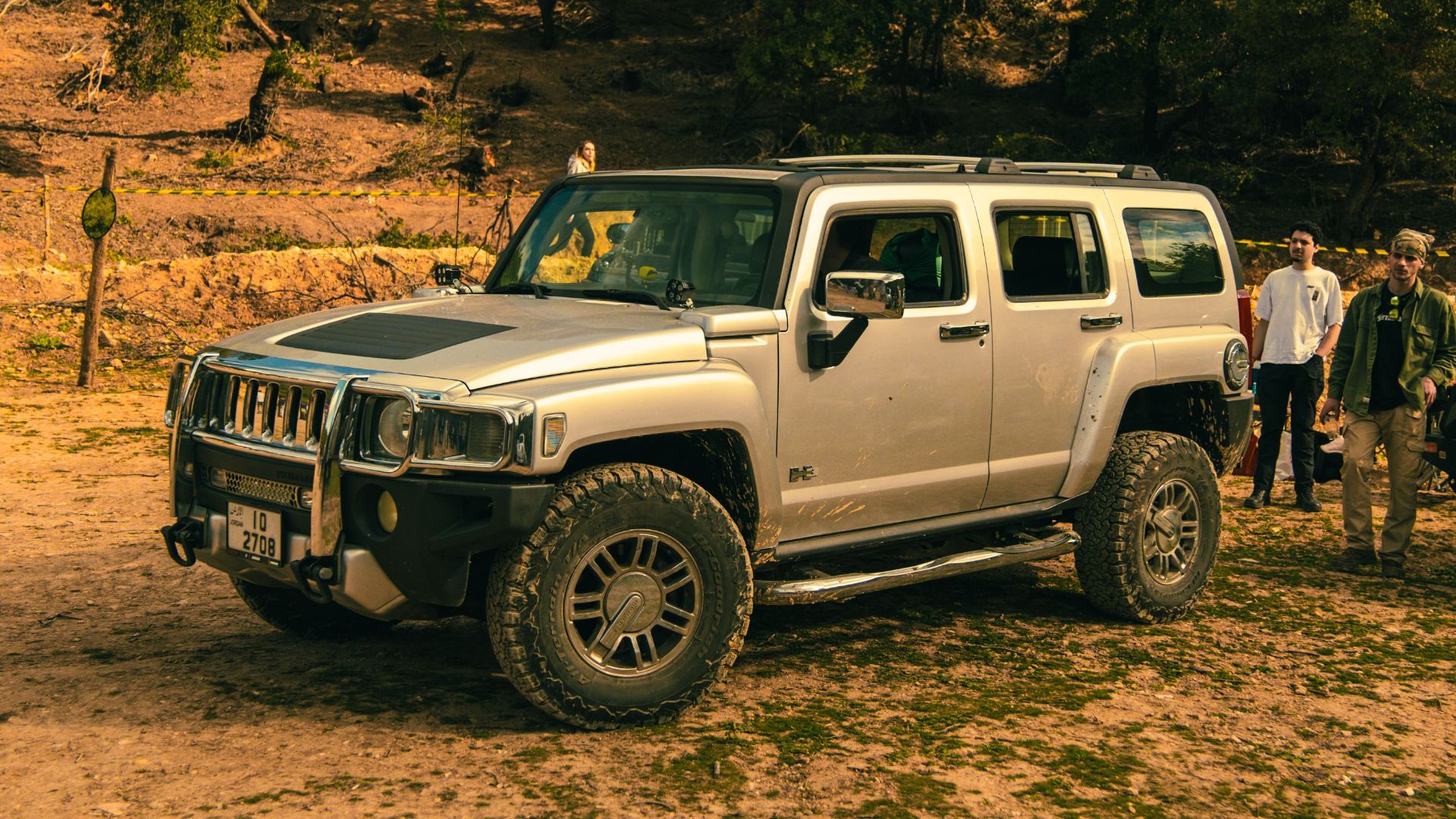
15. Hummer
Hummer was once the ultimate symbol of excess, attracting buyers who wanted the biggest SUV on the road. Rising fuel prices and changing environmental attitudes quickly made those vehicles less fashionable. The electric GMC Hummer has revived the name, but it represents a completely different philosophy.
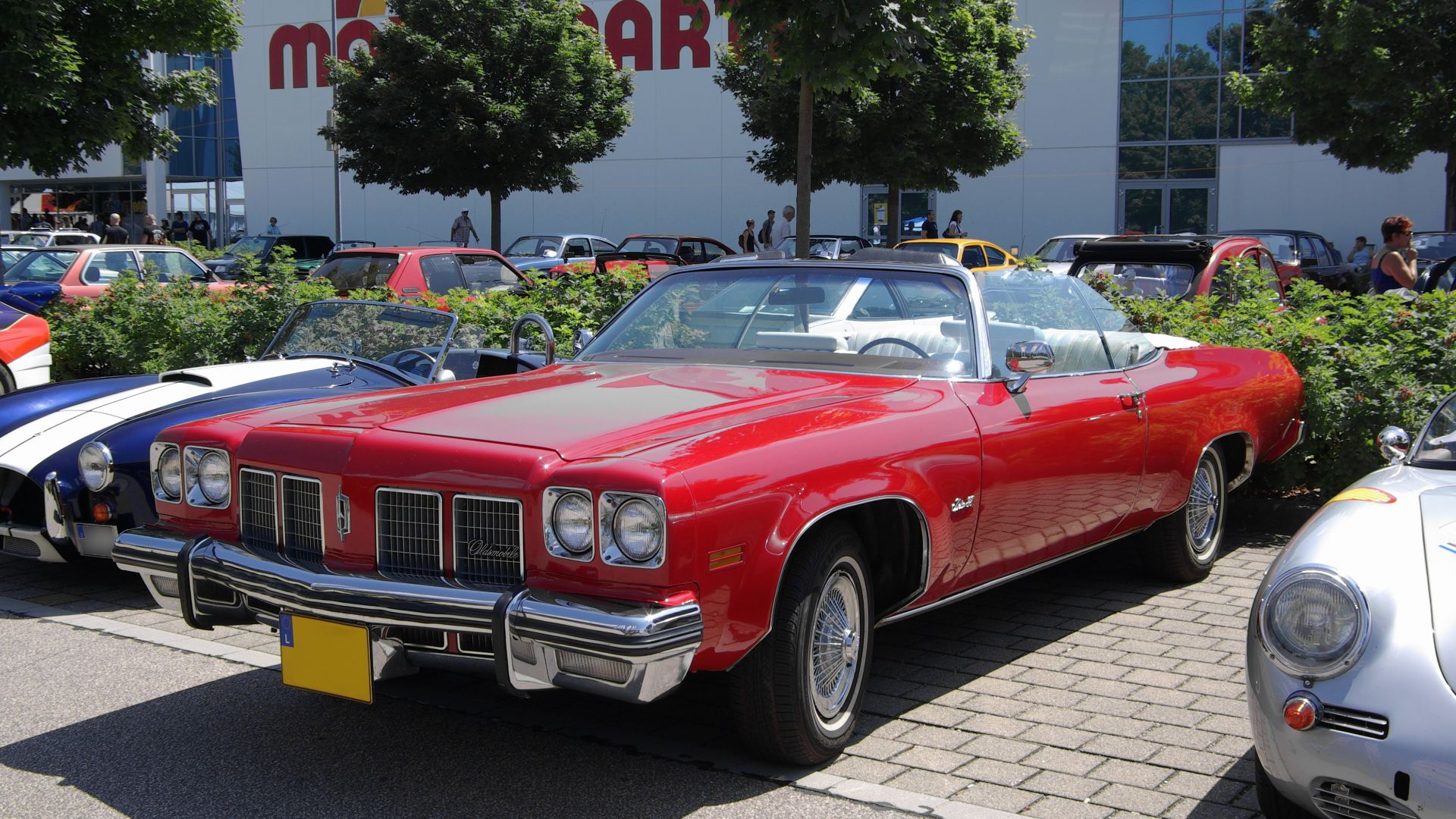
16. Oldsmobile
Oldsmobile was once one of America's most respected premium automakers, producing innovative cars that blended comfort, performance, and cutting-edge technology. Models like the Toronado, 442, and Ninety-Eight gave the brand genuine prestige and made it a desirable step up for many buyers. As the lineup became increasingly similar to other General Motors brands, Oldsmobile gradually lost its distinct identity and struggled to attract younger customers.
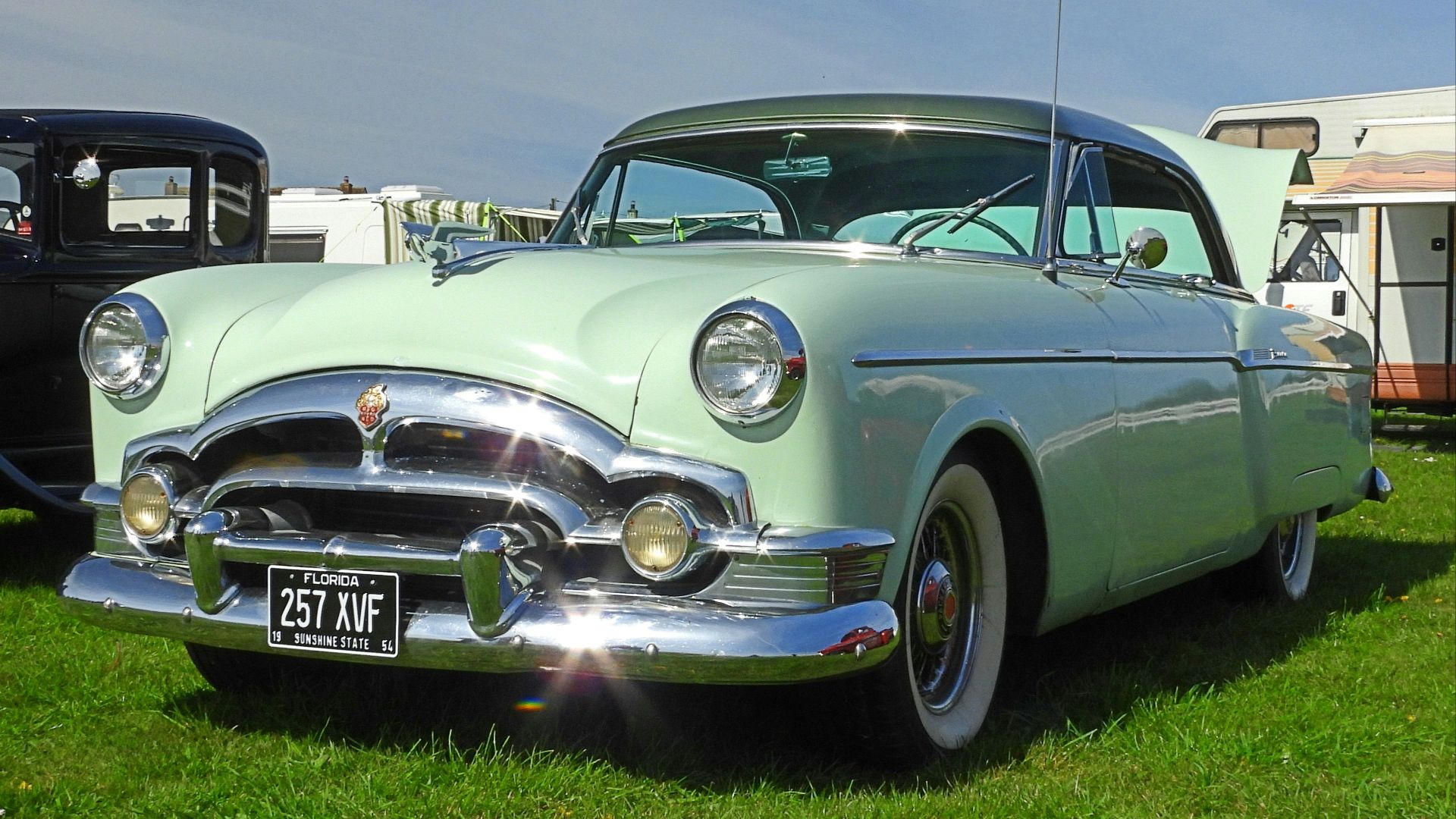
17. Packard
Packard was once one of America's most prestigious luxury automakers, competing directly with Cadillac, Lincoln, and even Rolls-Royce for affluent buyers. Its elegant styling, smooth engineering, and famous slogan, "Ask the Man Who Owns One," made it a true status symbol during the first half of the twentieth century. Financial struggles, shifting consumer tastes, and a troubled merger with Studebaker gradually eroded the brand's reputation before production ended in 1958.
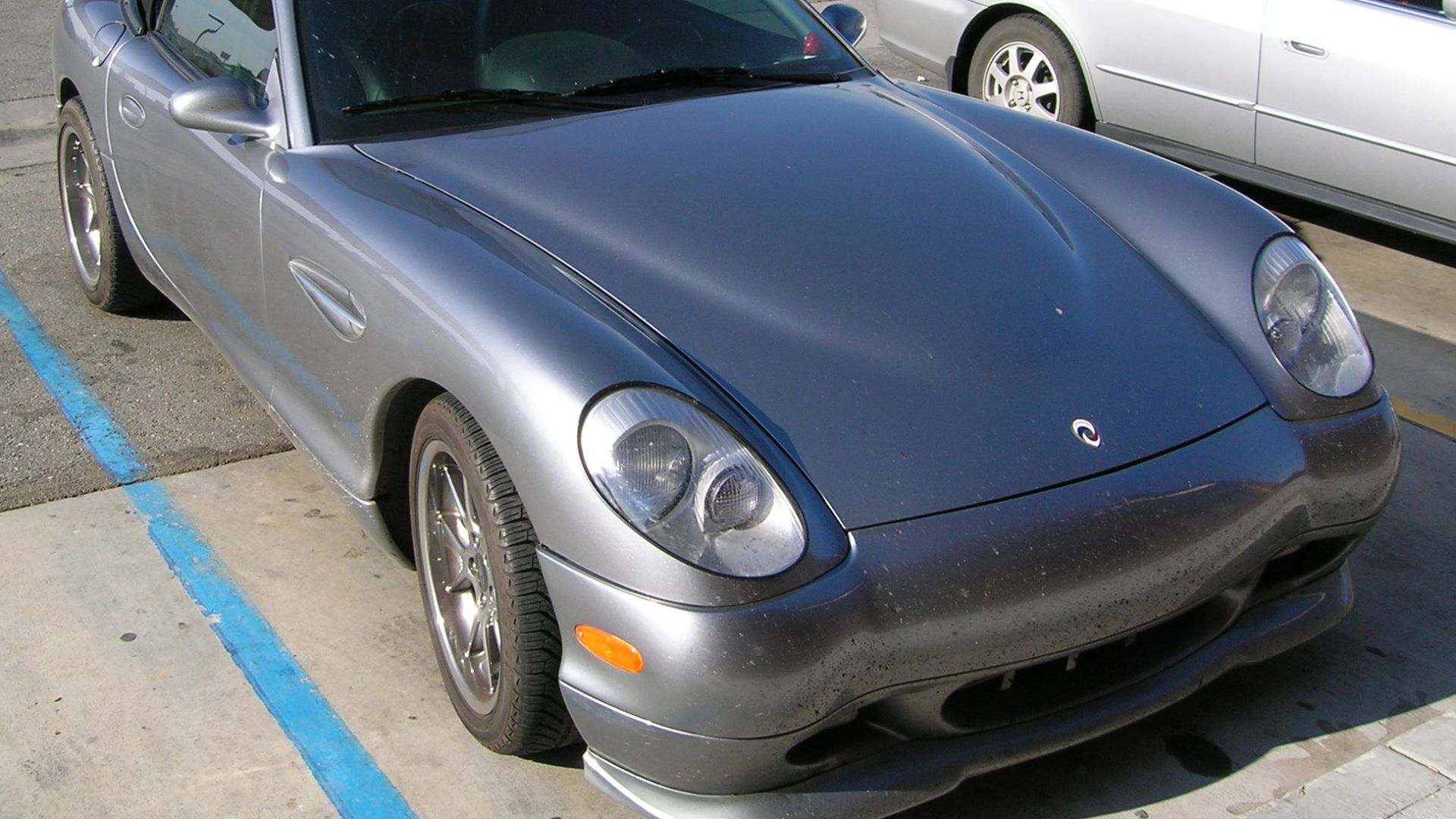
18. Panoz
Panoz produced exclusive hand-built sports cars that appealed to dedicated enthusiasts. Despite impressive racing credentials, the company never achieved the recognition of brands like Aston Martin or Ferrari. Limited production kept the cars rare, but it also limited broader awareness. Today, Panoz is more of a cult favorite than a mainstream luxury name.
19. Volvo
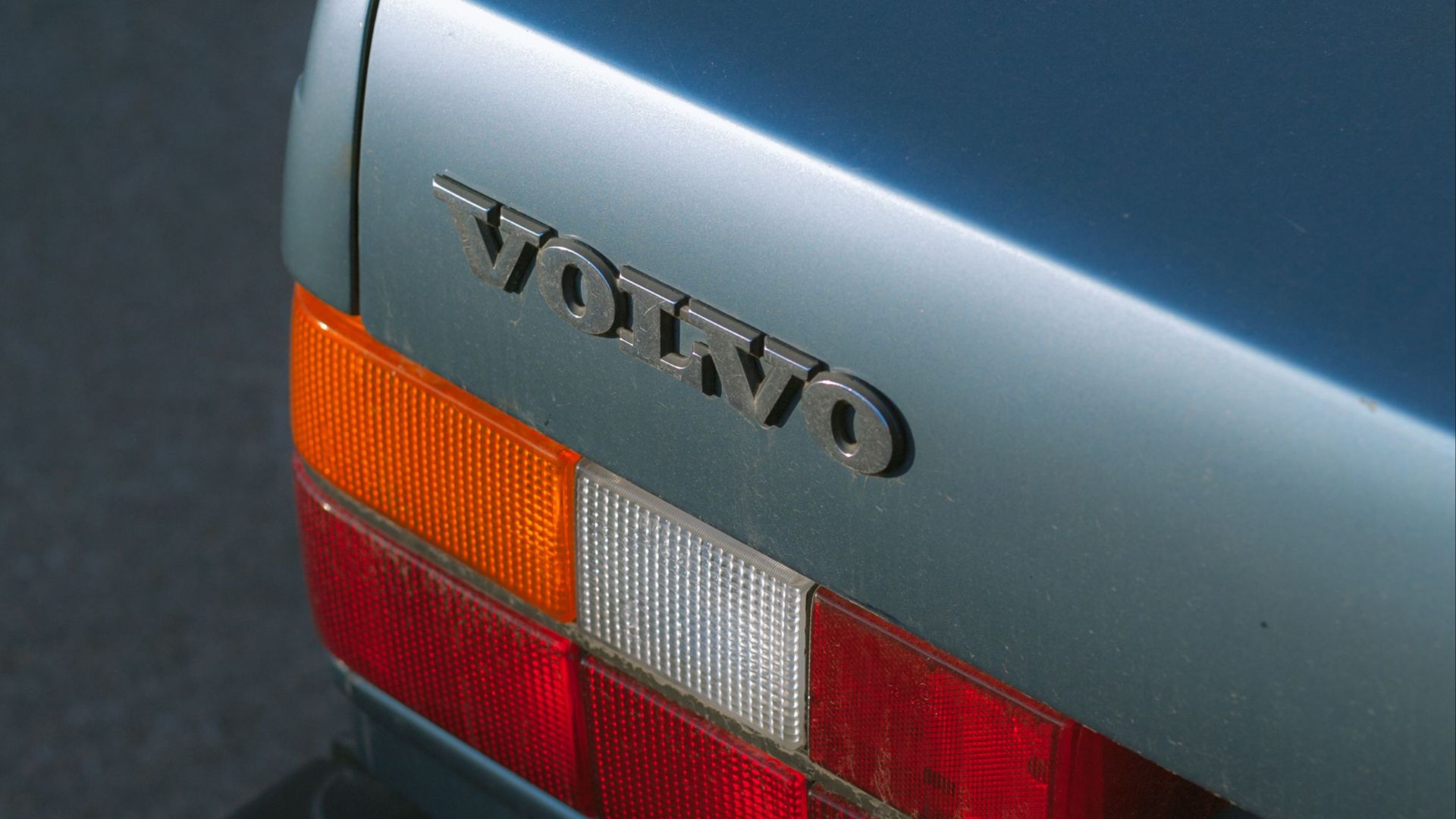
Volvo was once one of the most coveted premium European brands, earning a reputation for combining safety, understated luxury, and surprisingly exciting performance models like the 850 T-5R and V70 R. Its boxy wagons and sedans developed a loyal following that appreciated their durability and distinctive Scandinavian character. Although today's Volvos are beautifully designed and packed with technology, the brand has shifted toward quiet sophistication instead of cool factor.
20. Rolls-Royce
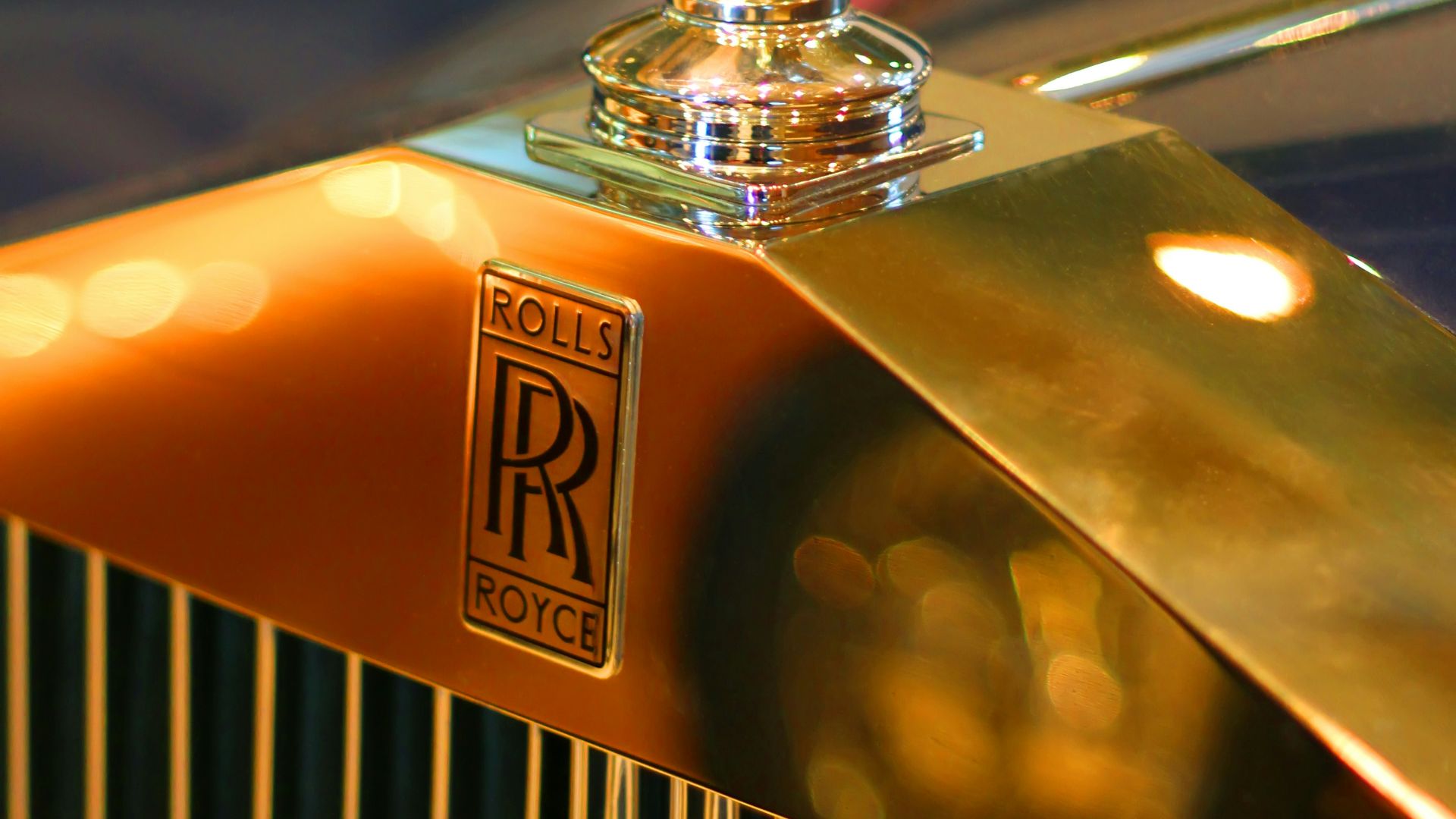
Rolls-Royce is still one of the world's most prestigious automakers, but some enthusiasts argue that its image has shifted as social media and celebrity culture have made the brand far more visible than it once was. Models like the Cullinan have broadened its appeal while also making the marque feel less reserved. The craftsmanship remains extraordinary, yet exclusivity can feel different when a luxury brand becomes part of everyday online culture.