Hunting for the Hidden Orange Plague
Shopping for a classic car is an absolute thrill, but nothing ruins the excitement of a new vintage ride faster than discovering a structural horror story hidden beneath a glossy coat of fresh paint. Sellers have decades of clever tricks up their sleeves to mask rot, using heavy undercoating, thick body filler, and strategically placed carpets to keep you from seeing the truth. If you do not want your dream project turning into a highly expensive nightmare, you need to know exactly where to look beyond the obvious fenders and rocker panels.
1. Behind the Battery Tray
Battery acid eats through paint very quickly. Since the tray rests behind the battery and is hidden by most buyers’ heads when they look under vehicles, rust spreads unchecked underneath. Find rust here, and chances are there will be a hole right into the inner fender well.
2. Under the Windshield Cowl Vent
The metal grates directly below your windshield wipers are designed to channel rainwater away, but they also trap wet leaves and road dirt over time. This damp debris sits quietly inside the dark cowl. Sellers frequently paint over the top grates while leaving the rotted internal chambers completely untouched.

3. Inside the Spare Tire Well
Door seals don’t last forever, and water will leak into your spare tire well and pool due to gravity. The area inside spare tire wells rots like crazy since they’re essentially metal buckets full of stagnant water under your trunk carpeting. Remove the spare to inspect!
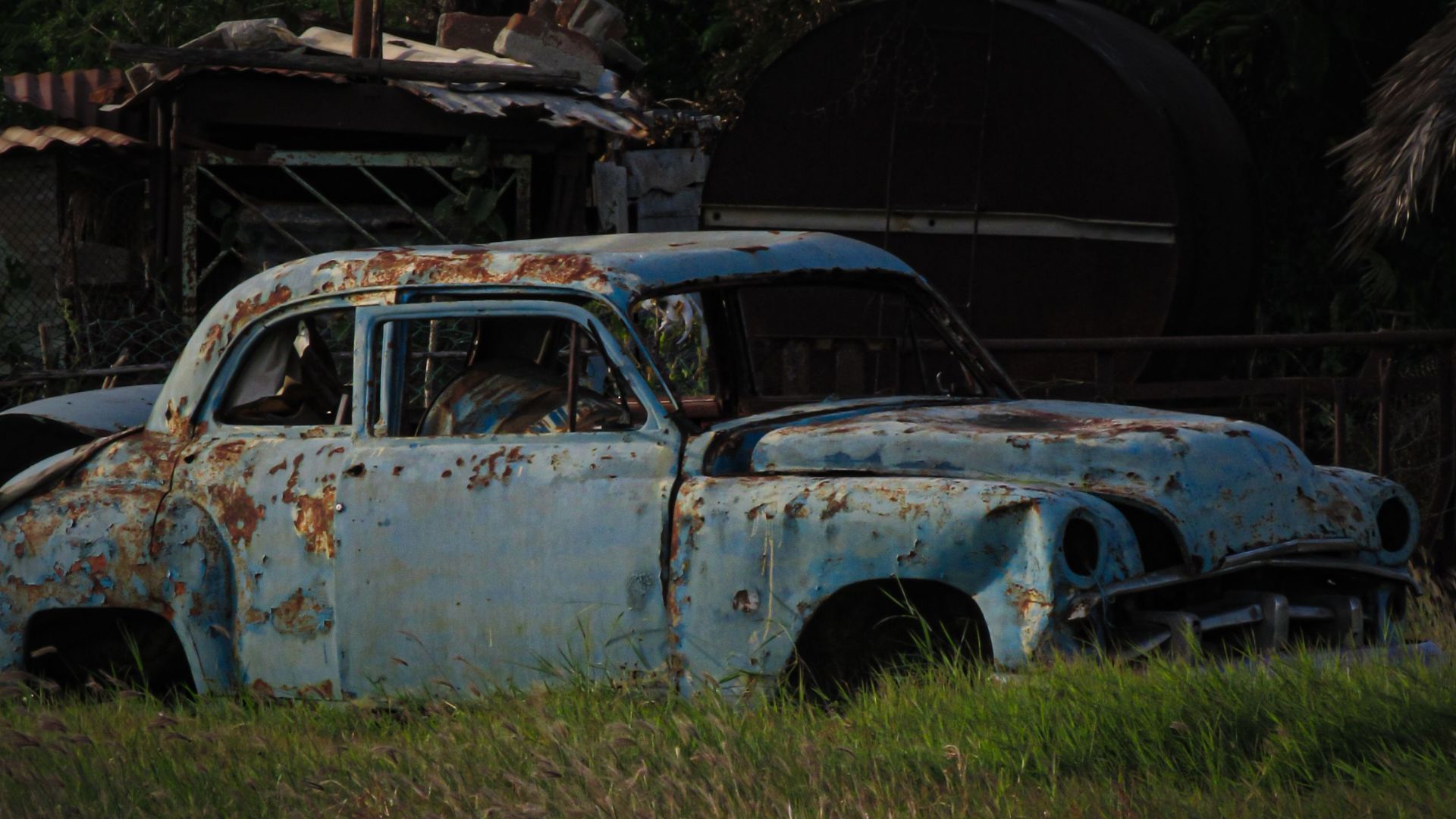
4. Beneath the Floorboard Tar Mats
Many classic cars came from the factory with thick asphalt sound-deadening mats glued directly to the interior cabin floors. When water leaks in through bad window seals, it gets trapped underneath these heavy mats, rusting the floorboards from the inside out while the top looks perfectly fine. Giving the floor a firm tap from underneath the car will let you know if the metal is still solid.

5. Rear Wheel Arch Inner Lips
The inner folded lip of a rear wheel arch collects mud and salt better than the shiny outer fender. This slow destruction of the inner fender will rot the outer edge from the inside out and leave bubbled paint in its wake. Feel for crumbling metal here with your hand.
6. The Bottom of the Doors
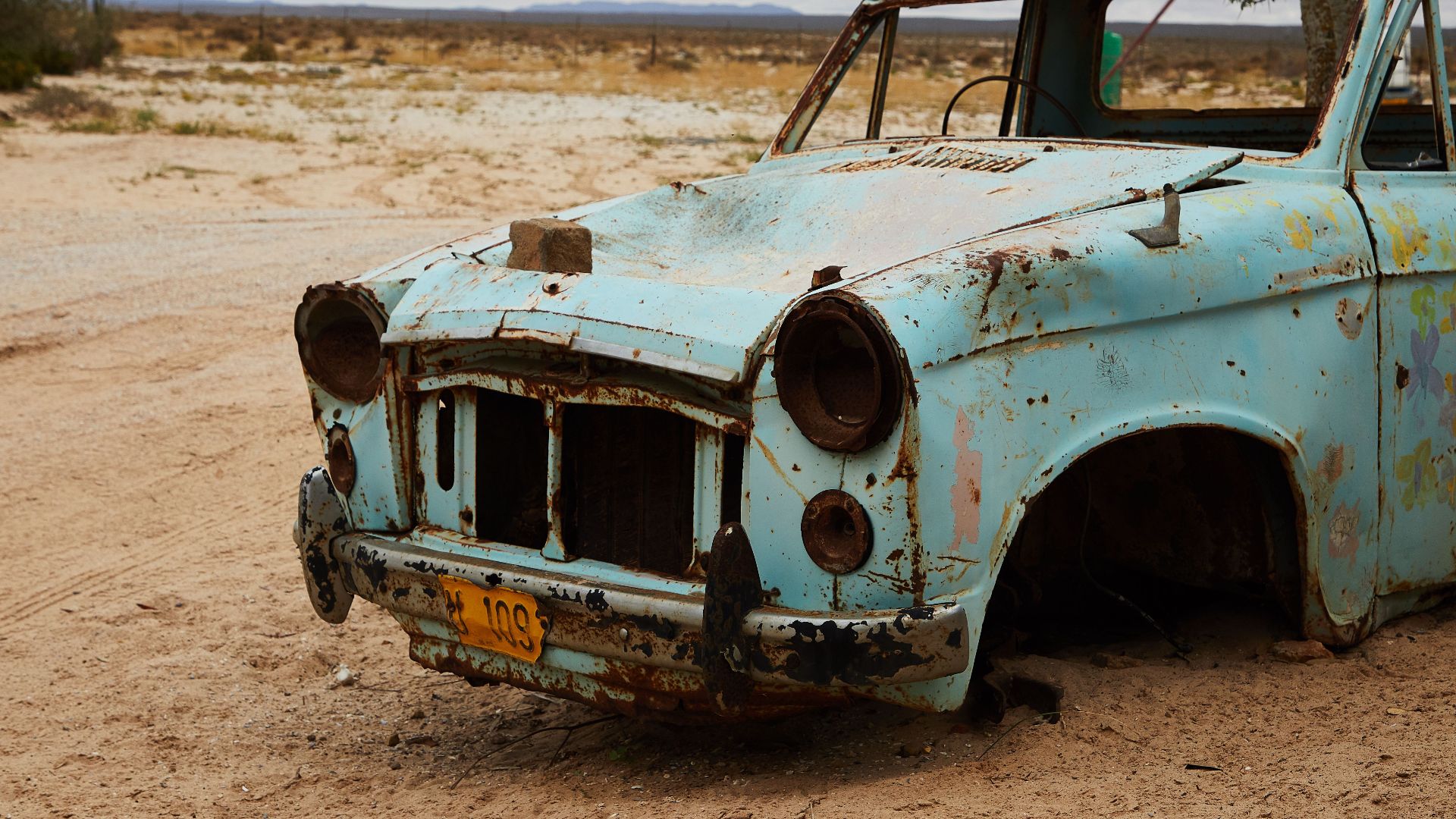
Water naturally drains through the inside of your doors when it rains, exiting through tiny weep holes located along the very bottom edge. If these drainage holes get clogged with dirt or rustproofing wax, the door shells will hold water like a bathtub and rot the bottom seams completely out. You have to get down on your knees to inspect these lowest seams.
7. Around the Windshield Gaskets
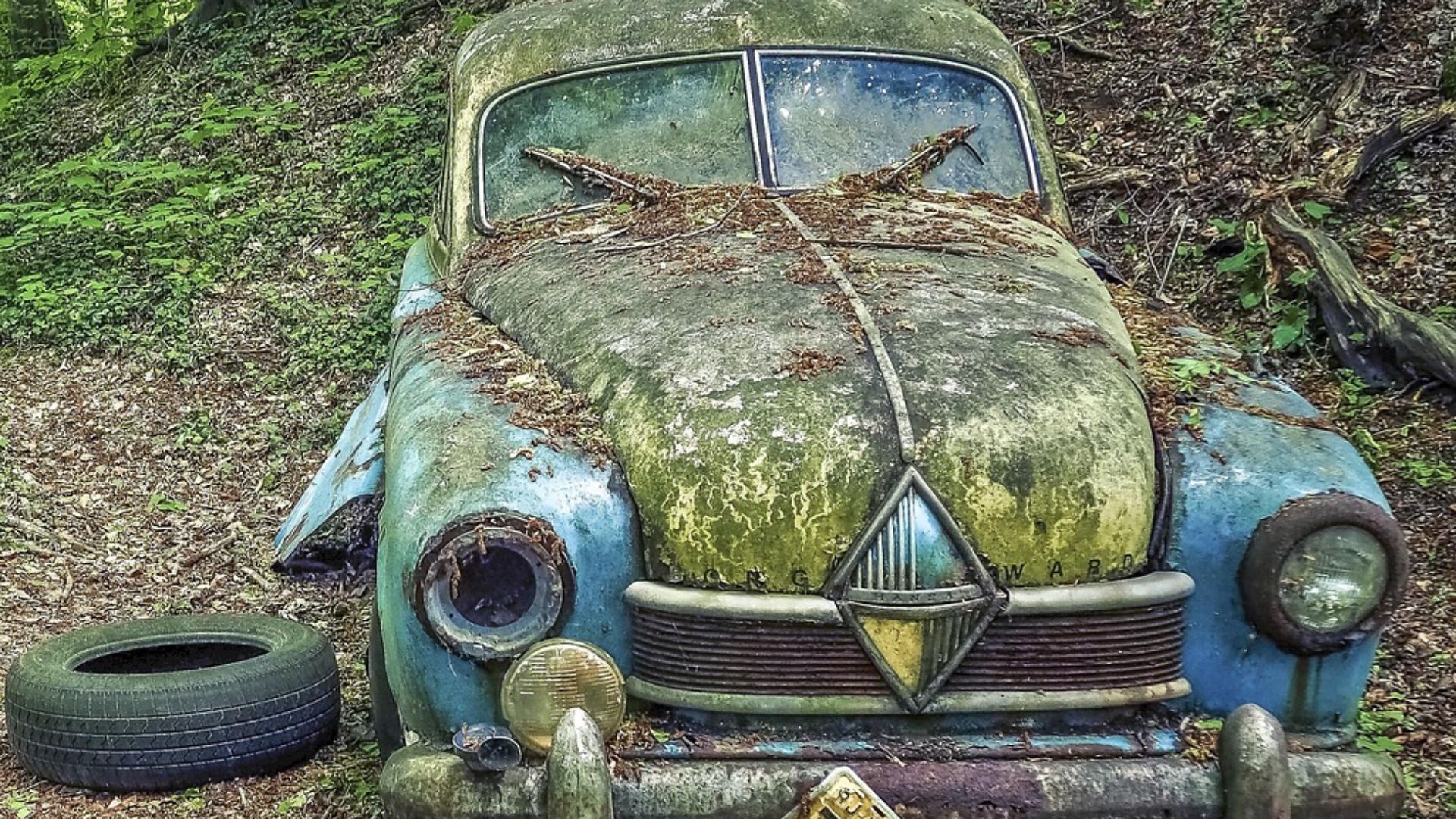
Weather causes window seals to become brittle and shrink in size. Rust forms unseen under the rubber trim until you see the final stage: bubbling paint. You can avoid glass removal costs by gently squeezing the rubber seal.

8. Frame Rails Near Suspension Mounts
Sellers frequently spray a fresh layer of black undercoating over the chassis rails to make the underside of a car look clean and restored. You need to pay extra attention to the areas where the suspension components bolt to the frame, as these high-stress points are incredibly prone to structural rot. Taking a small screwdriver to gently poke these coated areas will instantly reveal whether you are dealing with solid steel or disguised rust.
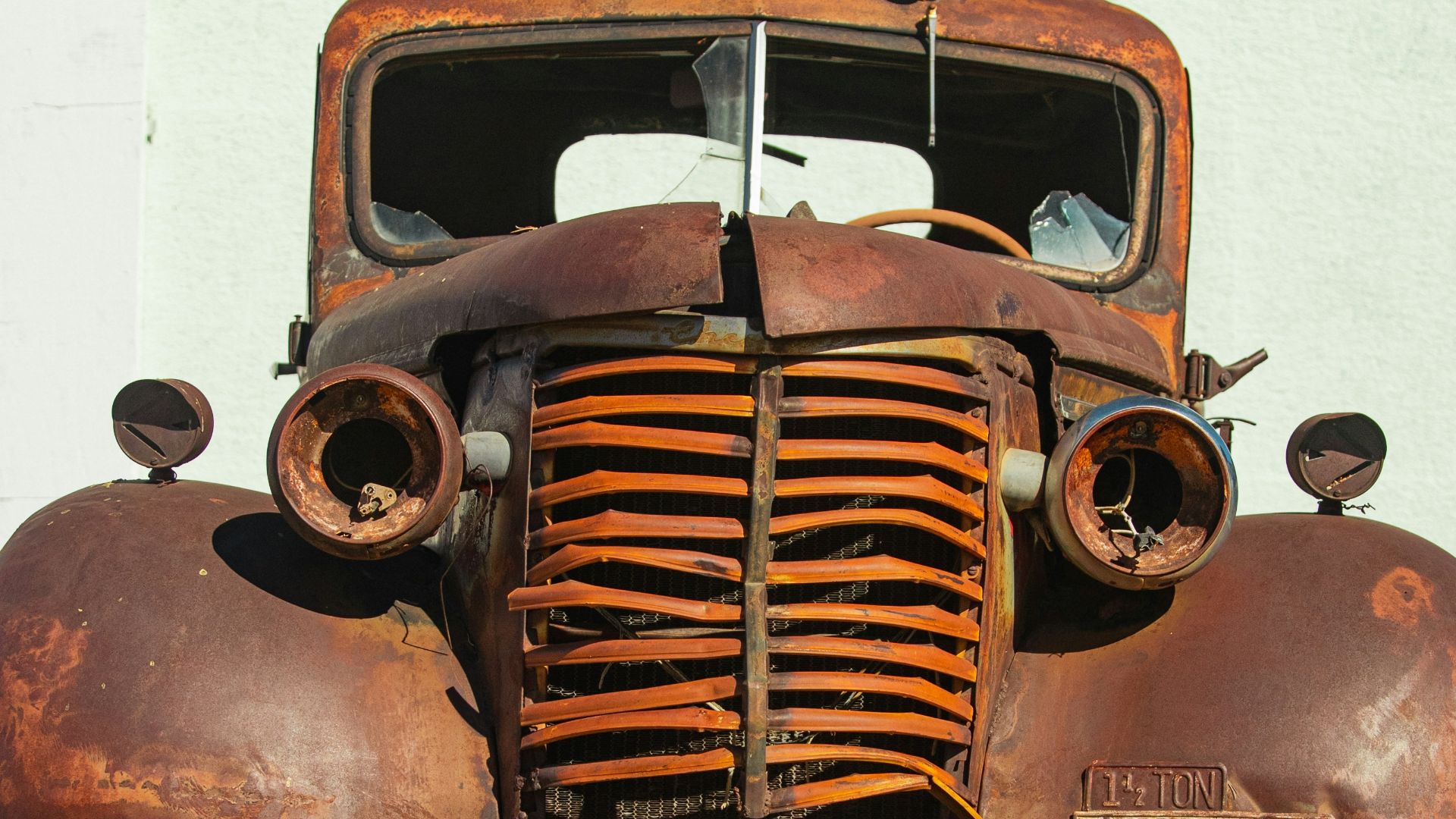
9. Headlight Buckets
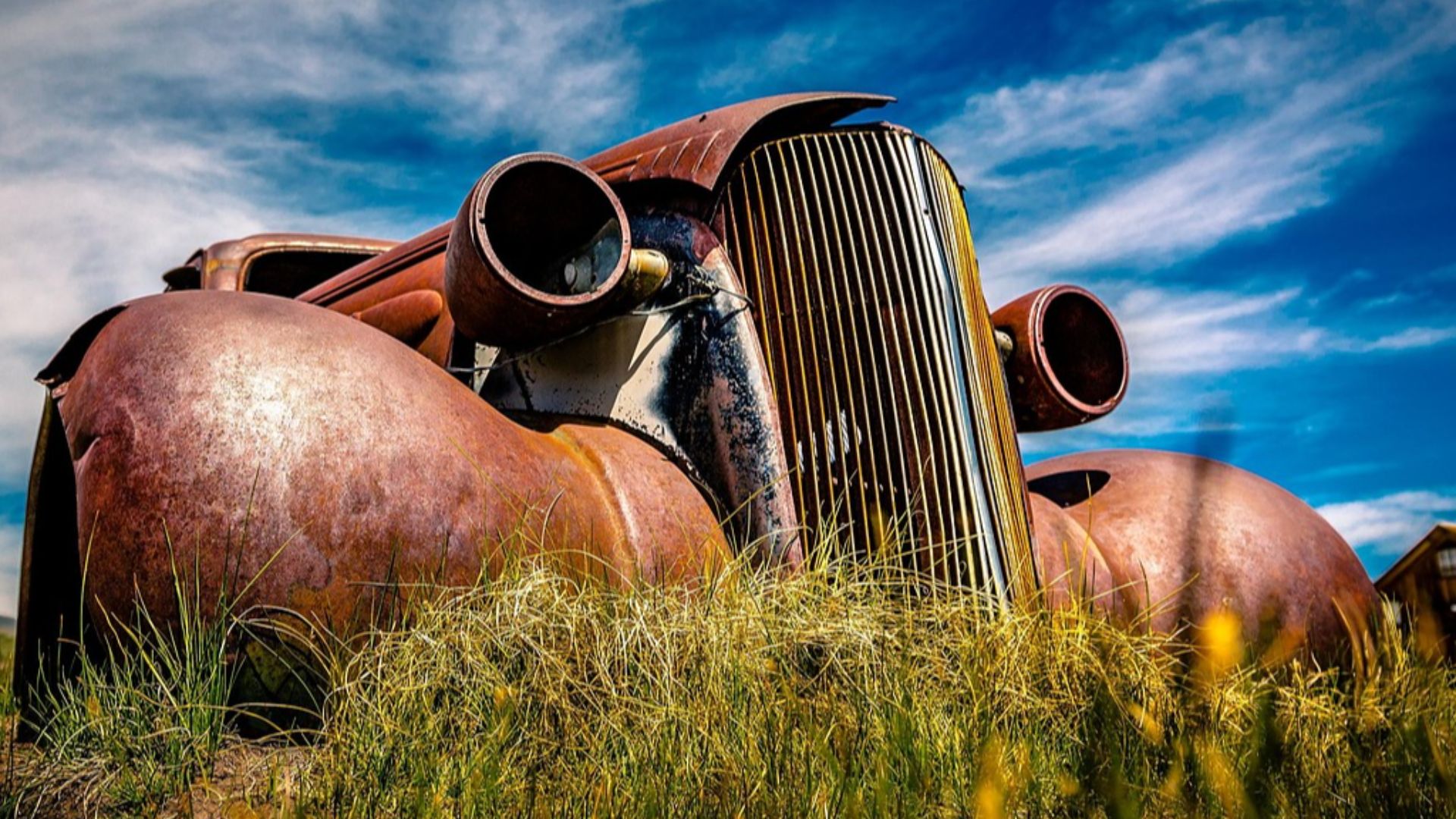
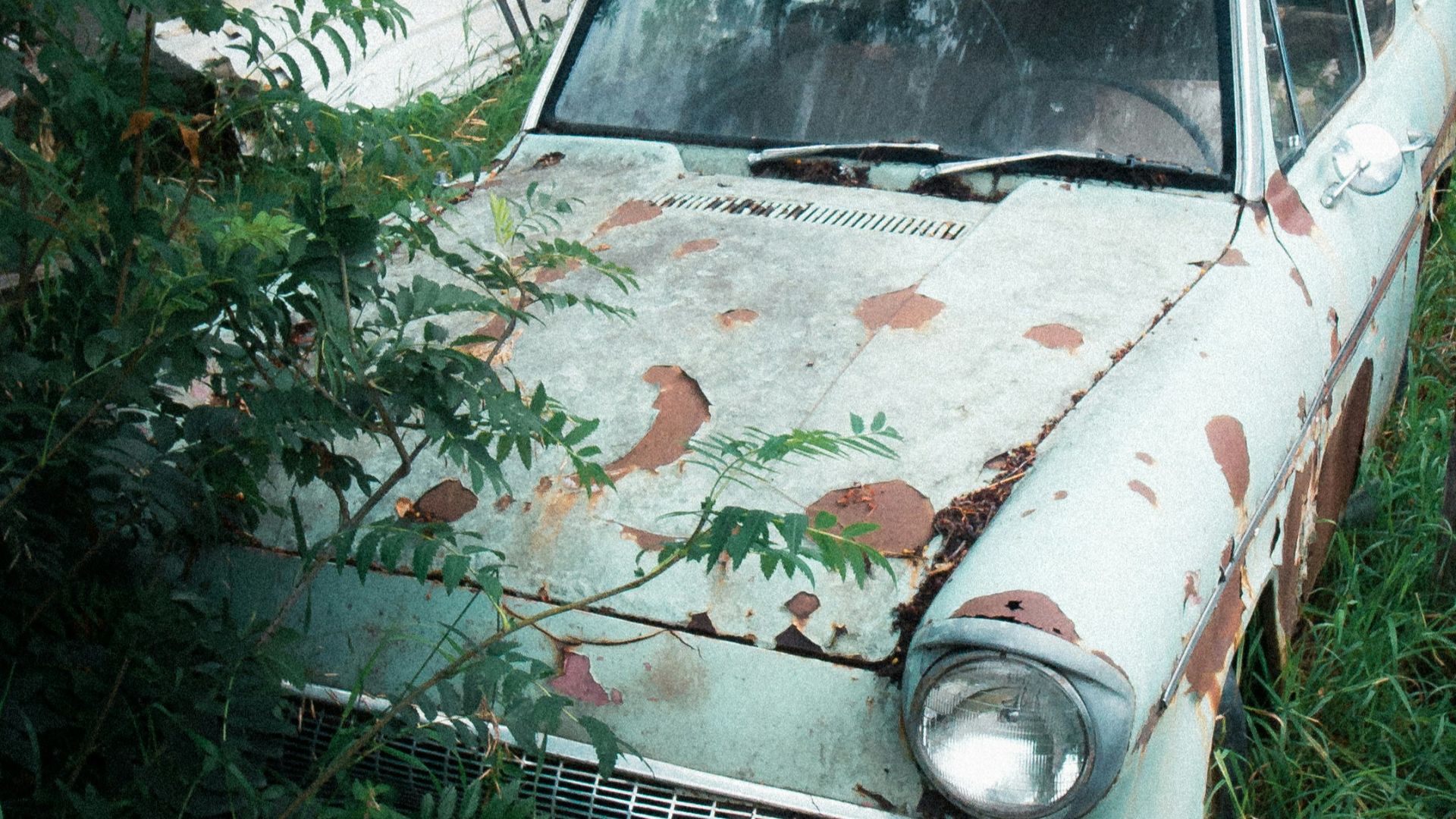
Headlights hide a lot of moisture and road crud that leads to rust. Round headlights are worse since they scoop up puddles like a shovel when it rains. Since replacing rot here requires glass removal, look closely behind that shiny grille!

10. The Fuel Tank Straps and Mounts
Moisture easily gets trapped between the metal fuel tank and the steel straps that hold it securely to the vehicle's underside. Since these parts are tucked away out of sight, they can easily corrode to the point of structural failure without anyone noticing. You should give the straps a gentle shake to ensure they are still firmly anchored to solid, healthy metal.
11. Seat Mount Reinforcement Plates
Many times, rust can occur around your seat brackets from dampness inside your floors. Carpets hide it well, but get yourself in the seat and bounce around! If your seats feel insecure, chances are road rock has been eating away at that metal.

12. Rear License Plate Recesses
Pocketed areas designed to hold license plates often lack proper drainage, meaning road spray and rain will pool behind the plate bracket for years. Sellers rarely bother to unscrew the plate before selling, making it the perfect place to hide bubbling metal and crude body filler. Asking the seller to pop the plate off for a minute can reveal a lot about how they cared for the bodywork.
13. T-Top and Sunroof Drain Channels
Tops with drainage tubes have crevice areas where moisture eats metal slowly but steadily. Water dumps inside your pillars if the tube becomes damaged or falls off. Look for staining high on your doors near the top of the window frame.
14. Inner Rocker Panels
Rocker panels are the long metal sills running directly beneath your car doors, and they are critical to the overall structural integrity of the chassis. While the outer cosmetic covers might look fantastic, the inner boxes are often completely hollow and highly susceptible to internal rust. You should inspect the back of these panels from underneath the vehicle to ensure they have not been filled with expanding foam and painted over.

15. The Base of the C-Pillars
The back sections of the roof pillars are prone to trapping water. If your vehicle has a vinyl top, water will leak through and settle on the metal inside. Vinyl tops are porous and allow water to saturate the metal underneath.
16. Front Subframe Crossmembers
Low-slung engine crossmembers frequently scrape against high-speed bumps, scraping off protective paint and exposing raw steel to the elements. These heavy structural pieces can rust thin from the inside out if they are hollow and trap moisture. You should always check these lowest chassis points for heavy scaling.
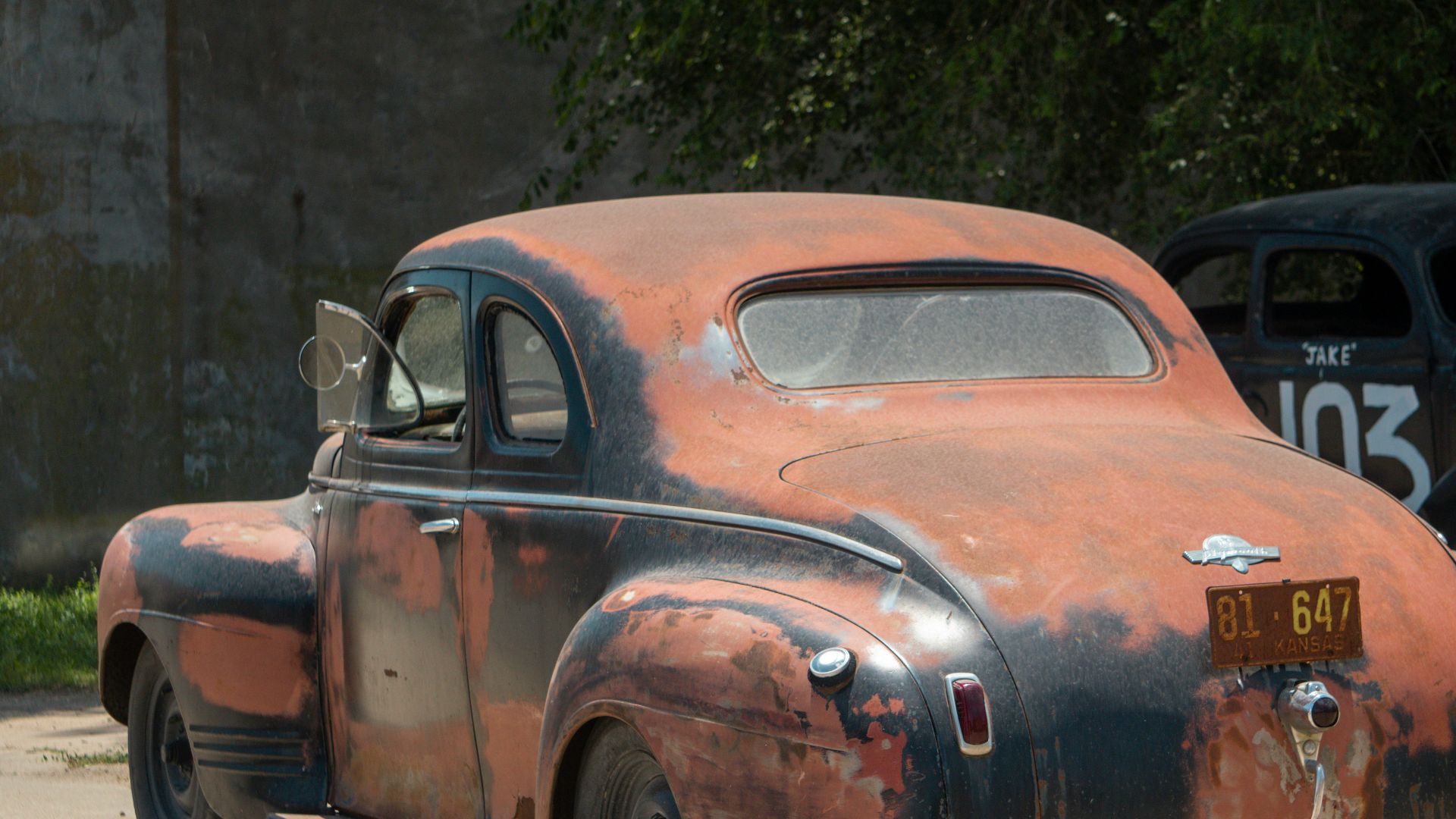
17. Around the Gas Cap Housing
Fuel filler necks usually sit inside a recessed metal pocket that is highly prone to catching dirt, water, and spilled gasoline during fill-ups. The fuel spills strip away the paint over time, allowing rust to take hold in the tight crevices surrounding the neck. Inspecting this area closely will tell you if you are going to need a patch panel around your gas cap.
18. Inside the Quarter Panel Extensions
Inner extensions that hold taillights or chrome garnishes on your trunk corners trap water. Water pools in these areas and hides from view due to the tight spaces. Look closely for bubbling or filler in these pockets.

19. Heater Core Box Area
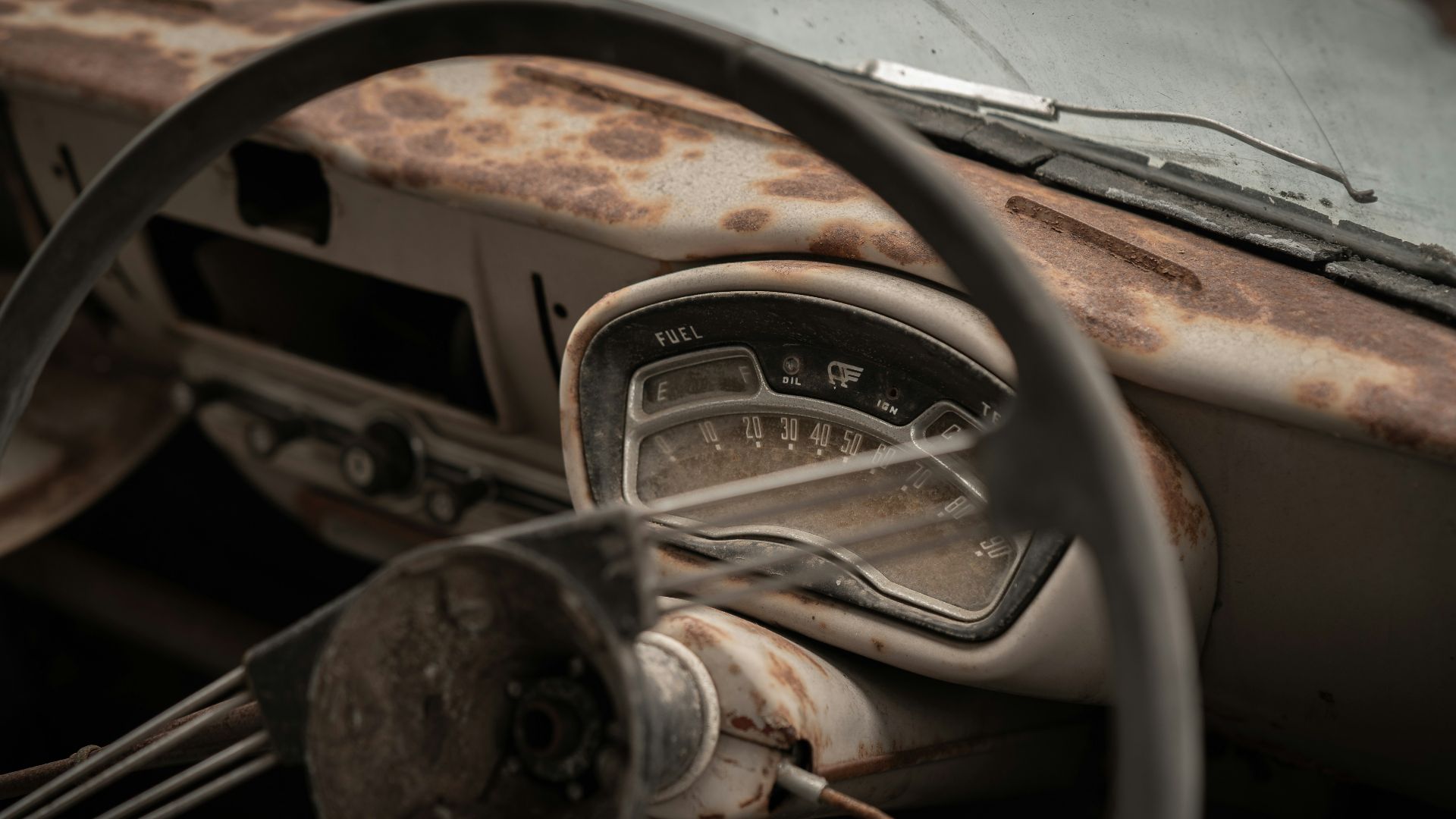
A heater core that is leaking will drip coolant onto your firewall and floorboard. Coolant will eat away at metal and remain hidden under insulation and dash padding. Smell for sweetness under your dash, and beware.

20. Bumper Mounting Points
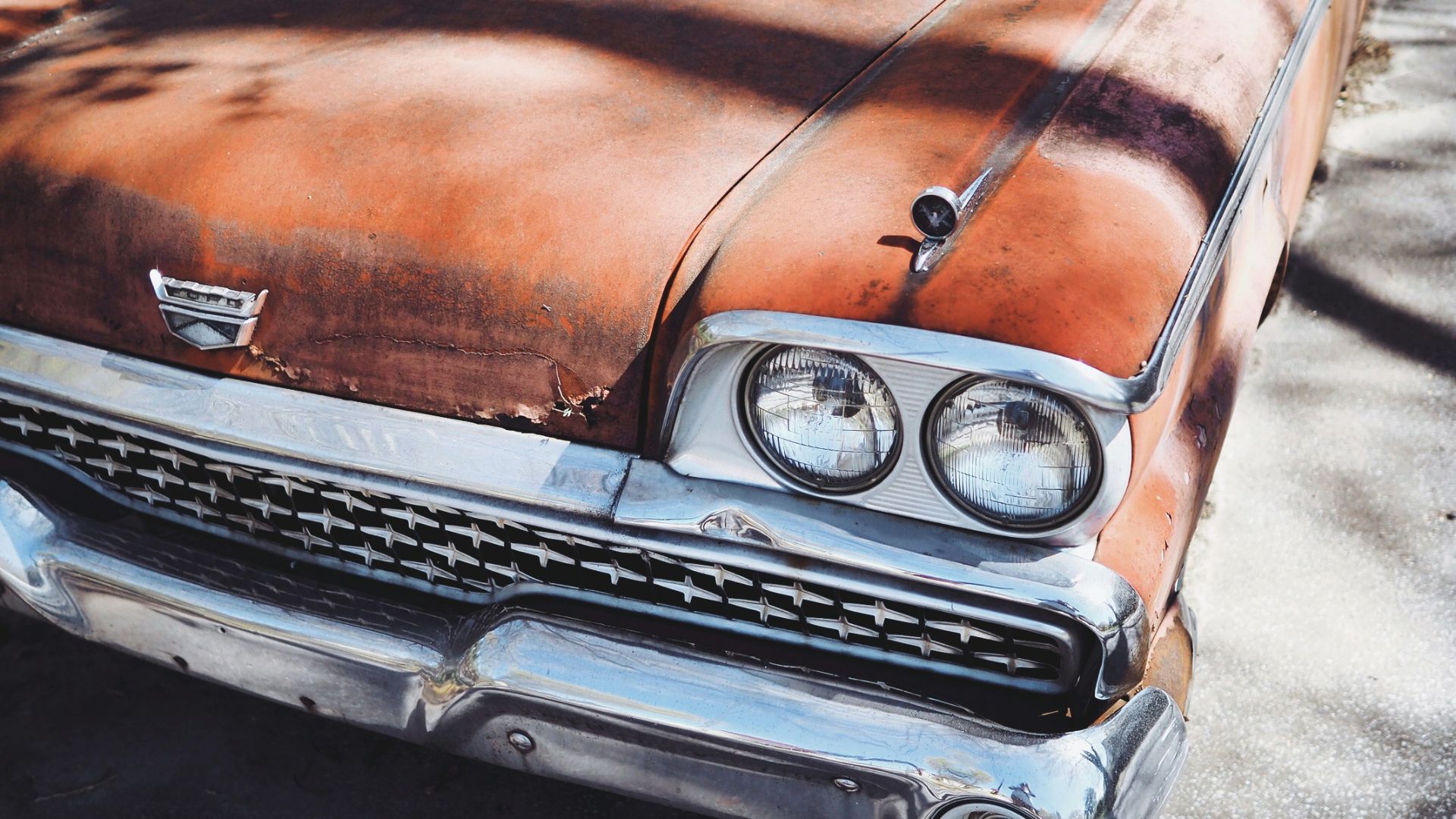
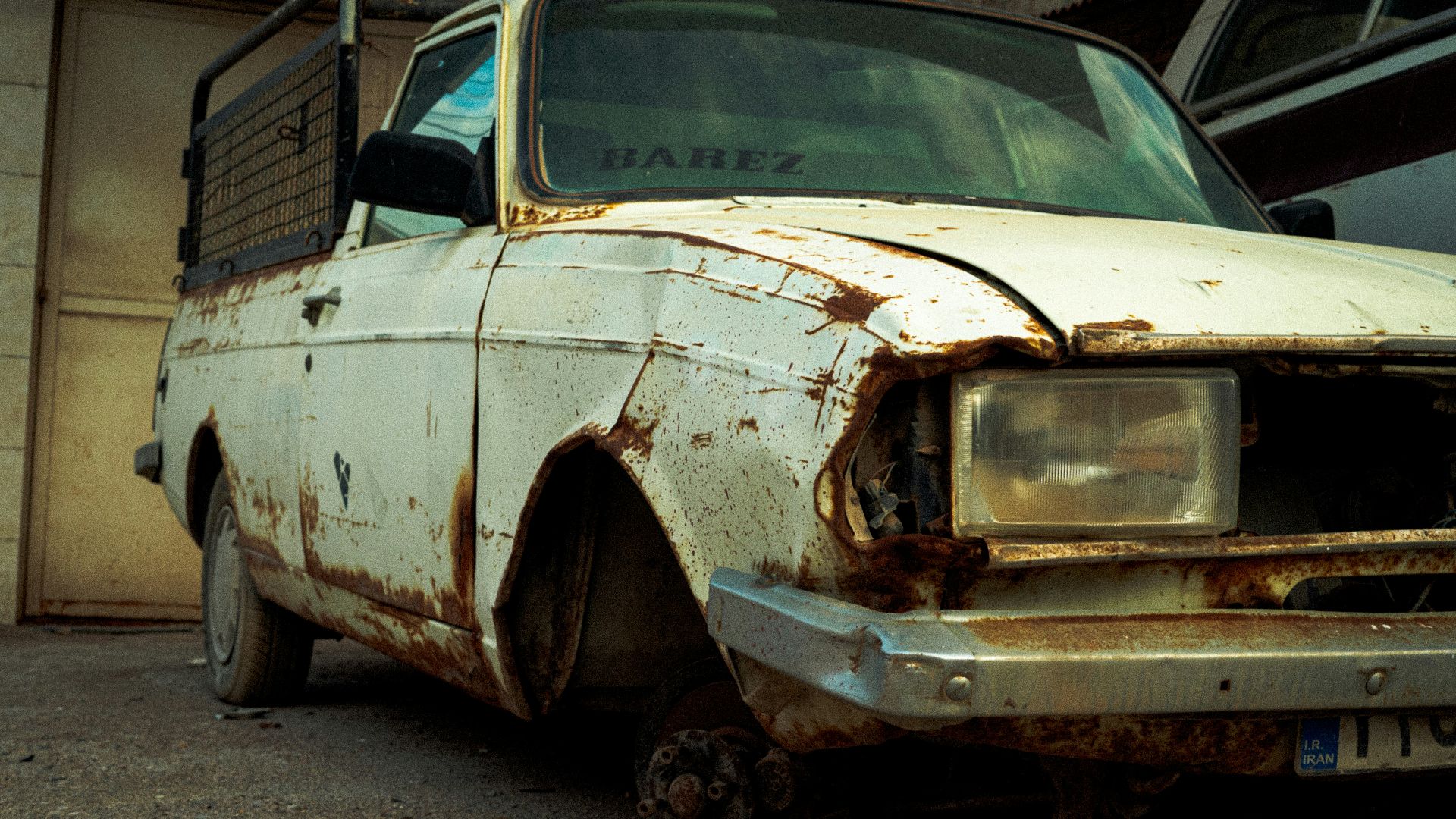
We all know the brackets that hold our bumpers get dunked in water and debris from the tires. These mounting locations are often overlooked but can be hidden traps for rot. Reach behind those bumper faces and make sure they’re not loose.