The Charm of Yesteryear
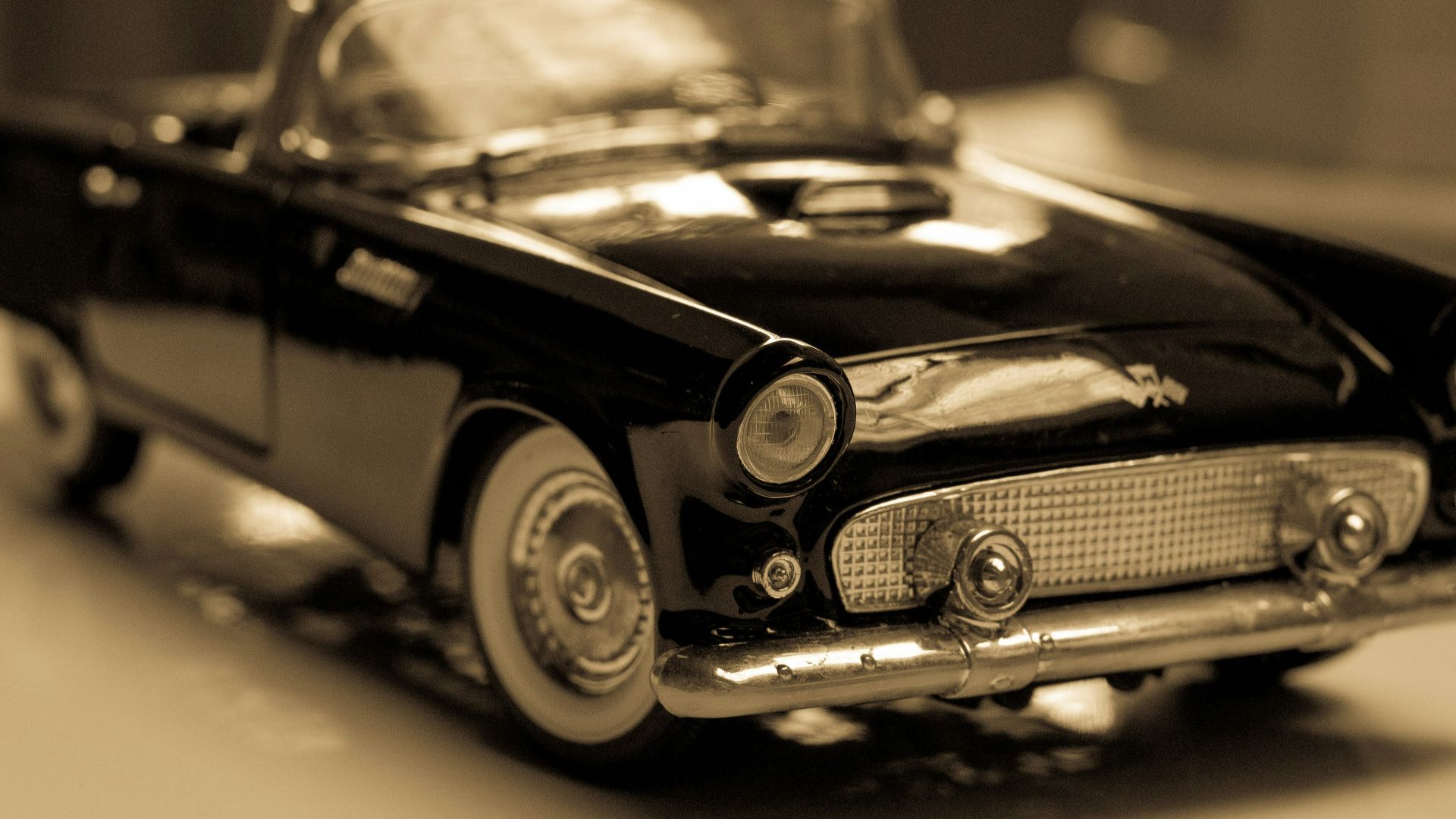
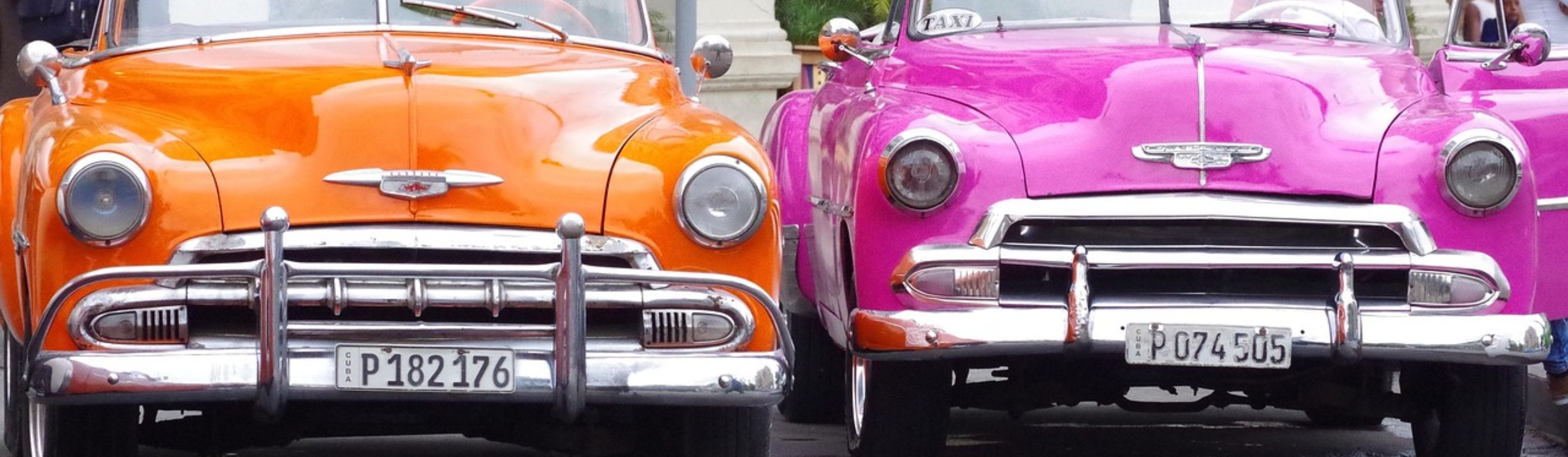
The 1950s represented a golden age of American automotive design, where engineers and artists weren't afraid to take massive risks with chrome and glass. From tailfins inspired by the jet age to interior gadgets that prioritized style over practicality, these vintage rides were packed with quirks that simply wouldn't fly in today’s streamlined market. With that in mind, here are 20 old car features worth bringing back.
1. Wraparound Panoramic Windshields
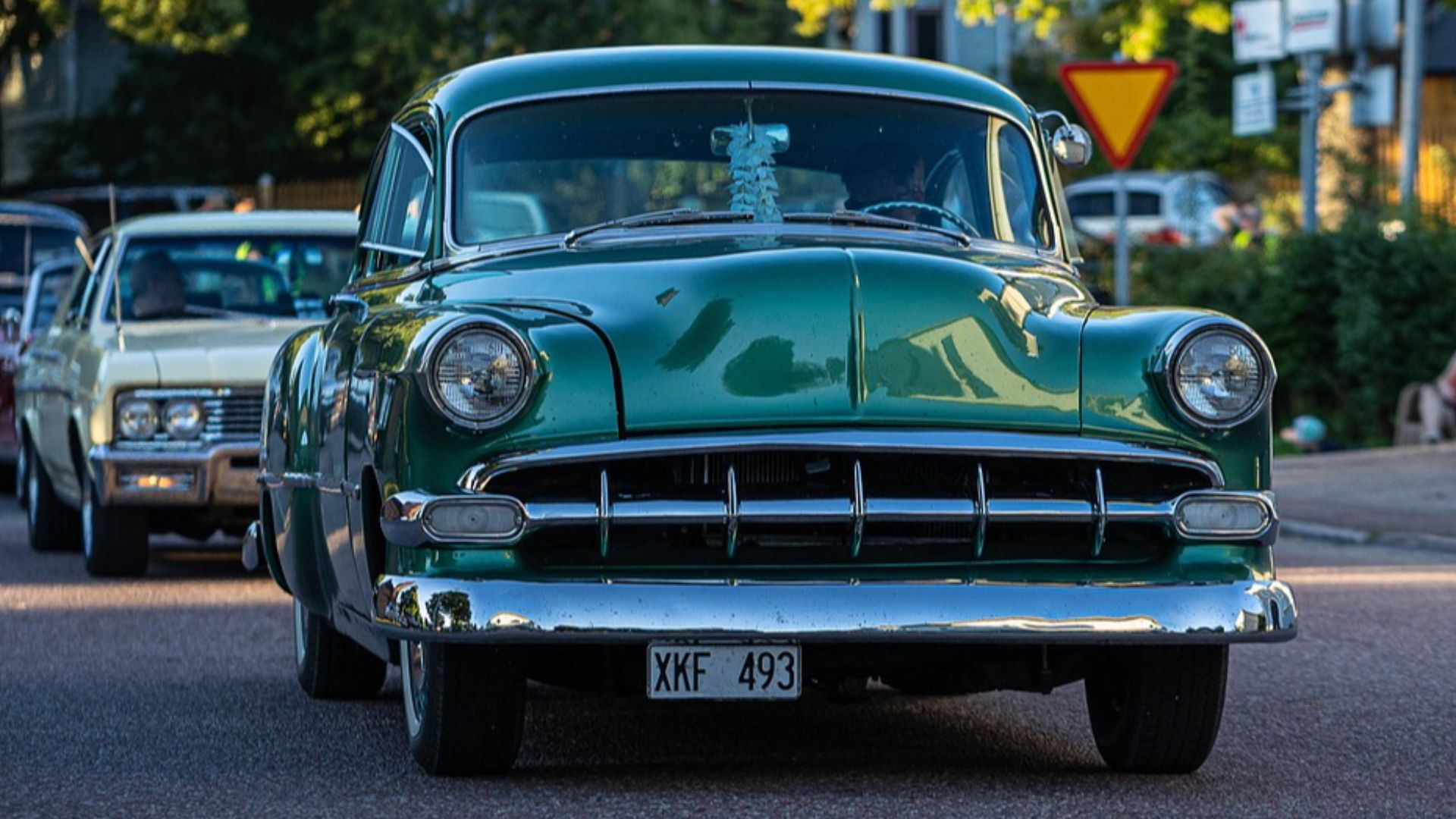
Classic cars from the mid-fifties often featured curved glass that stretched around the sides of the cockpit, eliminating thick pillars and improving visibility. Sitting inside felt like being in a fighter jet canopy rather than a sedan, with an expansive, unobstructed view of the road. While stunning, these windshields were eventually phased out.
2. High-Beam Foot Switches
Drivers toggled their bright lights by tapping a small metal button on the floorboard to the left of the brake pedal. This intuitive system allowed both hands to remain firmly on the steering wheel while the foot handled the lighting.
3. Front Wing Vent Windows
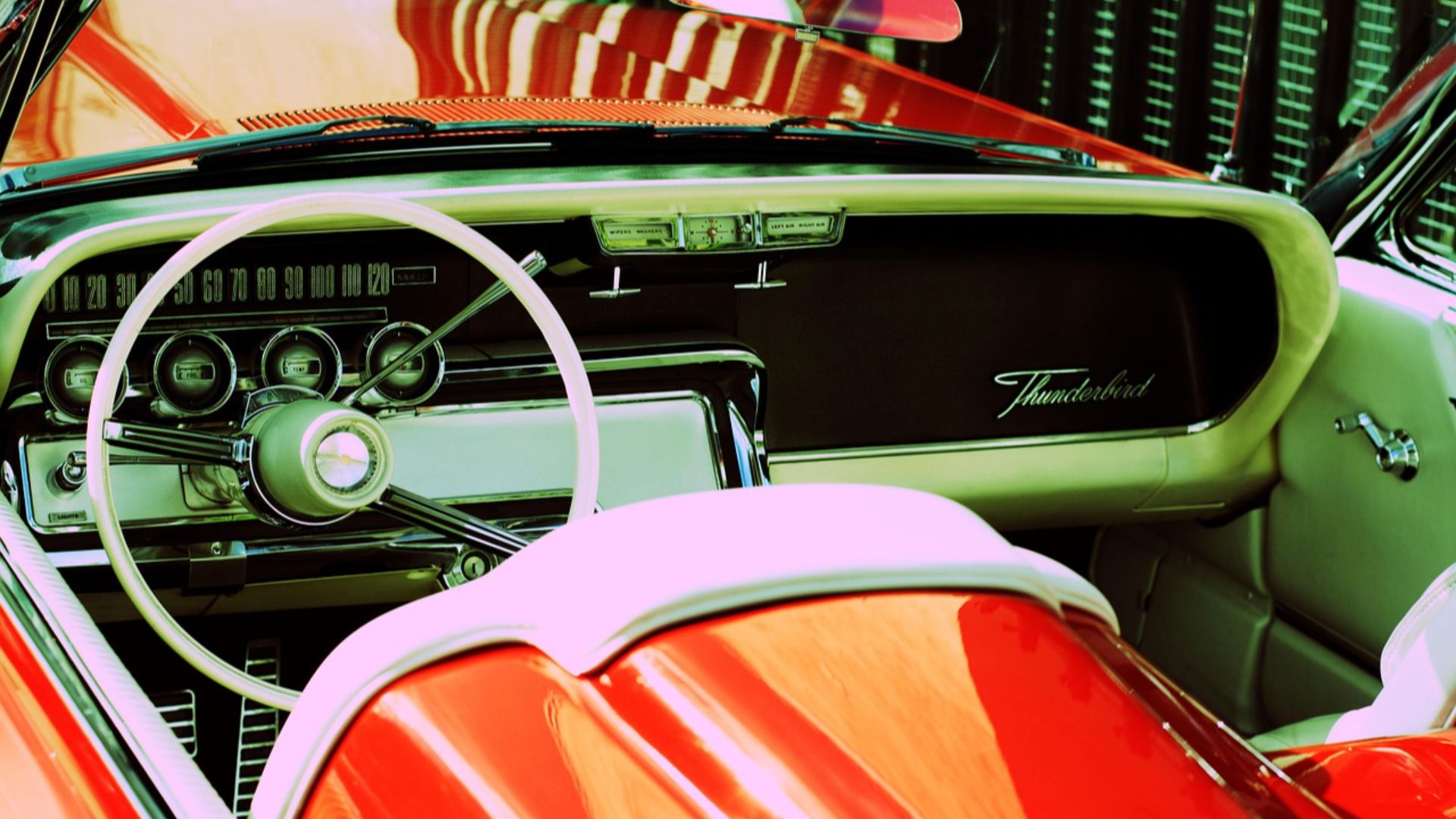
Before air conditioning became standard, these small triangular windows allowed fresh air directly into the cabin. They could pivot to catch a breeze even in the rain without soaking the interior, providing precise climate control.
4. Massive Chrome Tailfins
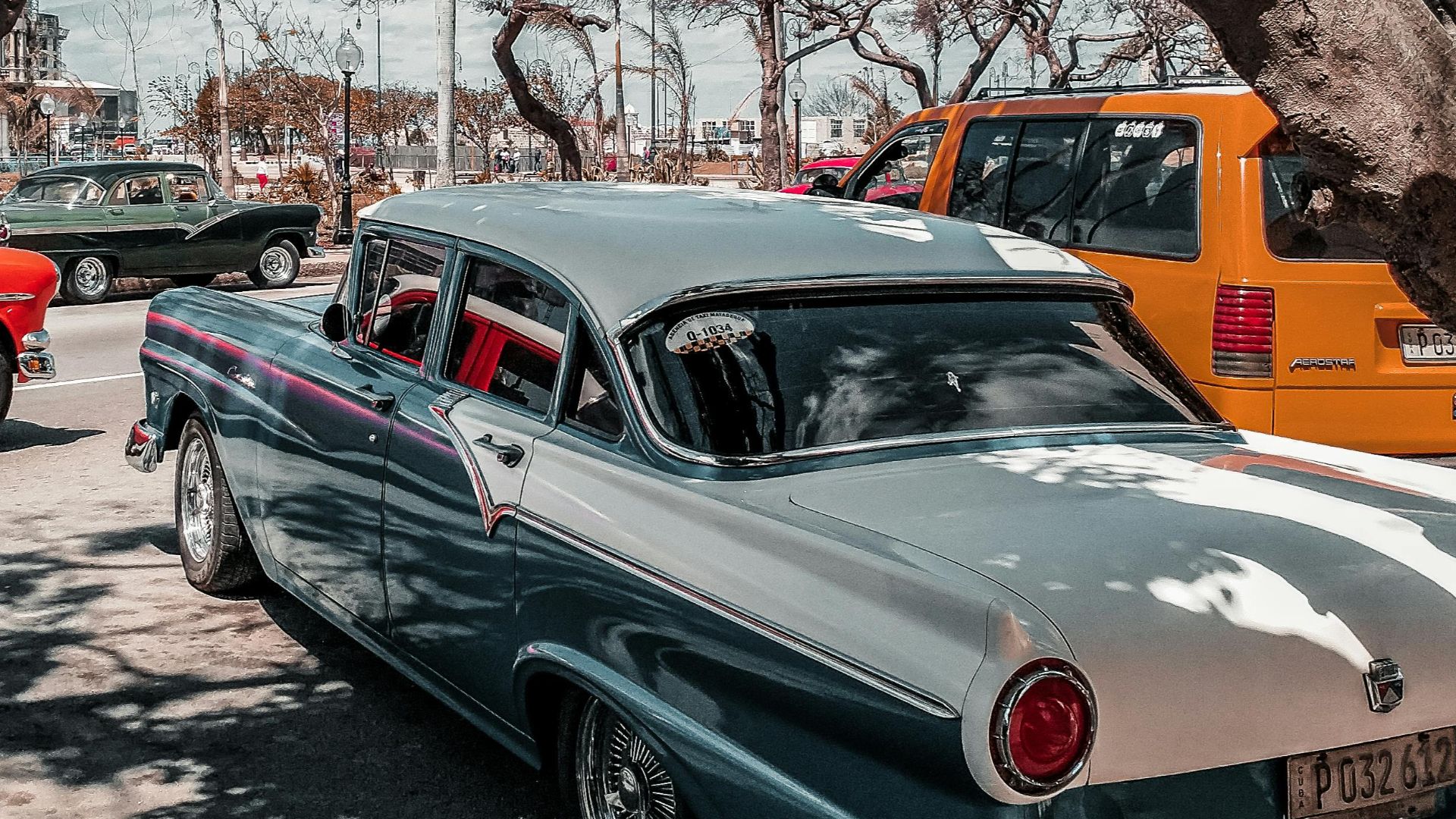
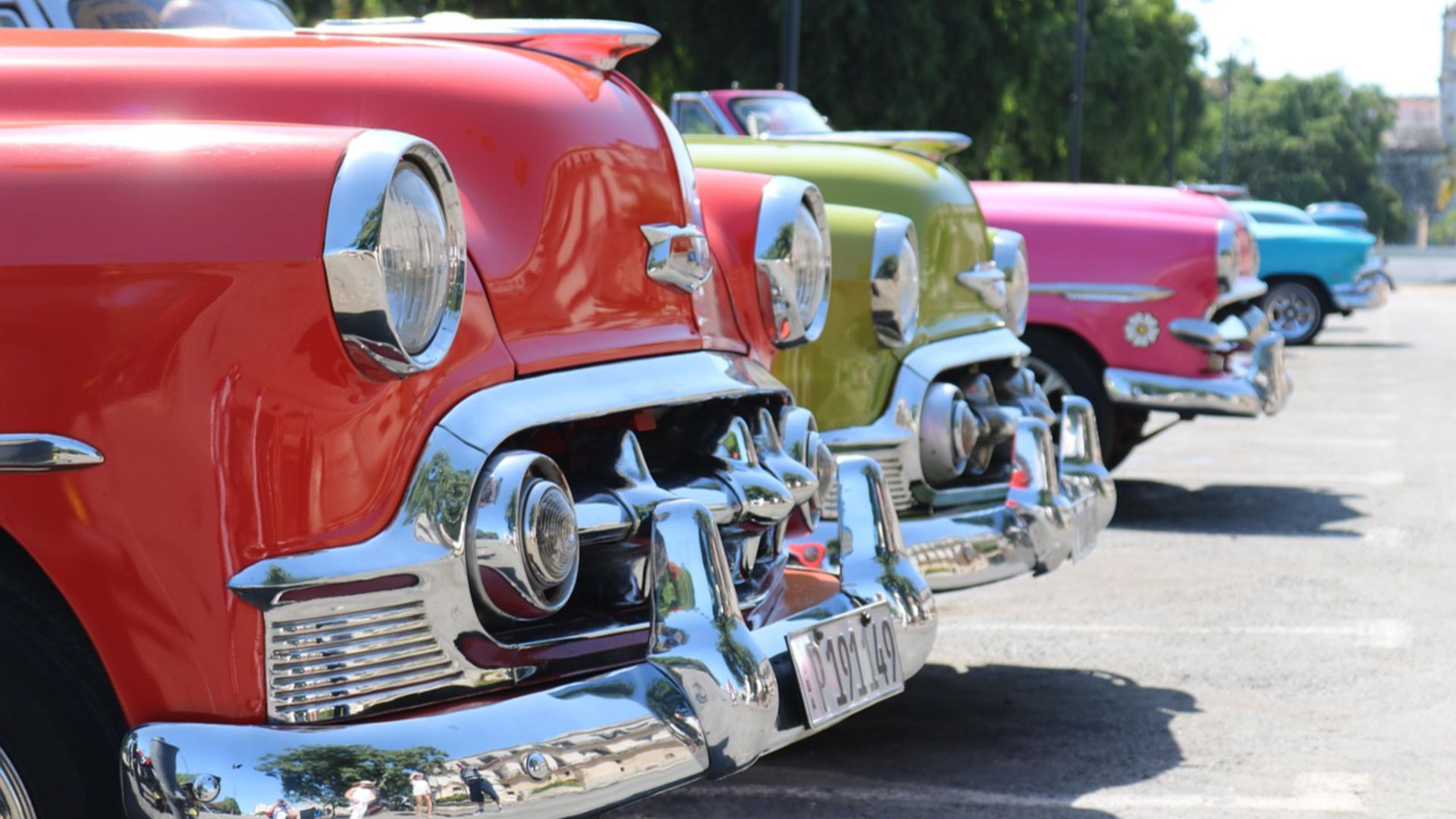
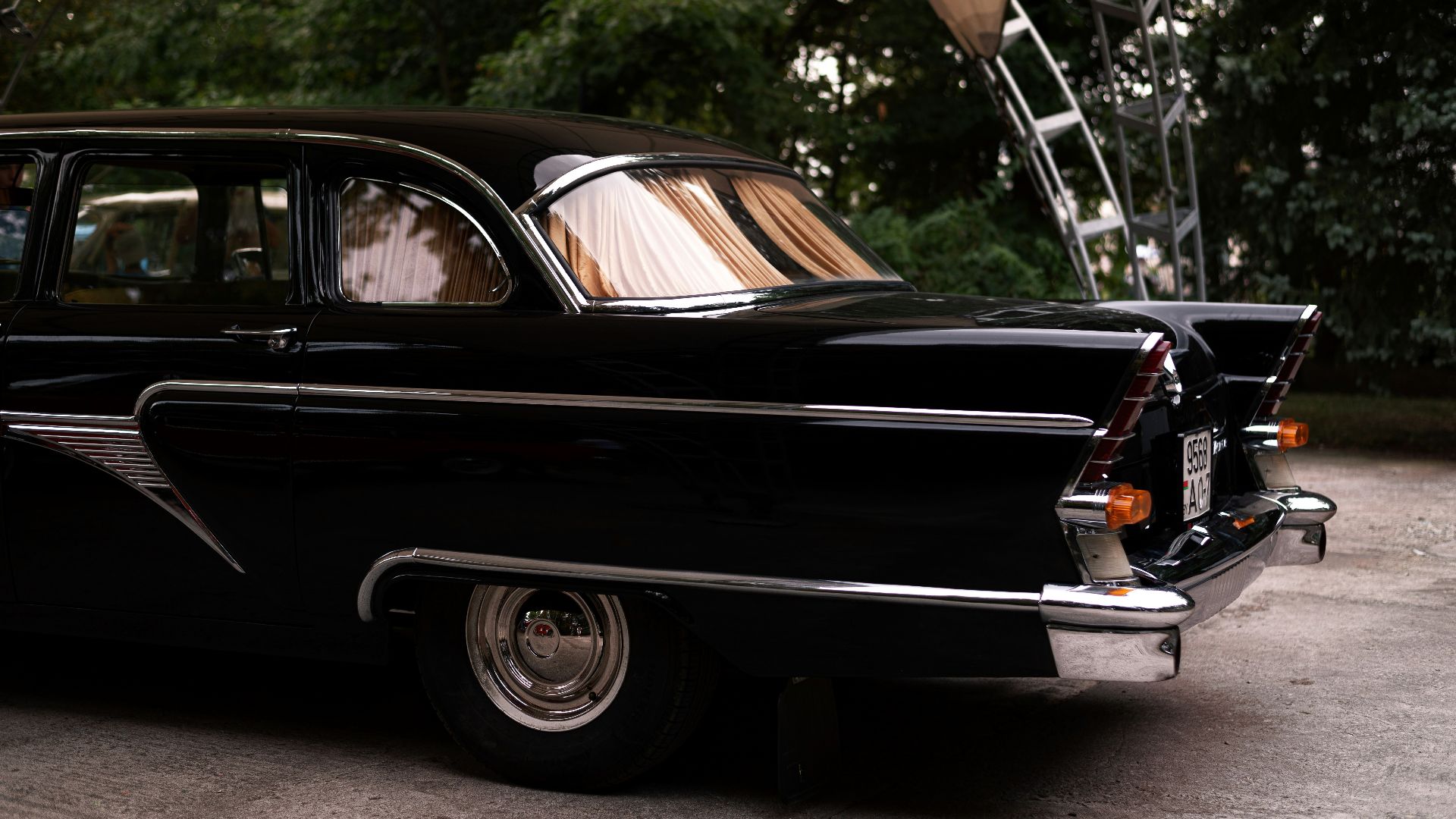
GM and Chrysler designed gigantic fins that stretched skyward like a rocket taking flight. Not only were they mostly ornamental, but they also compromised aerodynamics while giving cars a dramatic, jet-age aesthetic.
5. Full-Width Bench Seats
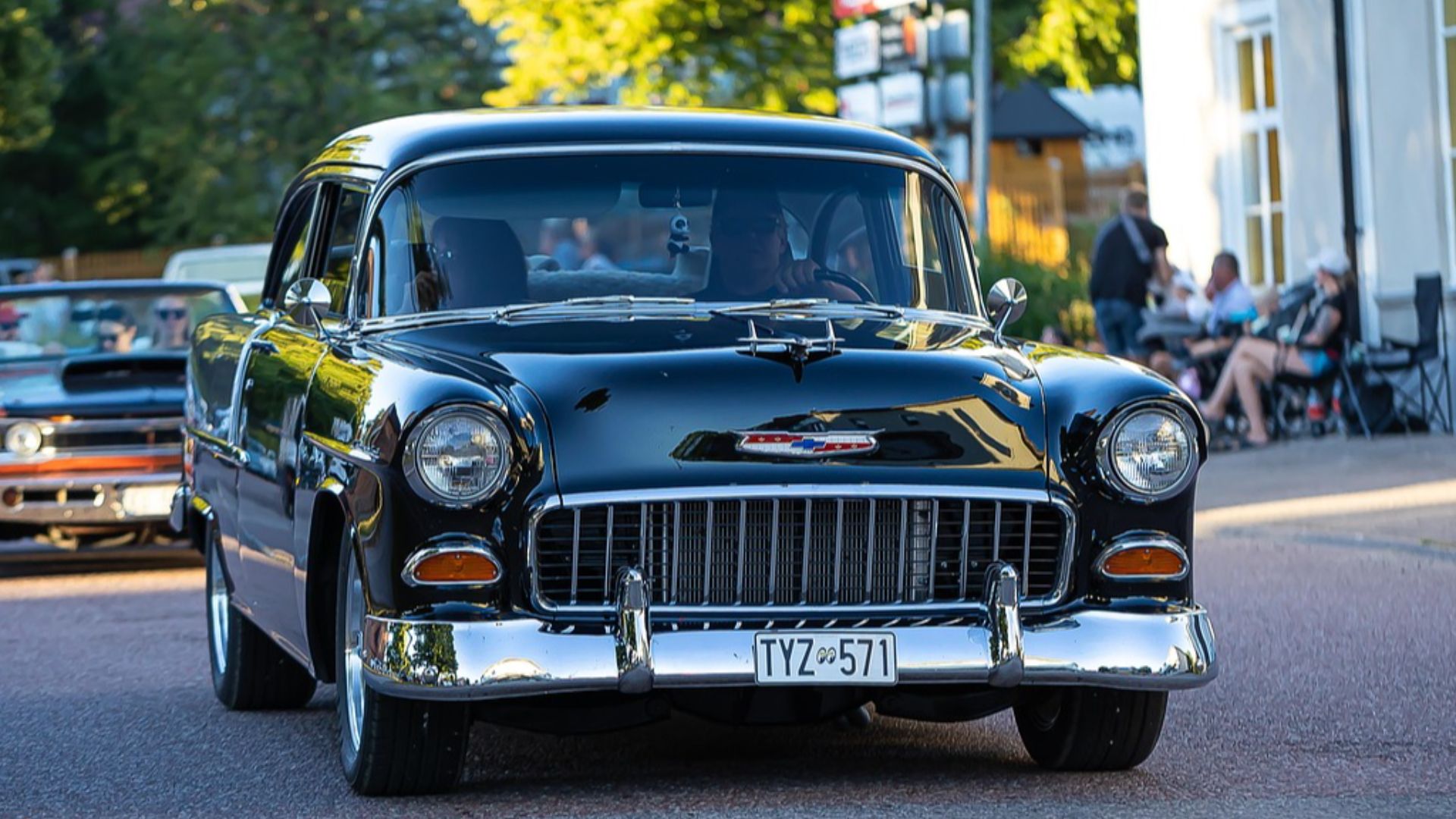
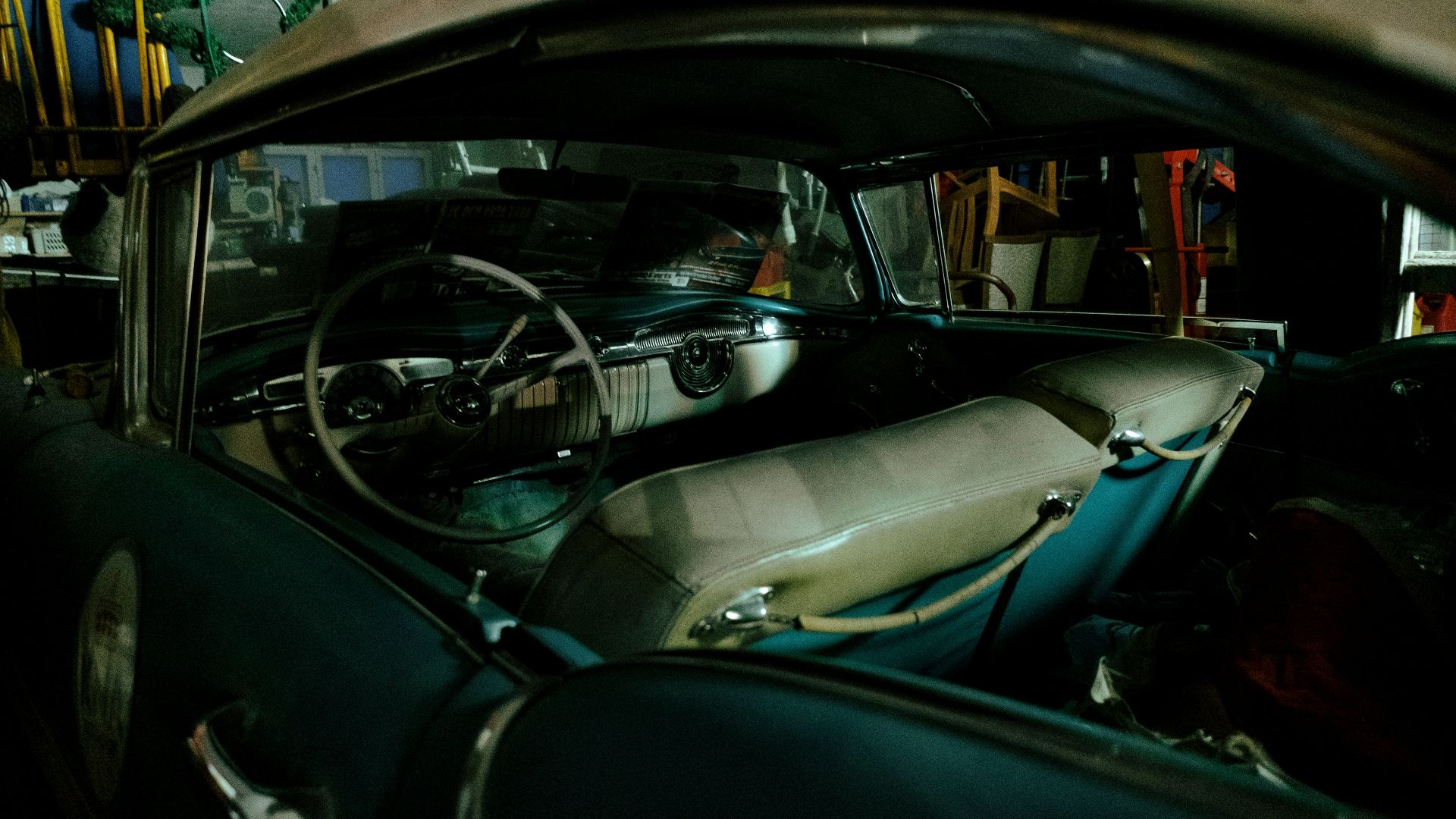
Arguably the comfiest seating arrangement in automobiles, front bench seats could fit three adults across with room to spare. Entering from the passenger side became easier when parallel parking in tight spots.
6. Steering Wheel Horn Rings
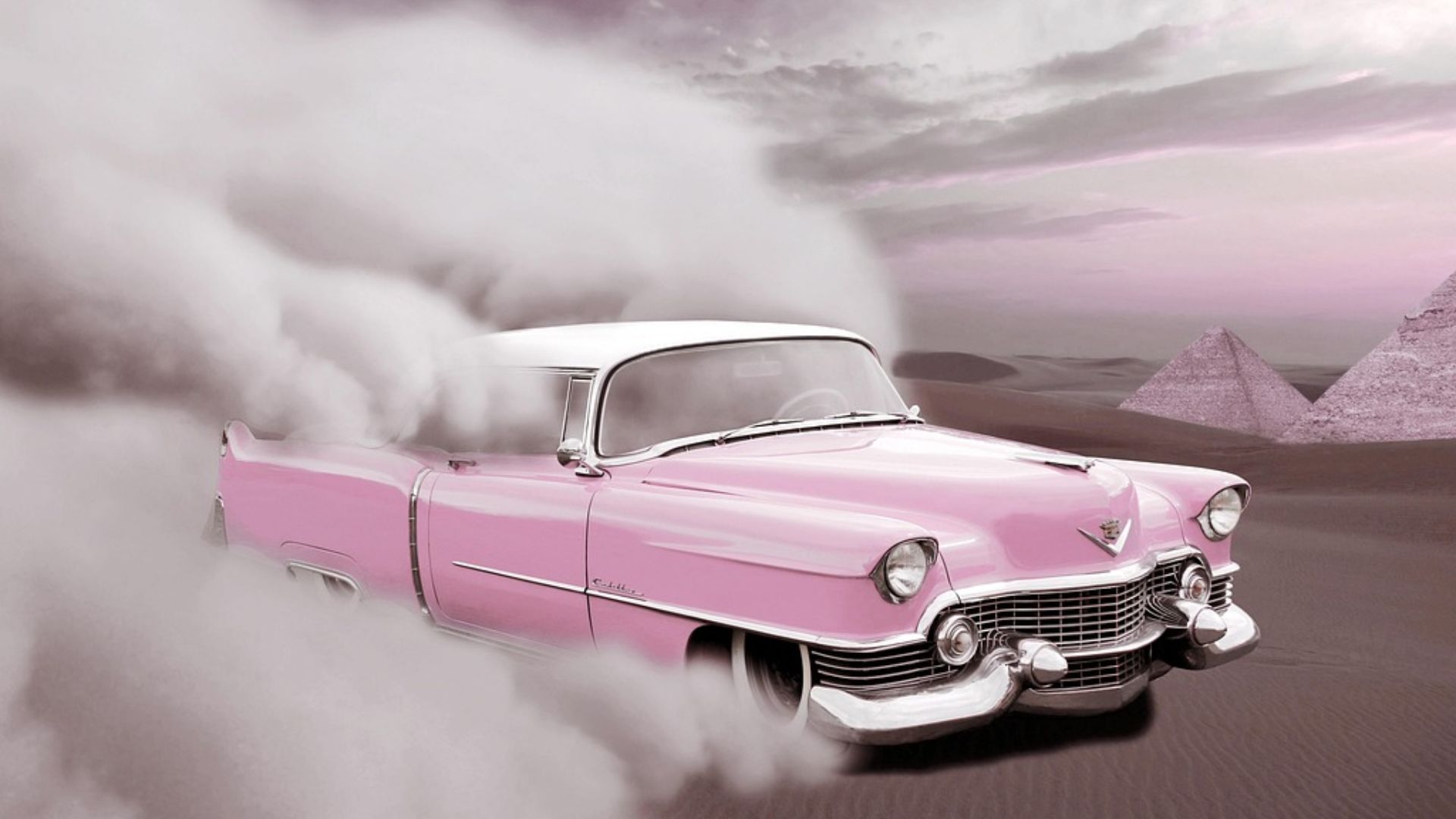
Instead of fumbling for a button in the center of the wheel, a decorative metal ring could be squeezed to sound the horn. This allowed honking from almost any hand position without taking eyes off the road.
7. Dashboard Record Players
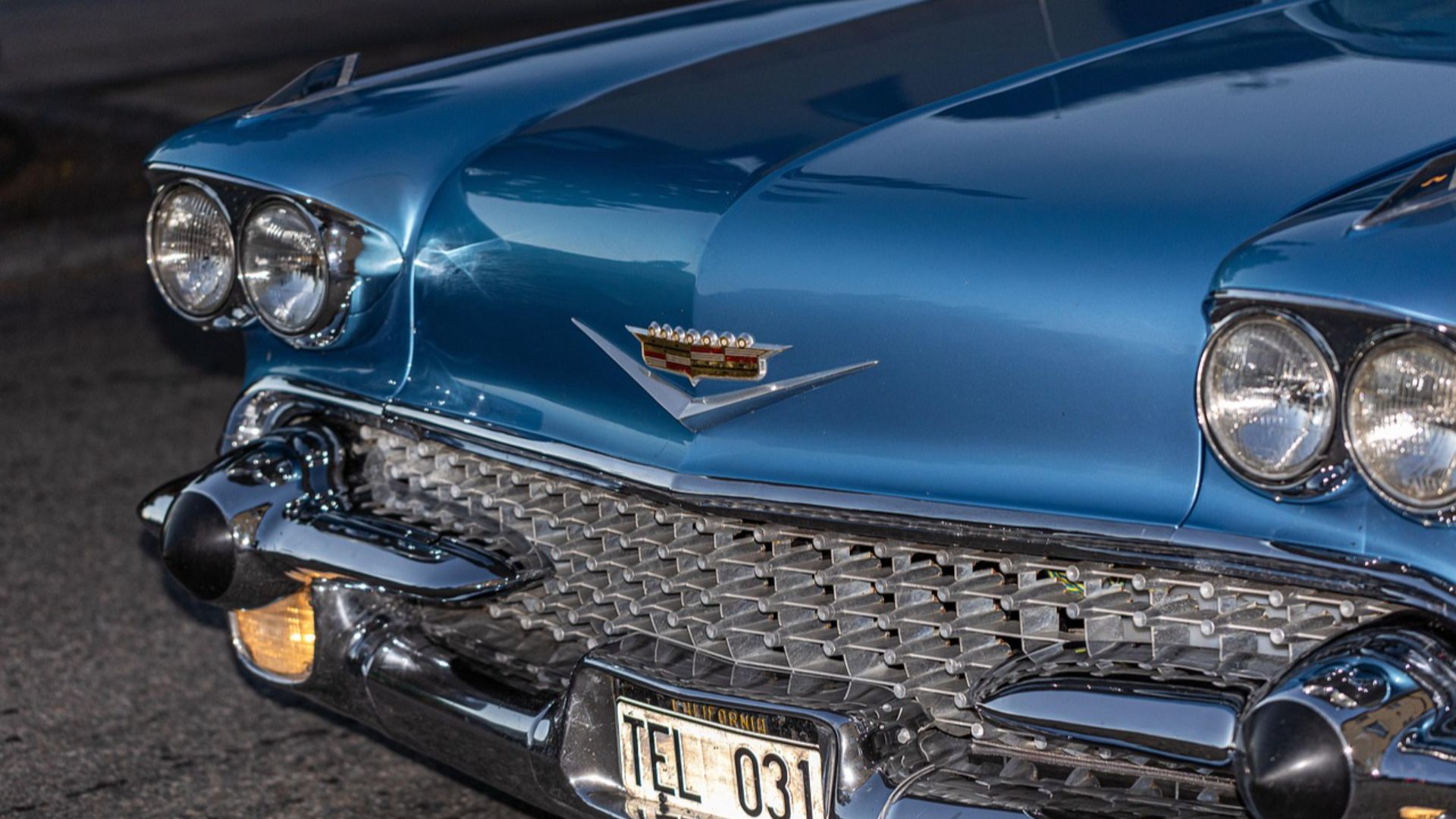
Chrysler offered a "Highway Hi-Fi" system that played specialized seven-inch records while cruising the interstate. A sophisticated suspension system prevented the needle from skipping over bumps, though vinyl’s fragility limited the feature’s popularity.
8. Functional Hood Ornaments
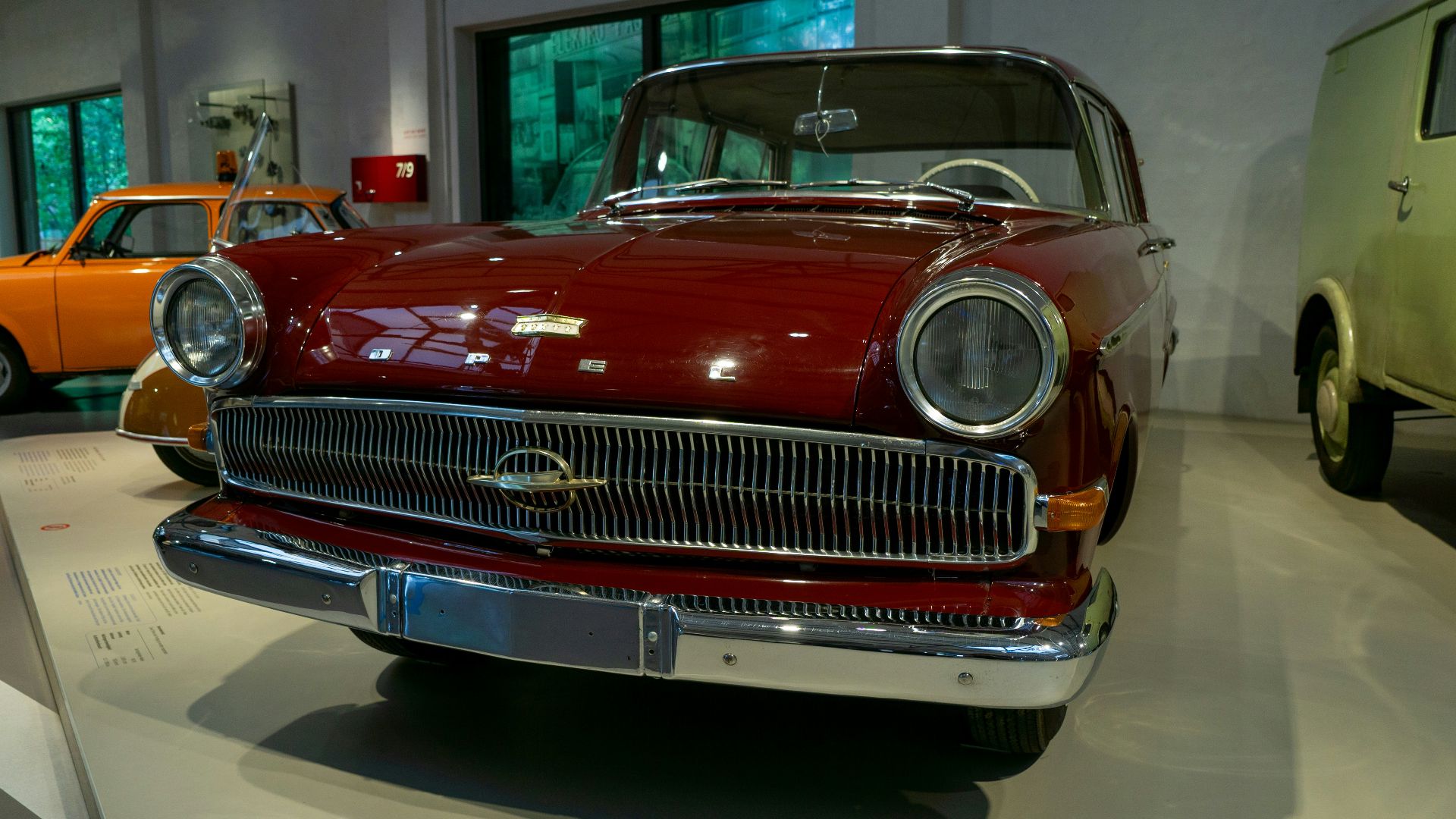
Chrome sculptures helped drivers gauge where the car was in space. Greek goddesses, airplanes, rockets, and racing jaguars adorned many vehicles, often with halo lighting underneath to glow at night.
9. Vacuum-Powered Windshield Wipers
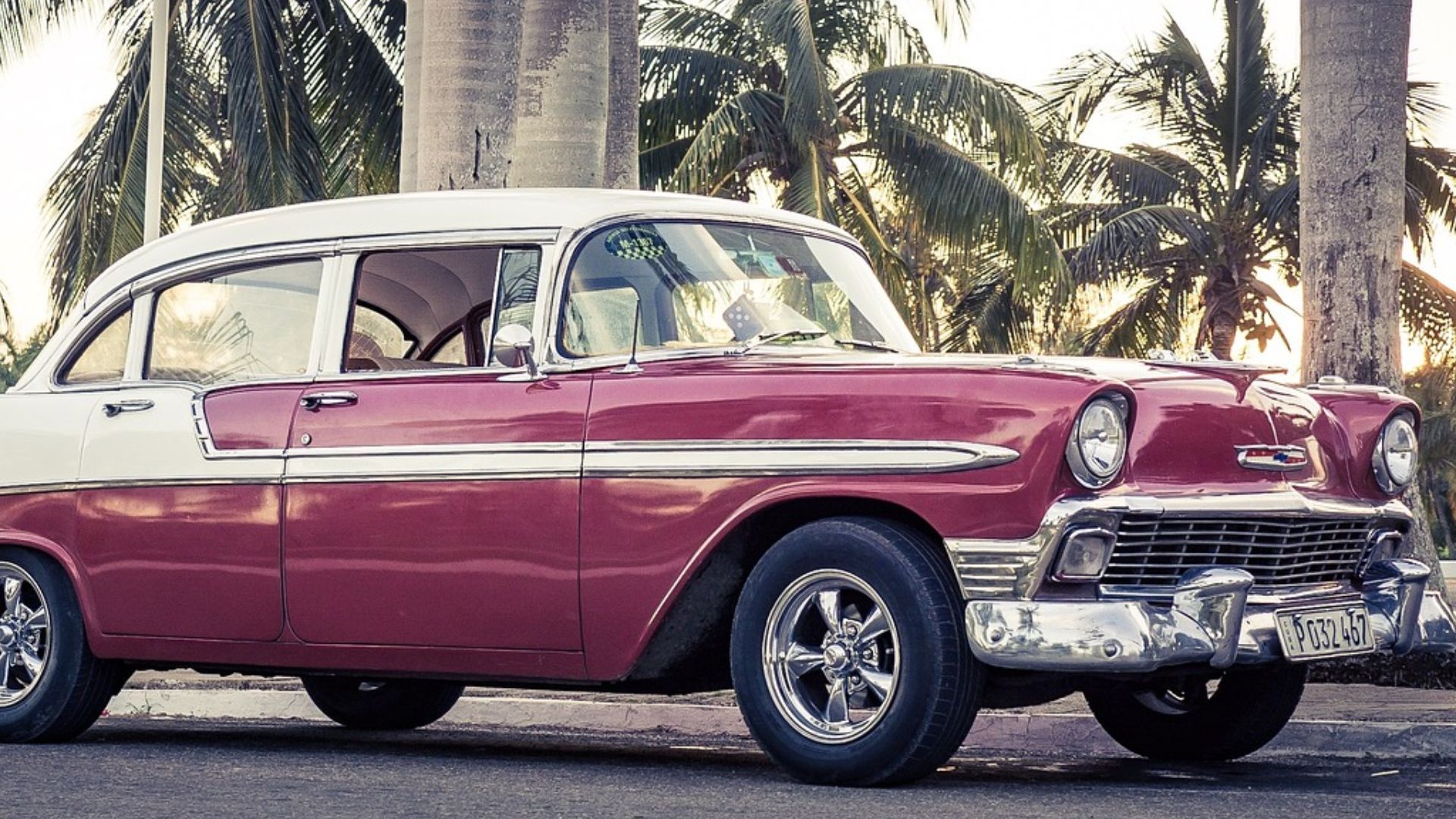
Older engines used vacuum systems to power wipers, tying their speed to engine acceleration. Wipers could slow dramatically when climbing a hill in the rain, making visibility a challenge at times.
10. Hidden Fuel Filler Necks
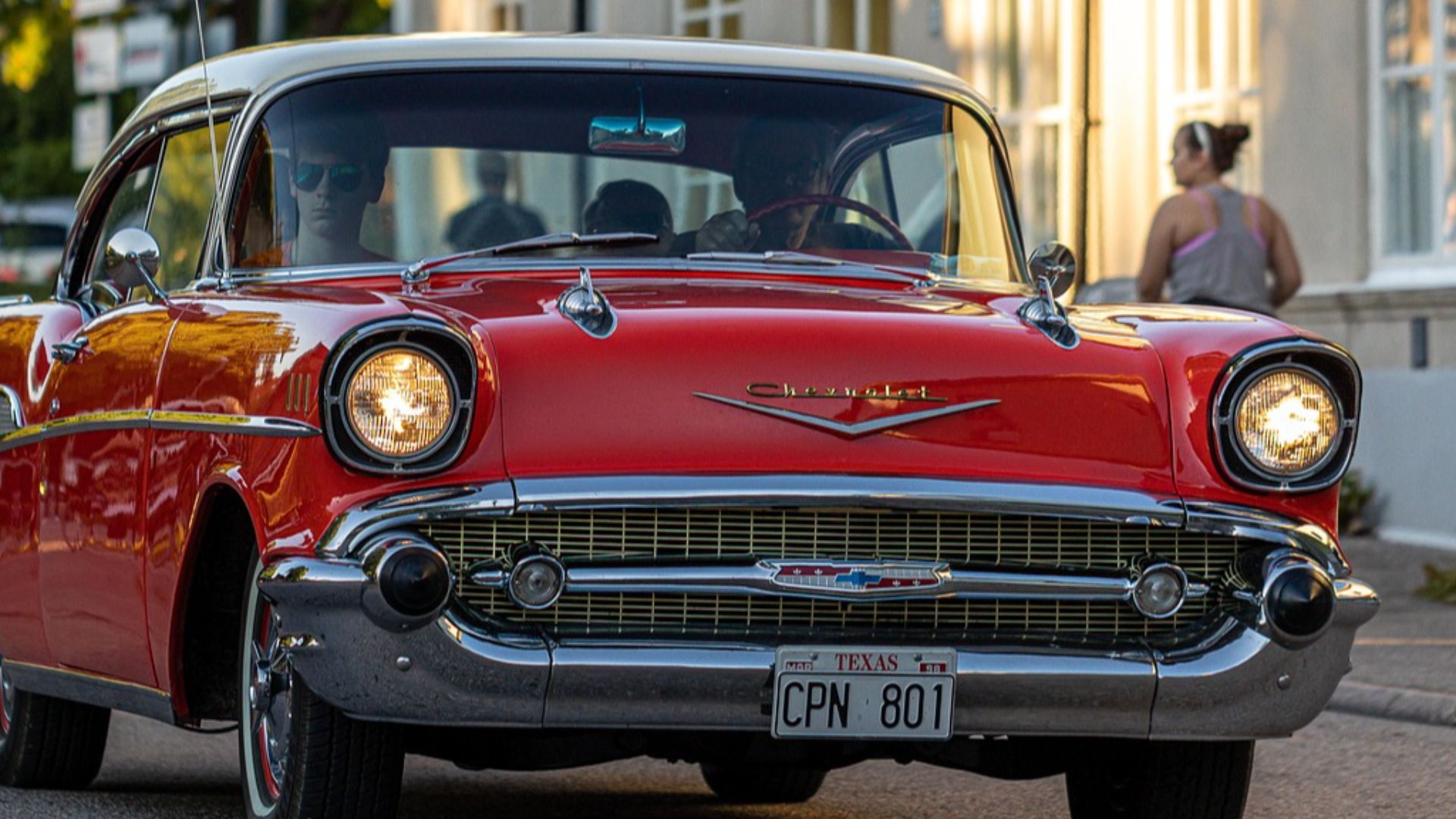
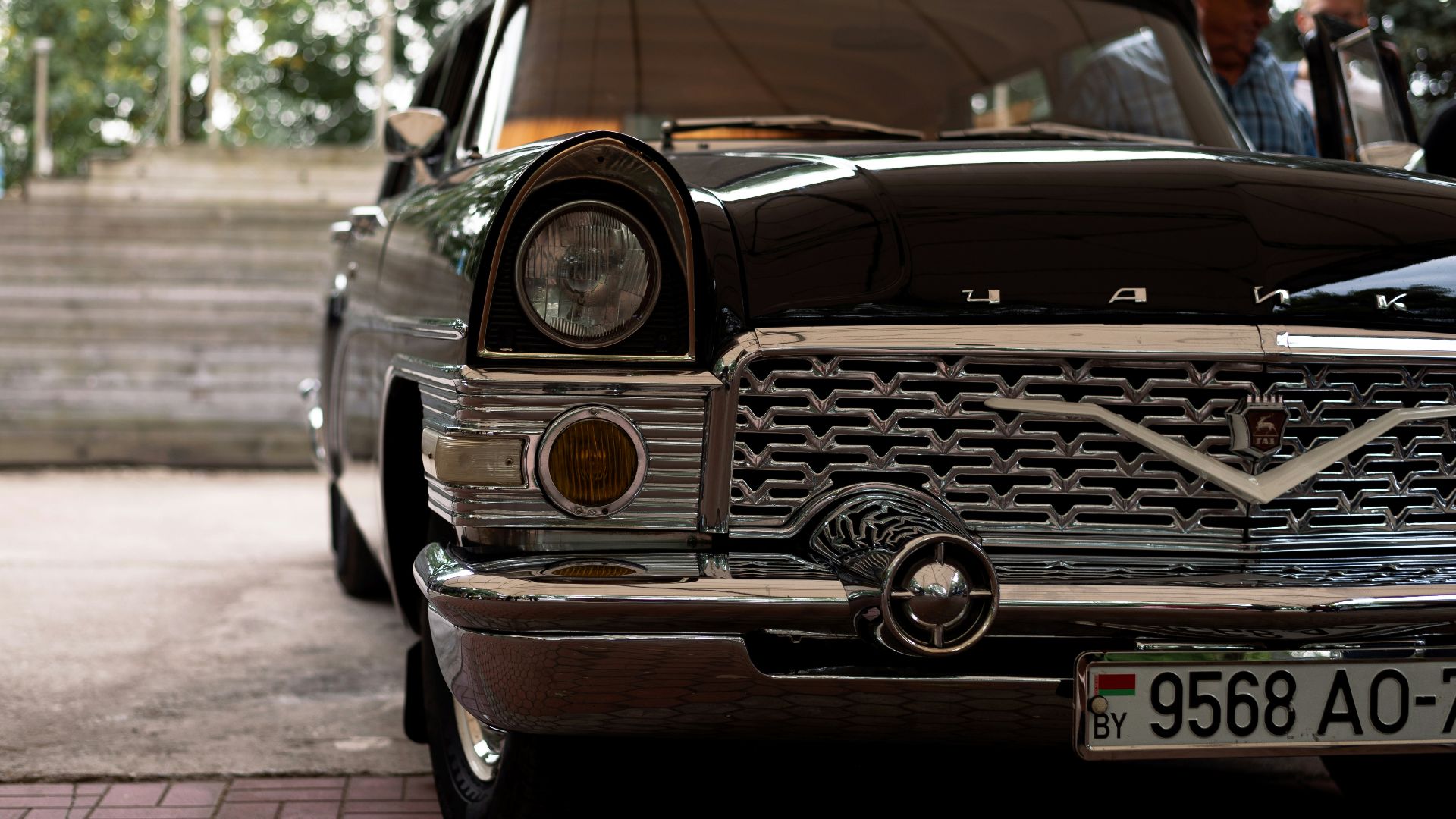
Designers disliked breaking up smooth body lines with visible gas caps. Often, a taillight flipped down, or a piece of chrome trim lifted to reveal the fuel intake, maintaining the car’s sleek, seamless look.
 Vitali Adutskevich on Unsplash
11. Metal Dashboard Construction
Heavy-gauge steel, painted to match the interior, was the standard material for dashboards. Egg-crate style gauges filled much of the view, with shiny black bolts providing a high-quality, durable feel.
 Vitali Adutskevich on Unsplash
12. Push-Button Transmissions
Brands like Edsel and Packard replaced the traditional lever with a series of buttons to select gears. Pressing "D" for drive or "R" for reverse made the center console or steering hub resemble a futuristic control panel.
13. Swing-Away Steering Wheels
Luxury models featured columns that slid to the right for easier entry and exit. Flick a lever, and the wheel moved aside, providing extra leg clearance.
14. Bumper-Integrated Exhaust Tips
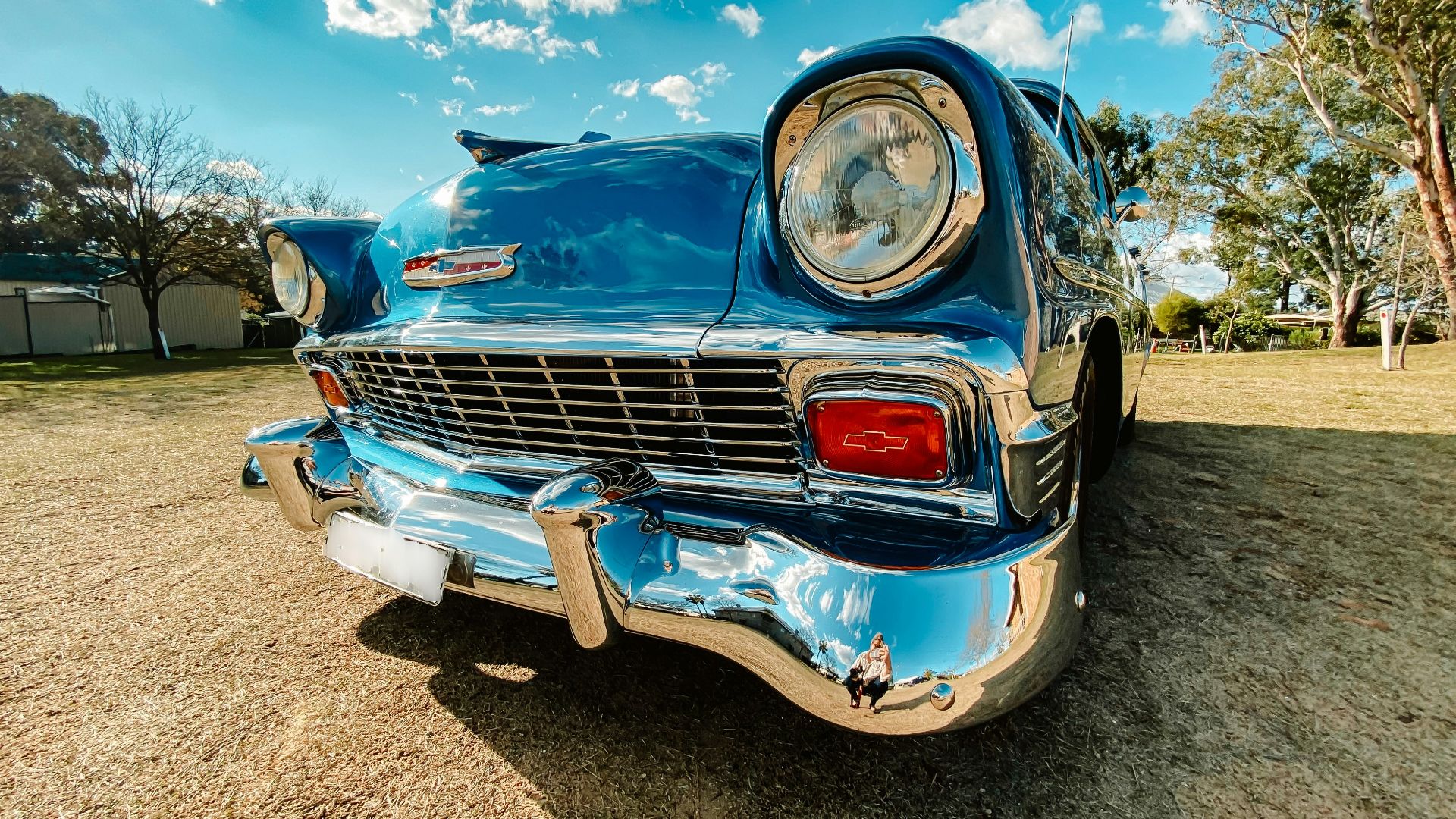
Exhaust pipes were often routed through rear chrome bumpers to create a symmetrical, finished look. This design eliminated unsightly tailpipes hanging under the chassis and gave a concept-car aesthetic.
15. Interior Window Cranks
Vintage cars had stylish hexagonal window cranks instead of linear-glide systems. Each crank had its own beautifully styled knob that rivaled modern sliders.
16. Pull-Out Dashboard Ashtrays
When smoking was more common, cars featured large, ornate ashtrays that slid out from the dash, often with a dedicated lighter. High-quality metal construction made them easy to clean.
17. Traffic Light Viewers
Overhanging roofs made it hard to see signals at intersections, so some cars had small glass prisms mounted on the dashboard. Drivers could see the reflection of the light without craning their necks.
 Theo Eilertsen Photography on Unsplash
18. Continental Tire Kits
Mounting the spare tire outside the trunk in a decorative metal case was a hallmark of luxury and sportiness. The "Continental" look freed interior space and gave the car a longer, elegant profile.
19. Autronic Eye Dimming
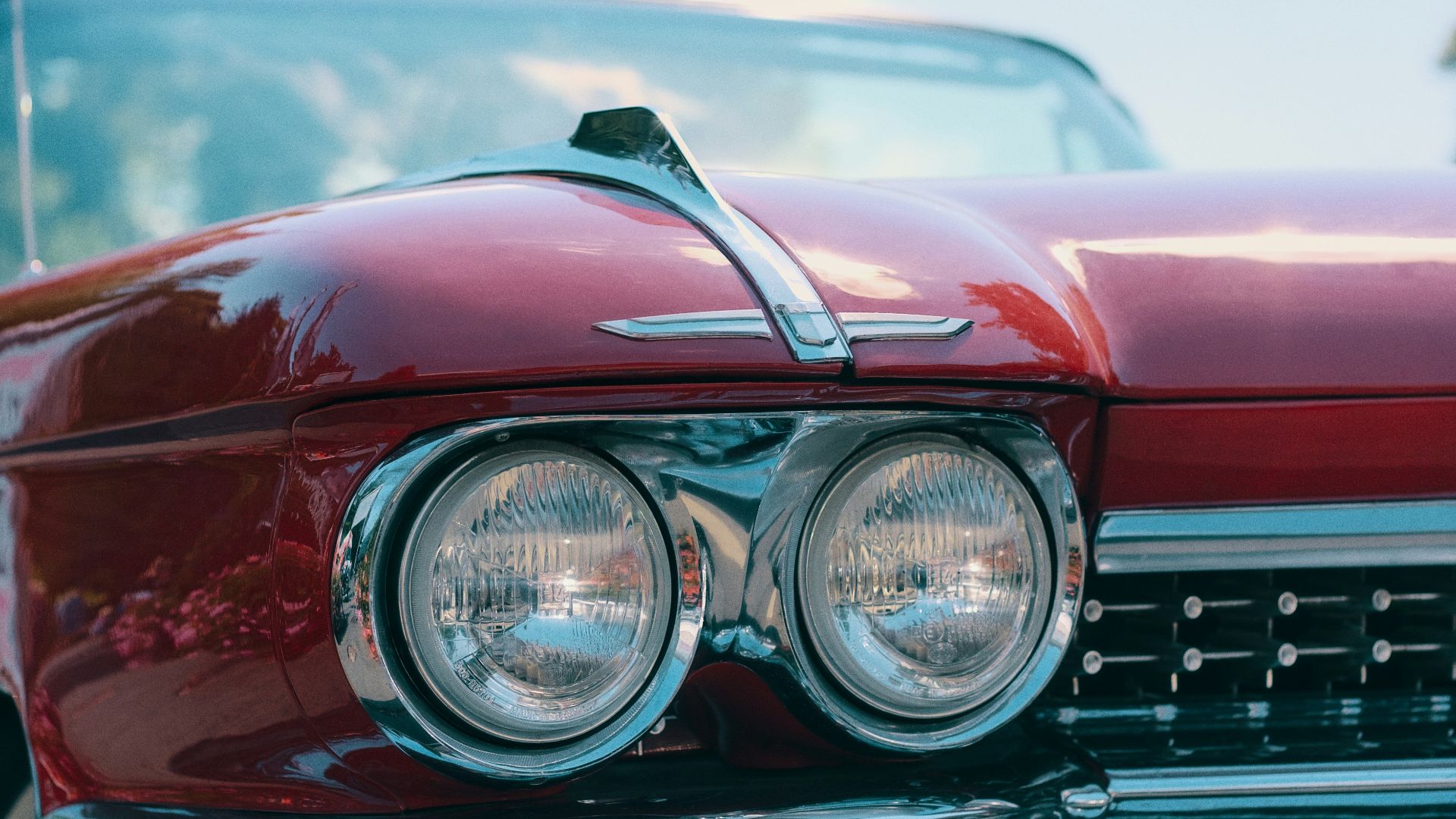
An early version of automatic high beams, this system used a phototube to detect oncoming headlights. Lights automatically dipped to low beams and returned to high when the road was clear—a sophisticated feature for the 1950s.
20. Under-Seat Heaters
Instead of blowing hot air through the dashboard, some cars had heater cores under the front bench seat. Warmth rose naturally from the floor, keeping feet and legs toasty even on the coldest mornings.