Not Every Automotive Punchline Deserved the Joke
Cars can pick up reputations for all kinds of reasons, and not all of them are fair. Maybe one bad model year poisoned the whole name, or maybe people judged a car by some idea of what it was supposed to be instead of what it actually did well. Some vehicles were better, worse, stranger, or more misunderstood than their public image suggests. Here are 20 cars that ended up carrying reputations they never really deserved.
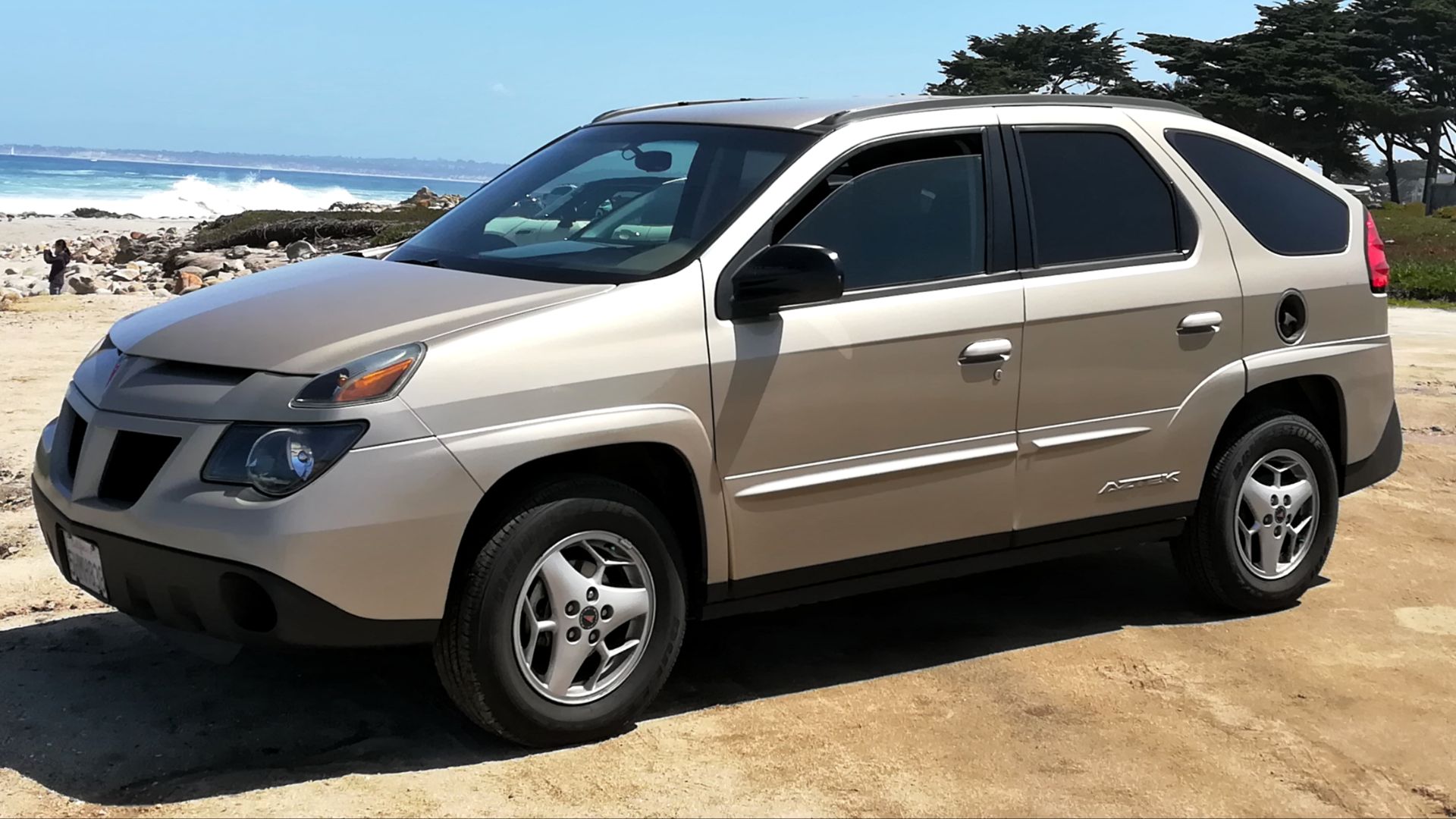
1. Pontiac Aztek
The Pontiac Aztek became the official poster child for awkward car design, but the hate has always been a little overcooked. Sure, it looked unusual, but it was roomy, practical, and way ahead of the curve on the whole adventure-friendly crossover idea. It even offered clever features like a removable cooler and available camping accessories.
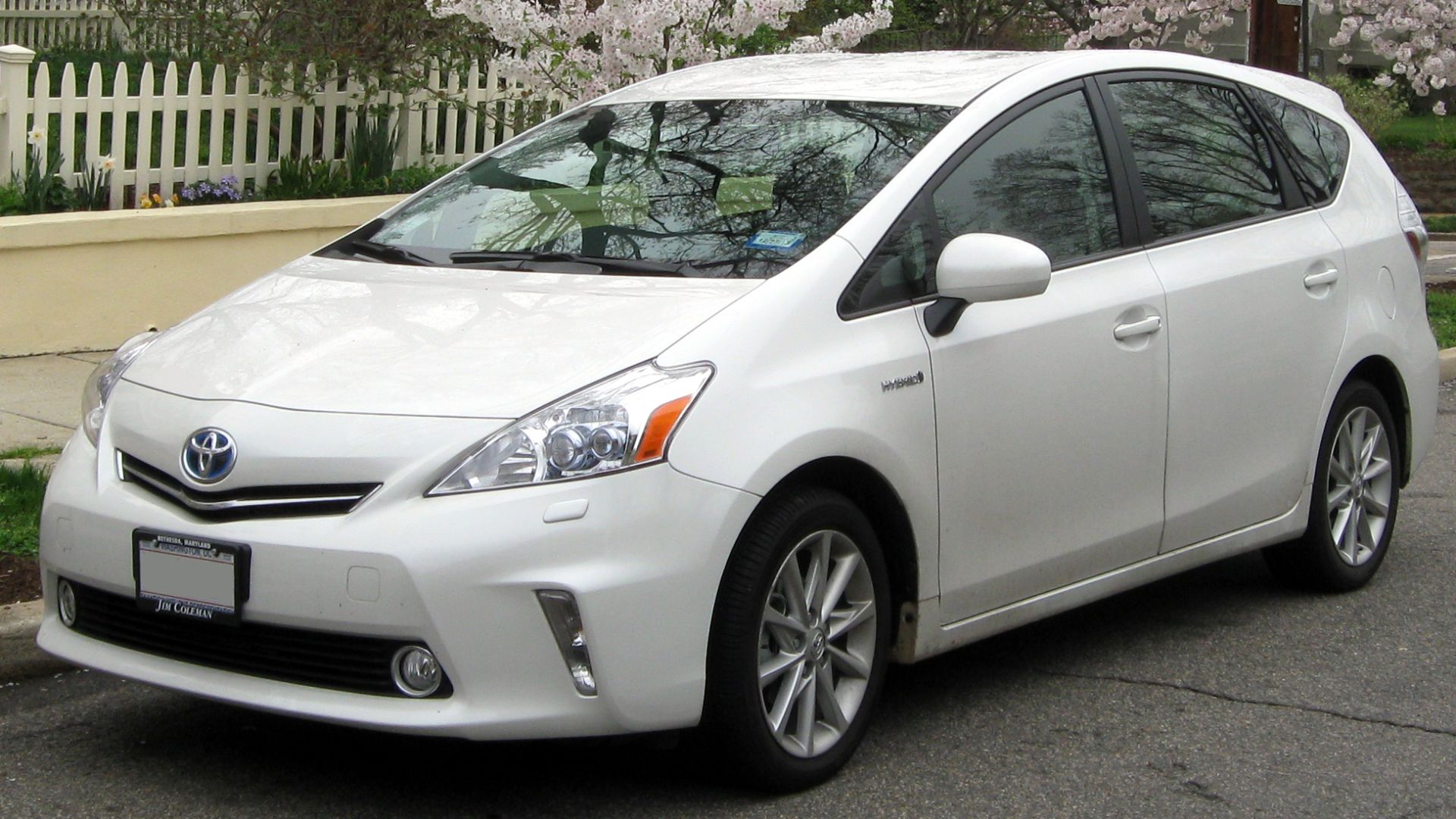
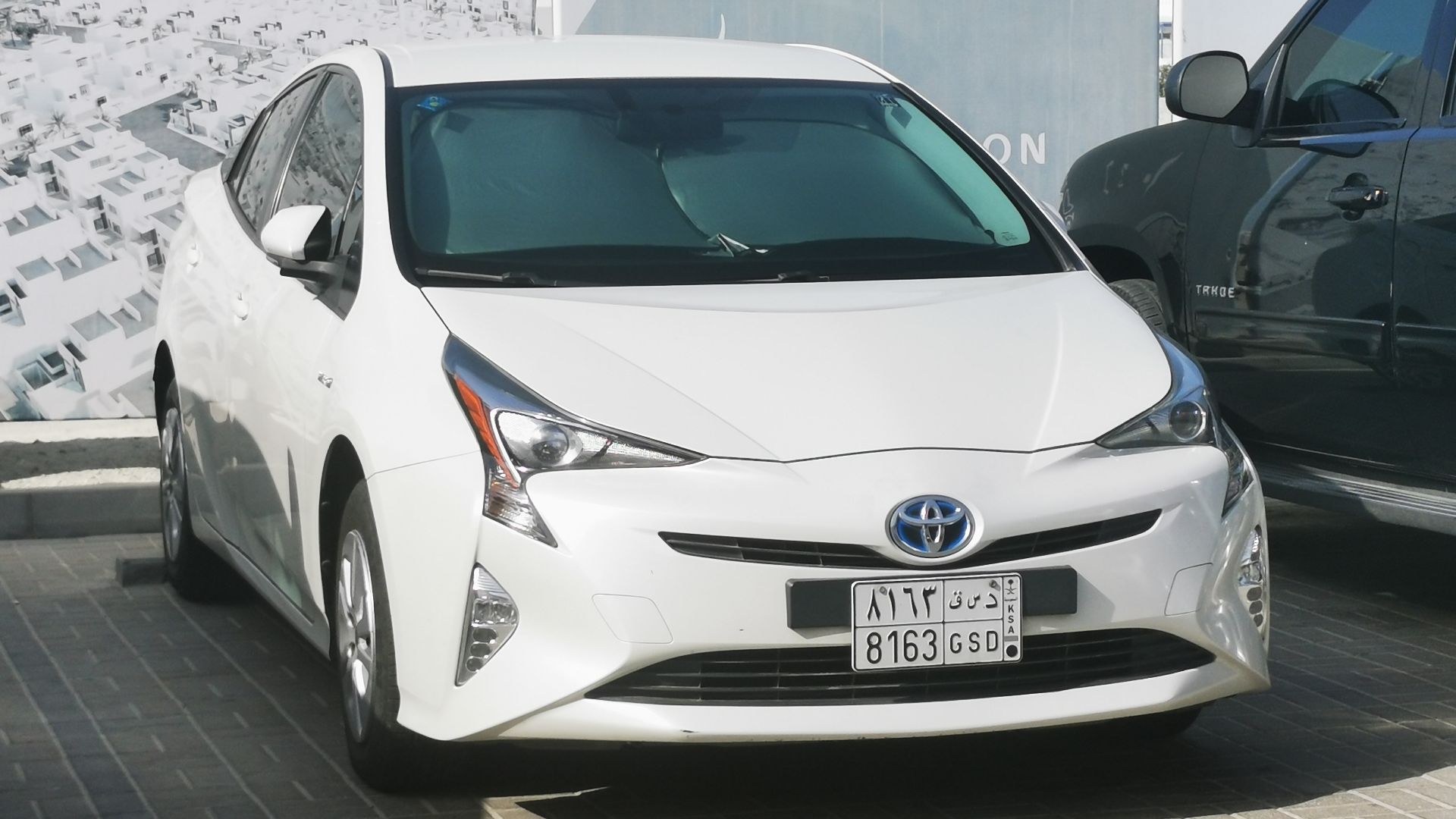
2. Toyota Prius
The Prius got mocked for being slow, boring, and smug, but most of that reputation came from people who weren’t shopping for one anyway. It was never trying to be exciting; it was trying to be efficient, dependable, and easy to live with. On those counts, it did exactly what it promised.
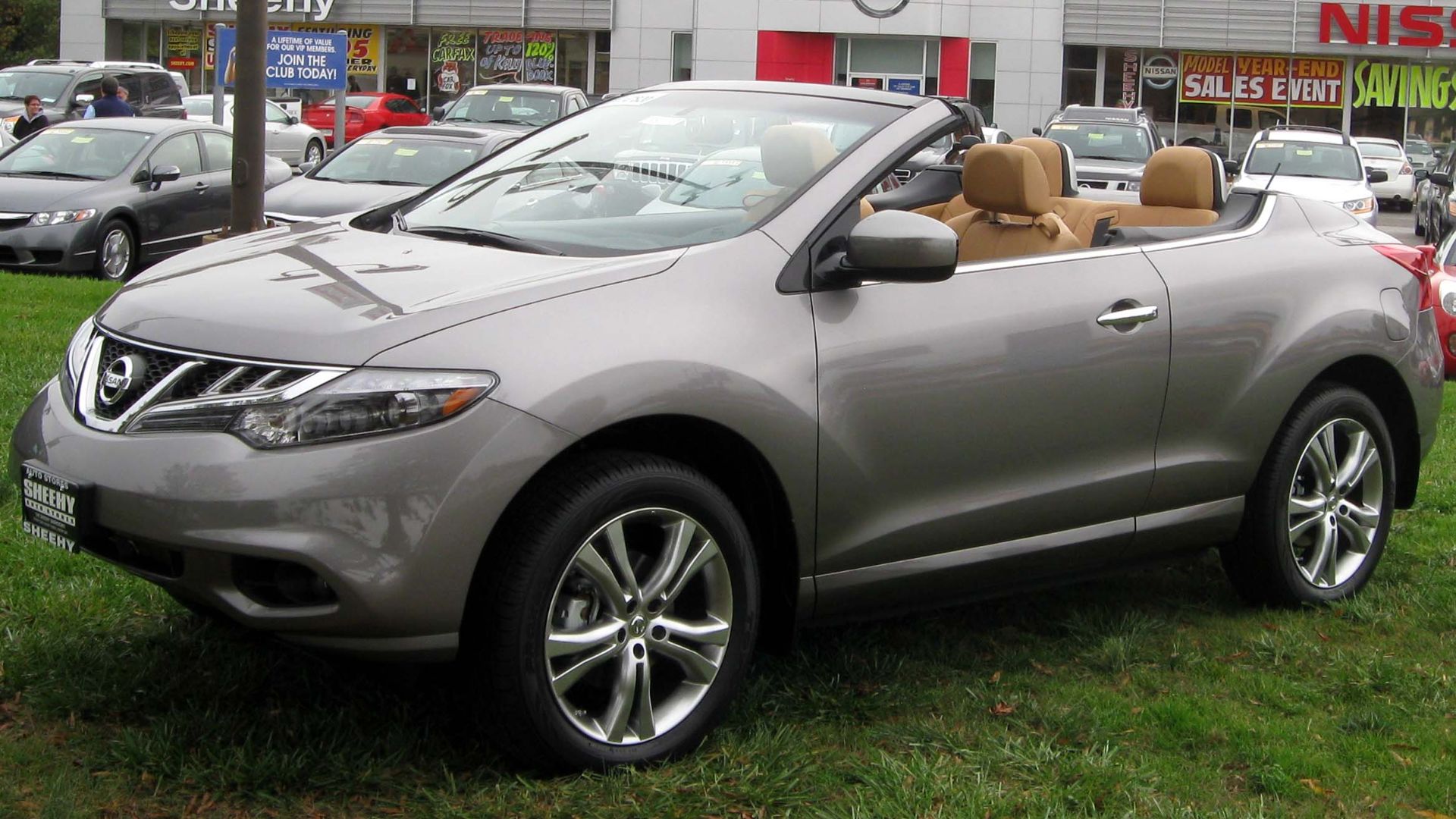
3. Nissan Murano CrossCabriolet
The Nissan Murano CrossCabriolet got laughed at for being strange, expensive, and hard to categorize, but that doesn’t mean it had no point. It gave buyers a roomy convertible with all-wheel drive, a comfortable cabin, and more practicality than a typical drop-top. The styling wasn’t for everyone, and Nissan probably knew that going in. Still, it was a rare case of a major automaker trying something genuinely unusual, which deserves a little credit.
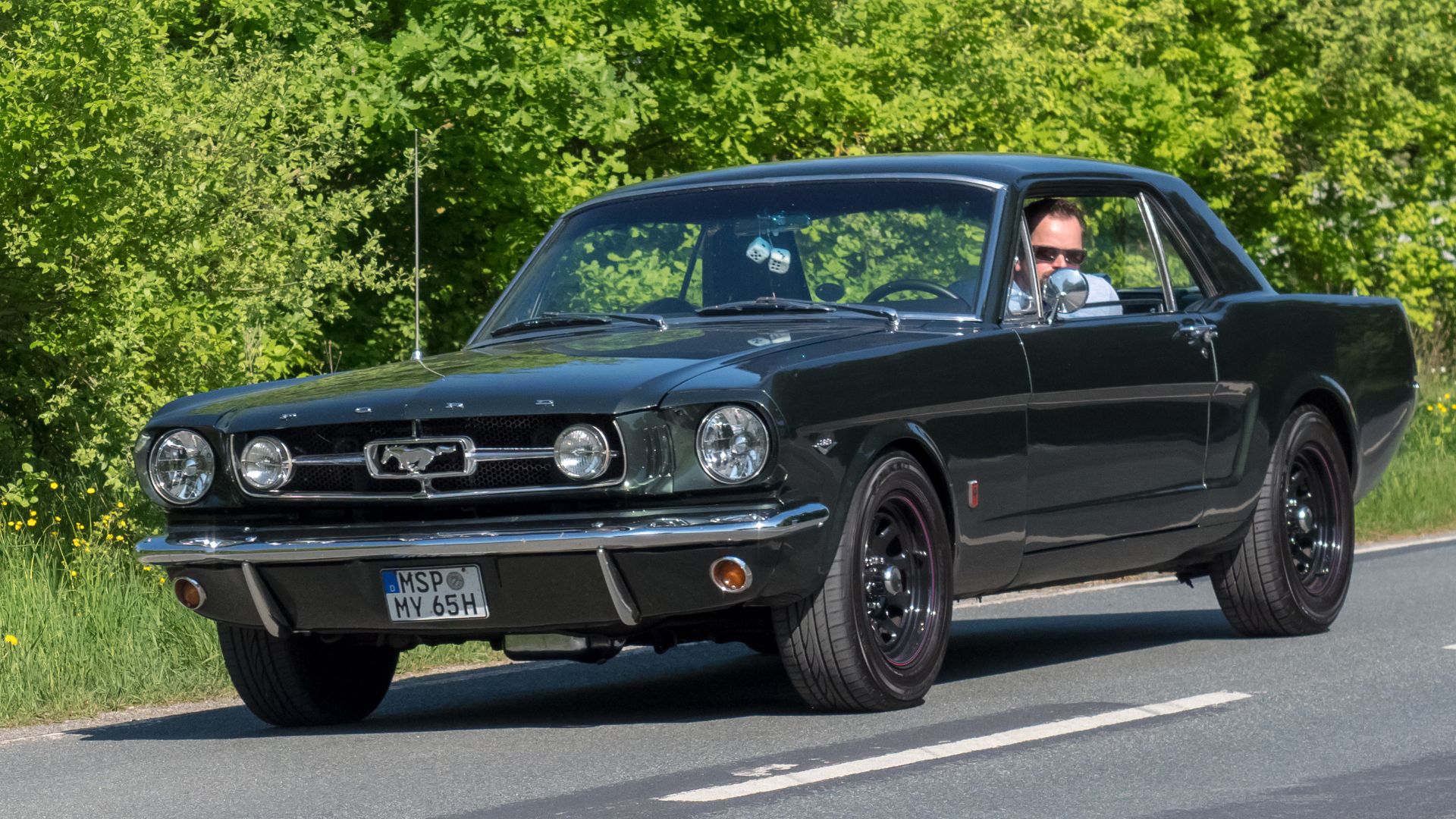
4. Ford Mustang II
The Mustang II gets treated like the embarrassing chapter in the Mustang story, but context matters. It arrived during an era of fuel shortages, emissions rules, and changing buyer priorities, so Ford made a smaller, more efficient Mustang for the moment. It wasn’t the muscle car people wanted to remember, but it was commercially successful and kept the nameplate alive.
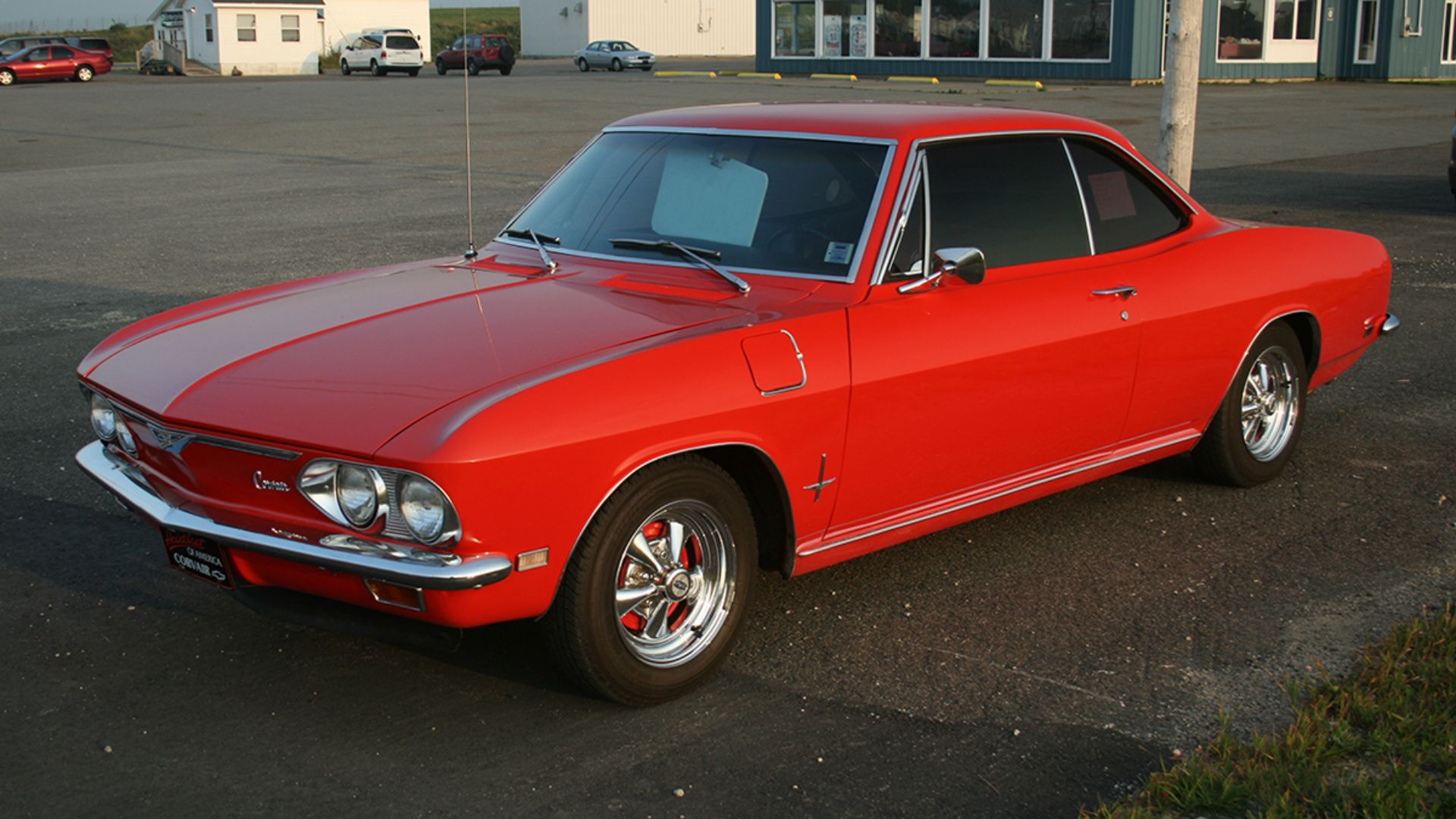
5. Chevrolet Corvair
The Corvair’s reputation was shaped by controversy, but the car itself was more interesting than the jokes suggest. Its rear-engine layout and air-cooled design made it unlike most American cars of its time. Later versions improved handling and showed that the platform had real potential. It became a cautionary tale, but it also deserves credit for being bold in a market that often played it safe.
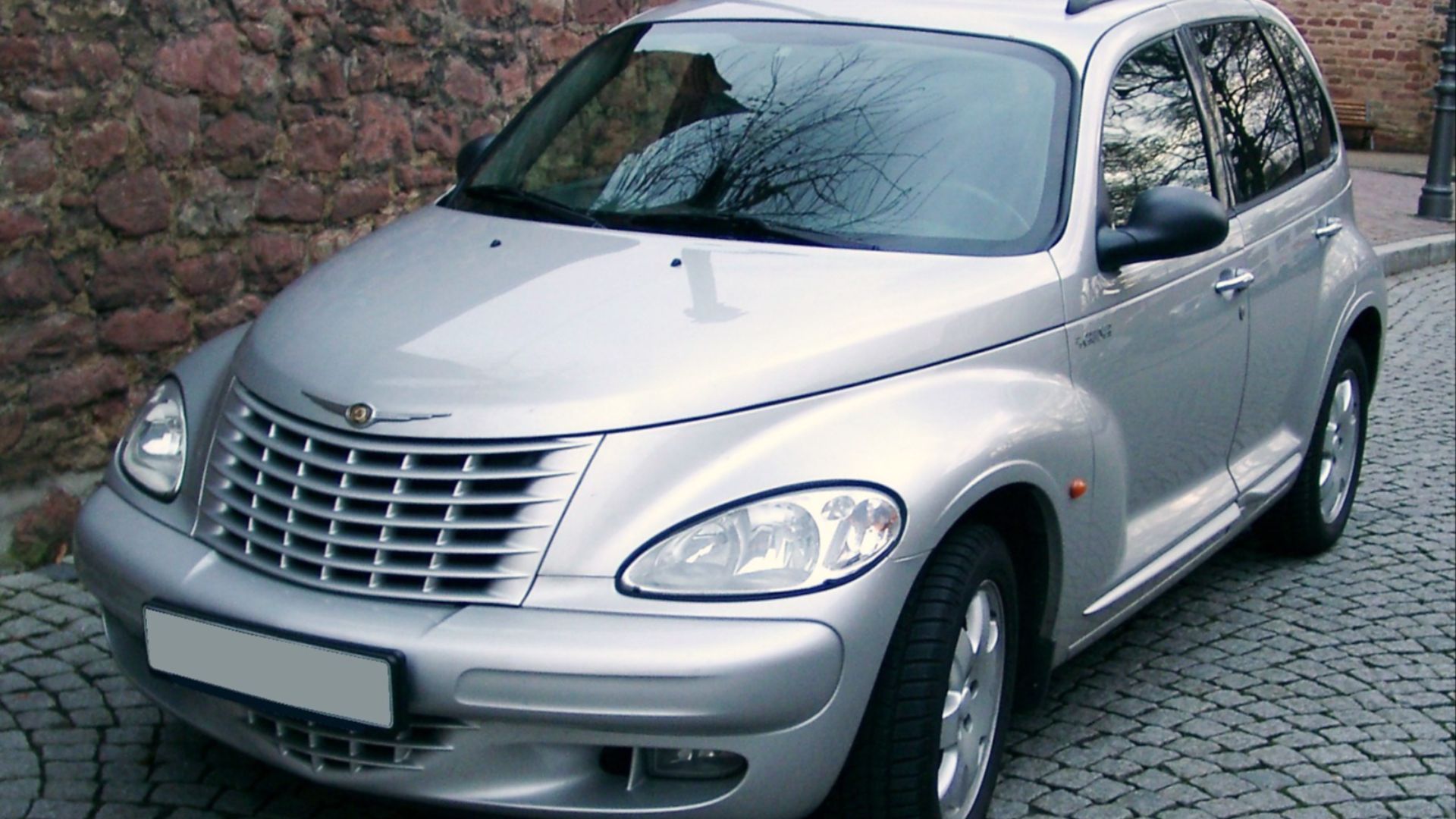
6. Chrysler PT Cruiser
The PT Cruiser became a punchline after it seemed to be everywhere, but that's just a sign of how popular it was when it launched. Buyers liked its retro styling, useful hatchback layout, and relatively affordable price. It wasn’t a performance icon, but it didn’t need to be one. The problem wasn't that it was a bad idea; it was just that the novelty wore off.
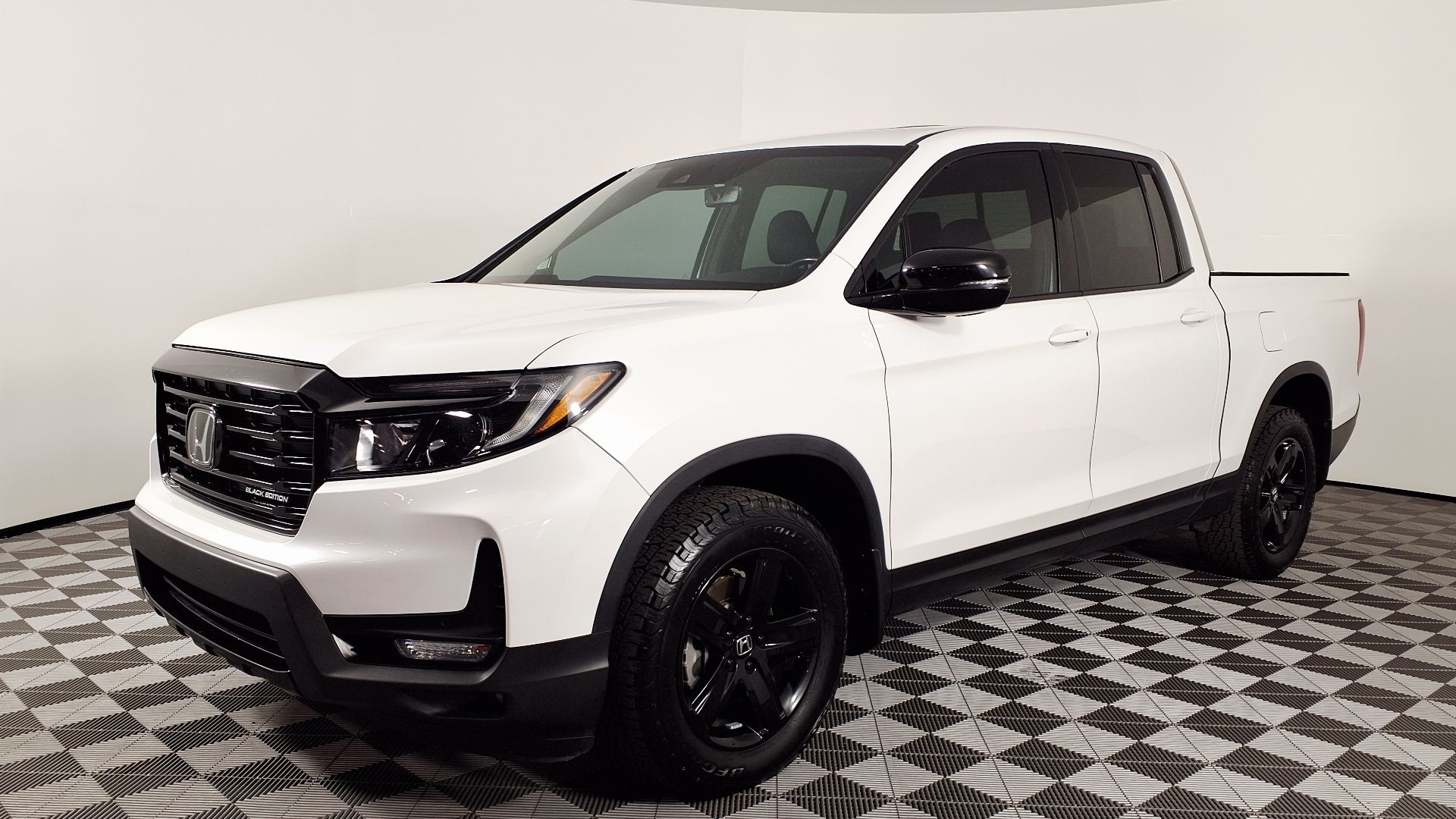
7. Honda Ridgeline
Truck purists have spent years saying the Ridgeline isn’t a “real truck,” but that criticism misses the point. It was designed for people who needed comfort, utility, and occasional hauling. Its unibody construction gave it a smoother ride, and its clever storage features made daily life easier. For many drivers, it’s more useful than a traditional pickup they’d never fully use.
8. BMW Z3
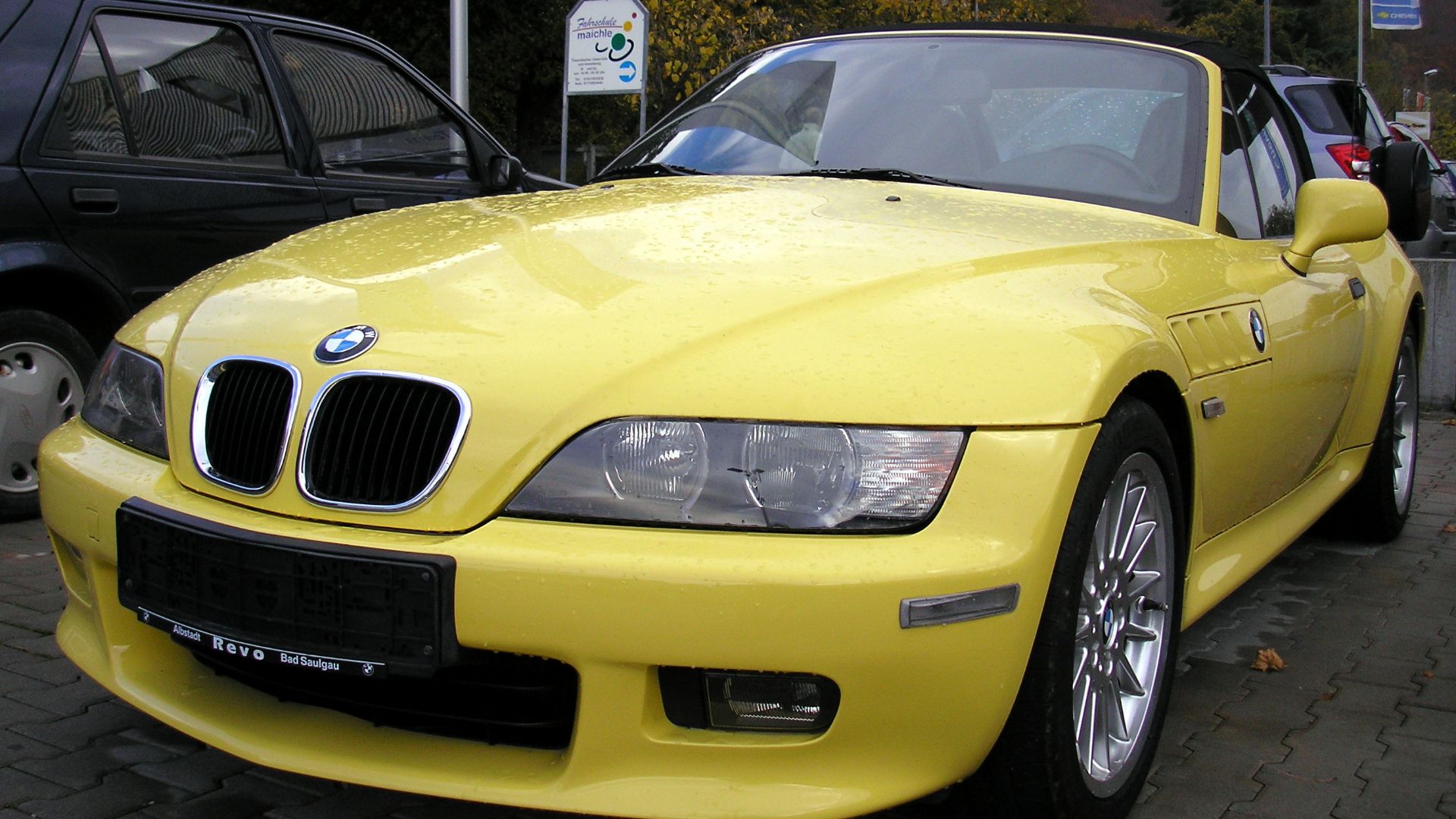
The BMW Z3 sometimes gets dismissed as more style than substance, but that’s not completely fair. It gave buyers a compact, rear-wheel-drive roadster with a premium badge and plenty of personality. The early four-cylinder cars weren’t rockets, but they still delivered open-top fun in a tidy package. Later six-cylinder versions had enough performance to make the criticism feel even more outdated.
9. Chevrolet Camaro Third Generation
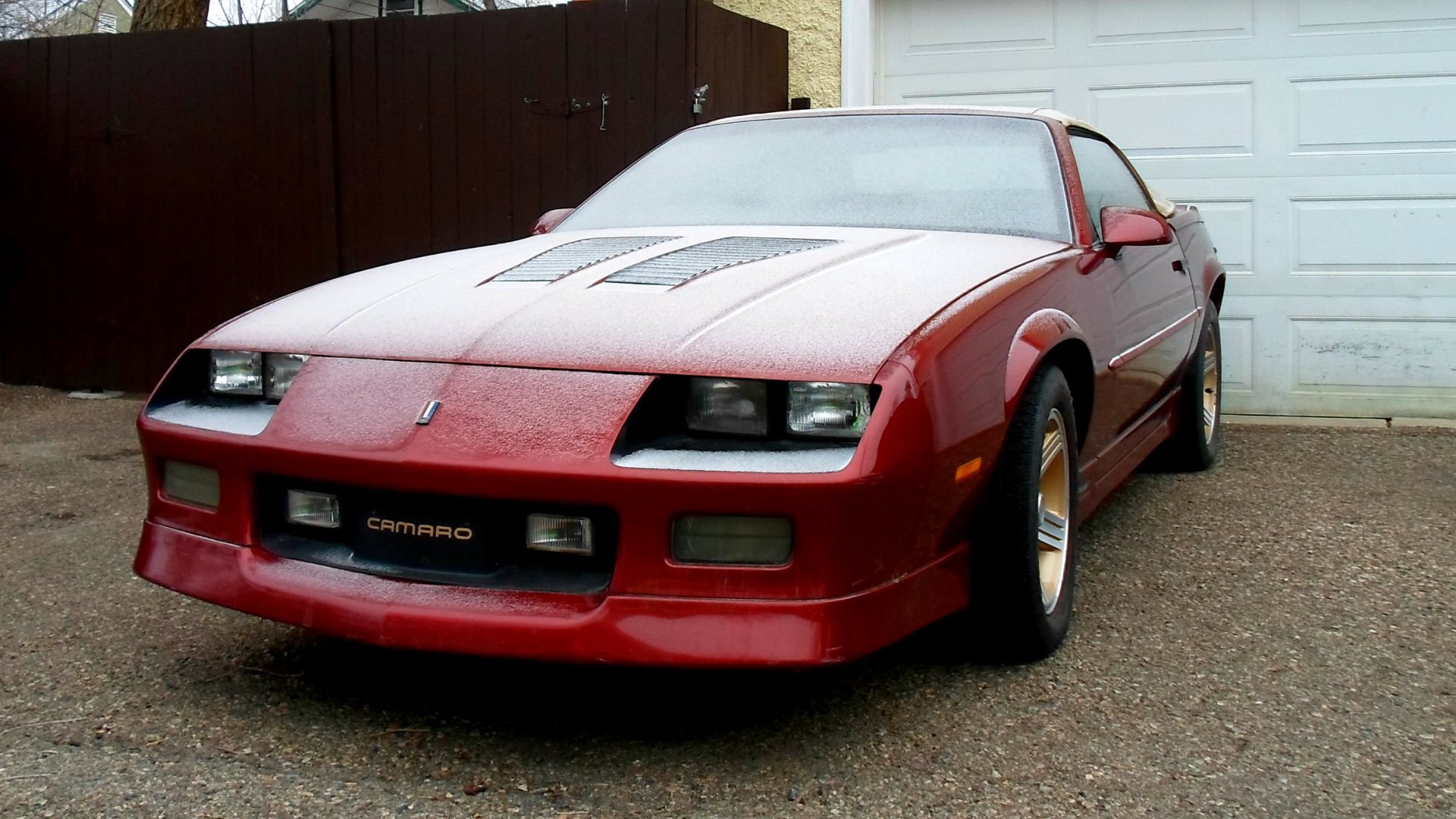
The third-generation Camaro often gets lumped in with tired jokes about the 1980s, but it was sharper than people remember. It brought lighter construction, modern styling, and improved handling compared with the cars before it. Some versions were held back by the power limits of the era, but the platform itself had a lot going for it.
10. Subaru Baja
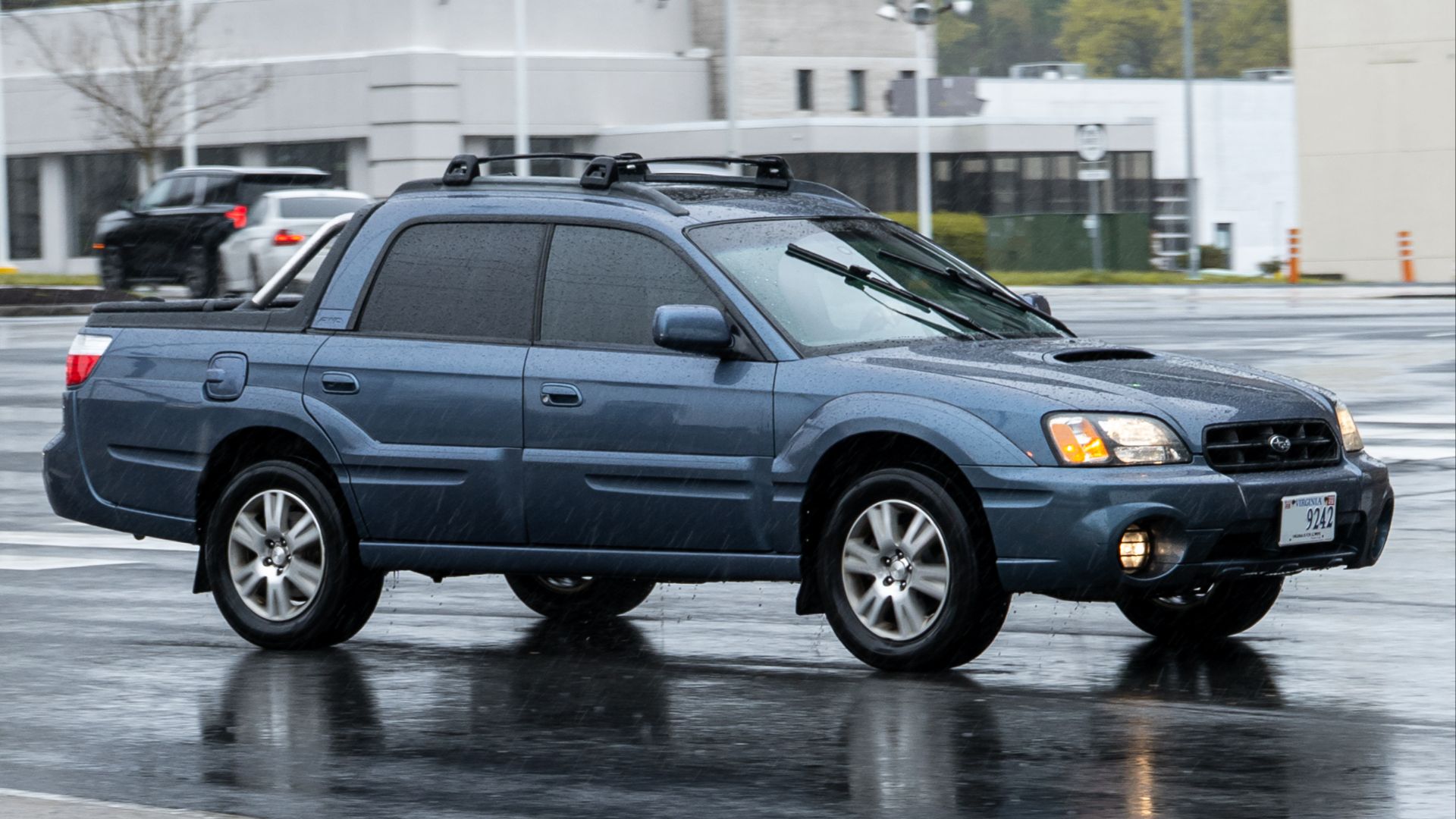
The Subaru Baja was mocked for not being enough of a truck and not being enough of a car, which is exactly why it was interesting. It blended all-wheel-drive wagon practicality with a small open bed, giving it a quirky usefulness that was hard to categorize. Buyers didn’t fully warm to it at the time, but the idea looks much smarter in today's market, which is full of people who want weird, compact utility vehicles.
11. Cadillac Cimarron
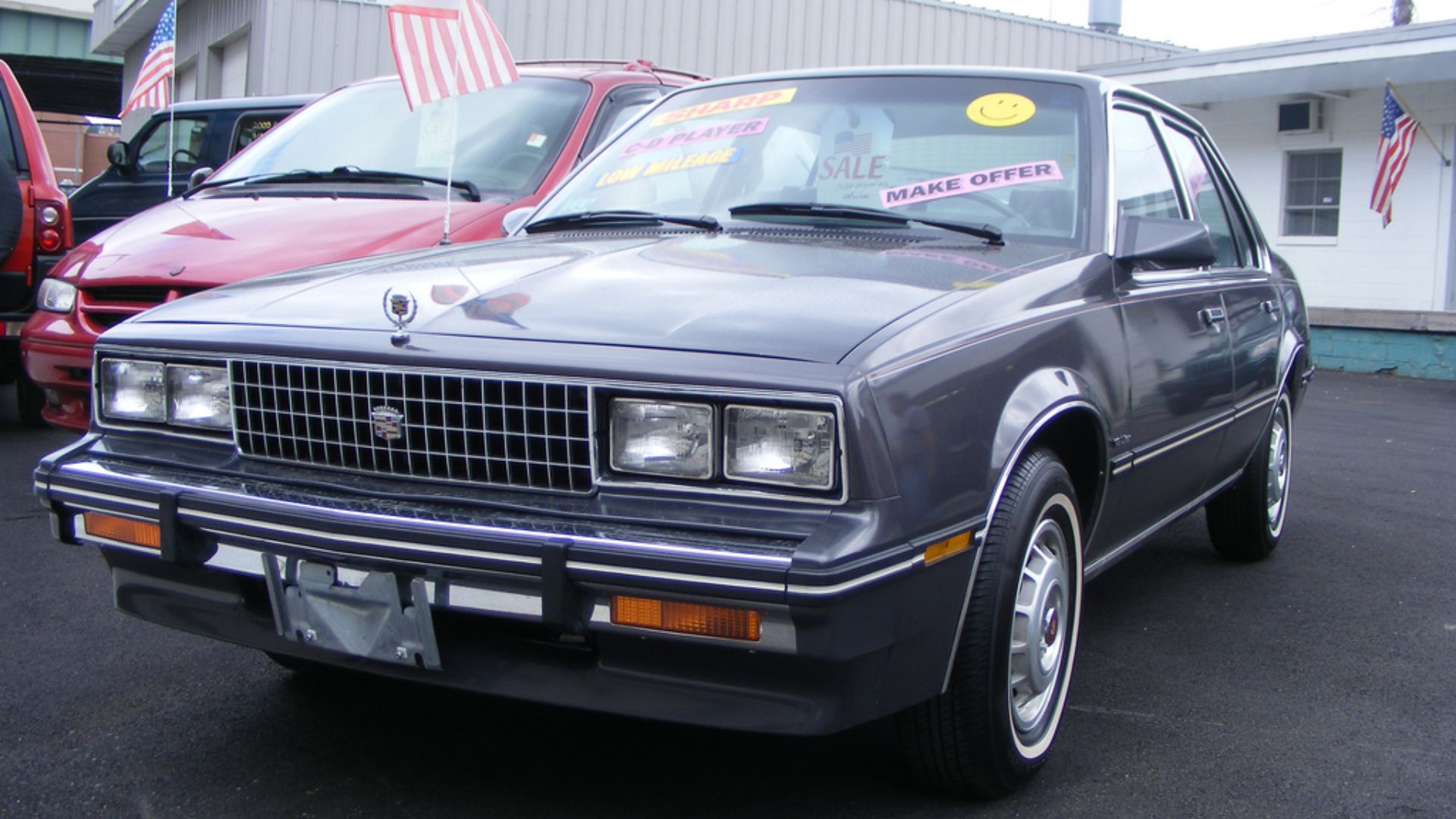
The Cimarron’s reputation as a low point for Cadillac is understandable, but it wasn’t quite as hopeless as the legend makes it sound. The real issue was positioning, because buyers expected a true luxury car and got something much closer to a dressed-up compact. Taken as a small, efficient sedan, it wasn’t bad at all for its time; it was just overpriced.
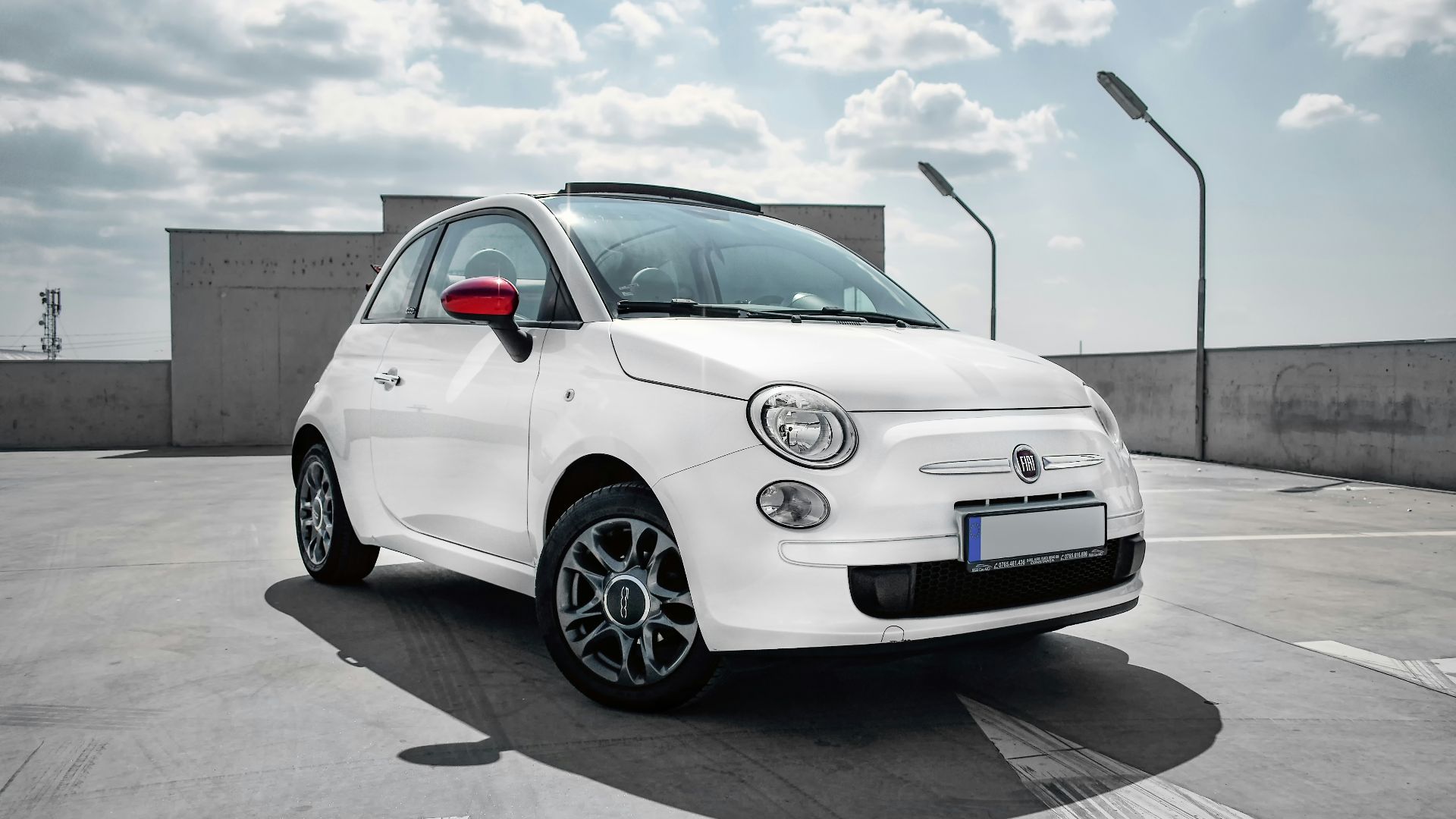
12. Fiat 500
The modern Fiat 500 has been called tiny, impractical, and too style-focused, but that criticism depends heavily on what you expect from it. As a city car, it’s charming, easy to park, and inexpensive to run. It was never meant to be a family hauler or highway bruiser.
13. Ford Crown Victoria
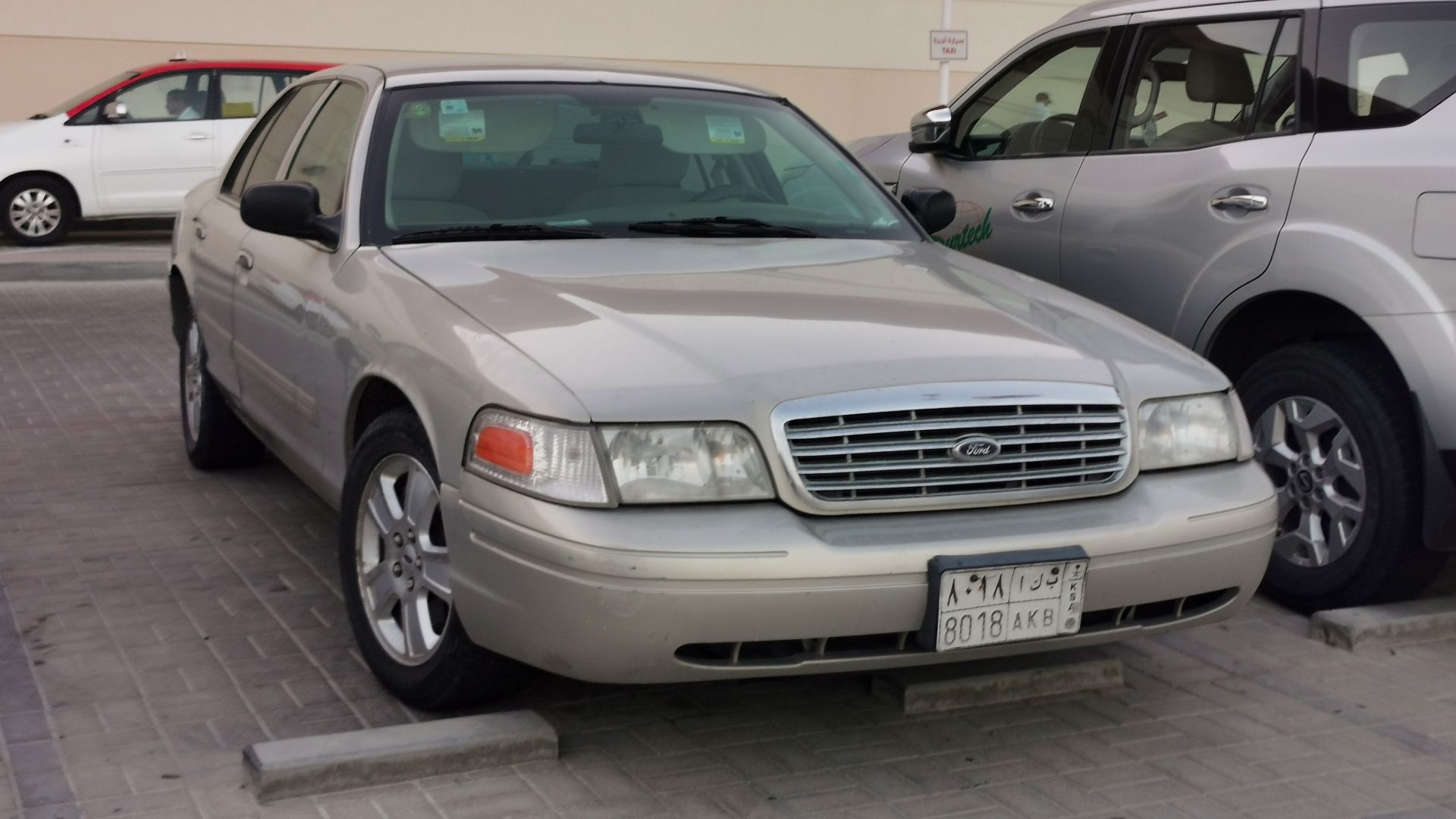
The Crown Victoria gained a reputation as the default police car, taxi, and grandparent sedan, which made some people overlook its strengths. It was durable, roomy, simple to maintain, and comfortable in a way many modern cars aren’t. There’s nothing glamorous about it, but not every good car needs glamour.
14. Nissan Juke
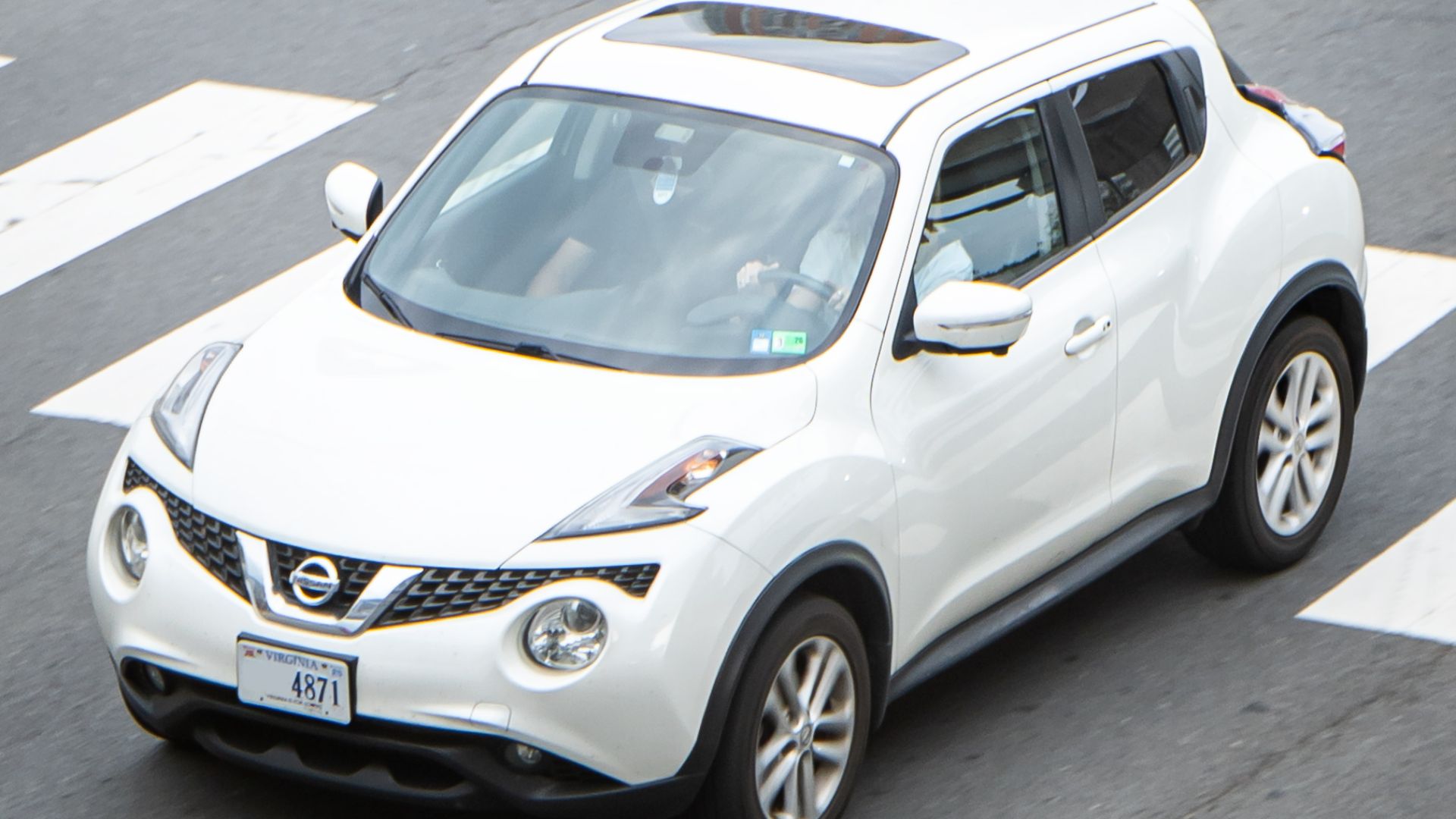
The Nissan Juke’s styling made it an easy target, but the car had more personality than many small crossovers of its time. It offered available turbocharged power, playful handling, and a cabin that didn’t feel completely generic. You might not love the way it looks, and that’s fair, but being odd isn’t the same as being bad.
15. Chevrolet Volt
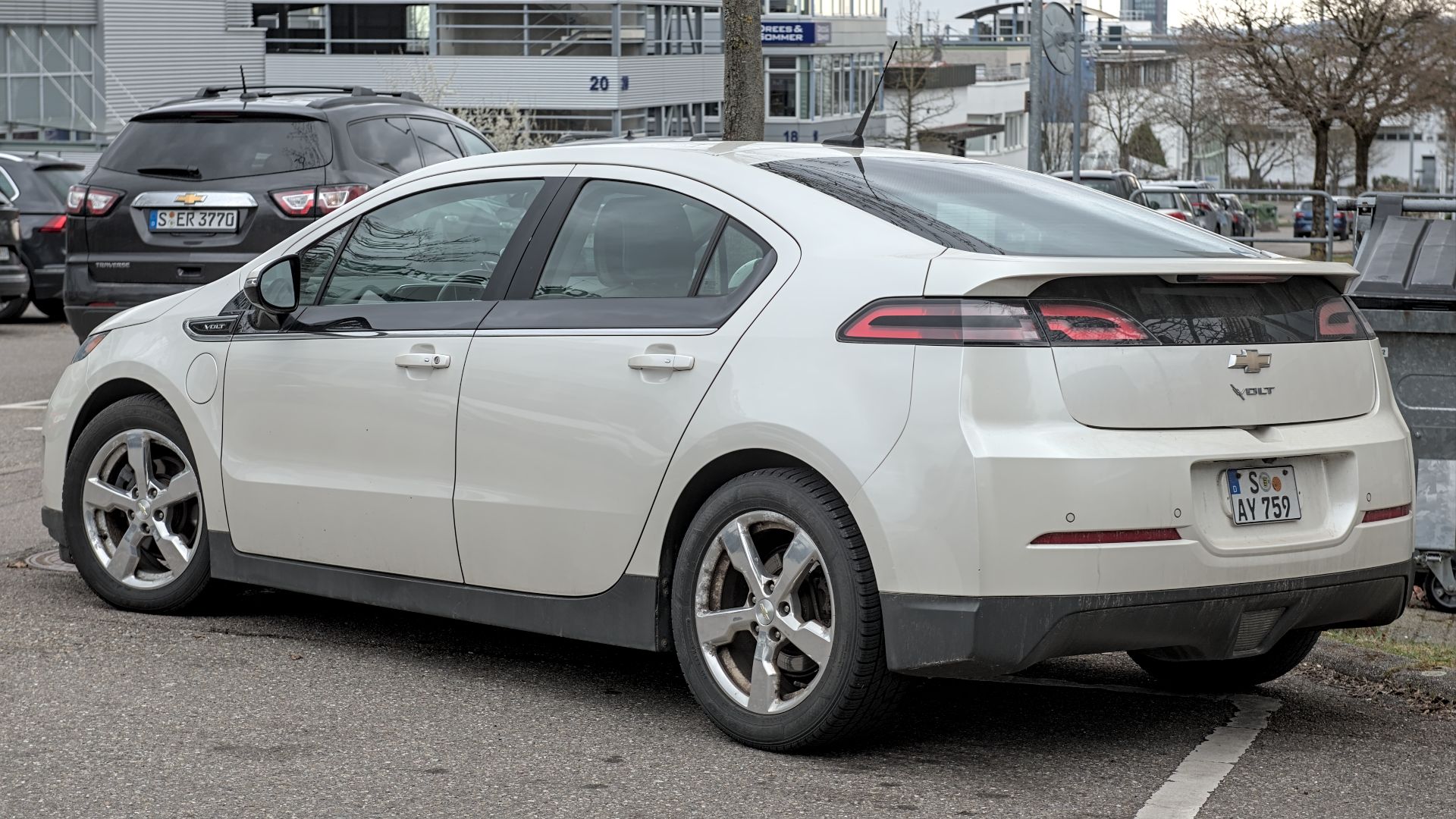
The Volt was often misunderstood because people didn’t always know whether to call it a hybrid, an electric car, or something in between. That confusion hurt its image, but the technology itself was genuinely clever. Owners could handle daily driving on electric power while still having a gas engine for longer trips, which solved real range anxiety before the charging network became much easier to live with.
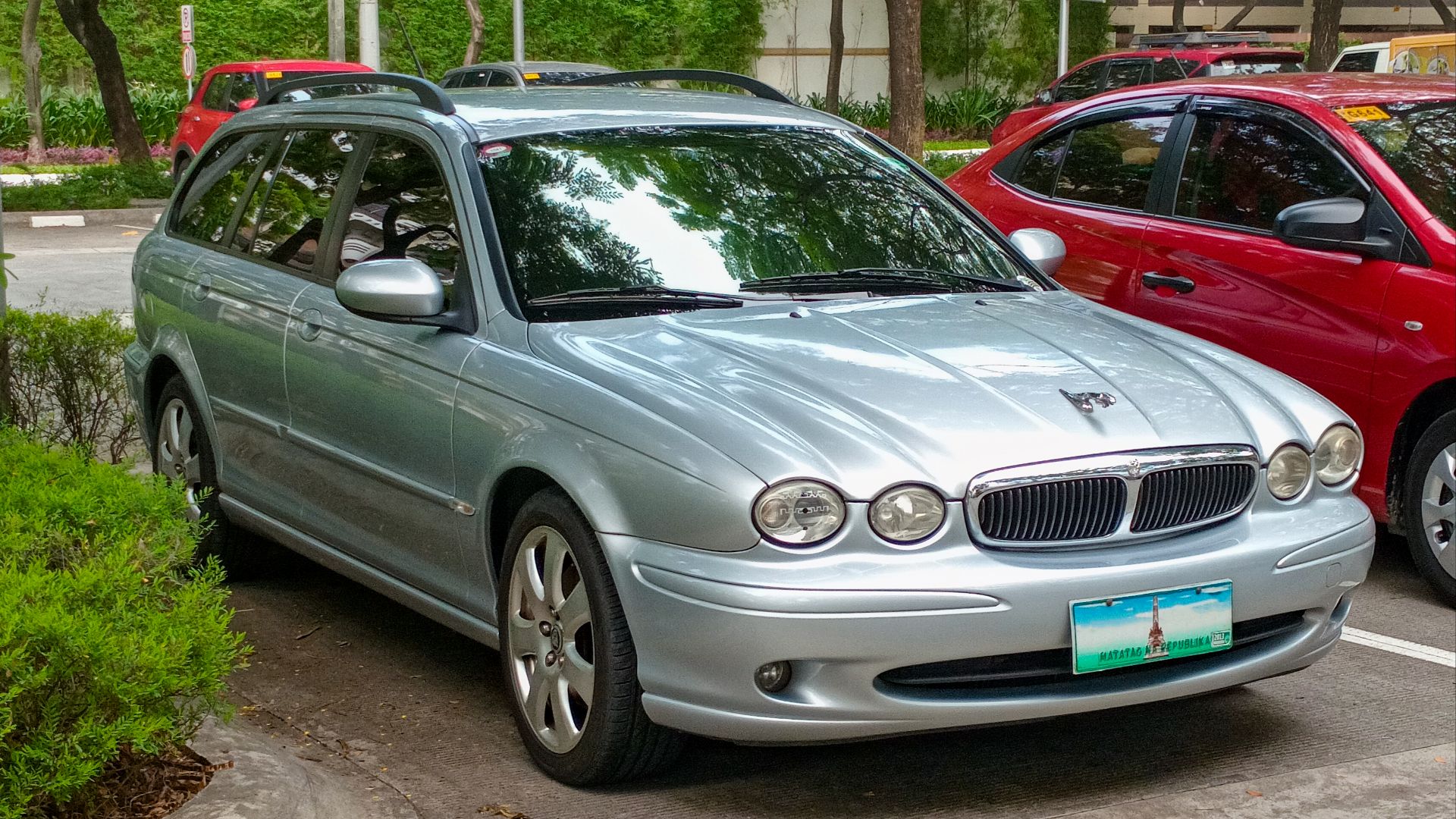
16. Jaguar X-Type
The X-Type was criticized for sharing roots with a more ordinary platform, but that doesn’t automatically make it a bad car. It gave buyers a smaller, more accessible Jaguar with available all-wheel drive and traditional styling cues. The problem was that people expected a miniature flagship, not a compact luxury sedan built to broaden the brand.
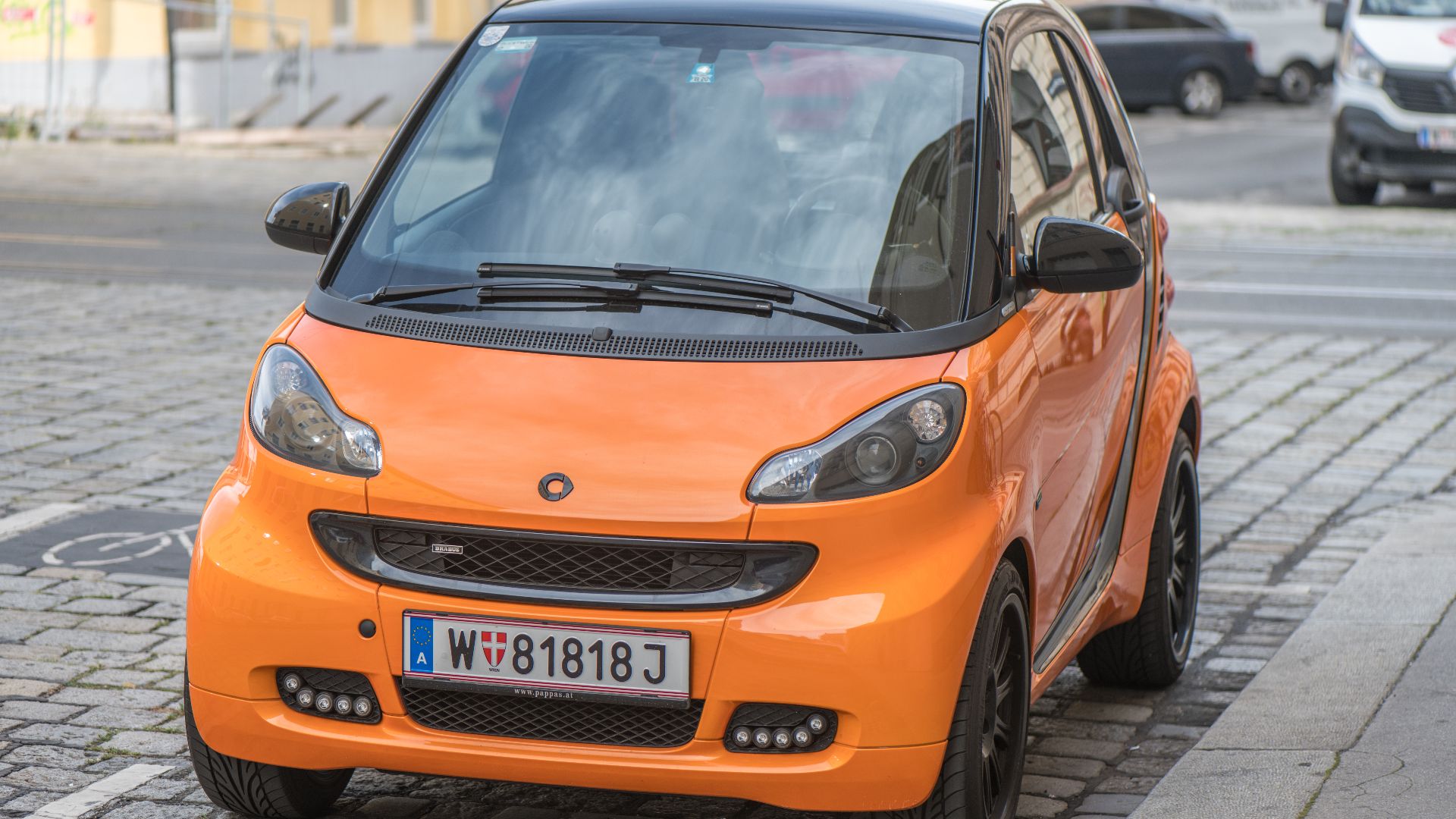
17. Smart Fortwo
The Smart Fortwo's criticism is mostly due to the fact that it's hilariously small. It may be awkward on highways, but that was never its natural habitat. In crowded cities, its size made parking and maneuvering ridiculously easy. It also stood out at a time when most cars were getting larger and heavier.
 Johannes Maximilian on Wikimedia
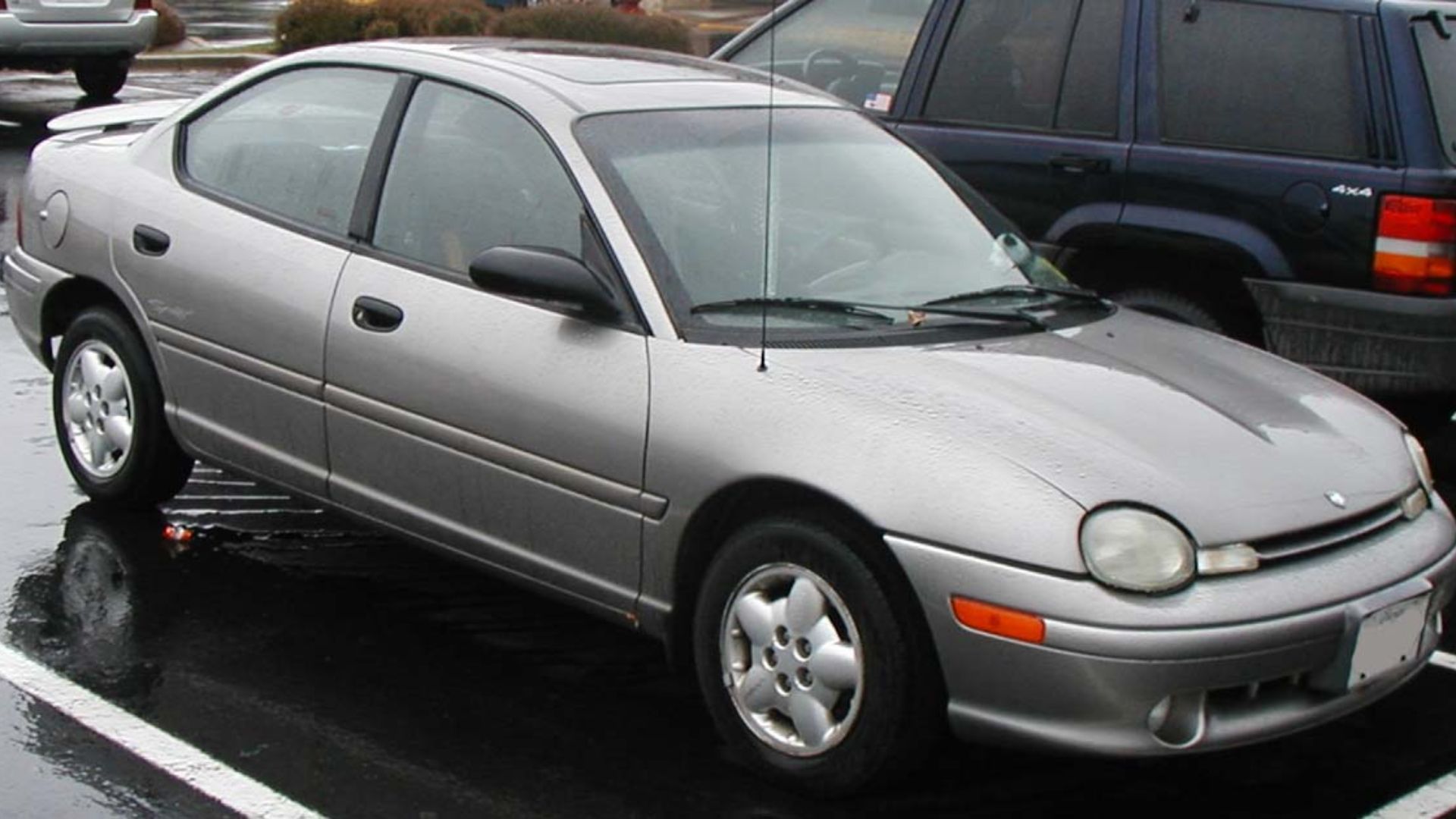
18. Dodge Neon
The Dodge Neon was often seen as cheap transportation, and to be fair, it was. But that doesn’t mean it lacked charm or capability. Early Neons were light, lively, and surprisingly fun to drive, especially compared with many economy cars from the same period. Its reputation suffered from cost-cutting and later neglect, but the basic formula had real appeal.
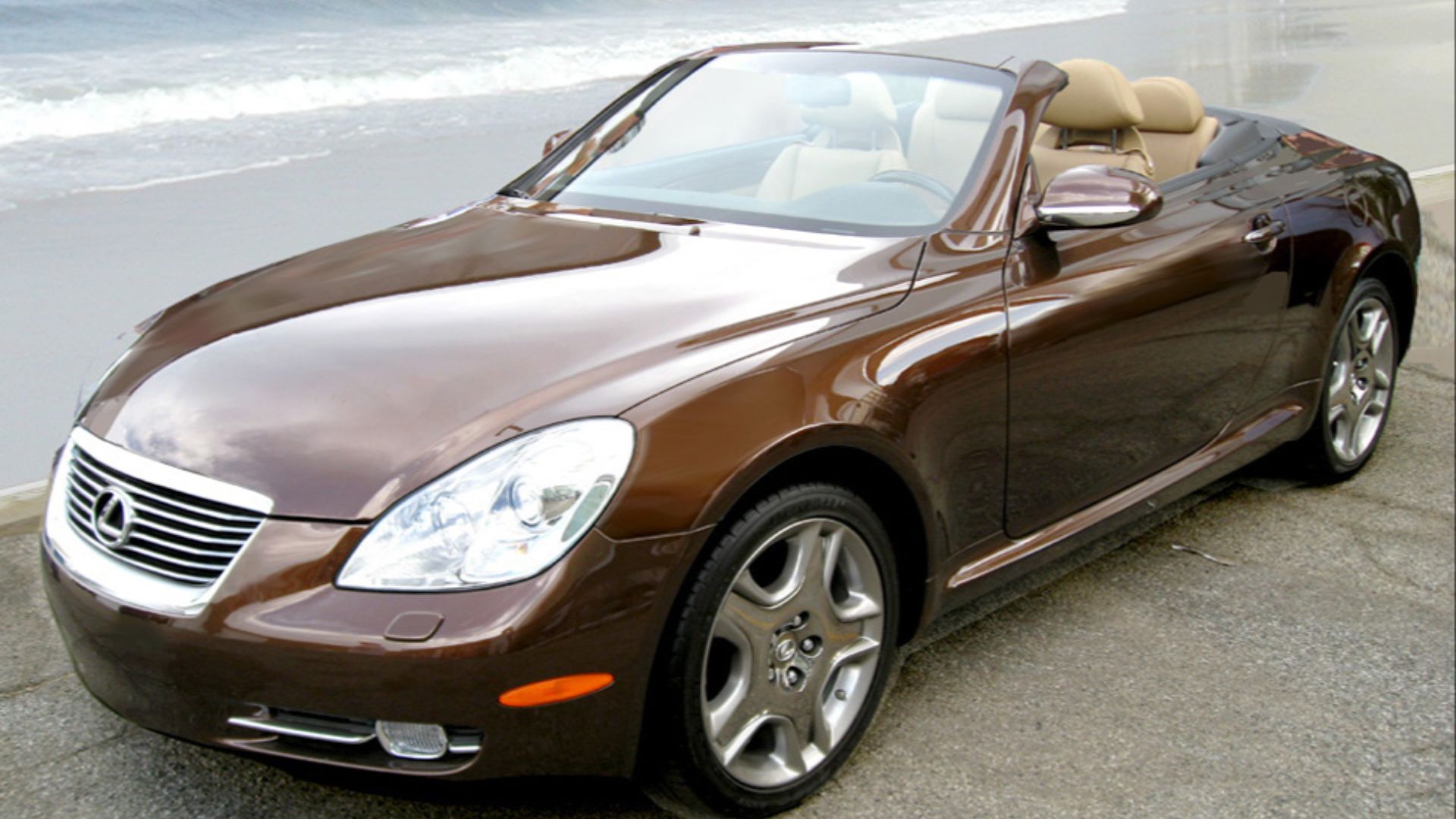
19. Lexus SC 430
The Lexus SC 430 got slammed by enthusiasts for being too soft, too heavy, and not sporty enough. The mistake was assuming it was supposed to be a sharp sports car in the first place. It was really a quiet, comfortable luxury convertible with a smooth V8 and a relaxing personality.
20. AMC Pacer
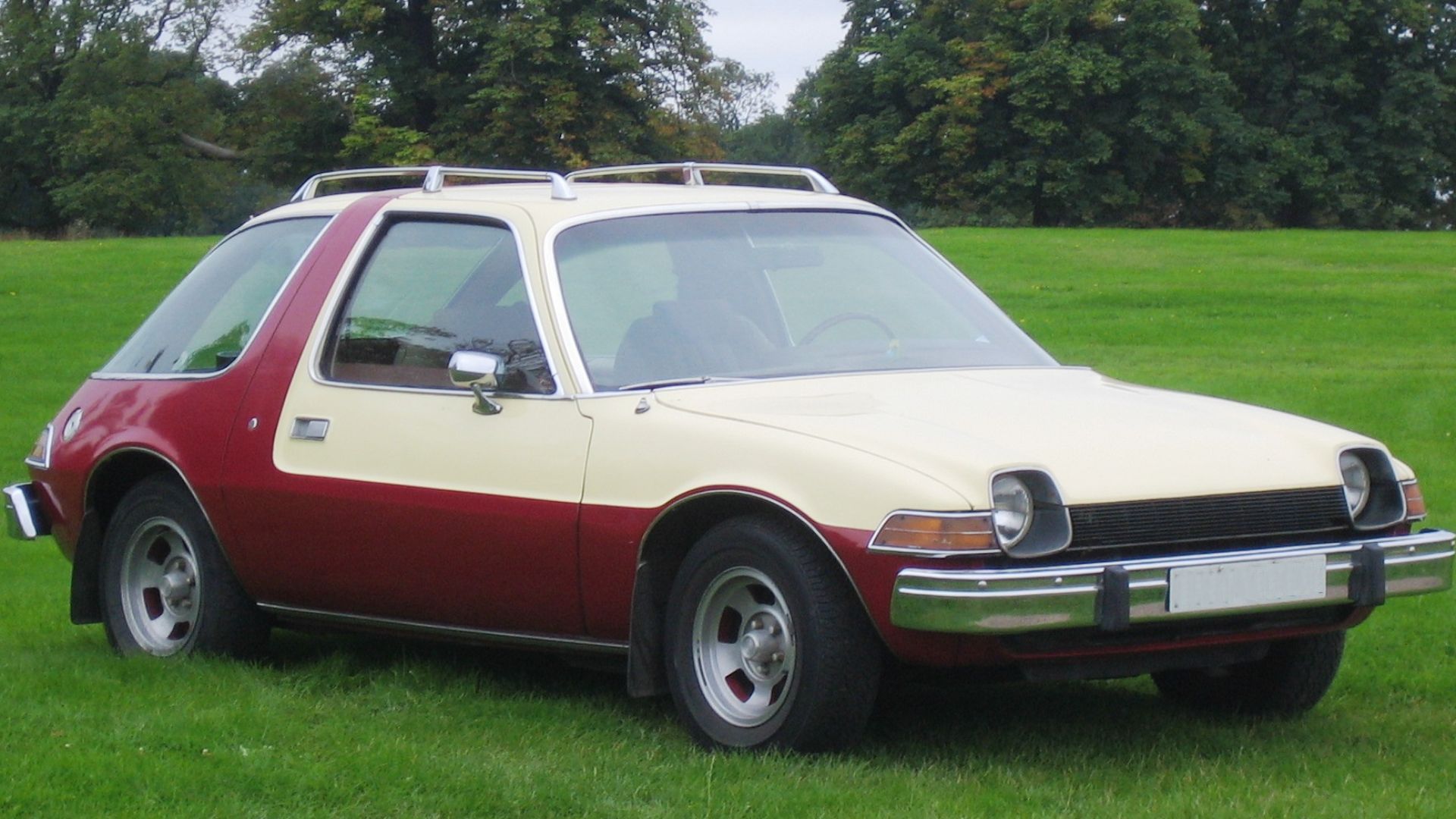
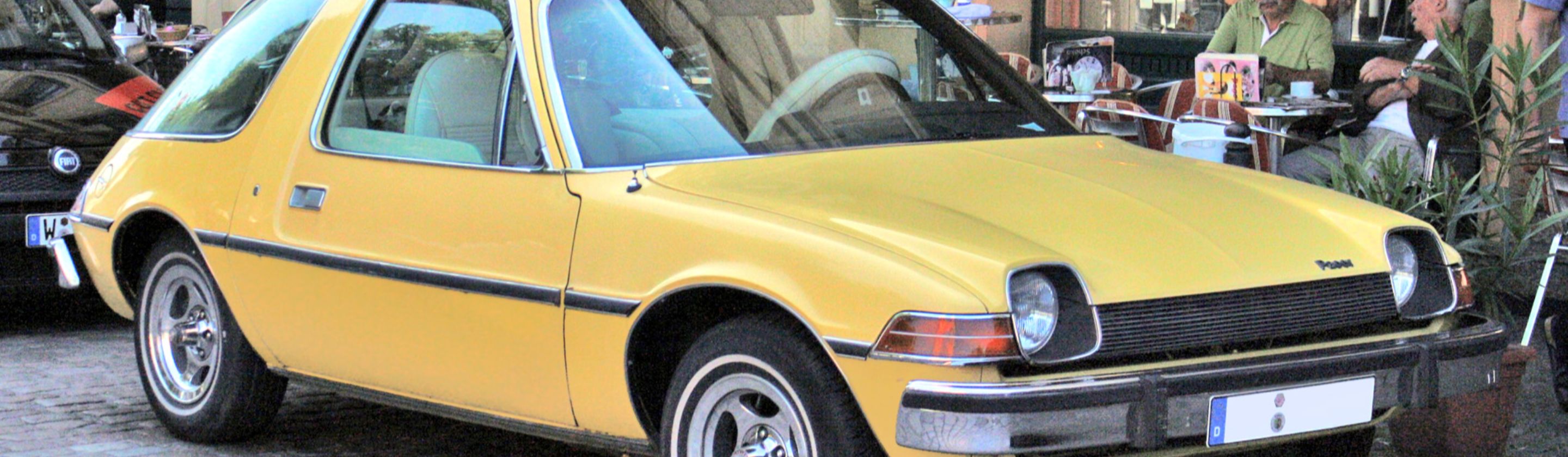
The AMC Pacer has carried a reputation as one of the strangest cars ever sold in America, and it certainly is. But strange doesn’t mean worthless. It offered a roomy cabin, big glass, and a distinctive design that tried to rethink what a compact car could be.