20 Cars That Were Built for Trends That Disappeared Almost Immediately
When the Market Moved Faster Than the Cars
Automakers spend years trying to predict what drivers will want next, which can become a problem when the trend they're chasing disappears before the finished car even reaches its stride. Some models arrived just as buyers abandoned retro styling, small pickups, quirky crossovers, or other ideas manufacturers thought would dominate the next decade. Plenty of these cars weren't necessarily bad, but they were designed around tastes that changed surprisingly quickly. Here are 20 vehicles that stand as weird reminders of how fleeting trends can be.
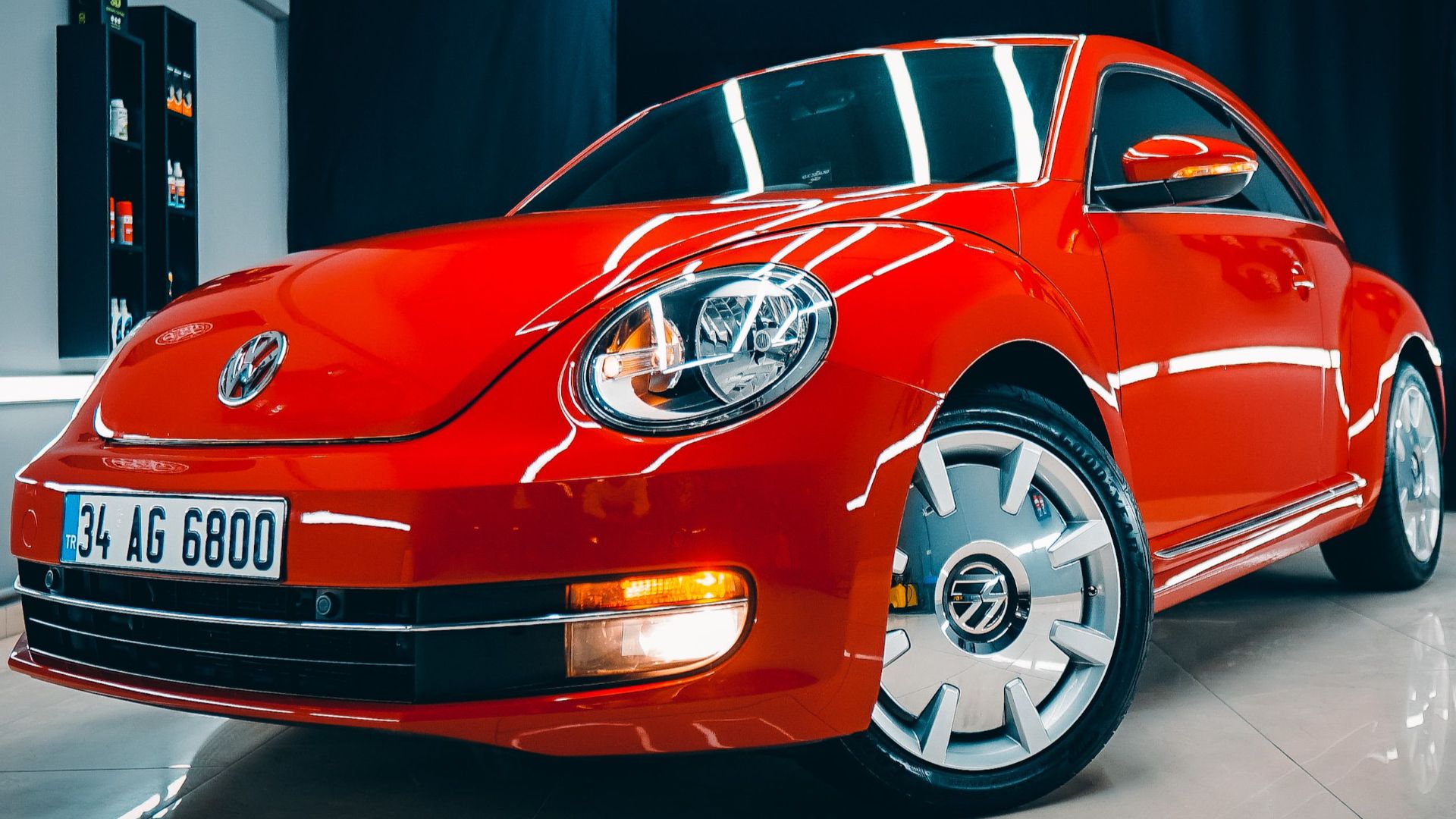
1. Chrysler PT Cruiser
When the PT Cruiser arrived for 2001, retro styling was suddenly one of the industry's hottest ideas. Its tall body and 1930s-inspired details initially attracted plenty of attention, and buyers briefly treated it as something genuinely different. The problem was that America's fascination with aggressively retro designs cooled considerably during the following decade, making its once-fashionable appearance start to look firmly tied to an earlier moment.
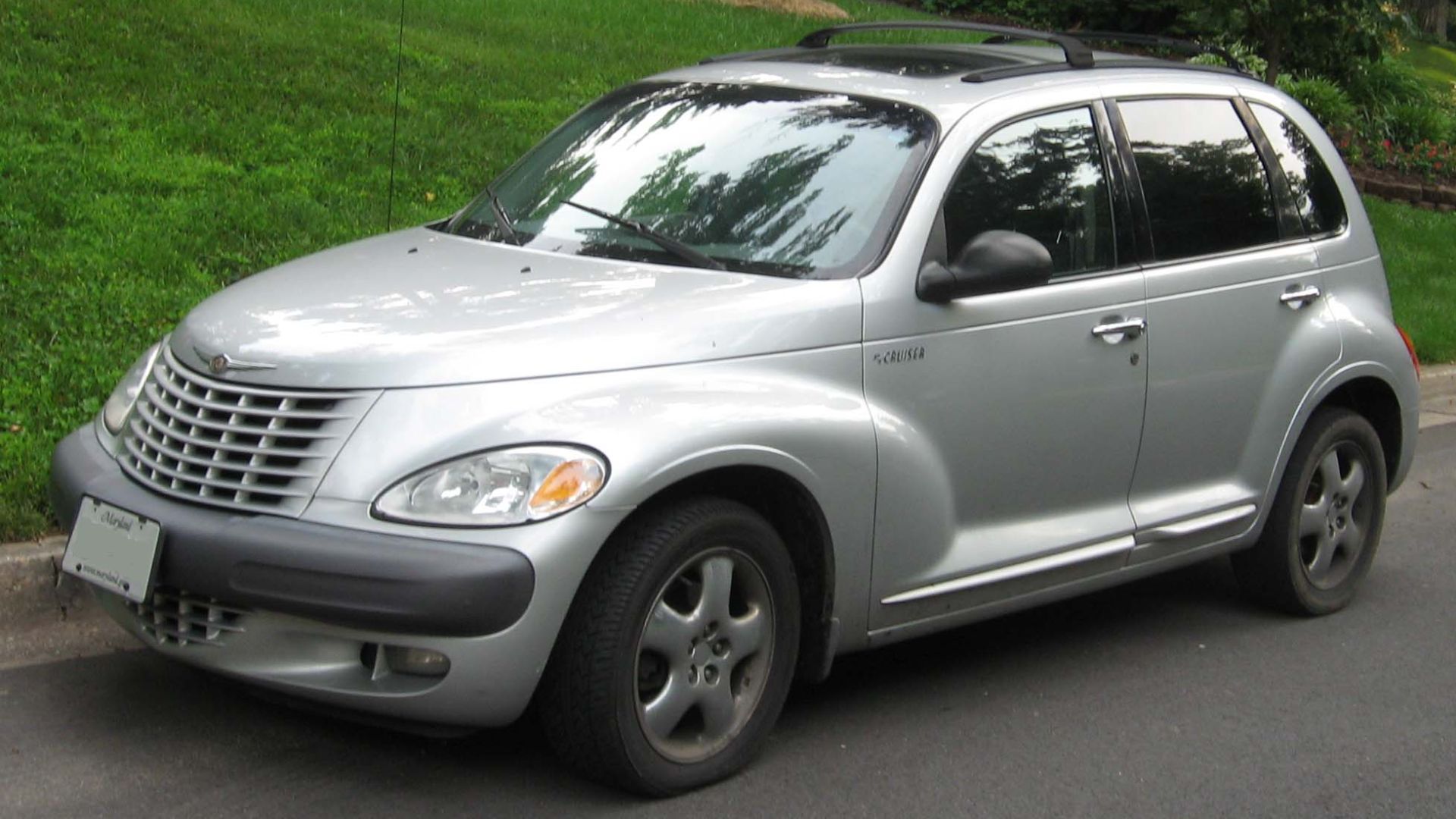
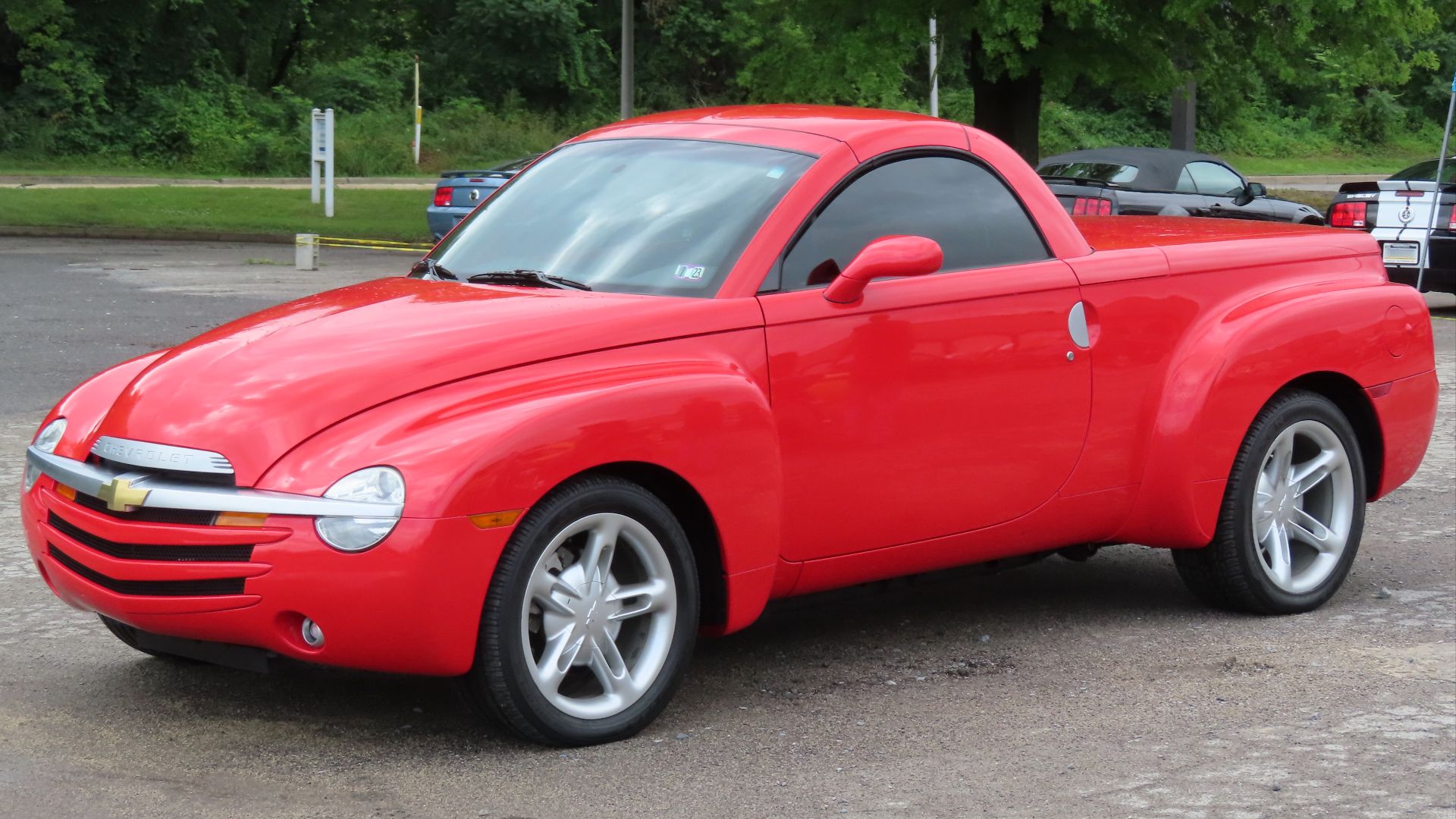
2. Chevrolet SSR
Chevrolet took the retro craze even further with the SSR, combining a pickup, convertible, and hot rod into one unusual vehicle. It arrived when automakers were convinced nostalgia could turn almost anything into a desirable specialty car. Unfortunately, buyers willing to spend serious money on such an unconventional combination were fairly limited. Production lasted only from 2003 through the 2006 model year.
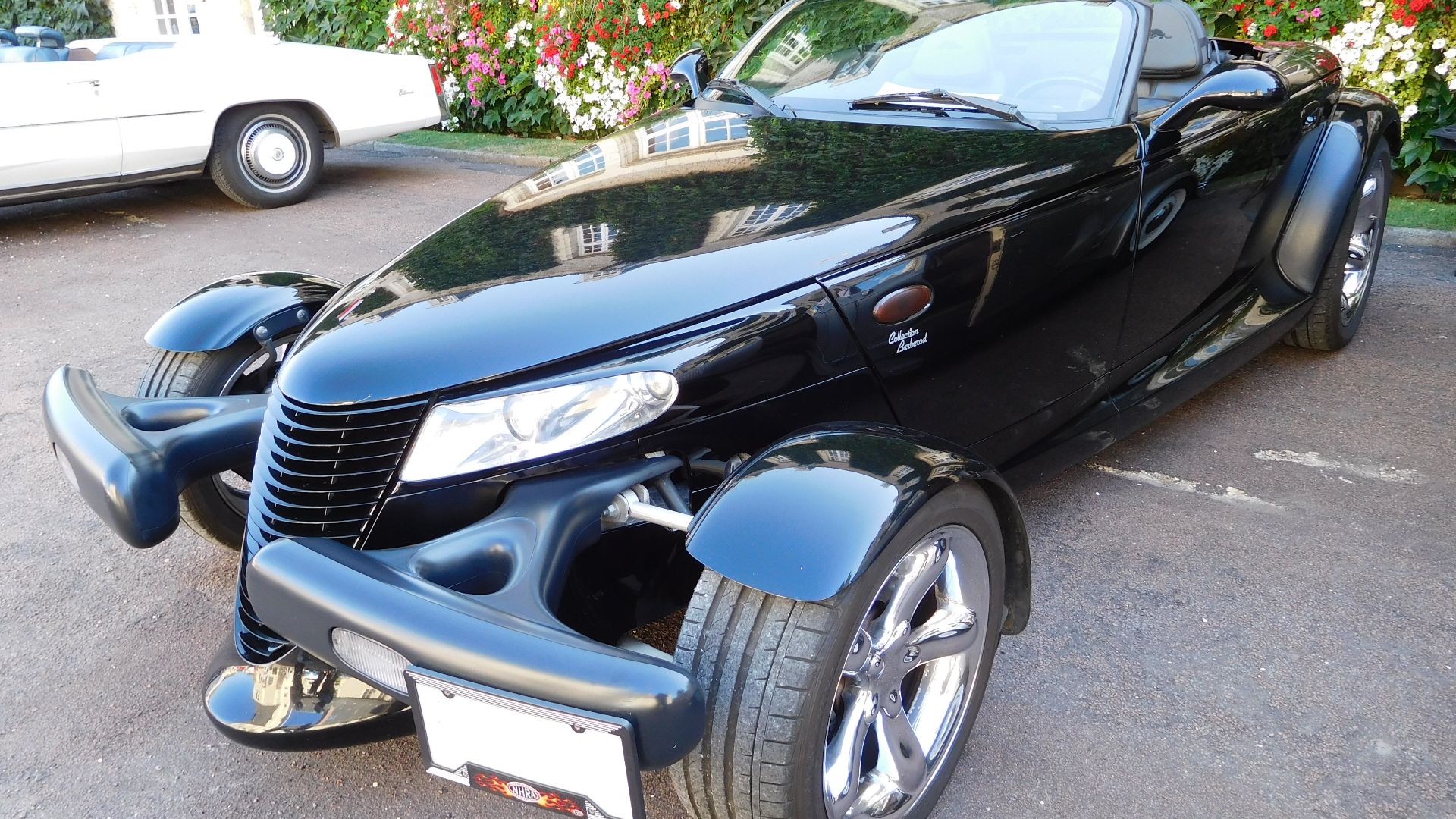
3. Plymouth Prowler
Few production cars committed to the retro hot-rod movement as enthusiastically as the Plymouth Prowler. Its exposed front wheels and dramatically tapered body looked unlike practically anything else sitting in a dealership during the late 1990s. Retro design continued afterward, but the appetite for cars styled quite this literally around old hot rods proved small.
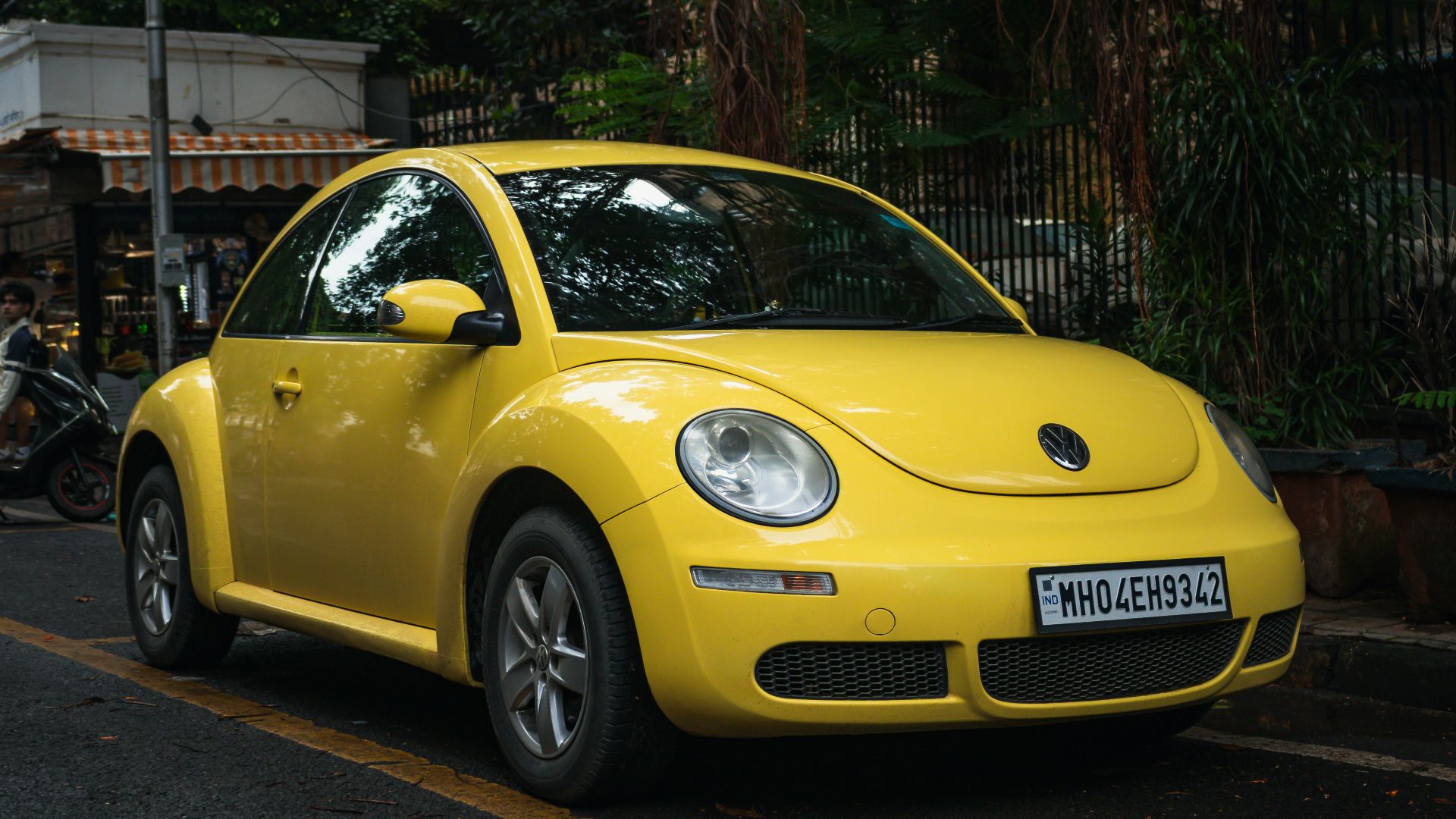
4. Volkswagen New Beetle
Volkswagen scored an enormous publicity win when it revived the Beetle shape in the late '90s. Nostalgia was becoming a serious automotive selling point, and the New Beetle arrived at exactly the right time to capitalize on it. Eventually, though, buyers became less interested in owning cars whose main attraction was their connection to decades past. Volkswagen redesigned the Beetle with a more restrained look for 2012 before finally ending production altogether in 2019.
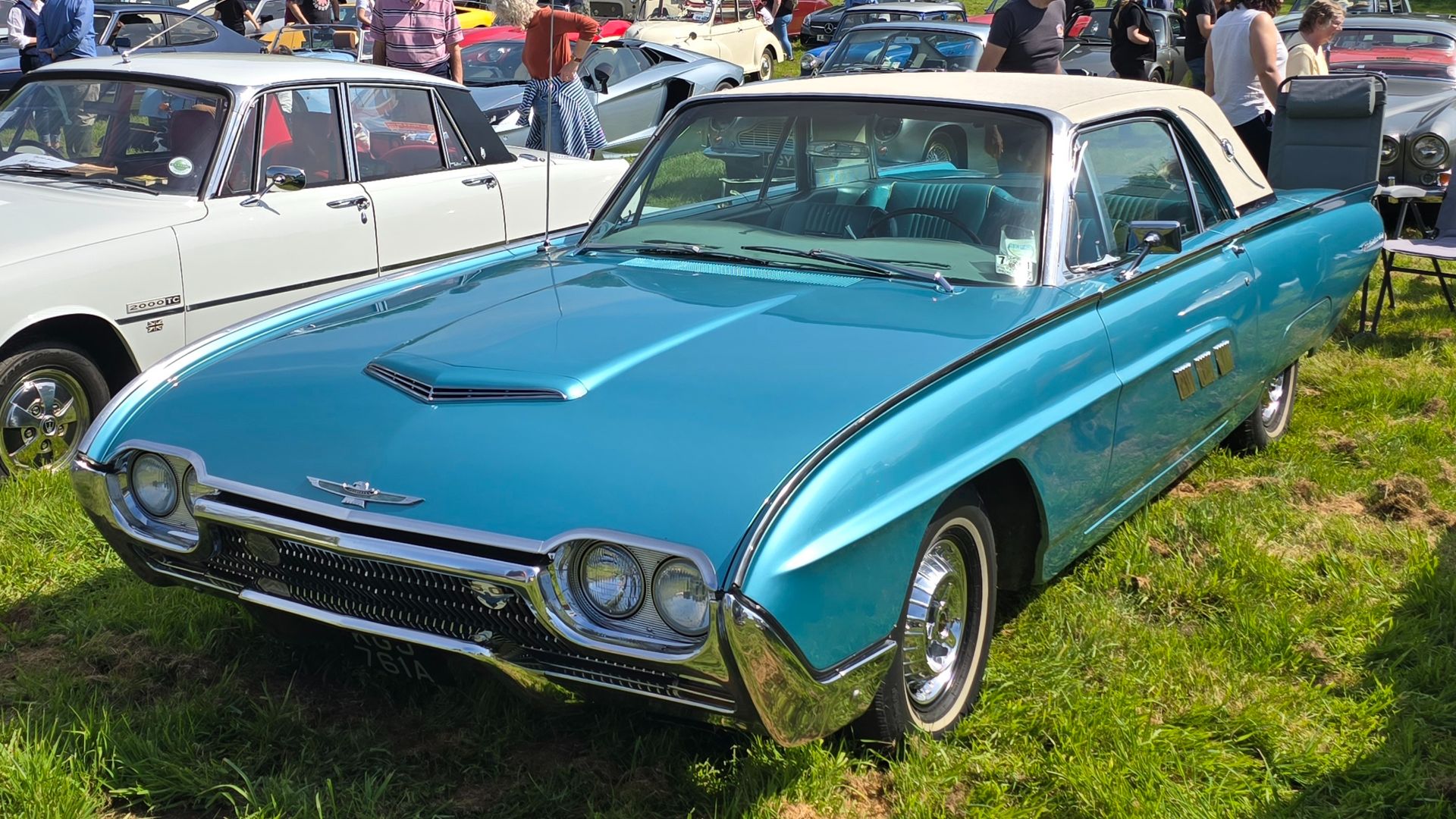
5. Ford Thunderbird
Ford brought back the Thunderbird for 2002 with styling deliberately inspired by its glamorous 1950s ancestors. The car fit perfectly into the early-2000s obsession with modern vehicles wearing unmistakably old-fashioned design cues. Initial attention didn't translate into enough sustained demand, particularly once retro styling stopped feeling so fresh, and Ford discontinued the revived Thunderbird after only four model years.
6. Nissan Murano CrossCabriolet
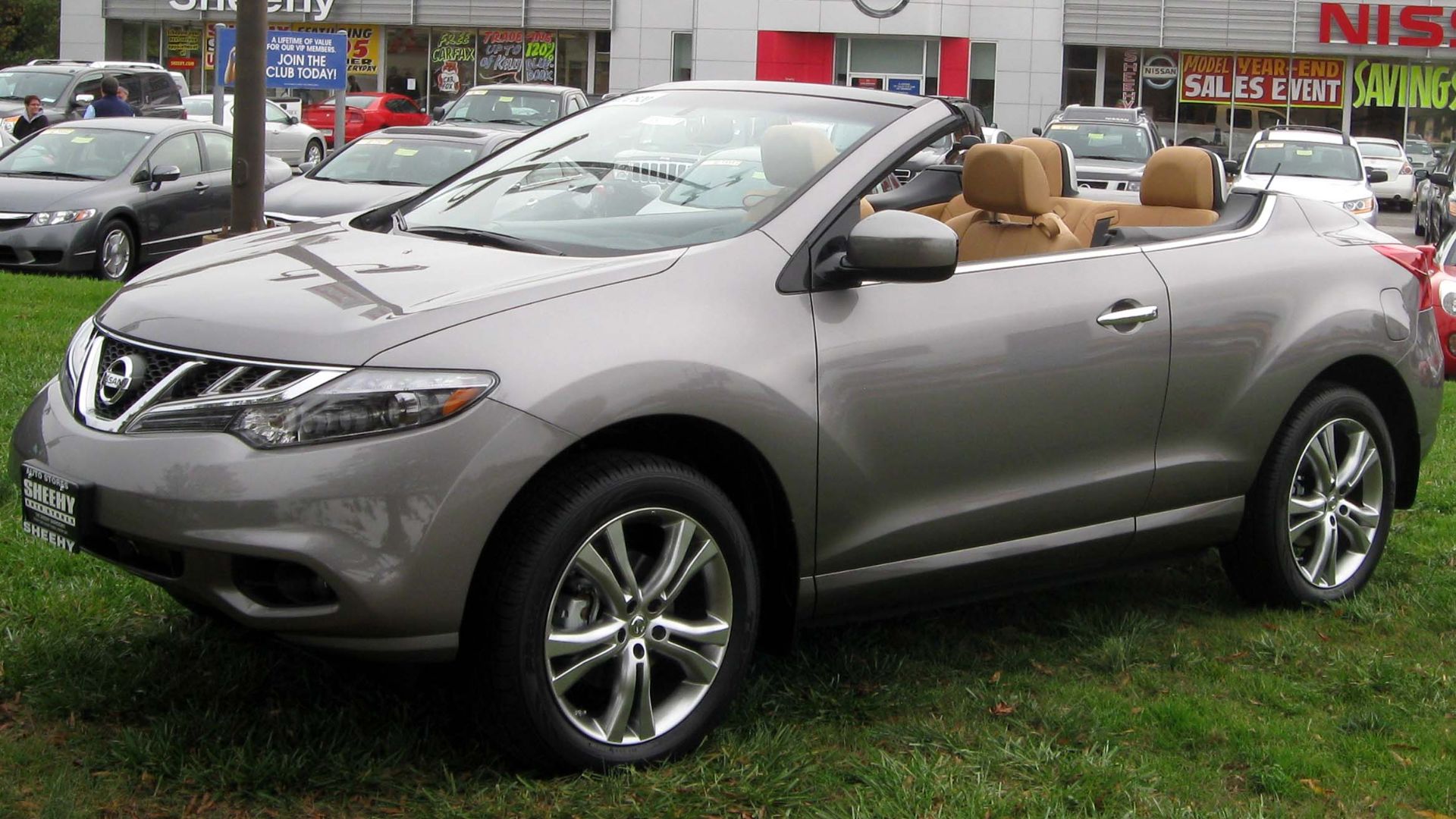
There was a brief time when automakers seemed willing to turn almost anything into a crossover. Nissan tested the limits with the Murano CrossCabriolet, a two-door convertible version of its midsize SUV that debuted for 2011. It assumed buyers might want an SUV's raised seating position without the roof, rear doors, or much of the practicality that normally makes an SUV appealing. Very few competitors followed Nissan's lead, and the CrossCabriolet disappeared after just one year in production.
7. Range Rover Evoque Convertible
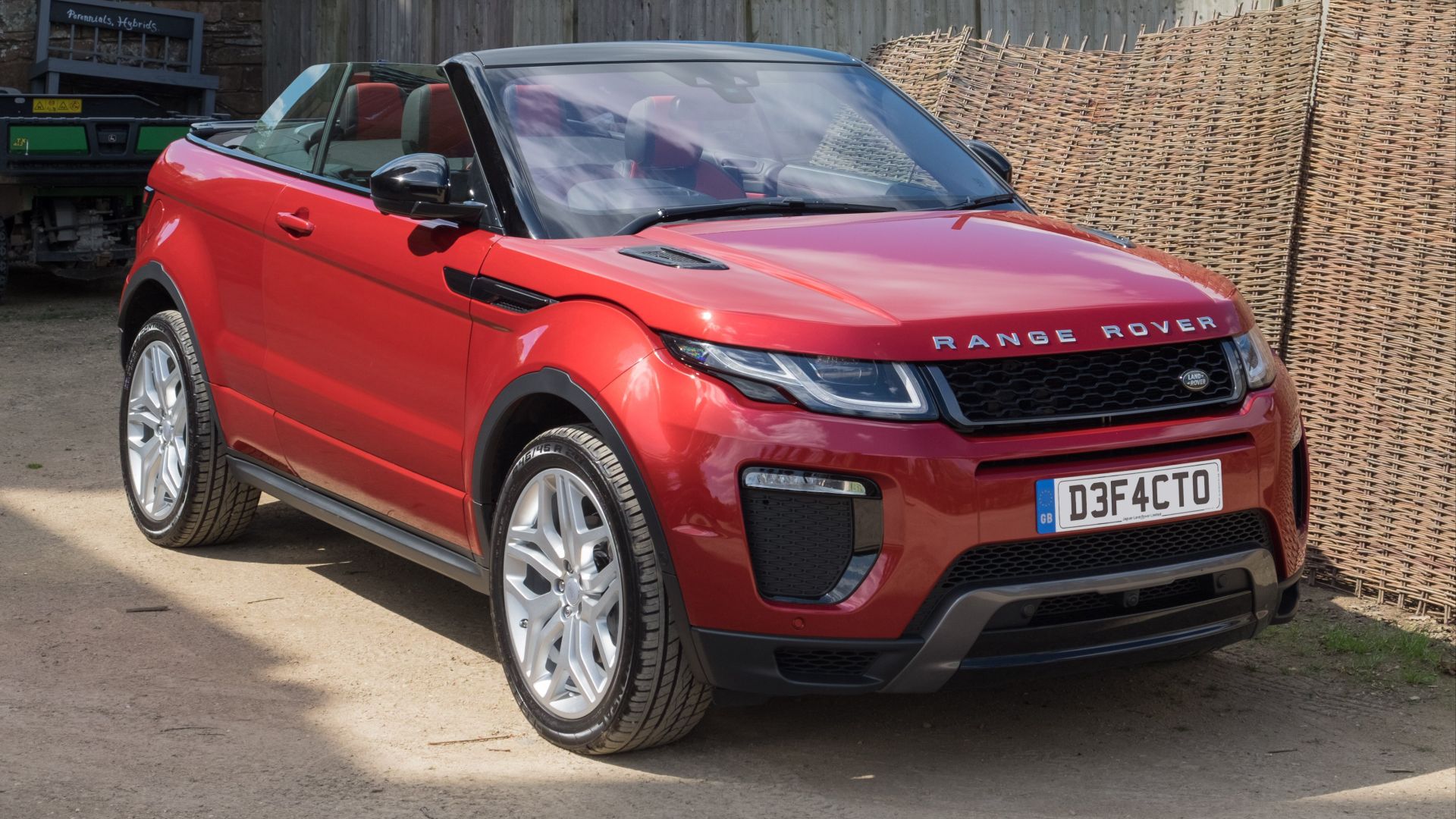
Land Rover apparently saw enough potential in the convertible-crossover idea to give it another shot several years later. The Evoque Convertible looked more upscale than Nissan's effort and offered genuine off-road capability, but the market still wasn't exactly begging for roofless SUVs. Buyers were understandably more interested in practical crossovers with usable rear seats and cargo areas instead, leading to the swift disappearance of the convertible Evoque.
8. Chevrolet Avalanche
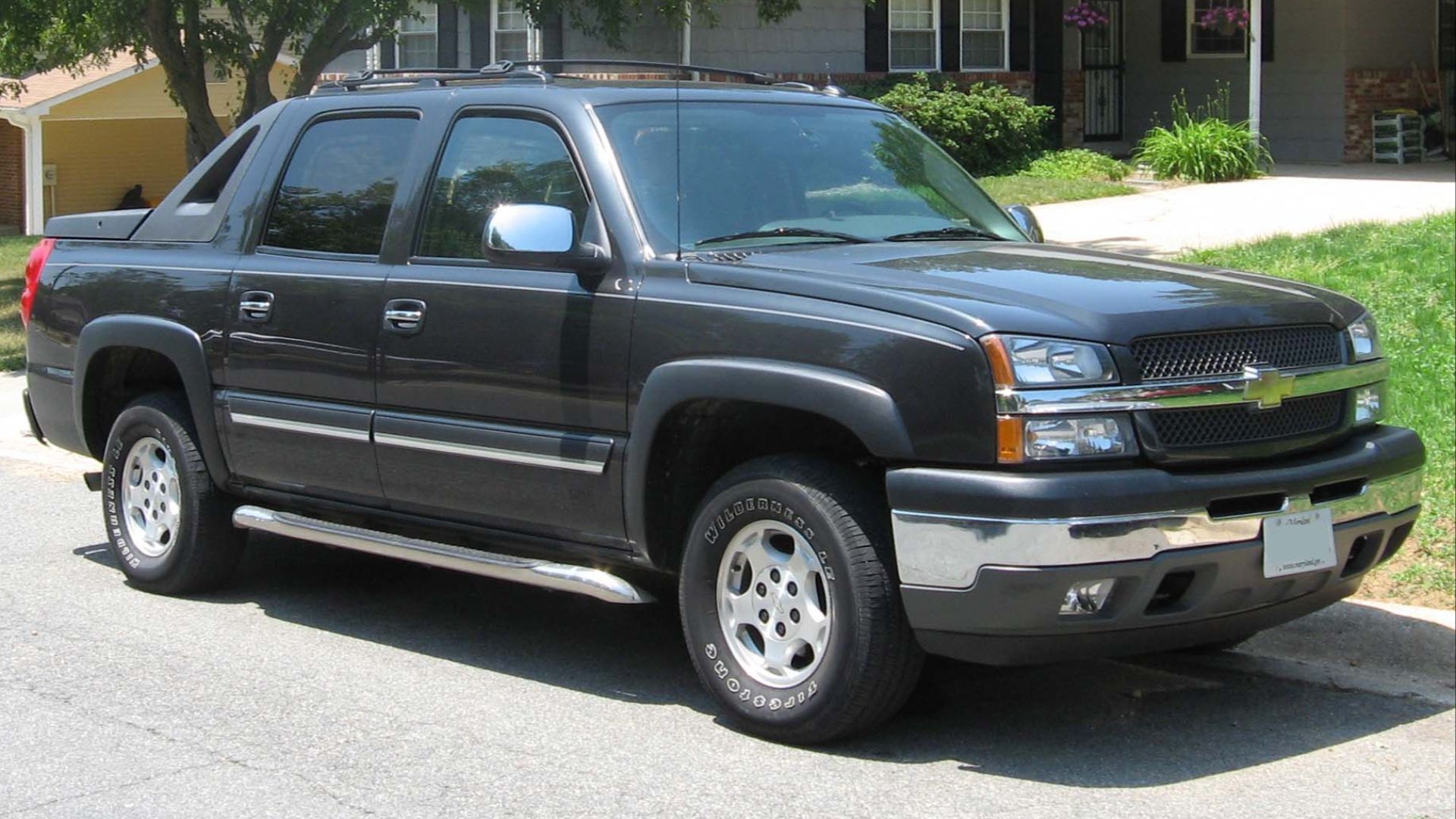
The Chevrolet Avalanche came from an era when manufacturers were experimenting with vehicles that blurred the line between pickups and SUVs. Its clever Midgate could open the passenger compartment into the bed, giving owners extra cargo flexibility without permanently sacrificing rear seating. For a while, that versatility seemed like it might create an entirely new category. Instead, traditional crew-cab pickups ended up becoming so spacious and comfortable that the Avalanche's unusual setup became much harder to justify.
9. Subaru Baja
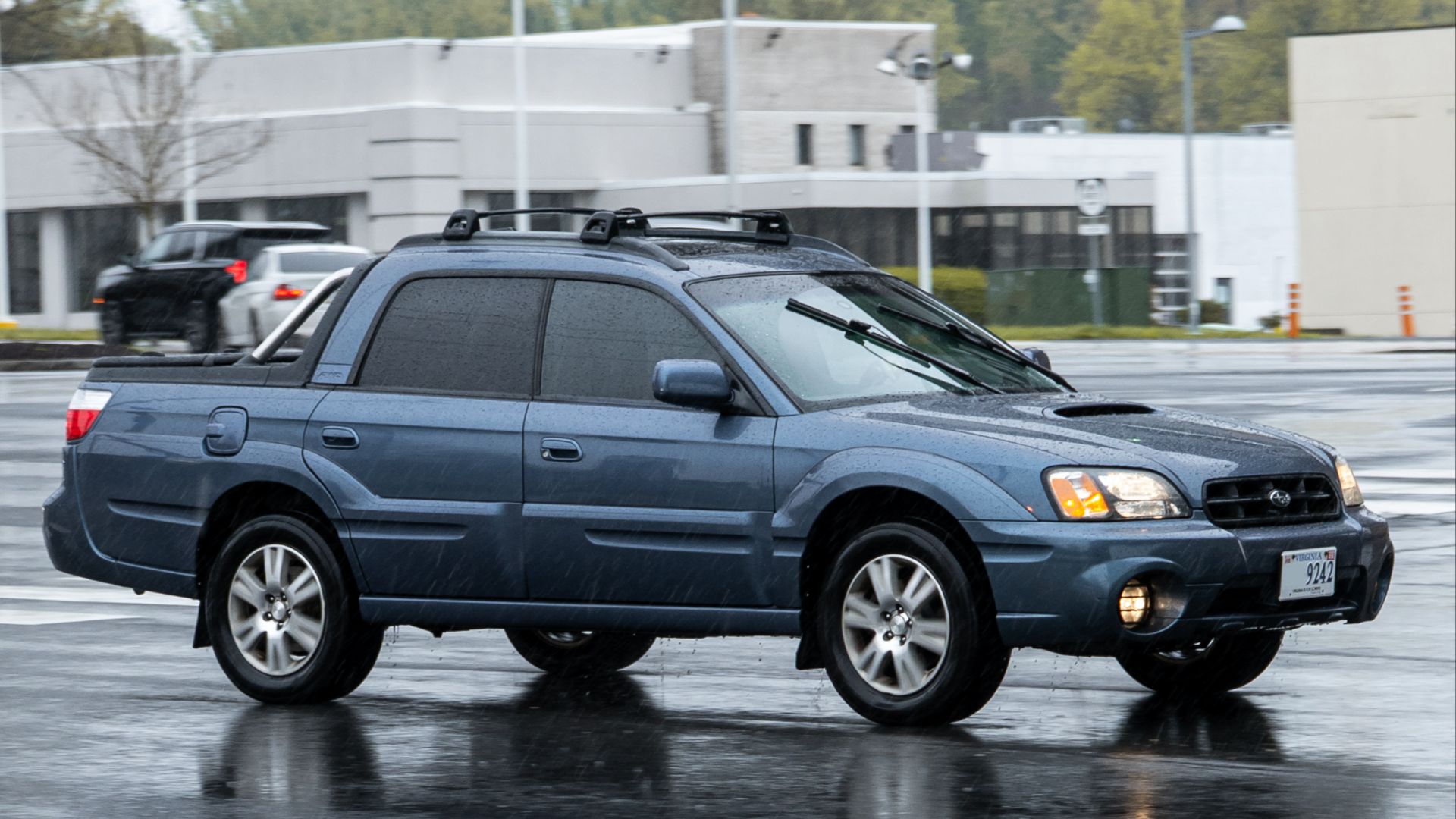
Subaru attempted something similar on a smaller scale with the Baja, which combined the passenger cabin of a wagon-like vehicle with a short open cargo bed. The idea arrived while automakers were exploring lifestyle vehicles for people who wanted pickup capability without driving a full-size truck. Sales never came close to making the Baja mainstream, and Subaru ended production after just four model years.
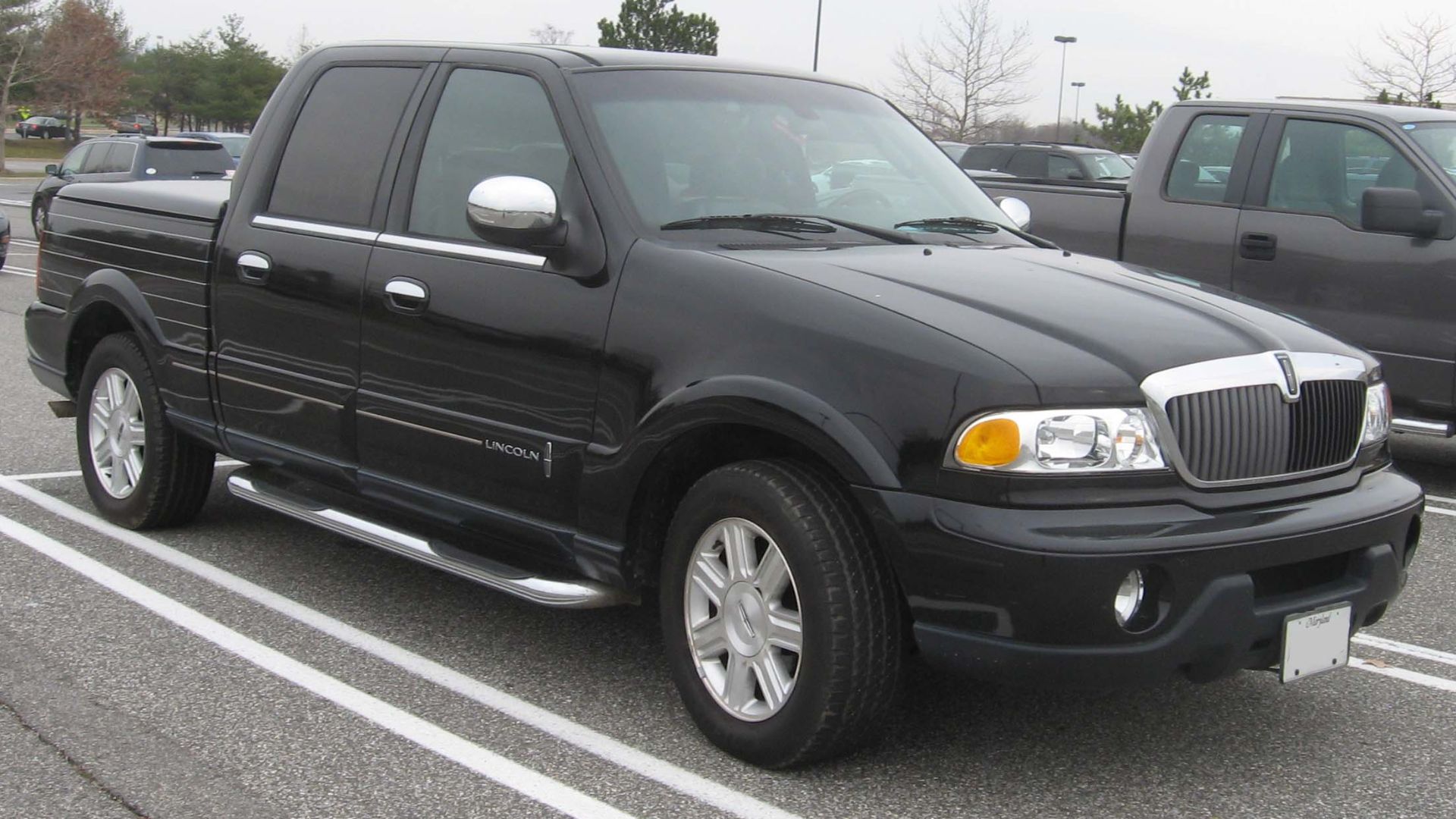
10. Lincoln Blackwood
Luxury pickups briefly looked like they might become their own distinct segment around the beginning of the 2000s. Lincoln responded with the Blackwood, which gave buyers a lavish cabin and an unusually elaborate cargo area based on the Ford F-150. Unfortunately, its heavily trimmed bed wasn't especially useful, while its rear-wheel-drive-only configuration limited its appeal as a truck.
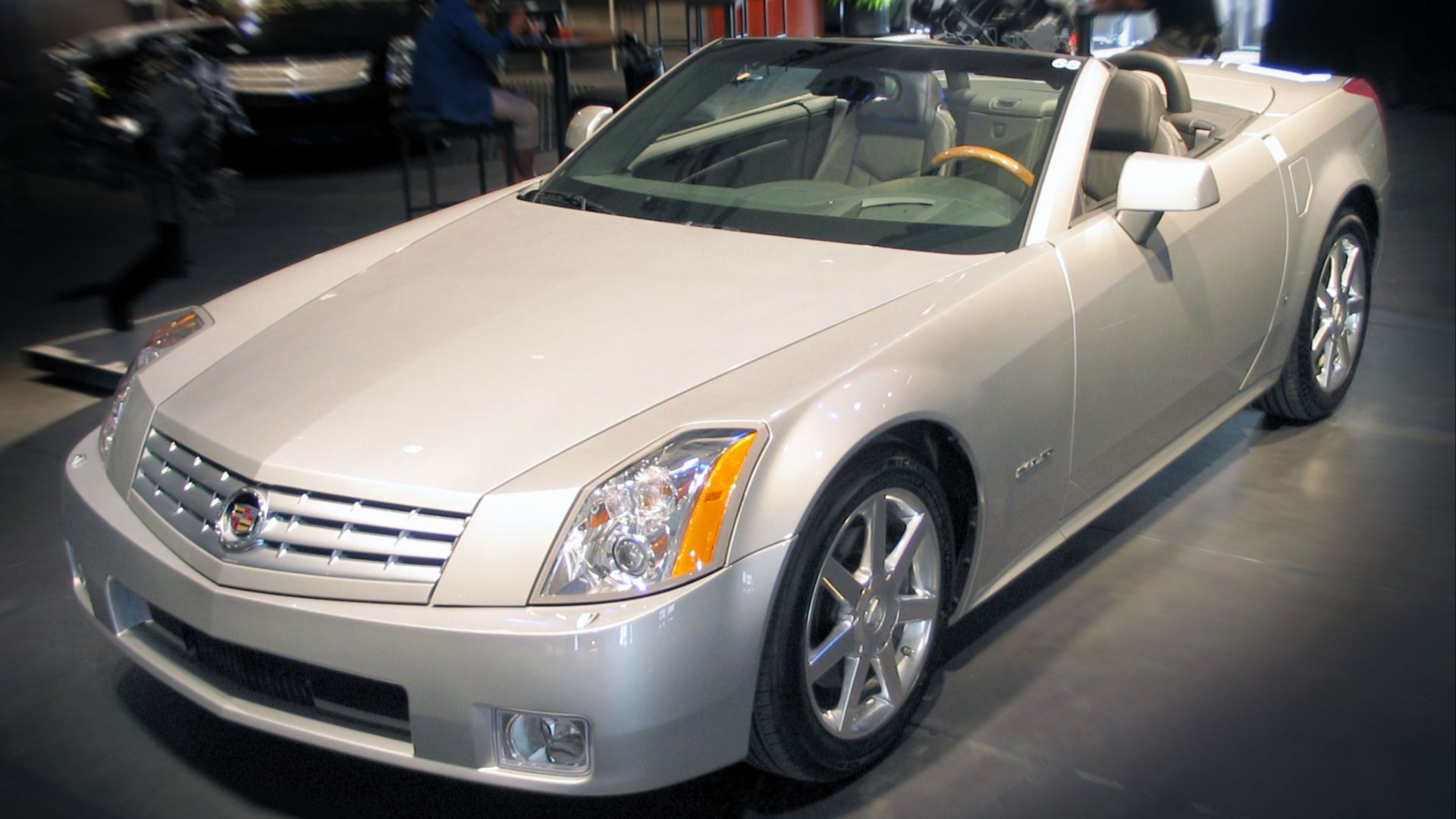
11. Cadillac XLR
During the early 2000s, luxury brands showed growing interest in expensive retractable-hardtop convertibles. Cadillac's XLR arrived with dramatic styling and a folding metal roof that transformed it from coupe to roadster at the push of a button. Hardtops were impressive engineering showcases, but they were heavy, complicated, and took up considerable trunk space. As manufacturers moved back toward lighter fabric roofs or abandoned convertibles entirely, cars like the XLR quickly became products of a very particular era.
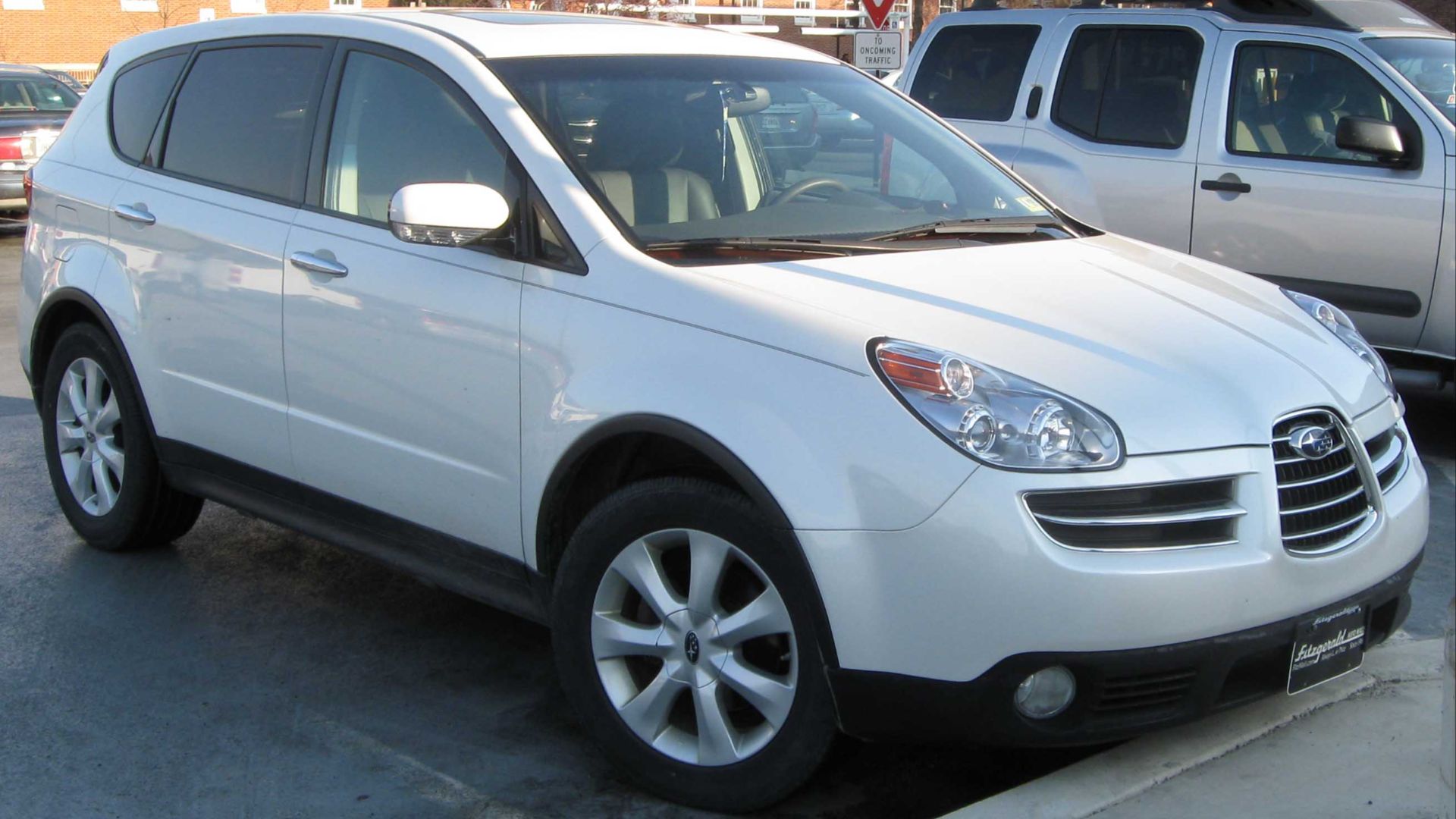
12. Subaru B9 Tribeca
Subaru launched the B9 Tribeca for 2006 as part of the rush toward more upscale, boldly styled crossovers. Its unusual grille and curving front end were meant to give Subaru a distinctive premium identity, but the look proved too polarizing for many buyers. Subaru redesigned the front end after only a couple of years, ditching much of what made the original version stand out. The crossover trend kept growing, but that brief fascination with deliberately unconventional SUV styling faded fast.
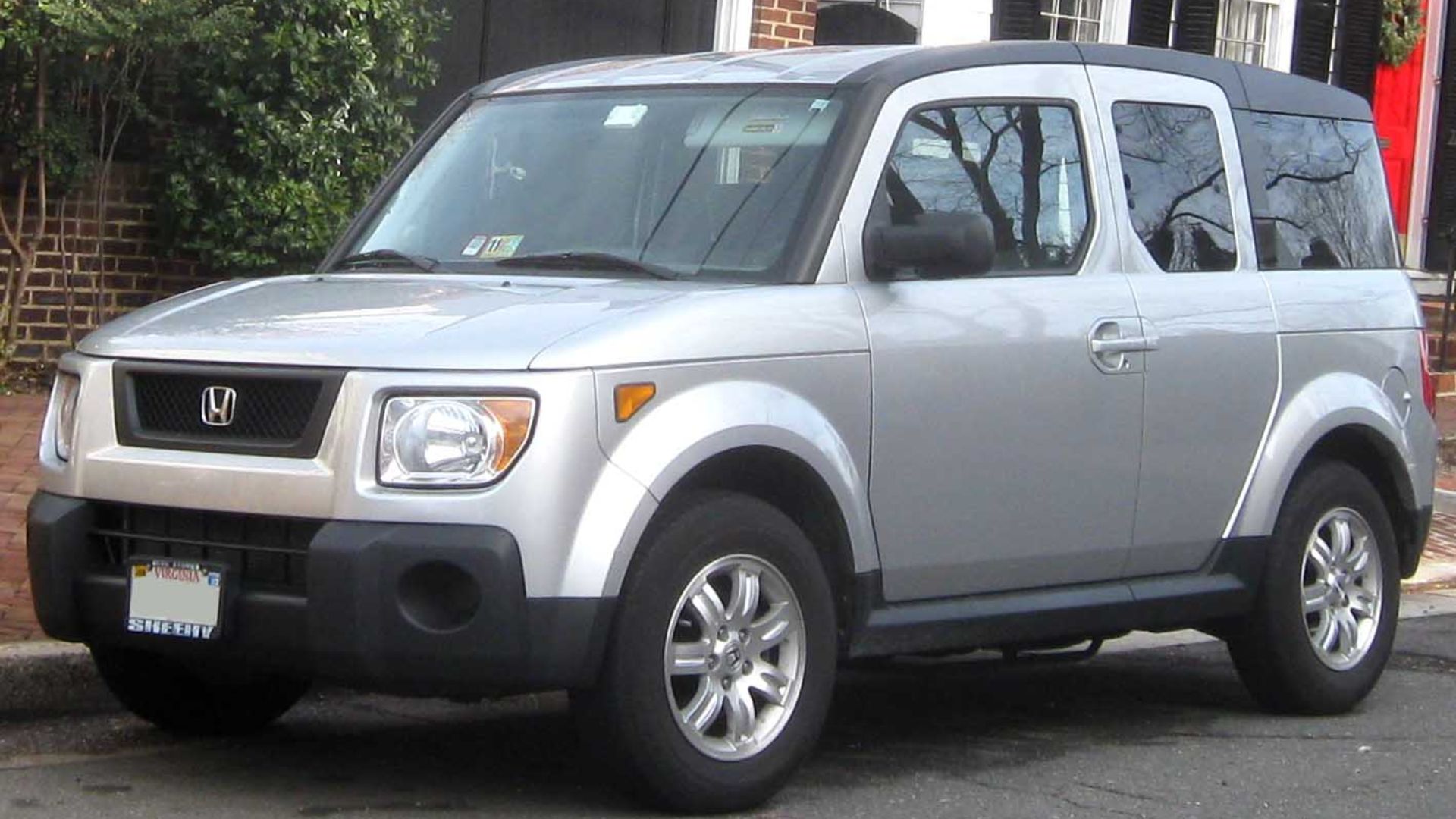
13. Honda Element
Honda introduced the Element for 2003 as a funky lifestyle vehicle aimed heavily at young, active buyers. Its boxy shape, wide-opening doors, and easy-to-clean interior were designed around the early-2000s obsession with outdoor lifestyle vehicles. The Element developed a devoted following, but it never became the youth-market sensation Honda had envisioned. As buyers shifted toward more conventional crossovers, Honda discontinued it after the 2011 model year.
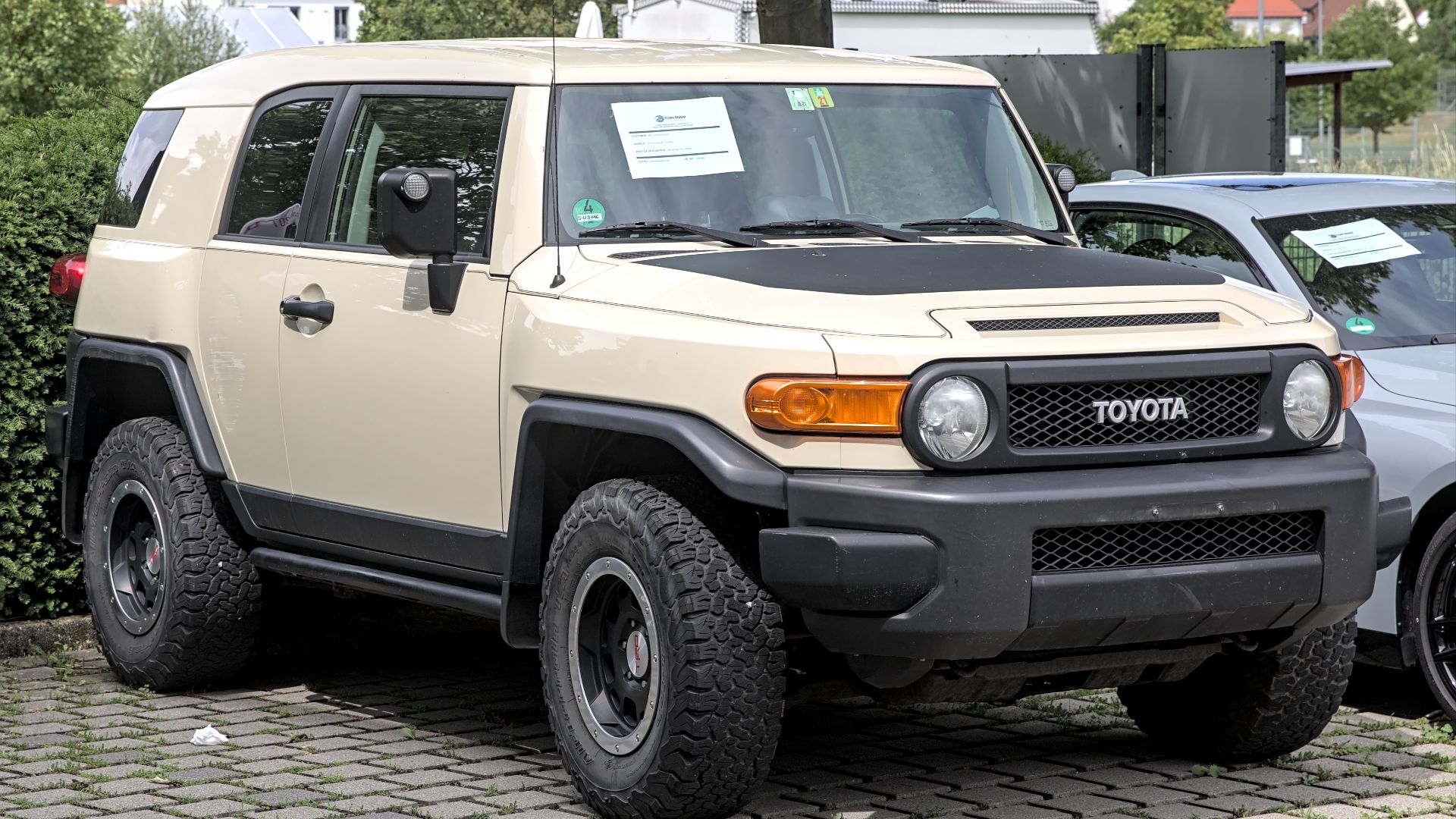
14. Toyota FJ Cruiser
Retro SUVs became fashionable when manufacturers realized classic off-roaders carried plenty of nostalgic appeal. Toyota's FJ Cruiser borrowed heavily from the character of the old Land Cruiser FJ40 while adding chunky styling suited to the mid-2000s. The vehicle developed a loyal following, but the broader retro-SUV movement never became as widespread as retro cars had been. Toyota discontinued the FJ Cruiser in the U.S. after 2014, although demand for rugged SUVs would surge again later.
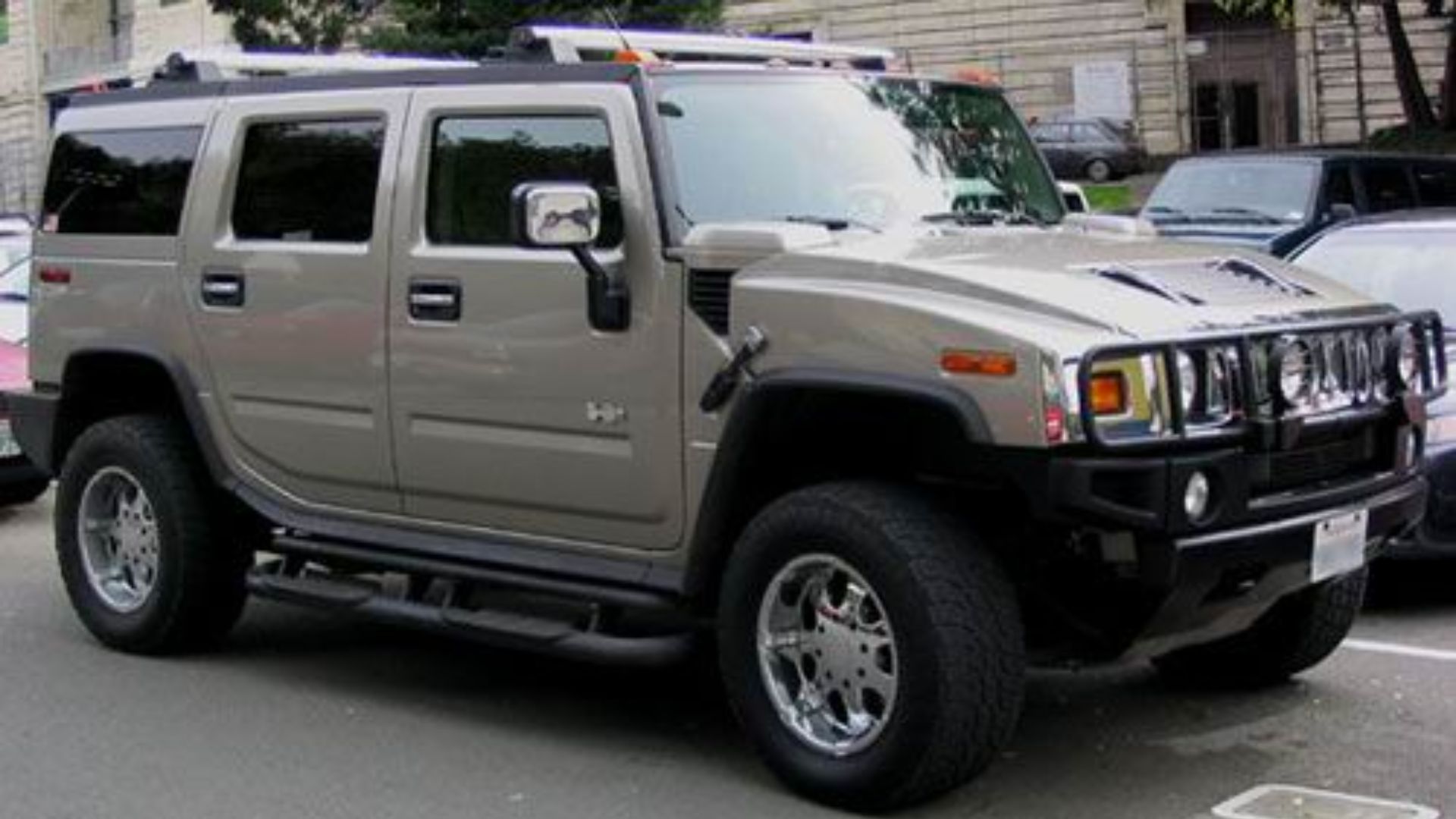
15. Hummer H2
Few vehicles captured the early-2000s appetite for enormous, attention-grabbing SUVs better than the Hummer H2. High fuel consumption wasn't necessarily a dealbreaker when gasoline was relatively affordable and oversized trucks were becoming status symbols. Rising fuel prices and changing attitudes toward conspicuous gas consumption quickly made that formula much less appealing. General Motors shut down the brand in 2010, although it's now been revived as an all-electric line.
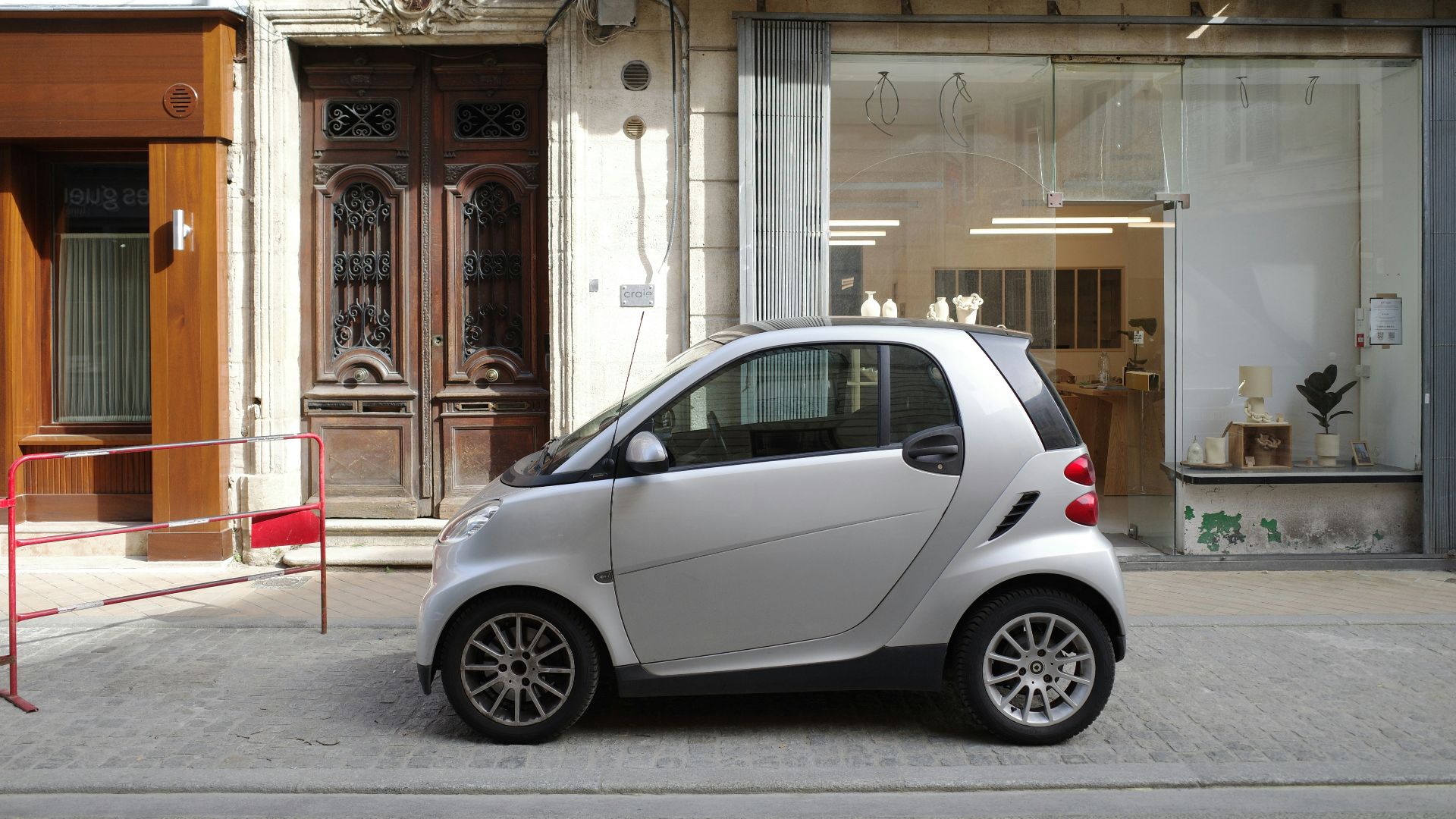
16. Smart Fortwo
During the late 2000s, tiny city cars briefly looked like they could become a major part of America's automotive future. The Smart Fortwo promised easy parking, low fuel consumption, and just enough space for two people navigating crowded urban streets. In the end, it wasn't very popular among American buyers who ultimately preferred larger compact cars that offered more versatility, and Smart eventually left the American market entirely.
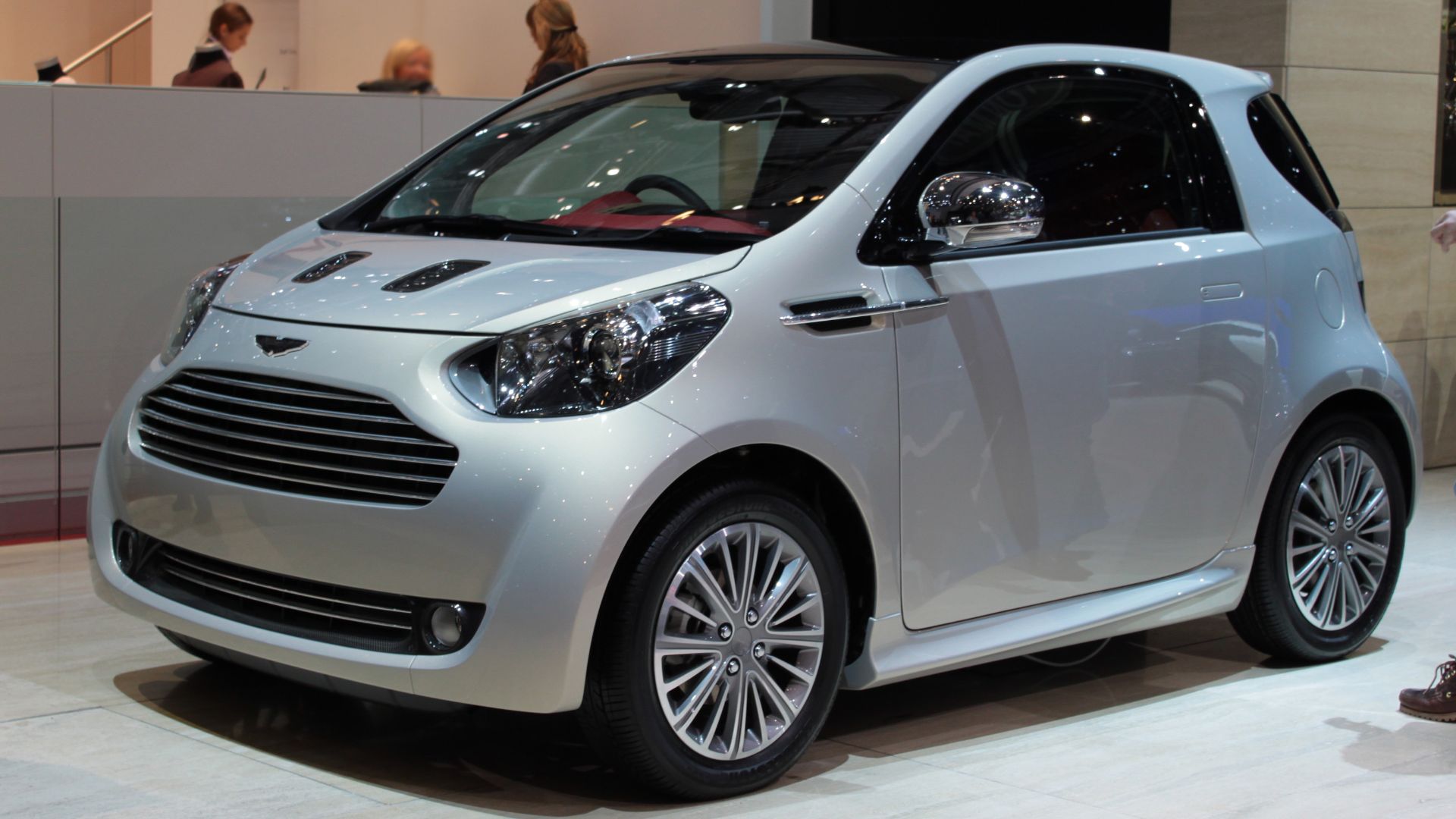
17. Scion iQ
Toyota's Scion brand joined the tiny-car movement with the iQ, an exceptionally short urban hatchback introduced to Americans for the 2012 model year. Its size made perfect sense on crowded European or Japanese streets, but American drivers rarely needed to squeeze into spaces badly enough to accept its compromises. Cheap gasoline and growing crossover sales certainly didn't help. Scion dropped the iQ after only a few years, and the entire Scion brand disappeared soon afterward.
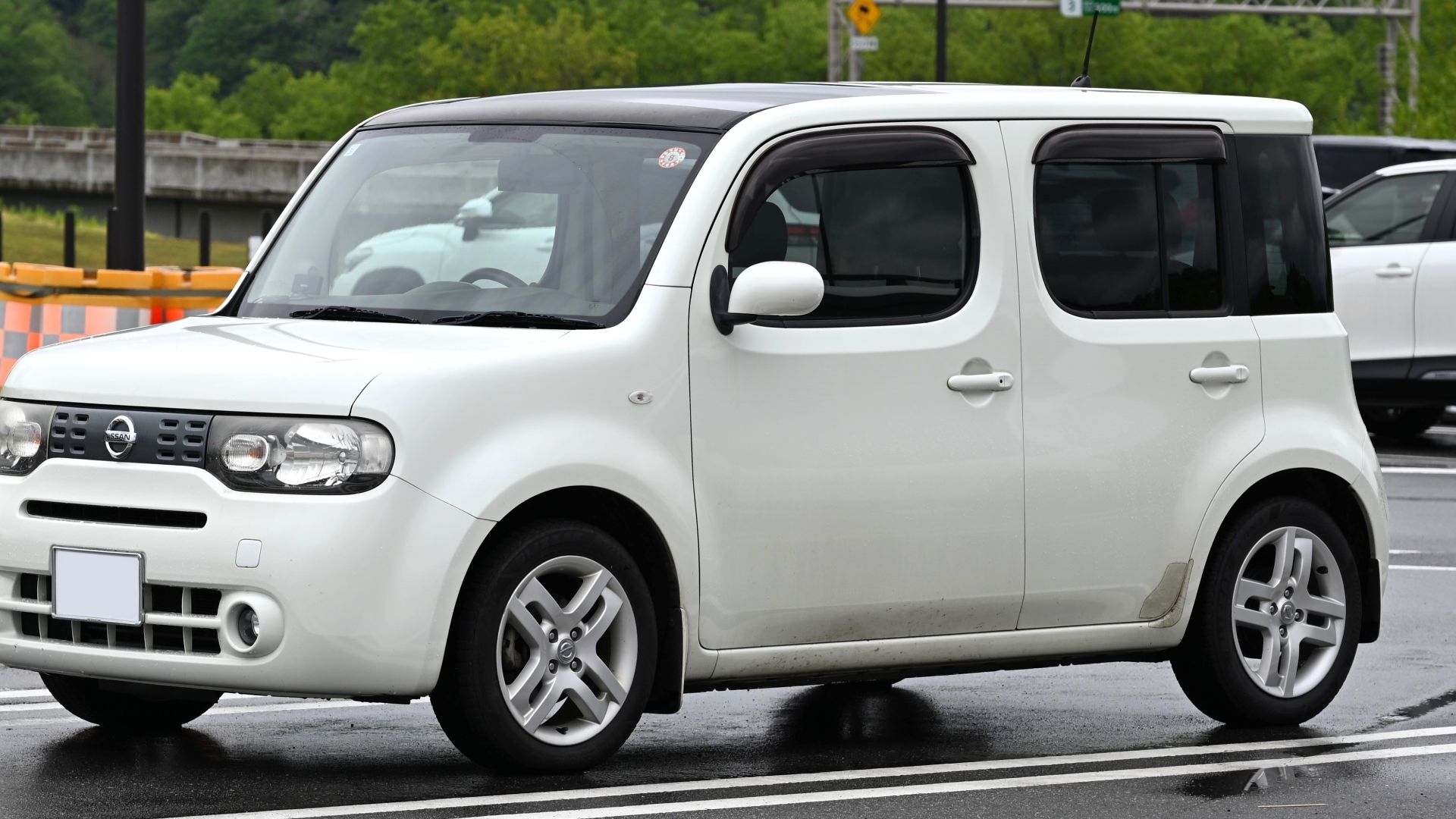
18. Nissan Cube
Box-shaped compact cars enjoyed a noticeable burst of popularity during the 2000s, particularly among brands hoping to attract younger buyers. Nissan's Cube leaned fully into the trend with an asymmetrical rear window, upright cabin, and styling that made absolutely no effort to look sporty. American tastes soon shifted toward small crossovers with more conventional proportions and rugged design cues. Nissan removed the Cube from its U.S. lineup after the 2014 model year.
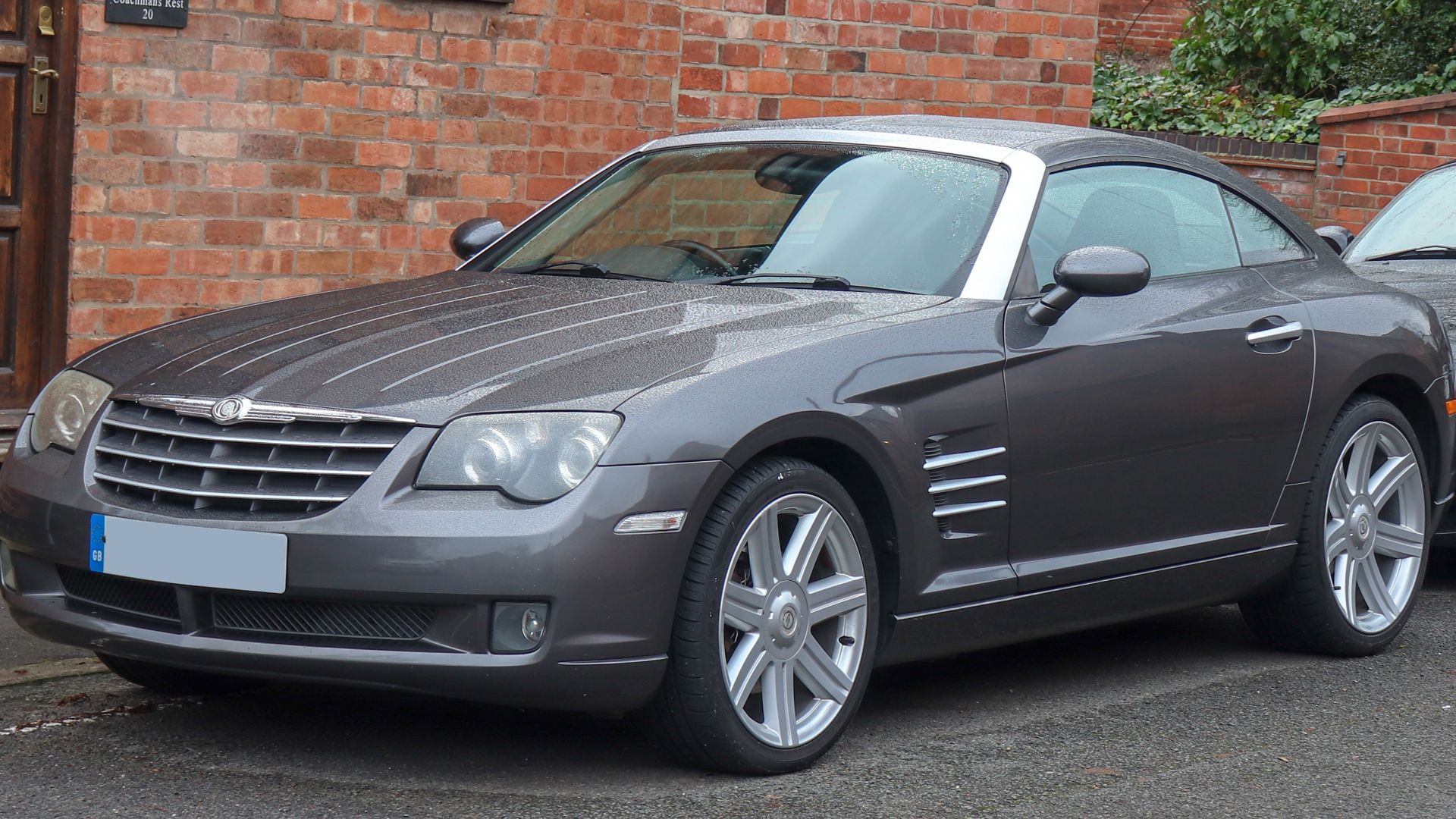
19. Chrysler Crossfire
The early 2000s produced a surprising number of relatively affordable two-seat and small sporty coupes aimed at buyers who wanted something stylish rather than purely practical. Chrysler entered that market with the Crossfire, a distinctive coupe and roadster built using considerable Mercedes-Benz hardware. Unfortunately for Chrysler, Americans were already beginning their long move away from coupes toward more practical vehicles.
20. Honda CR-Z
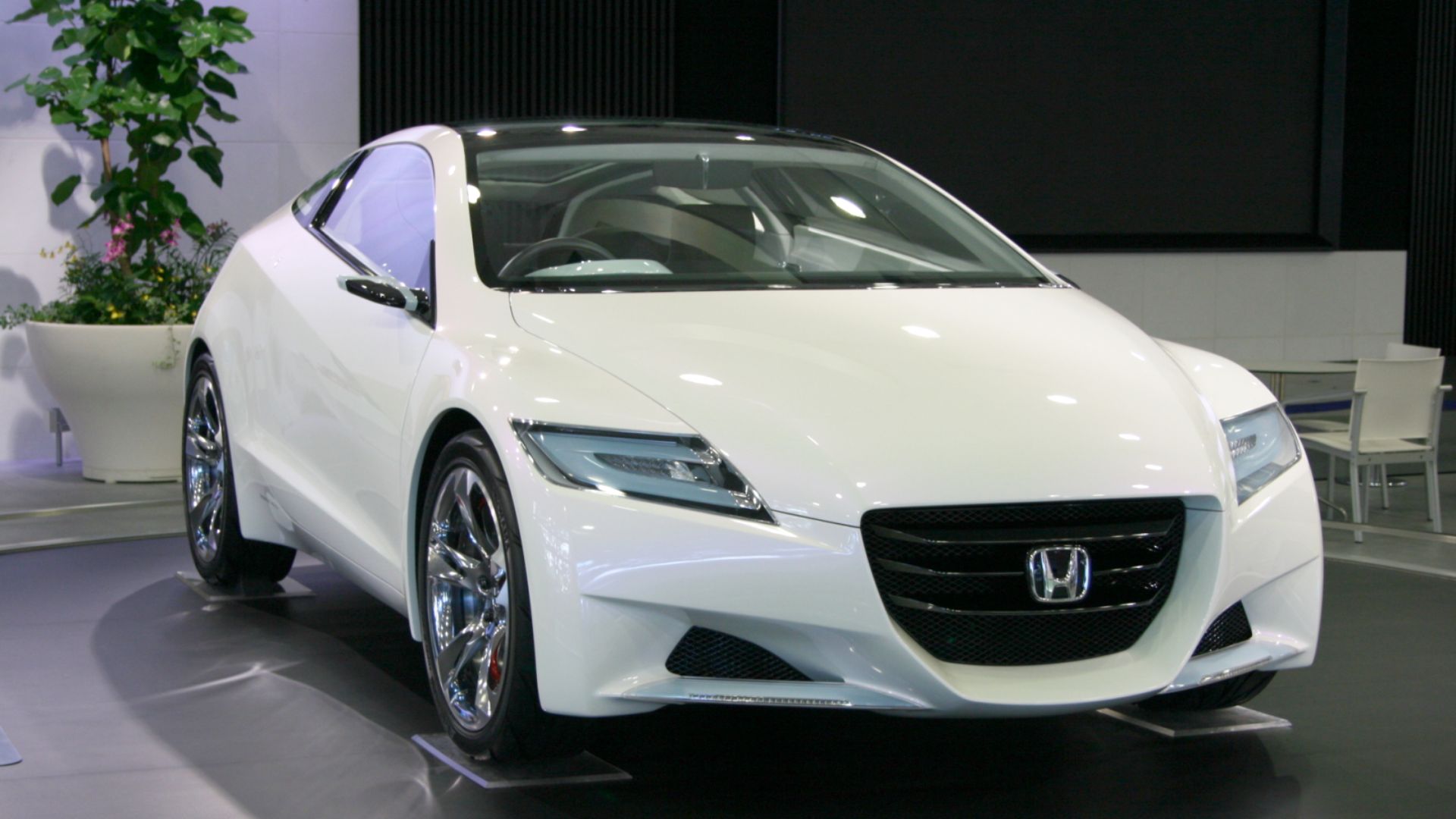
When the CR-Z appeared for 2011, Honda tried to combine two trends that seemed ready to grow together: sporty compact cars and fuel-saving hybrids. Buyers got a small two-seat hatchback with sharp styling and even an available manual transmission, but its performance wasn't exciting enough for many enthusiasts and its efficiency wasn't exceptional enough for dedicated hybrid shoppers. The market soon separated into quicker performance cars and increasingly efficient electrified vehicles instead.