
Driveways Had a Very Specific Look
The 1990s suburban driveway had a personality all its own. It was full of minivans, sedans, early SUVs, station wagons still hanging on, and practical family cars that seemed to appear in every school pickup line. These vehicles weren't always glamorous, but they shaped everyday life through grocery runs, soccer practices, mall trips, family vacations, and the sacred ritual of circling for a parking spot at the video store. Here are 20 cars that might feel weirdly personal if you grew up around cul-de-sacs and chain restaurants in the ’90s.
 IFCAR at English Wikipedia on Wikimedia
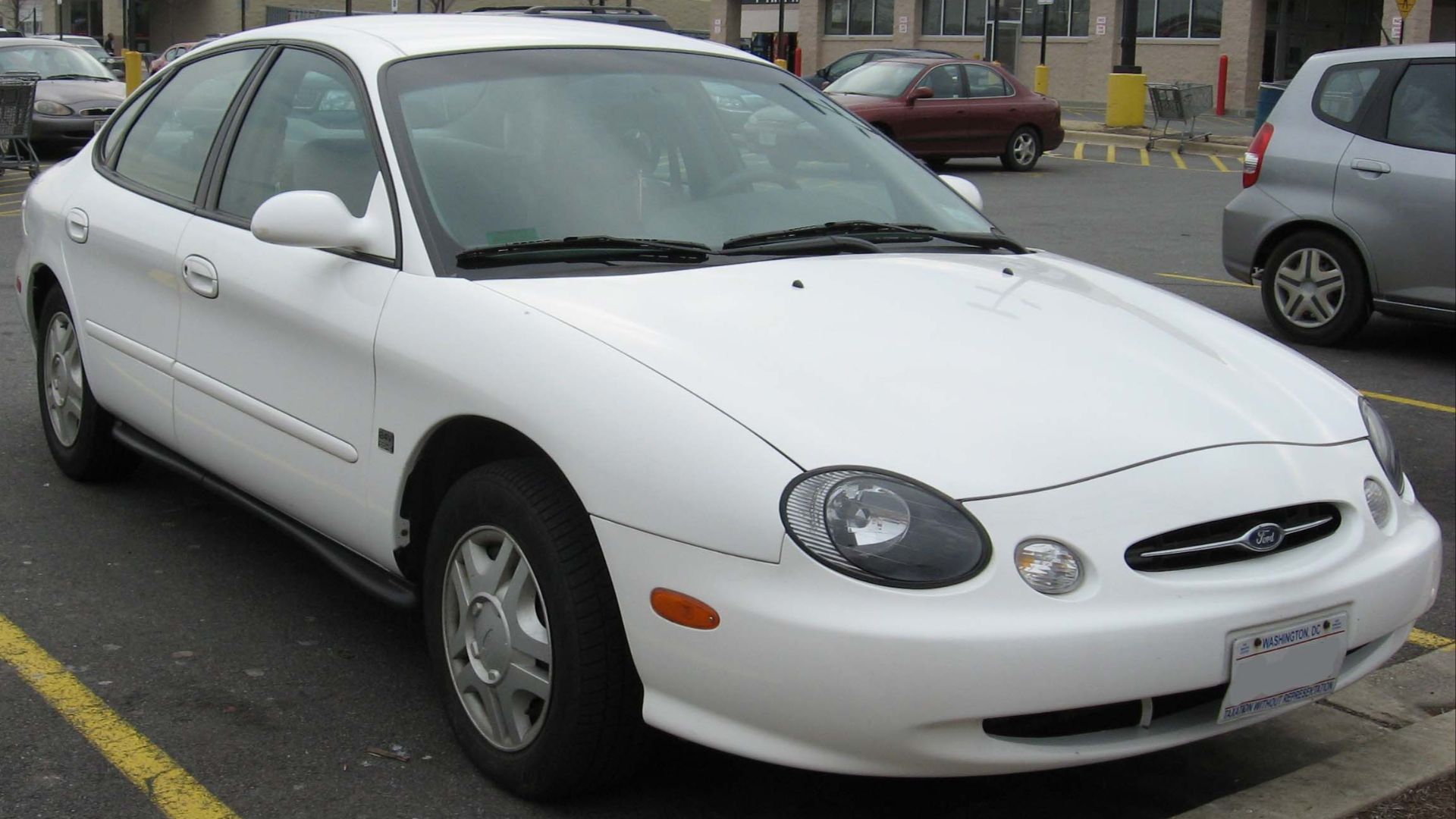
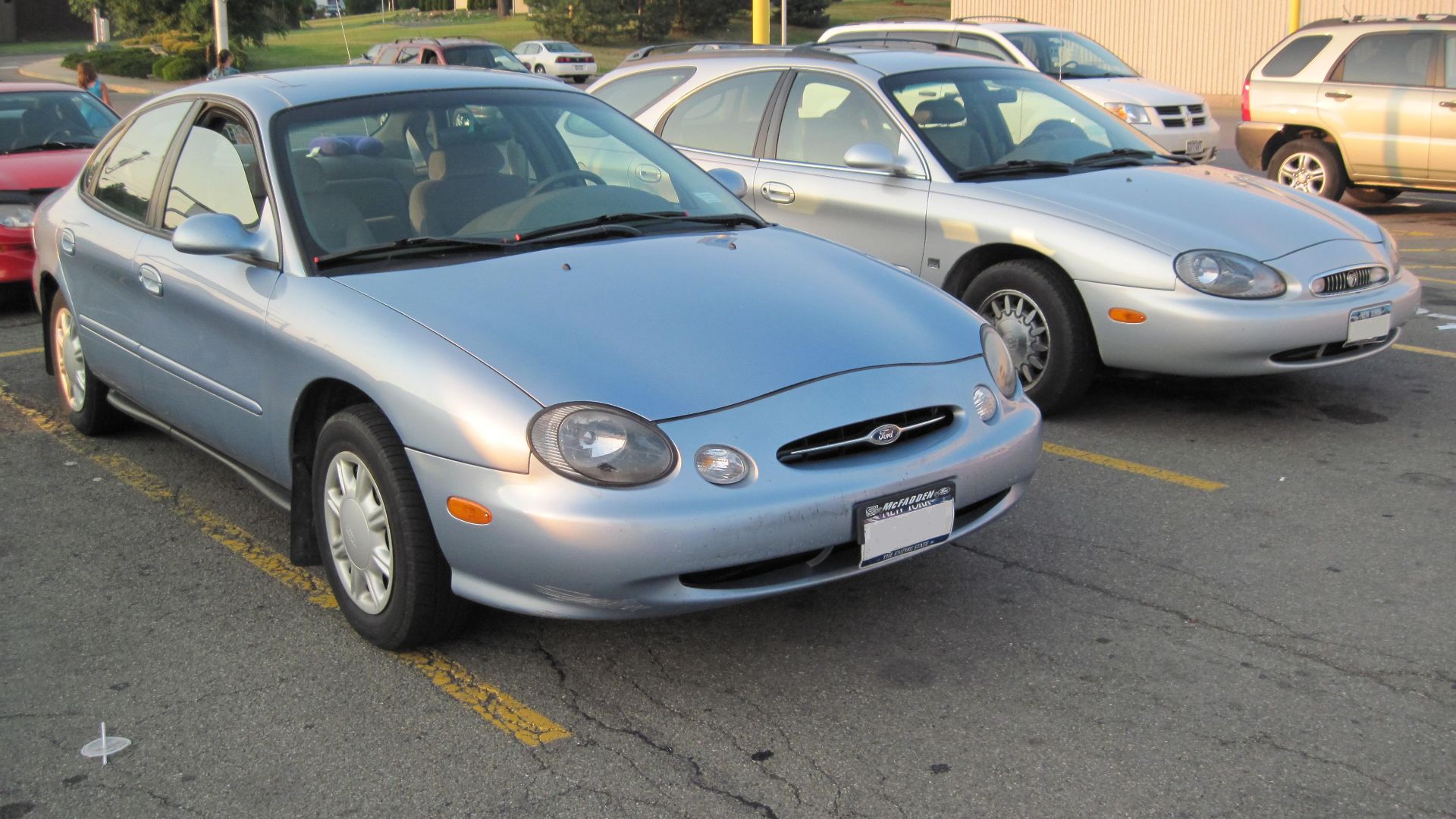
1. Ford Taurus
The Ford Taurus was everywhere in the 1990s, and that was part of its power. Its rounded shape made it look modern when the decade began, and families liked that it was roomy without feeling enormous. It was the kind of sedan that could handle commutes, school drop-offs, and weekend errands with very little drama.
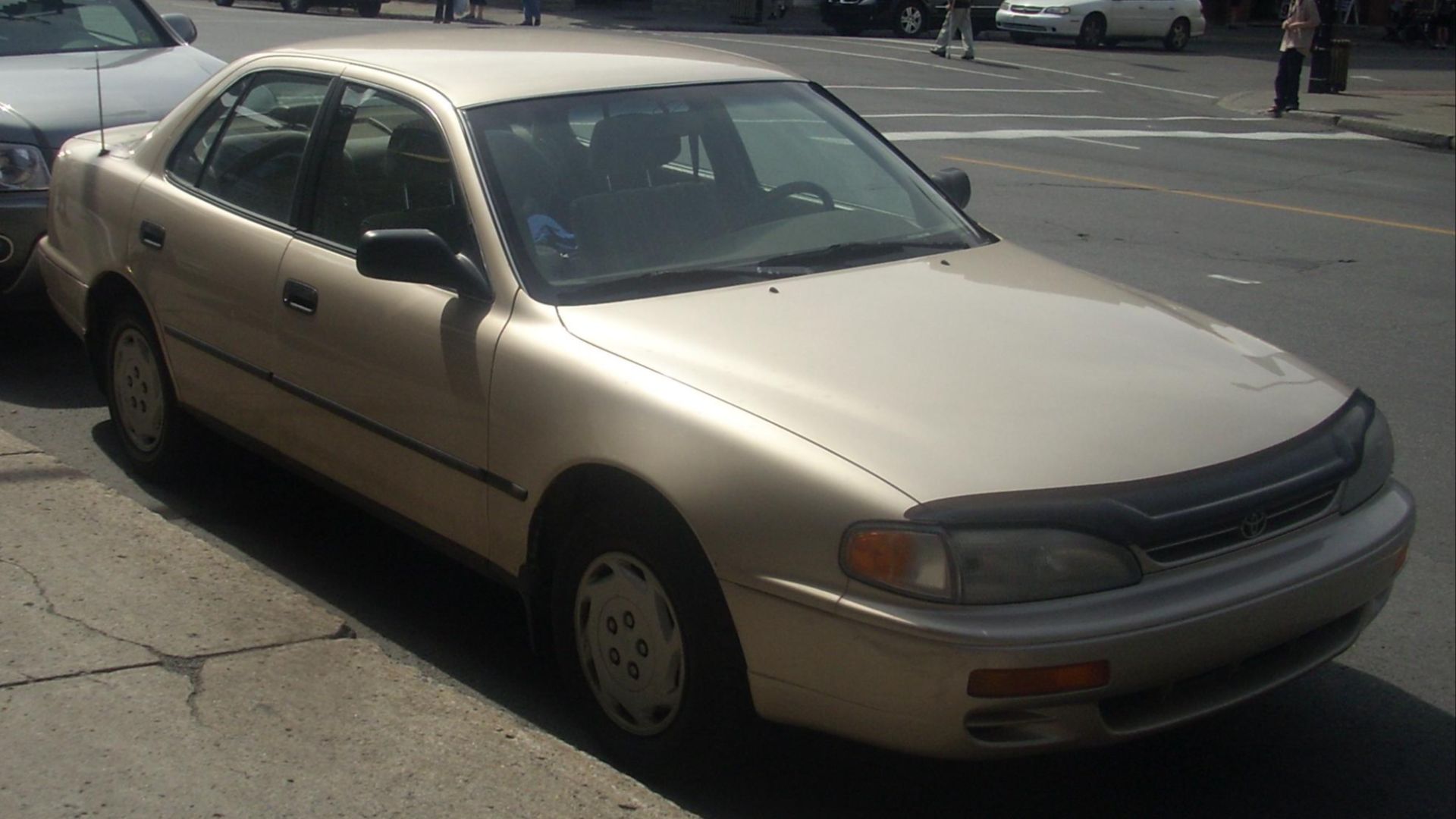
2. Toyota Camry
The Toyota Camry became the default answer for families who wanted something reliable, comfortable, and sensible. It wasn’t trying to be exciting, which was exactly why so many people trusted it. Parents bought Camrys because they started every morning, held their value, and didn’t make ownership feel like a second job.
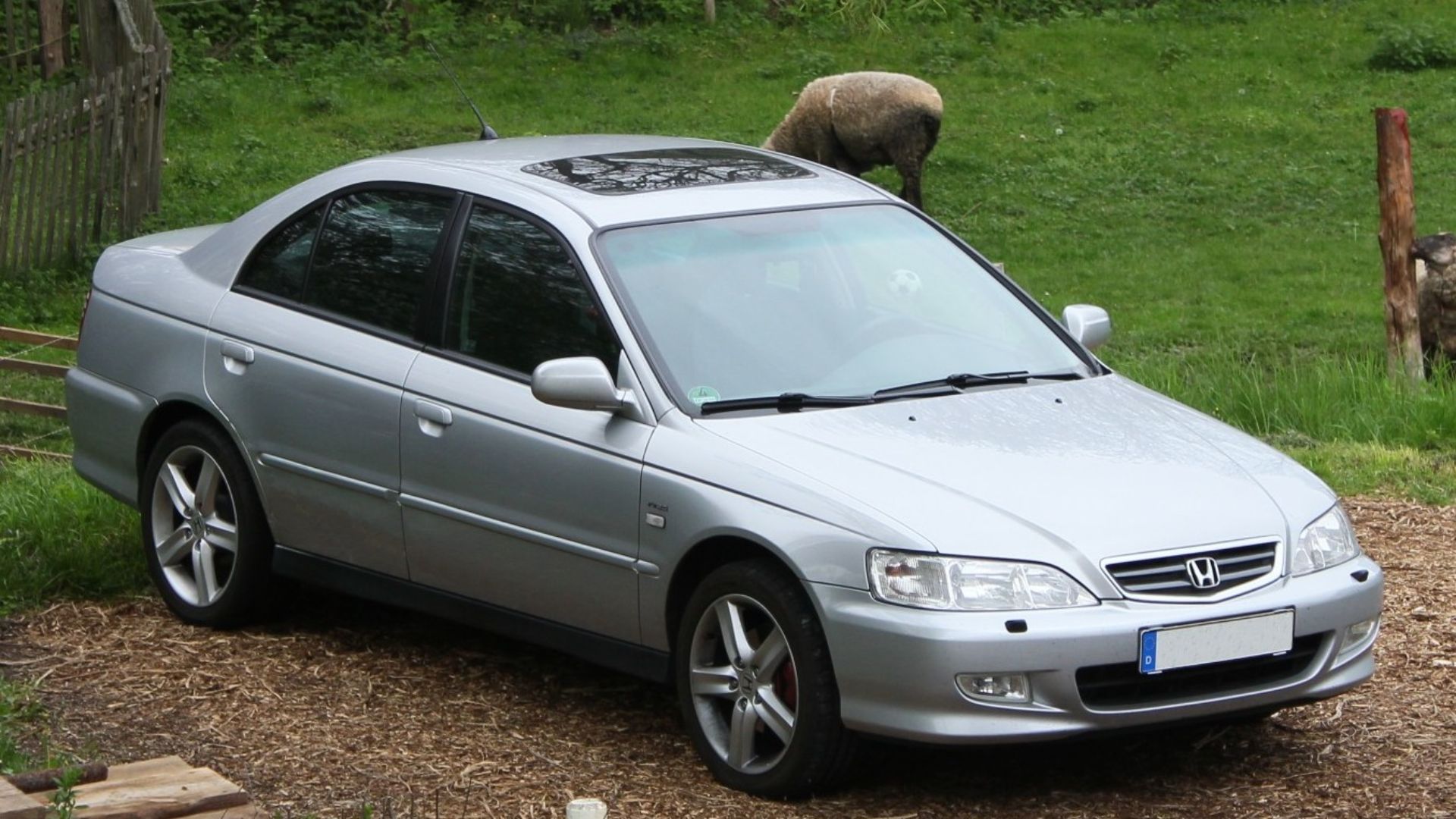
3. Honda Accord
The Honda Accord had a slightly sportier feel than some of its family-sedan rivals, but it still fit perfectly into suburban life. It was practical enough for families and polished enough for commuters who wanted something nicer than basic transportation. The Accord also built a reputation for lasting forever, which made it a favorite in driveways long after the loan was paid off.
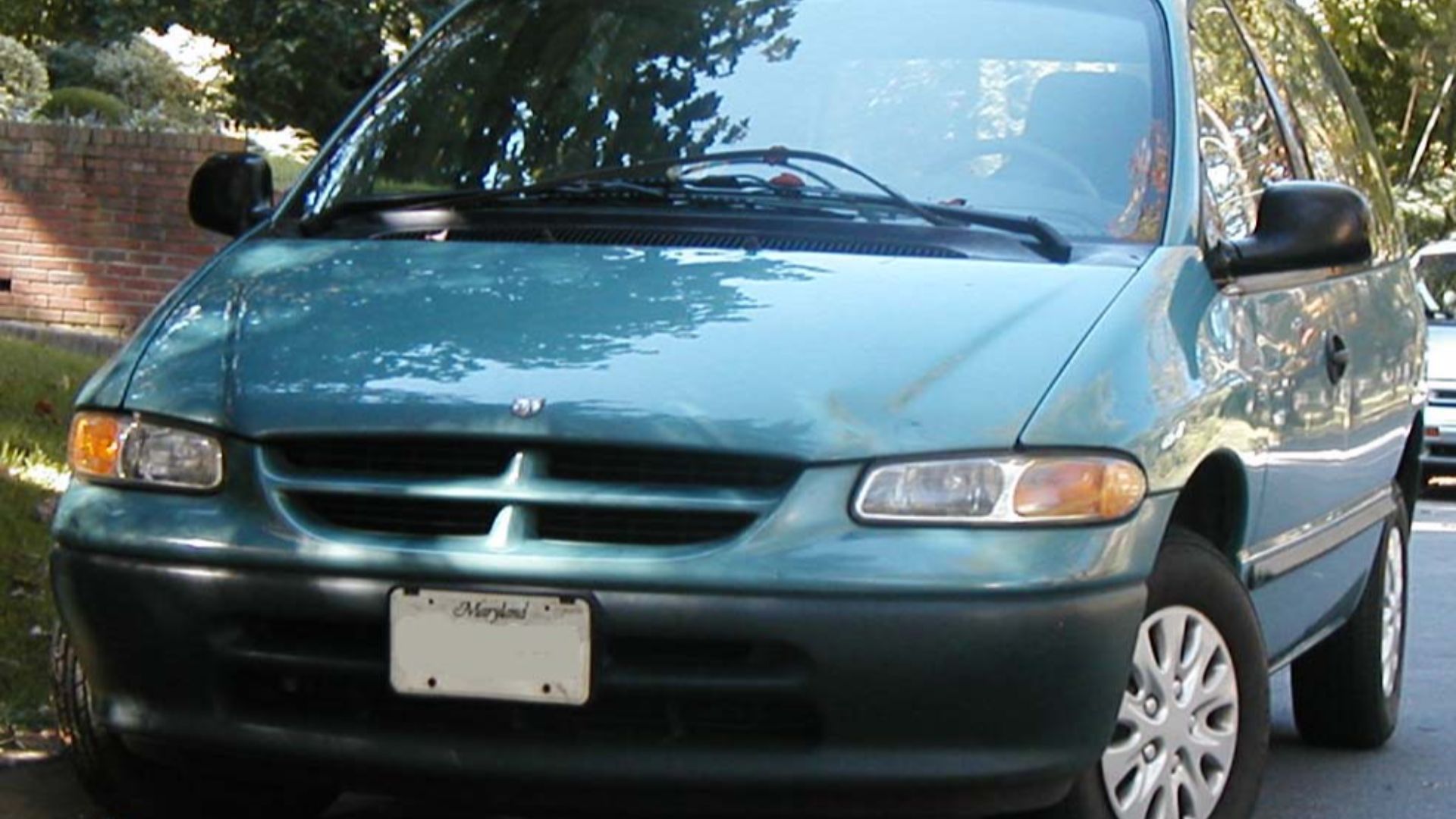
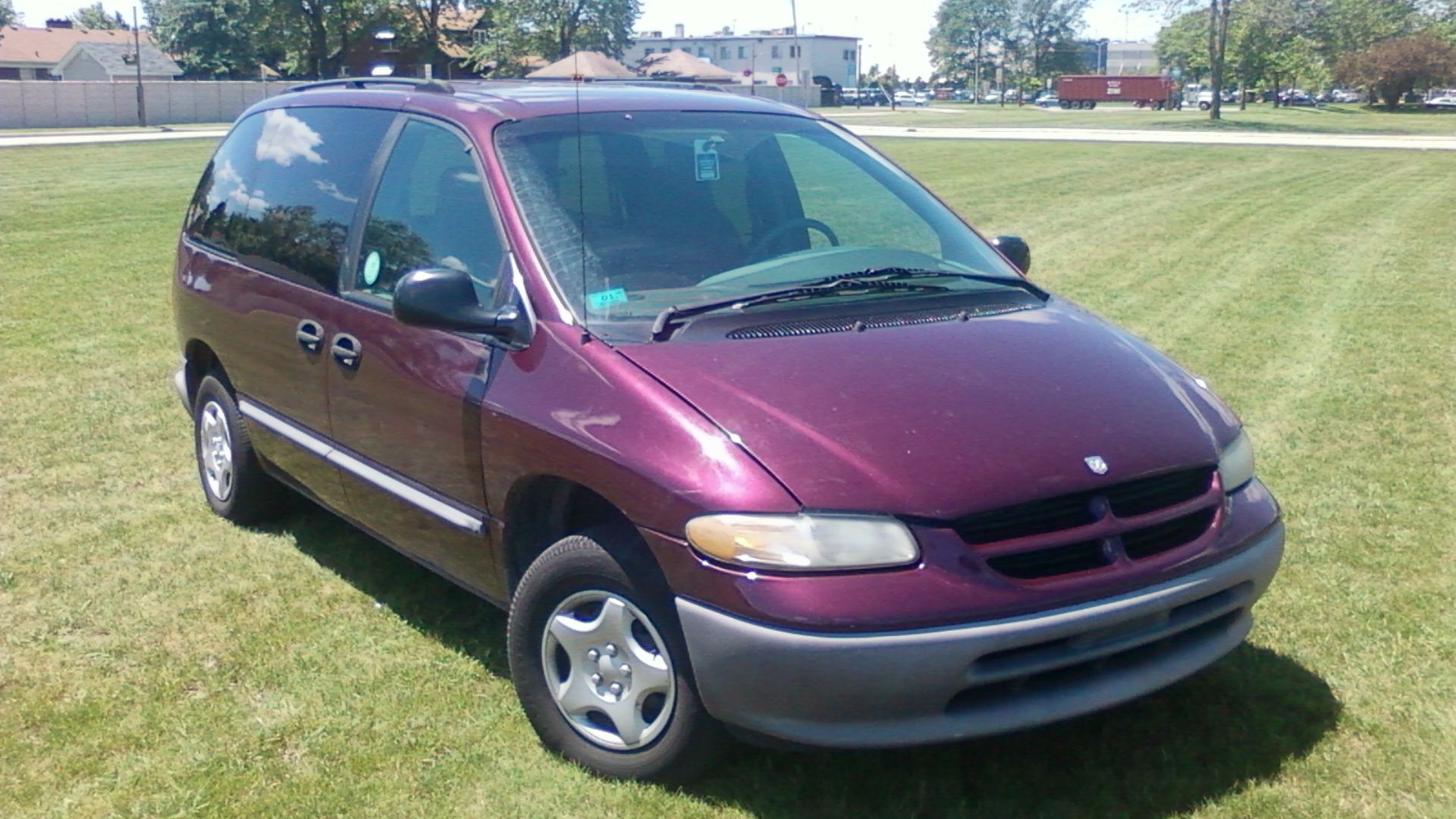
4. Dodge Caravan
The Dodge Caravan helped make the minivan the unofficial vehicle of 1990s parenting. Sliding doors, flexible seating, and enough room for kids, backpacks, sports gear, and snacks made it incredibly useful. It may not have made anyone feel cool, but it made family logistics much easier.
5. Plymouth Voyager
The Plymouth Voyager was the Dodge Caravan’s close cousin and another minivan that filled neighborhoods across America. It gave families the same basic promise: space, convenience, and fewer arguments about who had to sit where. The Voyager was built for carpools, road trips, and parents who had accepted that style sometimes needed to make room for juice boxes.
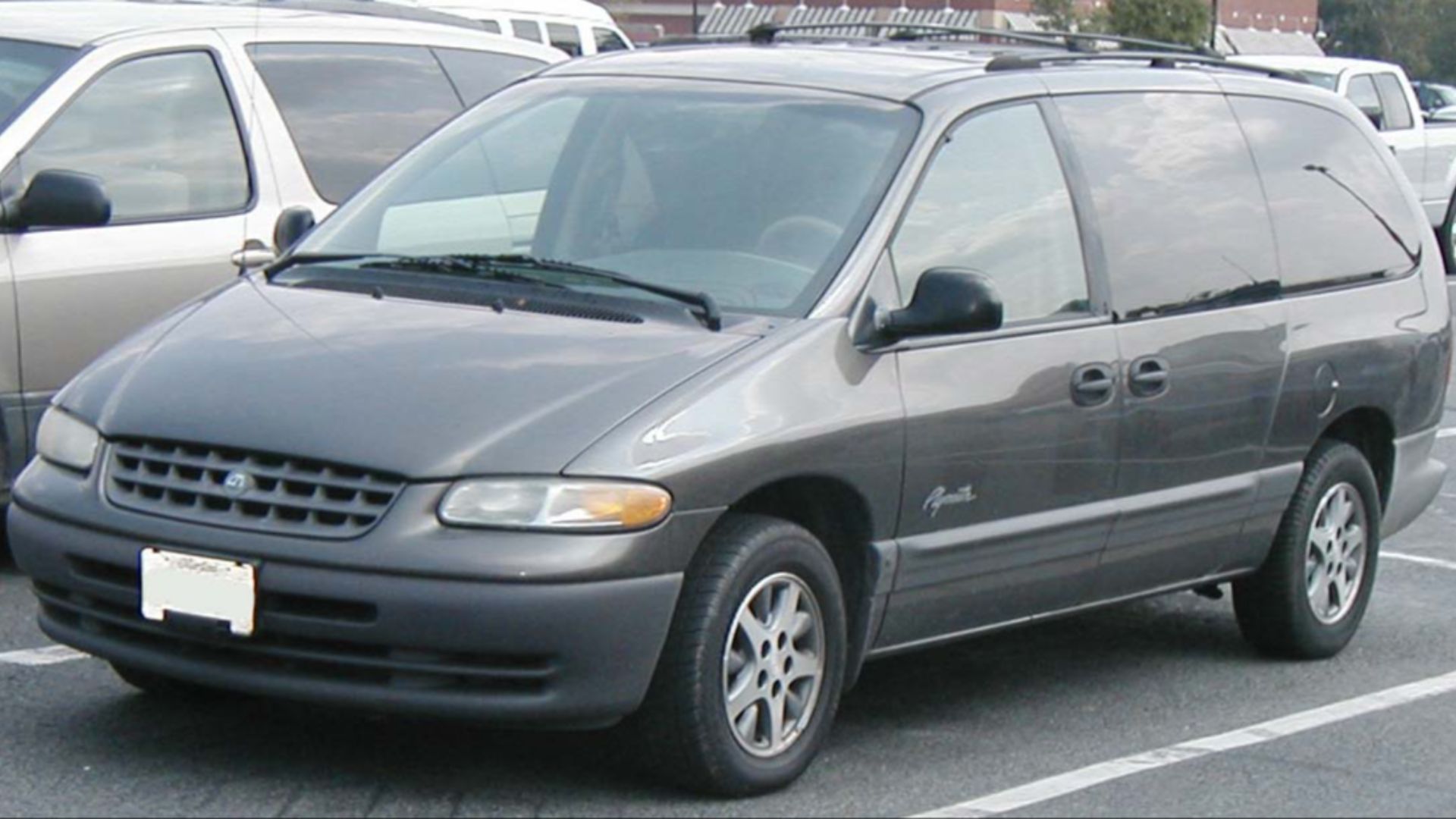
6. Ford Explorer
The Ford Explorer helped push SUVs into the suburban mainstream. It felt more adventurous than a minivan but still worked for school runs, shopping trips, and weekend family travel. Plenty of buyers liked the taller seating position and rugged image, even if it spent practically all of its time on paved roads.
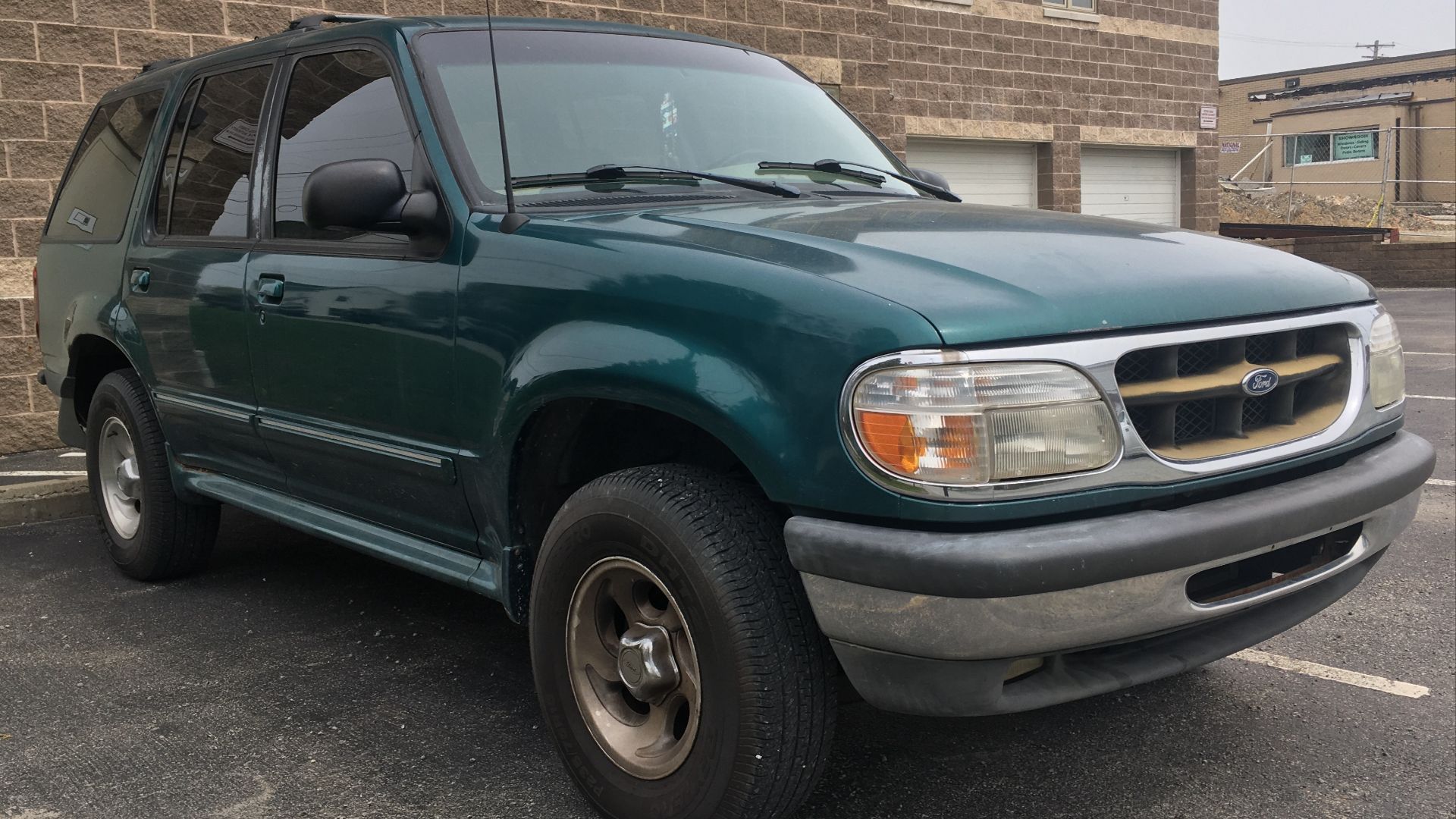
7. Jeep Grand Cherokee
The Jeep Grand Cherokee gave suburban families a more upscale SUV option with genuine off-road credibility in the background. It had a tough image, a comfortable cabin, and enough presence to feel more exciting than a regular family car. Many owners probably never took it anywhere rougher than a snowy driveway, but that hardly mattered.
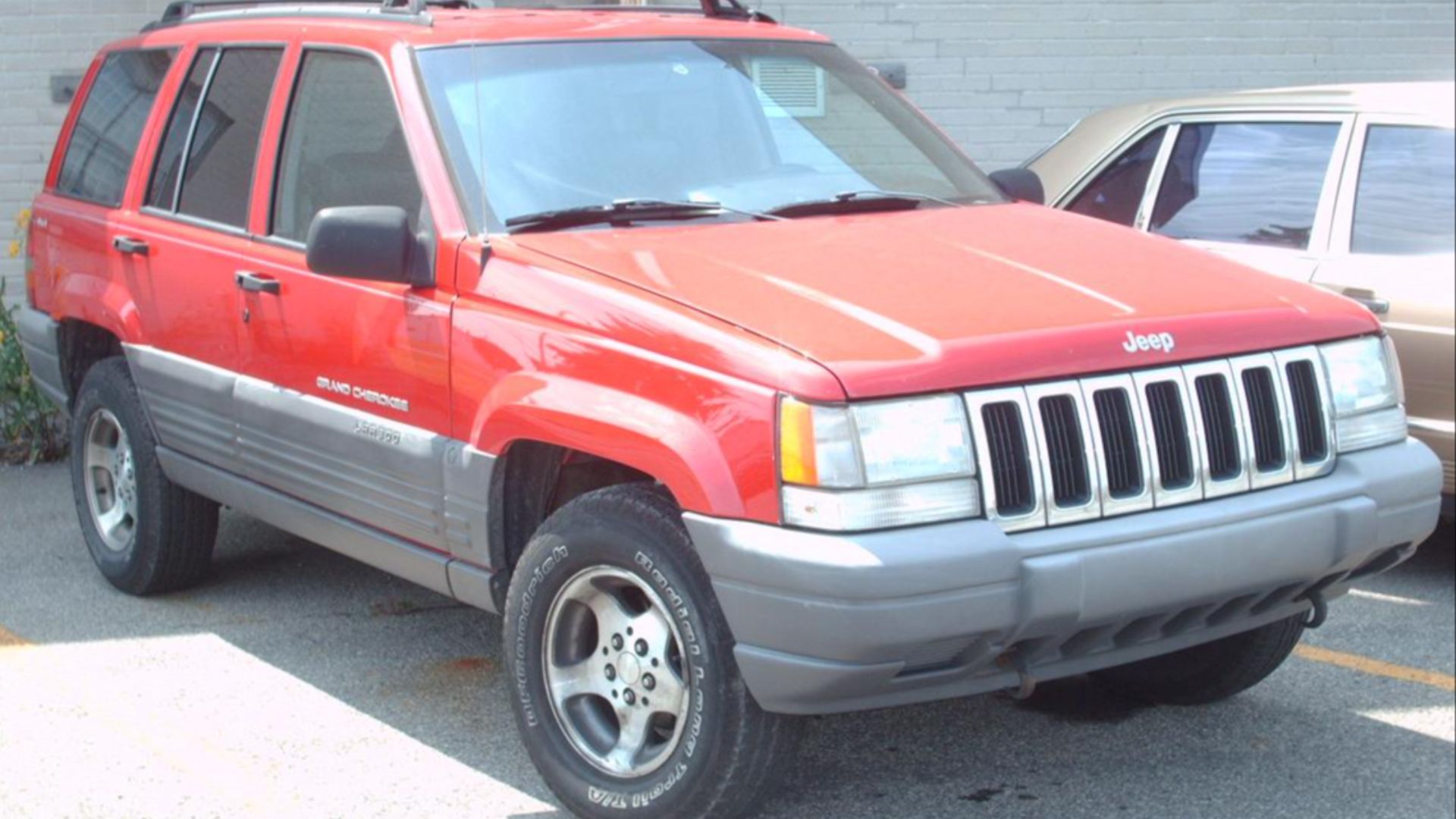
8. Chevrolet Suburban
The Chevrolet Suburban was the big family hauler for people who needed space and then asked for more space. It could carry kids, luggage, pets, sports equipment, and half the garage if necessary. In the 1990s, it was popular with large families, road-trippers, and anyone who wanted SUV practicality on a serious scale.
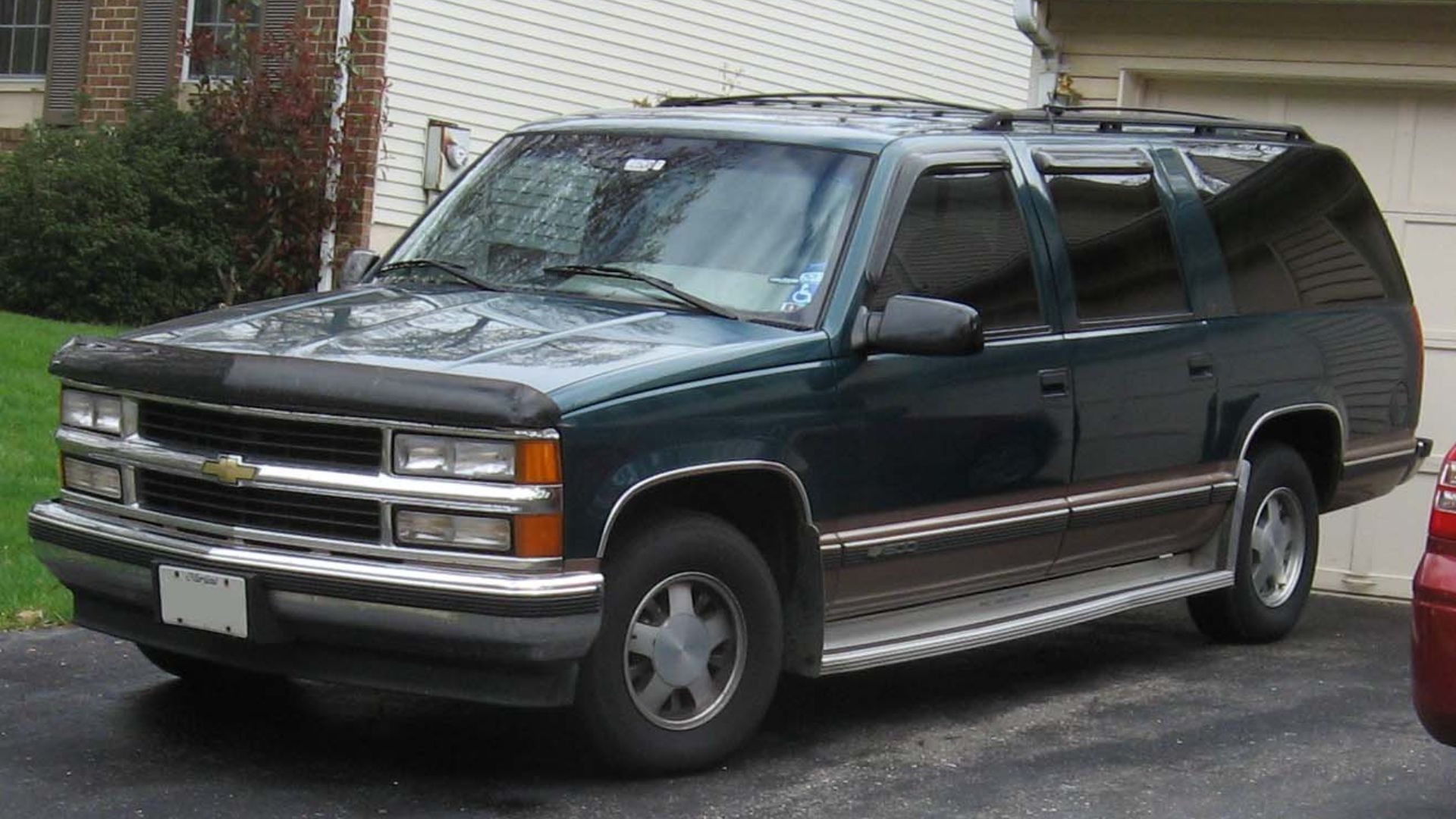
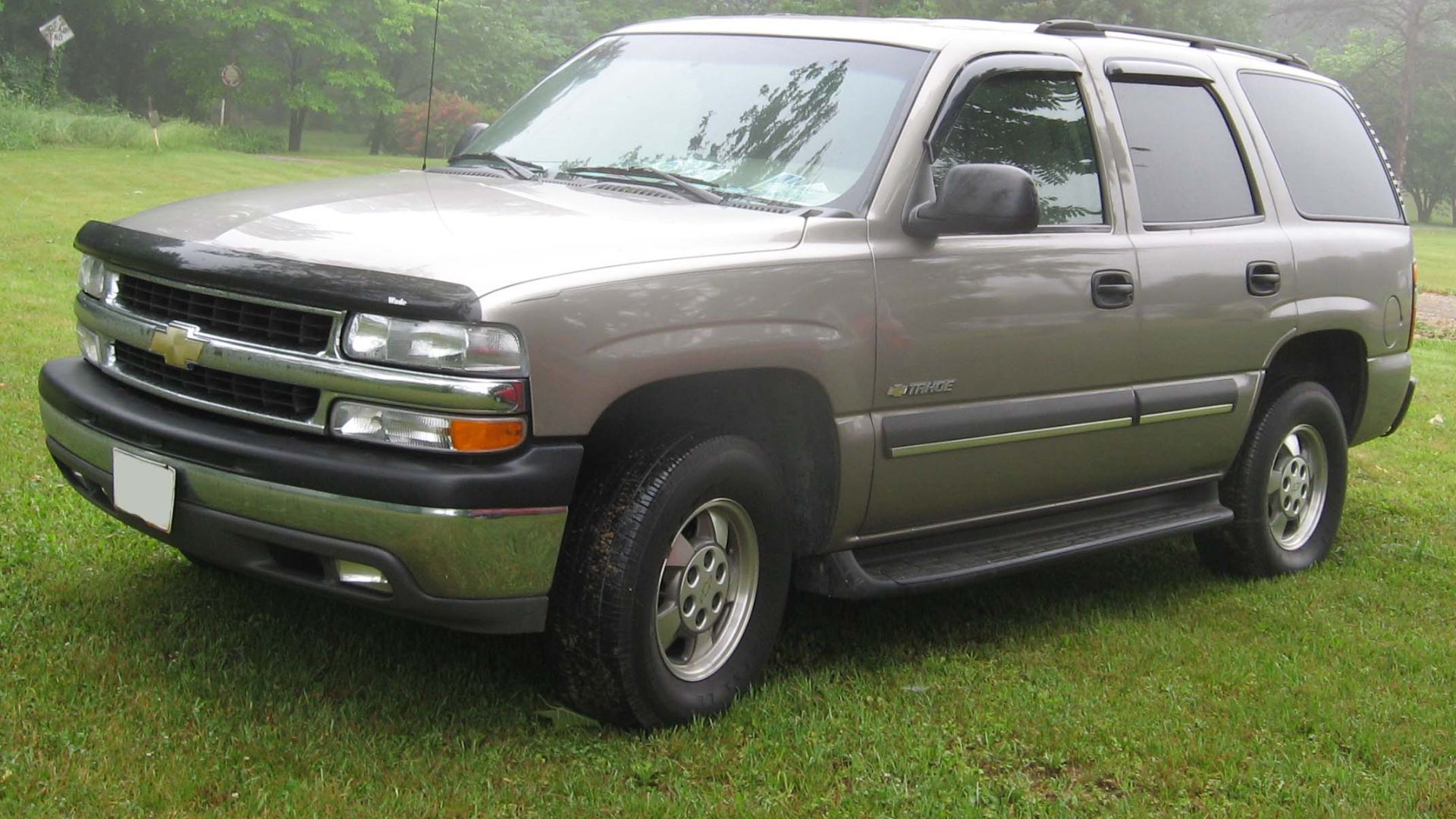
9. Chevrolet Tahoe
The Chevrolet Tahoe brought full-size SUV toughness into a slightly more manageable package than the Suburban. It looked strong, felt capable, and had enough room for families who wanted truck-based utility without going all the way to land-yacht territory. Suburban buyers liked that it could handle weather, hauling, and family duty while still looking more rugged than a minivan.
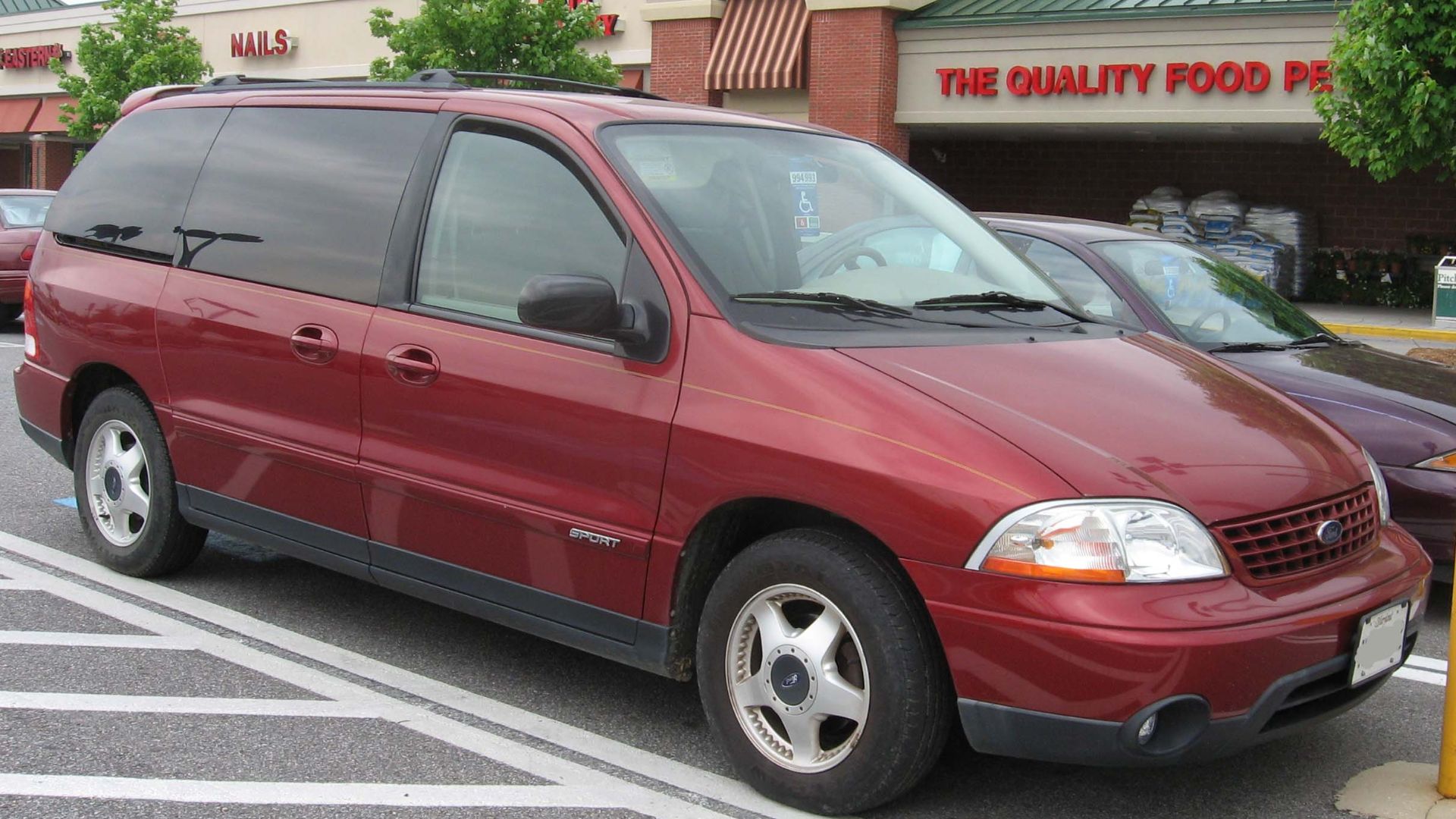
10. Ford Windstar
The Ford Windstar arrived as Ford’s serious answer to the minivan boom. It gave families a rounded, modern-looking people mover with lots of room and a more car-like feel than older vans. It was built for school parking lots, fast-food drive-thrus, and long family trips where someone always needed to stop.
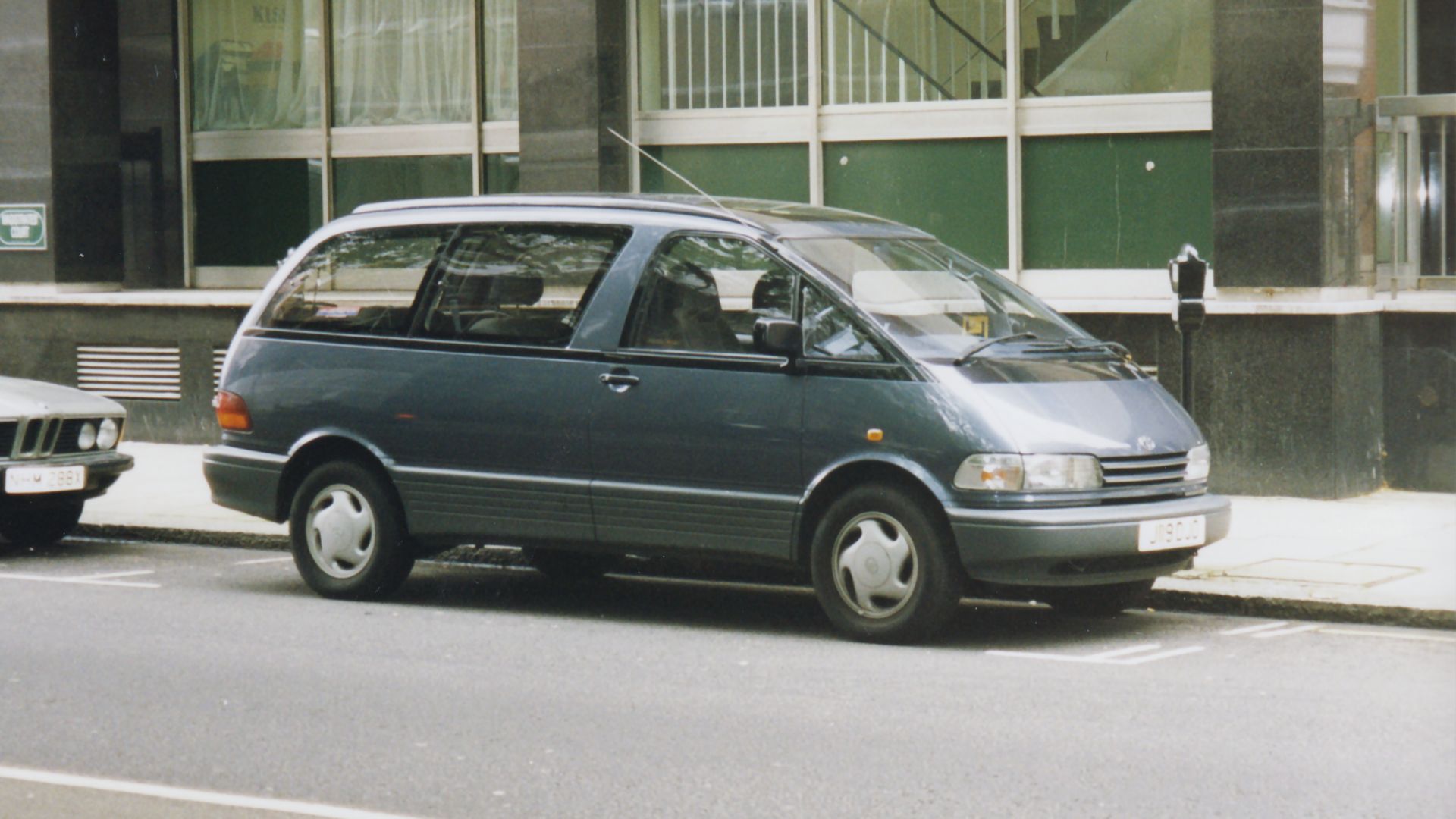
11. Toyota Previa
The Toyota Previa was one of the strangest-looking minivans of the 1990s, and that made it memorable. Its egg-like shape, roomy interior, and unusual mid-engine layout gave it a personality most family haulers lacked. Suburban families bought it for Toyota reliability and space, even if the styling looked a little futuristic.
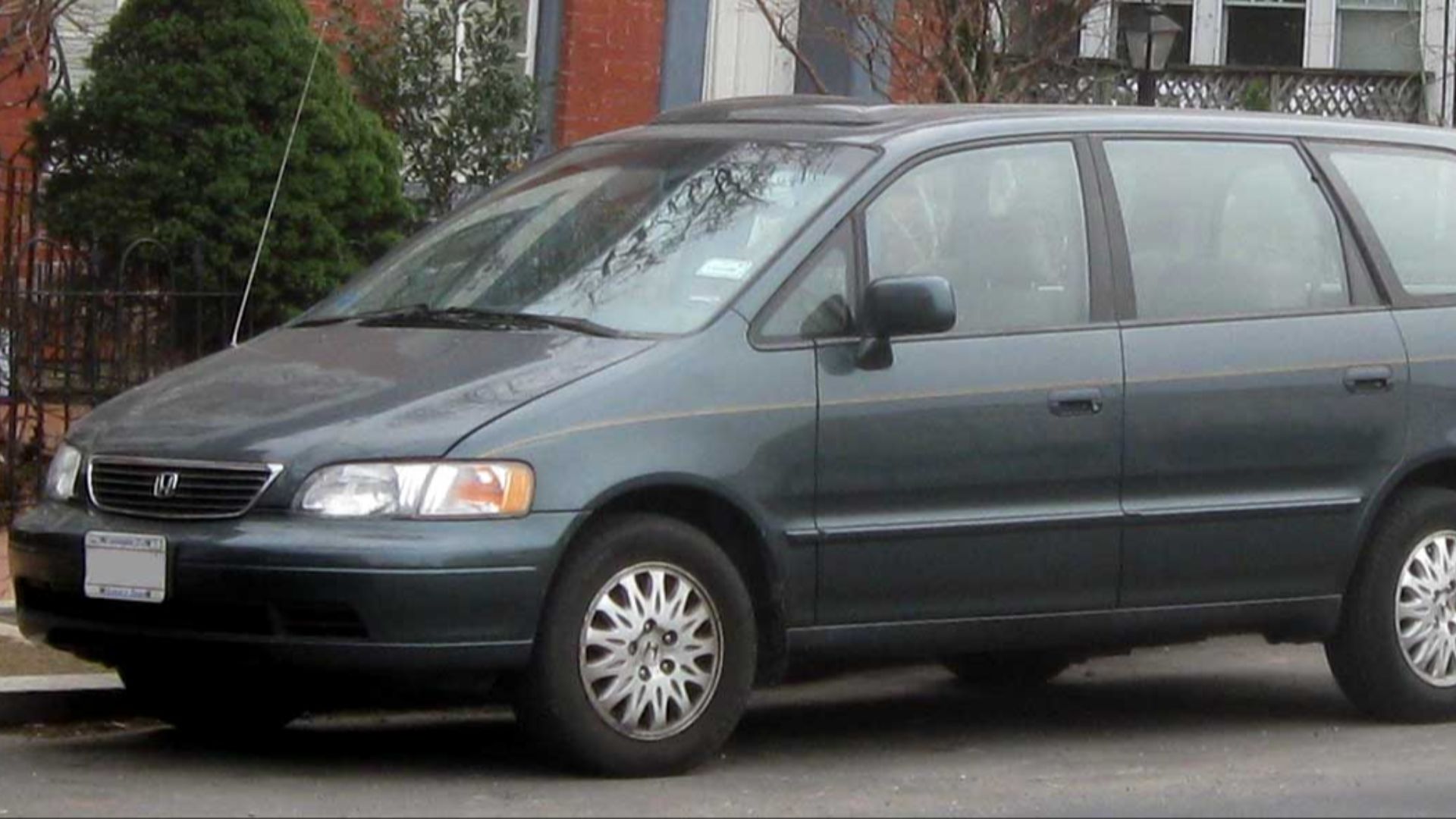
12. Honda Odyssey
The first-generation Honda Odyssey was not the giant sliding-door minivan people think of today. In the 1990s, it had conventional rear doors and a more wagon-like feel, which made it a little different from the usual family haulers. It appealed to buyers who wanted Honda reliability with more seats and cargo room.
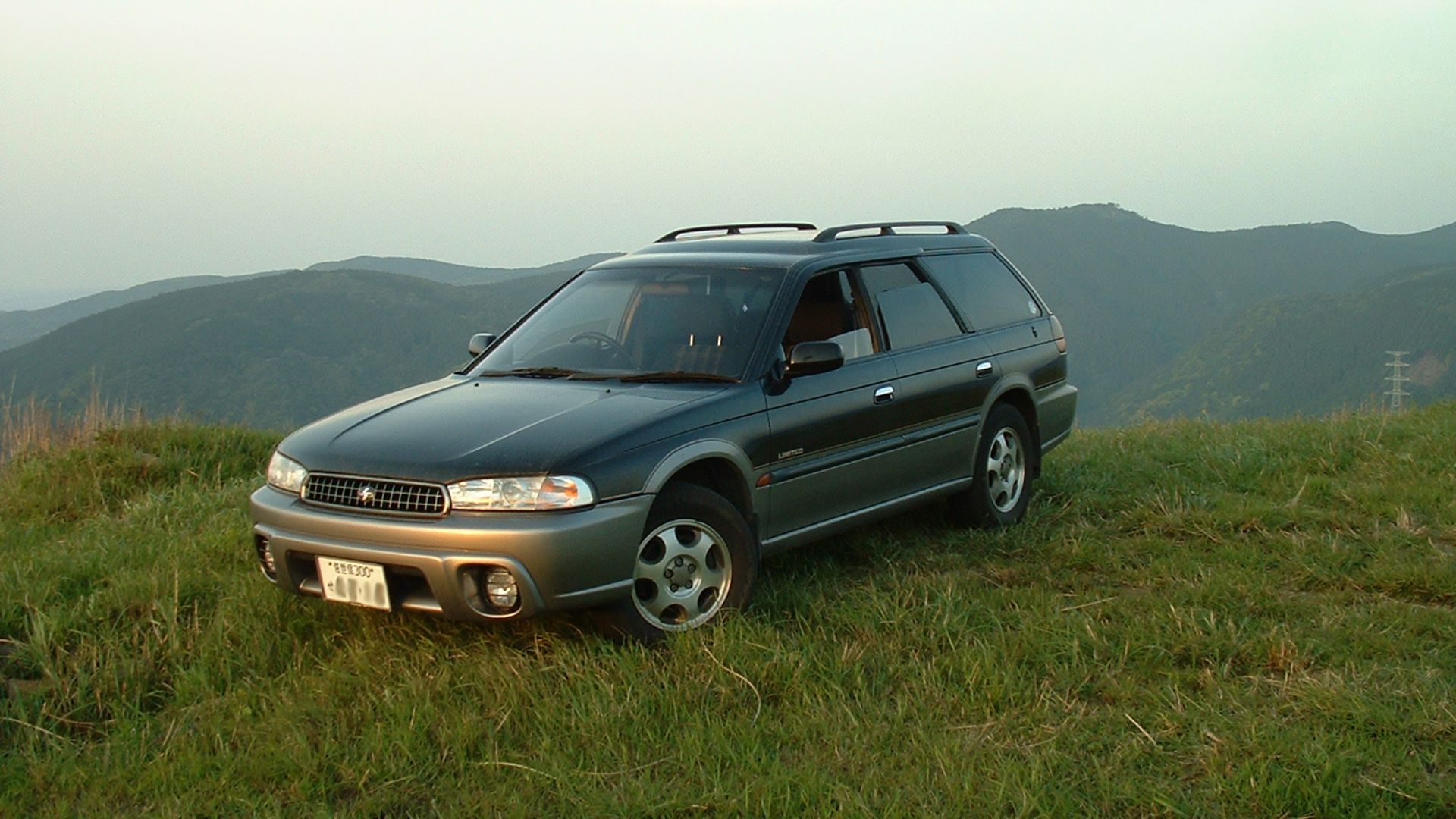
13. Subaru Legacy Outback
The Subaru Legacy Outback arrived in the 1990s and gave families a rugged alternative to both wagons and SUVs. It had all-wheel drive, raised suspension, and outdoorsy styling without becoming huge or truck-like. For suburban drivers in snowy places, it made practical sense while still suggesting weekend adventure.
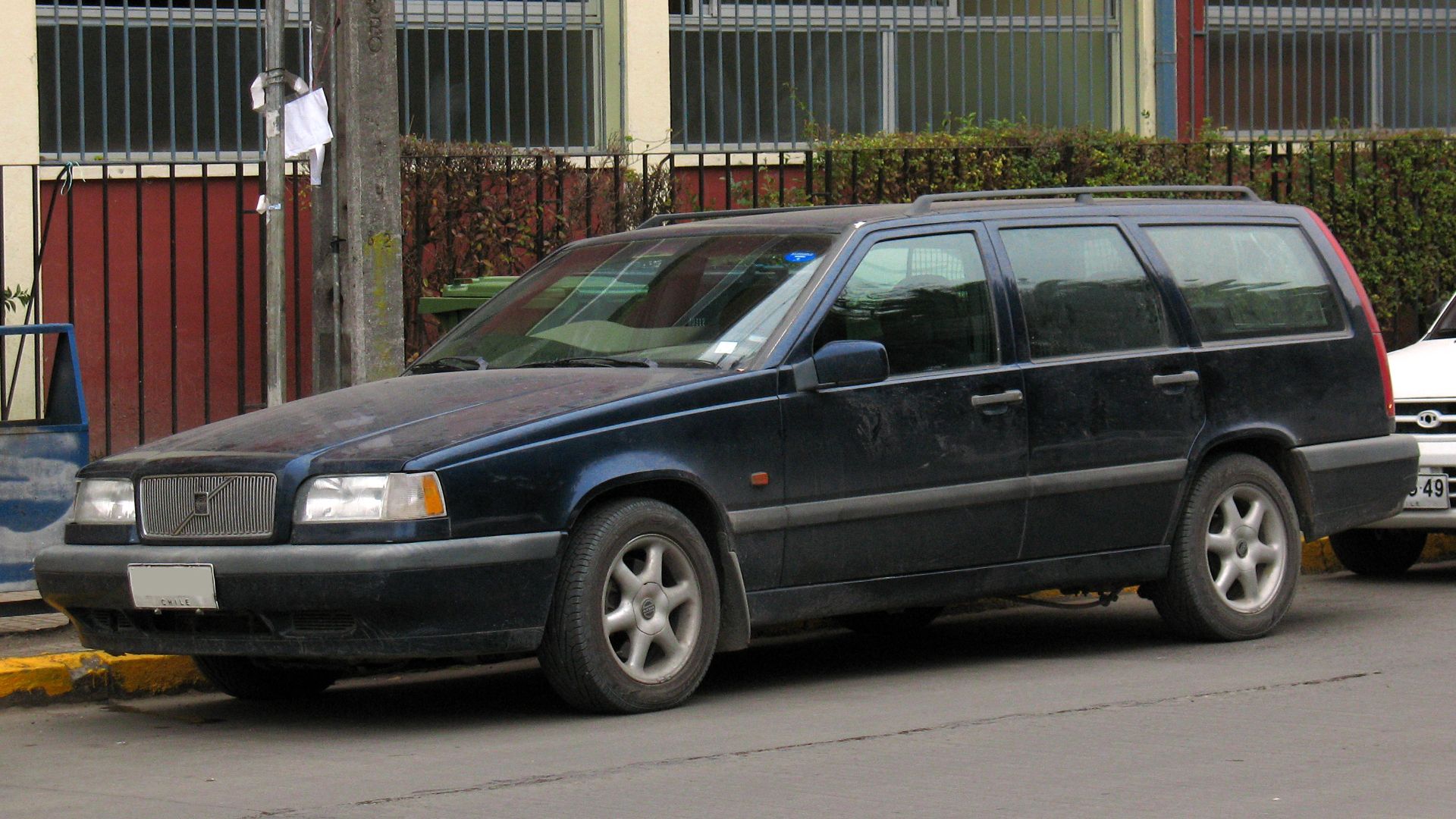
14. Volvo 850 Wagon
The Volvo 850 wagon brought boxy safety and understated style to suburban driveways. It was popular with families who cared about crash protection, cargo space, and looking slightly more European than everyone else. The wagon shape made it practical, but Volvo’s reputation made it feel thoughtful rather than dull.
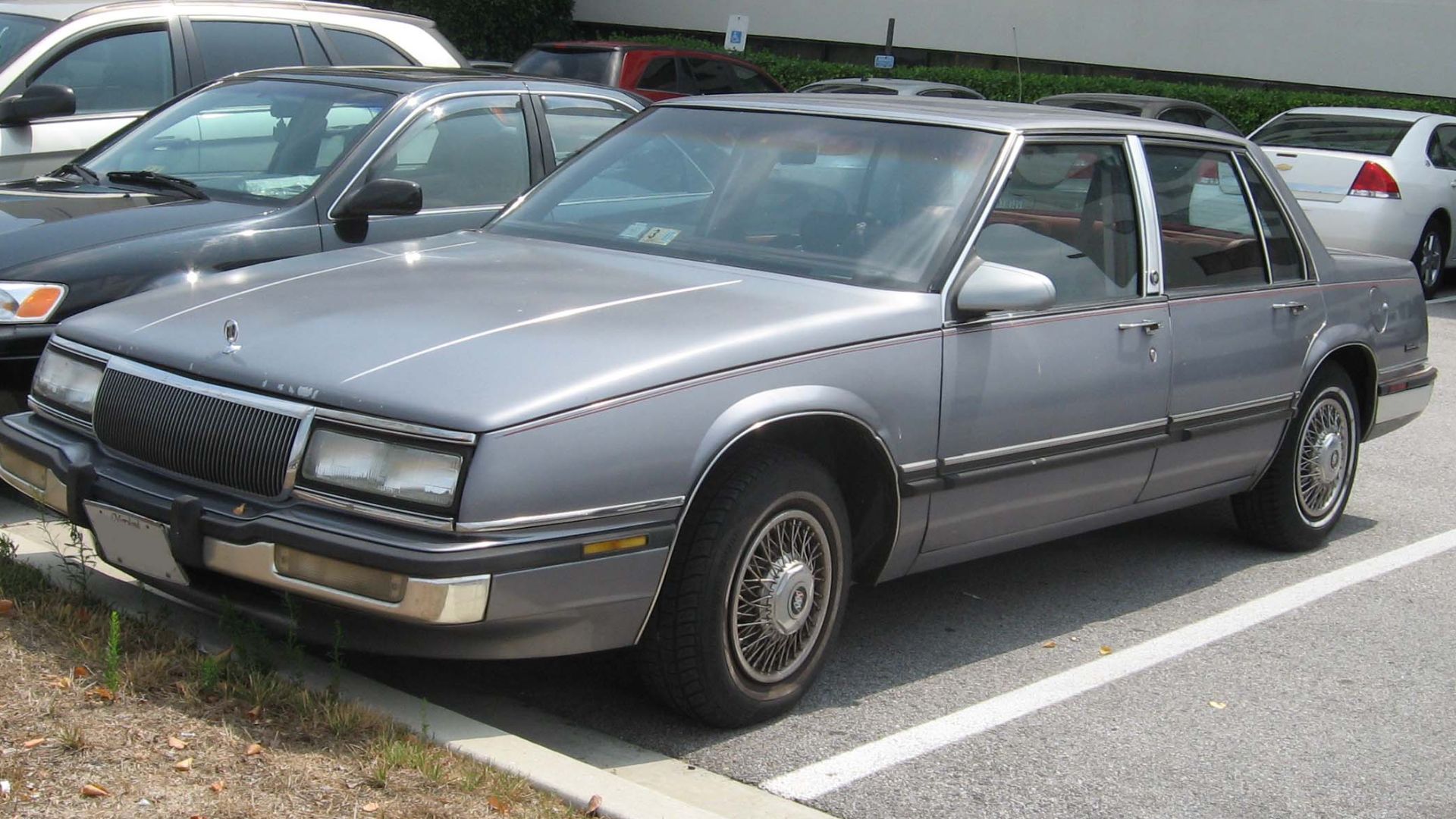
15. Buick LeSabre
The Buick LeSabre was a quiet suburban staple, especially for older drivers and families who valued comfort over flash. Its soft ride, roomy cabin, and traditional styling made it feel familiar in a rapidly changing decade. It wasn't trying to impress teenagers, but that just meant it knew its audience.
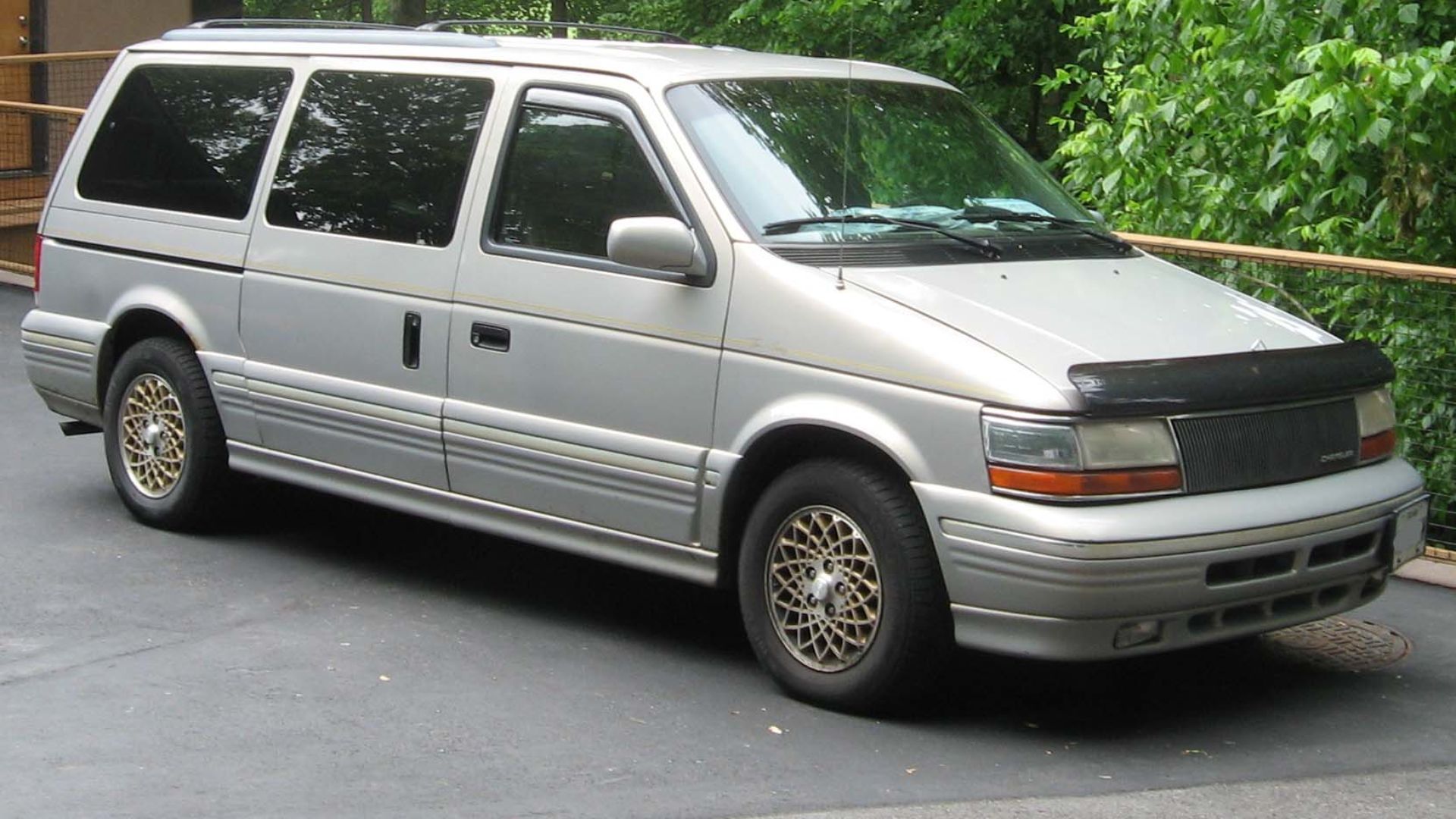
6. Chrysler Town & Country
The Chrysler Town & Country made the minivan feel a little more upscale. With woodgrain-style trim, cushier interiors, and a name that sounded country-club adjacent, it gave family hauling a touch of polish. Parents could still run errands and drive carpools, but they did it with slightly more padded confidence.
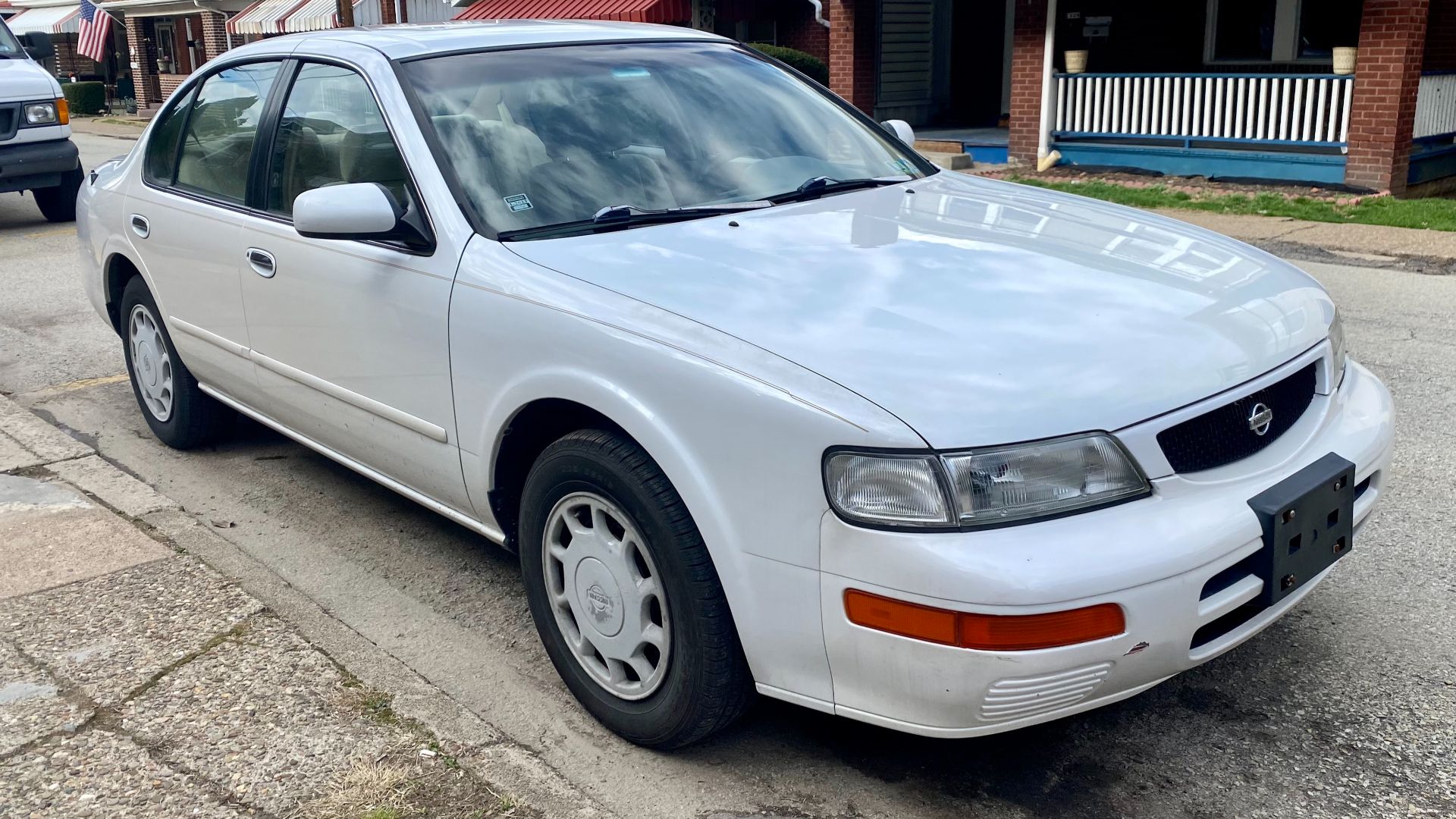
17. Nissan Maxima
The Nissan Maxima was the family sedan for people who wanted a little extra personality. Nissan famously marketed it as a “four-door sports car,” and while that may have been optimistic, the Maxima did feel livelier than many rivals. It had strong V6 power, a comfortable interior, and enough style to stand out in a sedan-heavy neighborhood.
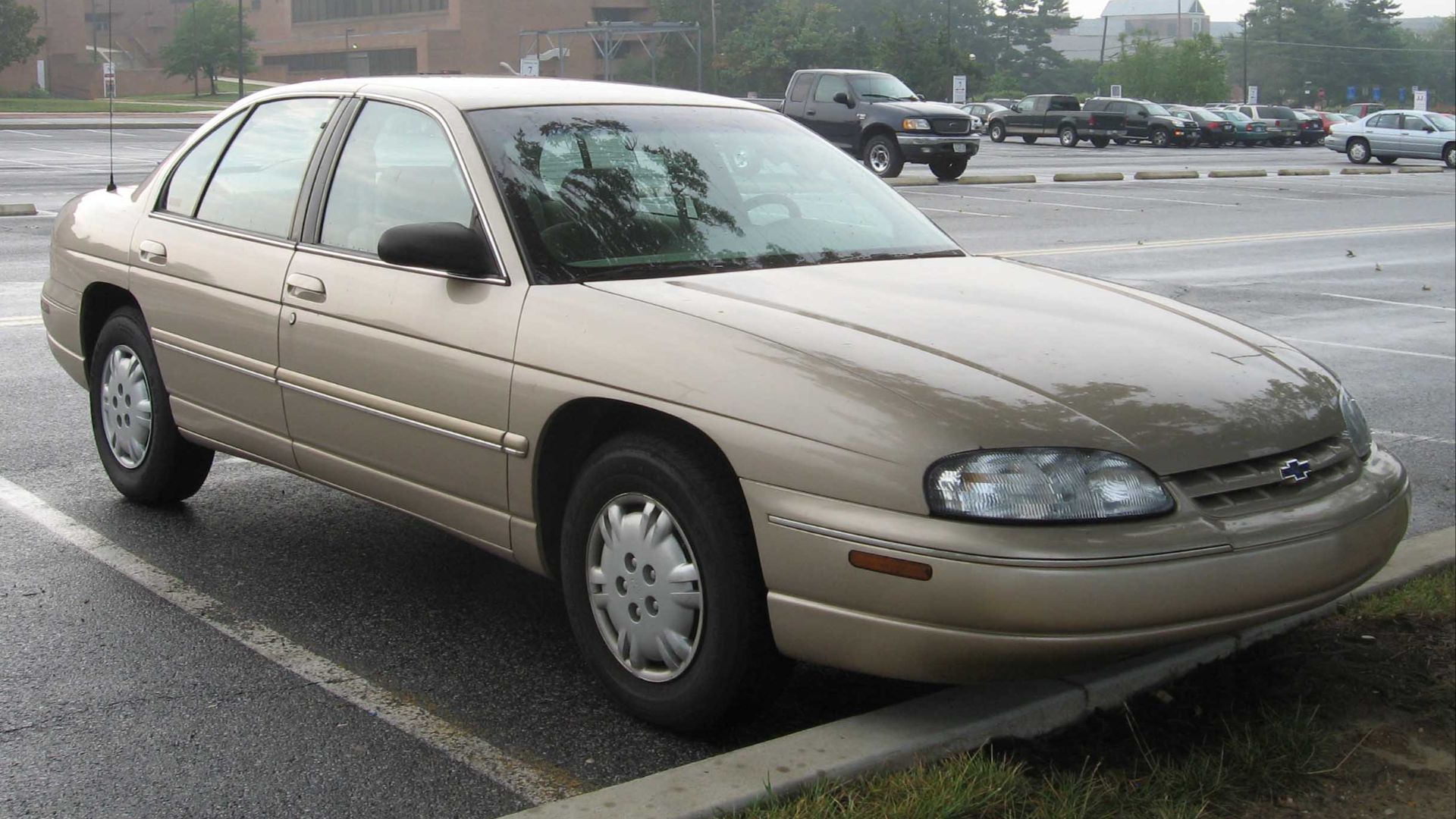
18. Chevrolet Lumina
The Chevrolet Lumina was a very 1990s answer to the family sedan question. It was affordable, roomy, and common enough that spotting one in traffic barely registered. Families bought it because it did the job without making a fuss, and fleet sales helped make it even more familiar.
19. Mercury Sable
The Mercury Sable was the Taurus’s slightly more upscale sibling, and it brought a softer, more polished vibe to the same basic suburban formula. Its light-bar front styling made it stand out, especially in the earlier years of the decade. Buyers liked that it felt a little more premium without jumping into luxury-car territory.
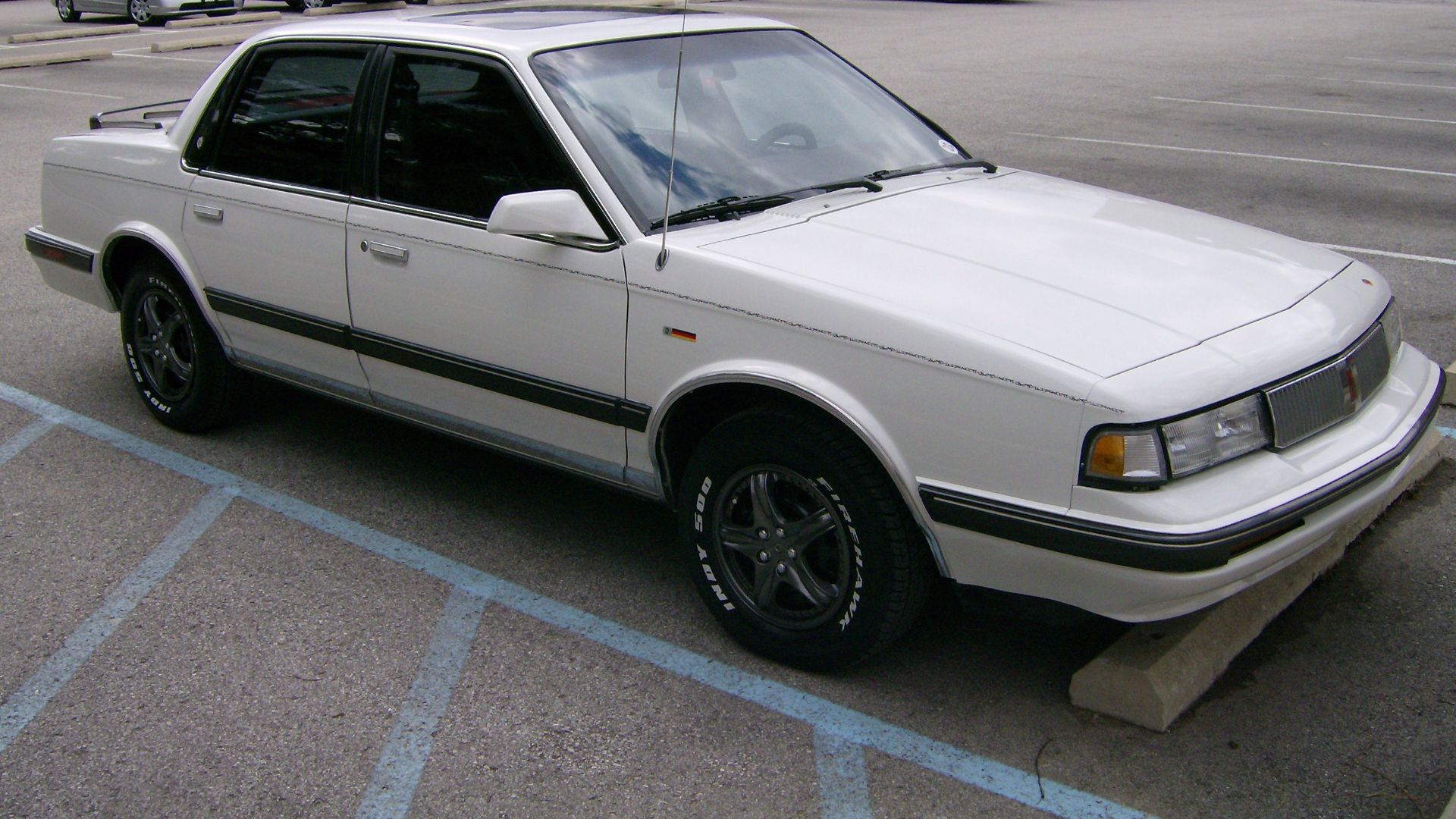
20. Oldsmobile Cutlass Ciera
The Oldsmobile Cutlass Ciera carried old-school family-car values deep into the 1990s. It was roomy, straightforward, and familiar to anyone who grew up around grandparents, neighbors, or practical parents who saw no reason to chase trends. By the end of the decade, it felt dated, but that was also part of its charm.