
What Affects Your Car Insurance Rate
Wondering how to lower your car insurance premiums? Well, you're going to want to be mindful of your habits both behind the wheel and off it. Despite how unpredictable your rates feel, they’re usually based on factors insurers use to estimate risk, like your driving record, where you live, how often you drive, or even the type of vehicle you own. While you can’t control every part of the pricing process, you do have more influence than you might think. Let's take a closer look at what might bump up your premiums—and how you can save money.
1. Accidents on Your Driving Record
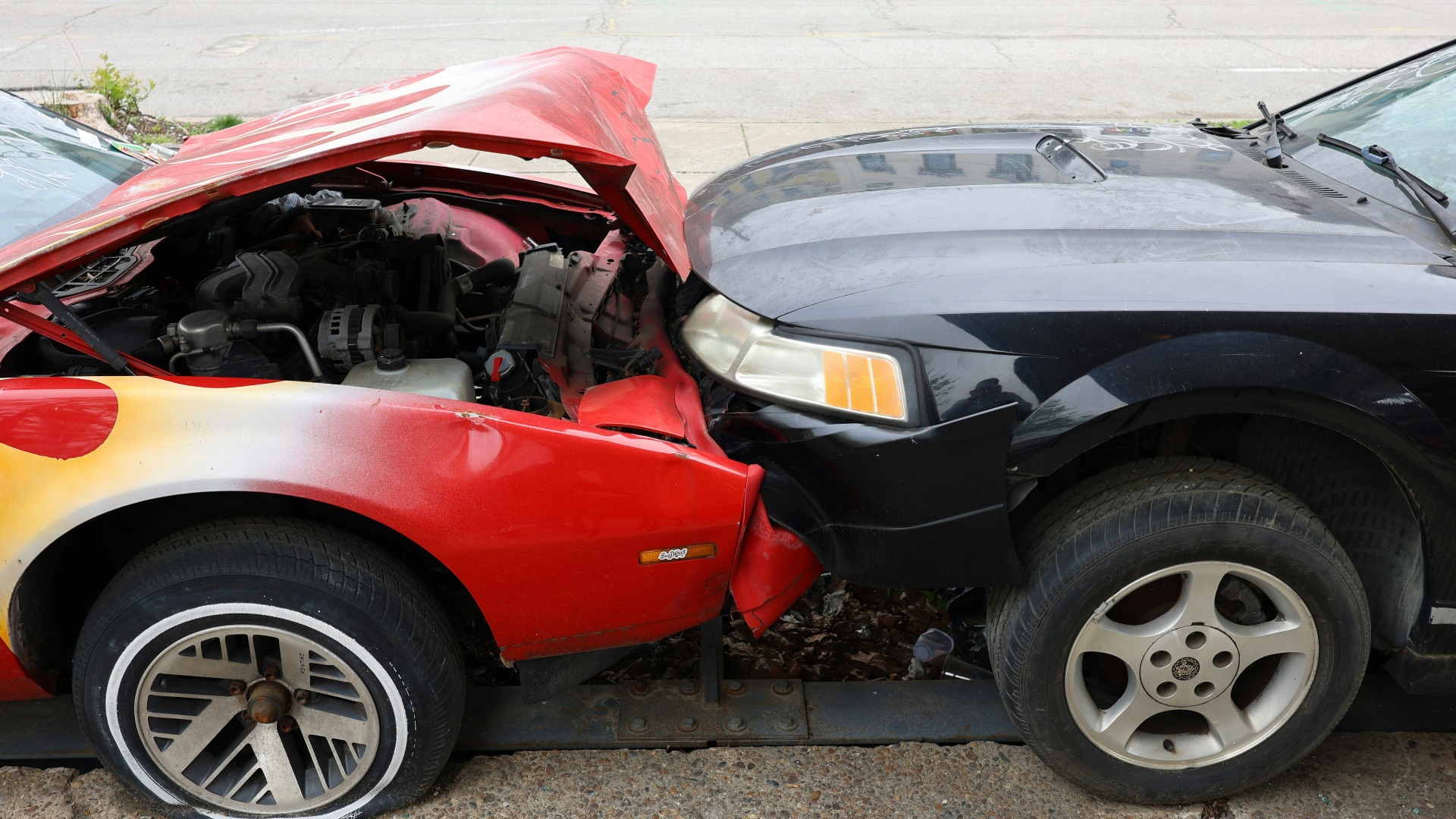
An at-fault accident can make your insurance premium rise because it signals to your insurer that you may be more likely to file another claim. Even one crash can affect your rate for several years, depending on your state, insurer, and policy terms. The more serious the accident, the more likely it is to have a noticeable impact. Keeping a clean record over time is one of the strongest ways to rebuild trust with your insurance company.
2. Speeding Tickets and Moving Violations
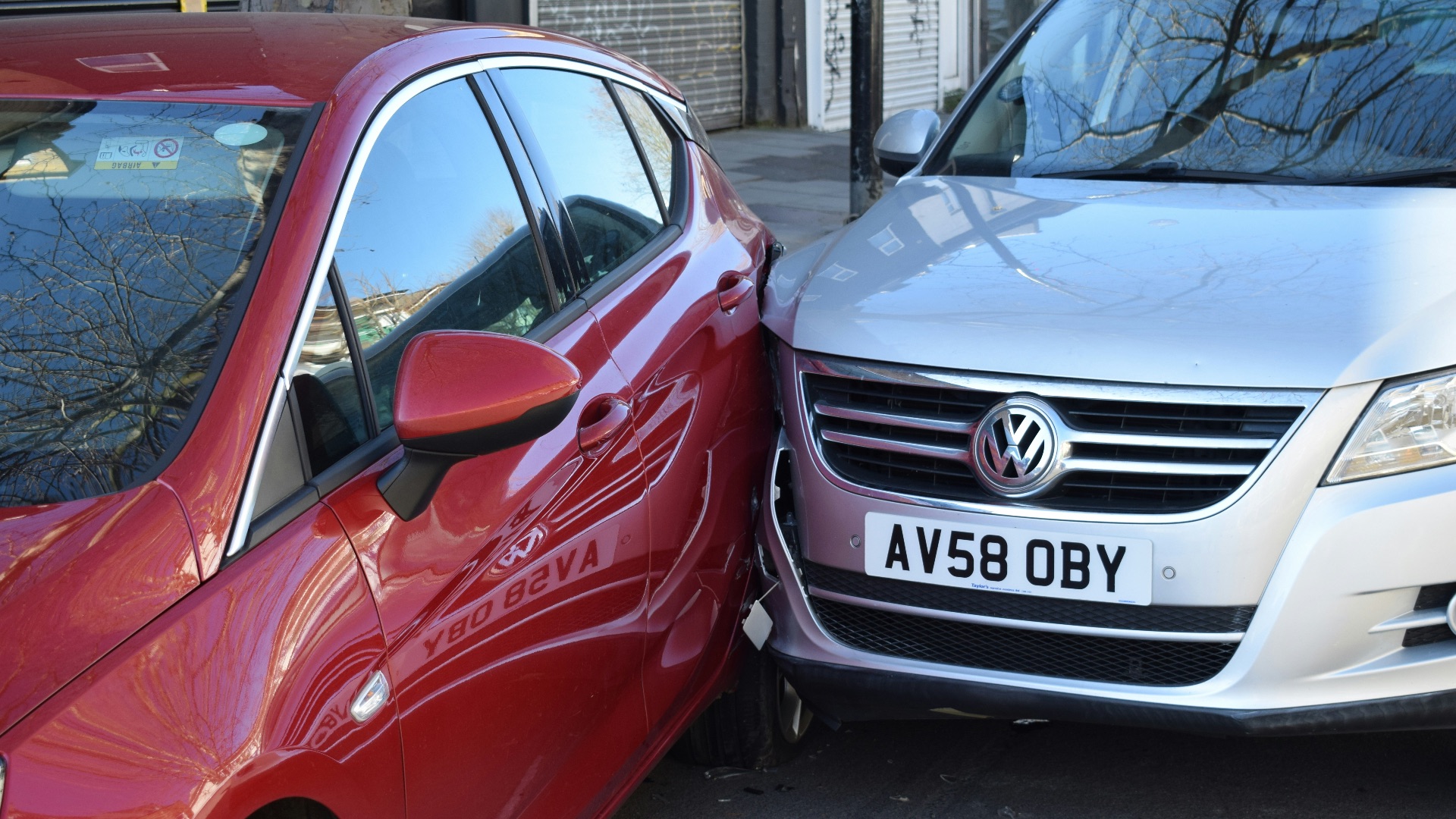
Traffic violations can increase your premium because they suggest risky driving habits. A single speeding ticket may not seem like a major issue, but insurers often see it as part of a broader risk profile. More serious violations, such as reckless driving or running a red light, can lead to even steeper increases. If tickets start adding up, your insurer may decide you’re more expensive to cover.

3. A Lapse in Coverage
Letting your car insurance expire, even briefly, can make future coverage more expensive. Insurers may view a lapse as a sign that you’re financially inconsistent or more likely to drive uninsured. When you restart coverage, you might not qualify for the same rates you had before. Staying continuously insured helps show responsibility and can protect you from unnecessary price jumps.

4. Adding a Teen Driver to Your Policy
Teen drivers usually raise premiums because they have less experience behind the wheel. Insurers know that newer drivers are statistically more likely to be involved in accidents, so the added risk is reflected in the price. The increase can be especially noticeable if the teen has their own vehicle. Good grades, driver training, and safe habits may help soften the cost, but the initial jump is common.

5. Driving a Car That’s Expensive to Repair
The car you drive plays a major role in what you pay for insurance. Vehicles with costly parts, advanced technology, or specialized repair needs often come with higher premiums. Even if you’re a careful driver, your insurer considers what it would cost to fix or replace your car after a covered claim. Luxury vehicles, sports cars, and certain electric models may cost more to insure for this reason.

6. Living in an Area with Higher Claim Rates
Your ZIP code can influence your premium because insurers look at how often claims happen in your area. If you live somewhere with frequent theft, vandalism, accidents, or severe weather damage, your rate may be higher. Dense traffic can also increase the chance of collisions, which can affect pricing. You may not be able to change where you live, but it helps to understand why location matters.

7. Filing Multiple Claims
Using your insurance often can lead to higher premiums, even when the claims are legitimate. Insurers may see frequent claims as a sign that you’re more likely to cost them money in the future. This can apply to collision claims, comprehensive claims, or a combination of both. Before filing for minor damage, it’s worth considering whether the claim is large enough to justify the possible rate increase.

8. Choosing Low Deductibles
A lower deductible means you pay less out of pocket when you file a claim, but it usually raises your premium. From the insurer’s perspective, they’re taking on more financial responsibility each time something happens. That added risk is built into your monthly or annual cost. While a low deductible can be helpful after an accident, it may not be the most affordable choice if you rarely file claims.

9. Using Your Car for Business or Long Commutes
The more time you spend on the road, the more exposure you have to accidents. Long commutes, frequent work-related driving, or using your vehicle for deliveries can all increase your premium. Insurers may rate these situations differently because they involve more mileage and more time in traffic. Being honest about how you use your car is important, since inaccurate information can create problems during a claim.

10. Poor Credit in States Where It’s Allowed
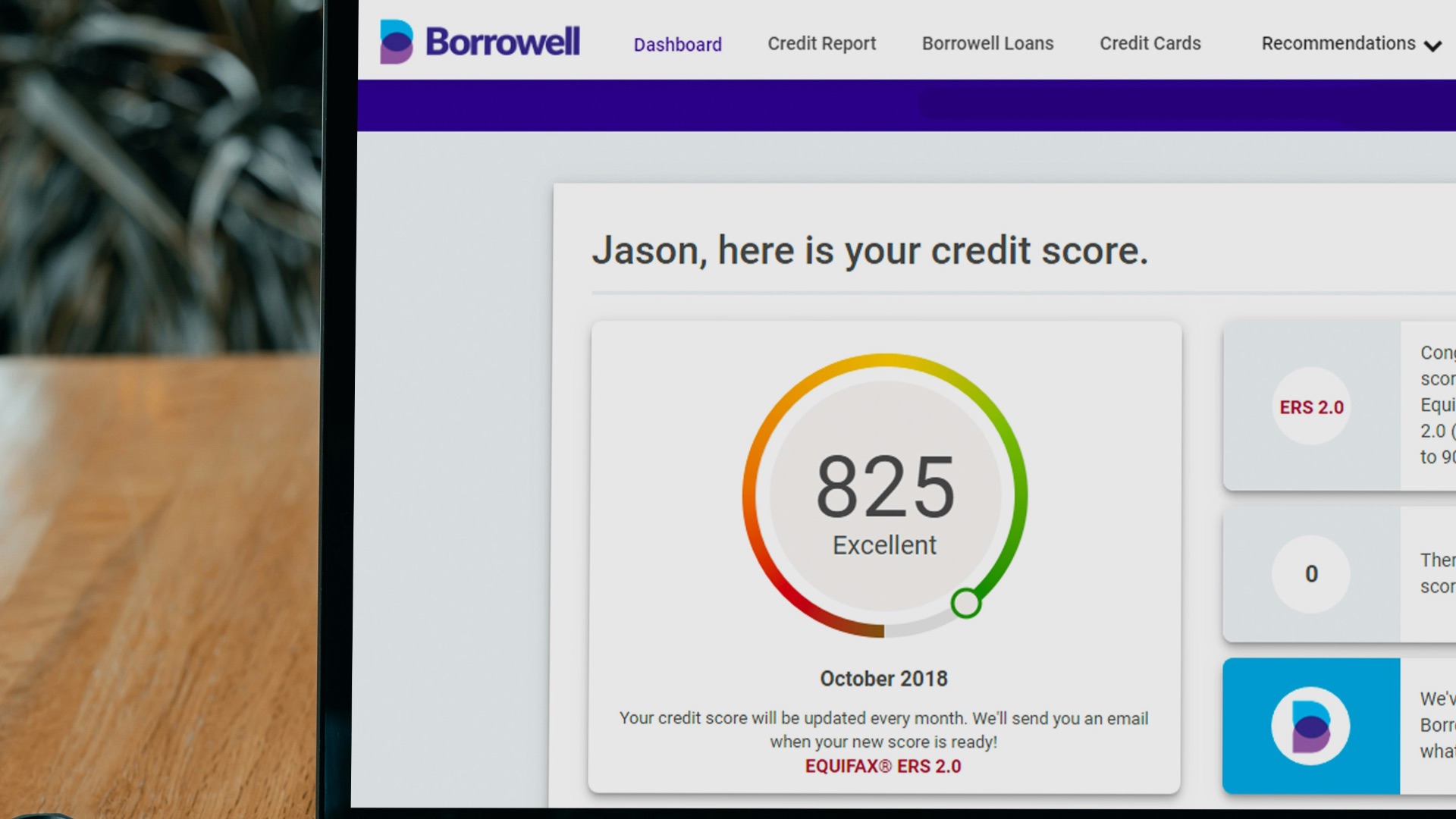
In many states, insurers may use credit-based insurance scores as one factor when setting premiums. A lower score can lead to higher rates because some insurers associate it with a greater likelihood of claims. This doesn’t mean your credit is the only thing that matters, but it can influence the final price. Some states restrict or ban this practice, so its impact depends on where you live.
Now that you're aware of what might push your premiums up makes it easier to spot opportunities for savings. Some factors take time to improve, but others can be adjusted with a phone call, a policy review, or a few practical changes to how you insure and drive your car.
1. Compare Quotes from Multiple Insurers
Shopping around is one of the most effective ways to lower your car insurance premium. Different companies weigh risk factors in different ways, which means the same driver can receive very different quotes. It’s smart to compare rates at least once a year or whenever something major changes, such as moving, buying a car, or adding a driver. You don’t have to stay with the same insurer if another company offers similar coverage for less.
2. Increase Your Deductible
Raising your deductible can lower your premium because you’re agreeing to pay more out of pocket if you file a claim. This option works best if you have enough savings to comfortably cover the higher amount. It’s not about choosing the highest deductible possible, but finding a balance between monthly savings and financial security. Before making the change, check how much the premium would actually drop.

3. Bundle Your Policies
Many insurers offer discounts when you buy more than one type of policy from them. For example, combining auto insurance with homeowners, renters, or condo insurance may reduce your overall cost. Bundling can also make your insurance easier to manage because you’re working with one company. Still, it’s worth comparing the bundled price against separate policies to make sure the discount is truly saving you money.

4. Ask About Available Discounts
Insurance companies often provide discounts, but they don’t always apply them automatically. You may qualify for savings based on safe driving, low mileage, automatic payments, paperless billing, anti-theft devices, or membership in certain organizations. A quick review with your insurer can uncover discounts you didn’t know existed. Make it a habit to ask again periodically, since your eligibility can change over time.

5. Keep a Clean Driving Record
Safe driving pays off because insurers reward drivers who avoid accidents and violations. The longer you go without tickets or claims, the more attractive you may look to insurance companies. Some insurers also offer safe-driving programs that track habits like braking, speeding, and mileage. If you’re comfortable with that kind of monitoring, it may help you qualify for a lower rate.

6. Review Your Coverage on Older Cars
If your car is older and worth less than it used to be, you may not need the same level of coverage you once carried. Collision and comprehensive coverage can be helpful, but they may not make financial sense if the annual cost is high compared with the car’s value. That doesn’t mean you should drop important protection without thinking it through. Instead, review the numbers and decide whether the coverage still fits your situation.

7. Improve Your Credit Where It Affects Rates
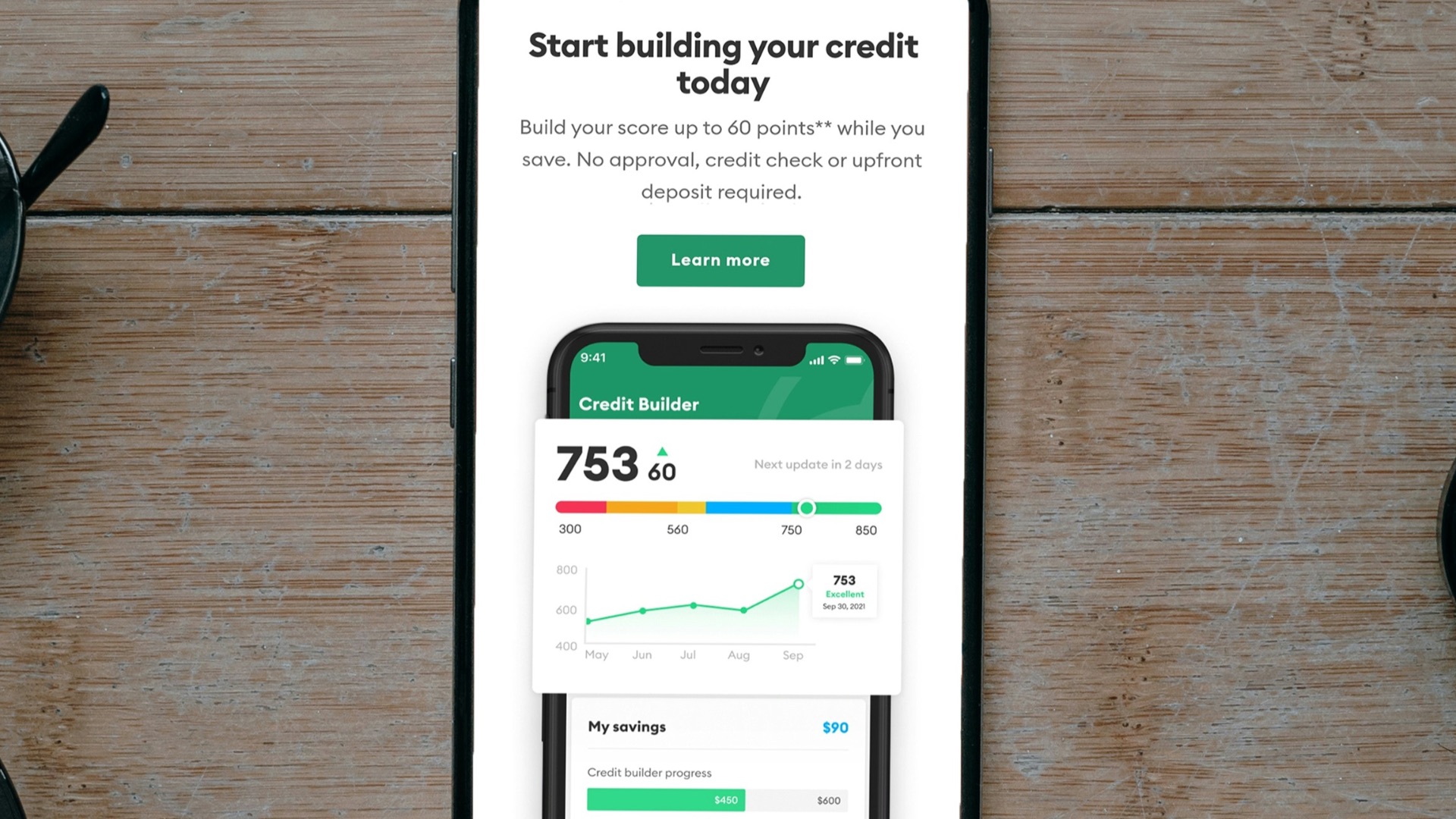
In states where credit-based insurance scoring is allowed, improving your credit may help reduce your premium over time. Paying bills on time, lowering credit card balances, and correcting errors on your credit report can all support better financial standing. The effect won’t always be immediate, but it can make a difference when your policy renews or when you shop for quotes. Even small improvements may help you qualify for better pricing.
8. Drive Fewer Miles
Lower mileage can sometimes lead to lower premiums because less driving generally means less risk. If you work from home, carpool, use public transportation, or only drive occasionally, tell your insurer. Some companies offer low-mileage discounts or usage-based policies that charge partly based on how much you drive. This can be especially useful if your driving habits have changed, but your policy hasn’t been updated.
9. Choose Your Next Car with Insurance Costs in Mind
Before buying a vehicle, it’s worth checking what it might cost to insure. Cars with strong safety ratings, lower repair costs, and fewer theft claims are often cheaper to cover. A vehicle that seems affordable at the dealership can become more expensive once insurance is included. Getting quotes before you buy gives you a clearer picture of the true monthly cost.

10. Revisit Your Policy at Renewal Time
Your renewal notice shouldn’t be something you accept without review. Premiums can change because of your driving history, local claim trends, insurer pricing updates, or changes in your household. Before renewing, look over your coverage limits, deductibles, discounts, and listed drivers to make sure everything is still accurate. A simple annual checkup can prevent you from overpaying for coverage that no longer matches your life.