10 Cars That Were Iconic Despite Being Flawed & 10 That Were Flawless but Forgotten
Some Cars Win History, Others Just Win the Road
Car history isn’t always fair. Some vehicles become legends even though they were unreliable, uncomfortable, awkward to drive, or flawed in ways owners quietly suffered through. Others were beautifully engineered, practical, refined, or ahead of their time, yet somehow slipped past mainstream attention. Here are 10 cars that became iconic despite not being that great, and 10 that were near perfection but no one remembers.
 Belkaa Photographer on Unsplash
1. DeLorean DMC-12
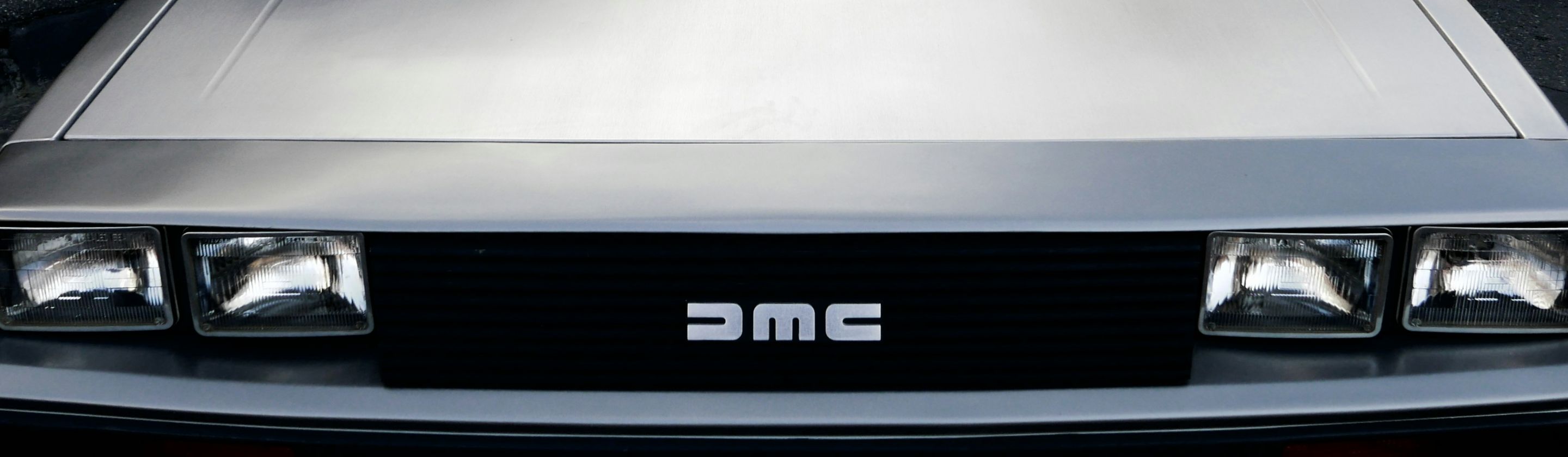
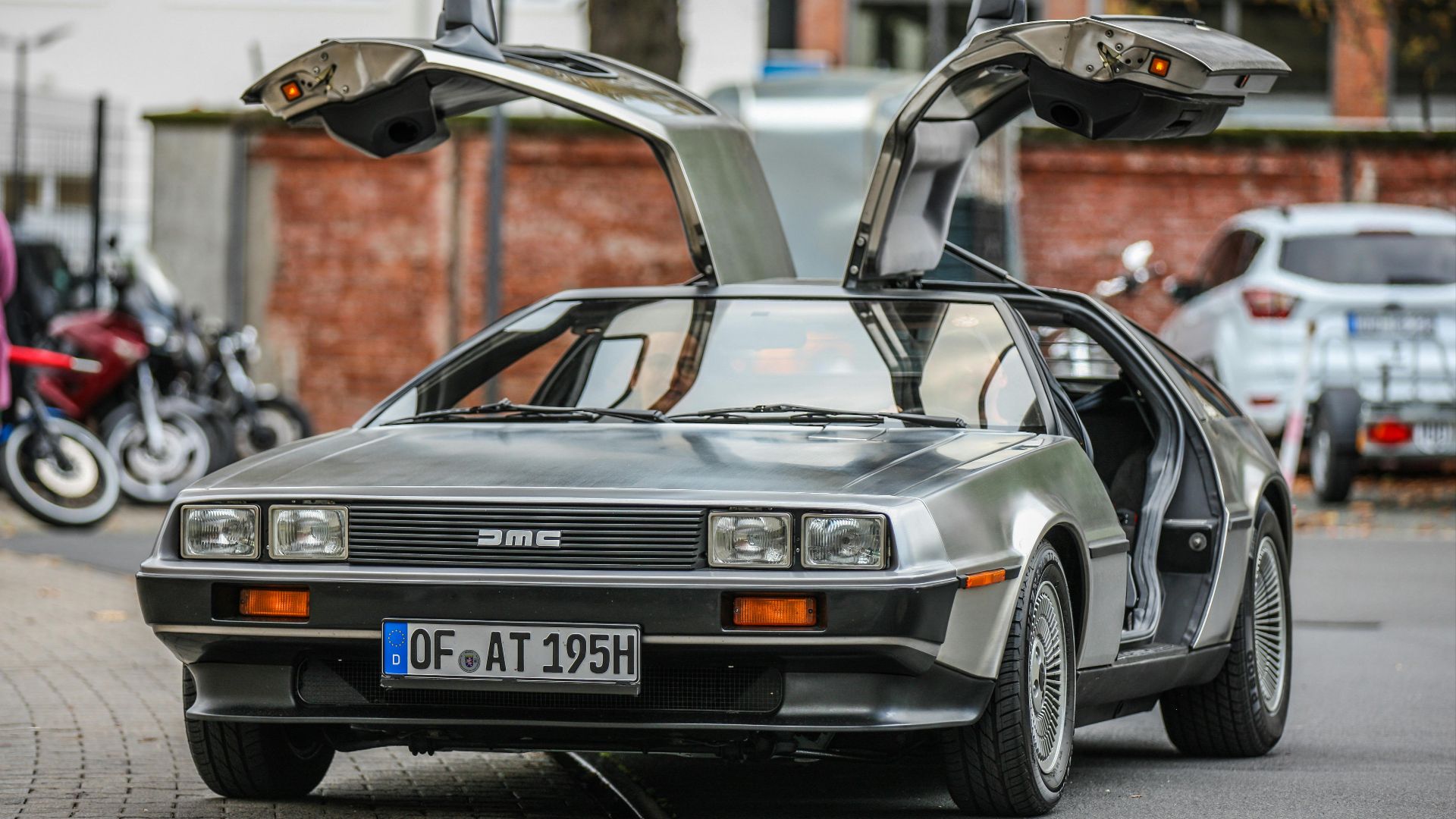
The DeLorean DMC-12 became a pop-culture legend, but the actual car wasn't exactly a performance machine. Its stainless-steel body and gullwing doors looked wildly futuristic, yet the engine was underwhelming, and the build quality could be frustrating. Most people remember it because of Back to the Future, not because it was a good car.
2. Volkswagen Beetle
The Volkswagen Beetle is one of the most recognizable and popular cars ever made, but it wasn't anywhere near perfect. It was slow, noisy, cramped, and not exactly luxurious, even when people loved it dearly. Its charm came from affordability, simplicity, and personality, not from being a superior ride in any way.

3. Lamborghini Countach
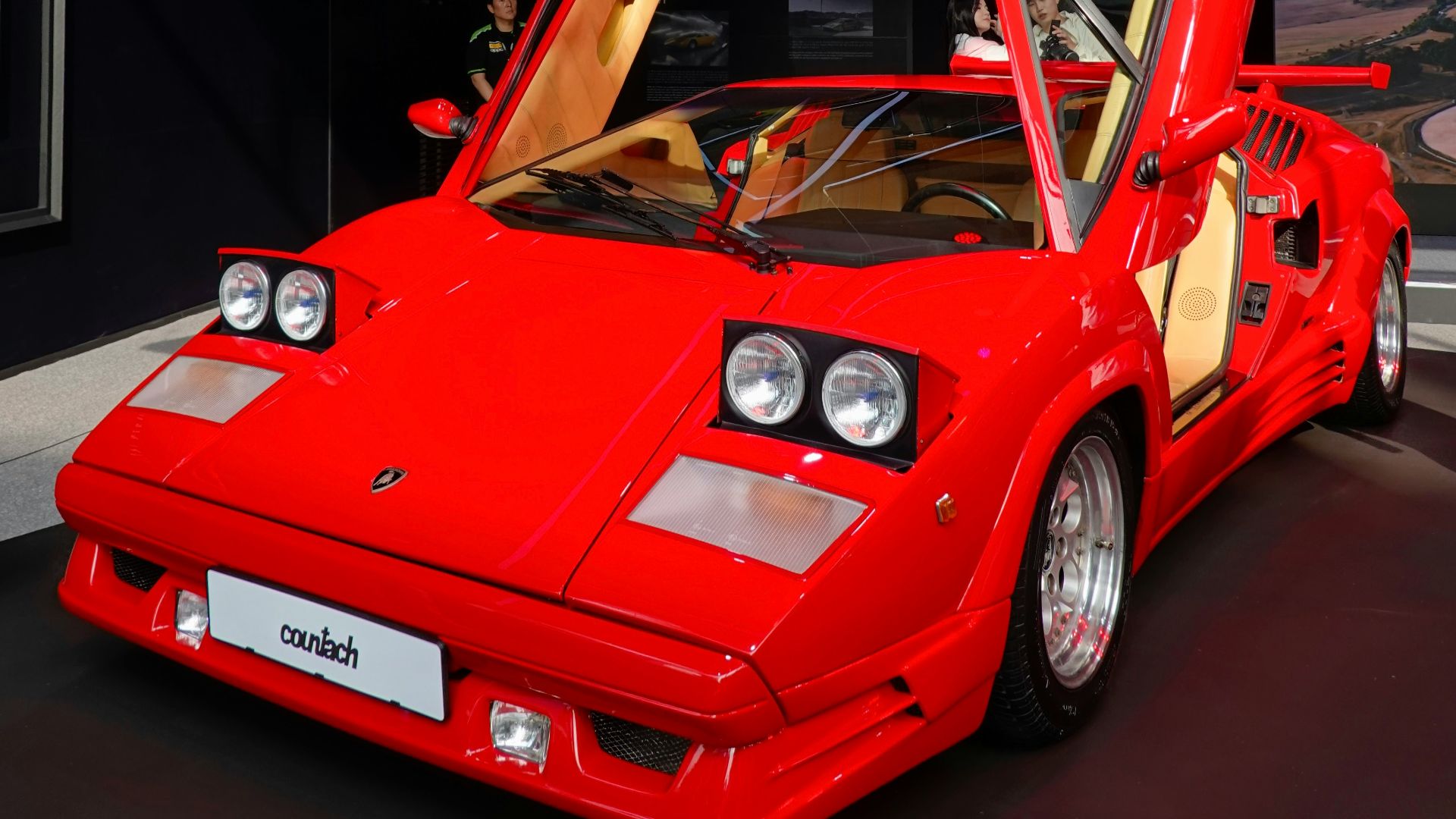
The Lamborghini Countach looked like it had arrived from the future and parked badly on purpose. It was dramatic, outrageous, and instantly recognizable, but visibility was terrible, the cabin was cramped, and low-speed driving could be a workout. Owners had to forgive a lot in exchange for the spectacle.
4. Ford Model T
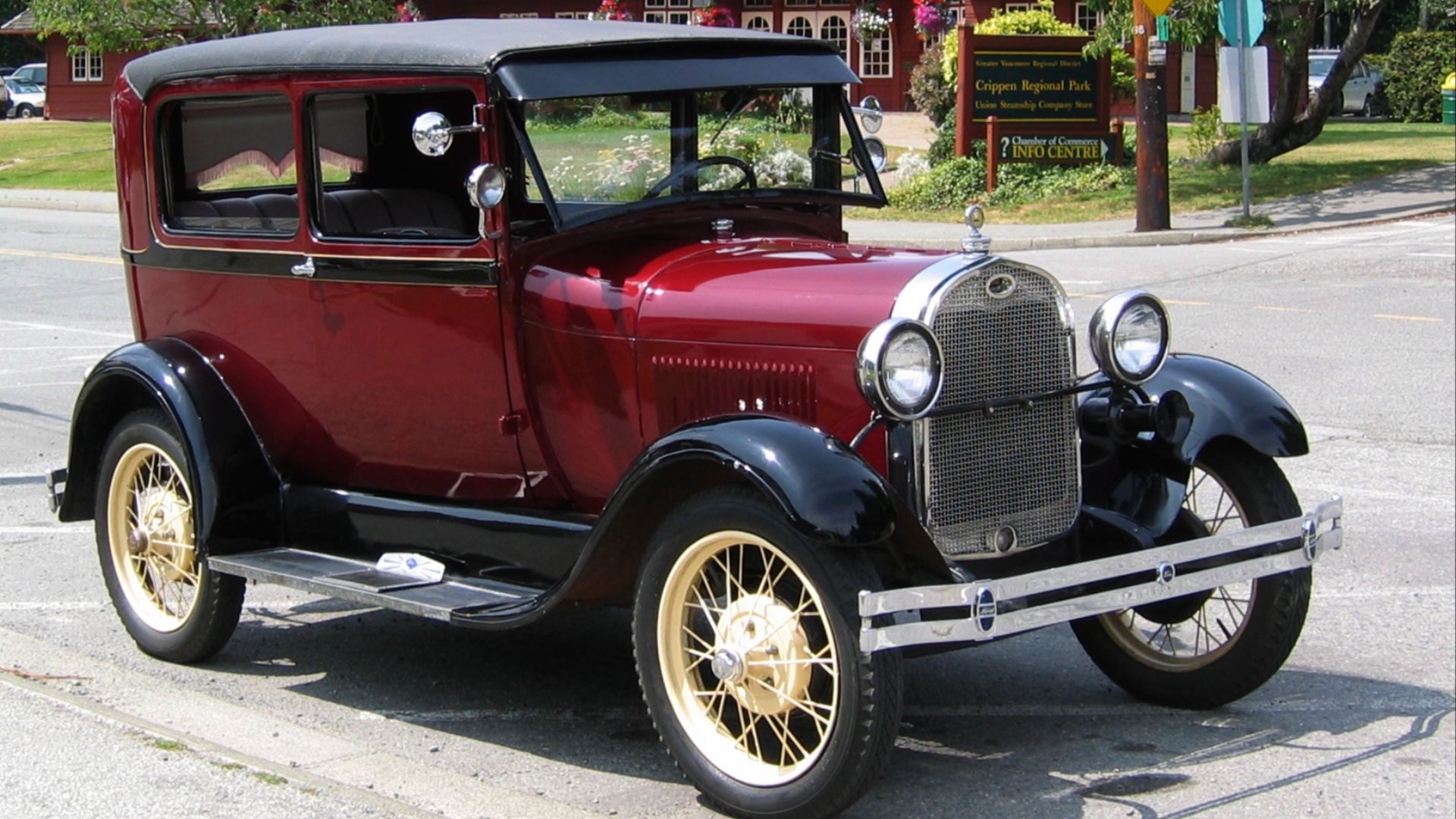
The Ford Model T changed transportation forever, but driving one today feels like operating machinery from another universe. Its controls are strange, its speed is limited, and comfort wasn't exactly the priority. Still, it made car ownership possible for millions of people and transformed the auto industry.
5. Chevrolet Corvette C3
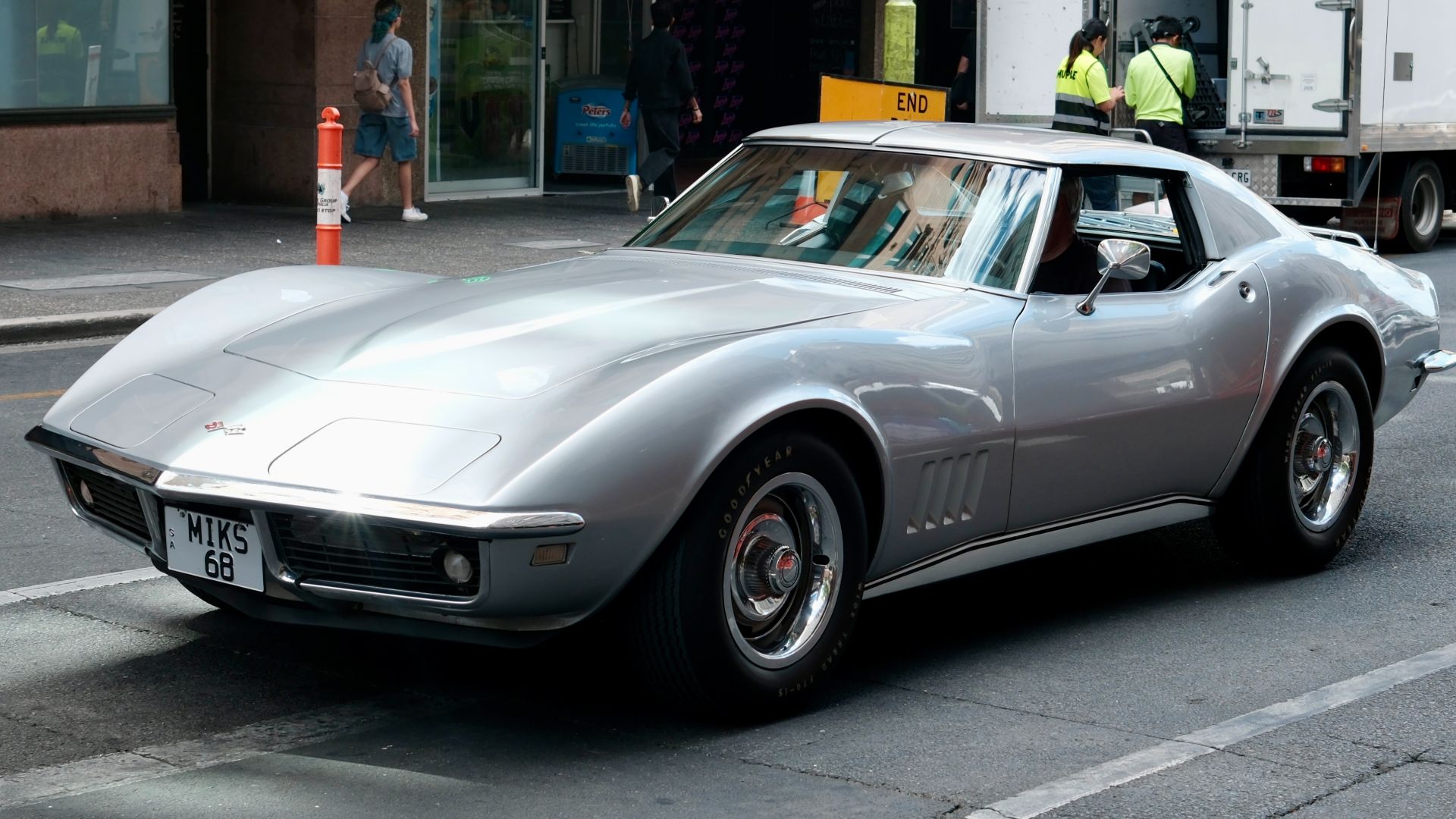
The C3 Corvette had sensational styling, especially in its early years, but the later versions suffered badly during the emissions and fuel-crisis era. By the mid-to-late 1970s, horsepower had dropped, weight had climbed, and performance no longer matched the aggressive looks, but people still loved the shape, the attitude, and the unmistakable Corvette identity.
6. Porsche 911 Turbo 930
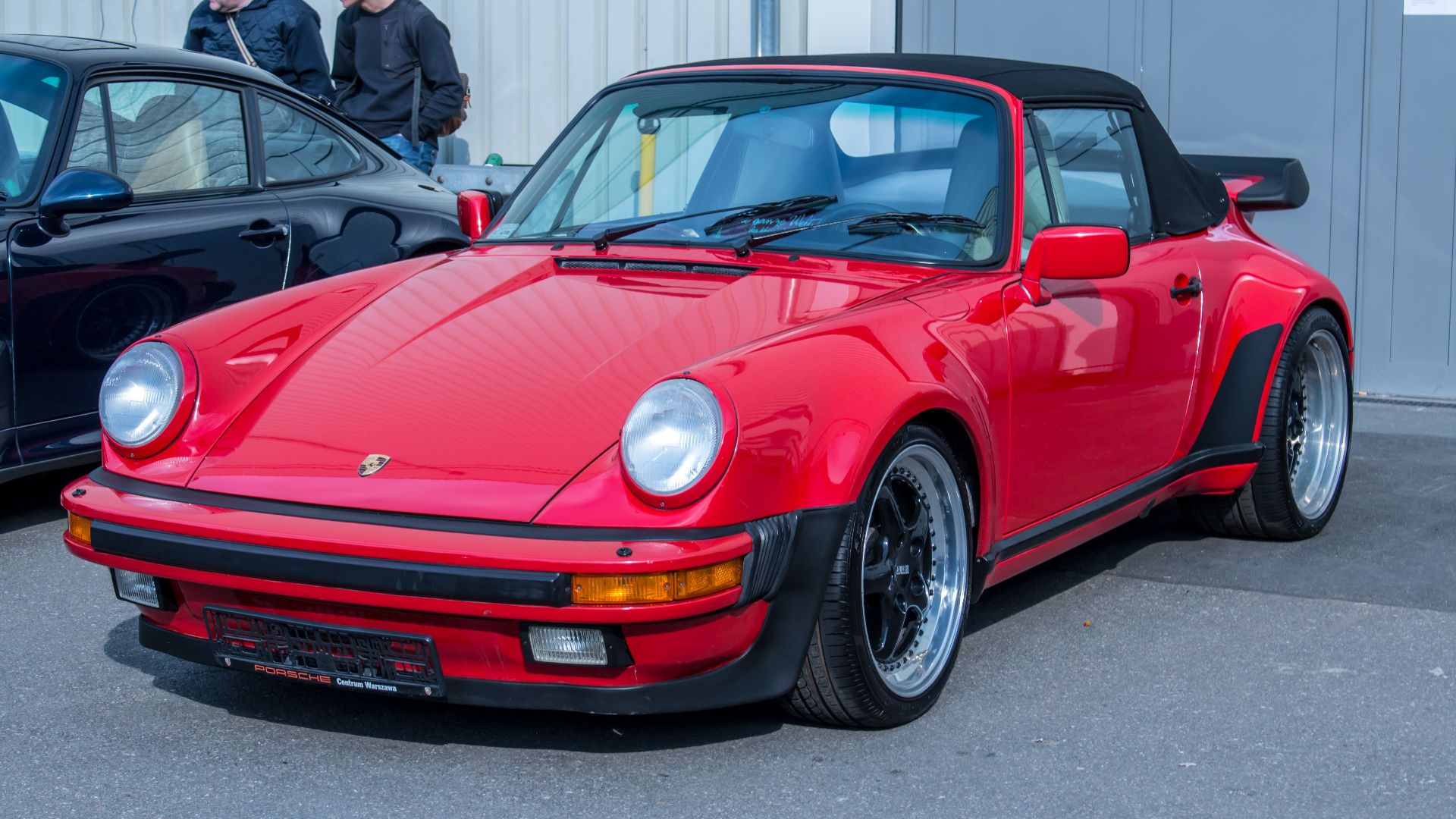
The Porsche 930 Turbo earned legend status partly because it was thrilling and partly because it could be genuinely intimidating. Turbo lag, rear-engine weight balance, and sudden power delivery gave it a reputation for catching drivers off guard. It demanded respect, skill, and maybe a slightly calmer right foot than some owners possessed.
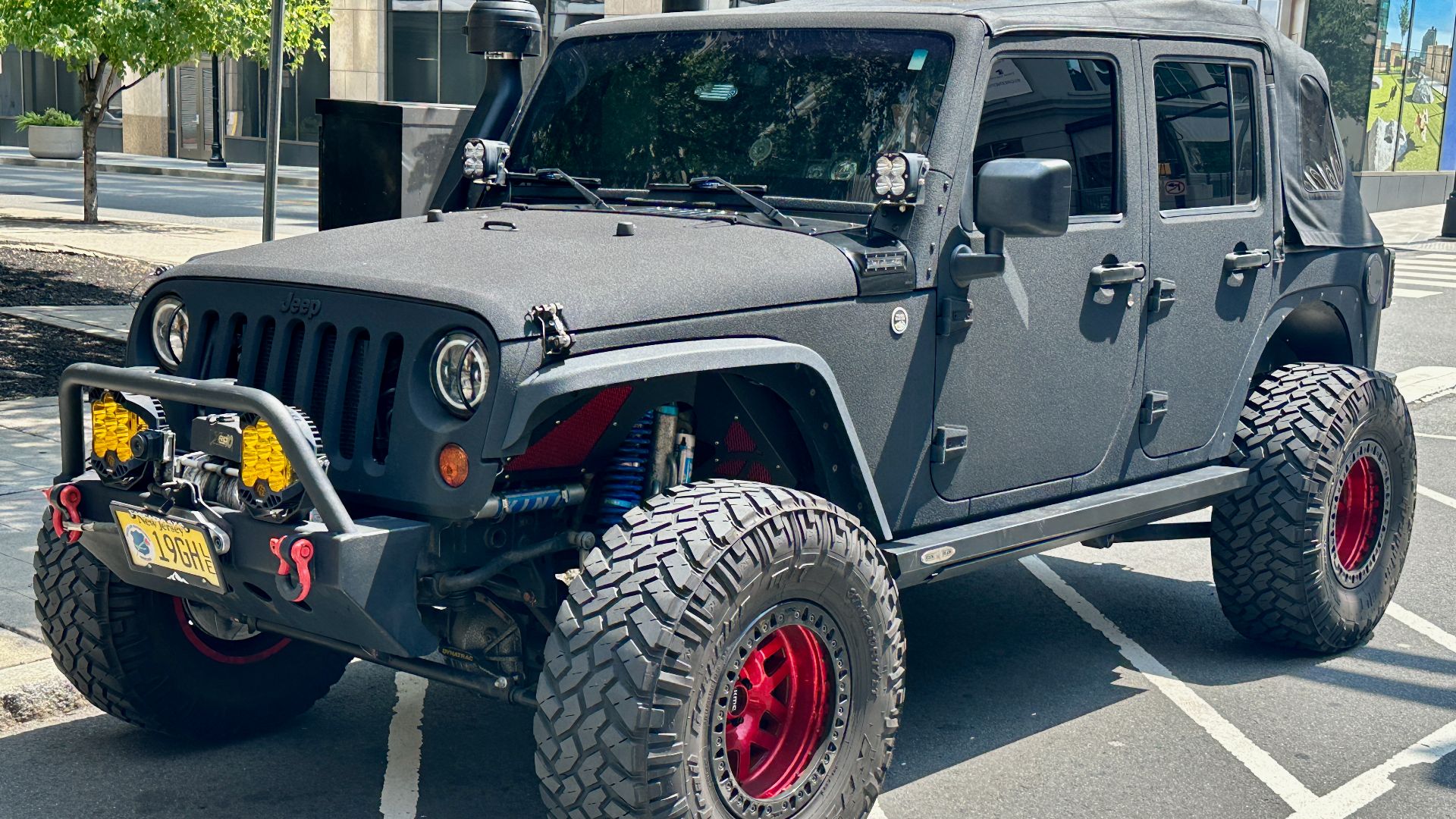
7. Jeep Wrangler
The Jeep Wrangler is adored for its off-road ability, removable doors, rugged looks, and sense of adventure. On pavement, though, it can feel noisy, bouncy, inefficient, and far from refined. People don’t buy a Wrangler because it behaves like a quiet luxury crossover. They buy it because the flaws are tied to the same character that makes it special.
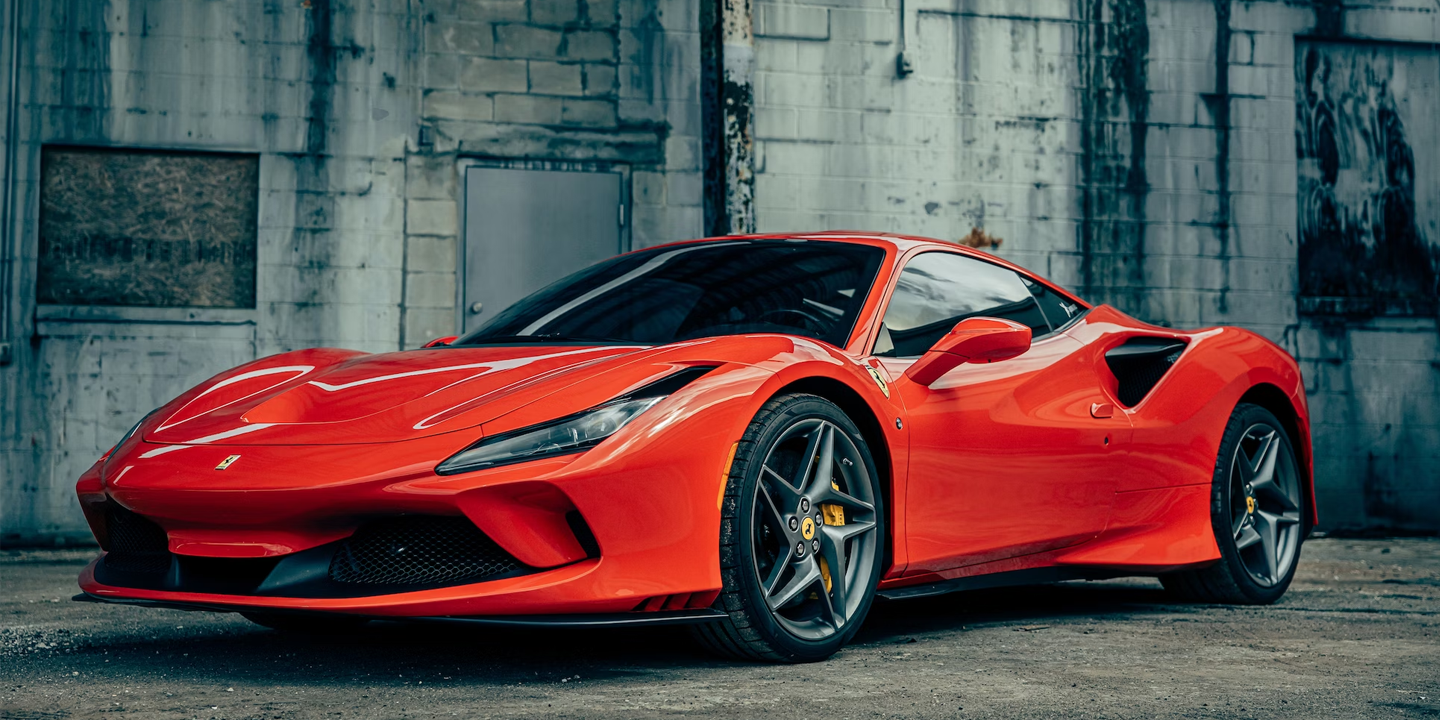
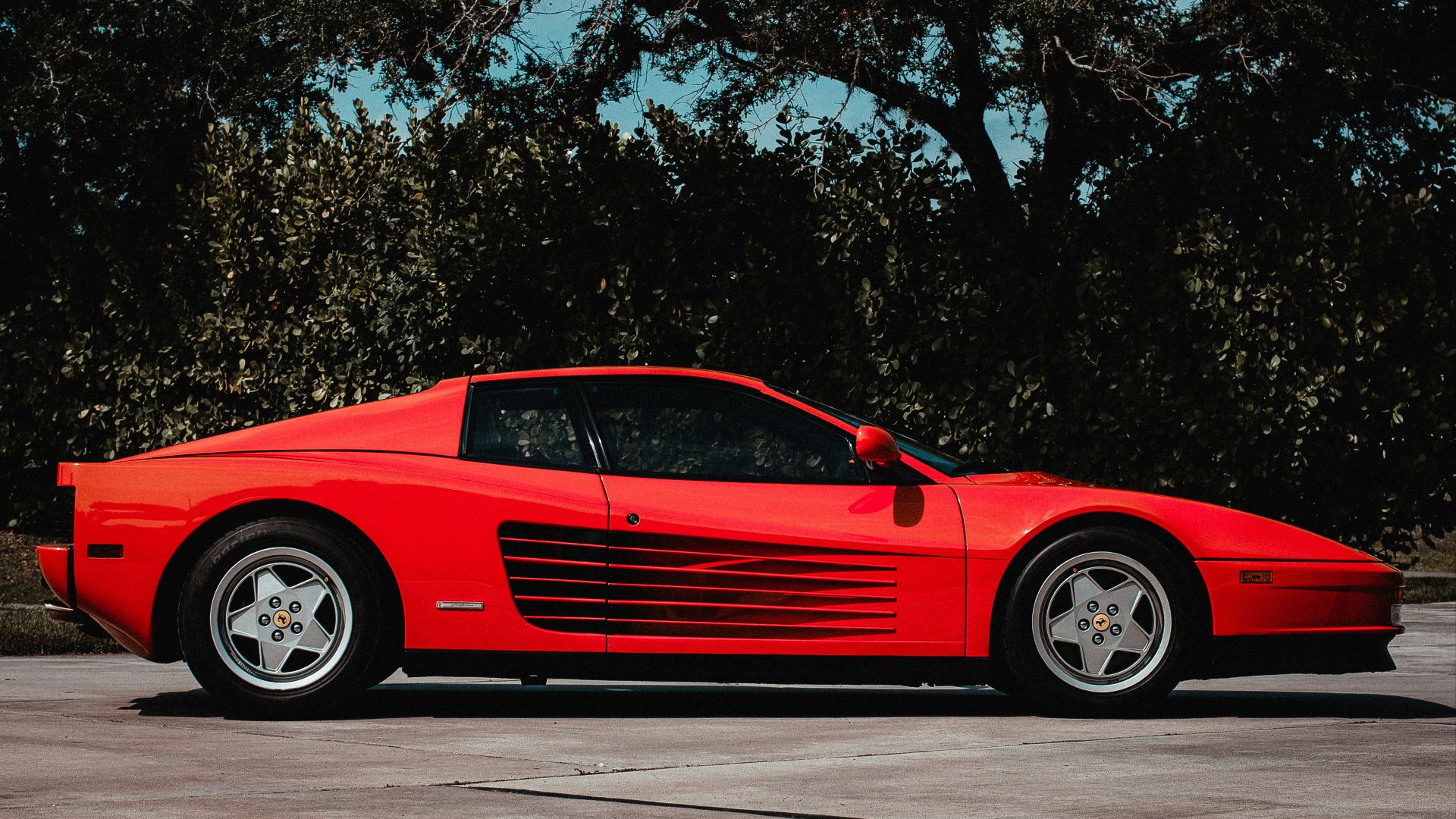
8. Ferrari Testarossa
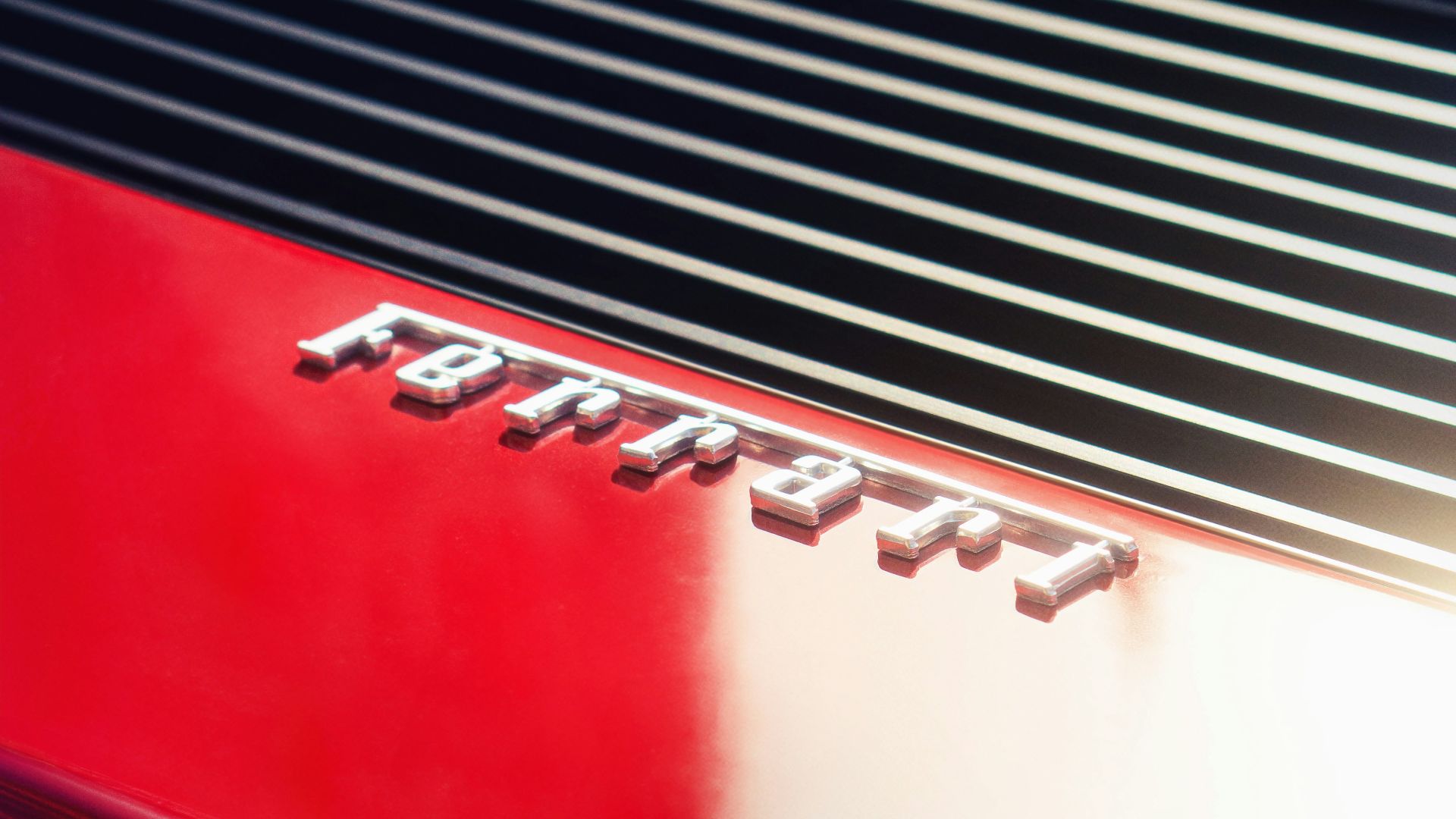
The Ferrari Testarossa became an 1980s dream car thanks to its wide stance, side strakes, and unmistakable presence. It was fast and exotic, but it was also large, demanding, expensive to maintain, and not especially subtle. Practicality was clearly not invited to the design meeting, but it remains one of the most visually unforgettable Ferraris ever made.
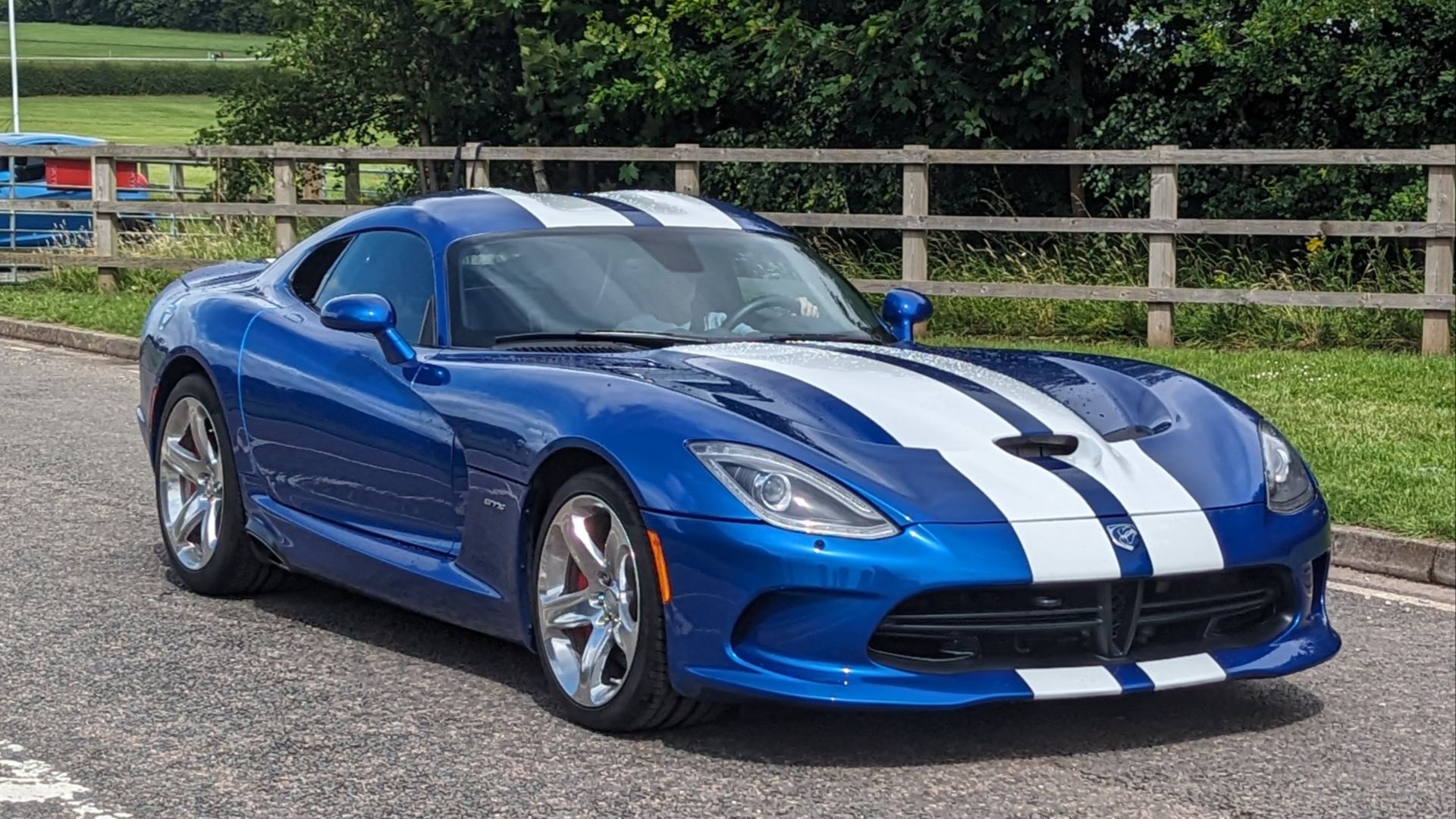
9. Dodge Viper
The Dodge Viper was gloriously excessive, but refinement was never its main selling point. Early versions lacked many comforts and safety aids, and the huge V10 demanded serious attention from whoever was behind the wheel. It could be hot, loud, raw, and unforgiving, but that roughness is exactly why so many enthusiasts still respect it.
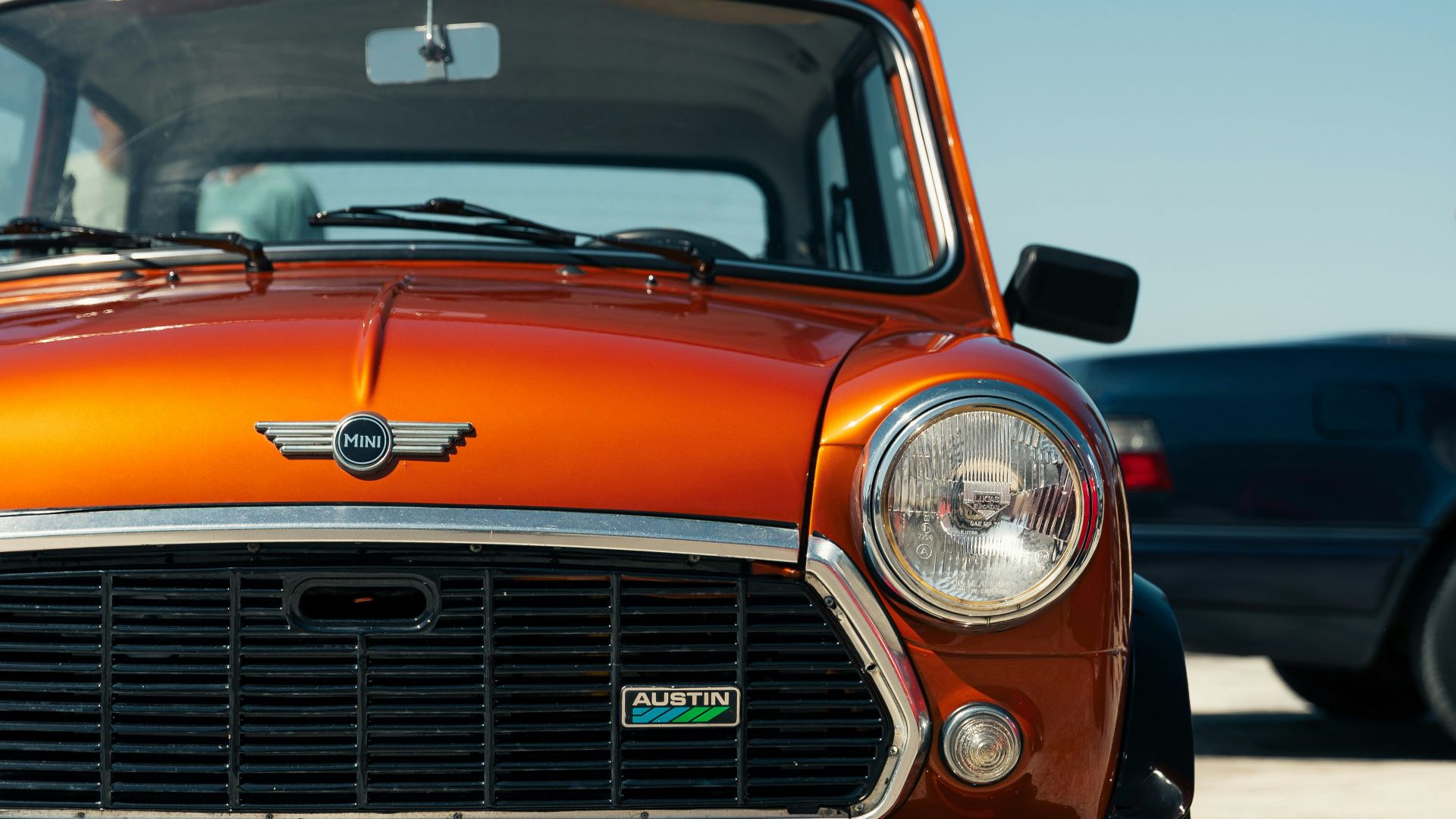
10. Mini Cooper Classic
The classic Mini Cooper was tiny, clever, and hugely influential, but it came with plenty of compromises. It was loud, small, not especially comfortable, and not designed for people who wanted lots of space or modern safety. Its genius was in its packaging, handling, and personality.
Now that we've talked about the cars that became iconic despite being imperfect, let's talk about the ones that were flawless but forgettable.
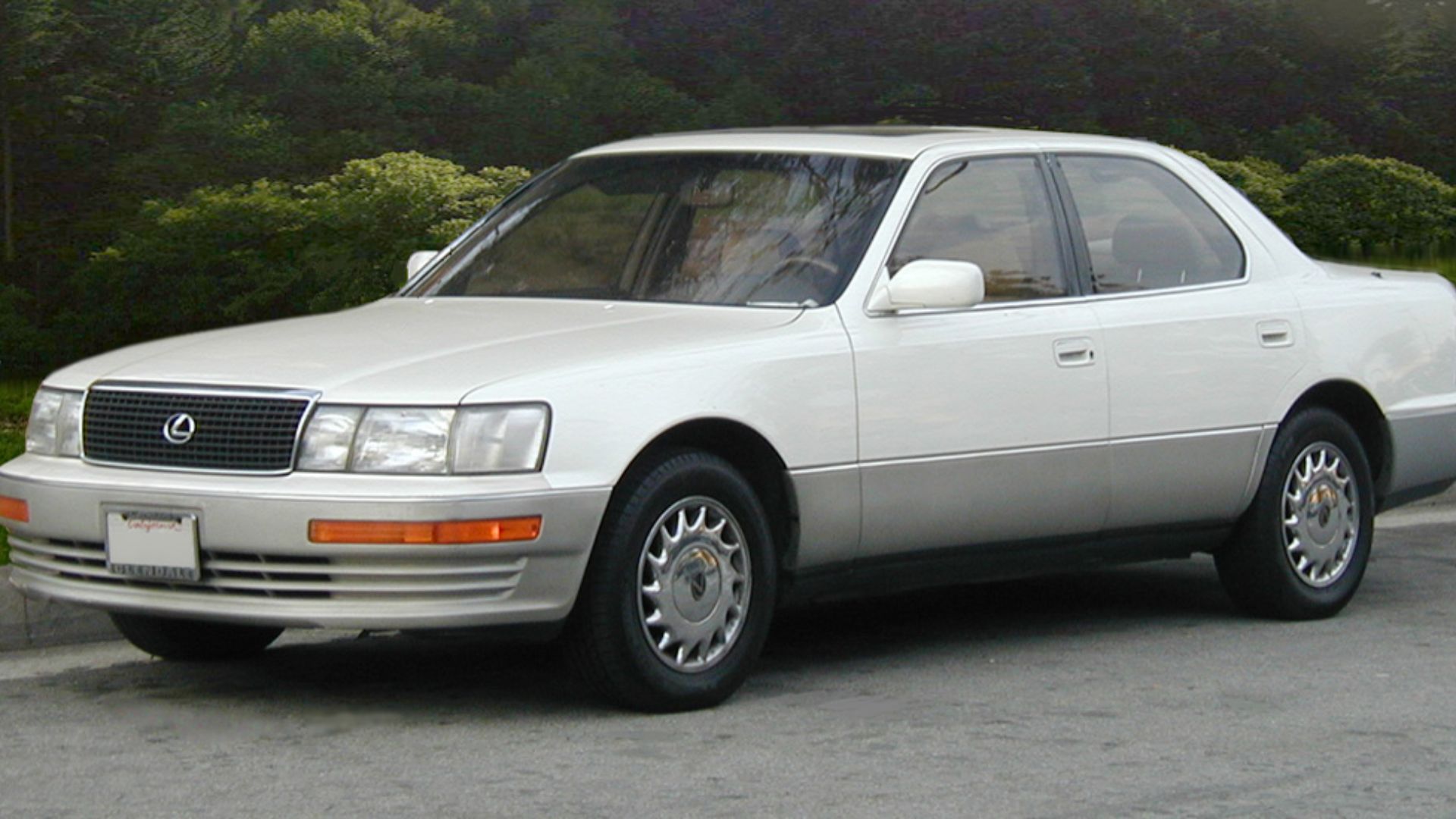
1. Lexus LS 400
The original Lexus LS 400 was almost annoyingly excellent. It was quiet, refined, reliable, beautifully built, and priced aggressively against established European luxury sedans. Yet because it was so composed and tasteful, it never became a loud pop-culture icon in the same way flashier cars did.
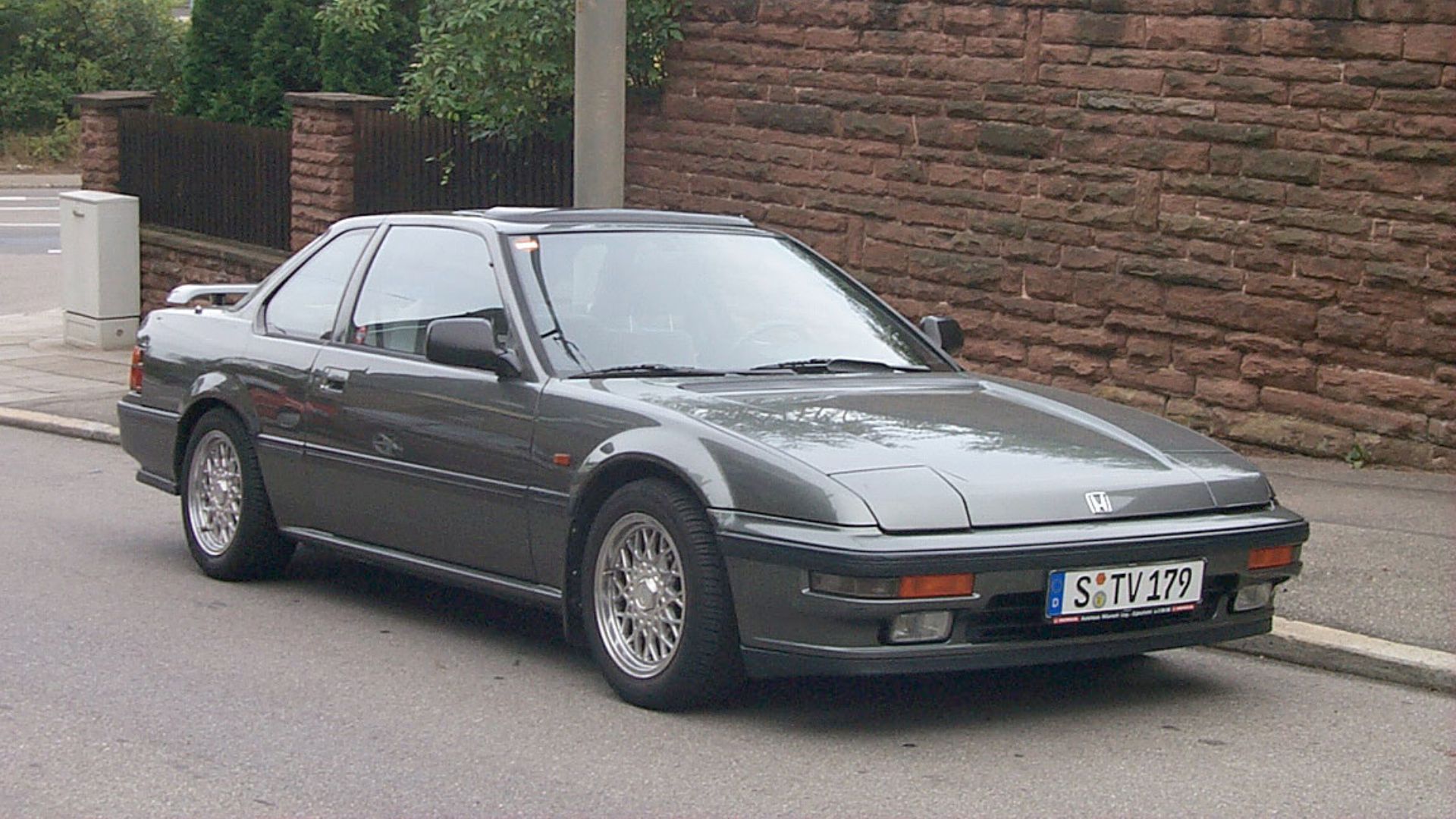
2. Honda Prelude
The Honda Prelude was one of those cars that did nearly everything right, but at a whisper. It had sharp handling, clever engineering, handsome styling, and the kind of reliability Honda was famous for. Still, it never reached the fame of the Civic, Integra, or NSX.
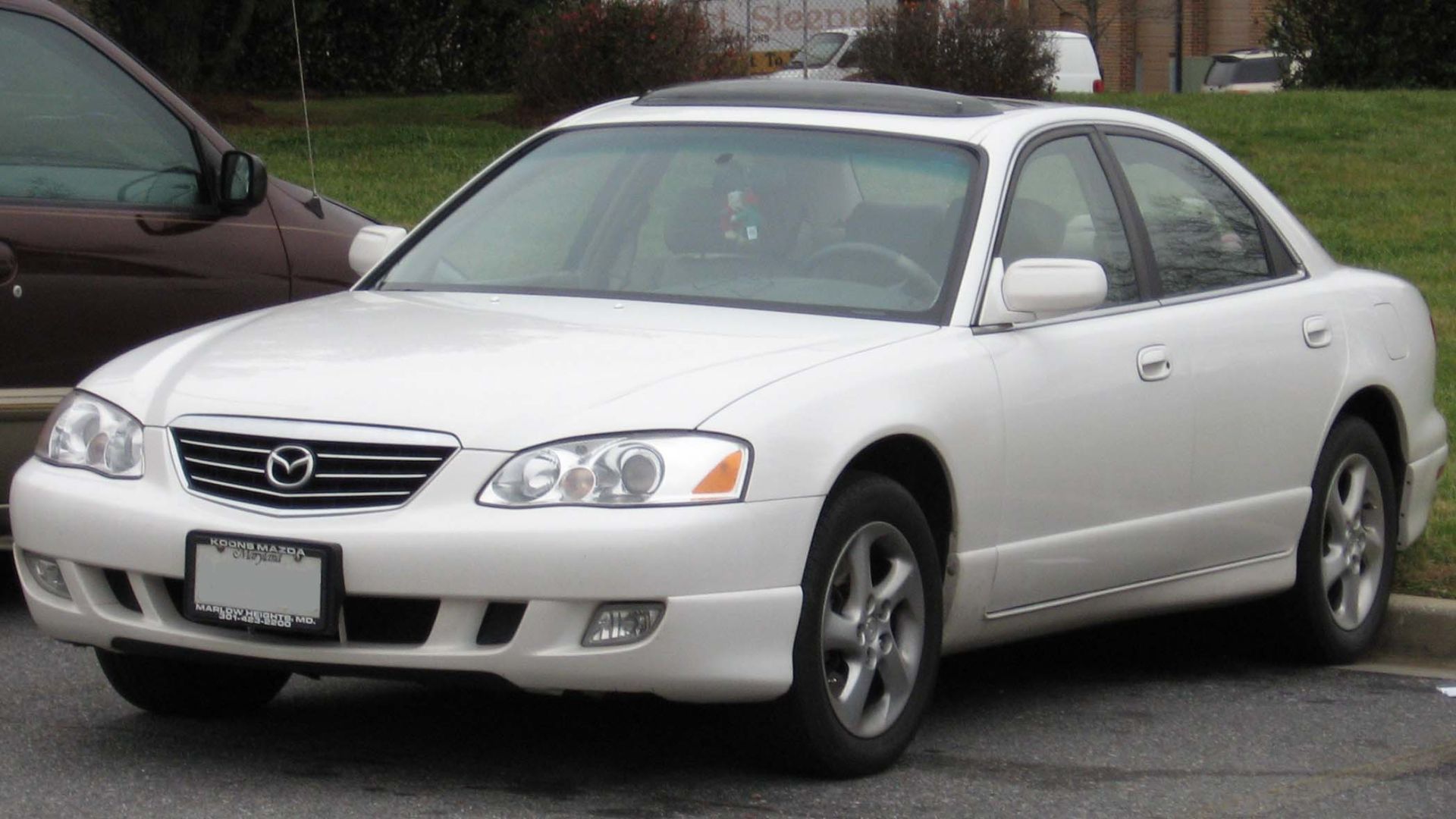
3. Mazda Millenia
The Mazda Millenia was refined, smooth, and unusually interesting for a near-luxury sedan. Its available Miller-cycle engine was technically impressive, and the car had a polished feel that deserved more attention. Unfortunately, Mazda’s luxury ambitions were never as clear as Lexus or Acura’s, and the Millenia became a genius car without a strong enough spotlight.
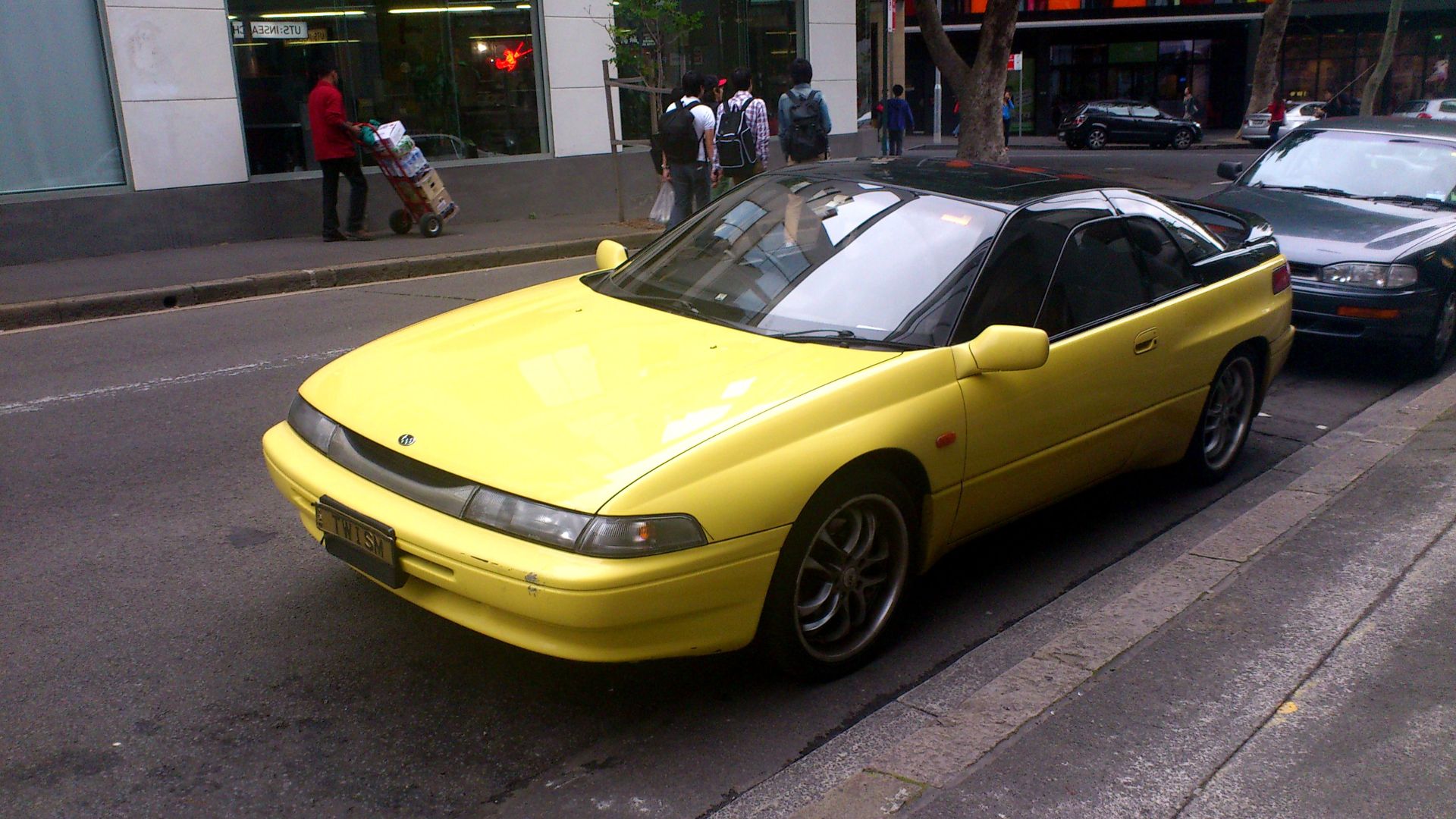
4. Subaru SVX
The Subaru SVX was sleek, comfortable, all-wheel drive, and far more distinctive than most grand tourers of its era. Its aircraft-inspired window design and smooth flat-six engine made it feel special. The problem was that buyers didn’t really know what to do with an expensive Subaru coupe. It was too unusual to become mainstream, but too good to dismiss.
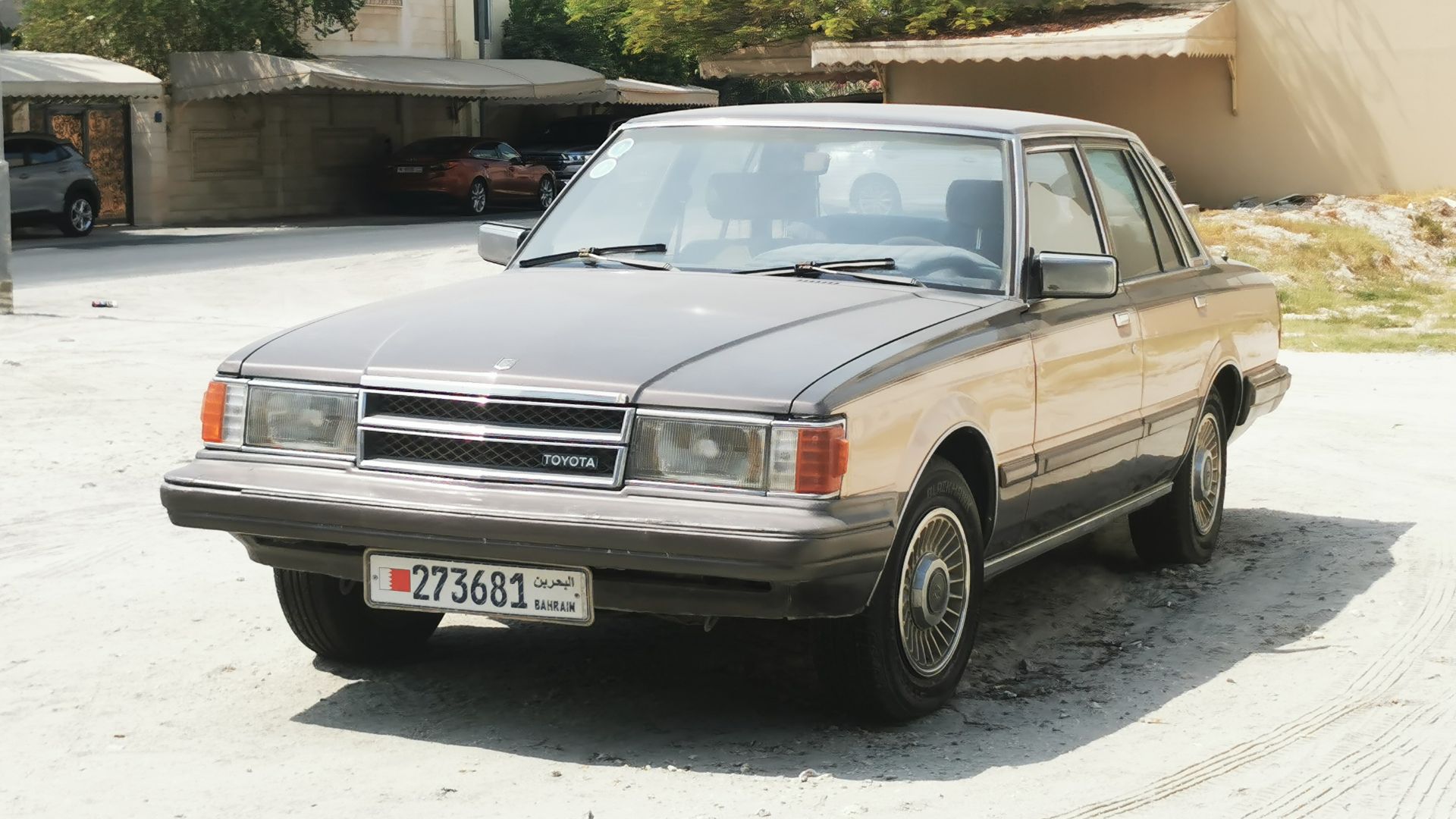
5. Toyota Cressida
The Toyota Cressida was the kind of sedan that didn’t need to show off to prove it was good. It offered rear-wheel drive, smooth power, a comfortable cabin, and Toyota’s reputation for long-term reliability. The Cressida may not be famous to casual drivers, but enthusiasts know it was quietly excellent.
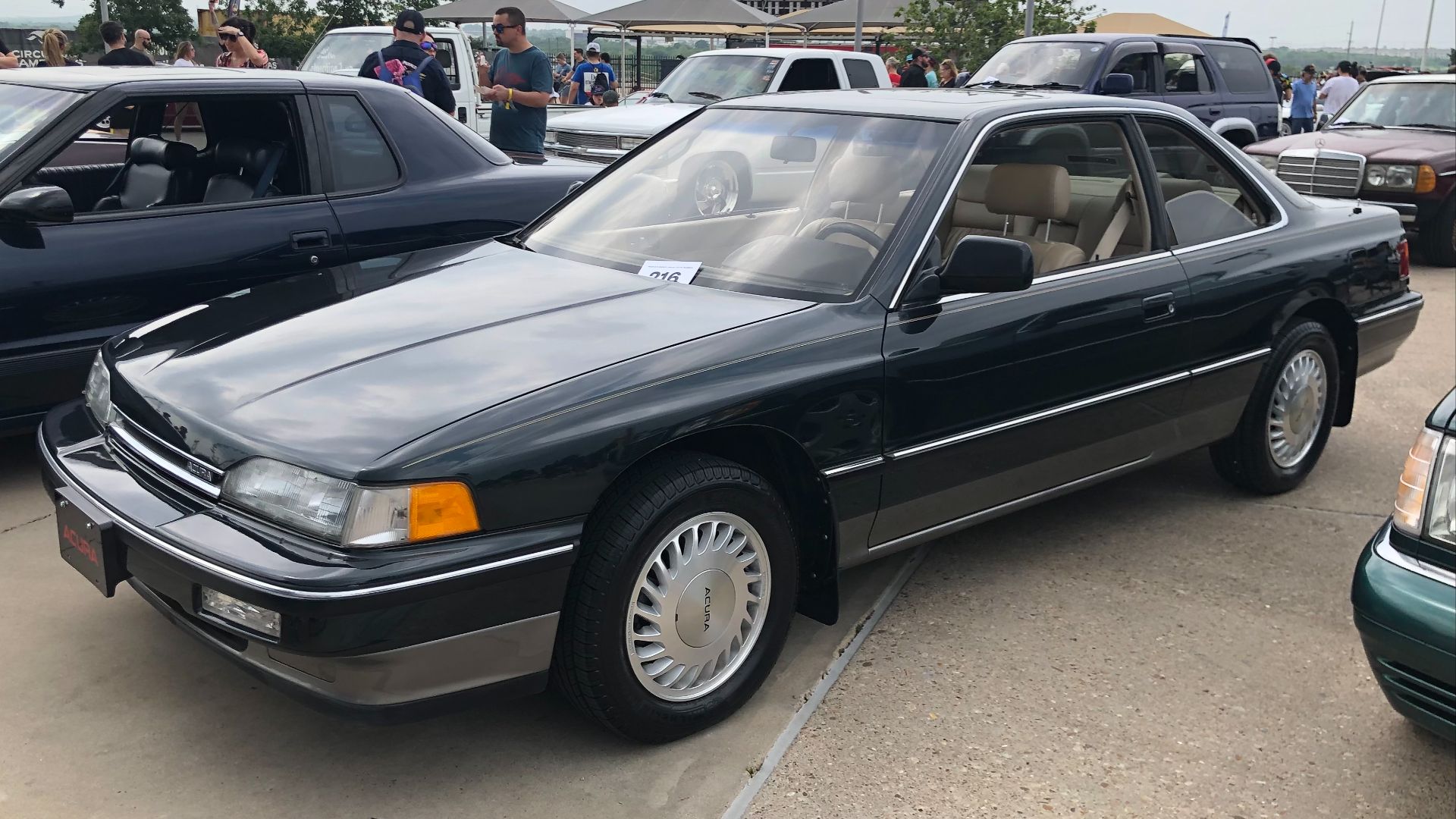
6. Acura Legend
The Acura Legend helped prove that Japanese luxury cars could compete with established premium brands. It was comfortable, reliable, elegant, and genuinely pleasant to drive. For a while, it gave Acura a strong identity before the brand’s lineup became harder for casual buyers to define, and it deserves more credit today.
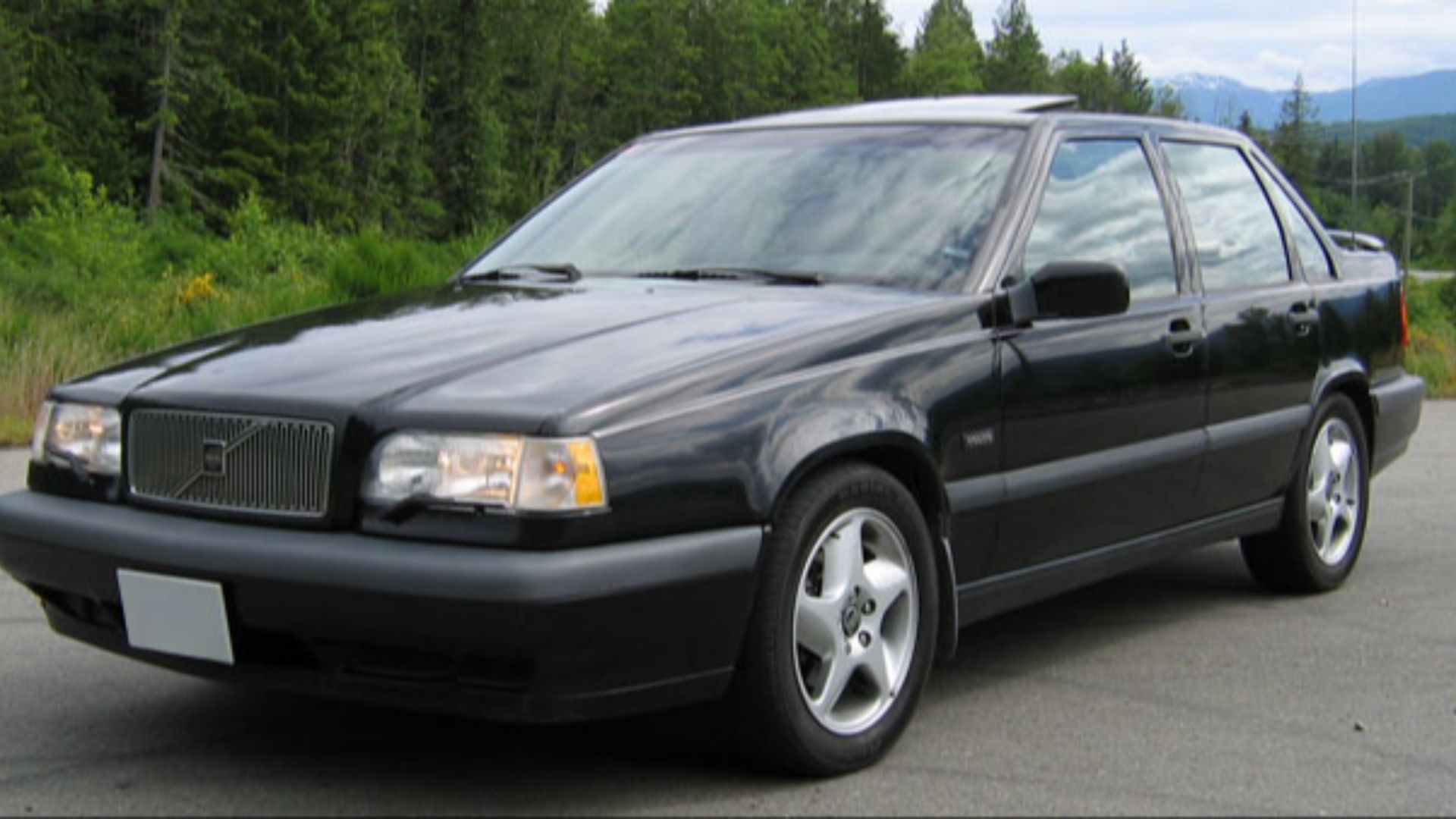
7. Volvo 850
The Volvo 850 was practical, safe, comfortable, and surprisingly fun in the right versions. It brought front-wheel drive, strong safety engineering, and even performance variants that gave Volvo a little extra edge. The wagon versions especially had a loyal following, but the car rarely gets broad recognition outside enthusiast circles.
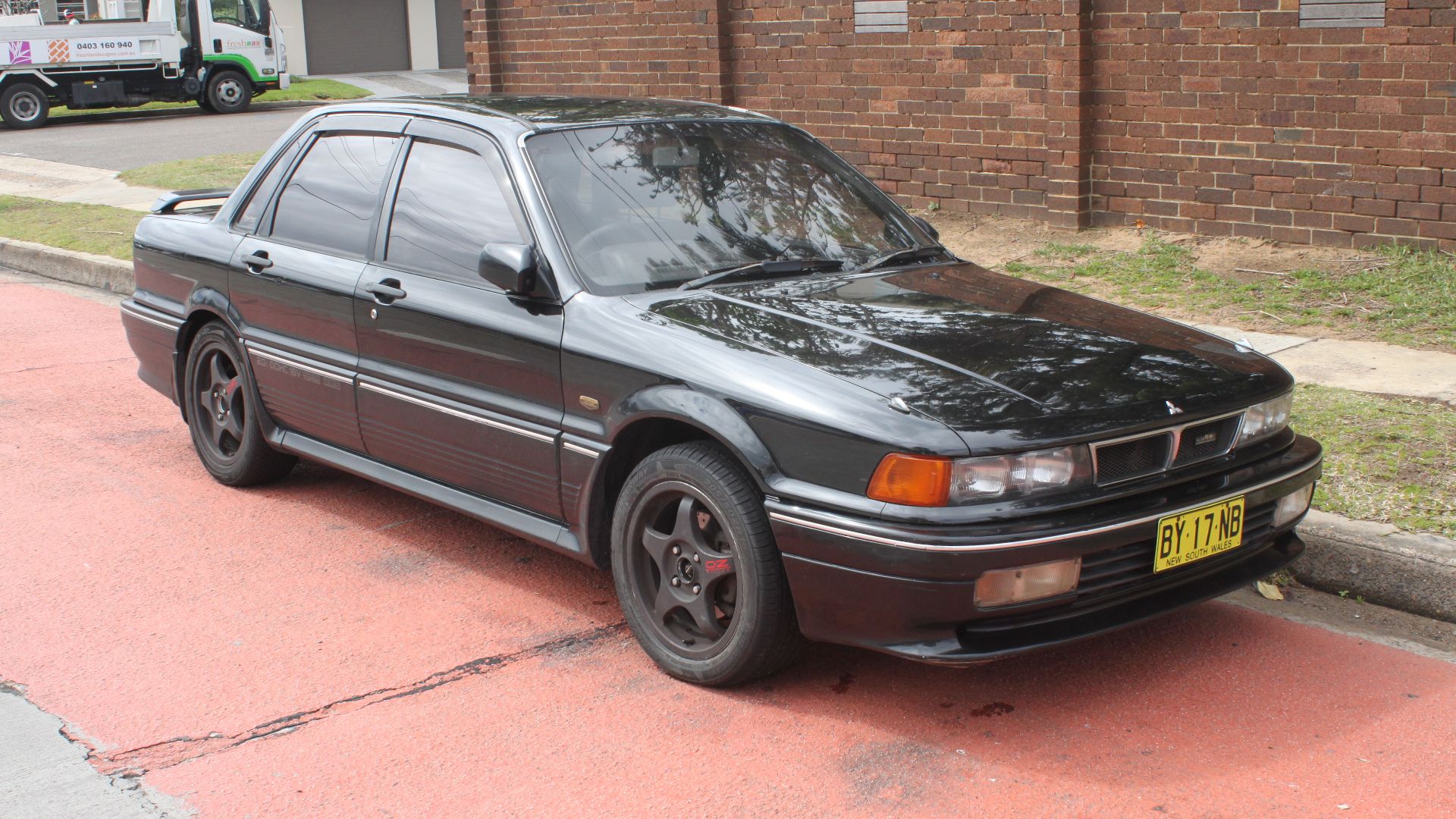
8. Mitsubishi Galant VR-4
The Mitsubishi Galant VR-4 packed turbocharged power, all-wheel drive, and rally-bred engineering into a practical sedan. It was advanced, quick, and much more serious than its understated styling suggested, but it never became a household name like the Lancer Evolution later did. In many ways, it was the cool older sibling history left in the background.
9. Saab 9000
The Saab 9000 was roomy, safe, comfortable, and full of thoughtful engineering. It had turbocharged versions that delivered strong performance while still feeling mature and practical. Saab’s quirks made it lovable to a smaller group of devoted fans, but not always easy to sell to the masses. The 9000 was an excellent car that suffered from being a little too quietly Swedish for its own good.
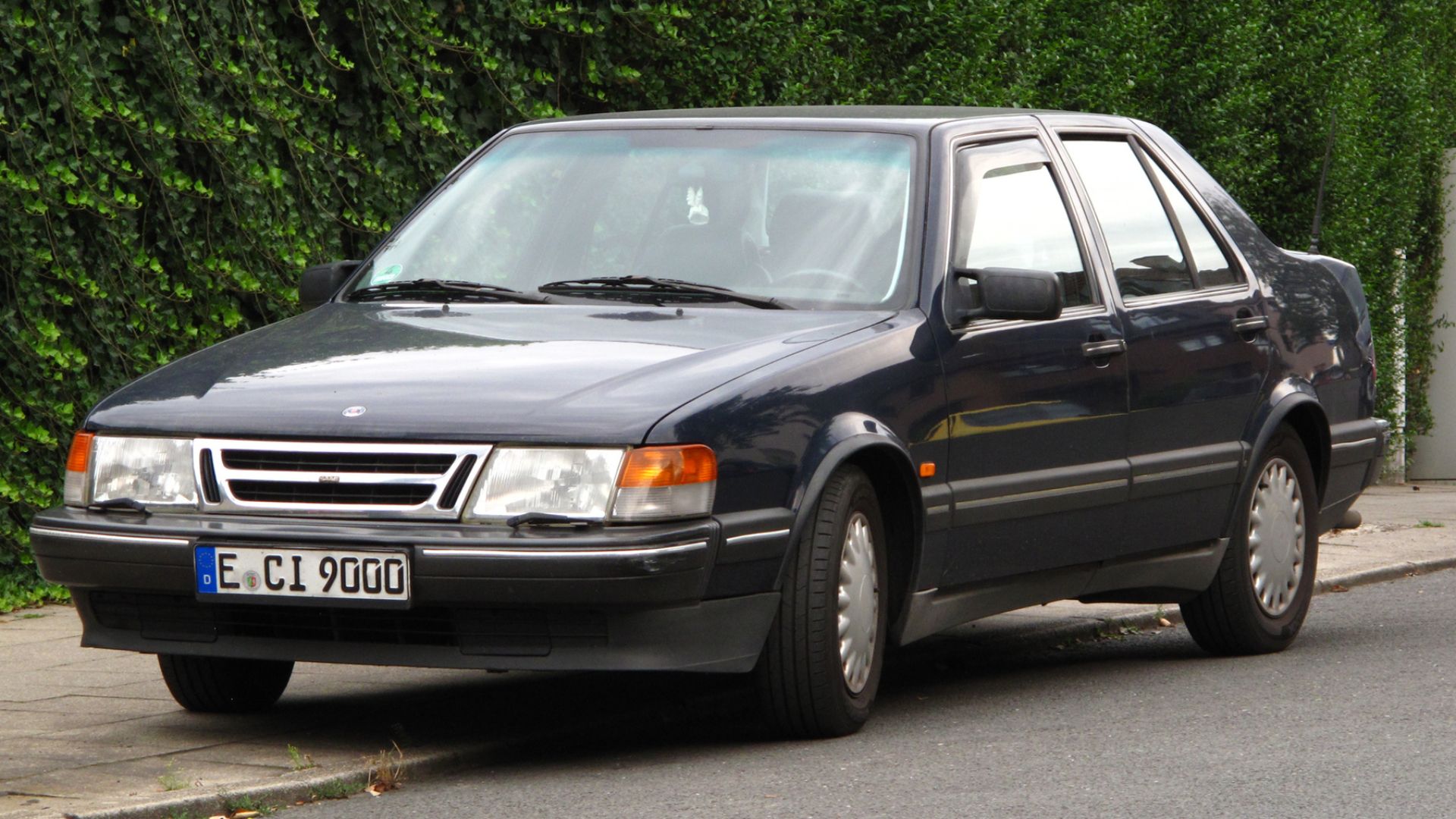 Rutger van der Maar on Wikimedia
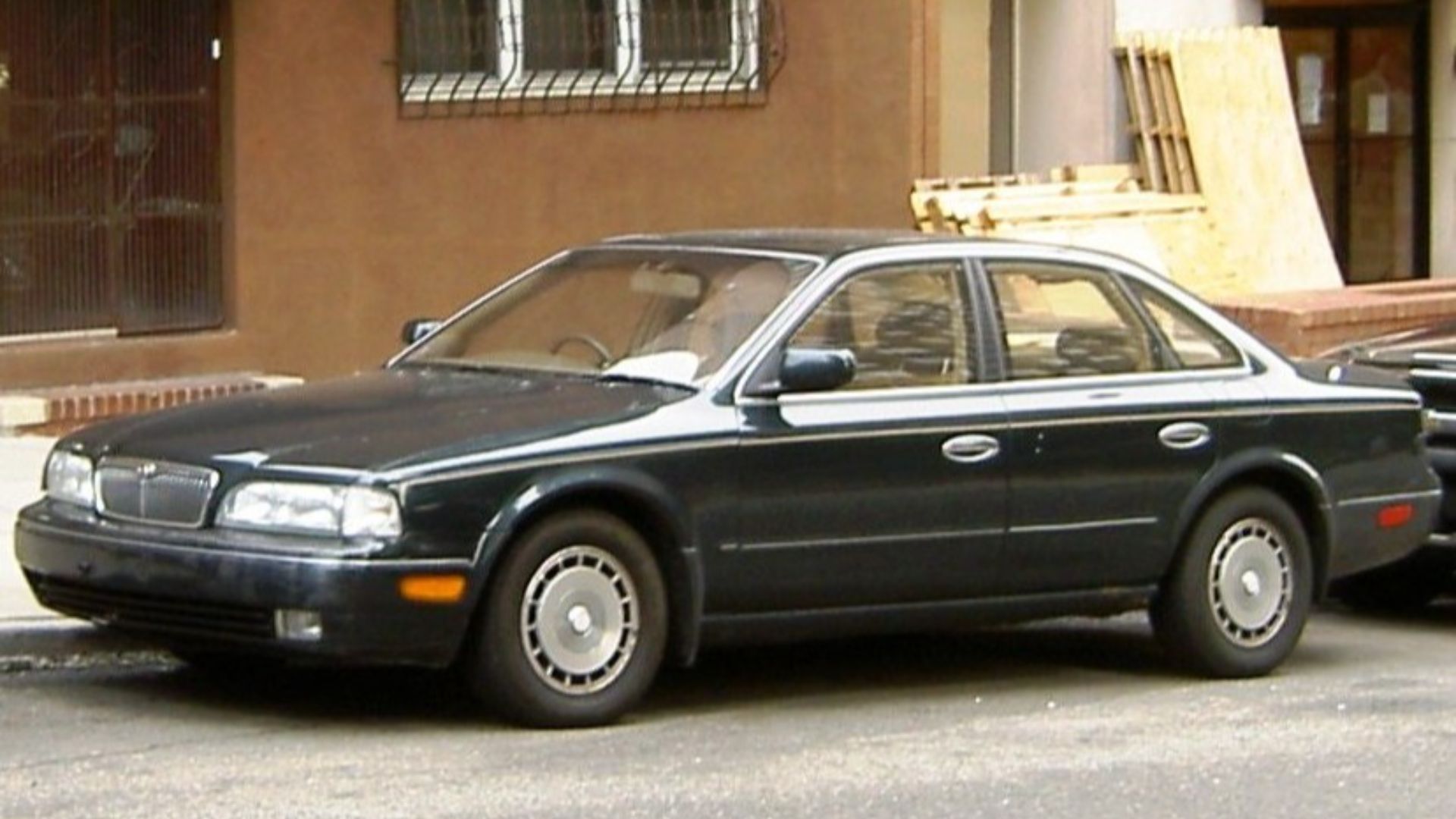
10. Infiniti Q45
The original Infiniti Q45 was fast, refined, and impressively engineered, but its launch didn’t connect with buyers as strongly as it should've. It skipped traditional luxury cues like a grille, which made it look unusual to shoppers. Underneath, though, it was a serious luxury performance sedan with real substance, and it deserved a bigger legacy.