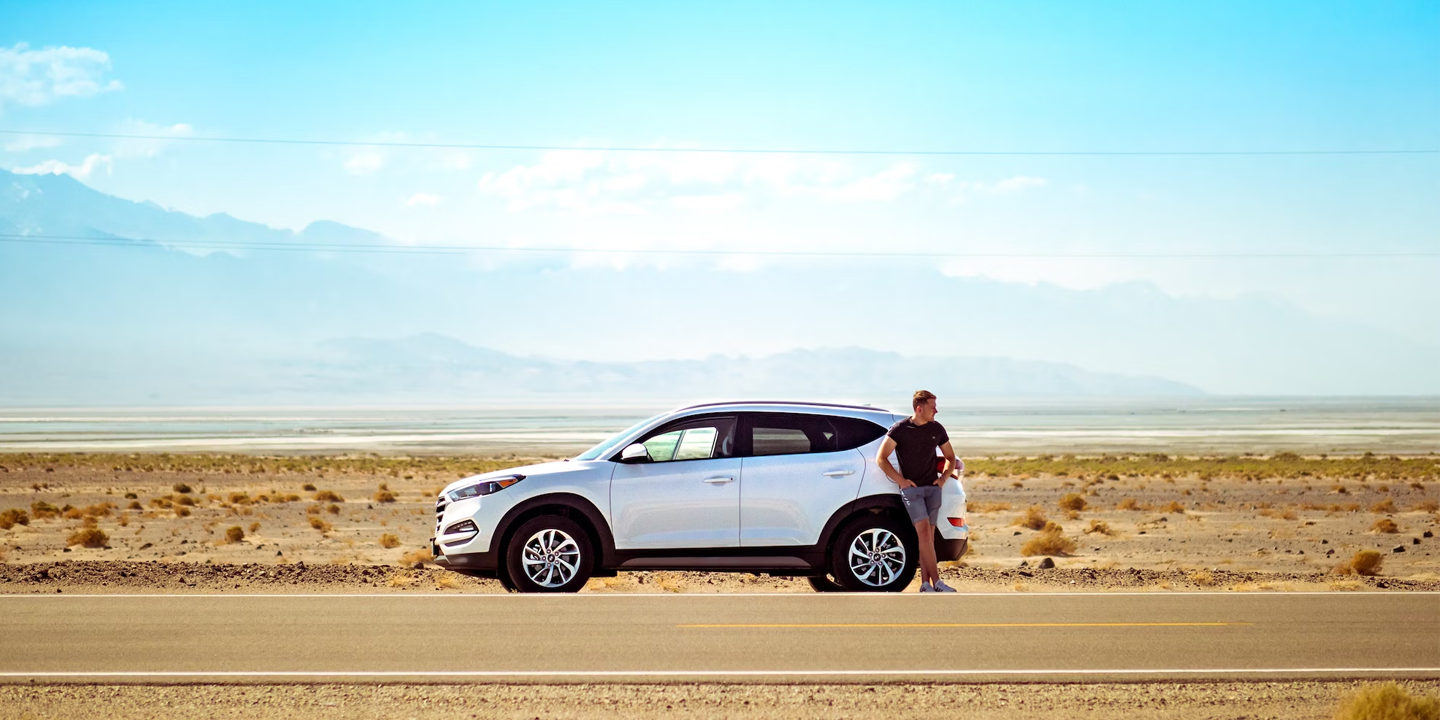

10 Reasons You Should Never Let Someone Else Drive Your Car & 10 Times It Might Be Okay
10 Reasons You Should Never Let Someone Else Drive Your Car & 10 Times It Might Be Okay
Think Twice Before You Hand Over Your Keys
Should someone else ever be in the driver's seat of your car except for you? You might say yes, but it pays well to be more cautious before you make that decision. After all, without knowing that person's driving habits and behavior on the road, and without ensuring your insurance permits you to have someone else drive your vehicle, anything that happens behind the wheel can still come back to you. That doesn’t mean you should never share your keys under any circumstances, but it does mean you should think carefully before handing them over. Here are 10 reasons no one should ever drive your car but you, followed by 10 instances where it might be reasonable or the only choice you have.
1. Your Insurance May Not Cover Everything
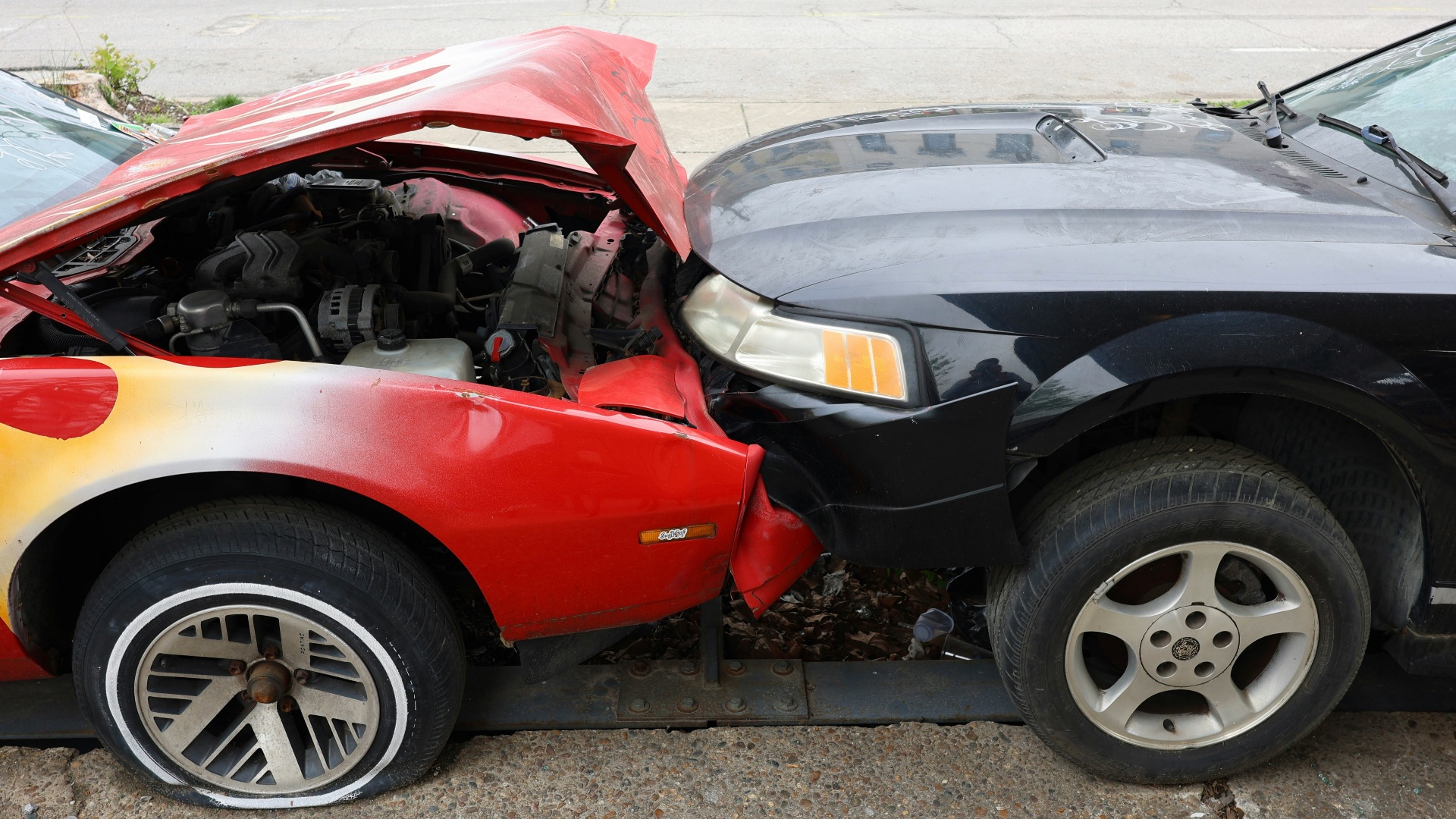
A lot of people assume car insurance automatically follows the car no matter who’s driving, but that isn’t always the full picture. Some policies have restrictions on who can drive your vehicle, and others may reduce coverage depending on the situation. If the driver causes an accident and your insurer denies or limits the claim, you could be left dealing with repairs, bills, or legal problems. Before you hand over the keys, it’s worth knowing exactly what your policy allows.

2. You Could Be Responsible for Their Mistakes
Even if you weren’t in the car, you may still have to answer for what happened while someone else was driving it. If they run a red light, hit another vehicle, or damage property, the incident may be tied to your car and your insurance record. That can create stress you didn’t ask for, especially if the driver can’t or won’t take responsibility afterward. A favor that takes five minutes can turn into weeks of calls, claims, and paperwork.
3. Your Premiums Could Go Up
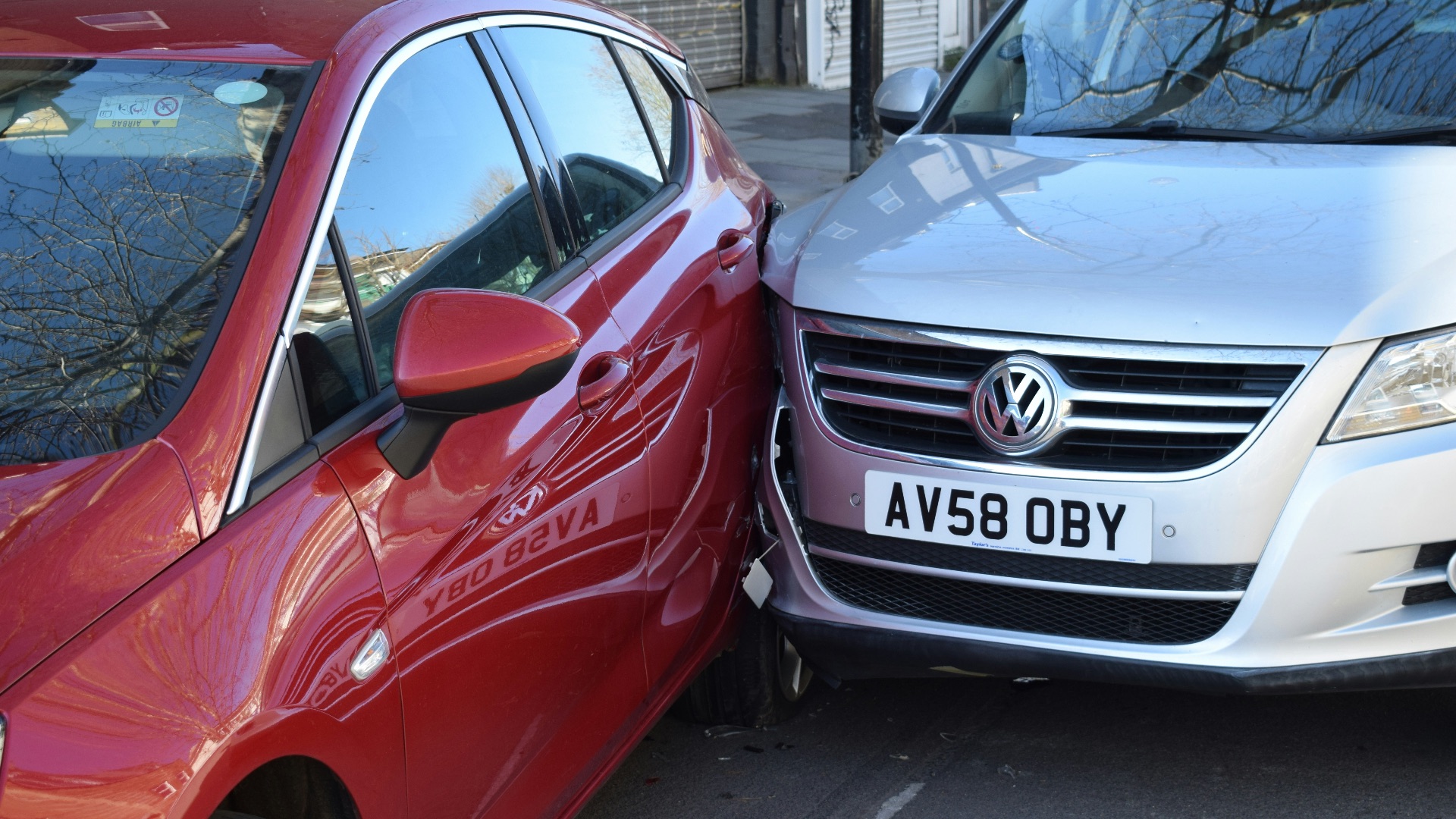
If someone crashes your car, your insurance company may treat the claim as part of your risk history. That can lead to higher premiums, even though you weren’t the one behind the wheel. It’s frustrating because you may feel like you’re paying for someone else’s poor judgment. When the potential cost lasts for years, the decision to lend your car becomes much bigger than a casual yes.

4. They May Not Drive as Carefully as You Do
Everyone has different driving habits, and not all of them are good ones. Someone who brakes too late, speeds through turns, follows too closely, or drives right through potholes can put extra wear on your car. You may take pride in keeping your vehicle in good condition, but another person may not share that same level of care. It’s hard to relax when you know your car is in the hands of someone who doesn’t treat it the way you would.

5. You Don’t Know Their Full Driving History
A person can seem confident and responsible without being a safe driver. They may have past tickets, accidents, license restrictions, or even a suspended license that you don’t know about. Unless you ask directly, you’re relying on trust rather than facts. That can put you in a difficult position if something goes wrong and you later discover they shouldn’t have been driving at all.
6. Damage Can Strain the Relationship
Money and blame can change the tone of a relationship very quickly. If your friend or relative dents your car, scrapes the bumper, or damages the interior, you may expect them to pay for it, while they may hope you’ll let it go. Even small repairs can become awkward when someone feels accused or pressured. Saying no upfront can sometimes protect the relationship better than saying yes and dealing with resentment later.

7. Your Car Could Be Used in Ways You Didn’t Approve
When you lend someone your car, you may picture them running one errand or making one short trip. They might see it differently and use it for extra stops, long drives, rideshare work, moving furniture, or picking up people you don’t know. The more control you give up, the harder it is to know where your vehicle is going and how it’s being used. That uncertainty can create problems you never agreed to take on.

8. Tickets and Toll Charges May Come to You
Traffic cameras, parking tickets, and toll systems often identify the vehicle before they identify the driver. That means notices may arrive in your name, even if someone else caused the charge. You may be able to sort it out, but you’ll still be the one opening the mail, contesting the fee, or asking the driver to reimburse you. It’s an annoying burden that can make a small favor feel like a bad trade.
9. They May Not Be Comfortable With Your Vehicle
Every car handles a little differently, especially if it has unfamiliar controls, blind spots, braking sensitivity, or size. A driver who’s used to a compact car may struggle with a large SUV, while someone unfamiliar with your dashboard may get distracted trying to adjust basic settings. Lack of comfort can lead to hesitation, poor decisions, or preventable mistakes. Even a capable driver can become less reliable in a car they don’t know well.

10. You May Not Get the Car Back in the Same Condition
When someone borrows your car, you’re trusting them not to spill food, smoke inside, leave trash behind, return it late, burn through your gas, or ignore warning signs. Some people are careful, sure, but others may treat borrowed things less seriously and carefully than their own. If you know you’ll be upset by even minor changes, it may be better not to lend the car at all.
That said, not every request to borrow your car is reckless or unreasonable. Let's jump into when it might be okay to let someone else be in the driver's seat.

1. It’s an Emergency
In a real emergency, the practical need may outweigh the usual concerns. If someone needs to drive you to the hospital, move the car out of danger, or help during a crisis, refusing may not be reasonable. But remember: while emergencies call for quick decisions, they still require a driver who’s sober, licensed, and fully capable.

2. They’re Listed on Your Insurance Policy
If the person is already named on your insurance policy, letting them drive is usually less risky than handing the keys to someone outside your coverage. This often applies to spouses, partners, family members, or household drivers who regularly use the car. You still need to trust their judgment, but at least the insurance side is more predictable. It’s one of the few situations where the arrangement may already be built into your policy.

3. You’re Too Tired or Unwell to Drive Safely
There are times when letting someone else drive your car is the safer choice. If you’re exhausted, dizzy, injured, or feeling sick, staying behind the wheel could put everyone at risk. In that case, a trusted driver may be doing you a real favor by taking over. It’s better to accept help than to force yourself to drive when you know you shouldn’t.

4. They’re a Trusted Family Member
A close family member who has driven your car before, understands your expectations, and has a solid driving record may be a reasonable exception. This is especially true if they live with you or regularly share responsibilities with you. Familiarity doesn’t remove every risk, but it can make the situation easier to manage. You’re more likely to know how they drive and whether they’ll take care of the car.

5. The Trip Is Short
A quick, clearly defined errand can be less risky than letting someone take your car for an open-ended period. For example, driving a few blocks to pick up medication or move the car from one parking spot to another is very different from borrowing it for the whole weekend. The more specific the plan, the easier it is to set expectations. You should still agree on where they’re going, when they’ll be back, and what they’re allowed to do.

6. Their Own Car Is Temporarily Unavailable
If someone responsible has a temporary problem, such as a car in the shop or a dead battery, lending your car may be reasonable. This works best when the need is limited and the person has a clean, current license. You should also be comfortable with the distance they plan to drive and the conditions they’ll be driving in. A one-time favor is easier to justify than becoming someone’s backup transportation plan.

7. They’re Helping You with a Task
Sometimes letting another person drive your car is necessary to help you get something done. They may, for example, need to move your vehicle while you load items, drive it home after a repair drop-off, or follow you while you return a rental. In these cases, the driving is connected to your need, not just their convenience.
8. You’ve Confirmed They’re Licensed and Sober
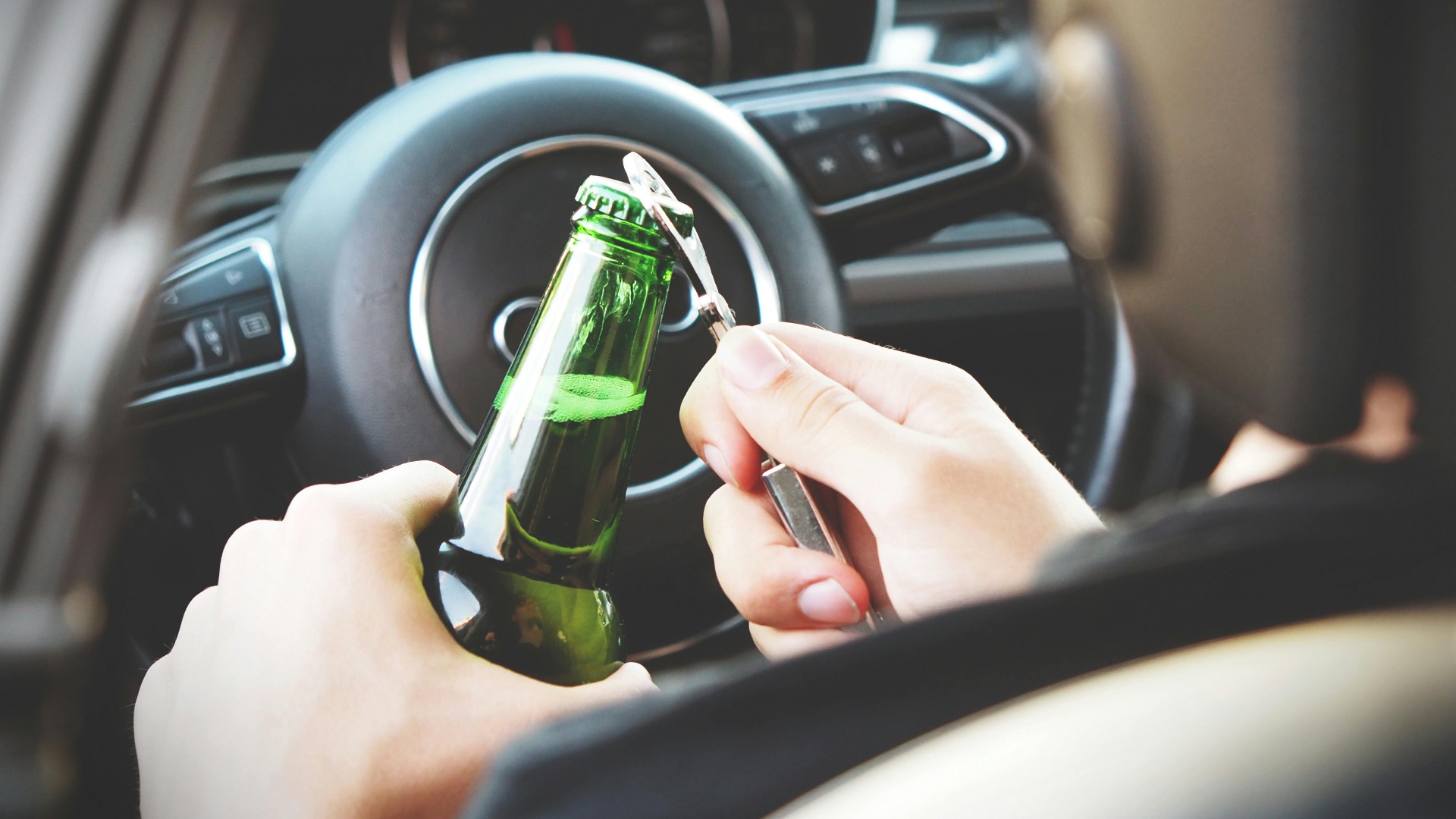
Before anyone drives your car, they should have a valid license and be fully able to drive safely. That means no alcohol, no drugs, no extreme fatigue, and no obvious distractions. It may feel uncomfortable to ask, but it’s much better than making assumptions. A responsible person won’t be offended by basic safety questions when they’re asking to use your vehicle.

9. You Set Clear Rules First
Letting someone drive your car can be more manageable when you lay out expectations before the keys change hands. You can say where they can go, whether anyone else is allowed in the car, whether they need to refill the gas, and when the car must be returned. Clear rules help prevent misunderstandings and make it easier to address problems later. If someone pushes back against reasonable boundaries, that’s a sign not to lend the car.
10. You’re Comfortable with the Worst-Case Outcome
The best test is whether you could handle the consequences if something went wrong. If a crash, repair bill, insurance claim, ticket, or late return would seriously damage your finances or your relationship with the person, saying no may be the smarter choice. But if the driver is trustworthy, the situation is limited, and you’re prepared for the risk, the call is yours to make.