The Cars That Stopped Before the Showroom
Some cars feel as if they should have become real, usable machines, but they never crossed the final line into production. Instead, they merely appeared or stayed as concepts, prototypes, feasibility studies, or near-ready projects, then disappeared because of a variety of different factors. A few were functional enough to move under their own power, and some even influenced later models, but alas, they were never built as production cars you could actually buy, register, and drive like a normal vehicle. Here's a look at 20 cool concept cars that never made it to production.
1. Cadillac Sixteen
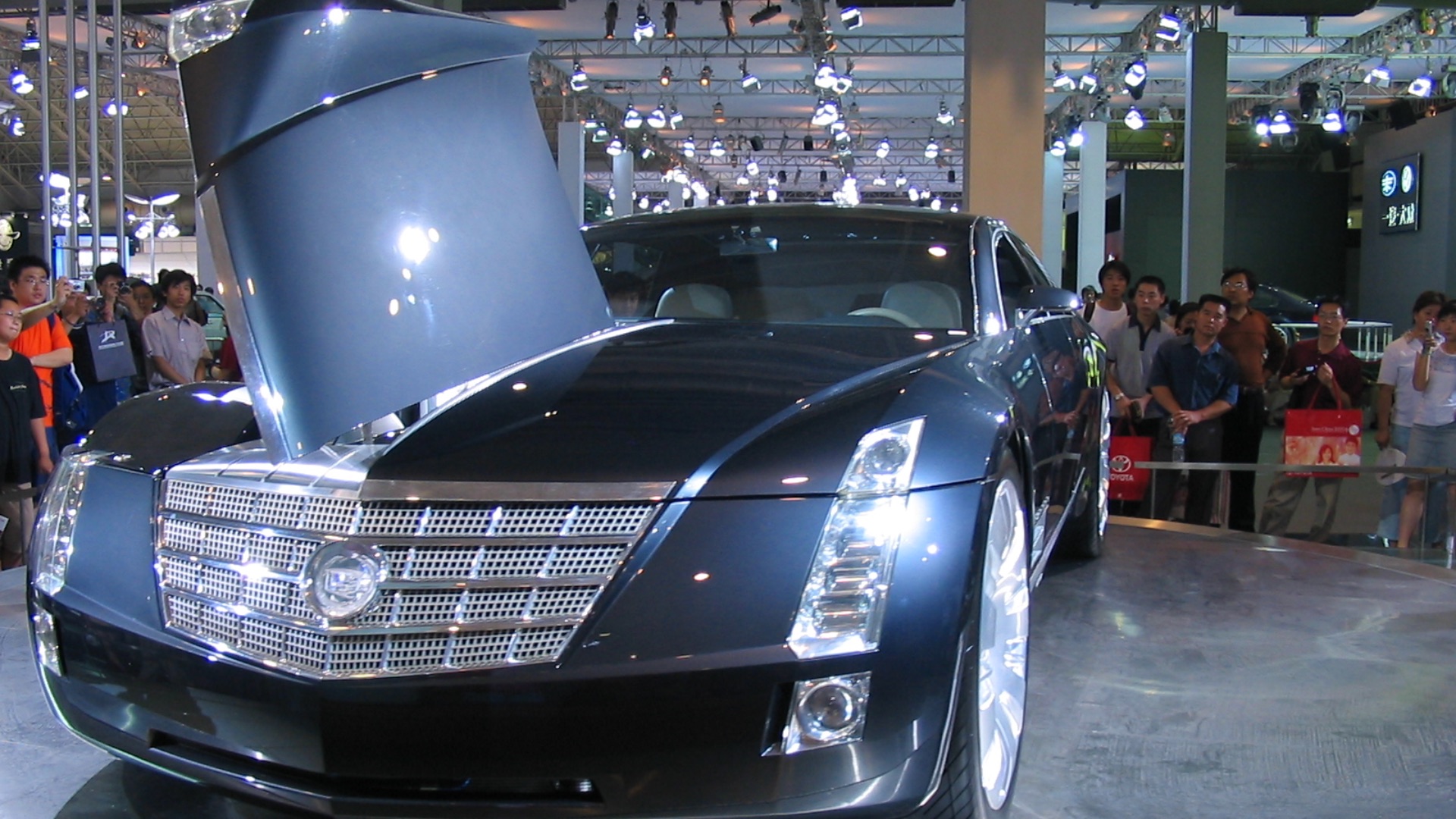
Cadillac revealed the Sixteen in 2003 as a reminder that the brand once built some of America’s most extravagant luxury cars. Its 13.6-liter V16 concept engine was said to produce 1,000 horsepower, which made the whole idea feel almost unreasonable for a luxury sedan. The car helped shape Cadillac’s design direction, but a production version never followed, likely because the cost and market case were nearly impossible to justify.
2. Chrysler ME Four-Twelve
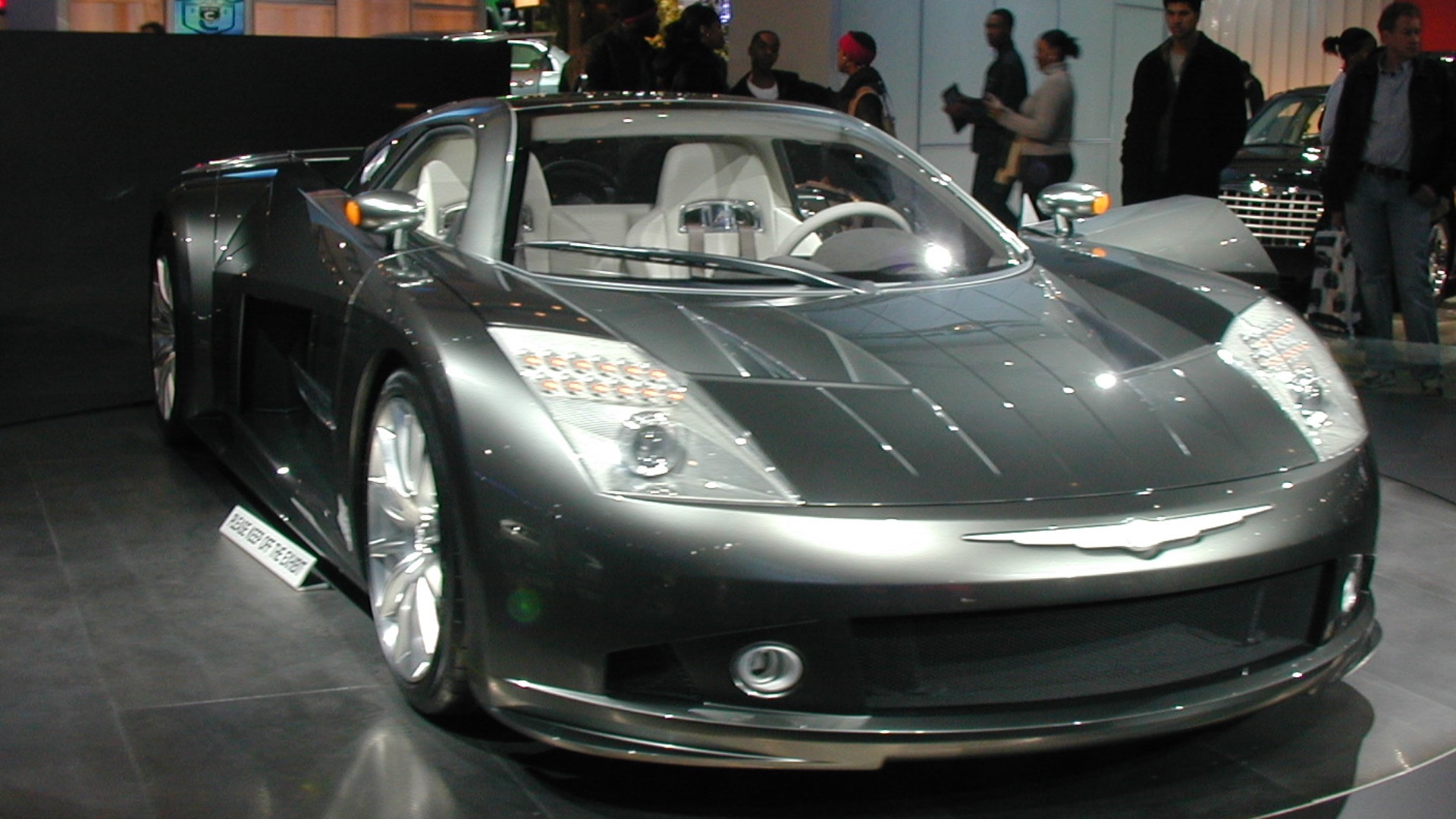
The Chrysler ME Four-Twelve looked like the moment Chrysler might enter the hypercar fight with no apology. It used a quad-turbo Mercedes-AMG V12, carbon fiber bodywork, an aluminum honeycomb tub, and a claimed 850 horsepower, putting it on paper against the world’s fastest cars of the time. Chrysler considered it seriously, but the price, complexity, and business reality kept it out of production.
3. Ford GT90
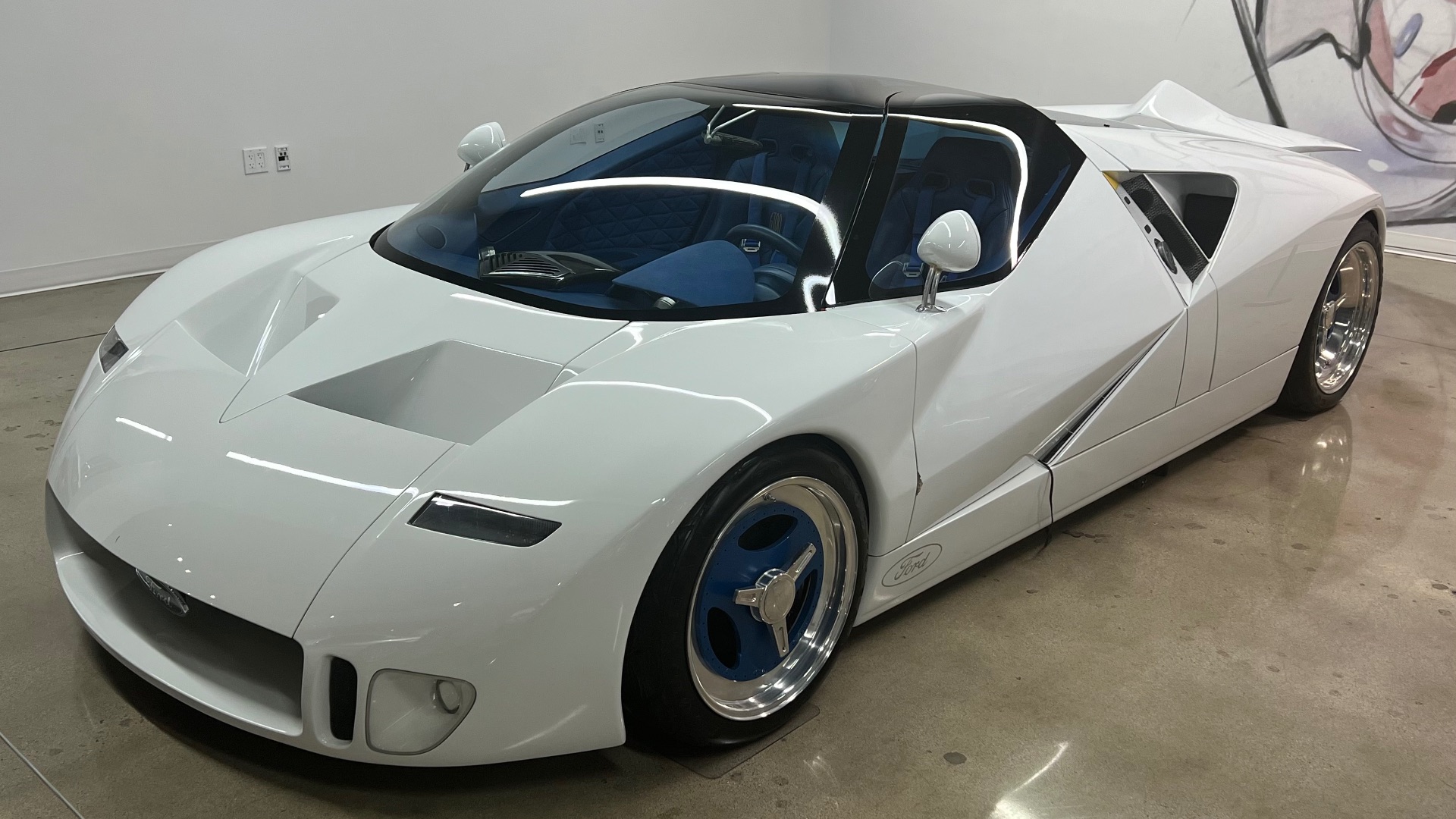
Ford’s GT90 arrived in the 1990s with a quad-turbo V12 and styling that looked far more futuristic than the later Ford GT revival. It was built to show what Ford’s engineers and designers could do when they weren’t being asked to make something practical. The company never turned it into a showroom model, and its role stayed limited to being a statement car rather than a usable production supercar.
4. Jaguar C-X75
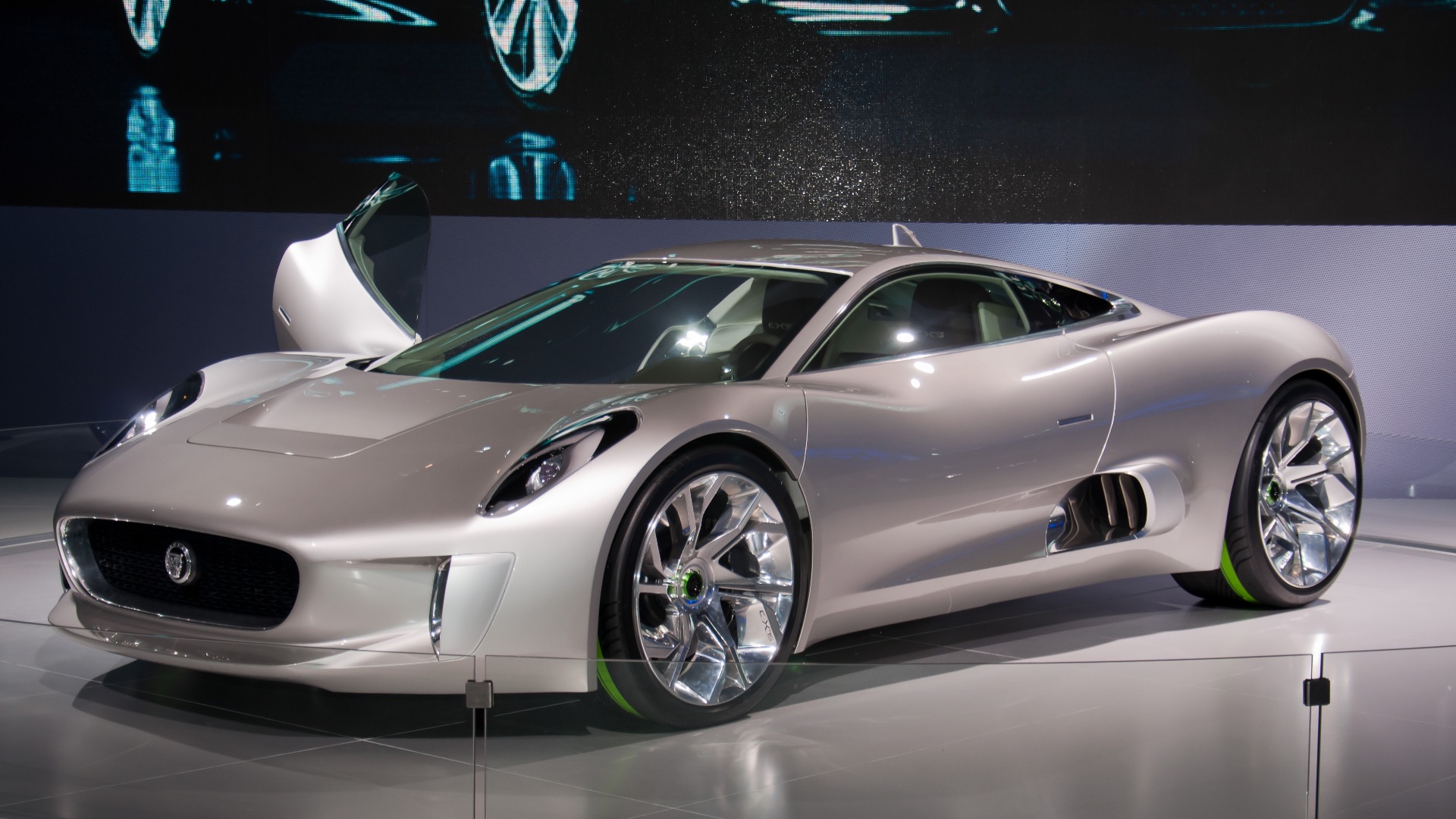
Jaguar’s C-X75 was one of those rare concepts that came painfully close to becoming real. The company announced plans for a limited production run with Williams Advanced Engineering, but canceled the program in 2012, citing the economic climate and the difficulty of launching such an expensive hybrid supercar at that moment. Development prototypes were built, and the car later gained fame through Spectre, but buyers never got the promised production version.
 SbastienRondet (Flickr User) on Wikimedia
5. Lamborghini Estoque
The Lamborghini Estoque was a four-door super sedan that could have given the brand a very different kind of flagship. It kept Lamborghini’s sharp design language, but packaged it in a format aimed at people who wanted speed, drama, and actual rear doors. Lamborghini later found its high-volume answer in the Urus SUV instead, leaving the Estoque as a bold idea that never got a production run.
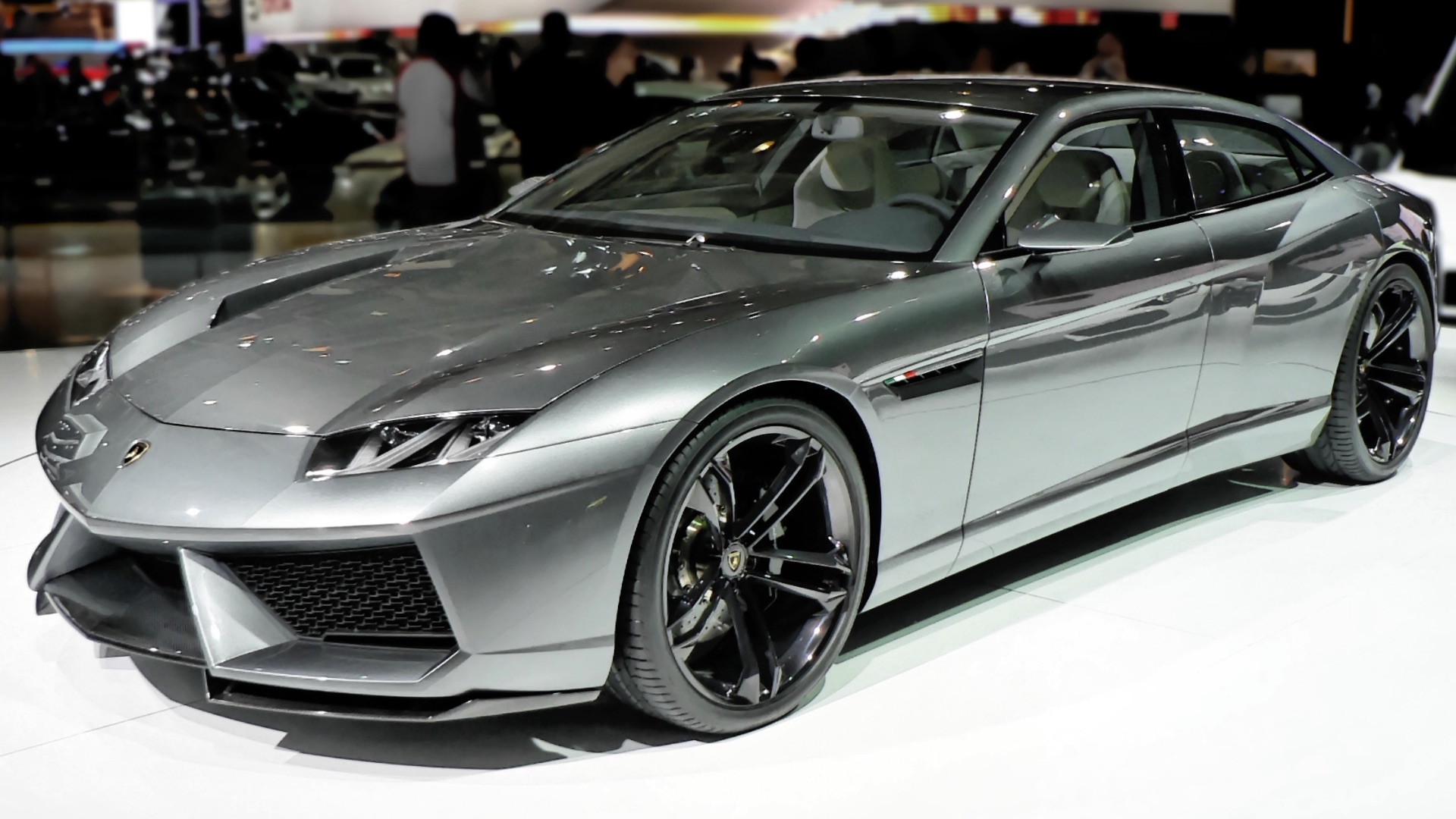 Lamborghini_Estoque_2.JPG: Neef - 2
derivative work: Hic et nunc (talk) on Wikimedia
Lamborghini_Estoque_2.JPG: Neef - 2
derivative work: Hic et nunc (talk) on Wikimedia
6. Volkswagen W12 Nardo
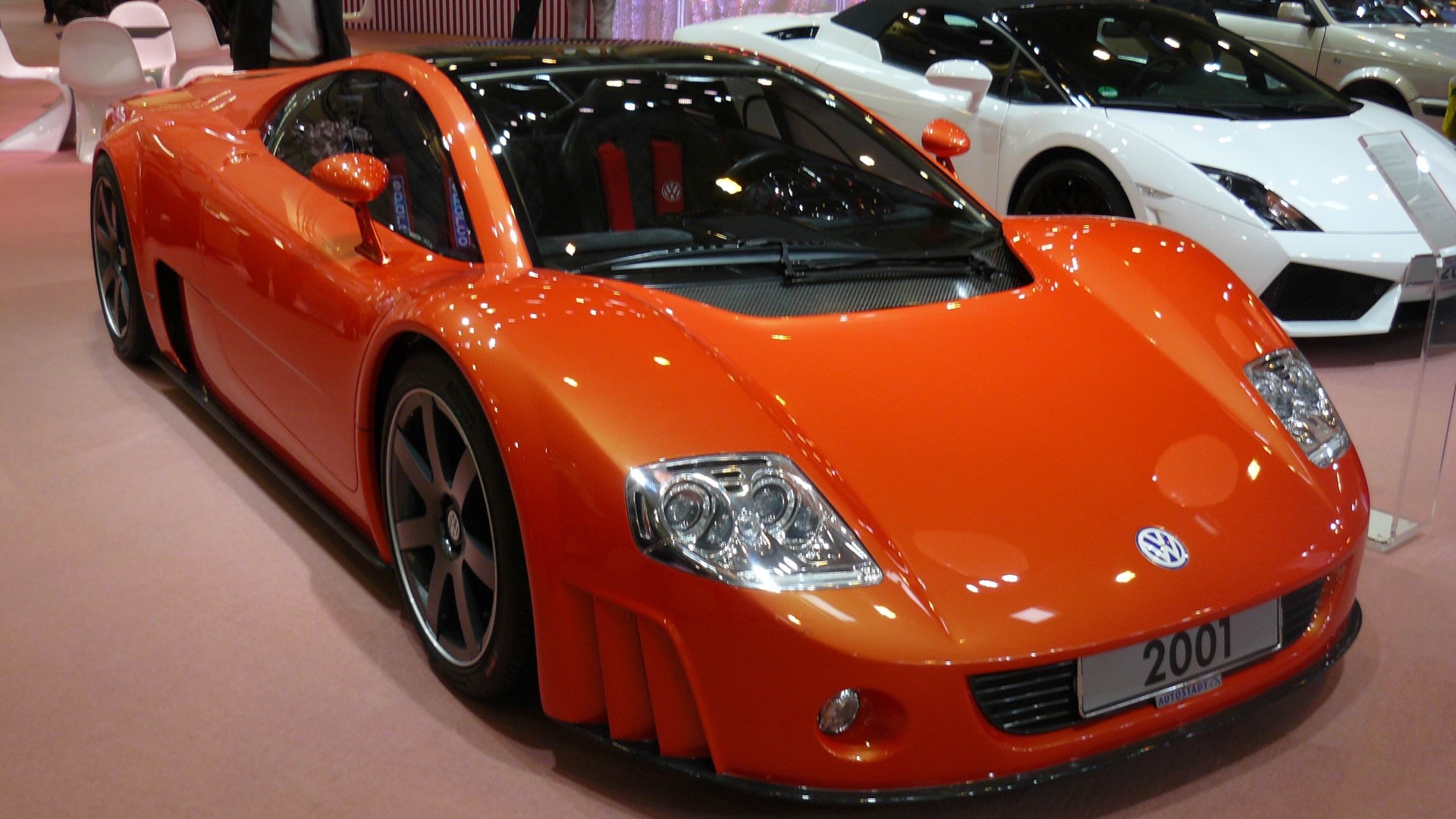
Volkswagen’s W12 Nardo was created during a period when the company wanted to prove it could engineer serious performance cars, not just practical ones. The concept eventually set speed records, which made its cancellation feel even more frustrating to enthusiasts. Despite its technical promise, Volkswagen never had an obvious commercial slot for a mid-engine exotic, so the W12 stayed outside the showroom.
7. Mazda Furai
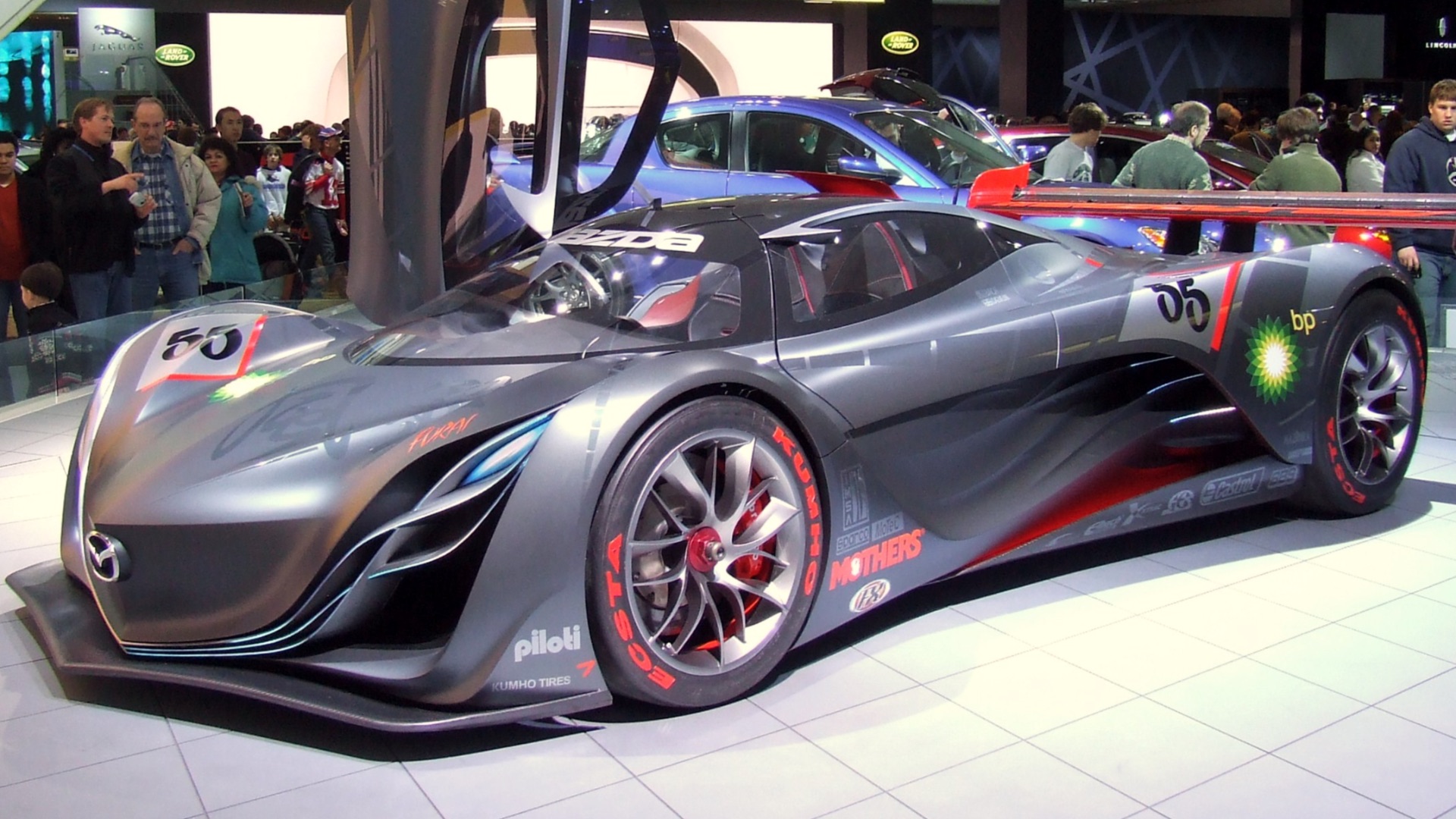
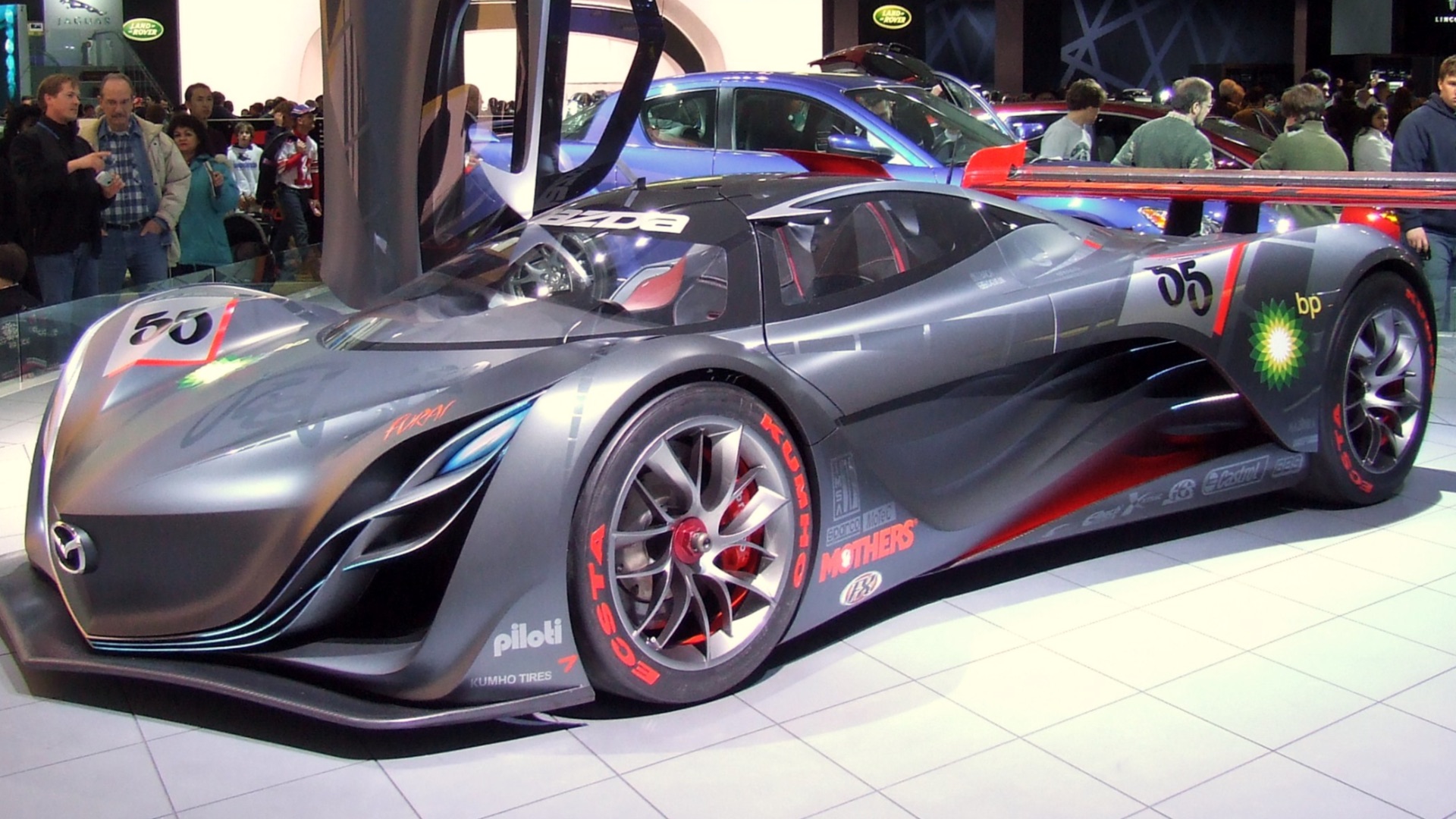
The Mazda Furai was a race-bred concept with Le Mans prototype roots and bodywork shaped around Mazda’s “Nagare” design language. It was a running car, but it was never intended as a production model in the ordinary sense. Its story became even stranger after the prototype was destroyed by fire during a magazine photo shoot, leaving the Furai as one of Mazda’s most memorable lost projects.
8. BMW E46 M3 Touring
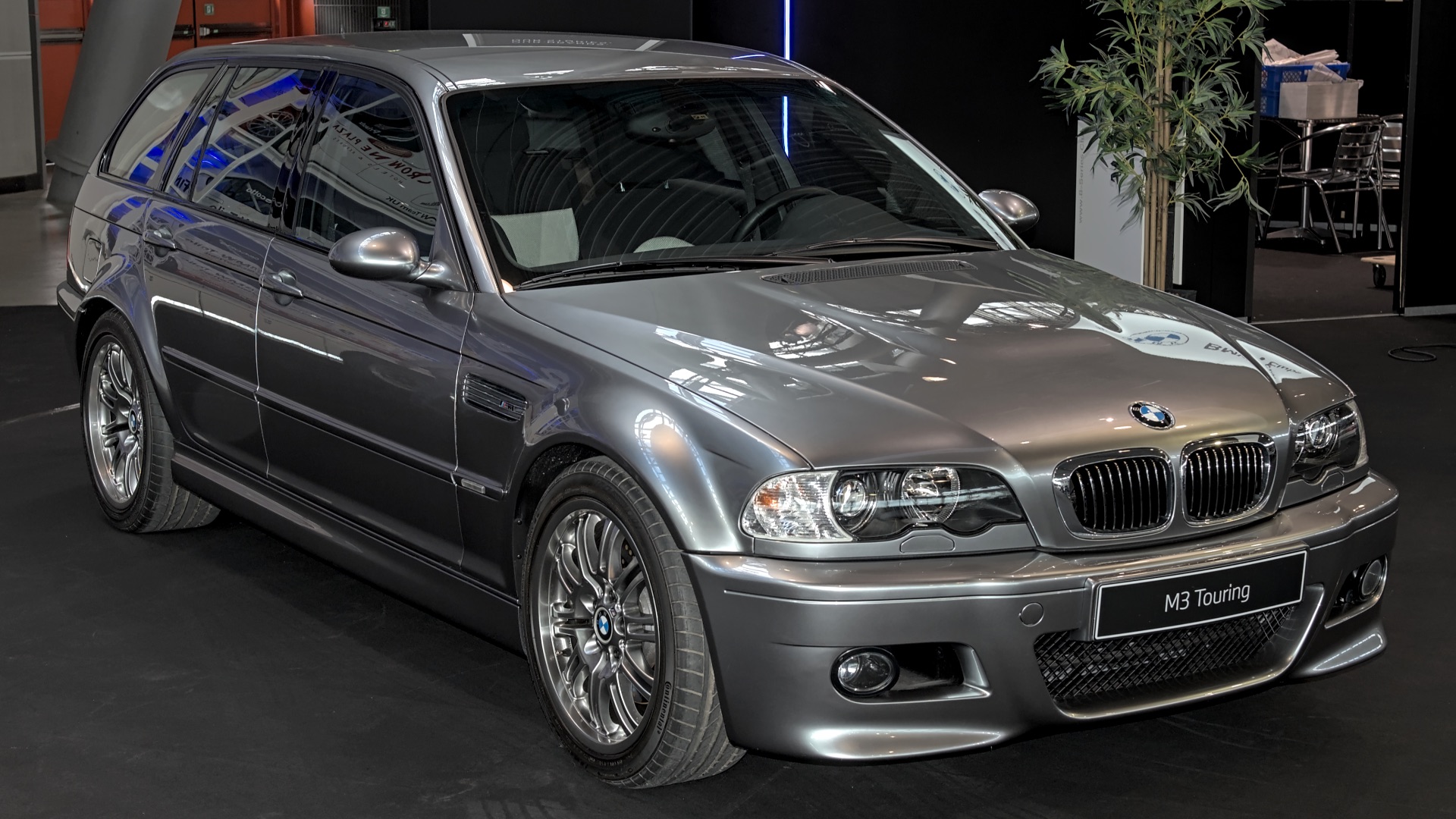
BMW built an E46 M3 Touring prototype in 2000 to test whether the M3 formula could work as a wagon. According to BMW M, the car was a feasibility study, and it showed that the wider M3 rear axle and body changes could be integrated into the Touring shape. The company still declined to produce it, which means one of the most desirable M cars of its era remained a factory experiment.
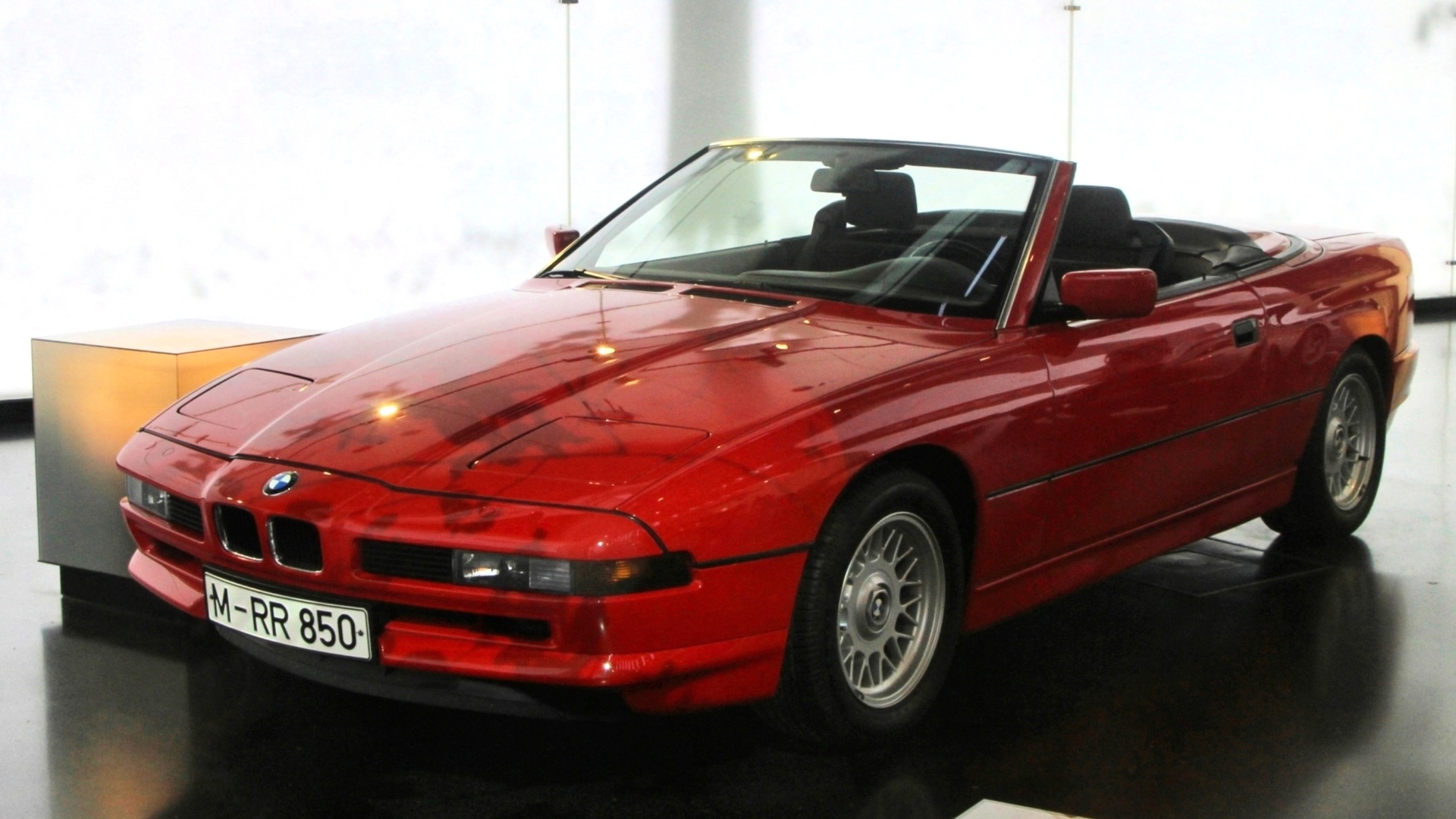
9. BMW M8 E31 Prototype
The original BMW M8 prototype from the E31 8 Series era had the ingredients for a serious grand-touring performance car. It featured a highly developed V12 and a more aggressive engineering brief than the regular 8 Series models. BMW kept it hidden for years, and the project never reached production, likely because the early 1990s market wasn’t friendly to expensive high-performance coupes.
10. Pontiac Banshee XP-833
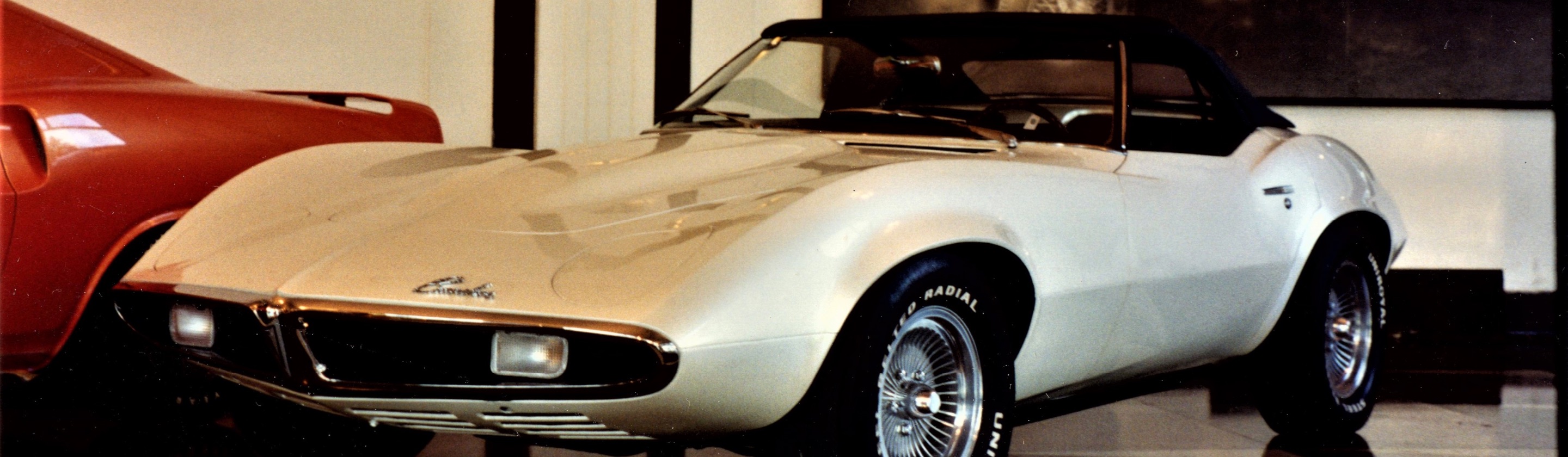
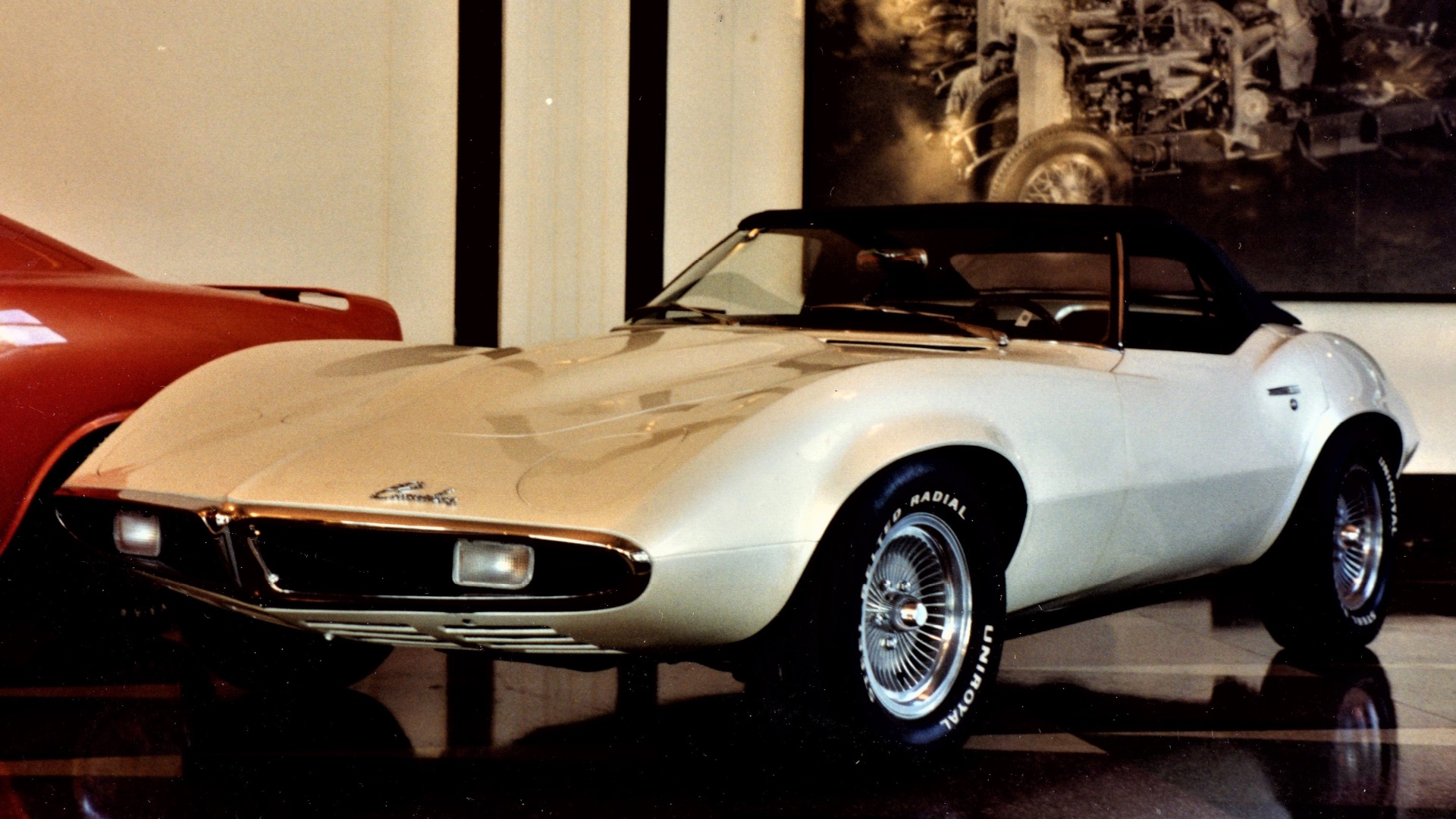
The Pontiac Banshee XP-833 was a compact sports car concept from the 1960s that looked like it could have become Pontiac’s answer to the Corvette. That was exactly the problem, since General Motors had little reason to let an internal rival threaten Chevrolet’s flagship sports car. Pontiac’s idea was stopped, but some of its styling attitude later showed up in other GM designs.
11. Dodge Copperhead
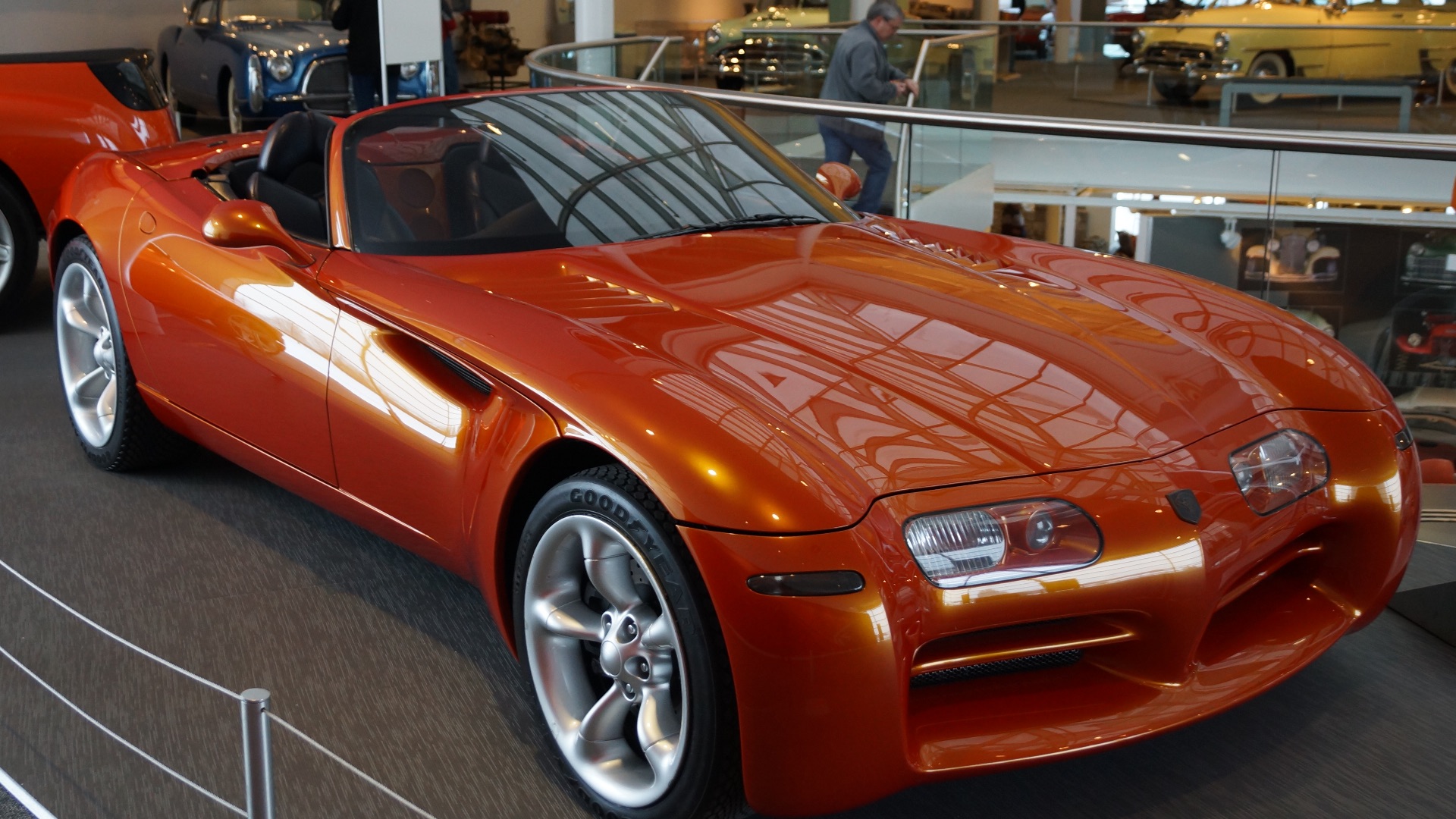
The Dodge Copperhead was imagined as a smaller, more affordable roadster that would sit below the Viper. It had a playful shape, rear-wheel drive, and a focus on accessible fun rather than huge power. Chrysler never moved it into production, partly because the business case for another niche sports car wasn’t strong enough.
 Greg Gjerdingen from Willmar, USA on Wikimedia
12. Nissan IDx
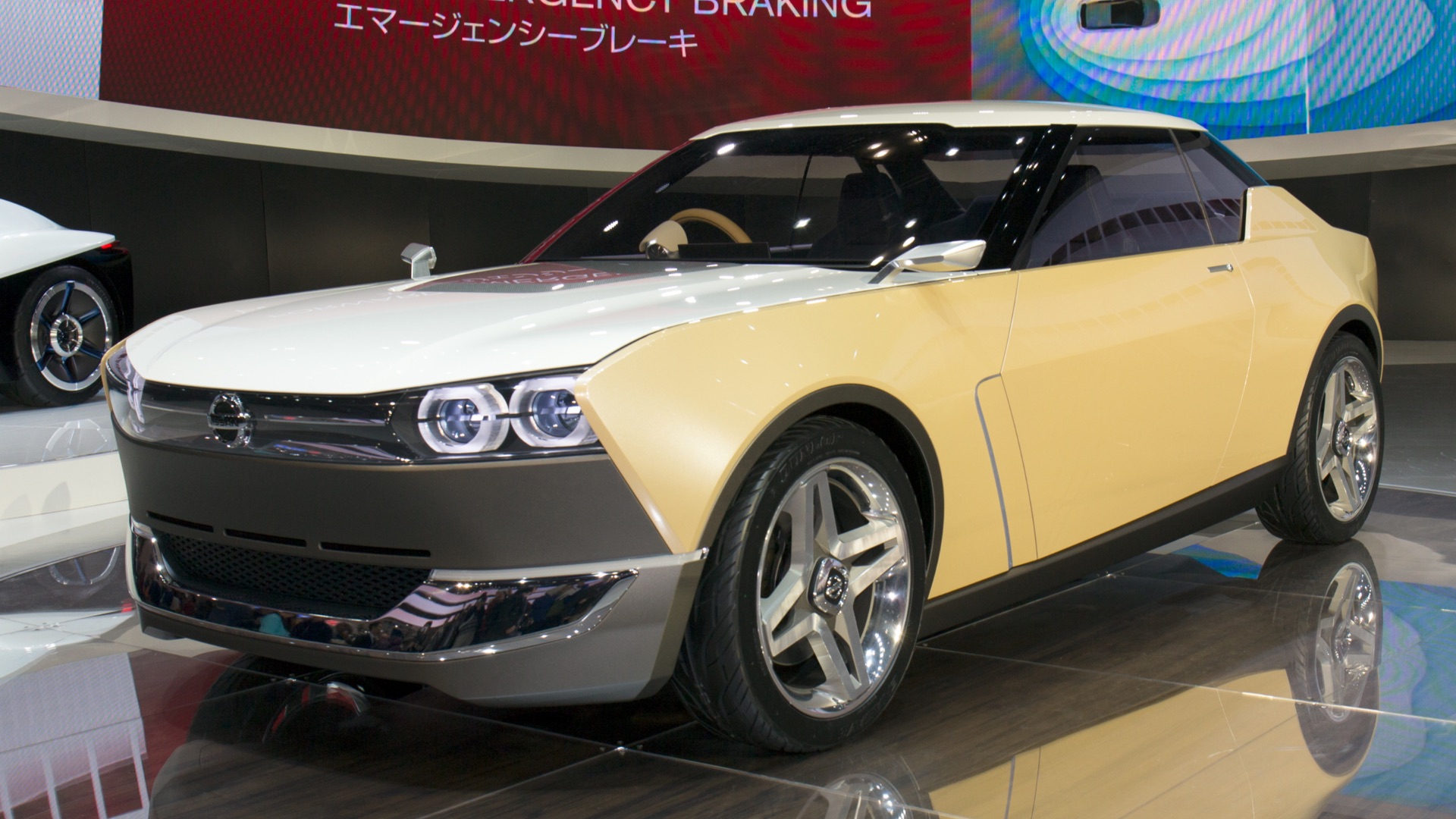
Nissan’s IDx concepts stirred up real excitement because they suggested a compact, rear-wheel-drive coupe inspired by classic Datsun design. Enthusiasts immediately saw it as a possible rival to affordable driver’s cars like the Toyota 86 and Subaru BRZ. Nissan never made the production case work, so the IDx remained a crowd-pleasing concept rather than a car you could put in your driveway.
13. Infiniti Emerg-E
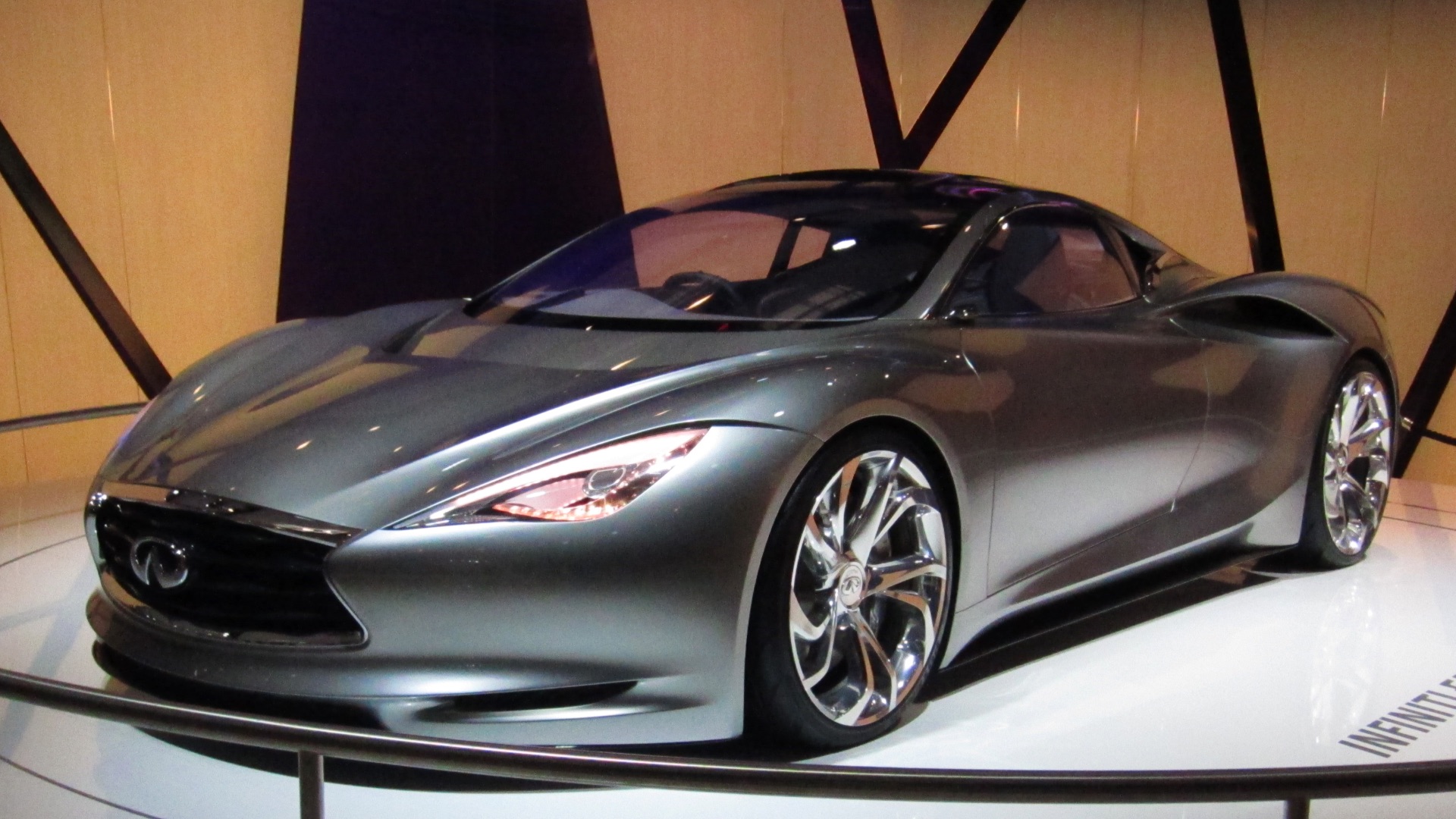
The Infiniti Emerg-E was a plug-in hybrid sports car shown at the 2012 Geneva Motor Show. It used a Lotus Evora-based structure and combined electric drive with a small gasoline engine used as a range extender, giving Infiniti a chance to explore performance electrification before that idea became common. Despite strong interest and impressive performance claims, it never became a production Infiniti.
 Rutger van der Maar from Leiden, The Netherlands on Wikimedia
14. Saab Aero X
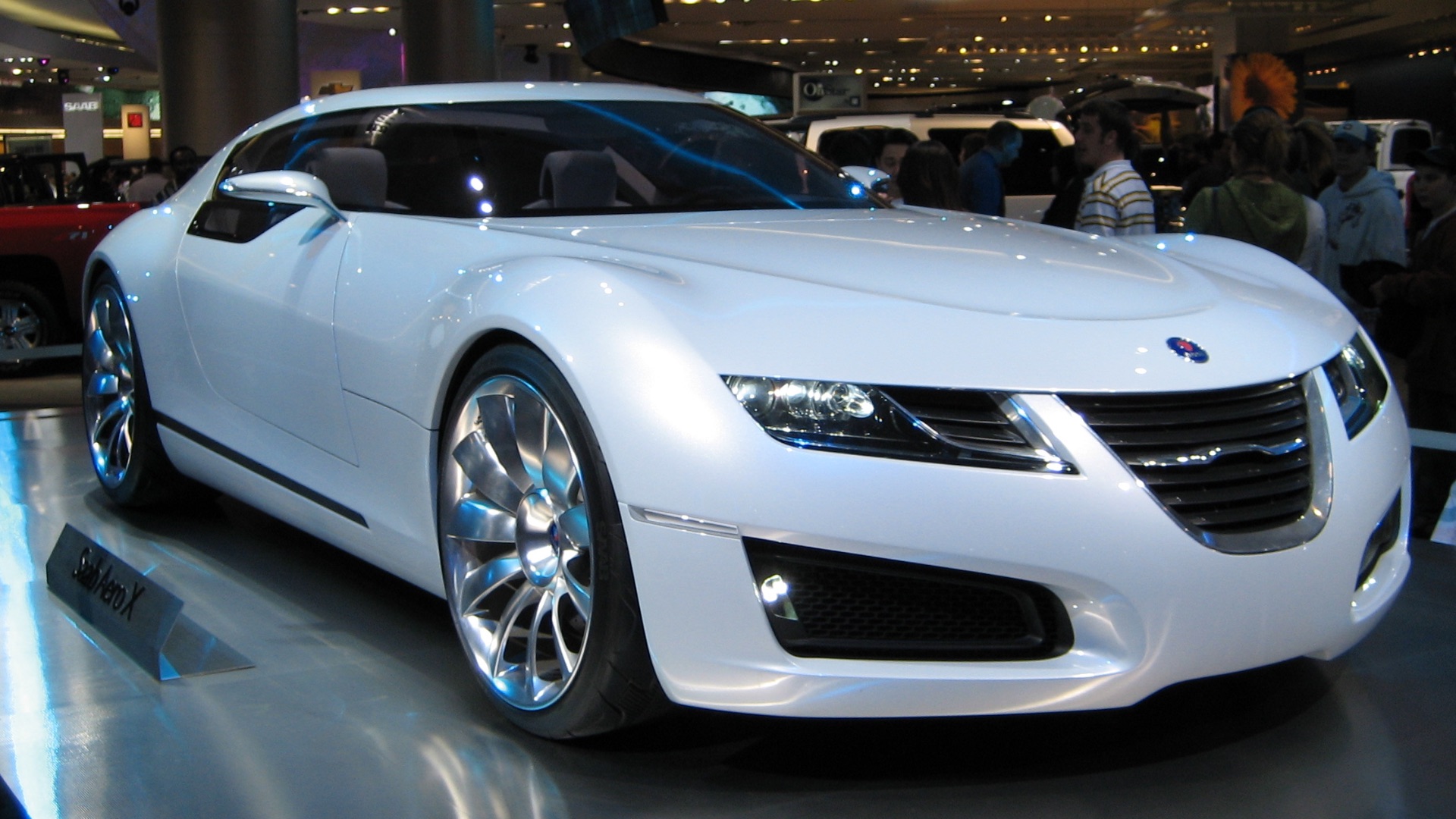
The Saab Aero X concept captured the brand’s aircraft-inspired identity better than almost anything it sold near the end of its life. Its canopy-style opening, clean Scandinavian cabin, and turbocharged performance gave Saab fans a glimpse of what a more ambitious future could have looked like. Unfortunately, Saab’s financial and ownership troubles made a production version unrealistic.
 NAParish from Oakland, CA on Wikimedia
15. Audi Quattro Concept
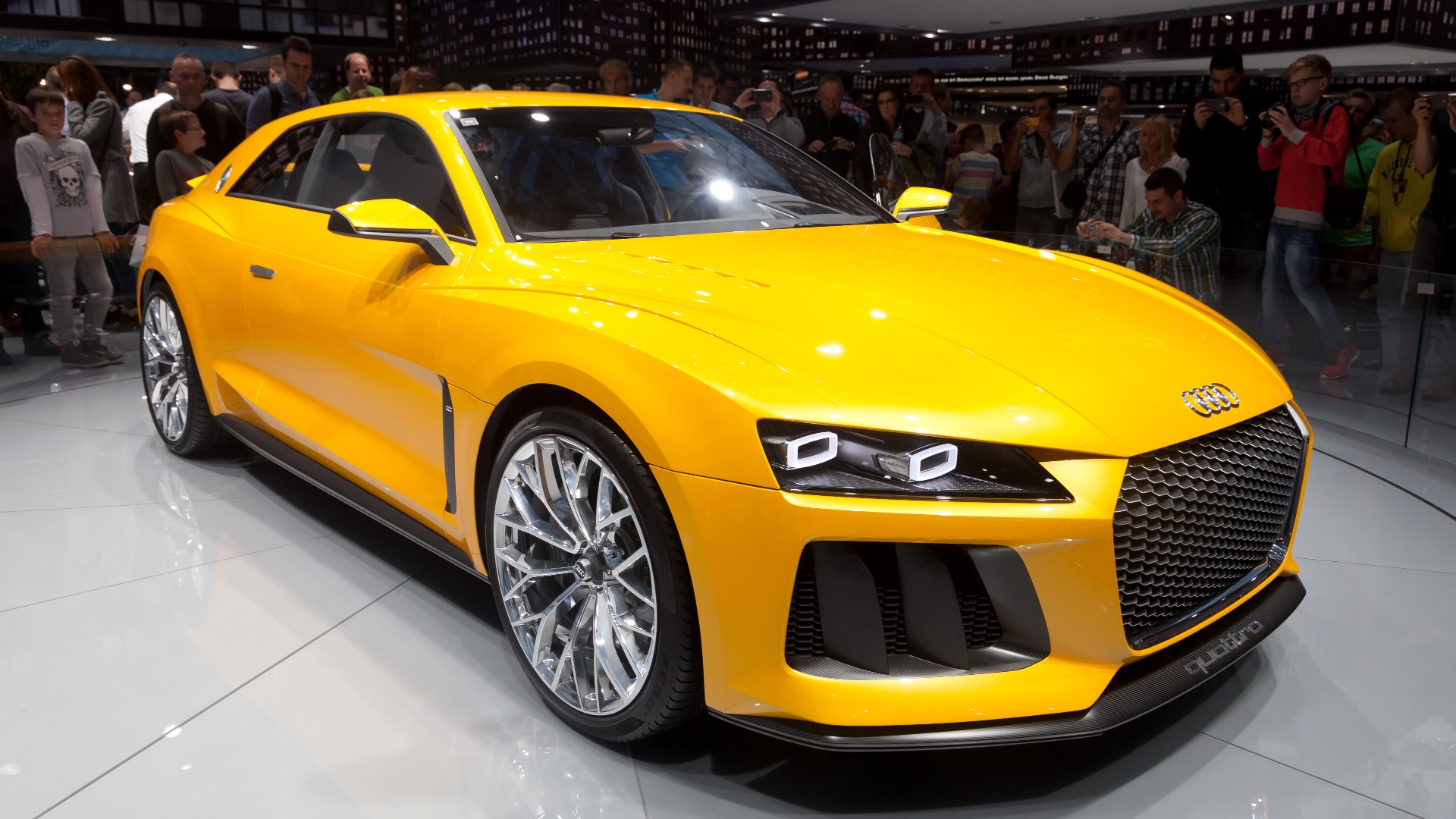
Audi’s 2010 Quattro Concept was created to honor the original rally-bred Quattro, but it also looked like a serious case for a lightweight performance coupe. The concept had a shorter wheelbase than the RS5 and a turbocharged five-cylinder engine, which gave it the right ingredients for enthusiasts. Audi explored the idea, but it never reached showrooms as a reborn Quattro.
 Thomas Wolf, www.foto-tw.de on Wikimedia
16. Porsche 989
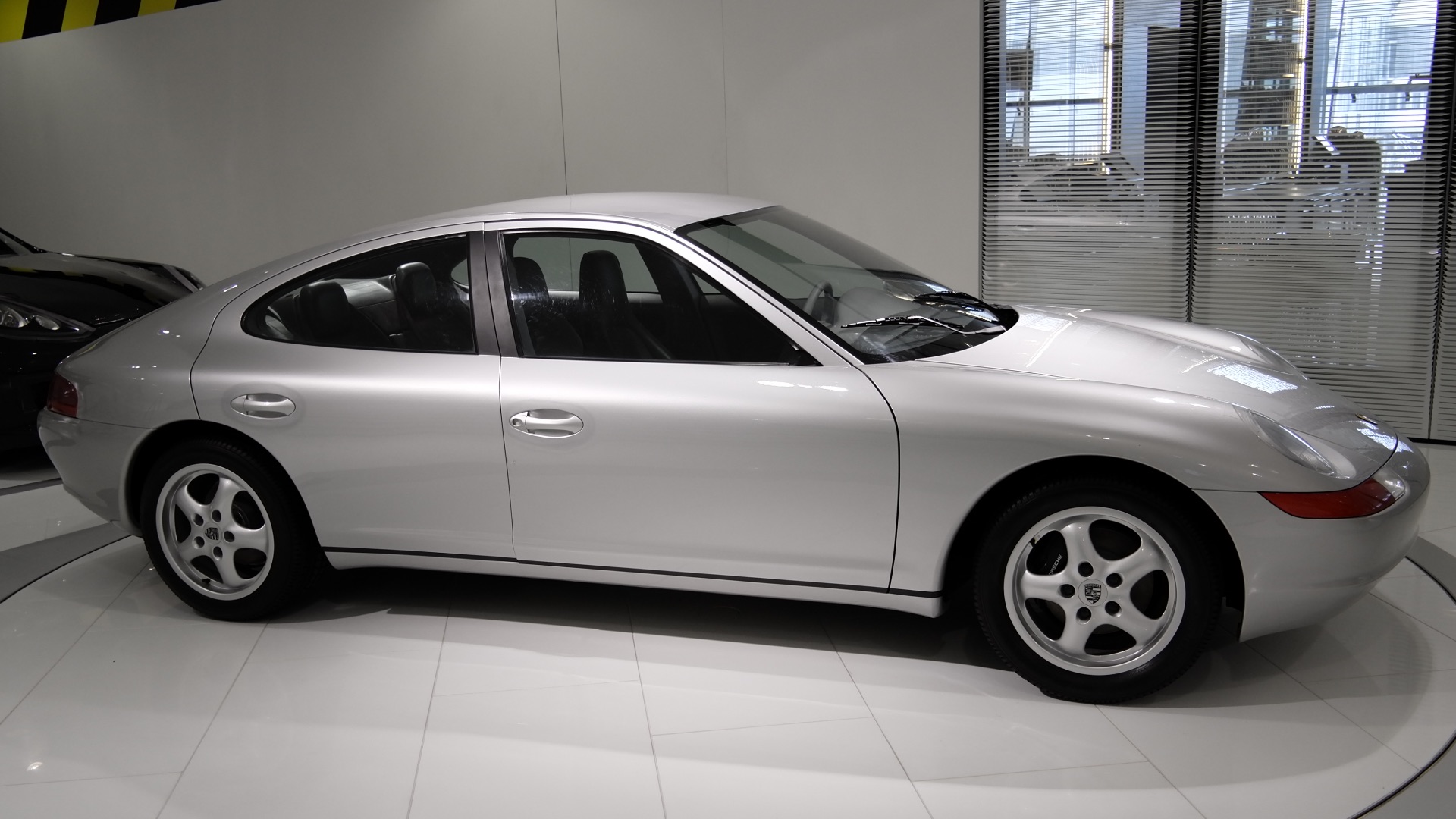
The Porsche 989 was a four-door performance sedan developed before the Panamera existed. It would have expanded Porsche’s lineup decades earlier, with styling that clearly connected it to the 911 while offering more space and daily usability. The project was canceled after costs rose and market confidence faded, but the basic idea eventually returned in a very different era.
17. Bugatti 16C Galibier
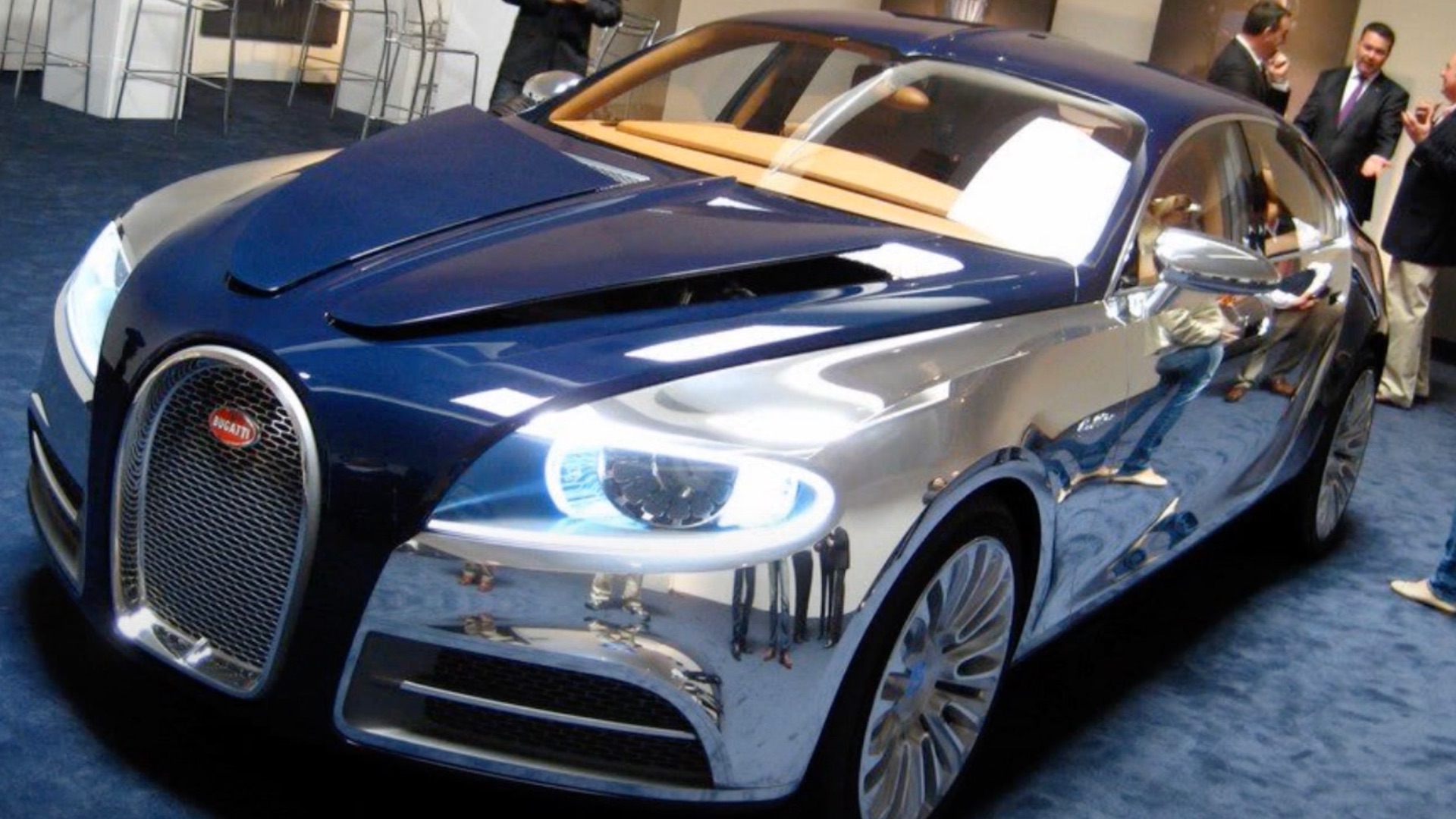
The Bugatti 16C Galibier was meant to test whether the Veyron’s outrageous luxury and performance could translate into a four-door car. It used an eight-liter W16 concept and a fastback shape that tried to make a limousine feel like a Bugatti. The company debated the project for years, then moved away from it, leaving the Chiron and later models to carry the brand’s production story instead.
18. Toyota GR Super Sport
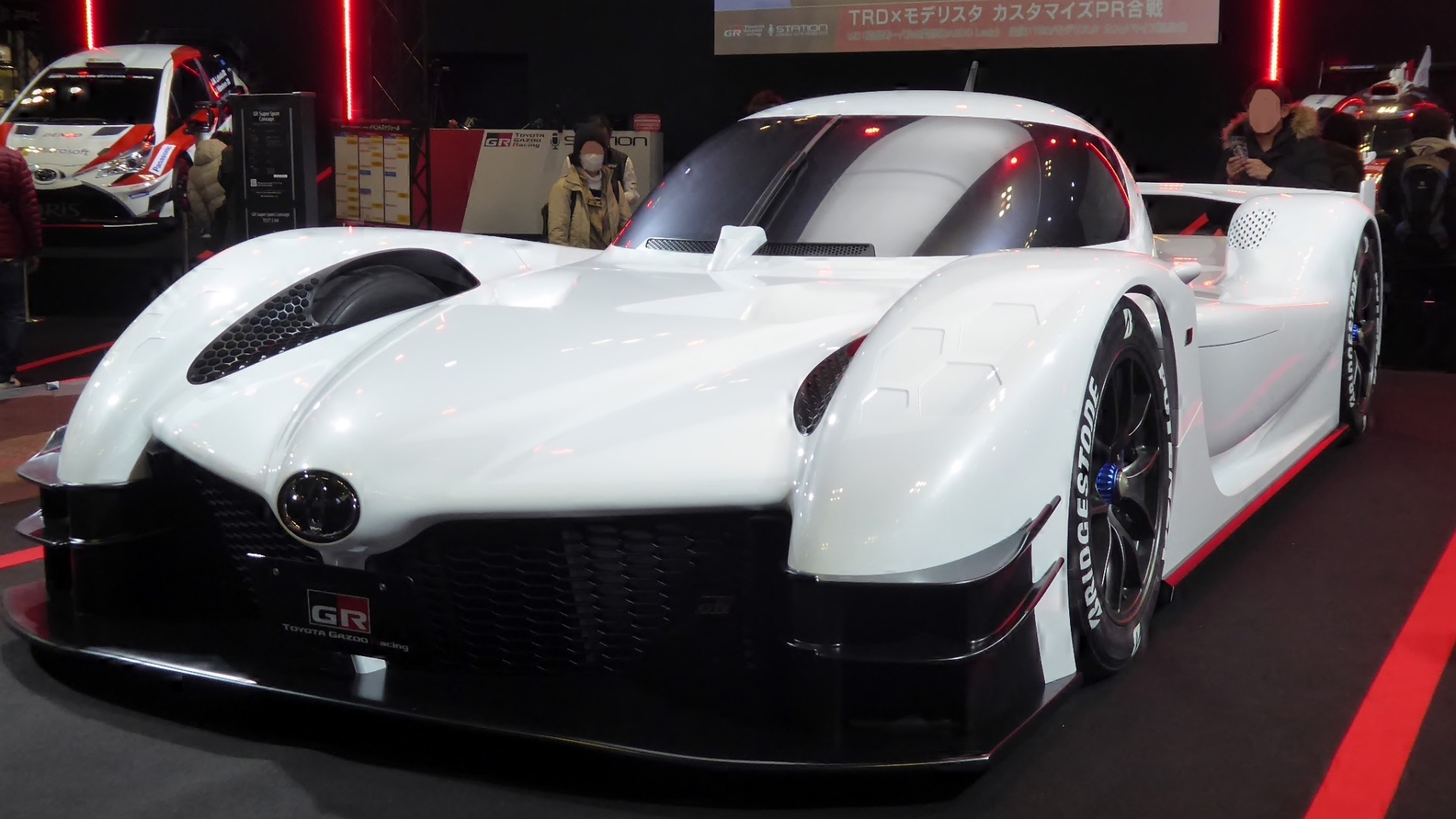
Toyota’s GR Super Sport was tied to its Le Mans racing program and seemed positioned as a road-going hypercar inspired by endurance racing technology. It was shown in concept form, and Toyota appeared serious about connecting its racing success to a customer car. The road version never arrived as a production model, making it one of the biggest modern performance-car letdowns for fans who wanted a Toyota hypercar.
 Tokumeigakarinoaoshima on Wikimedia
19. Peugeot Onyx
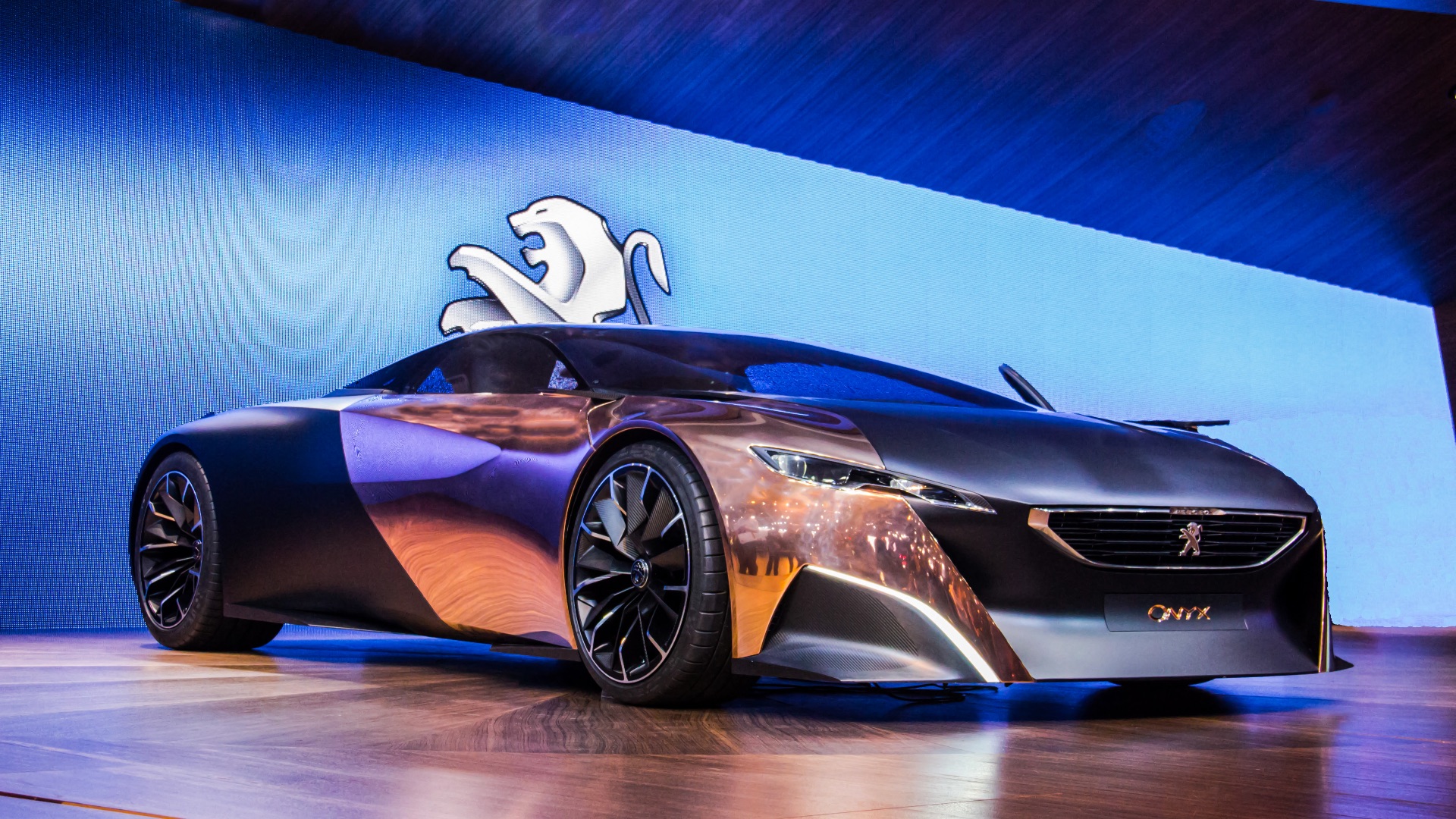
Presented at the 2012 Paris Motor Show, the Peugeot Onyx concept stood out because it mixed a copper body finish with recycled interior materials and a diesel-hybrid powertrain. It showed that Peugeot could create something visually daring without losing its interest in efficiency and engineering experimentation. The Onyx, unfortunately, was never treated as a serious production candidate, so it remained a design and technology showcase.
 Ben from LONDON, United Kingdom on Wikimedia
20. Mercedes-Benz C111
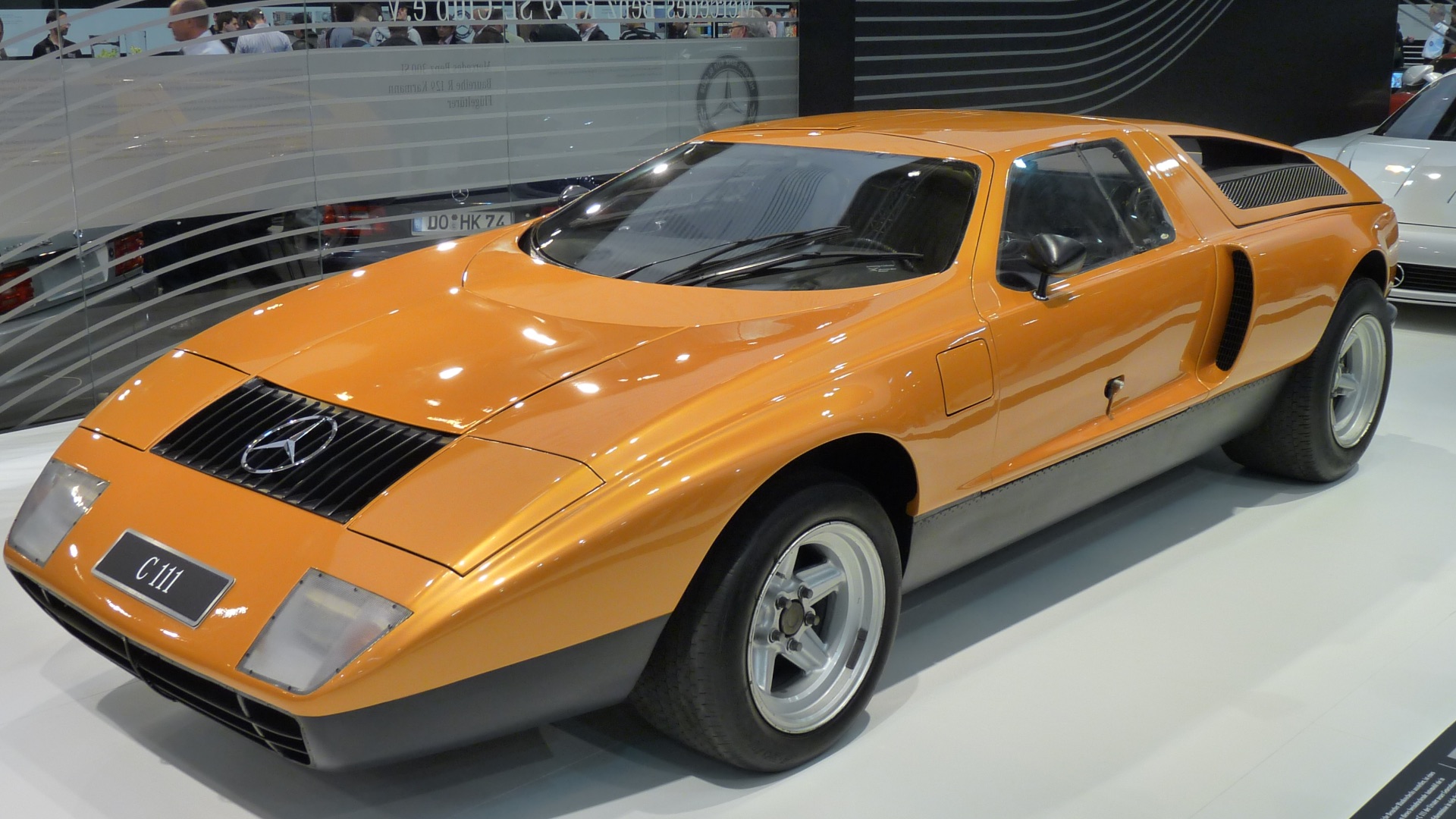
Mercedes-Benz used the C111 series to test ideas such as rotary engines, diesel performance, aerodynamics, and advanced materials. The wedge-shaped prototypes became famous, and plenty of people wanted Mercedes to build a road-going version. The company chose research over production, which means the C111 stayed in the testing world instead of becoming one of the strangest production Mercedes models ever made.