
The Garage Isn’t Always the Best Place
For many people, the garage seems like the natural place to keep a car, but you'd be surprised: it actually isn’t always the best choice in every situation. Depending on how you use the space, what condition your garage is in, and how often you drive, storing your car there can come with a few downsides. At the same time, a garage can offer real protection and convenience when it’s maintained well and used thoughtfully. Here are 10 reasons you shouldn't store your car in the garage, followed by 10 reasons why it can still be a smart choice.
1. It Can Take Up Valuable Storage Space
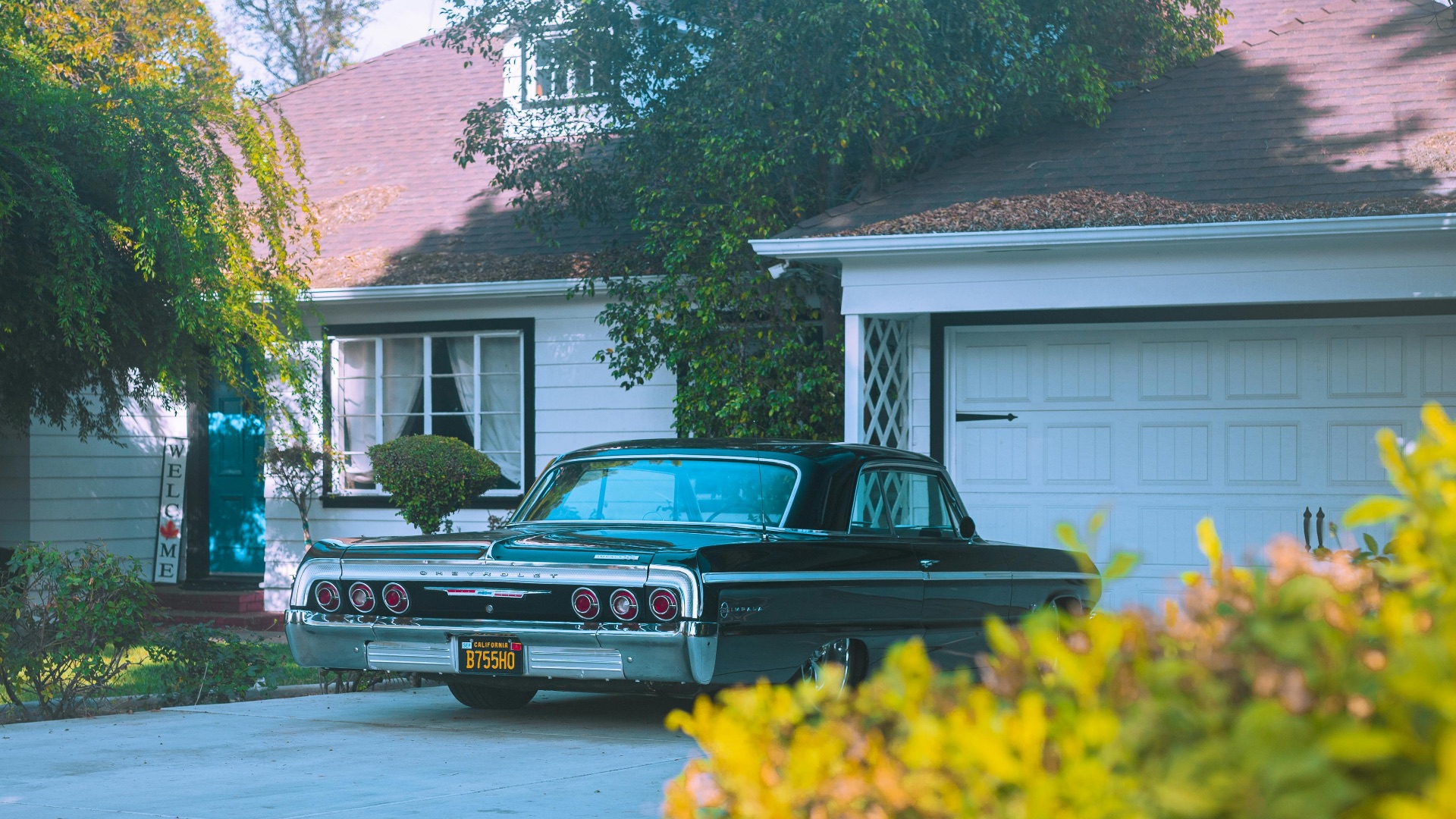
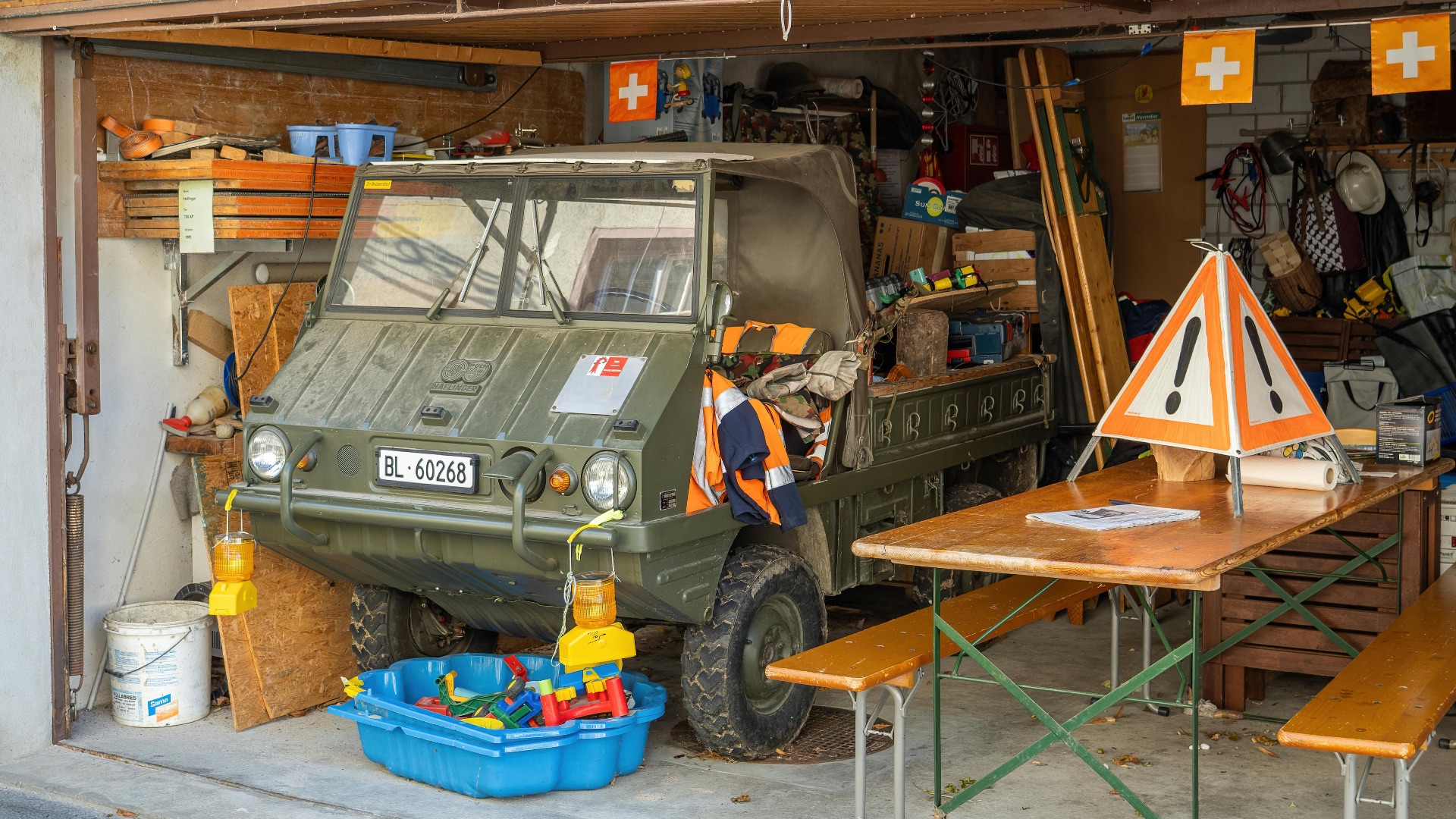
A car can dominate a garage that might otherwise be used for tools, bikes, lawn equipment, sports gear, or seasonal items. If your home doesn’t have much extra storage, parking inside may make the space feel cramped and frustrating to use. You may end up stacking things around the vehicle, which can make it harder to access what you need. In some homes, the garage works better as flexible storage than as a parking spot.
2. Poor Ventilation Can Trap Fumes
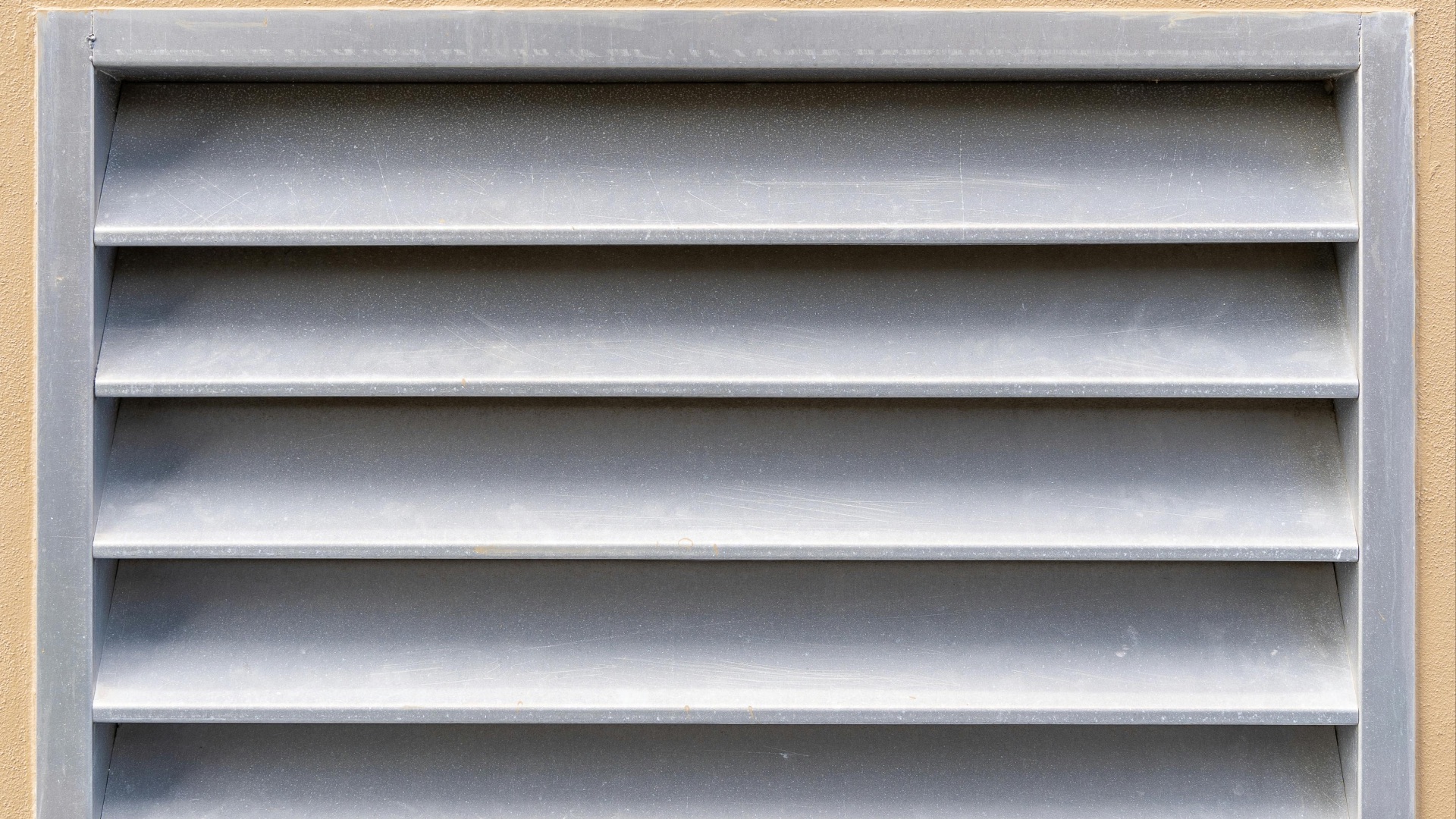
Garages that don’t have proper airflow can hold onto exhaust fumes, fuel smells, and chemical odors from automotive products. Even if you only start the car briefly, fumes can linger longer than you’d expect in a closed space. This can be especially concerning if the garage is attached to the house. Good ventilation matters, and without it, indoor parking may not be ideal.
 Connor Scott McManus on Pexels
3. Moisture Can Cause Problems
A damp garage can expose your vehicle to moisture that contributes to rust, mildew, and musty odors. This is especially true if the garage has leaks, poor drainage, or condensation issues during colder months. Parking a wet car inside can also increase humidity in the space. If the garage doesn’t dry out well, it may not protect your car as much as you think.

4. It May Encourage Clutter Around the Vehicle
When a car is parked in the garage, the surrounding space often becomes a catchall for household items. Boxes, tools, and equipment can gradually crowd the vehicle until getting in and out becomes inconvenient. This also raises the chances of scratches, dents, or accidental damage. A garage only works well for car storage if there’s enough room to move around it safely.

5. Pests May Be More Likely to Nest Nearby
Garages can attract rodents and insects, especially when they contain cardboard, pet food, birdseed, or stored household goods. If pests find their way in, a parked car can provide shelter in wheel wells, engine compartments, or undercarriage areas. This can lead to chewed wiring, unpleasant odors, or hidden damage. Keeping a car outside may sometimes reduce this risk if the garage has an active pest issue.

6. Temperature Swings Can Still Affect the Car
Many people assume a garage fully protects a vehicle from weather, but an uninsulated garage can still experience major temperature changes. Heat can affect rubber components, interior materials, and fluids over time. Cold conditions can also impact the battery and tire pressure. If the garage isn’t climate-controlled, it may offer only partial protection.
 Karolina Grabowska www.kaboompics.com on Pexels
7. Short Trips In and Out Can Add Wear
Some drivers move their car in and out of the garage frequently for very short distances, which isn’t always ideal for the engine. If the vehicle is started repeatedly without enough time to warm up properly, moisture and fuel residue can build up. This is more of a concern for cars that sit for long periods and are only moved briefly. A garage setup that encourages constant shuffling may create unnecessary wear.

8. Attached Garages Can Affect Indoor Air Quality
If your garage connects directly to your home, what happens inside it can influence the air indoors. Gasoline, cleaning products, paint, exhaust, and other chemical smells may seep through gaps around doors or shared walls. This can be uncomfortable and potentially unhealthy, especially in homes with children, older adults, or people with respiratory sensitivities. Storing a car inside requires attention to sealing and ventilation.
9. It Can Make Everyday Access Less Convenient
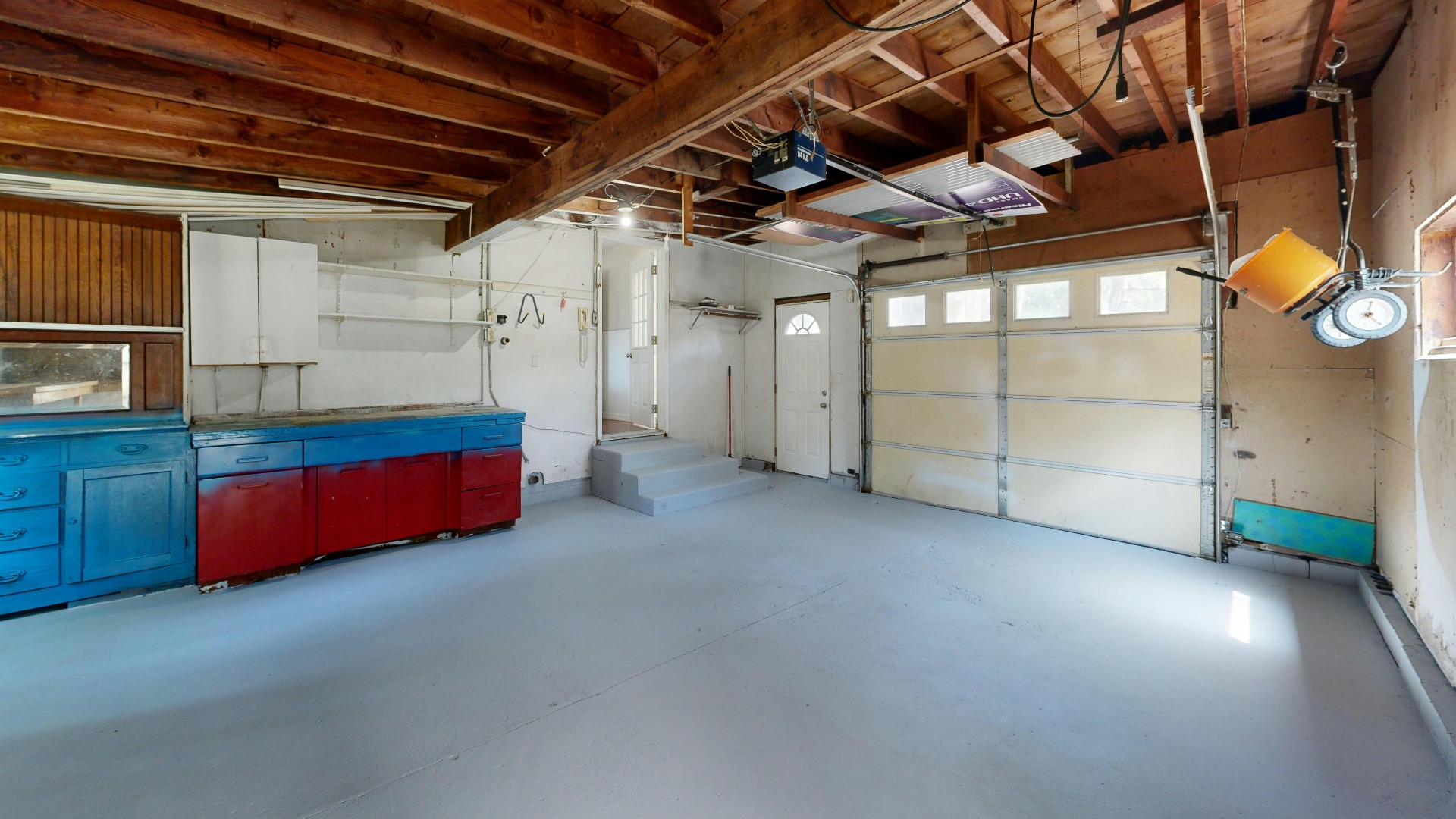
A garage packed with belongings or designed with narrow clearance can make parking more stressful than simply using the driveway. You may have to fold mirrors, squeeze past storage bins, or carefully avoid walls each time you park. Over time, that routine can become annoying enough that you stop using the garage altogether. If parking inside feels like a daily hassle, it may not be worth it.

10. Leaks and Drips Can Damage the Floor
Cars can drip oil, coolant, water, or other fluids, especially as they age. Those fluids can stain concrete, create slippery spots, and require extra cleanup. In a garage that also functions as a laundry area, workshop, or storage room, floor stains can become a bigger nuisance. Parking outside may be preferable if you’re dealing with an older vehicle that leaks regularly.
Still, the garage isn’t automatically a bad place for your car. In the right conditions, it can protect your vehicle, make your routine easier, and even help preserve the car’s appearance and value. The key is whether the space is clean, dry, ventilated, and practical for daily use.

1. It Protects the Car from Harsh Weather
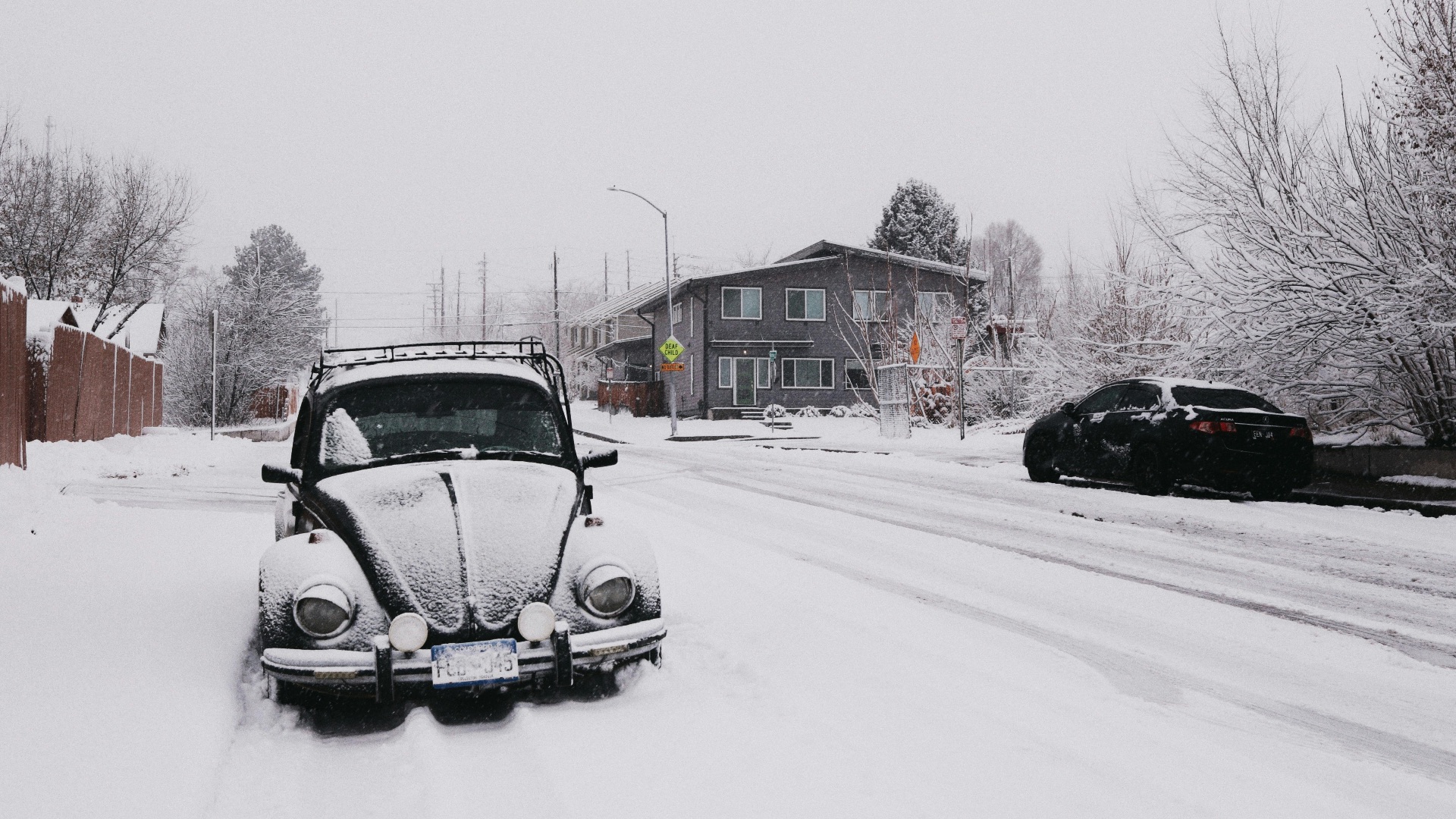
A garage shields your vehicle from rain, snow, hail, heavy wind, and direct sun. This can reduce exterior wear and help prevent weather-related damage over time. It also keeps ice and snow from building up on the windshield during winter. For anyone who lives in an area with rough seasonal conditions, indoor parking can make a noticeable difference.
 Eduardo Avila Carbajal on Pexels
2. It Helps Preserve the Paint
Sun exposure, bird droppings, tree sap, and airborne debris can all wear down a car’s finish. Keeping the vehicle in a garage limits how often those elements come into contact with the paint. This can help the exterior look cleaner and newer for longer. It may also reduce how often you need to wash and detail the car.

3. It Can Improve Security
A car stored in a closed garage is less visible and less accessible than one parked on the street or in the driveway. That added barrier can help deter theft, break-ins, and vandalism. It also keeps valuables inside the vehicle out of sight, though you still shouldn’t leave important items in the car. For many households, garage parking adds a useful layer of protection.
4. It Makes Mornings Easier
When your car is parked in the garage, you don’t have to scrape frost, clear snow, or wait as long for the cabin to become comfortable. This can save time during busy mornings, especially in cold or stormy weather. It also means you can load bags, groceries, or children into the car without standing in the rain. Daily convenience is one of the biggest benefits of garage parking.

5. It Helps Protect the Interior
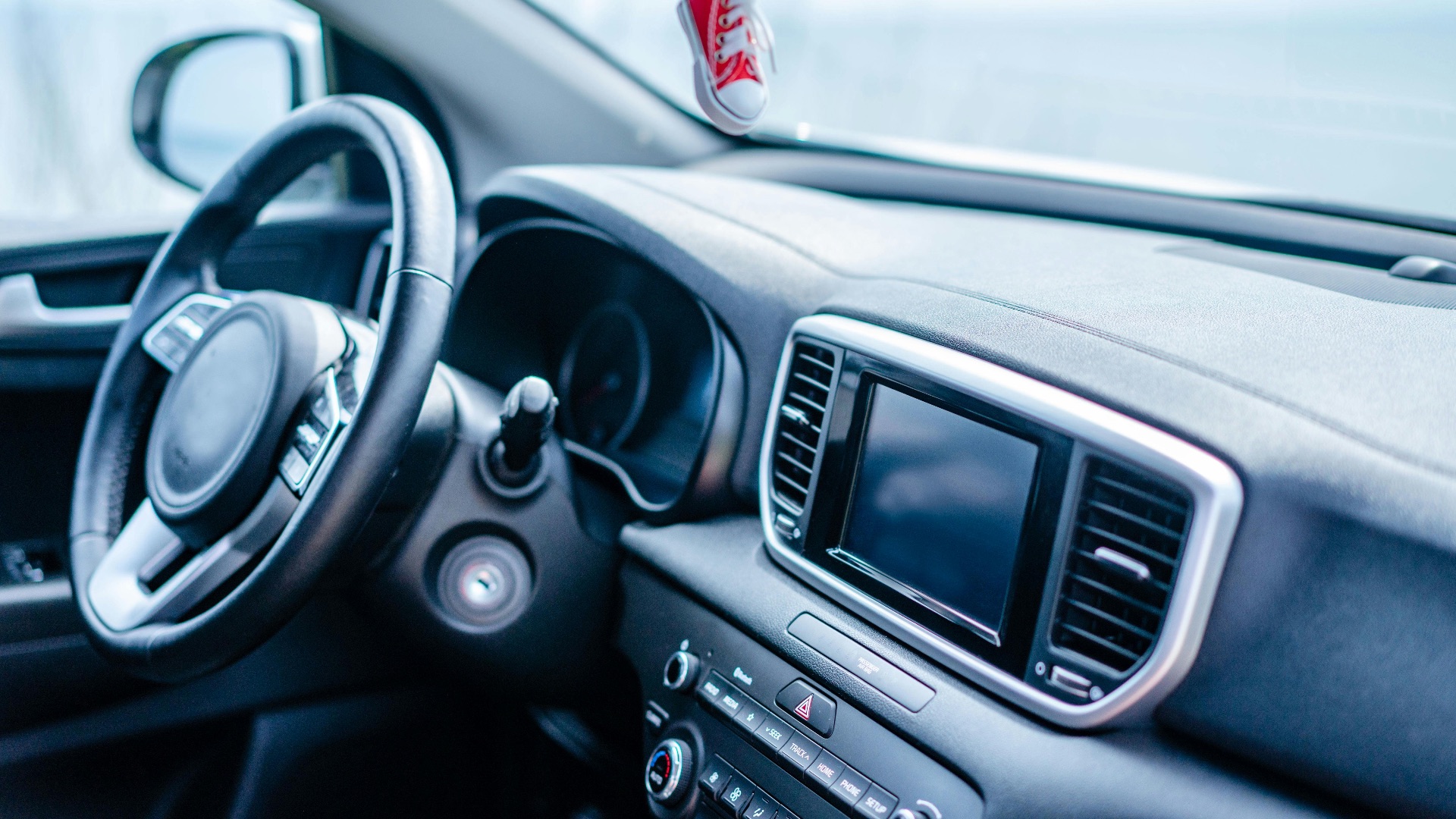
A garage reduces the amount of sunlight that hits the dashboard, seats, steering wheel, and trim. Over time, that can help prevent fading, cracking, and heat-related wear. Leather, vinyl, and plastic surfaces tend to age faster when they’re exposed to intense sun. Parking indoors can help the cabin stay in better condition.
6. It Can Extend Battery Life
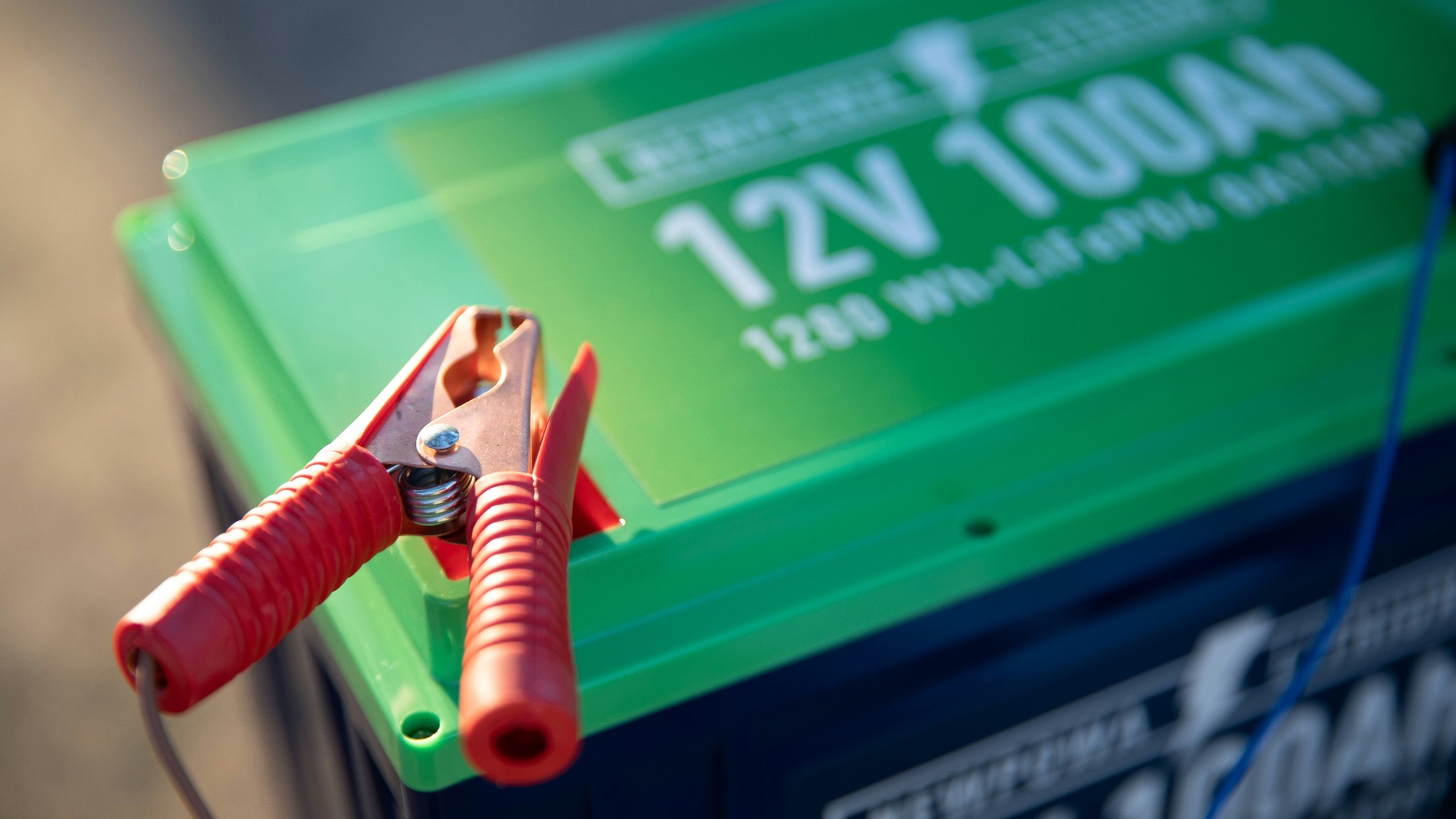
Extreme temperatures can be hard on car batteries, particularly in very hot or very cold climates. A garage usually moderates those conditions compared with parking outdoors. Even if the space isn’t fully climate-controlled, it can still reduce exposure to the most severe temperature shifts. That can help the battery perform more reliably.
7. It Reduces Exposure to Falling Debris
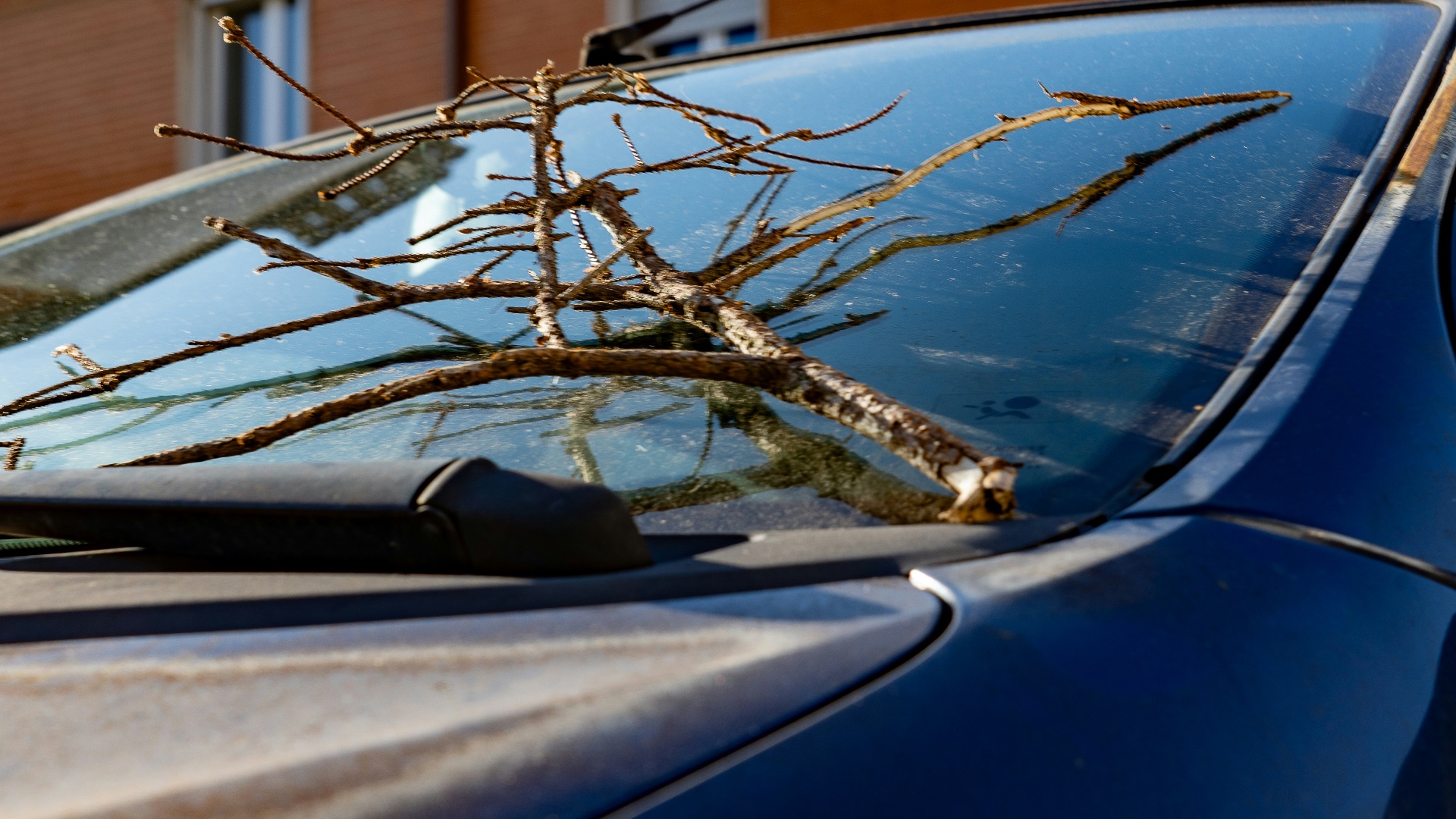
Parking outside leaves a car vulnerable to branches, acorns, leaves, construction dust, and other debris. Over time, these can scratch the paint, clog drainage areas, or leave stains. A garage keeps the vehicle away from most of those everyday hazards. This is especially helpful if your driveway sits under trees.
8. It Can Lower Insurance Risk in Some Cases
Some insurance companies consider garage parking a lower-risk storage option because it can reduce theft, vandalism, and weather damage. This doesn’t guarantee a discount, but it may help depending on your insurer and policy. It’s worth checking whether your parking situation affects your rate. Even without a discount, lower exposure to damage can still save money over time.

9. It Keeps the Car Cleaner
A garage helps prevent dust, pollen, rain spots, bird droppings, and leaves from collecting on the vehicle. That means the car may stay presentable longer between washes. It can also reduce buildup around windows, mirrors, and windshield wipers. If you like keeping your vehicle tidy, indoor storage makes that easier.

10. It Can Support Long-Term Vehicle Value
A well-protected car often shows less wear than one that spends years exposed to the elements. Paint, trim, interior materials, tires, and weather seals can all benefit from reduced exposure. When it’s time to sell or trade in the vehicle, condition matters. Storing your car in a clean, dry, and secure garage can help preserve its value over the long run.