
What Triggers Carsickness
Carsickness can feel strangely unpredictable. Some trips might not be so rough on you, but other times, you're asking for a break every few minutes. The reason for this is usually because many factors can influence your symptoms; anything from where you sit to what you ate an hour earlier can change how your body reacts to the ride. Thankfully, a lot of common triggers are avoidable, and once you know what tends to make things worse, it's much easier to build habits that make travel far more tolerable.

1. Reading or Scrolling in the Car
You might think reading can distract you enough that you won't get sick at all, but looking down at a book or phone means you're giving your eyes one story while your inner ear experiences constant movement. That mismatch is one of the fastest ways to turn mild discomfort into nausea. Even a few minutes of texting, reading, or checking maps can push you in the wrong direction.

2. Sitting in the Back Seat
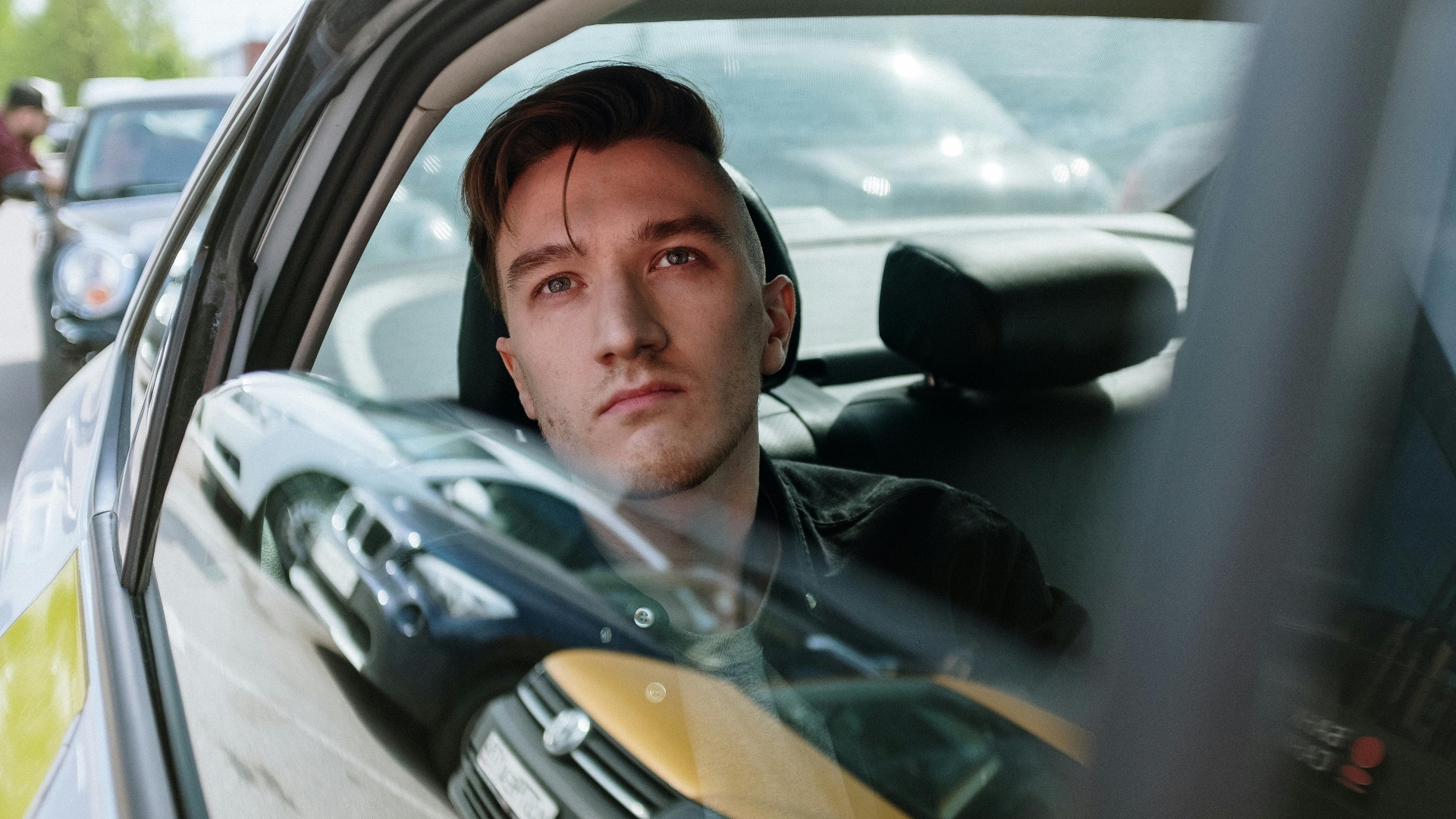
The back seat often makes motion feel more exaggerated, especially on winding roads or in stop-and-go traffic. You also have less control over your view of the road ahead, which can make the trip feel more disorienting and unbearable. For many people, that combination is enough to make symptoms appear much sooner.
3. Riding on an Empty Stomach
If hunger leaves you feeling restless and jittery even before stepping foot in the car, you should know that skipping food before a trip will only leave you feeling more shaky once the car starts moving. An empty stomach doesn't protect you from nausea as much as people think it does; in many cases, it just makes you feel worse.
4. Eating a Heavy, Greasy Meal Beforehand
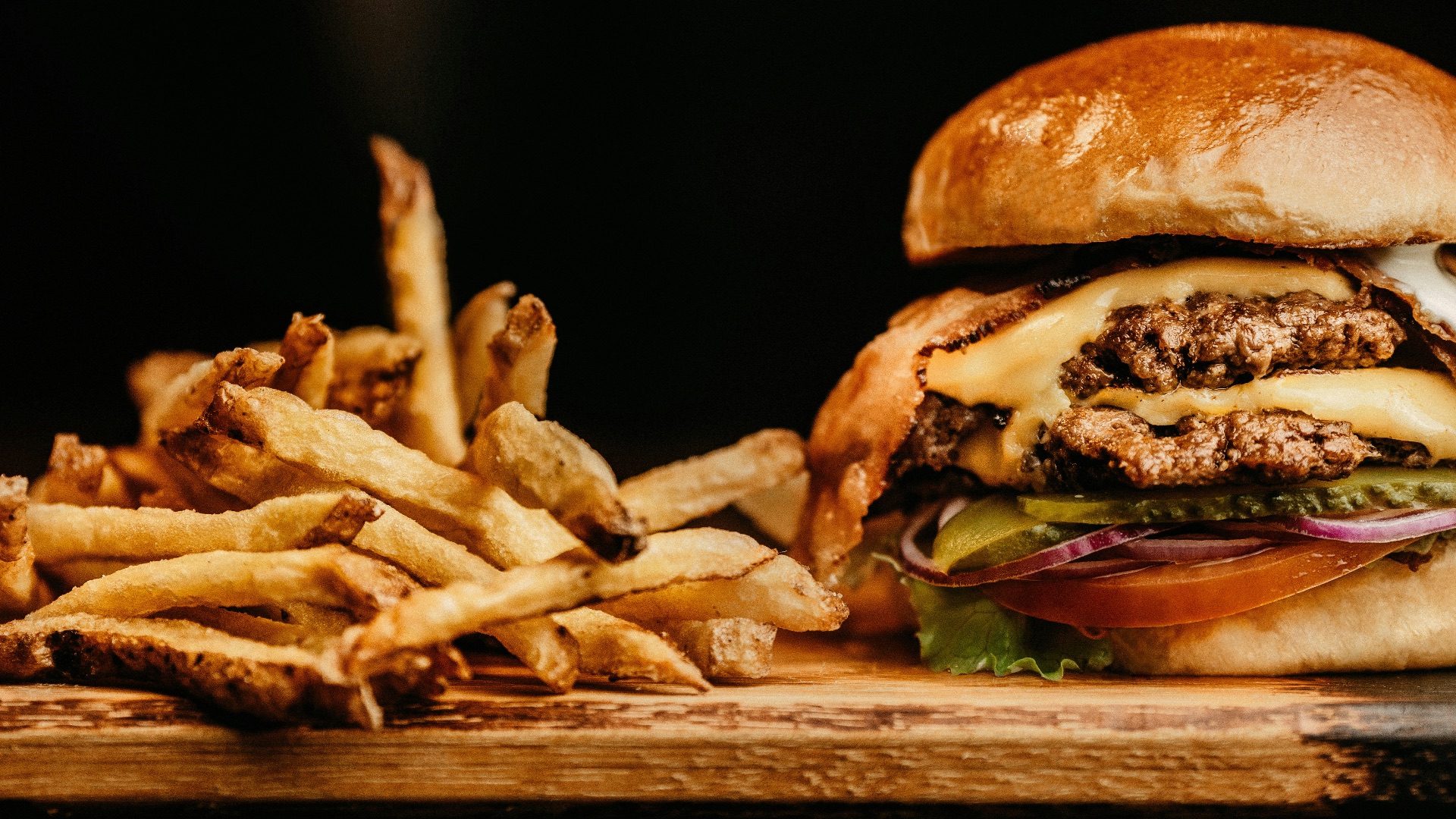
You don't want to ride on an empty stomach, but it pays well to know what to put in your body, too. A large, rich meal, like fast food, can sit heavily in your stomach and make the first wave of motion feel much more intense. Fried foods, creamy dishes, and oversized portions are especially unhelpful before a long drive. When your stomach is already working hard, the ride tends to feel much rougher.
5. Stale or Warm Air
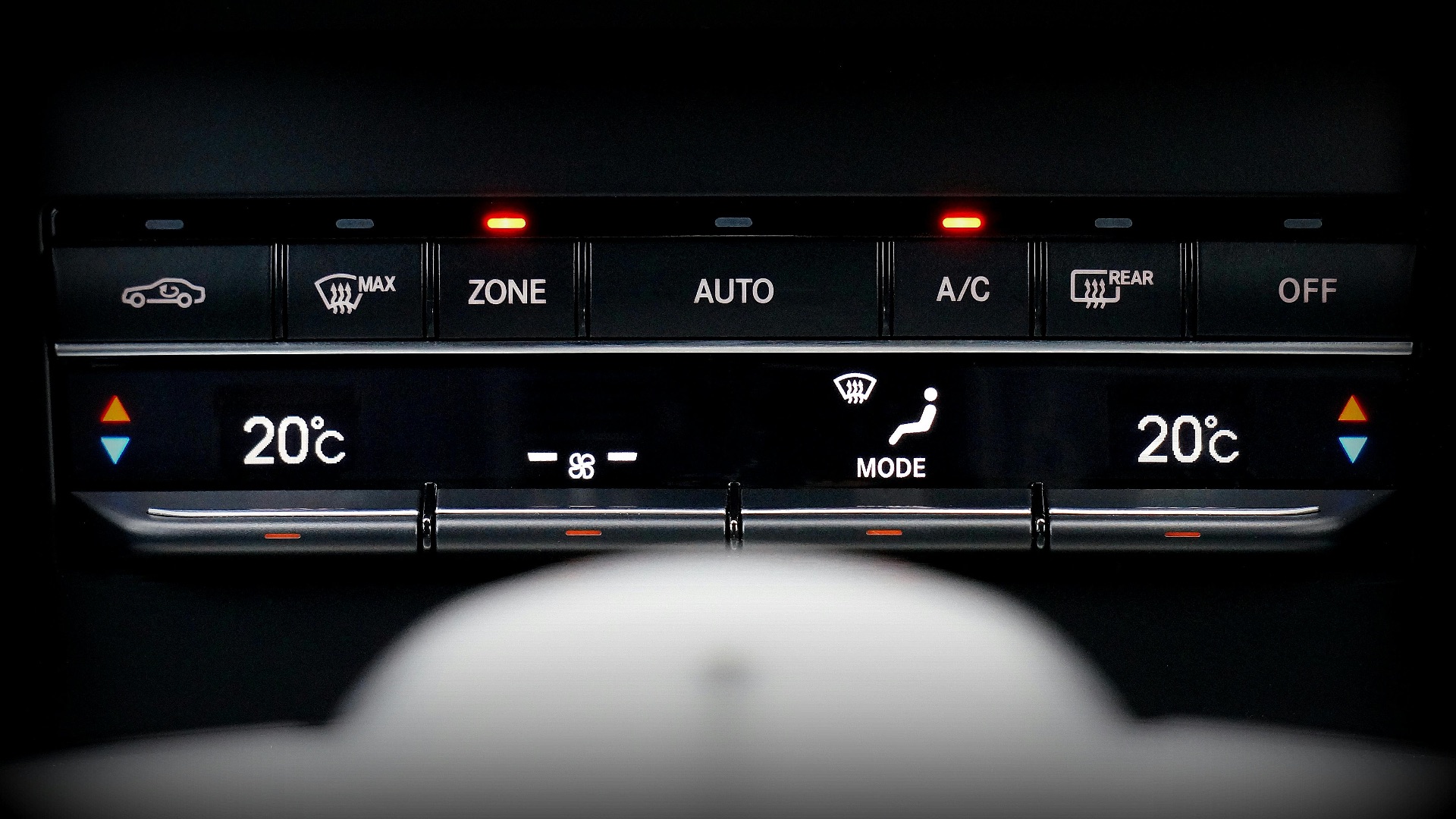
A stuffy car can make nausea feel more immediate and more difficult to shake off. Heat often adds to that sense of dizziness and general discomfort, especially if you're already prone to motion sickness. Fresh air won't solve everything, of course, but bad air can absolutely make things spiral.
6. Strong Smells in the Car
Air fresheners, perfume, fast food, and even certain cleaning products can overwhelm you when you're already feeling uneasy. Smell and nausea have an unfortunate relationship, and strong scents can push a manageable ride into a far more miserable one. It's best to keep things smelling neutral.
7. Watching Things Speed Past Out the Windows
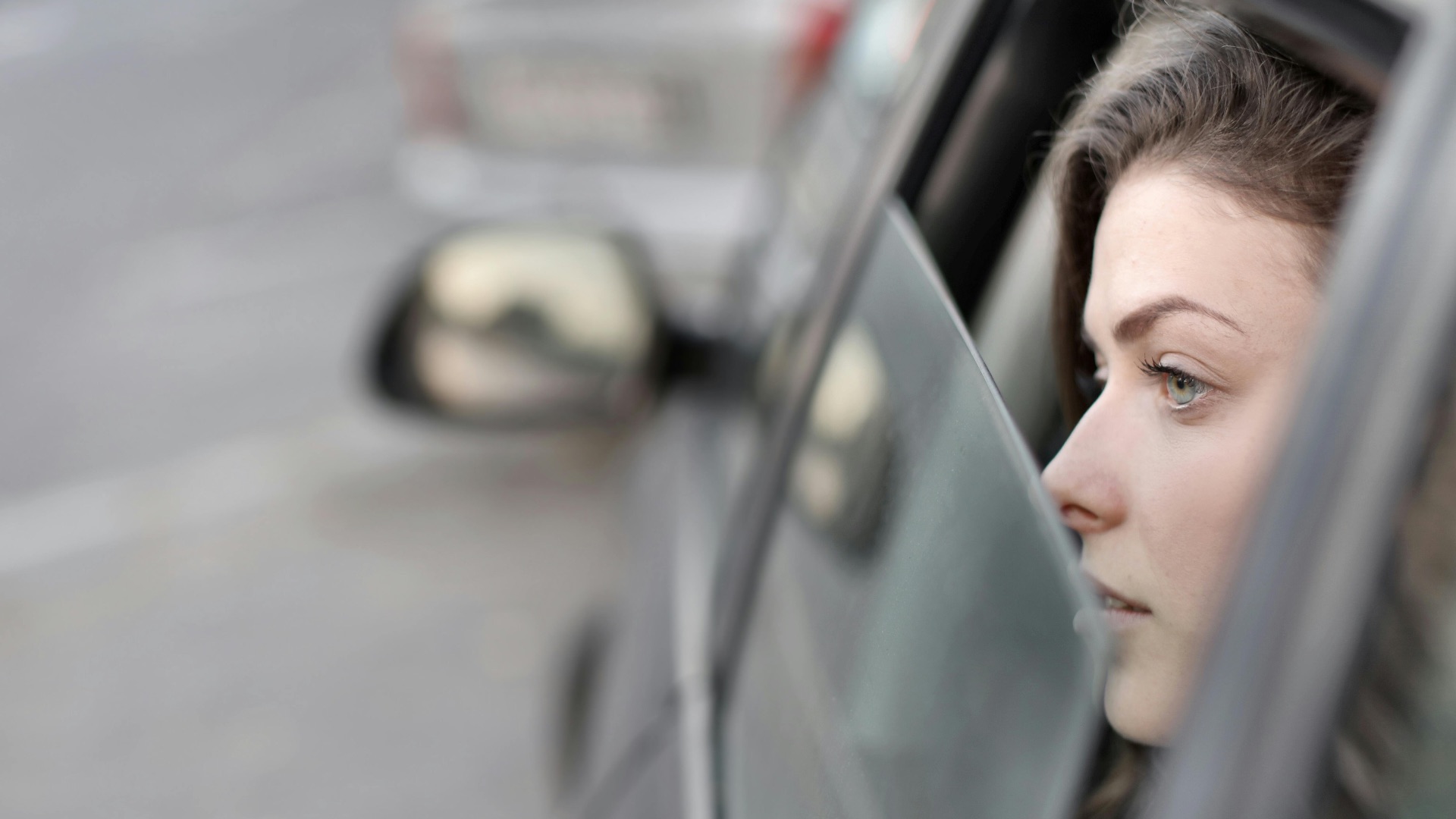
When scenery rushes past from the side, your eyes take in a lot of unstable visual information at once. That can make your brain feel even less certain about what's going on, exacerbating your symptoms. Instead of helping you orient yourself, the view can sometimes leave you feeling even more off balance.
8. Stop-and-Go Traffic
Frequent braking, sudden acceleration, and constant small shifts in speed can be especially hard to tolerate. Your body never really gets a chance to settle into a rhythm, so the motion feels jerky and unpredictable. A traffic jam may be annoying for everyone, but it's often particularly miserable if you get carsick.

9. Looking Away from the Road for Long Periods
While watching things speed past might only make your symptoms worse, it's also not good to keep your eyes off your surroundings entirely; spending too much time staring at your lap, the seat in front of you, or random objects inside the car can actually make things worse. After all, your brain has a harder time processing motion when your visual cues don't line up with the direction of travel. The longer that disconnect lasts, the more likely you are to start feeling sick.
10. Pushing Through Early Symptoms
A lot of people try to ignore that first hint of warmth, dizziness, or stomach discomfort and hope it passes. Unfortunately, motion sickness often gets harder to control once it has fully set in. Waiting too long to adjust your position, get air, or change your focus can make recovery much slower, which means you suffer more.
Now that you know what habits and conditions tend to aggravate carsickness, let's take a look at what helps make the ride go much smoother.

1. Looking Straight Ahead
Contrary to what you might think (that it's better not to look at the road at all), keeping your eyes on the road ahead helps your brain match what you see with what your body is feeling. Make sure you stare straight ahead—that steady forward view gives you more reliable visual information than looking down or to the side, so it's less likely to aggravate your symptoms.
2. Choosing the Front Seat When Possible
The front passenger seat usually offers the most stable view and the clearest sense of the car's movement; you can better anticipate turns, stops, and changes in speed, which reduces that disorienting mismatch. If riding shotgun is an option, it's often worth taking it rather than choosing to sit in the back.
3. Eating a Small, Plain Snack Before Travel
Remember how we said it's not good to ride on an empty stomach? While you should avoid heavy meals, a light snack can help settle your stomach without making you feel weighed down. Crackers, toast, bananas, or other bland foods are often easier to tolerate than rich or spicy meals. The goal is to avoid being either too full or too hungry when the trip begins.

4. Cracking a Window for Fresh Air
Instead of suffering in a stuffy car, make sure to crack the window open; cool, moving air can make the car feel less stuffy and less claustrophobic once symptoms start creeping in. It also helps cut down on lingering odors that may be adding to your discomfort.
5. Keeping Your Head Still and Supported
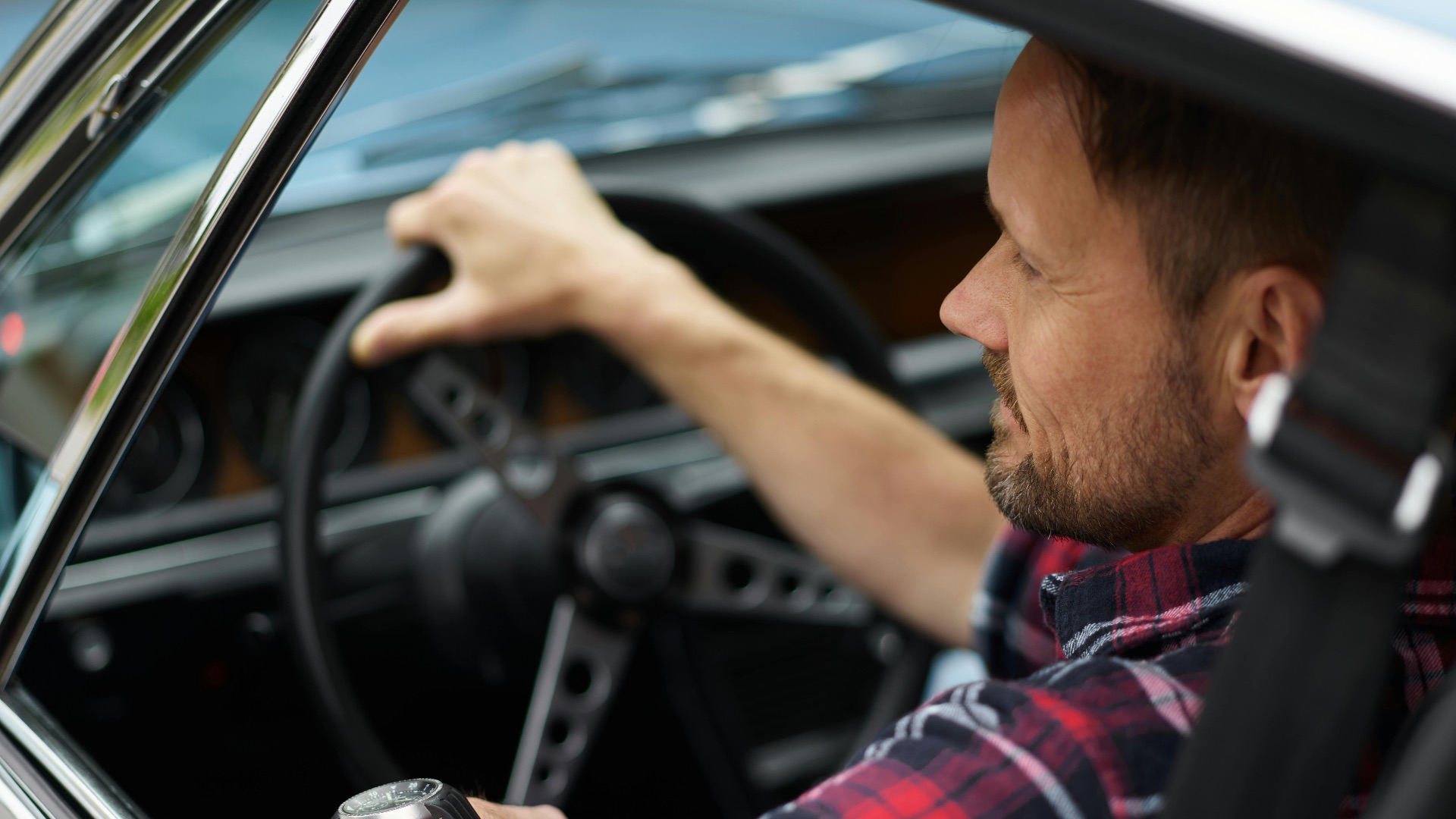
Believe it or not, leaning back against the headrest can reduce extra motion and help your body feel more stable during the ride. The less your head bobs or shifts with every turn and bump, the easier the trip may feel. While a supported position won't erase motion sickness entirely, it can definitely make the ride easier to handle.

6. Avoiding Strong Smells Before and During the Trip
As mentioned, it helps to keep the car free of heavy perfumes, scented products, and intense food smells when you're prone to nausea. A more neutral environment gives your stomach less to react to while you're already dealing with motion.

7. Using Motion Sickness Remedies Before Symptoms Peak
Whether it's acupressure bands, ginger candies, sour gummies, or over-the-counter medication, the time you take them matters more than you might expect. These remedies usually work best when you use them before the nausea becomes severe. Waiting until you're already miserable can make them far less useful.

8. Taking Breaks on Longer Drives
If you're not feeling so hot, stopping for a few minutes helps let your body reset and gives your stomach a chance to settle. Walking around, breathing fresh air, and standing on stable ground can all help interrupt the cycle of discomfort. On a long road trip, regular breaks can make a big difference.

9. Staying Hydrated
Small sips of water can help you feel better, especially if heat or anxiety is adding to the problem. Drinking too much all at once, though, can leave your stomach sloshing in a way that doesn't feel great either. So remember to find a good balance!

10. Resting Your Eyes
If looking outside isn't helping and you're starting to feel overwhelmed, closing your eyes for a while may reduce the visual confusion. That can be especially useful when the road is curvy or the passing scenery is making you feel worse. It's not a perfect fix for everyone, but for some people it takes the edge off enough to get through the ride.