20 Things to Do Before Leaving Your Car Parked for Weeks
A Little Prep Goes a Long Way
Leaving your car untouched for several weeks takes a little more planning than simply finding a parking spot and walking away. Batteries can drain, tires can lose pressure, and anything forgotten inside the cabin can become an unpleasant surprise by the time you get back. Whether you're heading on a long vacation, traveling for work, or just won't need your car for a while, here are 20 simple precautions that can help make sure it's ready when you return.
 Gerrie van der Walt on Unsplash
1. Fill Up the Gas Tank
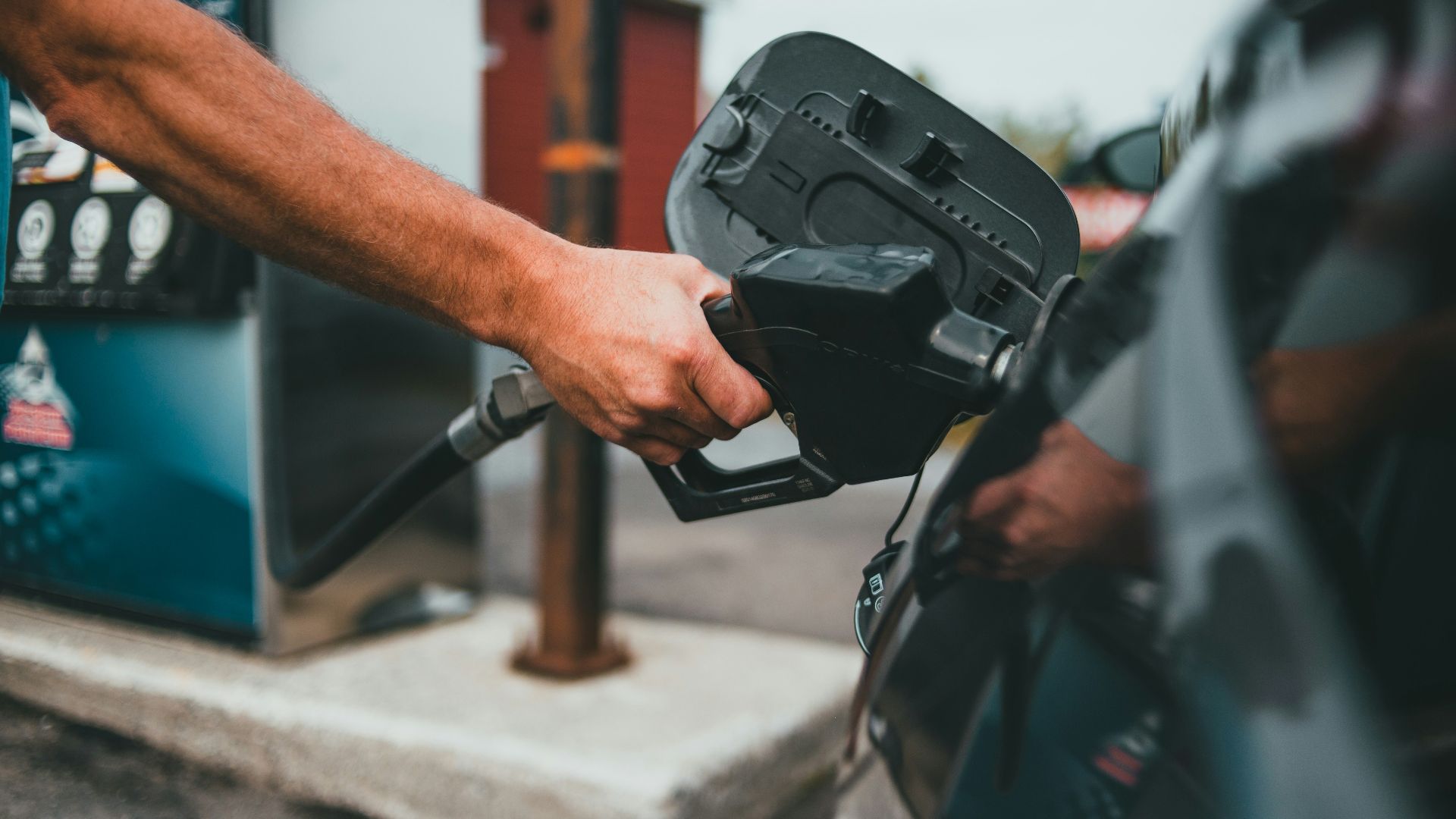
A mostly full fuel tank leaves less empty space where moisture can collect while the car sits. That's particularly useful if your vehicle will be stored somewhere with changes in temperature and humidity. You don't need to squeeze in every last drop, but filling up shortly before parking is a smart precaution.
2. Consider Adding Fuel Stabilizer
If your car will be sitting for several weeks or potentially a few months, fuel stabilizer can help keep gasoline from degrading as quickly. Follow the product's directions carefully, since you'll typically want to add it before filling the tank and then drive briefly to circulate the treated fuel. For a relatively short storage period, it may not be essential, but it's worth considering if your return date isn't set in stone.
3. Check the Tire Pressure
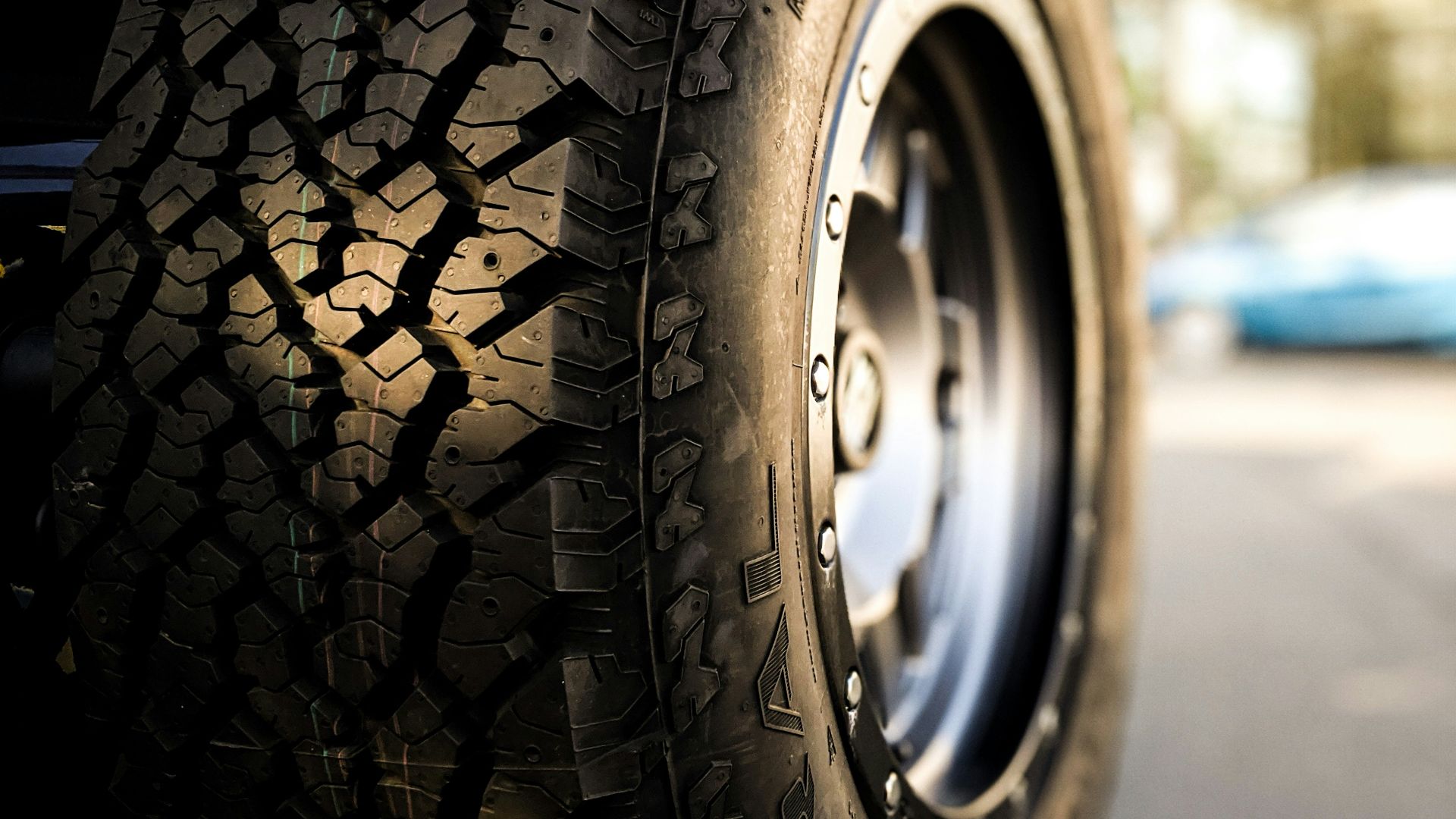
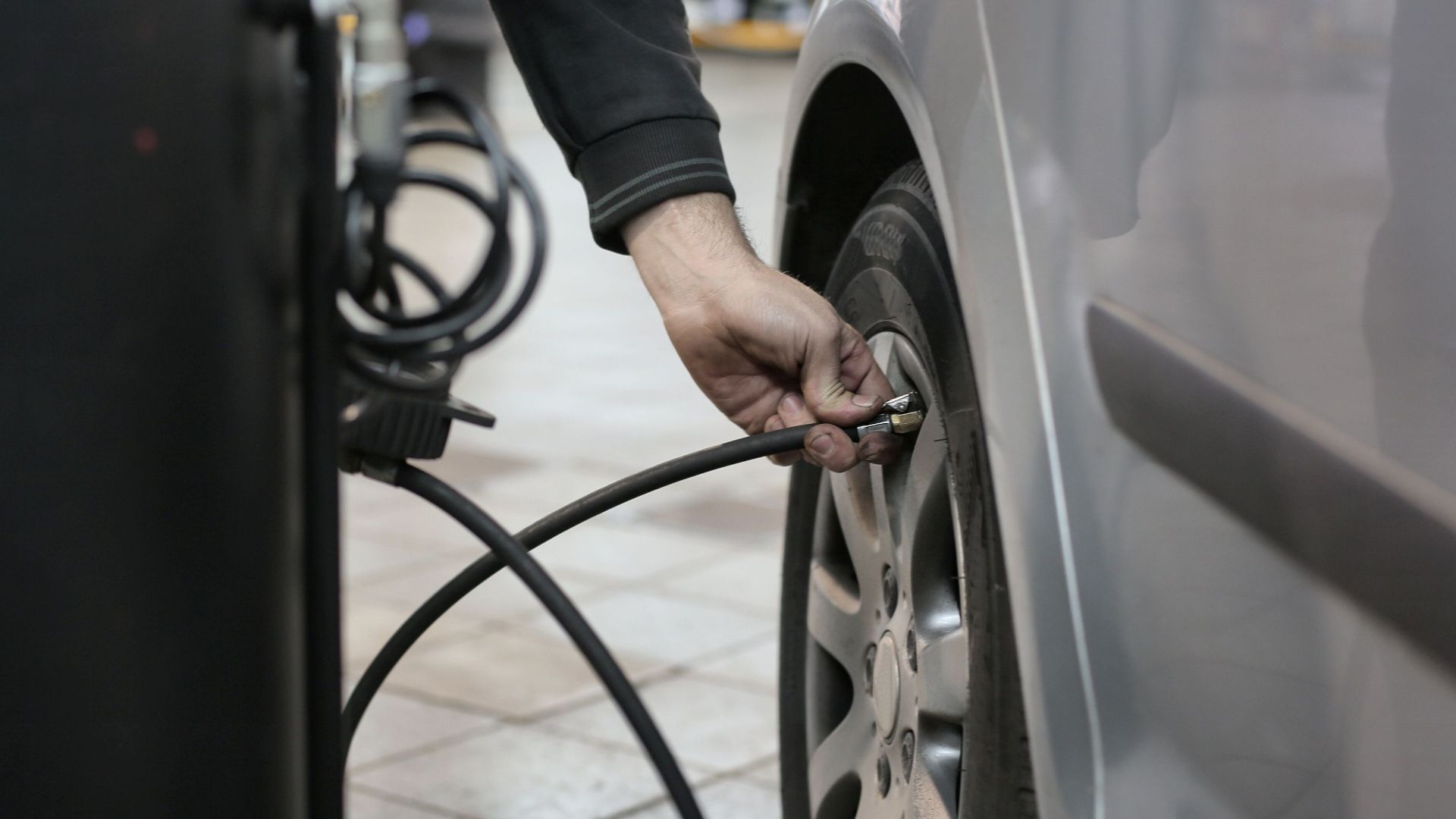
Tires naturally lose some air over time, even when the vehicle isn't moving. Check all four tires and inflate them to the pressure recommended by the vehicle manufacturer before parking. Starting at the correct pressure reduces the chance that you'll return to noticeably underinflated tires.
4. Don't Overinflate the Tires
Trying to prevent pressure loss by pumping the tires well beyond the recommended level isn't a good solution. Excessive tire pressure can affect the tire's shape and create other problems once you start driving again. Stick with the pressure listed on the driver's doorjamb or in the owner's manual rather than guessing.
5. Give the Car a Proper Wash
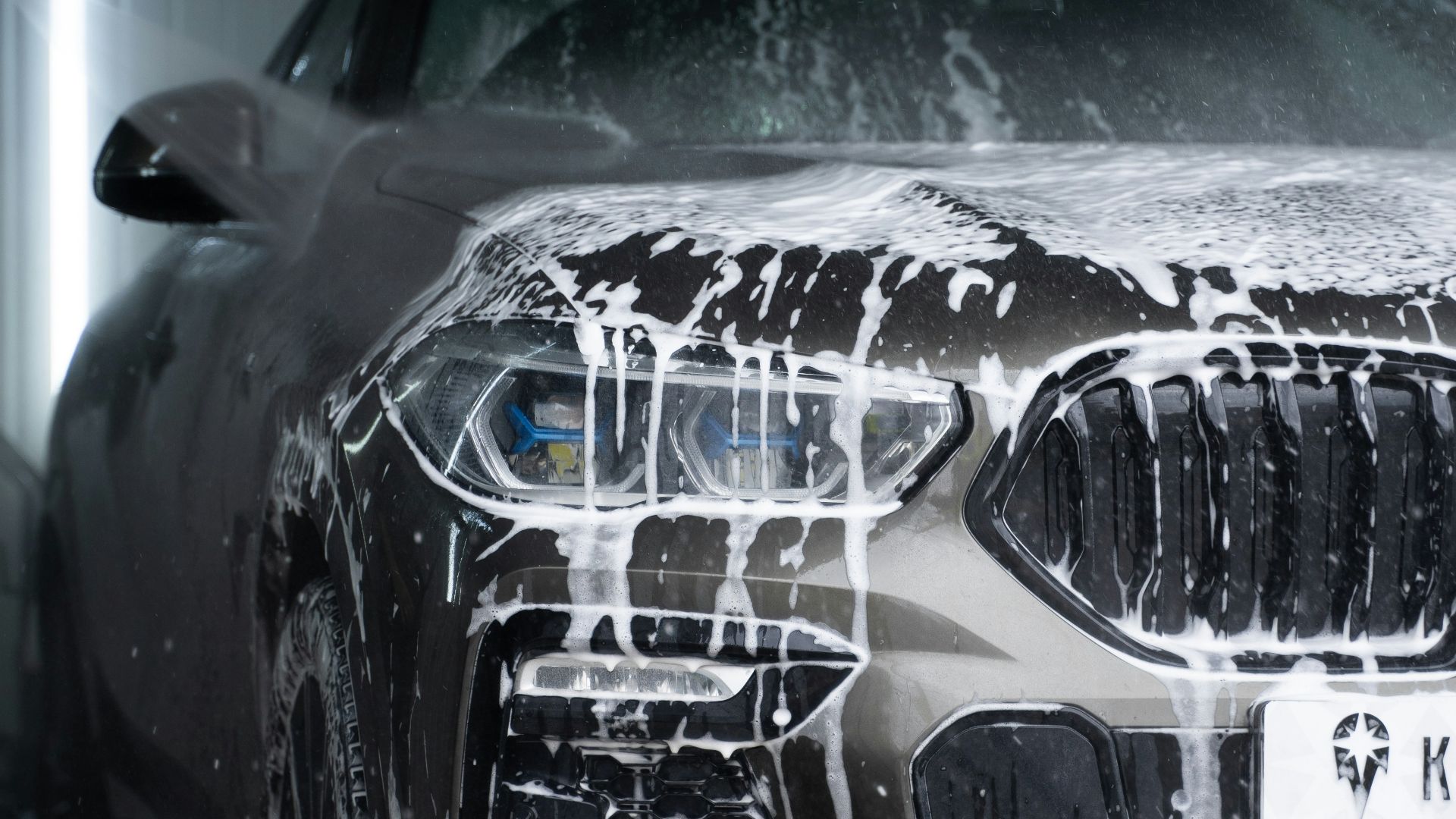
Dirt, bird droppings, tree sap, road salt, and bug residue aren't things you want sitting on the paint for weeks. Washing the exterior before storage removes substances that can stain or damage the finish if they're left there too long. Make sure the vehicle is reasonably dry afterward, particularly if it'll be parked indoors.
6. Clean Out the Interior
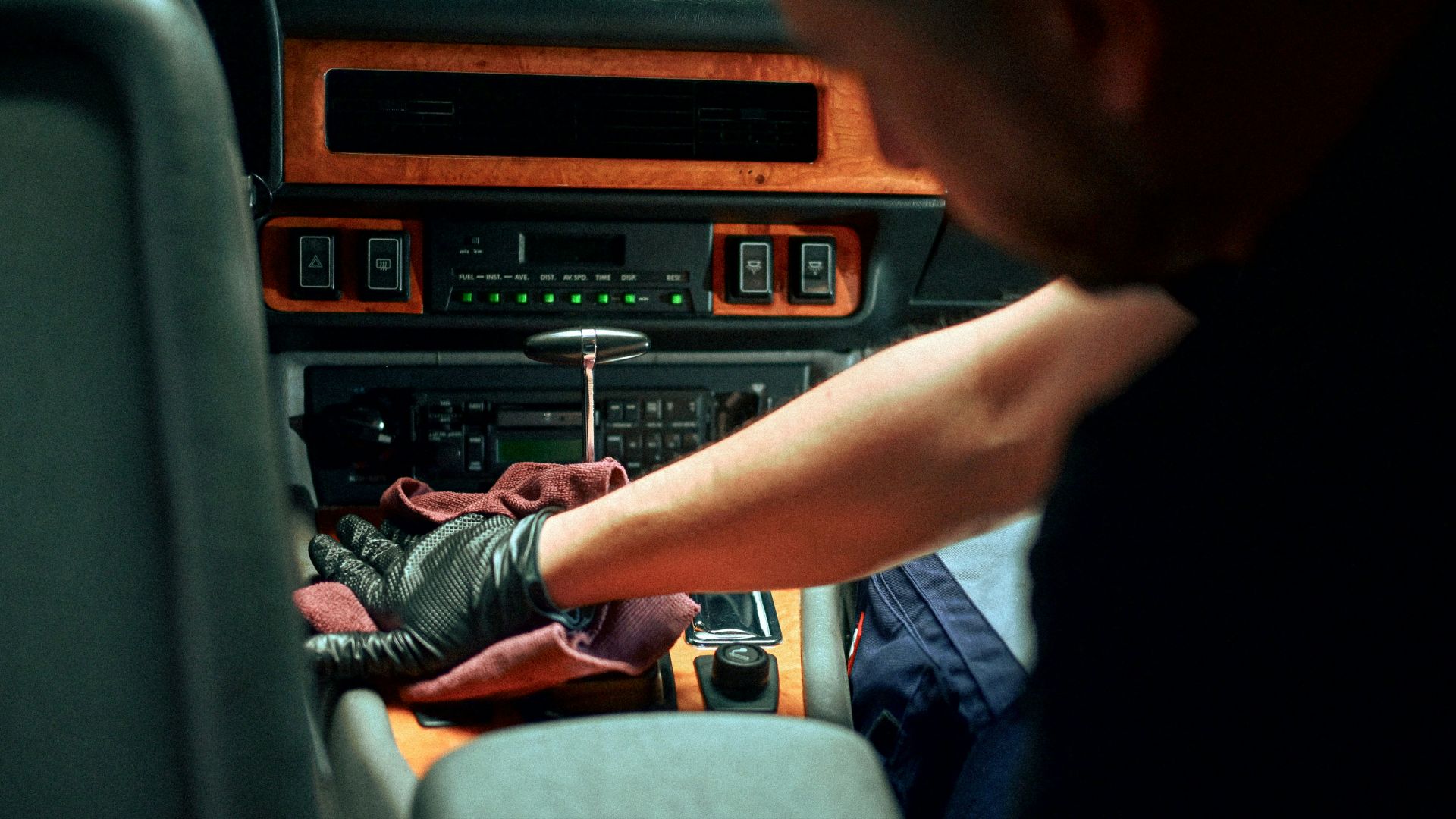
That half-empty coffee cup and forgotten granola bar won't improve with age while you're away. Remove food, drinks, garbage, damp towels, and anything else that could produce smells, mold, or attract pests. A quick vacuum also gets rid of crumbs that insects and rodents might otherwise discover before you do.
7. Check the Fluids
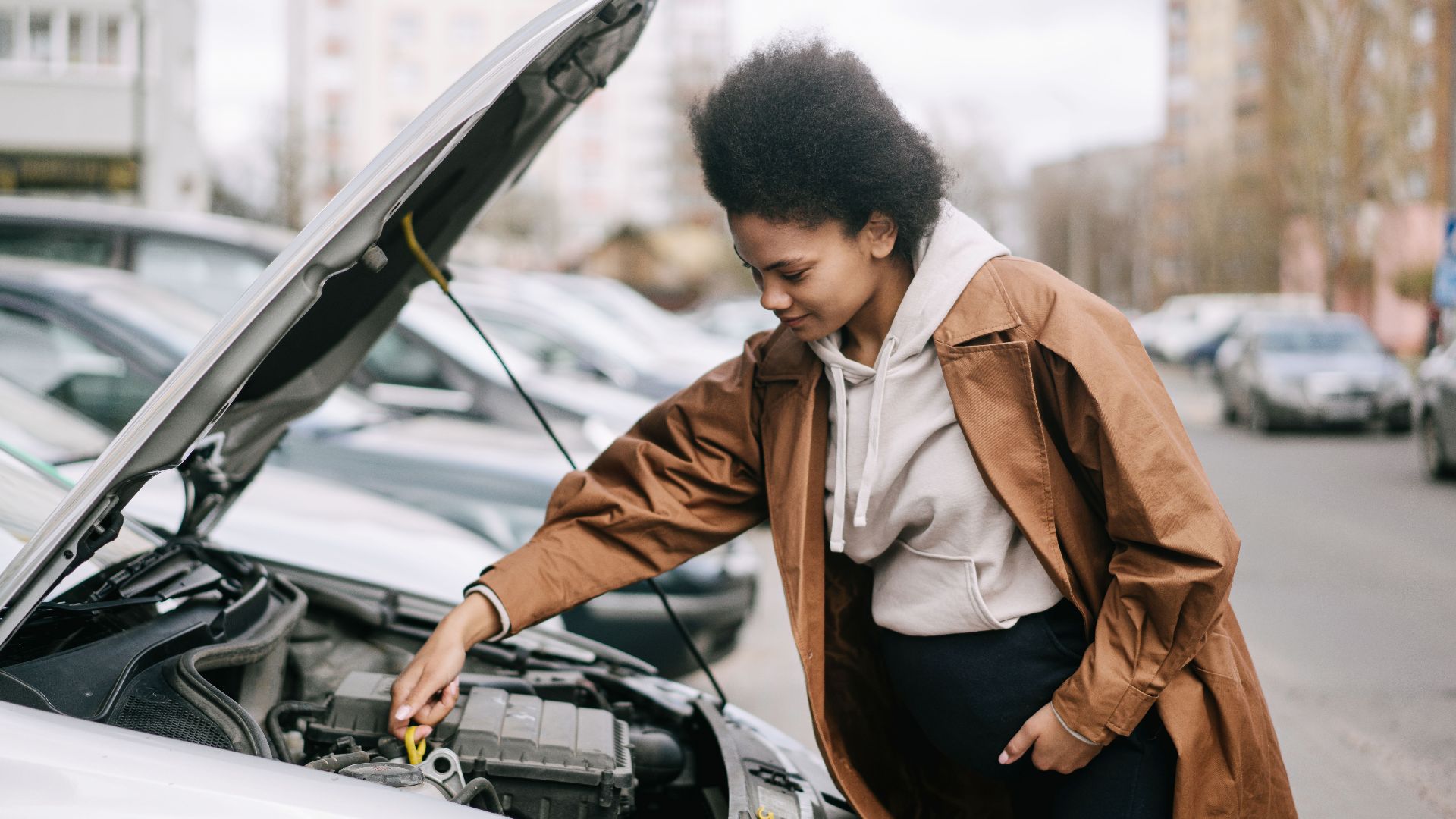
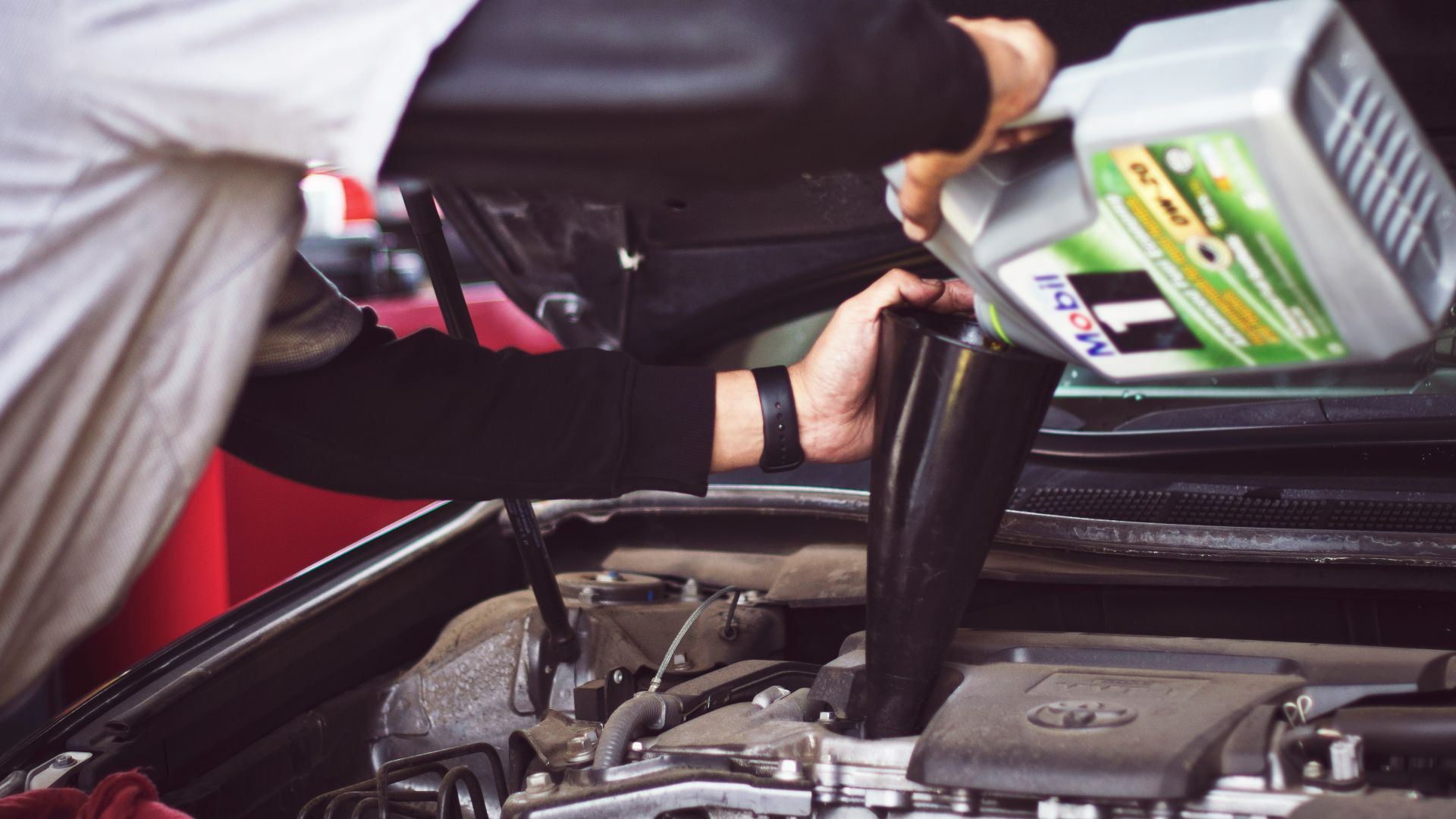
Take a moment to look at important fluid levels before leaving the car parked. Engine oil, coolant, brake fluid, and windshield washer fluid are among the basics worth checking, especially if any are already running low. Parking for weeks doesn't usually cause fluids to disappear, but spotting an existing leak before you leave is much better than finding evidence of one afterward.
8. Deal With an Oil Change That's Already Due
If your car is already overdue for an oil change, don't use long-term parking as another reason to postpone it. Getting the service done beforehand means the engine will be ready to go when you return. There's generally no need to change perfectly good oil solely because a vehicle will sit for a few weeks.
9. Protect the Battery
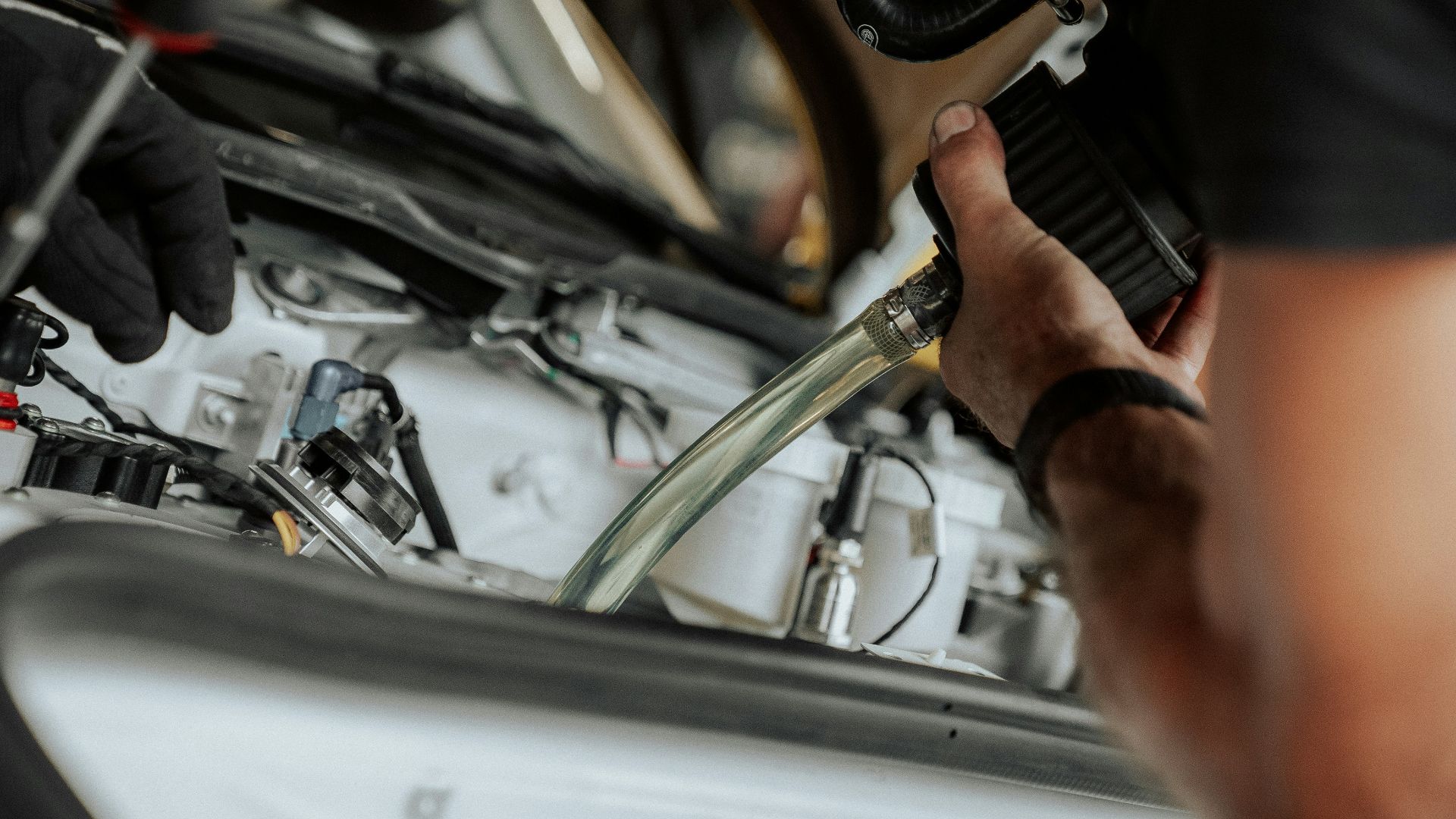
Modern cars continue drawing a small amount of electricity even when they're switched off, which can gradually weaken the battery. If the battery is older, the car will be sitting for an especially long time, or you already have slow-starting issues, consider using a compatible battery maintainer or even disconnecting the battery.
10. Don't Ask Someone to Start It for Five Minutes
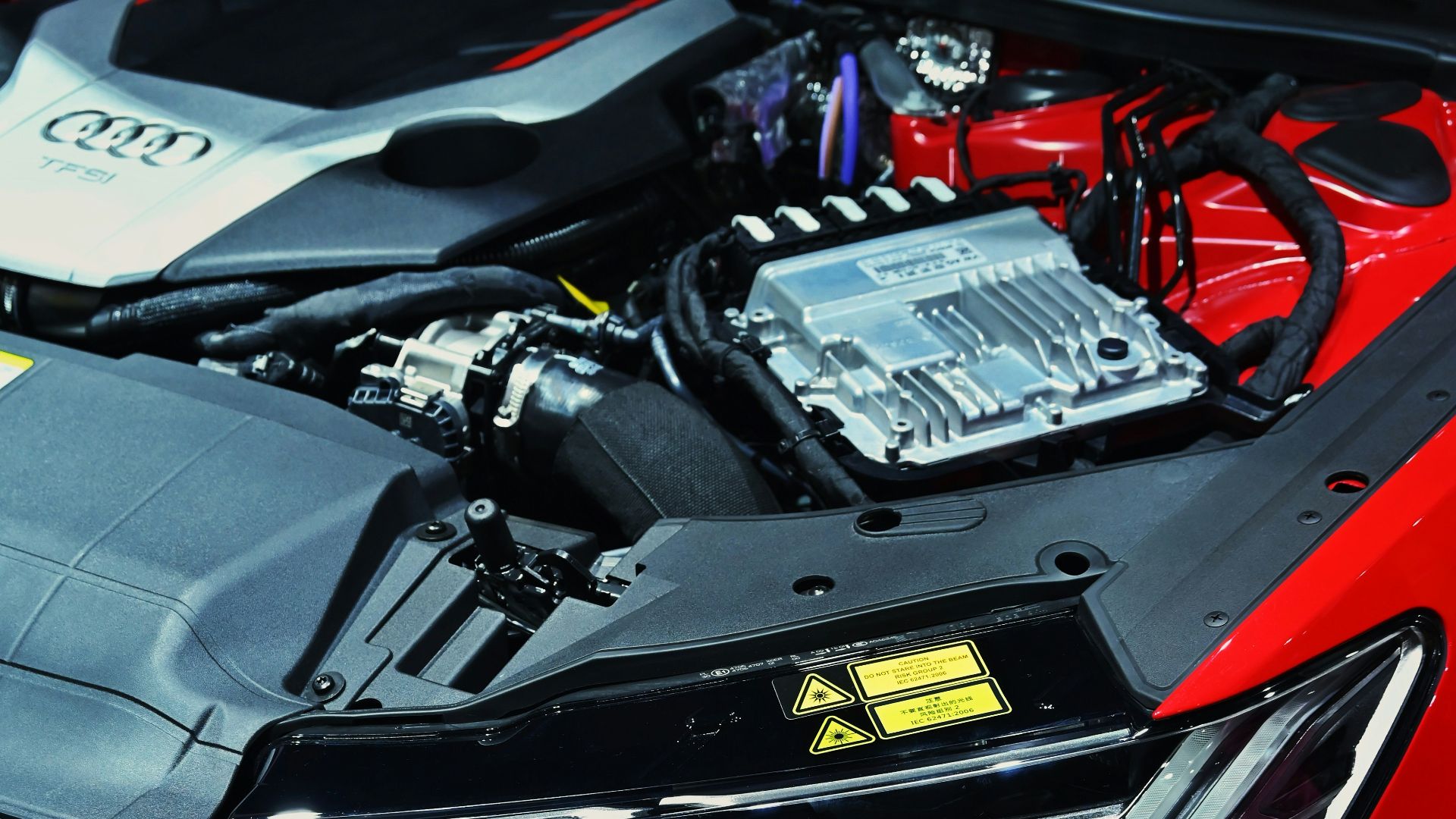
Having a friend briefly start the engine every few days might sound helpful, but short periods of idling aren't necessarily doing the car any favors. The engine may not reach full operating temperature, and simply idling may not restore much of the energy used to start it. If someone is going to exercise the car, an actual drive long enough to fully warm it up is generally more useful.
11. Choose the Parking Location Carefully
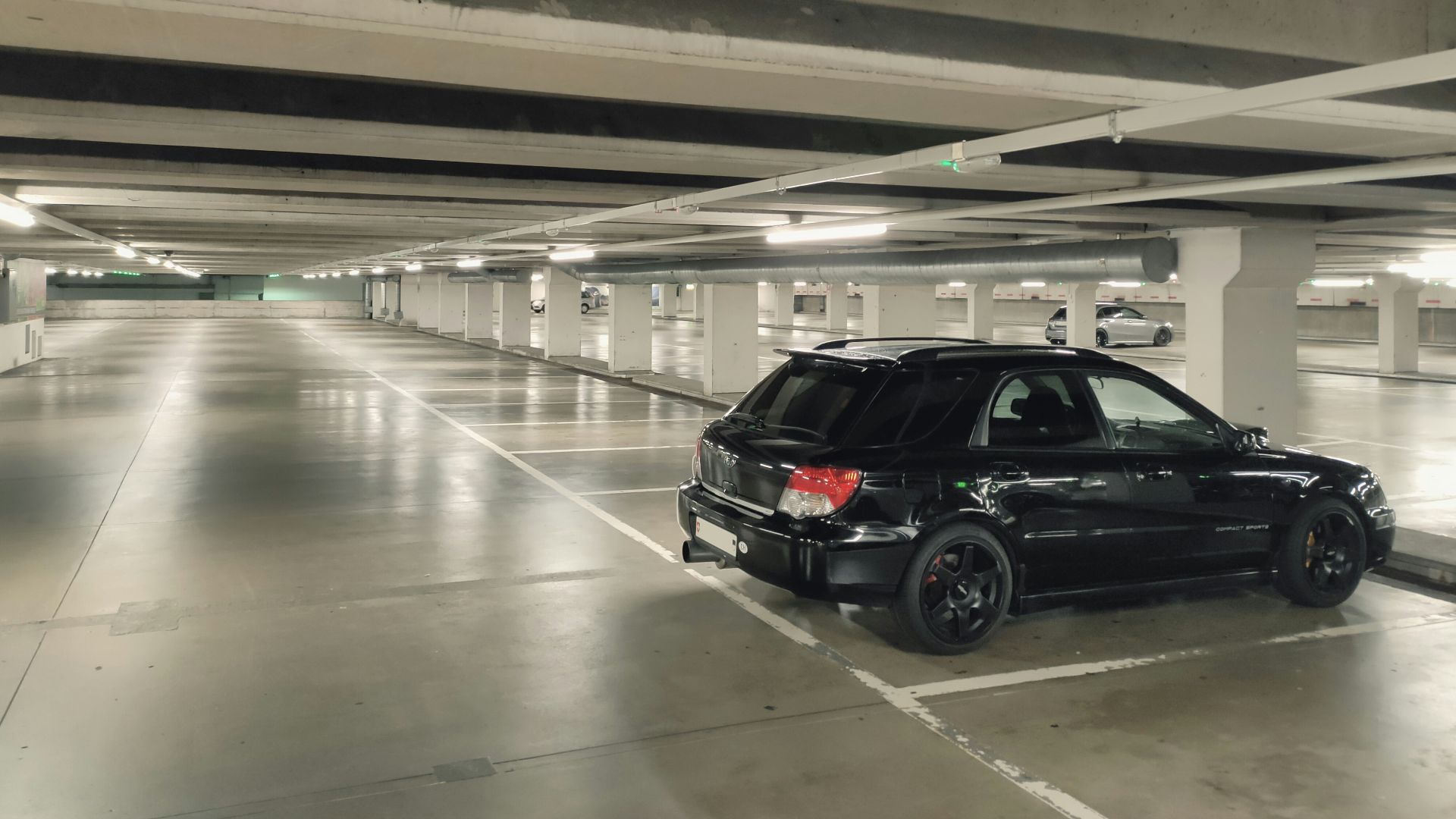
A garage or other covered storage area offers protection from sunlight, severe weather, falling branches, and plenty of other outdoor hazards. If indoor parking isn't available, look for a secure spot that isn't directly beneath trees or in an area known to collect standing water. Spending an extra few minutes choosing the location can save you plenty of cleanup later.
12. Think Twice About the Parking Brake
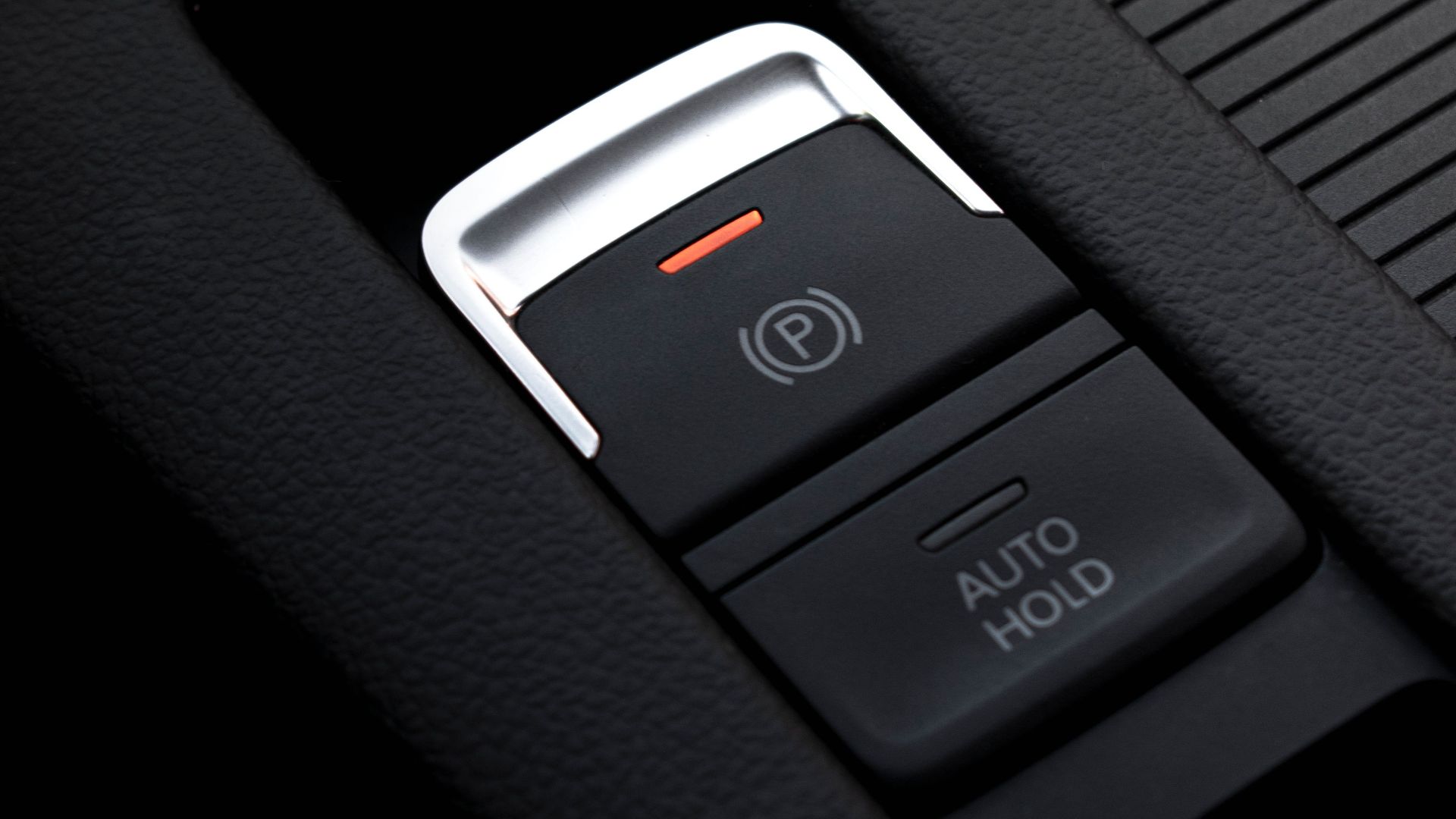
For a car sitting only a short time, using the parking brake normally isn't likely to be an issue. During longer storage, however, moisture and corrosion can sometimes cause parking-brake components to stick. Check your owner's manual for storage recommendations, particularly if you're planning to leave the vehicle untouched for months rather than weeks.
13. Make Sure It's Securely Parked
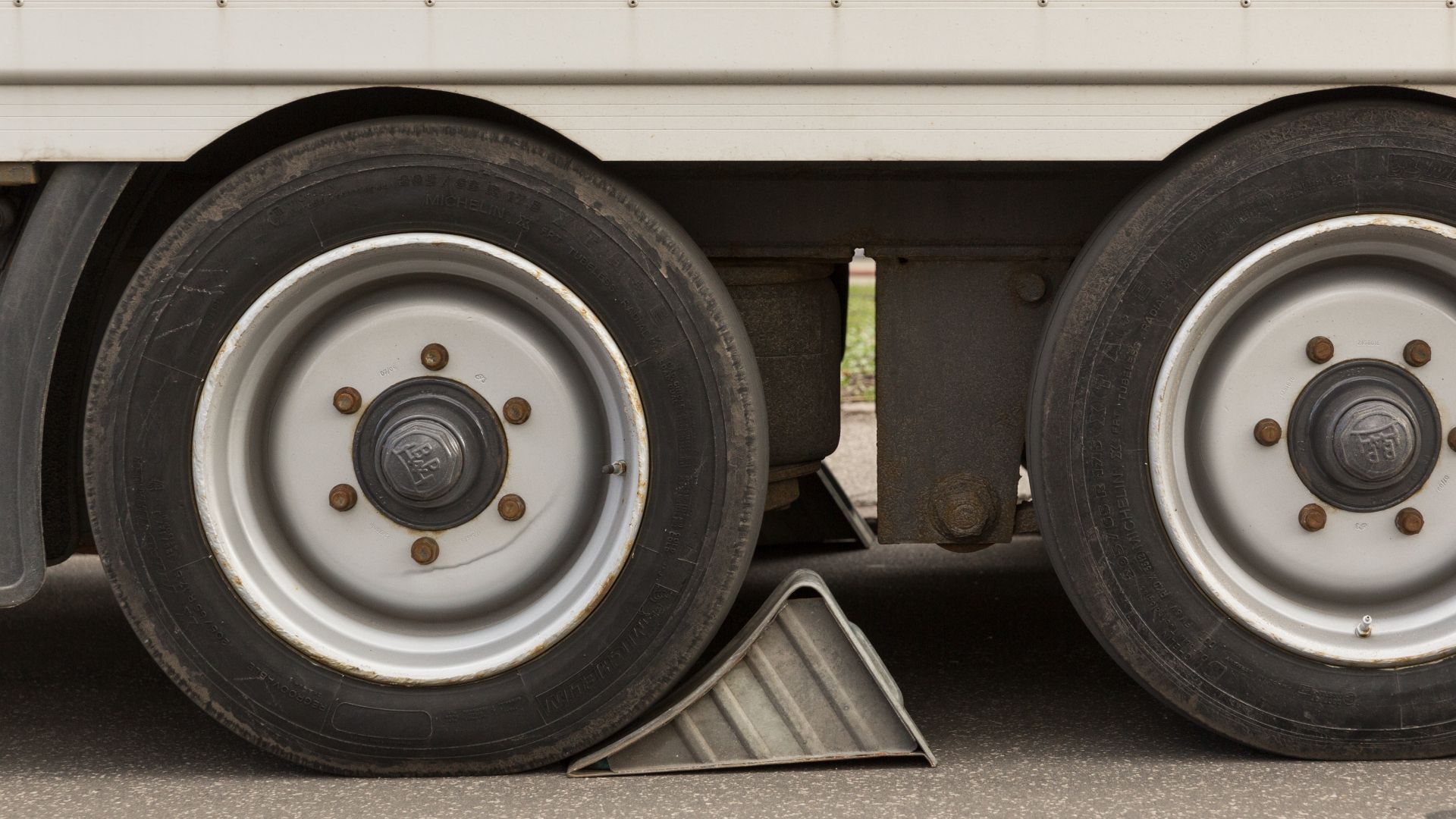
If you aren't using the parking brake, you'll still need to make absolutely sure the car can't move. An automatic vehicle should be firmly in Park, while a manual transmission can be left in the appropriate gear according to the manufacturer's instructions. Wheel chocks may also be suitable in certain storage situations, particularly on private property.
 Villy Fink Isaksen on Wikimedia
14. Keep Rodents in Mind
A stationary car can become surprisingly appealing to mice and other small animals, especially when it's parked in a quiet garage or rural area. Rodents can damage wiring, insulation, air filters, and other components if they decide to settle in. Keeping the surrounding storage area clean and removing nearby food sources can help make your vehicle less inviting.

15. Don't Leave Valuables Inside
Even if the car is parked somewhere you consider secure, take expensive or important belongings with you. Laptops, electronics, documents, spare keys, and anything containing personal information shouldn't spend weeks sitting unattended inside a vehicle. You'll also have fewer things cluttering the cabin when you return.

16. Check That Every Window Is Closed
Cracking the windows for ventilation might seem harmless in a garage, but it can also make it easier for moisture, dust, insects, or rodents to enter the cabin. Confirm that the windows, sunroof, trunk, and doors are all fully closed before leaving. It's an easy detail to overlook when you're rushing to catch a flight or finish packing.
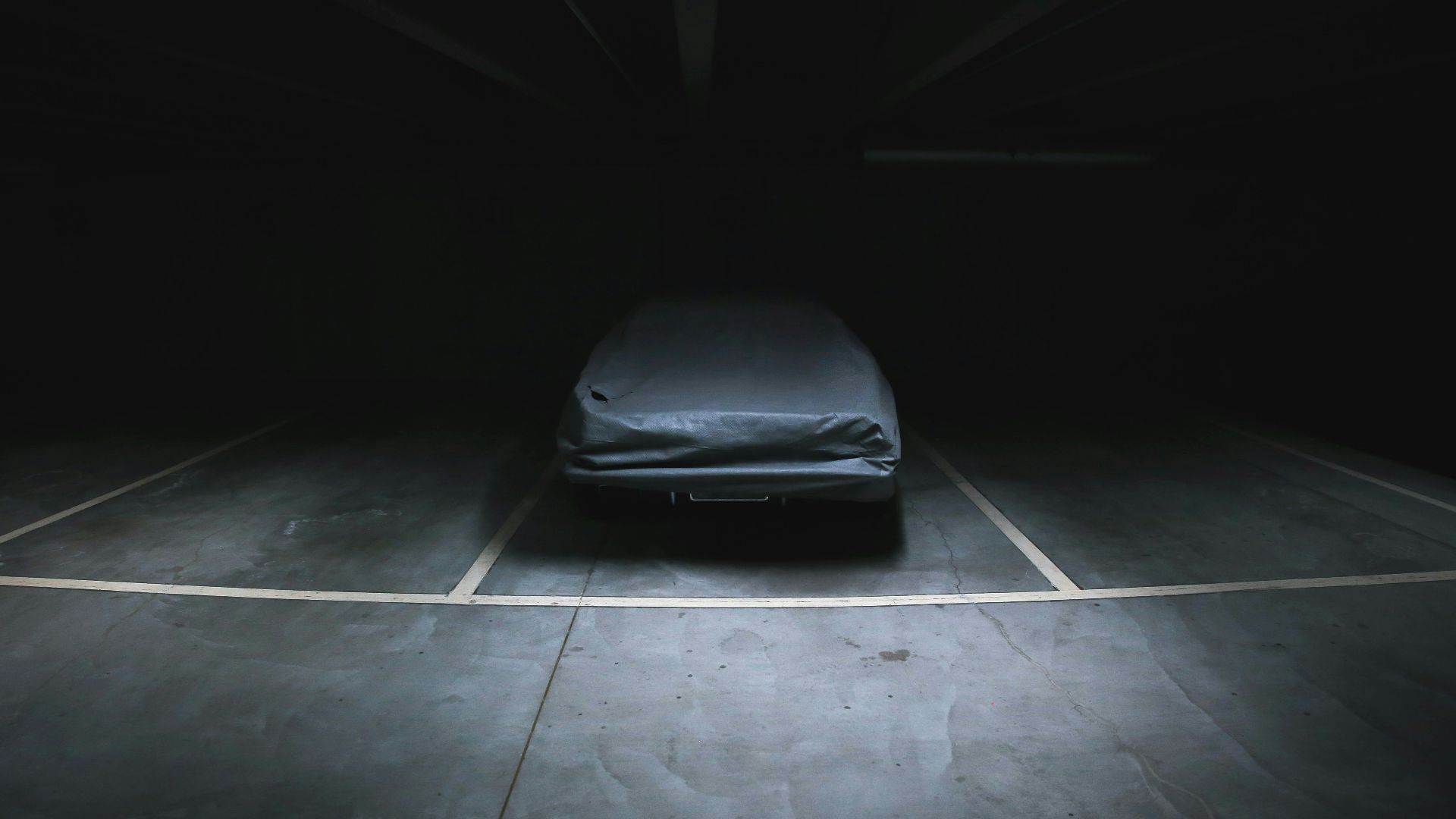
17. Decide Whether a Car Cover Makes Sense
A good-quality car cover can protect the paint from dust, sunlight, bird droppings, and other debris, particularly when the vehicle is stored outdoors. The cover should fit properly and be designed for the conditions where you're parking, since a loose cover rubbing against dirty paint can cause problems of its own. If you're storing the car indoors, a breathable indoor cover can mainly help keep dust away.
 Frederik Højfeldt Nielsen on Unsplash
18. Turn Off Accessories
Double-check that headlights, cabin lights, dash cameras, phone chargers, and other electrical accessories aren't unnecessarily drawing power. Some devices stay active even after you've turned off the ignition, depending on how they're connected. Removing or switching them off can give the battery a better chance of surviving your absence.

19. Check Your Insurance & Parking Rules
Don't assume your normal parking arrangement automatically works when a car is left untouched for an extended period. Apartment buildings, airports, workplaces, and city streets may have time limits or rules regarding long-term vehicle storage. It's also worth understanding what your insurance coverage requires before changing where or how the vehicle is kept.

20. Plan a Quick Inspection Before Driving Again
When you finally return, don't immediately jump in and head onto the highway. Walk around the car first and look for low tires, leaks, animal damage, broken lights, or anything unusual around the vehicle. Once it's running, pay attention to warning lights and unusual sounds, and give the car a few minutes of easy driving before settling back into your normal routine.