Your Car Usually Gives You Some Warning
Transmission problems don't always arrive with a dramatic breakdown on the side of the road. In many cases, your car starts dropping smaller hints long before things get that serious, from odd noises to changes in the way it shifts. Some symptoms can have other causes, but recognizing them early gives you a chance to get the problem checked before a small repair potentially turns into a much more expensive one. Here are 20 warning signs that your transmission is starting to fail.

1. Your Car Hesitates Before Going Into Gear
You shift from park into drive, but the car takes a moment before anything actually happens. A noticeable delay in engagement can point to low transmission fluid, internal wear, or problems with hydraulic pressure. If that pause keeps getting longer, it's worth having the transmission checked.
2. Gear Changes Feel Rougher Than Usual
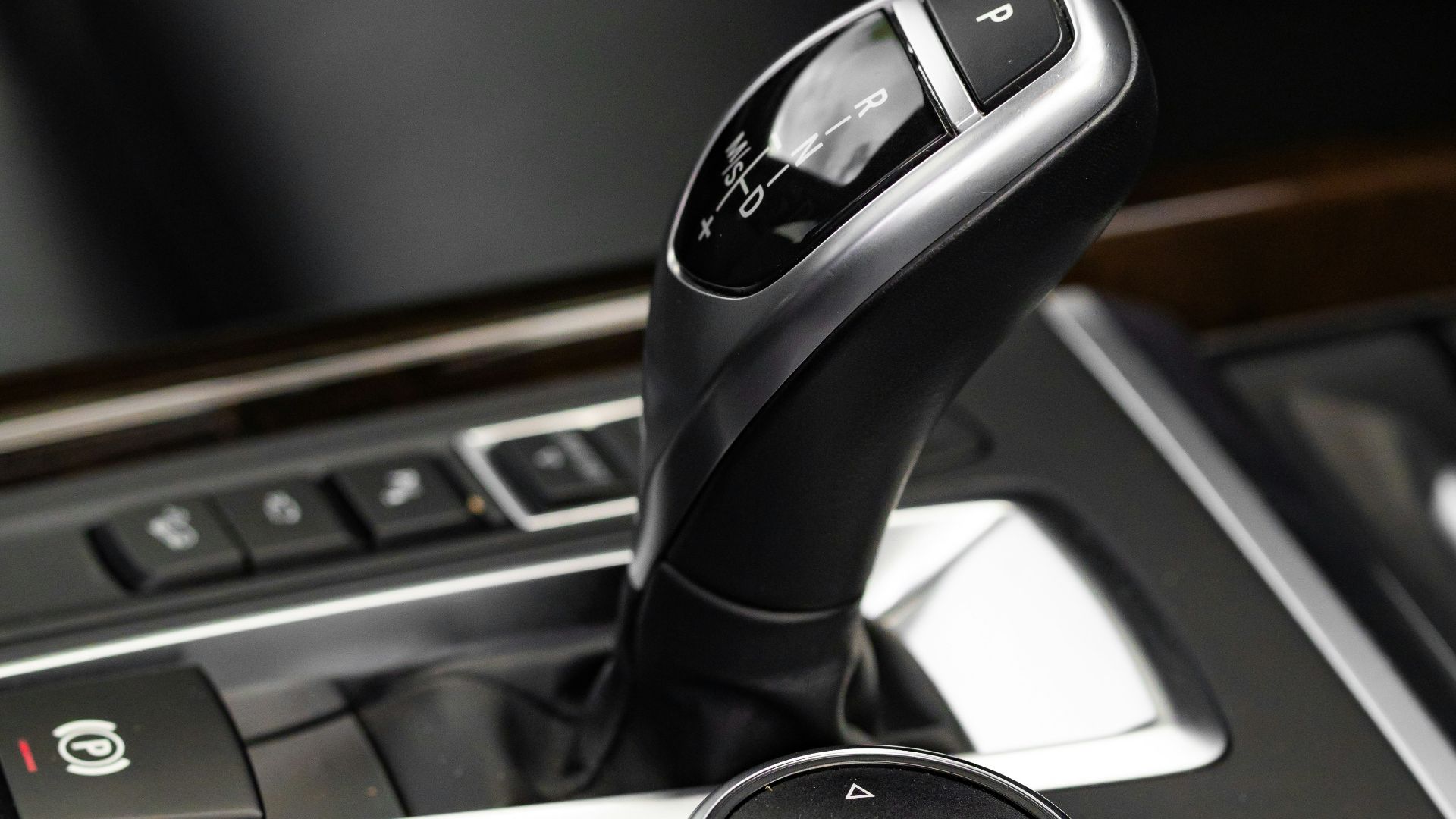
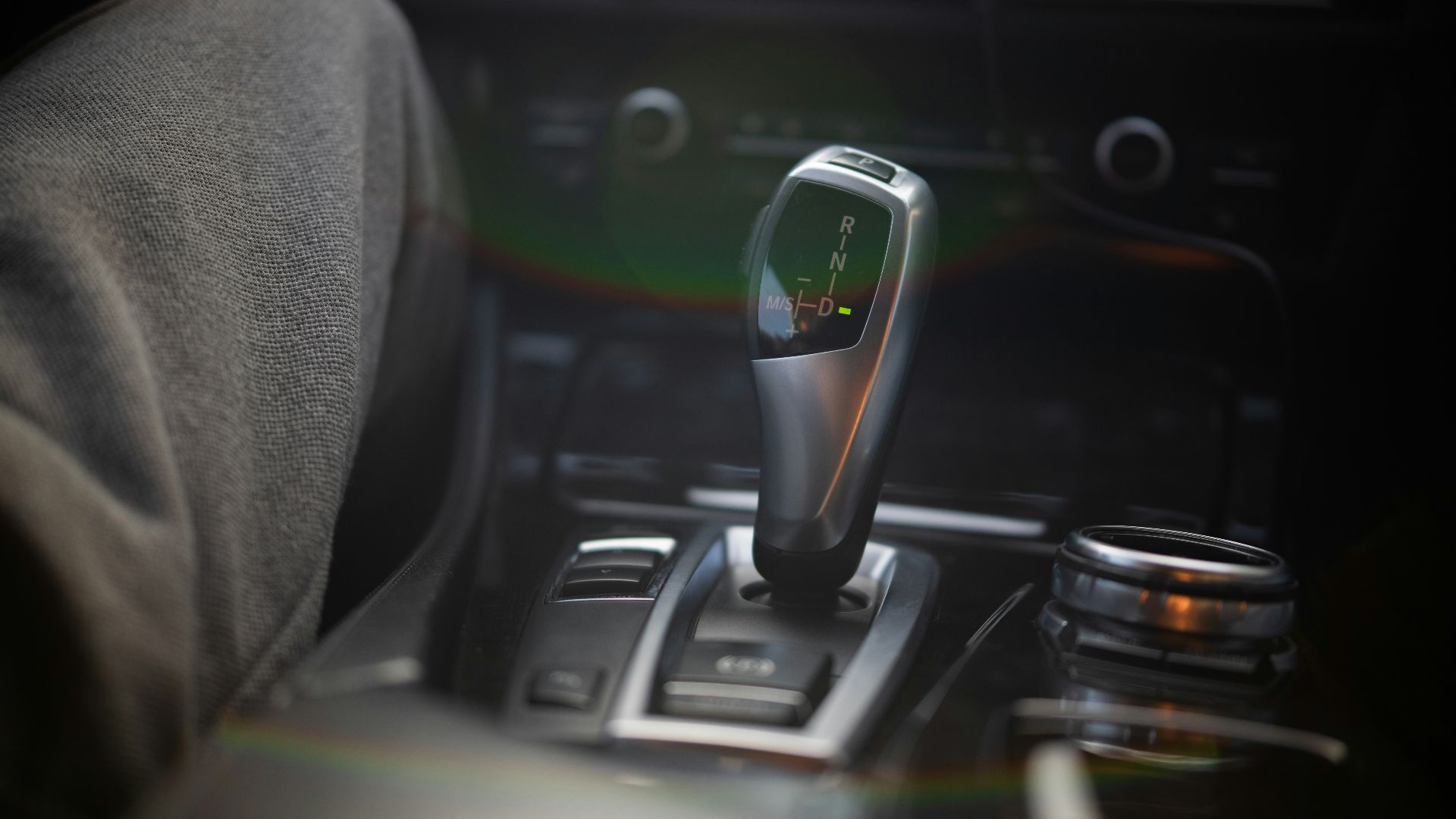
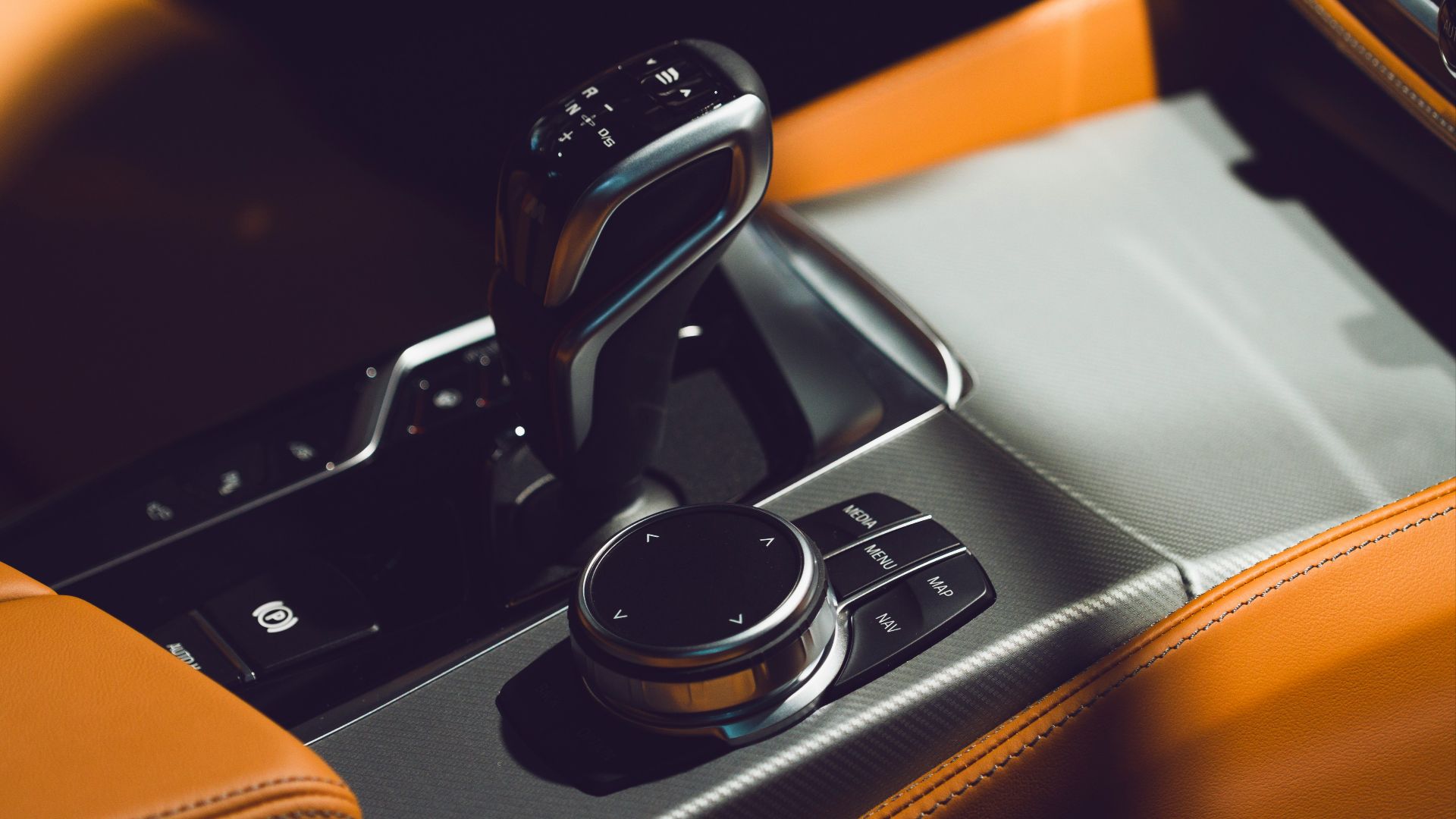
A healthy automatic transmission should generally move between gears without calling much attention to itself. When shifts suddenly start producing noticeable jolts, bumps, or kicks, something may not be working correctly. Worn internal components, fluid problems, or electronic issues can all interfere with smooth shifting.
 Mushvig Niftaliyev on Unsplash
3. The Engine Revs During Shifts
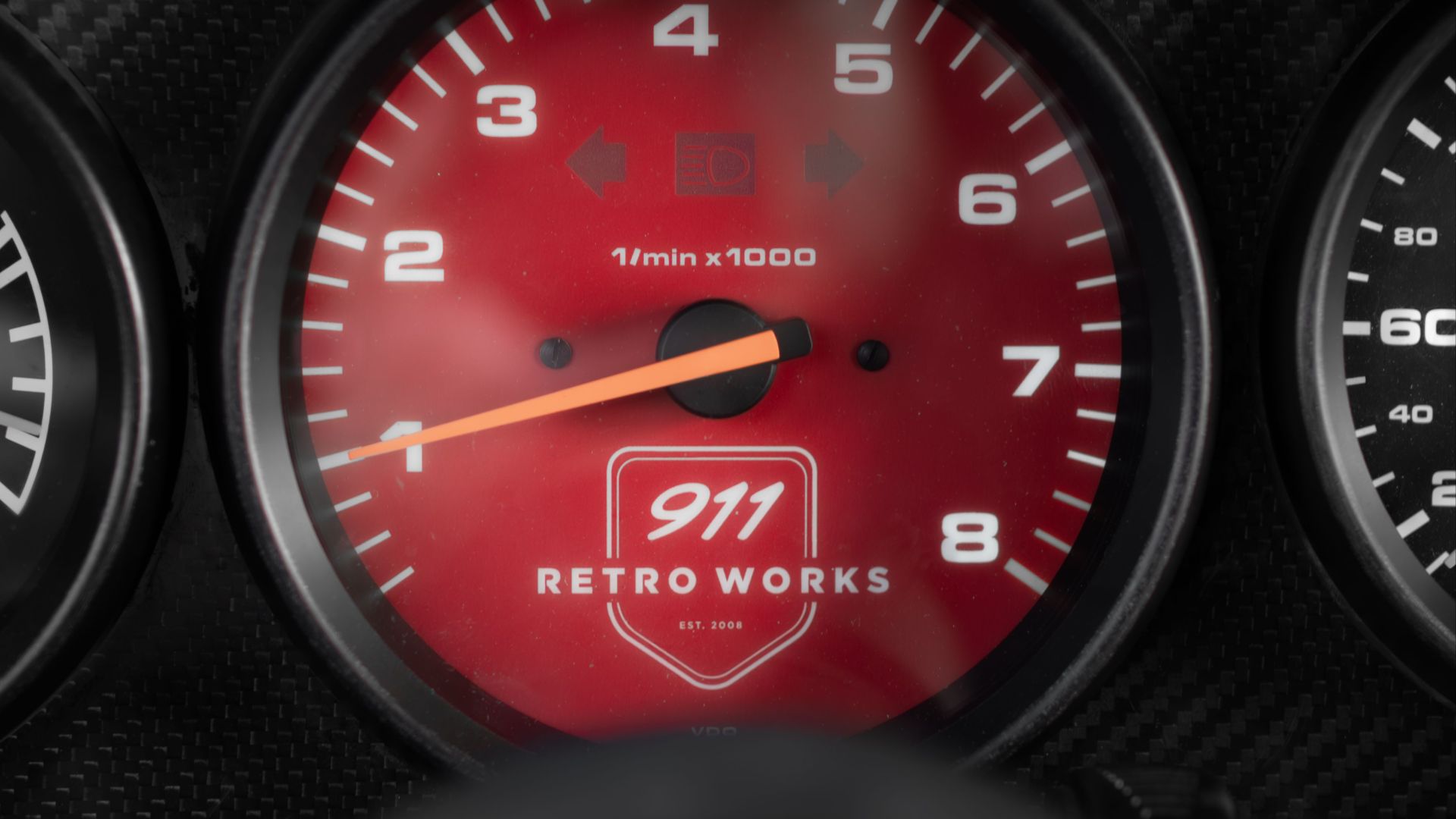
If your engine speed suddenly shoots up while the transmission is changing gears, pay attention. The transmission may be slipping instead of properly transferring power to the wheels. You might notice the tachometer climbing even though the car isn't accelerating nearly as much as you'd expect.
4. You Notice Transmission Fluid Under the Car
Transmission fluid isn't supposed to disappear under normal operation, so a puddle deserves some investigation. Depending on the vehicle and fluid type, it might look reddish, pinkish, brown, or another color. A leak can eventually leave the transmission without enough fluid for proper lubrication and hydraulic operation.

5. There's a Burning Smell
A burning smell coming from your vehicle shouldn't be ignored, particularly if it appears after driving. Overheated or deteriorated transmission fluid can produce an unpleasant smell when the system is running too hot. Continuing to drive while the transmission overheats will just lead to more internal damage.

6. The Transmission Keeps Slipping Out of Gear
Few symptoms get your attention faster than a car that won't stay in the gear it's supposed to be using. You might feel the transmission suddenly change gears or seem to slip into neutral while driving. Since unpredictable gear changes can affect your control of the vehicle, this symptom deserves immediate attention.
7. Acceleration Feels Strangely Weak
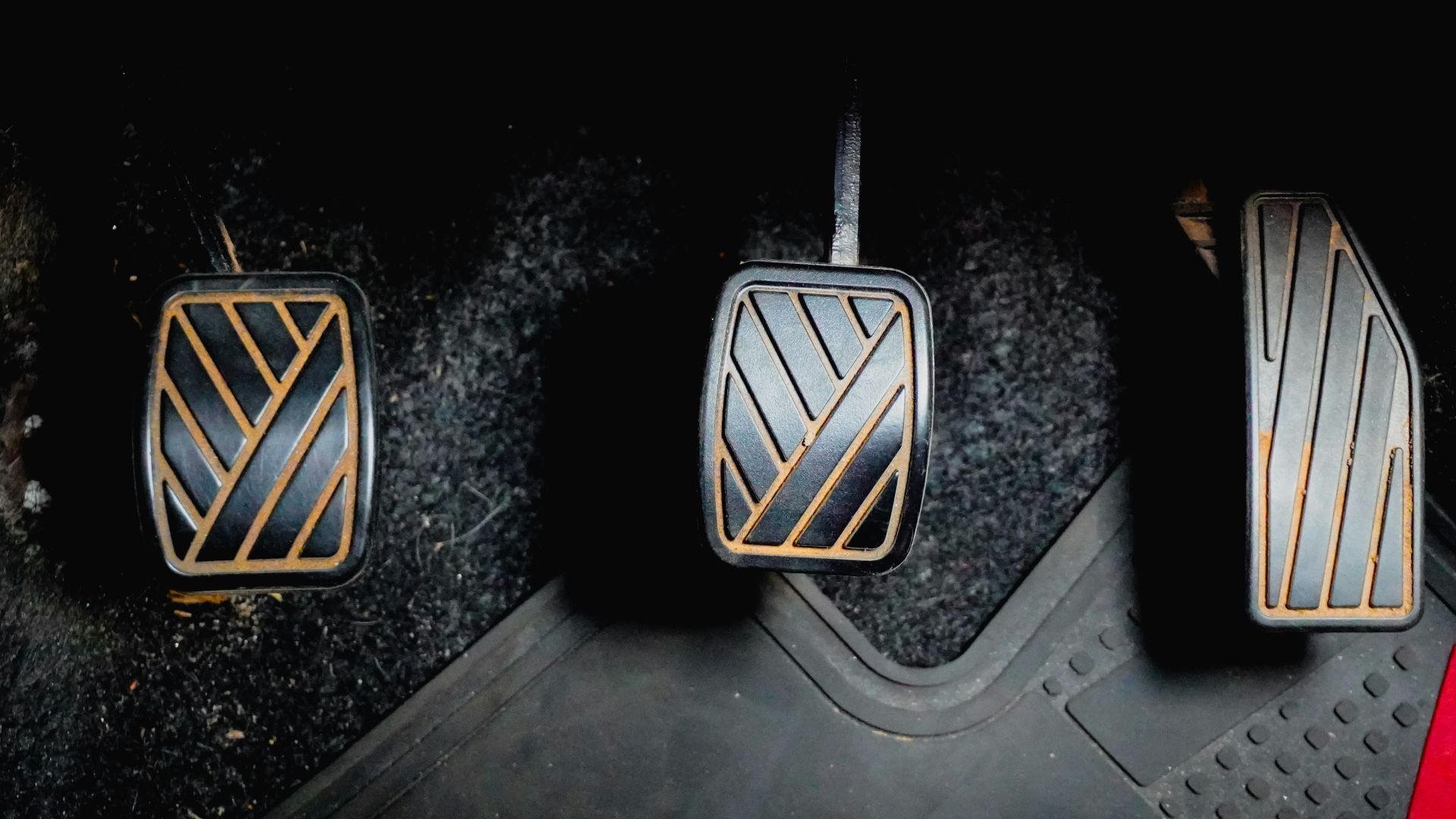
You press the accelerator and hear the engine working, yet the car doesn't seem nearly as eager to move. A slipping transmission can prevent some of that engine power from reaching the wheels effectively. Poor acceleration can have several causes, but transmission trouble is one possibility that shouldn't be overlooked.
8. You Hear Whining Noises
An unfamiliar whining sound that changes as you accelerate can sometimes originate from the transmission. Low fluid, worn bearings, or other internal problems can produce noises that weren't there before. Since every transmission sounds a little different, a new and persistent sound matters more than whether it matches one specific description.

9. You Hear Grinding During Gear Changes
Grinding is especially noticeable in manual-transmission vehicles, where it can indicate clutch or synchronizer trouble. Automatic transmissions, though, can also develop unusual grinding noises when internal parts become worn or damaged. Either way, metal components making unhappy noises during shifts aren't something to ignore.

10. The Car Shudders While Shifting
Instead of one smooth change between gears, the vehicle may vibrate or shudder for a moment. Drivers sometimes feel this through the seat, steering wheel, or entire car as the transmission activates. The cause can range from transmission or torque-converter problems to other drivetrain issues, so an inspection can help narrow it down.

11. The Transmission Fluid Looks Unusually Dark
Fresh transmission fluid is often relatively clear and brightly colored, although the exact appearance varies by vehicle and fluid specification. Fluid that has become very dark, dirty, or contaminated may have been exposed to excessive heat or extended use. Checking it can reveal useful clues about the transmission's condition.

12. Reverse Takes Longer to Engage
Backing out of the driveway shouldn't require several seconds of waiting after putting your car in reverse. If the transmission consistently hesitates before the vehicle begins moving backward, internal pressure or component problems could be developing. This symptom tends to be more obvious when the vehicle is cold.

13. The Car Won't Shift Into Certain Gears
A transmission that suddenly refuses to use one particular gear is sending a fairly obvious message. You might notice the car staying in a lower gear, skipping a gear entirely, or refusing to shift past a certain point. Mechanical wear, sensor failures, solenoid problems, or control-system faults can all interfere with gear selection.
14. The Check Engine Light Comes On
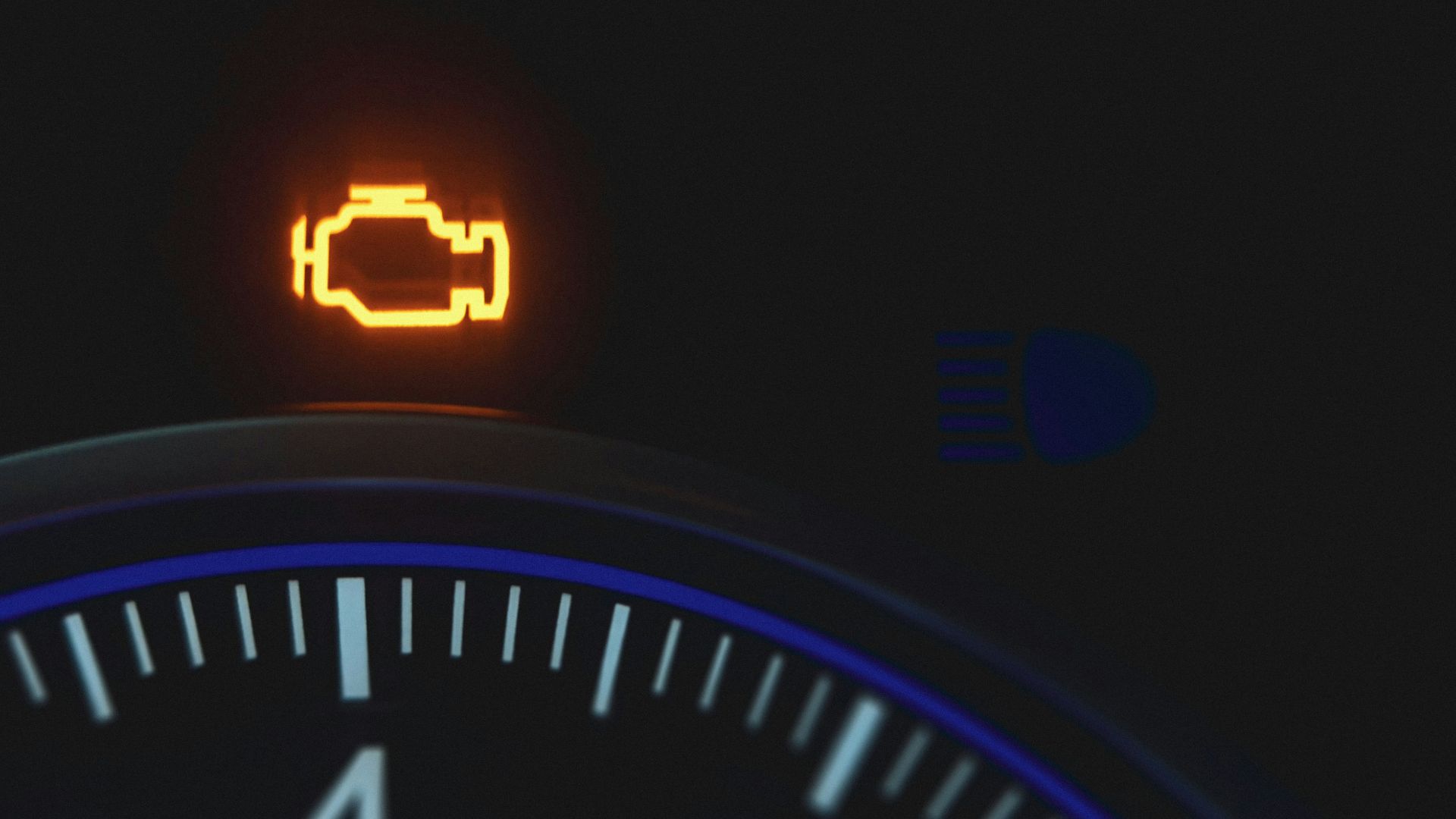
The check engine light isn't limited to engine problems despite its name. Modern vehicles monitor transmission operation closely, and certain transmission faults can trigger the warning light. A diagnostic scan can reveal stored trouble codes and provide a much better idea of what the car has detected.
15. You Hear Clunking When Selecting Drive or Reverse
A loud clunk when moving the shifter into drive or reverse can make an otherwise ordinary parking maneuver feel concerning. Transmission issues can cause this behavior, although worn engine mounts, drivetrain components, or other mechanical problems may yield similar symptoms. If the sound has recently appeared or is getting worse, don't simply get used to it.
16. Your Manual Gearshift Becomes Difficult to Move
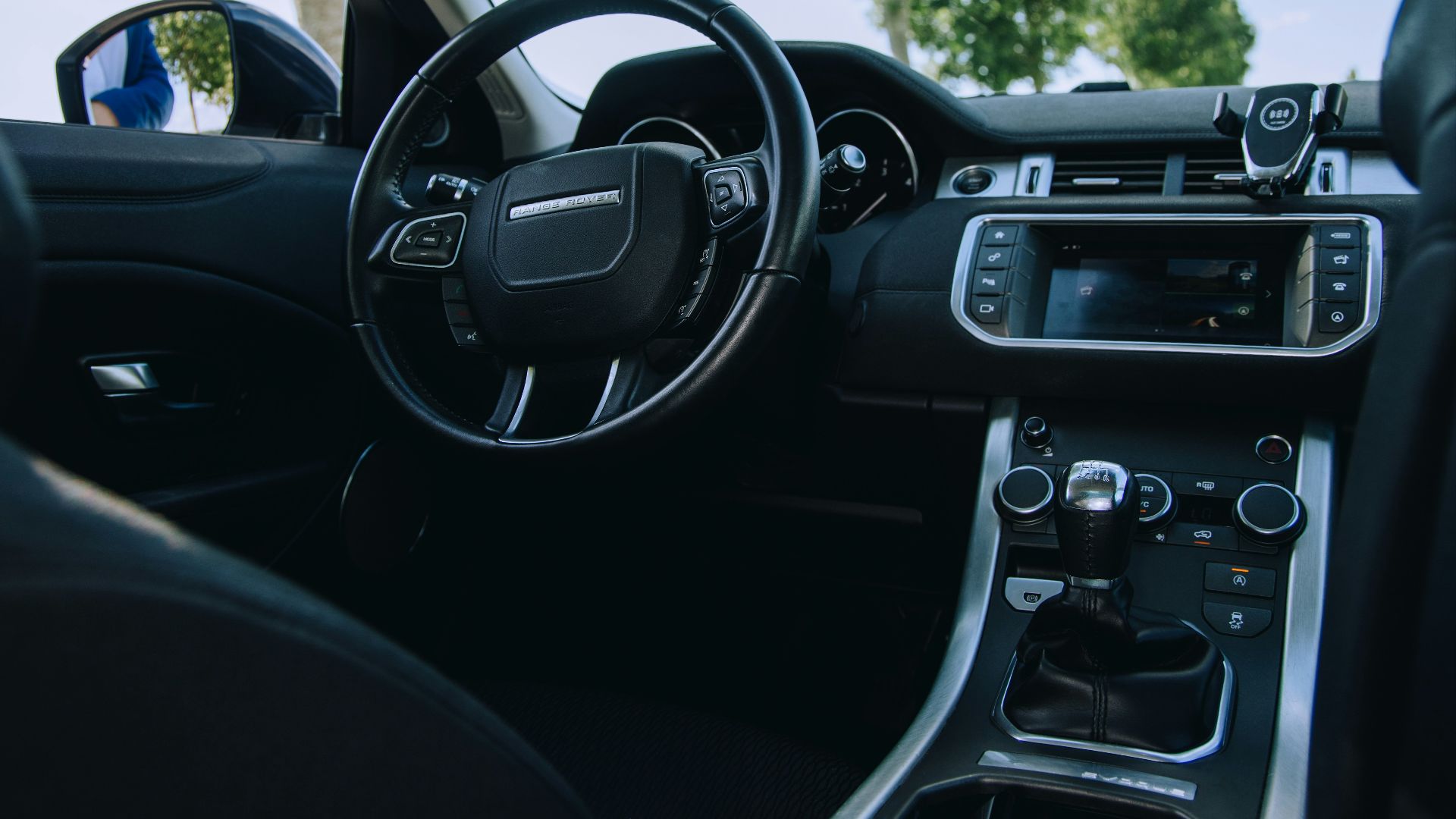
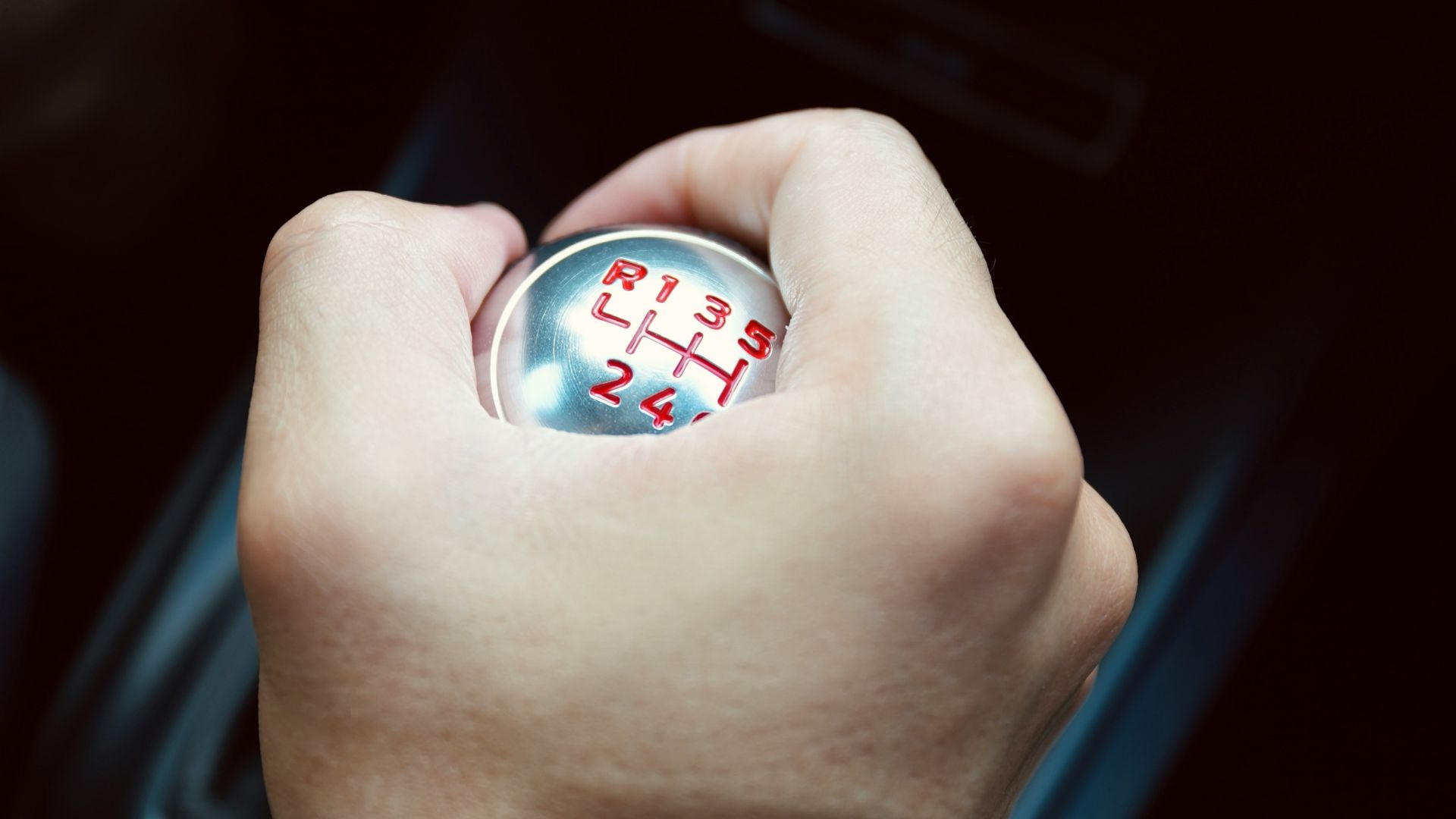
Manual transmissions depend on several components working together for clean, easy gear changes. If the shifter suddenly feels unusually stiff or certain gears become difficult to select, the clutch, linkage, synchronizers, or transmission itself may need attention. Forcing the lever generally isn't going to make the underlying problem disappear.
17. The Car Seems Stuck in One Gear
Some vehicles enter what's commonly called limp mode when their computers detect a serious drivetrain fault. The transmission may remain in one gear to limit further damage and allow limited driving. If your car suddenly behaves this way, there's likely a fault code waiting to explain why.
18. Gear Changes Happen at Strange Times
You probably know roughly when your car normally shifts during driving, even if you've never consciously thought about it. A transmission that suddenly holds gears much longer, shifts unusually early, or constantly hunts between gears may have a problem. Sensors, software, fluid pressure, and internal components can all affect shift timing.

19. You Feel Vibrations That Change With Speed
New vibrations aren't automatically caused by the transmission, since tires, axles, engine mounts, and other components can produce similar sensations. Still, transmission or torque-converter problems can sometimes cause persistent shaking or vibration while driving. Take note of when the vibration appears to help a technician track down its source.

20. The Car Struggles to Move From a Stop
You press the accelerator, but the car feels unusually sluggish getting underway even though the engine is revving normally. A transmission that’s slipping or failing to engage properly may have trouble sending enough power to the wheels from a standstill. If this starts happening repeatedly, especially alongside rough or delayed shifts, the transmission should be checked.