When Stepping In Is—and Isn’t—the Best Idea
Being “designated driver” isn’t always the most glamorous job, but sometimes, stepping in makes the most sense. Offering to drive is one of those small gestures that can make a day easier, safer, and a lot less stressful for someone else, but knowing when to step up actually makes more of a difference than you think. Let’s dive into which situations warrant a friendly olive branch and which ones get you a stern talking to instead.
 Antoni Shkraba Studio on Pexels
1. After a Long Day
When someone’s worn out after a packed day, offering to drive is a real relief. They may still be functioning, but that doesn't mean they should have to focus on traffic, directions, and parking, too. If you can take the wheel, you're doing something no one else did that day: giving them a chance to breathe.

2. When the Weather’s Miserable
Heavy rain, snow, ice, or thick fog can turn a simple trip into something much more demanding. Yes, that’s obviously true for you as well, but if you're comfortable driving in rough conditions and the other person isn't, it’s a good time to speak up without making it a big production.

3. Before an Early Morning Commitment
Early flights and dawn road trips have a way of making people feel half awake before the day even starts. In that situation, offering to drive is usually the most sensible choice, especially if you're the more alert person. Sure, they could take a cab, but why make them pay when they’re already anticipating a tough day?

4. After a Late Night Event
Once the night runs long, even responsible people can feel more drained than they expected. Now’s the time to step up to the plate! If someone’s clearly fading, offering to drive is a thoughtful move that doesn't need much explanation.
5. When Someone’s Upset
If you’ve ever grieved a huge loss or been emotional, you know how hard it is to do anything “normal.” There’s no shame in stepping up for someone who can’t do those basic tasks. A person who's dealing with bad news or some kind of emotional overload won’t be in the best state, and even if they insist they're fine, you can still gently offer.

6. If They're Unfamiliar With the Area
Driving in a new place is one of the most annoying tasks, even for confident people. If you know the area well, offering to drive can save someone else a lot of unnecessary tension and wrong turns. That way, they can focus on the reason for the trip instead of worrying about every intersection.
7. When They're Carrying More Than They Should
Just about every adult juggles bags, boxes, and equipment—all of which make travel harder. Because of that, offering to drive is just good sense. It can turn a complicated outing into something manageable, and it shows that you noticed what they were dealing with.

8. Before an Important Appointment
You don’t always need to be in a bad mood to be unfocused. Anticipatory events also cause big emotions, like interviews, medical visits, and serious appointments. In those moments, offering to drive can remove one more thing from someone's list and help them stay focused.

9. When the Other Person Usually Drives
Some people automatically end up behind the wheel because that's just how the cookie crumbled. But if someone always drives, offering to take your turn shows a little self-awareness. You don’t need to bite off more than you can chew, but you should at least do some of the lifting!
10. If You Can Tell They Won't Ask
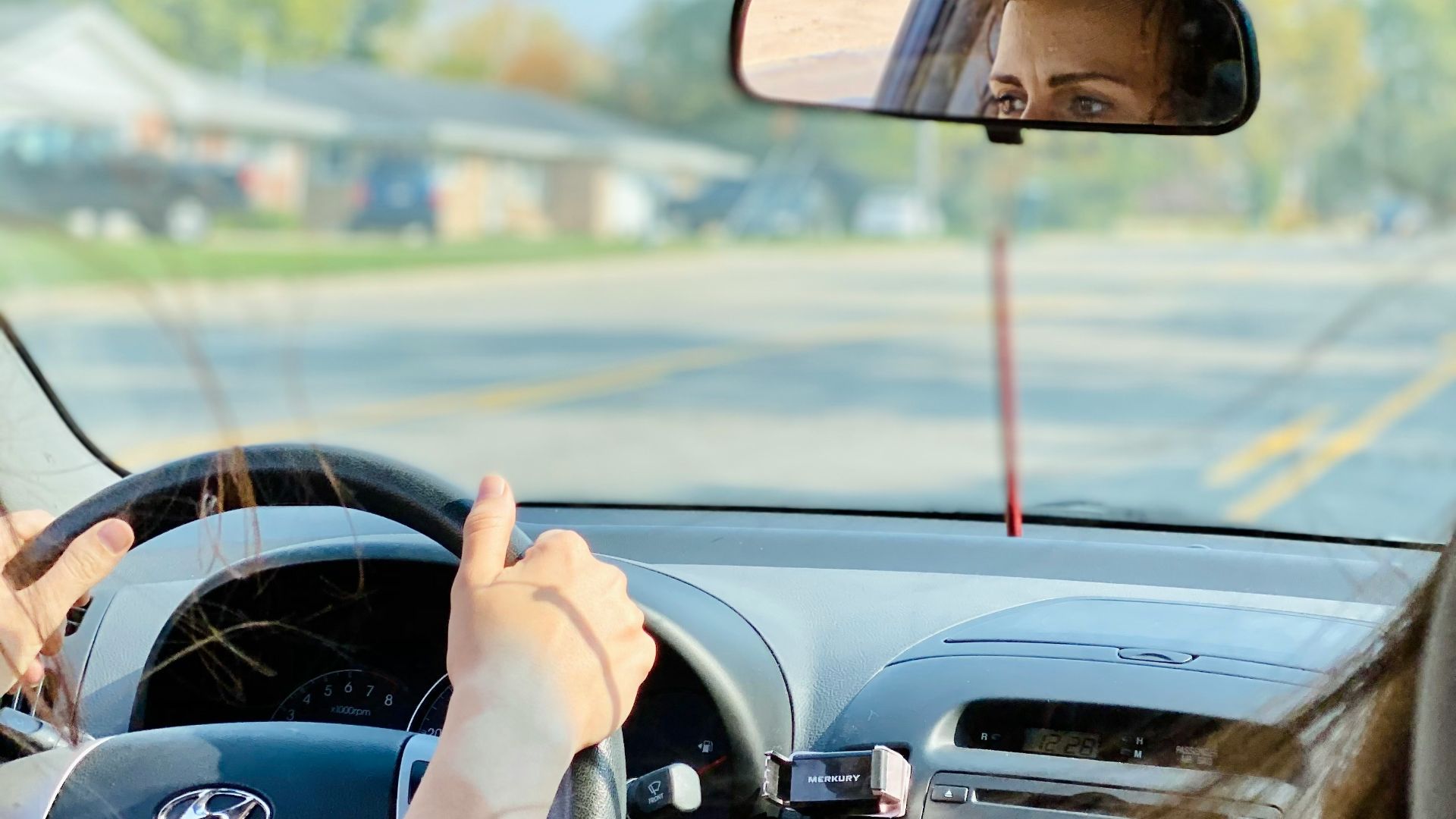
Some people need help and still won’t ask because they don't want to inconvenience anyone. That's exactly when offering to drive can matter most. You don’t need to make a spectacle of it, either; a simple, well-timed offer can be all it takes to make them feel cared for.
 Hyundai Motor Group on Unsplash
That being said, while offering to drive can seem like an easy way to be helpful, there are still some times when it’s more trouble than it’s worth. Let’s dive into a few times you shouldn’t play the hero.
1. When You're Too Tired to Focus
If you're exhausted, offering to drive isn't generous—it's careless. Fatigue affects your attention, reaction time, and judgment in ways that can make even a short trip harder than it should be. However kind your intentions may be, no one wins when you're struggling behind the wheel.

2. If You've Had Anything to Drink
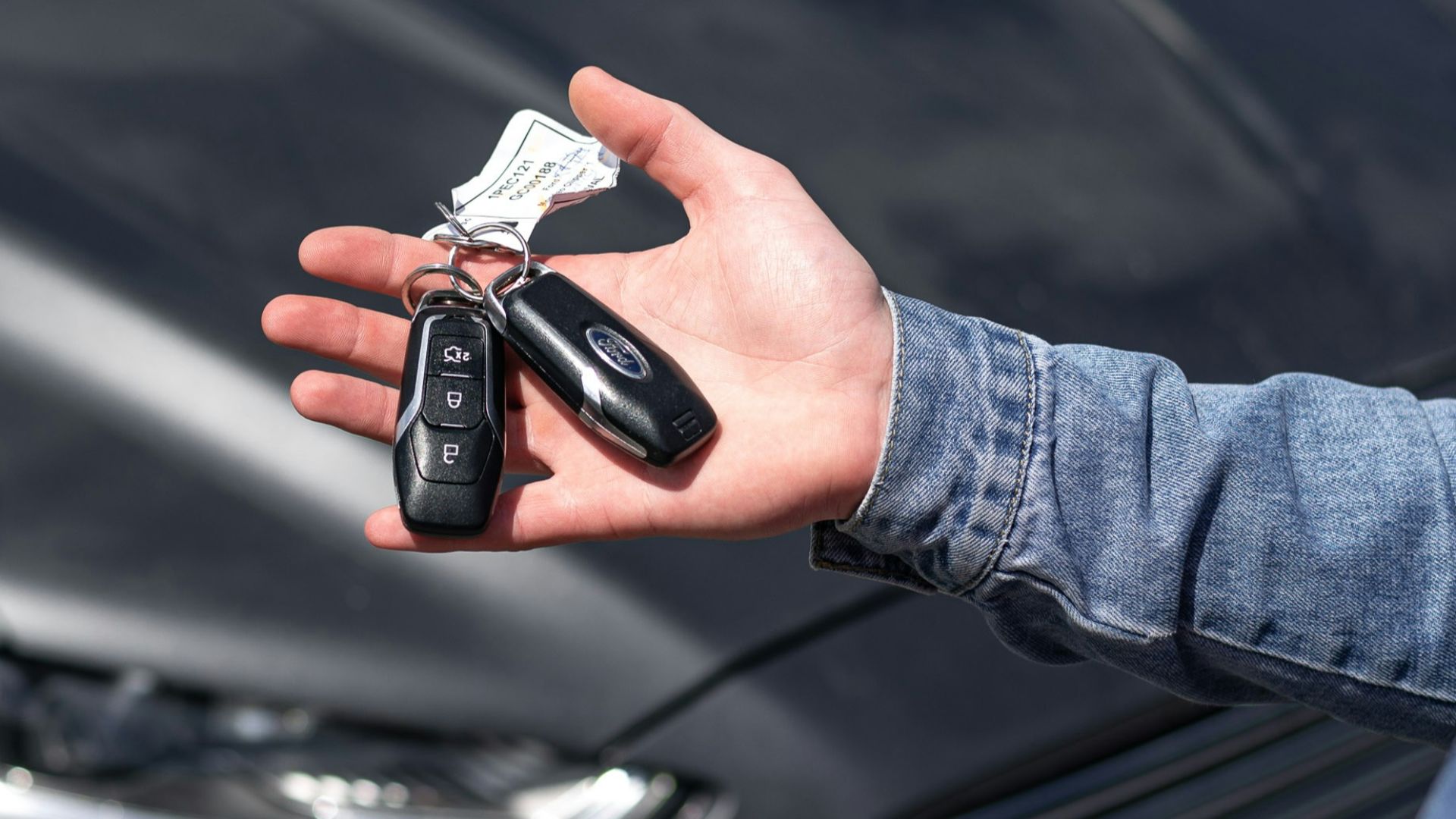
The second alcohol is involved, you shouldn't volunteer to drive anyone anywhere. Even if you feel fine, that doesn't mean you're making the best decisions or reacting as quickly as usual. There’s literally no reason why you can’t grab a cab with someone else, so don’t even think about those keys.
3. When the Car Isn't Roadworthy
A ride isn't much of a favor if your vehicle has a slew of problems. Some cars come with bad brakes, a warning light you keep ignoring, or tires that clearly need attention—and those problems turn a normal trip into a stressful mess. Forget offering a ride; deal with the car first and save everyone the trouble.

4. If You Don't Know the Route
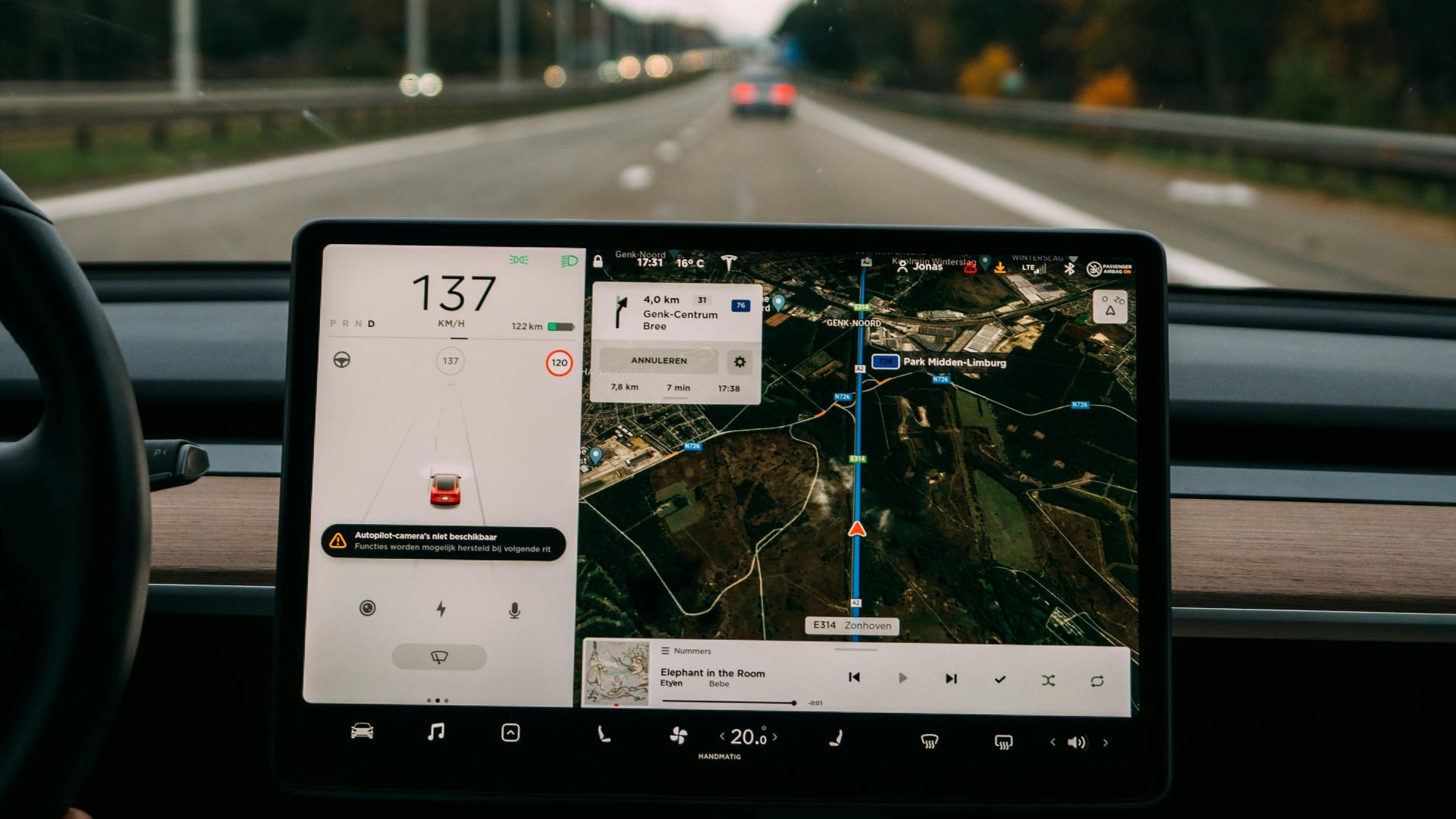
Try as we may, there are moments when offering to drive just means volunteering to get lost. If you're unfamiliar with the area, your confidence only creates more tension than convenience. Letting someone else handle the trip can be the less frustrating choice for everyone.
5. When the Other Person Clearly Wants Independence
Some people genuinely prefer to drive themselves, and not every situation calls for you to step in. If they've already made it clear they want to be in control of their own schedule, pushing the topic is more annoying than anything else. It doesn’t matter if you’re only talking about driving; respect still matters.
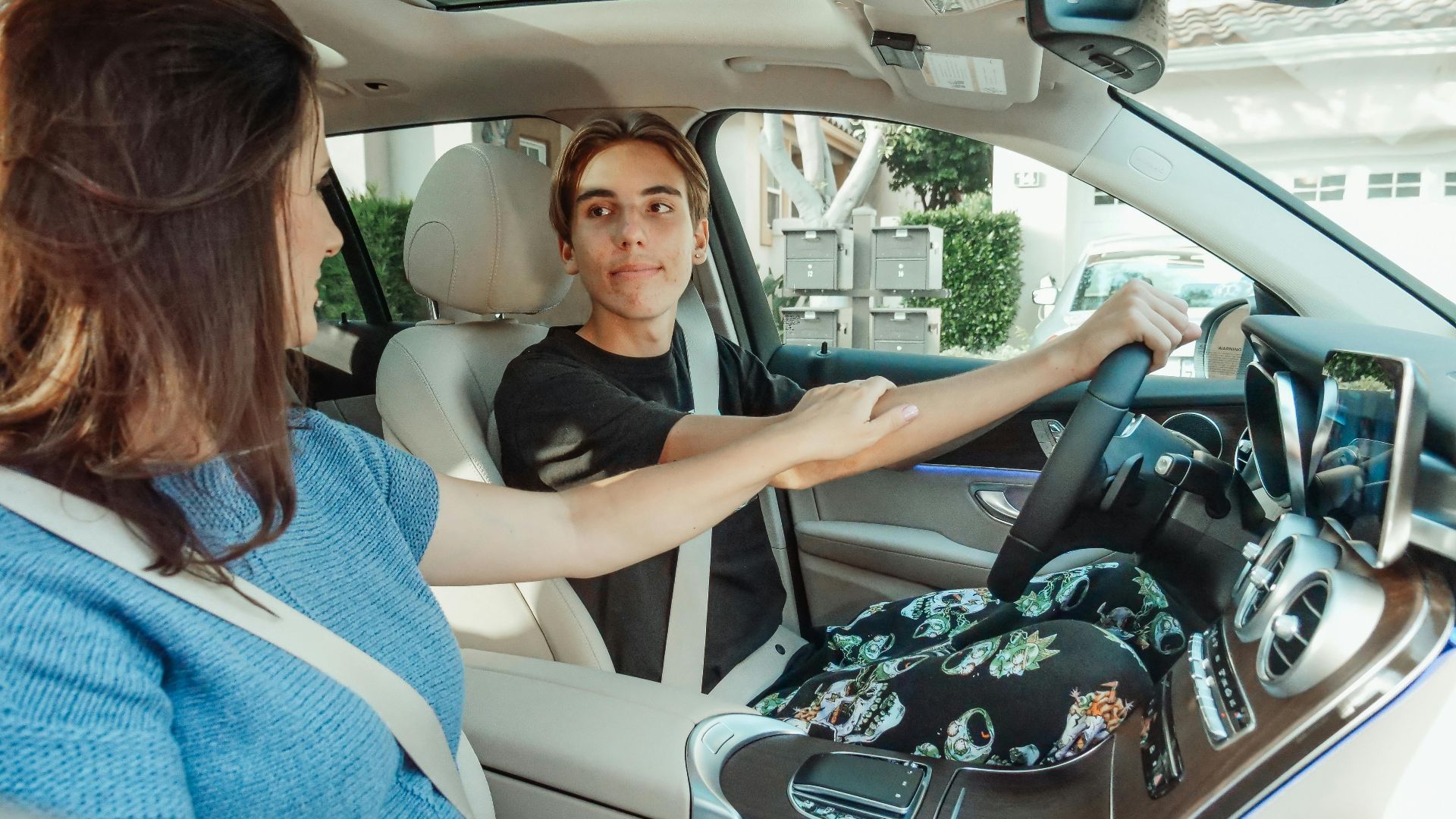
6. If You're in No Condition to Be Calm
Driving other people requires patience, and that only gets harder when you're already irritated. A tense mood affects everything from the way you respond to traffic to even harmless questions from passengers. Before you offer, be honest with yourself about whether you're actually ready to handle the road.

7. When You're Doing It for Attention
People can usually tell when an offer comes with strings attached. If you're only stepping forward so you'll be praised or thanked excessively, the whole thing becomes performative. Not only that, but people won’t take favors from someone they know will come to collect down the road.
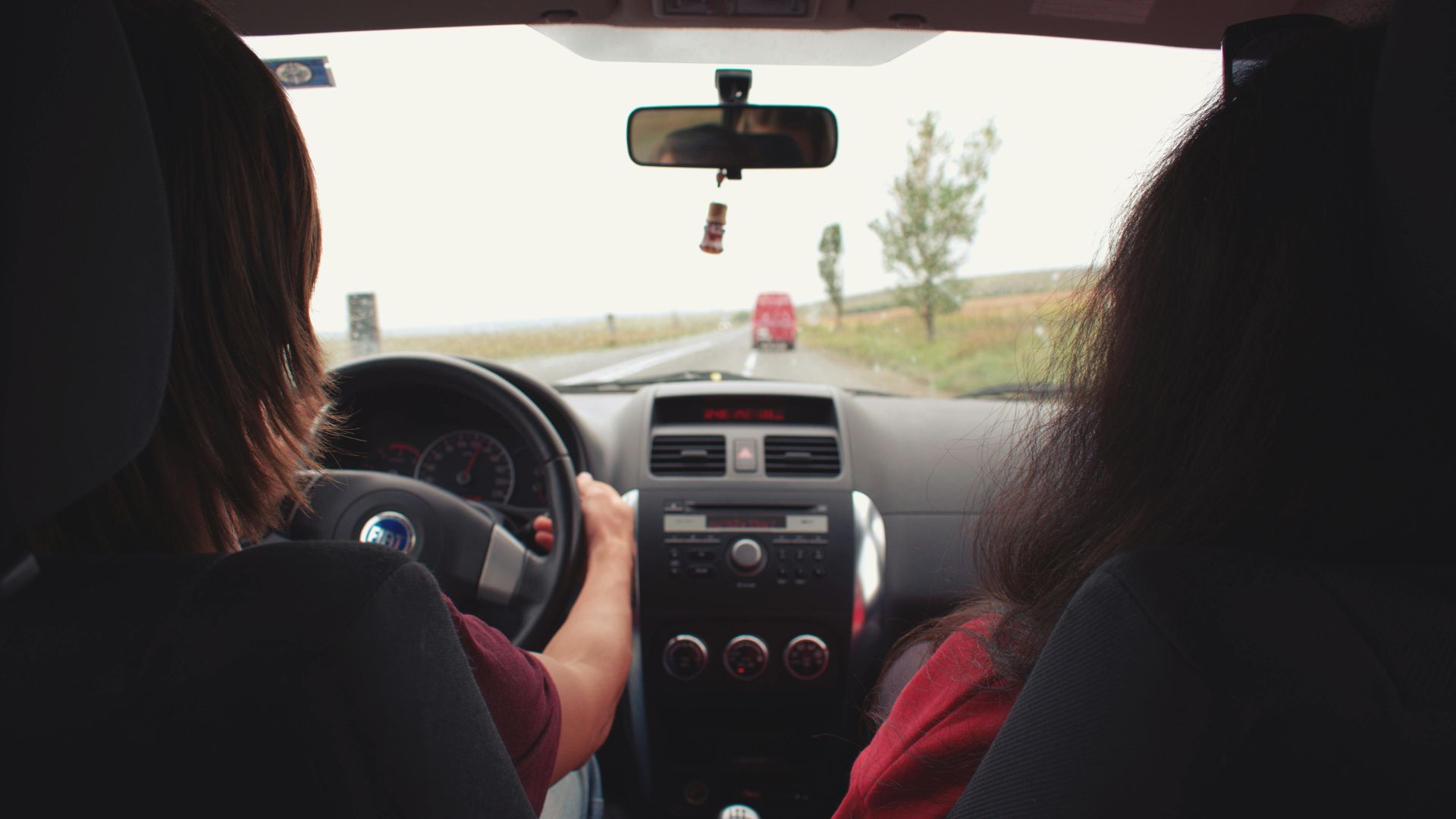
8. If You Can't Commit
Driving someone means more than just sitting in the driver's seat. You may need to wait. You might have to adjust your timing. You may need to deal with gridlock. When you know you can't really follow through, offering anyway just sets you both up for disappointment.

9. When Boundaries Feel Unclear
Like it or not, some situations stick you in a setting that feels uncomfortable. If you don't feel safe or don't know the person well, you don't need to override your instincts to look polite. A sensible boundary is more valuable than a reluctant favor.
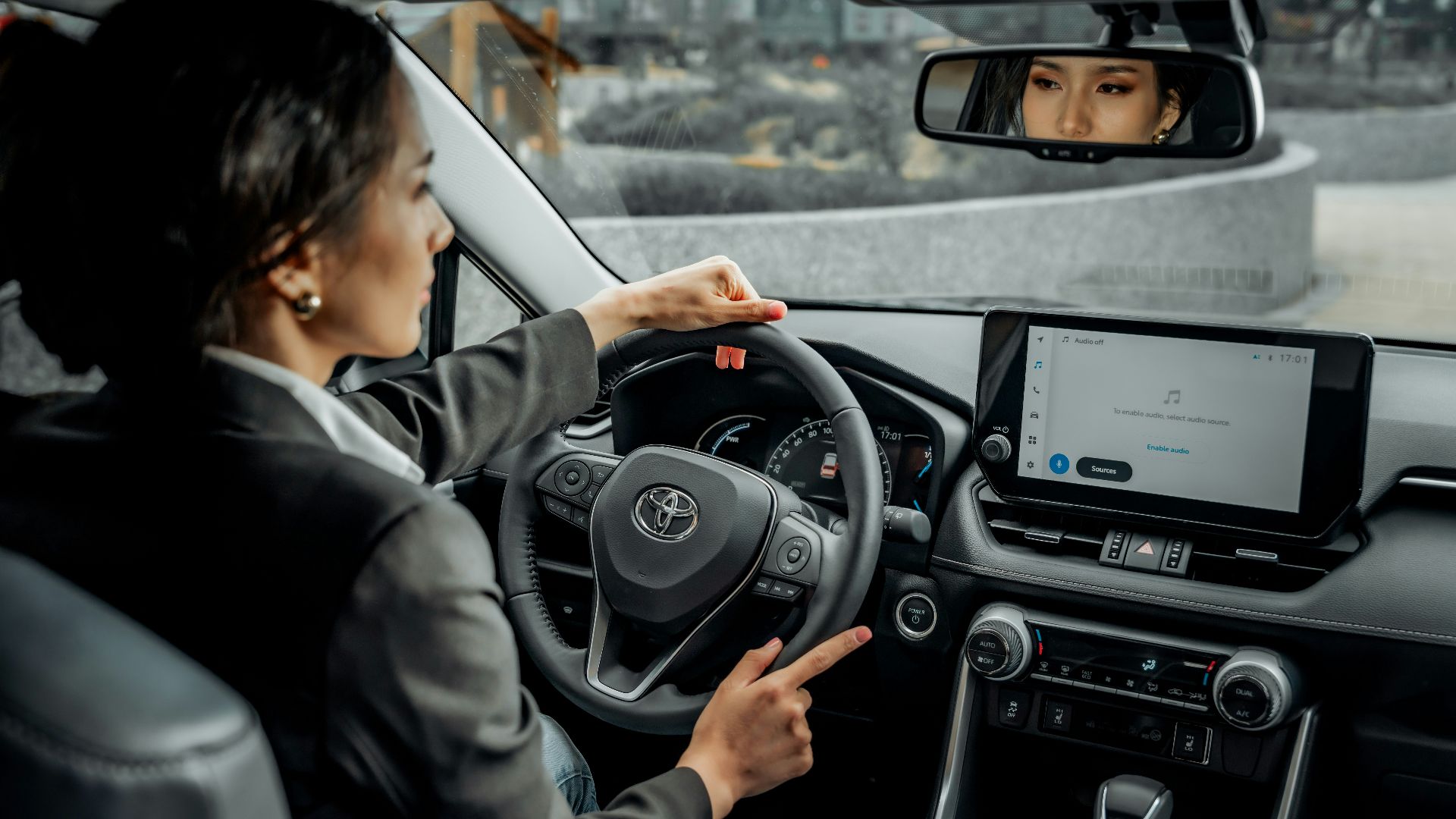
10. If It Undermines Someone Capable
Uh, oh. Is grandpa trying to drive again? Honestly, sometimes it’s wrong to offer when the other person is already handling things. Jumping in can sound like you doubt their ability, even when that wasn't your intention. A little restraint spares everyone an awkward moment and keeps your manners intact.