
Grip or Slip? It All Depends on You
The shoes you wore out the door this morning could be sabotaging your driving without you realizing it. Thick soles, loose fits, and unstable designs all create problems when you're trying to brake smoothly or accelerate precisely. Meanwhile, certain simple styles give you the control and responsiveness that make driving feel effortless. So, it's time we dove into the smartest choices behind the wheel, and which ones need to go.

1. High Heels
That narrow, elevated heel might look fantastic at dinner, but it becomes a serious liability the moment you slide behind the wheel. The thin stiletto easily creates an unstable balance point that lifts your foot off the floor.

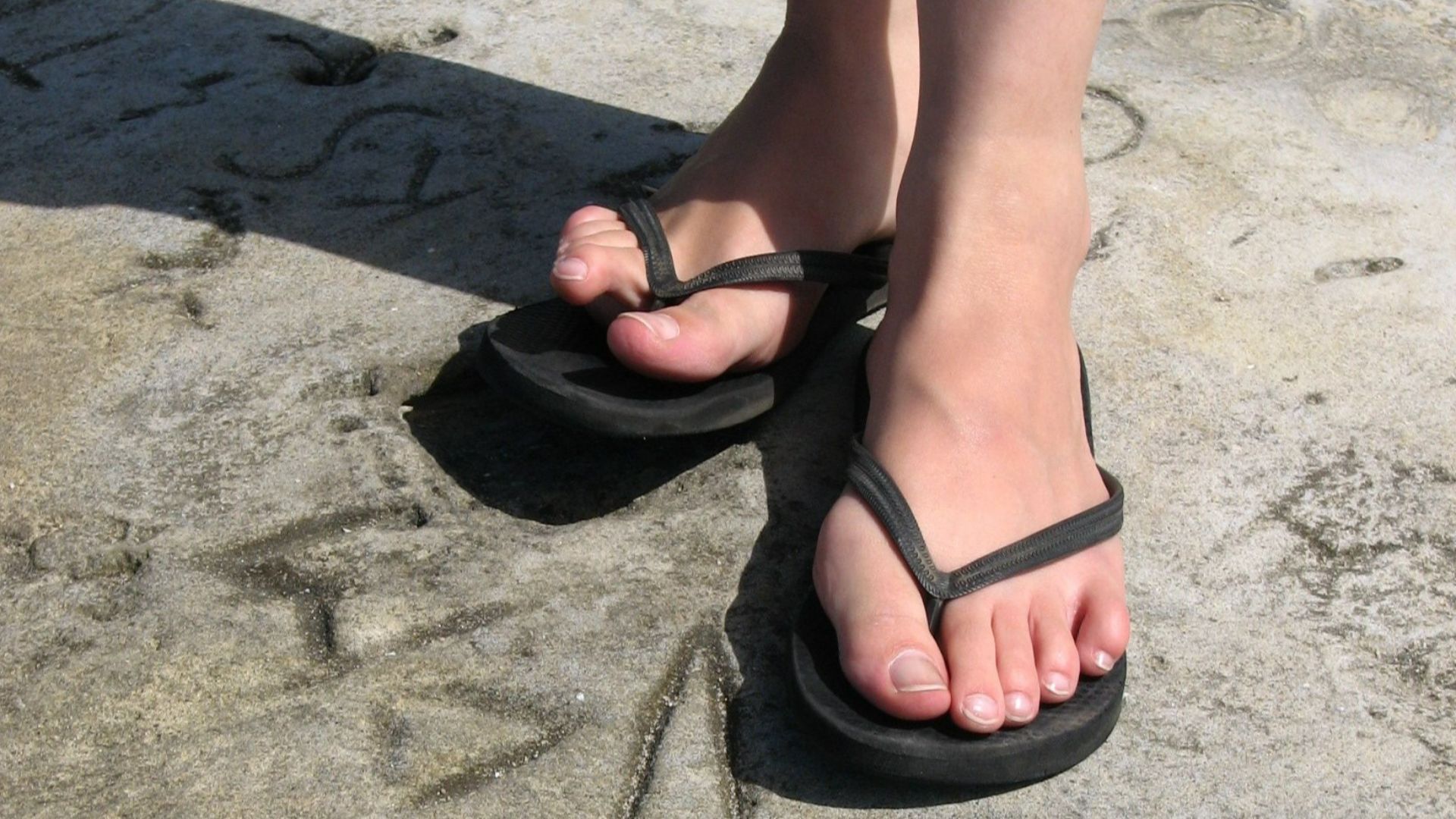
2. Flip-Flops
The consequences go beyond mere inconvenience—simulator tests have shown that thin soles and poor grip can literally double the time it takes to move from gas to brake compared to proper footwear. That split-second delay could mean the difference between stopping safely and a collision.
 Justin Cozart from Dallas, TX, USA on Wikimedia
3. Platform Shoes
These chunky shoes force your legs and knees into awkward angles that impair smooth pedal operation. Additionally, the added height significantly increases your risk of missing a pedal entirely, pressing two simultaneously, or applying completely incorrect force during critical moments.

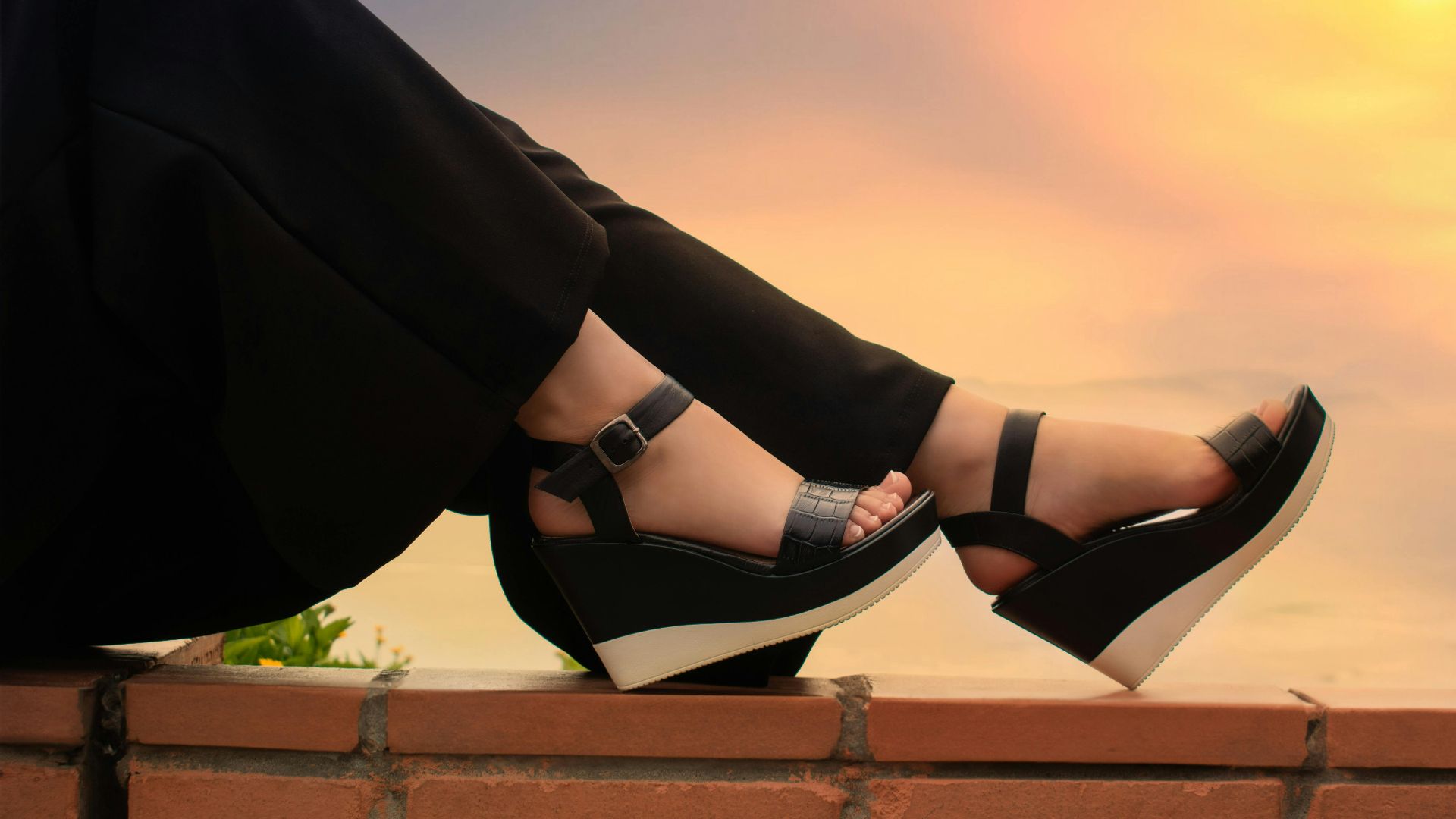
4. Wedge Sandals
Originally popularized as a "stable" high-heel alternative for walking, wedge sandals ironically become a significant liability once you're behind the wheel. That solid, raised wedge positions your foot unnaturally and drastically reduces the ankle flexibility needed for quick, precise pedal movements.
 José Martin Segura Benites on Pexels
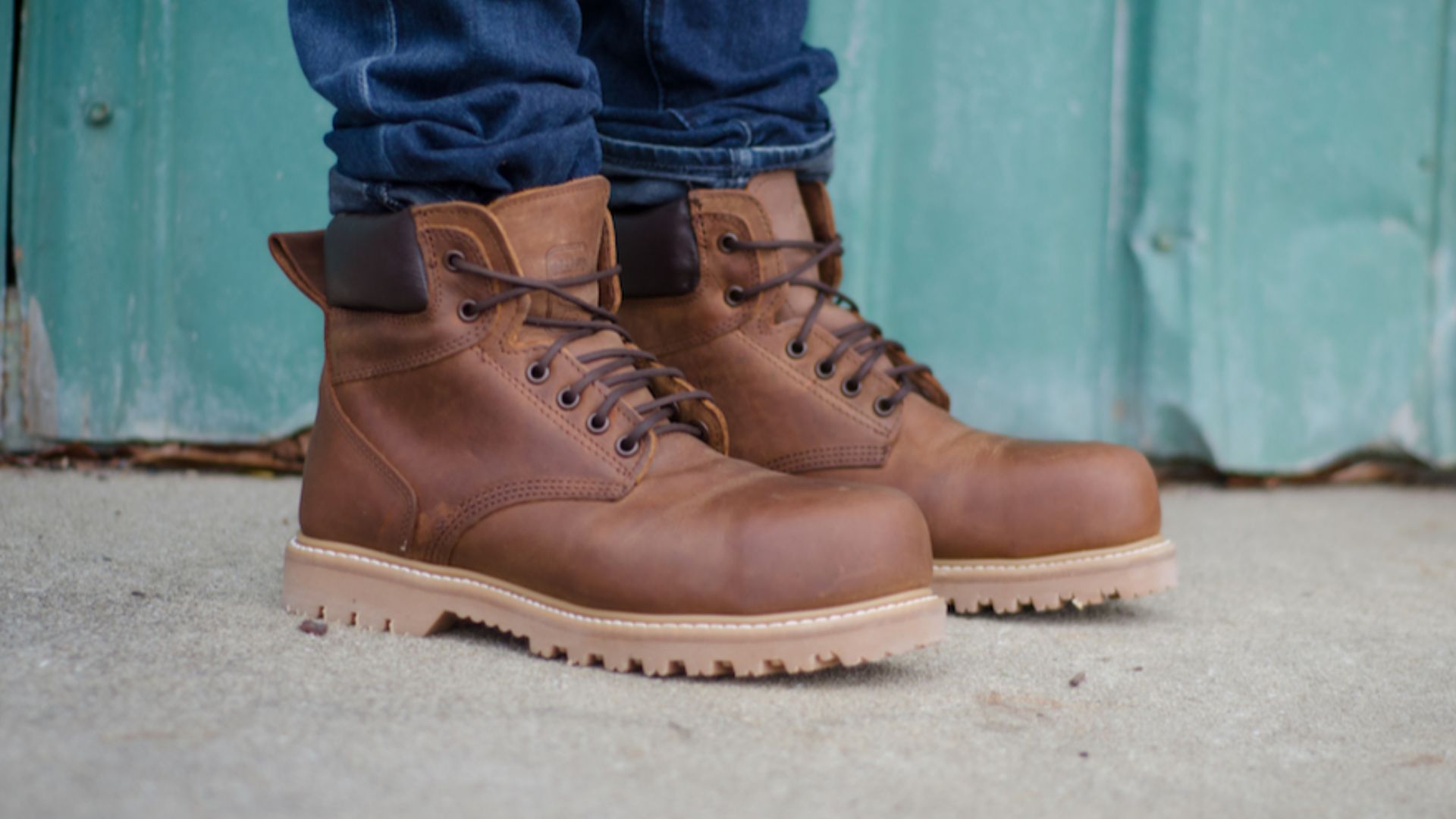
5. Steel-Toed Boots
Many workers are required to wear steel-toed boots on job sites for essential foot protection, but drivers frequently swap them out before heading home because they feel like "driving with bricks on their feet." The thick, rigid soles completely dull your pedal feel.
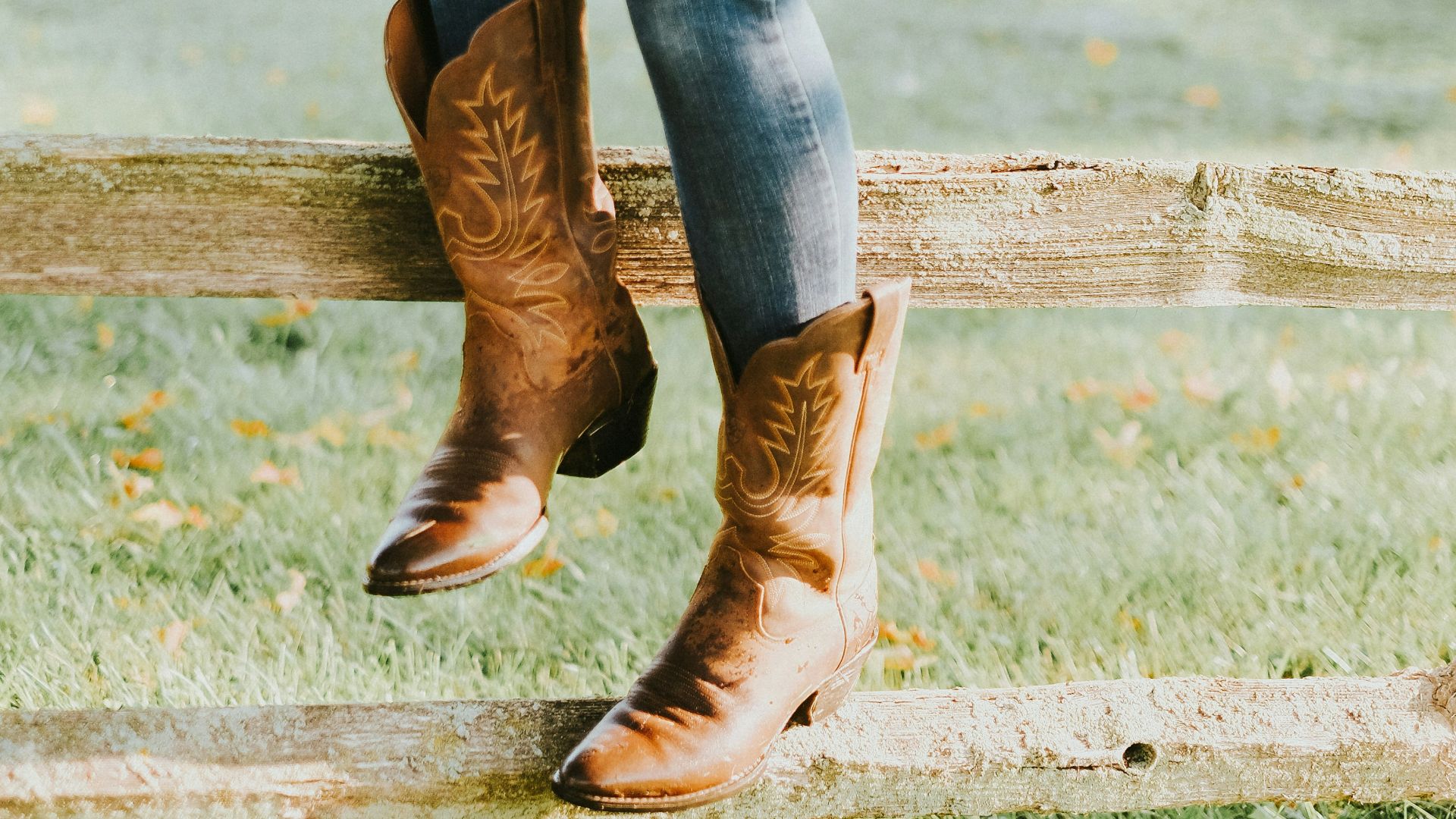
6. Cowboy Boots
Despite the rugged "cowboy" image often associated with tough, capable driving, many Western wear enthusiasts quietly admit to keeping sneakers handy specifically for road trips. The combination of high heels and thick soles severely limits ankle mobility.
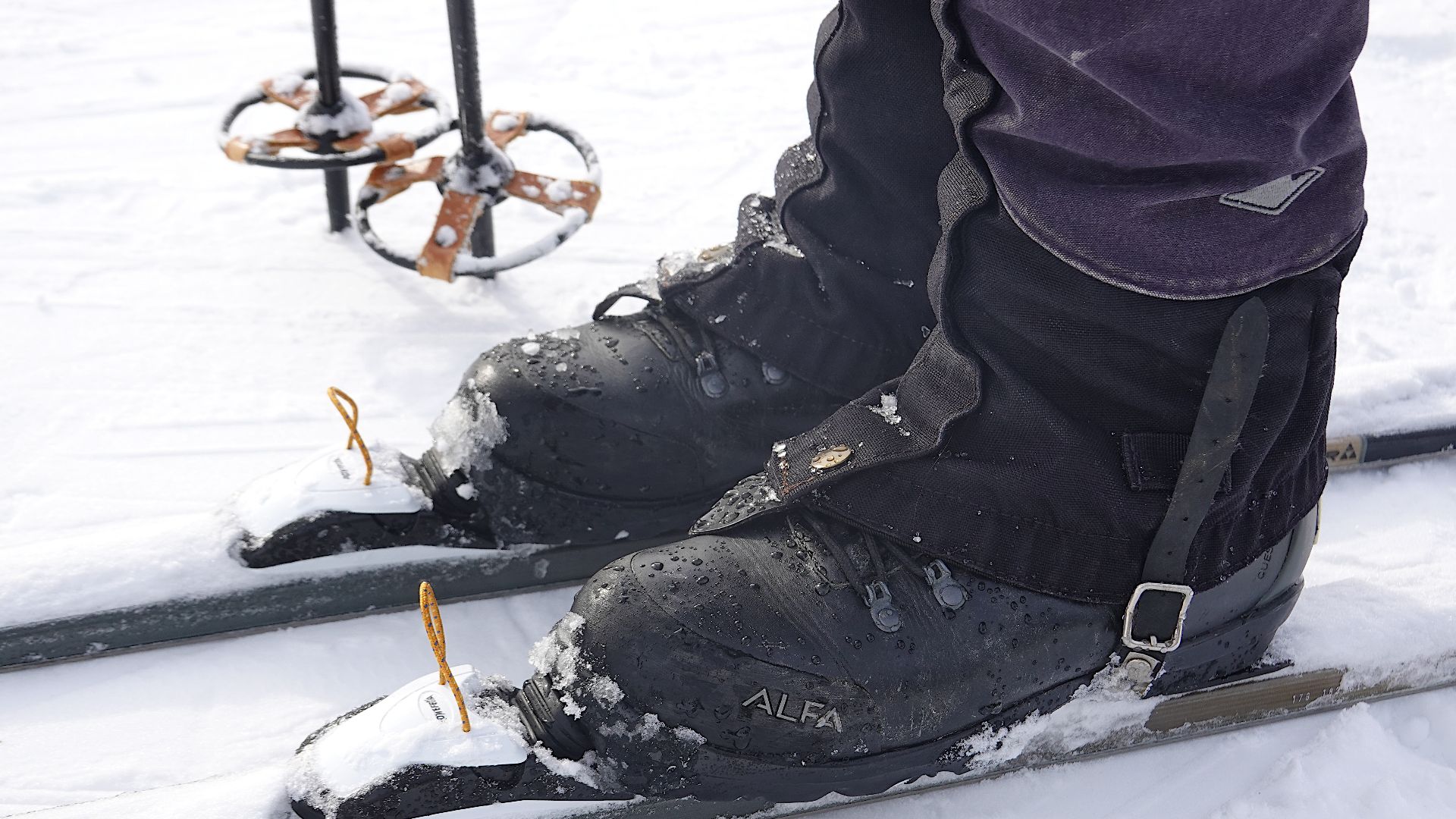
7. Ski Boots
Ski boots are specifically engineered to lock into bindings for precise snow control, exactly the opposite functionality needed for flexible, responsive pedal work inside a car. Even resting your heel flat on the floor for stability becomes terribly impractical in ski boots.
 Robbie Morrison (RobbieIanMorrison) on Wikimedia
8. Bedroom Slippers
Soft, cozy bedroom slippers rank among the top "lazy-day" hazards for short drives, even though many people dash out for quick errands without changing footwear. Their loose fit allows them to slip off your foot mid-pedal switch with alarming ease.

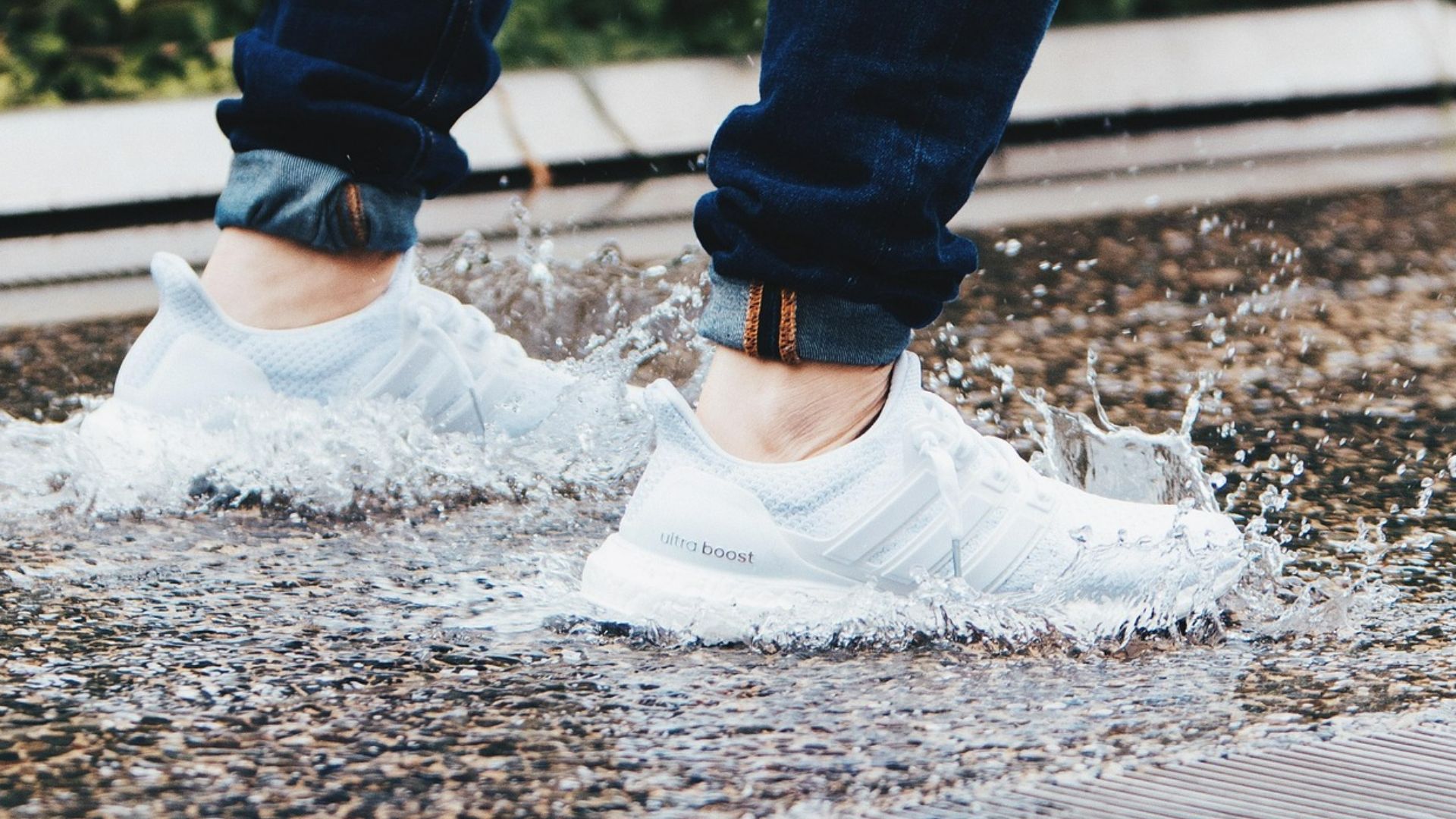
9. Any Soaked Footwear
Rainy beach days lead to countless "just a quick drive" regrets when wet flip-flops or sandals turn into genuine sliding hazards inside the vehicle. Slippery soles drastically reduce grip on pedals, causing feet to slide off unexpectedly, right when you need controlled contact.
10. Anything With Wheels
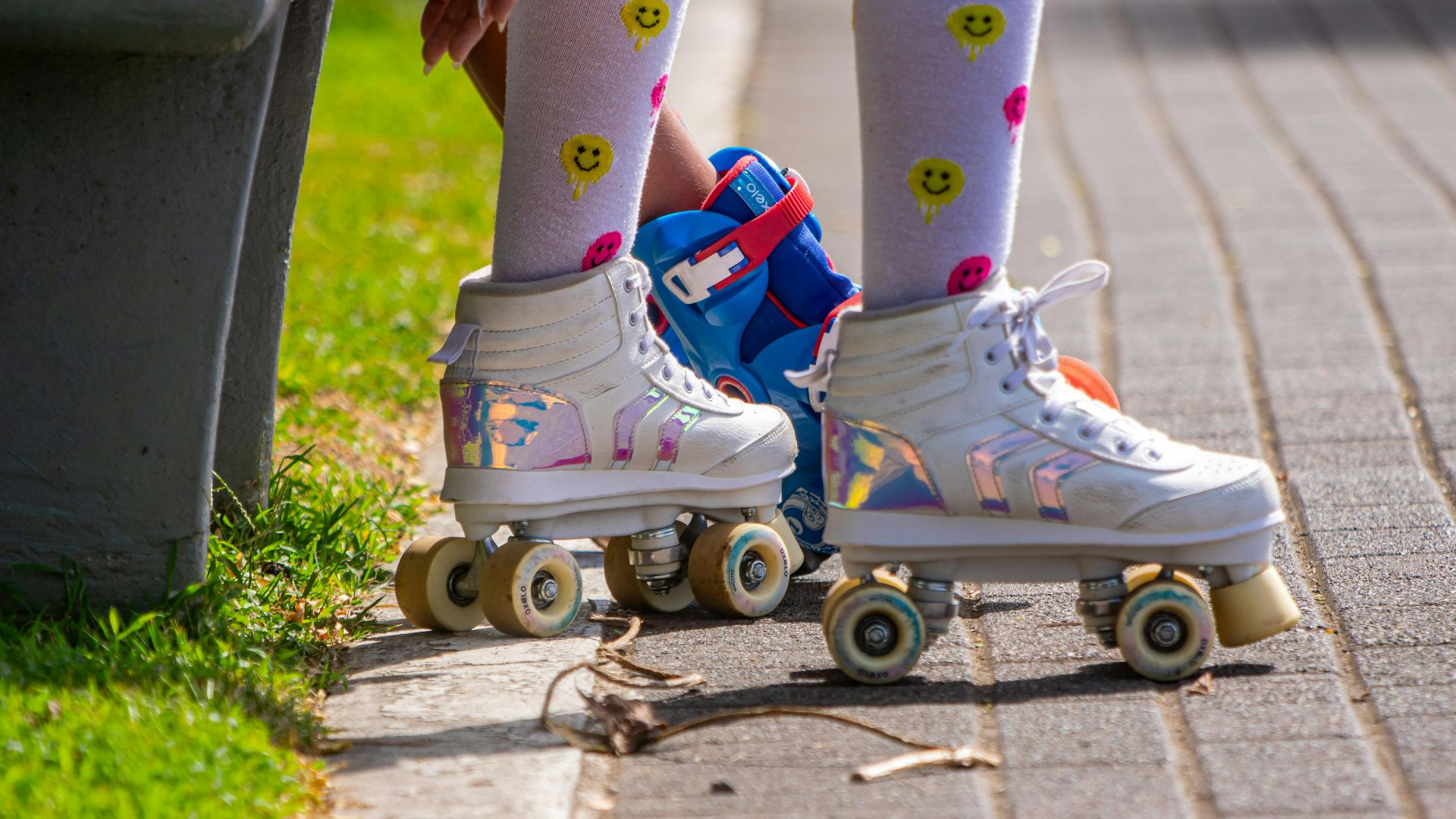
Heelys burst onto the scene as a 2000s fad featuring built-in wheels in the heel—now imagine attempting an emergency stop while your foot literally wants to glide away from the brake pedal. Wheels or skates make any reliable pedal contact unstable.
Enough about the bad choices. Here's what you should be reaching for instead.
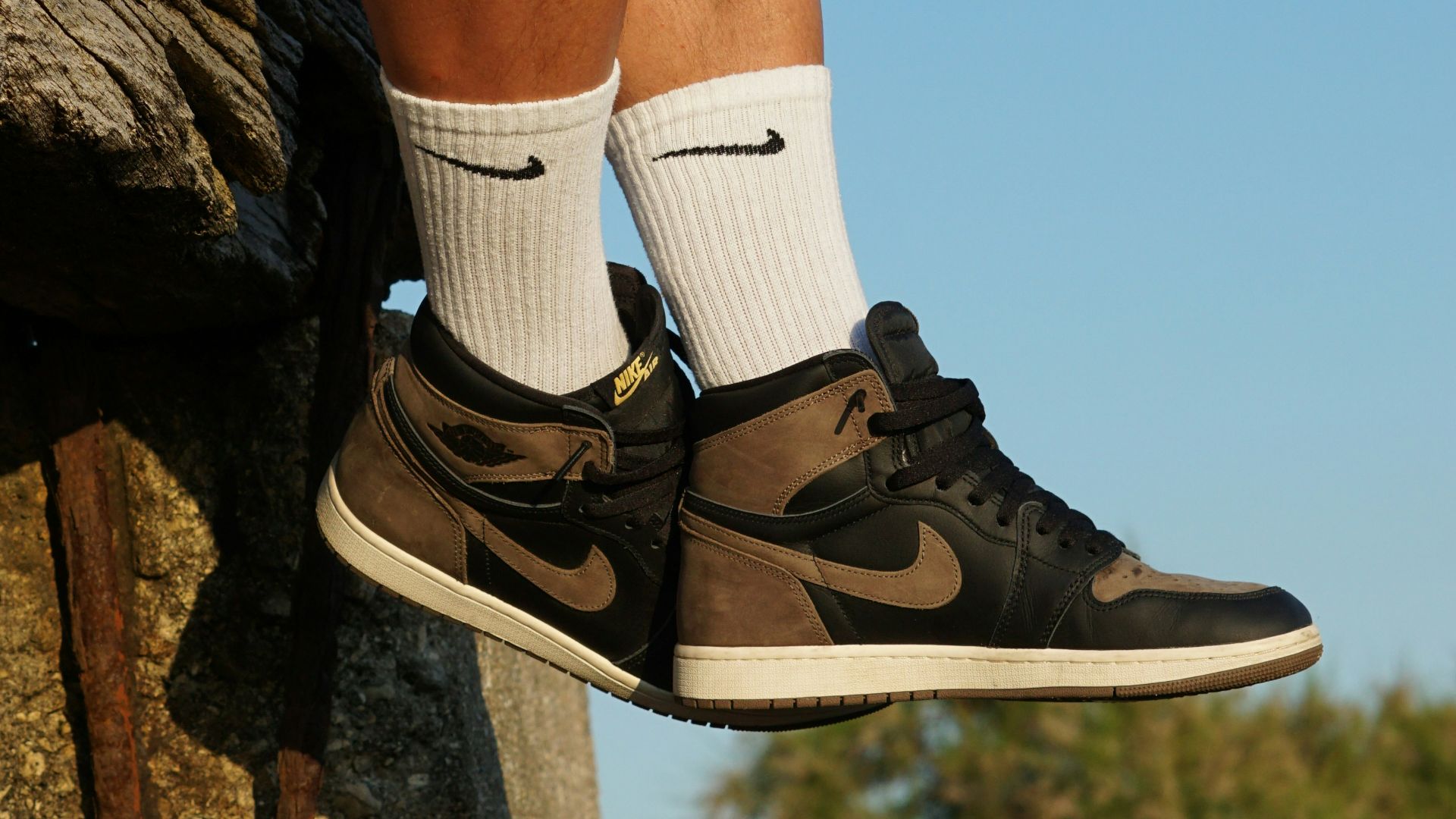
1. Flat Trainers
Many driving instructors and enthusiasts call basic flat trainers the "everyday hero" shoe because they mimic barefoot pedal feel without actually going barefoot. The thin, flexible soles provide excellent feedback that lets you sense exactly how much pressure you're applying to the accelerator.
2. Driving Moccasins
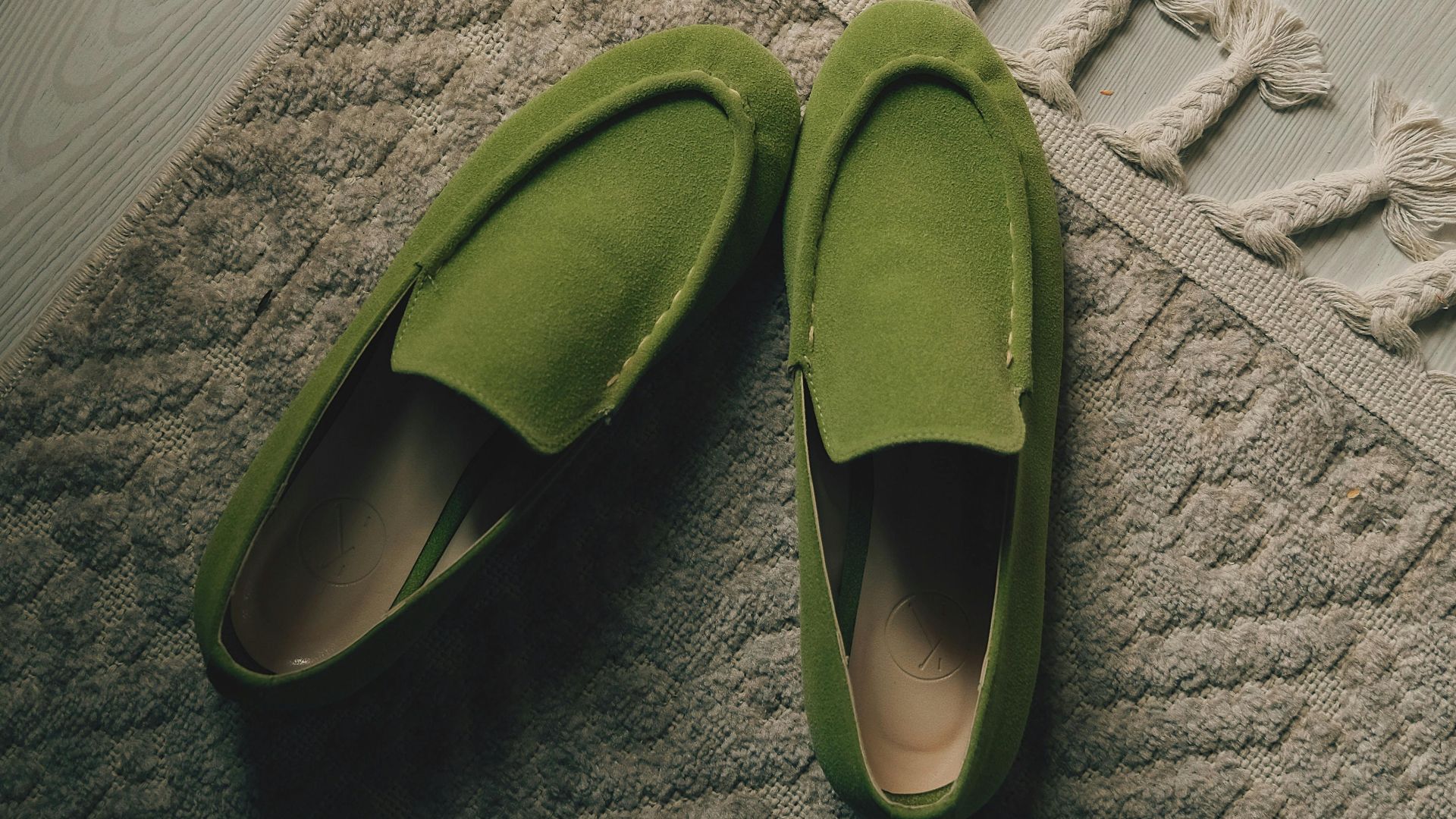
The story behind driving moccasins starts in the 1960s among wealthy European sports car owners who wanted luxury comfort. Pebbled rubber nubs covering the sole—often extending up the heel—deliver superior grip that prevents your foot from sliding on pedals during spirited driving.
3. Barefoot Shoes
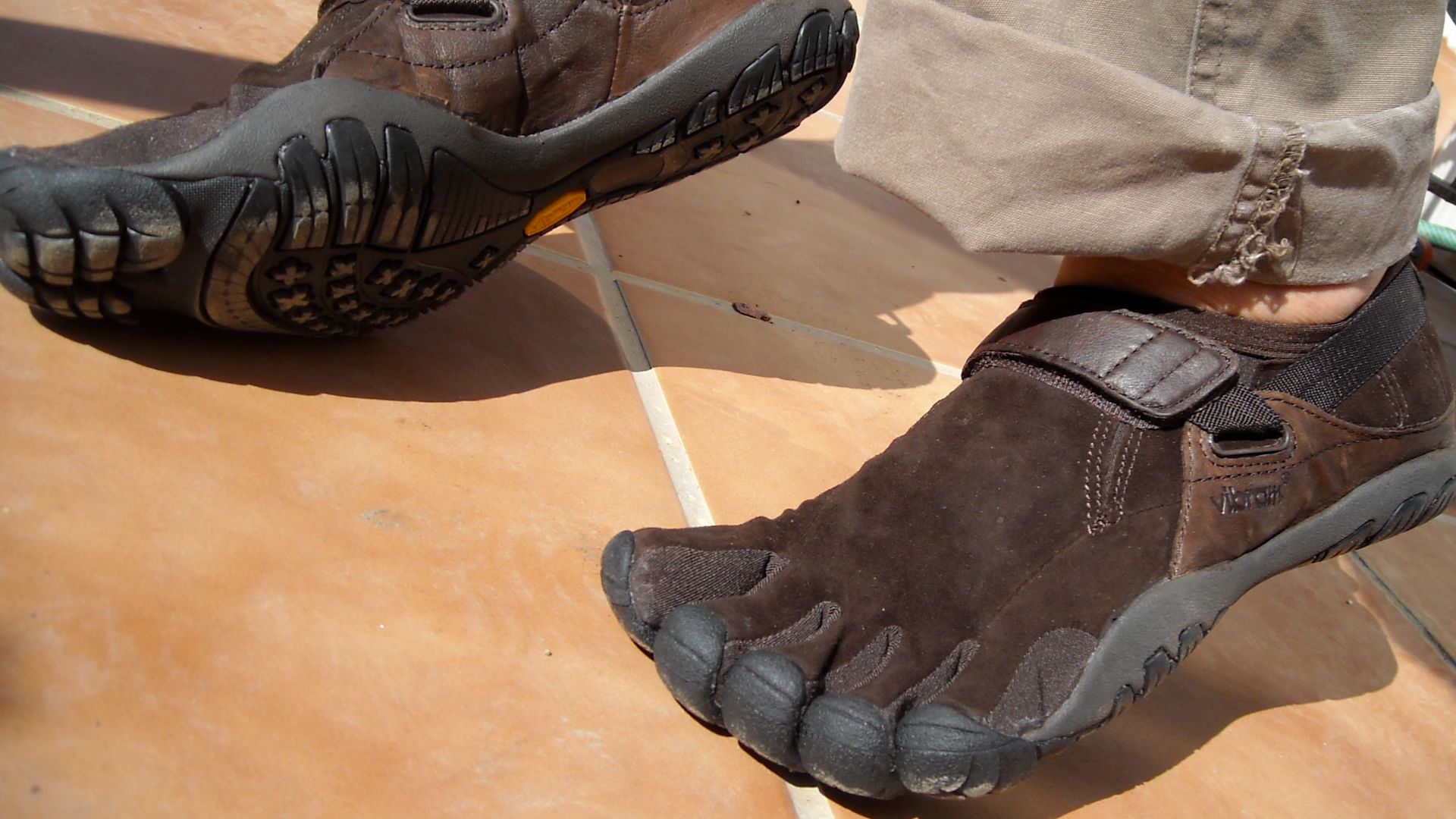
Ultra-thin soles measuring just 3-6mm give you direct, precise pedal feel that's remarkably similar to driving barefoot but with the added protection and legality of actual footwear. Many minimalist shoe enthusiasts report feeling the pedals "much better" than in thicker sneakers.
4. Boat/Deck Shoes
Did you know these were originally invented for sailors who needed reliable traction on wet boat decks? Boat shoes feature distinctive siping patterns cut into their non-marking rubber soles. This maritime heritage translates surprisingly well to automotive use.
 Damir Bosnjak damirphoto on Wikimedia
5. Ballet Flats
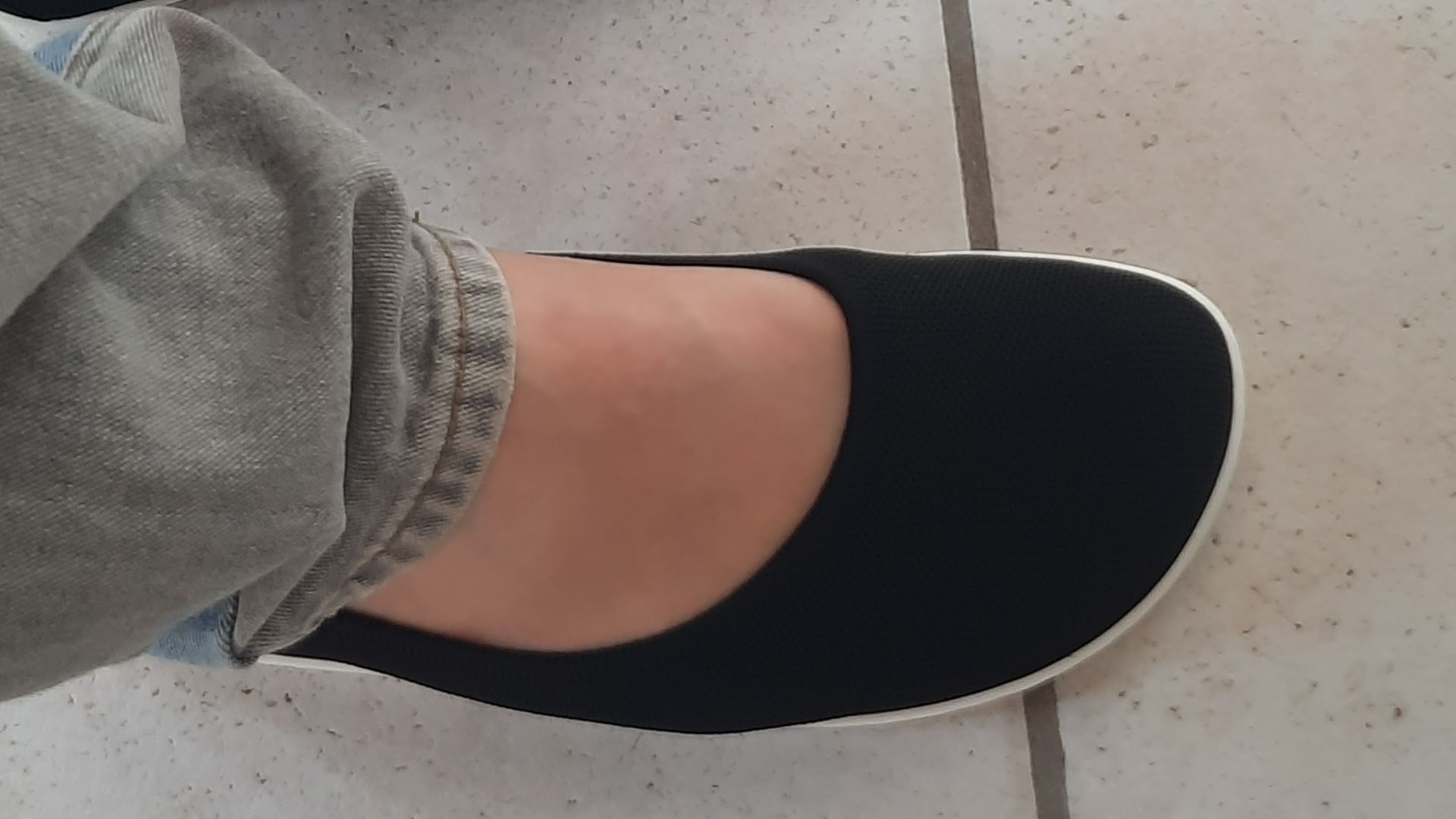
Many women keep a spare pair of ballet flats in the car specifically for switching out of heels before driving, essentially turning these simple shoes into a legitimate safety essential. The completely flat soles with minimal thickness allow a clear pedal sensation that gives you better control over every braking and acceleration input compared.
6. Thin-Soled Loafers
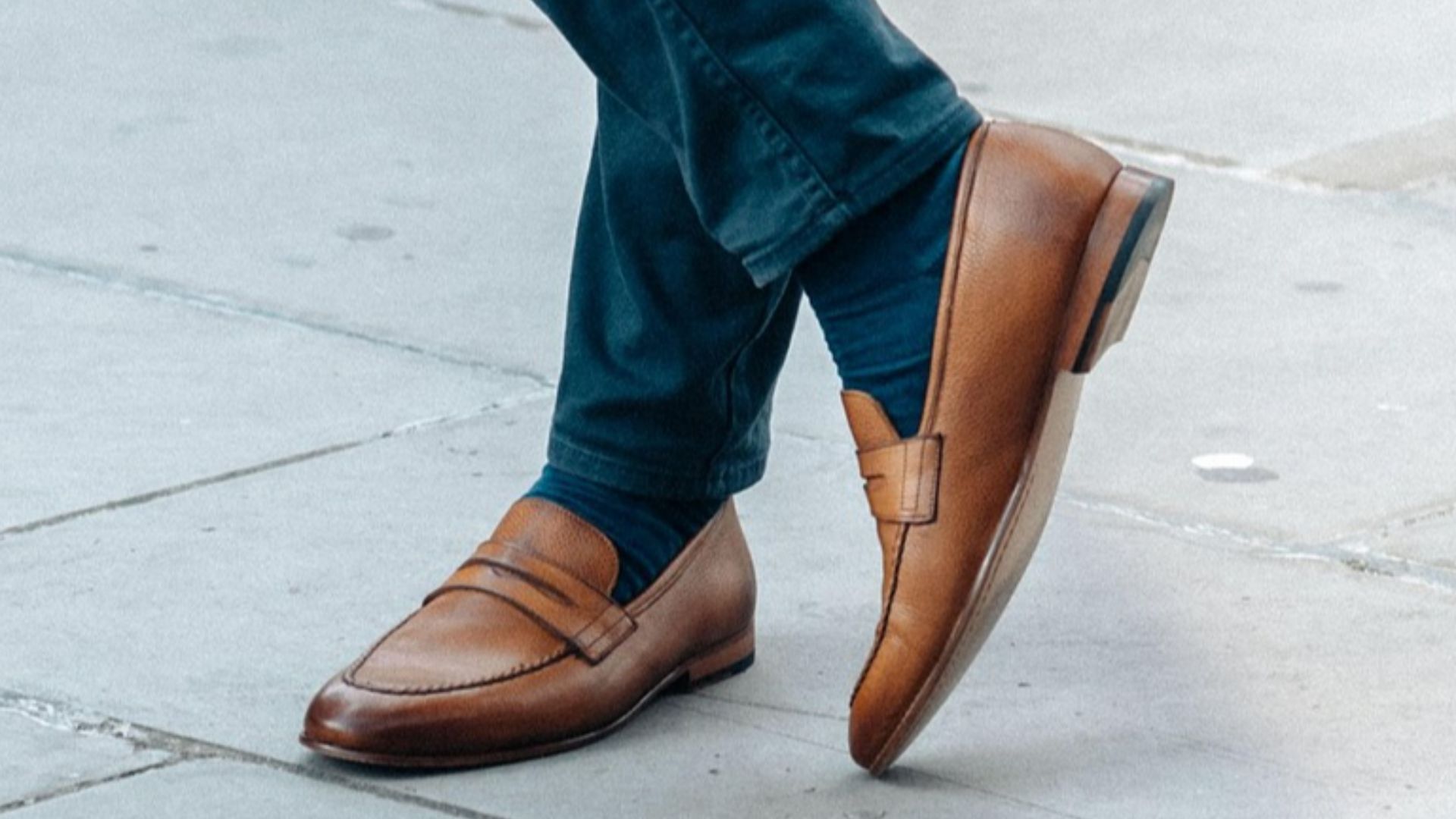
Thin-soled loafers are often called "driving loafers" in menswear circles because they successfully bridge the gap between formal style and practical pedal performance. The slip-on design makes them super convenient for short trips while still serving some good foot security.
7. Racing Shoes (Motorsport-Specific)
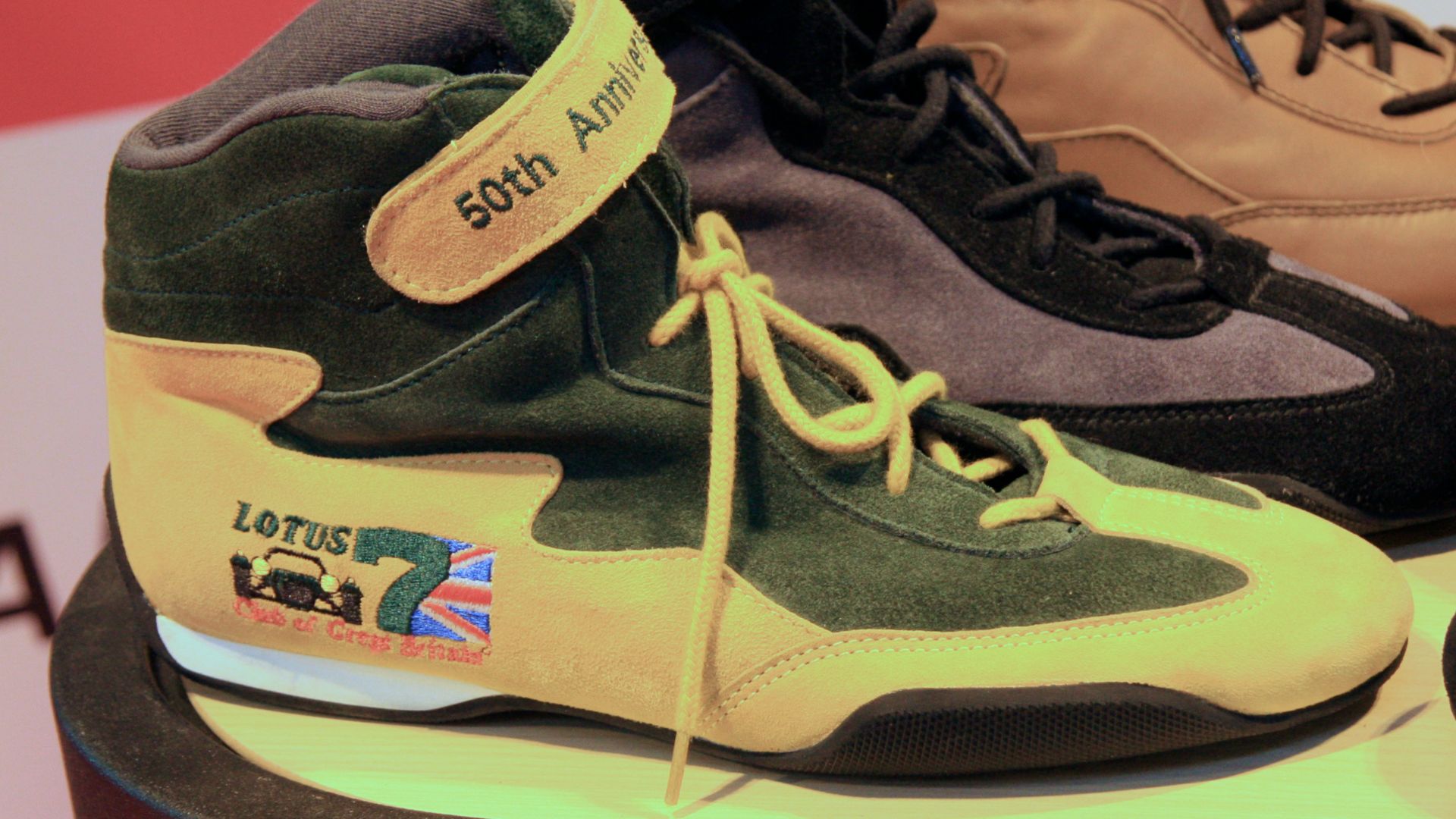
Professional racers like Michael Schumacher popularized racing shoes throughout the 2000s. The thin, grippy soles and narrow fit deliver maximum pedal precision and control in high-performance situations where milliseconds matter, and every input needs to be exact.
 Brian Snelson from Hockley, Essex, England on Wikimedia
8. Low-Cut Running Shoes
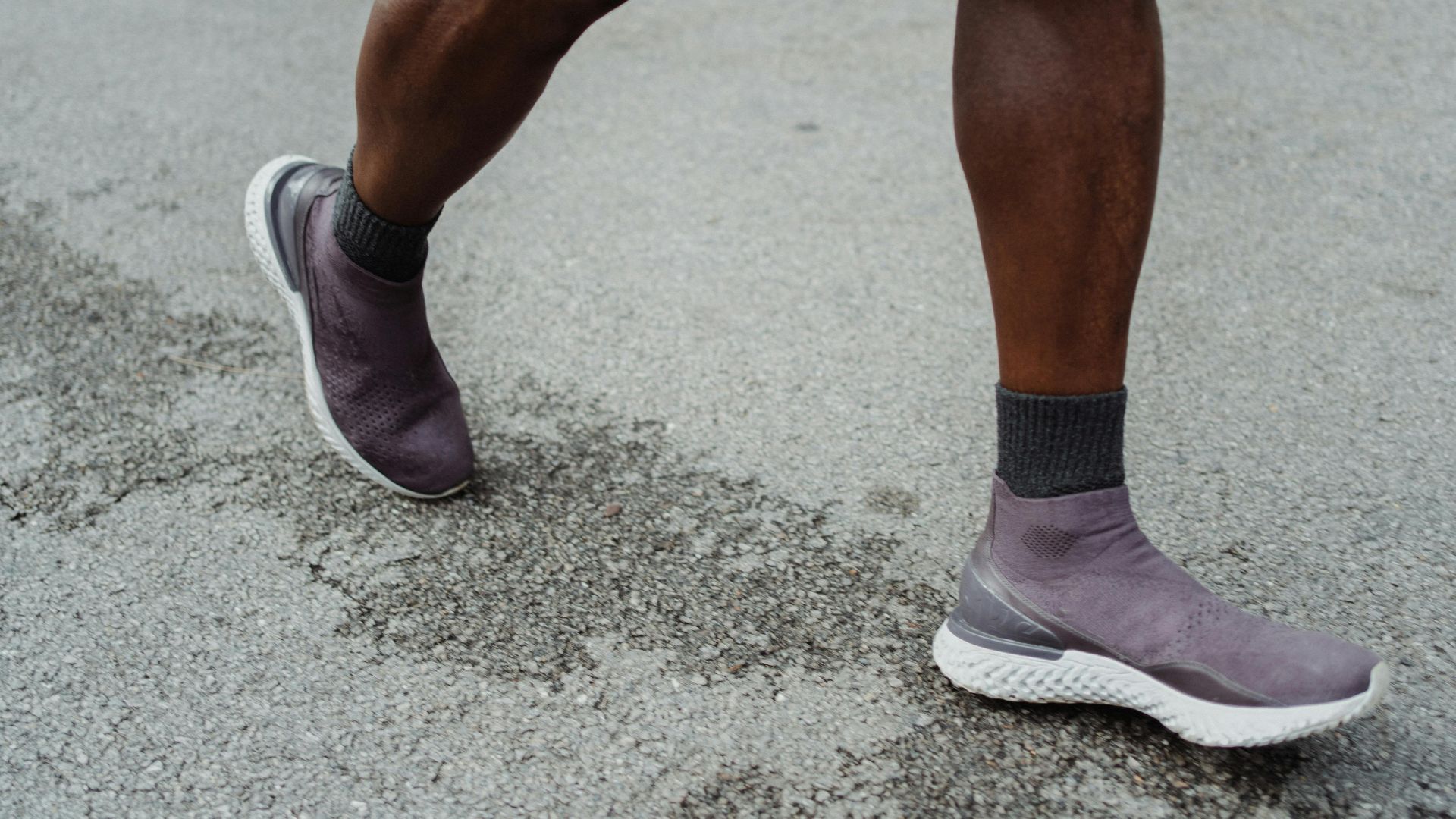
Some track-day enthusiasts specifically favor low-cut running shoes for their ideal balance of everyday wearability and genuine driving responsiveness when hitting the circuit. Lightweight and flexible construction allows smooth pedal transitions that reduce leg strain during both daily commutes and demanding driving situations.
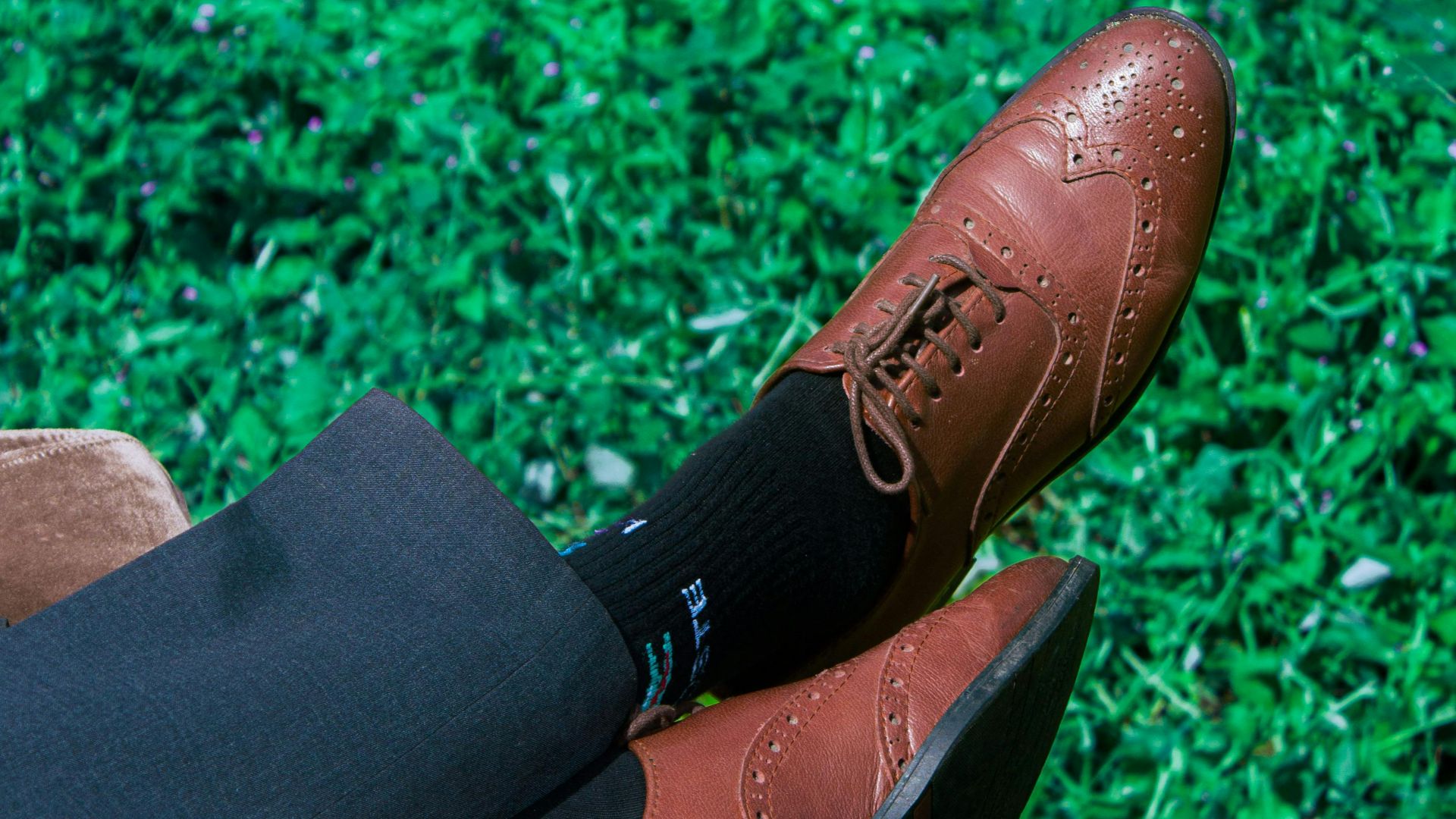
9. Thin-Sole Leather Oxfords
Thin-soled leather oxfords are the go-to choice for professionals who want to look sharp upon arrival but still feel the pedals perfectly during the drive. The snug leather fit keeps the shoe secure during rapid pedal work.
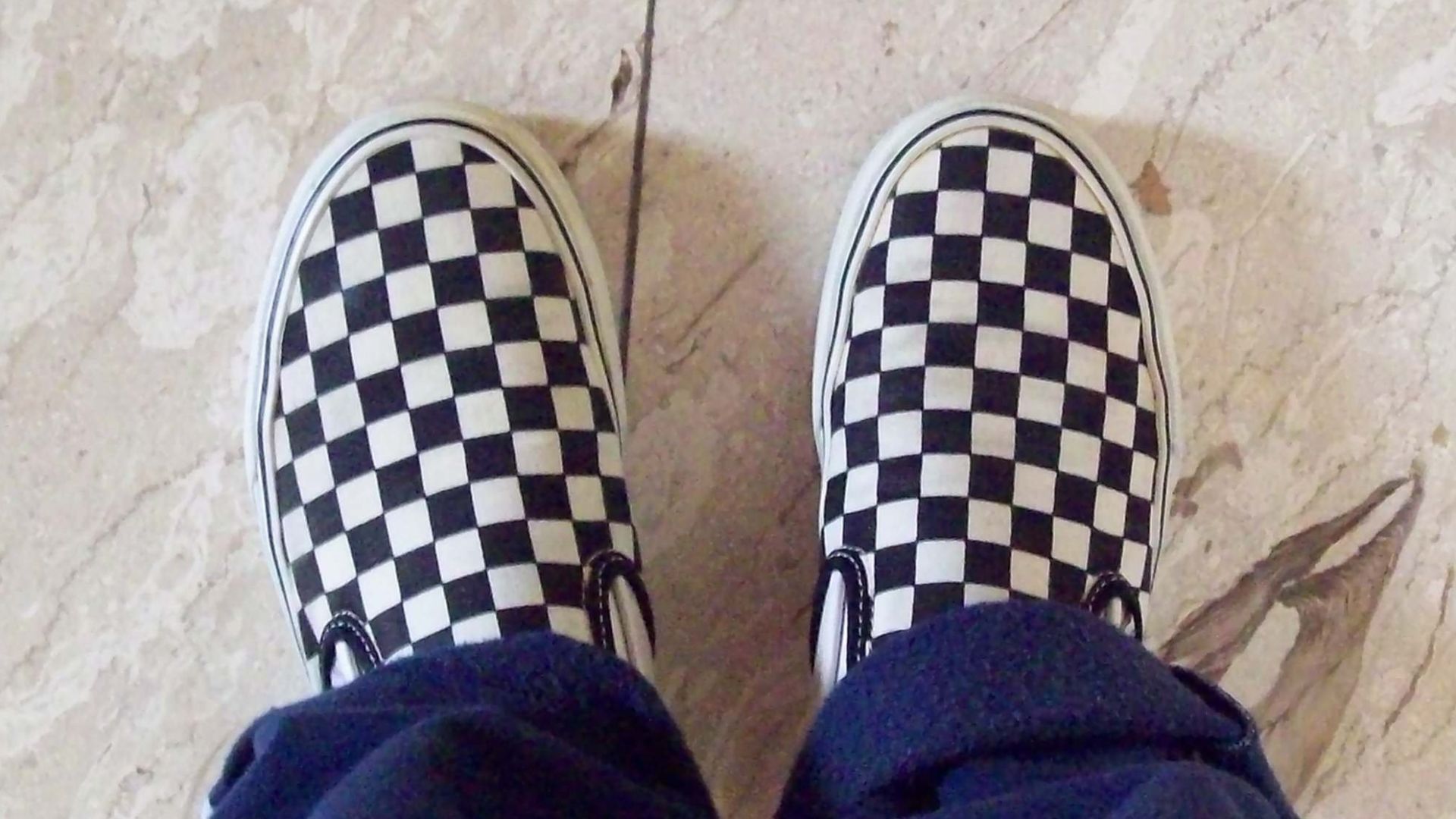
10. Slip-On Vans
Vans slip-ons have achieved cult favorite status among car enthusiasts and even appeared on the feet of Brian O'Conner in The Fast and the Furious franchise. The low-profile design makes them particularly ideal for heel-toe shifts and quick, precise movements.