
10 Car Tech Features That Improve Safety & 10 That Distract You
Not Every Fancy Feature Deserves the Same Level of Trust
Modern cars are packed with technology, and automakers are more than happy to tell you that all of it is making driving better. Some features really do help reduce crashes, improve awareness, and back you up when your attention slips for a second. Others, though, add screens, alerts, menus, and extra fiddling that can pull your eyes and brain away from the actual road. Here are 10 car features that actually help you be a safer driver and 10 that distract you.
1. Automatic Emergency Braking
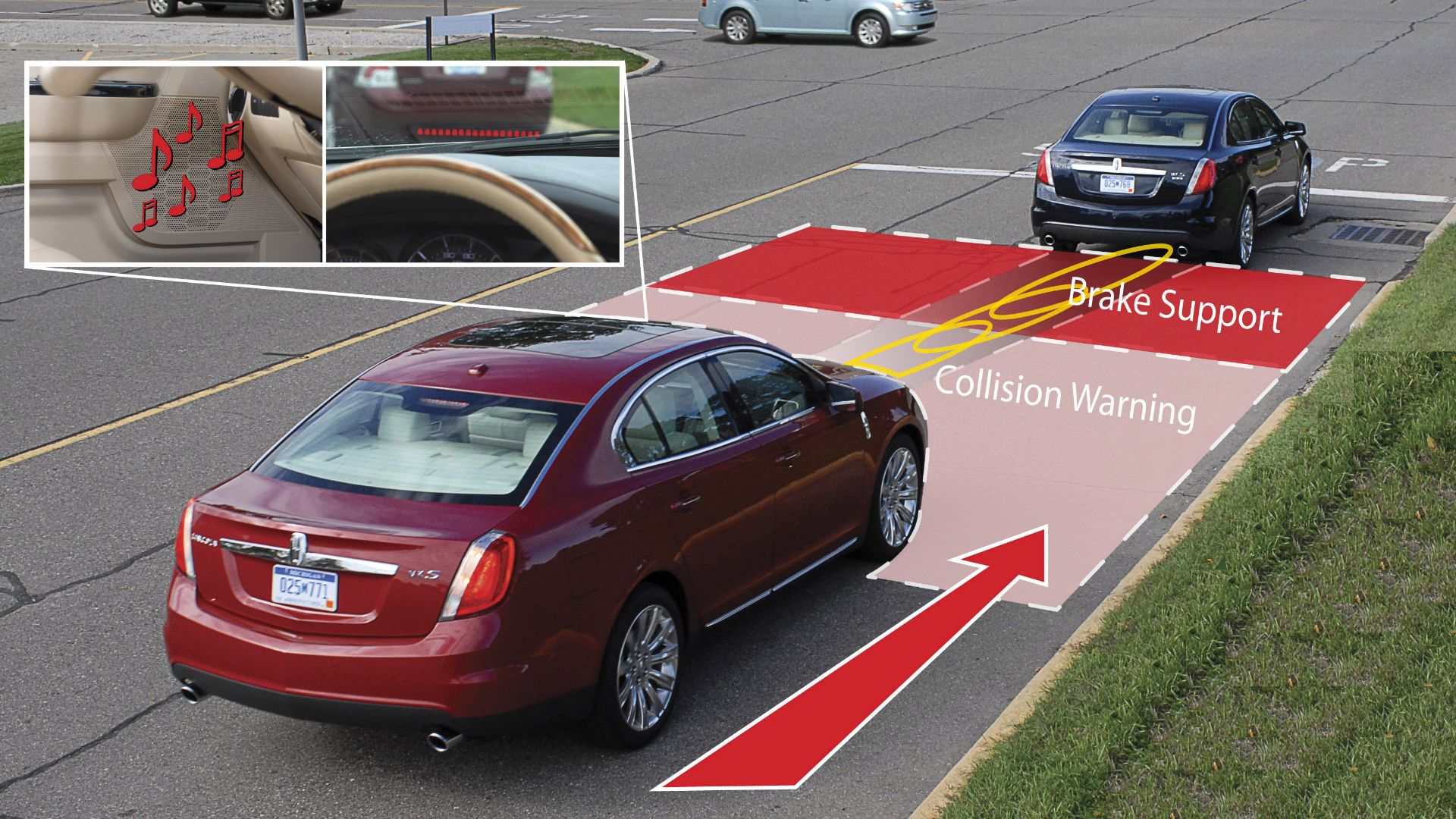
Automatic emergency braking (AEB) earns its good reputation because it can warn you about an imminent forward crash and, in some cases, brake if you don't react in time. NHTSA even issued a rule requiring AEB on new light vehicles. When a feature becomes important enough to move from optional selling point to federal safety standard, that tells you it's doing real work.
 Ford Motor Company on Wikimedia
2. Blind Spot Warning
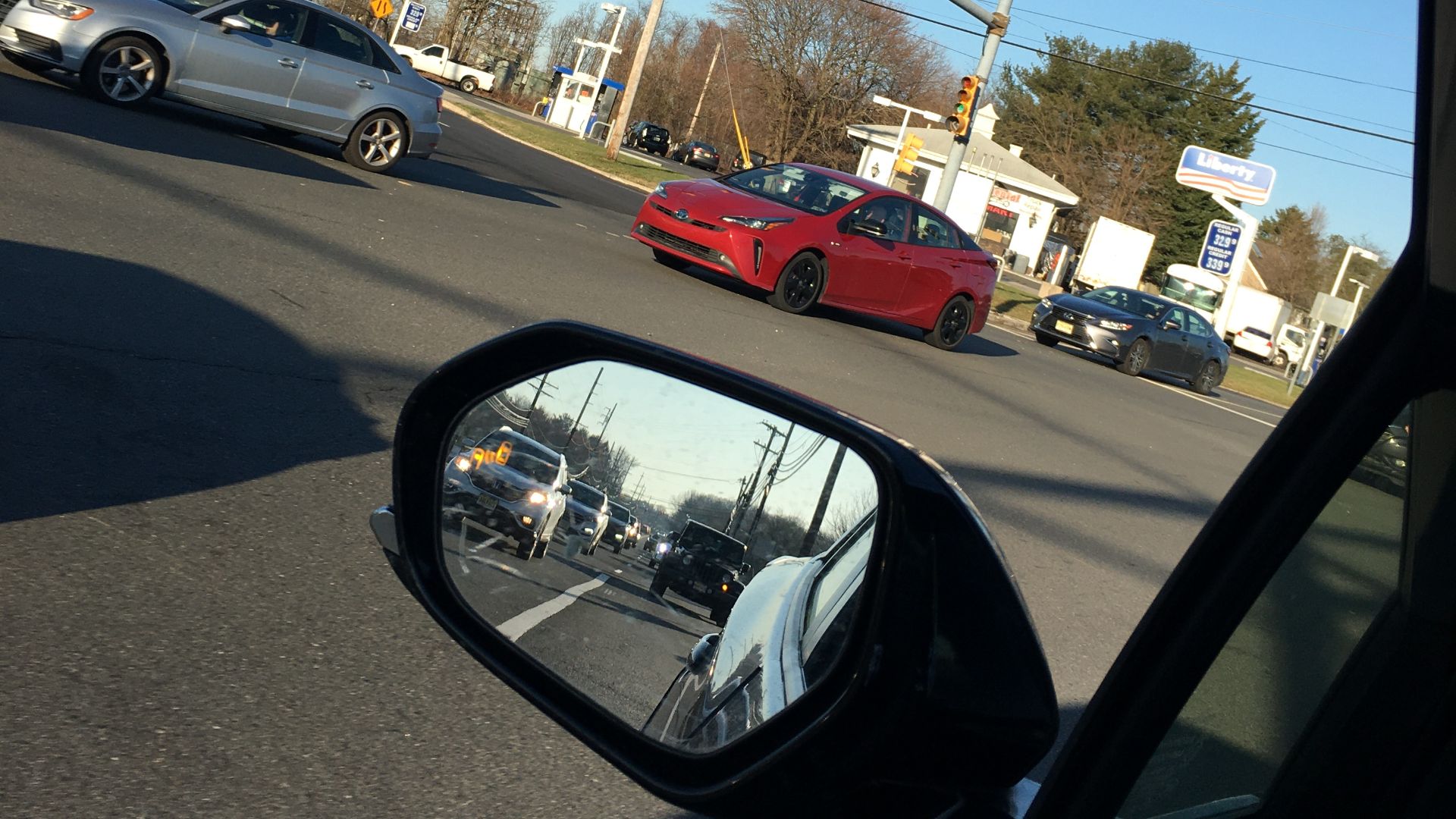
Blind spot warning is one of those systems that feels useful almost immediately once you drive with it for a while. IIHS says blind spot detection is among the features showing real-world crash reductions. It doesn't replace mirrors or shoulder checks, but it can catch the moment your confidence gets ahead of your visibility.
 Jonathan Schilling on Wikimedia
3. Lane Departure Warning
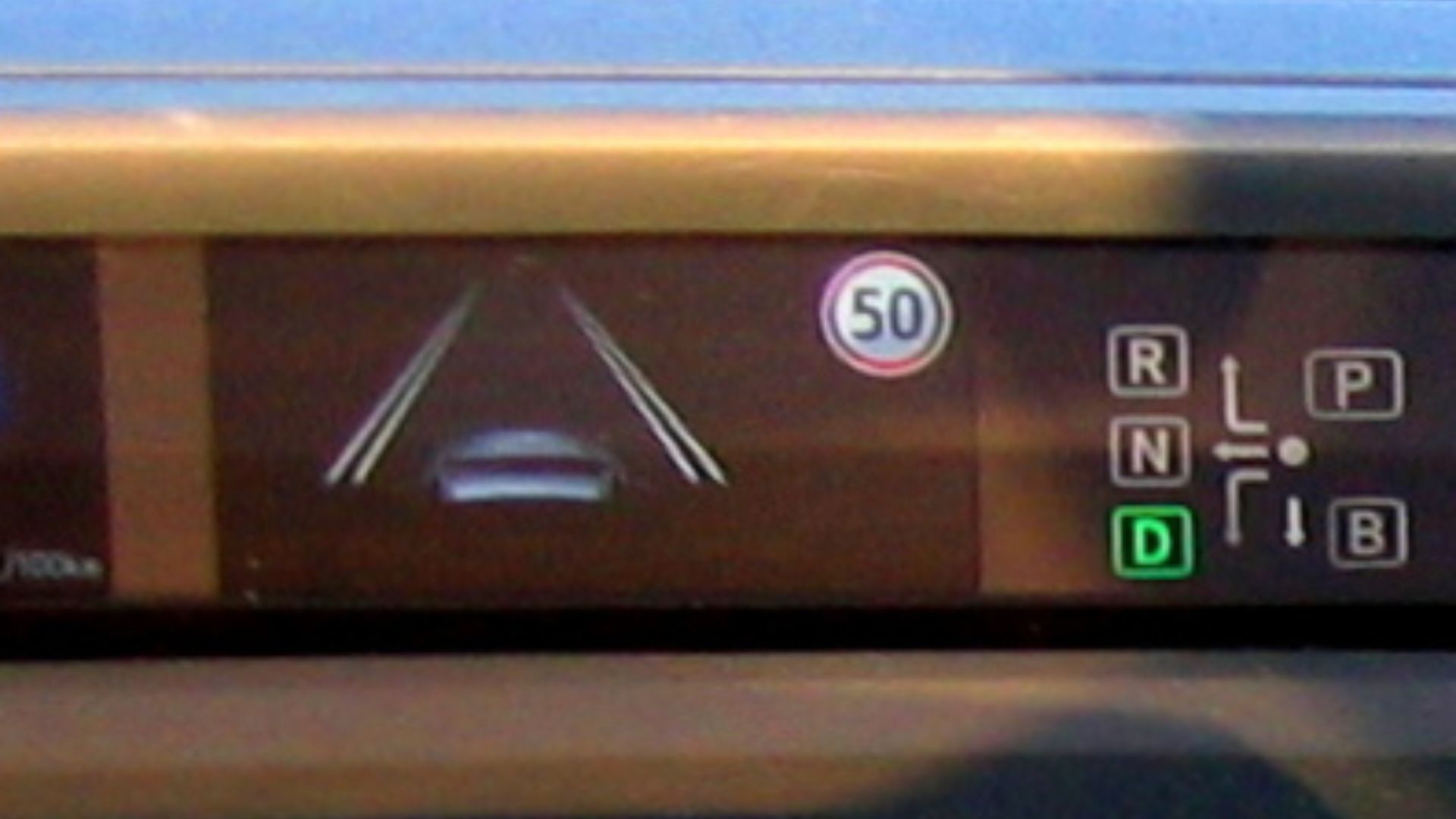
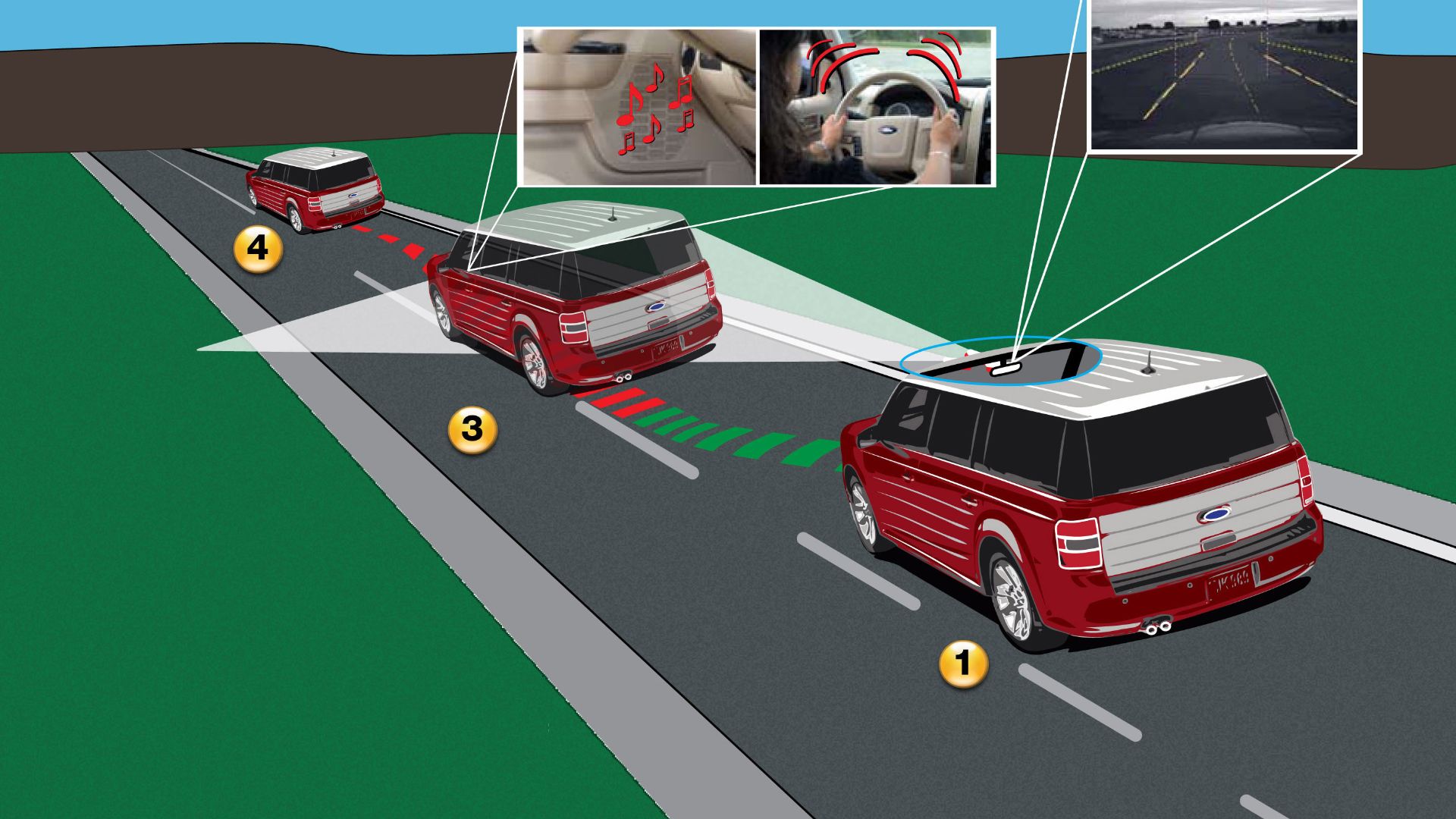
Lane departure warning is helpful because drifting out of your lane often happens when you're tired, distracted, or just not as centered as you think you are. The system warns drivers of unintentional lane shifts and can help prevent crashes involving vehicles in adjacent or opposing lanes. It's basically the car’s way of saying, very politely, that you need to pay attention.
4. Lane Keeping Assist or Lane Departure Prevention
This is where warning turns into action. IIHS includes lane departure prevention among the systems with real-world crash reductions, because some versions can apply steering or braking input to keep the vehicle from wandering farther. When it's tuned well, it doesn't feel dramatic, though it can absolutely save you from a mistake that was starting to become expensive.
 Ford Motor Company from USA on Wikimedia
5. Rear Automatic Braking
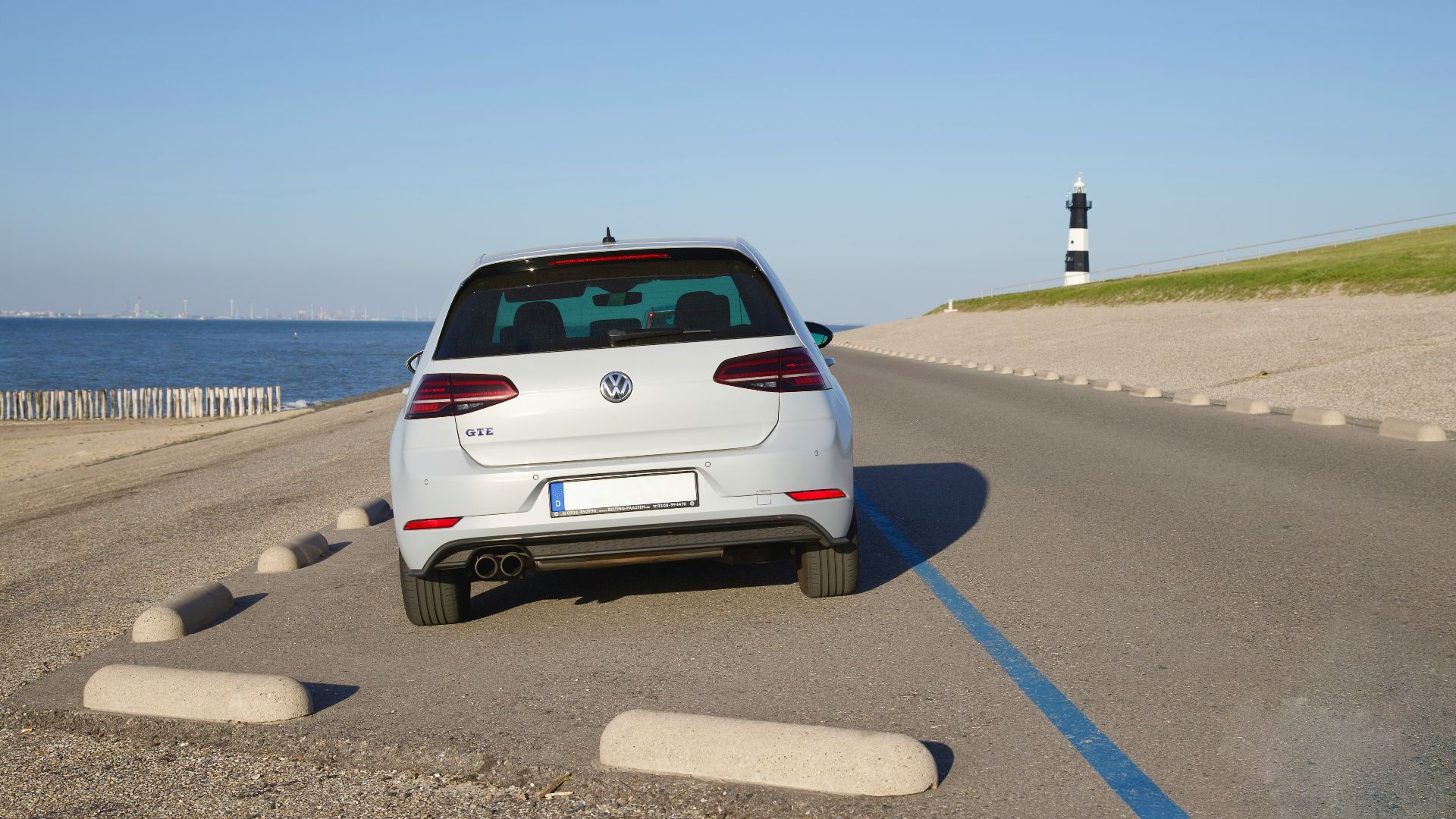
Backing up sounds simple until a child, a bike, a curb, or another vehicle appears where you didn't expect it. Rear automatic braking has become such a valuable low-speed safety feature that prevents real-world crashes. It's especially useful in crowded parking lots, where everybody seems a little too confident.
6. Backup Cameras
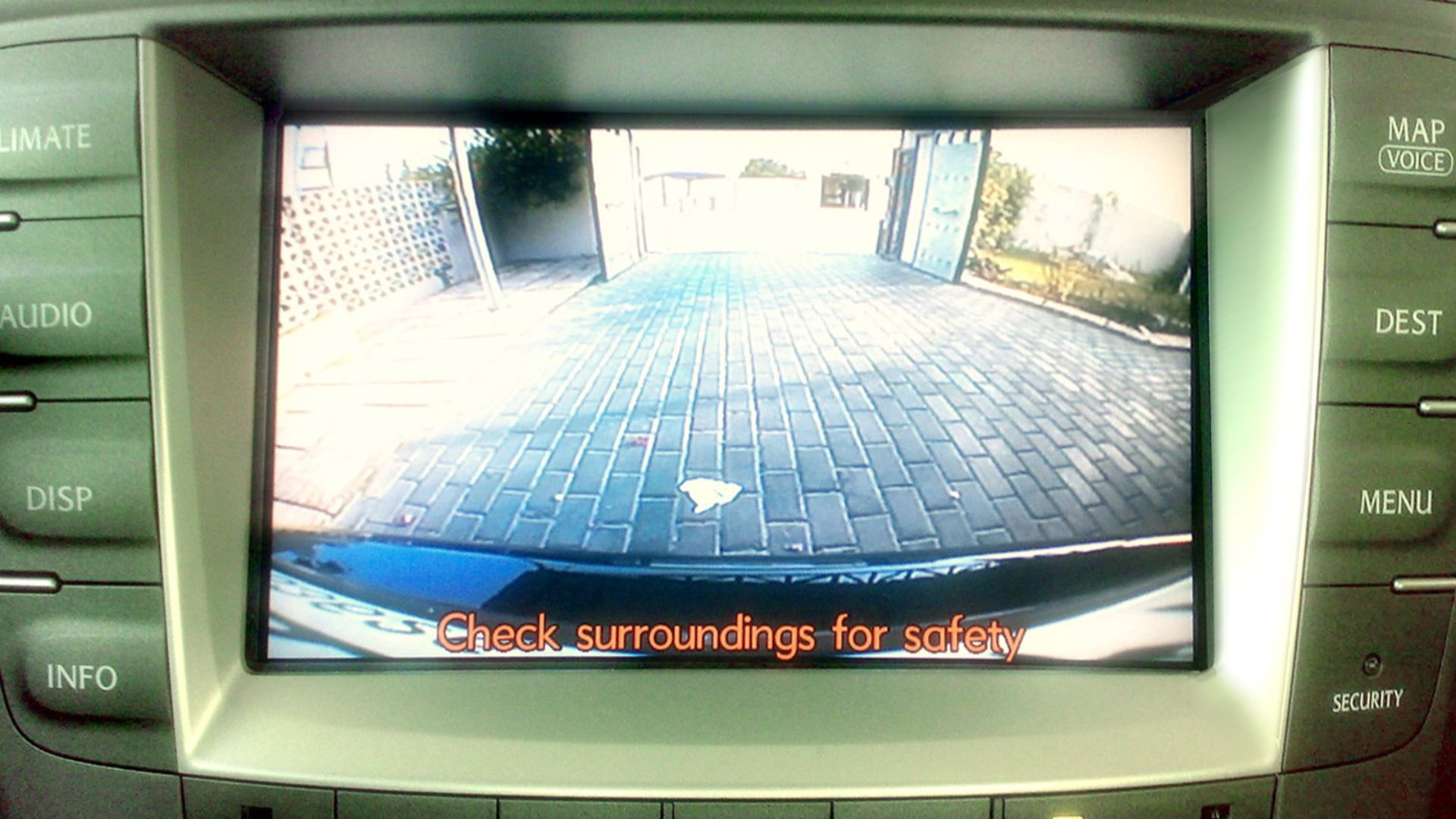
Backup cameras are so normal now that it's easy to forget they didn't always exist. They improve your view directly behind the vehicle, which is an area mirrors don't handle especially well. The basic idea is simple, but simple can still be genuinely helpful when it keeps you from reversing into something you never saw.
 https://www.flickr.com/photos/banoootah_qtr/ on Wikimedia
7. Adaptive Headlights or High-Beam Assist
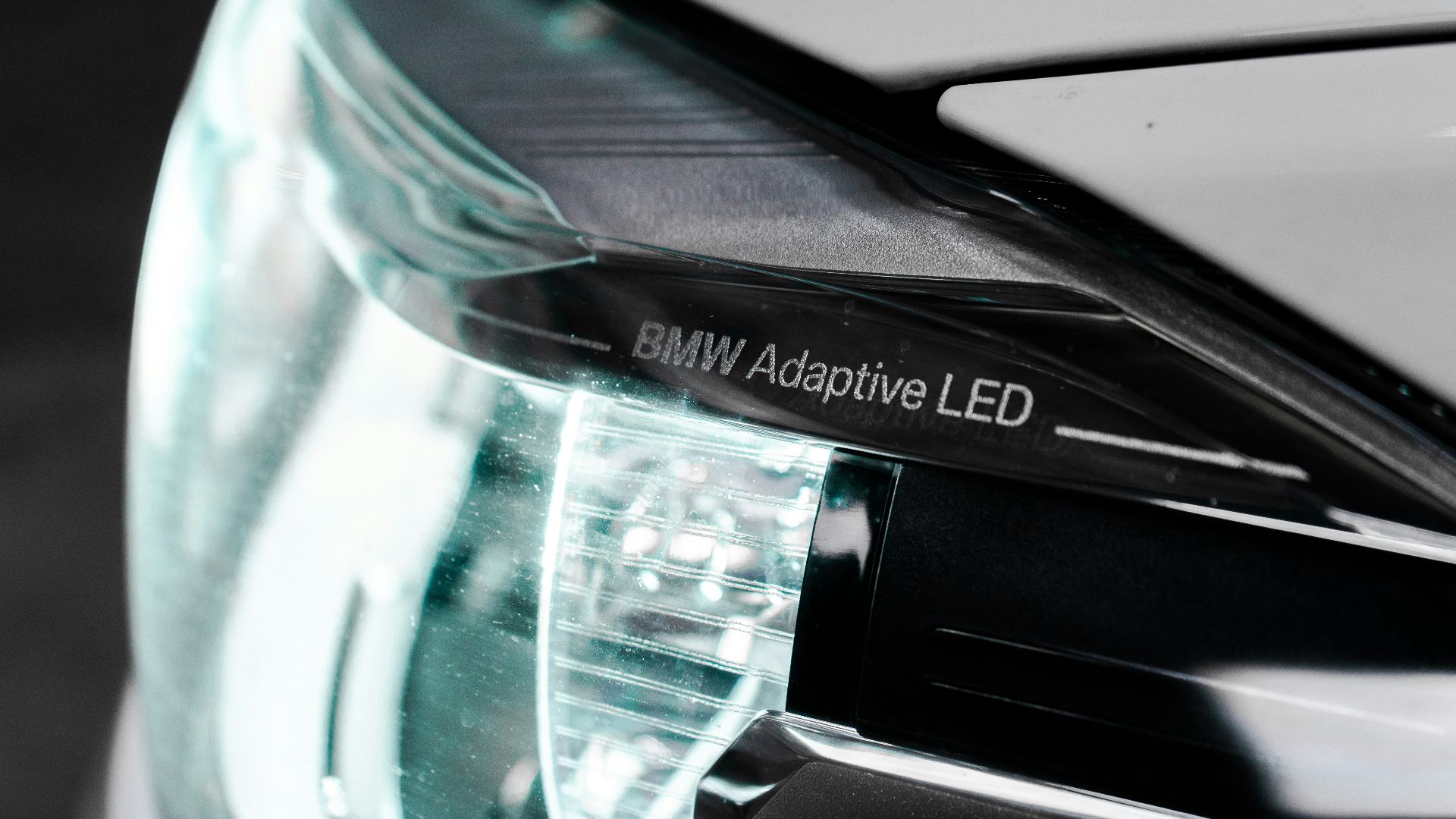
Good lighting matters more than many drivers admit, especially on dark roads when reaction time is everything. High-beam assist is one of the technologies whose safety benefits stack up when bundled with other driver assistance systems. Anything that helps you see hazards earlier without forcing constant manual adjustment is doing something useful.
8. Adaptive Cruise Control Used Properly
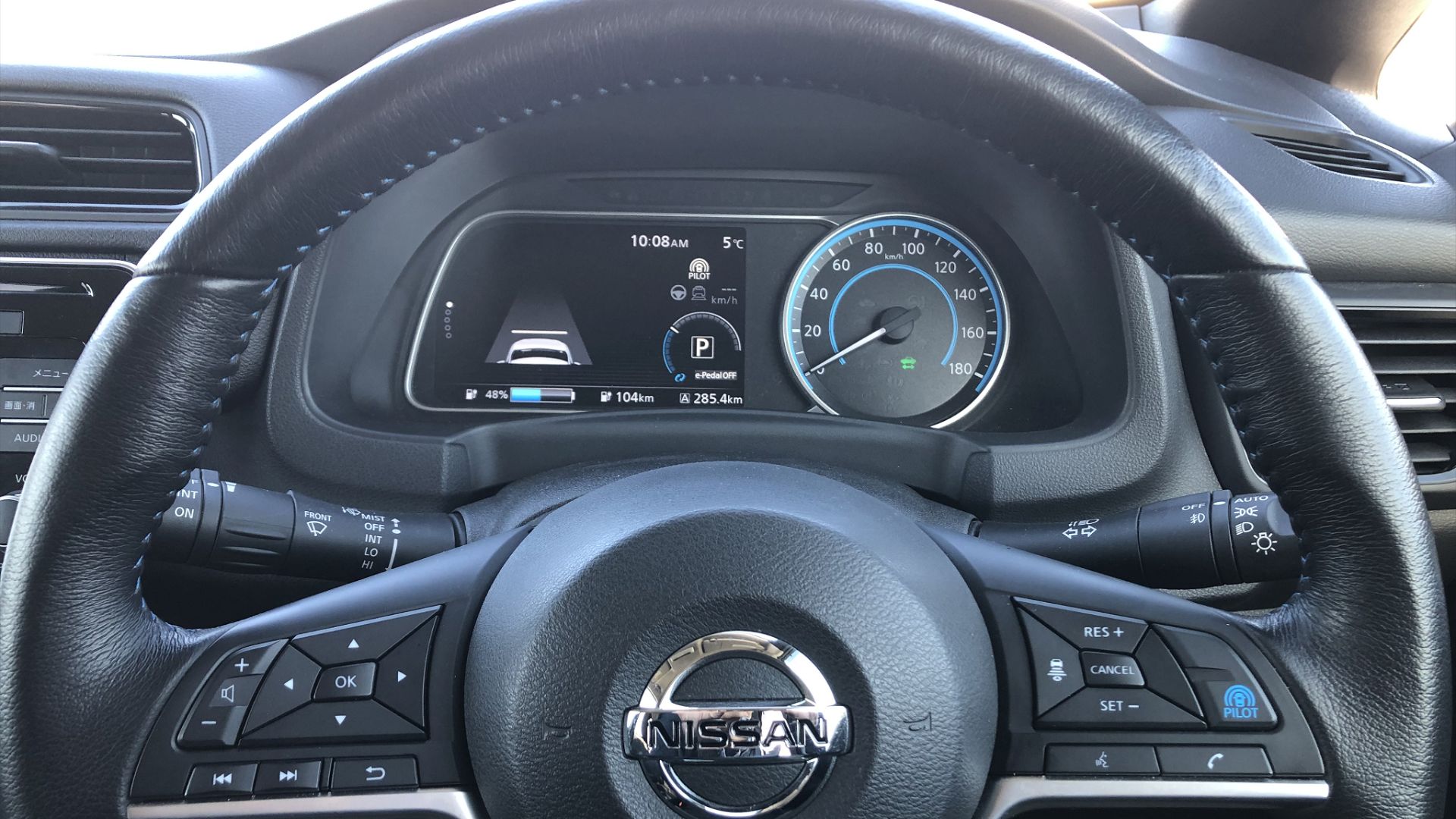
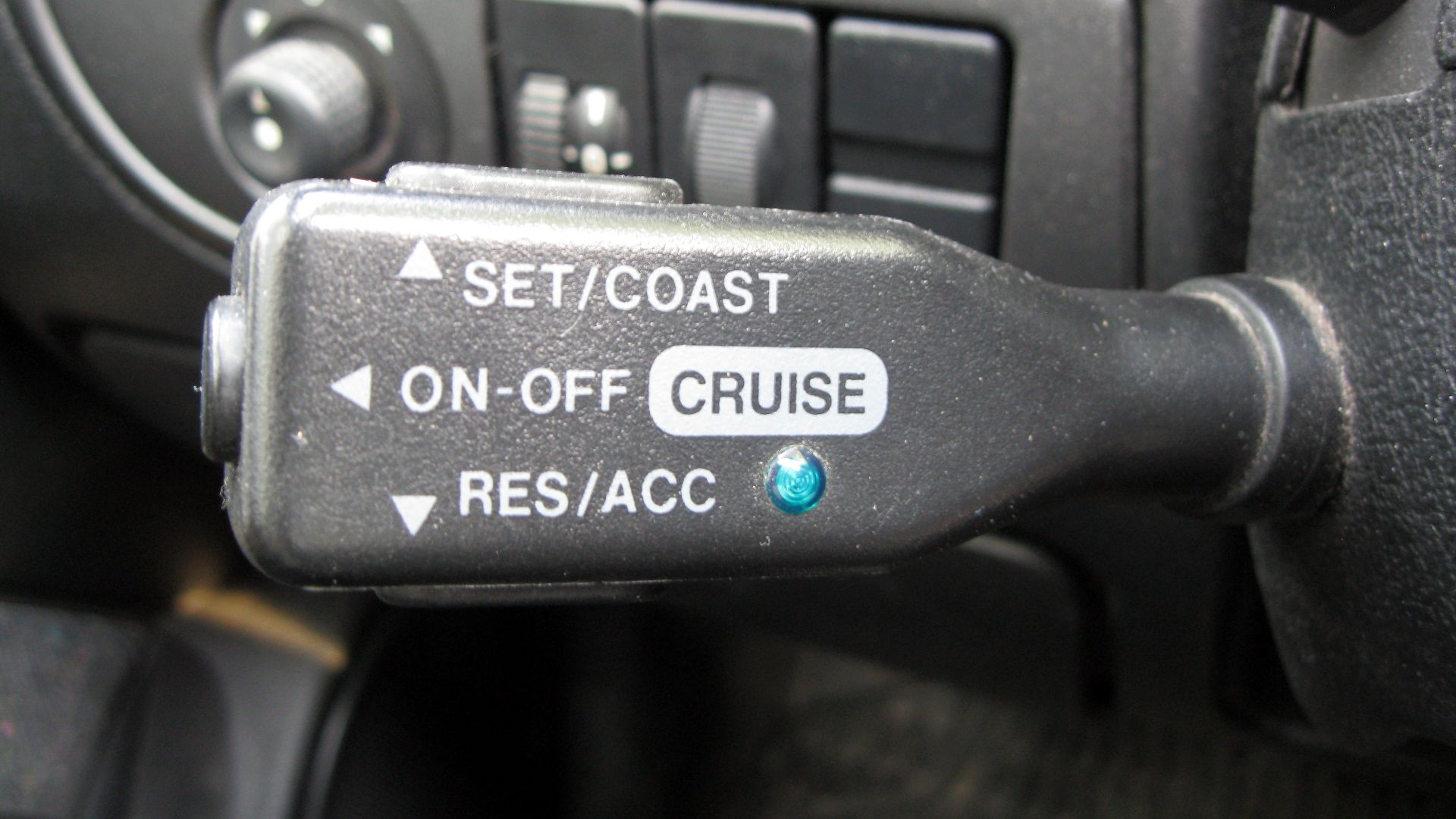
Adaptive cruise control isn't magic, and it absolutely isn't permission to zone out. Still, official safety guidance says advanced driver-assistance systems can help maintain safer travel distances, and adaptive cruise is one of the tools designed to support that by adjusting speed relative to the vehicle ahead. On long highway stretches, it can reduce some of the small, tiring speed-management work that makes drivers sloppy over time.
 Santeri Viinamäki on Wikimedia
9. Cross-Traffic Alert
A cross-traffic alert is especially helpful when you're reversing out of a parking space with terrible sightlines and too many oversized vehicles around you. It extends your awareness into those awkward moments where something may be approaching from the side before you can naturally see it well. This is the kind of feature you may forget exists right up until it saves you.

10. Driver Monitoring Systems
Driver monitoring can feel a little naggy, but that doesn't mean it's pointless. Systems that watch for signs of inattention, drowsiness, or lack of engagement are increasingly important as cars add more partial-automation features that tempt people to relax too much. In a car culture where people keep wanting technology to drive for them before it actually can, a feature that reminds you to stay present is useful.
Now that we've covered the 10 car features that improve safety, let's talk about the ones that actually distract drivers.
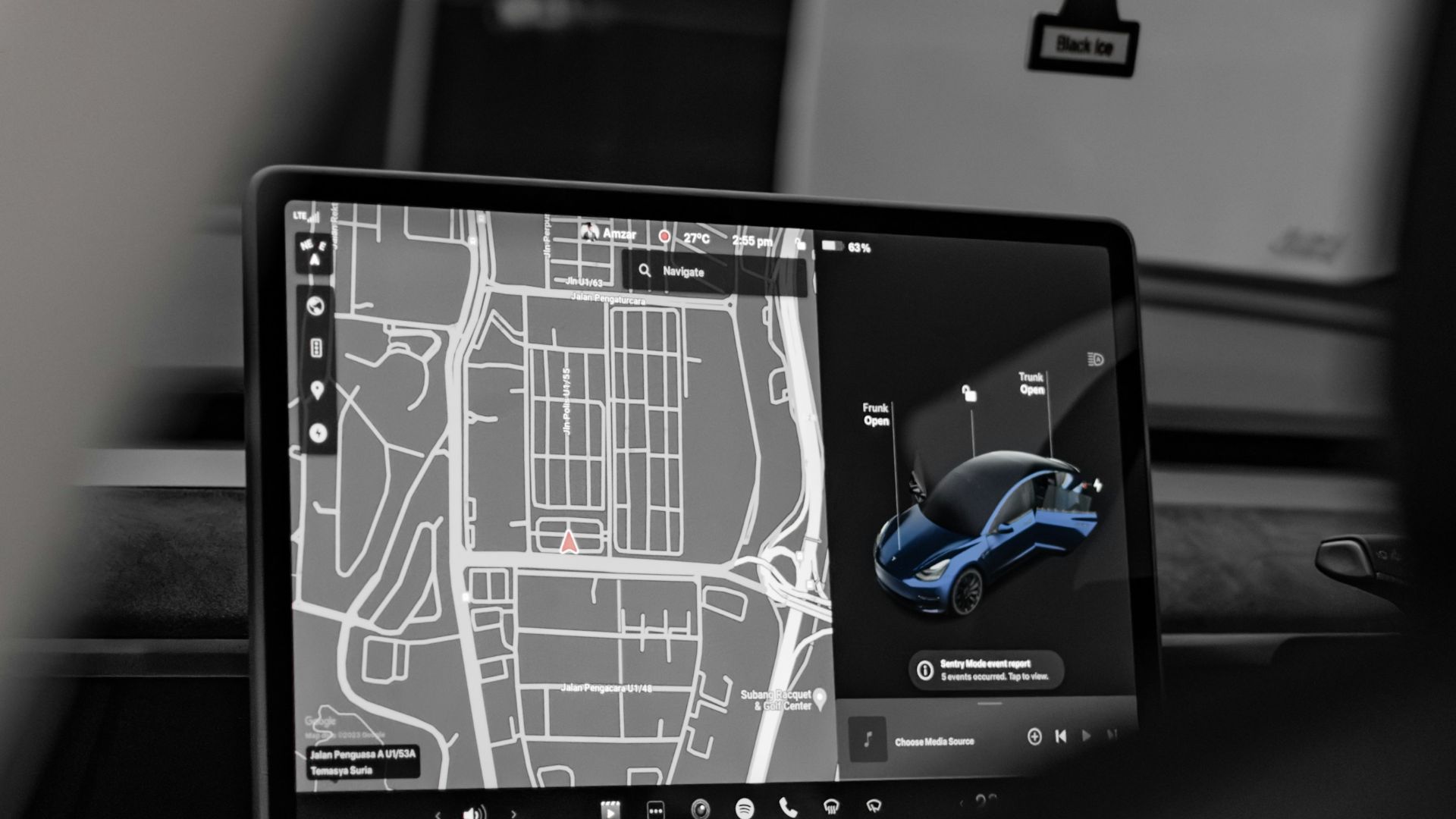
1. Giant Touchscreens for Basic Controls
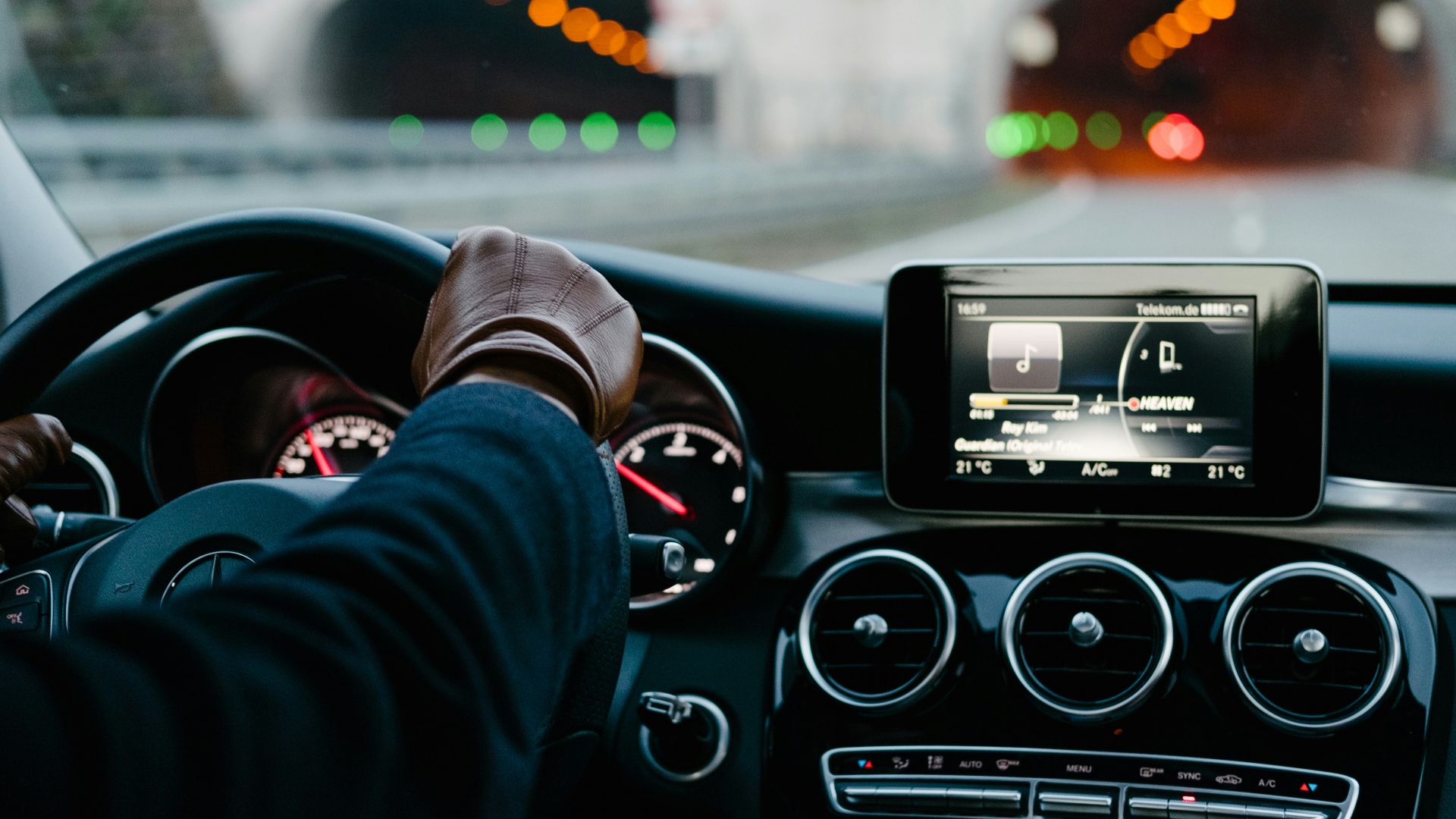
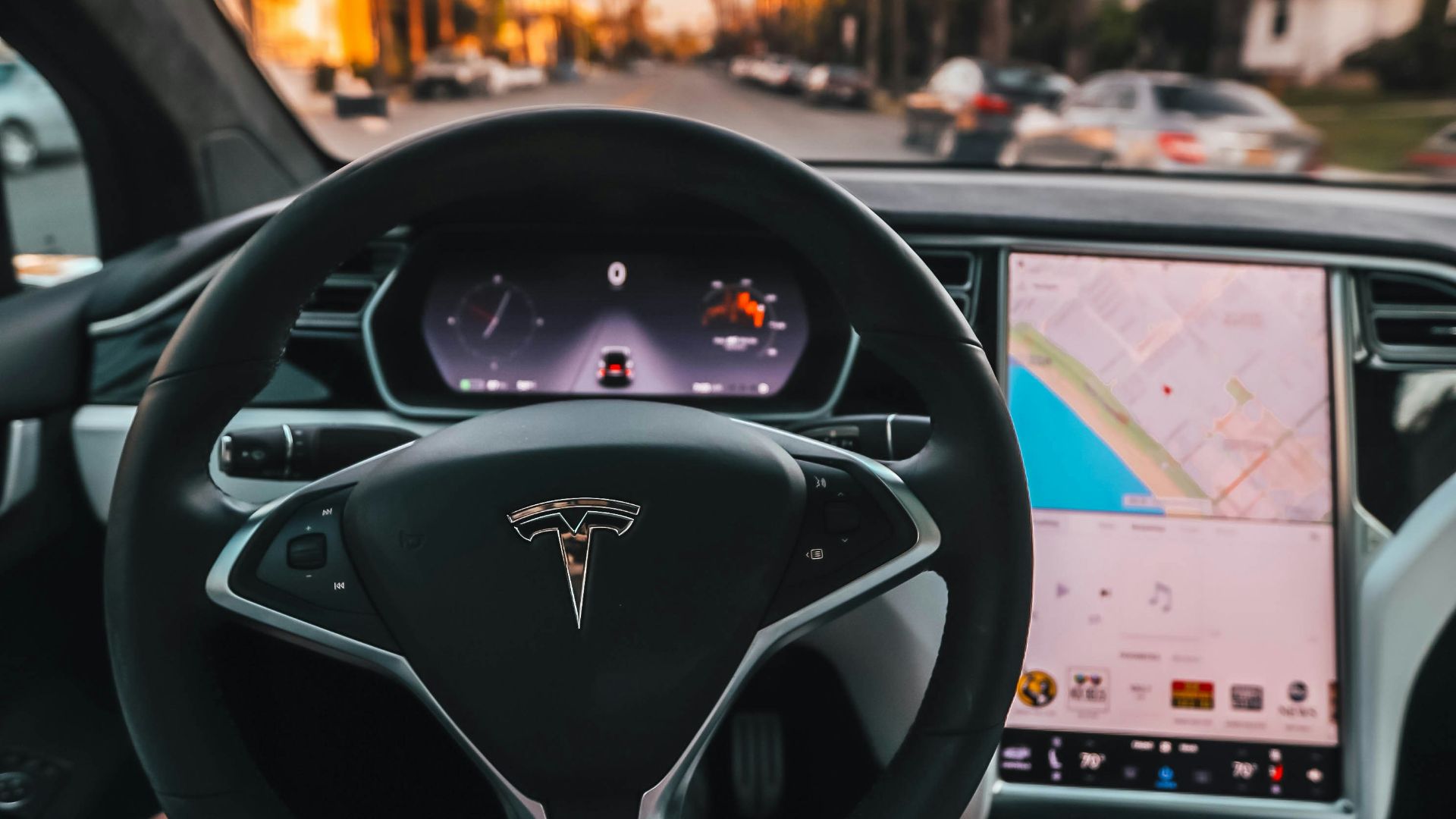
A huge touchscreen may look futuristic, but it often turns simple actions into a visual scavenger hunt. Anything that takes your eyes off the road for too long is a bad idea, and a lot of these systems seem to forget that. If changing the climate control now requires menu diving, the car has not exactly respected your limited supply of attention.
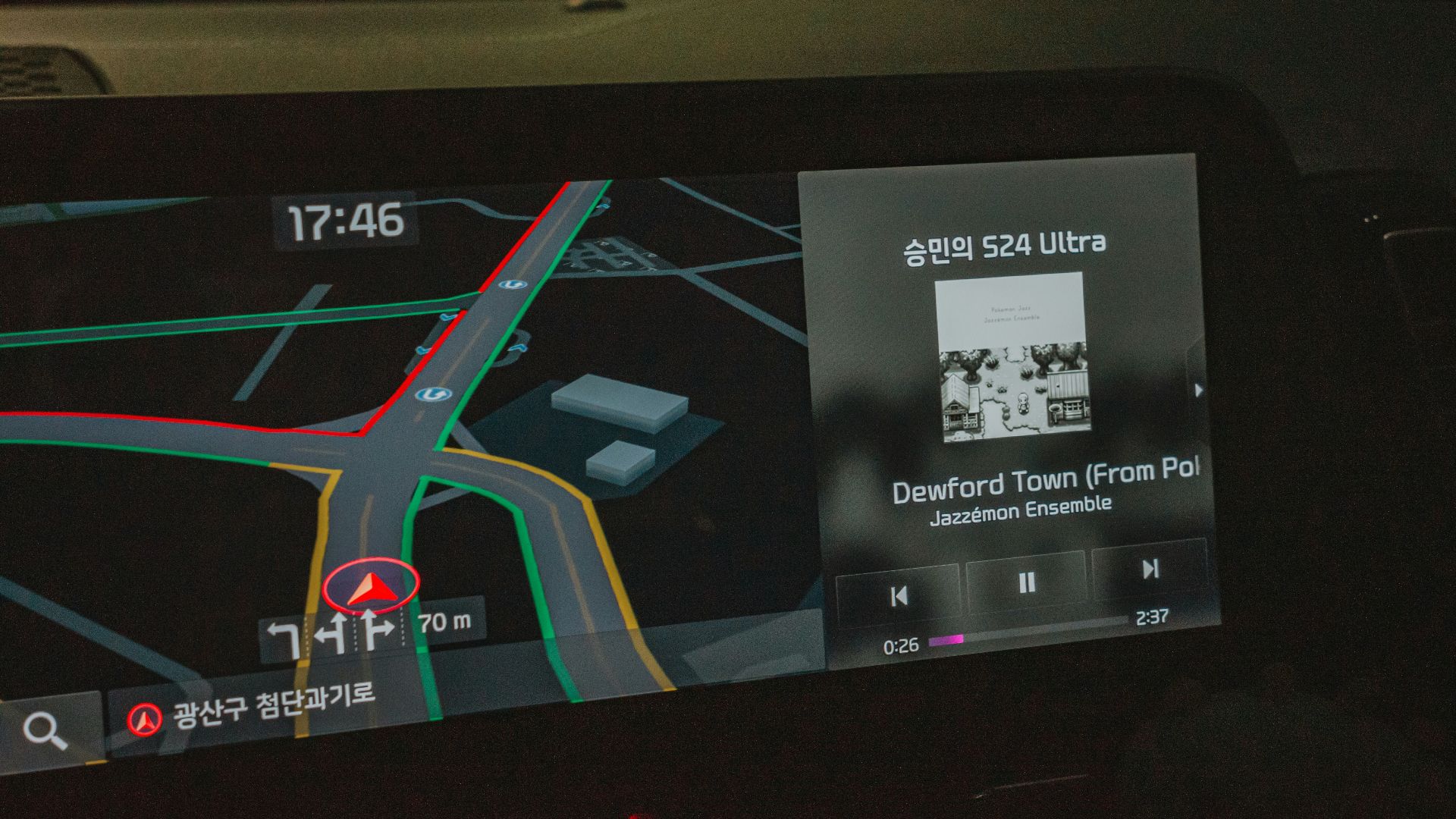
2. Buried Climate Settings in Infotainment Menus
Temperature, fan speed, and defrost used to be easy, fast, and tactile. Once those functions get buried inside a screen, you have to look away longer and think harder than a basic comfort adjustment should ever require. That might feel sleek in a showroom, but on a moving road, it is just one more invitation to stop watching where you're going.
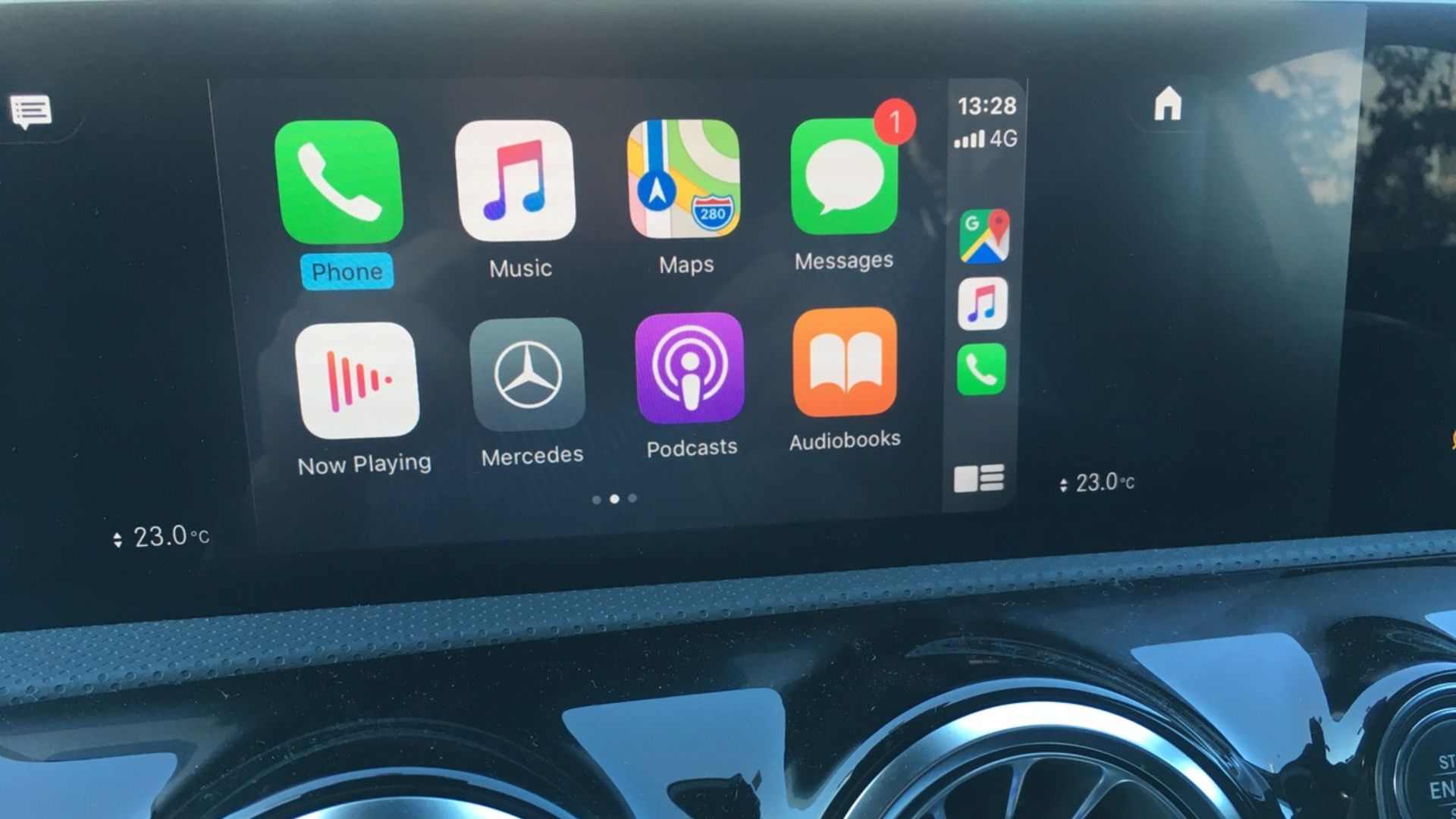
3. Built-In Texting & Message Reply Systems
Automakers sometimes present these features as safer because the phone itself is not in your hand. The problem is that distraction isn't only manual. AAA warns that systems like Apple CarPlay and Android Auto can create dangerous visual and mental distractions. A message is still a message, even if it reached you through a dashboard instead of your pocket.
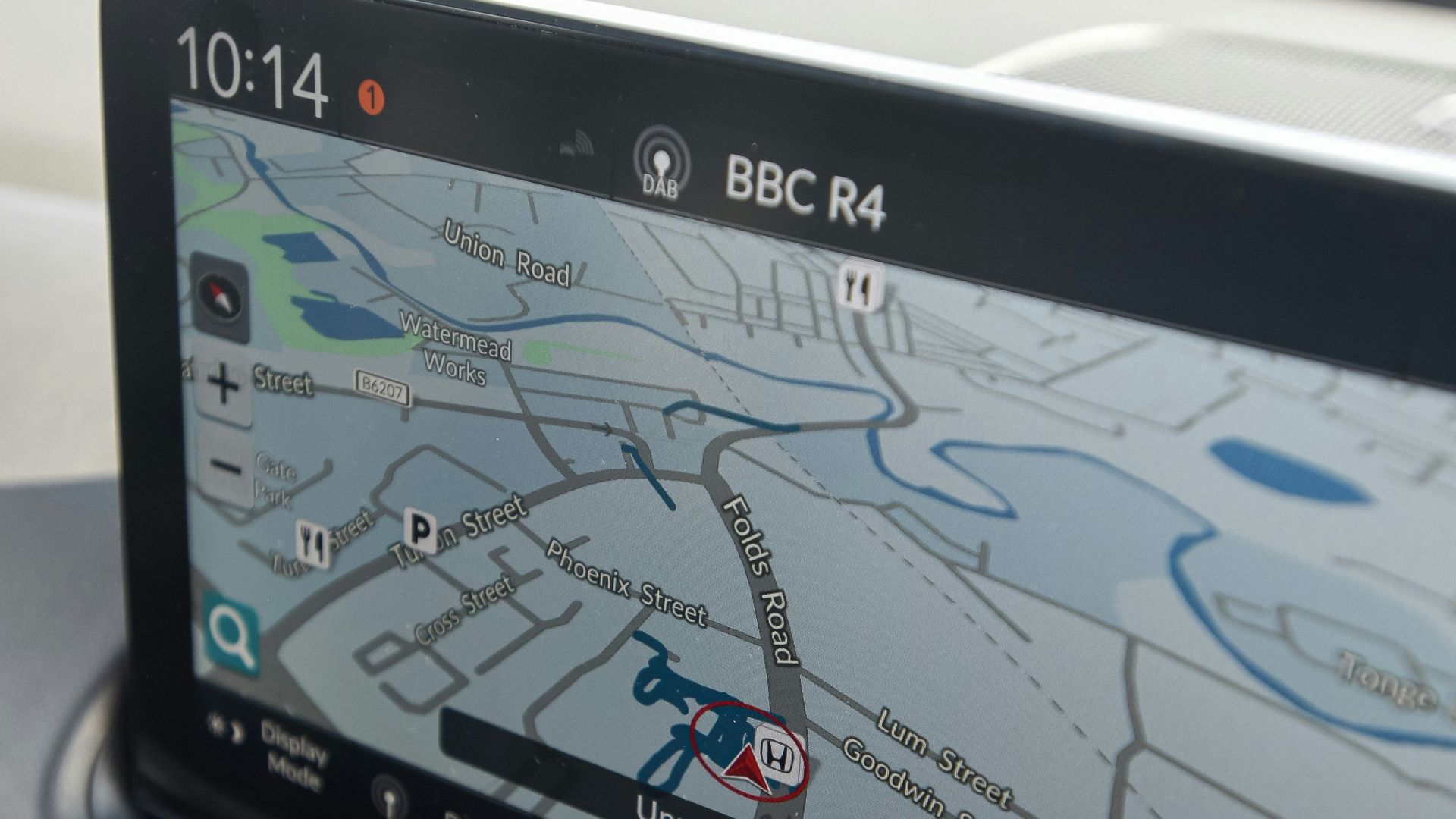
4. Complicated Navigation Input While Moving
Navigation is useful, but typing destinations or hunting through route menus while driving is exactly the kind of secondary task safety agencies worry about. NHTSA’s distraction guidelines stress that tasks shouldn't exceed the distraction associated with baseline radio tuning. If your map setup requires several taps and a tiny keyboard while traffic is moving, the problem isn't your multitasking skill; it's the system itself.
 Swansway Motor Group on Unsplash
5. Streaming Apps & Entertainment-Heavy Interfaces
The more a car starts acting like a rolling living room, the more careful you need to be about what it's asking your brain to process. AAA says vehicle infotainment systems now include capabilities that increase visual and mental distractions. A car doesn't need to be boring, but it does need to know what job comes first.
6. Too Many Alerts Layered On Top of One Another
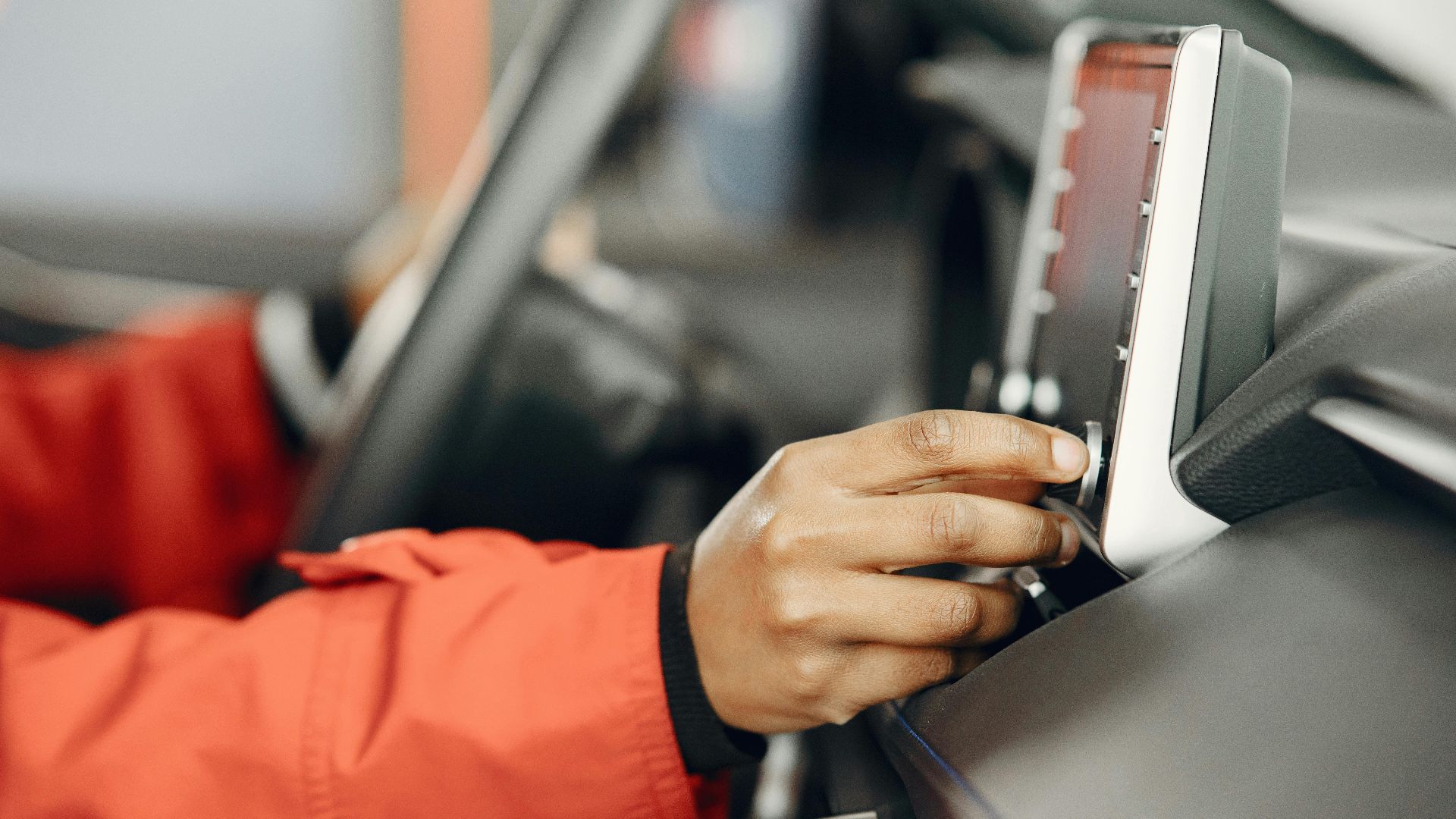
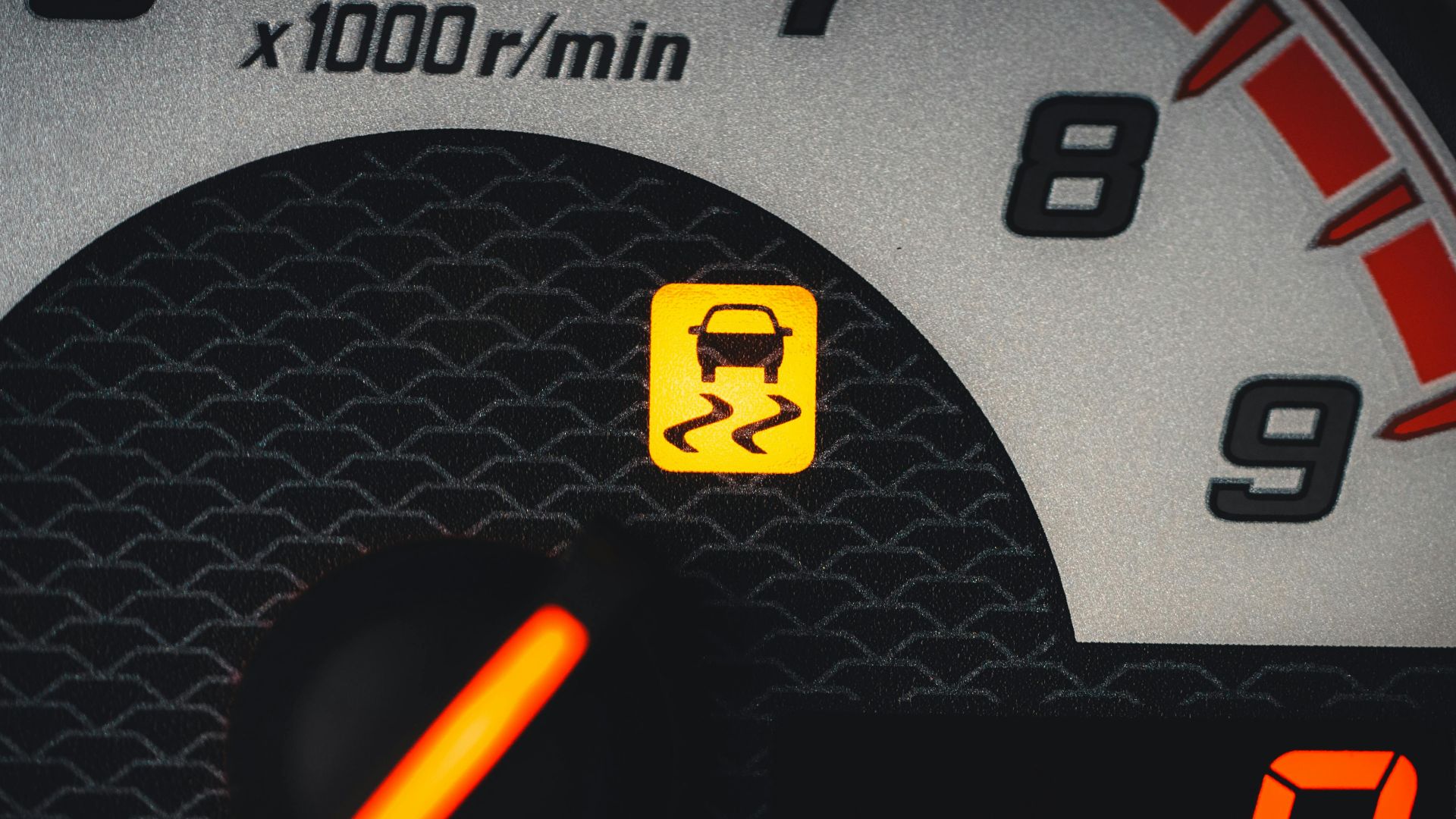
Warnings can be helpful, but an endless cascade of chimes, icons, nudges, and pop-ups can turn useful assistance into background clutter. Once drivers start tuning out alerts because everything seems urgent all the time, the genuinely important warnings lose some of their power. Technology works best when it supports your attention, not when it nags it into numbness.
7. Voice Controls That Take Too Much Mental Effort
Voice control sounds like the clean solution because your hands can stay on the wheel. In reality, badly designed voice systems can still create cognitive distraction if you're repeating commands, correcting errors, or thinking through awkward prompts while traffic keeps moving. Hands-free is better than hands-busy, but it's not the same thing as attention-free.

8. Overconfidence From Partial Automation
As cars add more assistance, some drivers start treating adaptive cruise, lane centering, or similar systems like they're substitute drivers instead of support tools. Leaning on these features too much can be every bit as dangerous as looking down at a screen for too long.
9. Customizable Ambient Features You Keep Adjusting While Moving
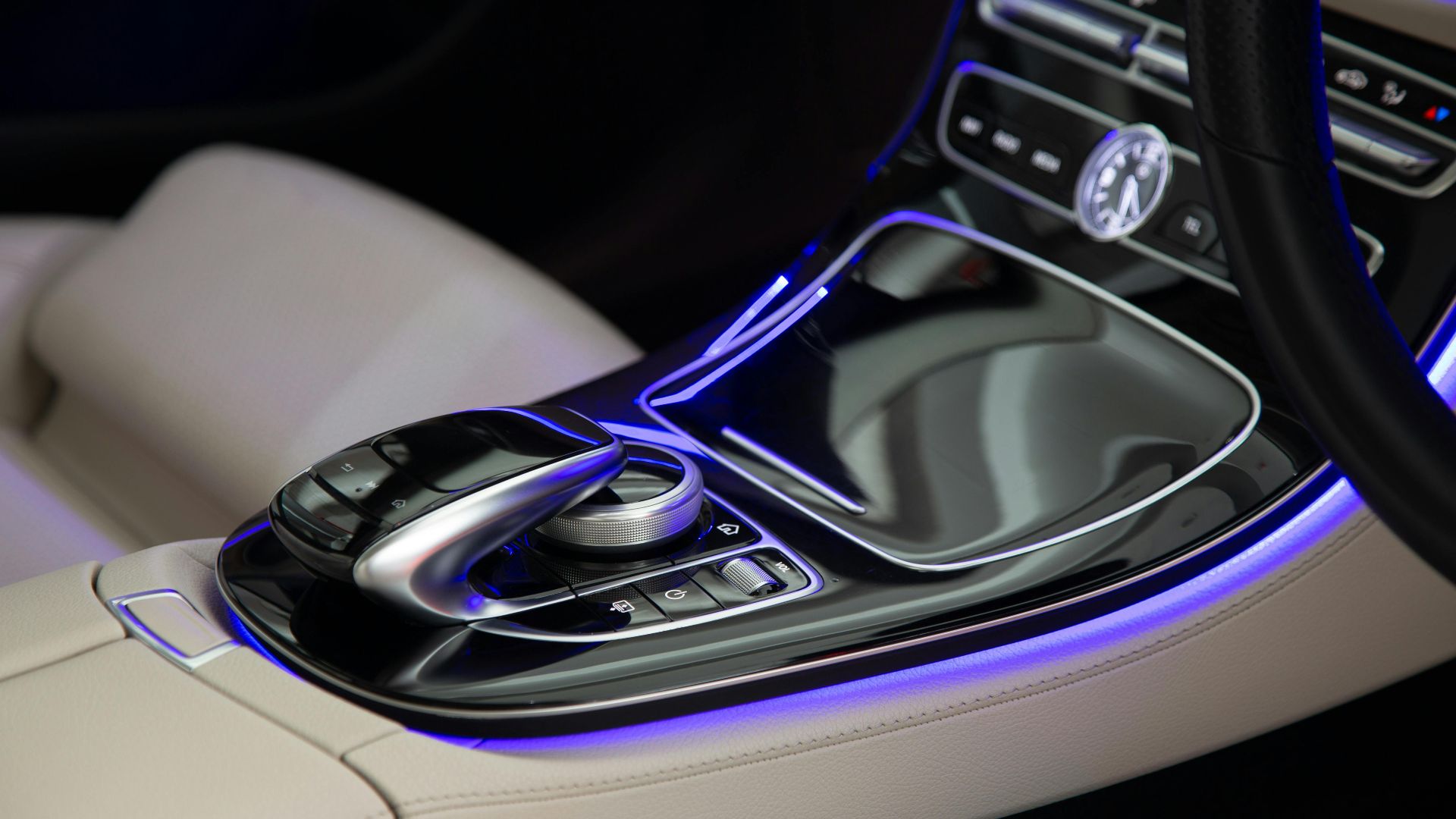
Lighting themes, sound profiles, seat settings, and other personalization tools are fun to show off to your friends, but they become less nice when you're fiddling with them in traffic because the ambiance is off. The safest version of personalization usually happens before the trip starts, not while you're still pretending you can do three things at once.
10. In-Car Web Browsers & Internet Apps
A built-in web browser sounds impressive right up until you remember that a moving car is not the place for surfing the internet. Features that let you browse, search, or poke around online turn the dashboard into one more screen competing for your attention. It may feel high-tech, but anything that encourages even a little “just checking something quickly” while driving is heading in the wrong direction.