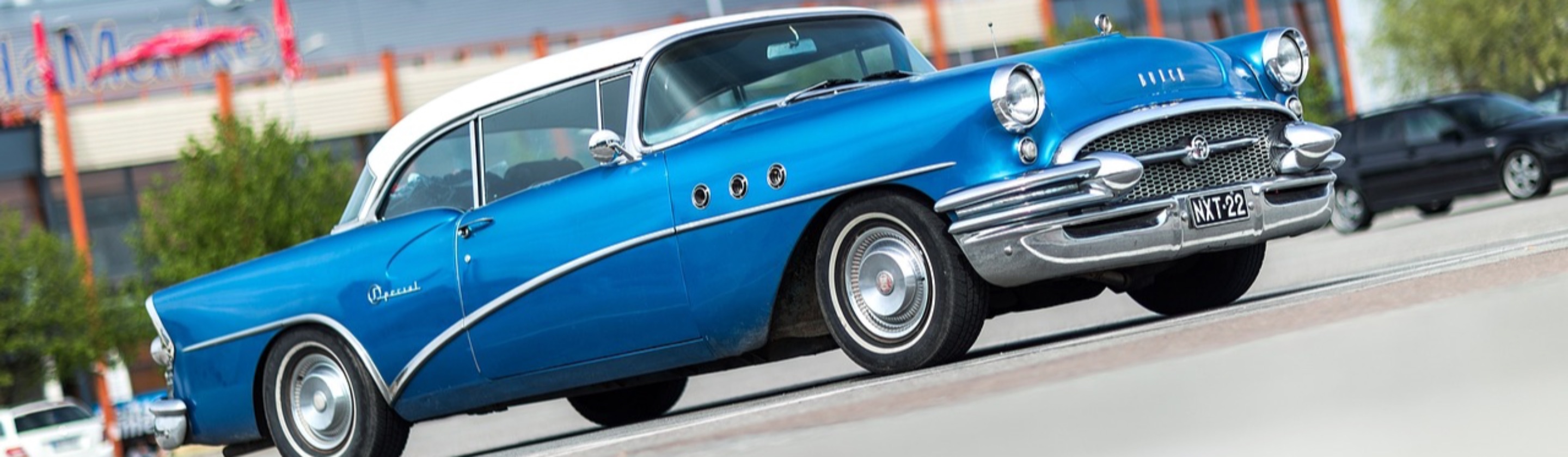
From Carriages to High-Tech Machines
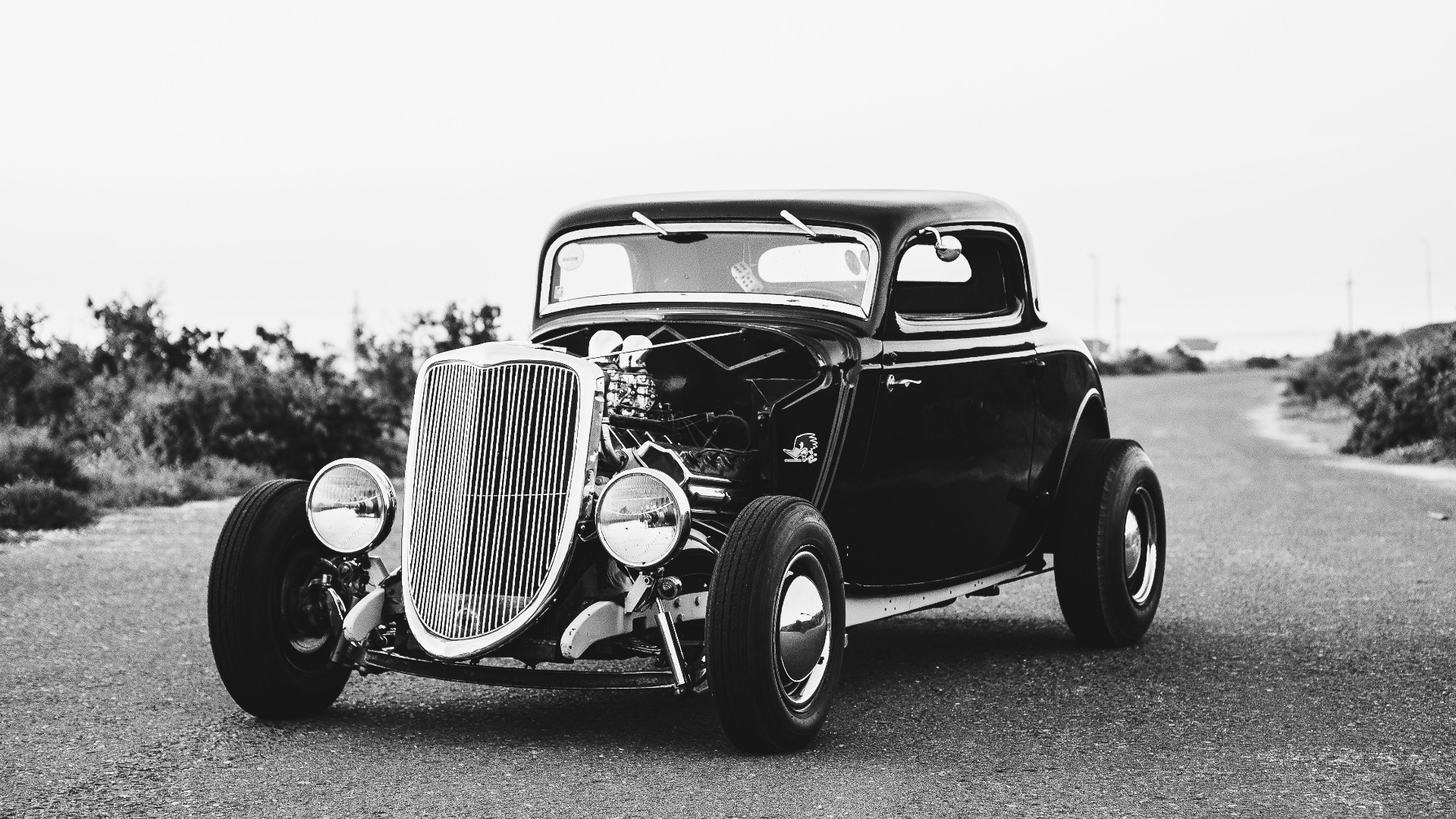
When Carl Benz patented the first true gasoline-powered automobile in 1886, it looked nothing like what sits in your driveway today. Early cars were slow, wood-framed, unreliable, and offered virtually none of the comforts or safety features that modern drivers take for granted. Over the past 140 years, the automobile has undergone a continuous transformation, and here we'll show you 20 major ways it's evolved.
1. Engine Power and Efficiency
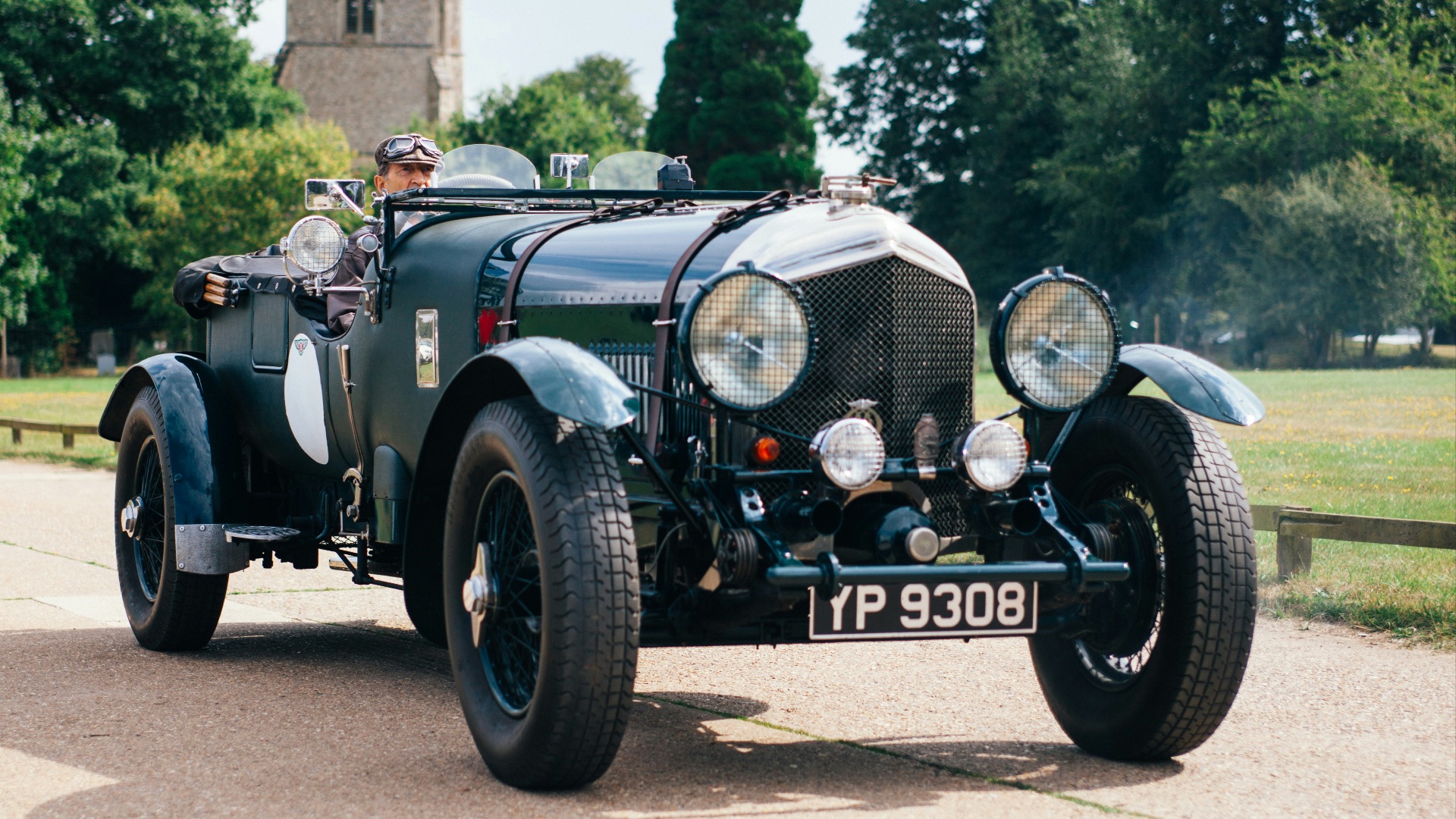
The earliest internal combustion engines produced just a few horsepower and required constant maintenance to keep running. Over the decades, engineers refined everything from valve timing to fuel injection, squeezing far more power and reliability out of increasingly compact designs. Today's engines can deliver hundreds of horsepower while still meeting strict emissions standards that wouldn't have seemed imaginable a century ago.
2. The Shift to Electric Power
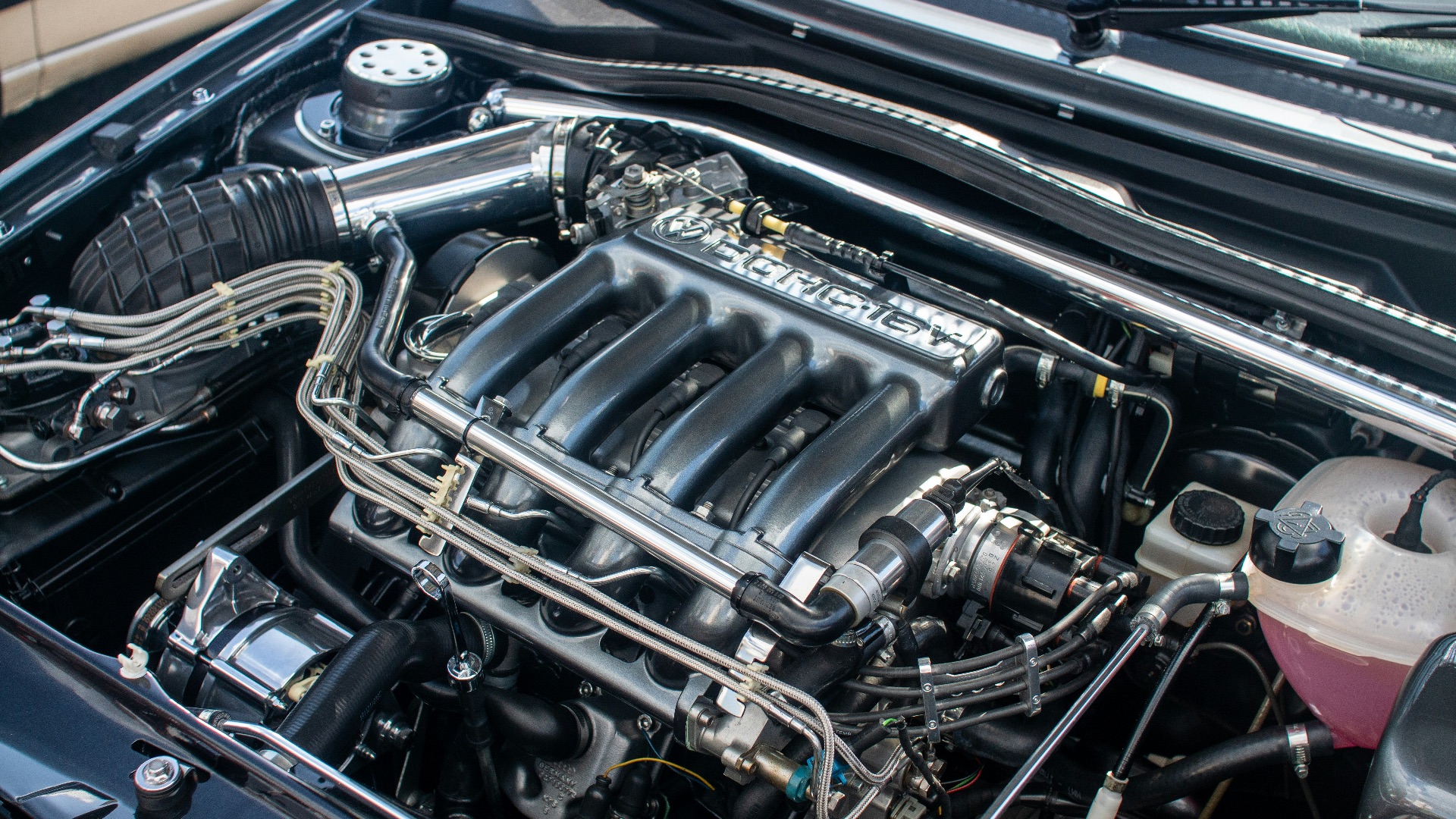
Electric vehicles aren't a new concept. In fact, they actually predated gasoline cars in the late 1800s, but modern battery technology has made them a genuine mass-market option for the first time. Advances in lithium-ion battery chemistry have dramatically extended driving range, with some EVs now capable of traveling over 300 miles on a single charge. Charging infrastructure has expanded globally to support this shift, making electric ownership increasingly practical for everyday drivers.
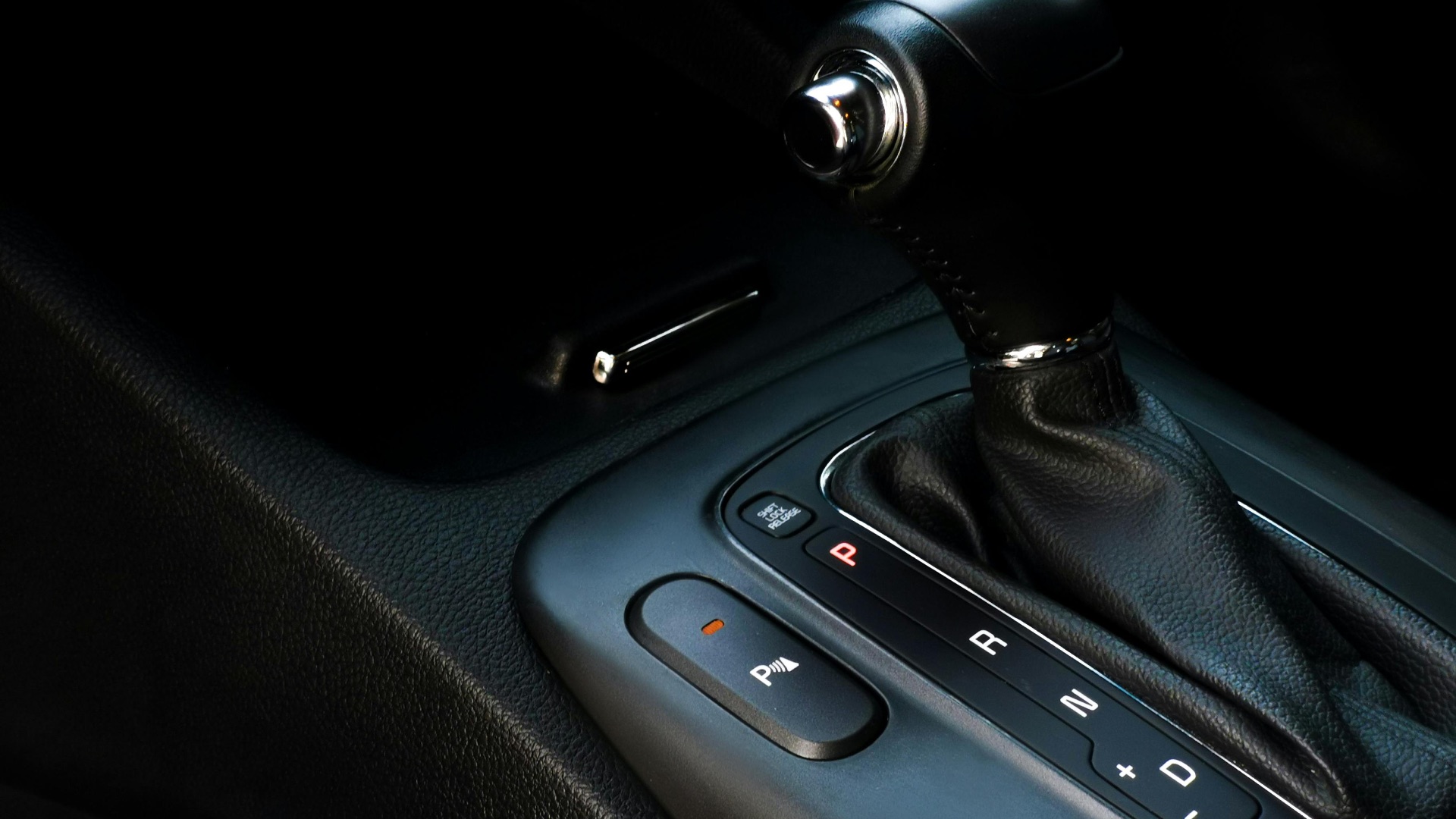
3. Transmission Technology
Early automobiles required drivers to manually manage a complex system of gears, which made driving a skill that took real effort to learn. The automatic transmission, which became widely available in the 1940s with GM's Hydra-Matic system, removed that burden and made cars far more accessible to the average person. Modern transmissions now include continuously variable options and dual-clutch systems that optimize performance and fuel economy simultaneously.
4. Braking Systems
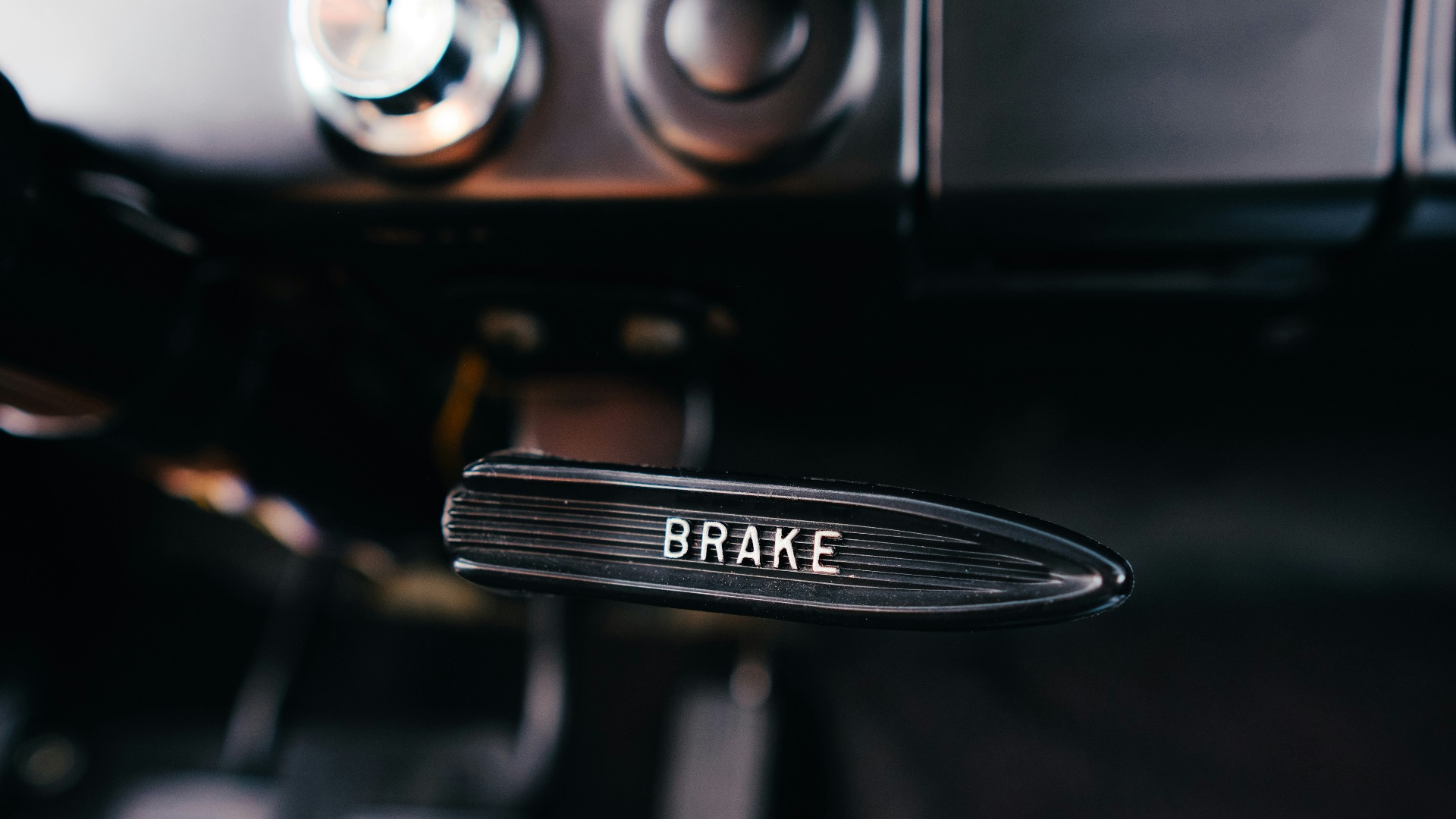
The brakes on early cars were rudimentary at best, often consisting of little more than a wooden block pressed against the wheel. Hydraulic brakes arrived in the 1920s and represented a significant leap forward in stopping reliability, but it was the introduction of anti-lock braking systems (ABS) in the 1970s that truly changed the equation. ABS prevents wheel lockup during emergency stops, allowing drivers to maintain steering control in situations that would have caused serious accidents in older vehicles.
5. Tire Design and Performance
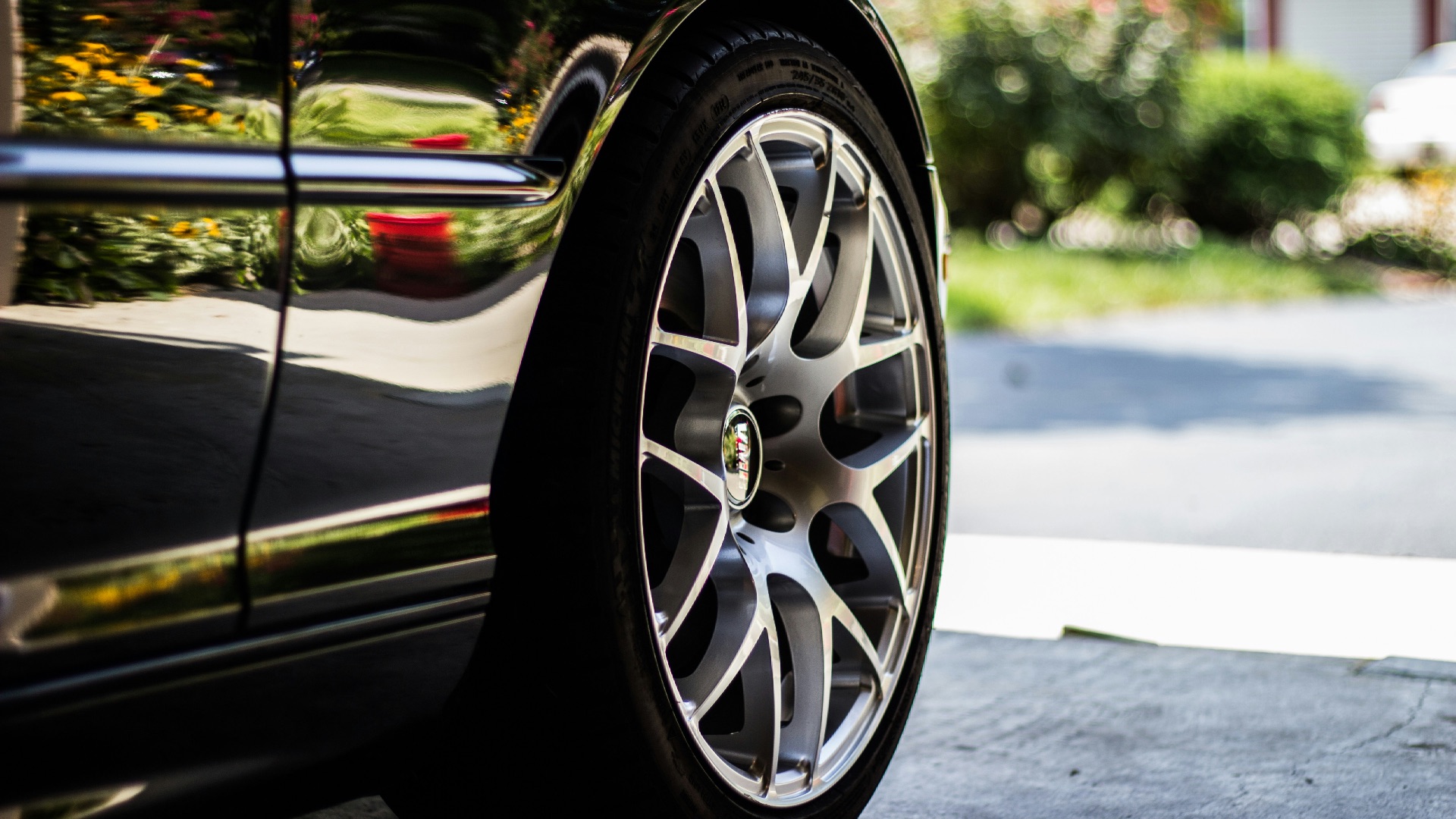
The pneumatic tire was already a key feature of early automobiles, but those early versions were thin, fragile, and prone to frequent blowouts. Radial tire construction, which became the industry standard through the mid-20th century, offered far better durability, handling, and fuel efficiency compared to the bias-ply designs that preceded it. Today's tires are engineered with specialized rubber compounds and tread patterns tailored to specific driving conditions, from dry track performance to winter ice.
6. Automotive Safety Standards
For the first half of the automobile's history, there were essentially no meaningful safety regulations governing how cars were built. The 1960s brought a turning point, with advocates like Ralph Nader pushing for federal oversight that eventually led to mandatory seatbelts, padded dashboards, and collapsible steering columns. Crash testing programs run by organizations like the National Highway Traffic Safety Administration and Insurance Institute for Highway Safety now hold automakers to rigorous structural standards that have measurably reduced traffic fatalities.

7. Seatbelts and Airbags
The three-point seatbelt, invented by Volvo engineer Nils Bohlin in 1959, is widely credited as one of the most life-saving inventions in automotive history. Airbags followed decades later, becoming standard equipment across most vehicles by the 1990s after research demonstrated their effectiveness in frontal collisions. Modern cars can contain a dozen or more airbags, covering front, side, curtain, and even knee-level impact zones.
 Alexandria Gilliott on Unsplash
8. Power Steering
Driving an early automobile required significant physical effort, particularly at low speeds or when parking, because there was no mechanical assistance helping you turn the wheel. Hydraulic power steering became widely available in the 1950s and took much of the strain out of maneuvering a vehicle. Most new cars now use electric power steering, which adjusts the level of assistance based on speed and can be tuned differently depending on whether you prefer a sporty or relaxed driving feel.

9. Air Conditioning
Before automotive air conditioning became standard, summer road trips meant open windows, sweaty seats, and hoping for a breeze. Packard introduced the first factory-installed car air conditioning system in 1940, though it was expensive and took up considerable trunk space. The technology became far more refined and affordable through the following decades, and today it's considered a basic expectation rather than a luxury feature.

10. Exterior Design and Aerodynamics
The boxy, upright shape of early automobiles wasn't a stylistic choice, but was simply how vehicles were built before engineers understood the impact of wind resistance on performance and fuel consumption. As aerodynamic research advanced through the mid-20th century, car bodies became progressively sleeker and more sculpted to reduce drag. Modern automakers run designs through extensive computational fluid dynamics simulations before a physical prototype is even built.
11. Lighting Technology
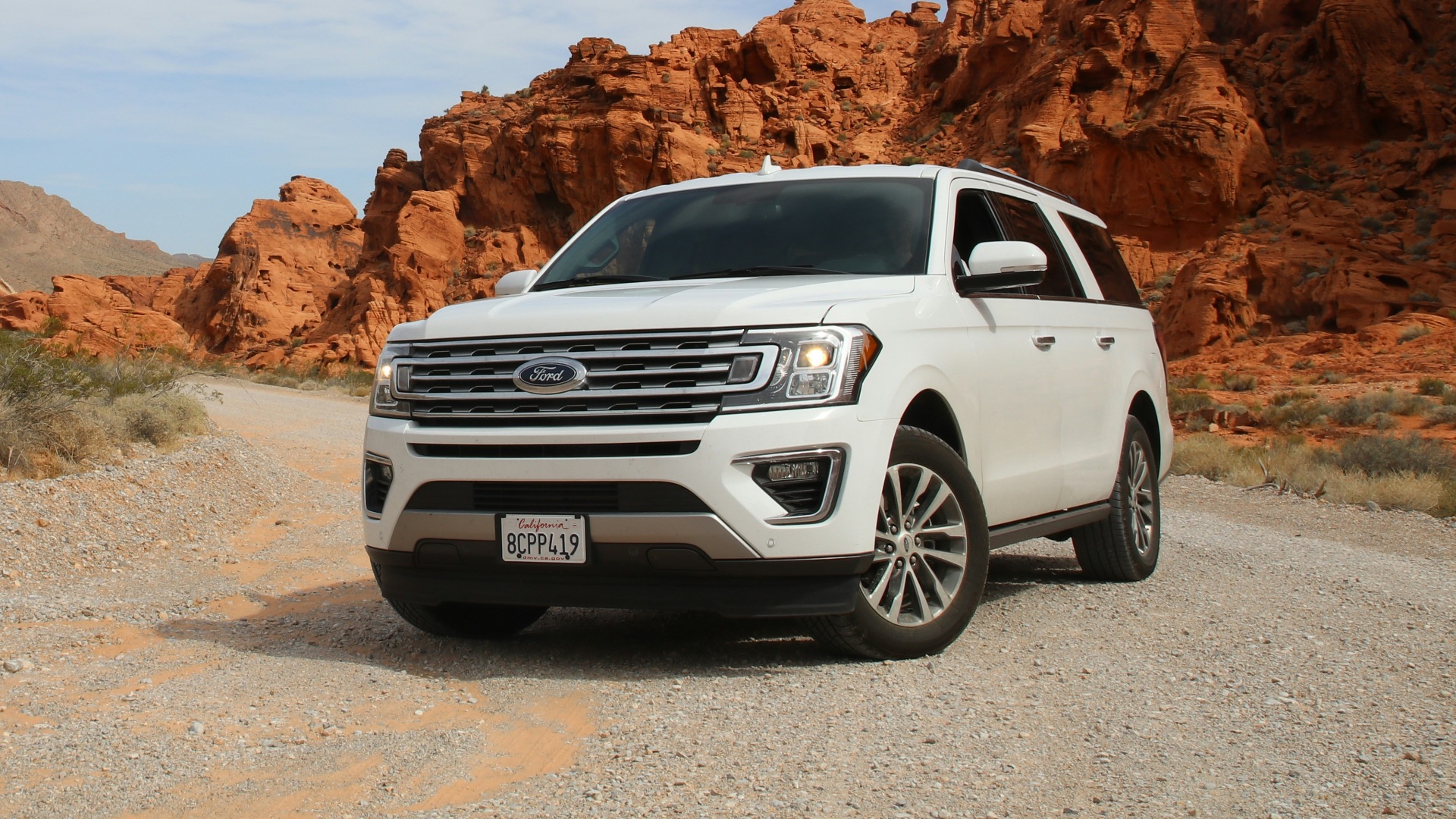
Early cars relied on acetylene gas lamps, which produced a dim, flickering light that made nighttime driving genuinely hazardous. Electric headlights began replacing them in the early 1900s, and the technology improved steadily with the introduction of sealed beams, halogen bulbs, and eventually high-intensity discharge (HID) systems. LED and laser headlights are now the standard on many new vehicles, offering brighter, longer-lasting illumination while drawing significantly less power from the electrical system.

12. In-Car Navigation
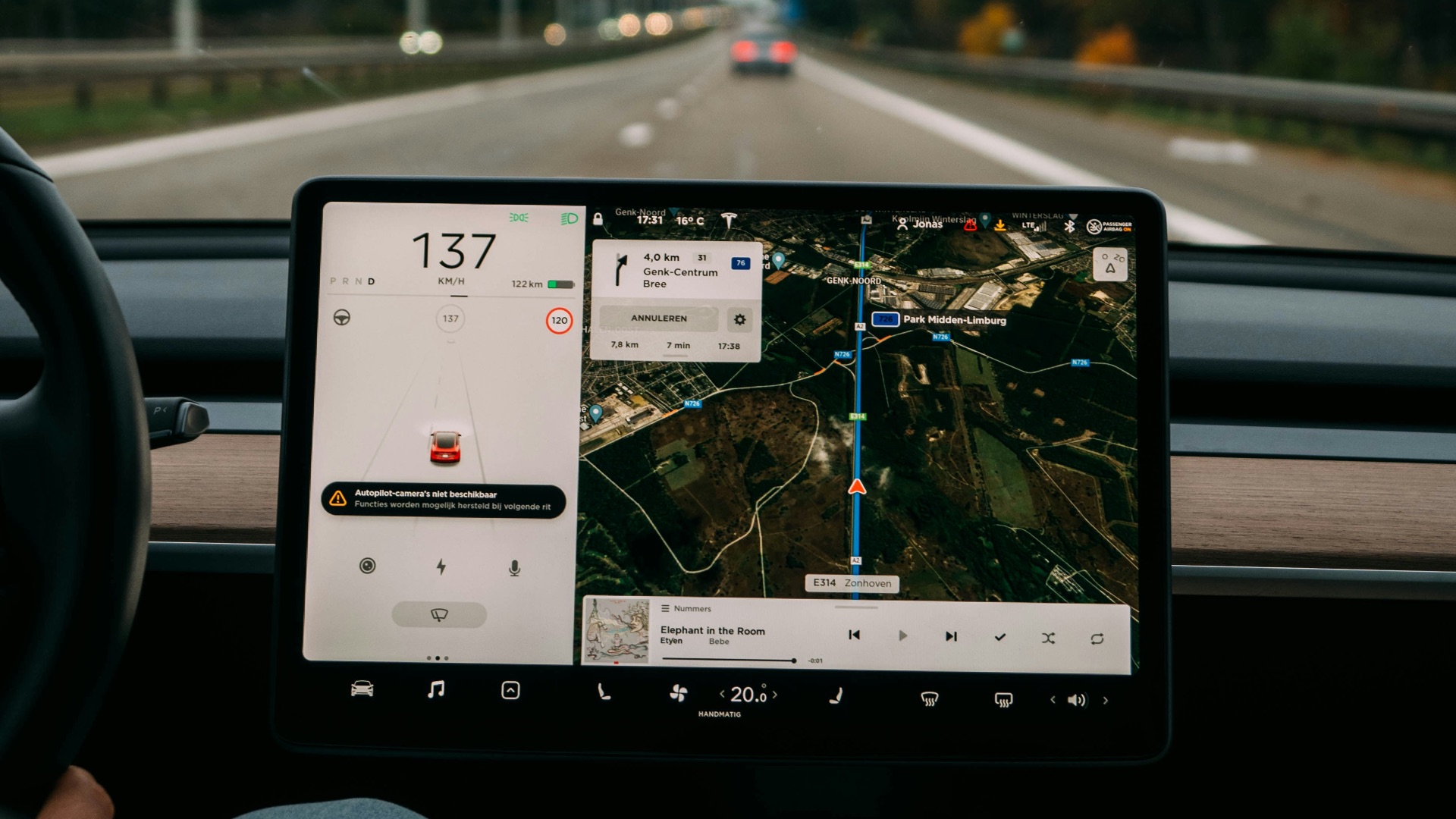
Before GPS became a feature in consumer vehicles, getting somewhere unfamiliar meant printing directions, buying a road atlas, or pulling over to ask for help. The first factory-integrated navigation systems appeared in the early 1990s in Japan and slowly made their way into the broader market over the following decade. Smartphone integration through platforms like Apple CarPlay and Android Auto has since made real-time, traffic-aware navigation a standard part of the driving experience across virtually every price point.
13. Infotainment and Connectivity
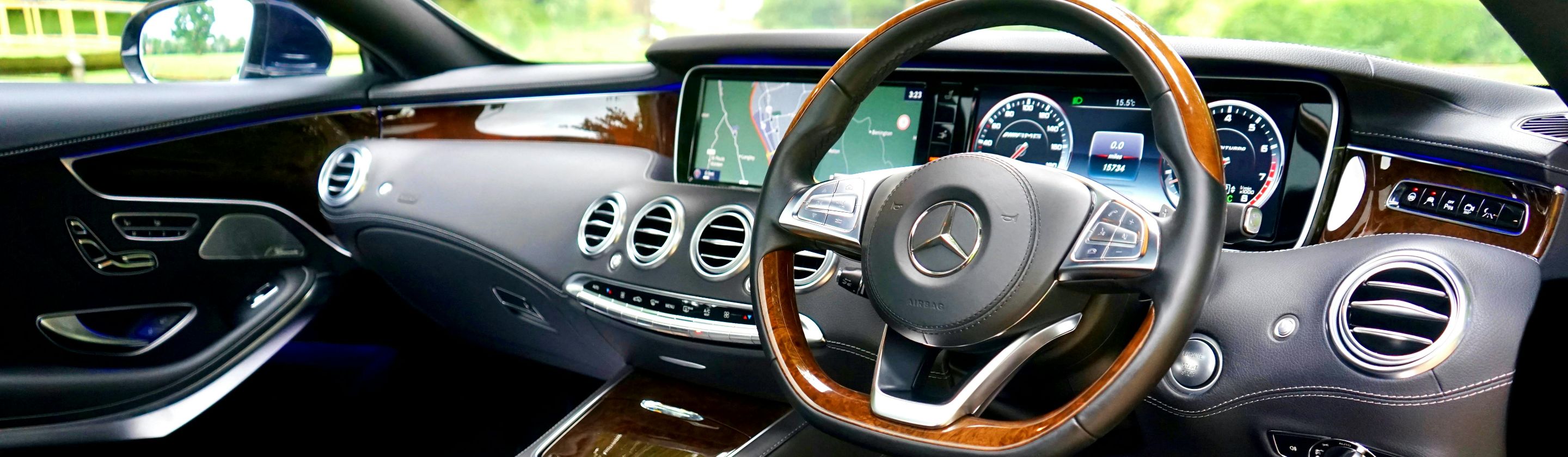
The dashboard of a 1920s car had a speedometer and maybe a fuel gauge. Then AM radio made its automotive debut in the 1930s, followed by FM, cassette players, CD changers, and eventually touchscreen multimedia systems with streaming capability. Today's infotainment setups function more like tablets mounted in the dashboard, handling everything from music and phone calls to vehicle diagnostics and climate control.

14. Body Materials and Construction
Early car bodies were often made from wood framing covered in steel or aluminum panels, which made them heavy and susceptible to deterioration over time. All-steel unibody construction became the dominant approach through the mid-20th century, offering improved rigidity and more design flexibility. High-strength steels, aluminum alloys, and carbon fiber composites are now used in varying combinations to reduce weight while maintaining the structural integrity required to protect occupants in a crash.

15. Driver Assistance Technology
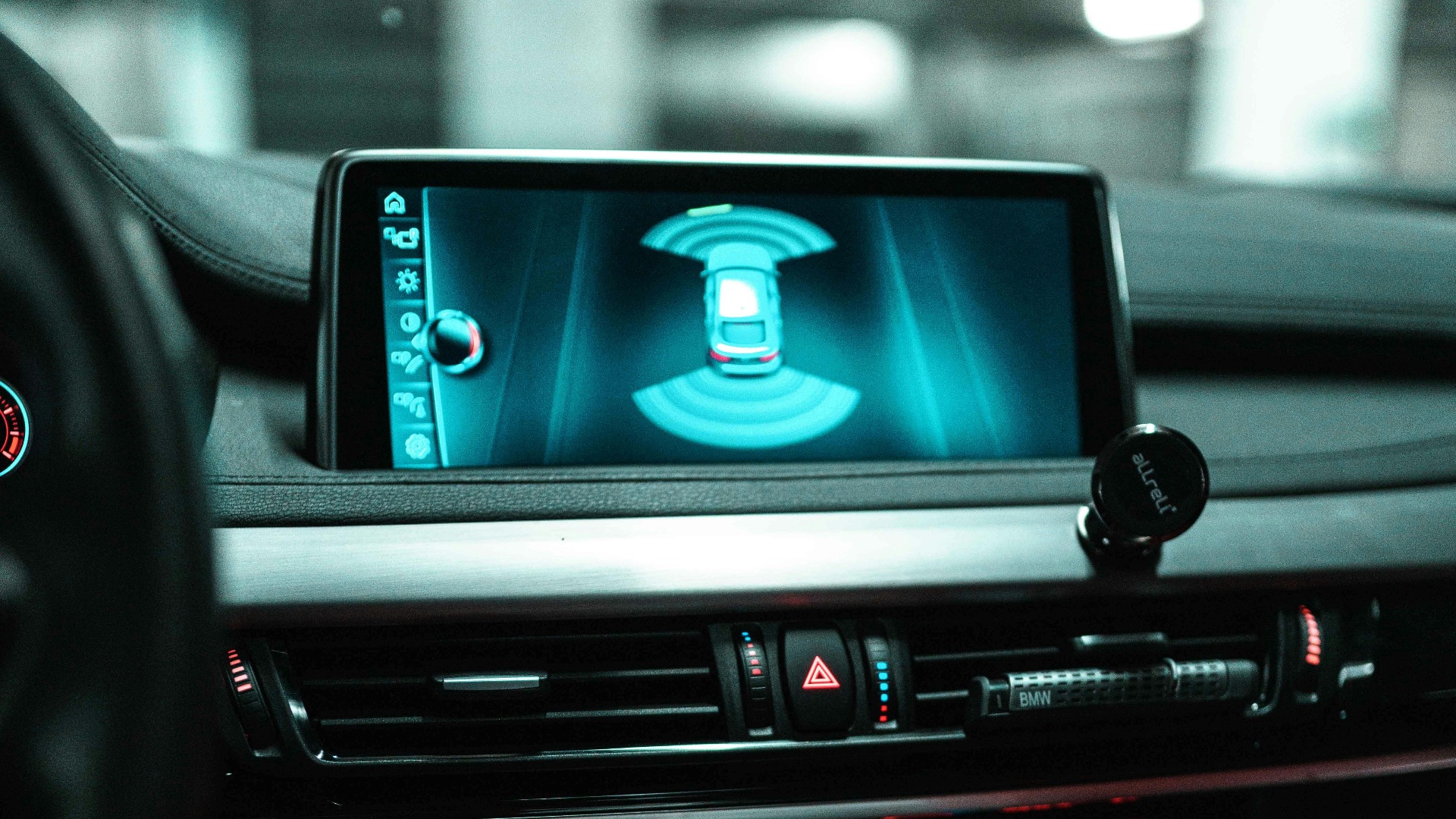
Features like adaptive cruise control, lane-keeping assist, and automatic emergency braking would have sounded like science fiction to drivers of past generations. These systems use a combination of cameras, radar, and ultrasonic sensors to monitor the vehicle's surroundings and intervene when the driver doesn't respond quickly enough to a hazard. Semi-autonomous driving capabilities, while still evolving, represent the leading edge of a technology shift that's redefining what it means to operate a vehicle.
16. Fuel Economy and Emissions Regulations
For most of automotive history, fuel economy was largely an afterthought: gas was cheap, and bigger engines were generally seen as better. The 1973 oil crisis forced a dramatic rethinking of that approach, leading governments around the world to introduce fuel economy standards that pushed automakers to develop more efficient powertrains. Emissions regulations have tightened considerably since then, with the latest standards targeting reductions in not just carbon dioxide but also nitrogen oxides, particulate matter, and other pollutants.

17. Manufacturing and Assembly
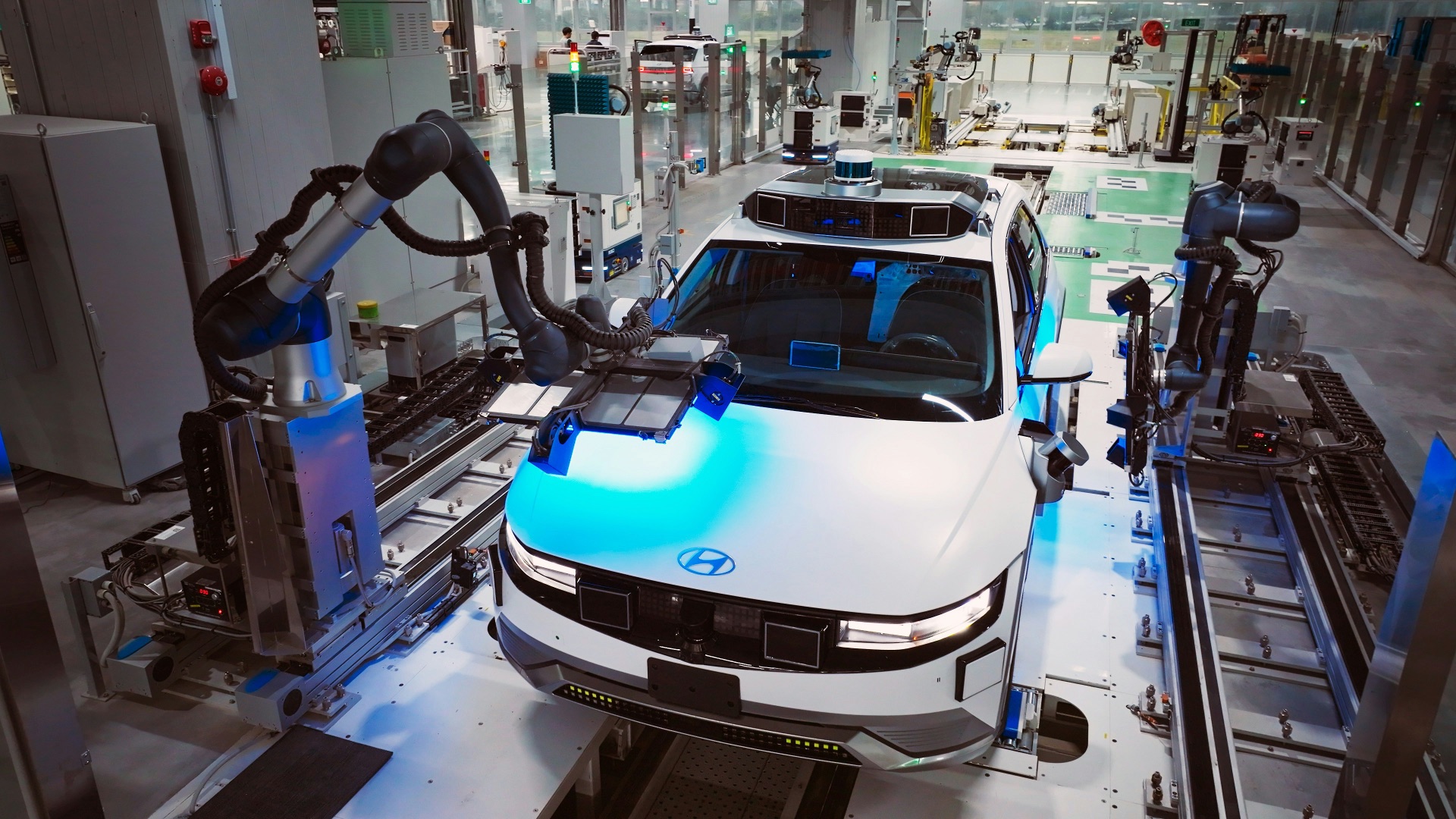
The introduction of Henry Ford's moving assembly line in 1913 transformed automobile production from a slow, craft-based process into an efficient, high-volume operation. Robotic automation arrived in factories through the latter half of the 20th century, taking over repetitive and physically demanding tasks with greater precision than human workers could consistently achieve. Modern plants combine robotic systems with human oversight and increasingly use data analytics to identify inefficiencies and reduce production errors in real time.
 Hyundai Motor Group on Unsplash
18. Tire Pressure Monitoring and Vehicle Diagnostics
Drivers of early cars had no way of knowing when something was going wrong with their vehicle beyond a visible mechanical failure or a loss of control. On-board diagnostic systems were introduced in the 1980s and standardized across the industry by the mid-1990s, giving mechanics a direct window into a vehicle's electronic health through a standardized data port. Tire pressure monitoring systems, now federally mandated in the United States, alert drivers before low pressure leads to a blowout or handling issue.

19. Vehicle Size and Diversity
The earliest automobiles were essentially one-size-fits-all carriages with a single configuration and minimal variation between models. As manufacturing capabilities and consumer preferences evolved, automakers began offering distinct body styles, including sedans, coupes, convertibles, station wagons, and pickup trucks. The sport utility vehicle and crossover categories, which now dominate sales charts in the United States, didn't even exist as we know them until the late 20th century.
20. Connectivity and Over-the-Air Updates
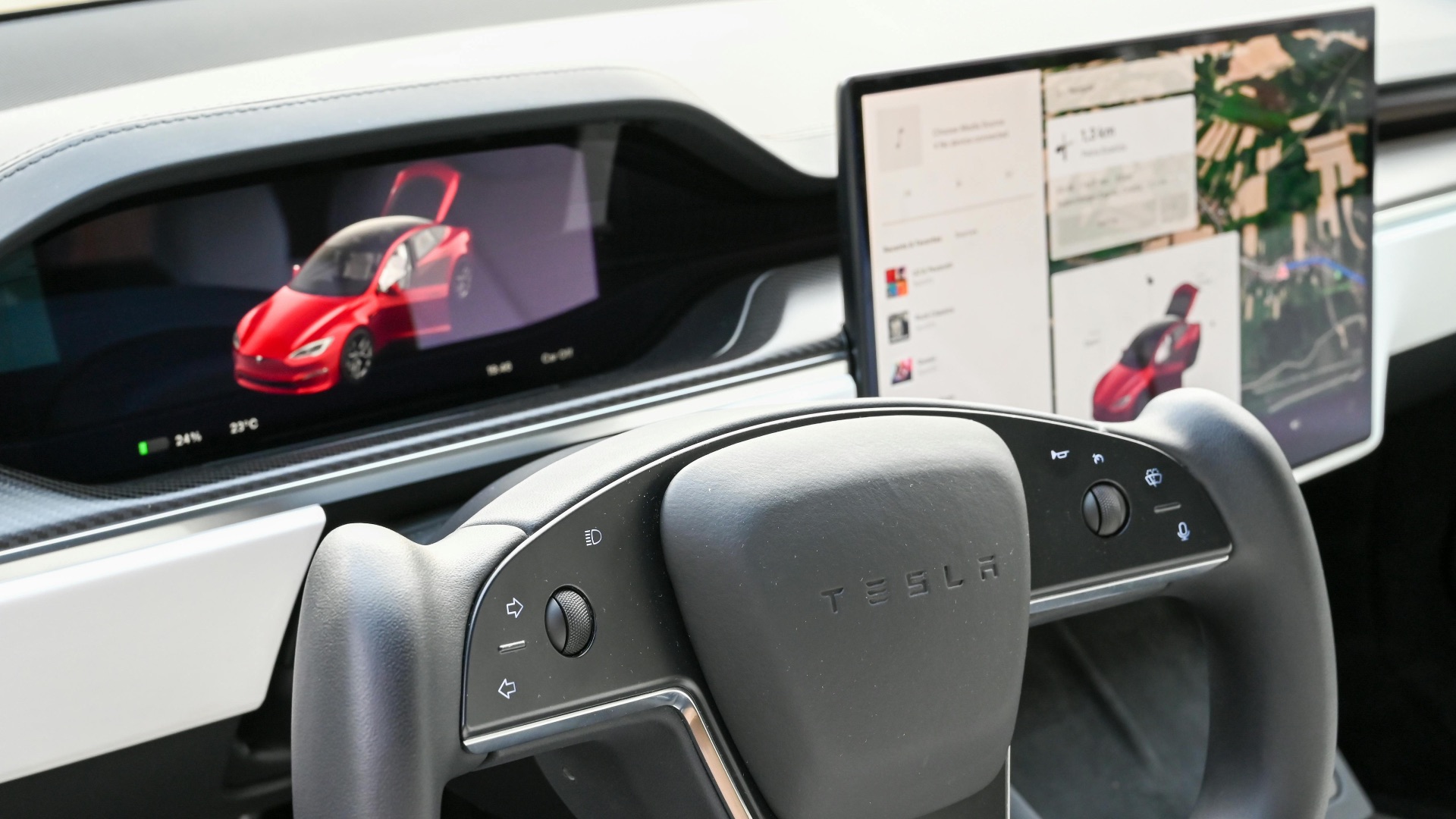
Cars used to be entirely static products; once you drove off the lot, the software and features you had were the ones you'd have forever. Modern vehicles from manufacturers like Tesla pioneered the concept of over-the-air software updates, allowing automakers to fix bugs, add features, and improve performance without requiring a dealer visit. This has fundamentally changed the relationship between automakers and consumers, turning what was once a fixed product into something that can continue to improve long after the purchase date.