Hidden Gems Of German Engineering
Germany’s automotive legends like BMW and Mercedes often steal the spotlight. Yet beneath the fame lies a forgotten lineage of machines that were just as daring. These were the cars that broke molds and quietly vanished into history’s shadows. Their stories prove that innovation doesn’t always make headlines. Take a journey through the hidden side of German engineering, where lost brilliance awaits rediscovery.
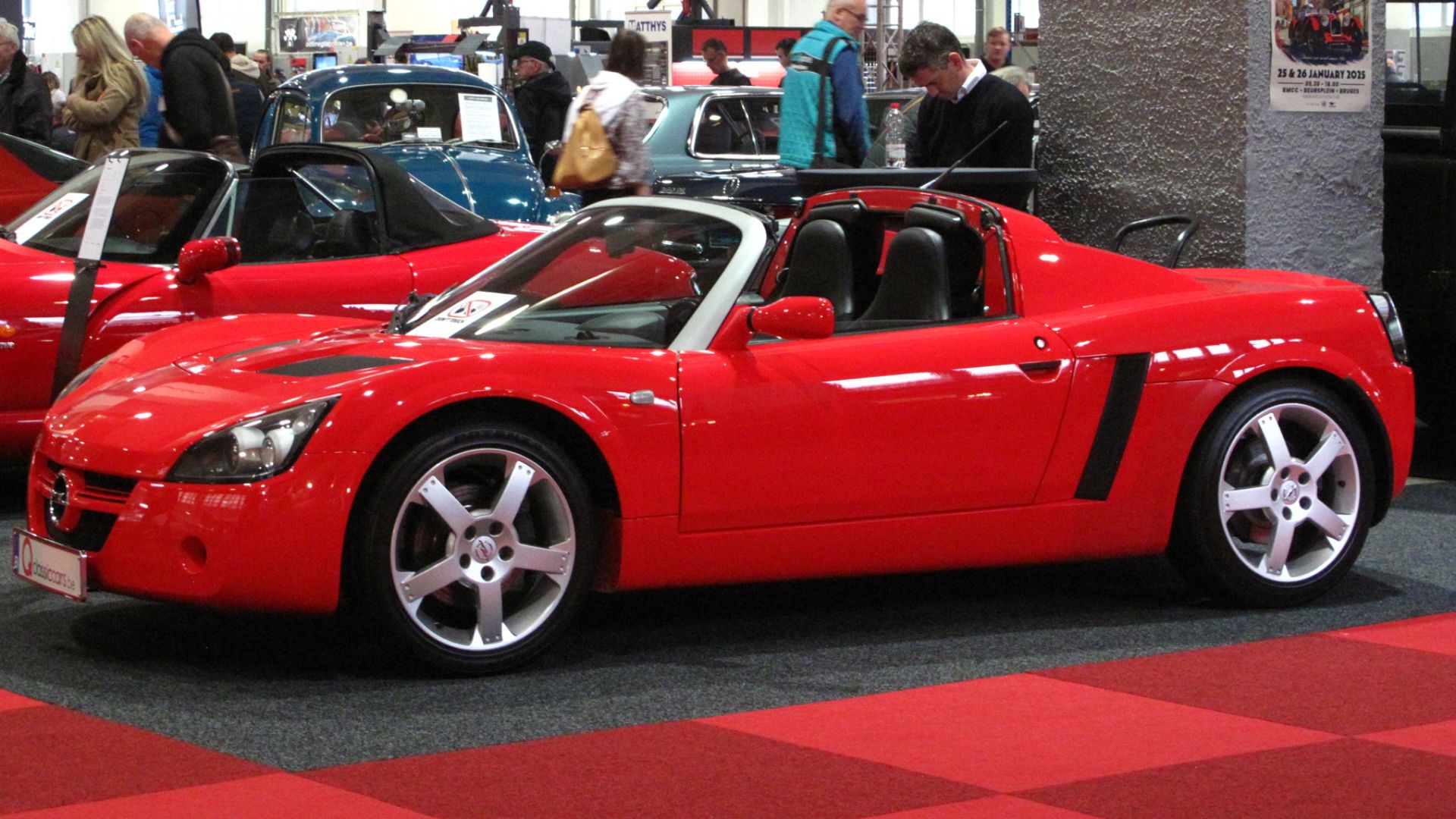
1. Opel Speedster (2000–2005)
Built in partnership with Lotus, the Opel Speedster was a purist’s dream. Its 2.2-liter engine produced up to 147 hp, while the turbocharged version pushed 200 hp to deliver razor-sharp agility thanks to its Elise-based chassis.
 Rutger van der Maar on Wikimedia
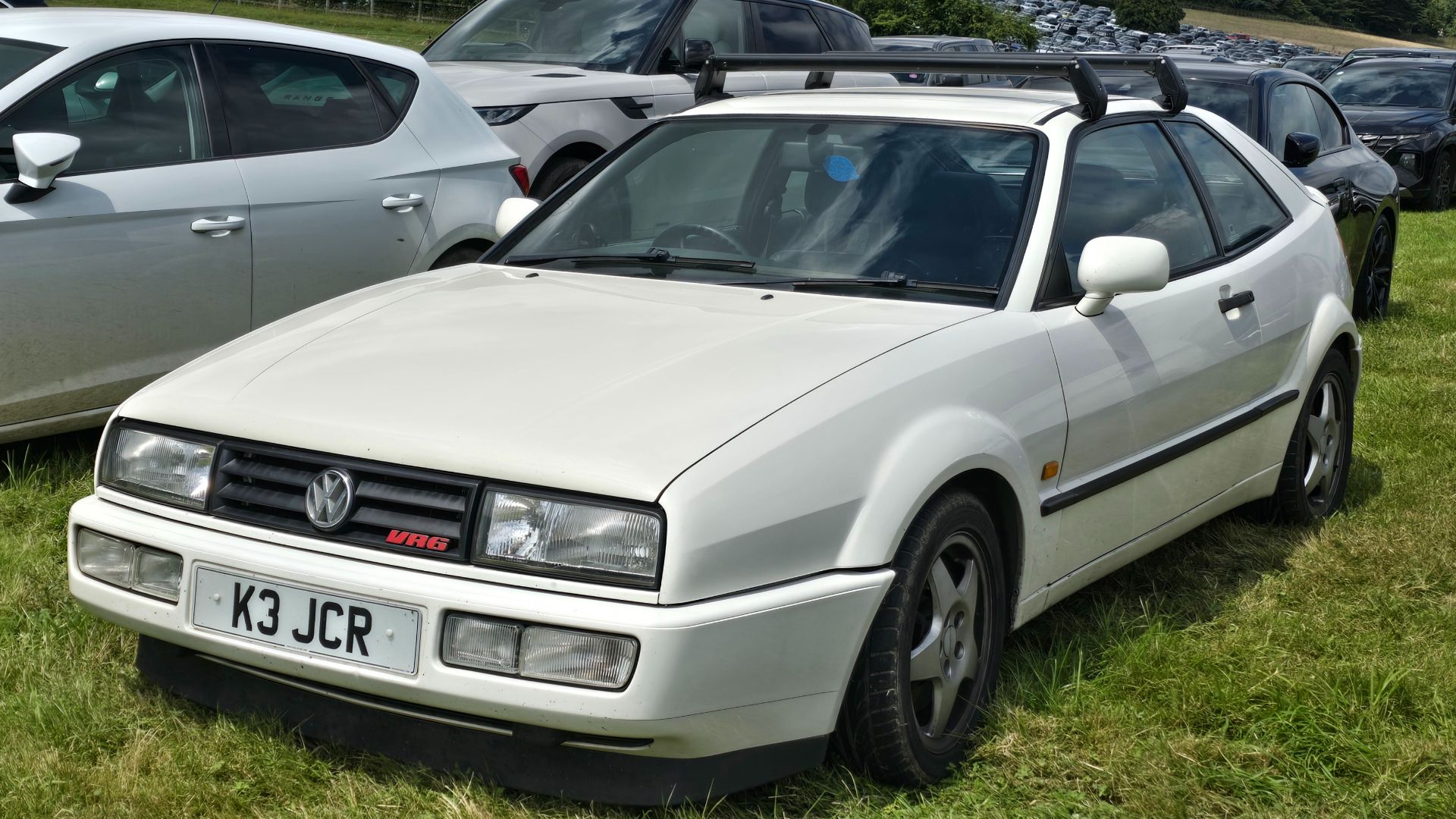
2. Volkswagen Corrado VR6 (1992–1995)
Volkswagen’s Corrado VR6 simply redefined compact performance. The narrow-angle VR6 engine fit six cylinders into a four-cylinder space, creating a balance of power and packaging genius. Add an active rear spoiler that rises automatically at speed.
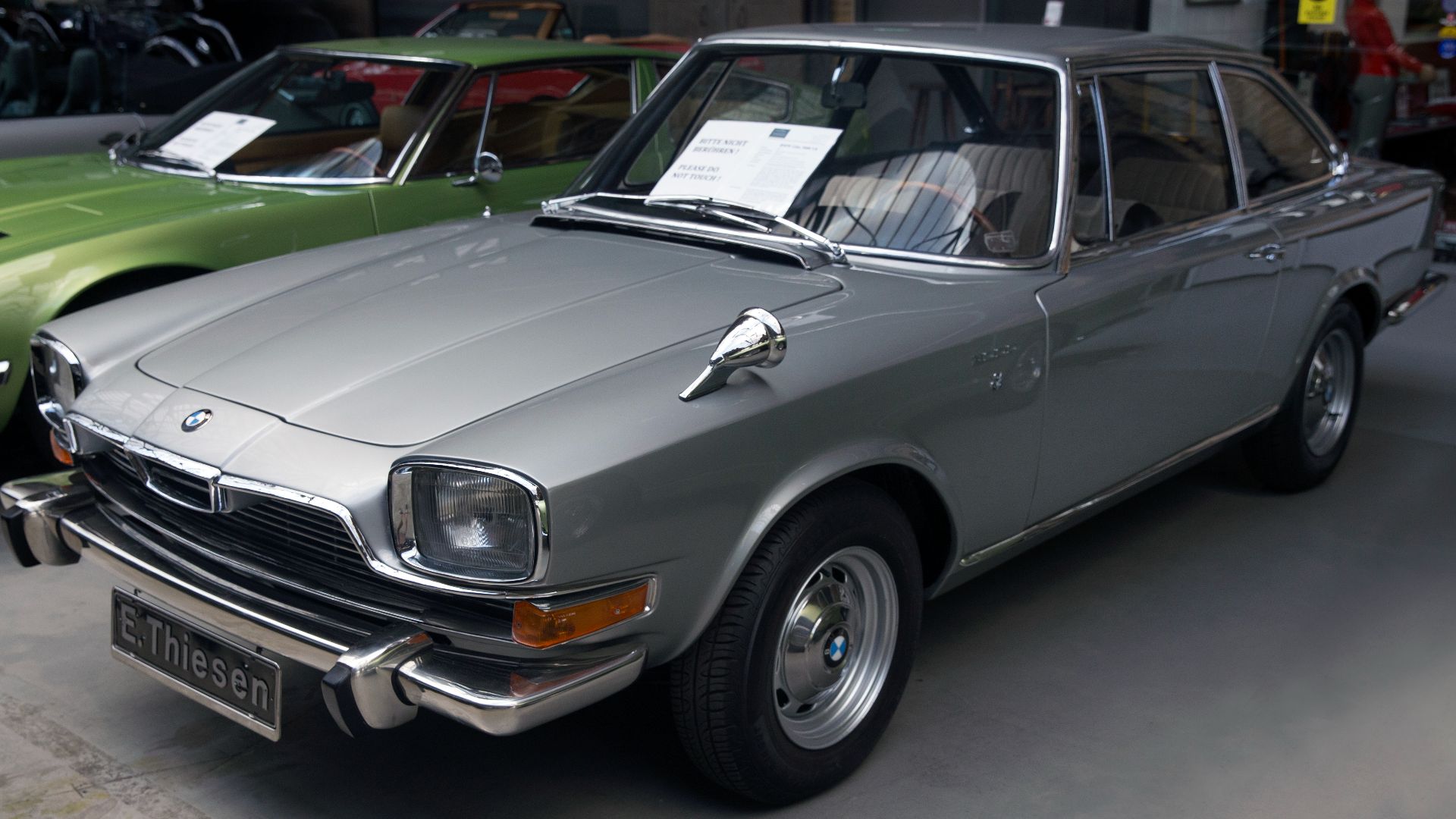
3. Glas 3000 V8 (1967–1968)
BMW's acquisition of the small German automaker Glas produced one brief but beautiful chapter in motoring history. Styled by Italy’s Pietro Frua and powered by a 3.0-liter V8, it exuded continental sophistication. Only 389 units were ever built for this beauty.
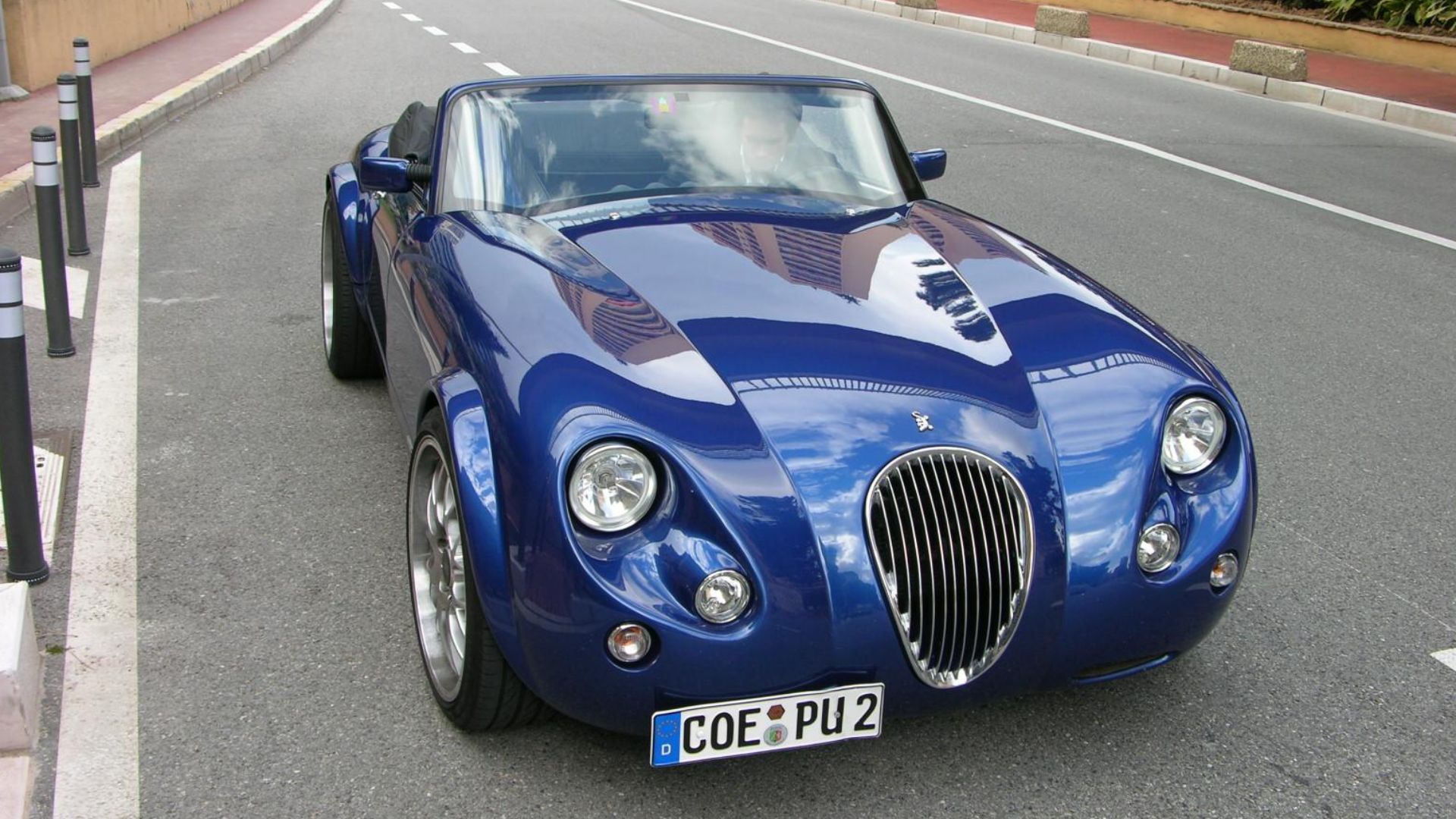
4. Wiesmann MF3 Roadster (2003–2011)
If modern cars had souls, the Wiesmann MF3 would be proof. Handcrafted and powered by BMW’s silky inline-six, it paired classic curves with advanced performance. The brand’s gecko badge symbolized its grip on the road.
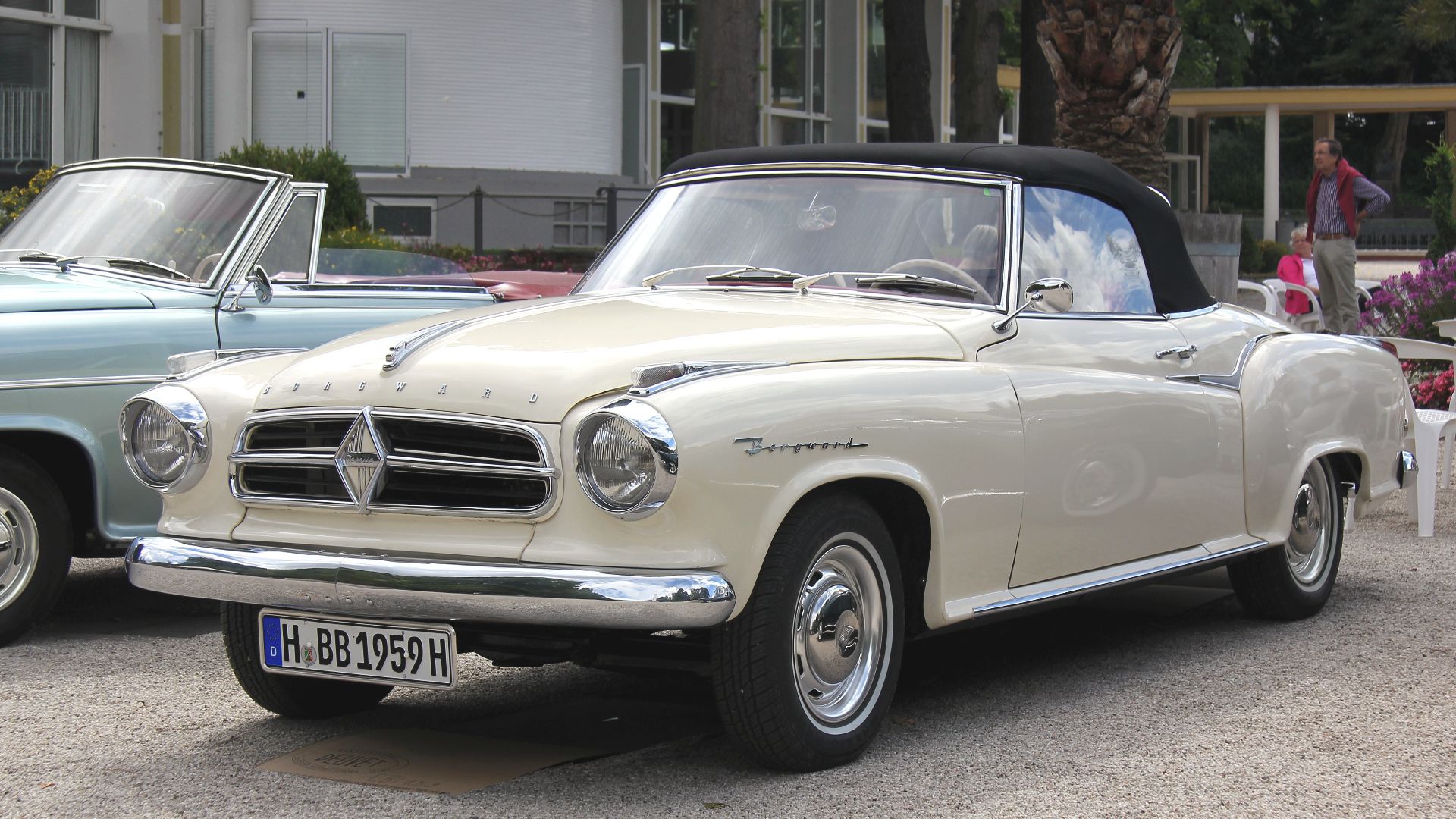
5. Borgward Isabella Coupé (1957–1961)
Before Germany was synonymous with Mercedes and BMW, there was Borgward. Isabella Coupé, powered by a modest 1.5-liter four-cylinder, stood out as a post-war beauty—elegant and refined. When Borgward collapsed in 1961, so did one of the nation’s automotive dreams.
6. Gumpert Apollo (2005–2012)
The Gumpert Apollo was less a car, more a weaponized experiment. Designed by a former Audi engineer, it packed a twin-turbo V8 pushing up to 650 hp. Its real feat was proving that German supercars could rival Italy’s finest.
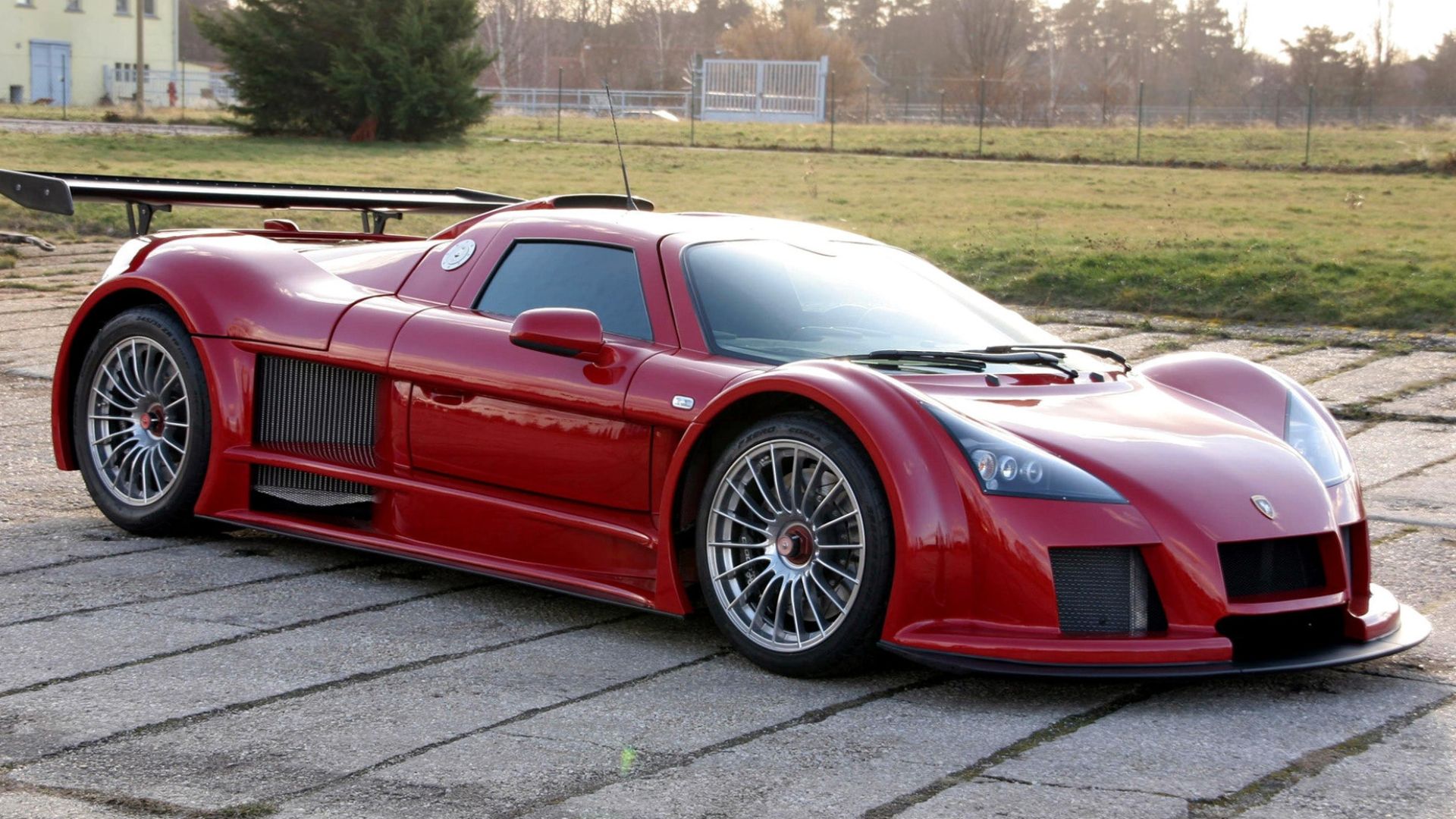
7. Opel Omega Evolution 500 (1990–1991)
Born from DTM homologation rules, the Opel Omega Evolution 500 brought race DNA to the road. Tuned by Irmscher and powered by a 3.0-liter inline-six, only 500 were ever produced. Its wide-body kit helped it glide through corners with surgical precision.
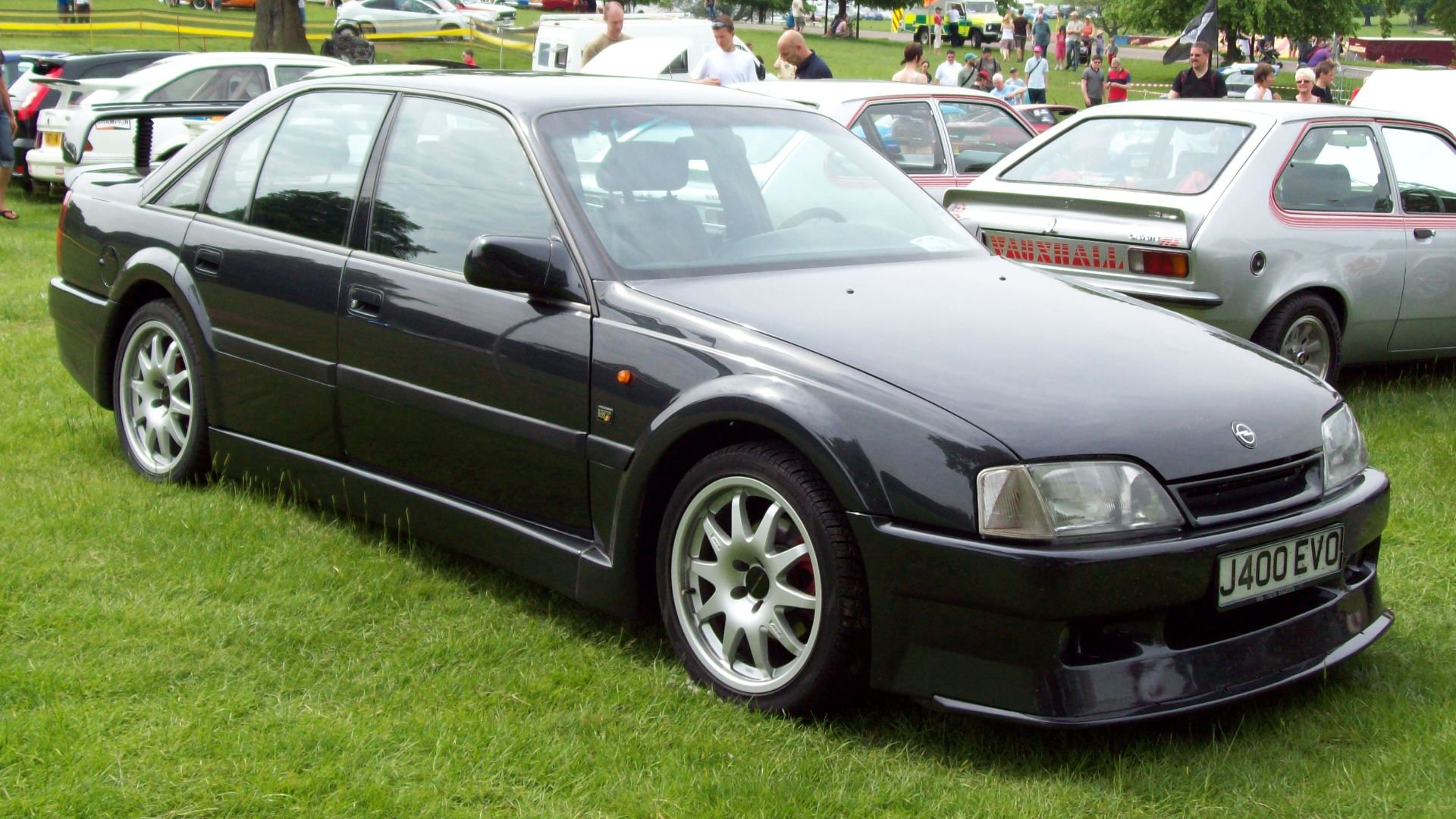
8. Volkswagen Scirocco R (2009–2017)
The Scirocco R might not be obscure to enthusiasts, but it deserves mention as one of VW’s sharpest front-wheel-drive machines. Its 2.0-liter turbo engine delivered 265 hp and accelerated to 100 km/h in six seconds.
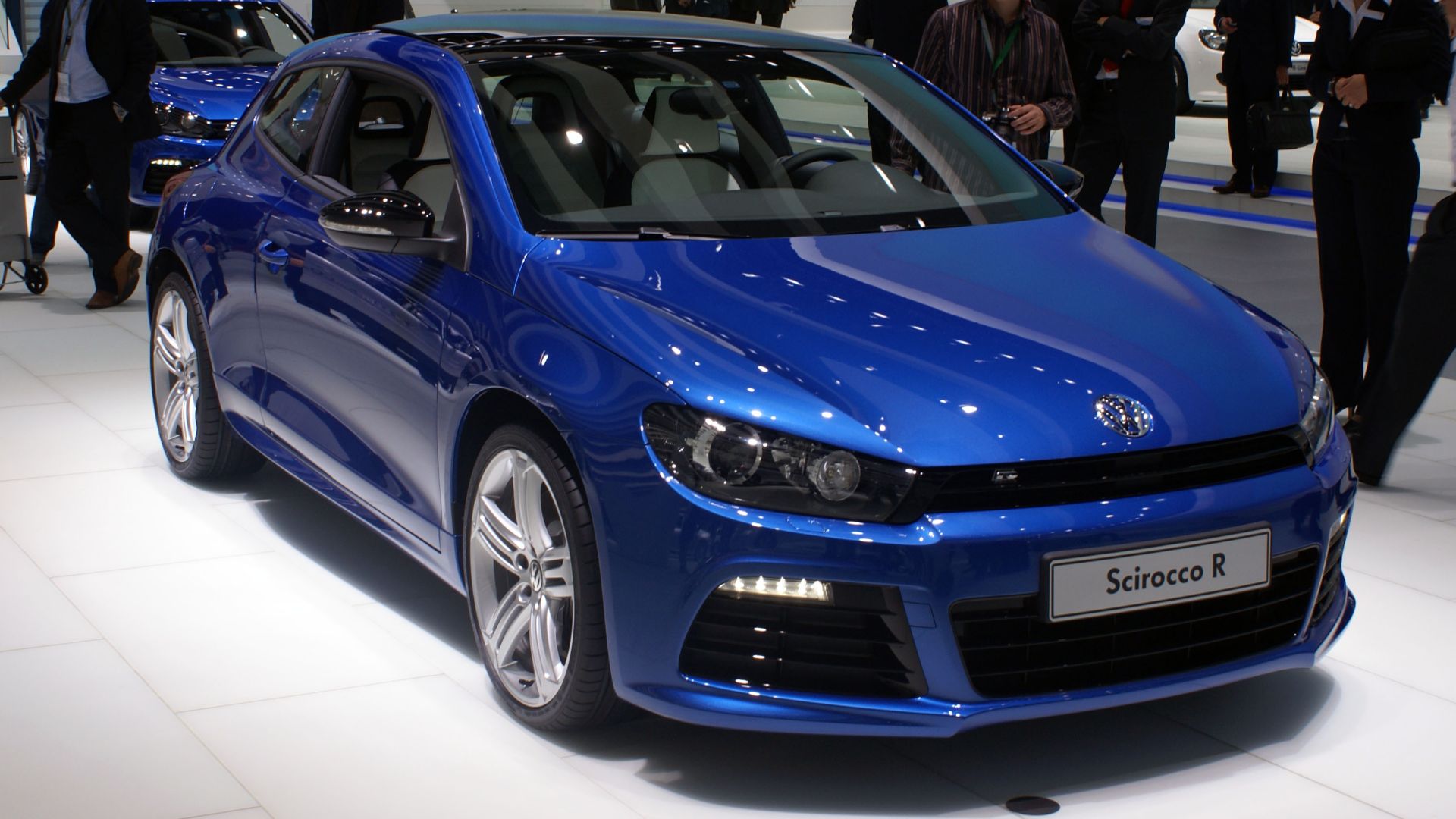
9. BMW Z3 M Coupe (1998–2002)
The Z3 M Coupe became a cult hero by sharing its 3.2-liter inline-six with the M3; it delivered brutal precision in an unusual “shooting brake” body. Nicknamed “Clown Shoe,” fewer than 6,300 exist—each now adored for its quirk and capability.
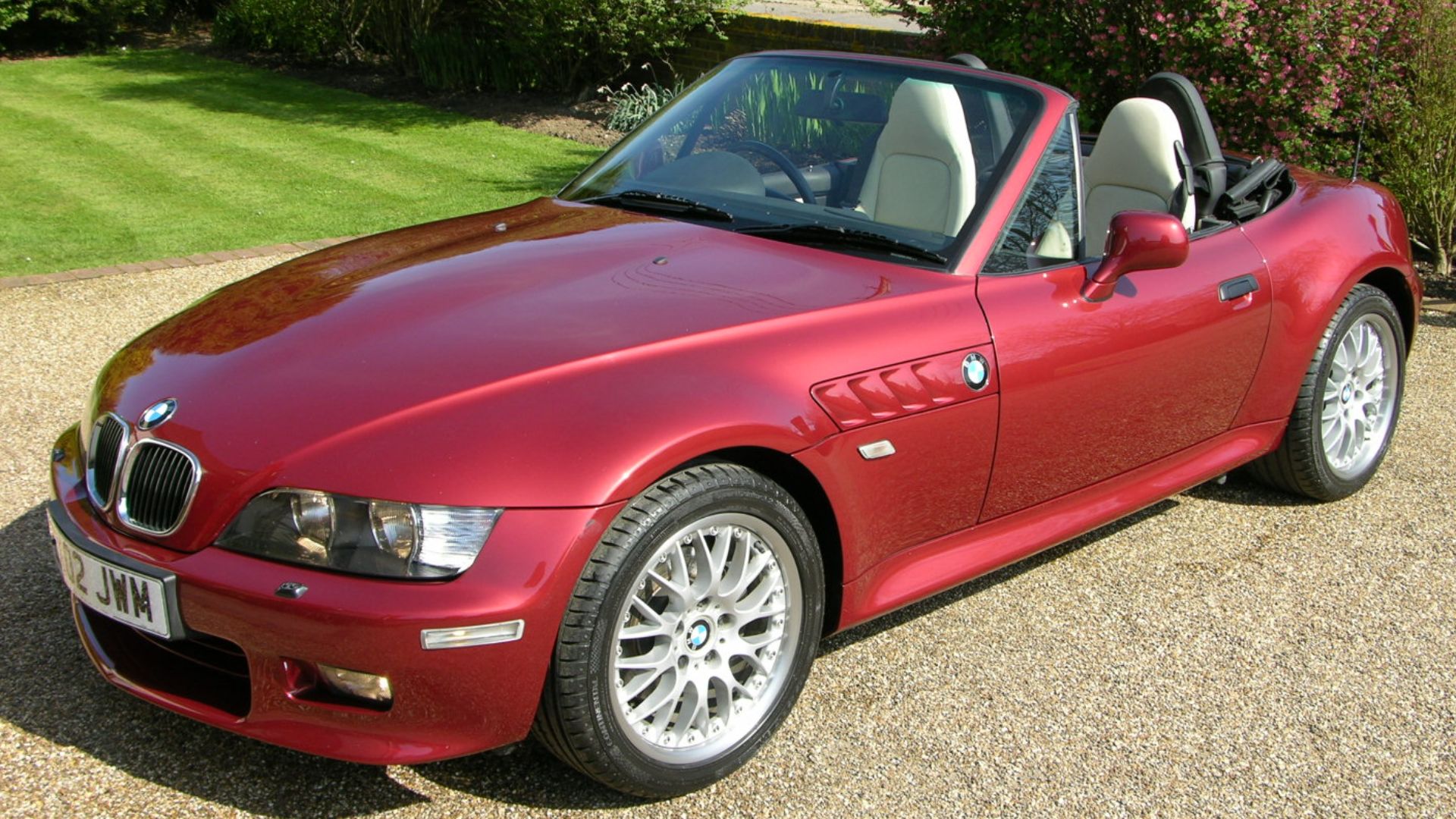
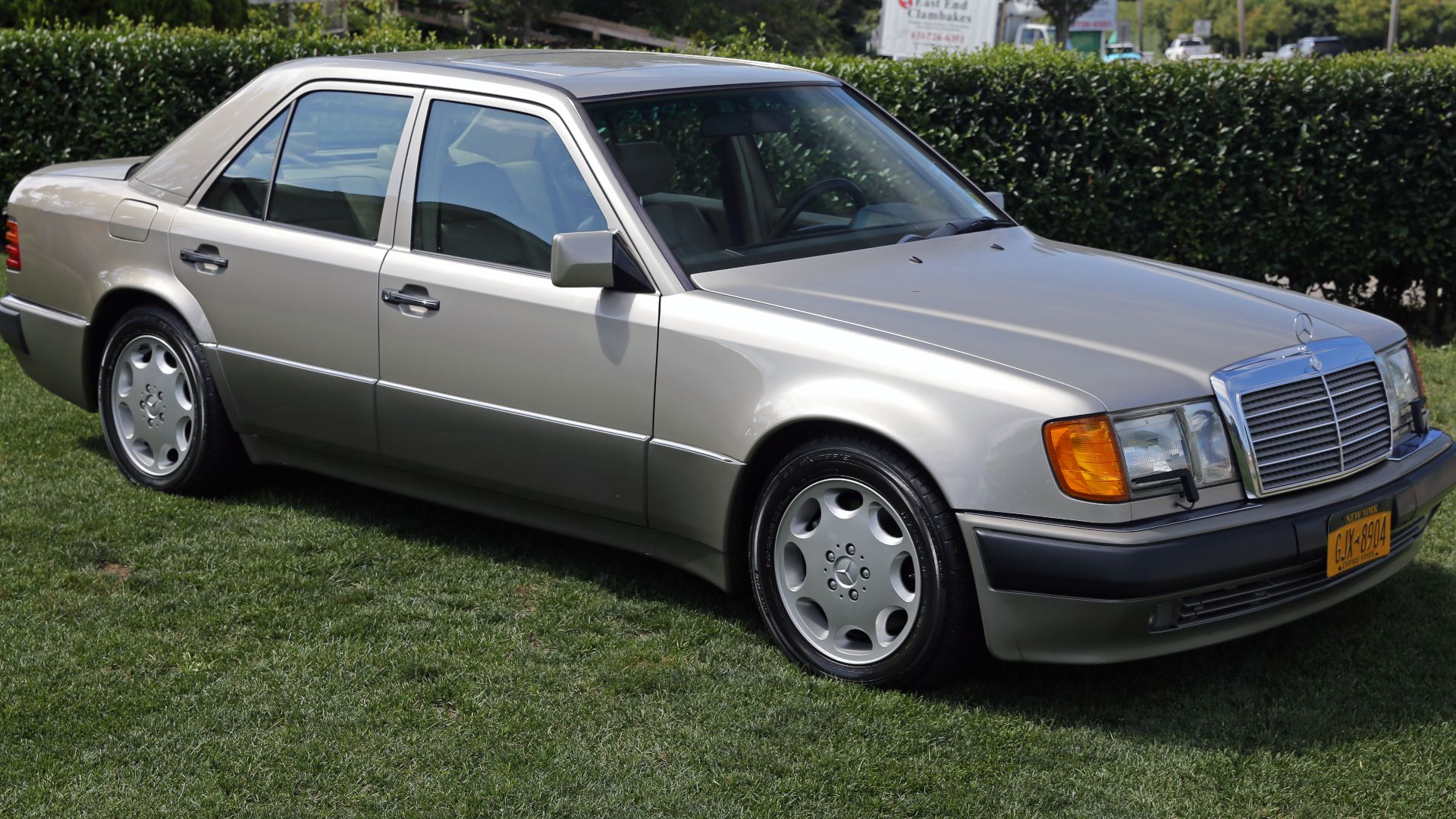
10. Mercedes-Benz 500 E (1991–1994)
The 500 E looked like an executive sedan but behaved like a muscle car. Assembled by Porsche, it featured a 5.0-liter V8 borrowed from the SL and clocked serious performance numbers. This beauty was dubbed “the wolf in sheep’s clothing.”
11. Audi S2 Coupe (1990–1995)
The Quattro torch moved forward with the Audi S2 Coupe's impressive combination of turbocharged power and all-wheel drive. Its 0–100 km/h sprint in just over six seconds made it a discreet performer. S2 laid the groundwork for the RS era.
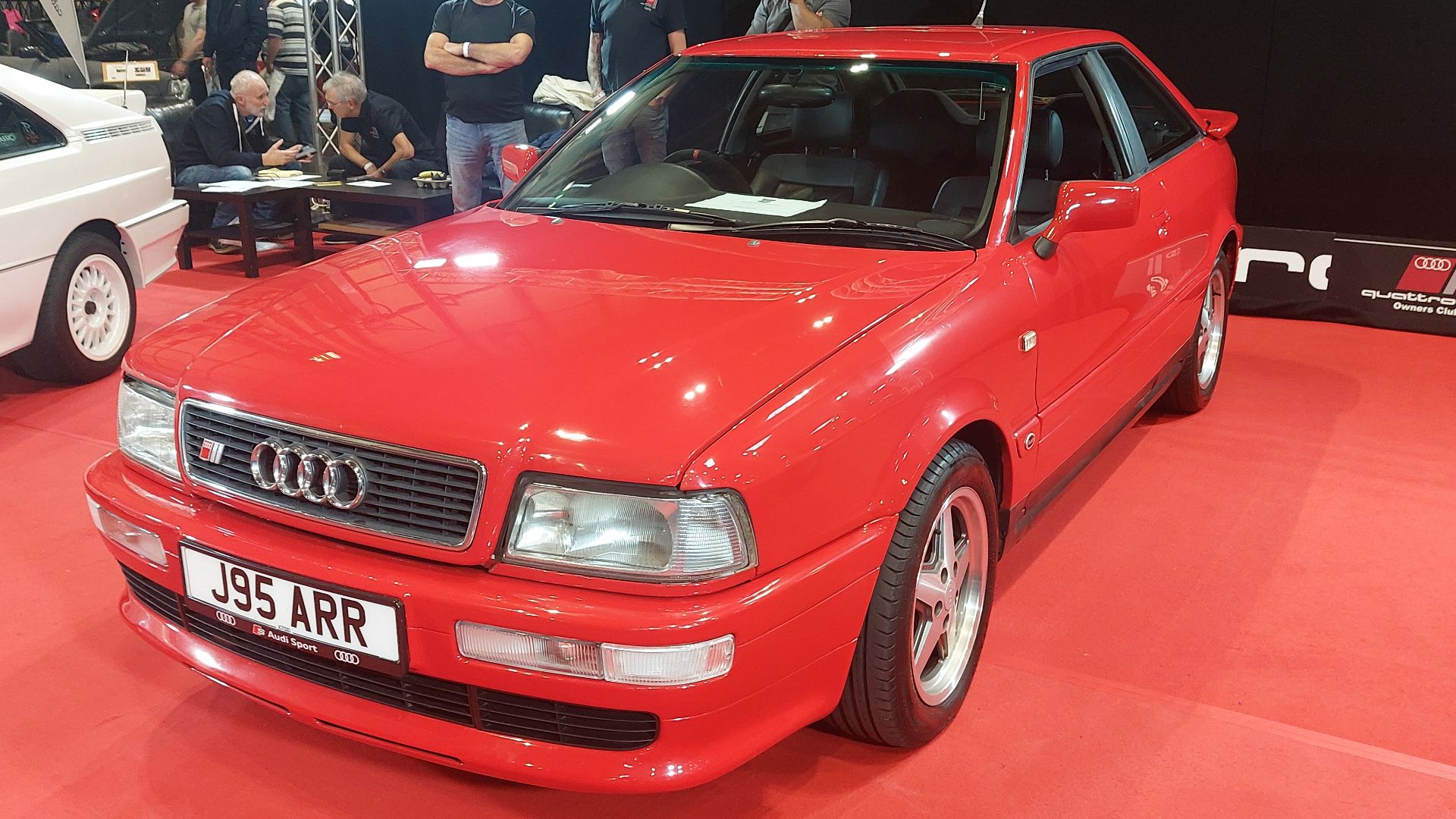 Kieran White from Manchester, England on Wikimedia
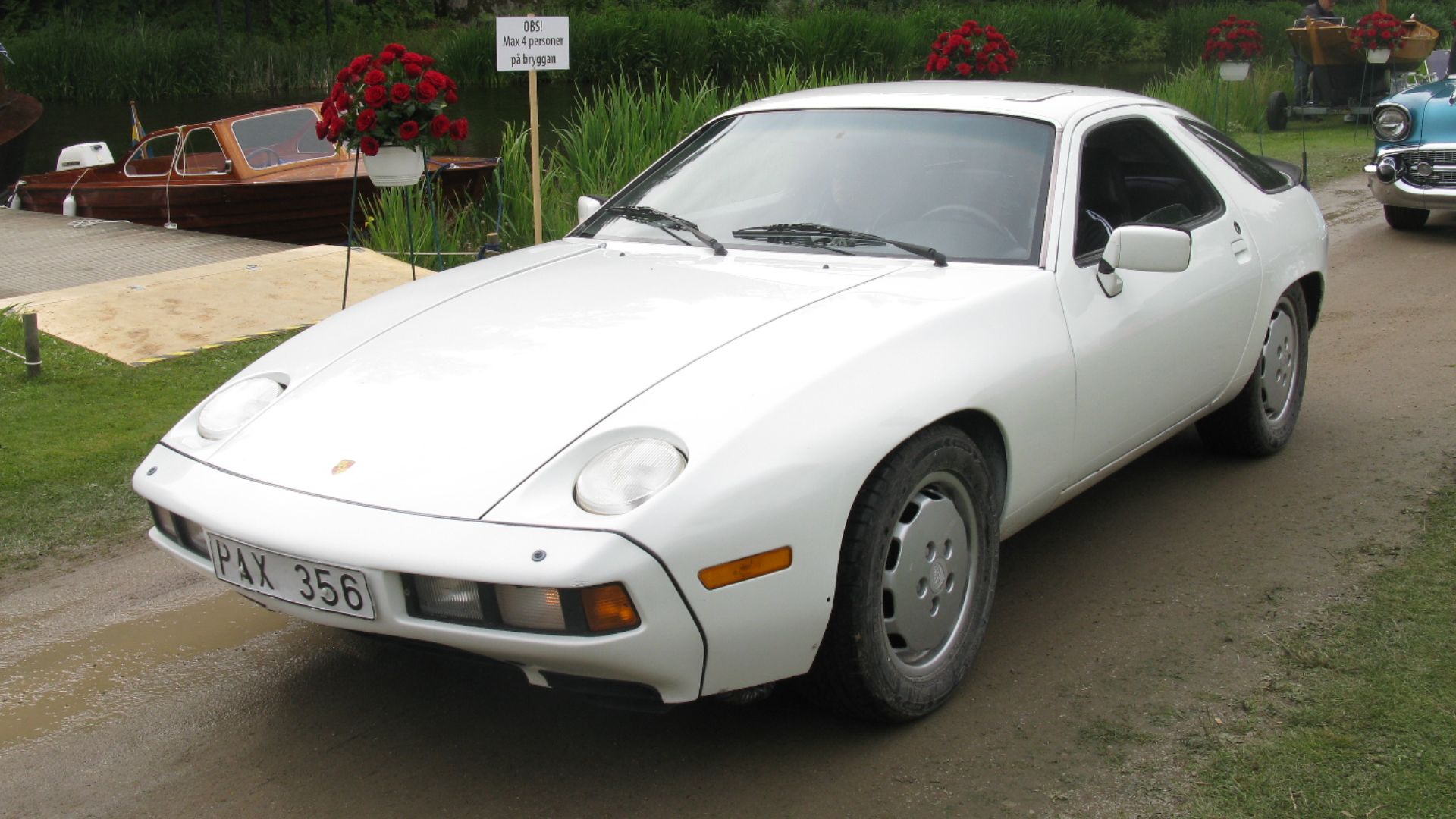
12. Porsche 928 (1977–1995)
Originally developed as a successor to the 911, the Porsche 928 ended up forging its own identity. Its front-mounted V8 and pioneering Weissach rear axle made it one of the most advanced GTs of its time. The 928 even won 1978’s European Car of the Year.
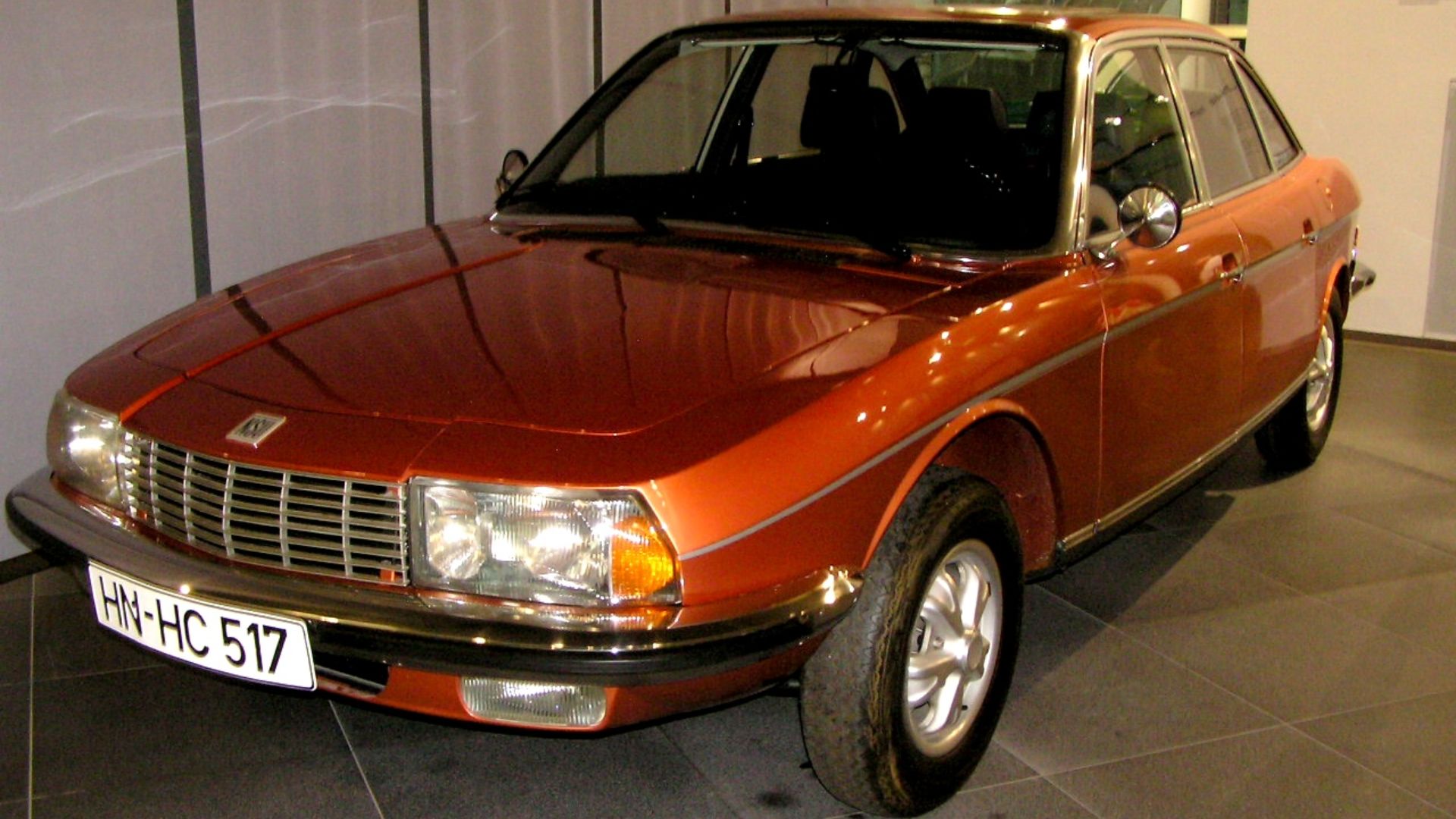
13. NSU Ro 80 (1967–1977)
This forward-thinking sedan featured a Wankel rotary engine and sleek aerodynamic design, setting it apart from its contemporaries. Though praised for innovation and awarded 1968’s European Car of the Year, the Ro 80 faced challenges with engine durability and maintenance demands. It remains a notable example of German engineering that pushed boundaries.
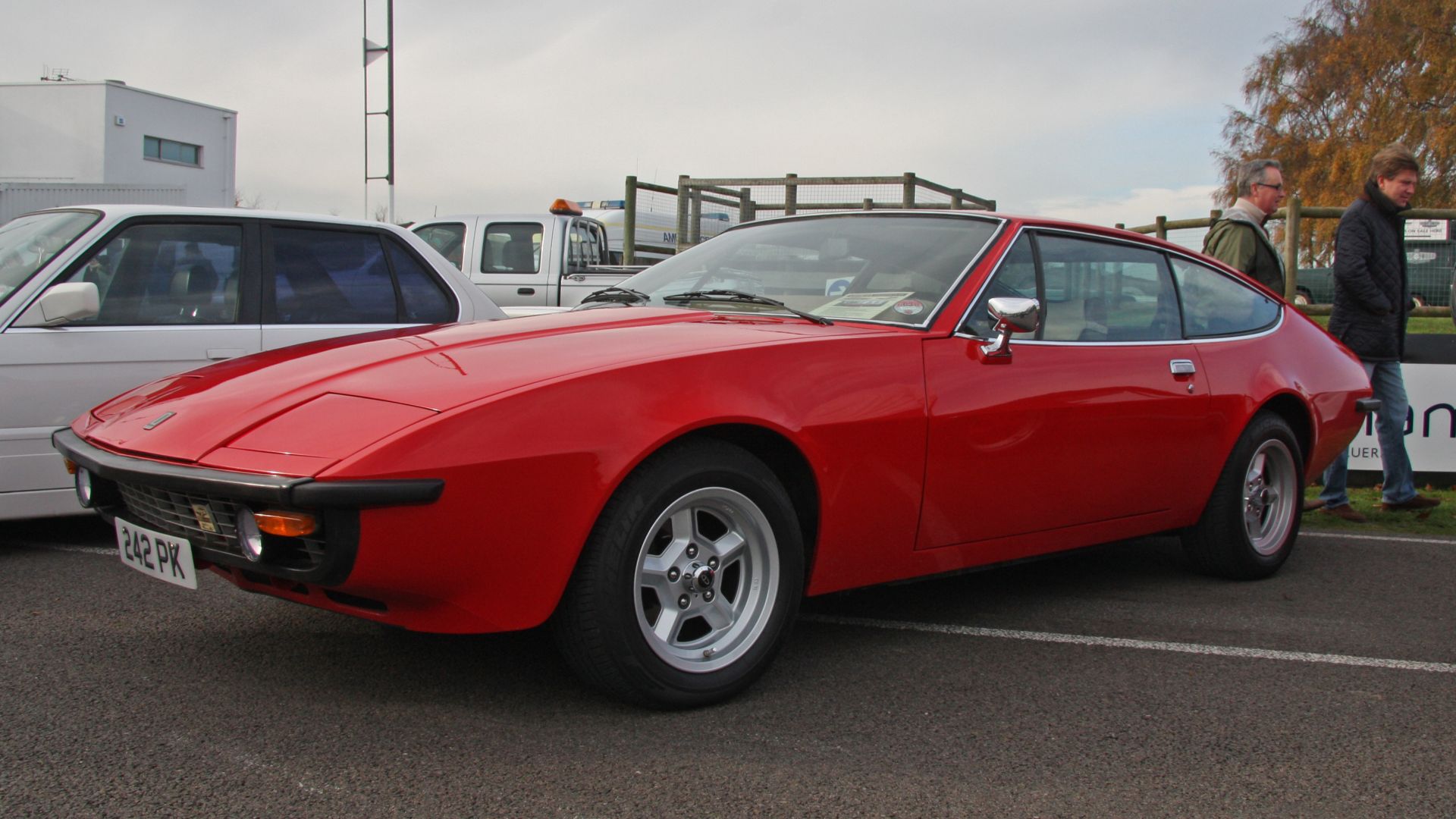
14. Bitter CD (1973–1979)
The Bitter CD was Germany’s stylish answer to grand touring excess. Built on Opel Diplomat underpinnings and powered by a Chevrolet V8, it offered charisma. Its concept-car looks were borrowed from the 1969 Opel CD prototype, even if only 395 lucky owners ever got one.
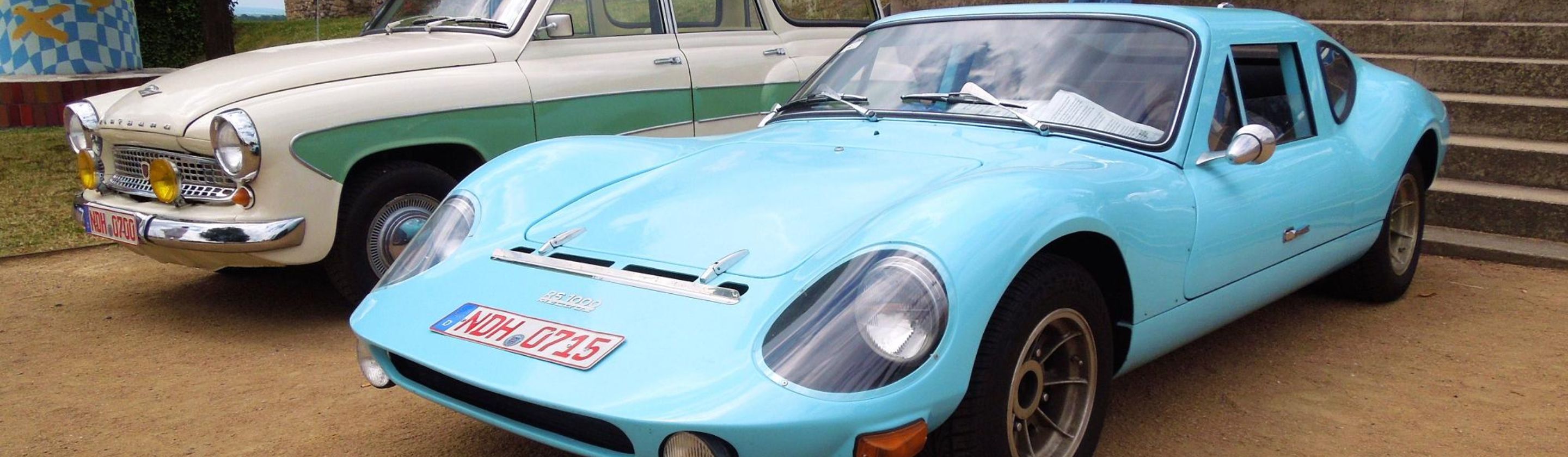
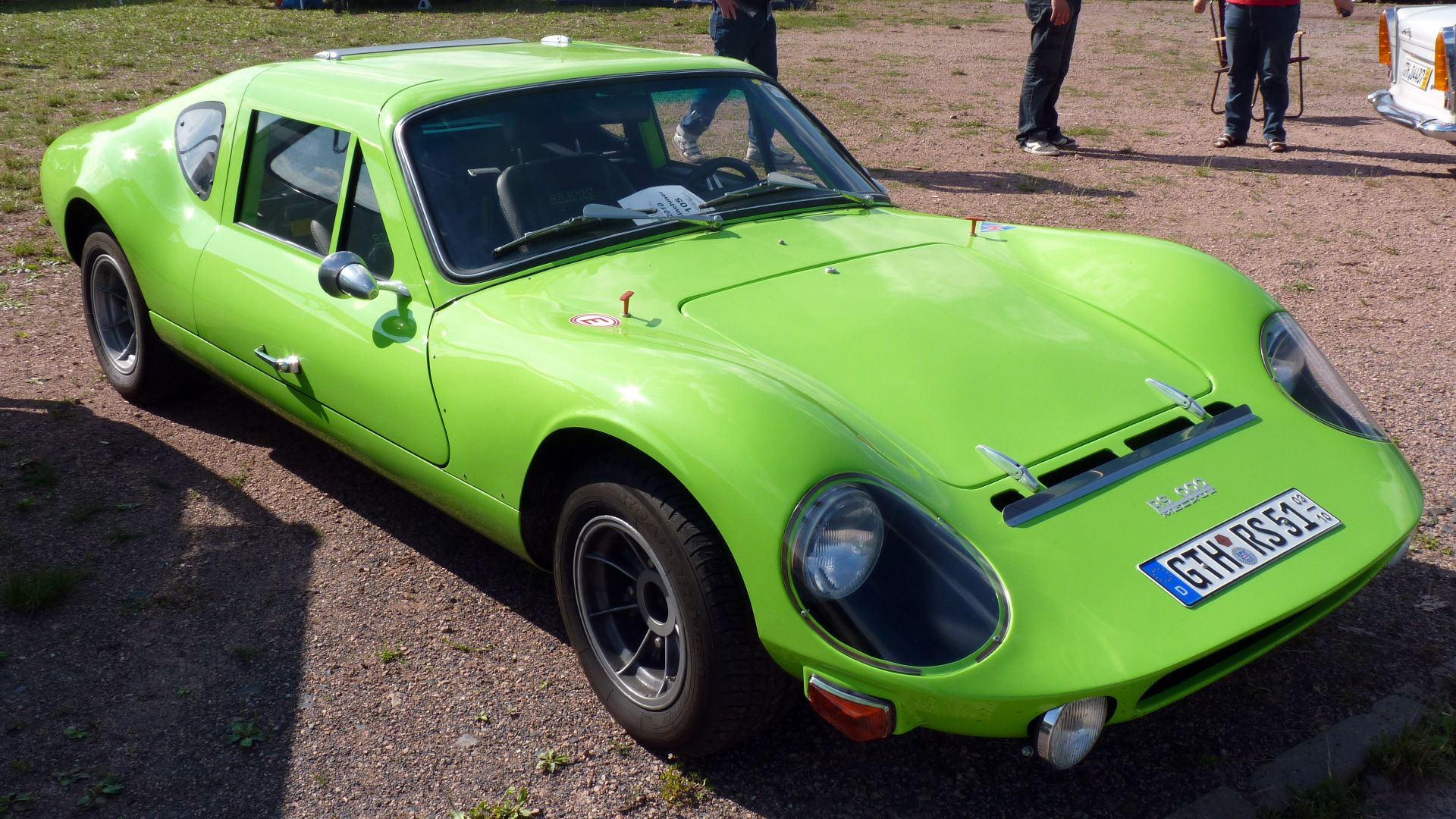
15. Melkus RS 1000 (1969–1979)
From behind the Iron Curtain came the Melkus RS 1000, East Germany’s improbable sports car. Lightweight and gullwinged, it ran on a humble three-cylinder Wartburg engine. Only 101 units were made, yet its existence alone was revolutionary.
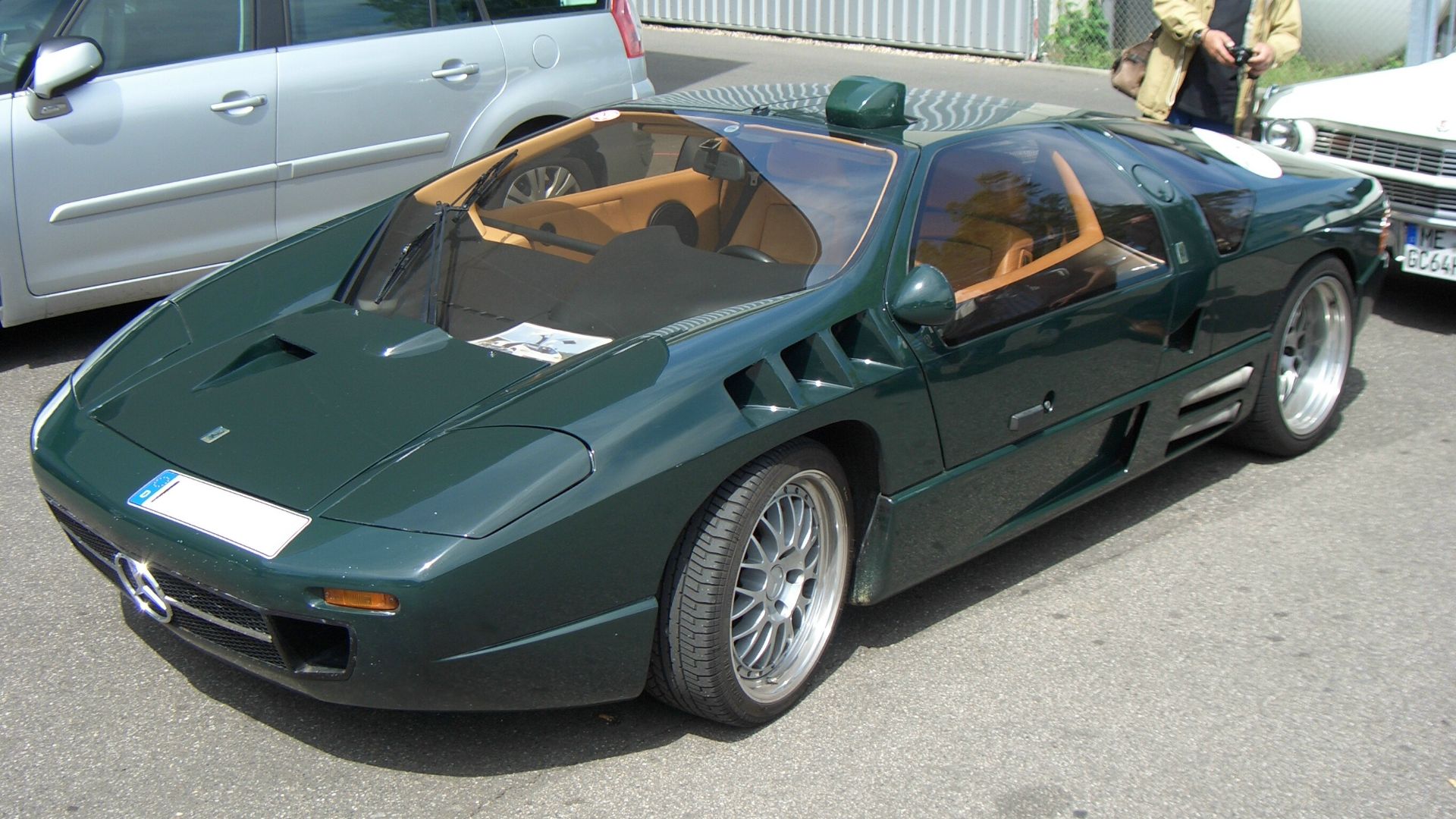
16. Isdera Imperator 108i (1984–1993)
Each car was handcrafted, powered by a Mercedes V8, and featured a periscope mirror instead of conventional ones. With only about 30 made, it stands as one of the most eccentric yet masterful machines in German history.
 Detectandpreserve on Wikimedia
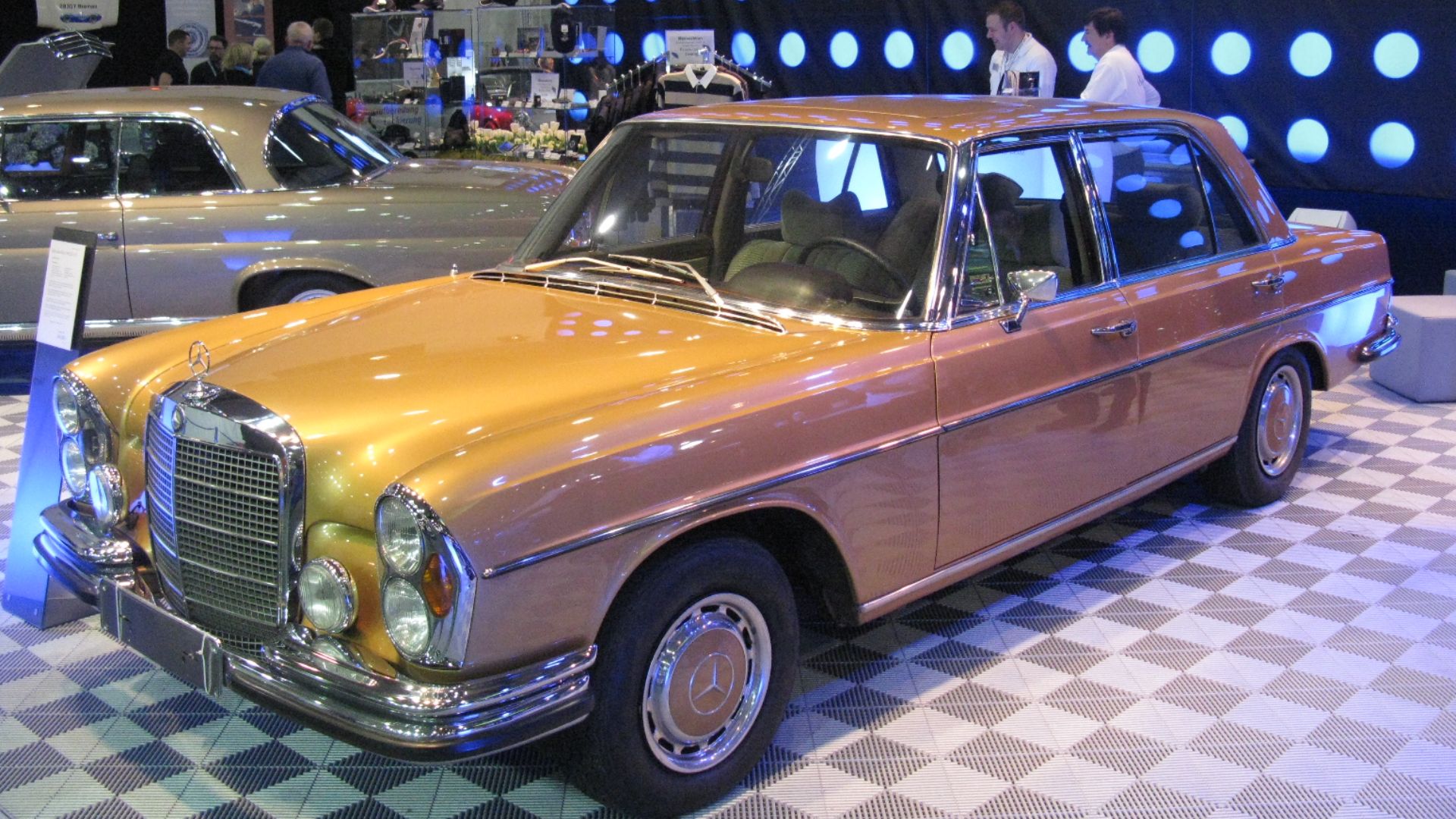
17. Mercedes-Benz 300 SEL 6.3 (1968–1972)
This luxury car borrowed its massive V8 from the 600 limousine, rocketing a stately sedan to 100 km/h in just 6.5 seconds. At the time, it was the world’s fastest four-door—a sleeper sedan before the term even existed.
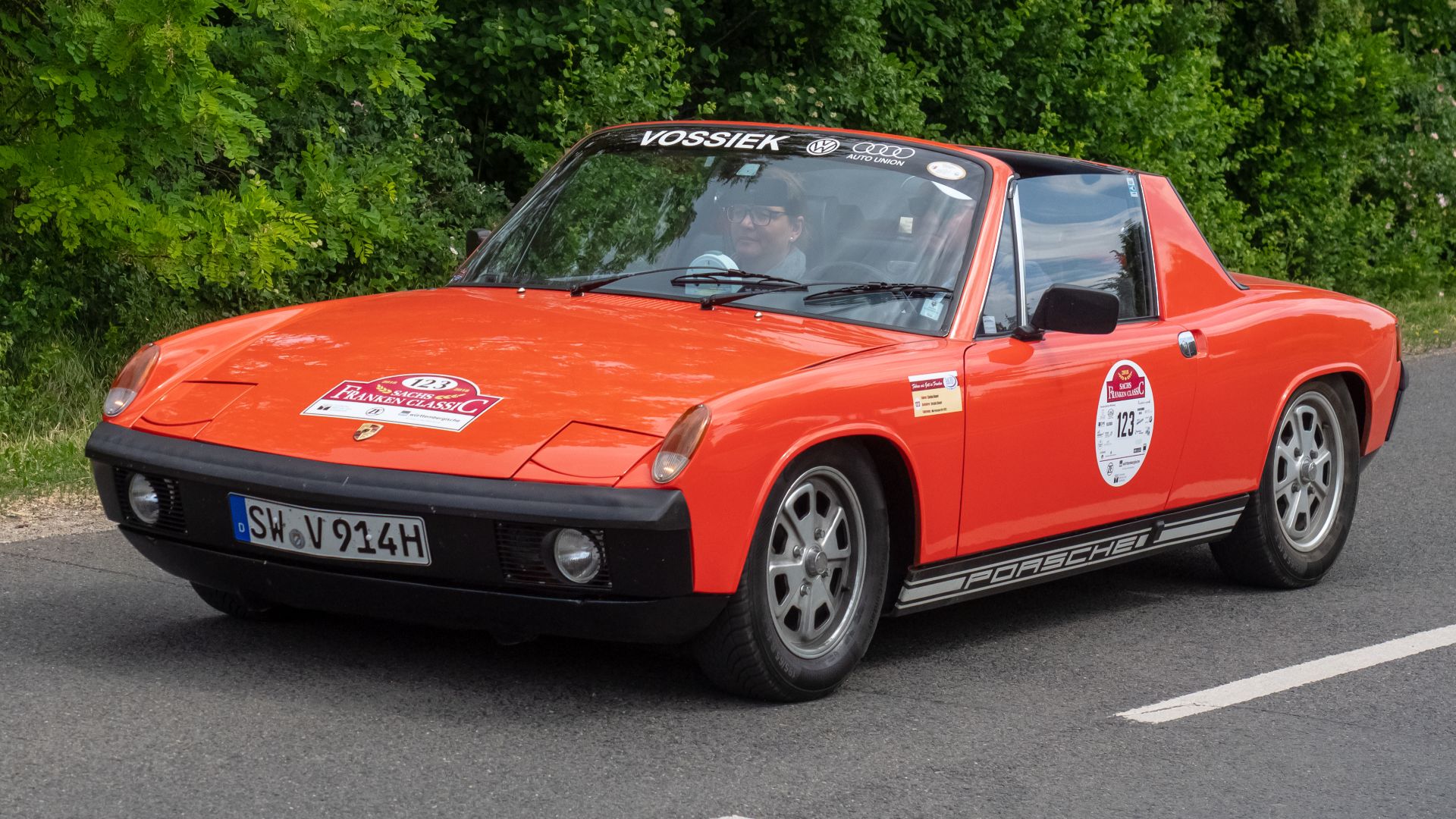
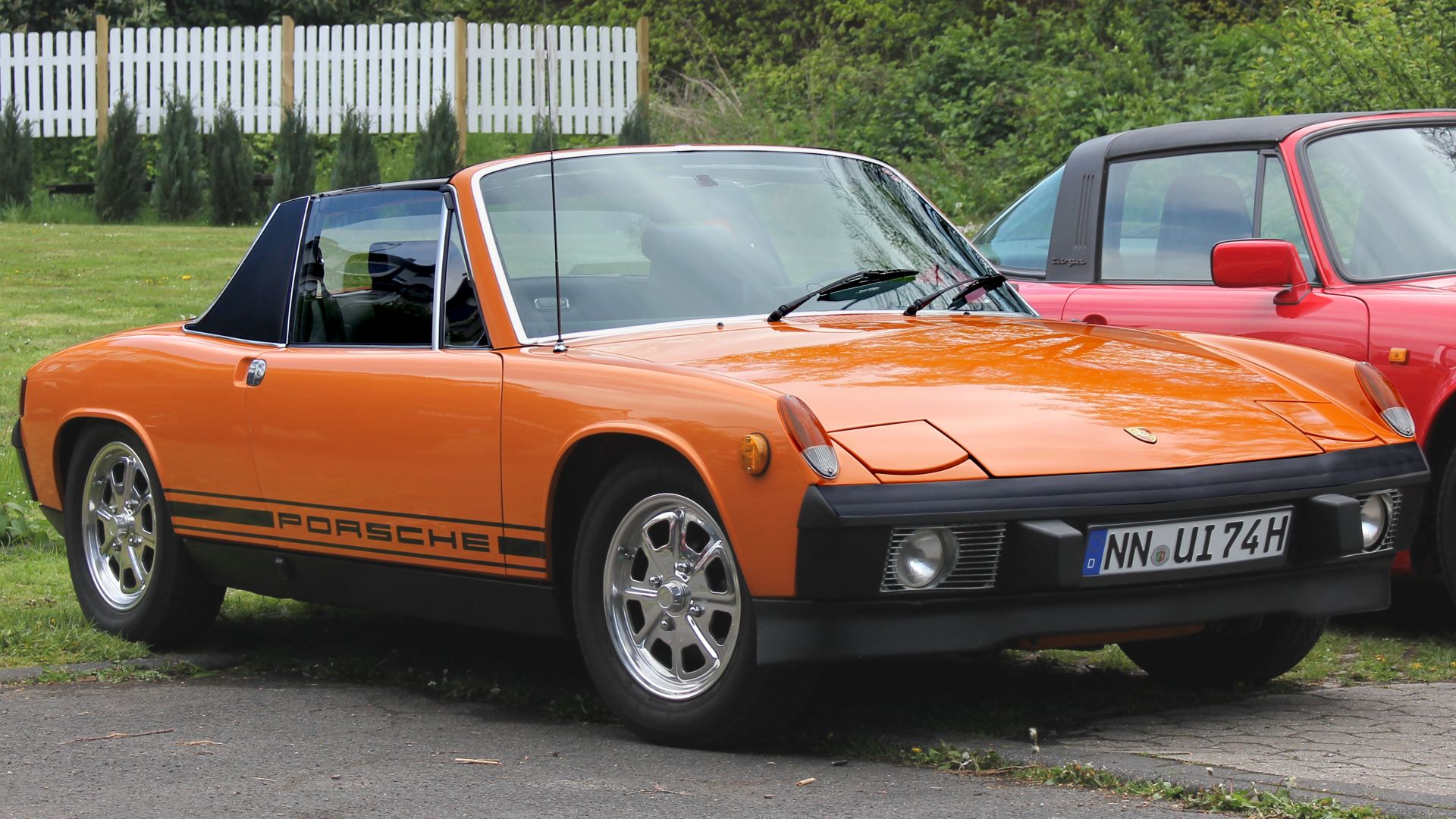
18. Porsche 914 (1969–1976)
A Porsche-Volkswagen collaboration gave birth to a mid-engine sports car that enthusiasts could actually afford. Available with four- or six-cylinder power, it stood out with its removable Targa roof and compact footprint. This car was also once dismissed as “the cheap Porsche.”
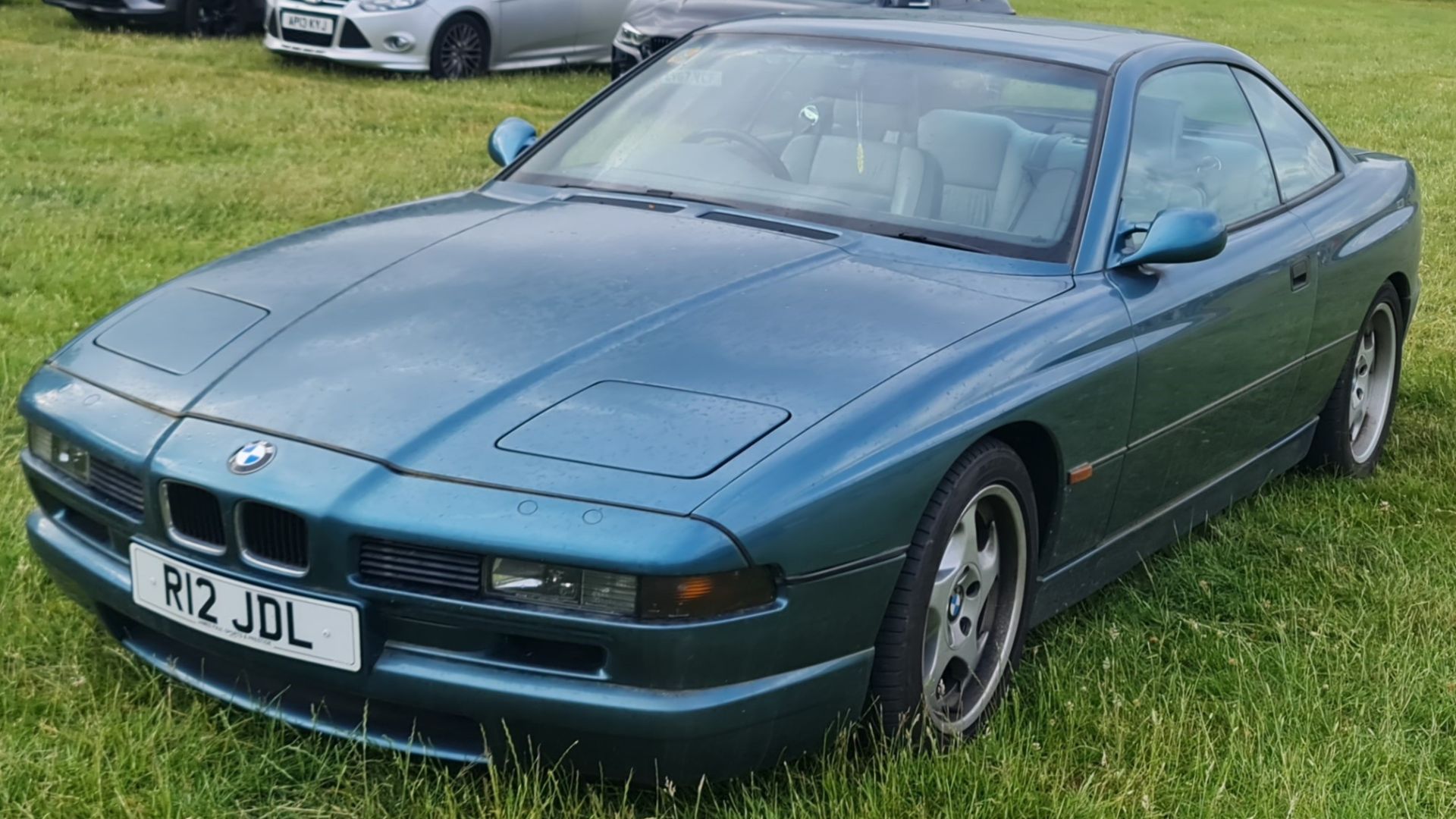
19. BMW 840Ci (1992–1999)
When subtlety met sophistication, it looked like the BMW 840Ci. As part of the E31 8 Series, it packed a smooth V8, pop-up headlights, and one of BMW’s earliest multi-link rear suspensions. It was ultimately overshadowed by its V12 sibling.
20. Mercedes-Benz SLK 32 AMG (2002–2004)
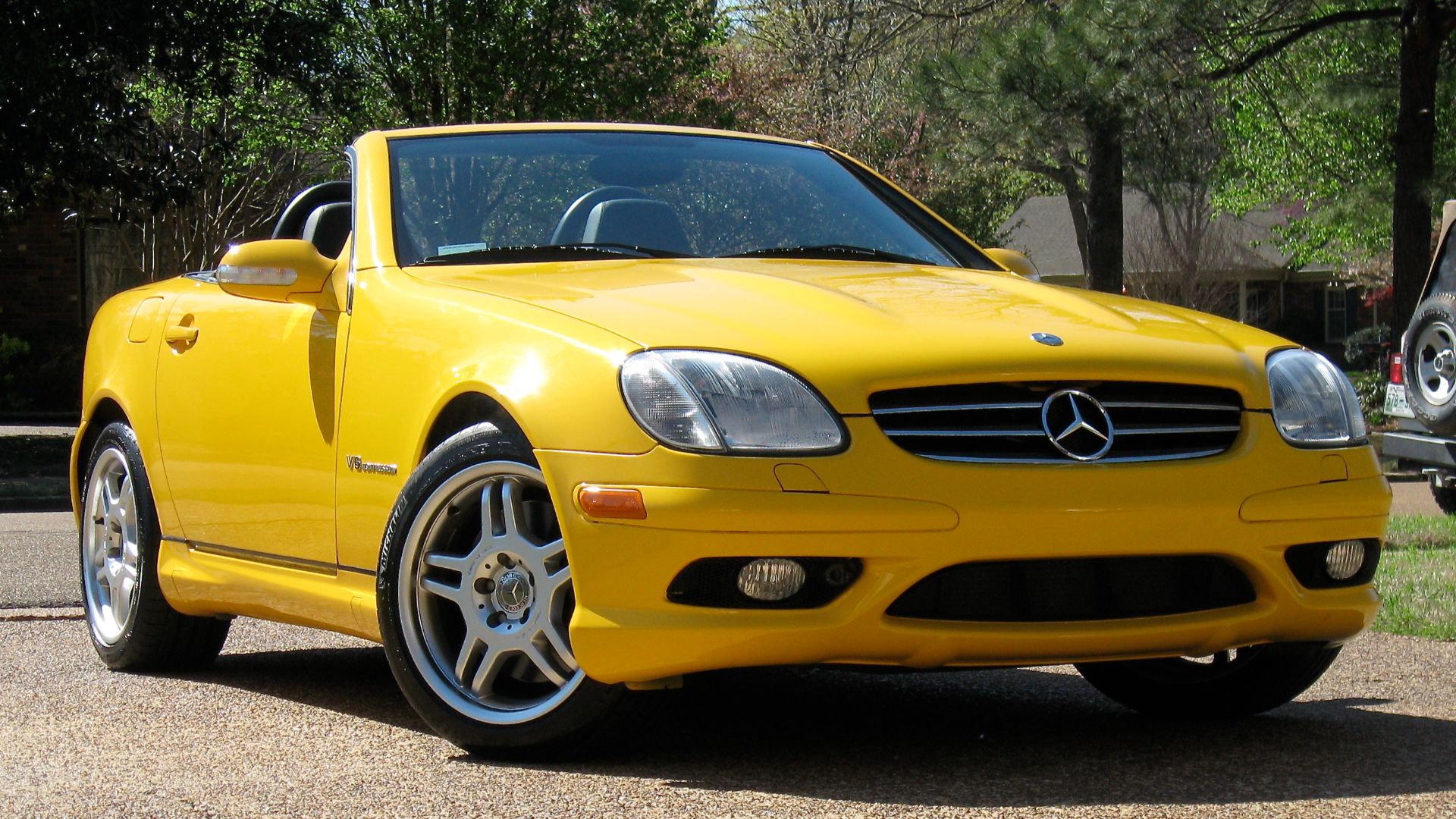
Small dimensions hid serious performance credentials in this supercharged V6-powered roadster with a retractable hardtop. Quick, refined, and effortless to drive, it was the kind of car that whispered performance instead of screaming it—and that’s what makes it special.