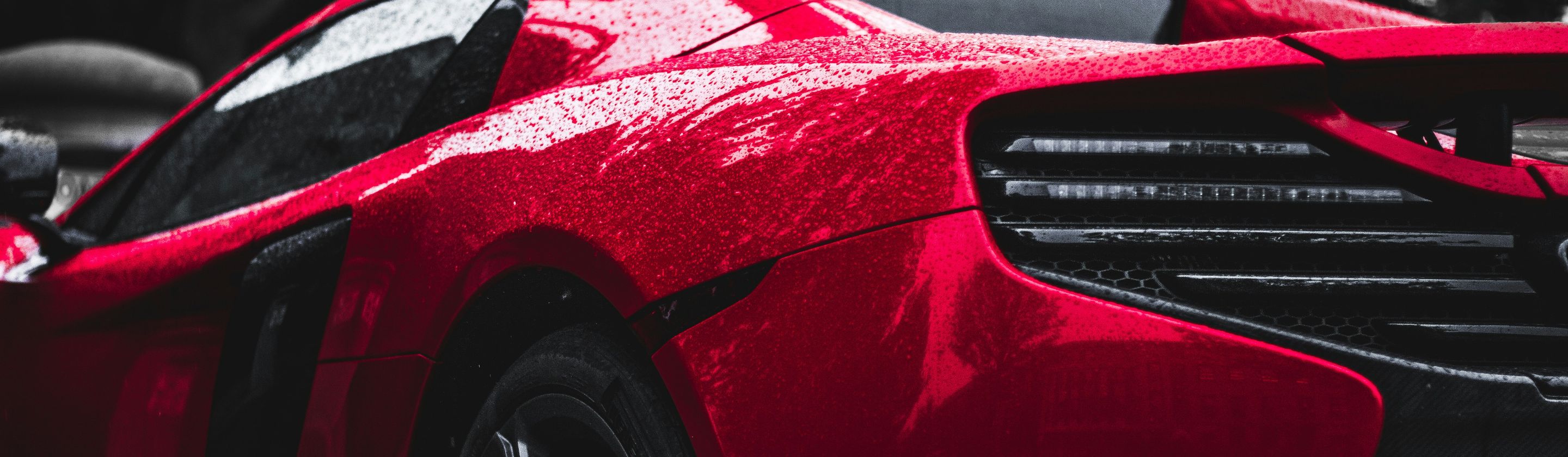
Finding the Right Kind of Car for the Way You Drive
Shopping for a car can get confusing when you start hearing terms like sedan, hatchback, crossover, coupe, and sports car thrown around in every conversation. Although many vehicles share similar features, each body style and category is designed with different priorities in mind, whether that's passenger space, fuel economy, performance, or everyday convenience. Some cars are built for families who need plenty of room, while others are better suited to drivers who enjoy taking the scenic route or squeezing into tight city parking spaces.
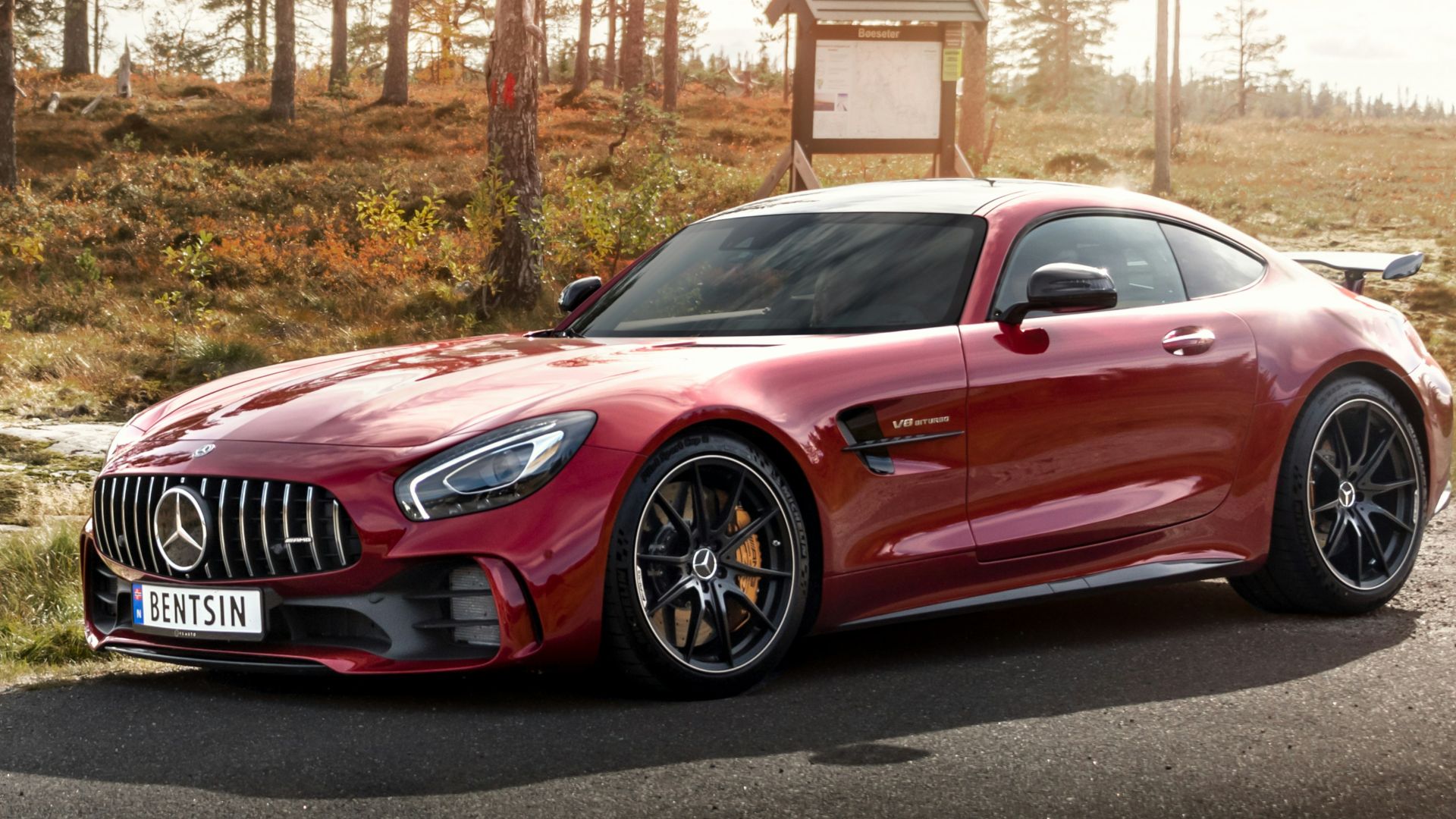
1. Sedan
A sedan is the most common type of car, featuring an enclosed trunk, four doors, and typically seating four to five occupants. They can range from very basic economy cars to very large luxury cars, and so offer a wide range of price points. If you want a comfortable car with a separate enclosed trunk, a sedan is one of the most familiar options.
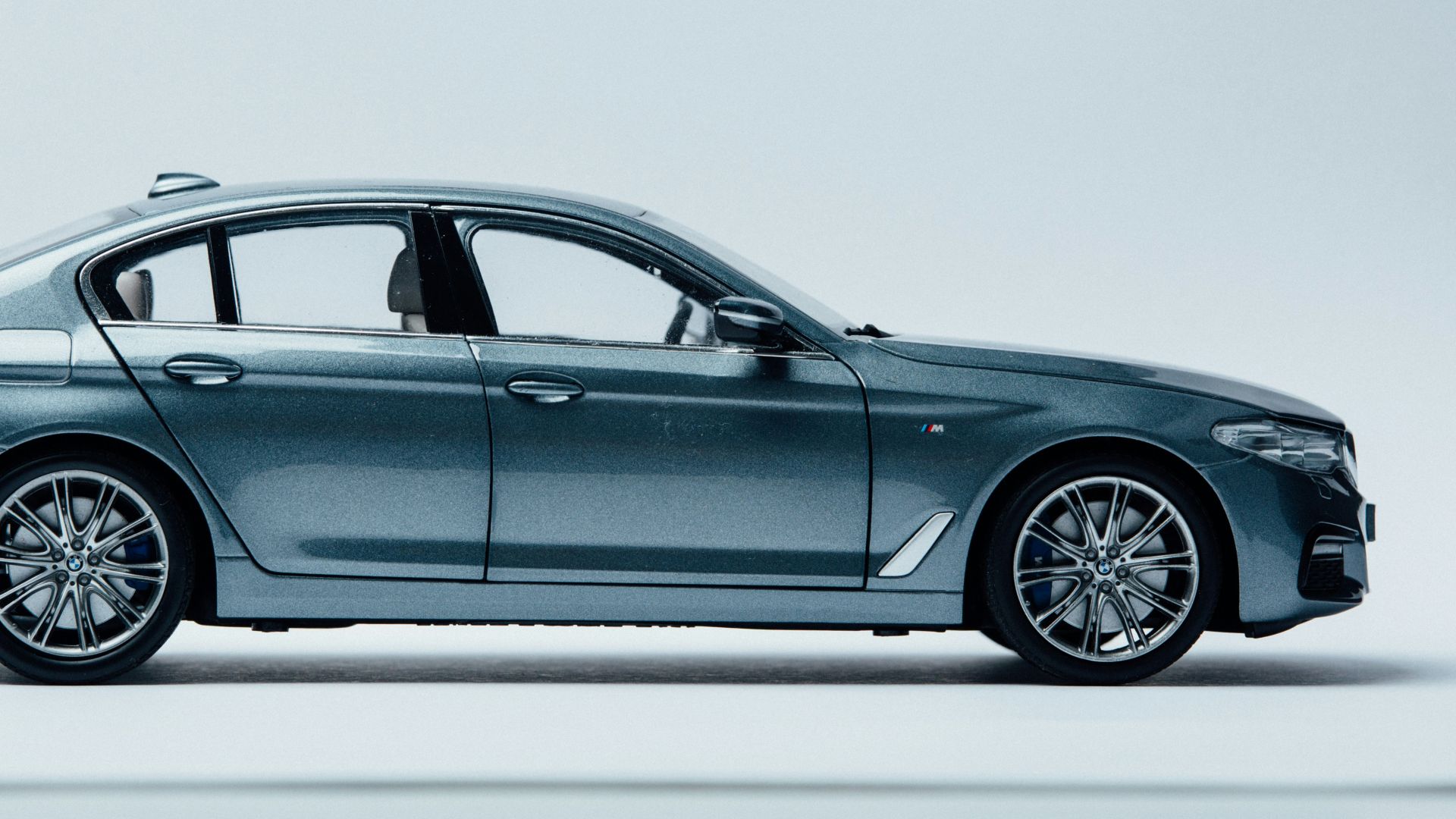
2. Hatchback
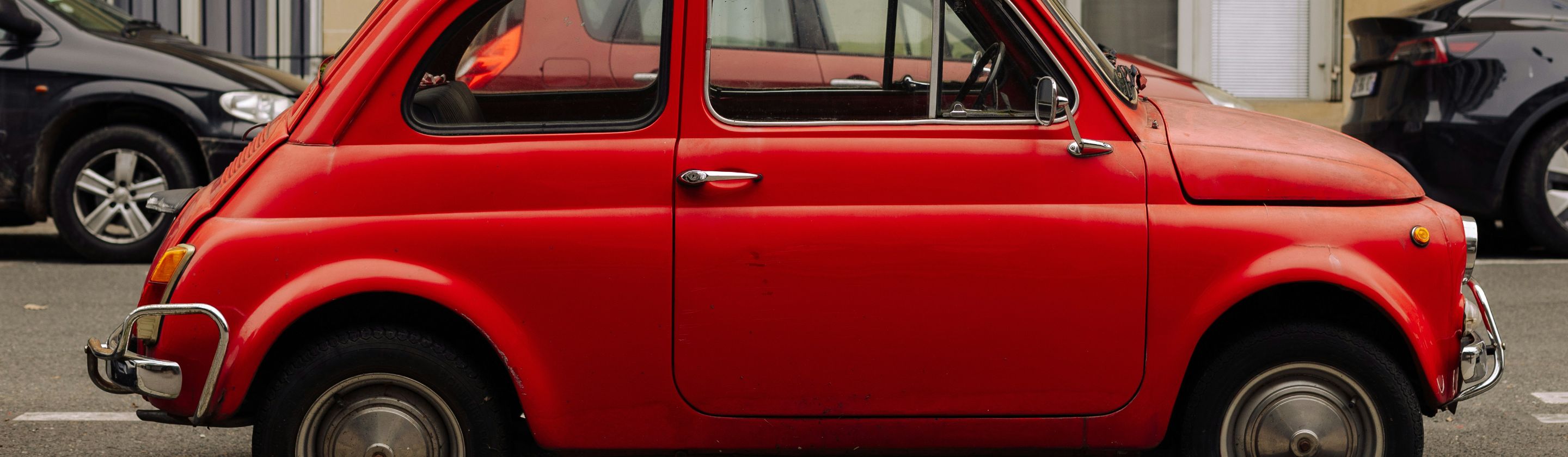
A hatchback will typically have its rear boot door open upward, giving it a smaller rear end and easier access to the boot from the rear seats (usually by folding the back row down). They can also be slightly easier to park than a comparable sedan due to this shorter boot. Hatchbacks are popular with drivers who want a compact vehicle without giving up too much everyday practicality.
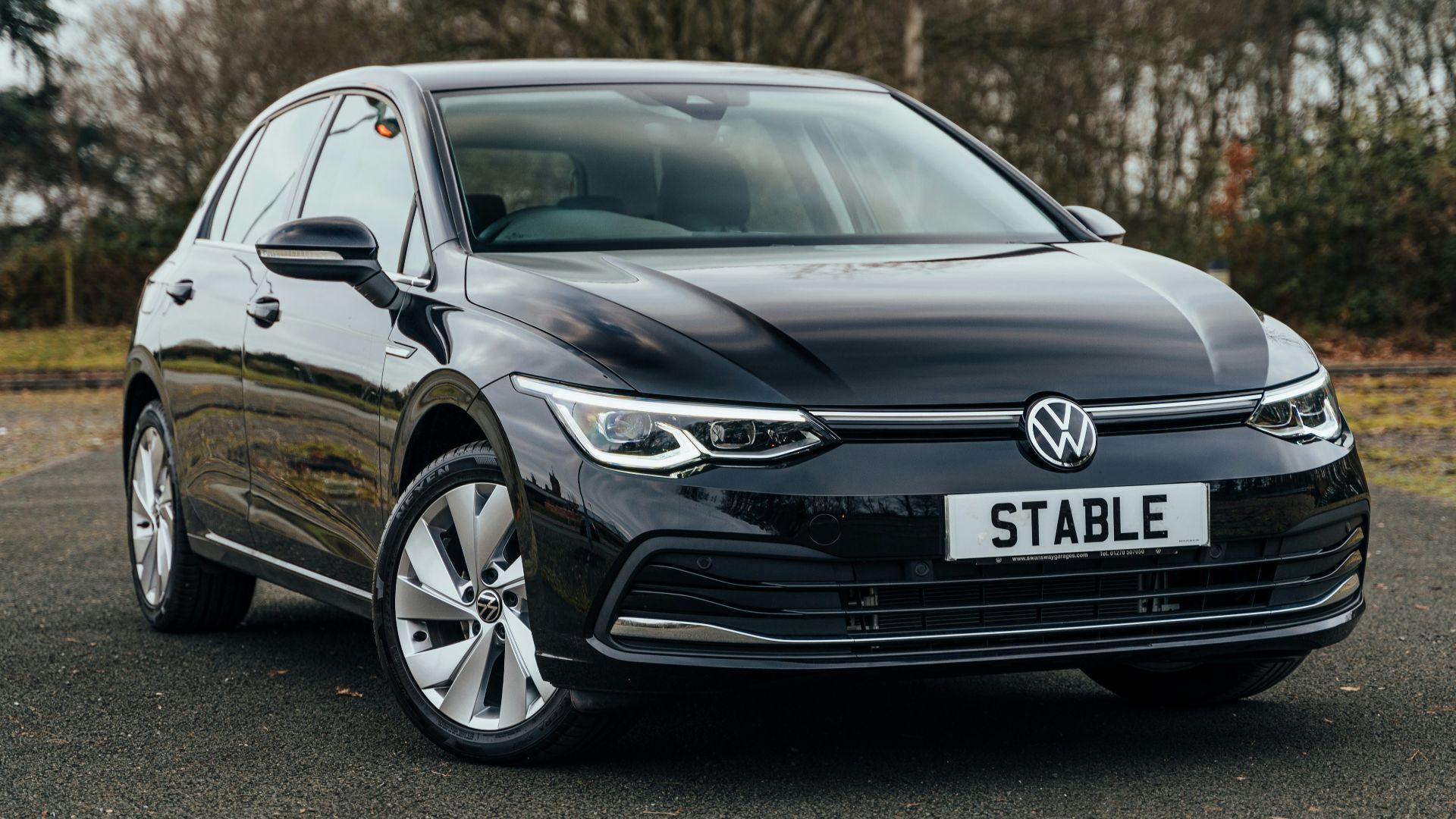
3. Coupe
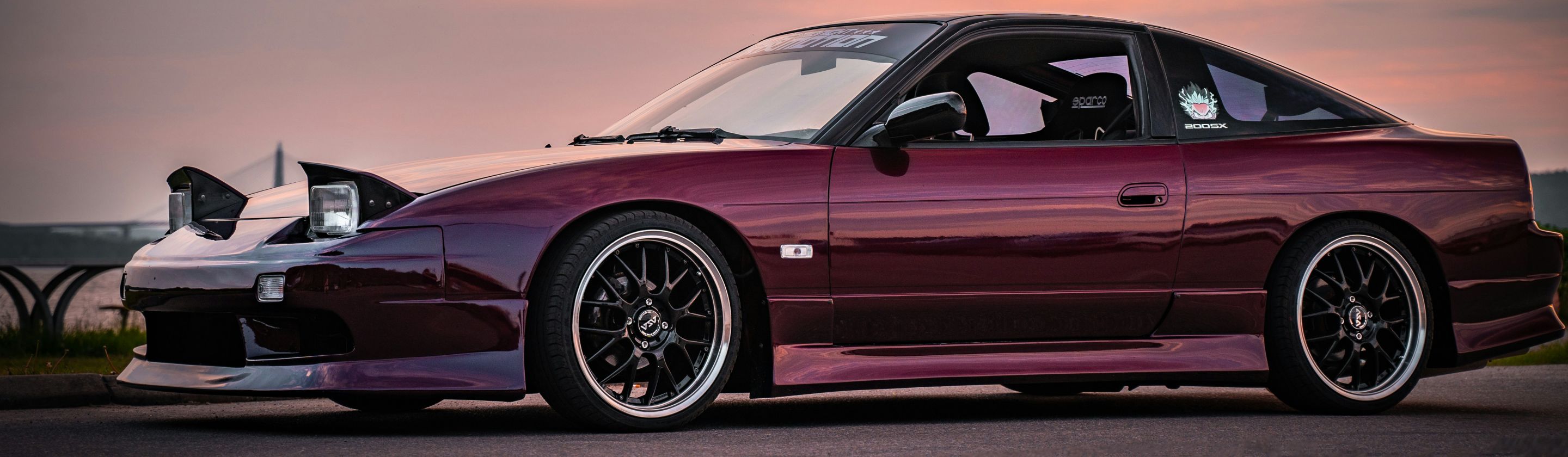
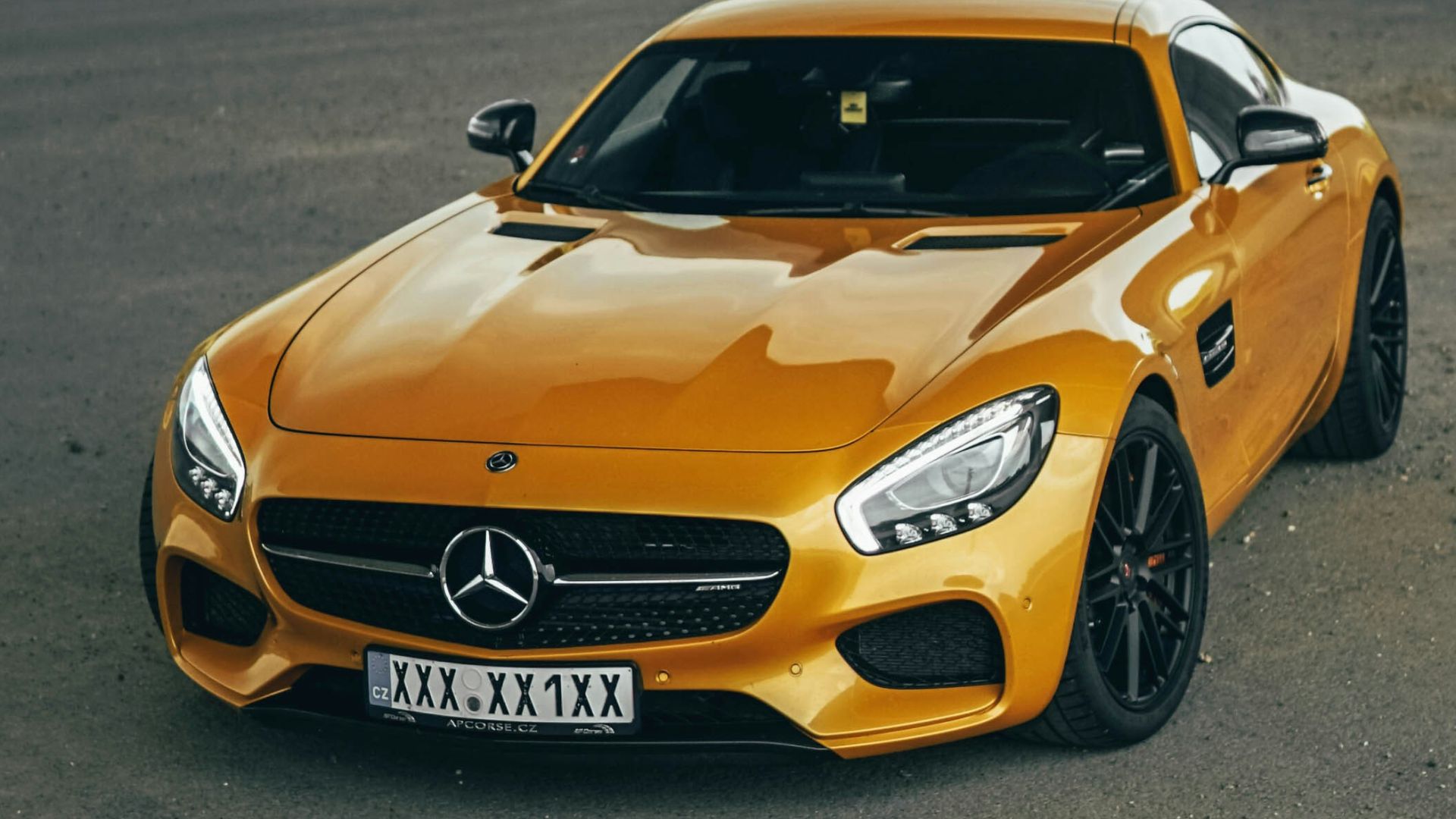
Typically, coupes have only two doors (with a few exceptions) and a roof. Some coupes will have limited back seats, but they can be considered strictly two-seater cars, depending on the model. Coupes usually have a distinctively sloped roofline to make the car look sleek, but that is not necessarily always the case.
4. Convertible
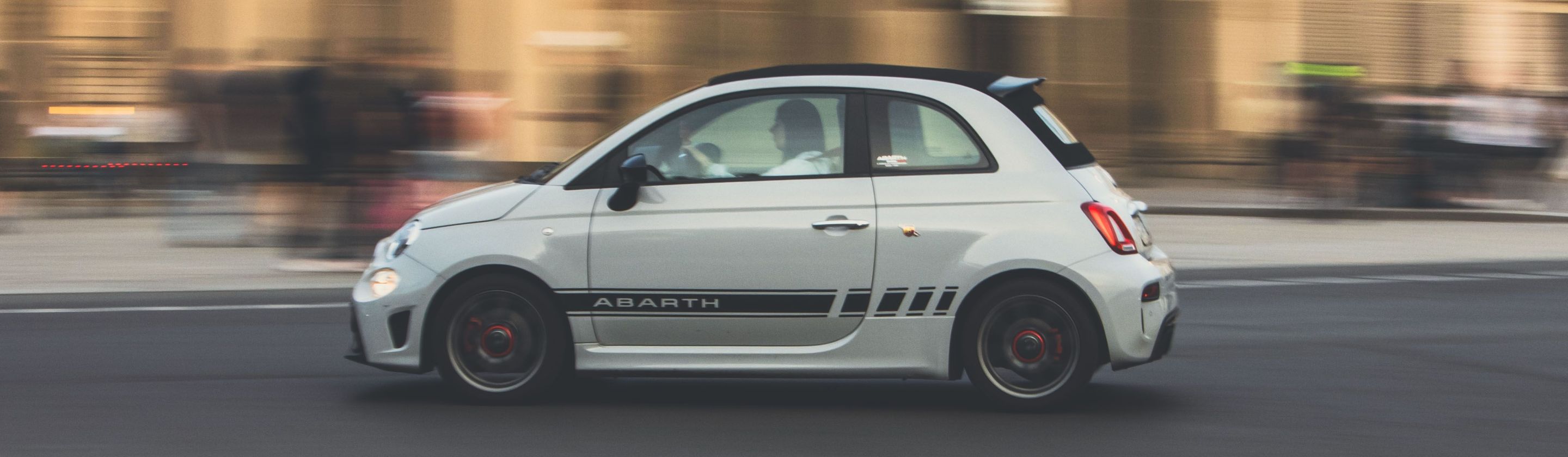
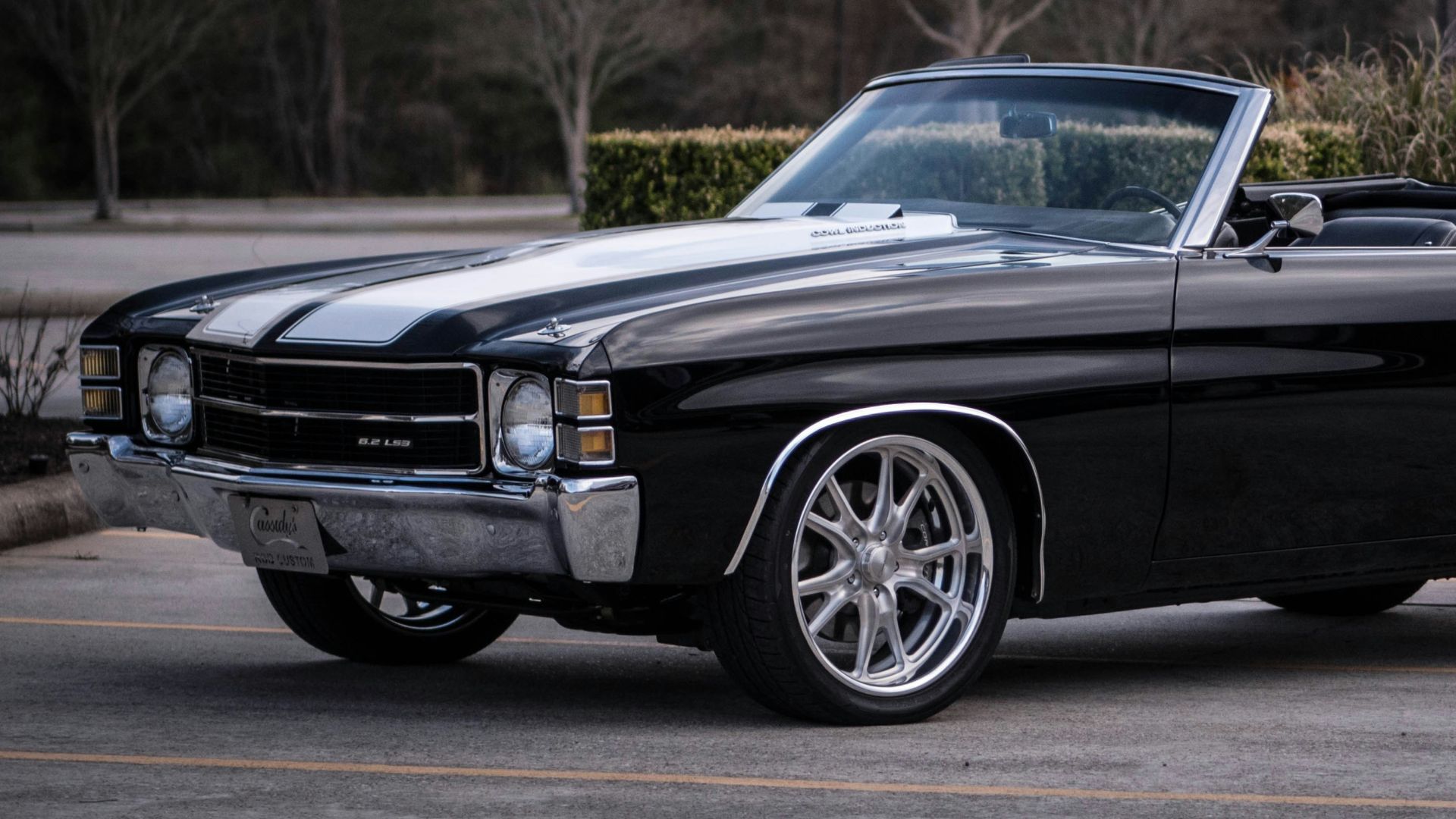
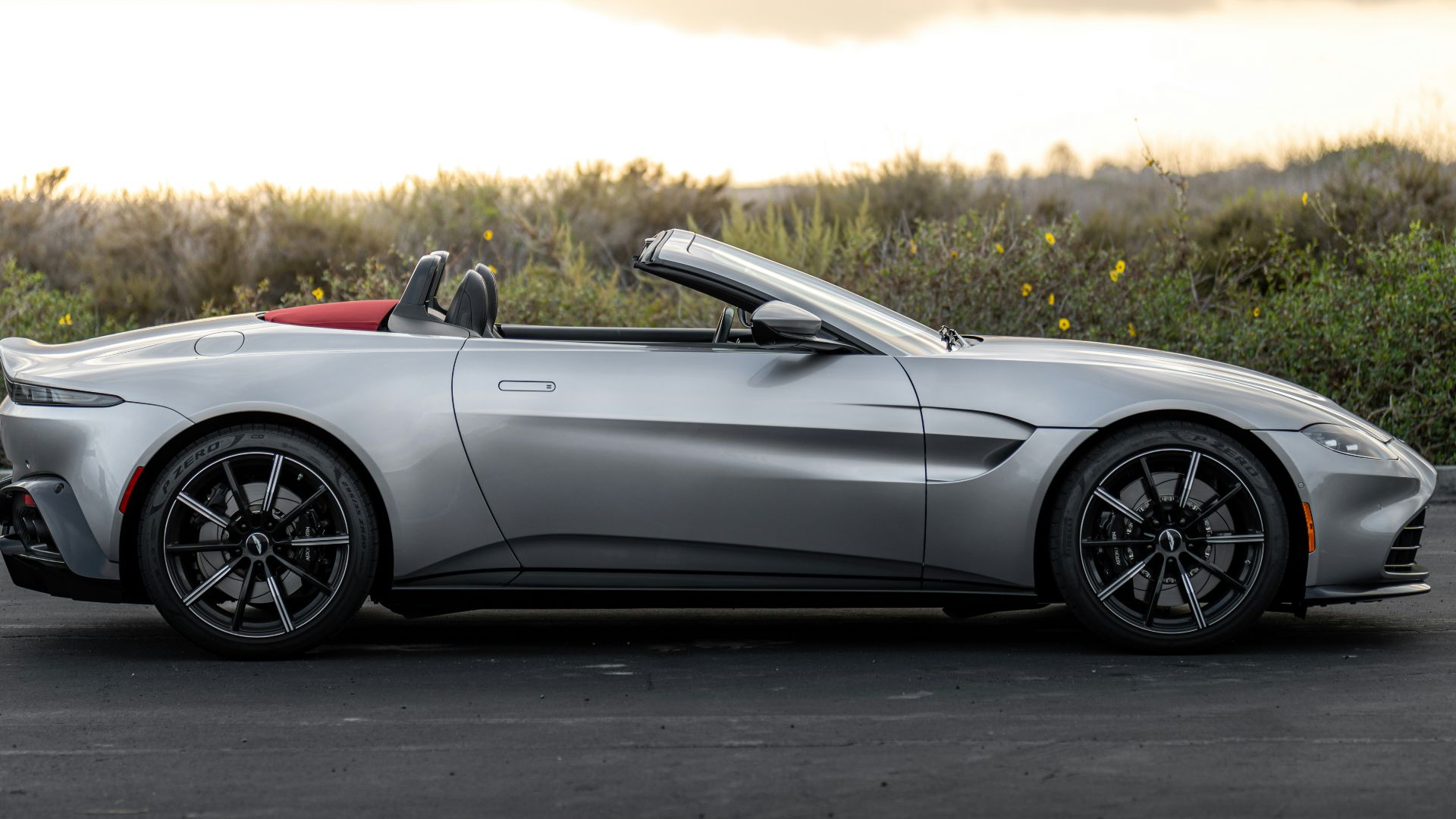
A convertible will have the option of driving with its roof fully open. This can be in the form of a retractable soft top (or occasionally a fold-up hardtop), which can be tucked away into the bodywork to open the car to the elements. There are convertibles available across a number of classes, from high-performance two-seaters to opulent luxury cars.
5. Sports Car
Sports cars are primarily made with sporty performance in mind. Expect fast acceleration and power, keen steering, and responsive brakes and chassis. Some will be two-seater cars, but many will offer extra rear passenger accommodation to make them more usable but still sporty to drive.
6. Supercar
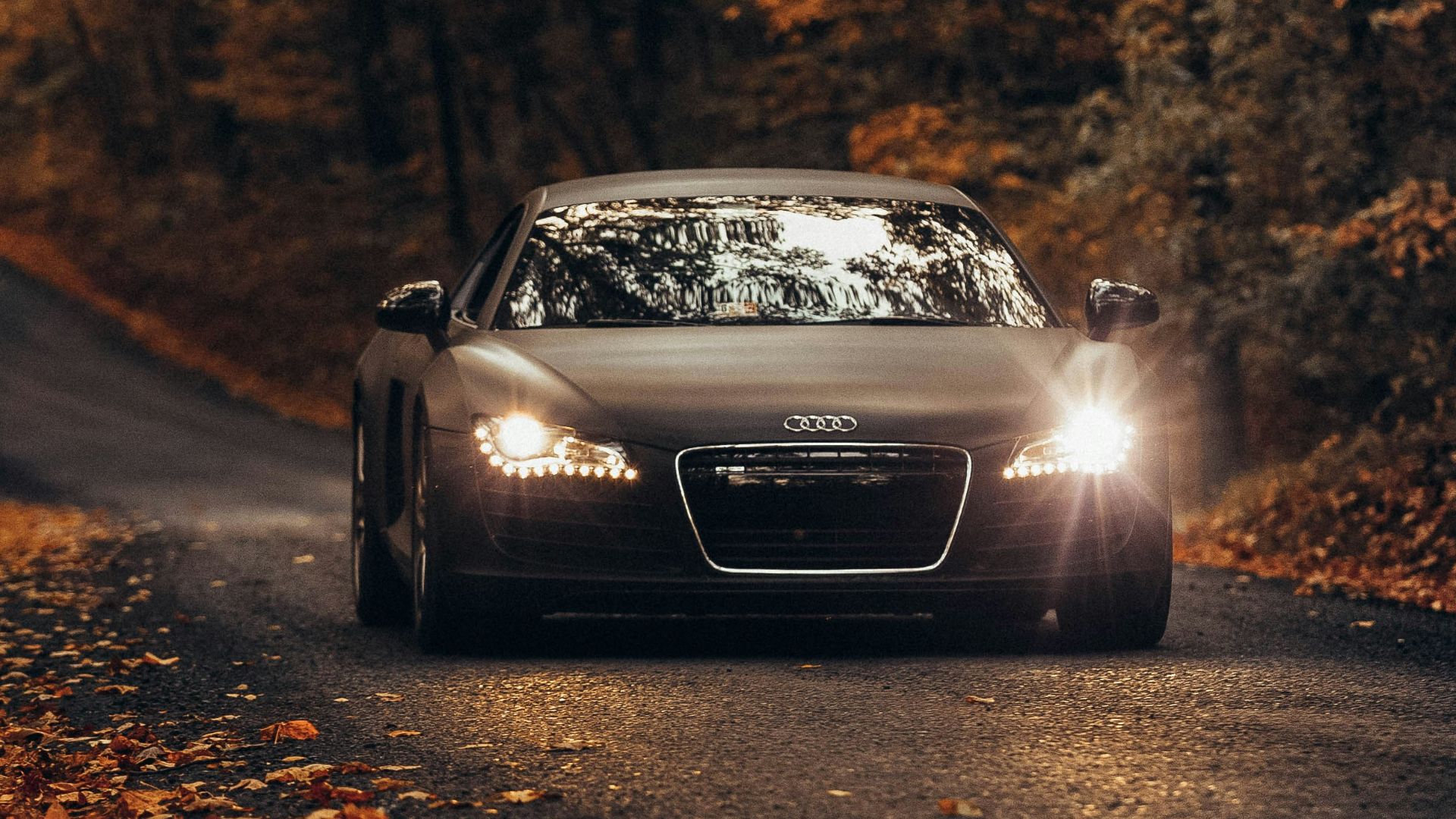
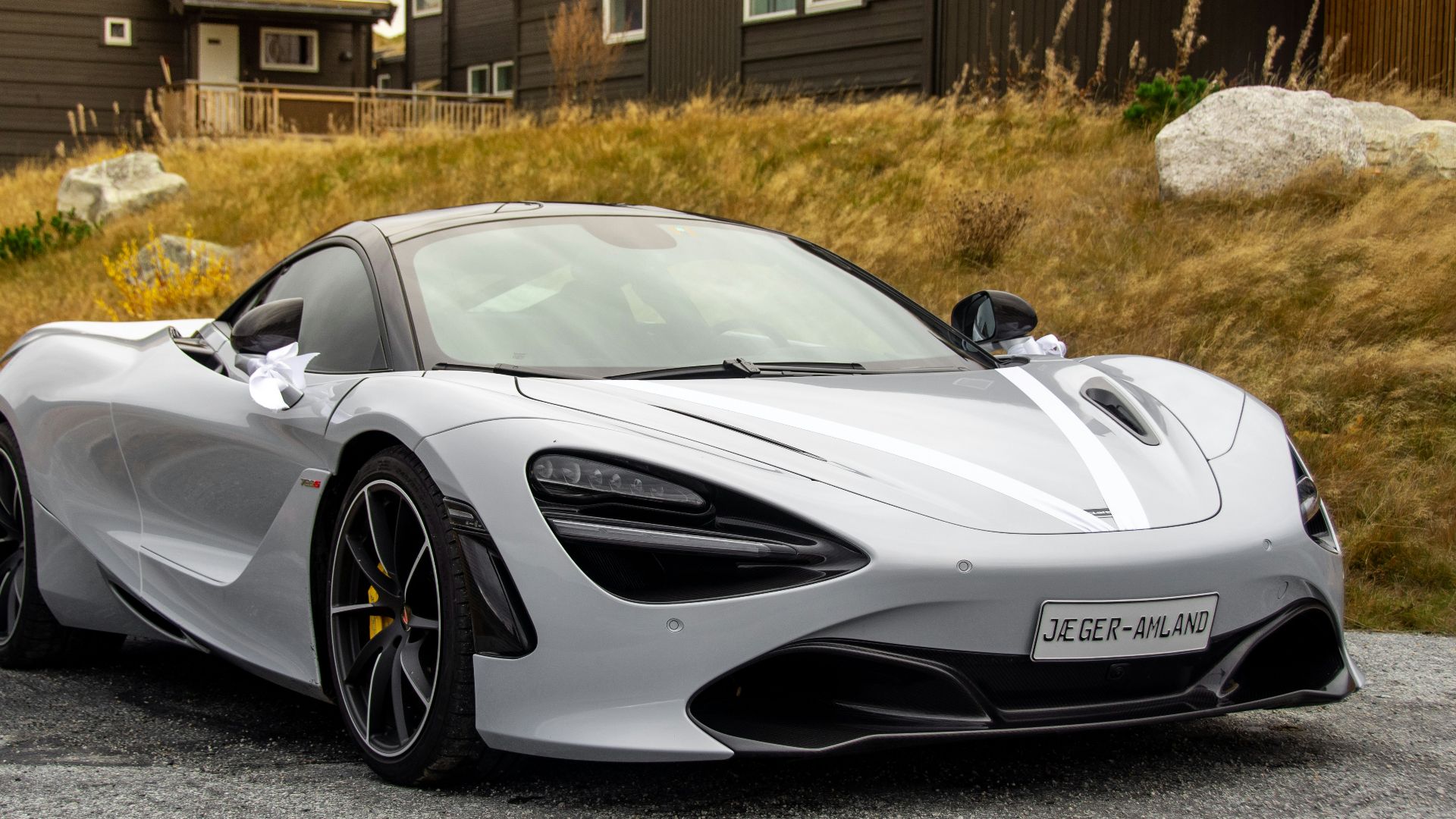
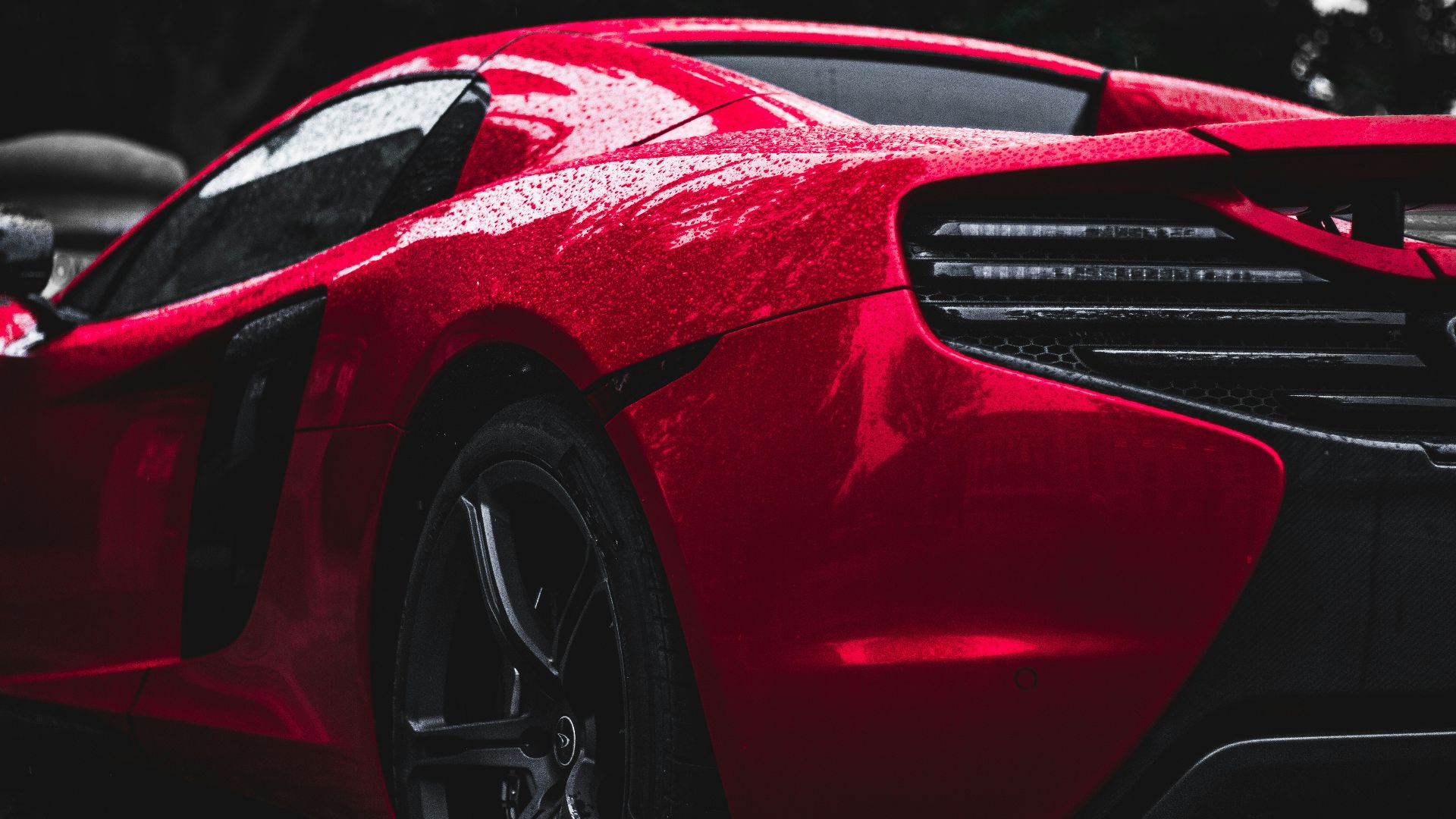
A supercar is a high-performance sports car, typically boasting extremely fast power, impressive aerodynamics, and a focus on chassis, brake, and suspension technology. Supercars are often highly limited and/or expensive to manufacture, and are often priced well out of most people's reach. While definitions can vary, supercars generally sit near the top of the performance market and are designed to deliver extraordinary driving capabilities.
7. Hypercar
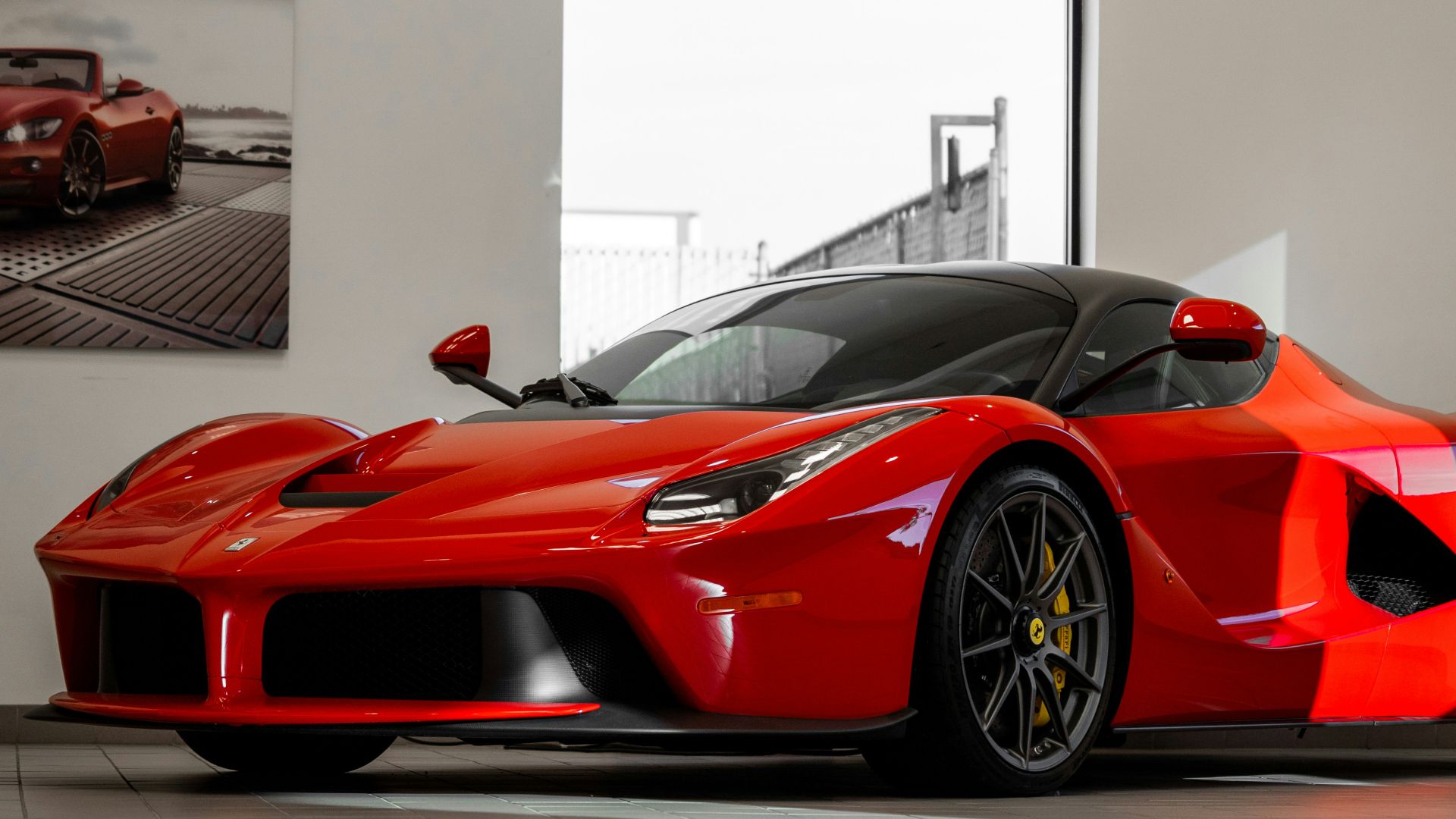
Hypercars take the supercar category to a higher level. They tend to incorporate cutting-edge technology and materials to produce extremely advanced road-going cars that are often priced at many millions of dollars. Hypercars aren't easily defined, but will generally sit at the pinnacle of supercars and will be very expensive to purchase.
8. Sports Sedan
As the name suggests, sports sedans will have the practicality of a sedan with added sportiness and performance features. Many will use higher-performance variants of the engine used in the standard sedan, along with revised suspension, brakes, and steering. Sports sedans can be a great option if you enjoy the driving experience a bit more than a standard sedan but still want a practical four-door car.
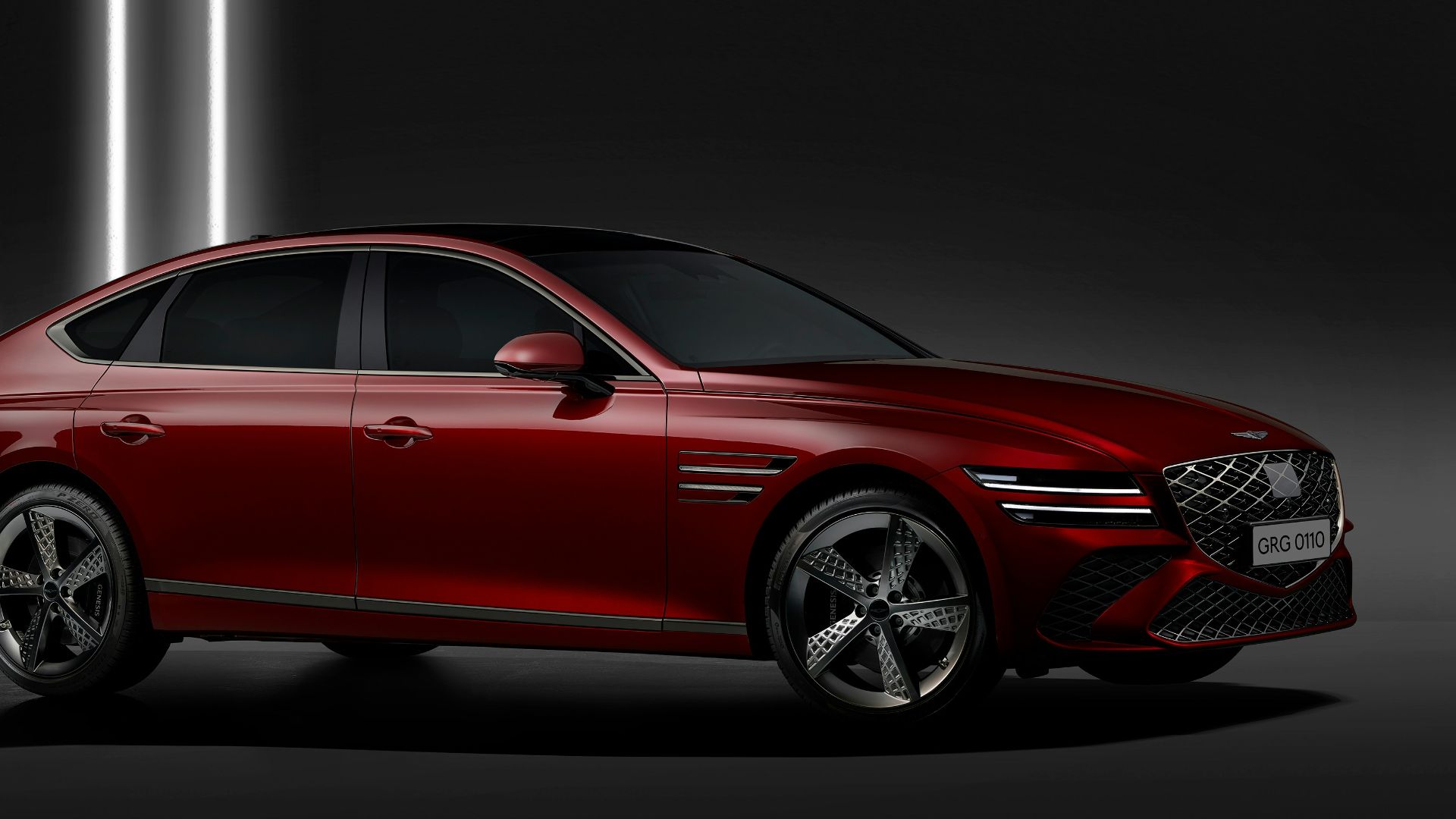 Hyundai Motor Group on Unsplash
9. Station Wagon
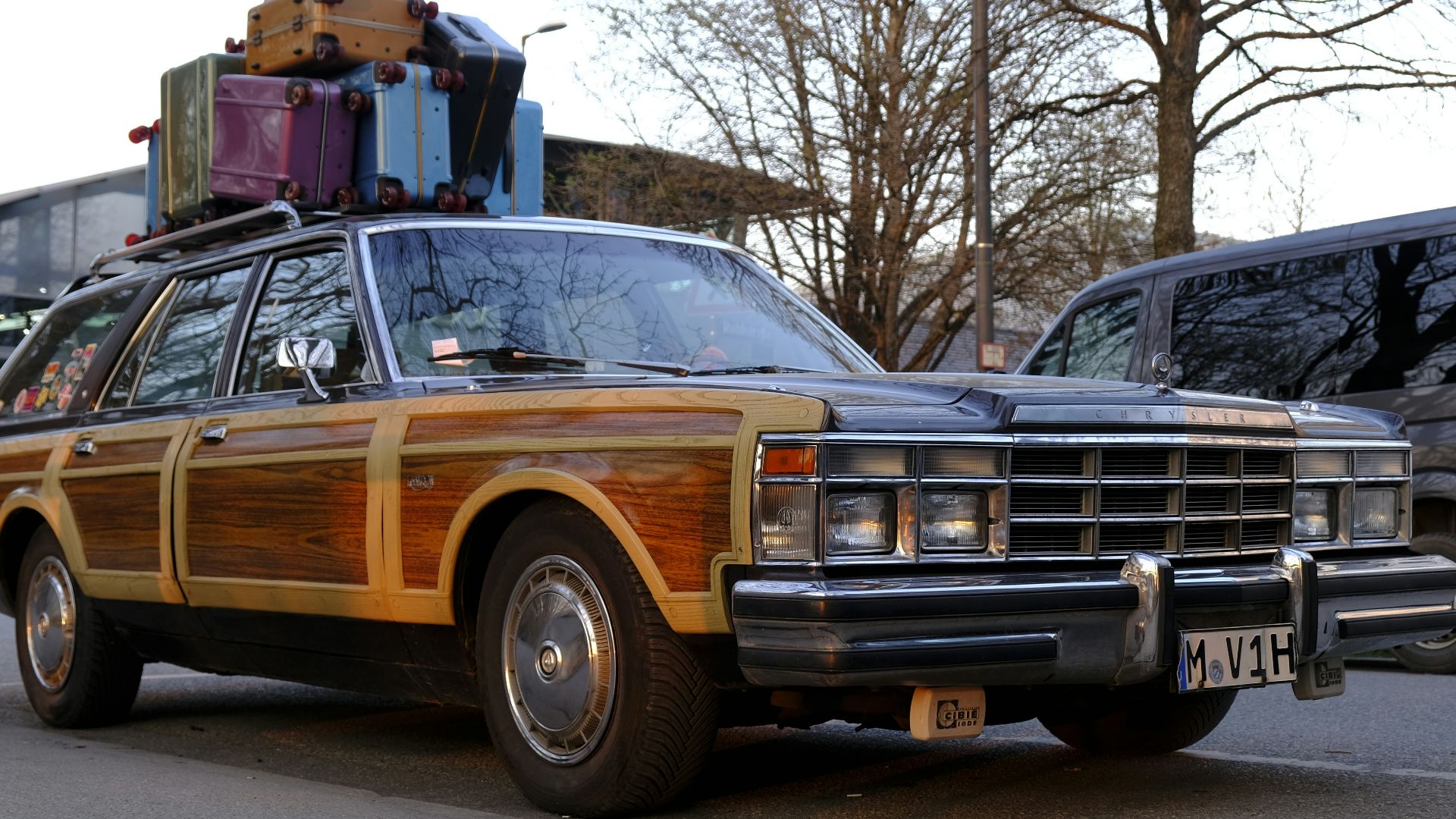
Station wagons will typically be extended versions of their saloon counterparts, giving them extra boot room with a similar height to a standard car. Station wagons can range from very fuel-efficient, low-performance versions to high-performance hot hatches, depending on the car. They are ideal if you want a practical car with plenty of boot room without moving up to an SUV.
10. Crossover
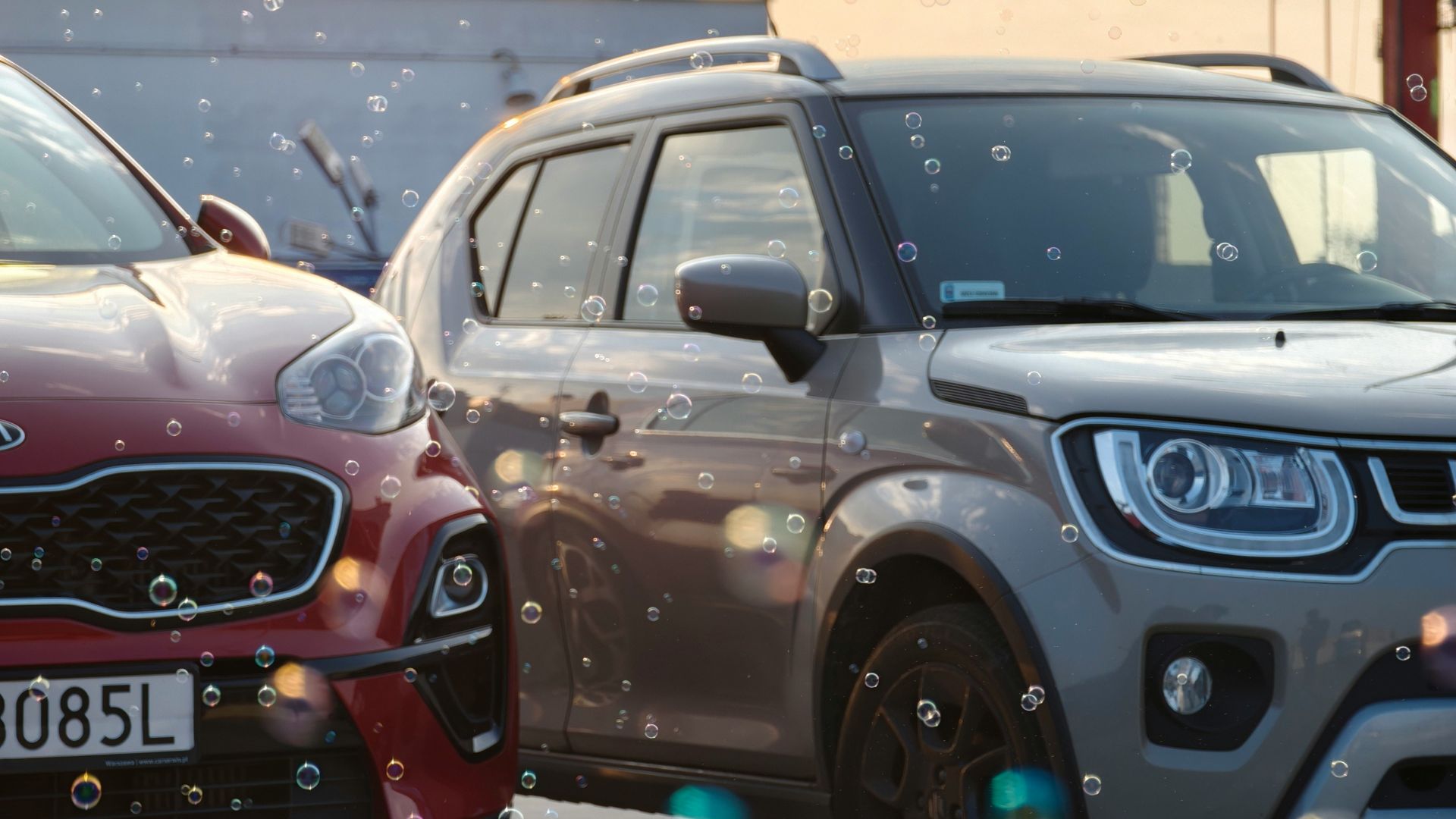
A crossover is usually a car-based SUV, with the key difference being that it is constructed differently from a body-on-frame, truck-like SUV, instead being made on the same chassis as many conventional saloons. As such, they can often be more comfortable and drive more like a car, without the increased size and bulk that you may get with a truck-based SUV.
11. SUV
SUVs (sport utility vehicles) are a broad term used to describe a large class of vehicles, but they can generally be described as cars that offer more ground clearance and increased interior and boot space. Depending on the vehicle, they may be built on car-based or truck-based chassis, with features that suit 4x4 driving and/or towing ability.
12. Full-Size SUV
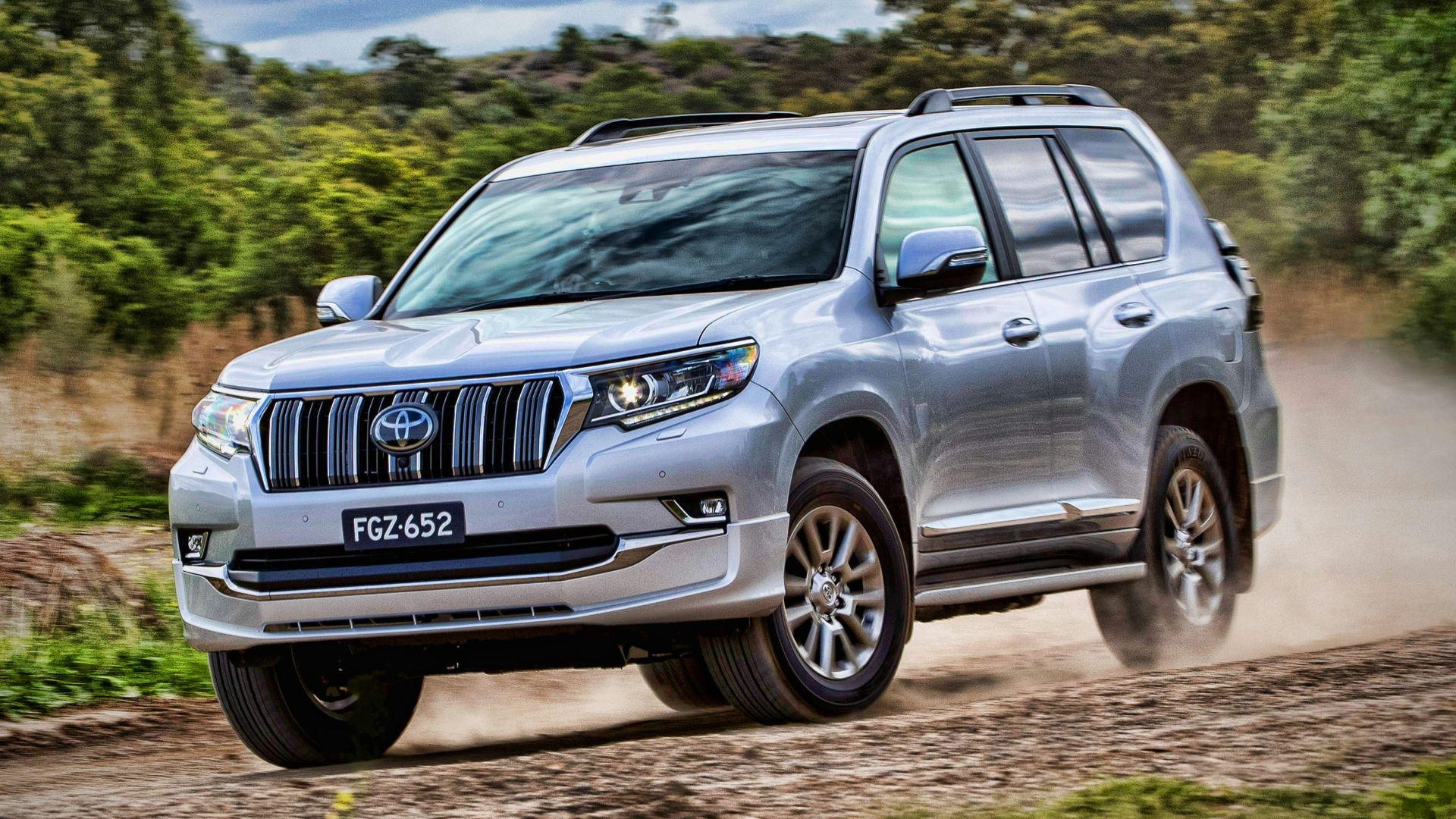
A full-size SUV is likely one of the biggest cars on the road that you can drive as a regular passenger car, offering huge interior and boot space. Typically, they can carry up to three rows of passengers and will often be capable of towing a trailer, albeit with some sacrifice in fuel economy (and sometimes parking!). If you regularly travel with several people or need room for bulky equipment, a full-size SUV may provide the space you're looking for.
13. Pickup Truck
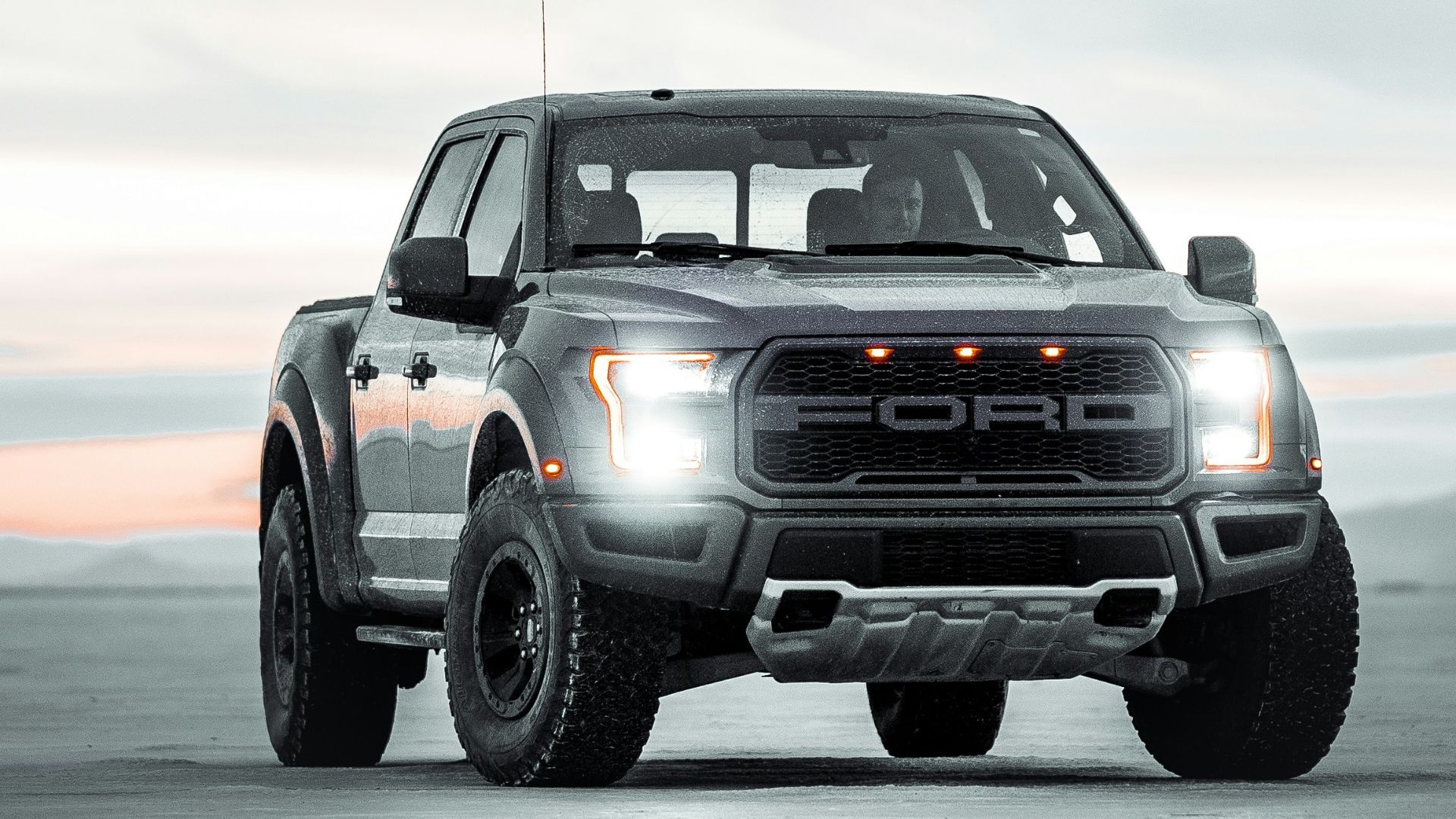
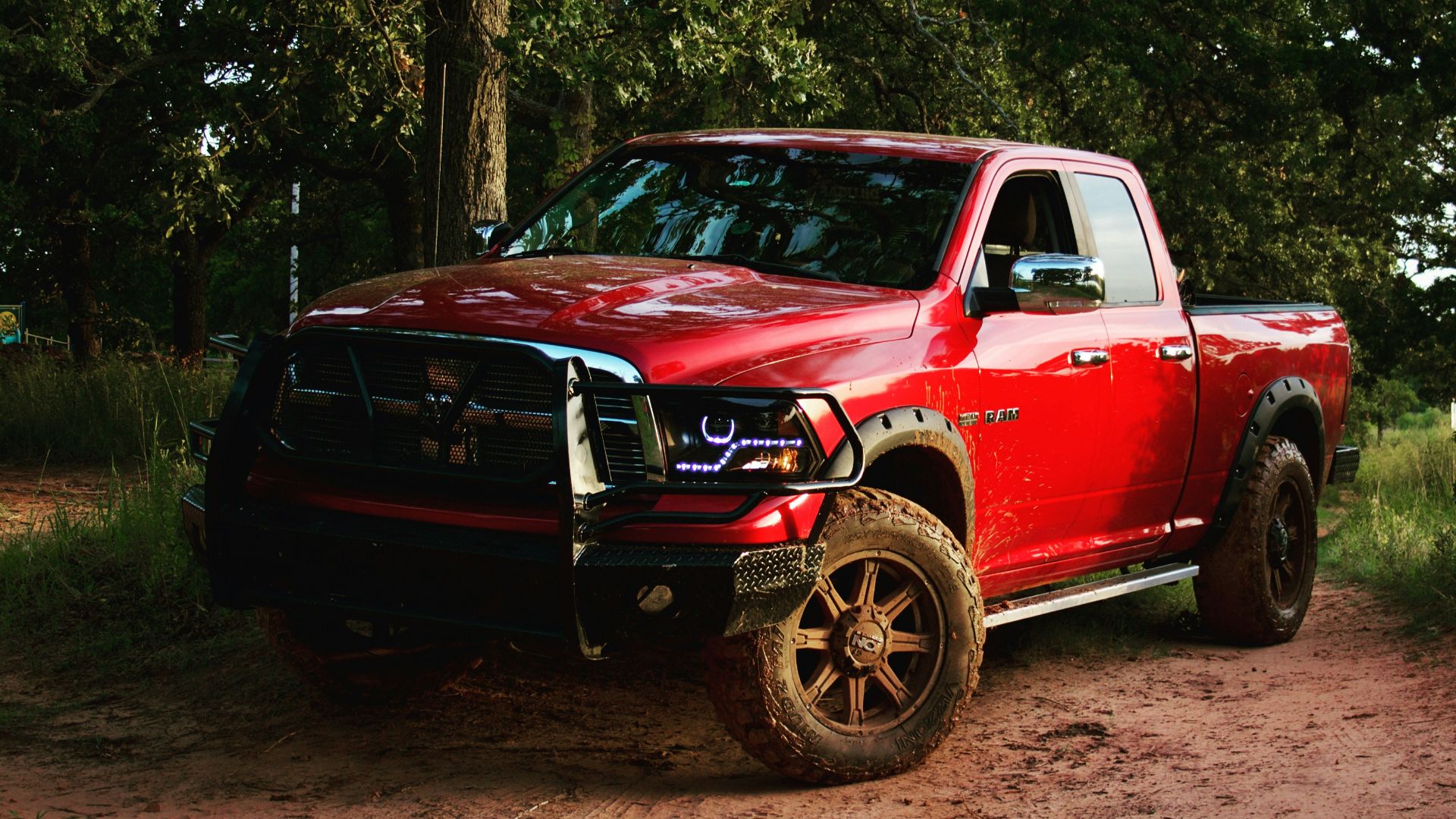
Pickup trucks consist of an enclosed cabin for the driver and passengers and a cargo bed in the back for transporting goods. These are used for many practical duties, e.g., transporting building materials, towing, or other tasks, as well as for more common driving scenarios. A pickup can be extremely useful if you regularly carry items that wouldn't fit comfortably inside a traditional car.
14. Electric Car
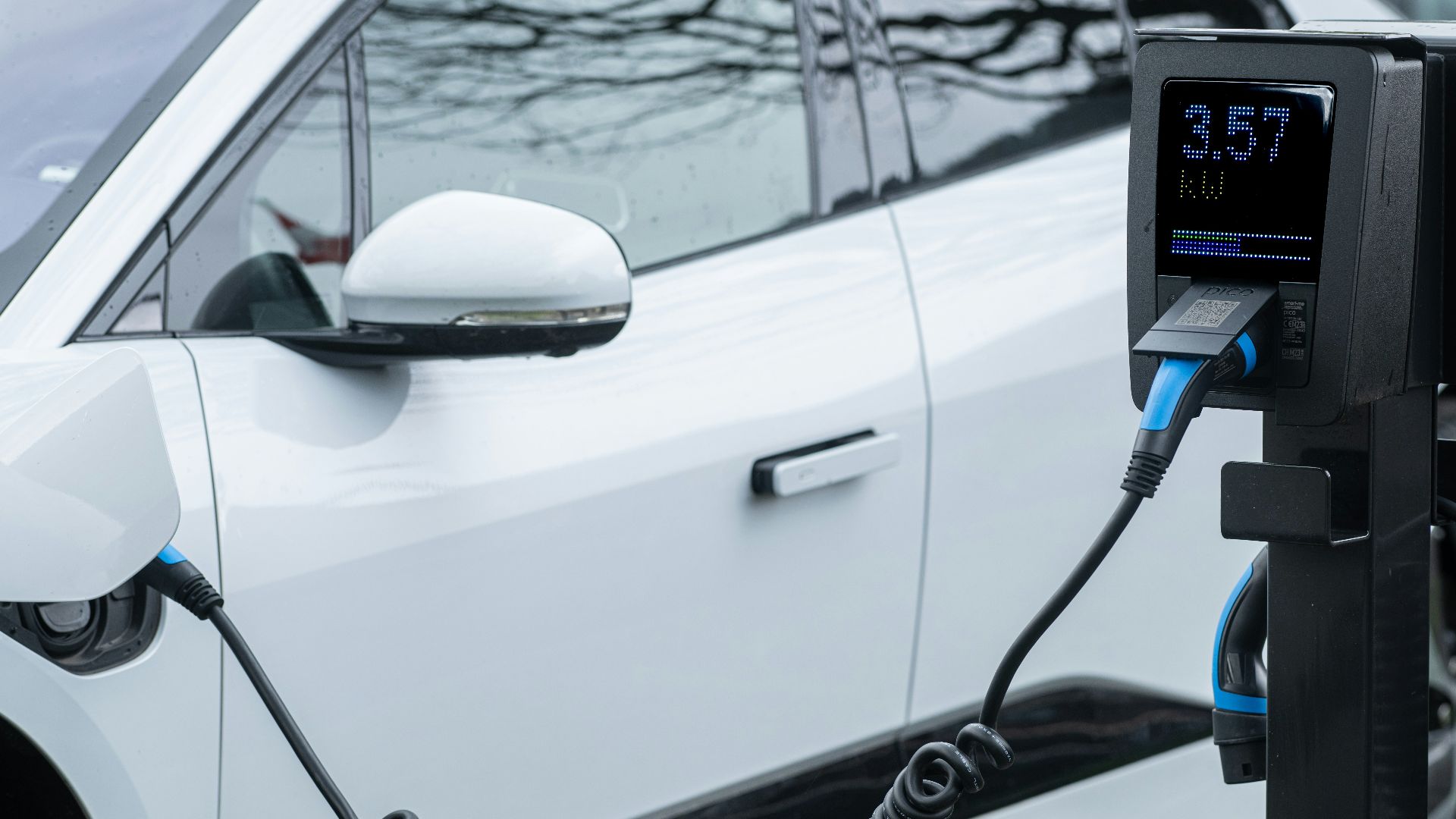
An electric car uses an electric motor powered by energy stored in a rechargeable battery rather than relying on a conventional gasoline engine. Many electric vehicles deliver quick acceleration, quiet operation, and fewer routine powertrain maintenance requirements because they have fewer moving parts than traditional combustion-engine cars. Their driving range depends on battery size, temperature, speed, and driving conditions, so charging access is an important consideration.
15. Hybrid Car
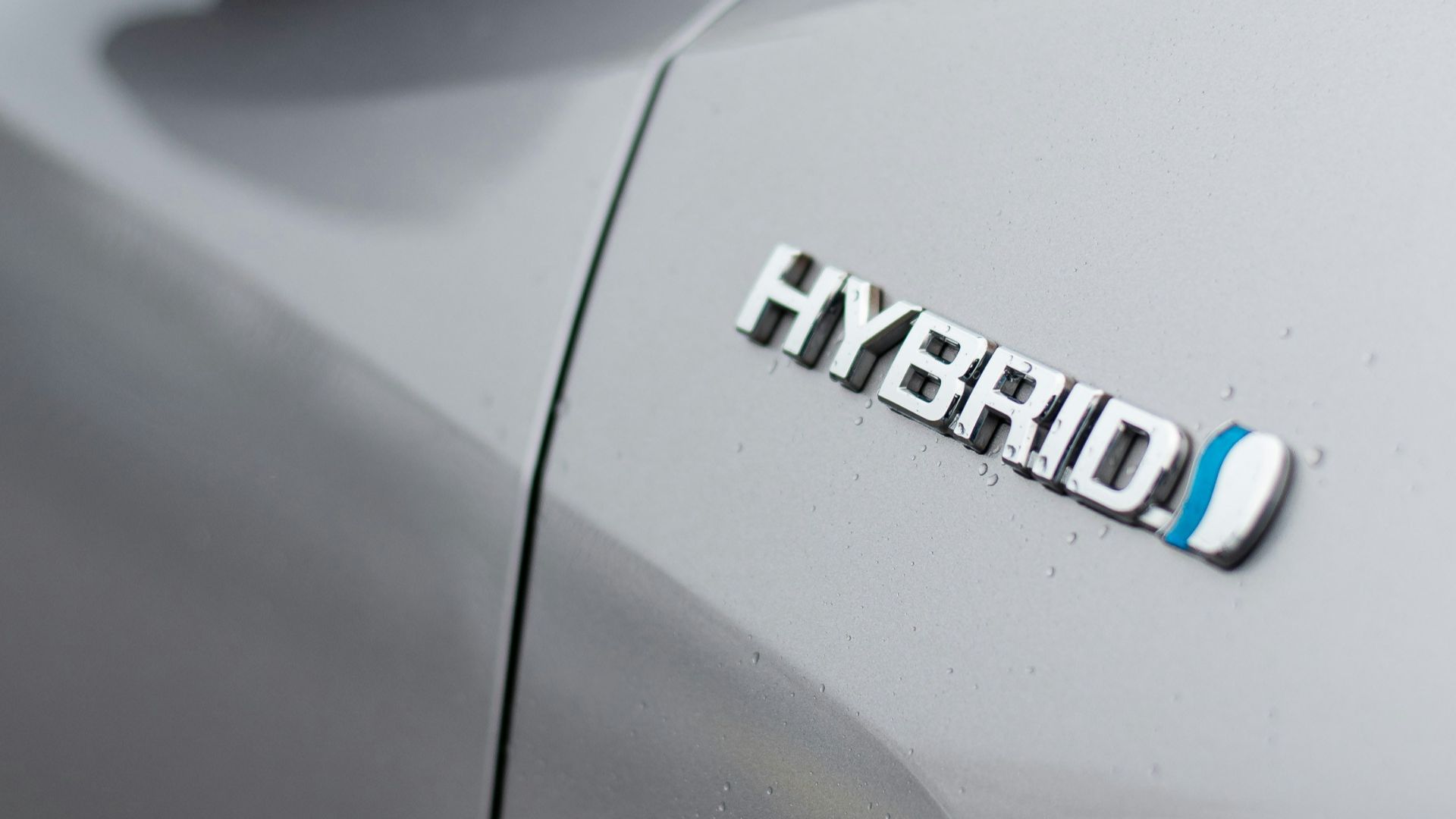
Hybrid cars combine a gasoline engine with an electric motor and battery to improve efficiency and reduce fuel consumption. Depending on the system, the electric motor can assist the engine during acceleration or power the vehicle at low speeds for short periods. Most conventional hybrids recharge their batteries through regenerative braking and the gasoline engine, so they don't need to be plugged in. They're a popular option for drivers who want better fuel economy without changing their usual refueling habits.
16. Plug-In Hybrid
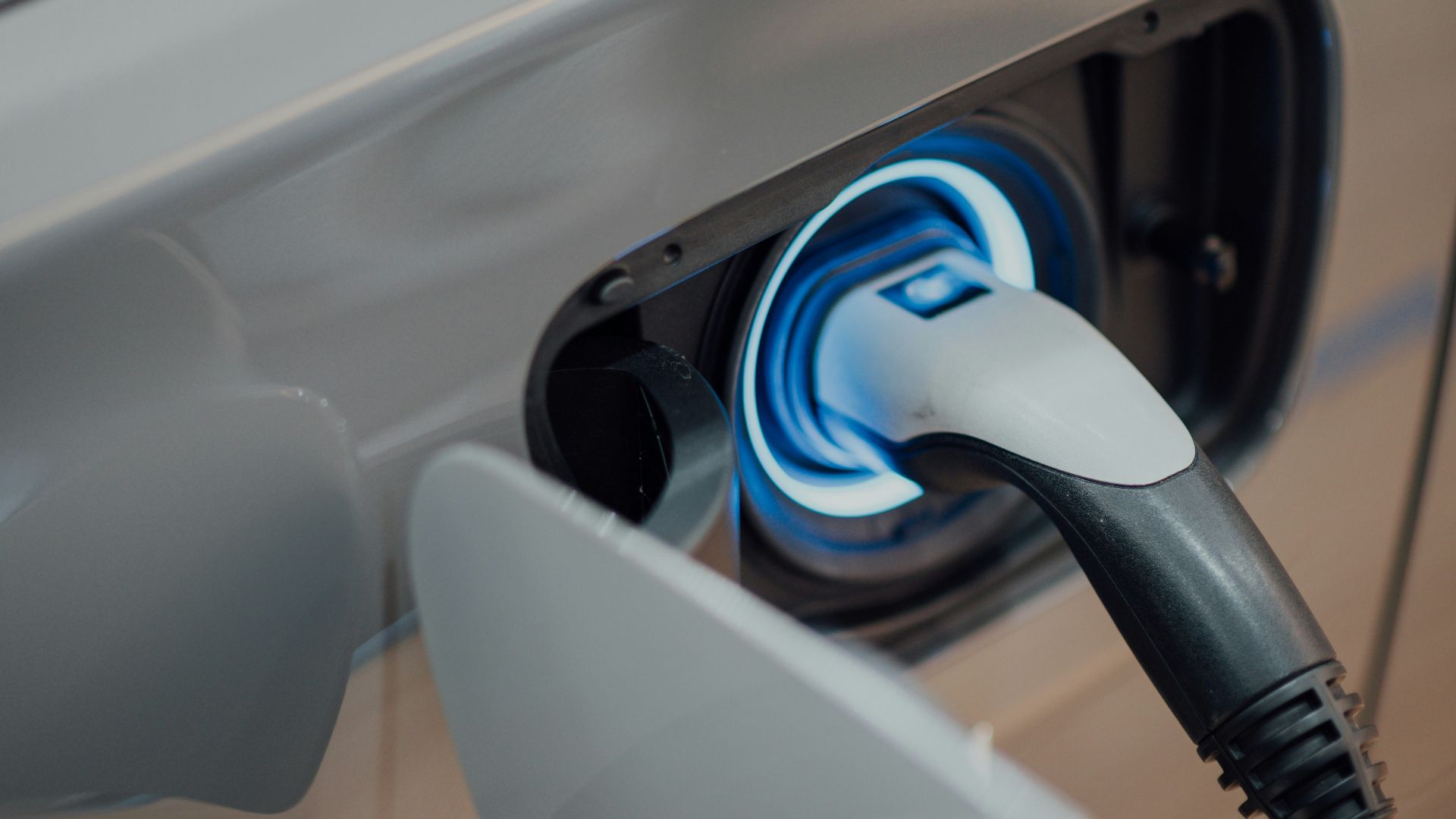
Plug-in hybrids (PHEVs) work in the same way as a conventional hybrid, but with a larger battery. As such, they are able to drive purely electrically for a longer duration than a conventional hybrid and can be charged externally via a power source. Many PHEVs are ideal for commuting, as they allow the car to be charged at home but give you the option of driving an ICE when charging isn't possible.
17. Minivan
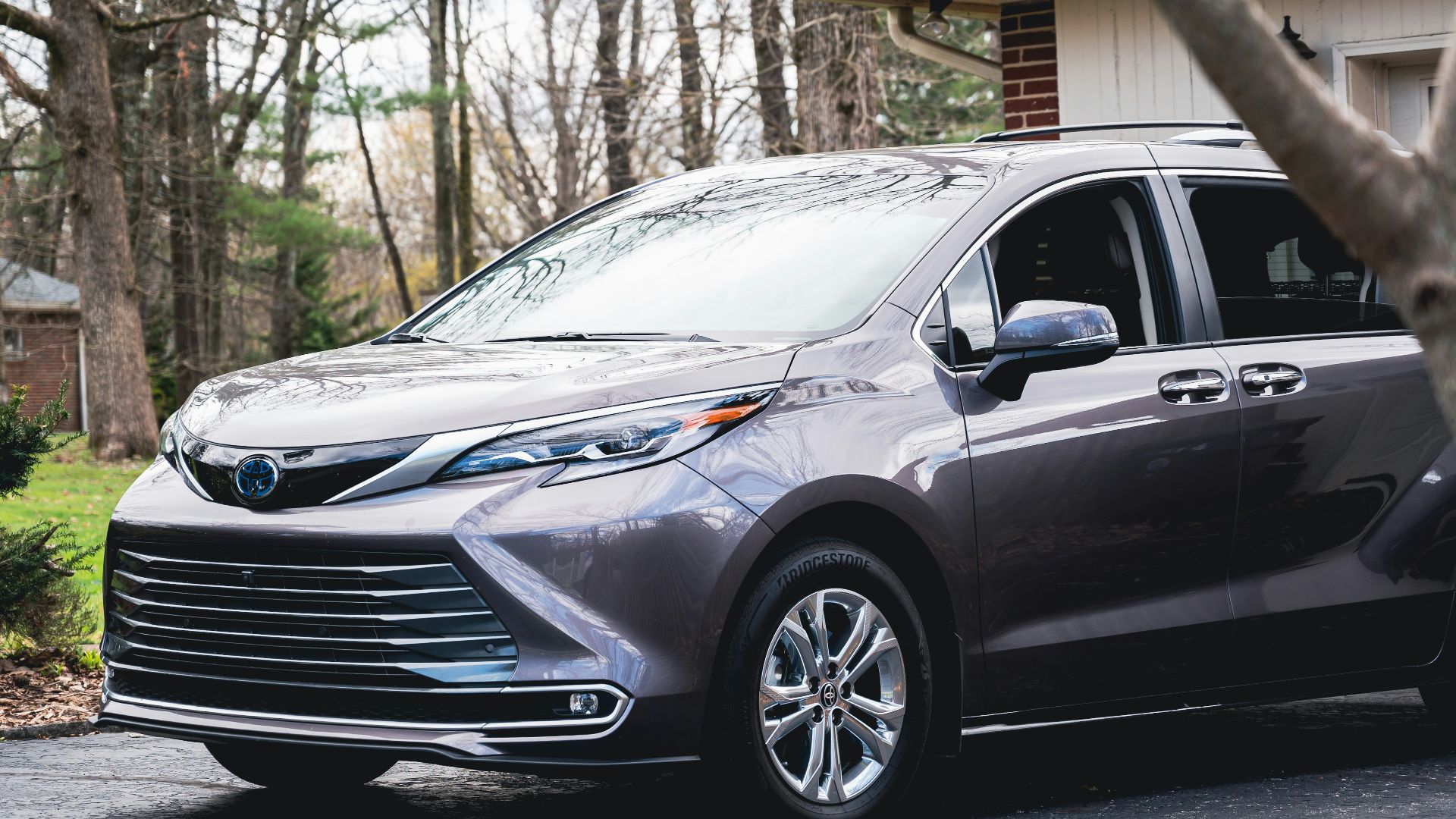
Minivans are designed to be as accommodating to their passengers as possible, typically offering three rows of seats, a generous cabin, and rear sliding doors to allow easy ingress and egress. They may also come with family-oriented extras such as rear screens, plenty of storage, and blinds.
18. Roadster
A roadster is typically a lightweight two-seater sports car with an open top (either convertible or Targa top) that focuses on having as much driving enjoyment as possible. They will typically be light on their feet, usually rear-wheel drive (though some will be FWD/AWD), and often have a relatively low performance output.
19. Off-Road Vehicle
Off-road vehicles are designed (or modified) to be capable of driving on surfaces outside of conventional roads. As such, they can often be fitted with increased ground clearance, specialist tires, armoring, 4WD systems, and other aids to get through tougher off-road conditions, such as rock rails and locking differentials. Some SUVs can be capable of this, too, with the addition of off-road packages.

20. Luxury Car
Luxury cars are designed with a more premium interior, enhanced levels of equipment and technology, and more focus on comfort. Many can be performance vehicles and can fall under any of the classes of car mentioned above. Expect extras such as seat heating and cooling, high-quality audio, technology suites, and more.