
When Familiar Car Names Don't Feel the Same Anymore
Some automotive brands have built their reputations around qualities that made drivers genuinely excited to own their vehicles, whether that meant affordable performance, unusual styling, dependable engineering, or a willingness to do things differently. Unfortunately, success doesn't always last forever, and changing ownership, corporate restructuring, cost-cutting, and shifting market priorities can gradually change what a brand represents.
1. Jaguar Lost Its British Luxury Identity
Historically, Jaguar's appeal has come from its good-looking design, its sports car and saloon model ranges, and its overall "Britishness" – a trait it's now shedding. The E-Type and XJ were iconic for the brand and were both beautiful to look at and drive. But an extended string of poor model lineup decisions, poor quality control, and dwindling sales have all eroded Jaguar's image.
2. Mitsubishi Moved Away From Its Performance Heritage
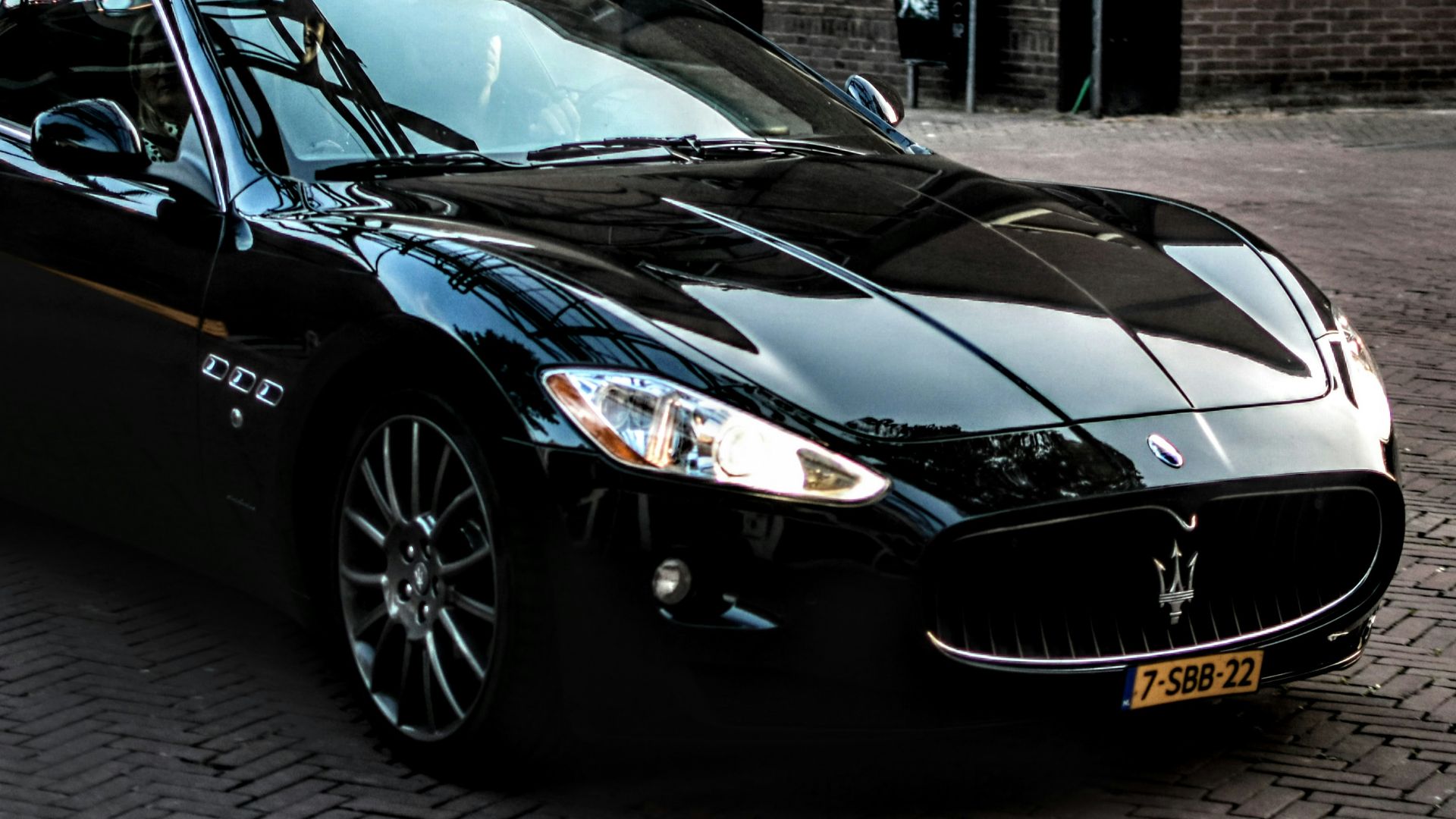
Mitsubishi enjoyed a well-deserved reputation in the sports car and enthusiast sphere, with models such as the Lancer Evo, Eclipse, and 3000GT to its name. This and its involvement in rally gave Mitsubishi something of a quirky edge beyond that of the mundane cars it would otherwise produce. The brand still has recognizable strengths, but it's difficult not to miss the days when a new Mitsubishi could generate genuine enthusiasm among car enthusiasts.
3. Infiniti Lost Its Original Luxury Appeal
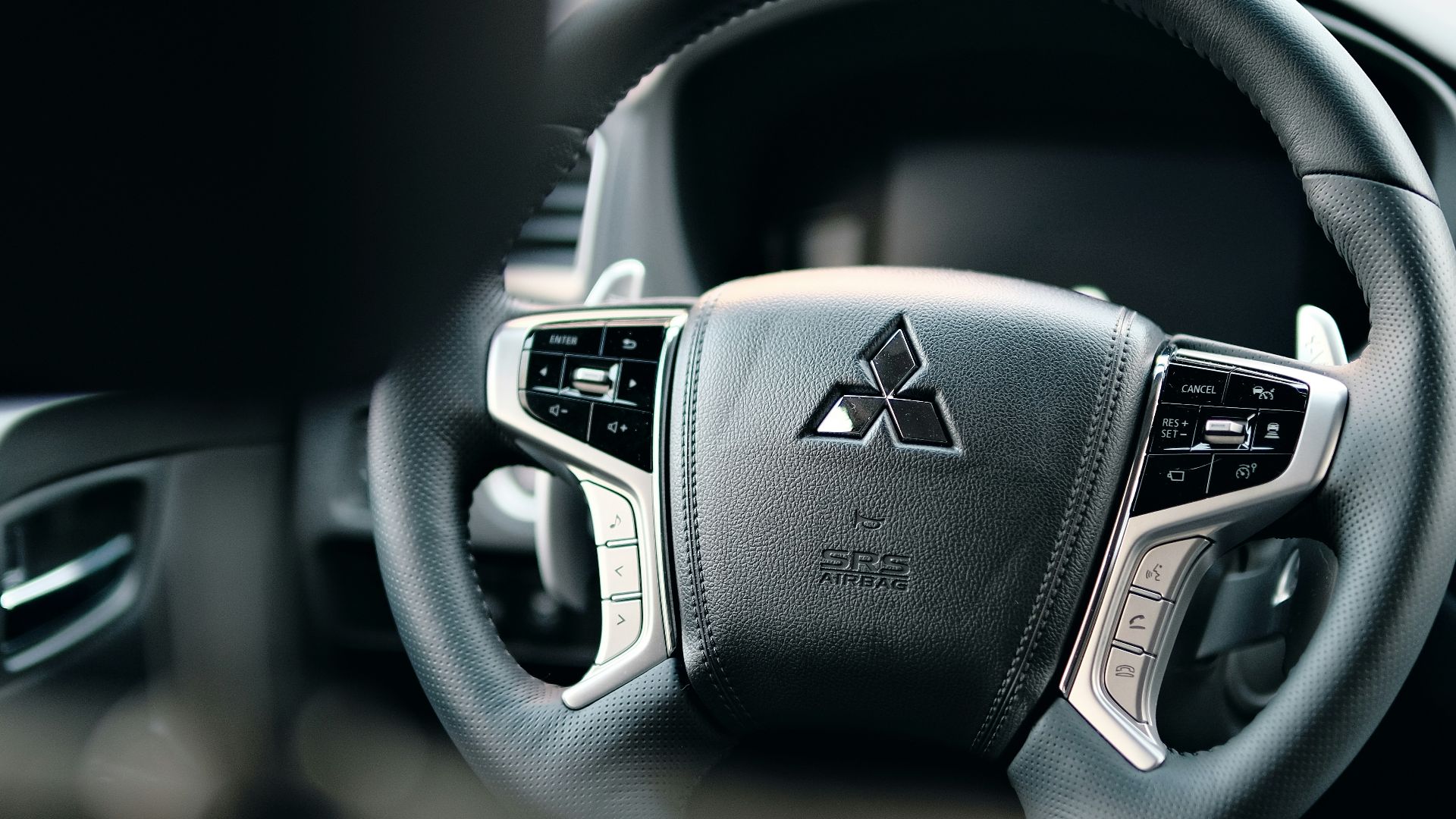
Infiniti established itself as a great-value alternative to the German luxury marques in the '90s and into the 2000s, with fun-to-drive cars in the form of its sports sedans and coupes. Many grew to love the G35/G37, which offered luxury and driving dynamics at a good price. The company still has attractive vehicles, but it hasn't maintained the same excitement that once surrounded its sports sedans and coupes.
4. Chrysler Became a Shadow of Its Former Self
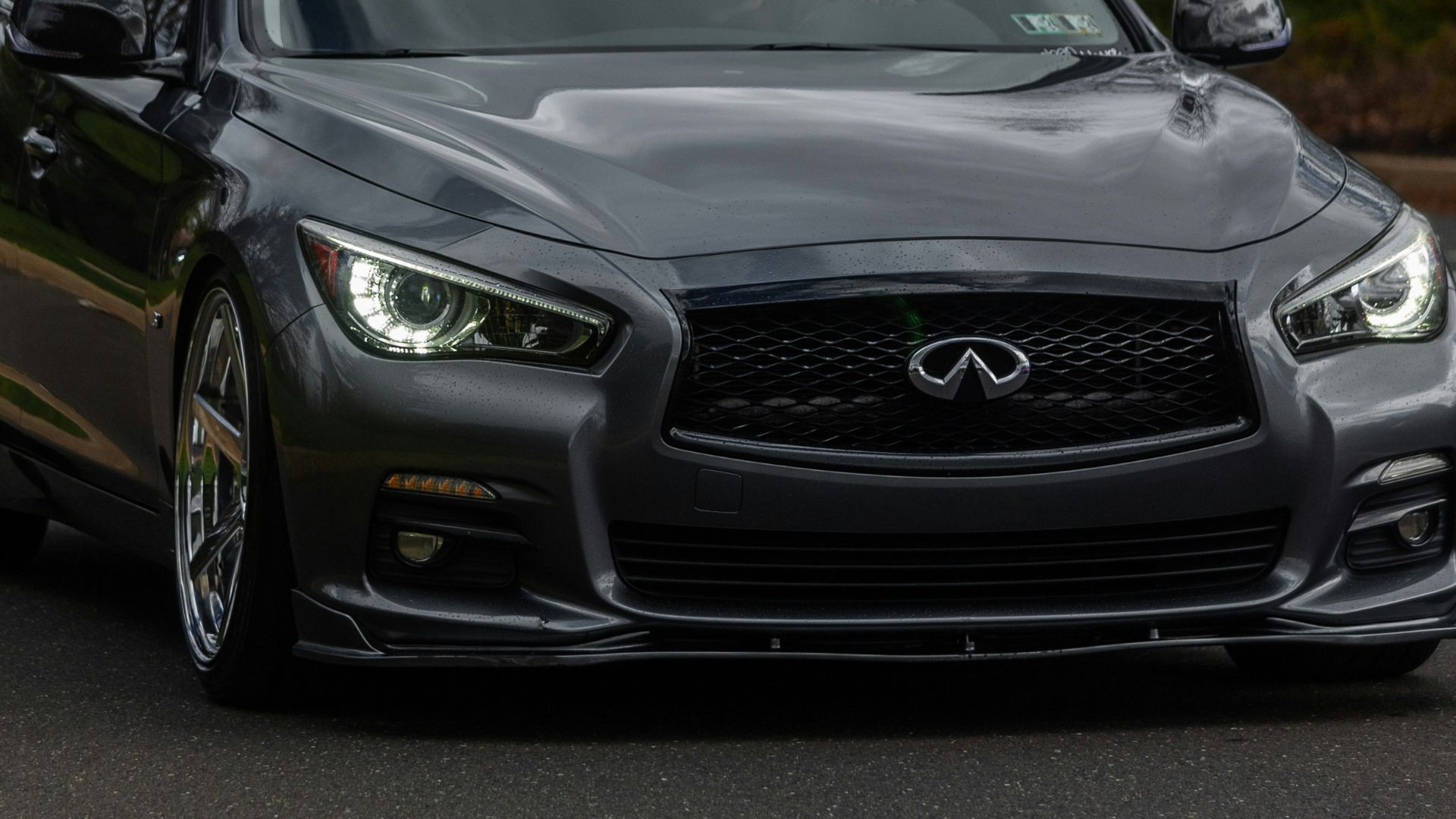
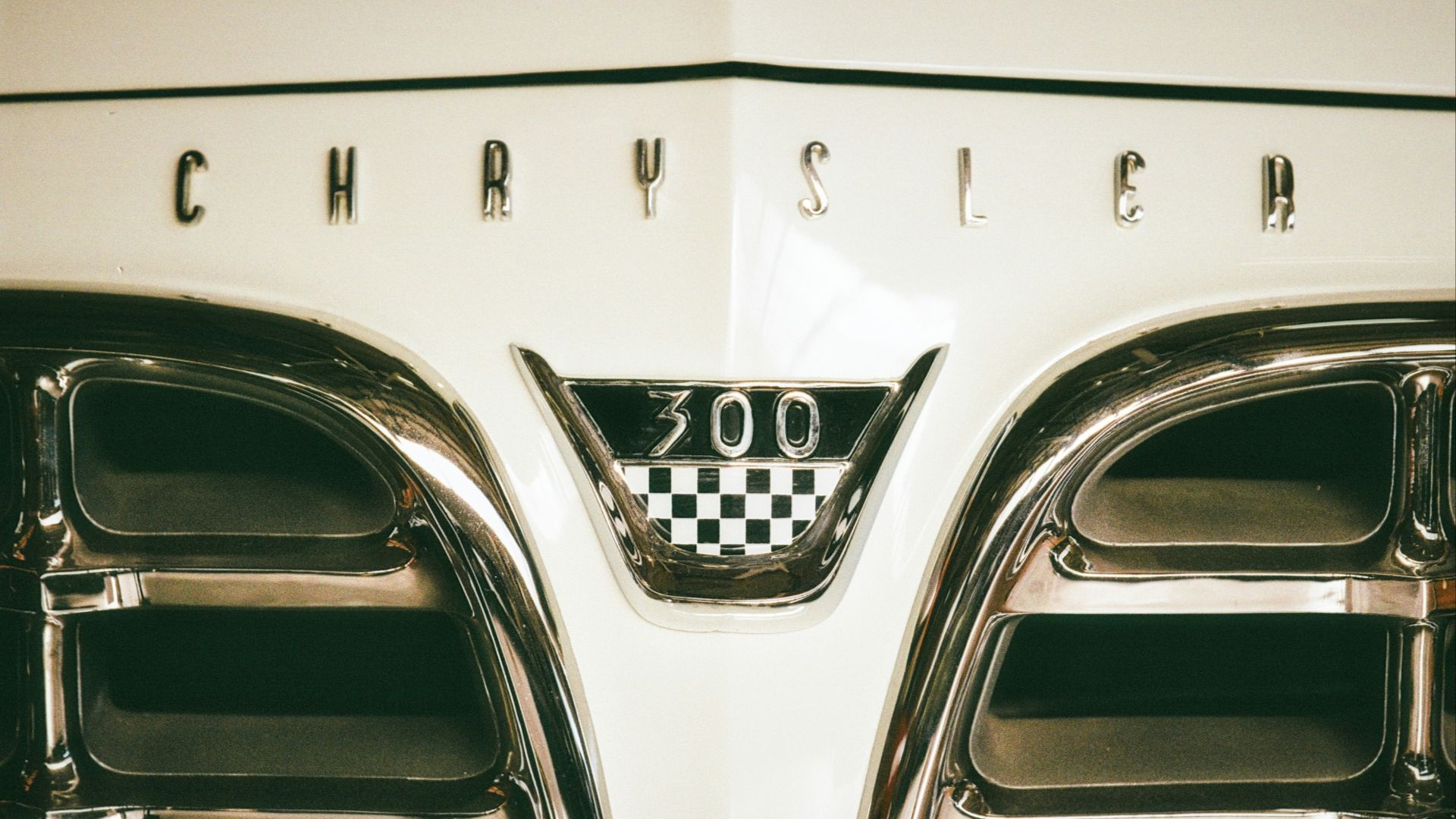
For many years, Chrysler produced a good array of quality cars to cover a range of use cases, from sedans for families and individuals to some very good luxury options. It became very well-known for the Chrysler 300 range and, more recently, the versatile and practical Pacifica. With the Pacifica carrying much of the brand's current identity, it's hard not to wonder what happened to the company that once offered so many different choices.
 Chandler Cruttenden on Unsplash
5. Dodge Lost Some of Its Muscle Car Personality
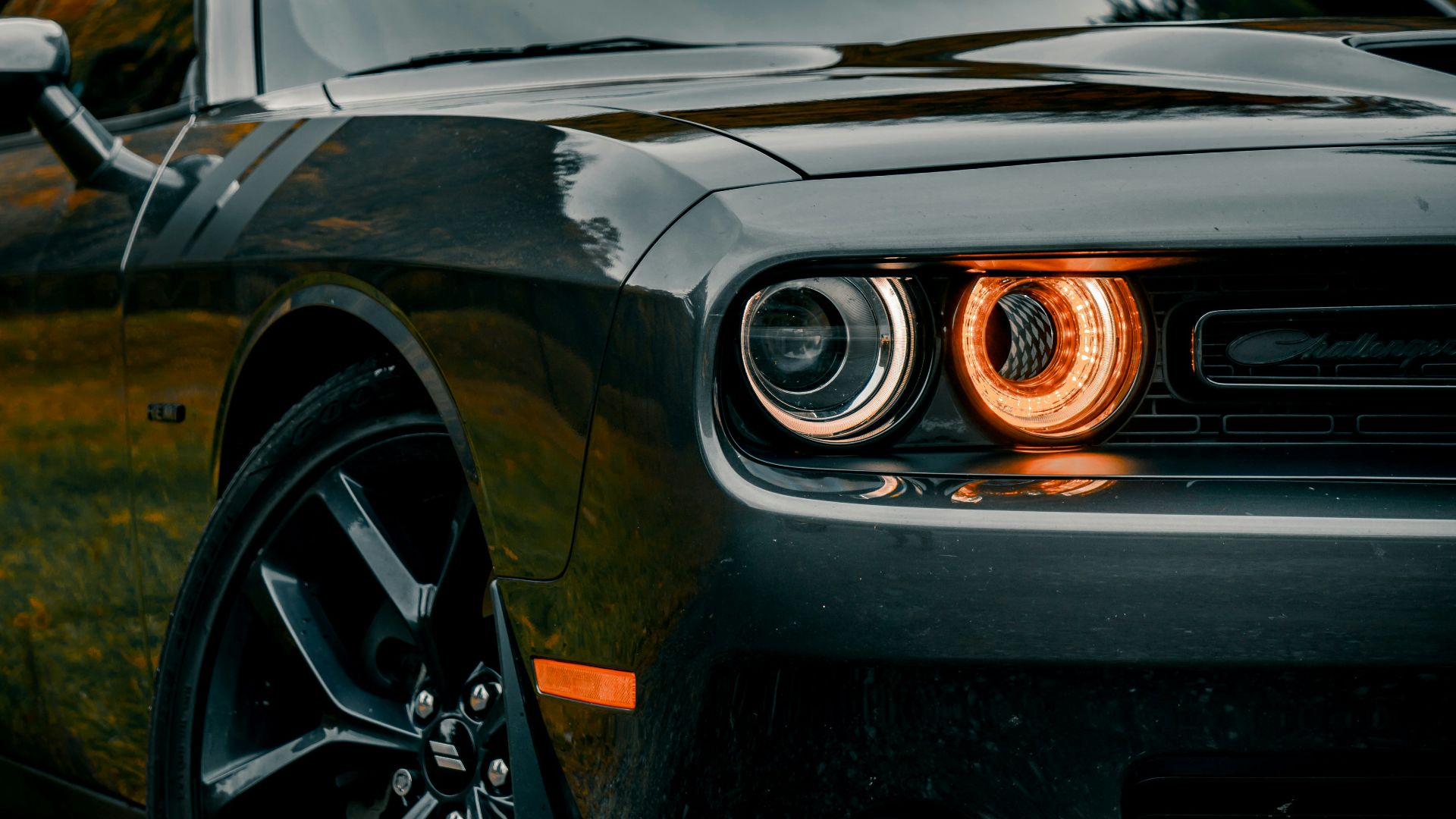
Dodge's image as a maker of cheap and powerful muscle cars earned it a very loyal following. There were a handful of great model offerings in its range that stood out and earned huge customer satisfaction (particularly the Challenger and Charger Hellcats, with their outrageous bhp!). Dodge still has a performance-focused identity, but convincing traditional muscle car fans to embrace its changing direction won't necessarily be easy.
6. Buick Lost Its Distinctive American Character
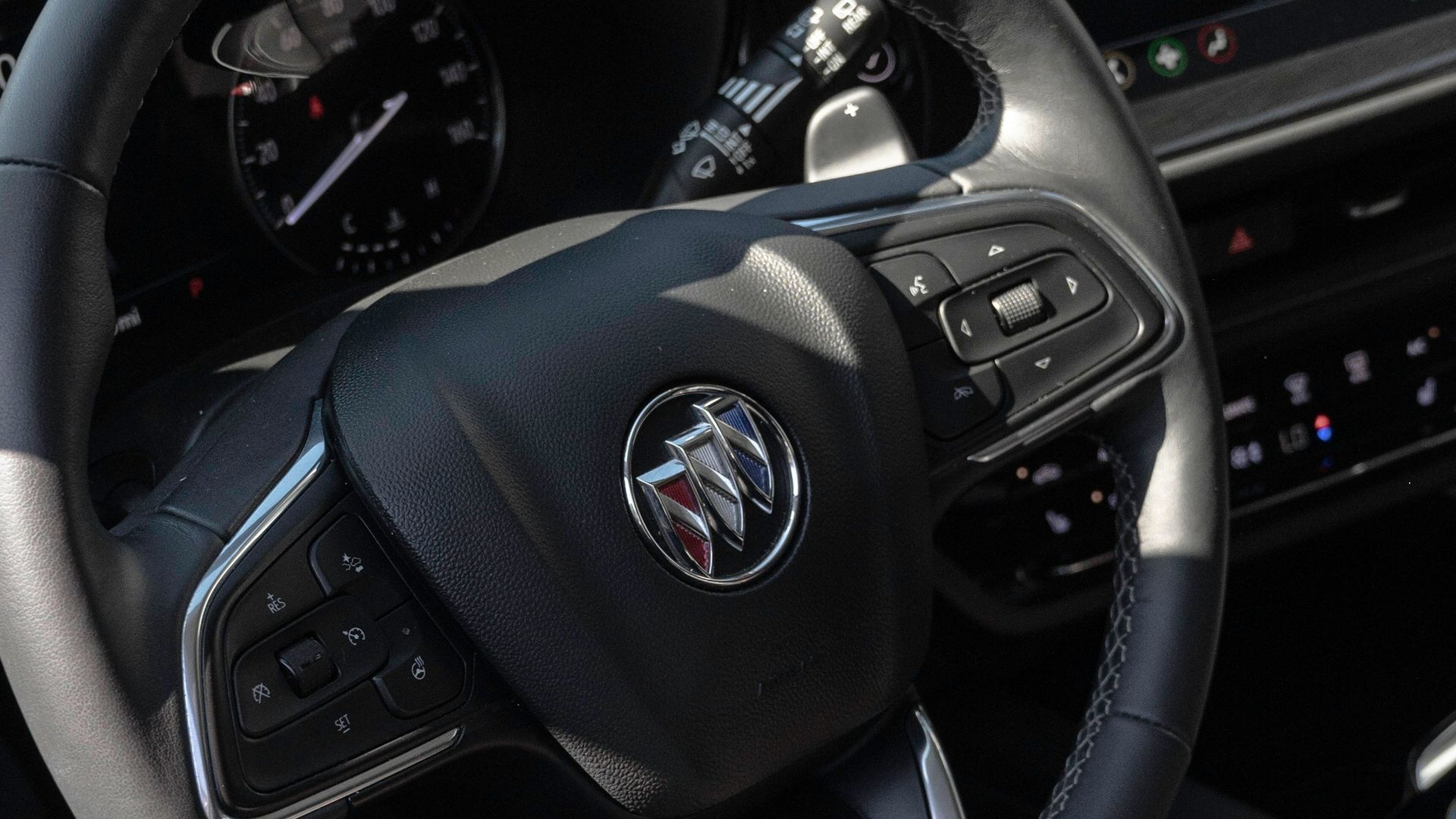
Buick used to be a very intriguing automotive brand. It produced an array of fairly large and comfortable American cars that were unexpectedly enjoyable in terms of performance – see the Buick Grand National/GNX. Although the brand continues to sell well in certain markets, it has lost some of the individuality that once made its cars memorable.
7. Cadillac Struggled to Maintain Its American Luxury Image
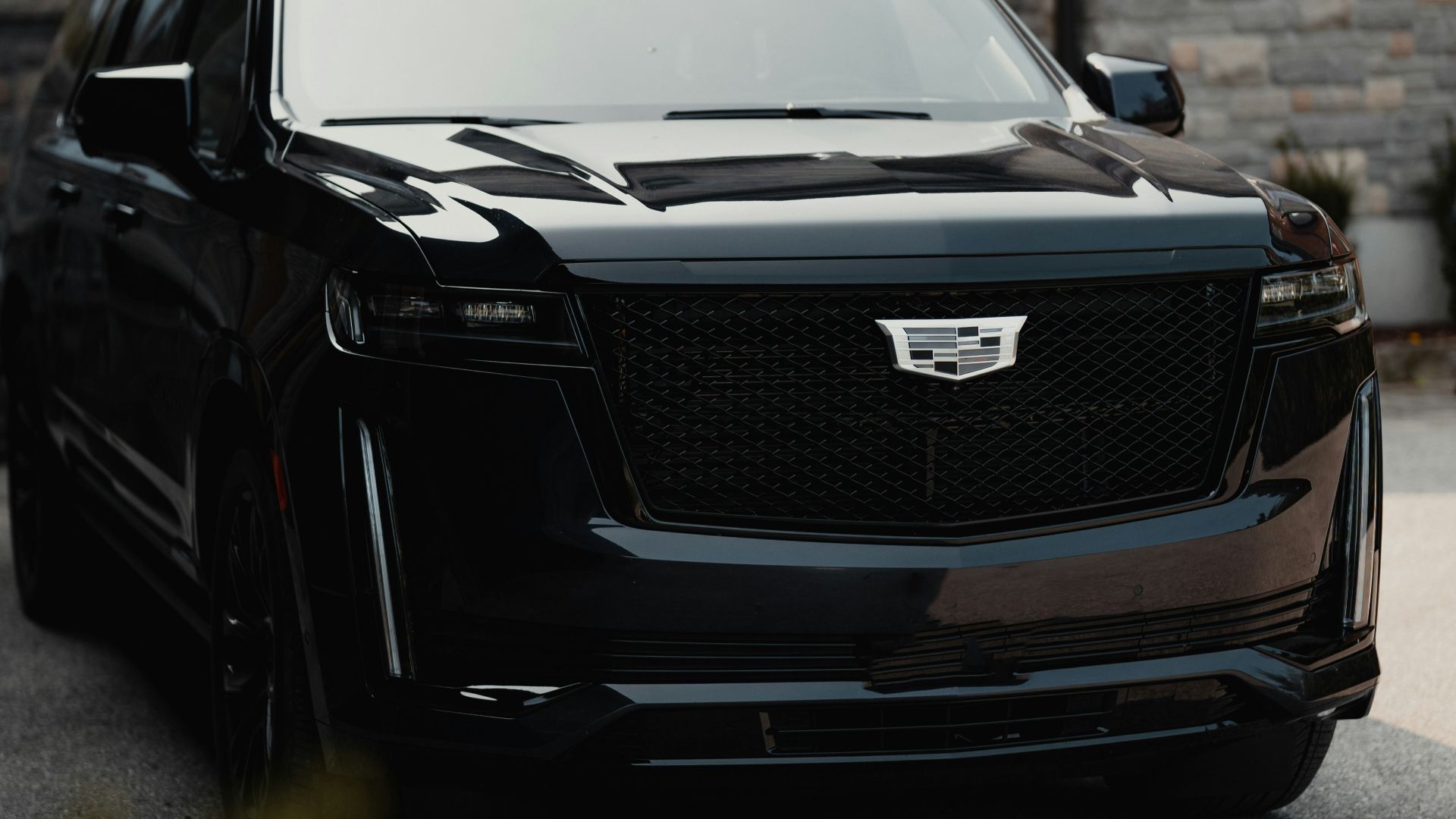
Historically, Cadillac embodied the U.S.'s luxury brand, with its massive sedans, sumptuously appointed interiors, and unmistakable design. Cars such as the Eldorado and Fleetwood were almost instantly recognizable and stood out as being one of a kind. The brand still has impressive engineering, but its traditional luxury character isn't as obvious as it once was.
8. Lincoln Lost Its Former Prestige
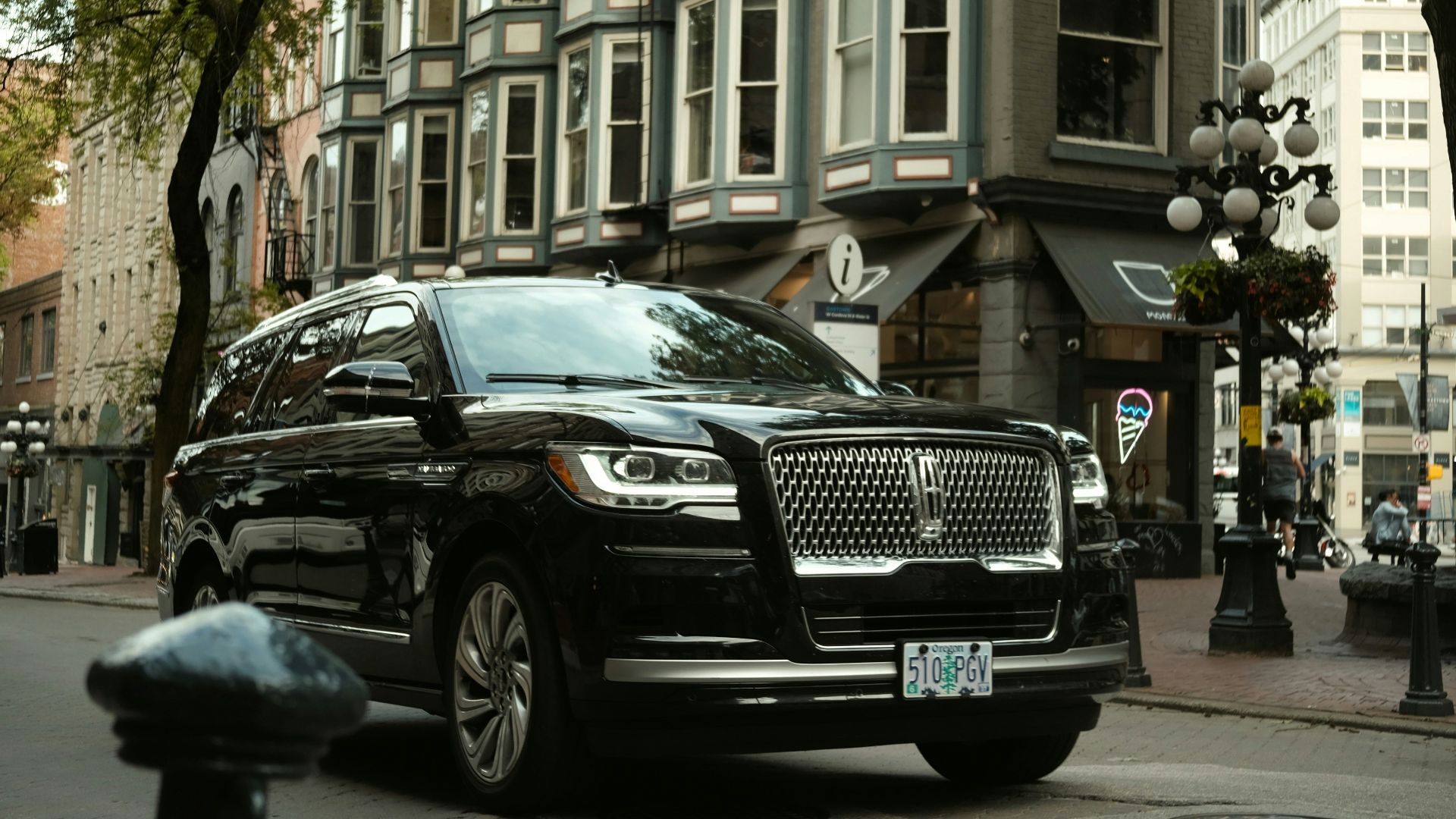
Lincoln used to be a great competitor to Cadillac in terms of large American sedans. Its vehicles were luxuriously comfortable, looked great, and commanded road presence, with models such as the Continental and Town Car being widely known. Its newer models offer plenty of comfort, but longtime fans might miss the distinctive cars that once defined the company.
9. Mini Became Bigger and More Complicated
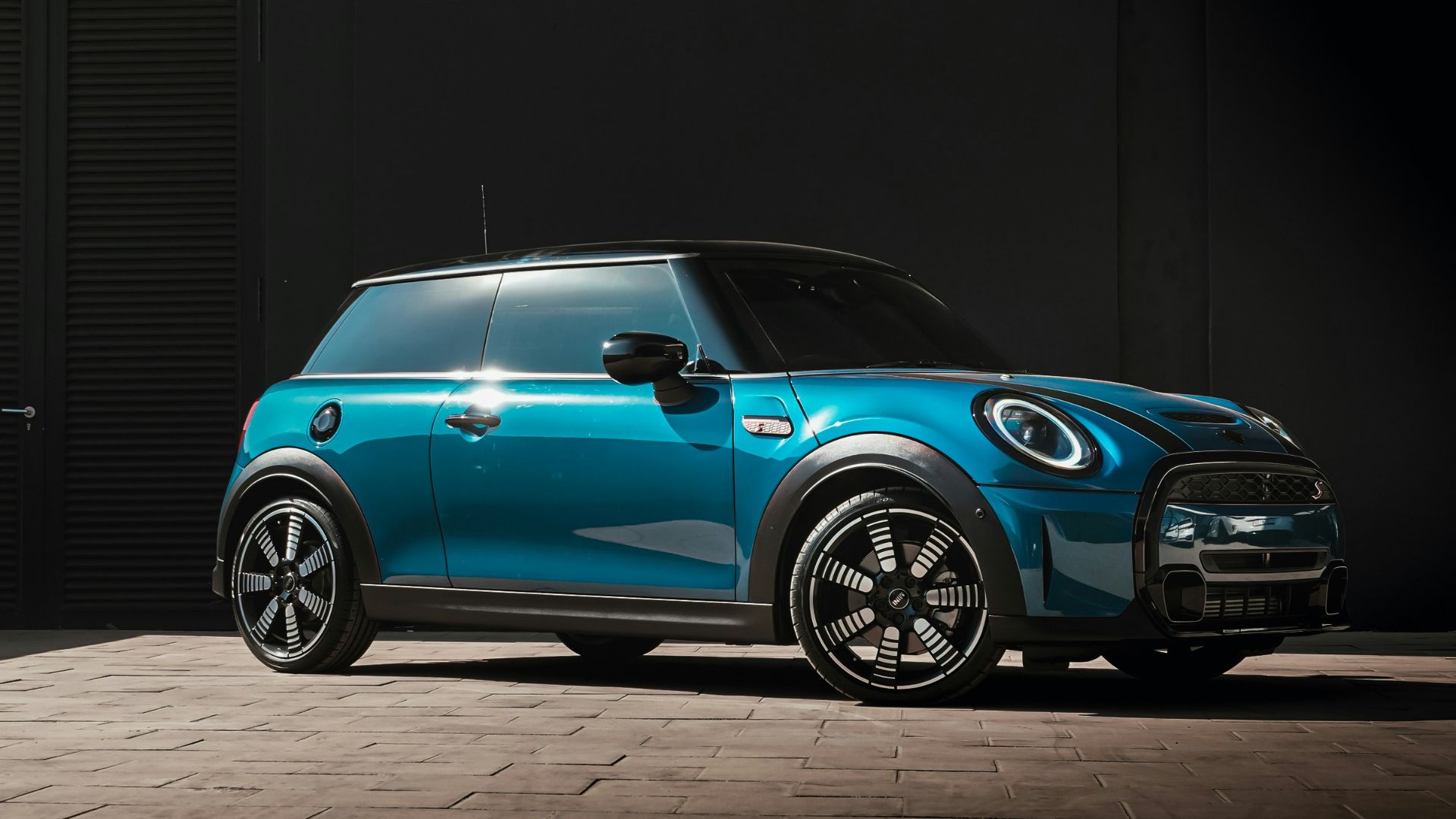
The Mini has grown to a size far beyond that of the original and now offers a wider range than ever, including a larger SUV and EV variants. The Mini initially retained many of the characteristics that had made it a well-known cult classic – a small but highly enjoyable and stylish car to drive. Mini still has plenty of character, but some enthusiasts miss the simplicity and compact proportions that made the original so appealing.
 Devon Janse van Rensburg on Unsplash
10. Land Rover Moved Further Into Luxury
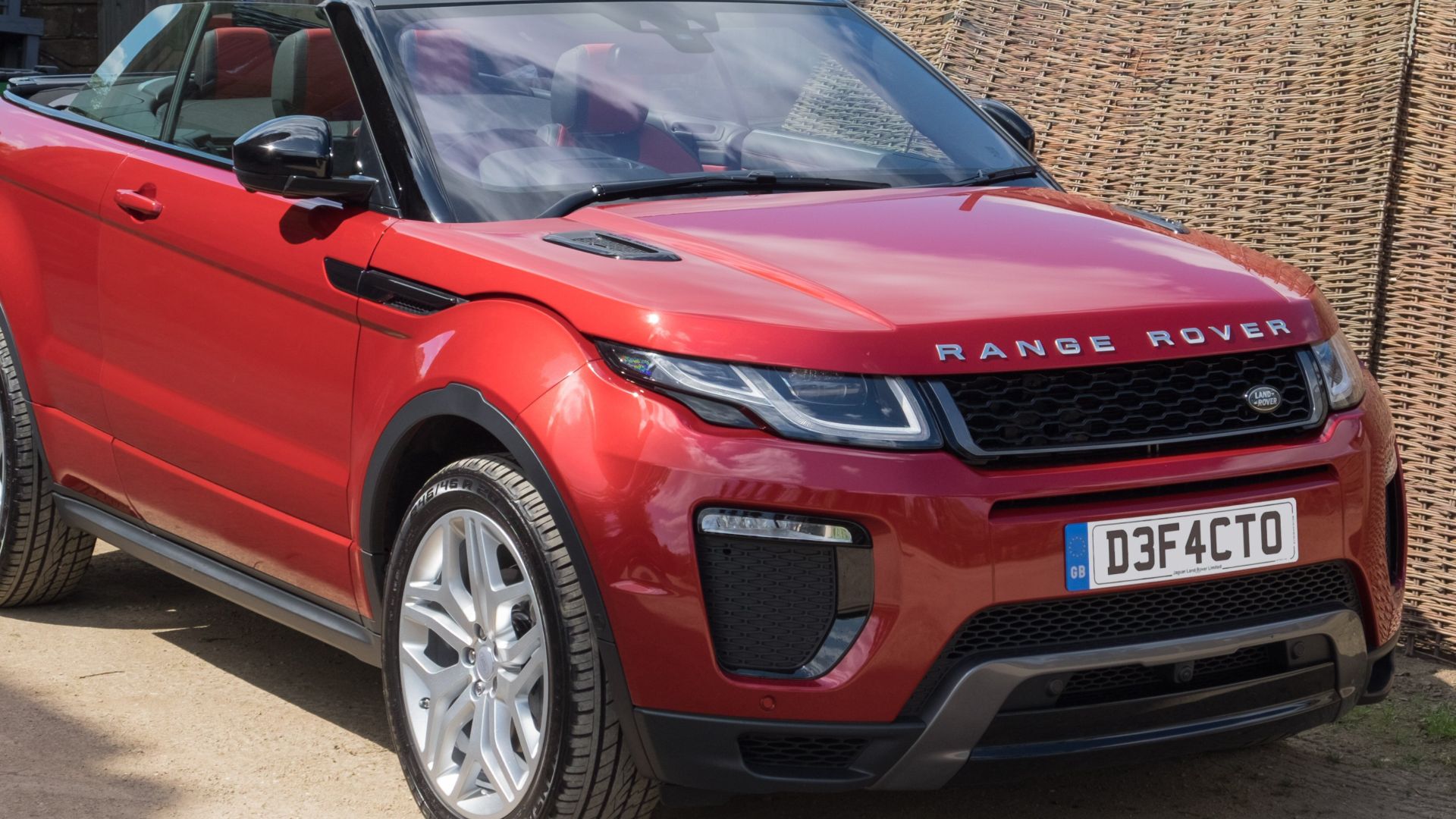
Land Rover came to represent off-roading and the ability to perform arduous and/or long-term tasks with its cars. They didn't seek to overcomplicate or over-adorn their products with superfluity, which earned them a very loyal following – most recognizably with the classic Defender. There's still plenty of off-road engineering involved, although the idea of using an expensive new Defender as a daily luxury vehicle feels very different from the company's original mission.
11. Volvo Lost Some of Its Quirky Personality
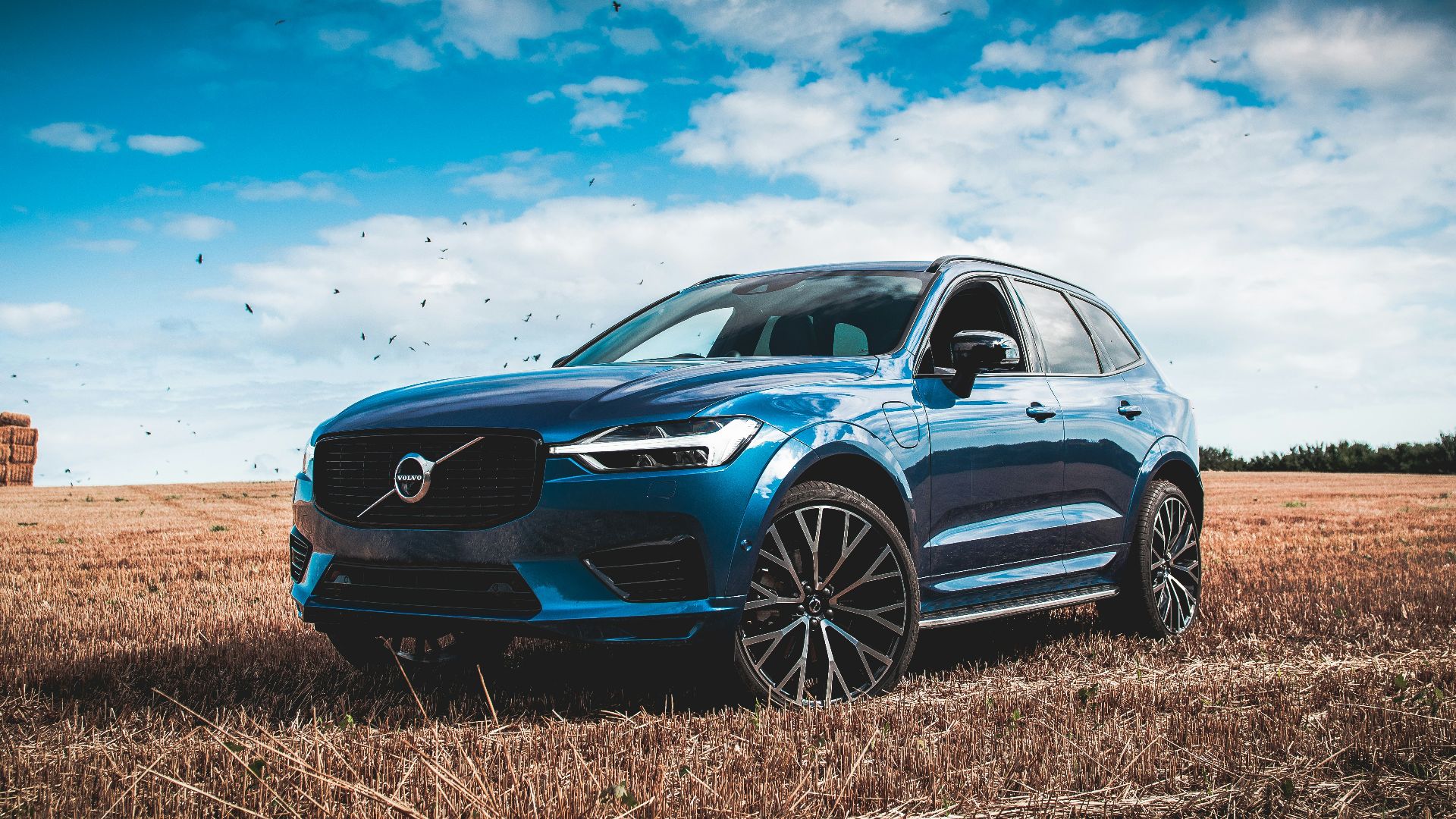
Volvo once stood out by producing practical, boxy vehicles that prioritized safety, durability, and sensible design over fashionable styling. Cars like the 240 wagon developed loyal followings because they were dependable family vehicles with a distinctive appearance. Modern Volvo has embraced Scandinavian minimalism, advanced technology, and electrification, creating vehicles that are considerably more luxurious than many of their predecessors. The company still takes safety seriously, but its older, slightly unusual personality has largely given way to a more polished premium image.
12. Saab Disappeared After Losing Its Independent Identity
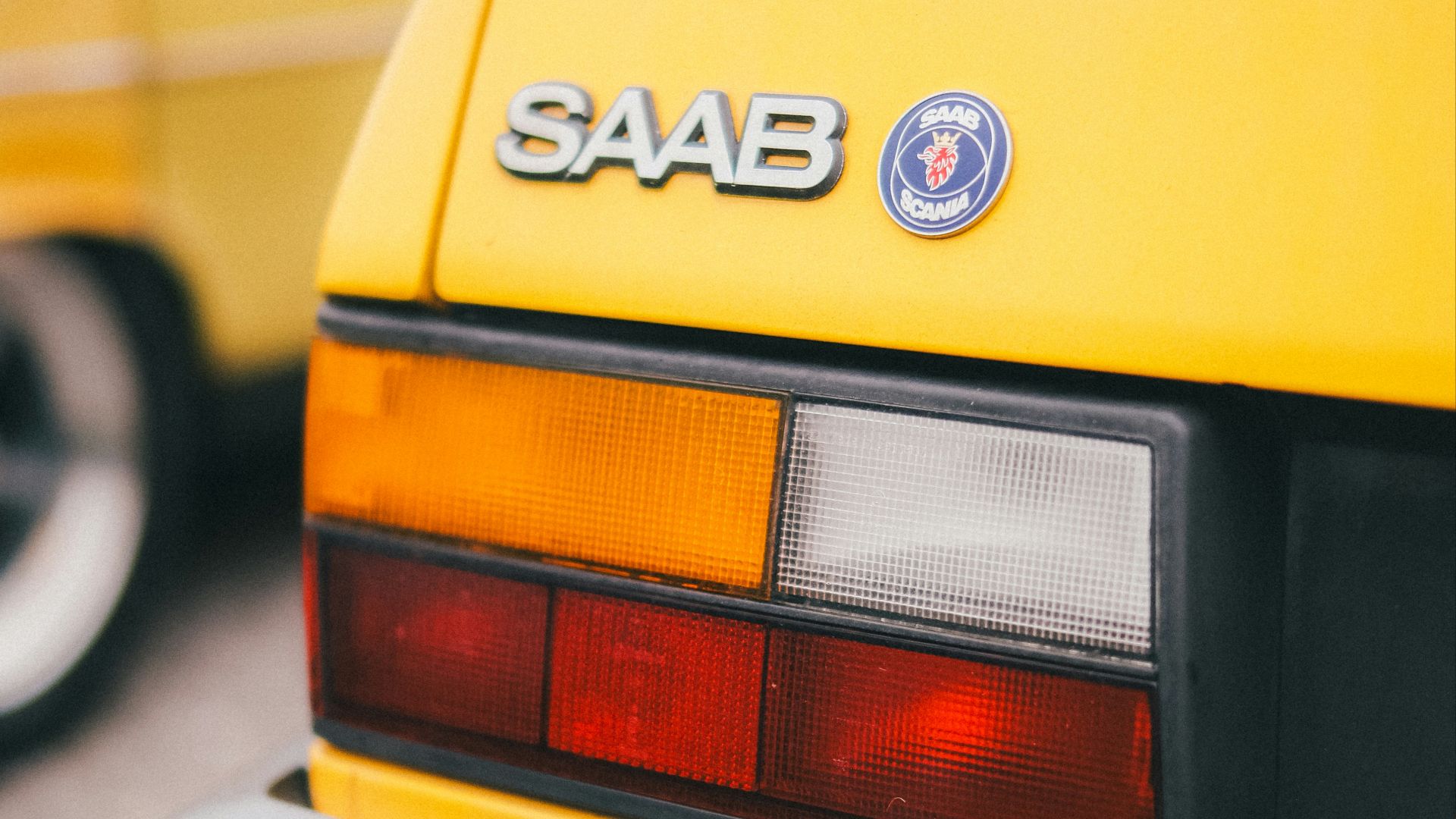
Saab developed a loyal following by building unusual cars with aviation-inspired design, turbocharged engines, and distinctive engineering solutions. Models like the 900 Turbo offered a driving experience that felt genuinely different from the alternatives, which helped the company develop a dedicated enthusiast community. General Motors acquired a controlling interest in Saab during the 1990s, and the company eventually struggled financially before entering bankruptcy in 2011. Although Saab's automotive operations are no longer producing new cars, its disappearance remains disappointing for drivers who appreciated its independent approach.
13. Pontiac Lost Its Performance Reputation
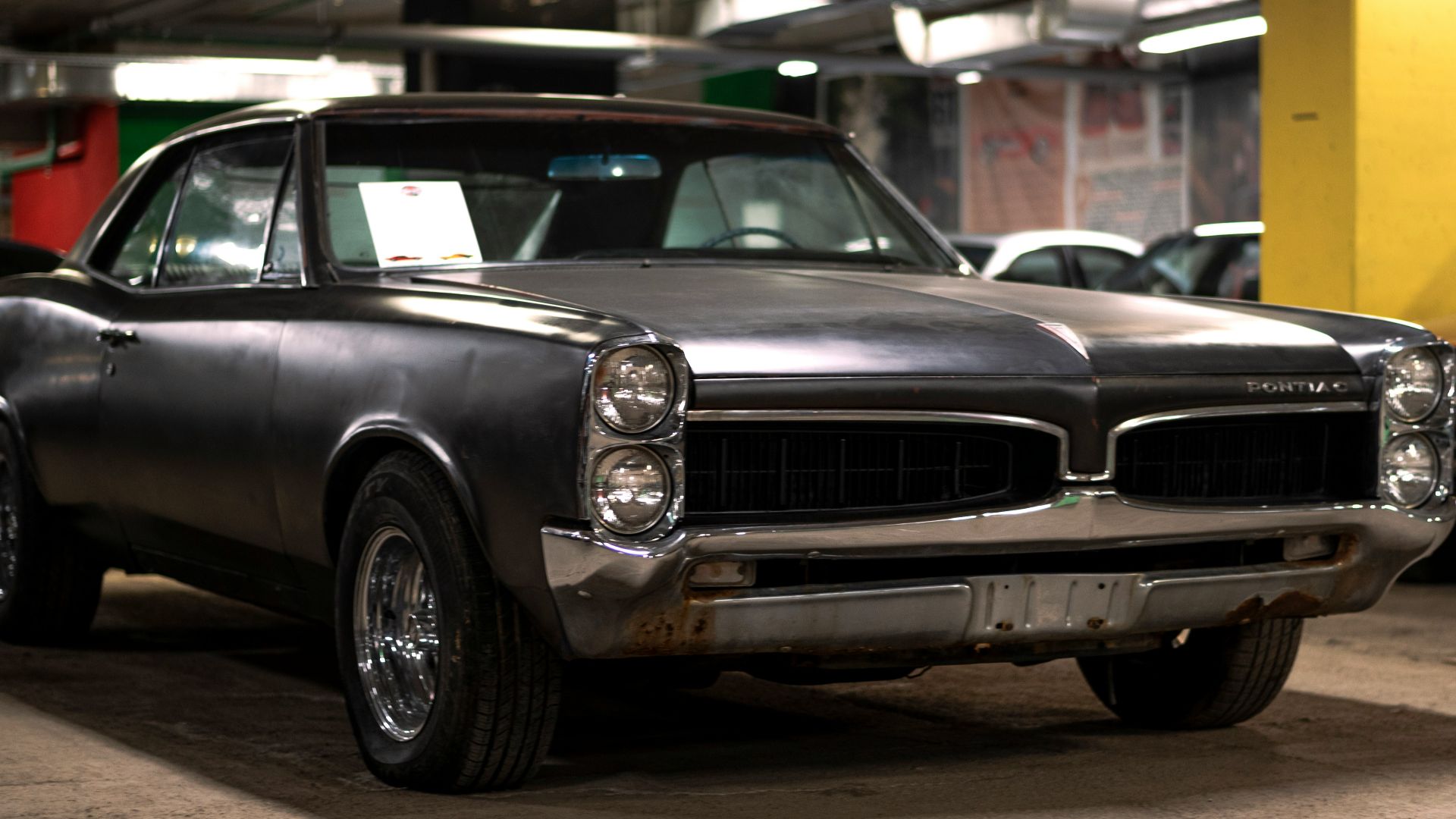
Pontiac was once one of General Motors' most recognizable performance-oriented brands, with vehicles like the GTO, Firebird, and Trans Am attracting enthusiastic buyers. It developed a reputation for aggressive styling and affordable performance that helped distinguish it from other mainstream American manufacturers. However, years of overlapping models and corporate decisions gradually weakened its identity, and General Motors discontinued the brand in 2010. The loss of Pontiac meant the disappearance of a name that had played a major role in American muscle car culture.
 Vitali Adutskevich on Unsplash
14. Mercury Became Too Similar to Ford
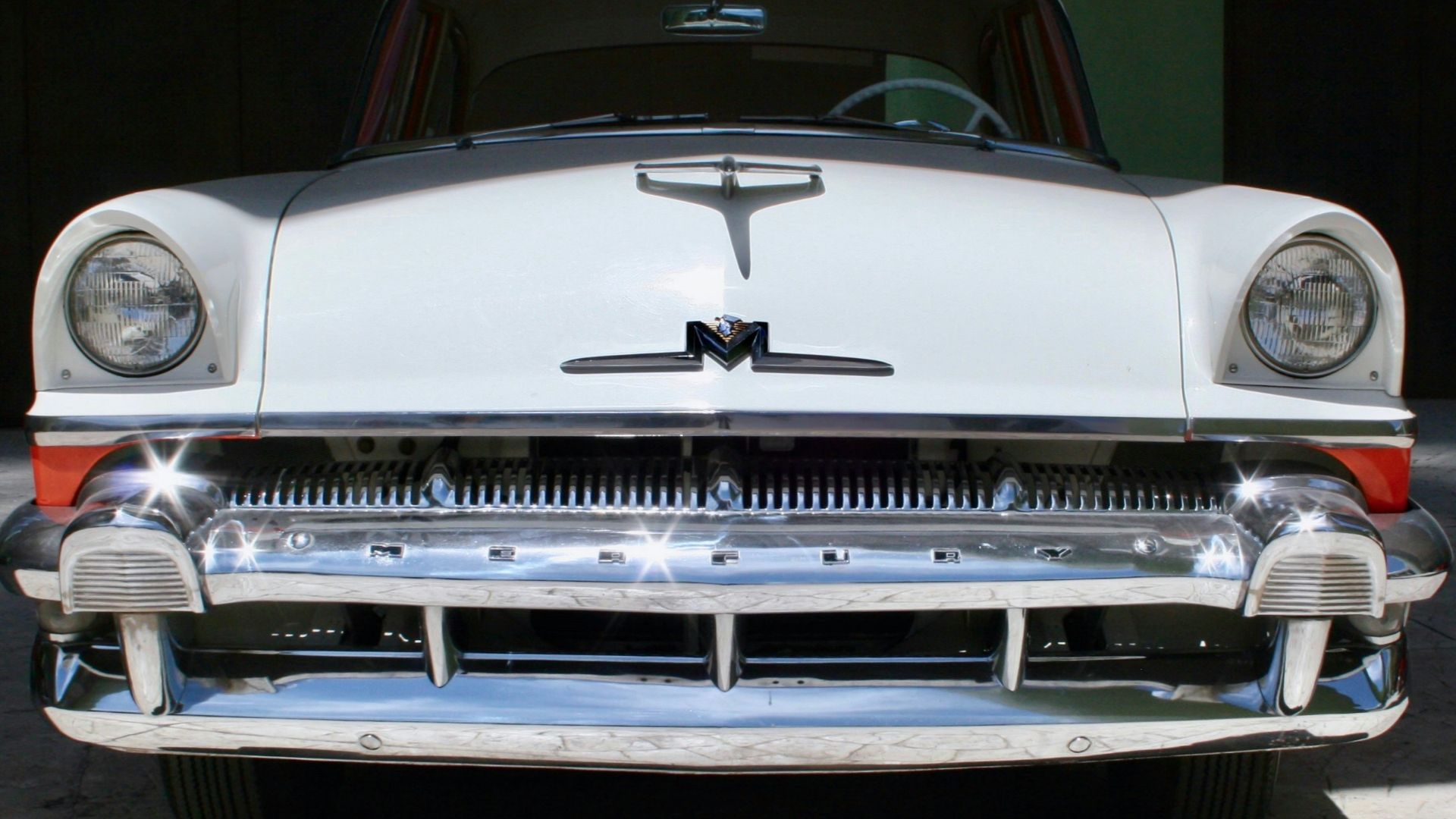
Mercury was originally intended to occupy a space between mainstream Ford vehicles and more expensive Lincoln models. Its cars sometimes offered distinctive styling and additional comfort features, giving customers a reason to choose them over their Ford equivalents. Over the years, however, many Mercury models became increasingly similar to vehicles already available elsewhere in the Ford lineup. With declining sales and limited product differentiation, Ford discontinued the brand in 2010, ending a nameplate that had been part of American automotive history since 1938.
15. Saturn Lost Its Original Customer-Friendly Mission
Saturn was created with a brief to produce customer-centric cars at sensible prices, which was a fresh approach to selling cars from a large U.S. car group – General Motors. It sold cars at fixed prices and utilized a special lightweight polymer that resisted dings and scratches on its bodywork. General Motors discontinued Saturn in 2010, leaving many early customers disappointed that its original approach never received a lasting commitment.

16. Scion Lost Its Youthful Appeal
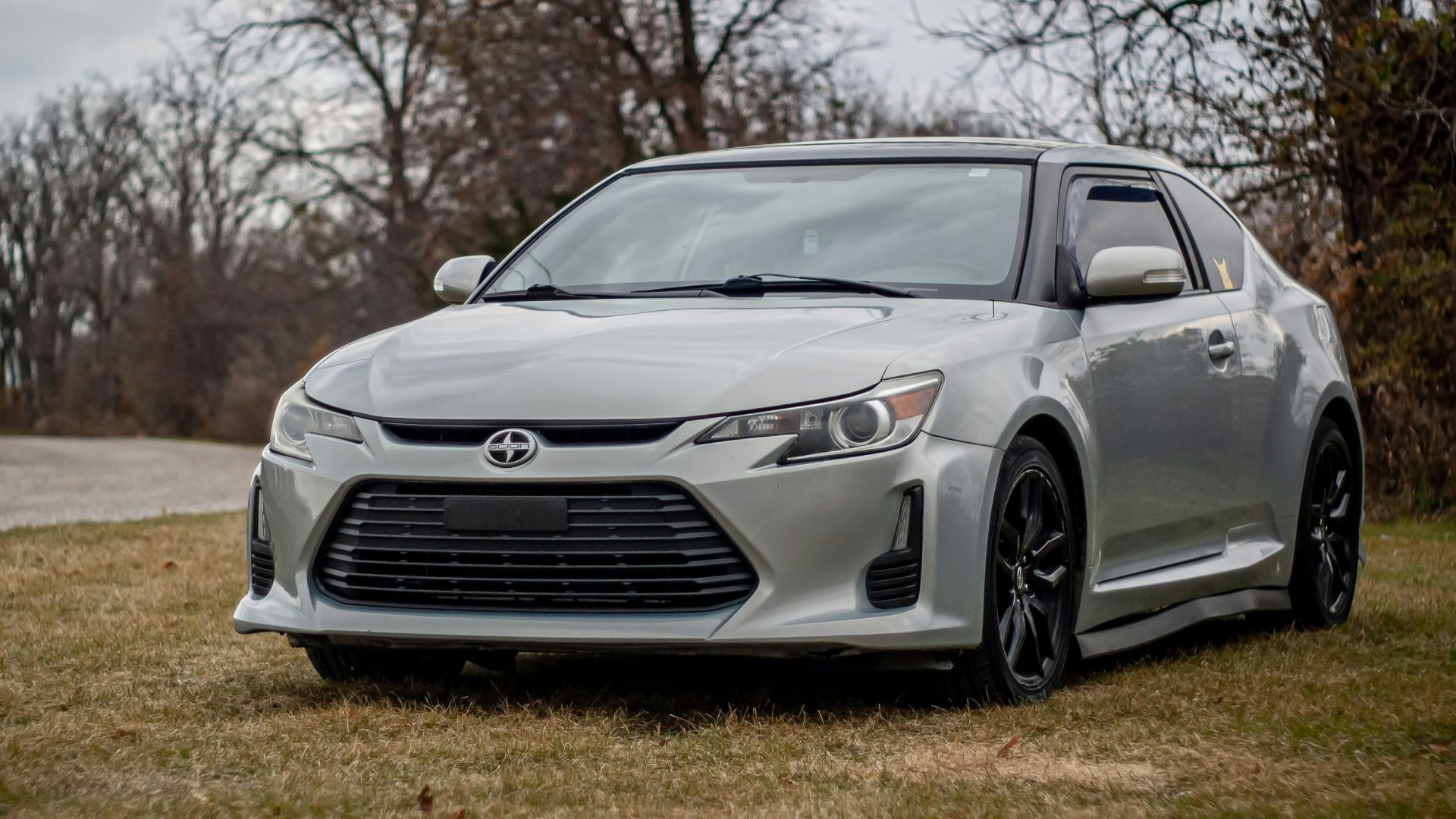
Scion sought to fill a void in the market for entry-level, sporty, and stylish vehicles aimed at younger demographics. This was carried out successfully for some of its offerings, most noticeably with the boxy xB and the FR-S. It became harder to distinguish from Toyotas over time and was eventually discontinued in 2016, but has lived on with a few of its better-known models under the Toyota label.
17. Lotus Became Less Focused on Lightweight Simplicity
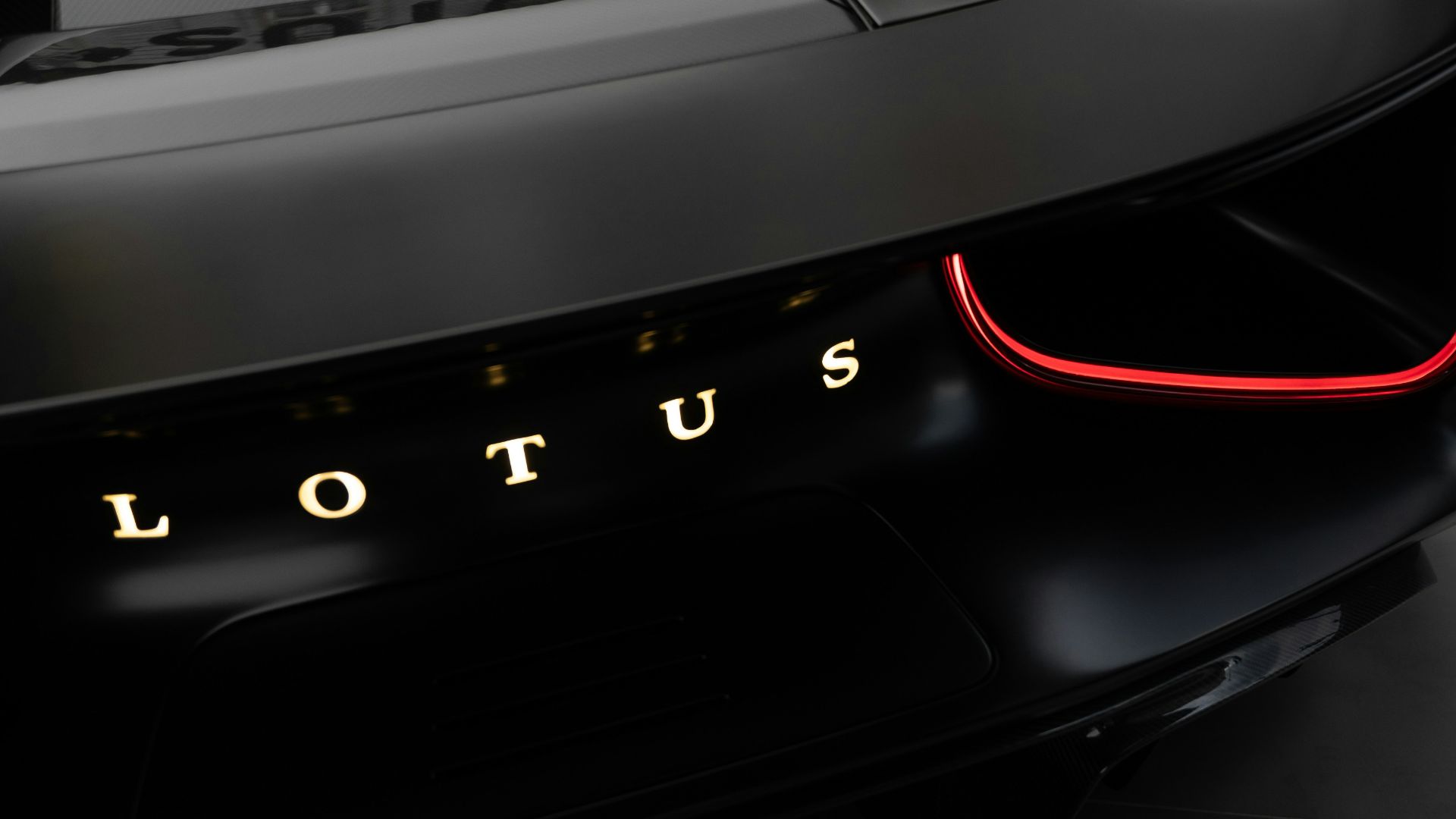
Lotus established a reputation for building small and very light sports cars that were fun to drive and could out-turn their rivals despite a lack of significant power or excess on board. The Elise/Exige are good examples of this philosophy and earned a loyal customer base as a result. The engineering ambition remains impressive, but some longtime fans worry that the company's original lightweight philosophy is becoming less central to its future.
18. Alfa Romeo Lost Its Consistency
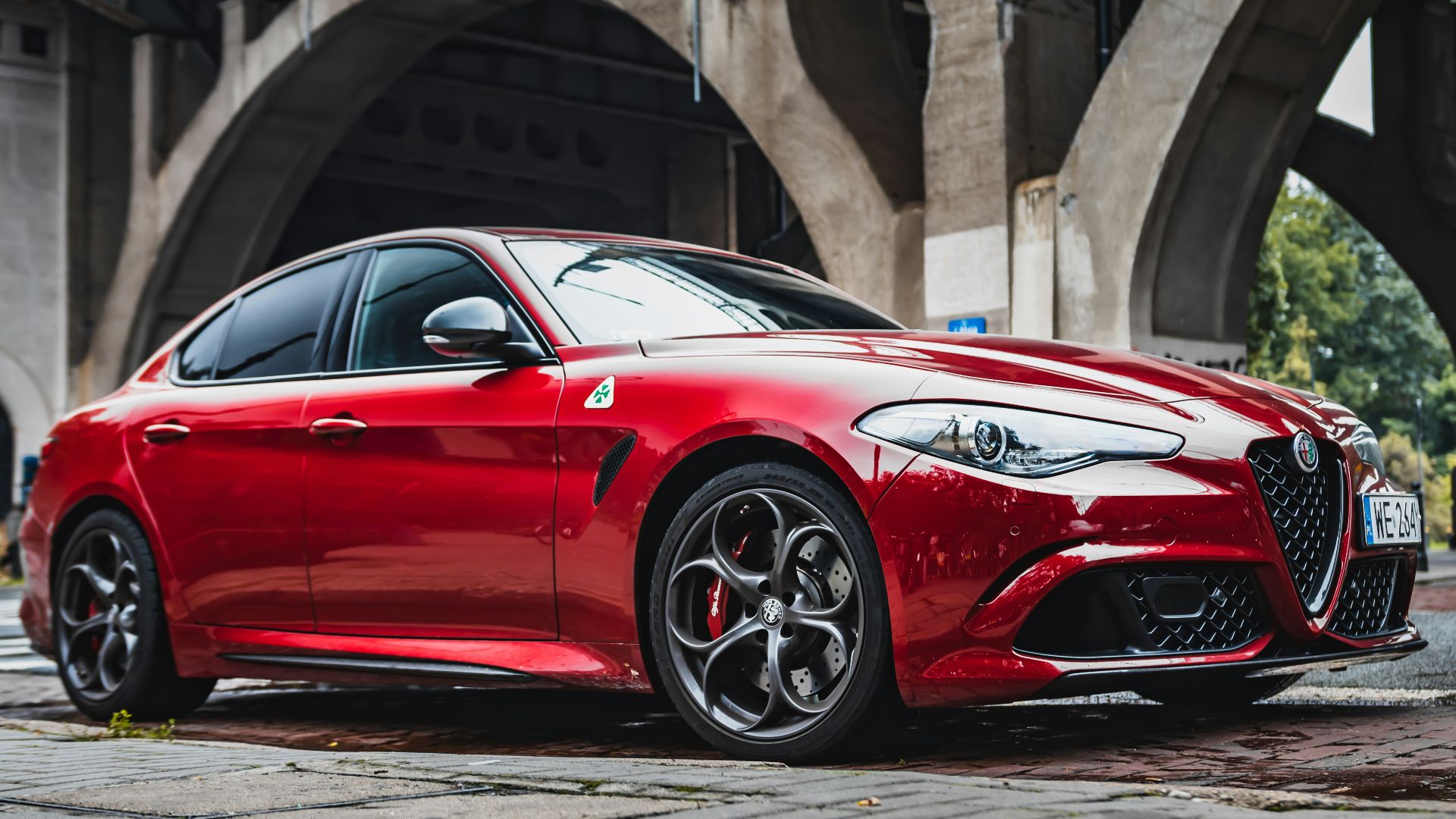
There will always be an element of emotion associated with Alfa Romeo's design and engineering. It produced a string of good sports cars in the past (see Spider and GTV) that garnered an emotional response from its drivers, but has not always managed to live up to this standard. Quality control and after-sales service in particular have been criticized in the U.S., alongside an inconsistent lineup of cars to choose from.
19. Jeep Lost Some of Its Affordable Off-Road Appeal
Jeeps built their name on being go-anywhere vehicles without the need for an extensive range of technology and luxuries to be able to accomplish their tasks. The (now out-of-production) CJs and the first generations of Wrangler were well-loved by their owners. Jeep's newer models are now far more expensive to buy and run than their predecessors and sit further upmarket, though the Wrangler can still be enjoyed on the trails.

20. Nissan Lost Some of Its Engineering Ambition
Nissan built a strong base of enthusiast followers in the past with its production of performance-oriented road cars (Skyline GT-R, 300ZX, Z...). It also contributed to technology for the mass market, but struggles to excite and produce new technology since falling on hard times. Its current lineup of predominantly crossovers has left some feeling that Nissan no longer aspires to develop products of its former standard.
 Samithu Siriwardana on Unsplash