
The First Few Days Matter
Buying a car is exciting, but before you hop in and start the engine, there are several things you'll need to settle first. Between finalizing the paperwork and giving the vehicle a thorough inspection, a few basic setup tasks can prevent headaches later down the road. No matter if your car is brand-new or used, here are 20 things you should do for hassle-free ownership.

1. Make Sure You've Got Insurance
Before you even think about getting in your new car, you'll want to make sure that your insurance policy has been updated and is active. Once all the necessary paperwork has been handled, keep proof of the documents somewhere you can access quickly, such as your glove compartment.

2. Handle the Registration and Title
Insurance isn't the only paperwork you'll need to complete, though. If you're buying from a dealership, they'll often take care of a lot of the behind-the-scenes process for you, but you should still double-check that nothing has been overlooked. Make sure the vehicle is properly registered and that any ownership or title paperwork has been completed according to local requirements.

3. Flip Through the Owner's Manual
The owner's manual might be several hundred pages long, but it'll do you well to flip through it in the first few days. After all, it'll probably answer many questions you didn't know you had. First things first, you should look up recommended fuel, tire pressures, maintenance intervals, and other important operating instructions that'll help you get better situated.
4. Check the Fluids
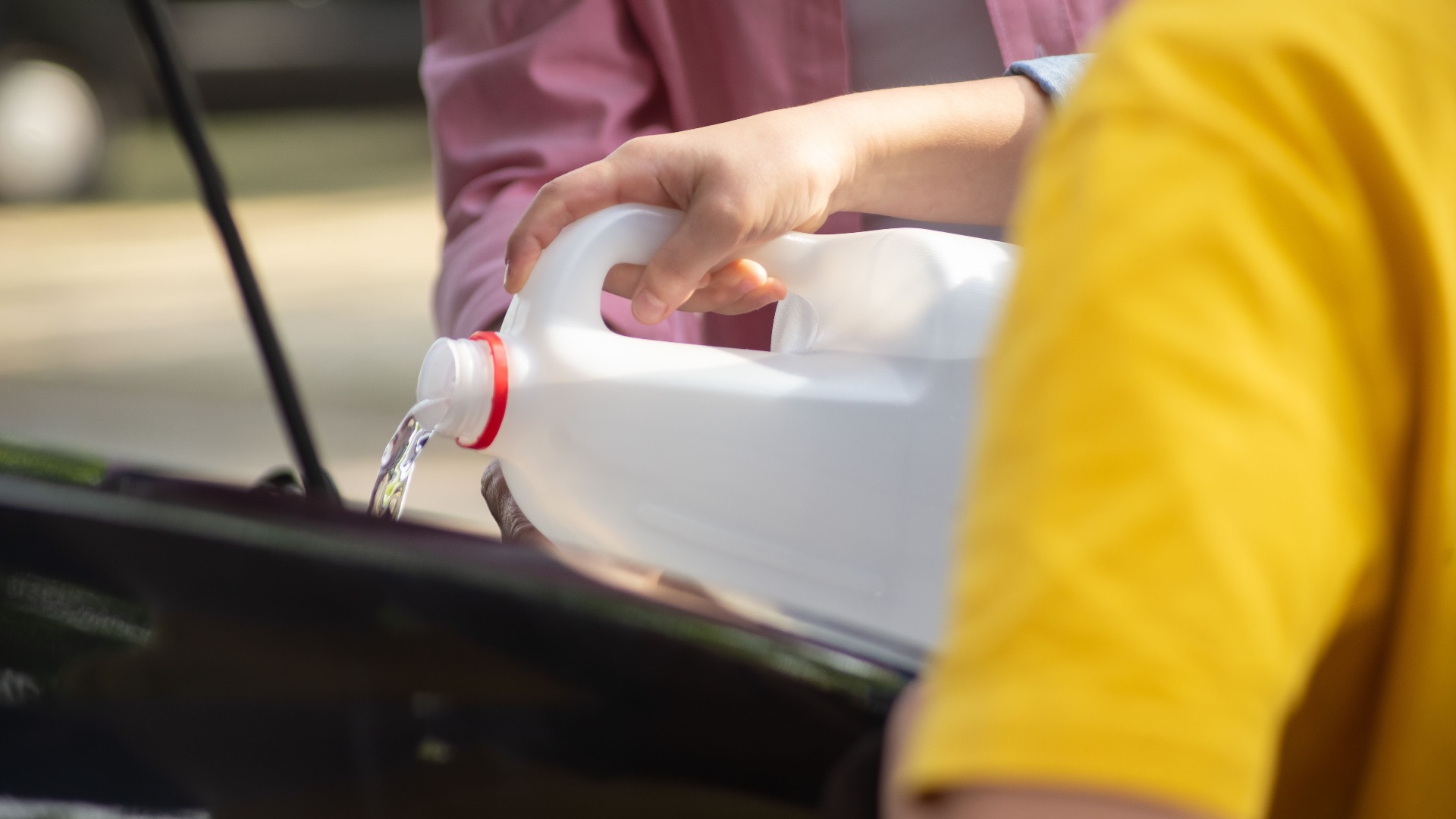
A new vehicle should arrive properly serviced, but there's no harm in confirming that important fluid levels look right. If you're buying a used car, however, you'll want to do a much more thorough check. Unusual colors or abnormally low levels might give you an early warning sign, too.
5. Inspect the Tires
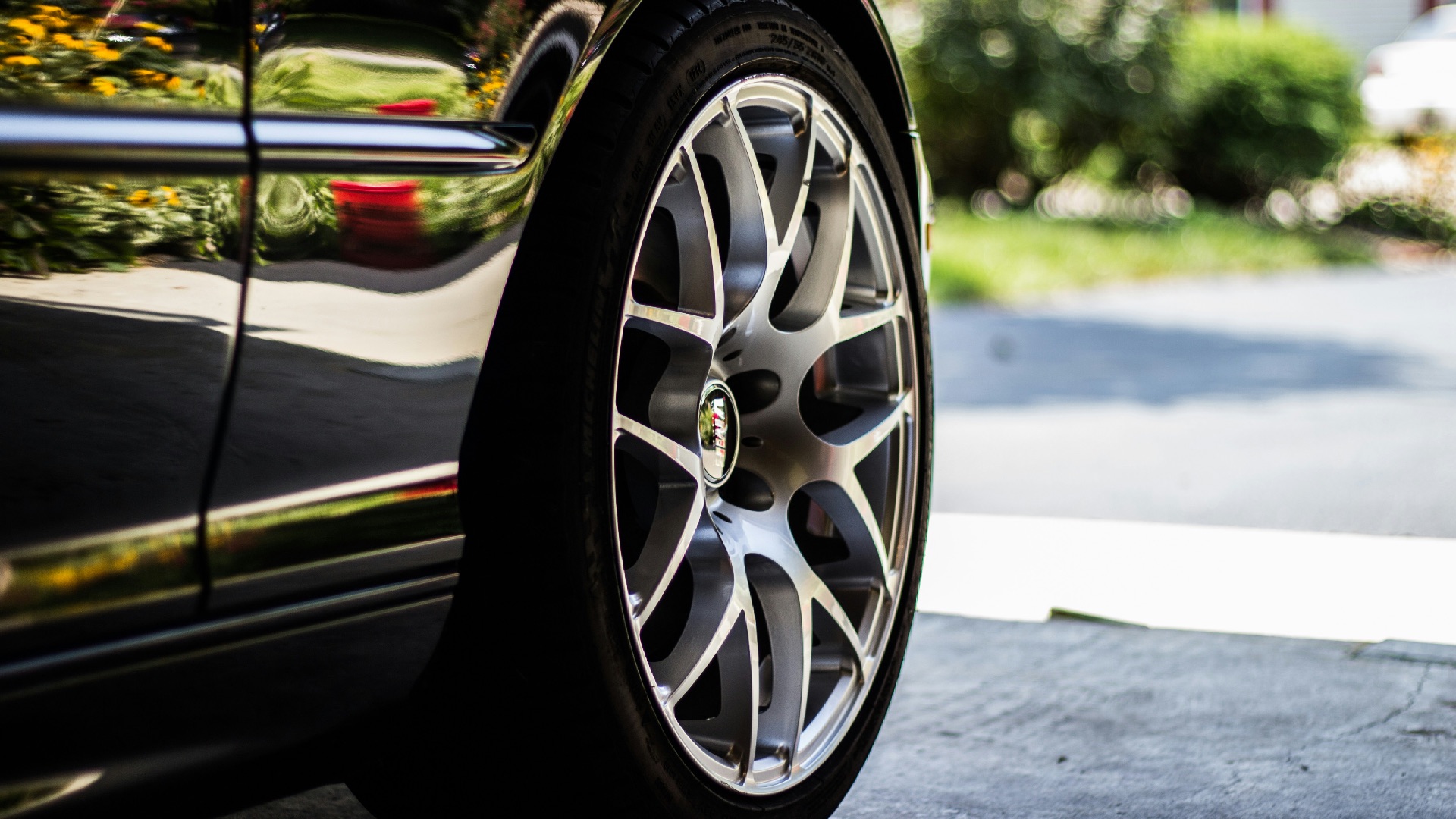
Instead of only judging your tires by their appearance from far away, inspect them up close. More specifically, you'll want to confirm that they're properly inflated, have adequate tread, and don't show signs of uneven wear.
6. Schedule a Used-Car Inspection
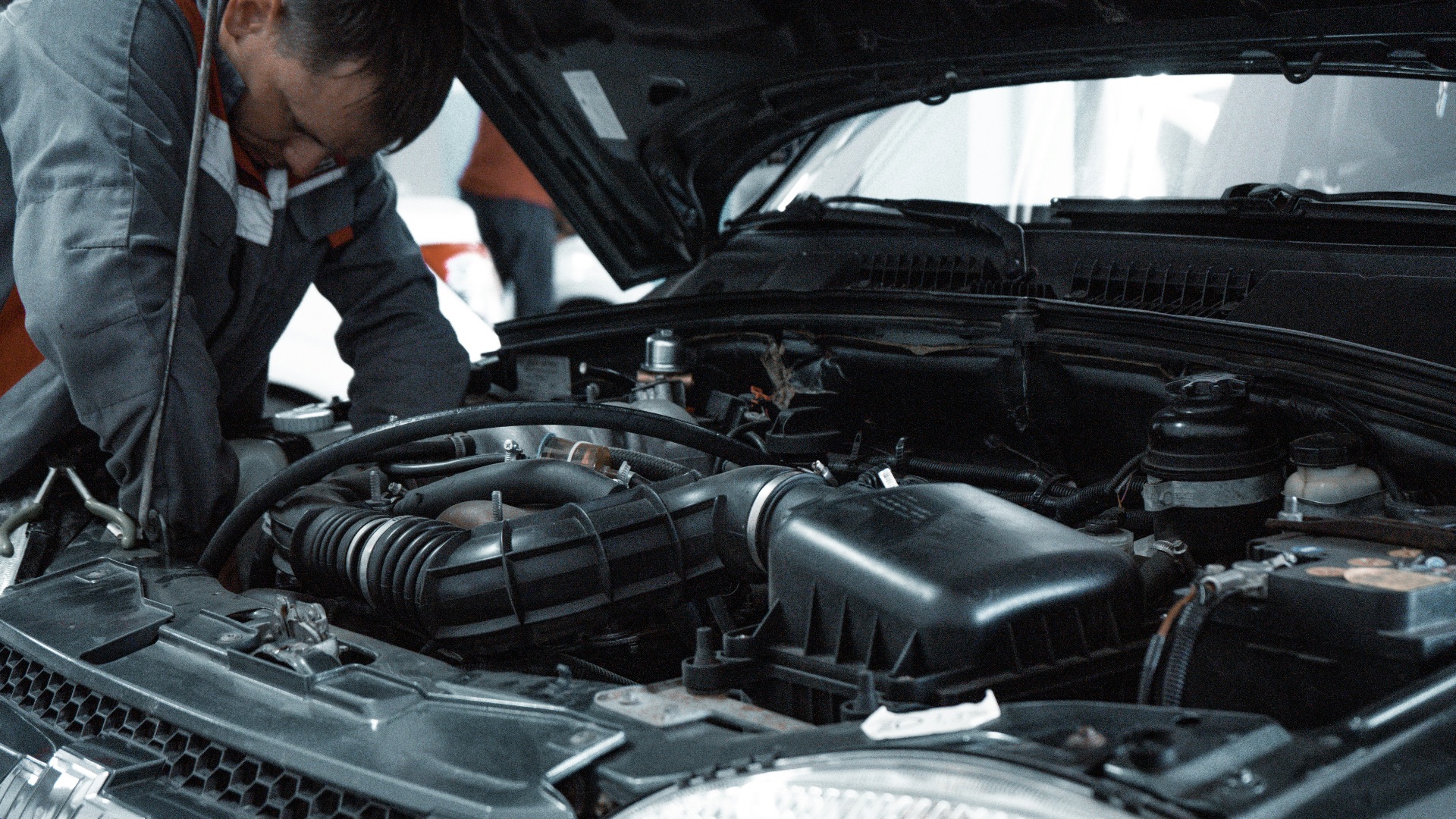
Even if you had the vehicle checked prior to purchasing it, it's still a good idea to do a post-purchase inspection so you have a useful baseline for future maintenance. Plus, if you bought the car with a return period or short dealer warranty, it'll be smart to scope out any problems early.
7. Save All Your Purchase Documents
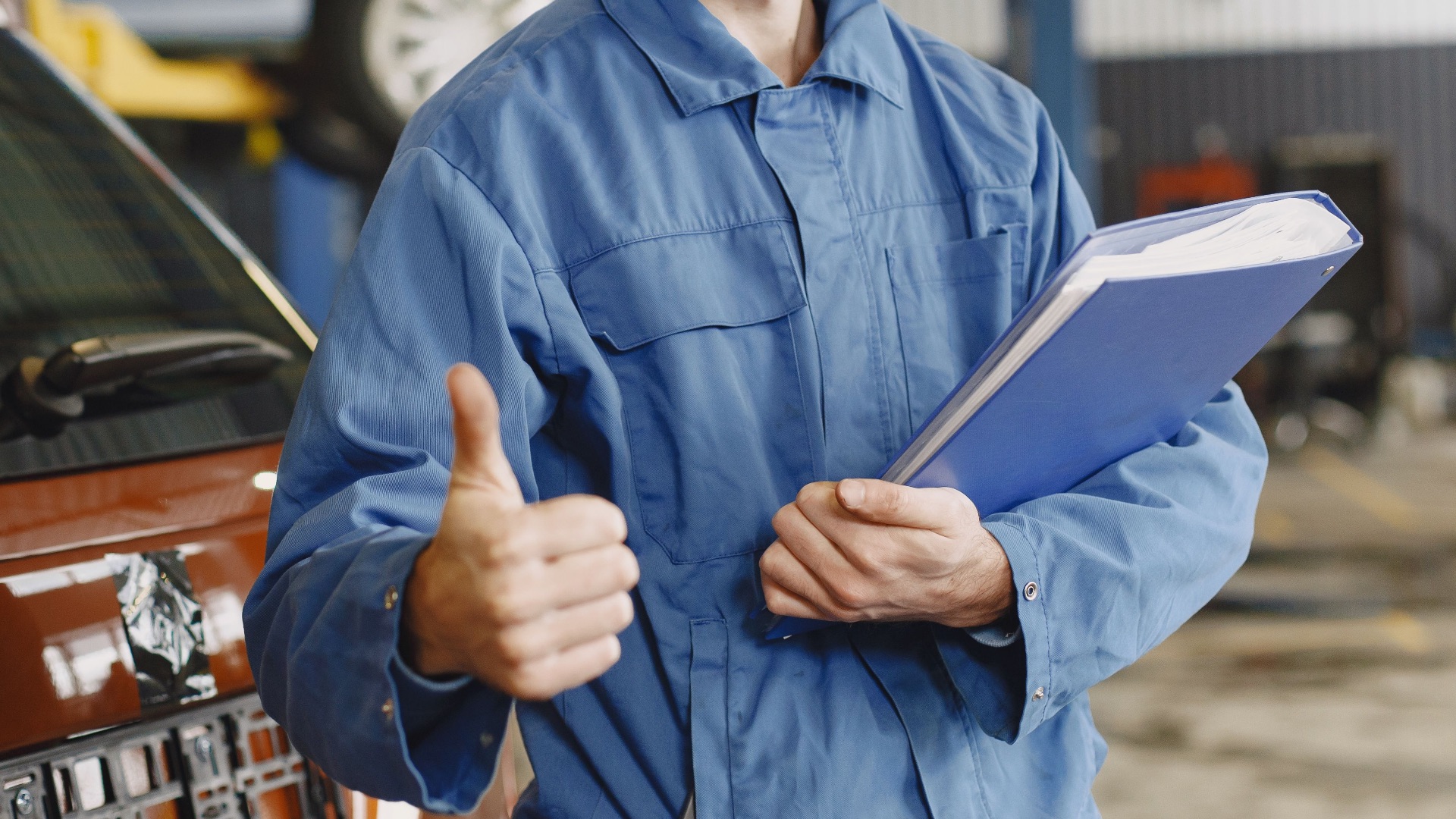
Don't simply set your important paperwork somewhere and forget it—you'll want to save it in a special folder, then store in a secure place. Digital copies are useful too; that way, if the originals ever get lost or damaged, you'll have a backup.
8. Learn What the Warranty Actually Covers
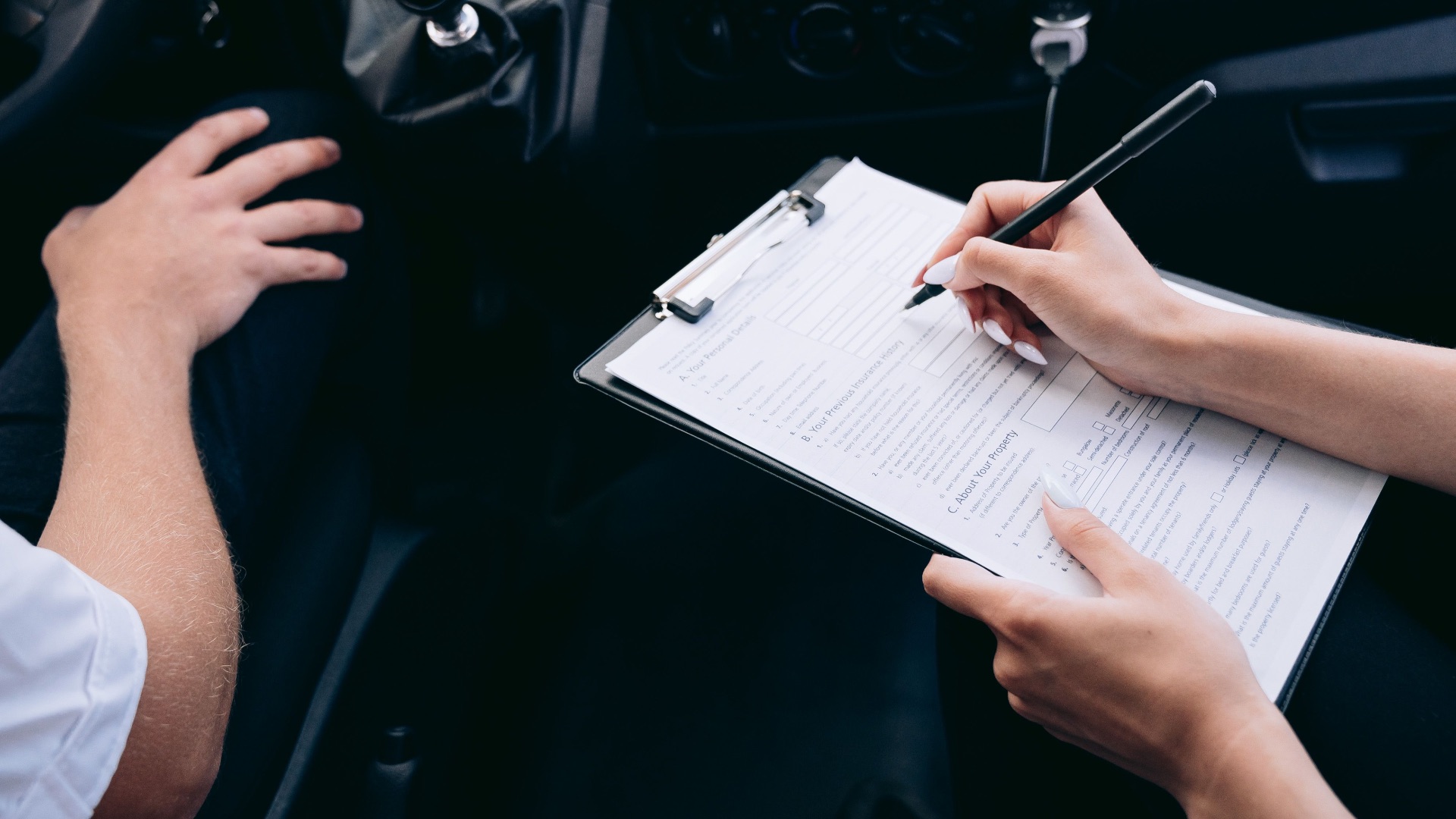
Don't just assume your warranty covers everything. Always read the terms closely to understand what your limitations are and which components are covered. If you have separate warranties, it'll also be smart to keep track of each one separately.
9. Change the Oil if Its History Is Unclear
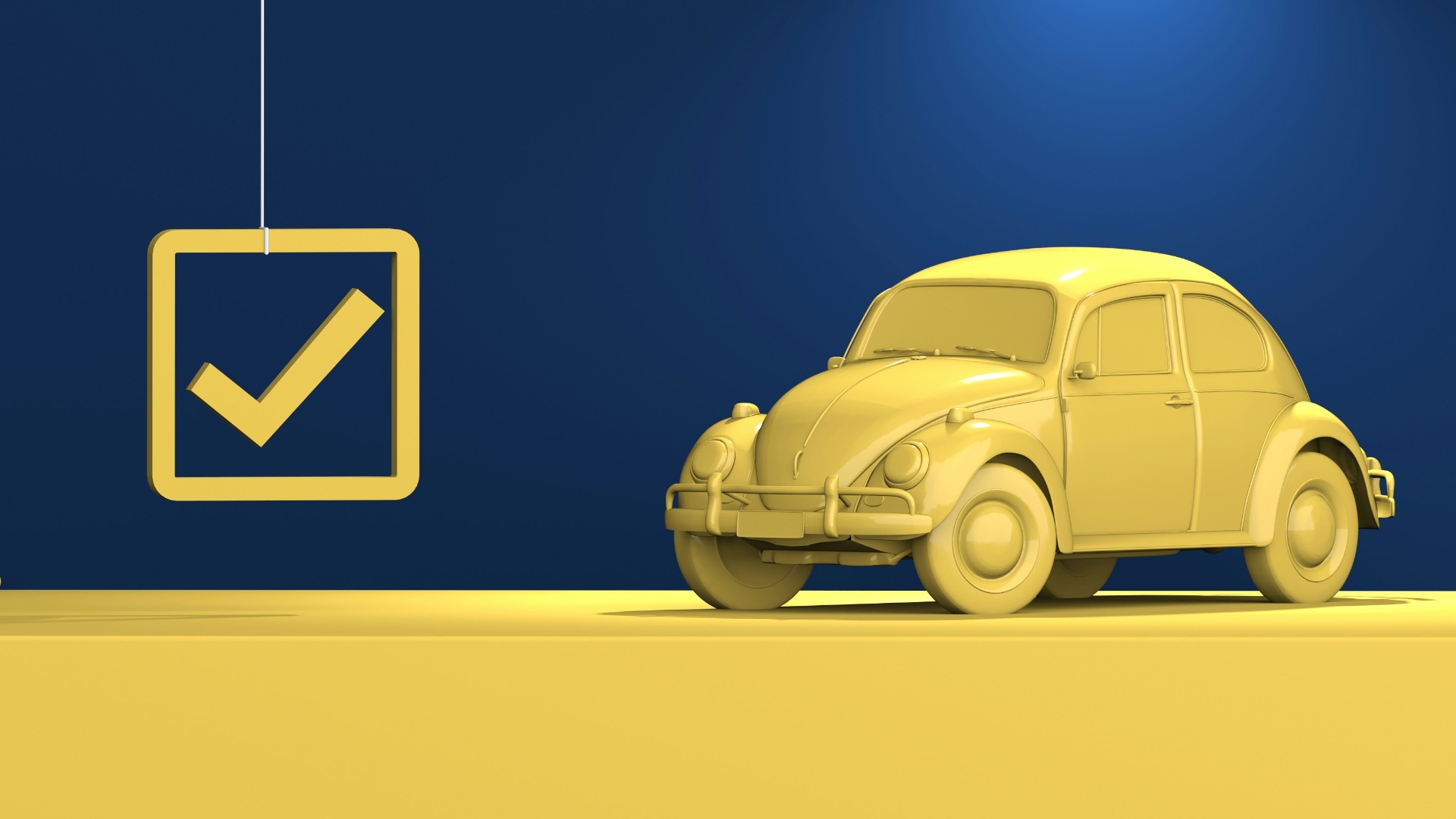
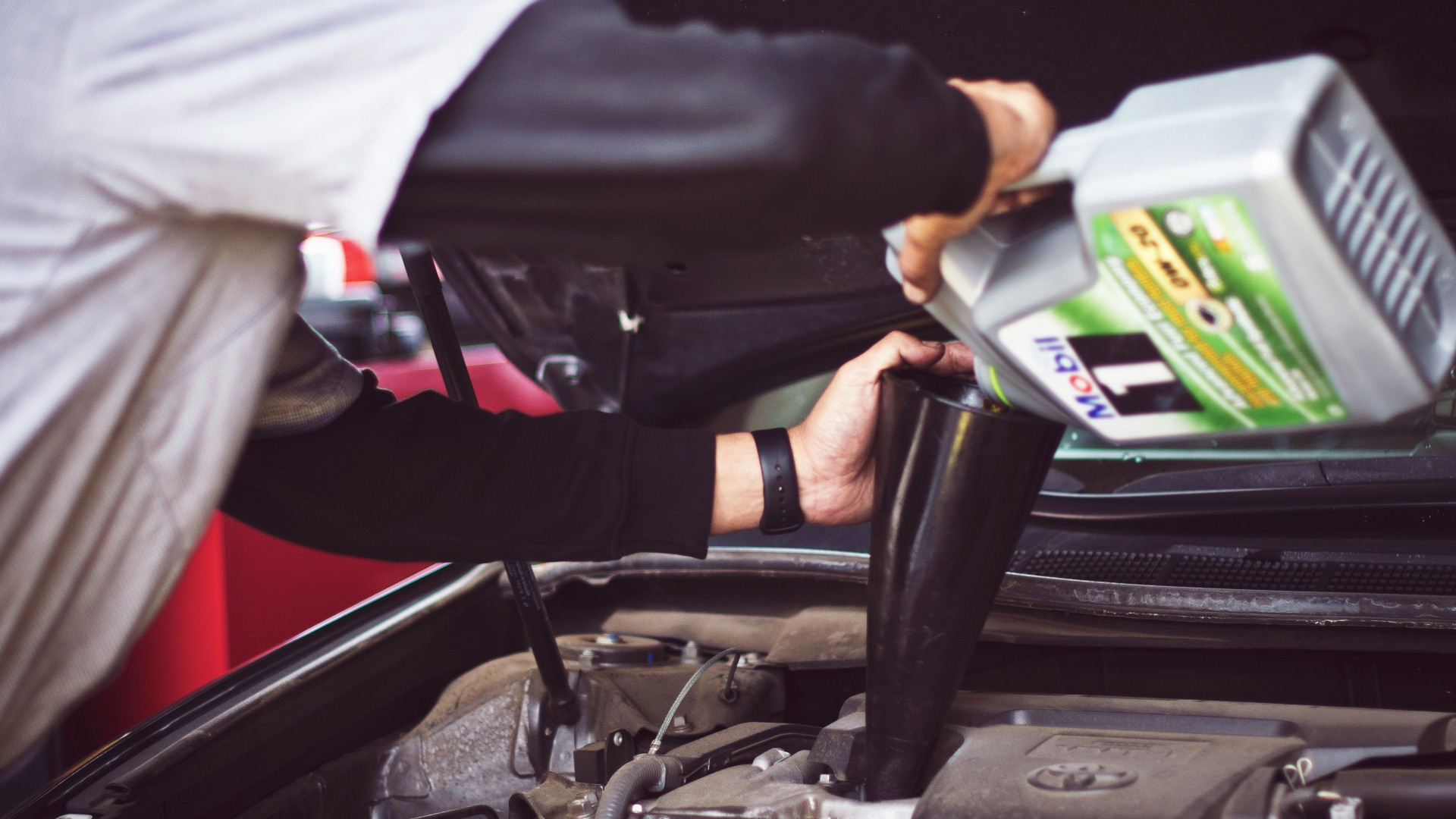
You probably shouldn't be buying a used car with an unreliable maintenance record anyway, but if the damage is already done, getting an early oil change is a good starting point. Afterwards, record the date and mileage so your future maintenance schedule has accurate information.
10. Set Up Your Driving Position Properly
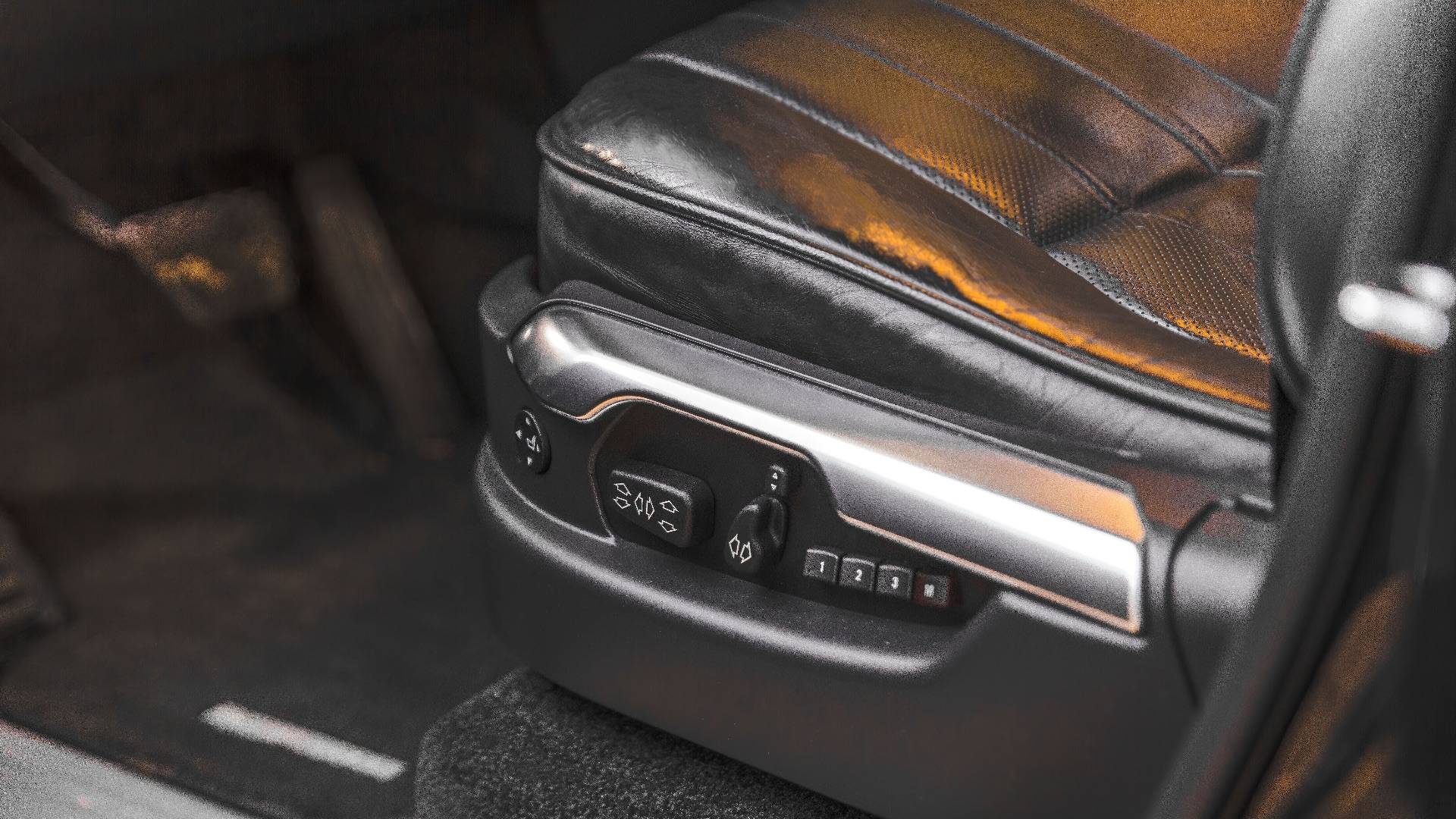
In your excitement, you might just hop in the car and go! But before you take your new ride for a spin, make sure to adjust your driving position properly. A good rule of thumb: you should be able to reach the pedals and controls comfortably while maintaining good visibility around the vehicle.
11. Pair Your Phone to the System
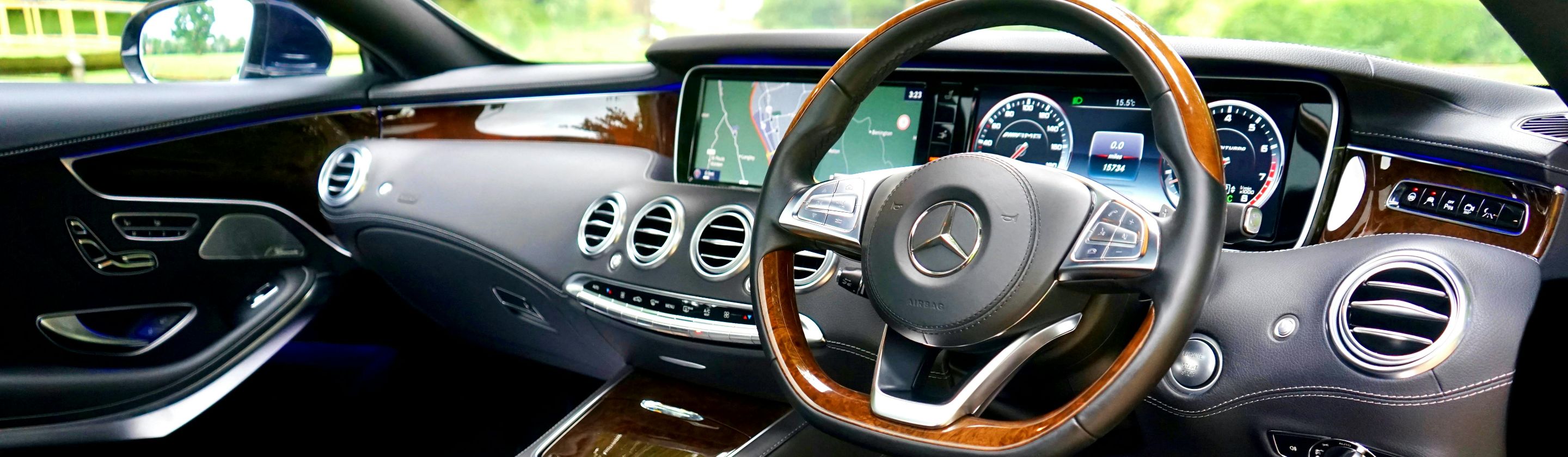
Have a fancy new infotainment system? Connect your phone to it to set up Bluetooth, navigation preferences, music, and any other essentials needed to personalize your ride. If more than one person will be driving your car, create a new profile for each.
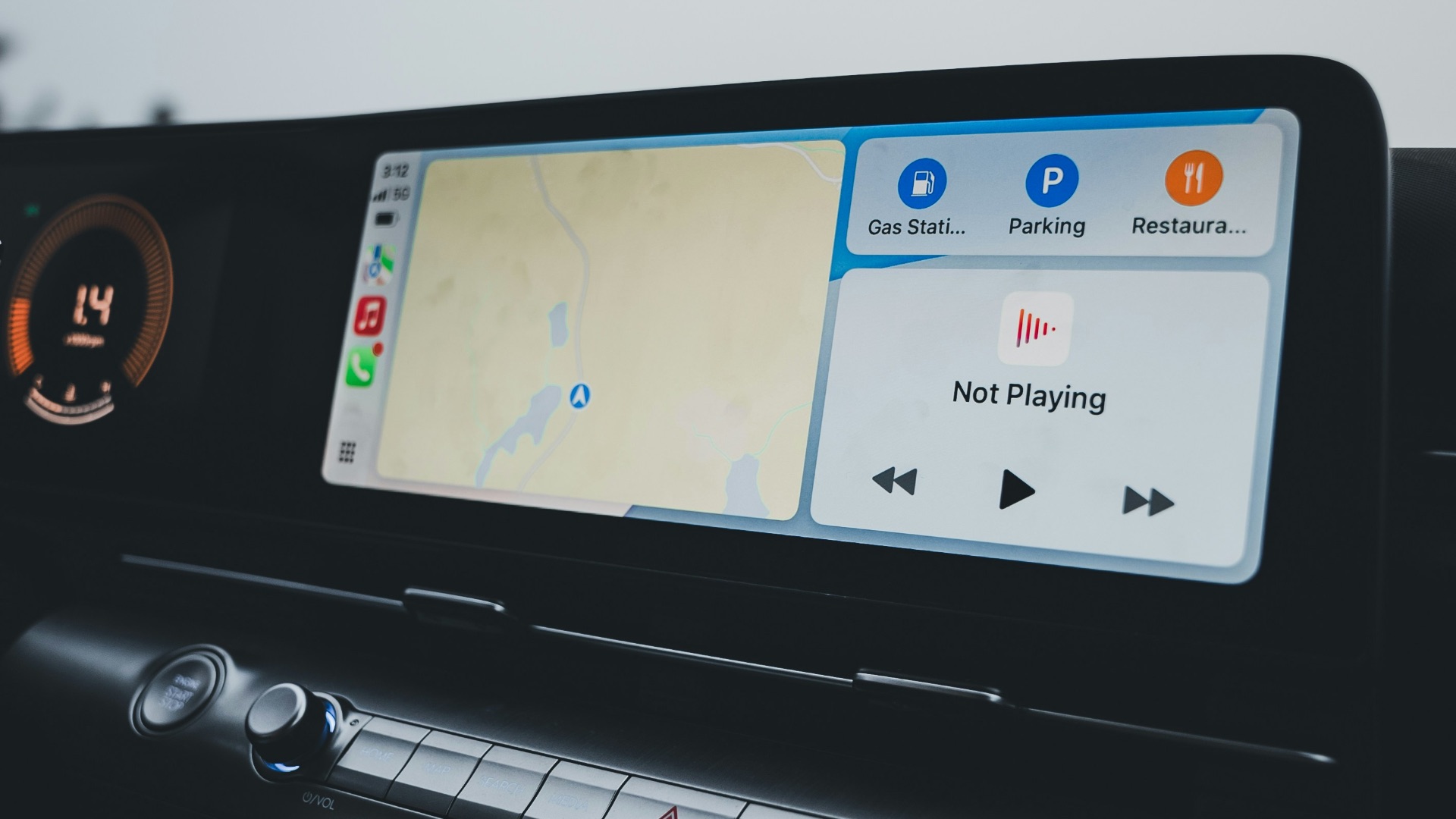
12. Reset the Previous Owner's Personal Data
Your used car might come looking rinsed of all traces of previous ownership, but it can still retain surprising amounts of information from the people who have handled it before, including saved addresses, navigation history, and even garage-door settings. If it wasn't done already for you, perform a factory reset on the infotainment system so you can configure it from scratch.
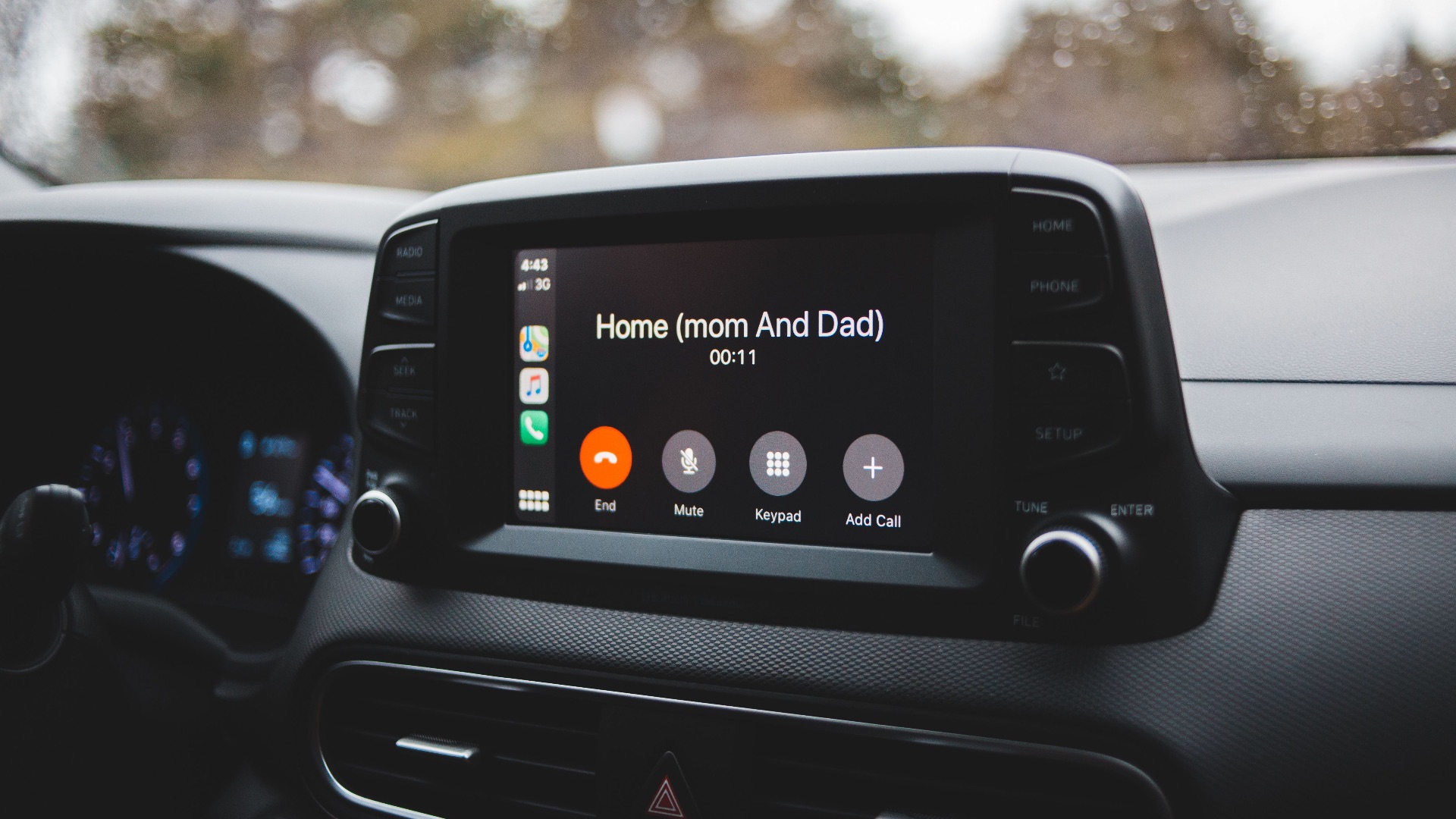
13. Change the Keyless-Entry Settings
Never used a keyless entry system before? If your new car comes equipped with this feature, spend a few minutes learning exactly how your locks, key fob, and remote start behave. Some cars allow different options, so customizing these settings can help improve both your convenience and security.
14. Check for Open Recalls
Your new car might look fine and dandy, but you'll still want to look up your vehicle's VIN to see whether there are any outstanding safety recalls. Even if you've bought yours from a dealership, bear in mind that some recalls might have been announced more recently, so you should still have yours checked.

15. Create a Maintenance Schedule
Once you've gained a thorough idea of your vehicle's current condition, note down any major maintenance intervals. Since different tasks may follow different mileage or time schedules, you may find it easier to set up calendar reminders instead.
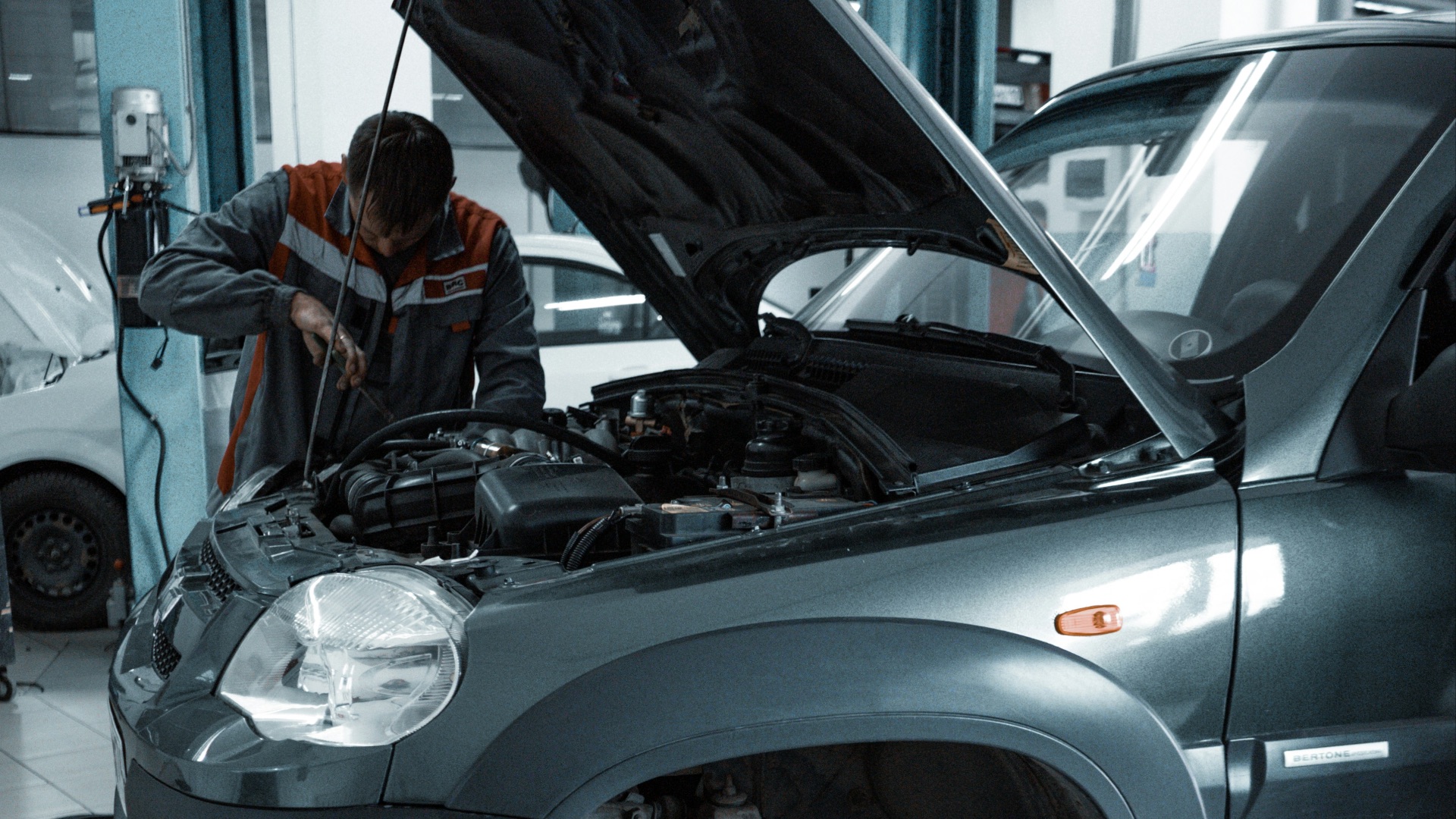
16. Put Together an Emergency Kit
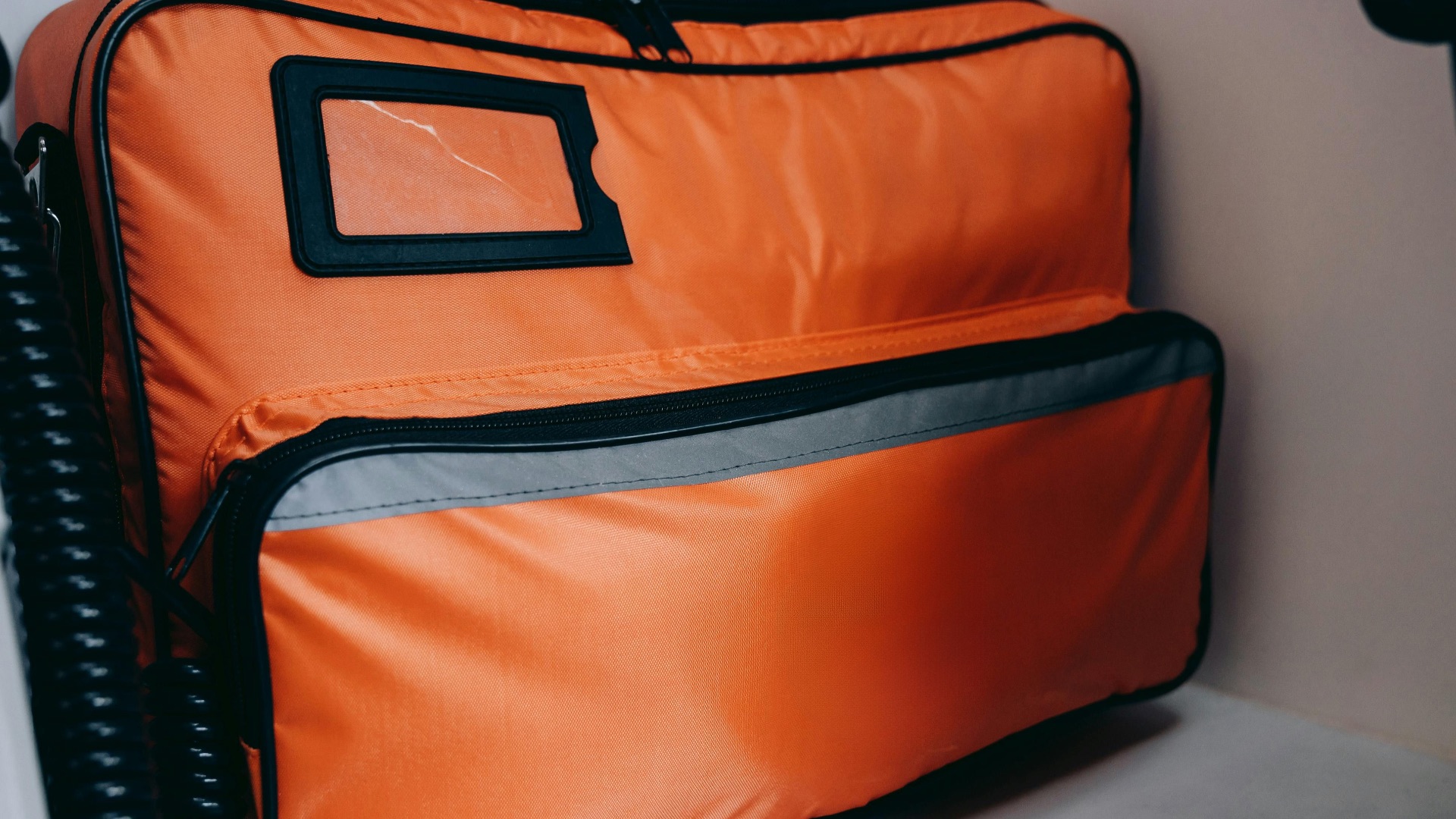
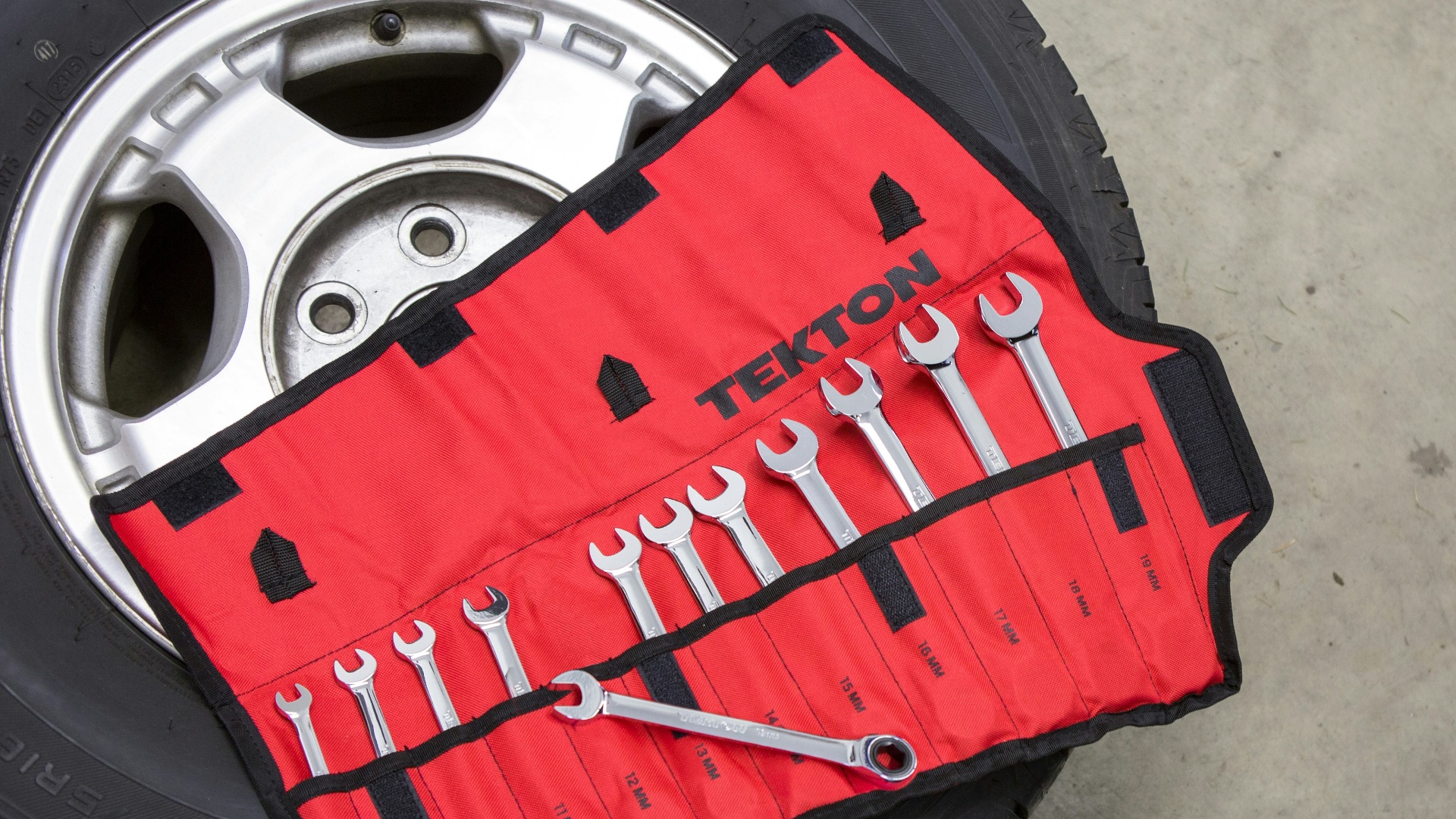
If you don't already have an emergency kit put together, make sure you start now. A few basic supplies can go a surprisingly long way, and you never want to be left stranded with no supplies on hand when the unexpected happens. Consider keeping items such as a flashlight, first-aid supplies, reflective markers, jumper cables, and other basic tools.
17. Learn How to Use the Spare or Repair Kit
Check first whether your vehicle already includes a spare kit or another temporary repair system. If it does, your next task is making sure you understand both your car and these repair tools completely, so you're never in a pickle when the time comes to actually use them.
18. Take Photos of the Car
While your car is still fresh from the purchase, take photos. Photograph the exterior, interior, wheels, windshield, and other major areas—this way, you'll have a record of its condition that'll serve as evidence if there's ever a later insurance claim or any disagreements over damage. For used cars especially, you'll want to document existing scratches and dents.
 Volodymyr Dobrovolskyy on Unsplash
19. Learn the Dashboard Warning Lights
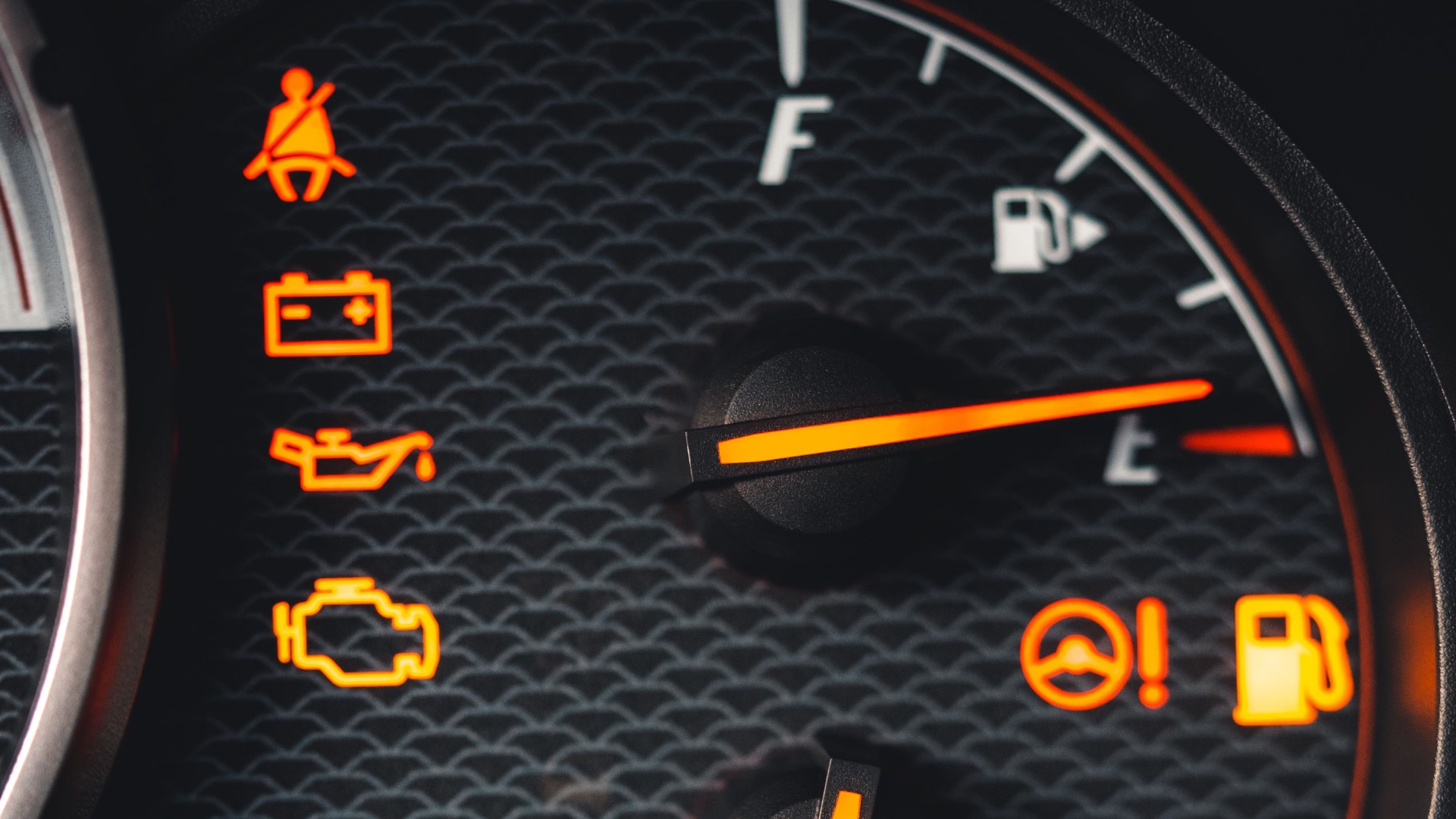
Not all dashboards are the same, and moreover, not all of them require the same response. With that said, you should ensure you're familiar with all the colors and symbols, so you'll understand which warnings mean what and which will require you to stop immediately whenever they appear.
20. Take a Familiarization Drive
Now that you've got yourself properly situated, it's finally time for your first drive. If you're coming from a much older car or one with different features, you'll want to pay special attention to how that changes your handling of it. By the end of a few short trips, you'll be off to the races!